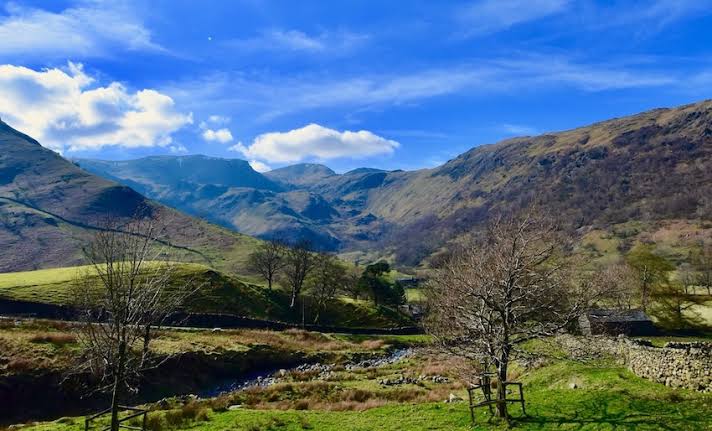
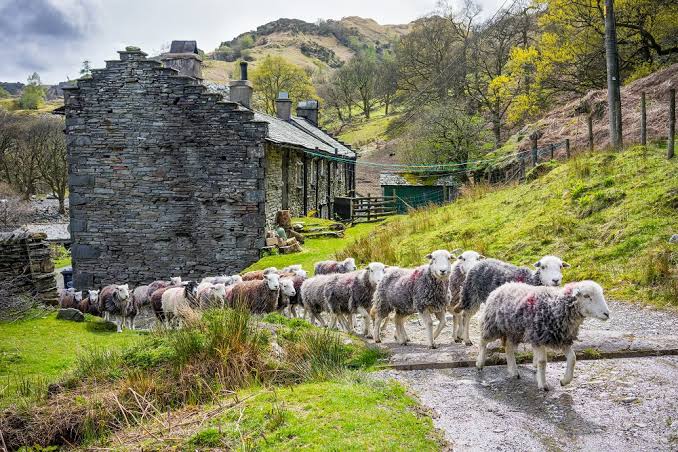
We proceeded through the Lake Country, more sheep! This part of Enlgiand has a National Park with 16 lakes and is the wettest part of England. It also is home to The Lakeland Fells, England’s only mountain range. The Lake District was the home to many of the Romantic Poets as well as Beatrix Potter
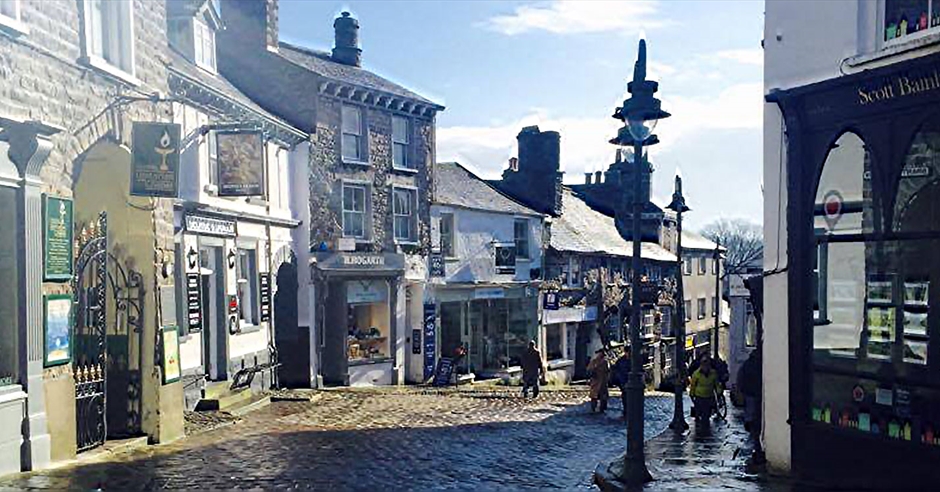
Kendal is the gateway to the Lake Country and is famous for Kendal Mint Cake. Its nickname of ‘Auld Grey Town comes from the distinctive limestone used in so many of its buildings. Grey may be the dominant color here. The famous ‘Kendal Green’ is one of several Kendal cottons produced in the workshops.
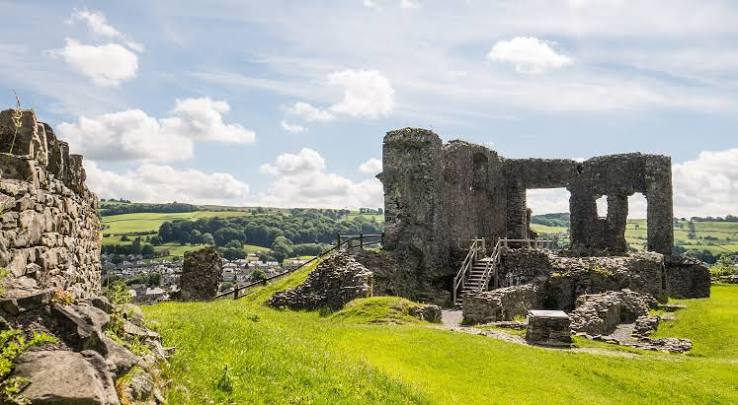
Kendal’s origins date back to the 8th century, when the monastic settlement of Kirkland was established near a crossing point over the River Kent. William II, the third son of William the Conqueror, created the Barony of Kendal toward the end of the 11th century to secure his northern territories: the first castle, a wooden motte and bailey, was erected at Castle Howe but later replaced by stone-built Kendal Castle on the opposite side of the river.
Medieval Kendal was built around a high street lined on both sides by alleyways known as burgage plots. Over time these plots became industrial ‘yards,’ full of workshops for weaving, dyeing, shearing, dry-salting and tanning. Kendal soon became a major centre for the wool trade, which explains its Latin motto – Pannus mihi panis – or ‘wool is my bread,’ and the tenter hooks on the Kendal coat-of-arms.
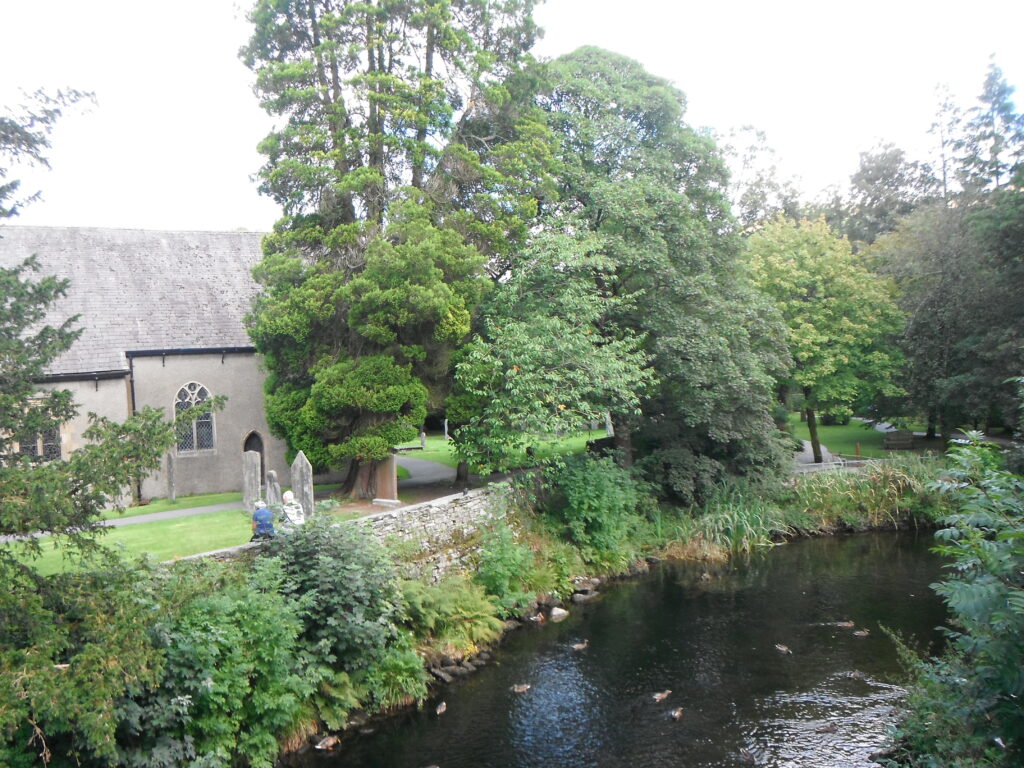
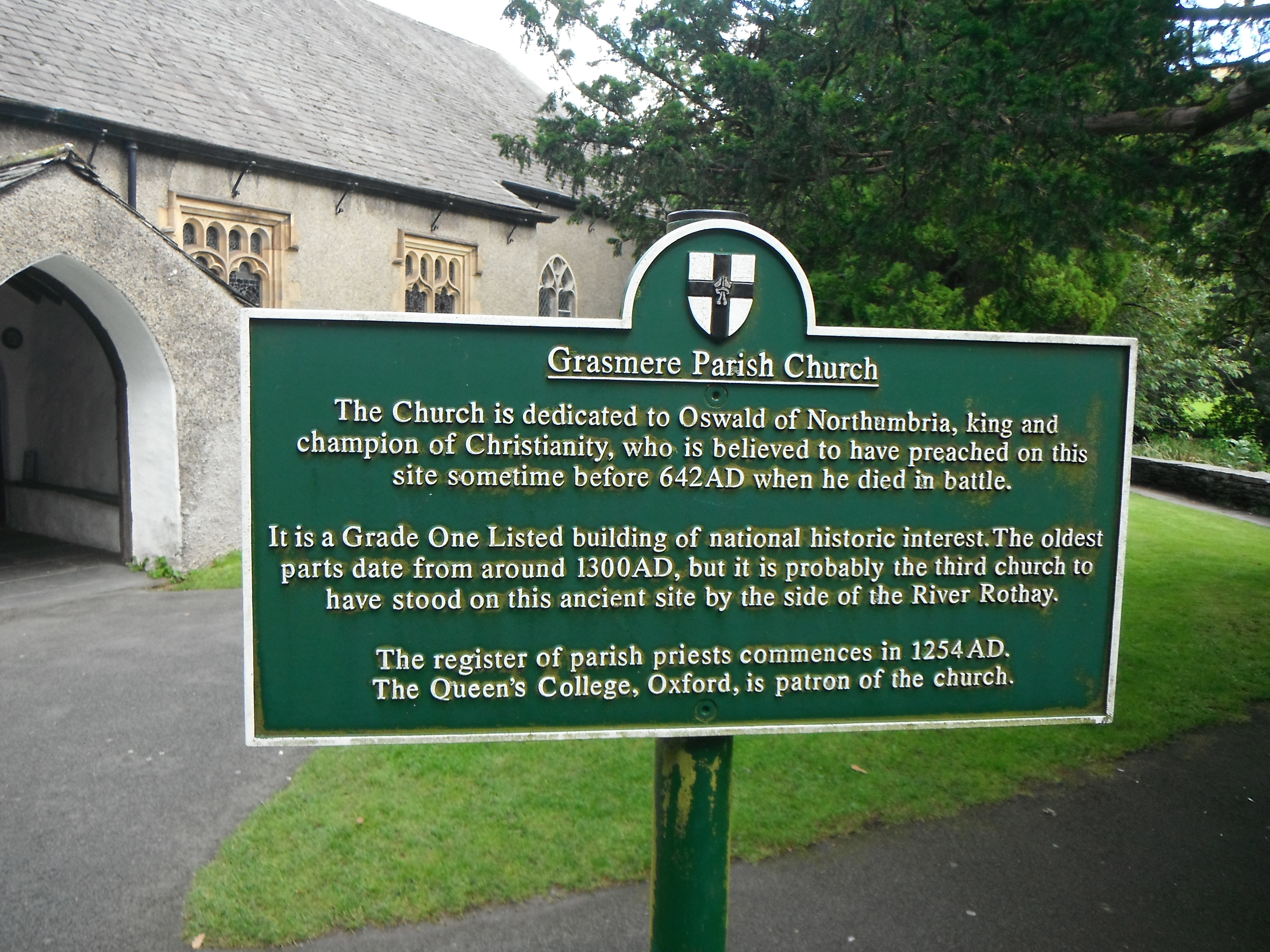
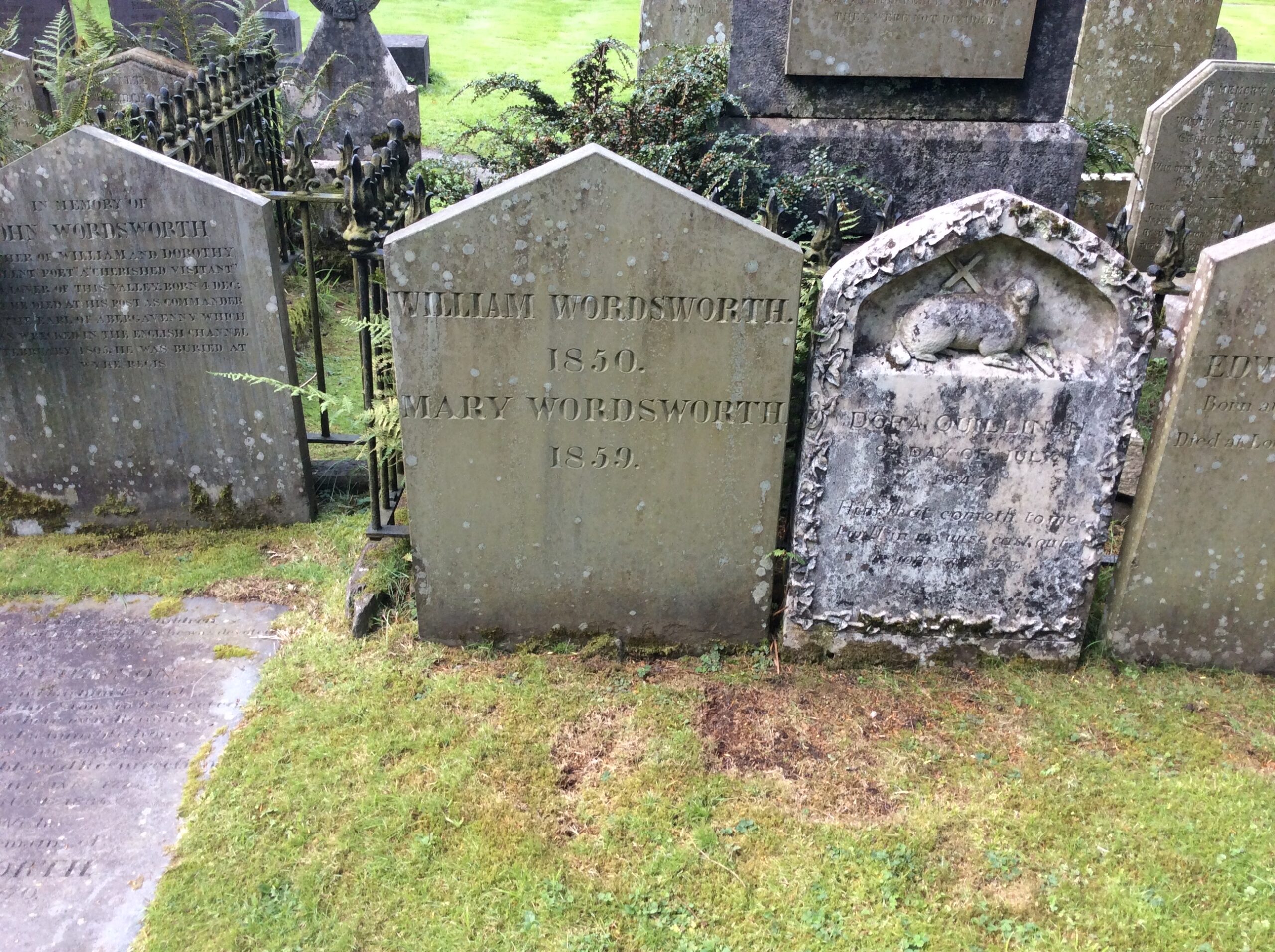
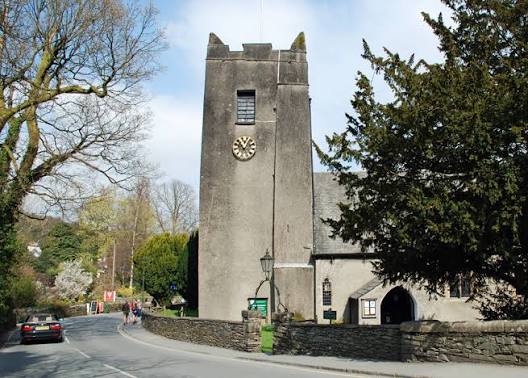
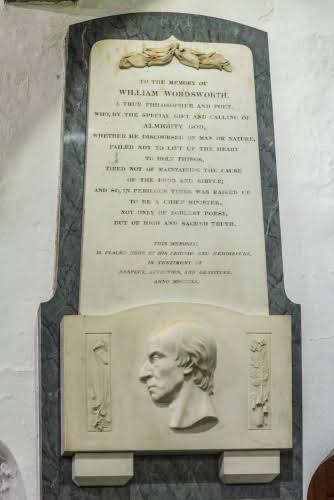
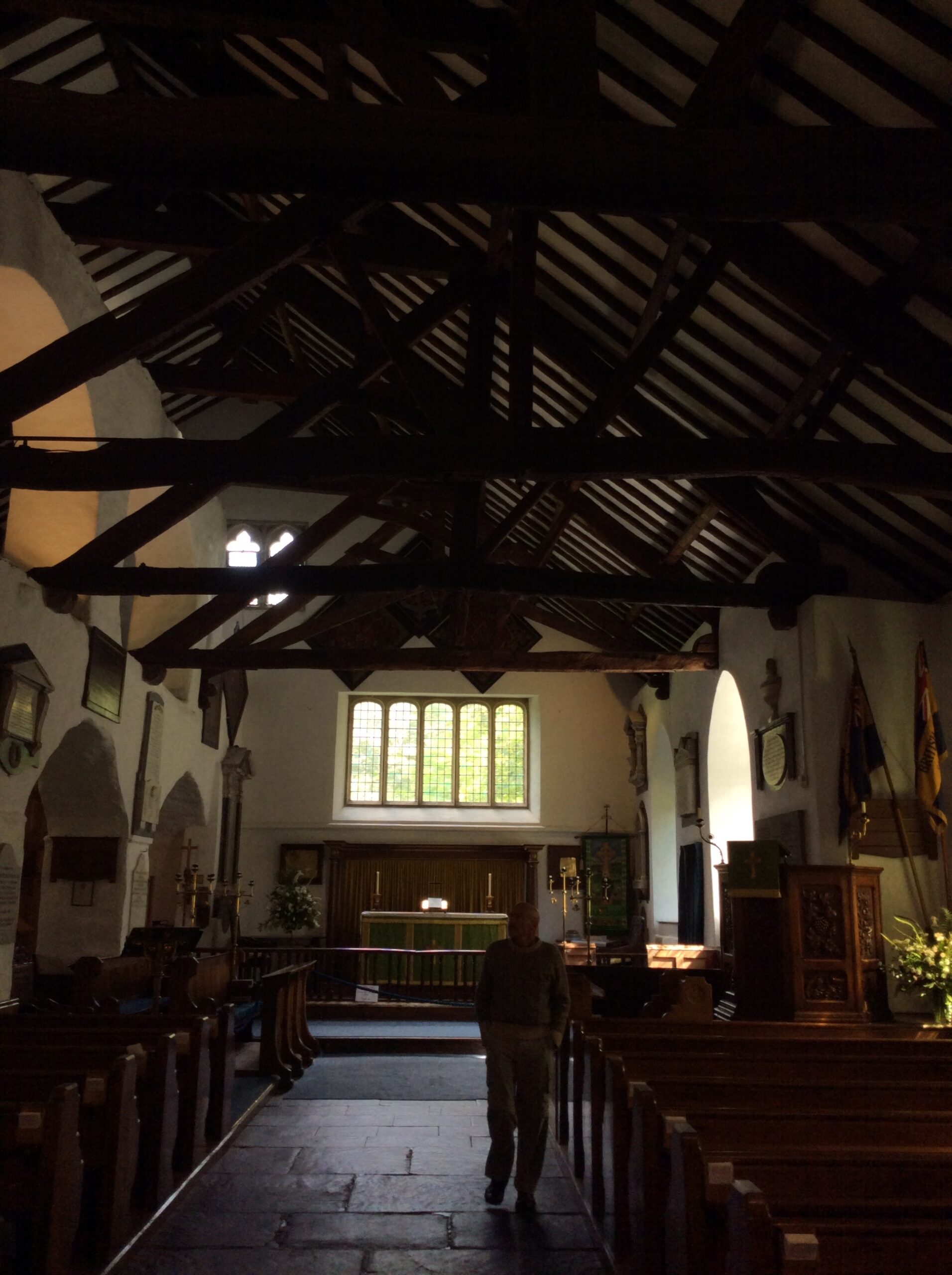
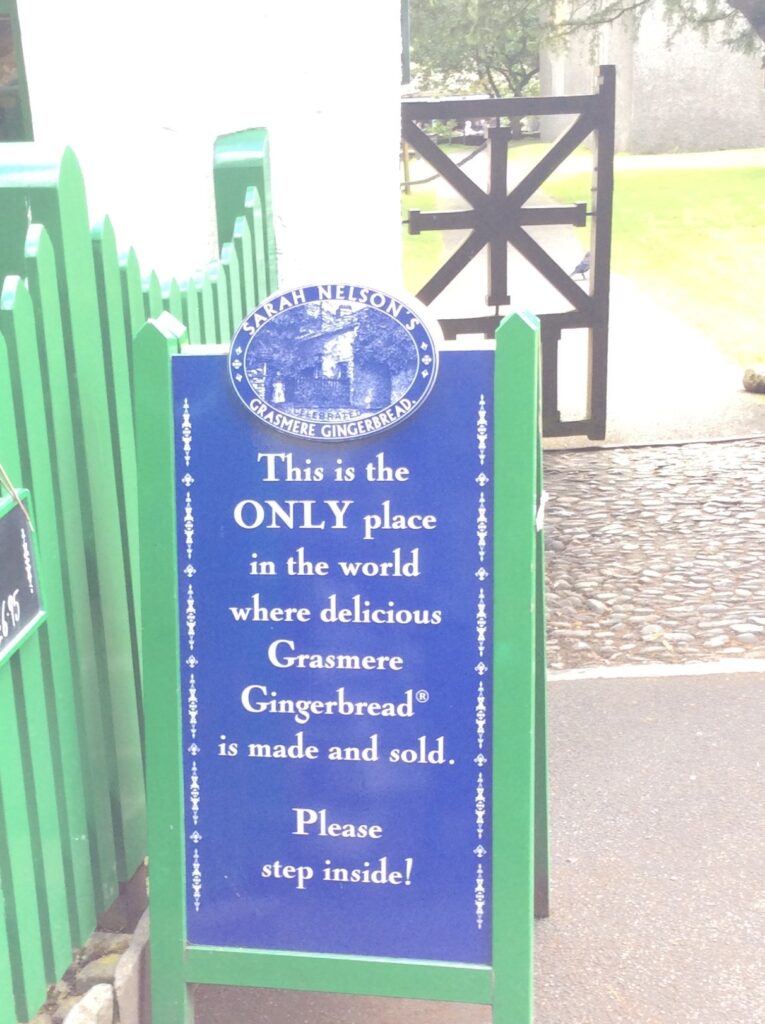
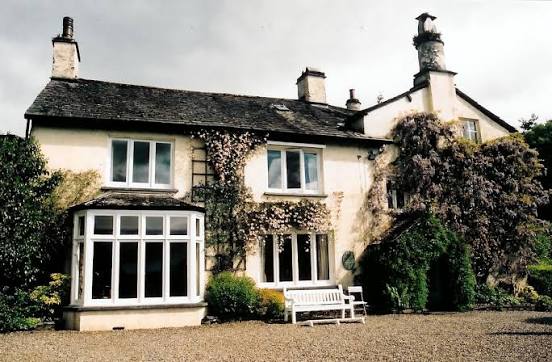
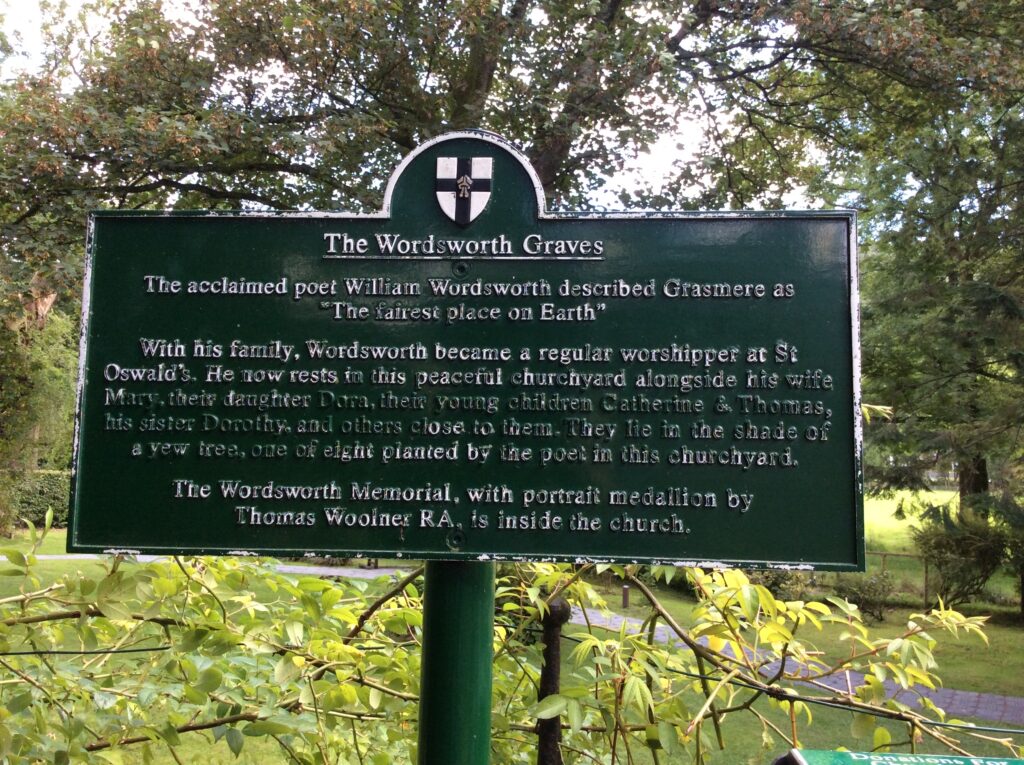
Our next stop was Grasmere where Wordsworth spent much of his life. We visited his grave at St. Oswald’s parish churchyard and the church, which has a dedication to him. We received a tin of Grasmere Gingerbread, for which the town is famous.
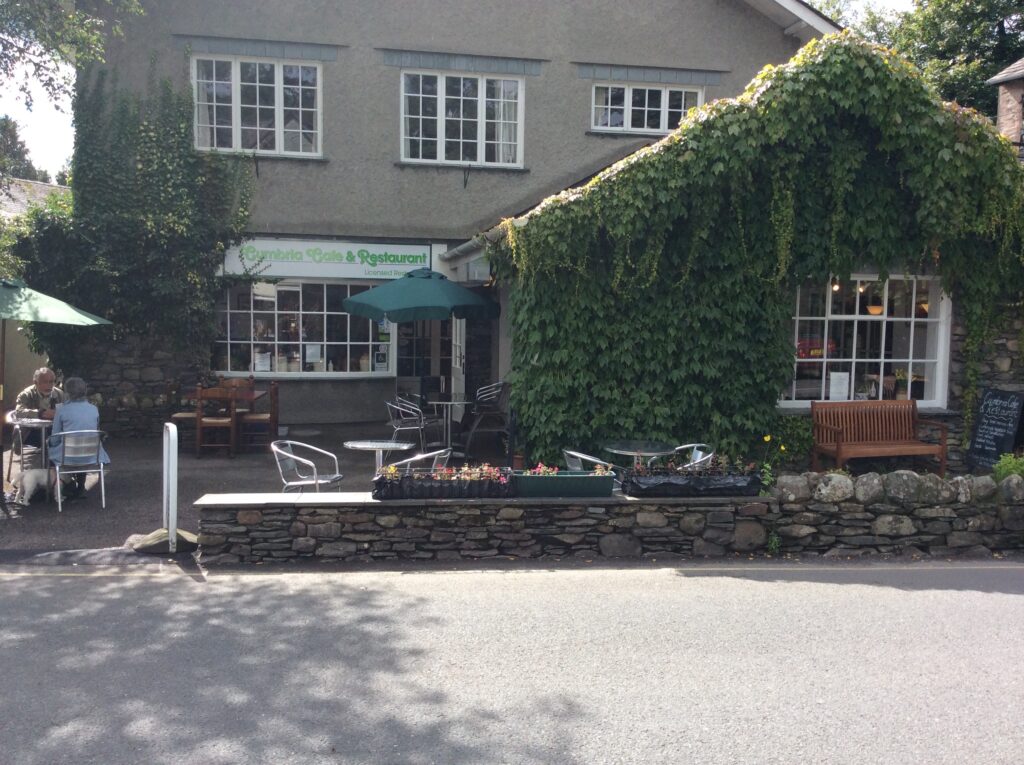
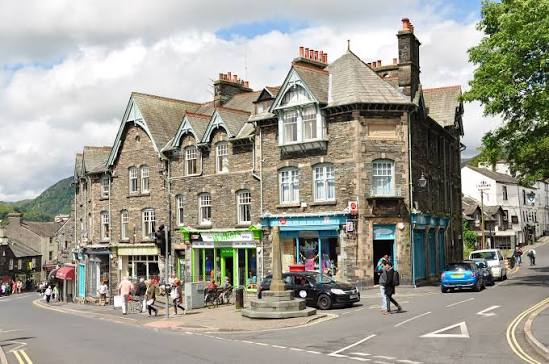
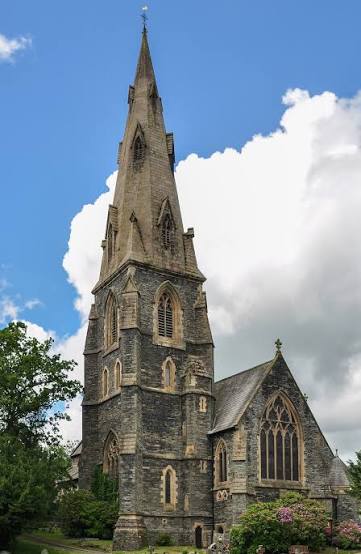
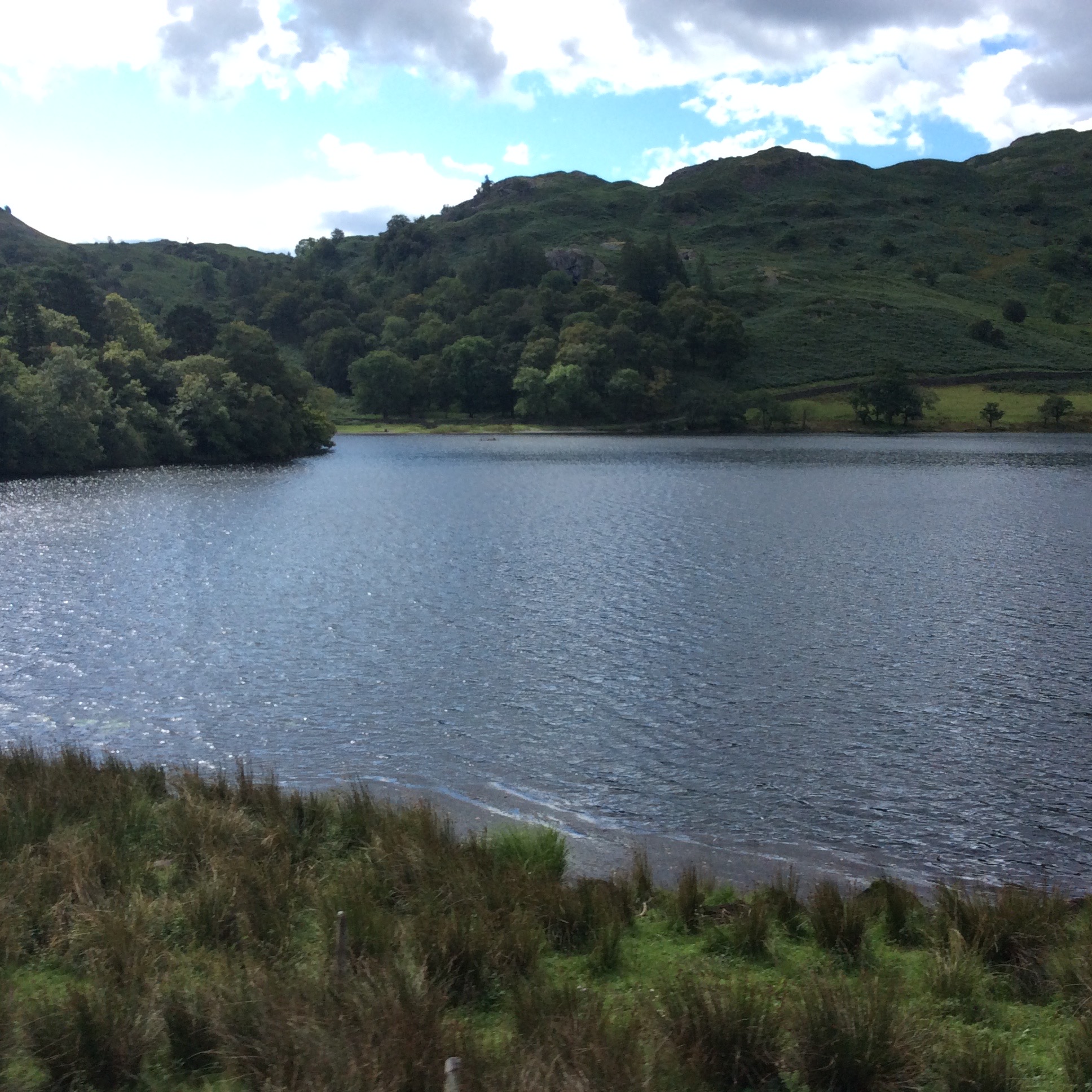
From Grassmore we headed to Ambleside. On our drive through the area, we passed many lakes: Lake Windemere, with the town of Ambleside at its top. Ambleside has the smallest house, Bridge House. Built in the 17th century by the wealthy Braithwaite family, it was constructed directly over the river Stock. The town buildings are limestone and in old Victorian style. No motors are allowed on the lake, which is the largest inland lake in England. We passed Wordsworth’s lake, Rydal Water. St. Mary’s Church, built in the 1850s in Gothic Revival style has a stone spire that is a landmark in the Lake District.
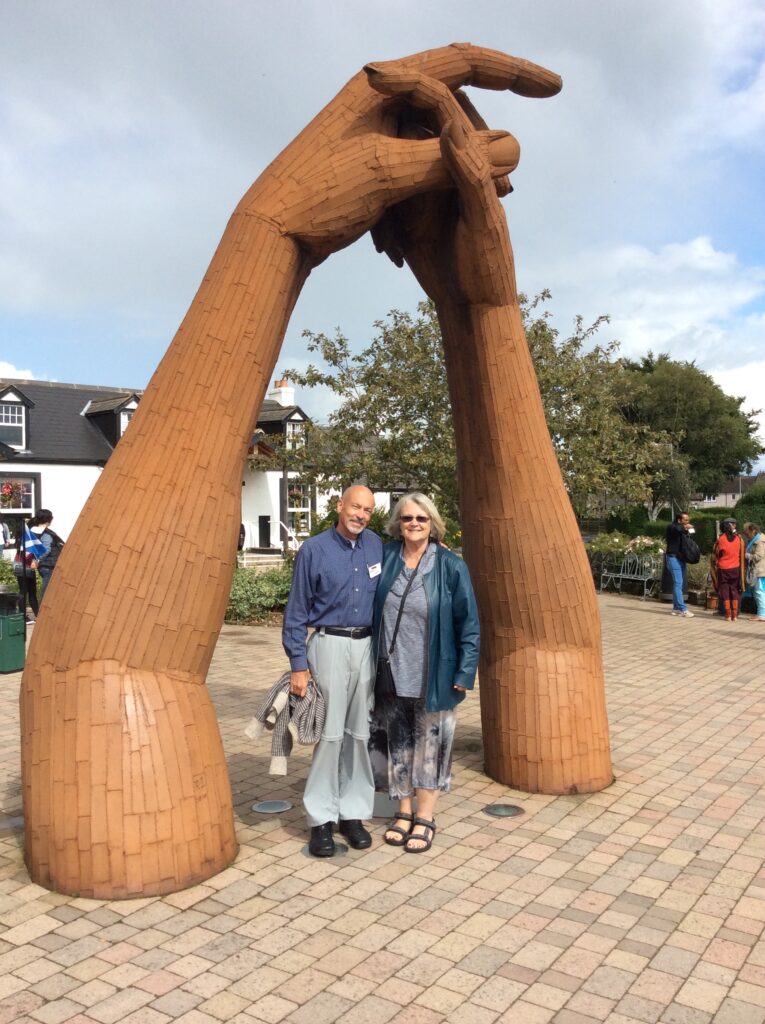
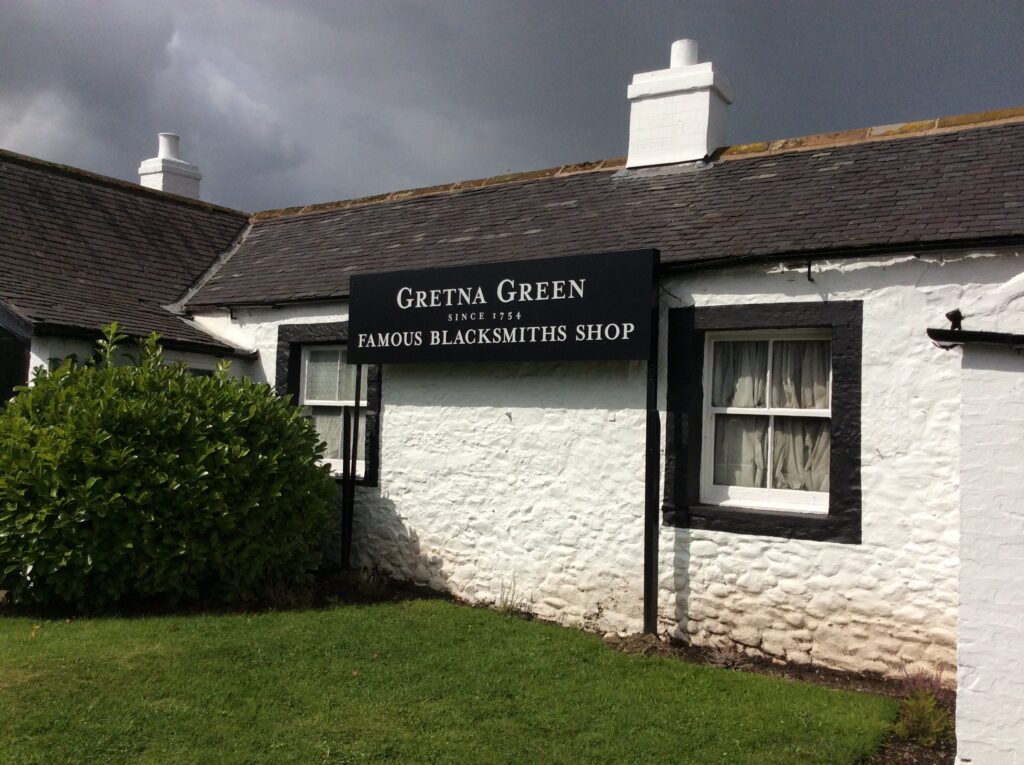
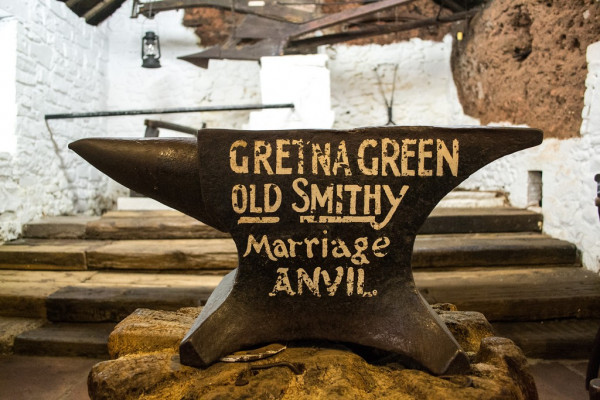
Finally we crossed into Scotland and stopped at Gretna Green famous for runaway lovers. In 1754 when Lord Hardwicke’s Marriage Act was passed, young couples went across the border to Scotland to get married at the Blacksmith’s Shop. The historic 1713 building and museum hosted actual weddings over the original marriage anvil. The Clasping Hands sculpture by the Blacksmith’s shop represents “handfasting,” a traditional Scottish wedding ceremony.
Now it was on to Edinburgh.
Leave a Reply