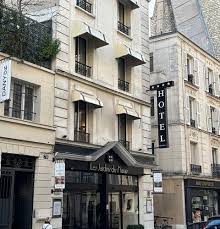
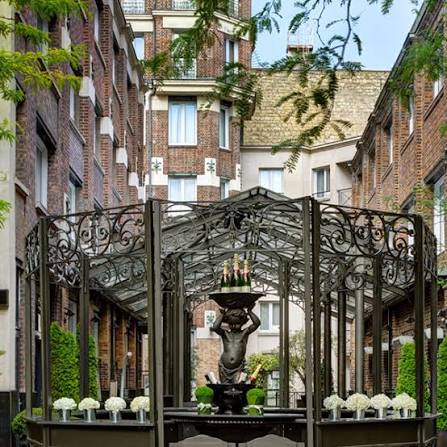
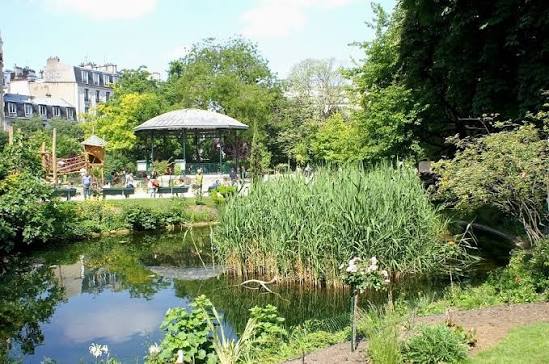
Our hotel is the boutique Hotel Les Jardins du Marais, centered in the Marais district, between Place des Vosges and Opéra Bastille. Temple Square, found close by, was the center for the Knights Templar in the 13th and 14th centuries. It is where a medieval fortress stood, which was demolished in the mid-19th century. Standing there, I closed my eyes to transport myself back to the Middle Ages, to imagine life then. Today the square is filled with people reading, people-watching, and relaxing, many probably unaware of its past. The only hint of the mighty fortress that was there is a small plaque at the entrance to the park that reads: “In this spot, Jacques de Molay, the last Grand Master of the Order of the Templars, was burned.” The park is bordered by the Rue de Temple, Rue de Bretagne, Rue Perree, and Rue Eugene Spuller.
In the afternoon we wandered around the hotel to get a feel for Paris and for the medieval history of this location. It is so exciting.
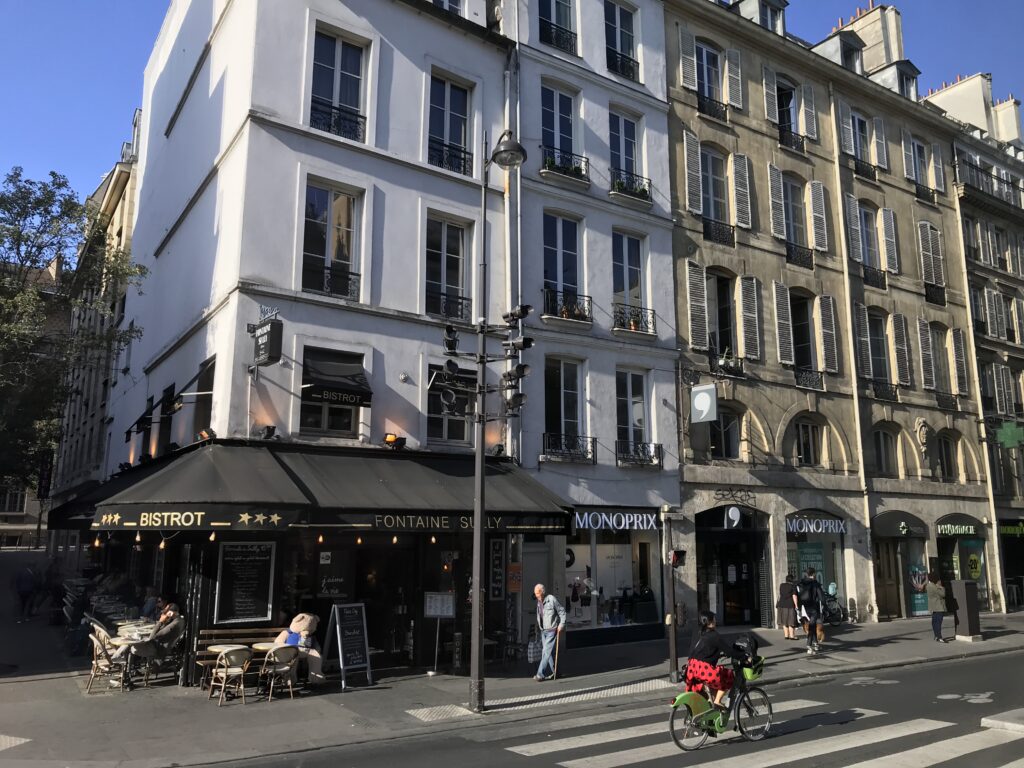
The African American Experience
The day started an introduction to African American history in Paris on a city tour. Some of the places we saw were performance venues and favorite haunts of people like Josephine Baker, Langston Hughes, W.E.B. DuBois, James Baldwin, and others. African Americans have found acceptance in Paris that they did not find in the U.S. We explored the Latin Quarter and then strolled through the artsy neighborhood that was home to Henry Ossawa Tanner, Miles Davis, Bud Powell and other expat writers and artists. We also saw several tourist sites. We ended the tour with lunch at a local restaurant—Le Bossu on Ile Saint-Louis. A wonderful meal.
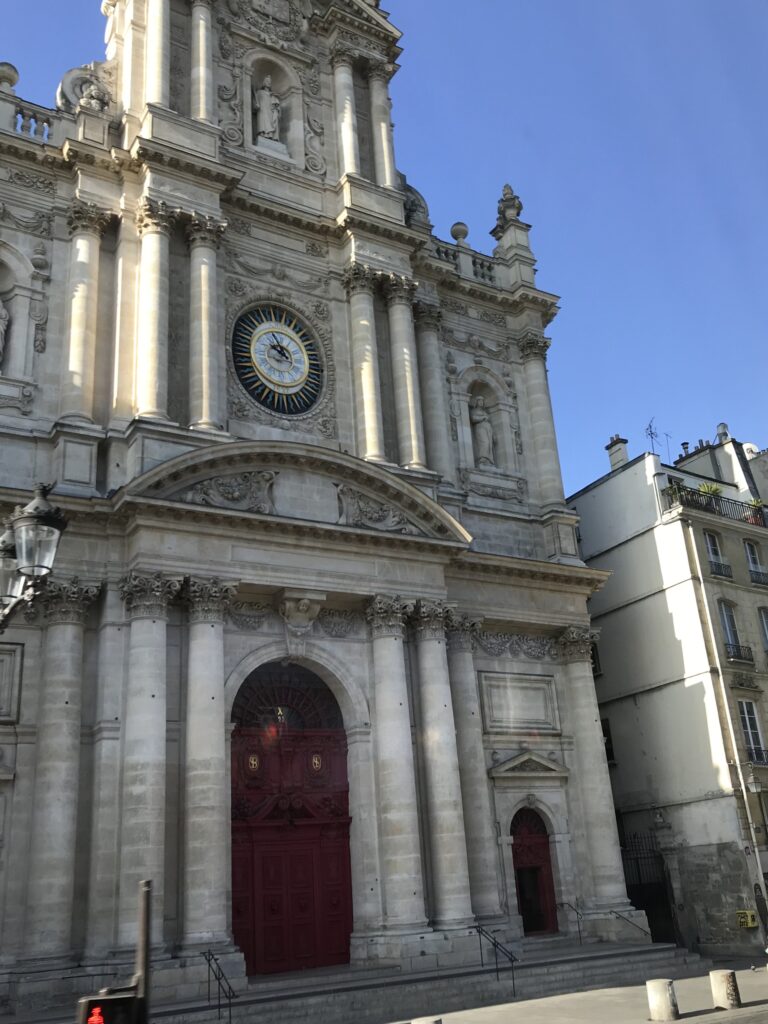
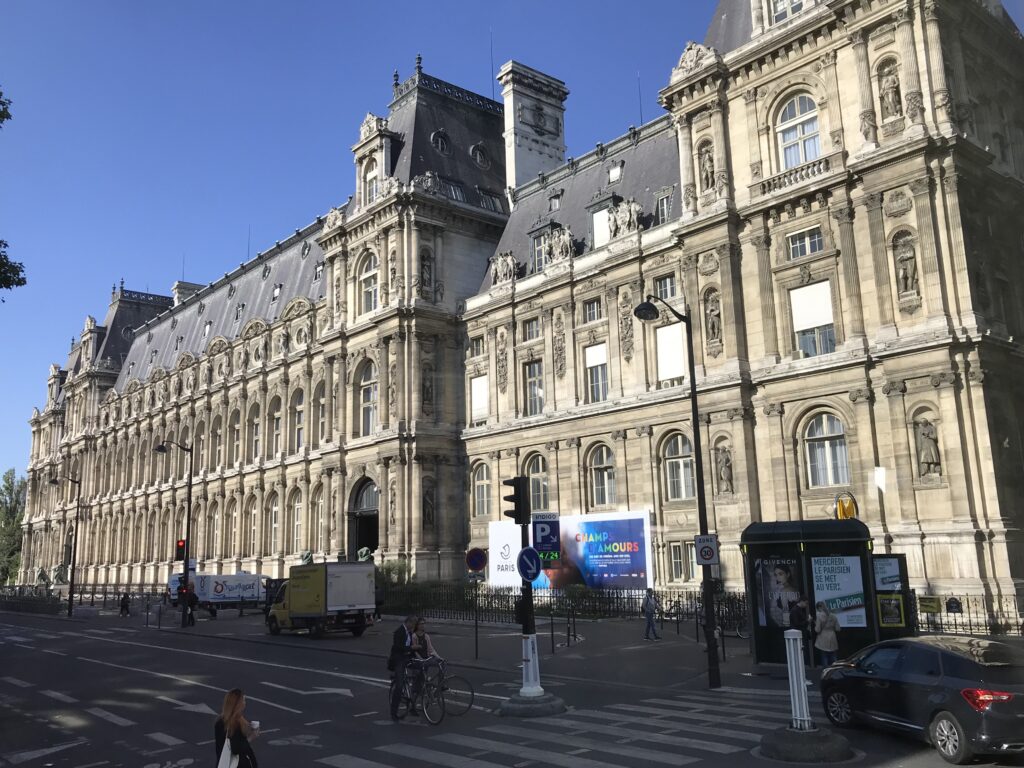
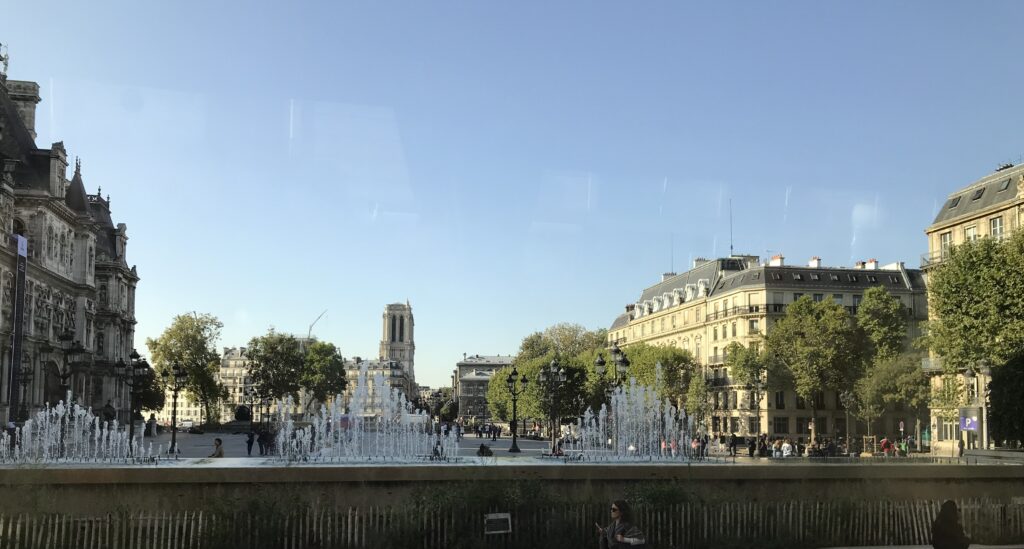
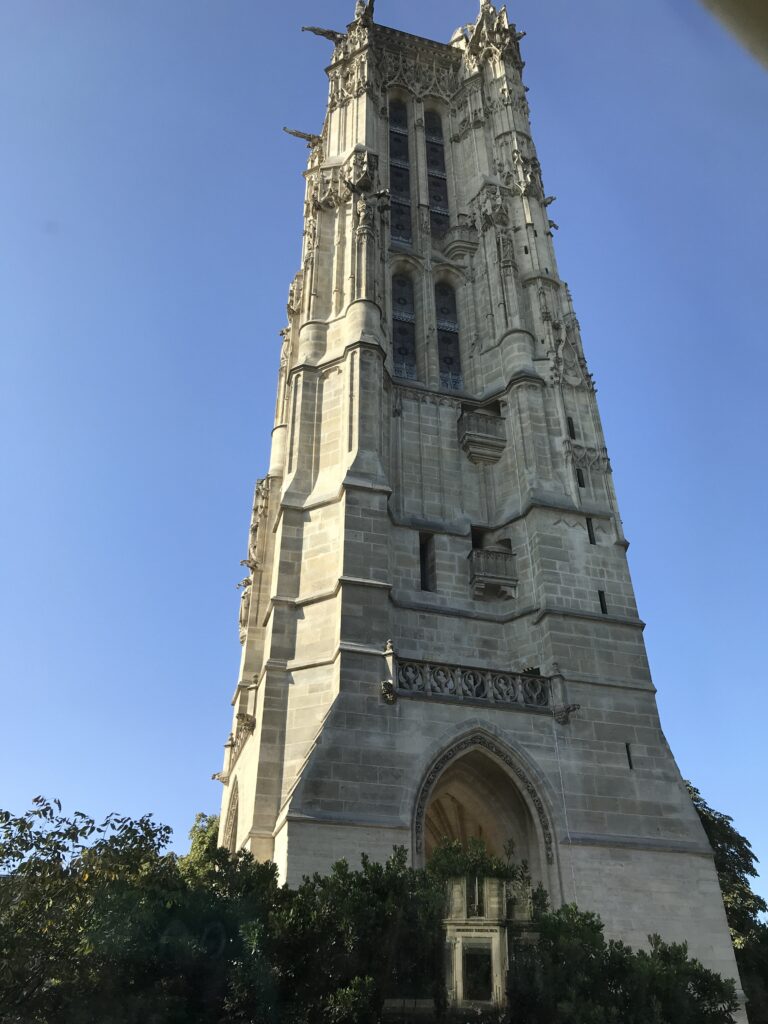
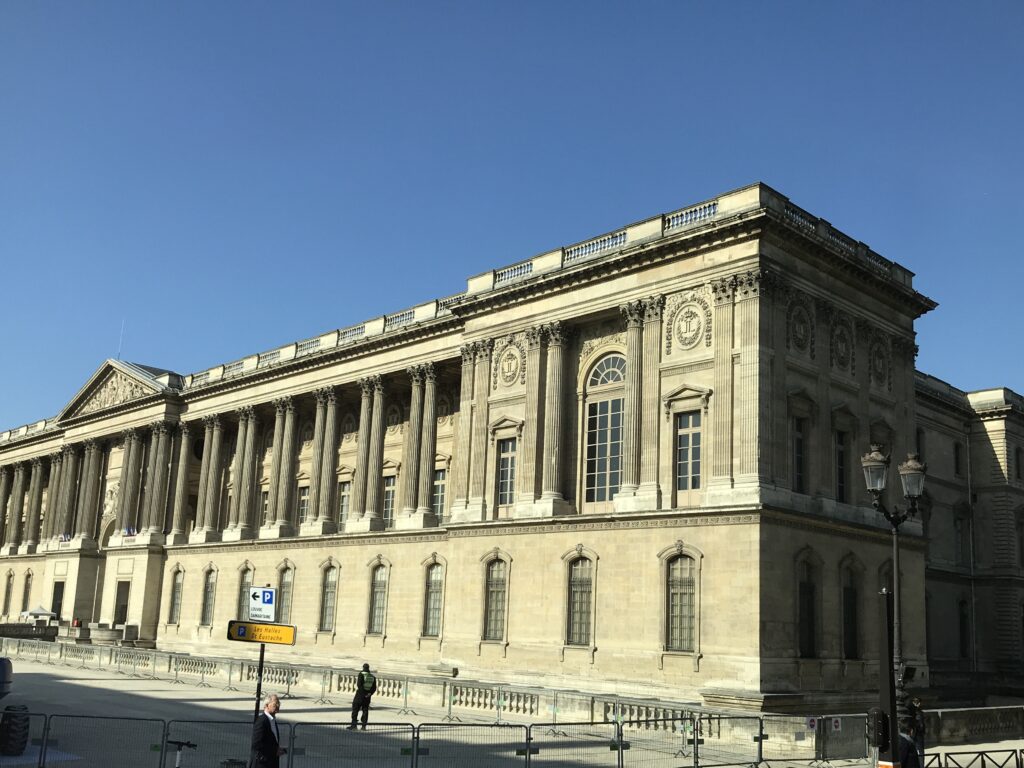
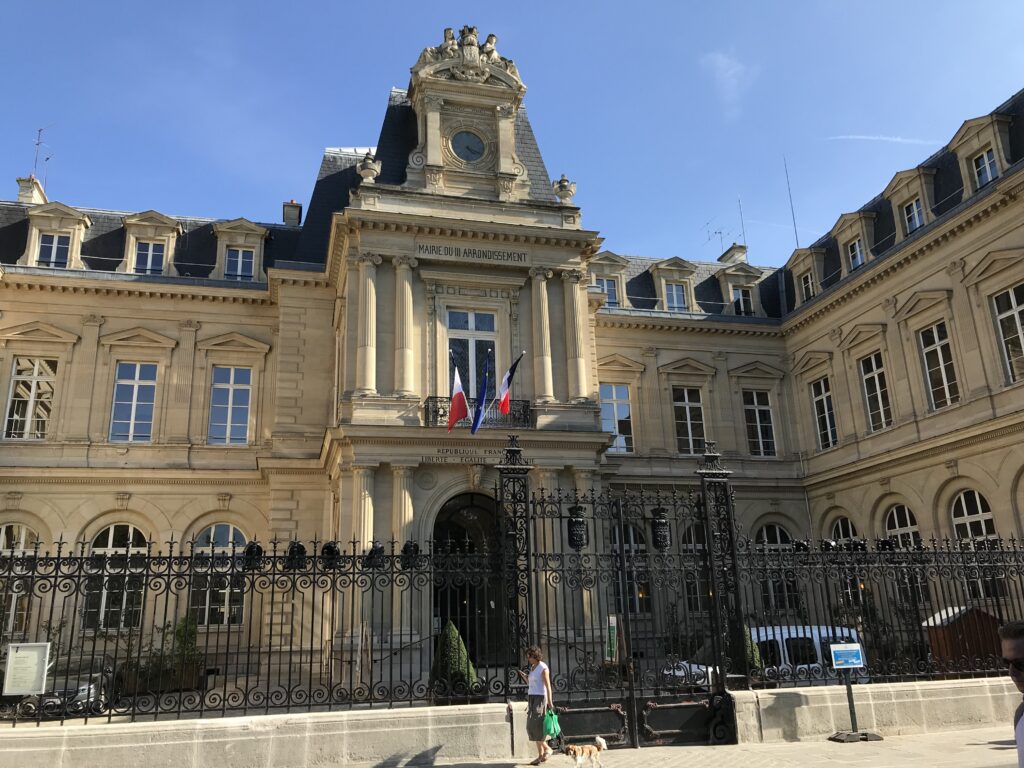
Saint Paul Saint Louis Church is located in the Marais district. It is the first church built in Baroque style in Paris, the construction was completed in 1641. Its location in the Marais puts it at the center of the neighborhood’s deep historical ties to African American expatriates, writers, and musicians. The Hôtel de Ville de Paris has been the seat of the Paris City Council since 1357. The current building, with a neo-renaissance style, was built by architects Théodore Ballu and Edouard Deperthes on the site of the former Hôtel de Ville which burnt down during the Paris Commune in 1871. The Tour Saint-Jacques stands alone in the middle of the square that bears its name, between the Centre Pompidou and Notre-Dame de Paris cathedral. Built between 1509 and 1523 in the Gothic style. The Tour Saint-Jacques is the only vestige of the church of Saint-Jacques-de-la-Boucherie, built in the 16th century and destroyed in 1797. The Louvre has several paintings with religious themes that depict blacks as well.
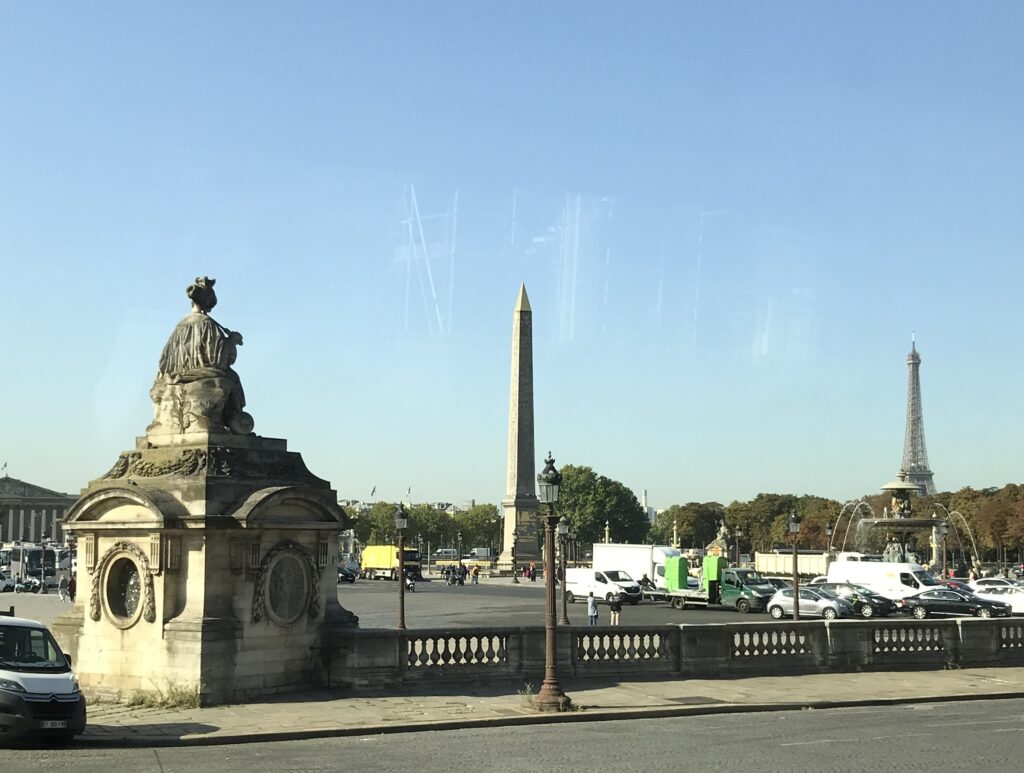
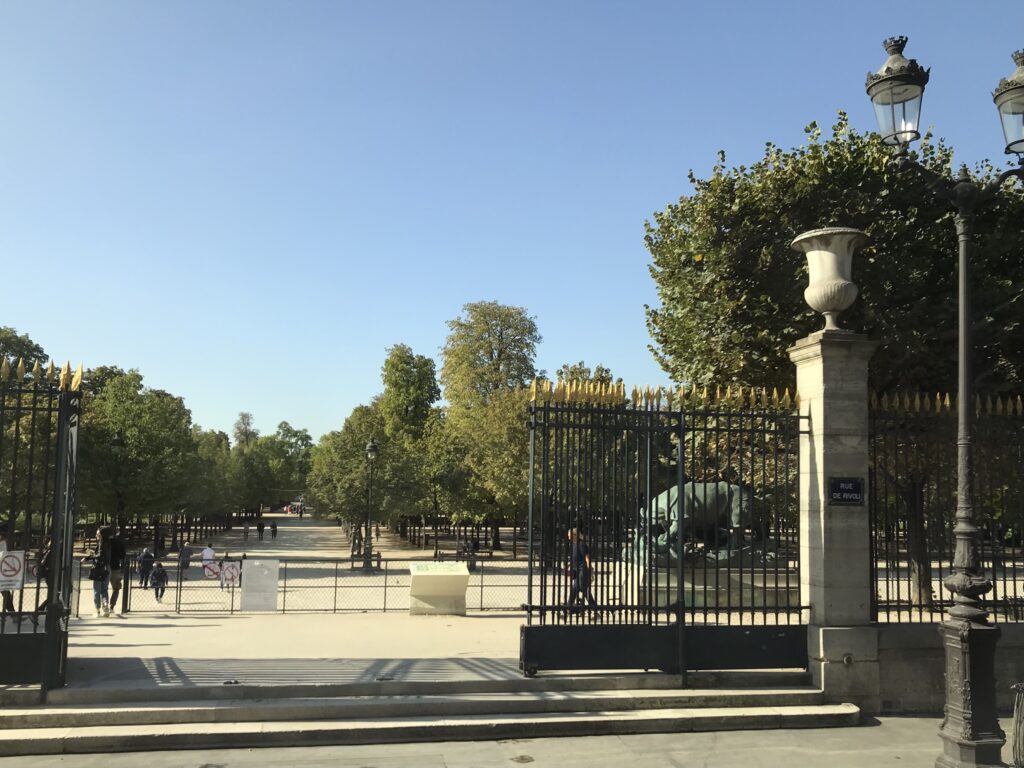
Place de la Concorde is historically linked to the African Diaspora through Jessye Norman’s iconic 1989 performance of La Marseillaise at the base of the Luxor Obelisk. The 3,300-year-old monument standing in the center of the square was a gift from Egypt in the 1830s. Its presence connects to the broader Pan-African narratives and ancient history frequently explored by Black intellectuals and artists in Paris. It sits at the entrance to Touliries Garden.
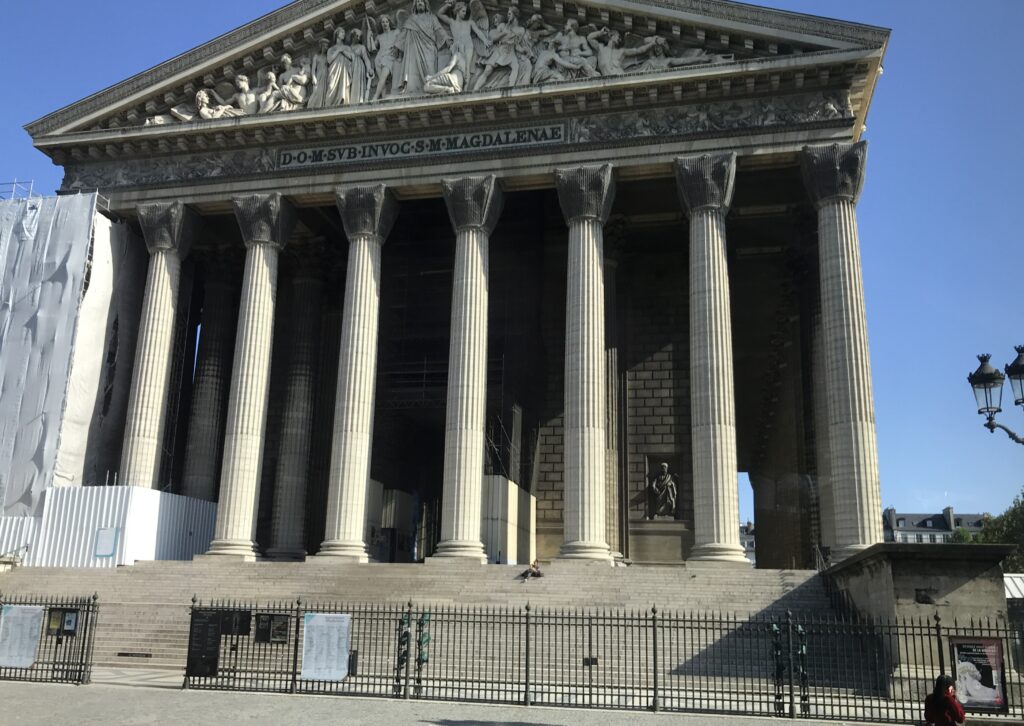
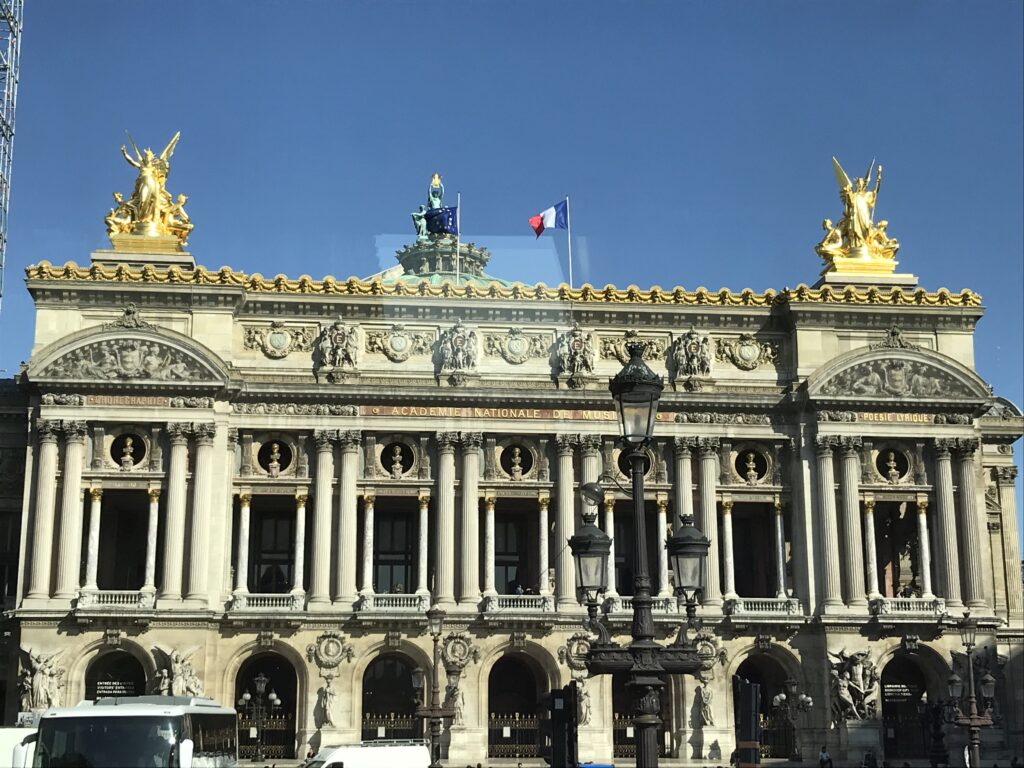
La Madeleine hosted the 1975 state funeral of Black American icon Josephine Baker. Long before the 20th century, prominent African Americans visited La Madeleine. Abolitionist William Wells Brown wrote about marveling at the ability to pray next to white congregants at the church as a free man in the 19th century. Iconic African American singers, such as Grace Bumbry, Leontyne Price, and Shirley Verrett, have performed at the Paris Opera. Josephine Baker, he legendary American-born entertainer who electrified Paris in the Roaring Twenties, is celebrated on the Paris Opera stage in Black Pearl: Meditations for Josephine, a musical theater production that honors her legacy as a civil rights icon and French Resistance heroine.
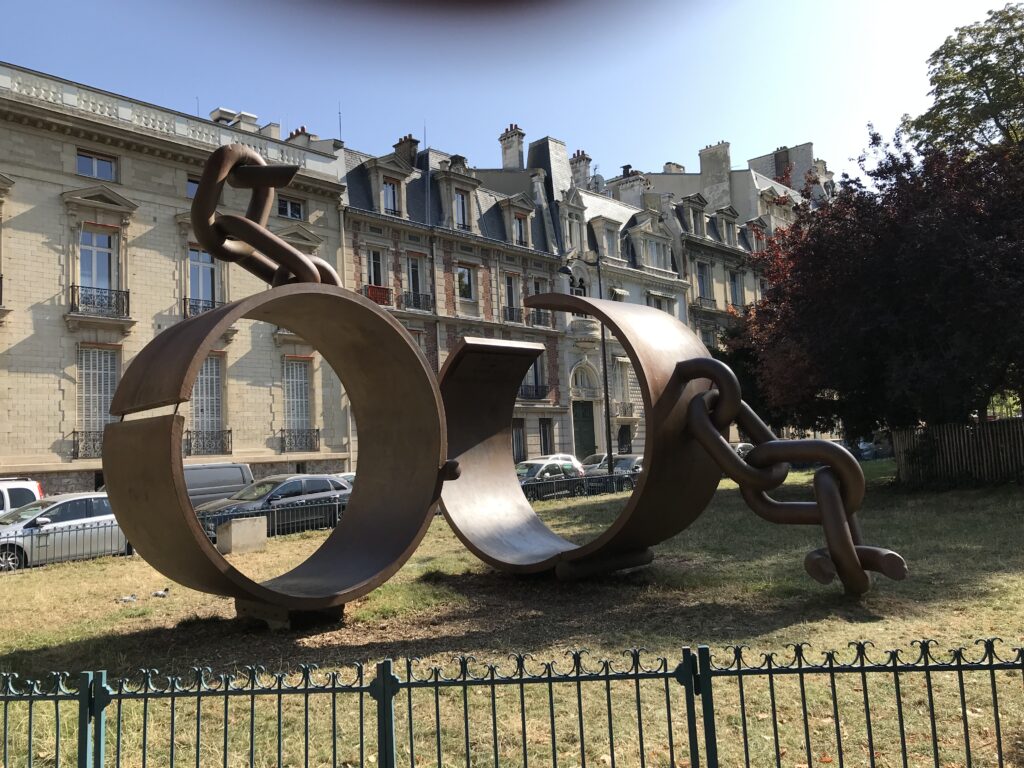
Located at Place du Général Catroux in the 17th arrondissement, the end of slavery memorial features two broken shackles and chains. It was dedicated in 2009 to both the abolition of slavery and General Thomas-Alexandre Dumas, the highest-ranking Black military officer in the French army.
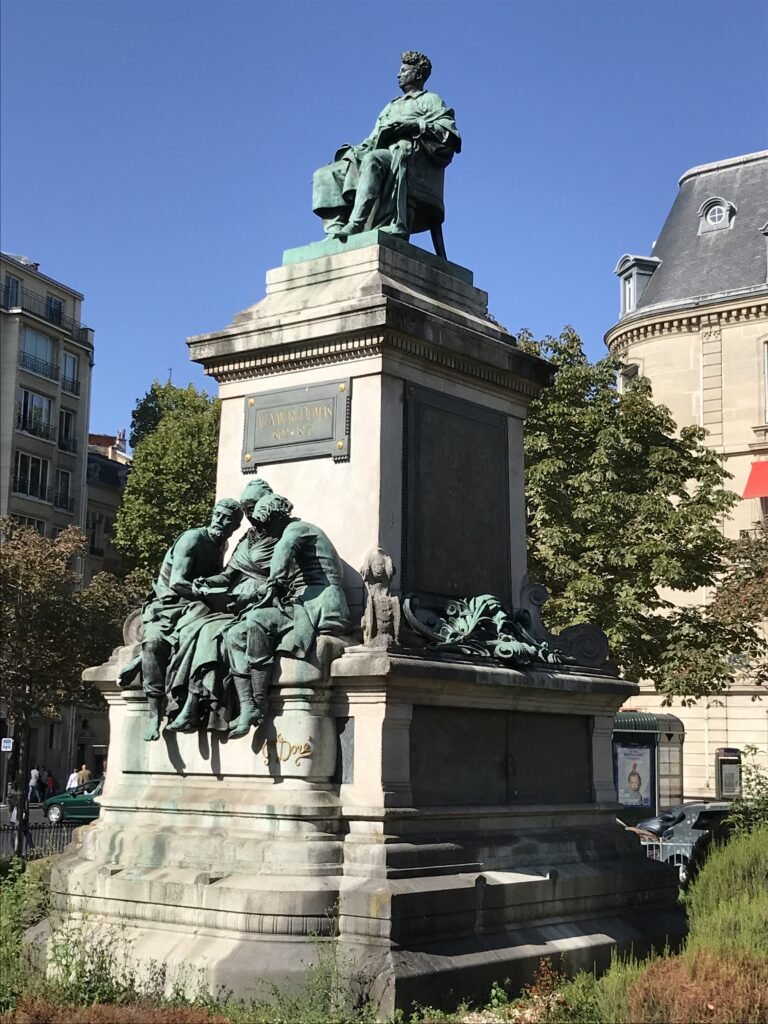
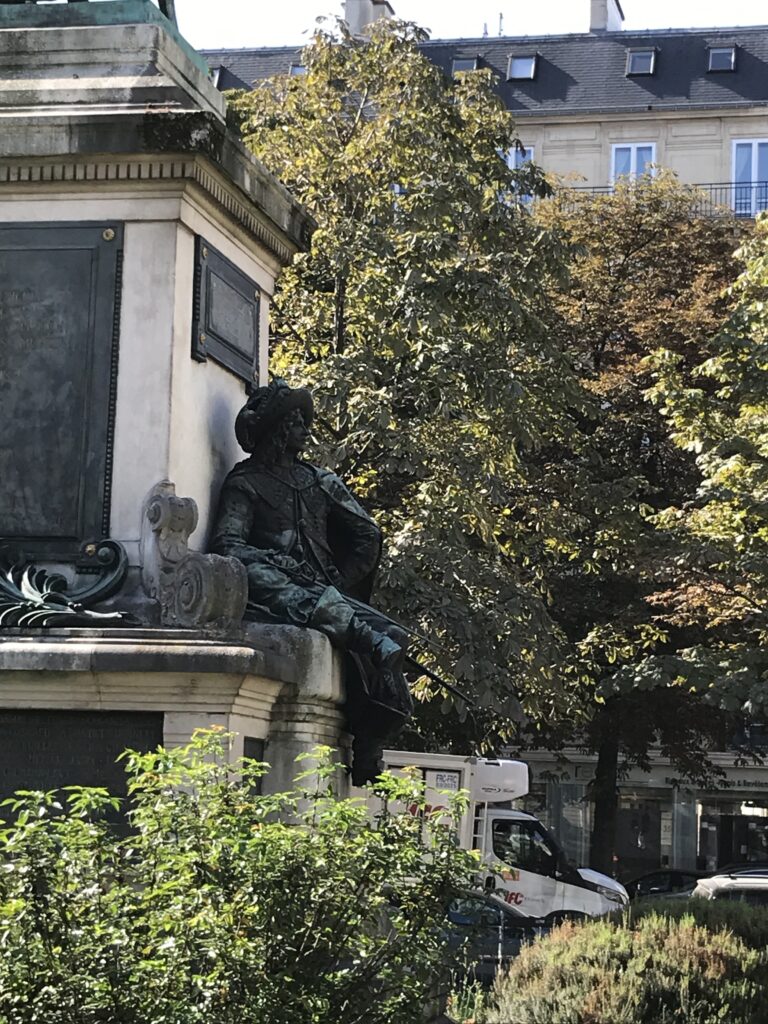
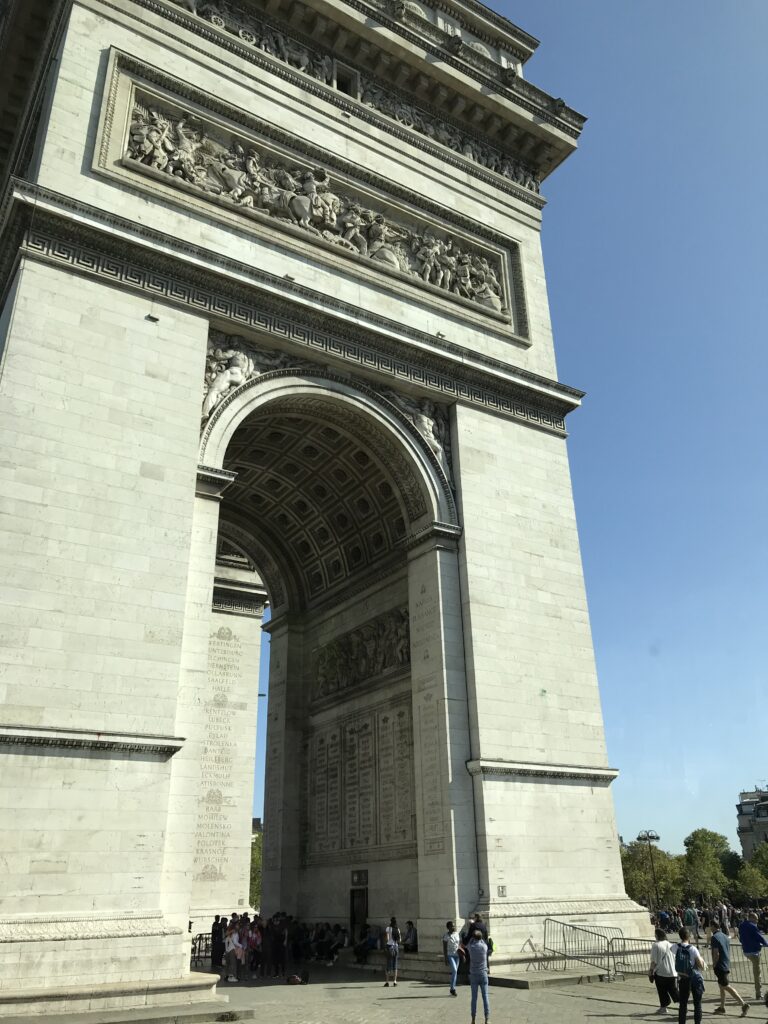
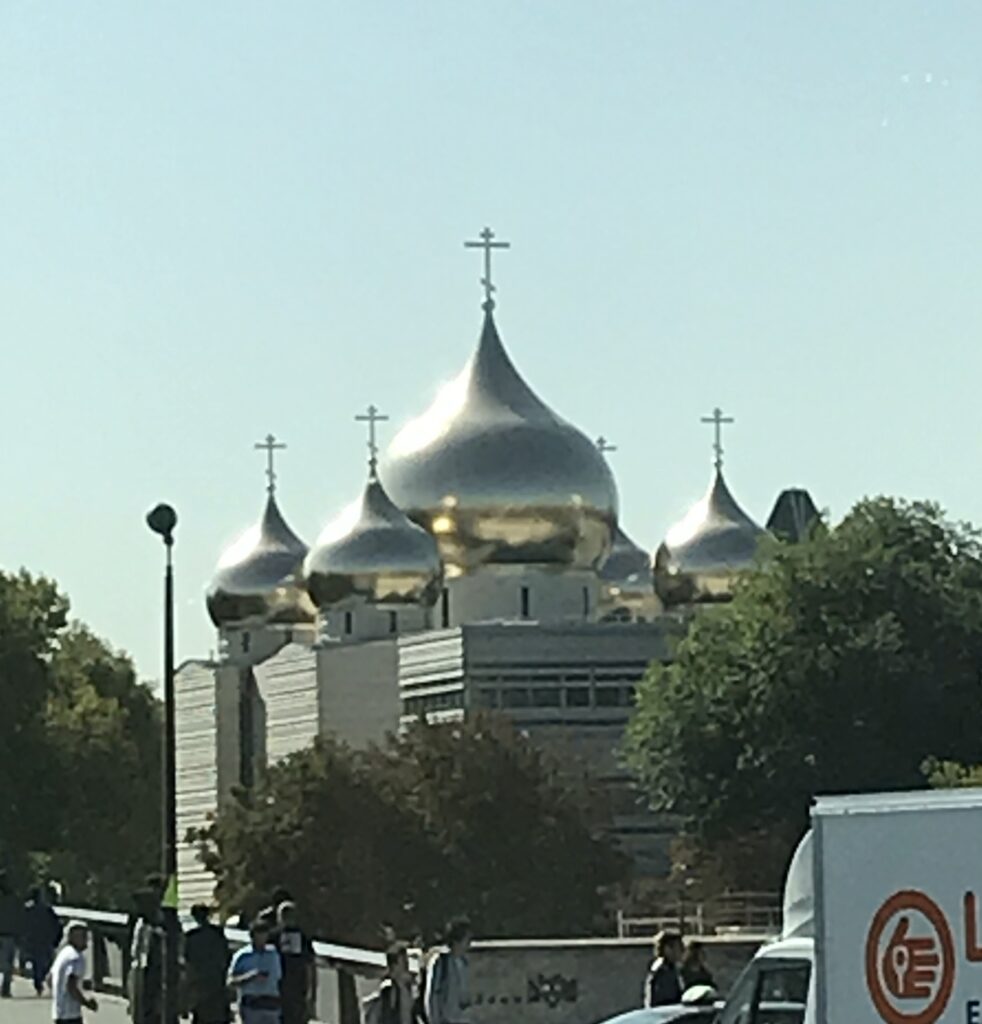
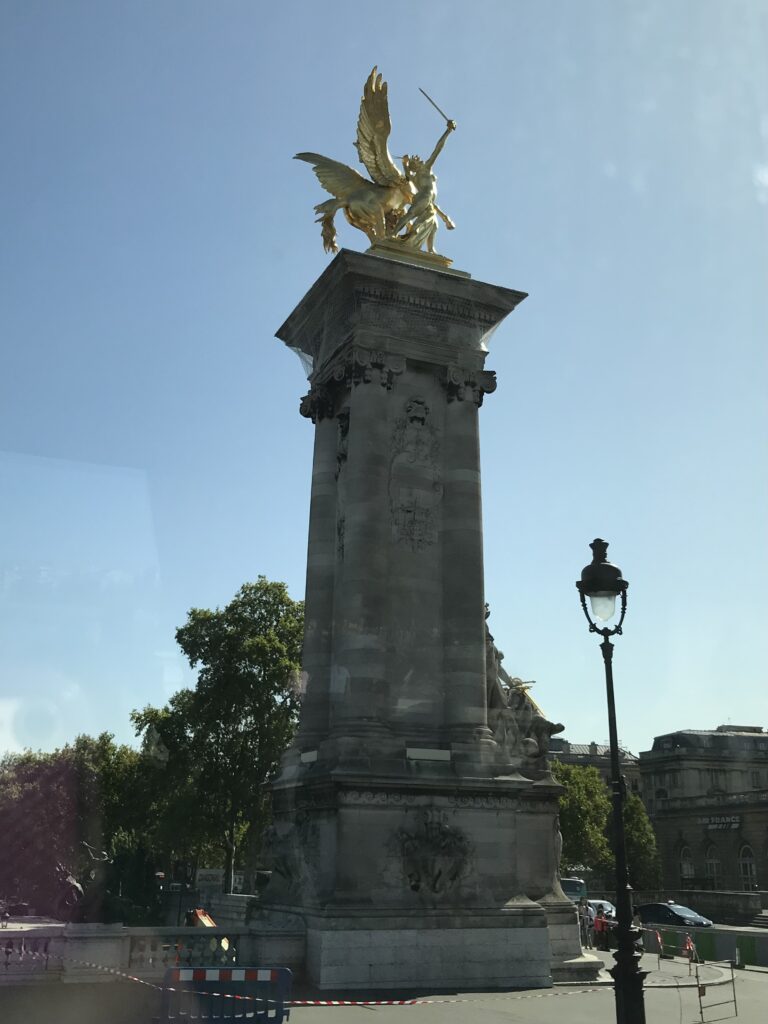
One amazing fact I learned was that Alexander Dumas was of mixed Afro-Caribbean and white French parentage. The monument in Place du General Catroux celebrates that. Of course, we had to see the Arc d’Triomphe, the Russian Orthodox Cathedral, and Pont Alexander III, the bridge that spans the Seine.
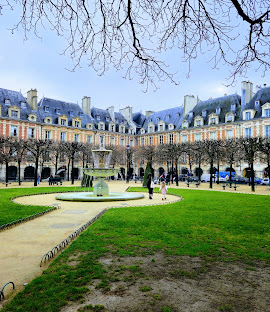
After lunch, Dianne and I did our own Templar Walk, seeking out places associated with them. We discovered the Place des Vosges, or Place Royale, Paris’ first square. Famous people have lived in the houses surrounding the place: Victor Hugo and Gautier to name two. We found a small café a couple of blocks from the hotel where we had dinner.
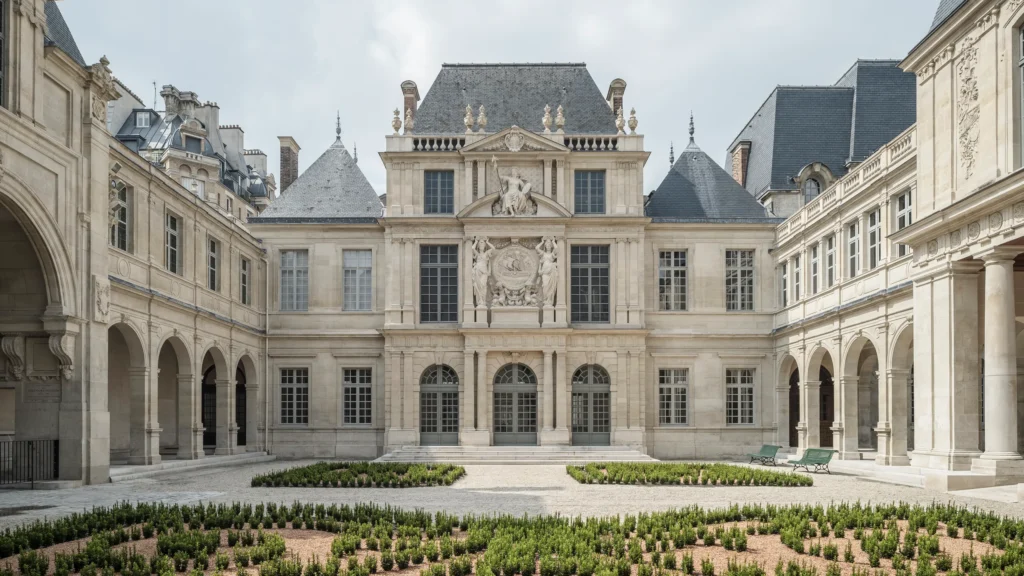
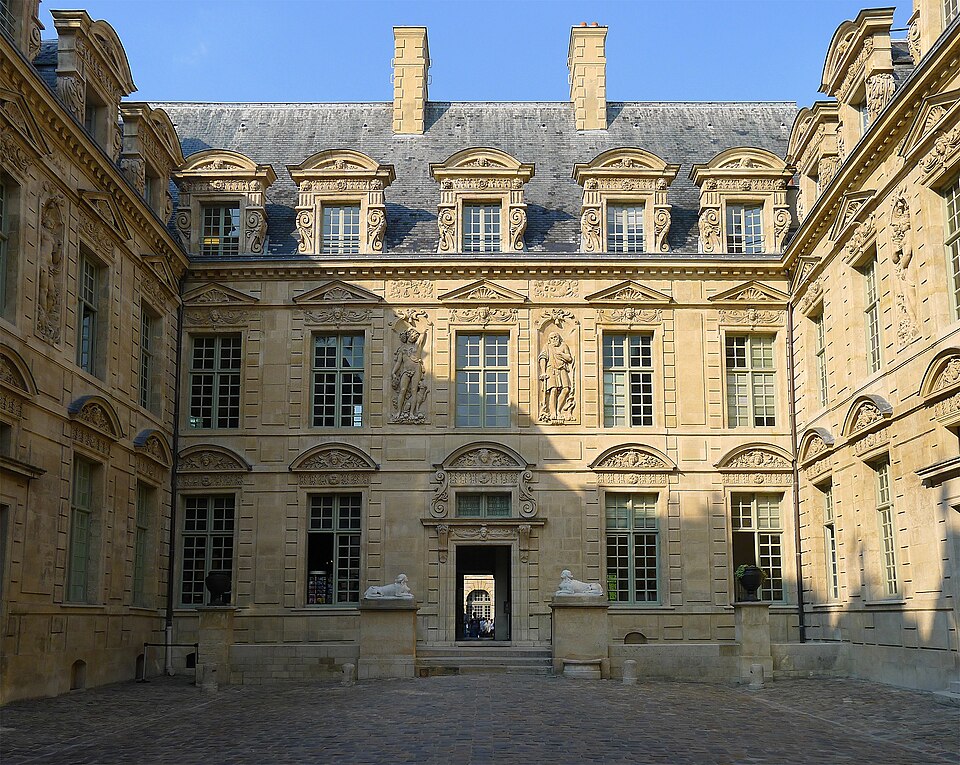
The Place Vosges sits directly in the heart of the Marais district. The actual headquarters of the Knights Templar, known as the Enclos du Temple, was located just a short 12-minute walk northwest of Place Vosges. The Square du Temple is where Elie-Wiesel lived. This peaceful public garden marks the exact footprint of the Templars’ medieval fortress, which included a church, hospital, and massive treasury tower. The fortress was destroyed by Napoleon in 1808. The Rue Vieille-du-Temple means “Old Temple Street.” This historic thoroughfare begins near Place des Vosges and connects the Marais market gardens to the main Templar fortress. The Musée Carnavalet, located a few blocks west from Place des Vosges is this museum of Paris history that frequently displays medieval artifacts, maps of the Templar Enclos, and history regarding the origins of the Marai. Finally, the Hôtel de Sully is located right at the edge of Place des Vosges at 7 Place de Vosges. This stunning 17th-century mansion features a beautiful courtyard and connects directly to rue Saint-Antoine, following the layout of the original medieval pathways developed during the Templar era. It was an interesting afternoon.
Leave a Reply