On our sea days we had two interesting lectures on the history of Australia. It has been continuously inhabited for 60,000 to 65,000 years but only “discovered” since the 18th century.
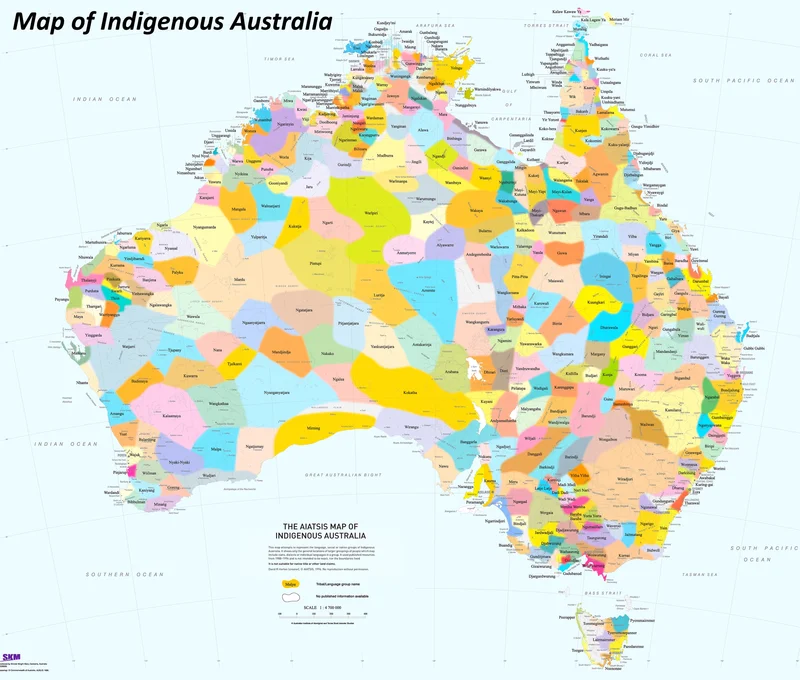
It was settled by Southeast Asians during the ice age. Their history is one of the oldest continuous cultures in the world. They developed hundreds of distinct nations, languages, and cultural traditions. Before the Europeans came, there were more than 500 different tribes and language groups. They were hunters, gatherers, fishers, and land stewards.
Europeans first arrived in Australia in the 1600s, Abel Tasman being one of the first. The Dutch did not colonize. British colonization began in 1788, when they established a penal colony at Sydney Cove in New South Wales. In the 1800s colonies were created in Tasmania, Western Australia, South Australia, Victoria, Queensland. Gold was discovered in the 1850s when drew immigrants from Europe, North America, and China.
On January 1, 1901, the six independent British colonies united to form the Commonwealth of Australia, becoming a self-governing nation with a parliamentary constitutional monarchy, with the British monarch as head of state.
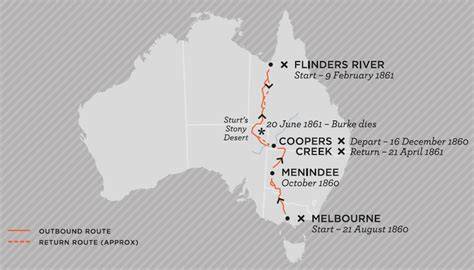
Burke and Wills Expedition
In August 1860 Robert O’Hara Burke and William John Wills set off from Melbourne to cross the continent of Australia. Their goal was to reach The Gulf of Carpentaria, covering about 2000 miles of unknown inland Australia. It was the first European attempt to make a full south to north crossing. They left with 19 men, 13 camels, horses, and supplies.
The group split up along the way and finally Burke, Wills and John King reached the northern interior in early 1861 but were blocked by swampland before reaching the actual coastline. On the return trip, both Burke and Wills died of starvation and exposure. King survived with the help of local Aboriginal people. Finally, King was able to return to Malborne and lead a team to where they buried their records and the bodies of Burke and Wills.
We spent the next 10 days visiting ports in Australia. We approached from the Southeast, travelling through the Tasman Sea. Our first port was Sydney.
Sydney
Sydney is the capital city of New South Wales in Australia. The city has over 2,500,000 acres of nature reserves and parks, including the Sydney Harbourland and Royal National Park. Other must-see sites are the Sydney Harbour Bridge, the UNESCO Sydney Opera House, and the Dr. Chau Chak Wing Building designed by Frank Gehry in 2015.
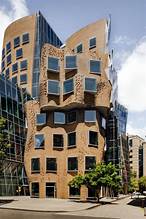
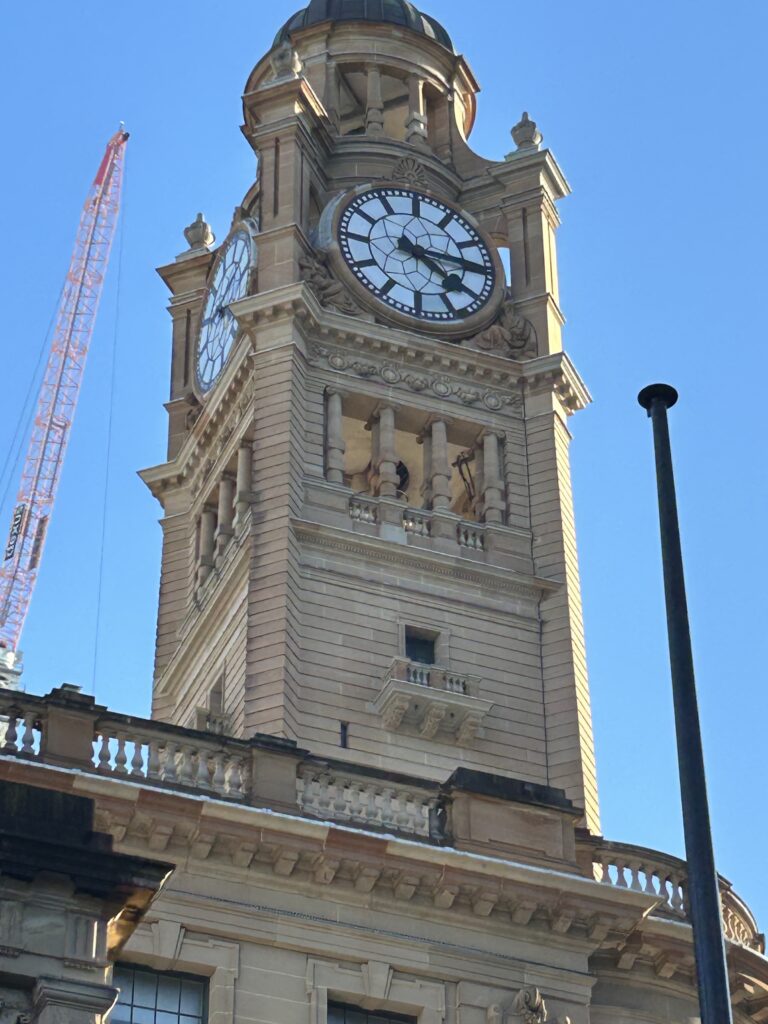
We did not dock at the Circular Quay Terminal at The Rocks, but at the White Bay Terminal farther away. The shuttle dropped us off at King’s Wharf. As we started walking across town, we admired the modern city with effective rapid transit systems. We got to Hyde Park, then the Australian Museum where we got on a hop-on-hop-off bus to move around the city. We passed the Central Station, dating from 1906; then the Sydney Fish Market, the largest in the Southern Hemisphere; and on to China town, the country’s largest Chinatown. Centered around a pedestrian walkway, it is easy to navigate.
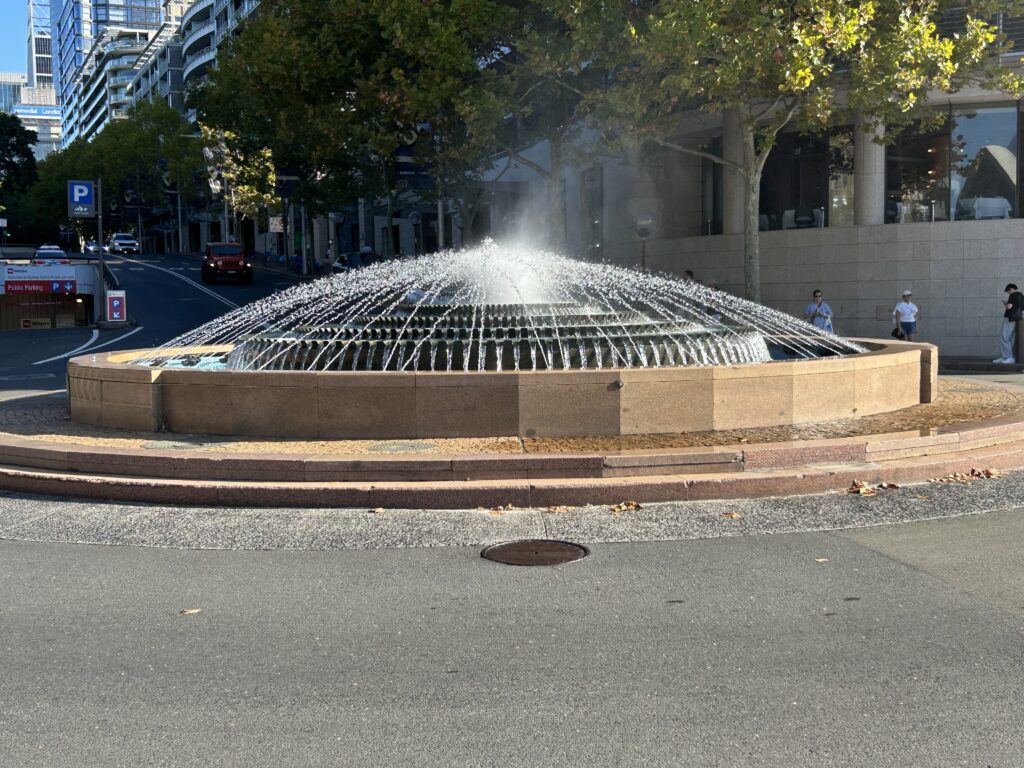
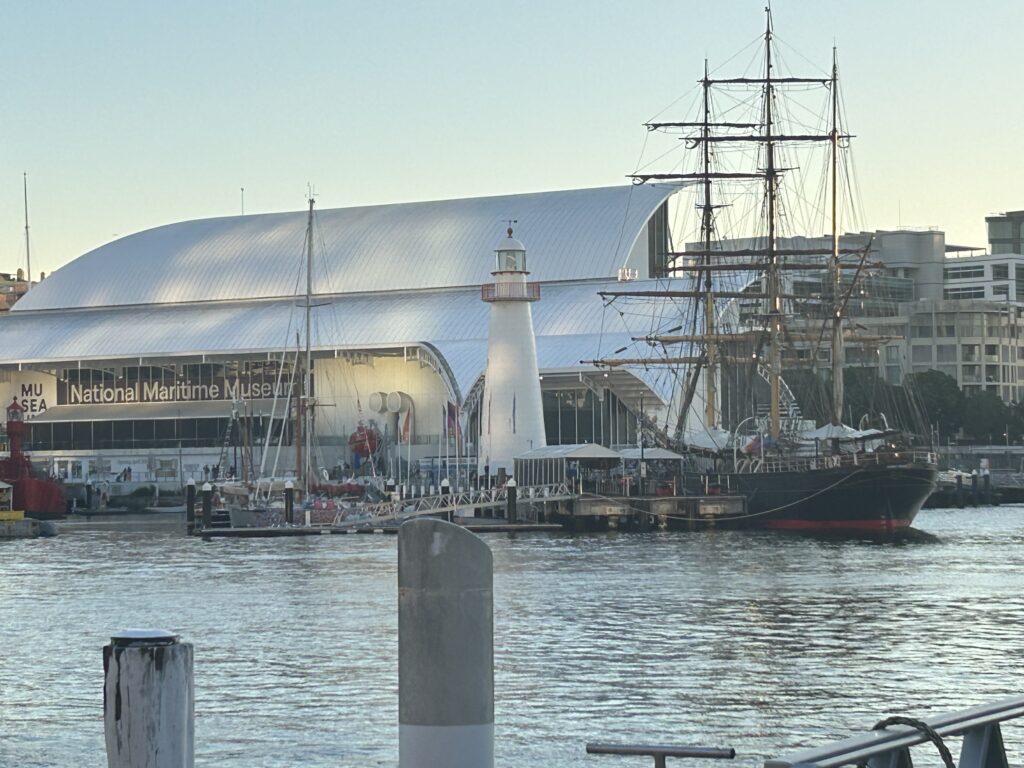
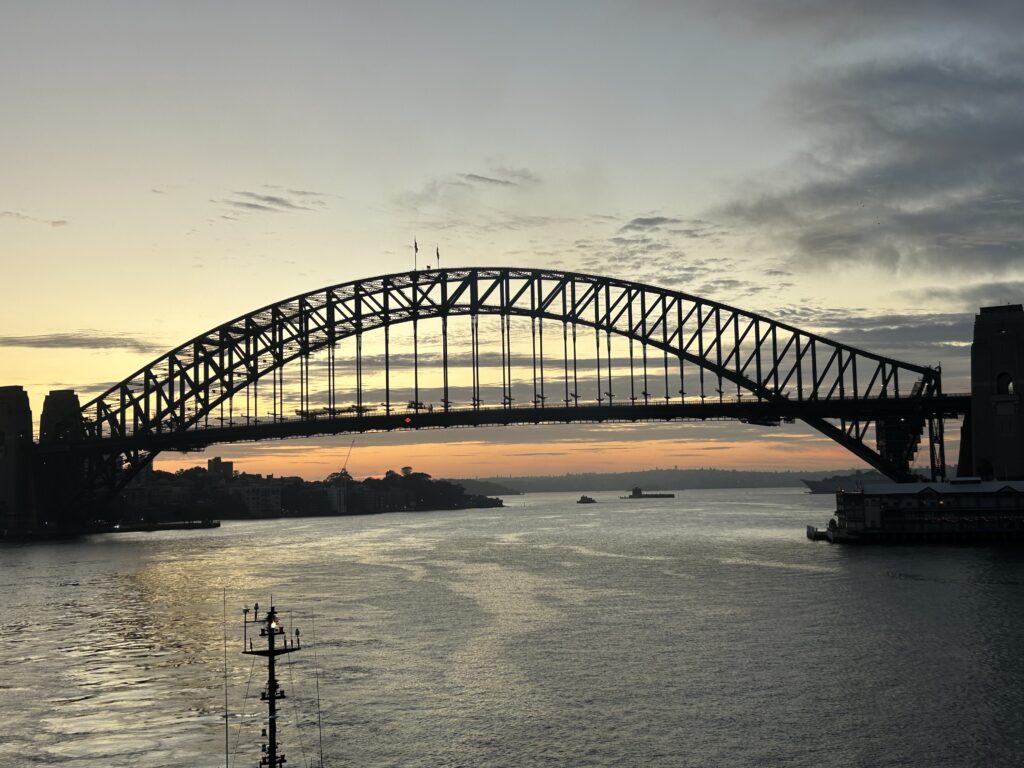
Next was the Sydney Harbour Bridge, the “Coathanger” which has spanned the two sides of the harbor for over 100 years. One can climb to the summit of the bridge (440 feet) for a fee. It is the largest steel arch bridge on the planet. It opened in 1932. We wandered around The Rocks, considered the birthplace of modern Sydney. Walking down the cobblestone walkways, we admired the well-preserved heritage buildings. This area was home to the Gadigal people for thousands of years before the Europeans settlers arrived in 1788 and took over their land. The Rocks became Australia’s first town center and home to the country’s first marketplace.
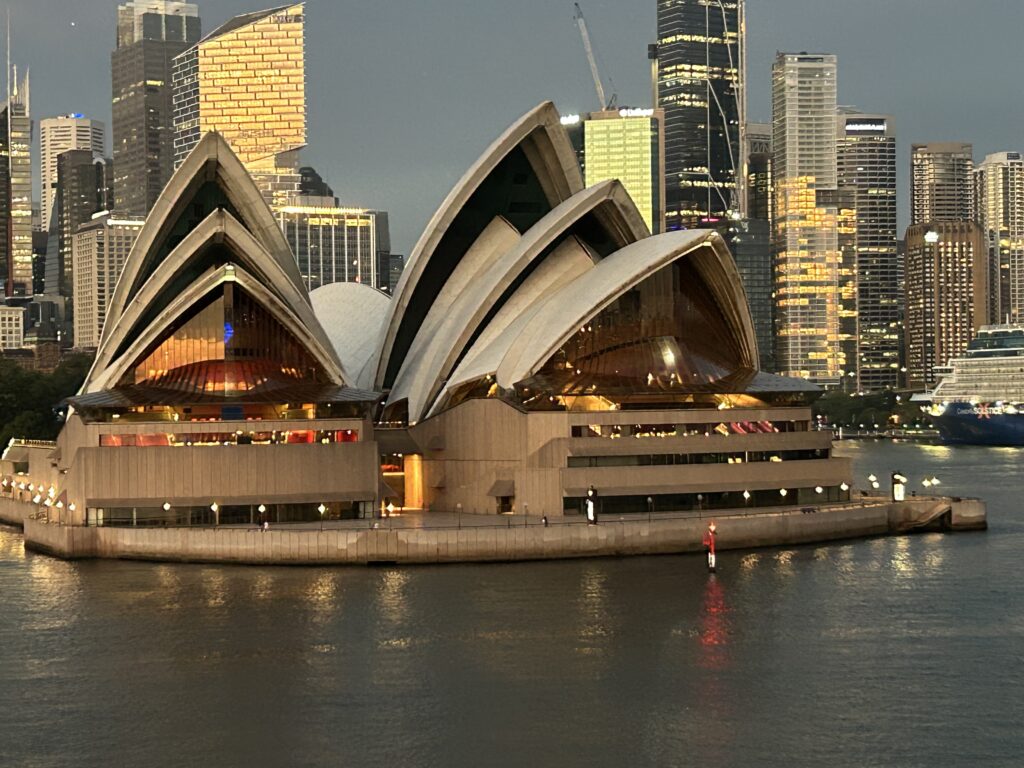
Finally, we got to the iconic Opera House. Composed of gleaming white sail-shaped shells, the Opera House was designed by Danish architect Jørn Utzon. It was opened in 1973 by Queen Elizabeth II and later became a UNESCO World Heritage Site. After exploring inside and out, we walked by the beautiful botanical gardens just up from the Opera House. There are 15 themed gardens with more than 27,000 plants from around the world. After a long day we rode back to King’s Wharf to catch the last shuttle back to the ship.
Whitsunday Island
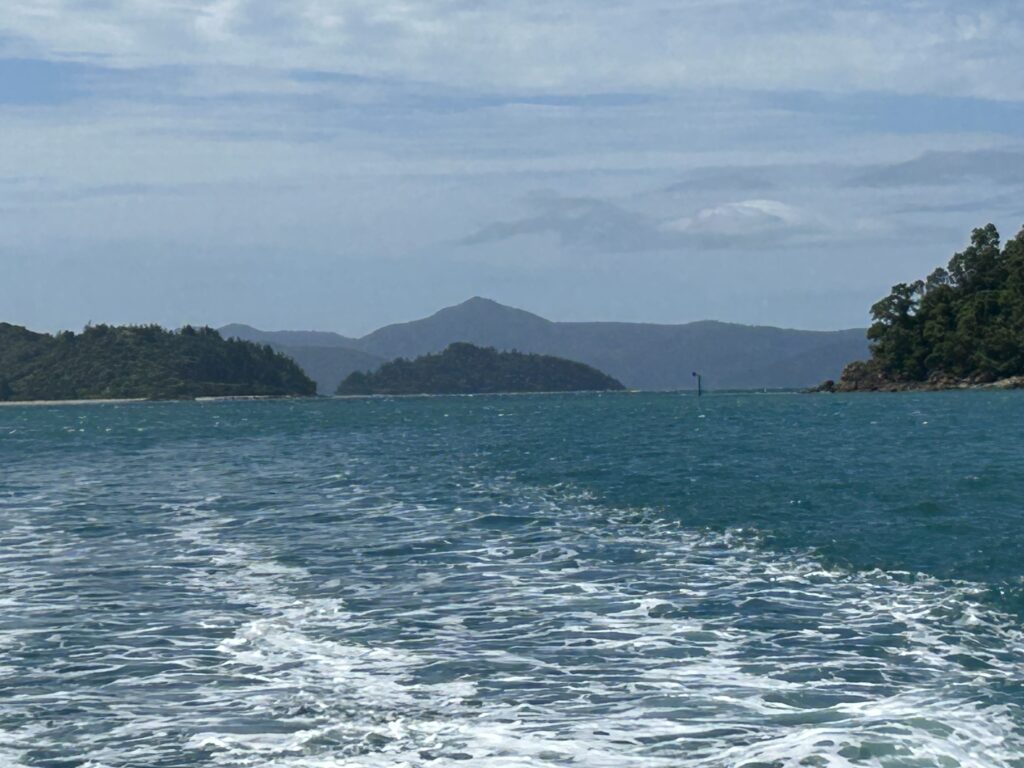
The Whitsunday Islands include 74 continental islands off the central coast of Queensland Australia, north of Brisbane. The traditional owners were the aboriginal Ngaro and Gia peoples. On Sunday, 3 June 1770, Captain James Cook sailed his ship the Endeavor through the islands, naming the passage Whitsunday’s Passage because it was on Pentecost (Whitsunday). The name became the name of the Island group.
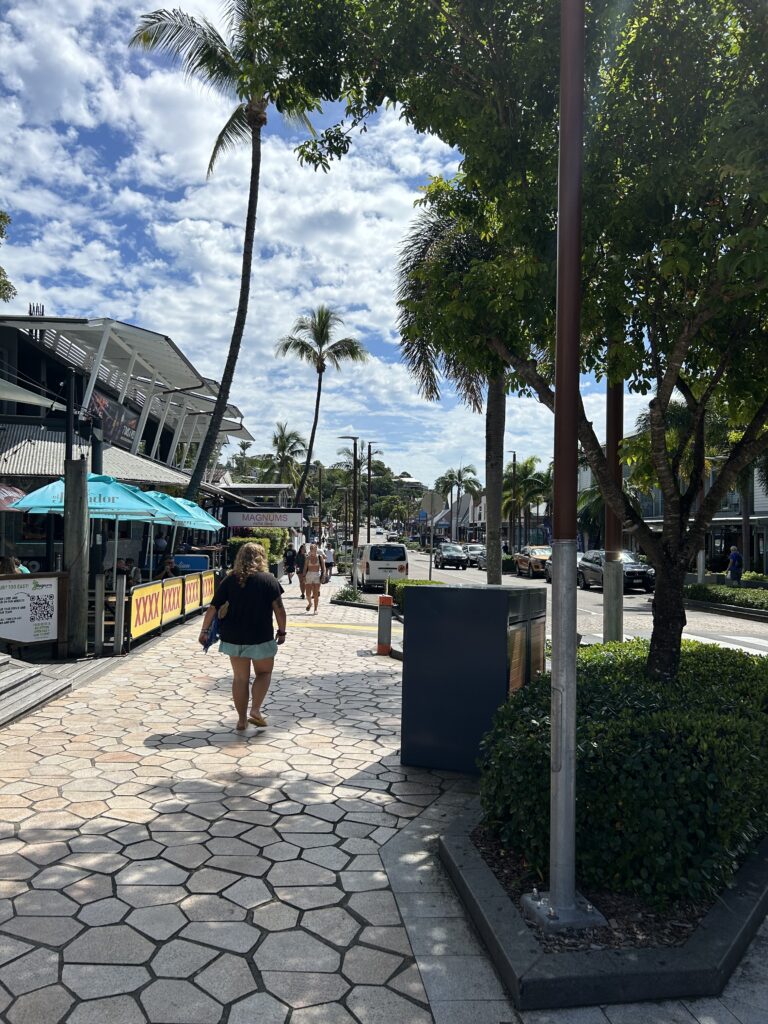
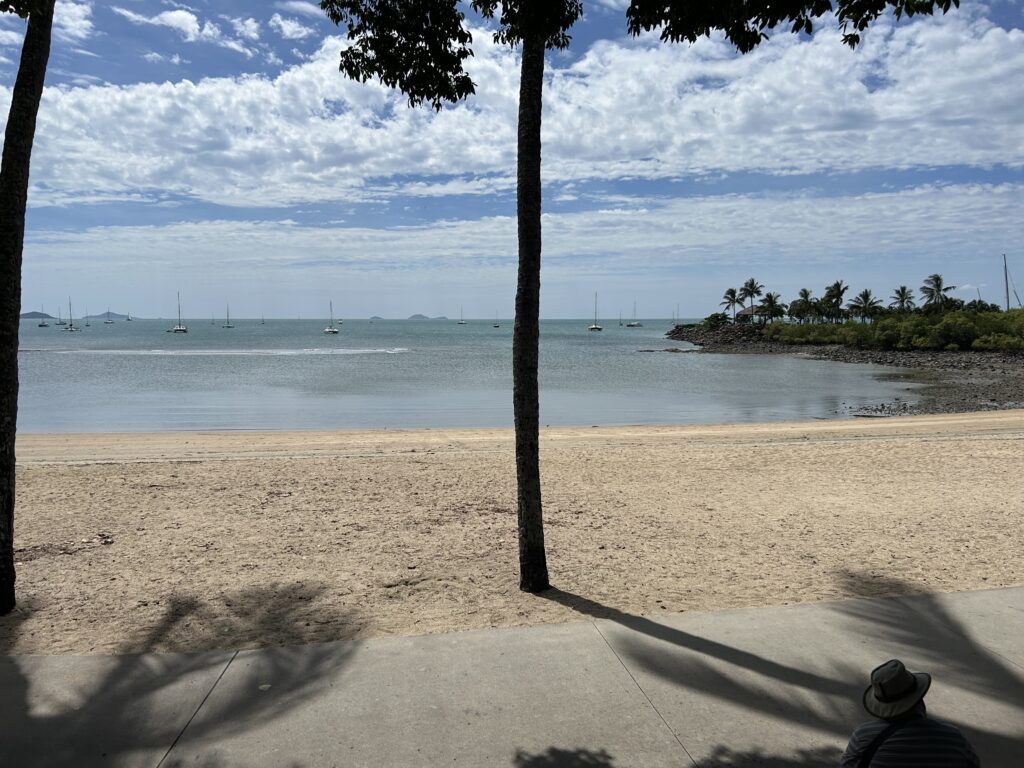
The Whitsunday region boasts a vibrant tapestry of natural wonders: lush rainforests, pristine beaches, and the Coral Sea. It is a jumping off point for exploring the Great Barrier Reef. At the center lies Airlie Beach where our ship anchored. The tender ride was a half hour long, and then there was a 15-minute bus ride from the port to the town. The town’s main street Shute Harbour Road is lined with colorful shops, lively bars, and restaurants serving local cuisine. Nearby one can find the tropical rainforest and waterfalls in Conway National Park.
Townsville
Our next port was Townsville; perched on the Coral Sea, it is the capital of North Queensland. The city is adjacent to the central section of the Great Barrier Reef. It is also an industrial center with one of the world’s largest zinc refineries and a nickel refinery. It also is Australia’s “fortress city,” home to a one of the largest military bases. Townsville is located in the dry tropics region of Queensland.
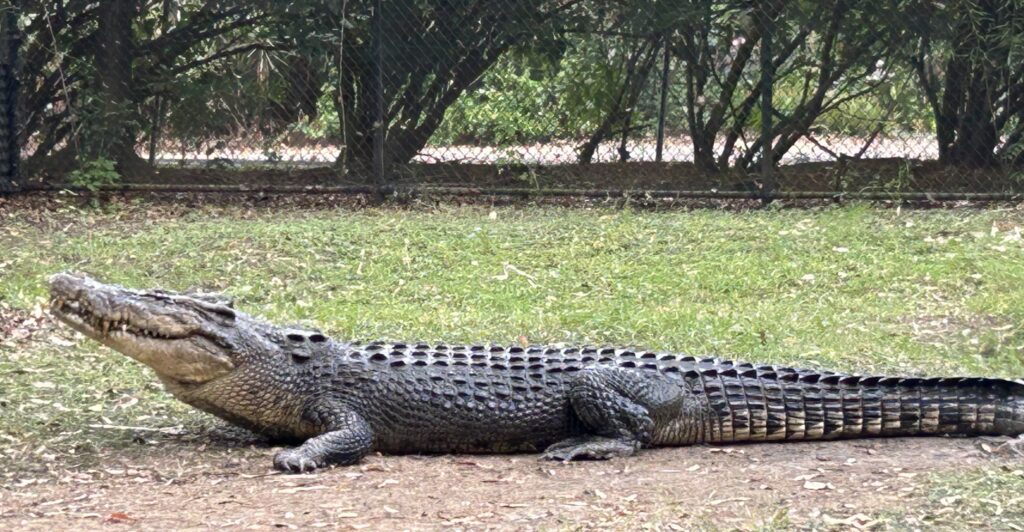
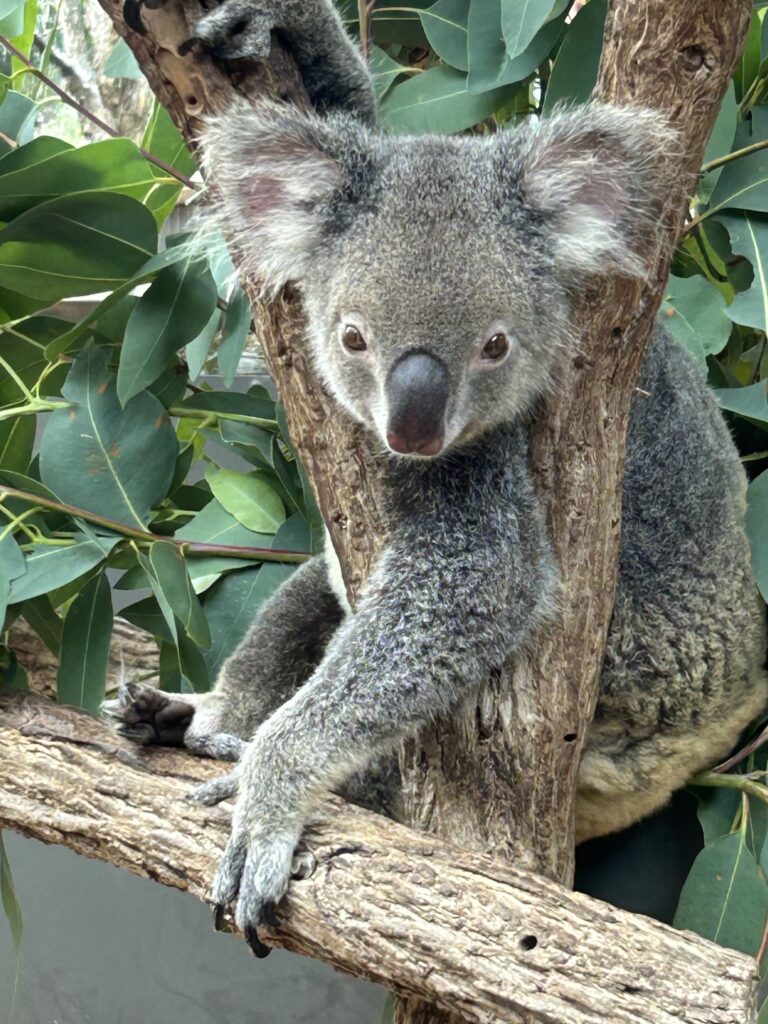
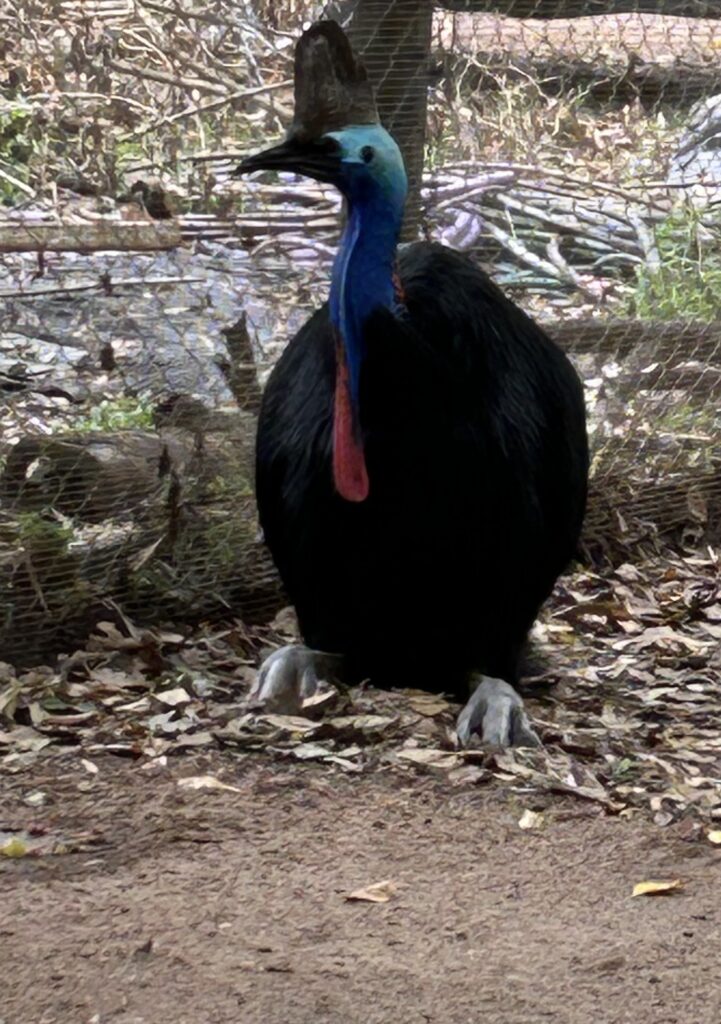
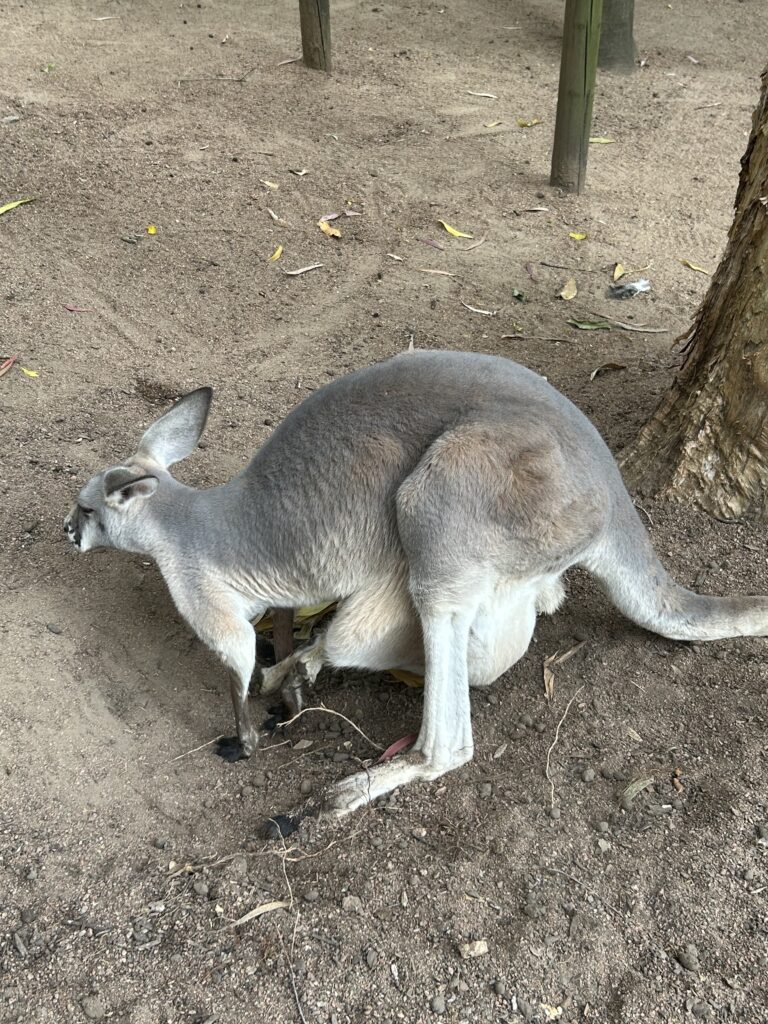
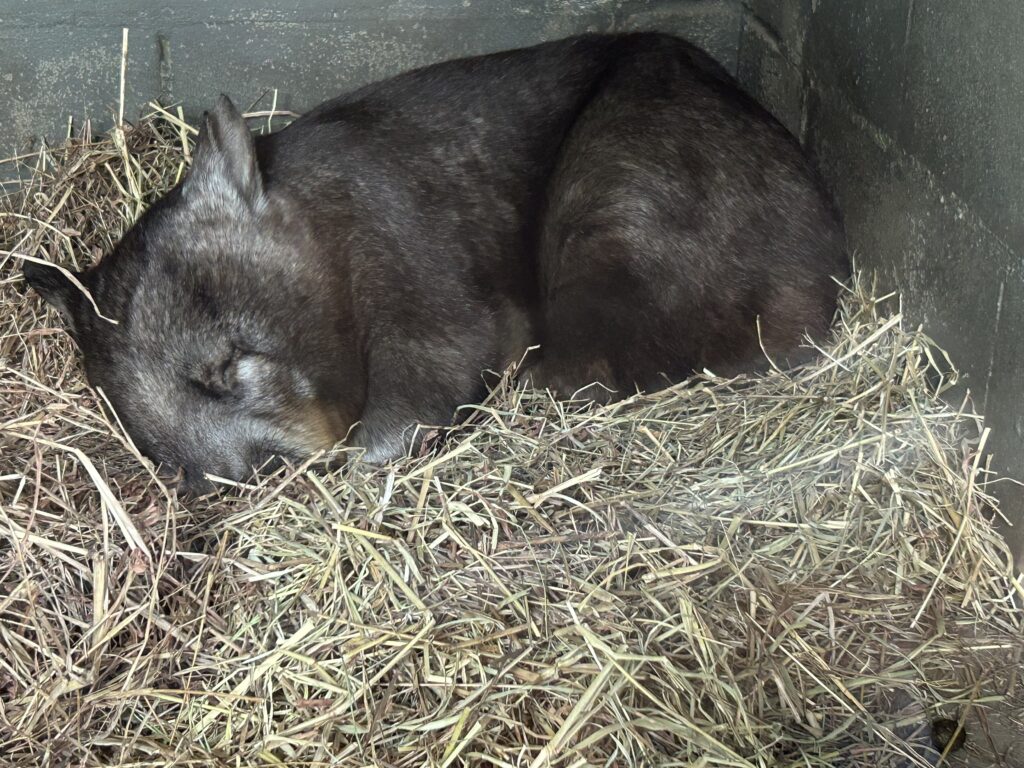
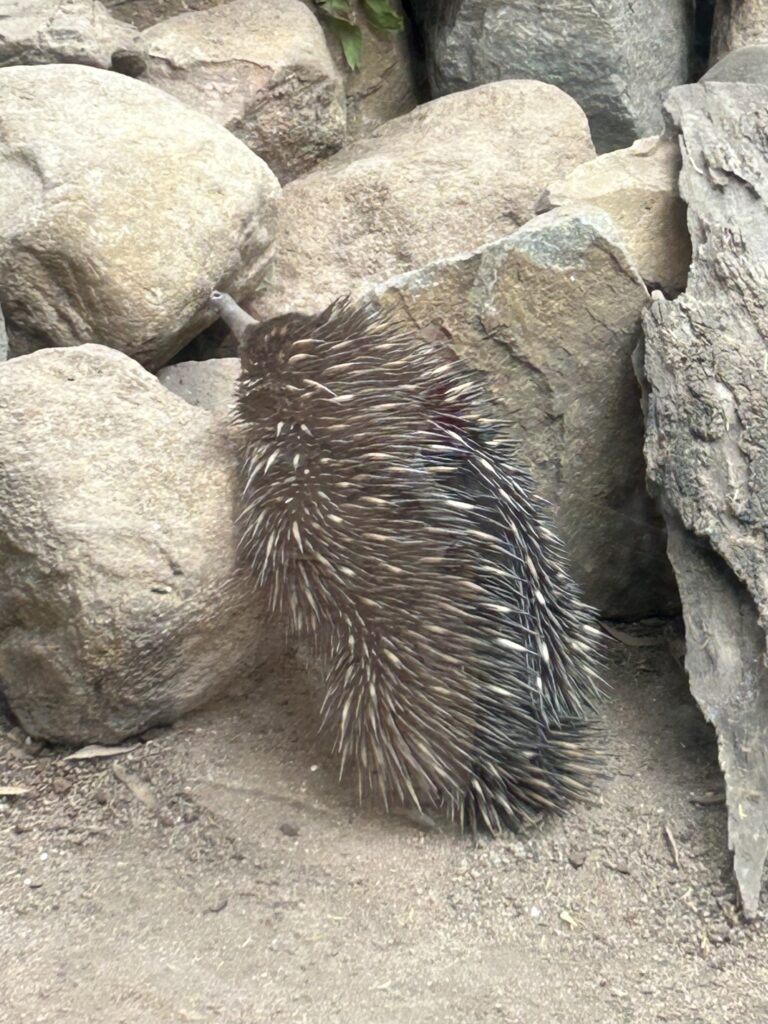
Most impressive was the Billibong Nature Preserve. Here we saw Crocodiles, Kangaroos, Ibises, Koalas, Echidnas, Wombats, and Cassowary birds in their natural environments
We went on the to fort which has been made into a public park.
A neighboring island, Magnetic Island, is now mostly a National Park. Interesting note, Julian Assange lived there for a while
Cairns
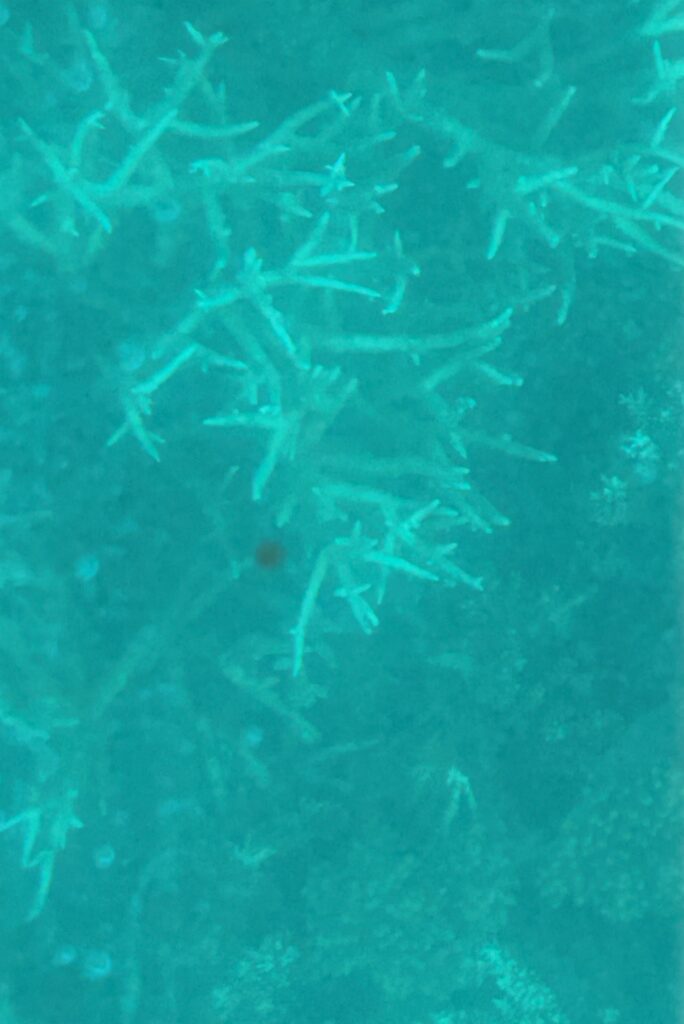
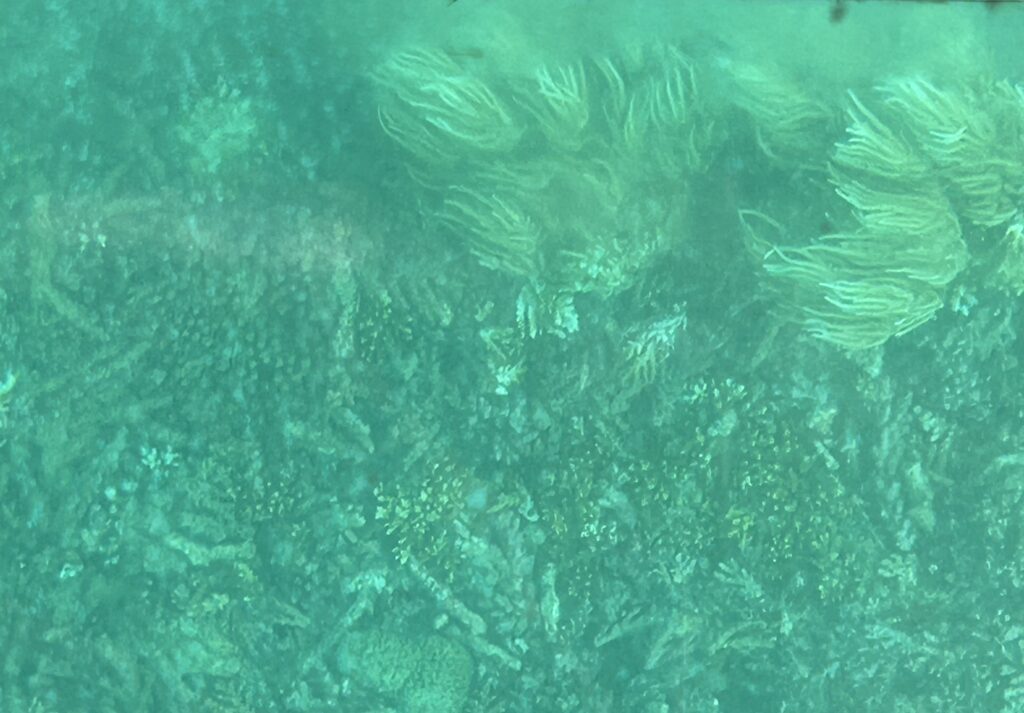
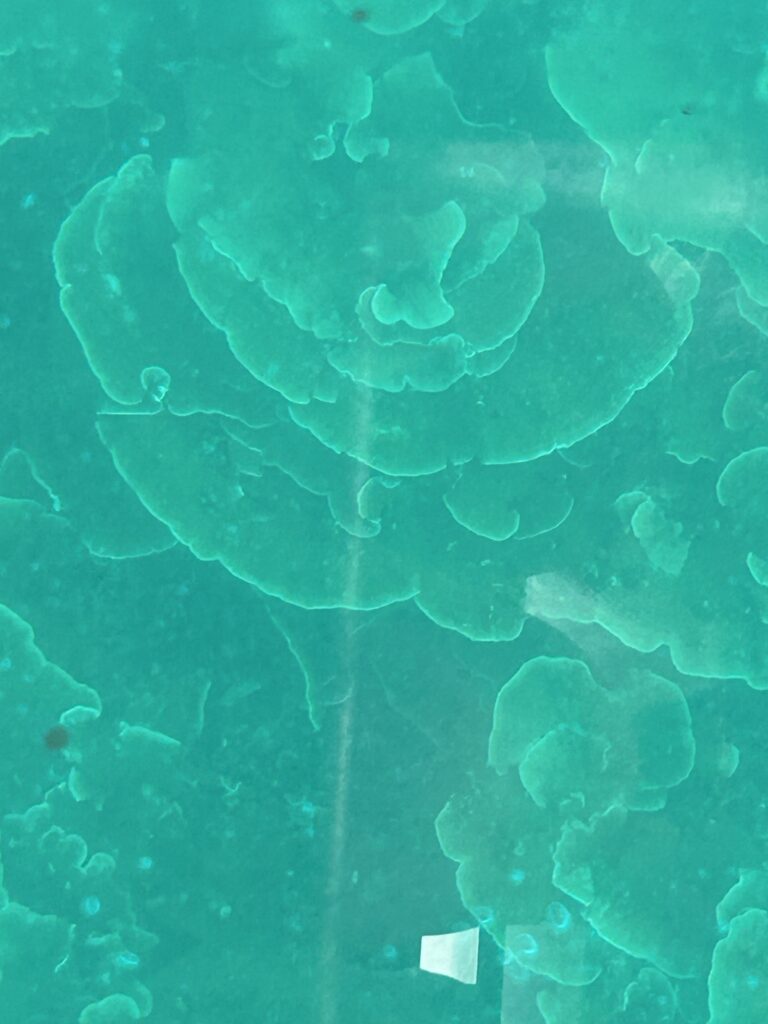
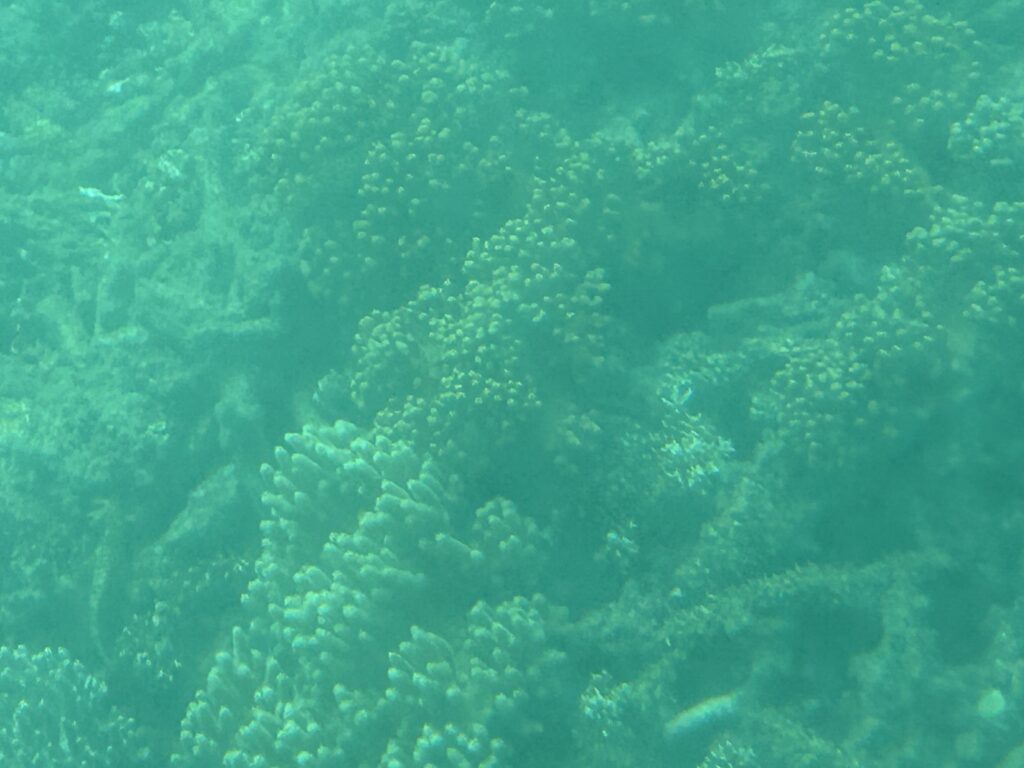
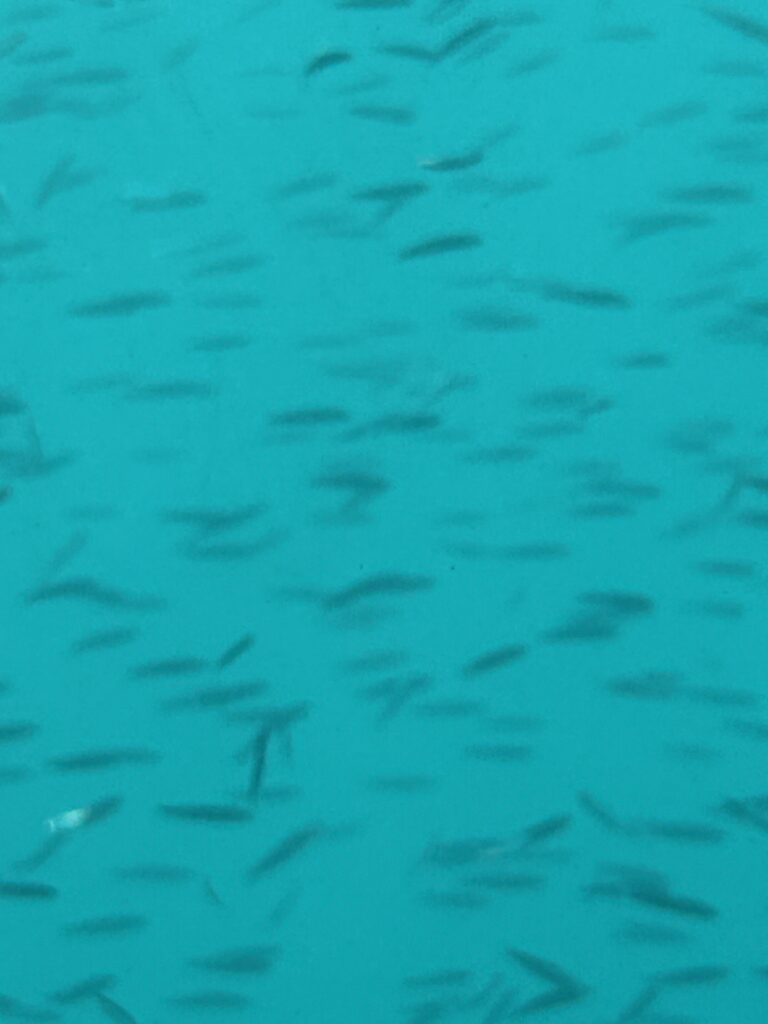
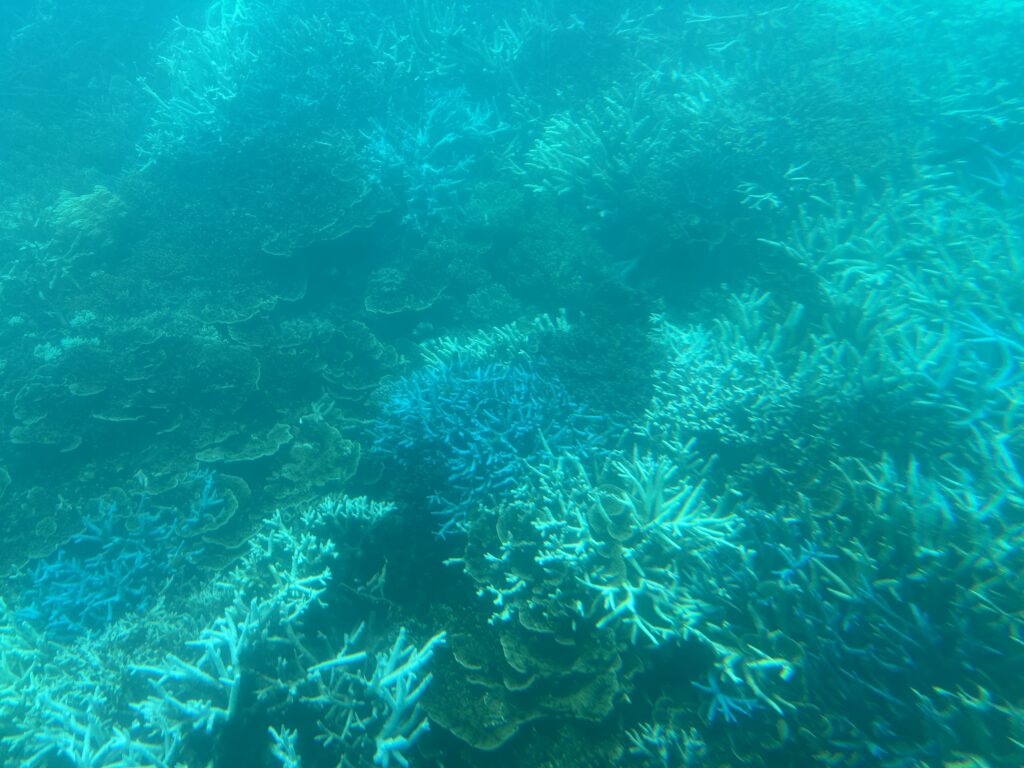
Also located in Queensland, Cairns is a coastal gem with diverse cultures. The Aboriginal Art Gallery showcases the artistic traditions of the indigenous peoples. For us, it was the jumping off port for the Great Barrier Reef. We embarked on a day-long trip to the reef by catamaran. Then we boarded a pontoon with an underwater viewing room. From the pontoon, we first took a glass-bottomed boat over the reef and then a submersible that got us closer to the corals. I was awed by the varied shapes and sizes as well as the colors of the corals as well as the fish swimming around.
The Great Barrier Reef is often described as a “Cathedral Under the Sea.” It is 1,430 miles long, about as big as Italy or Japan. It contains over 600 coral types. Unfortunately, 30% of the coral is bleached. However, there are several ongoing projects to restore the corals on the reef.
Next we travelled through Torres Strait to reach Darwin, our last Australian port.
Darwin
Darwin lies on the northern coast of Australia. It is Australia’s gateway to Asia. Darwin is the capital and largest city of the Northern territory and Australia’s only tropical city. The Larrakia people are the traditional owners of the area and the Aboriginal people are a significant proportion of the population today.
On 9 September 1839 the HMS Beagle sailed into Darwin Harbour during its survey of the area. Wickham, the captain, named the region “Port Darwin” in honor of Charles Darwin.
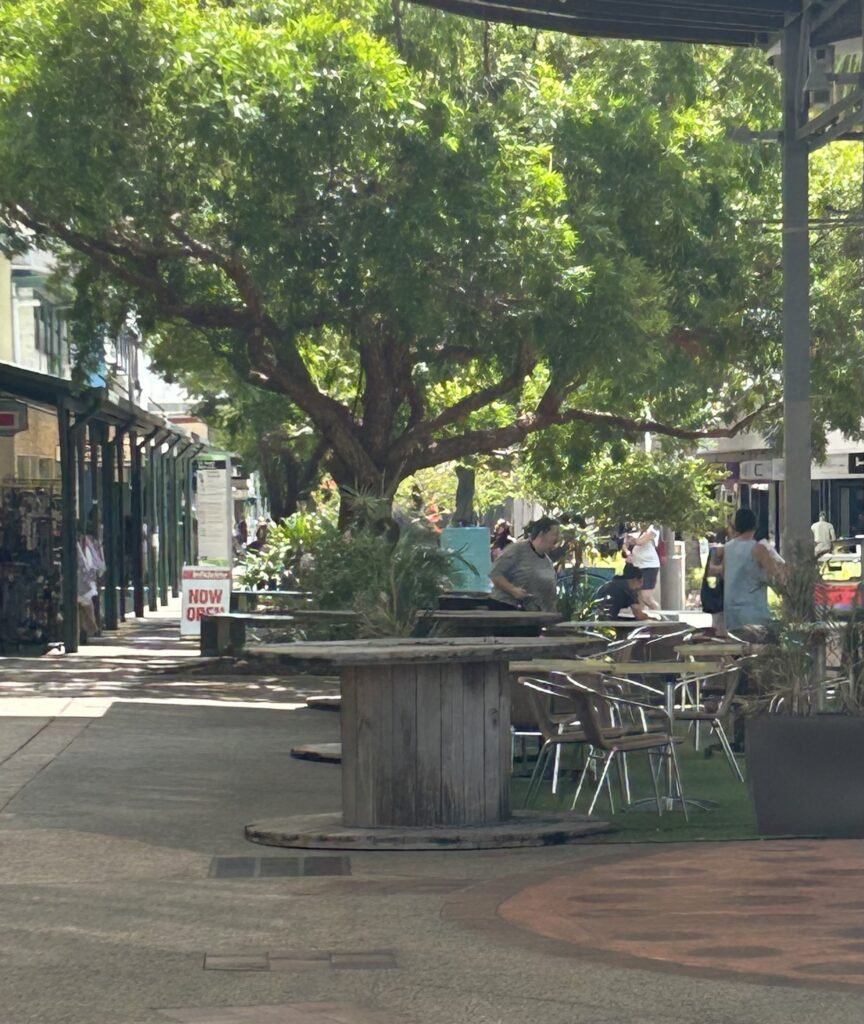
We took a Hop-on-Hop-Off bus tour. We wanted to do some shopping, so our first stop was the shopping mall downtown. It is a lovely pedestrian friendly area. It has a wonderful independent bookstore with lots of books about this part of Australia as well as a large Children’s section.
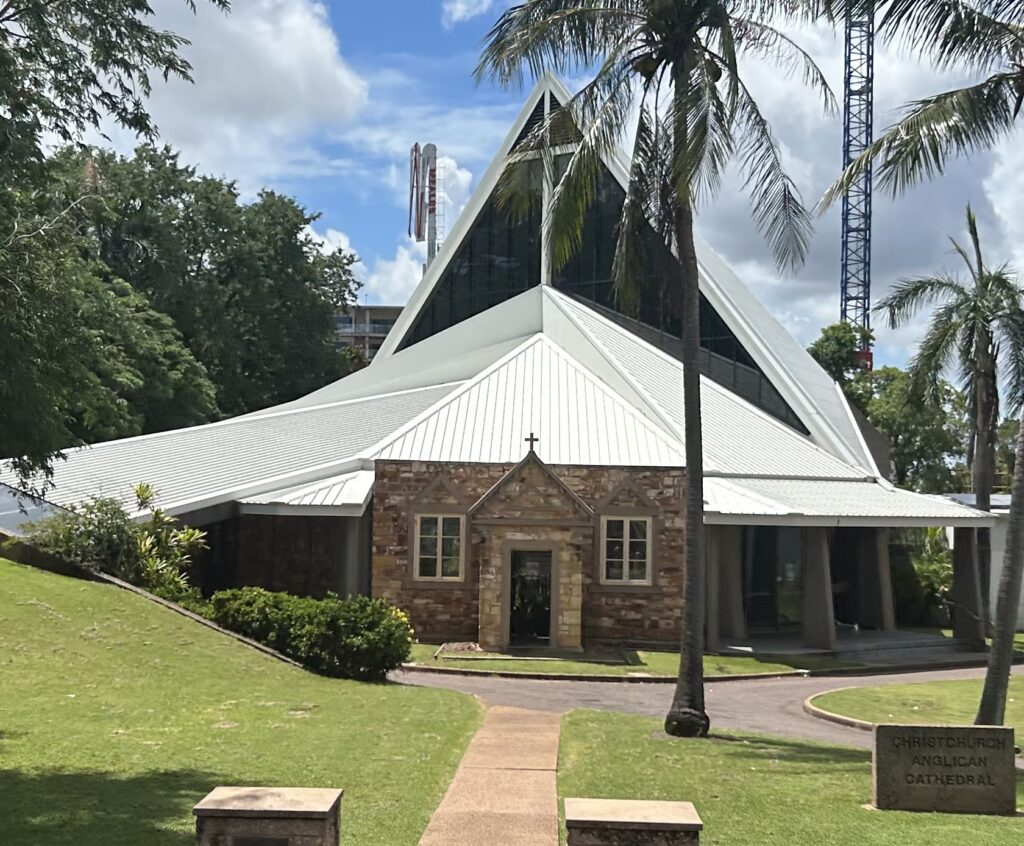
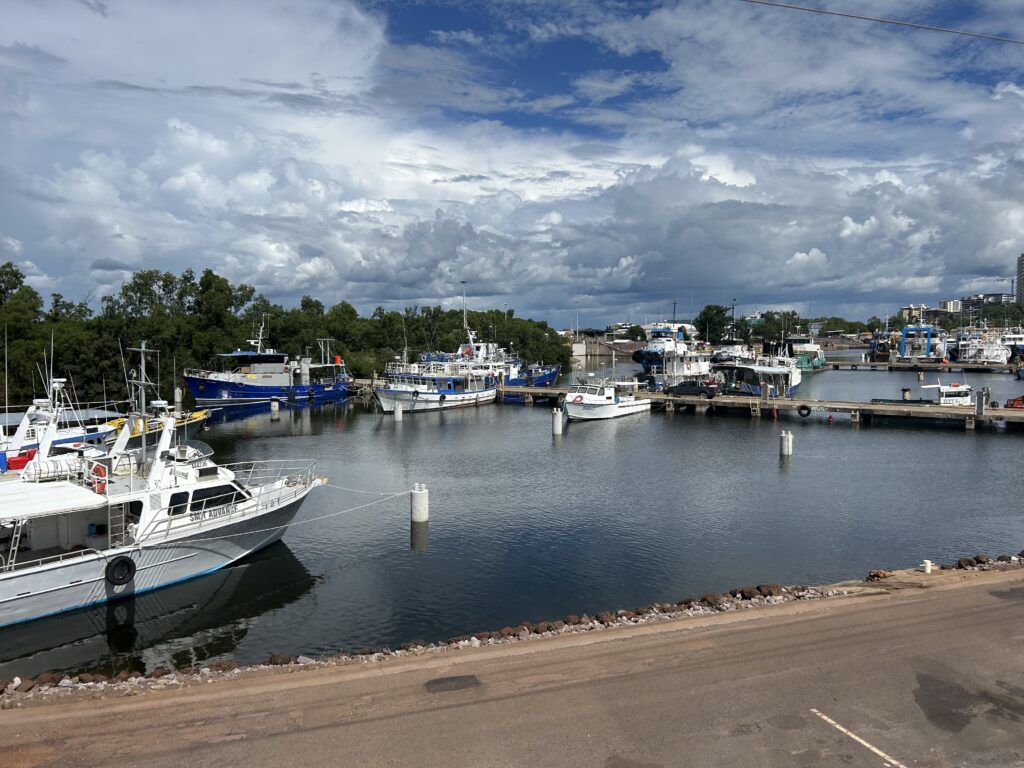
Our first site was Christ Church Cathedral, then the Parliament House, then out to Cullen Jetty where the ferrys depart for nearby islands. We passed the Botanical Gardens and then stopped at the Museum and Art Gallery of the Northern Territory. We continued around to the Convention Center and on to the Cruise Port over the Sky Bridge. By accident we got off two stops early because it looked like we were at the Cruise Ship. However, we had a drink, walked around a little, and then got the next bus to take us back to the ship.
This was a good introduction to the huge county/continent of Australia.
Leave a Reply