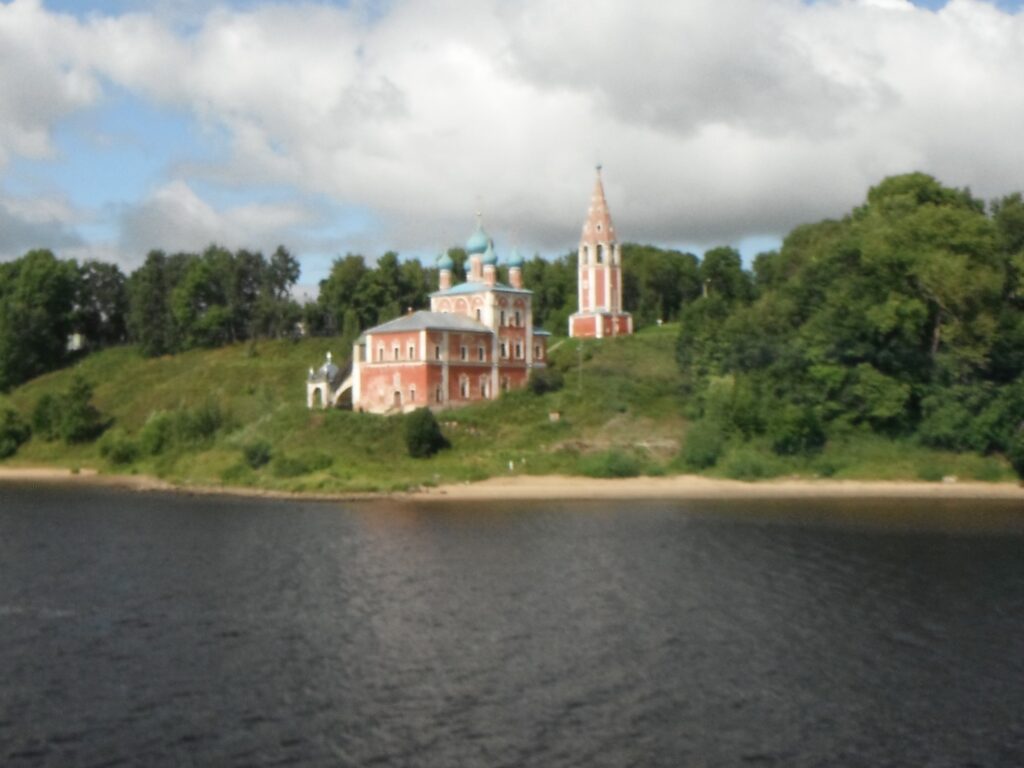
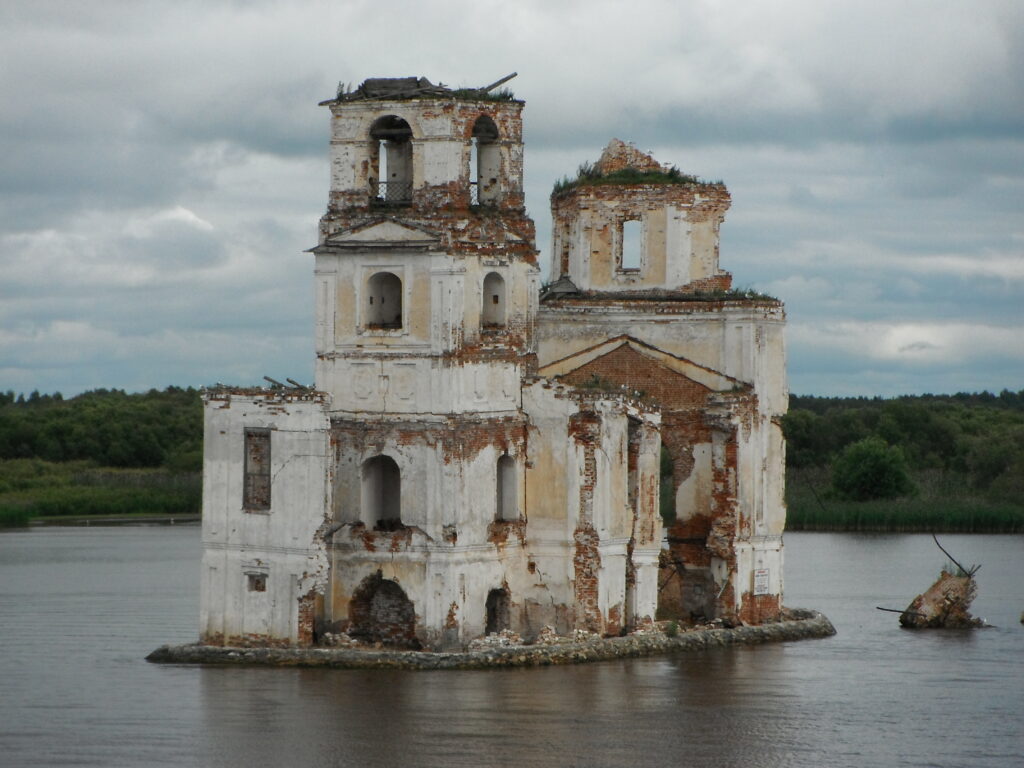
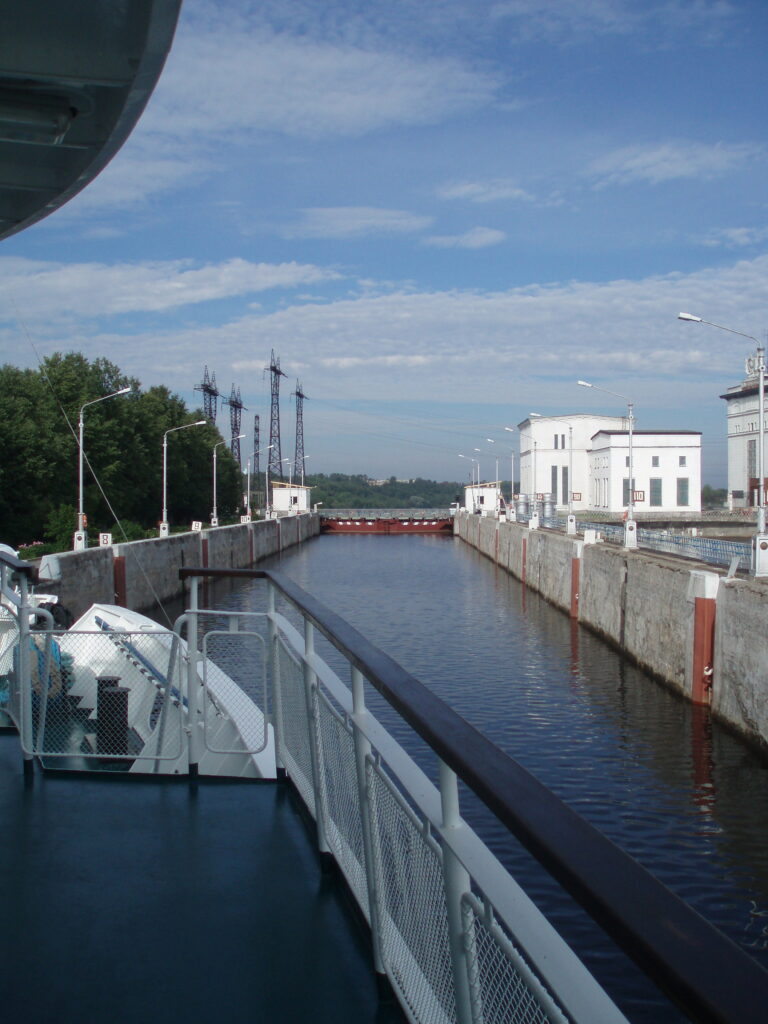
Our next stop was Goritsy. To get to there, we had to cross Lake Rybinsk and continue down the Volga River. We passed the Kazan Church in Tutayev on shore. We also passed the ruins of the Church of the Nativity in Krokhino. Build in 1788, it lies at the confluence of the Sheksna River and White Lake. We passed through a Lock at Podporozhye. Finally we arrived at Goritsky.
We embarked on a trip to the Monastery of St. Cyril, — Kirillo-Belozersky Monastery–8 km from the village on White Lake. It was the second largest and most important monastery of Russia; today it is part of the Historical and Architectural Museum-Reserve. A monk named Kirill from the Simonov Monastery in Moscow founded the Monastery in 1397. Rumors of a godly Cyril and his miracles attracted more monks to the area. In the XV-XVII centuries, the Cyril-Belozersky monastery became the spiritual and cultural center of the Russian North. Within the walls of the monastery was one of the most important libraries in Russia, holding many rare manuscripts and chronicles.
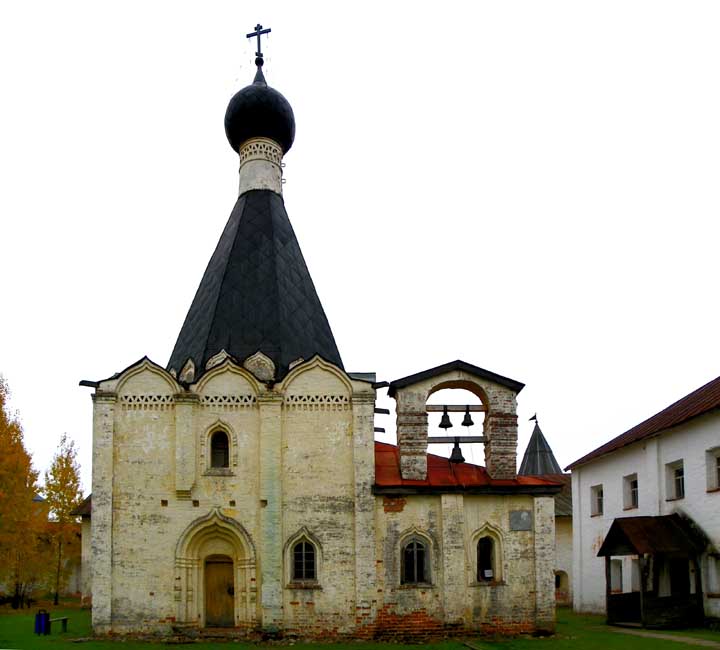
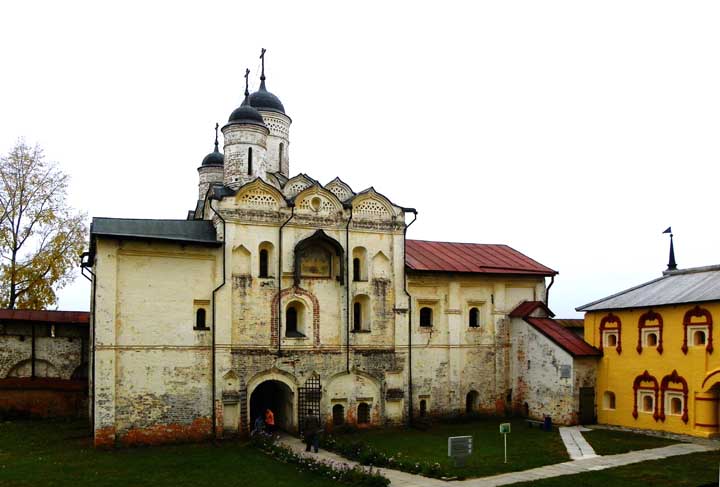
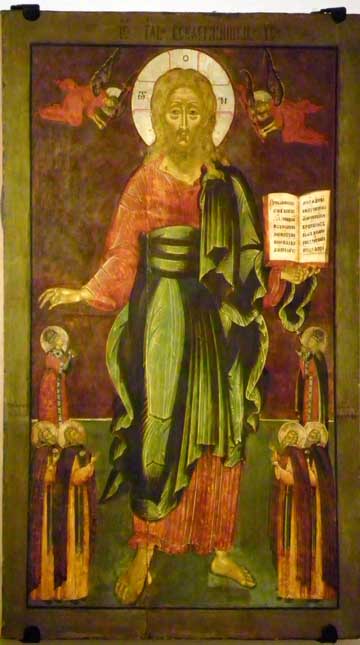
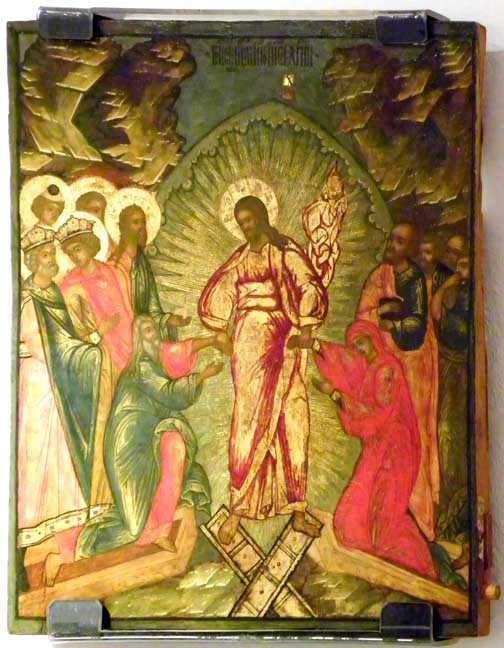
The vast walled area of the monastery comprises two separate priories with eleven churches, most of them dating to the 16th century. Its 17th-century iconostasis features many ancient icons, arranged in five tiers above a silver heaven gate endowed by Tsar Alexis in 1645. A lot of valuable objects kept in the sacristy are personal gifts of the tsars who visited the monastery. It became a major place of pilgrimage in the 17th century. It was fortified after invasions from the Poles to protect against invasions from the Swedes. The walls are 11m high. After the Bolsheviks, the monastery became a national museum.
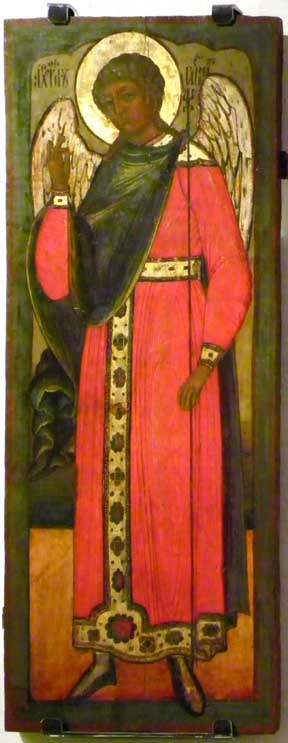
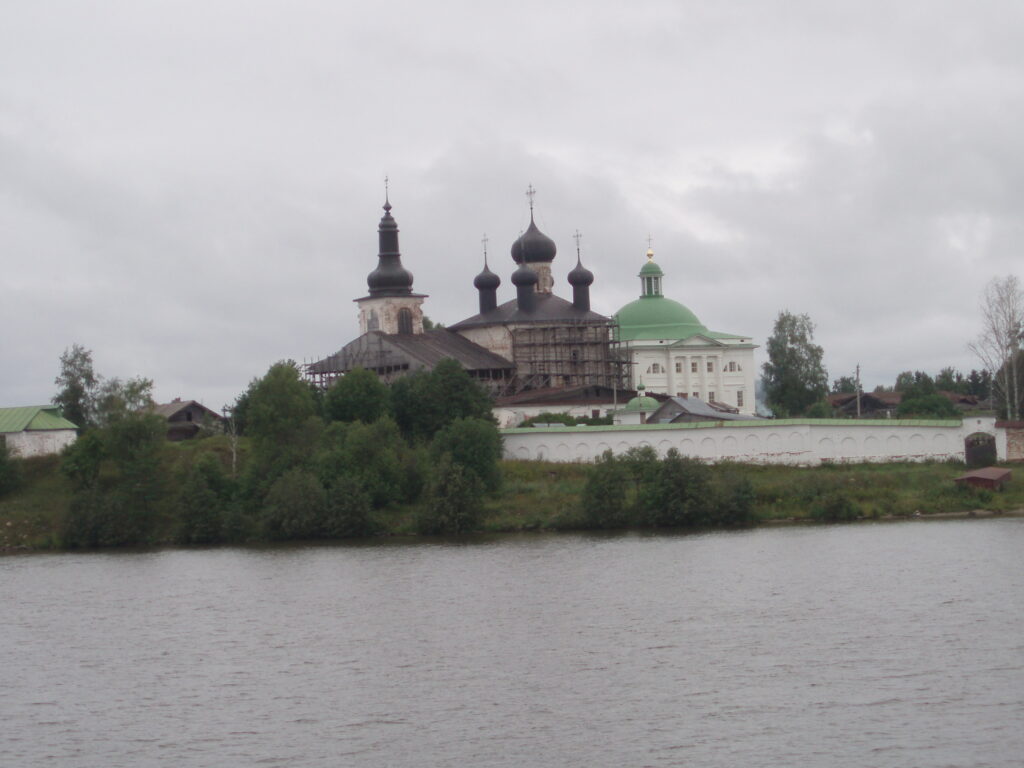
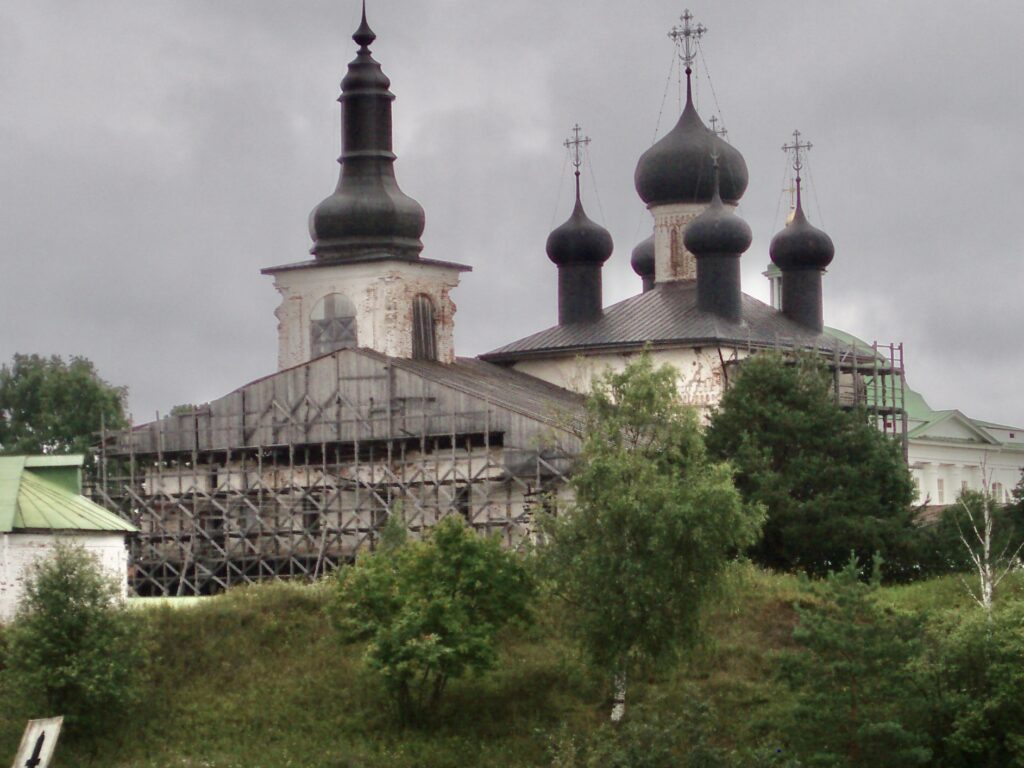
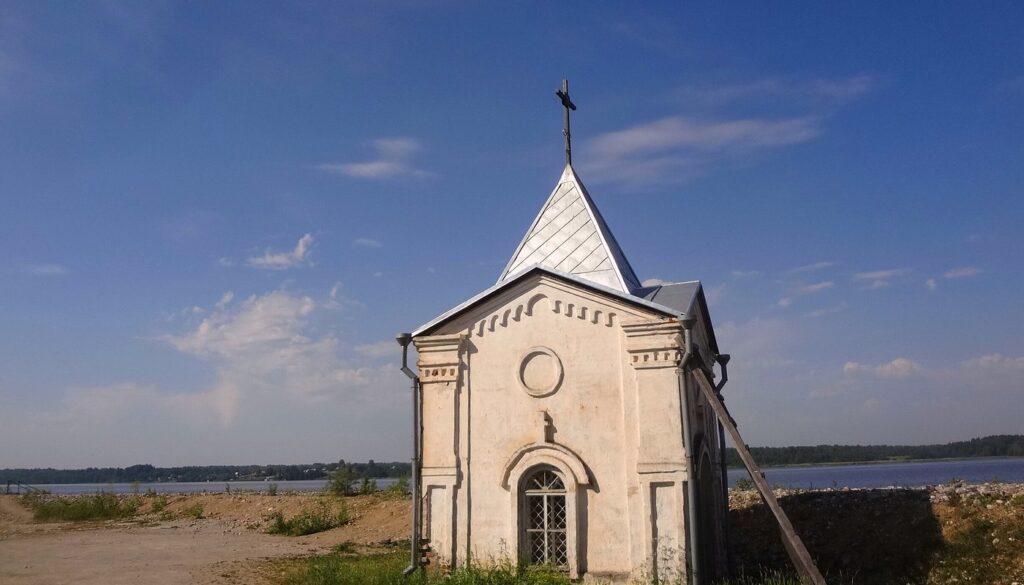
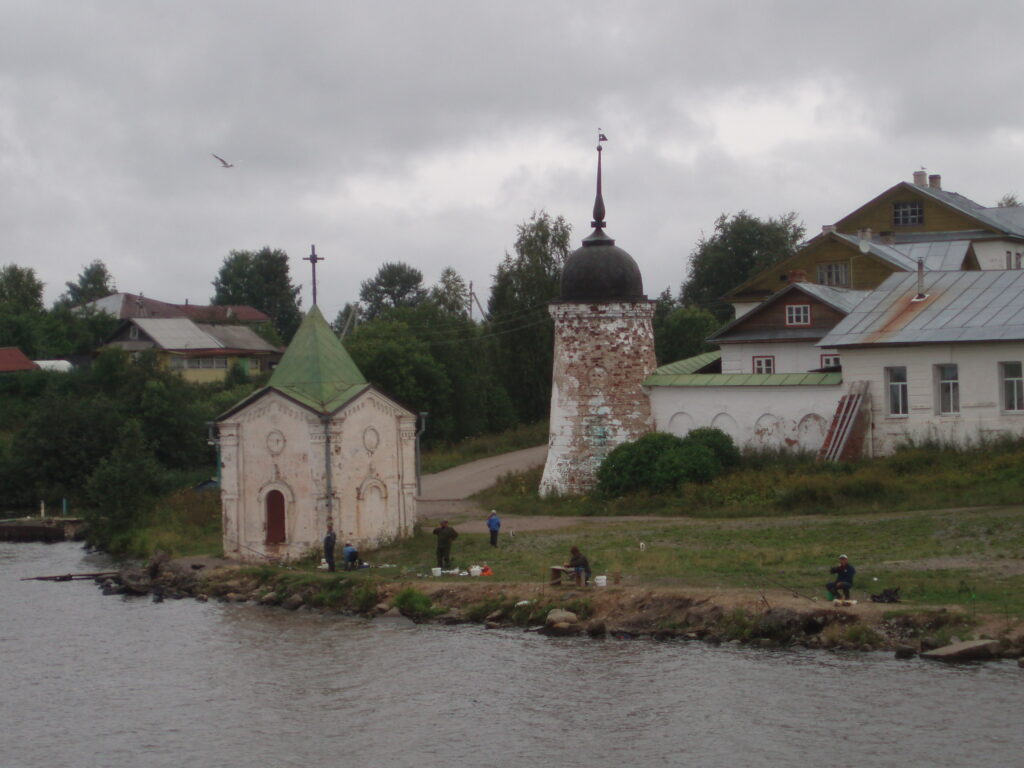
After the visit to the monastery, we were bussed back to the main town to enjoy the picturesque environment. Right on the shore is Resurrection Convent dating from 1544. The town proper has several monasteries and has a very tranquil atmosphere
Leave a Reply