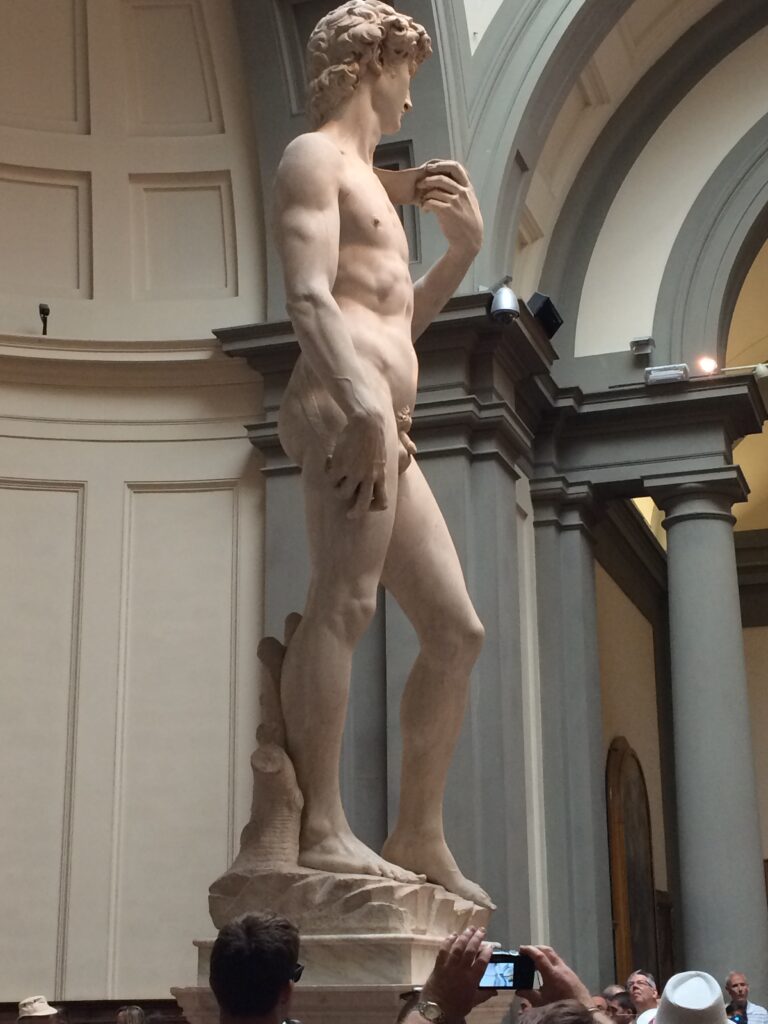
Our ship docked in Livorno. We opted for the tour of Renaissance Florence. To get to Florence, we had an hour and a half drive through the beautiful Tuscan hills. The tour began with a visit to the Accademia, where Michelangelo’s colossal “David” is housed. It is breath-taking. All the pictures I have seen of it could not capture its magnificence. Michelangelo’s “Prisoners” and “St. Mathew” are also there. The museum houses other great works as well. The main halls offer works by great Italian artists such as Sandro Botticelli, Domenico Ghirlandaio, Pontormo, Andrea del Sarto, Allessando Allori and Orcagna, to name just a few of the painters.
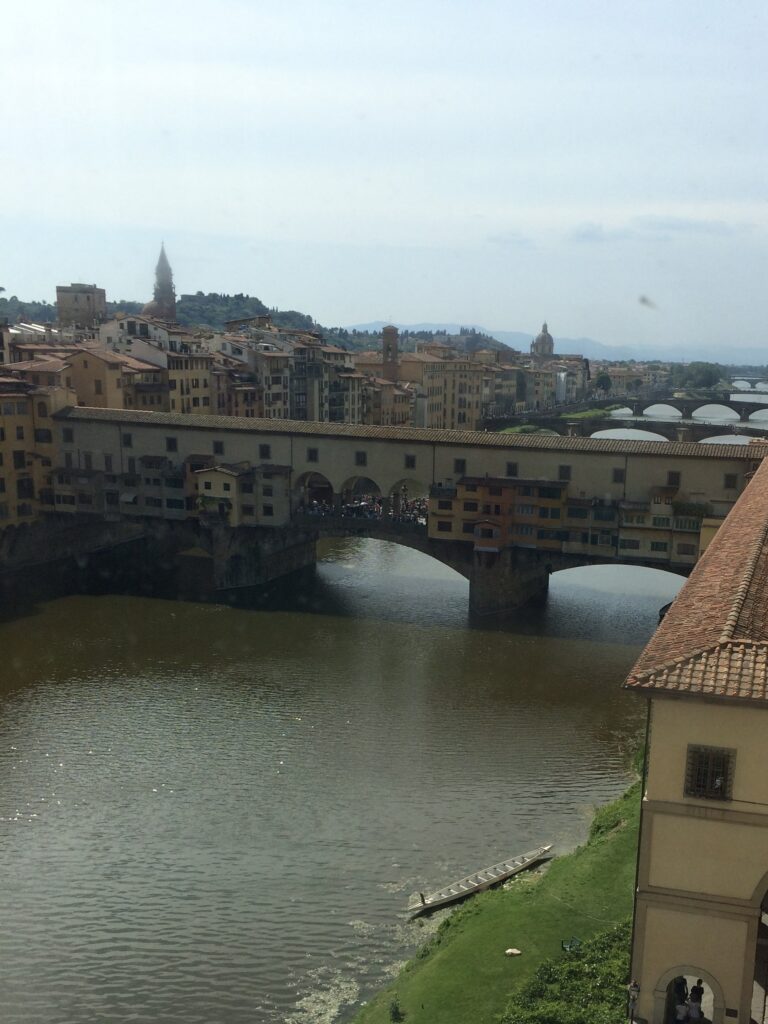
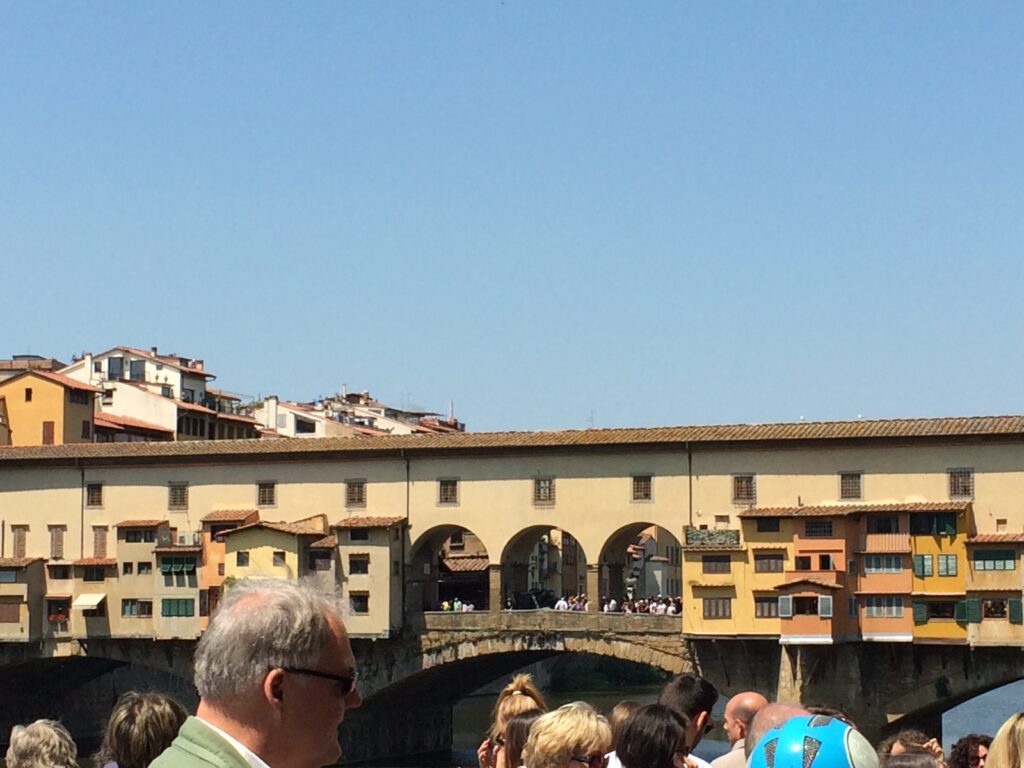
After that, we walked past the 10th century Ponte Vecchio bridge with shops (I had seen its double in Bath). Built very close to the Roman crossing, the Ponte Vecchio, or Old Bridge, was the only bridge across the Arno in Florence until 1218. Originally the bridge was built as a system of defense, and the windows and artistic elements that we can admire now were added after the shops were sold to the merchants. There have been shops on Ponte Vecchio since the 13th century. In 1593, Ferdinand I decreed that only goldsmiths and jewellers be allowed to have their shops on the bridge in order to improve the wellbeing of all, including their own as they walked over the bridge. Benvenuto Cellini, a 16th century goldsmith, is honored with a bust on the bridge.
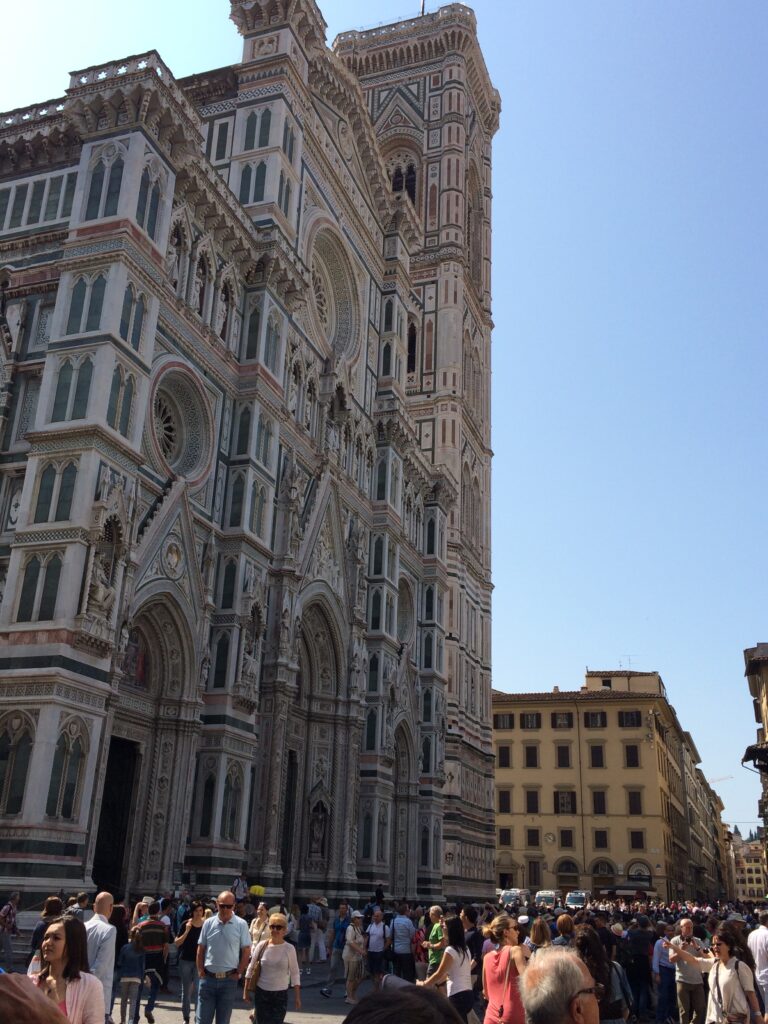
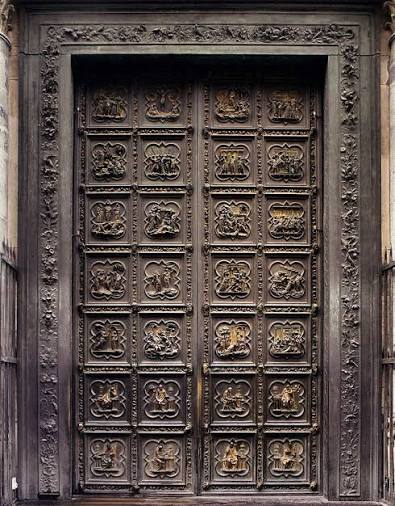
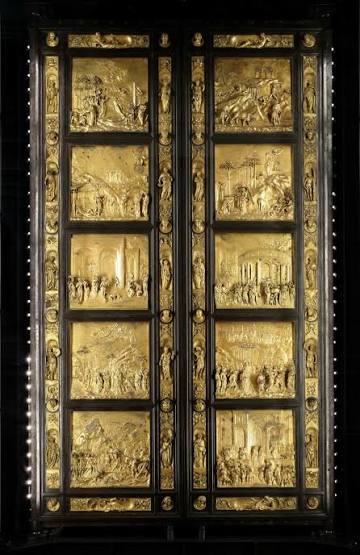
Next, we walked to the Duomo Cathedral and Baptistery where Ghiberti and Donatello competed to design the bronze doors, the “Gates of Paradise.” It was begun in 1296 in the Gothic style to a design of Arnolfo di Cambio and was structurally completed by 1436, with the dome designed by Filippo Brunelleschi. The exterior of the basilica is faced with polychrome marble panels in various shades of green and pink, bordered by white, and has an elaborate 19th-century Gothic Revival façade by Emilio de Fabris. The cathedral complex, in Piazza del Duomo includes the Baptistry and Giotto’s Campanile.
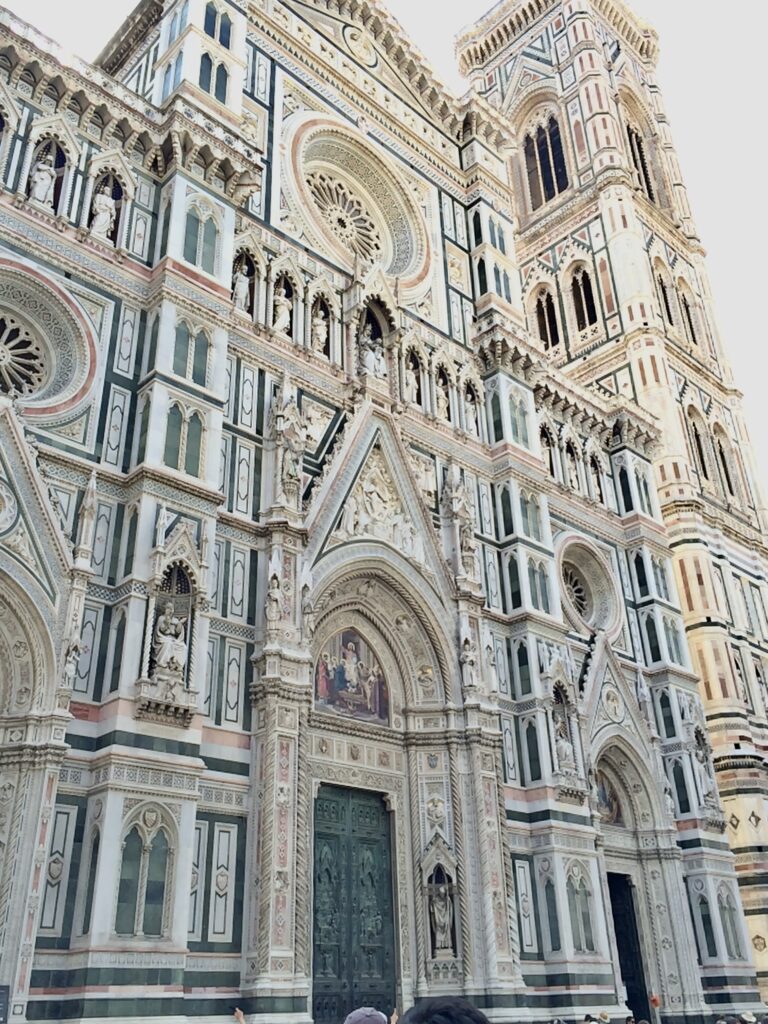
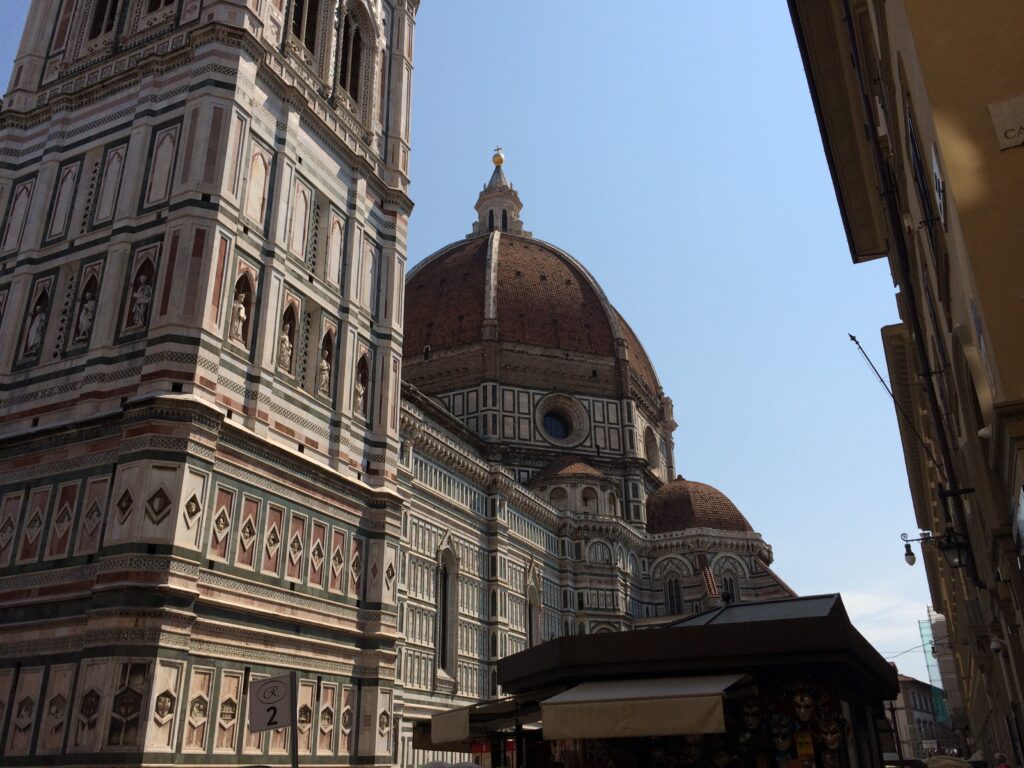
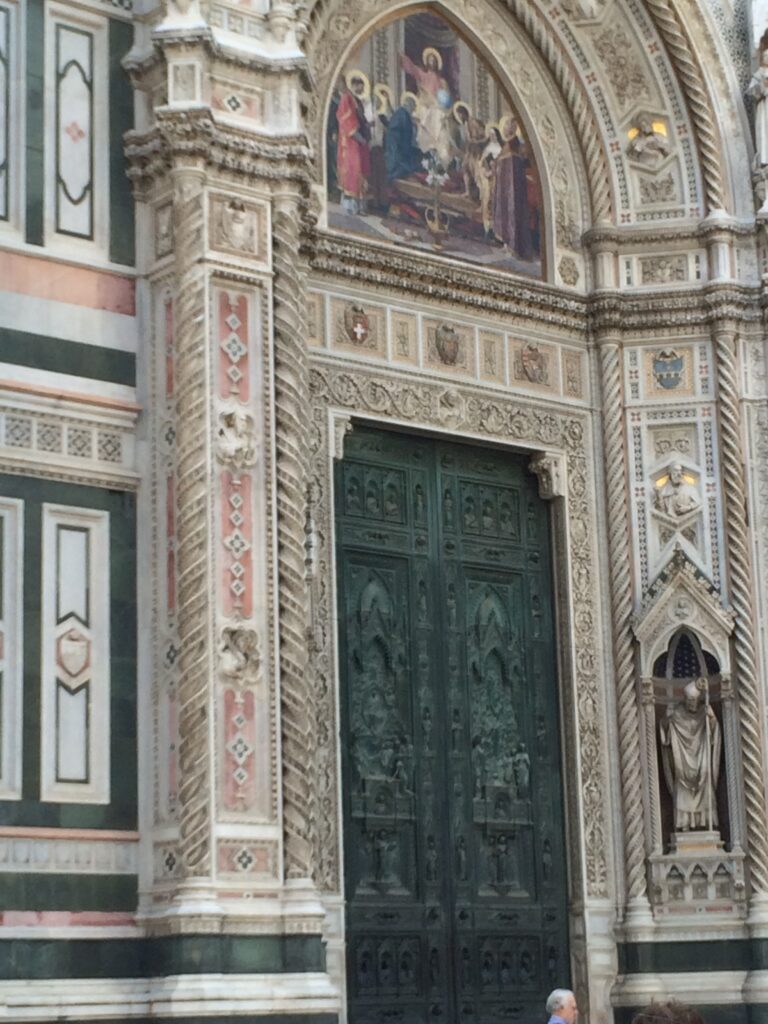
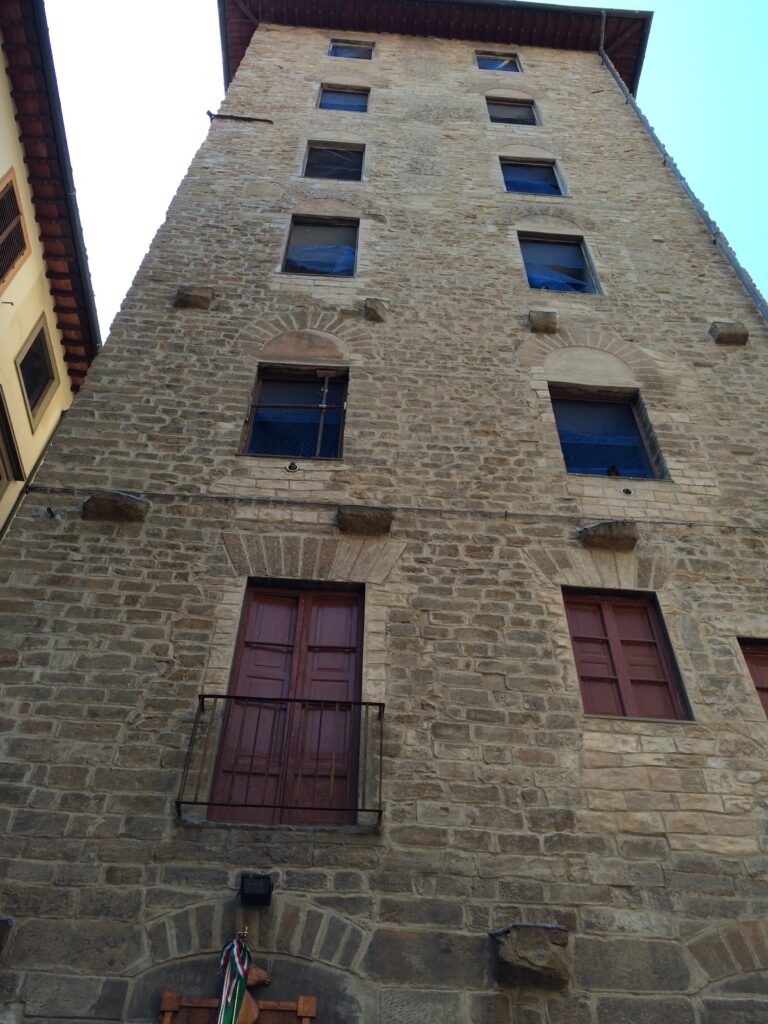
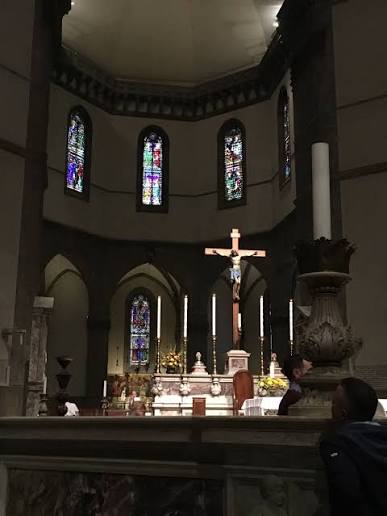
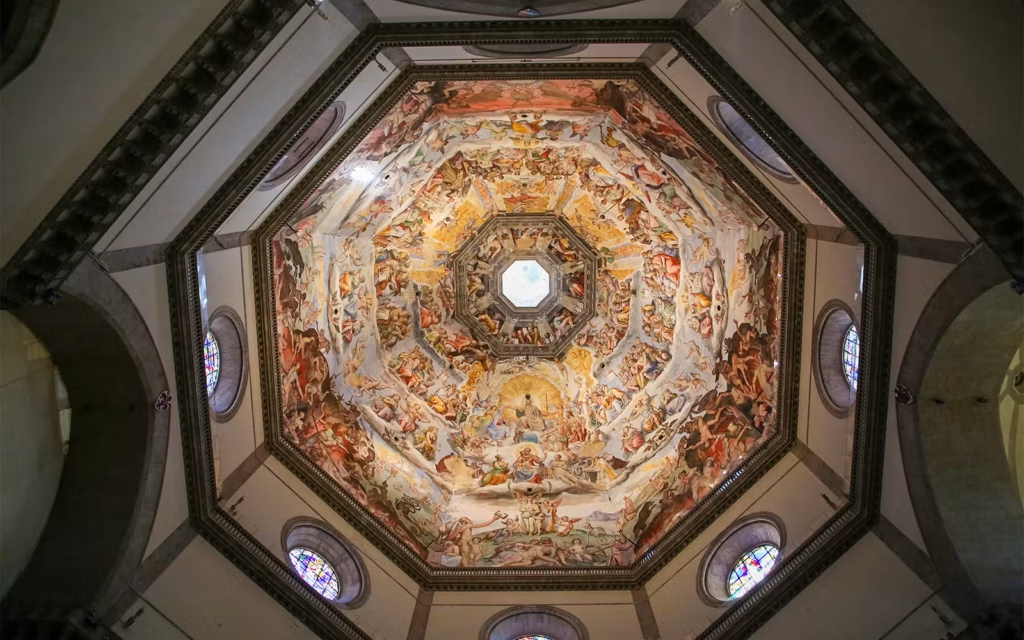
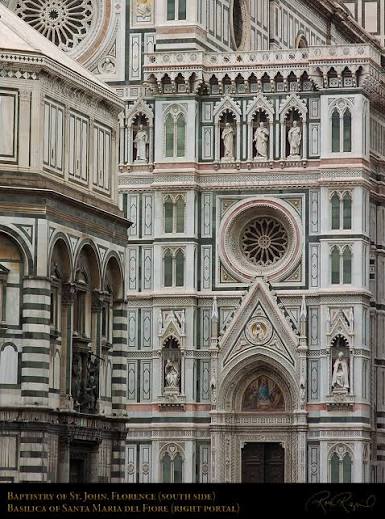
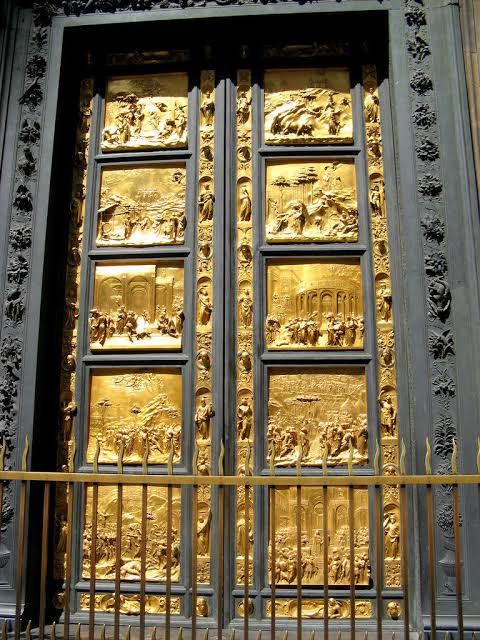
Gates of Paradise
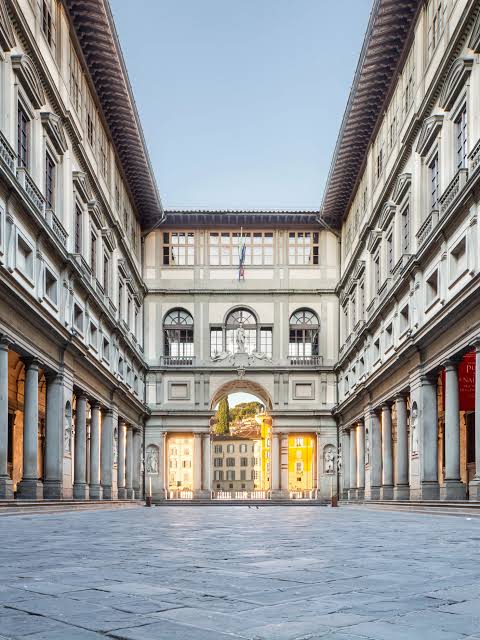
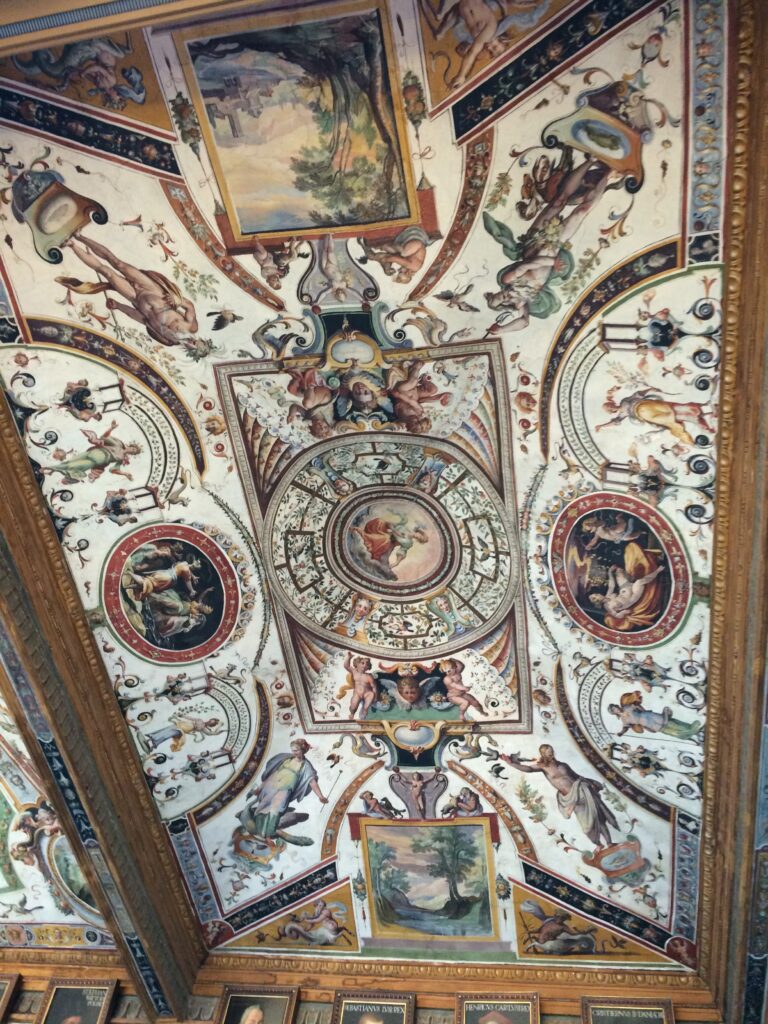
After a lunch, we went to the Uffizi Museum, located adjacent to the Piazza del Segnorio in the Historic Centre of Florence. This 16th century palace houses such Renaissance masterpieces as The Annunciation by Leonardo di Vinci, the Madonnas by Filippo Lippi and an entire room of Botticelli. The Gallery entirely occupies the first and second floors of the large building constructed between 1560 and 1580 and designed by Giorgio Vasari. It is famous worldwide for its outstanding collections of ancient sculptures and paintings.
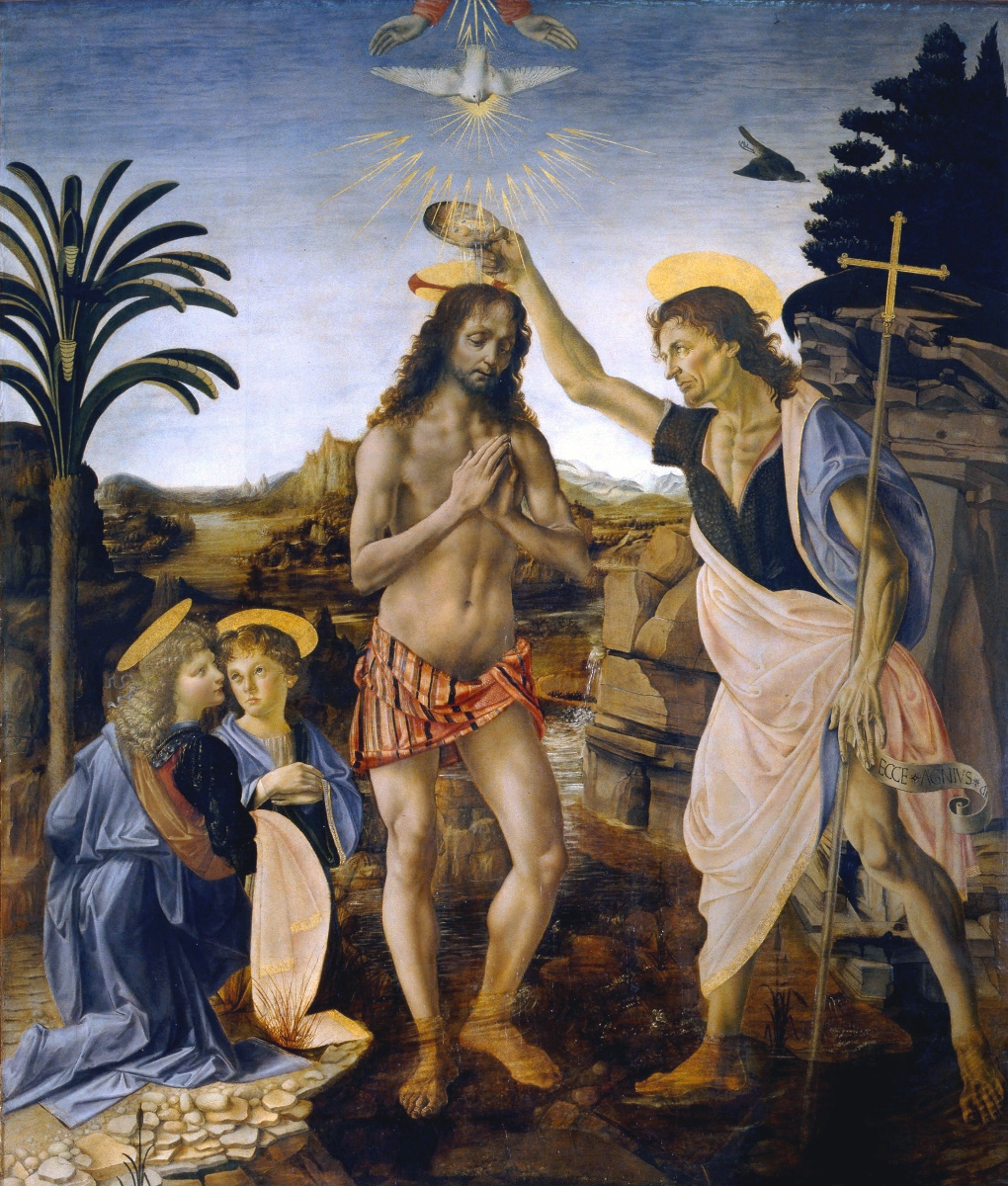
Leonardo di Vinci
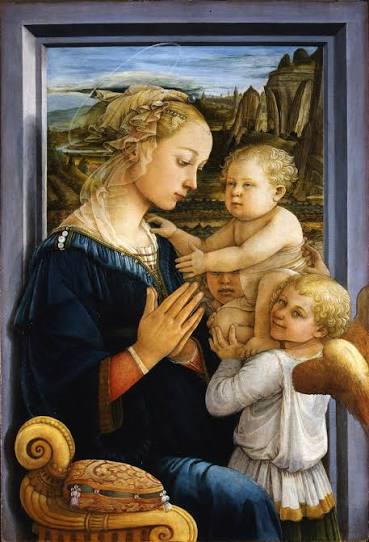
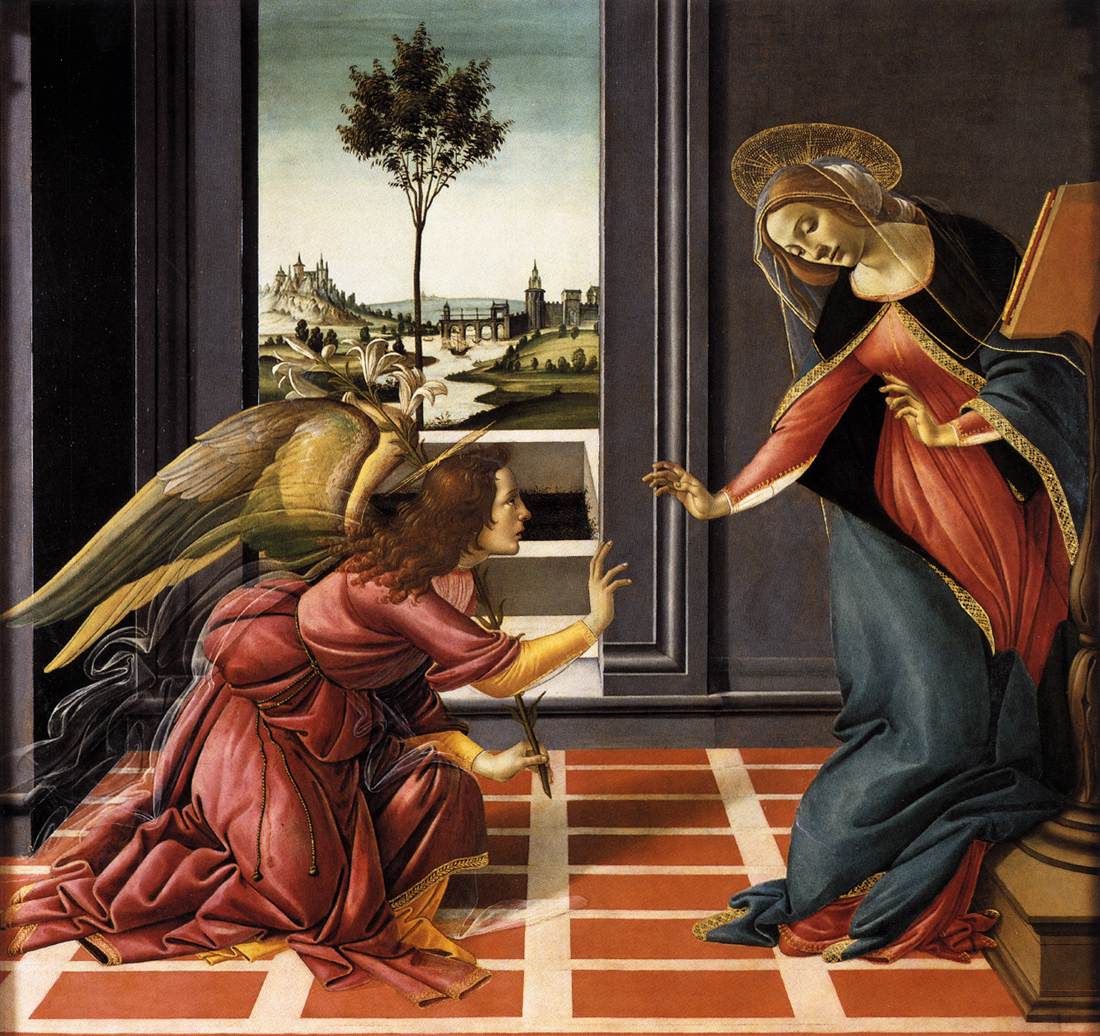
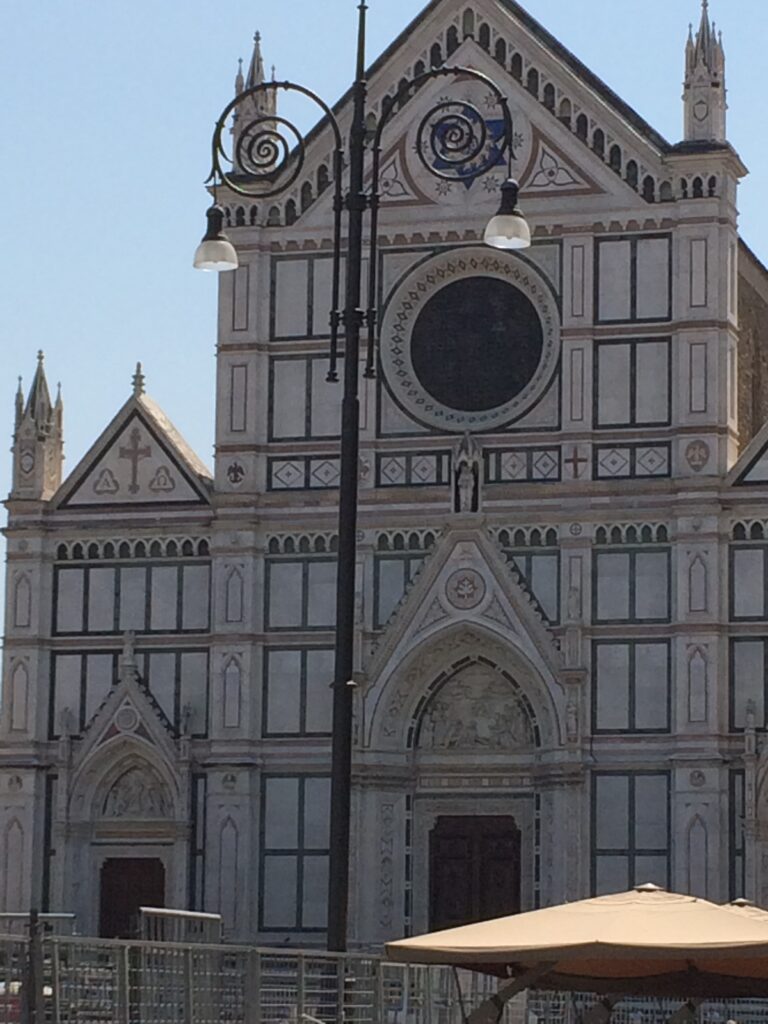
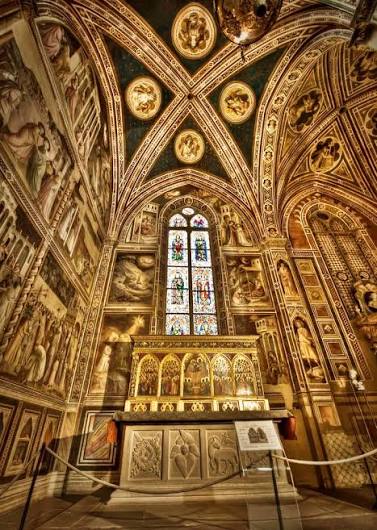
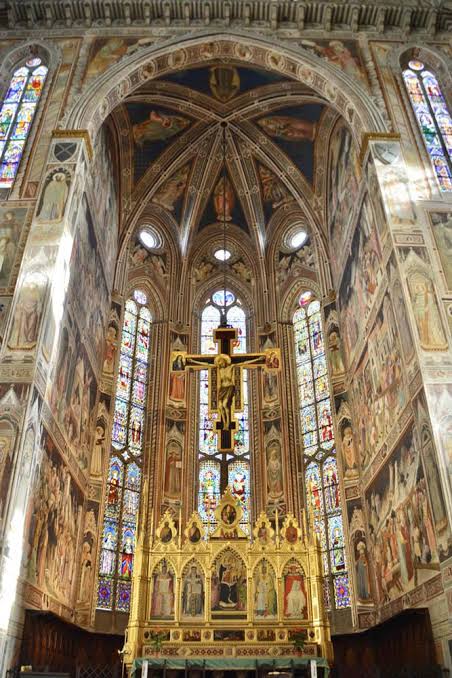
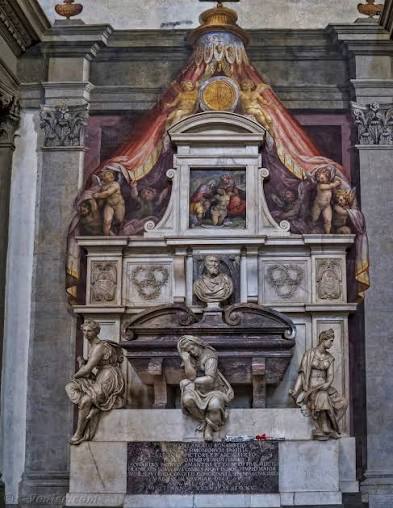
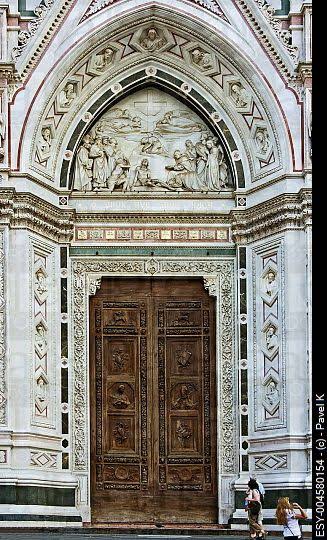
Our last stop was the Basilica of San Croce, rebuilt for the Franciscan order in 1294 by Arnolfo di Cambio. It is the burial place for the great and good in Florence, including Michelangelo. There is also a memorial to Dante, but he is buried in Ravenna, having been banned from Florence. The Basilica is the largest Franciscan church in the world. Its most notable features are its sixteen chapels. The original structure dates from 1212 when St. Francis of Assisi visited Florence. We left through the Croce Gate and drove along part of he remaining walls of the city.
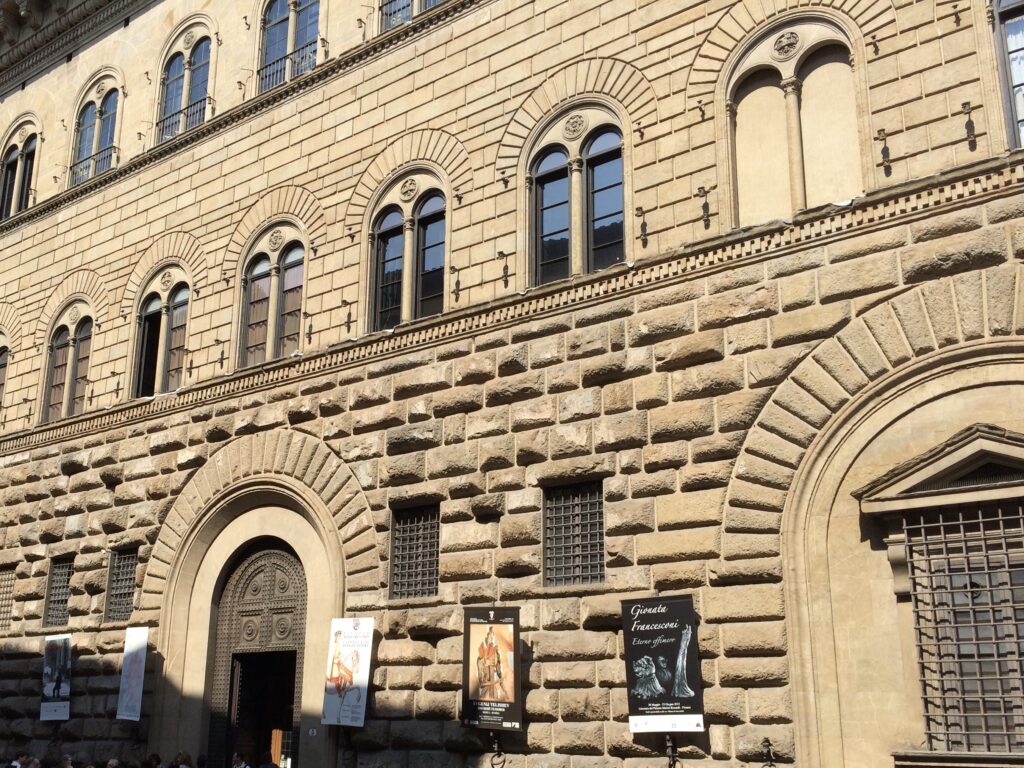
We passed through different piazzas with interesting buildings and sculptures.
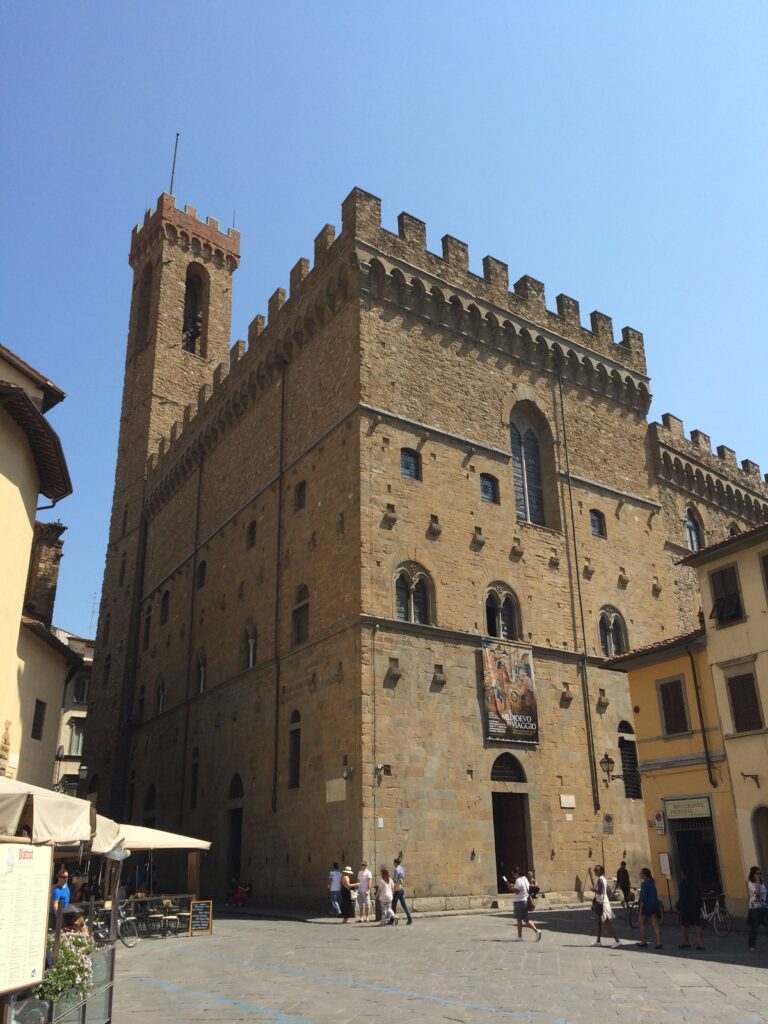
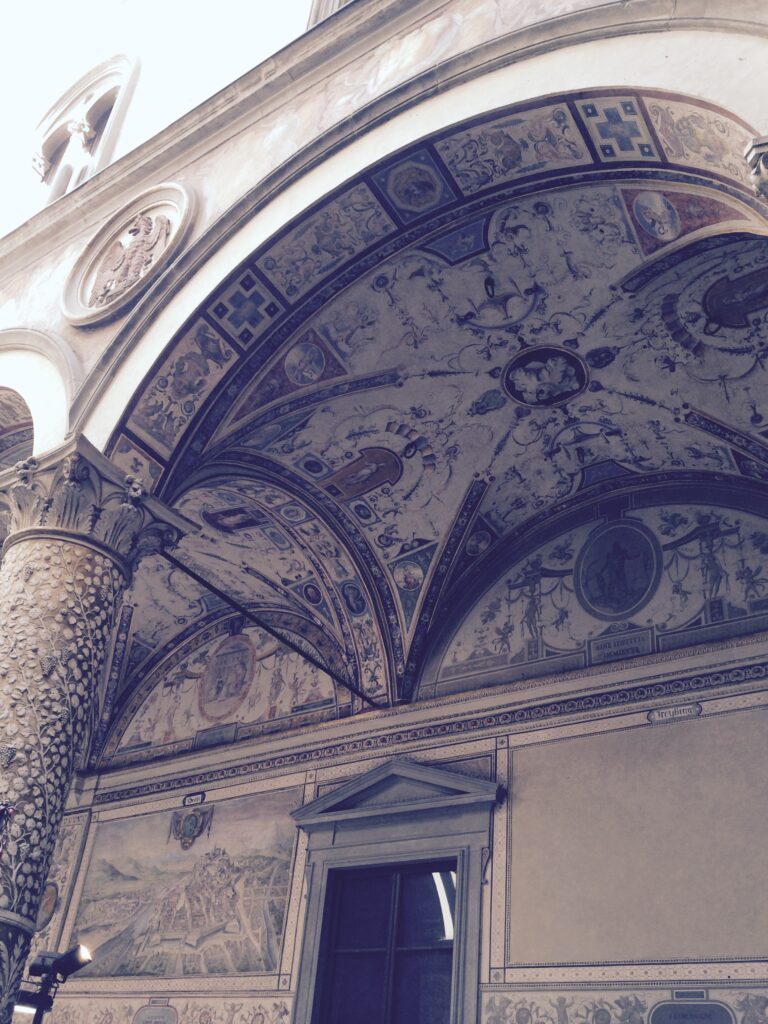
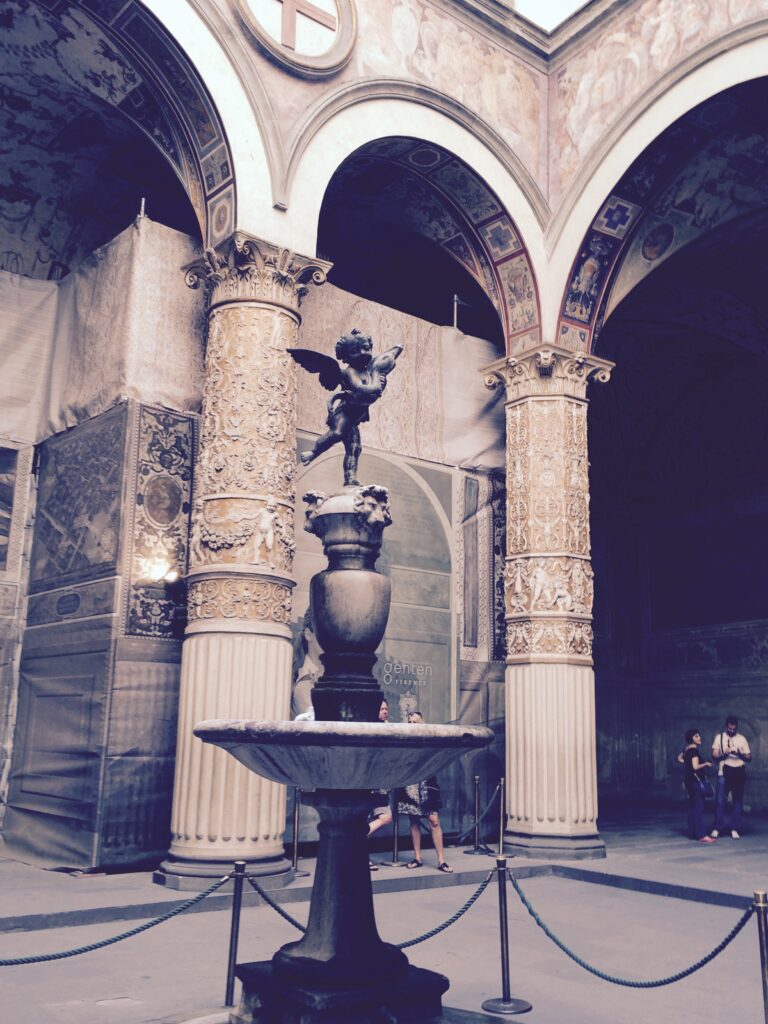
. Palazzo Vecchio
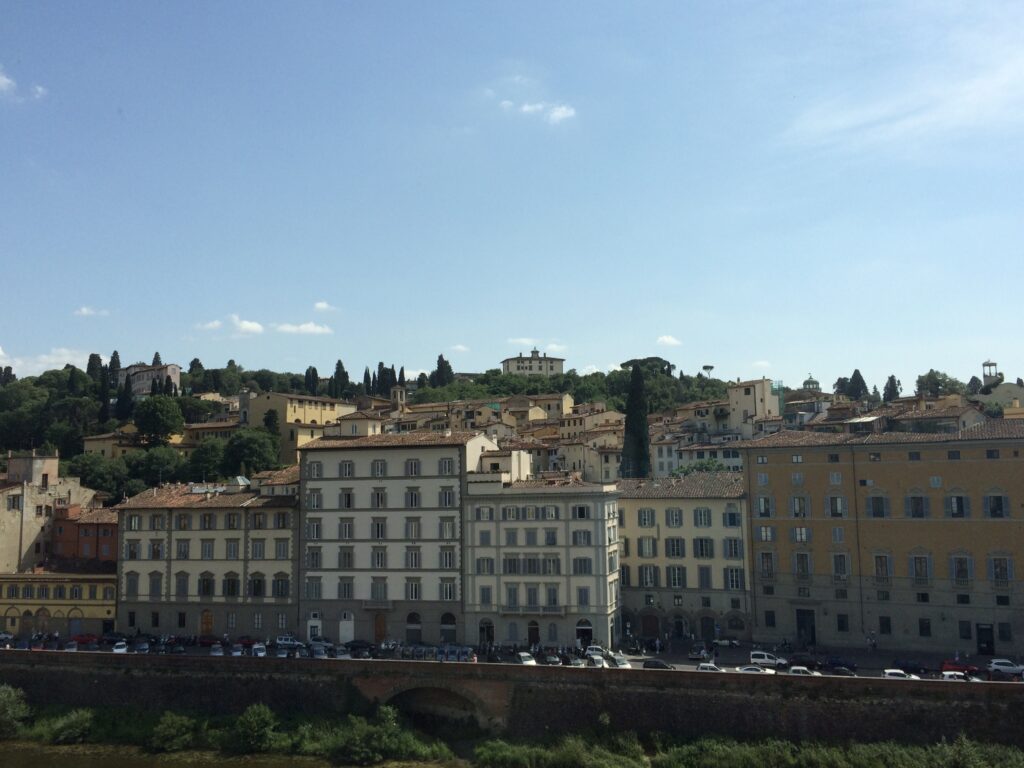
along Arno River
Leave a Reply