We arrived in Lima in the middle of the night and stayed at a hotel in the Miraflores district of Lima. Miraflores being on the coast began as a fishing village. Now it is a middle-class neighborhood and tourist center. Its name means “look” at the “flowers” and there are flowers everywhere.
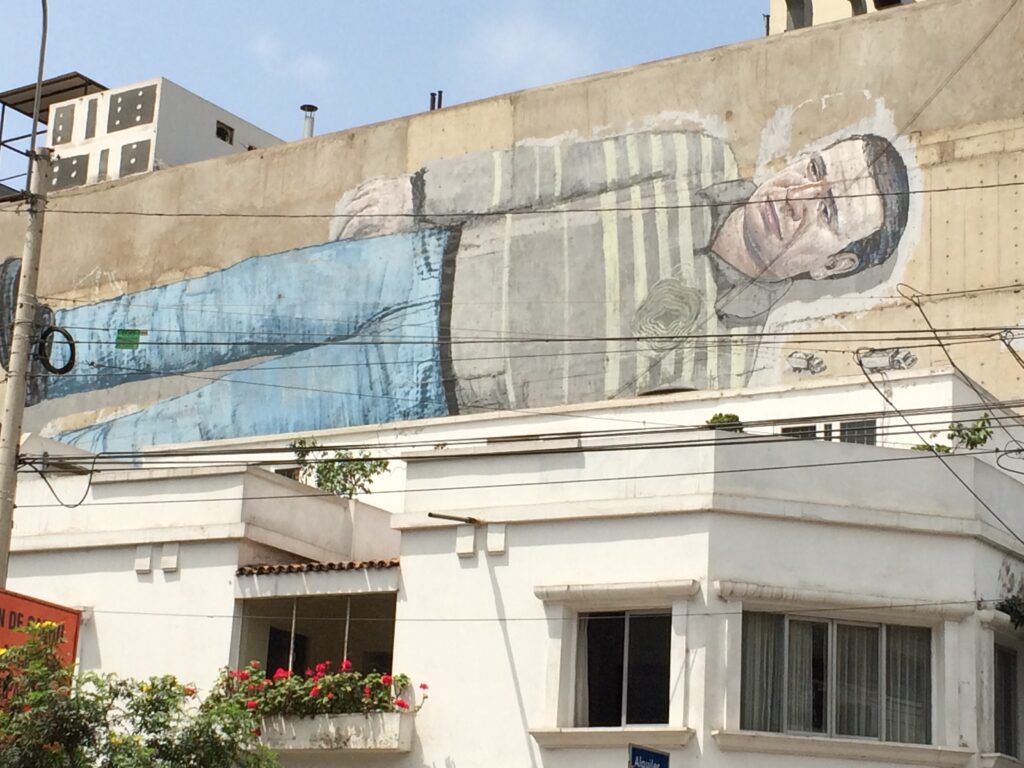
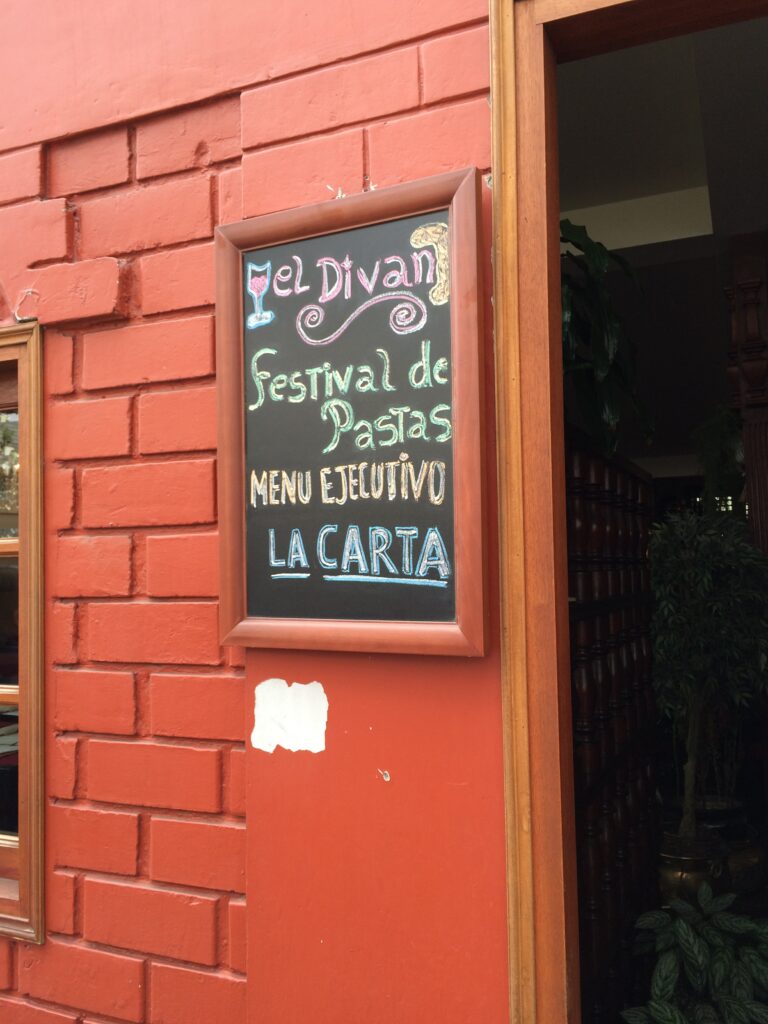
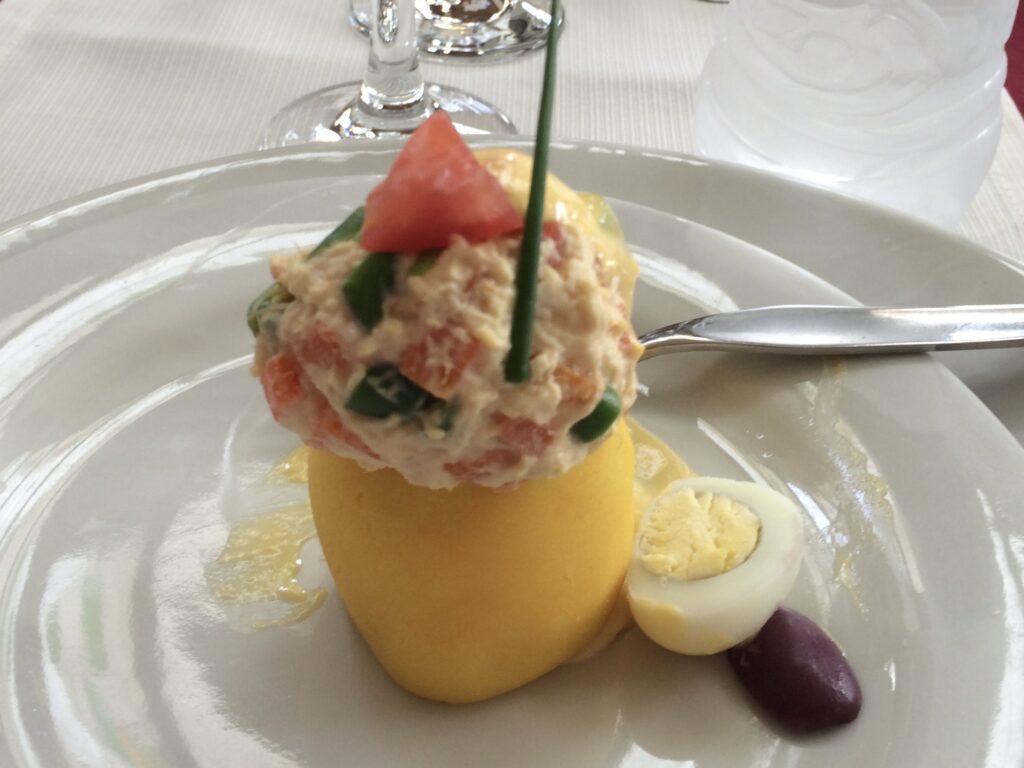
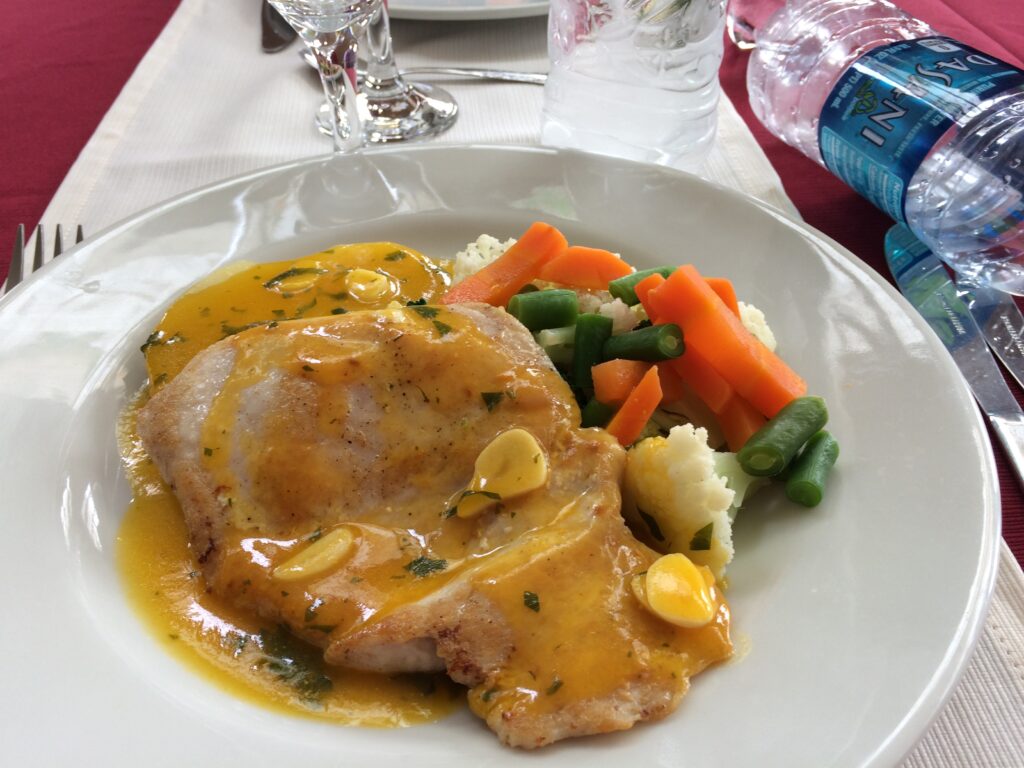
We met for a group orientation at 11:00 and were introduced to the local drink: the Pisco Sour. It is made of Pisco, lime juice, simple syrup, egg white, and Angostura bitters. Then we left for our typical lunch at El Divan. On our way we passed a building which had a graffiti picture of a miner lying down. It was done to support the protests by miners that are frequent. He is supposed to represent the strength and challenges of the miners.
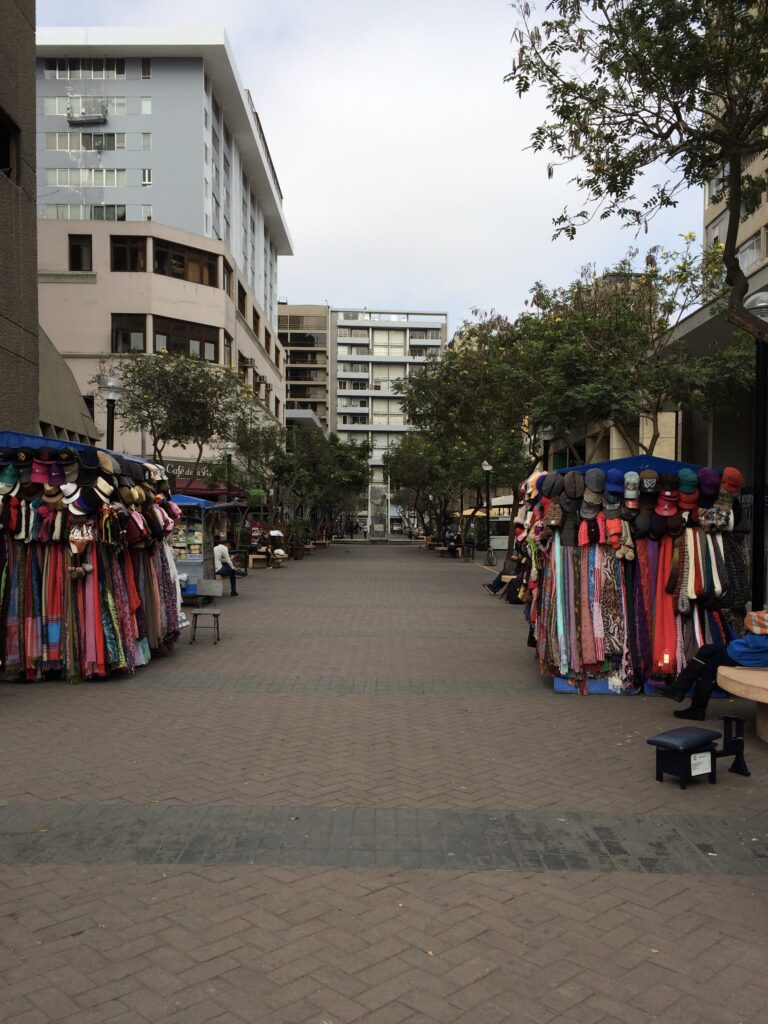
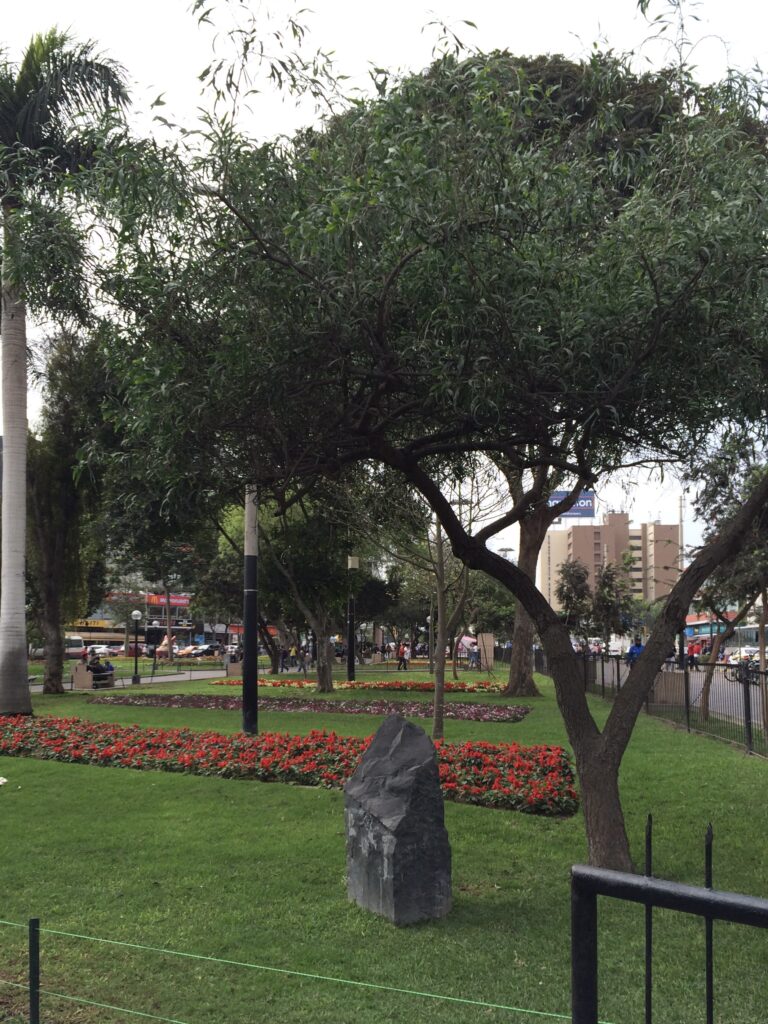
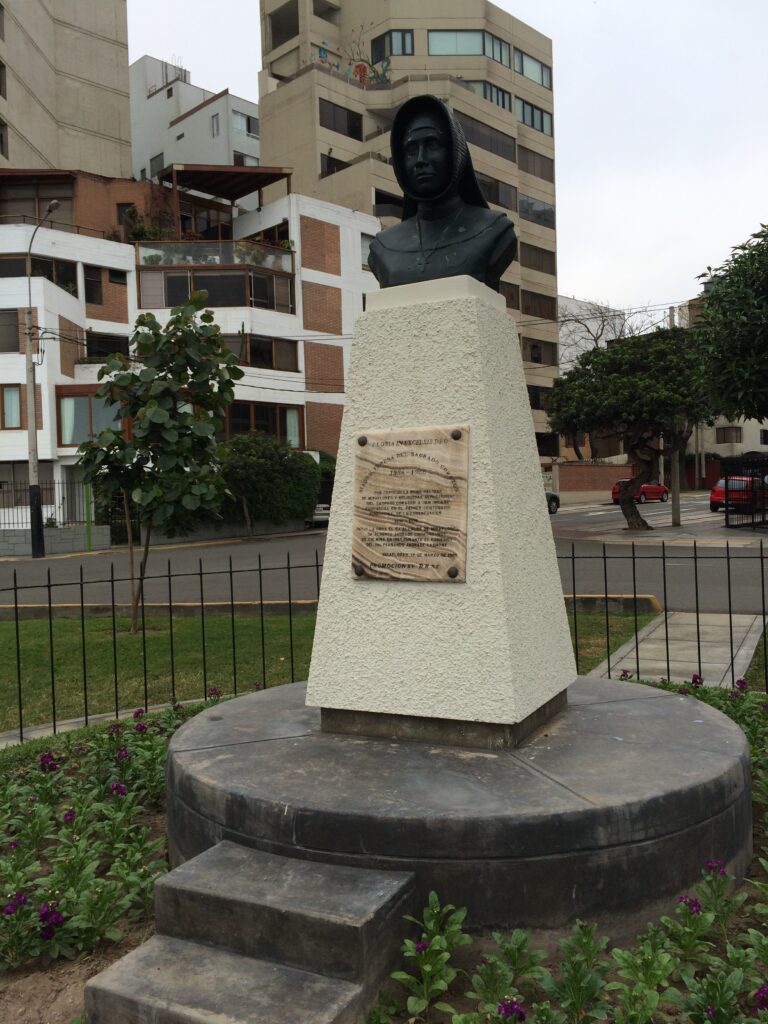
After lunch we had a walking tour of the Miraflores District. We passed the avenue where the Terata bombing took place in 1992. This Shining Path detonated a 400-kg car bomb resulting in numerous casualties and extensive damage. It is now a shopping street filled with merchants’ stalls. Then we went on the Kennedy Park or the Park of the Cats. Here nearly 100 cats reside and are fed by the locals. Legend has it that in the 1990s several cats were abandoned and began living in the park’s gardens. Another story says the original cats were brought in to take care of a rat problem. Whatever reason, they now reside comfortably in the park. Close to Kennedy Park is the statue to Mother Teresa. It honors her humanitarian work and her dedication to the poor and sick.
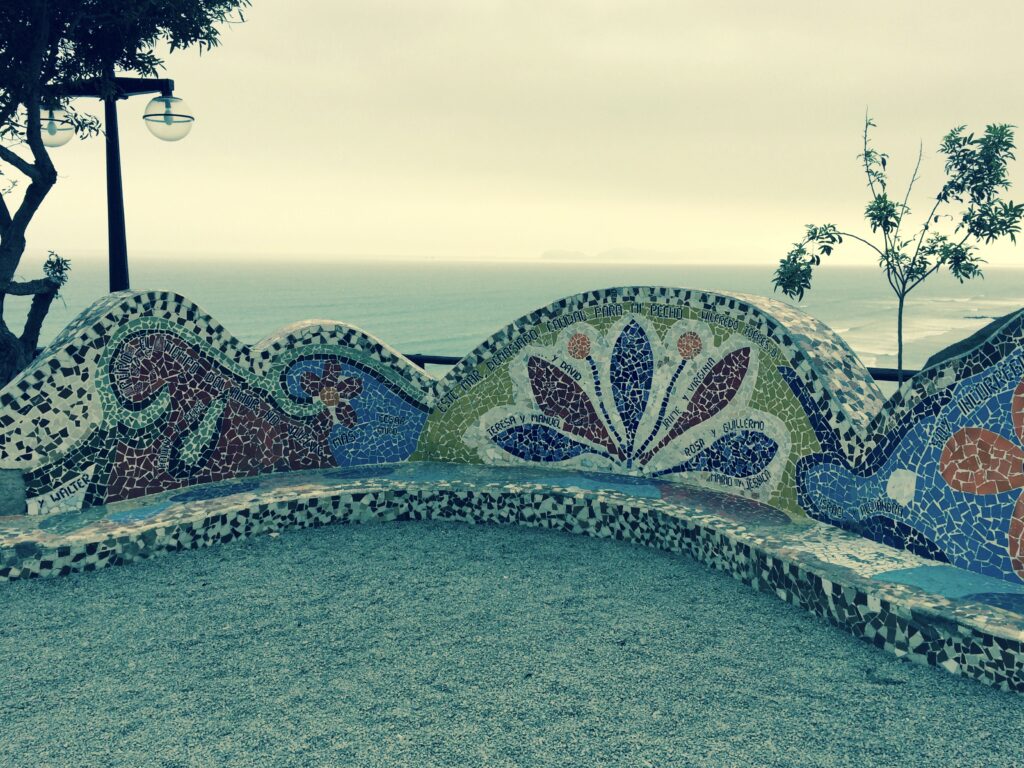
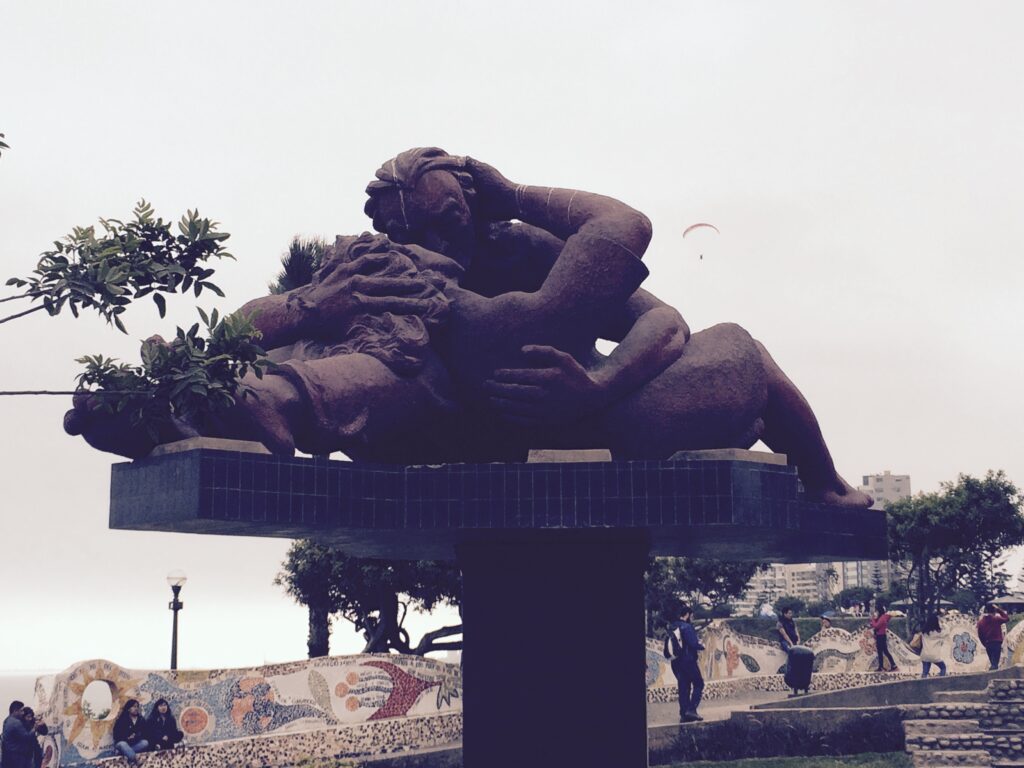
Located on the Cisneros boardwalk on the beach, is El Paque del Amor. It is to location of El Beso a sculpture by Victor Delfin. It also is surrounded by mosaics with poems about love in Spanish and Quechua.
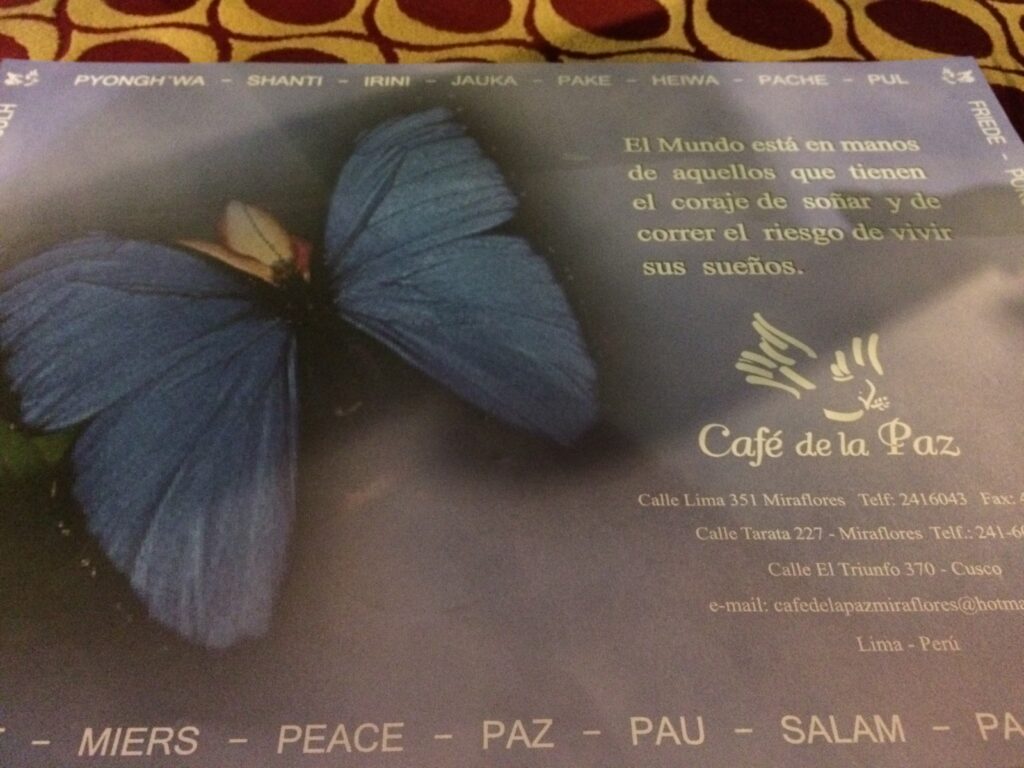
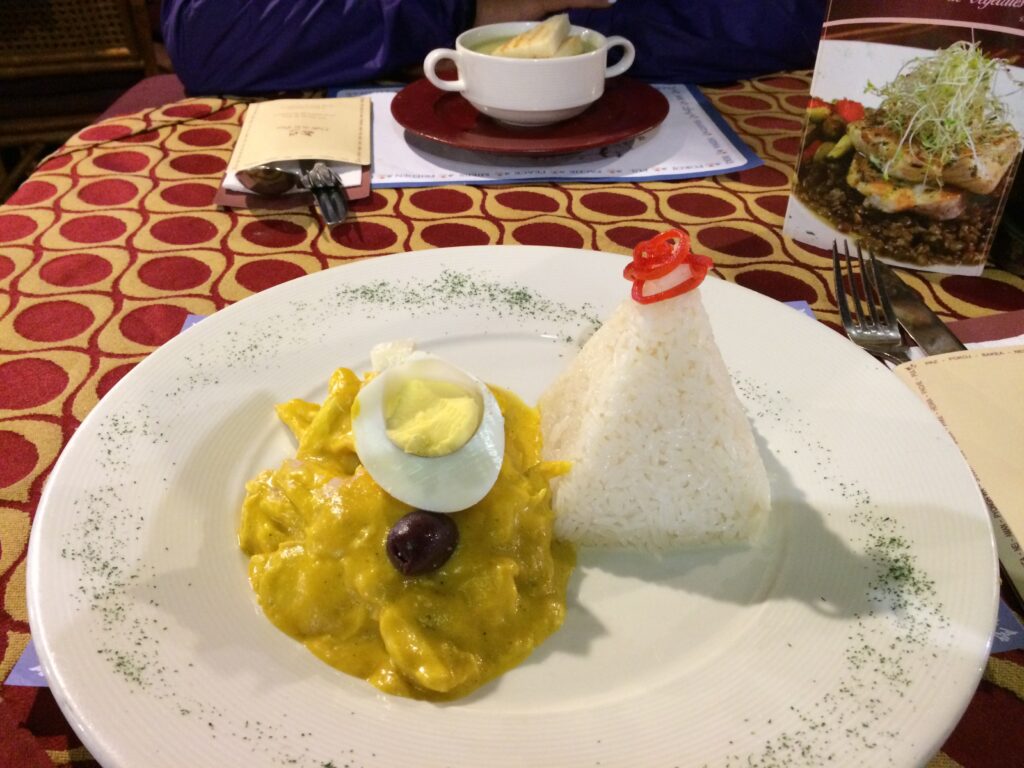
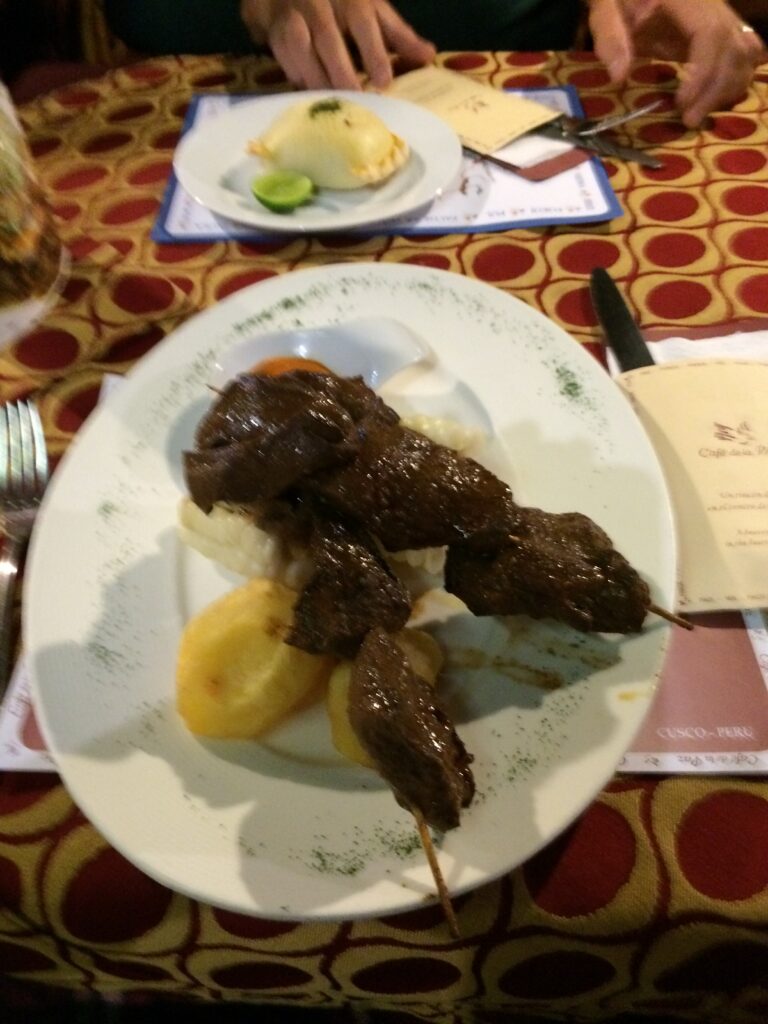
From here we returned to our hotel to rest before dinner, which was at Café de la Paz, another local restaurant. We ate outdoors; I had Aji de Gallina, a chicken and potato dish with a chili source. Bob had beef heart with corn on the cob.
Our next day began with a tour of Lima’s colonial sites. Founded by the conquistadors in 1535, Lima became Spain’s largest and wealthiest city in the New World. The city has a proud history, including the founding of one of the best universities in South America, the Universidad de San Marcos, in the middle of the 16th century. Today, Lima’s historic city center is a UNESCO World Heritage Sit
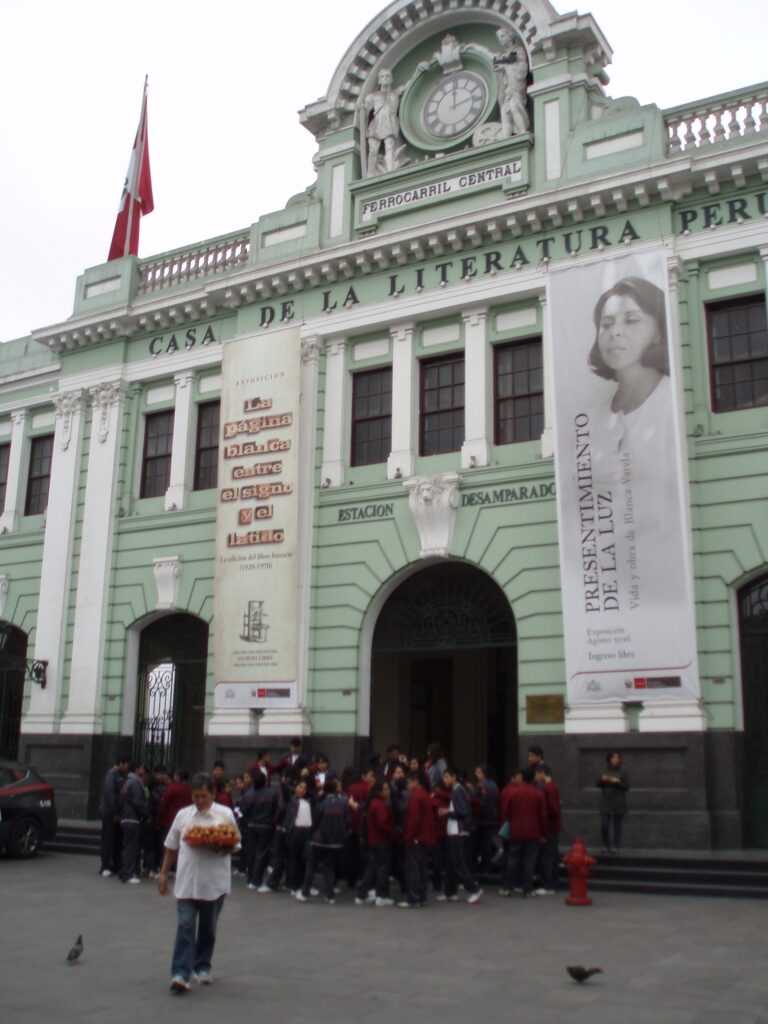
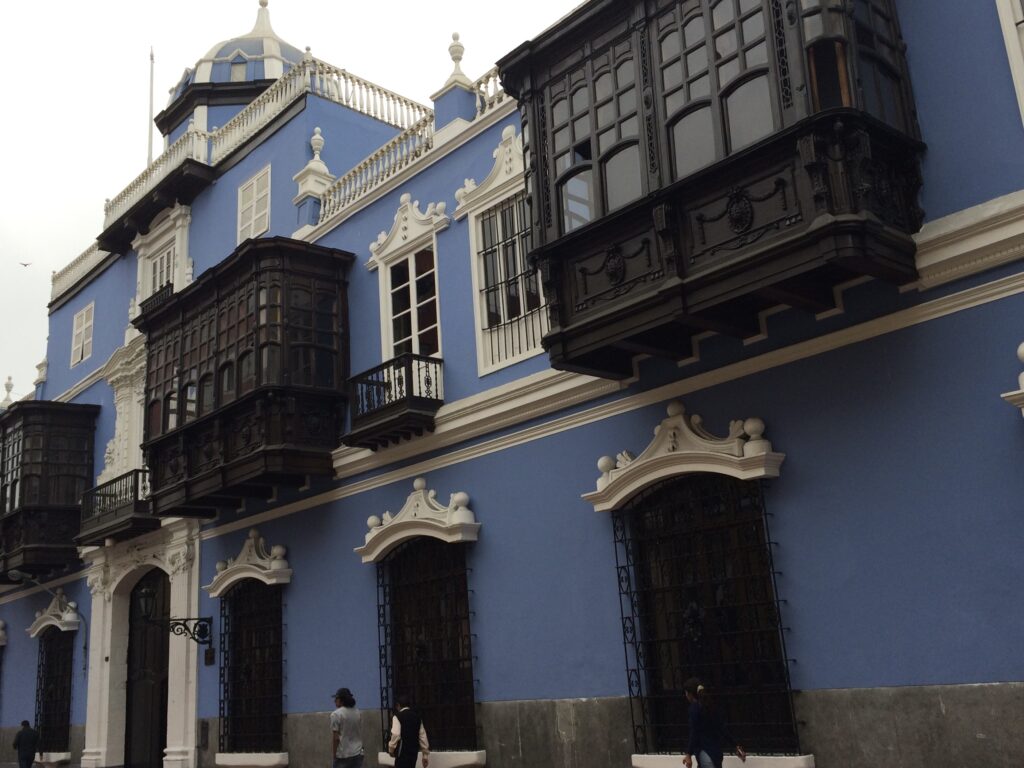
We began with a guided visit to Lima’s National Museum of Archaeology, Anthropology, and History at Bolivar Square, where we viewed the eras of Peru’s history through art, from pre-Incan turquoise figurines to Incan textiles and Spanish paintings. The museum contains an impressive collection of ceramics, gold and silver items, and textiles from the ancient cultures of Chavin, Mochica, Chimu, Tiahuanaco, Pucara, Paracas, Nazca, and Inca. A local guide joined us as we explored Lima’s colonial streets and architecture—evidence of the city’s Spanish heritage—concluding with a private tour of San Francisco Church, a distinctive yellow building constructed in the Baroque style, known for its beautiful painted ceilings and extensive catacombs. Unfortunately, we could not take pictures inside the Cathedral.
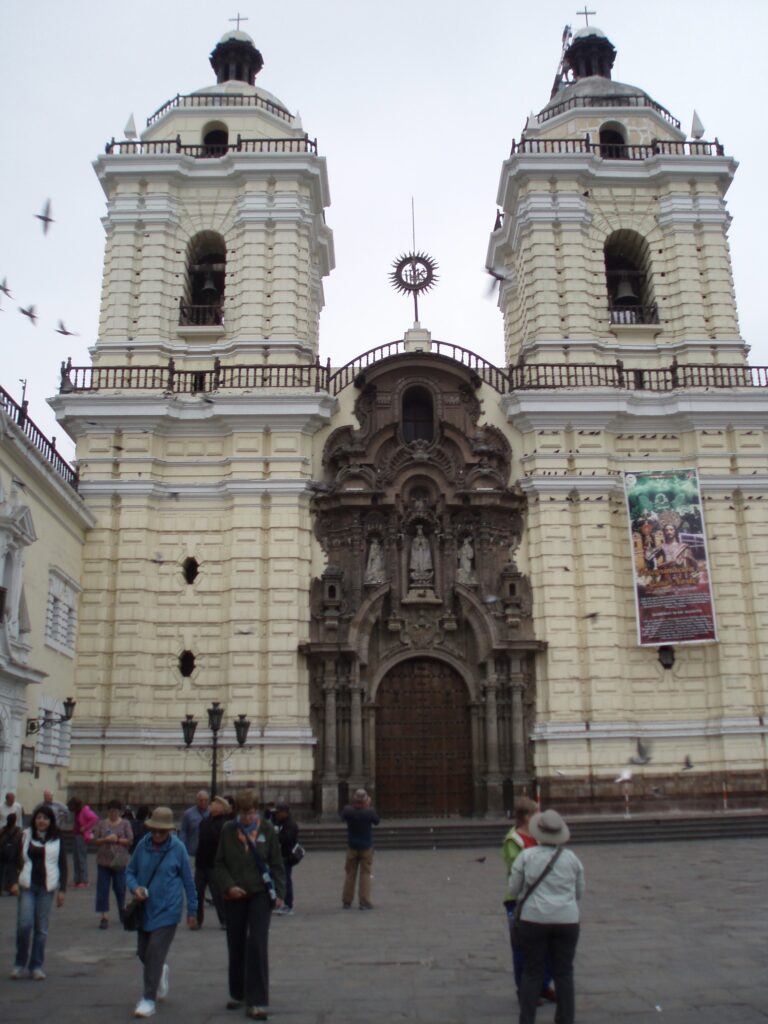
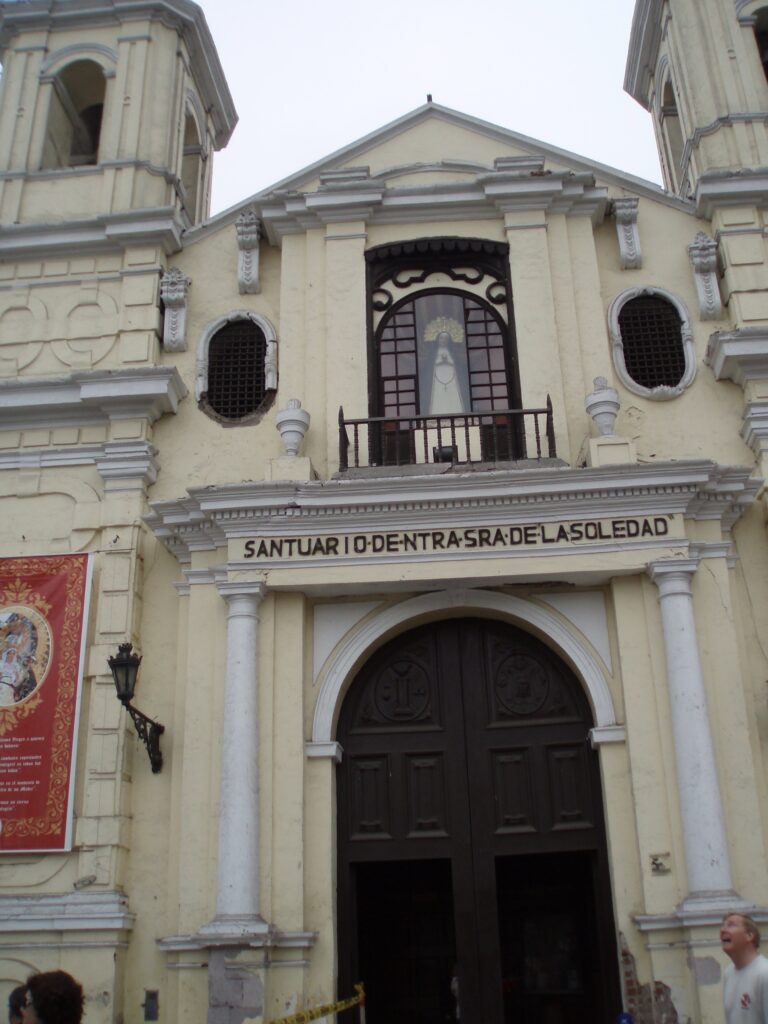
The Basilica and Convent of St. Peter was established in 1638 by the Jesuits. This ornate church features baroque altars decorated in gold leaf, several colonial paintings, and La Abuelita, the oldest bell in Peru. It contains an art gallery with several old masterpieces. It has three naves and 10 chapels.
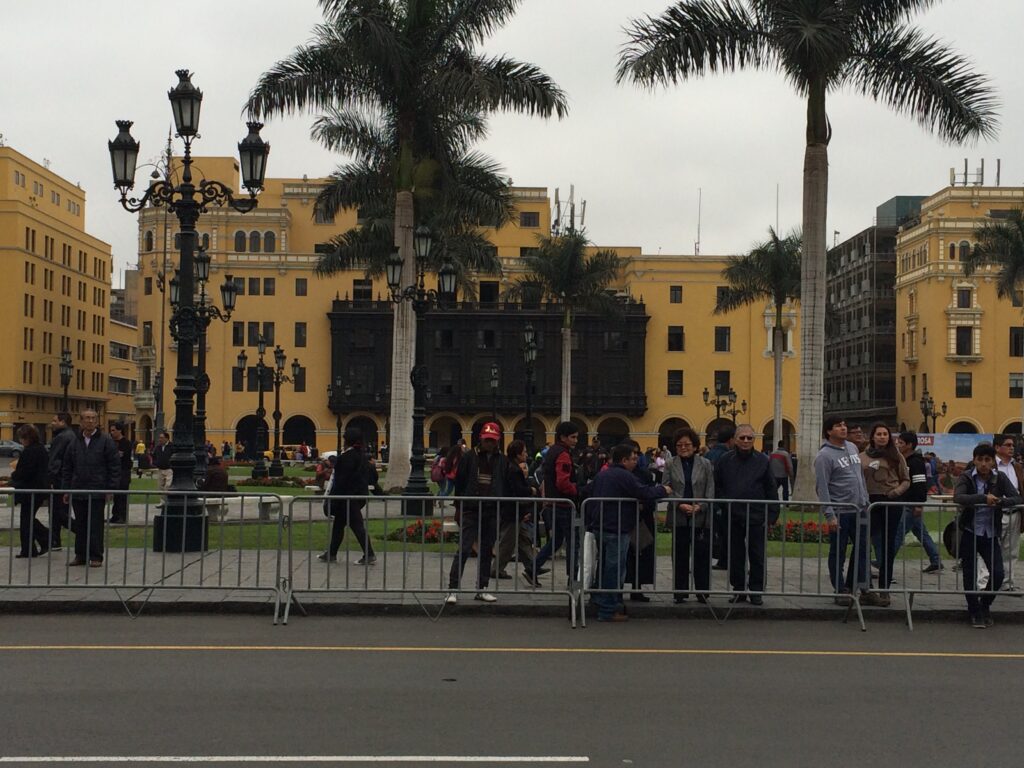
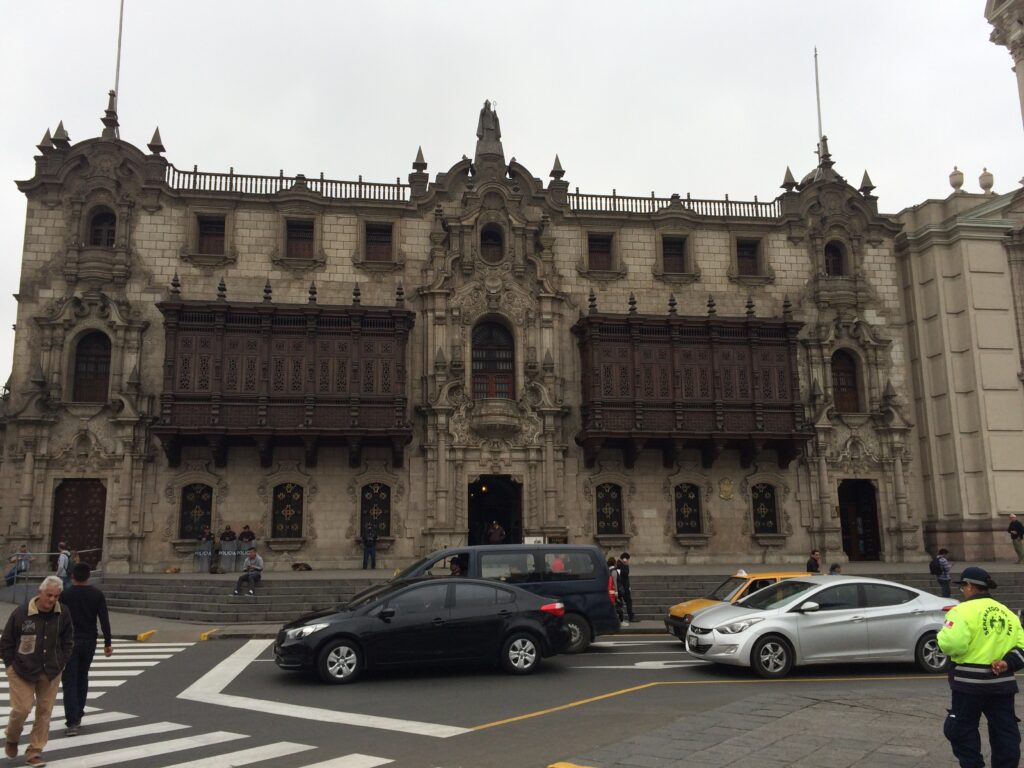
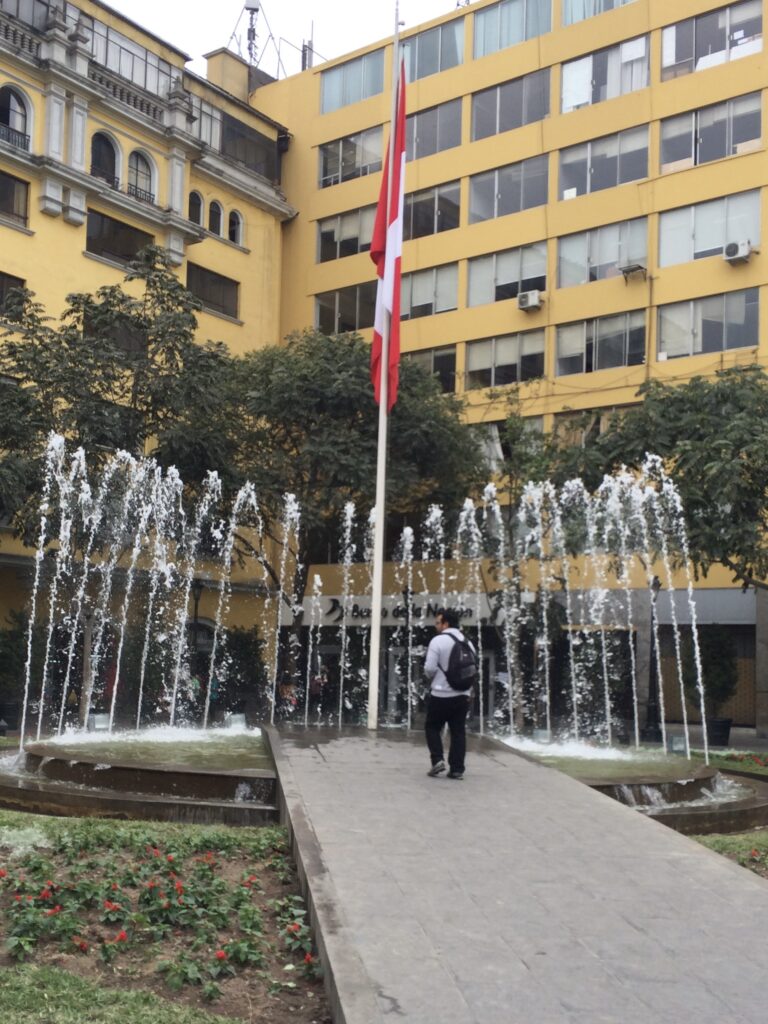
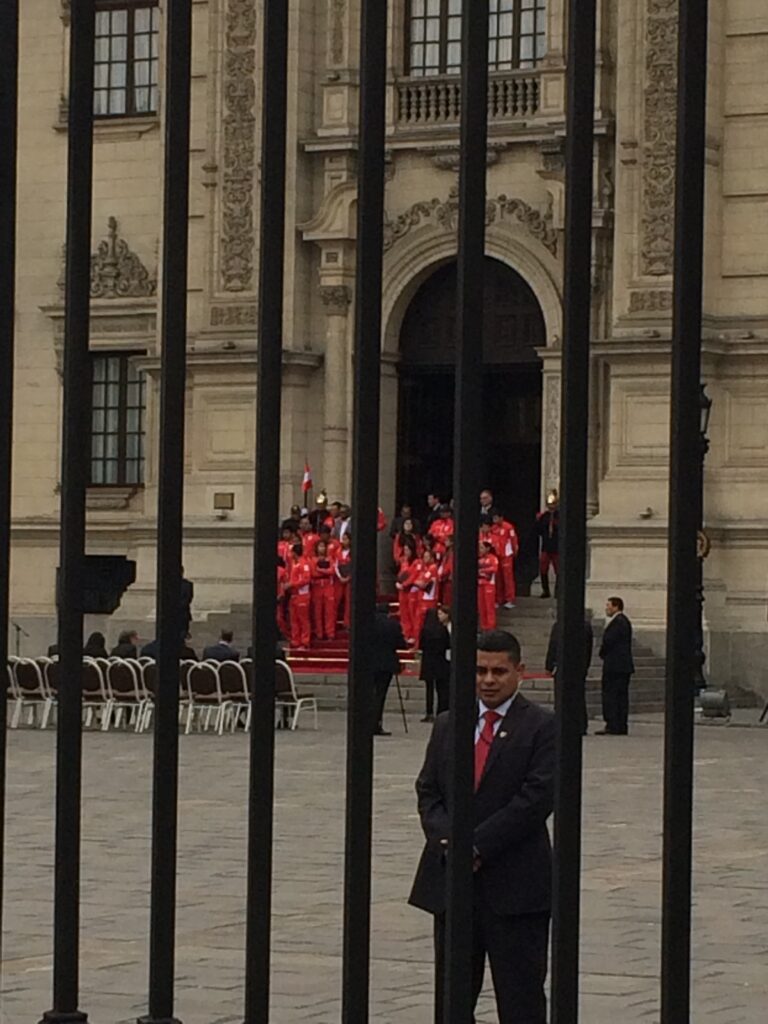
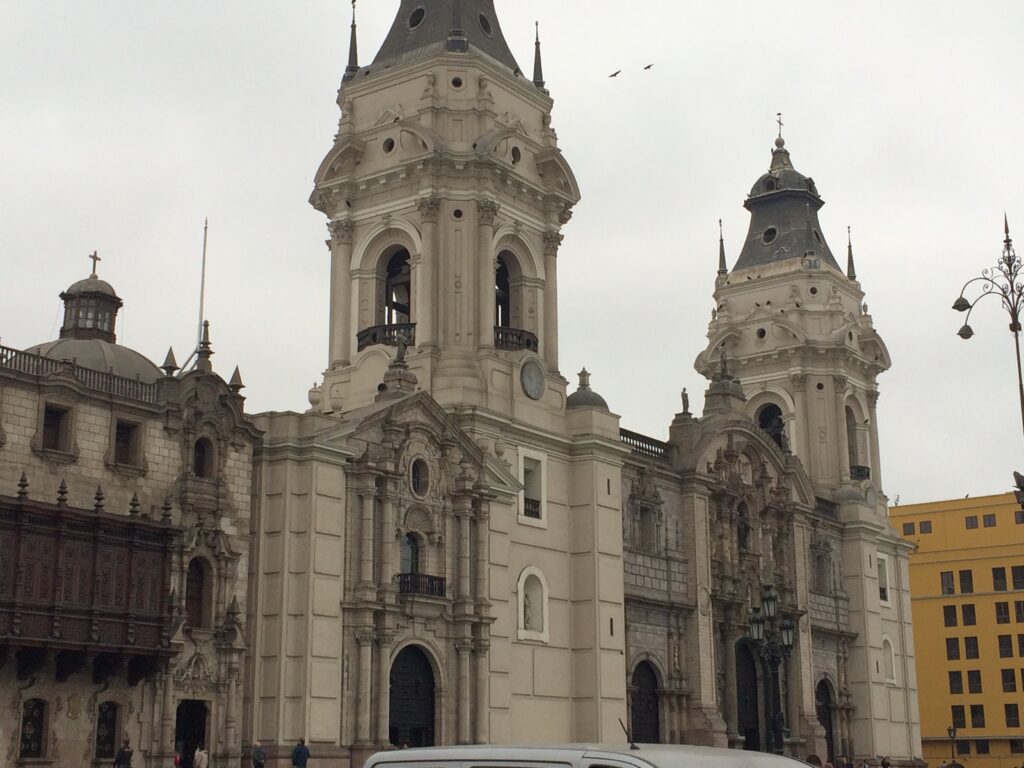
The Main Square is also called the Plaza de ‘Armas. Founded in 1535 by Francisco Pizarro, it serves as a central hub for political, social, and religious activities in Lima. It is bordered by the Government Palace and the Cathedral of Lima. In the center of the Plaza is the bronze Piletta Fountain, inaugurated in 1578. It features a sculpture of the Hellenic Feme or Bear symbolizing the city’s rich history and culture
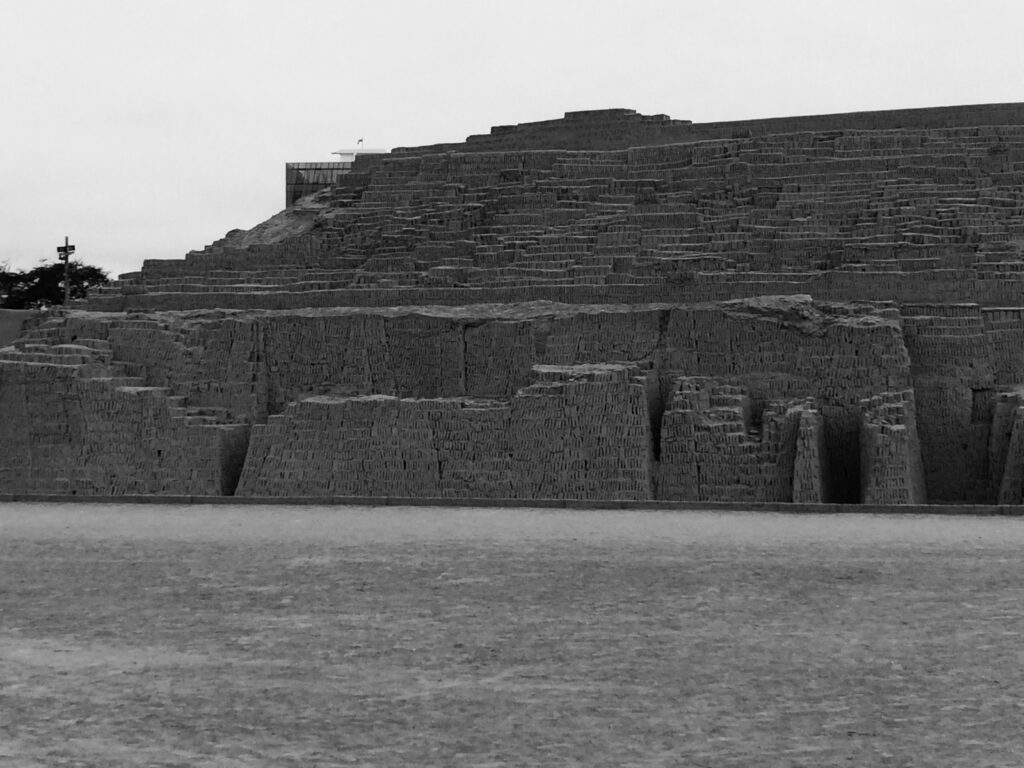
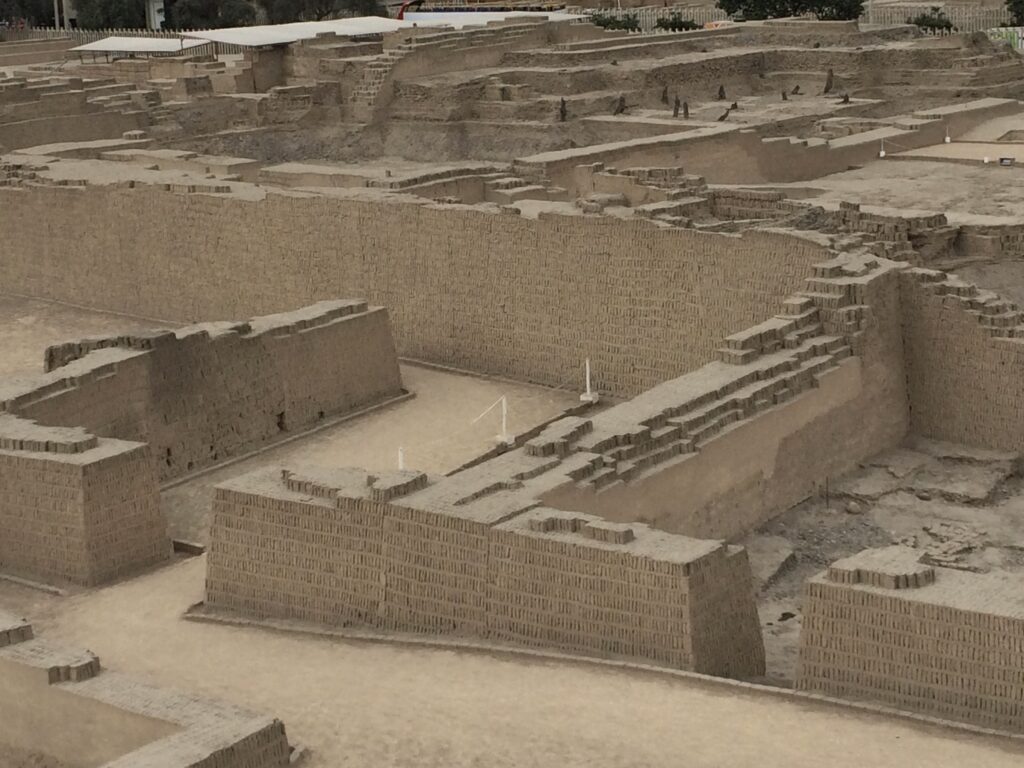
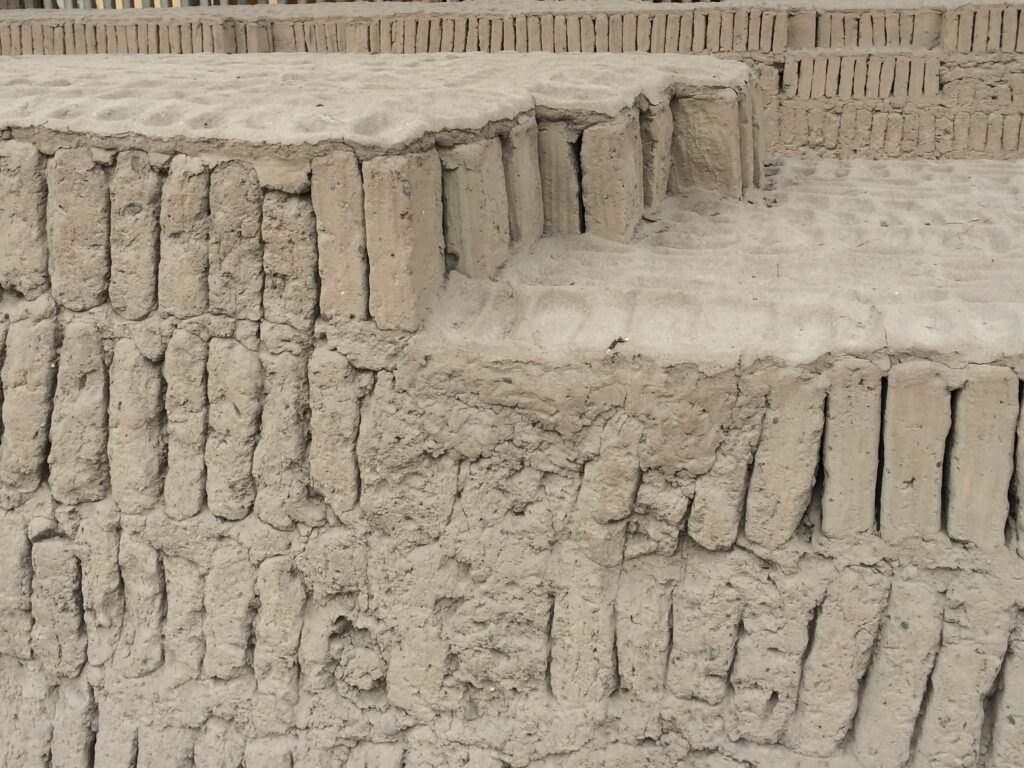
The bus dropped some of us off at the Pyramid of Hucca Pucllana, a pre-Incan temple, where we had lunch before we explored the site. Hucca is made of millions of adobe bricks and served as pre-Inca administrative center and ceremonial site dedicated to the God Pachacamac.
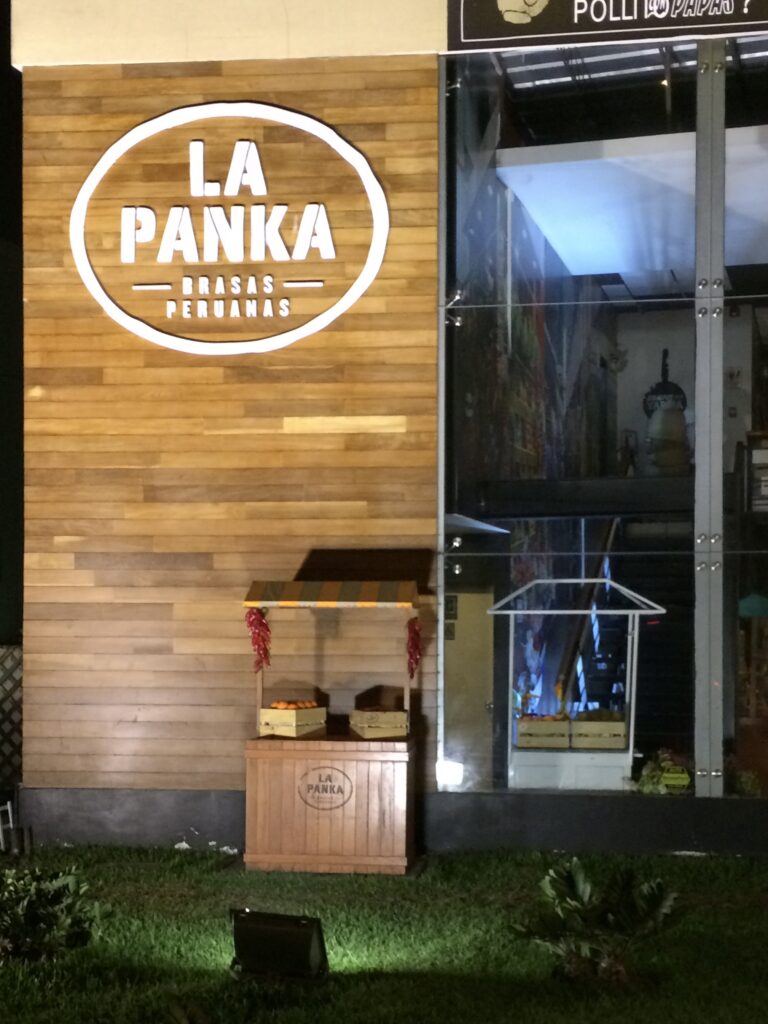
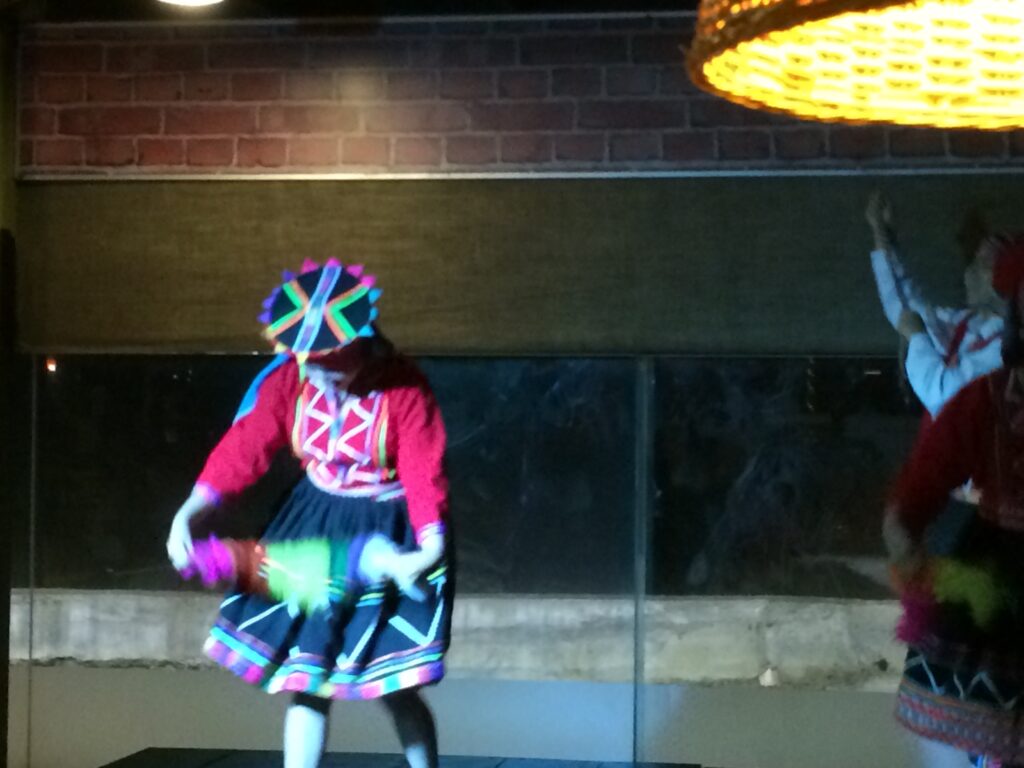
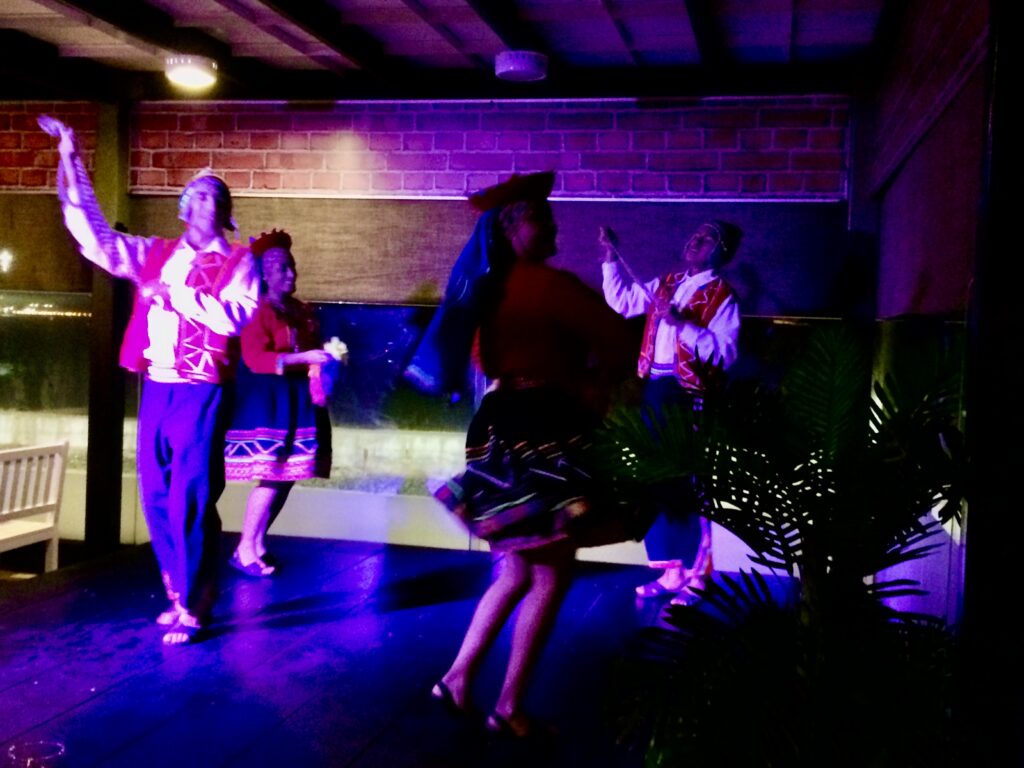
We walked back to the hotel to get ready for the Welcome Dinner at a La Panka Restaurant. Good food and Peruvian dancers for entertainment.
Leave a Reply