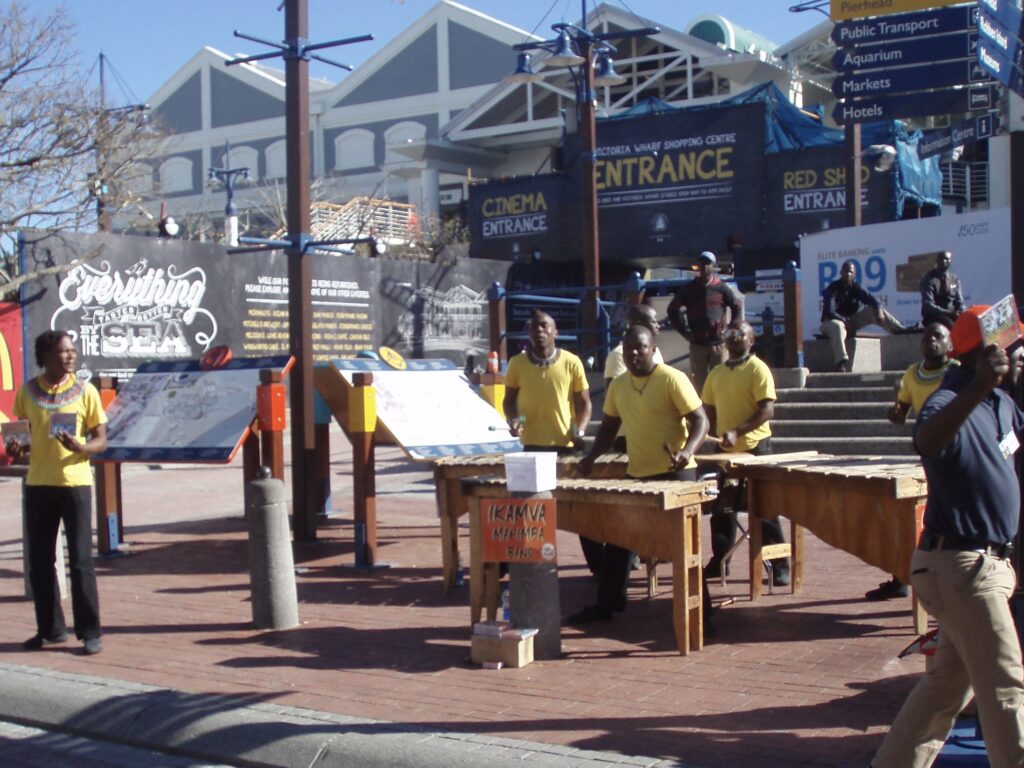
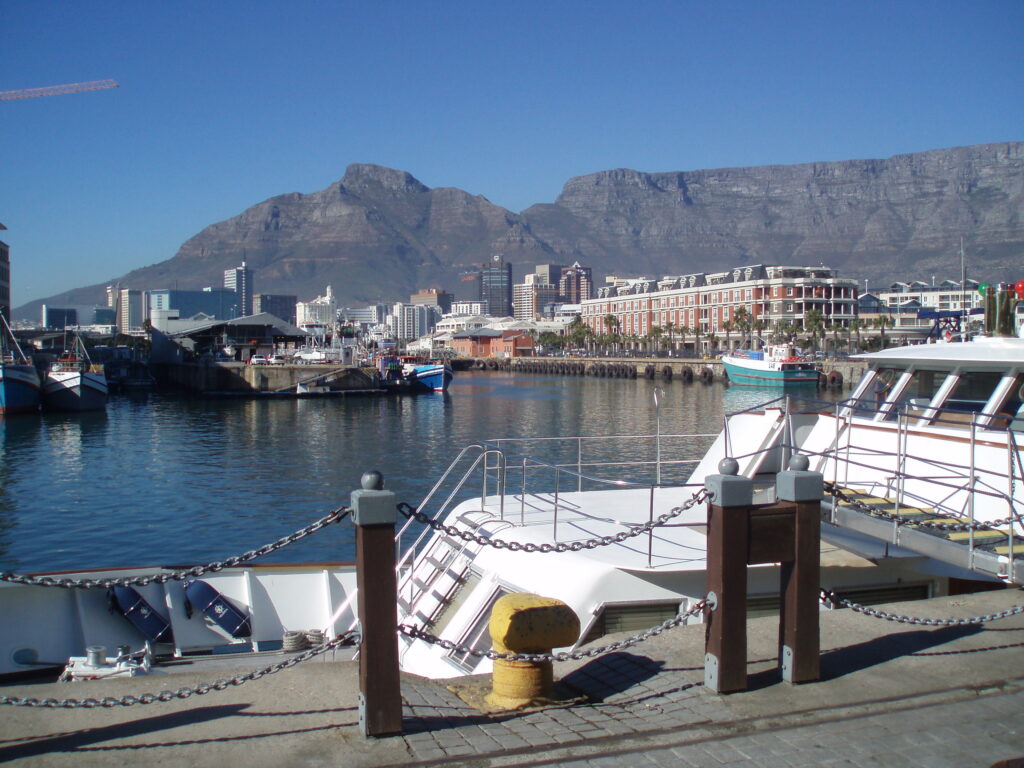
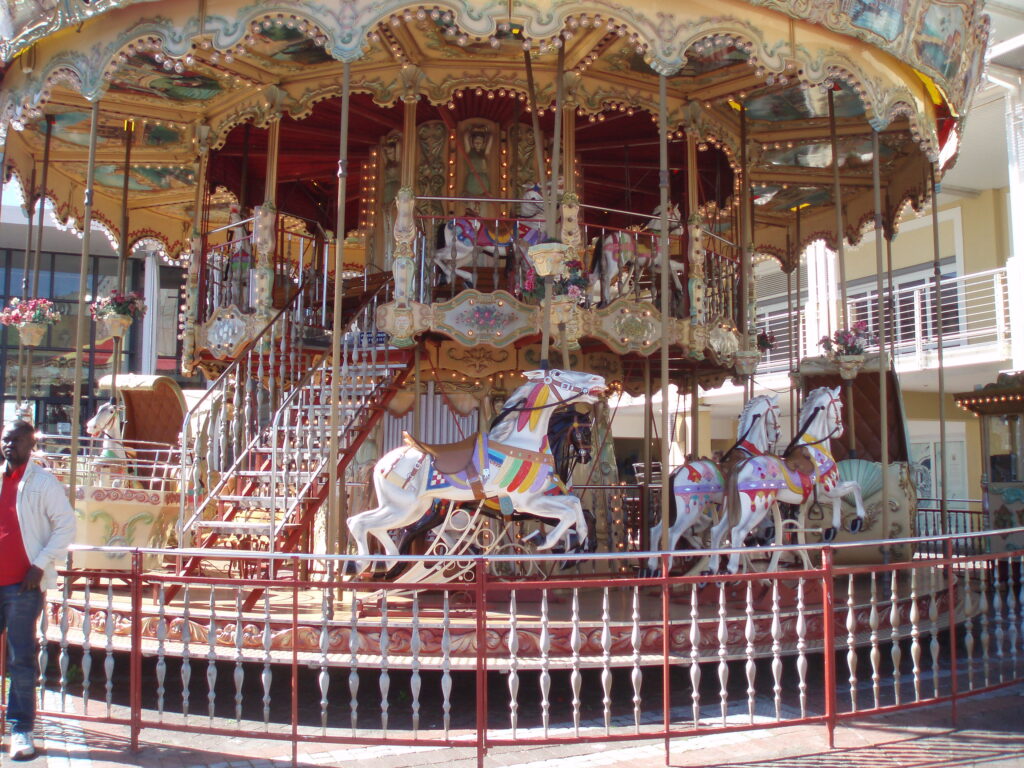
There is so much to see here and digest. The diversity is so striking. Today we started at the Victoria and Alfred (V&A) Waterfront. It is named for the Victoria Basin and the Alfred Basin located within the harbor, which is the oldest working harbor in the Southern Hemisphere. All along the waterfront are condos, high-end hotels, museums, shops, and restaurants as well as 22 historical landmarks.
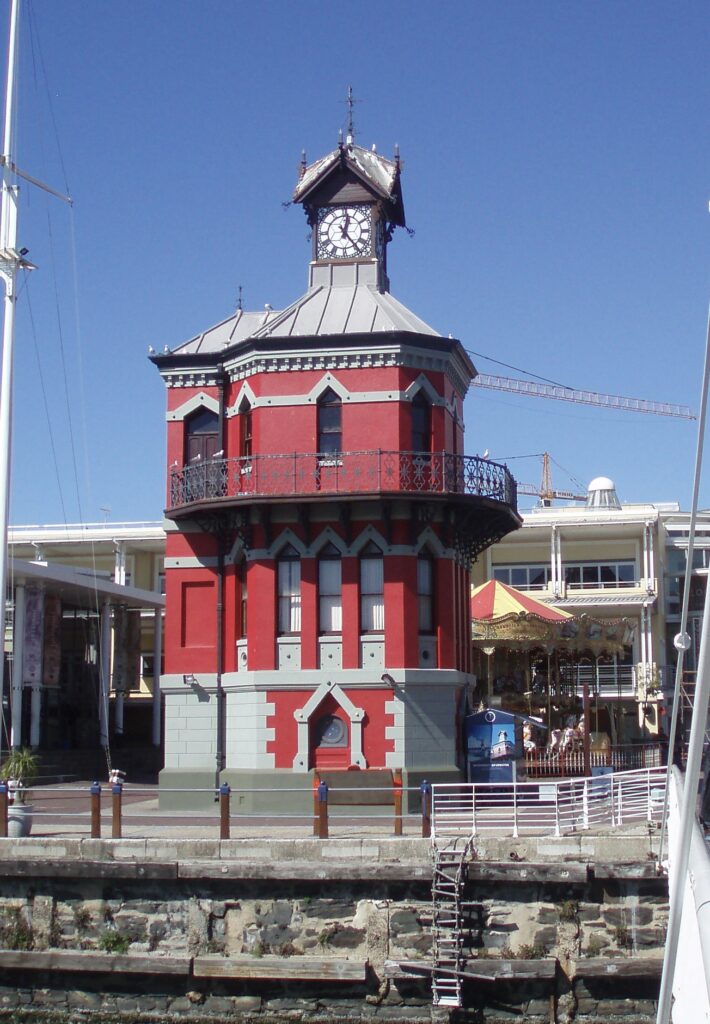
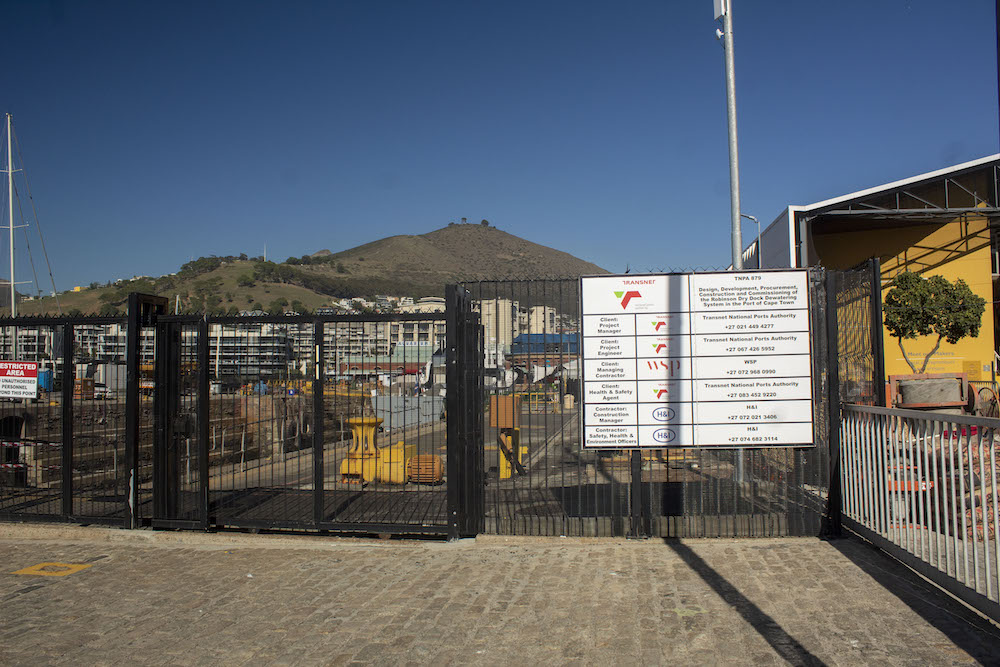
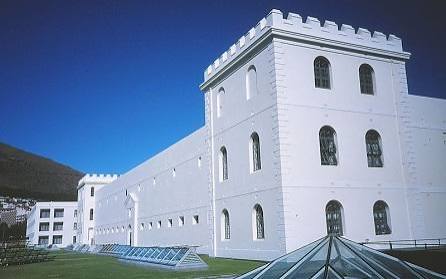
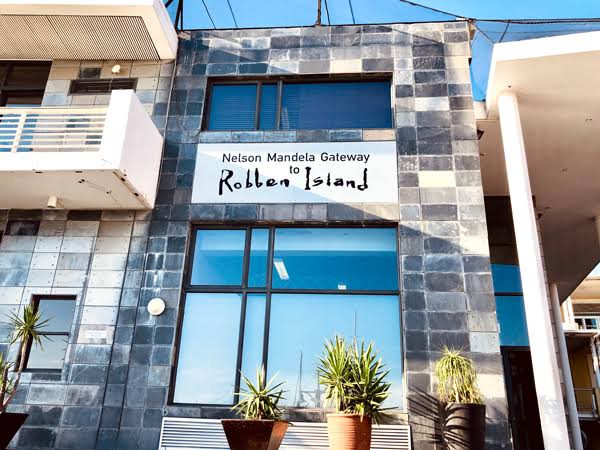
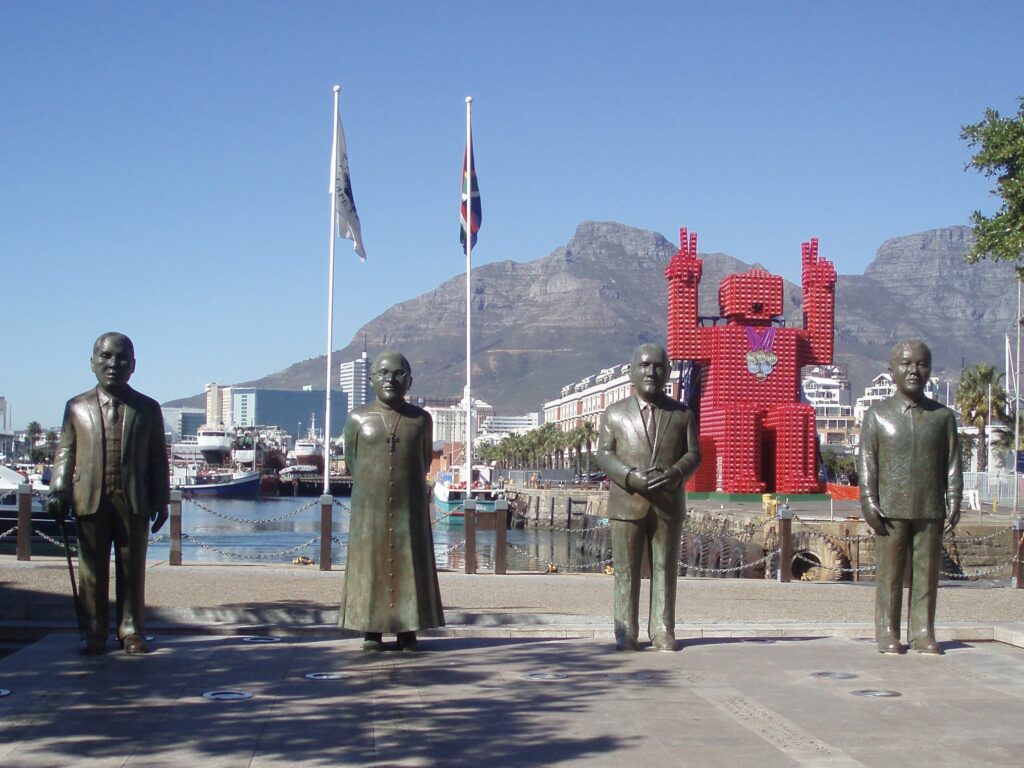
A prominent landmark is the Clock Tower, built in 1882, which was the original Port Captain’s Office. Robinson Dry Dock is another. Operational since 1882 it is one of the oldest operative graving docks in the world. Breakwater Prison, built in 1859, is now a part of the University of Cape Town’s Graduate School of Business on the waterfront. Jetty 1: The Nelson Mandela Gateway to Robben Island is the historic jetty where political prisoners, including Mandela, were loaded onto ferries to go to Robben Island. Nobel Square features bronze statues of South Africa’s four Nobel Peace Prize Laureates: Nelson Mandela, Desmond Tutu, F.W. de Klerk, and Albert Luthuli. A grain Silo dating from 1924, once the tallest building in sub-Saharan Africa is another. There is a large market with local artisans who work there as you watch. One could spend a whole day there easily.
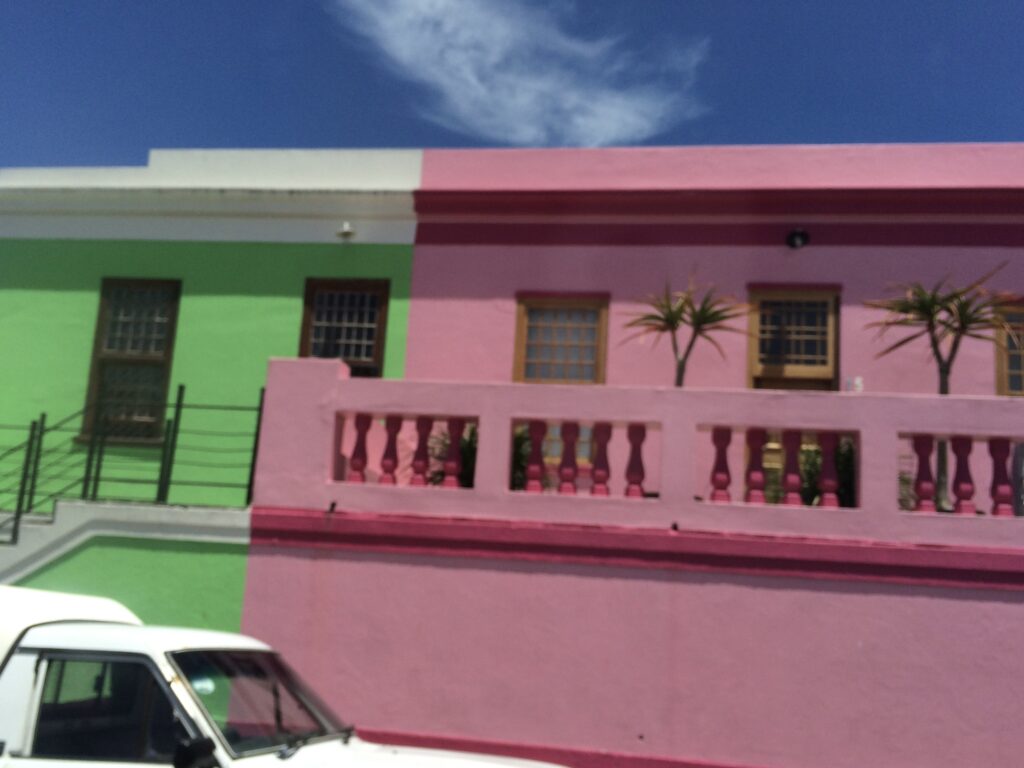
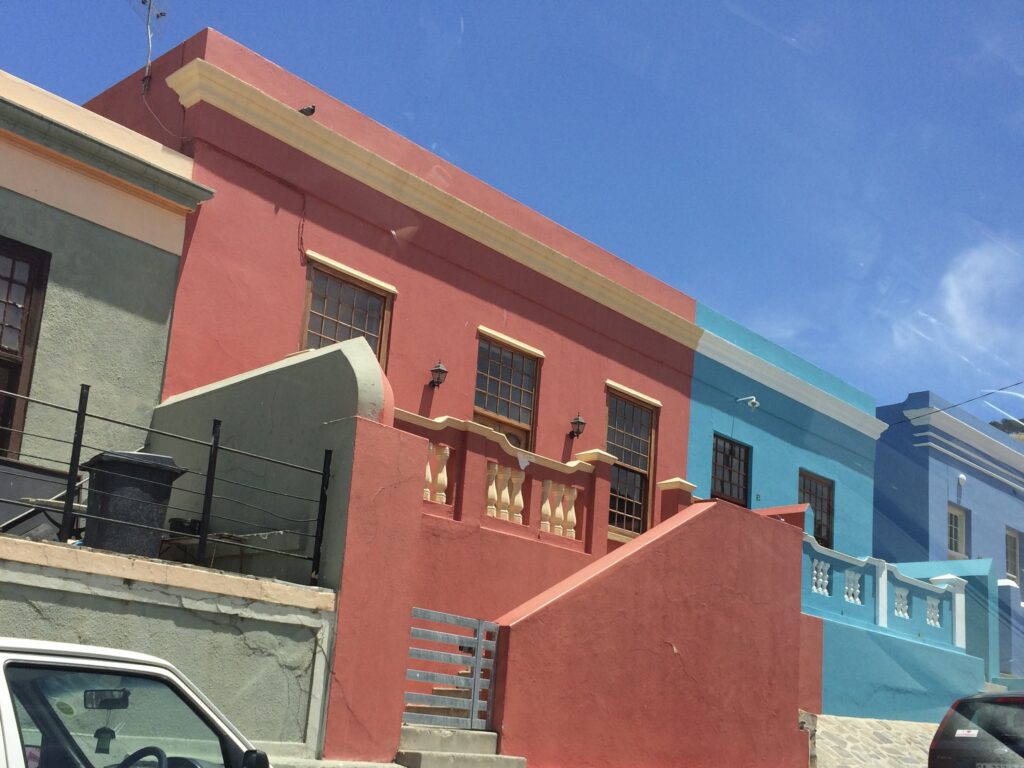
Another place we explored was the Bo-Kaap area, also called Schotsche Kloof. It is a former racially segregated area on the slopes of Signal Hill. The Nurul Islan Mosque established in 1844 is located here. Bo-kaap is known for its brightly colored homes and cobblestone streets. It is the oldest surviving residential neighborhood in Cape Town and contains the largest concentration of pre-1850 architecture in South Africa.
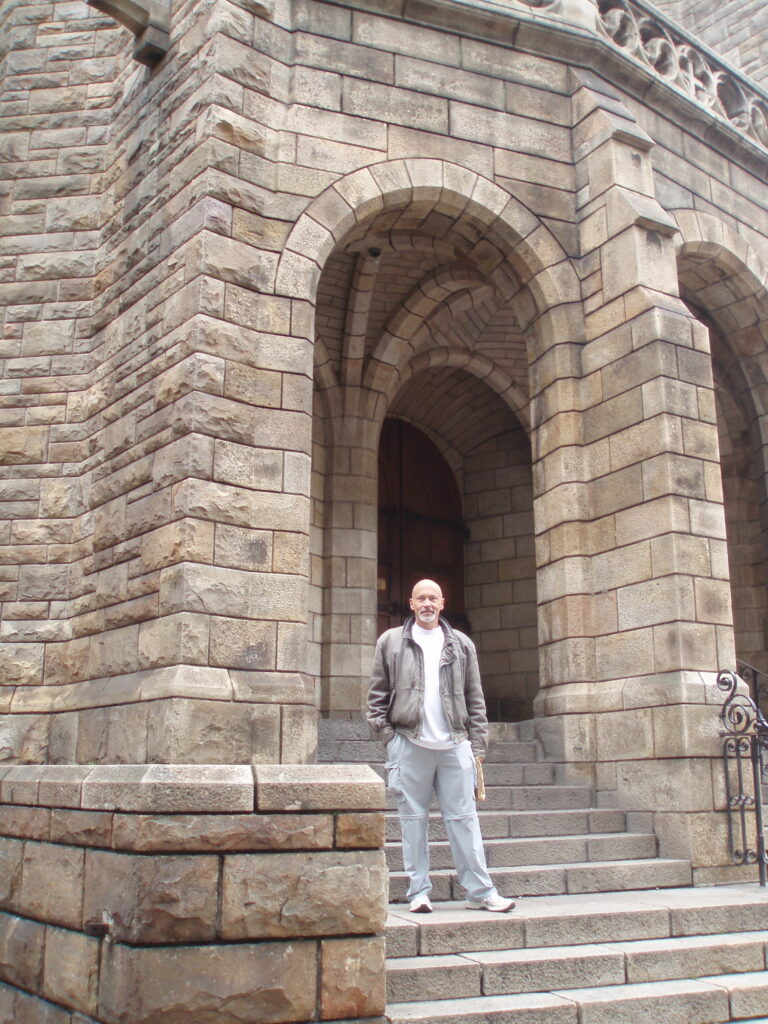
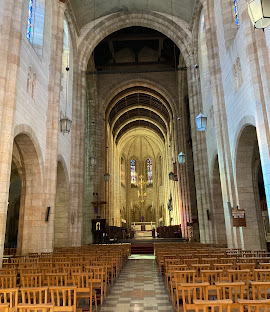
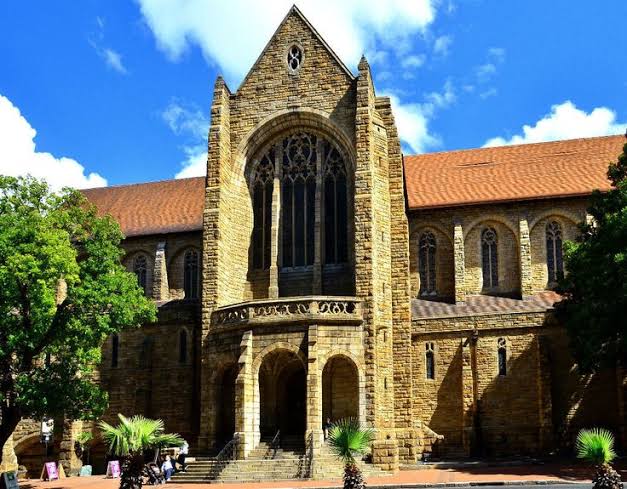
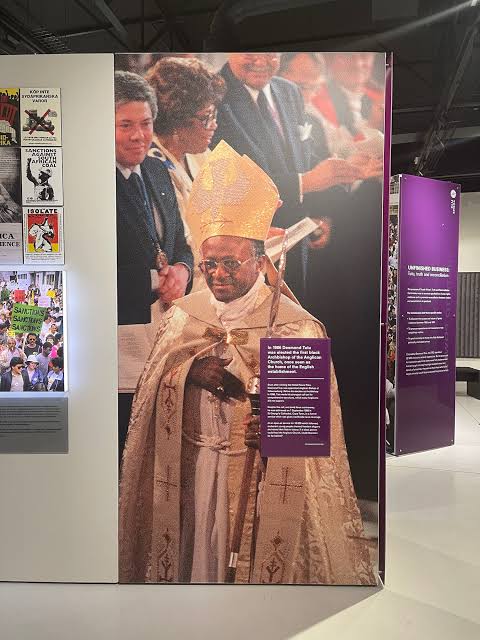
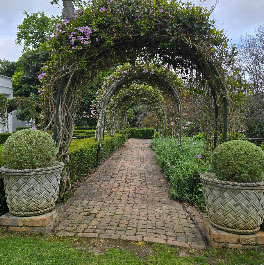
Then we walked to St. George Cathedral, Bishop Tutu’s cathedral to see the exhibit explaining the fight to end Apartheid. We walked along the gardens and around the town until it was time for dinner.
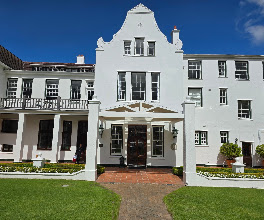
Bob found a wonderful restaurant on-line called The Greenhouse (The Cellars-Hohenort) in Constantia Heights, a wine district of Cape Town. It had one seating with a maximum of 45 patrons. You could select from and four- or six-course prix fixe menu. We had a four-course meal, each course paired with wine, and each course pleasing to the eye as well as the palate. They use only locally sourced foods. It was a special treat.
Cape Town is interesting. The history of Dutch and British colonization together with the various tribal influences and the Malaysian slaves makes the area so diverse. Though we heard the phrase over and over “We are all South Africans.” There are eleven official languages of South Africa. Five languages are commonly spoken in Cape Town. It feels really cosmopolitan to walk down the street to hear them all. Since taking power in 1984, the ANC has promoted English as the governmental language. The one disturbing thing I saw was the miles of townships that line the highway from the airport into town. These are filled with falling down shanties filled with black people.
They lack basic necessities of water, sewer, and electricity. We were told that they were crime filled. The residents are so transient that no one knows how many people live there. It was a depressing site on the way to the beautiful city of Cape Town.
Leave a Reply