At 7 a.m. we headed to the train station which was very modern and clean. We traveled about 190 miles per hour. It took about six hours for the trip to Shanghai.
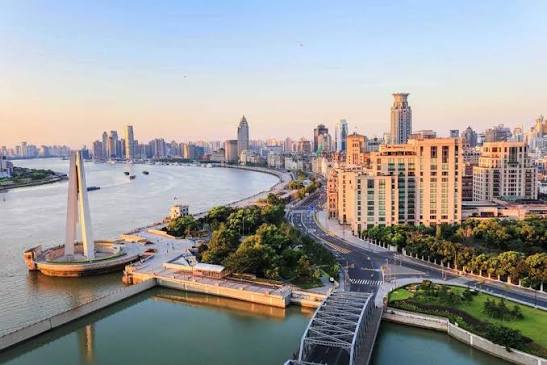
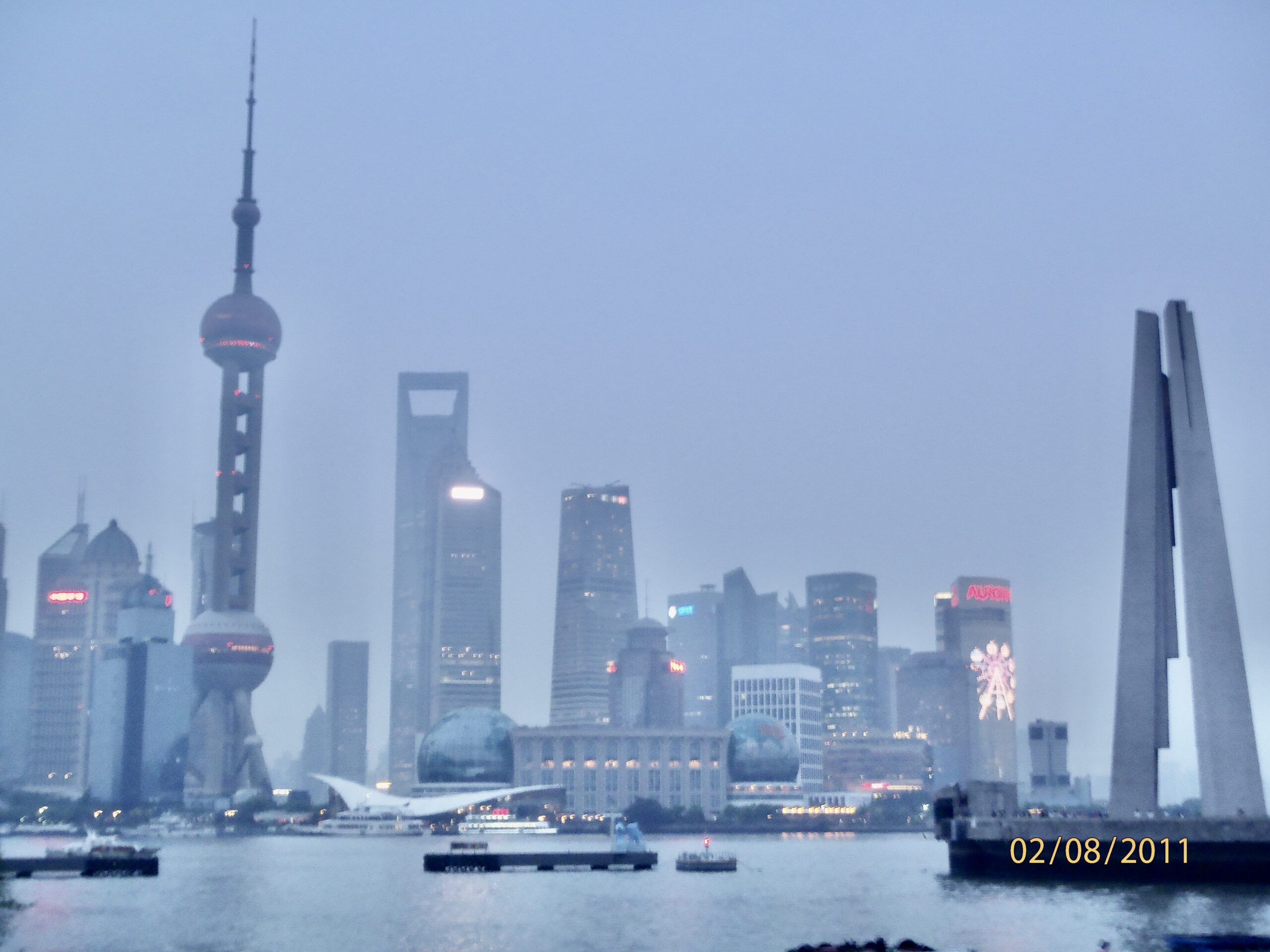
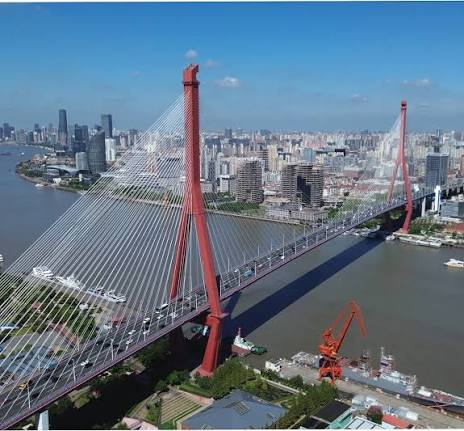
Shanghai is very different from Beijing. It looks more like a European city. That is because the English, French, and Americans were here before Mao. It is divided by the Huangpu River, and on the west side, the Puxi, lies the historic city center with the older, more European buildings, and on the east side, the Pudong, lie the ultra-modern skyscrapers that look like New York City. Several bridges connect the parts of the city. The Yangpu Bridge over the Huangpu River is one of the world’s longest cable-stayed bridges.
Antique District
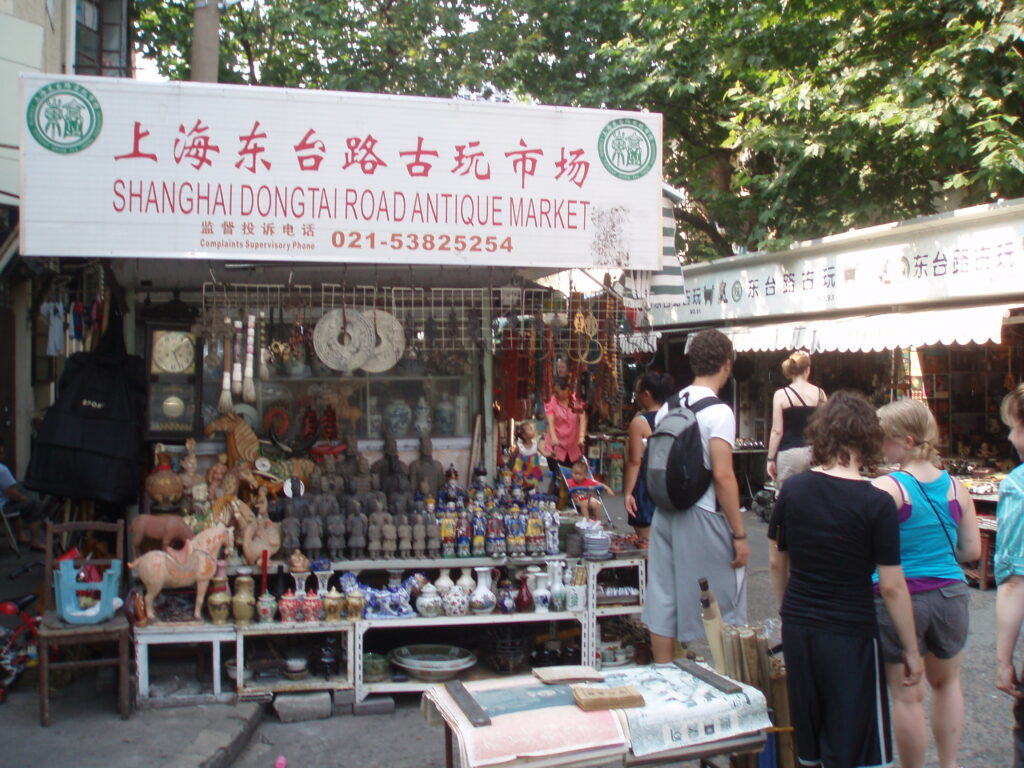
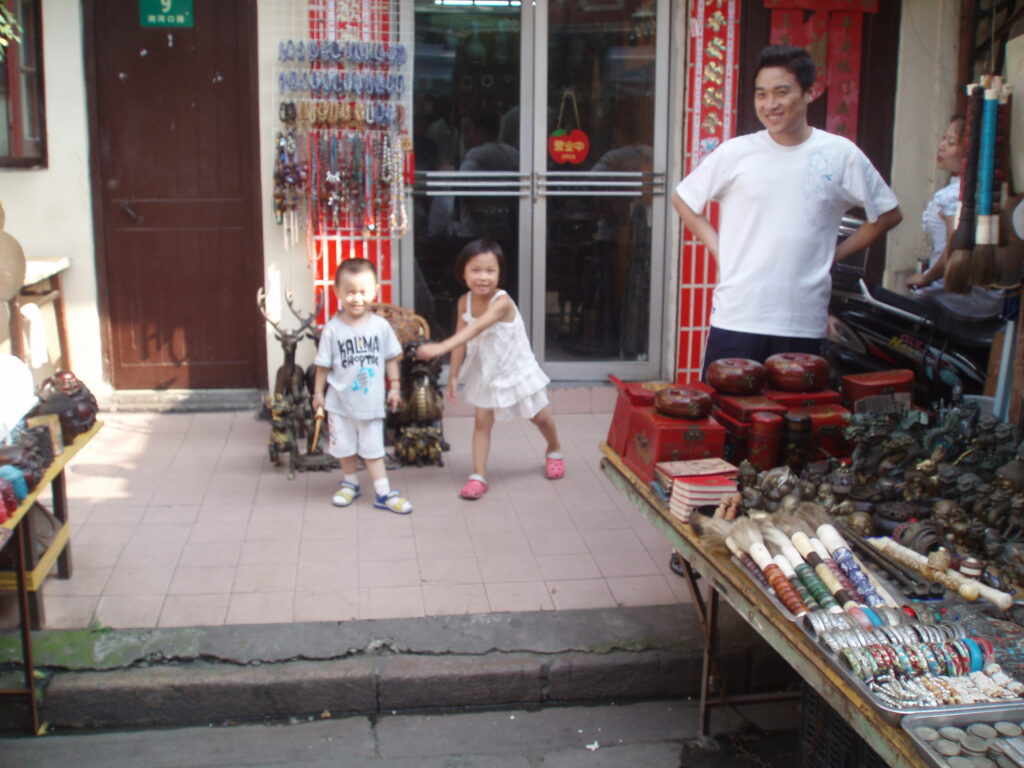
Before we went to the hotel we toured the Antique district—Dongtai Lu Market. It is a mix of food stalls, souvenir stands, arts and crafts, and streets of junk (antiques). They were selling things I had or even have, such a Depression glass plates, old suitcases, even a Singer sewing machine. But it was interesting and nice to stroll. We stopped and talked with one man at his display with his little children. He was interested in where we were from and what we wanted to see. There were some nice antique stores with nice furniture along the way, too. We were on our own for dinner, so we grabbed some fast food, went for a walk in the nice area, and returned to the hotel.
Ming Dynasty Yu Garden
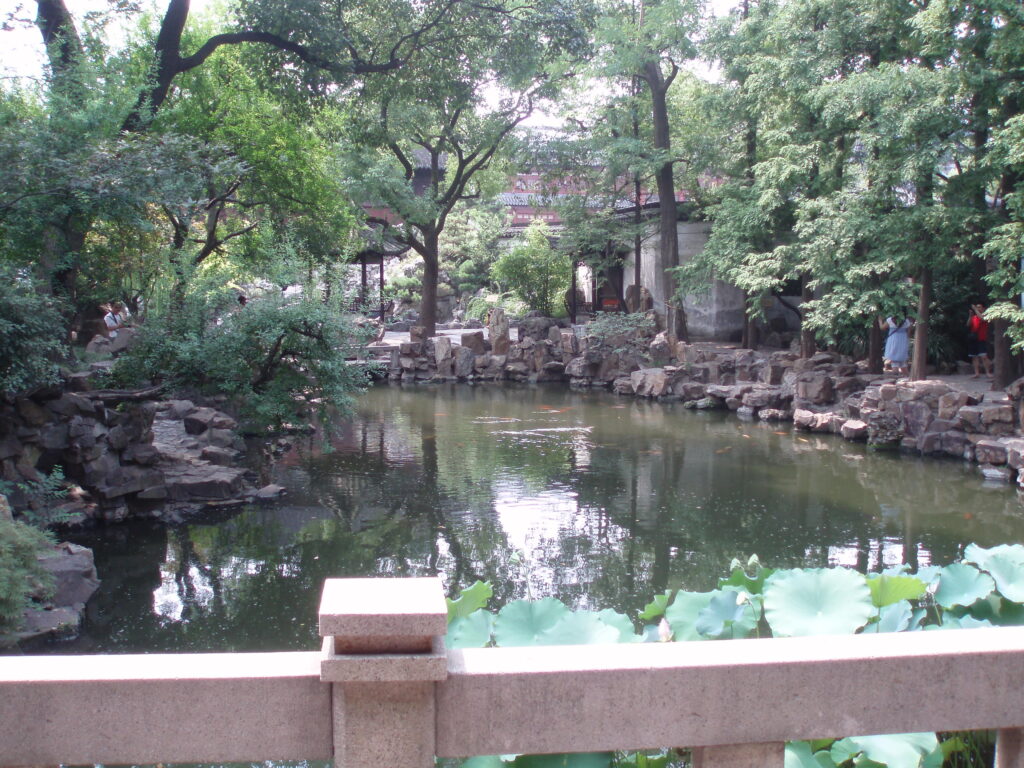
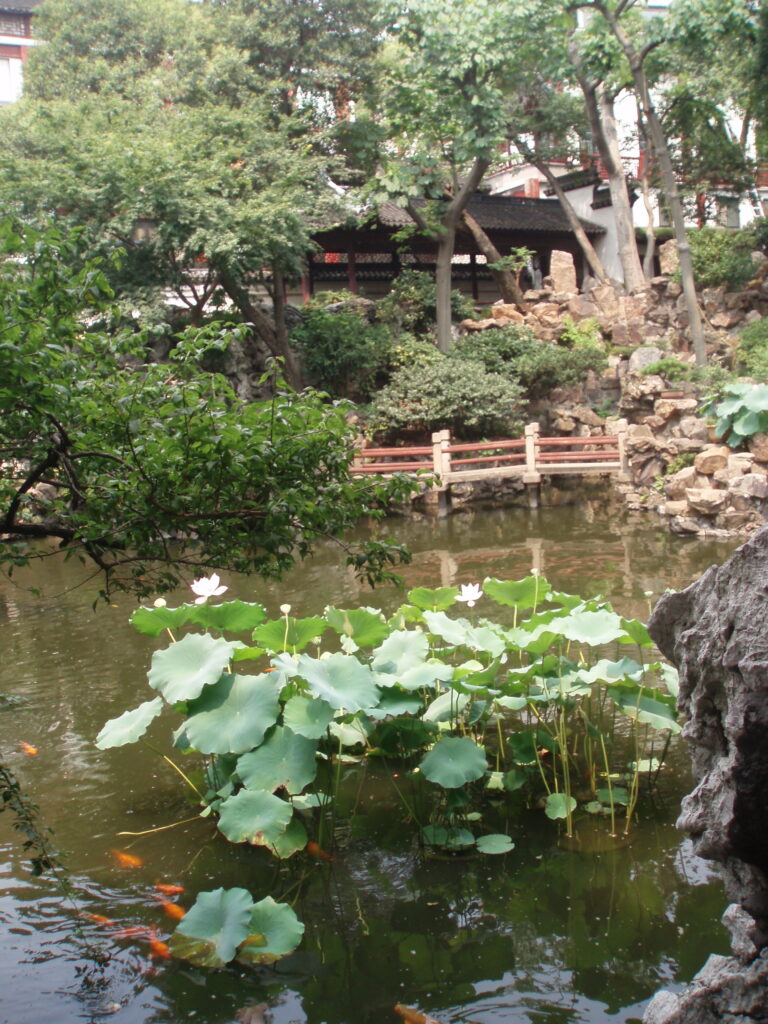
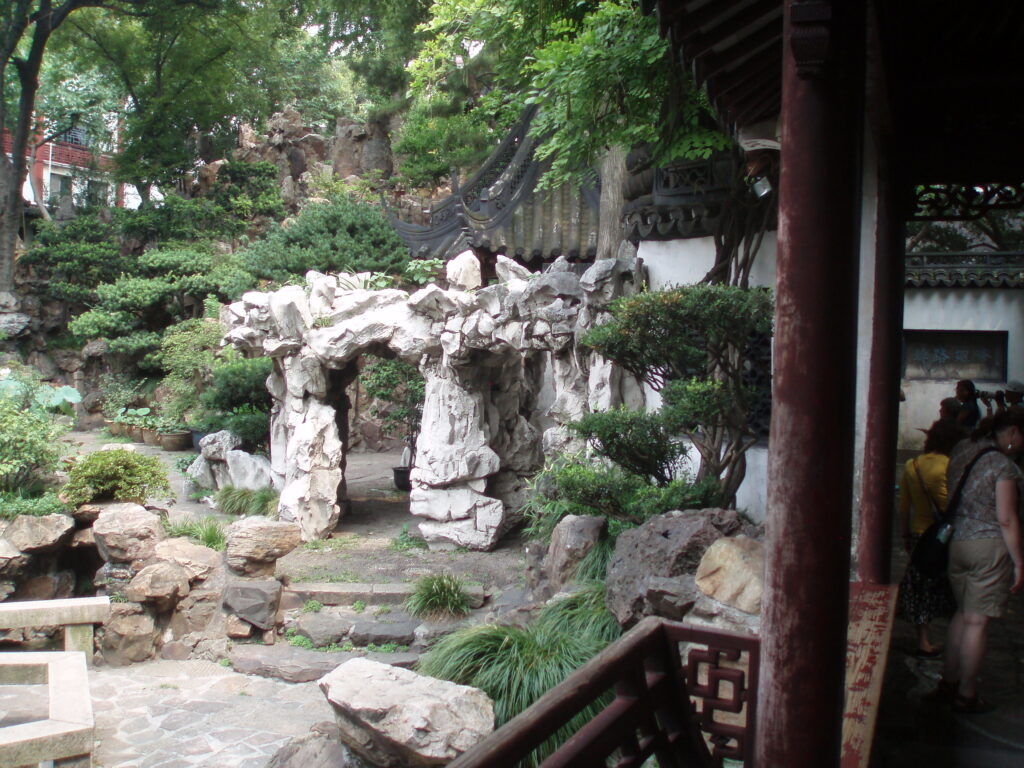
After breakfast, we headed for the Ming Dynasty Yu Garden. It was in an old Chinese part of the city, and is an important family garden, as it is full of lovely bridges, rock gardens, and carp-filled ponds. Again there were lots of Chinese families and school groups. A bazaar surrounds the gardens.
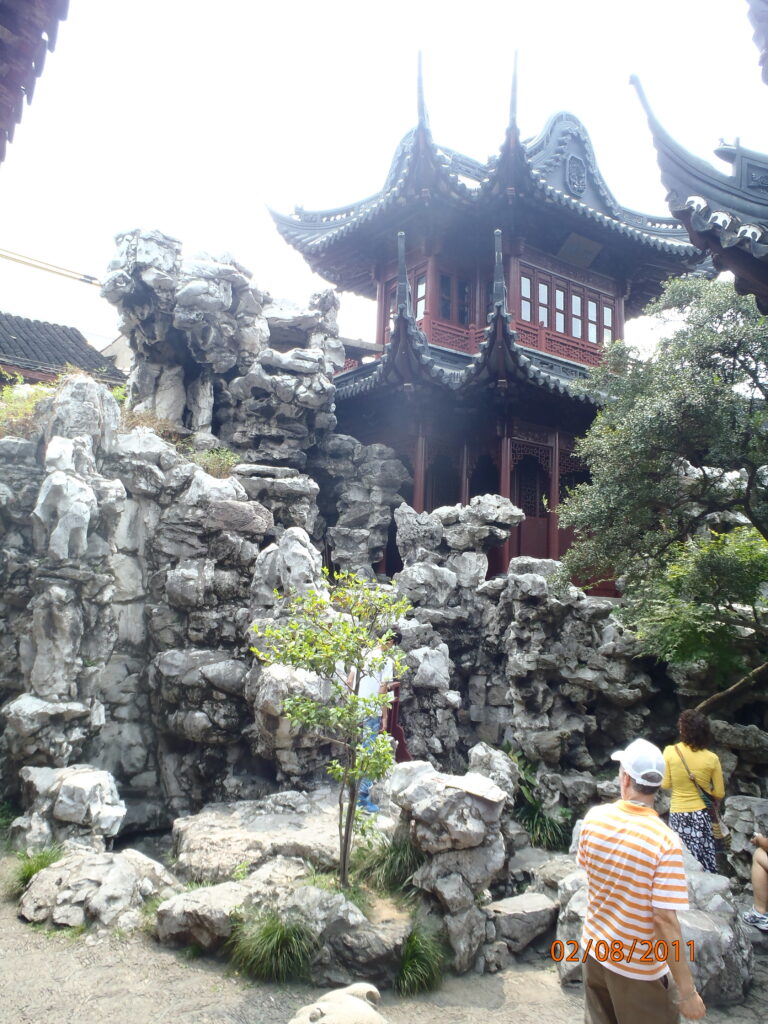
As you enter the gardens, the first element you see is the Great Rockery about 50 ft. tall. Next you enter the Sansui Hall. It was used for entertaining guests and holding ceremonies. The Wanhua chamber is a two-story building surrounded by cloisters. The fence is engraved with Chinese magical weapons. In front of it are two trees—a 400-year-old ginkgo tree and a 100-year-old magnolia.
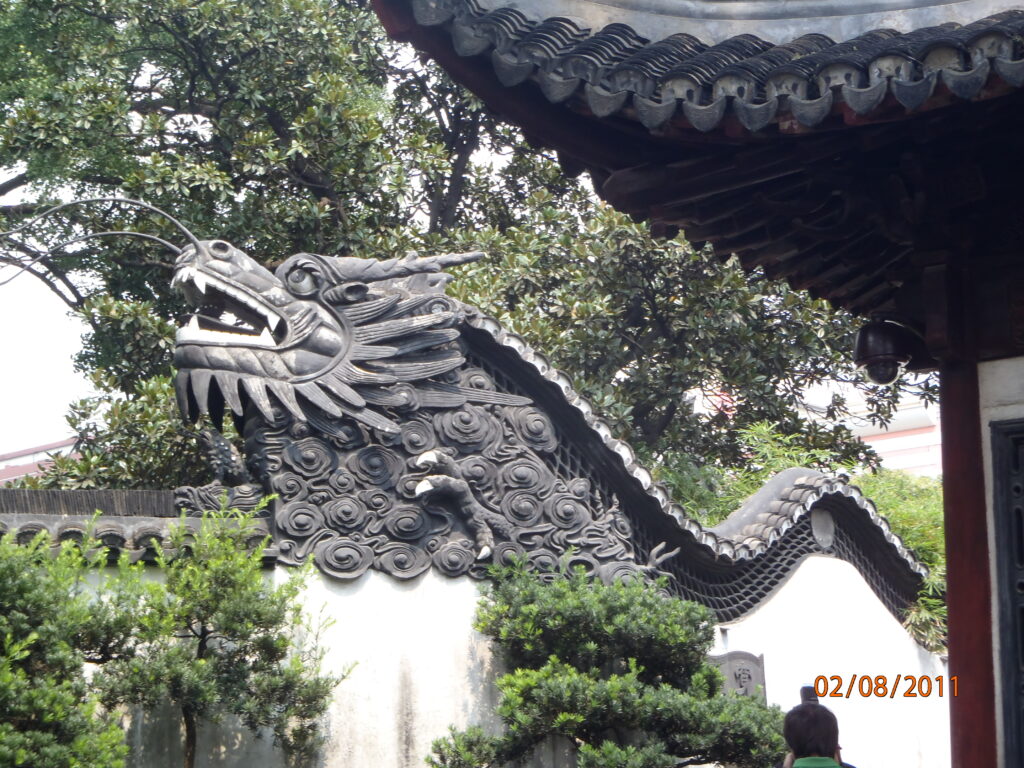
The Dianchun Hall was added in the Zing Dynasty and was a family gathering place. To the west of it is the Cloud-Piercing Dragon Wall. The Yuhua Hall was a study for Pan. Finally, the Exquisite Jade Rock is one of the most famous rockeries in south China.
Tea Ceremony
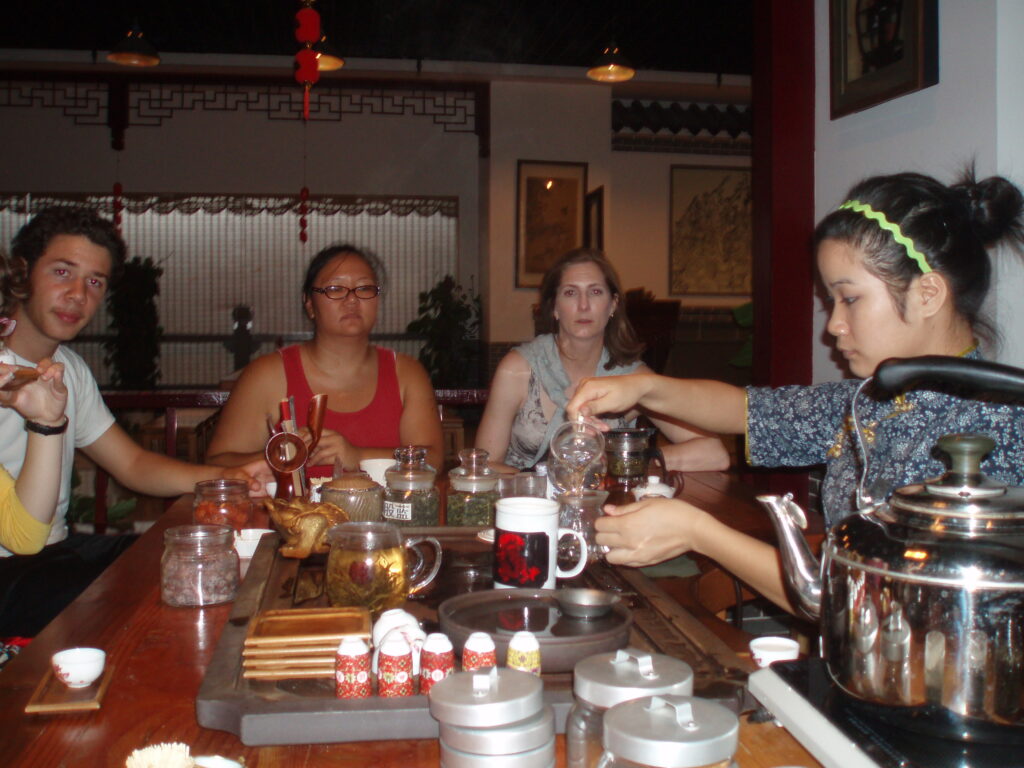
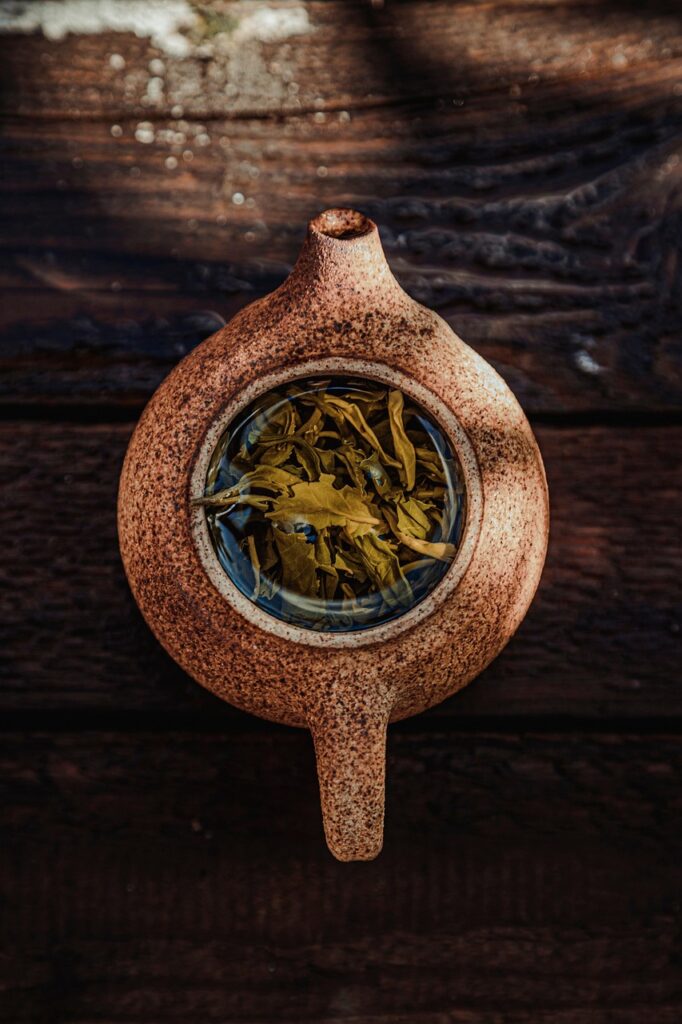
After the Yu Gardens we were treated to a Tea Ceremony. My students had studied the Japanese Tea Ceremony when reading Thousand Cranes. This was a bit different. We tasted five different kinds of tea. The tea is slowly infused with hot water being added several times before serving. We were seated around a low table and the woman preparing the tea explained the process. Since we tasted different teas, the purpose seemed to be to experience the different flavors. The Japanese ceremony seems more focused on the history of the utensils and the Chinese on the tea preparation itself.
While there, a fierce thunderstorm, and we had to wait for it to pass before the headed to our next stop: the Shanghai Museum of Ancient History.
Shanghai Museum
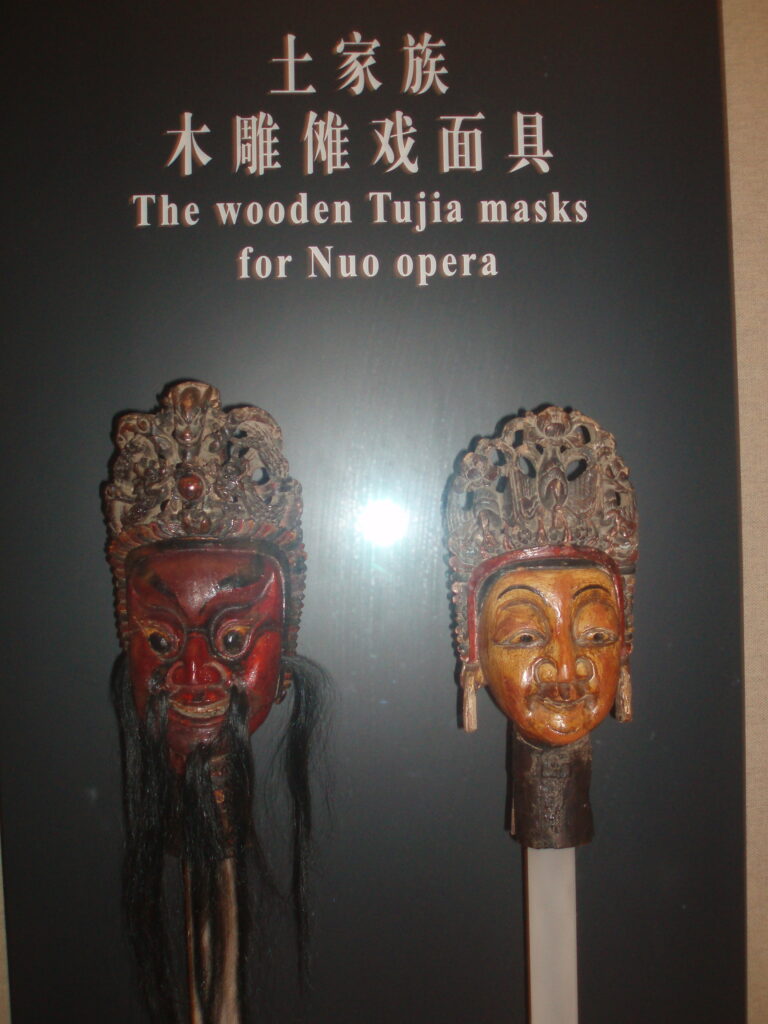
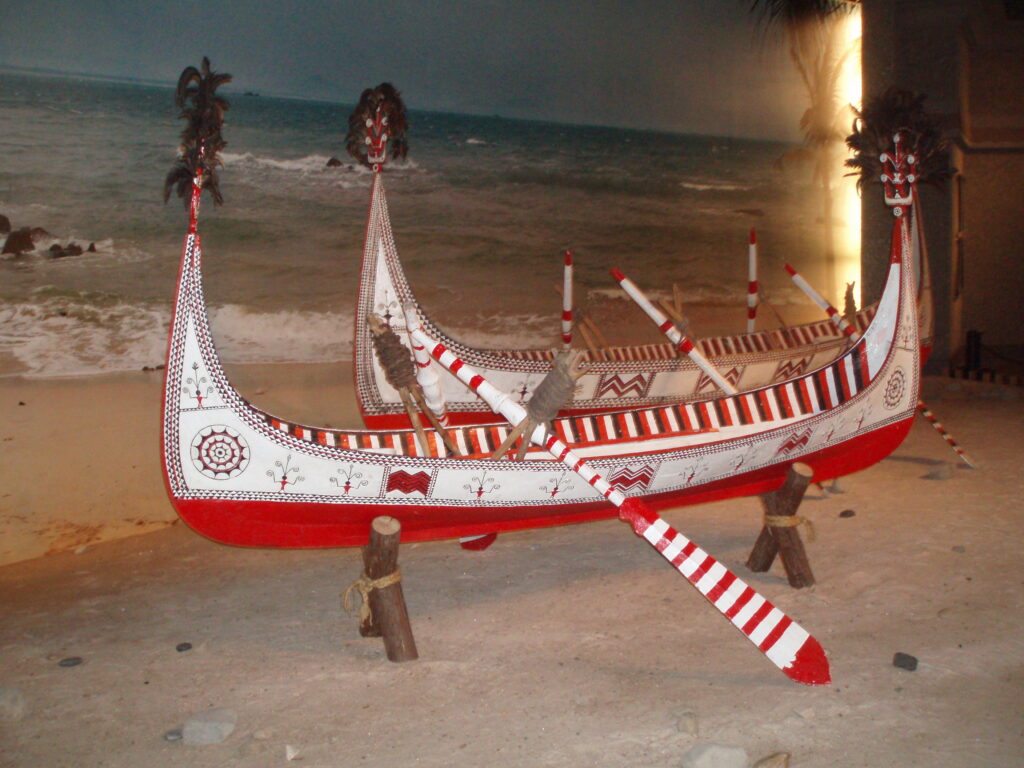
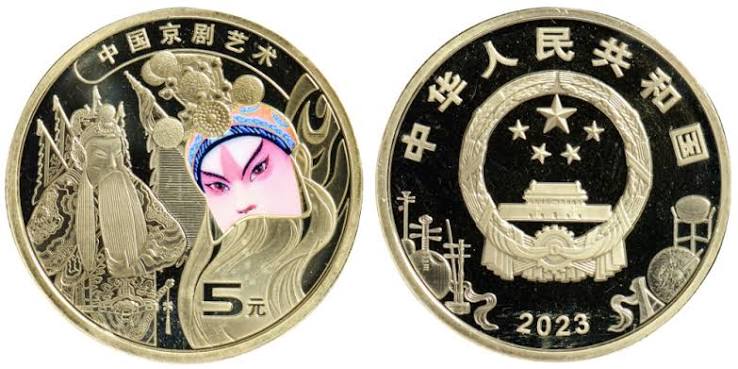
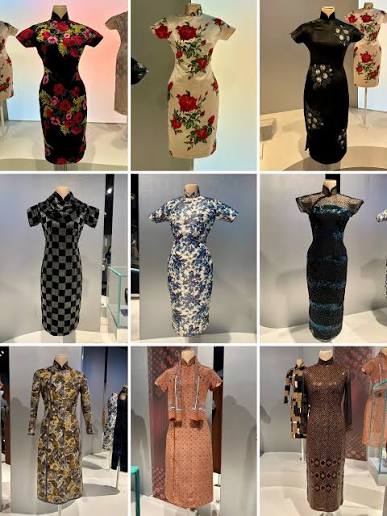
The Shanghai Museum has different venues. We went to East Museum which features Chinese Art History including exhibits on clothing from the different districts of China, old calligraphy, coins, ceramics, and jades. It was organized by the various dynasties. The ancient coins were especially interesting covering over 3,000 years of Chinese coins. The Bronze gallery had ritual vessels from the Xai, Shang, and Zhou dynasties. The Ceramics and Jades stretched from the Neolithic period to the beautiful Ming and Qing Dynasty porcelains.

Pearl Tower
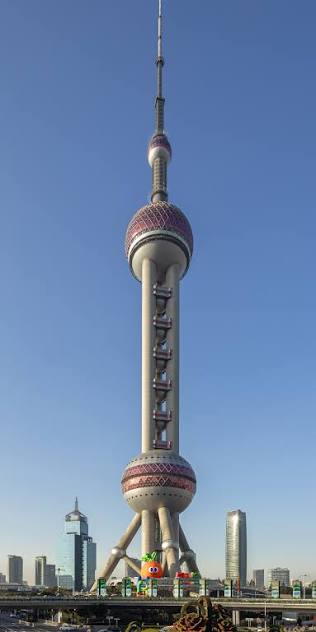
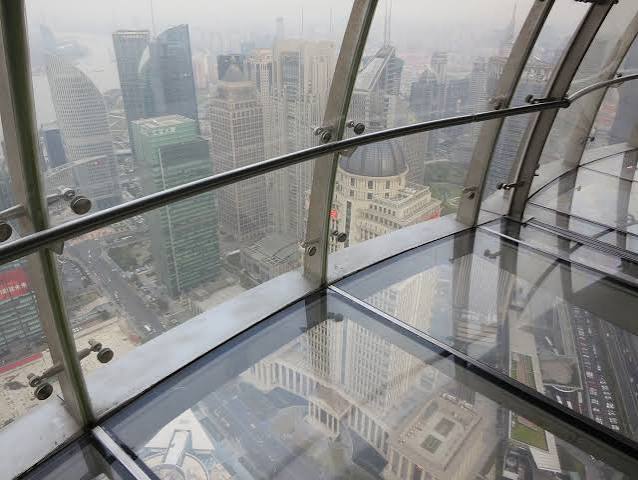
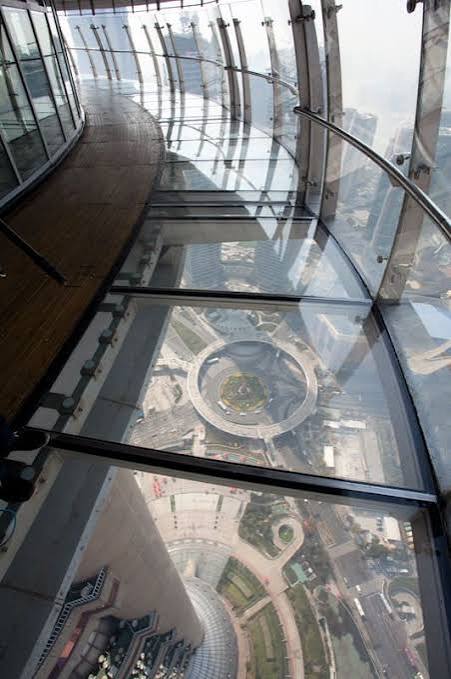
Close to the History Museum is the Oriental Pearl Radio & TV Tower, a distinct 1,535-foot-tall futuristic landmark located at the tip of Lujiazui in the Pudong Area of Shanghai. Completed in 1994, its unique design features 11 interconnected spheres inspired by a classical Tang Dynasty poem. The viewing platforms have glass floors, so you can see down as well as out.
The tower has several points from which to observe. The top, the Space Capsule is at 1,152 ft. It looks like a modern space capsule. Then at 863 ft. is the main sightseeing floor. From here you can see 360 degrees around all of Shanghai. At 876 ft. is the revolving restaurant. It is Asia’s highest revolving buffet restaurant. Then there is the glass skywalk at 850 ft. As you walk on the class you can see the streets of Shanghai below. The lower open-sphere deck at 295 ft. allows for clear views of the city. Finally at the bottom is the Shanghai History Museum which covers its history from 1860-1949. We spent a couple of hours experiencing the different views. Unfortunately, the weather was cloudy when we were there.

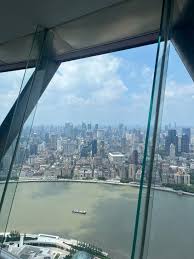
From there we went to the Jade Buddha Temple.
Jade Buddha Temple
The Jade Buddha Temple has two sacred Buddha statues carved from single blocks of white Burmese jade, brought to China by sea from Myanmar in 1882. The Sitting Buddha is inlaid with agate and emerald stones, depicting the Buddha at the exact moment of his meditation and enlightenment. It weighs three tons.The Sitting Buddha is inlaid with agates and emeralds, depicting the Buddha at the exact moment of his meditation and enlightenment. It weighs three tons. The Reclining Buddha is much smaller, just over 3 ft. long, and depicts Buddha at his time of death, attaining Nirvana.
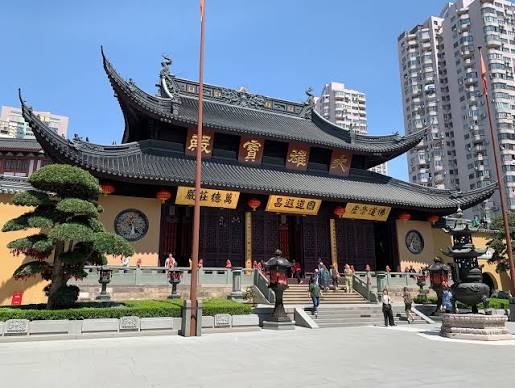
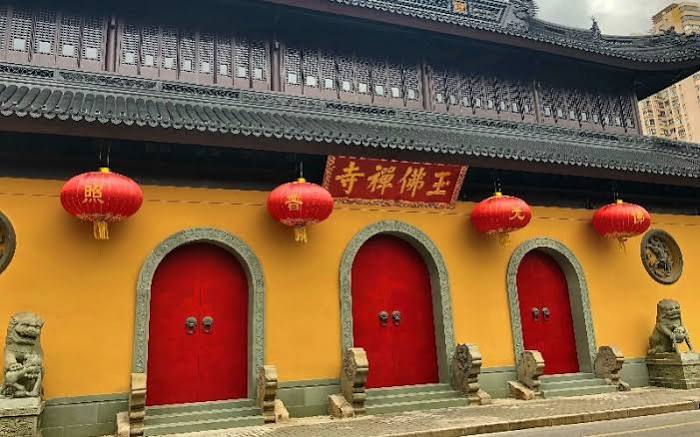
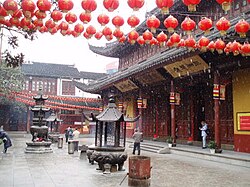
Clint, our guide here, told us there are 23 million people in Shanghai in a very small space about 3860 sq. miles, while Beijing has 18 million in 6200 sq. mi.. On the streets and in elevators and lines, there is no personal space. The people crowd around just like the cars do on the streets.
The Astor Hotel
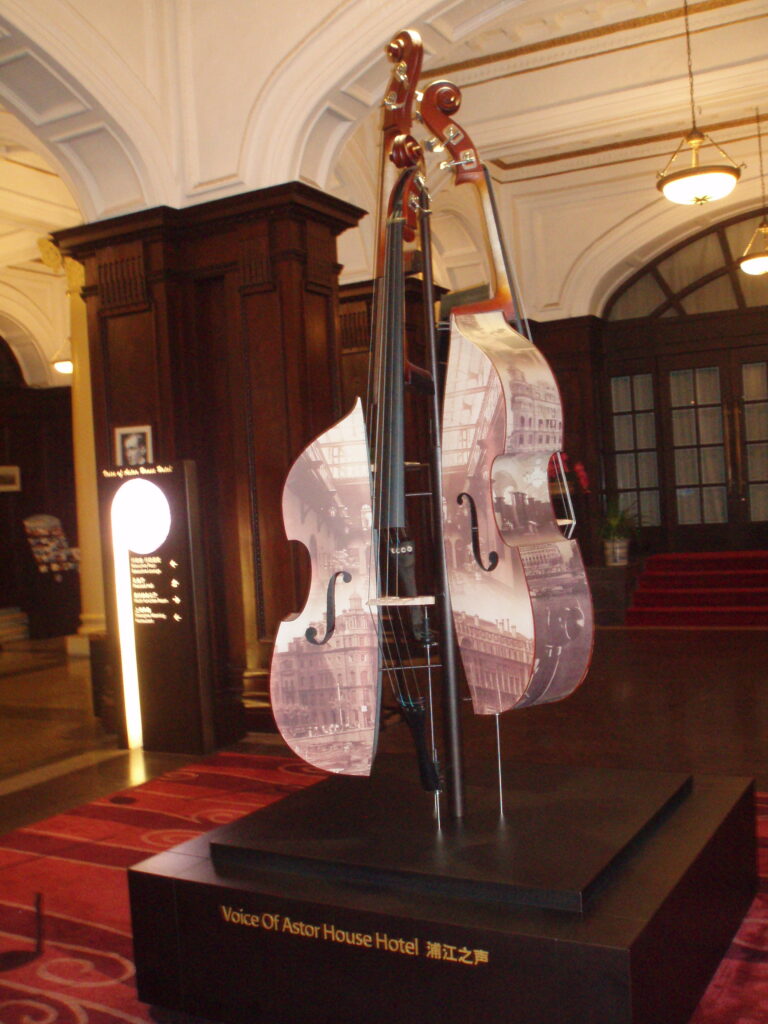
The Astor is the oldest and first modern hotel in Shanghai, and it was being remodeled as we stayed there. President Garfield and Albert Einstein have both stayed at our hotel. The two basses comprise a museum exhibit inside the historic Astor House Hotel in Shanghai, celebrating the building’s musical and cultural heritage. Unfortunately it closed in 2018 to become the China Securities Museum. We were fortunate to have stayed there.
We ate dinner at the restaurant in the hotel, then walked around town before packing up to leave. Our last night in China.
In the morning, we met Clint in the lobby at 6:30 a.m. The hotel had packed box breakfasts for us: banana, hard-boiled eggs, dinner rolls and cookies. We took off for the airport, eating what we could. On the way we passed an IKEA store and the new Swimming Venue for this summer’s World Championships. Because we were a group, we got to check in right away and avoided the line. Our plane stopped in Tokyo—Narita Airport. Then home. We arrived 15 minutes before we left, because we had two Fridays going this way. A wonderful trip.
Leave a Reply