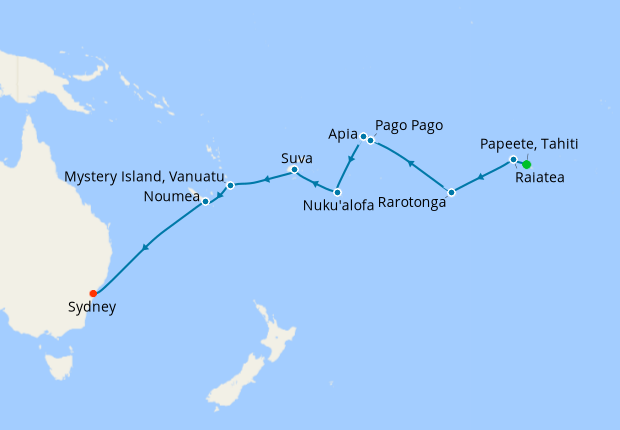
Ra’iatea
Our first stop on this leg was the island of Ra’iatea, the second largest of the Society Islands. We docked in Uturoa, the main town on the island.
Ra’iatea is a “sacred” island, considered the birthplace of Polynesian culture because it is the birthplace of the gods. It has many archeological marae (religious sites) and petroglyphs which tell the history of the indigenous people. Its Polynesian name is “Havai’i.” It is likely that the organized migrations to Hawai’i, Aotearoa (New Zealand), and other parts of East Polynesia started here.
Mount Temehani is a sort of Polynesian Mt Olympus. It is only 2,533 ft. tall. It shelters a unique plant, the Tiare Apetahi. This flower is the emblem of the holy island and is considered to look after the island to “preserve it from modern bustles.”
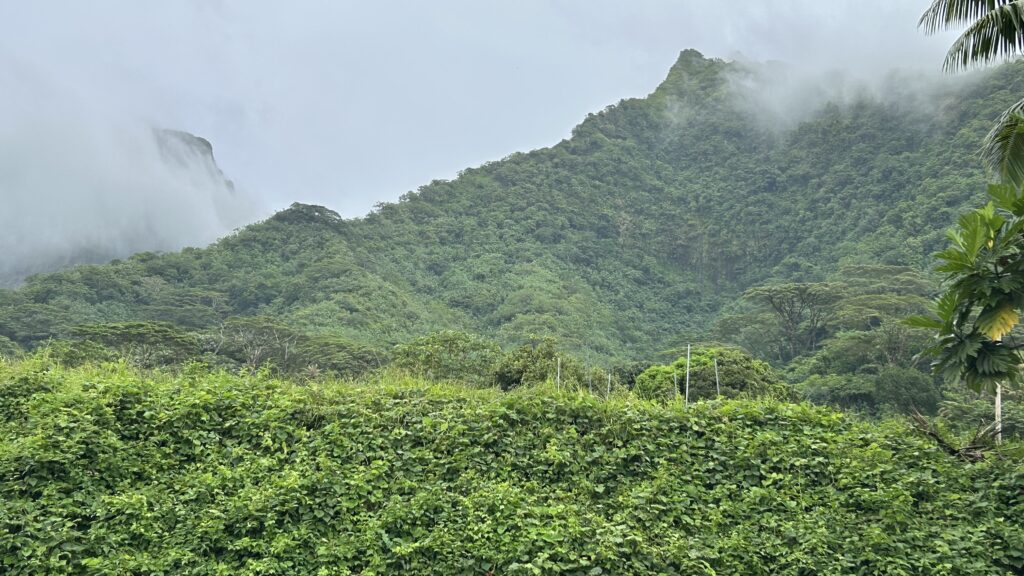
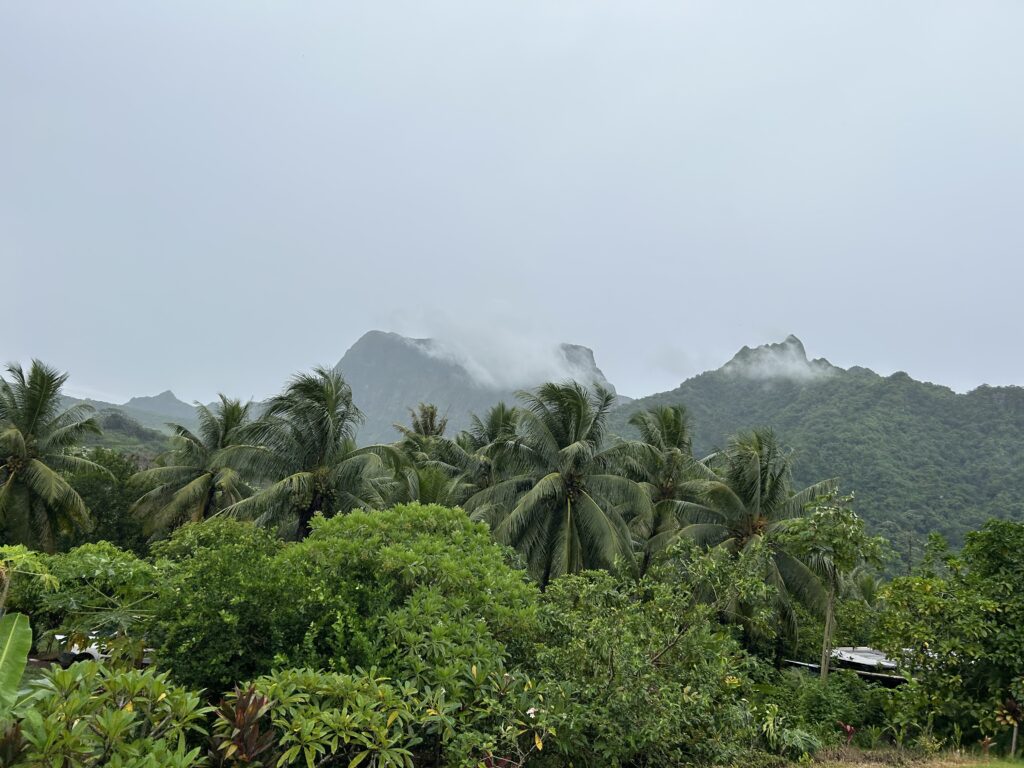
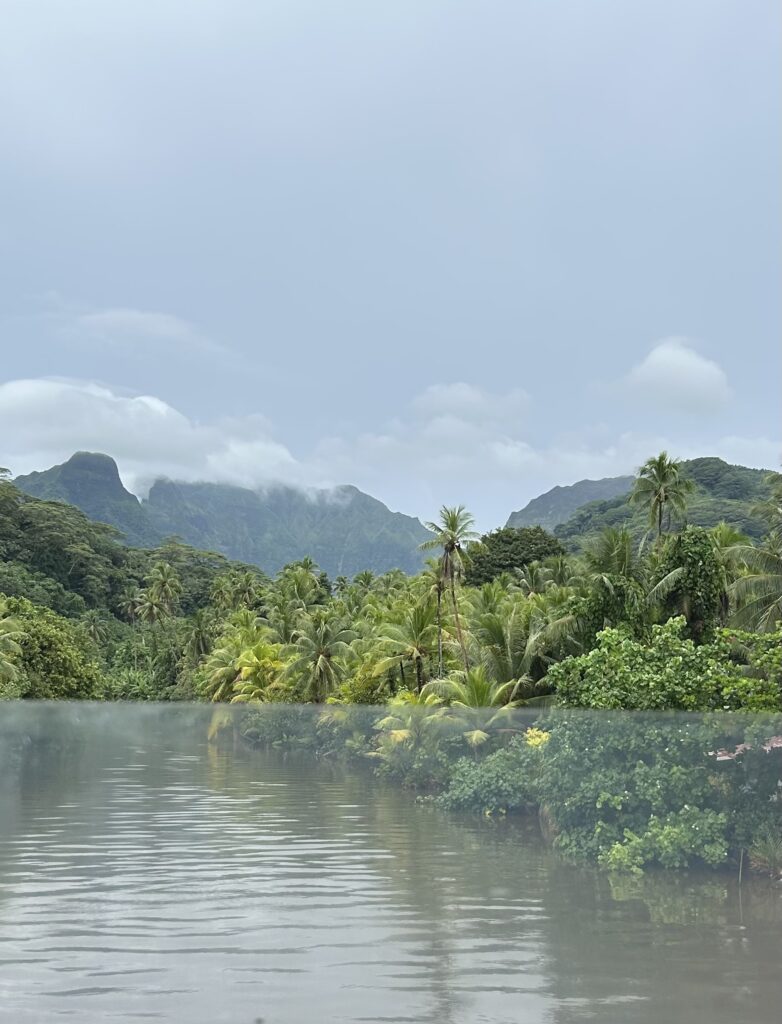
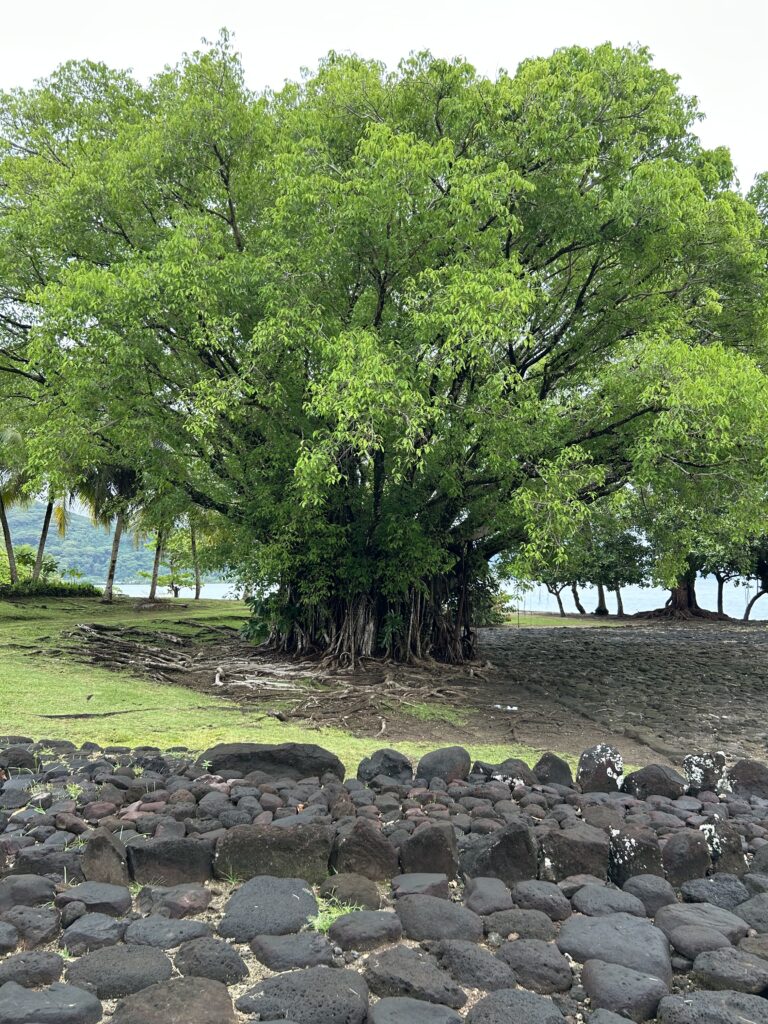
Situated on the southeast coast is the historical site the Taputapuatea marae which was established by 1000 CE. It is the most spectacular marae in the Polynesian triangle and once was the center of religious and political power in all of Polynesia. It is a UNESCO World Heritage site. Considered the birthplace of the Mã’ohi civilization, it a vital site for understanding Polynesian history and culture. The site is dedicated to the god ‘Oro. It is a place where the people come in touch with their ancestors and the gods. It was a meeting place for political and religious leaders. Chiefs, high priests and warriors would arrive in outrigger sailing canoes from all over Polynesia to make alliances and create Polynesian society.
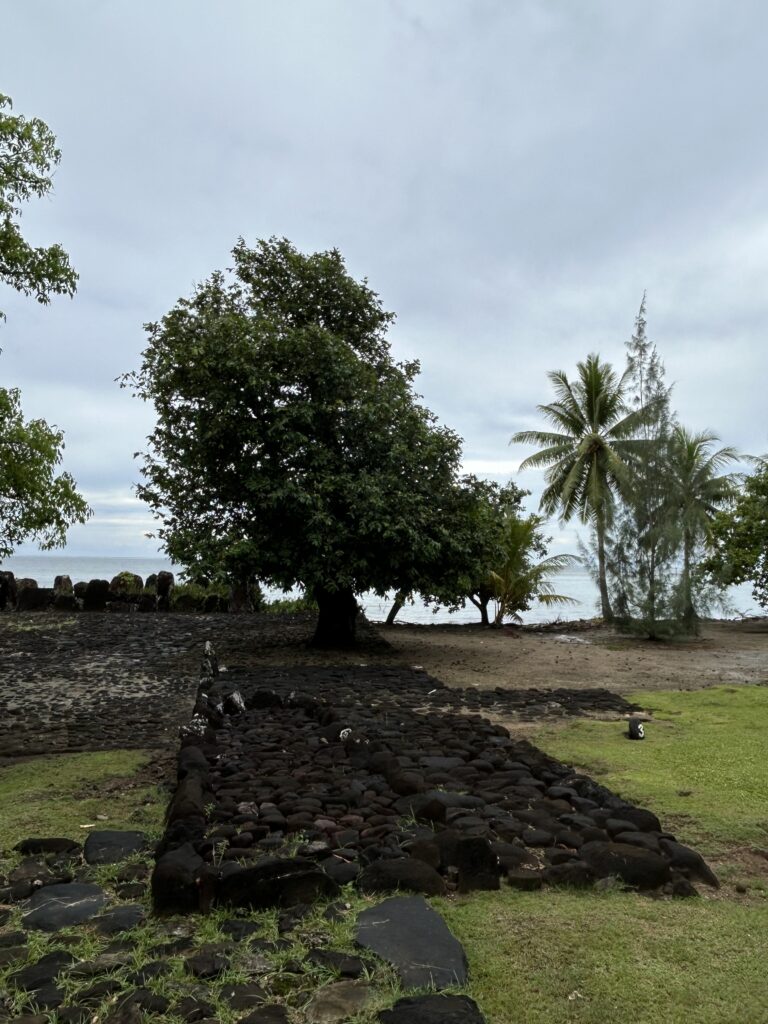
The site is composed of nine stone plazas between the shore of the lagoon and the mountain. It is opposite the sacred pass of Ta Ava Mo’a through which the ancient voyagers sailed on their way to explore the Pacific.
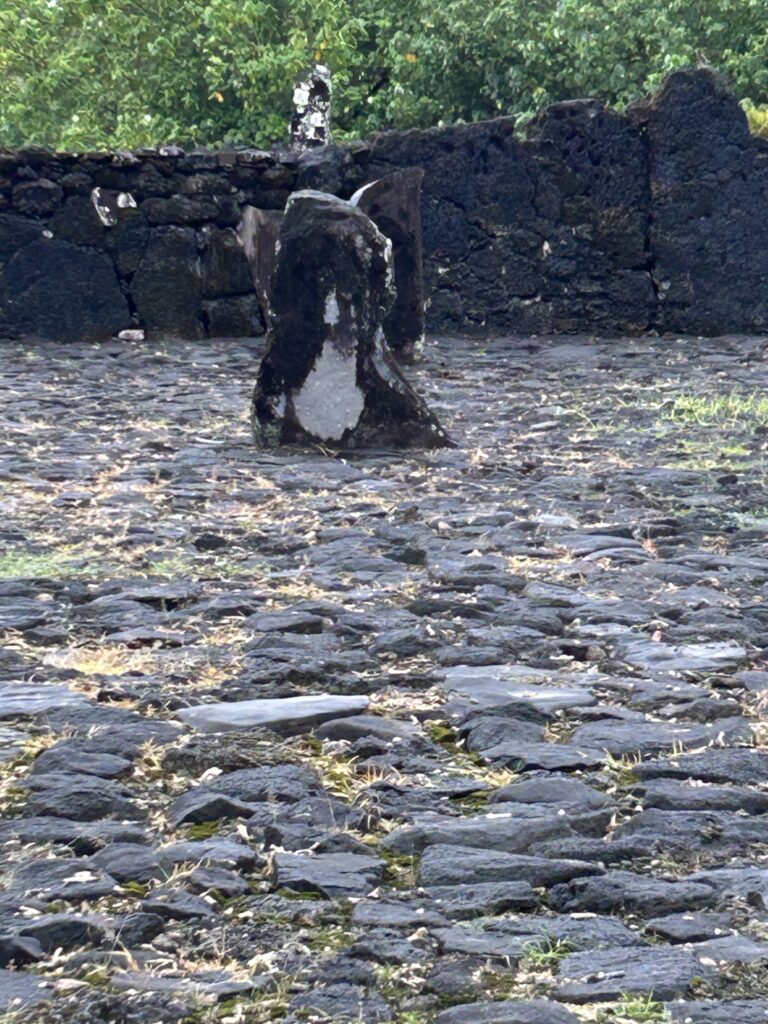
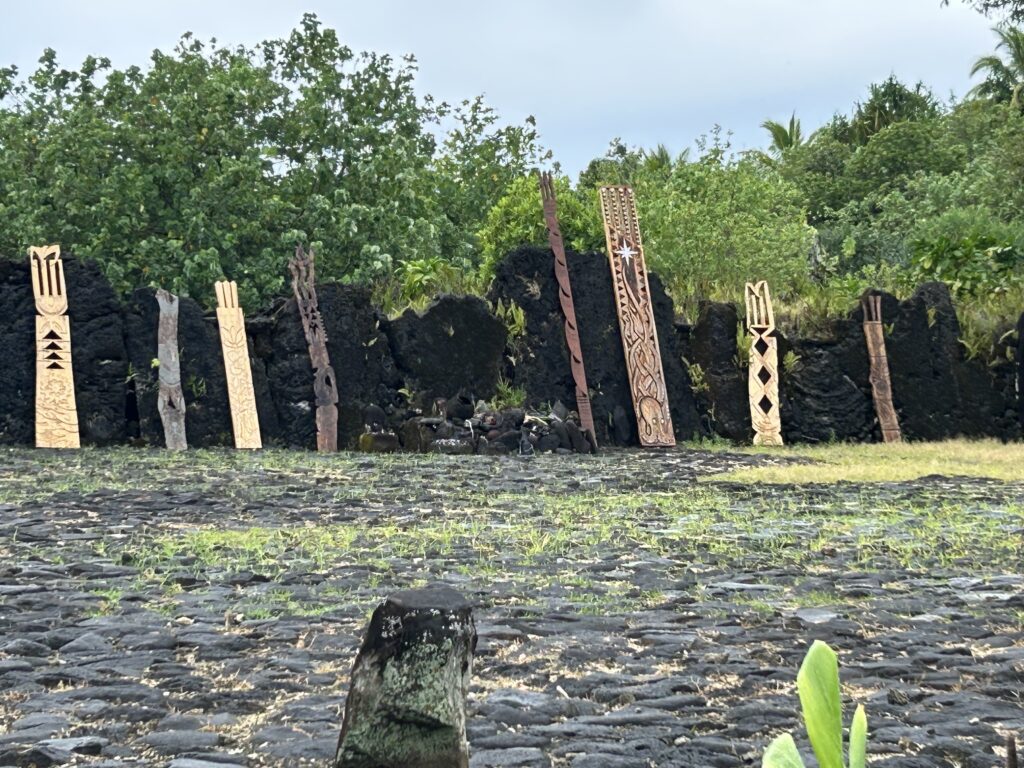
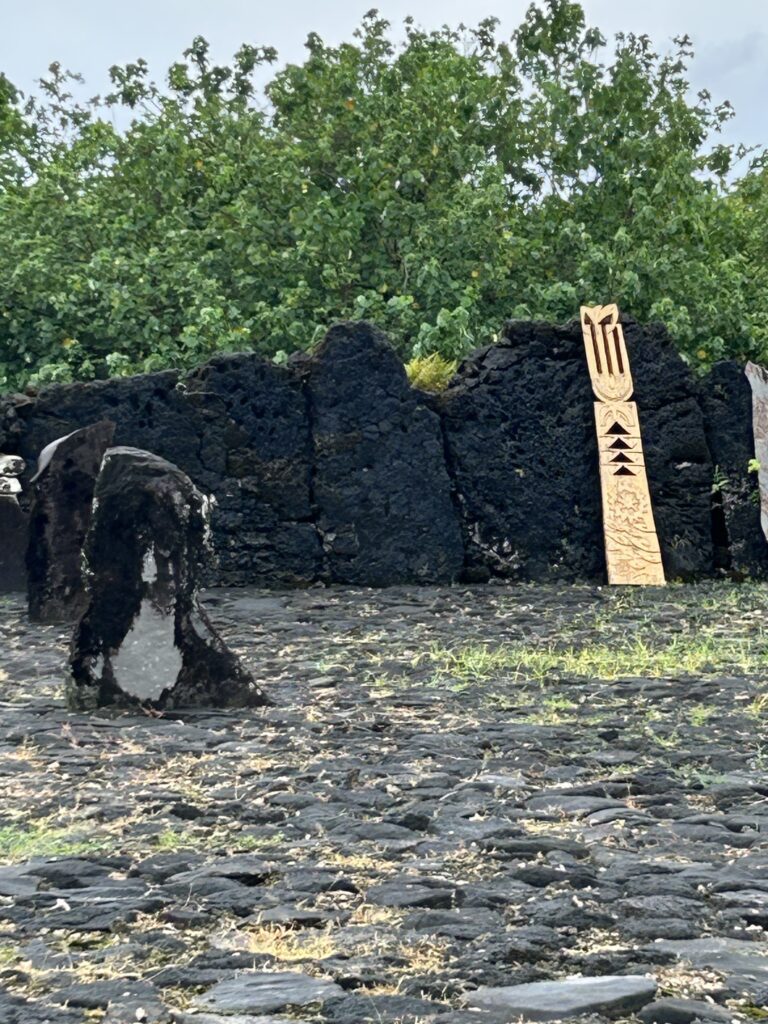
The central marae is a sacred site for rituals and ceremonies. In this marae is the sacred stone which holds spiritual qualities and is associated with ancestor worship. The Altar of Human Sacrifice sits in this site as well. It used for sacrificial offerings, reflecting the religious practices of ancient Polynesians. Then there is the Platform of the Chiefs, where chiefs would gather, symbolizing political power and authority within the community.
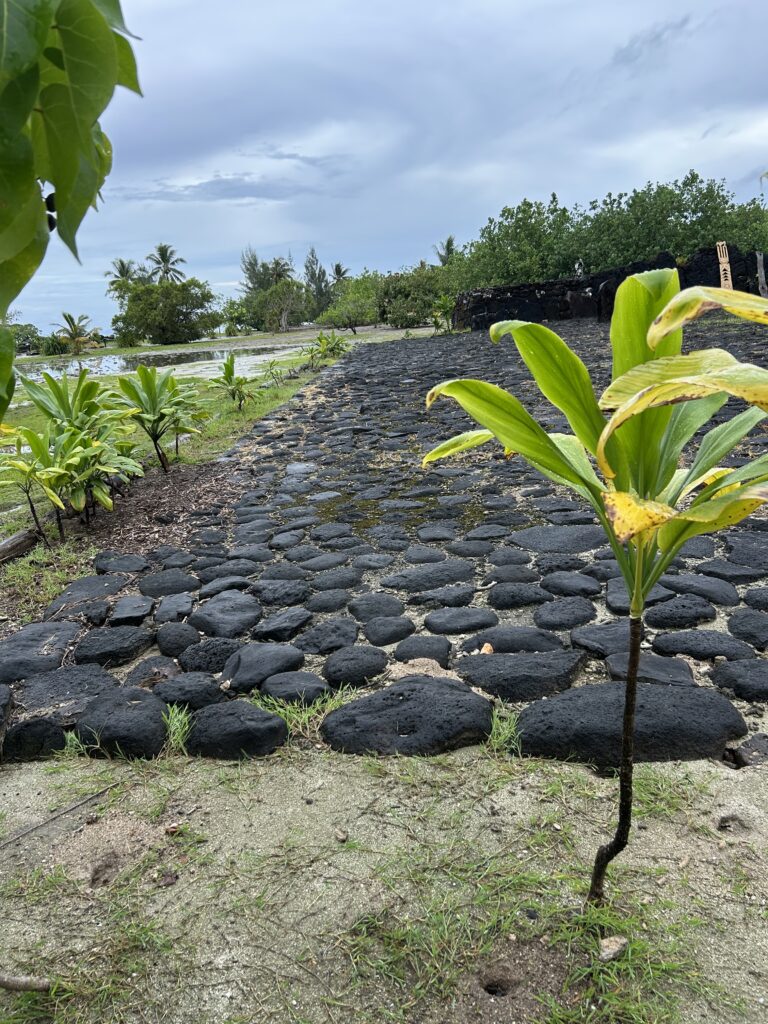
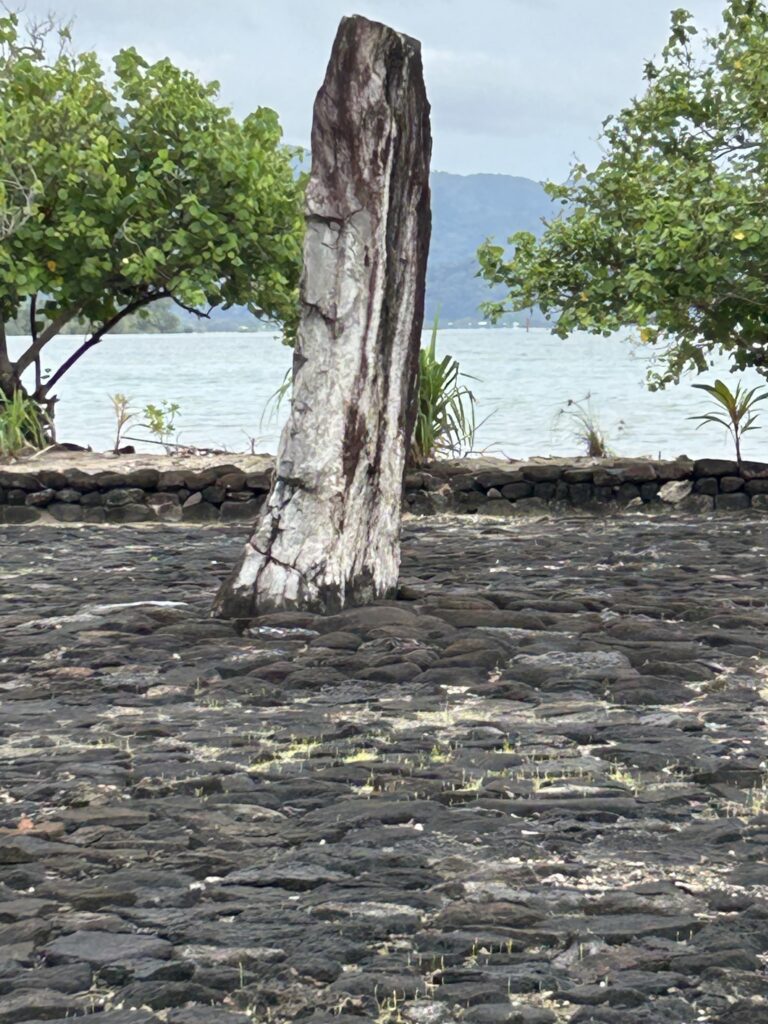
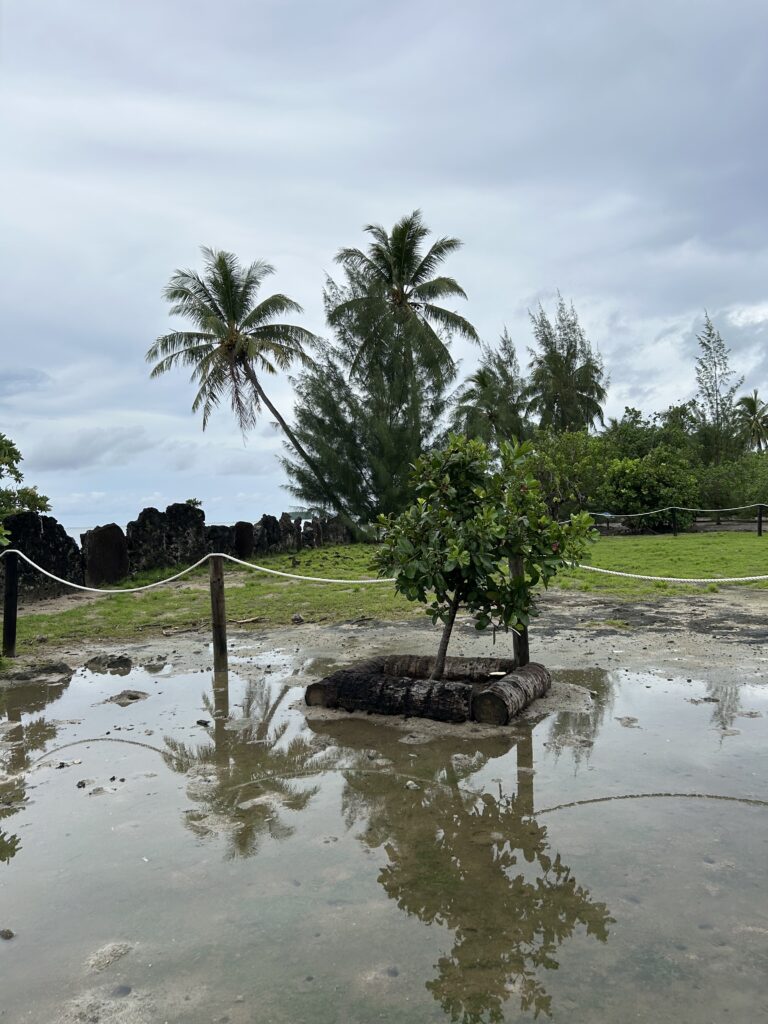
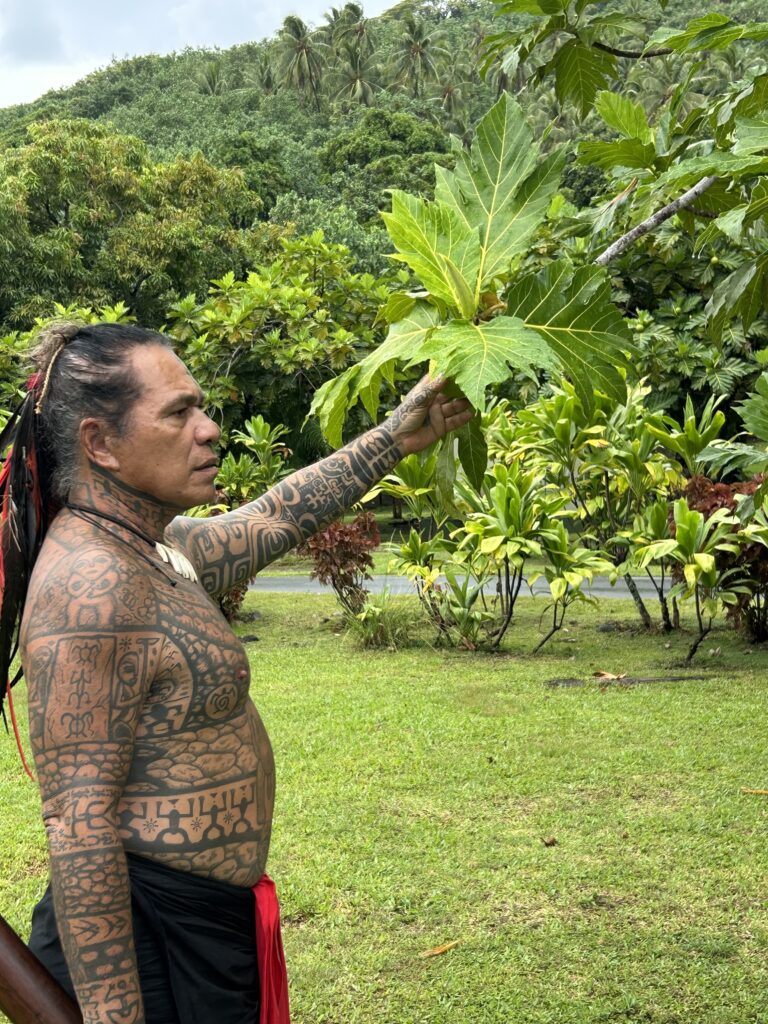
On the shore of the lagoon is the Canoe Landing for people arriving to the marae. The House of the Gods served as a place of worship and is dedicated to various deities revered by the Polynesians. The Path of the Ancestors is a ceremonial pathway that connects various parts of the site, symbolizing the journey of ancestors. Then there is the Sacred Grove which is believed to be inhabited by spirits, emphasizing the connection between nature and spirituality. Finally, there are the Ritual Stones, used in various ceremonies, representing the physical manifestations of spiritual beliefs. Our guide explained everything in detail showing the importance of the Polynesian culture.
As you can see looking at our guide, tattooing is very important to the culture. The site is a UNESCO World Heritage site.
Leave a Reply