On our way to Kizhi, we passed Rybinsk and saw the beautiful Spaso-Preobrazhensky Cathedral (Transfiguration Cathedral) on the shore. Built in 1851, this cathedral is a priminent example of high classicism. We also had to pass through six more locks. The island of Kizhi is a UNESCO site. It is located on the northern end of Lake Onega, which is the second largest lake in Europe and totally freezes over in winter. Wolves come in the wintertime. The word “Kizhi” means “game” in Karelian, a dialect of Finnish. It probably was the site of pagan rites for Ugrian and Finnish tribes
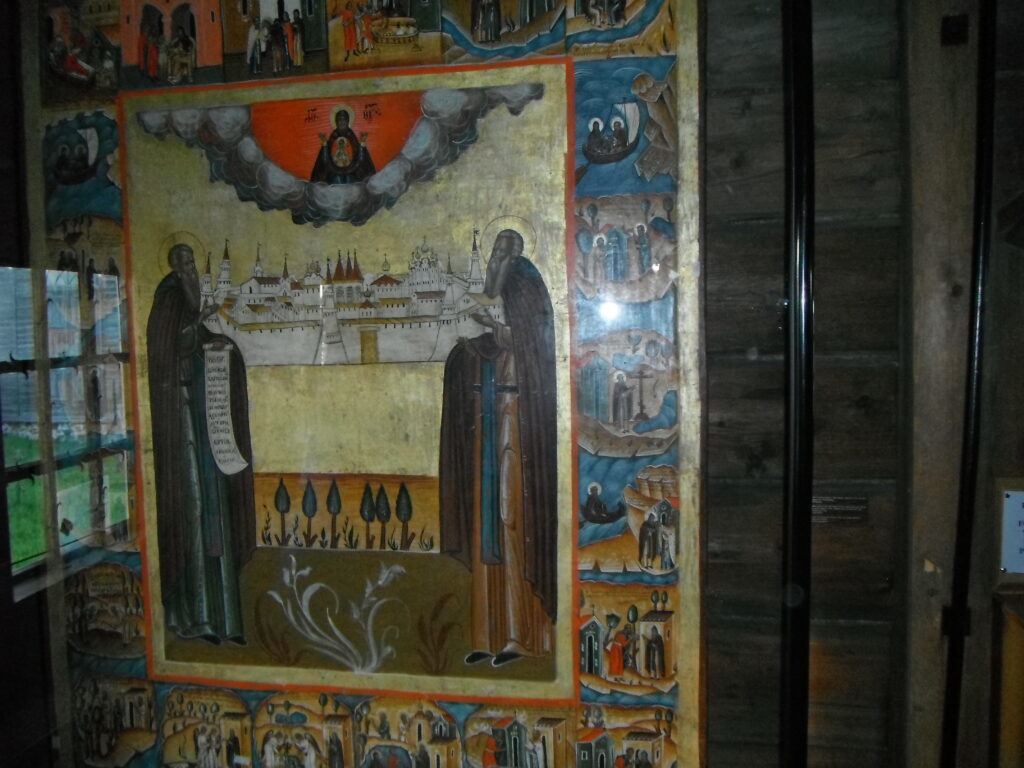
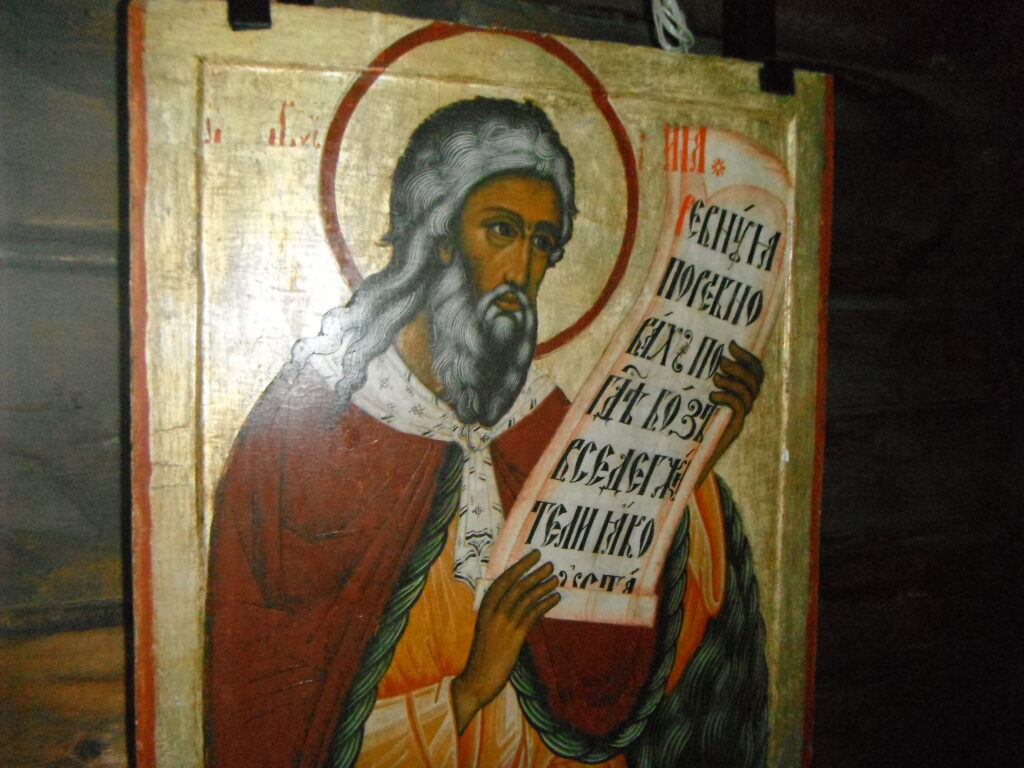
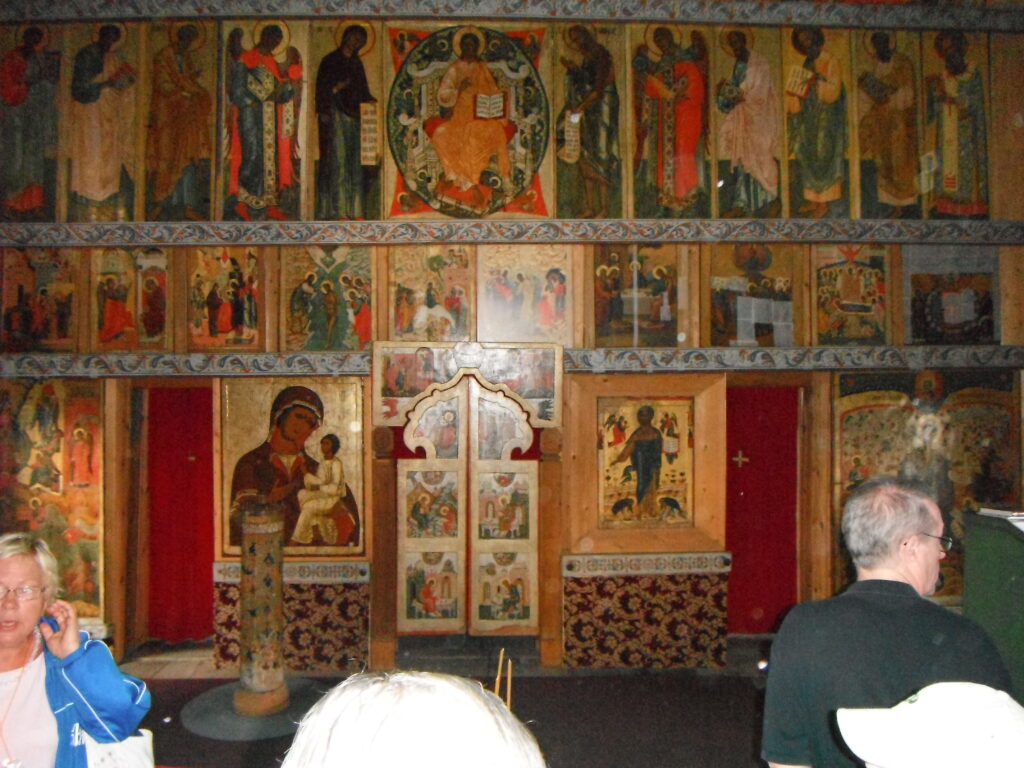
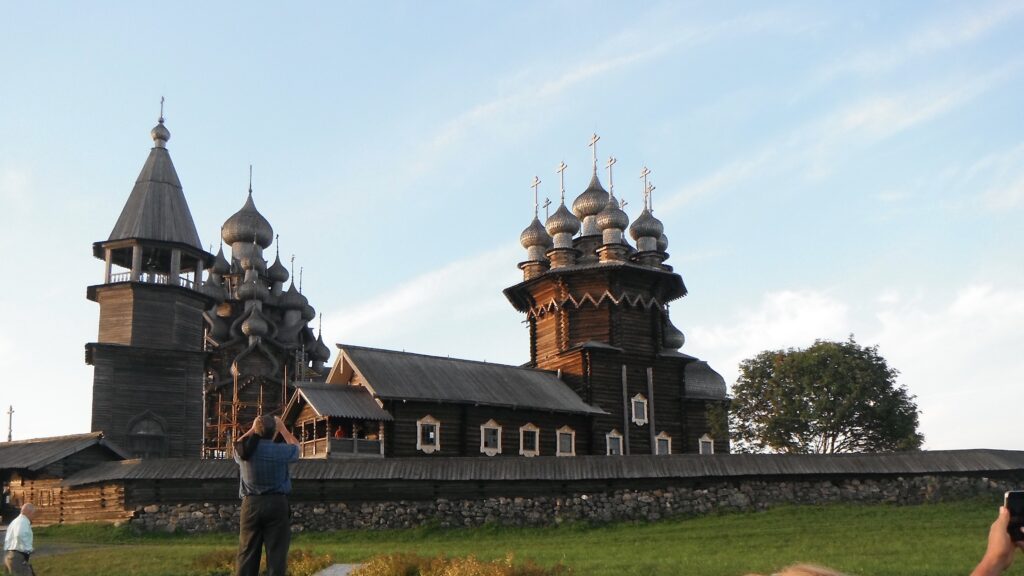
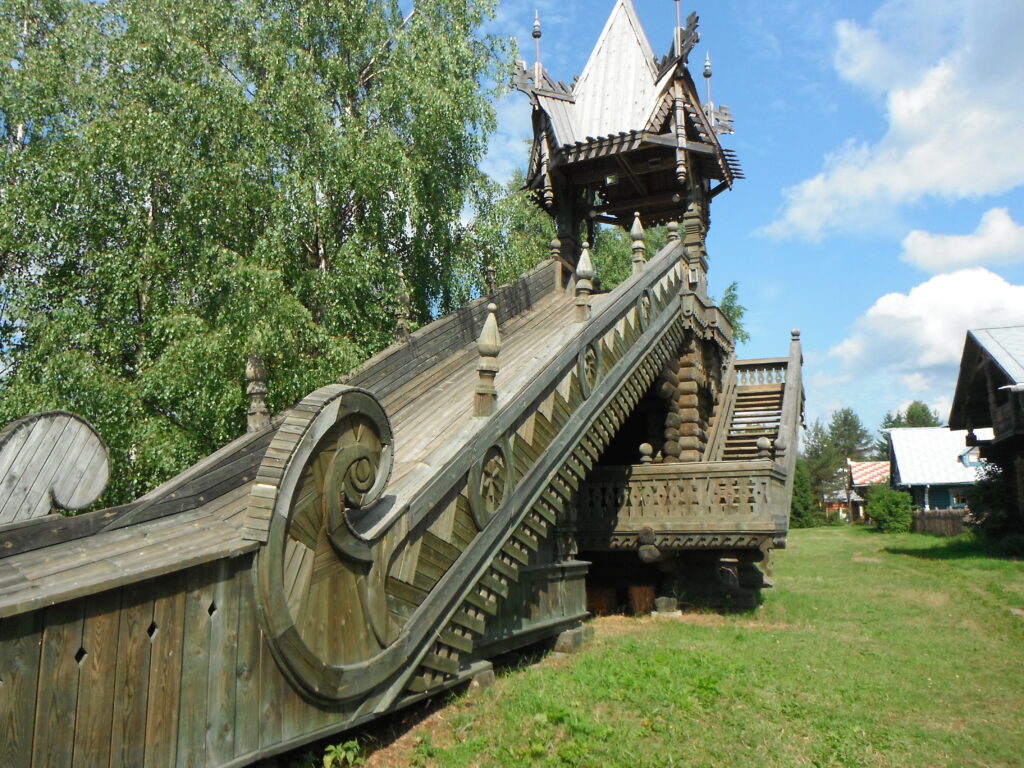
The major structure is the Church of the Transfiguration, built in 1714 of wood, with 22 onion-domed cupolas. It was designed by the carpenter Nester. It is under renovation. Next to it is the Church of the Intercession built in 1764. A bell tower stands between. The iconostasis of the latter church was painted locally. The Church of Lazar of Murom is nearby. It is the oldest monument of wooden architecture in Russia. We walked through the open-air museum founded in 1951, containing many historical wooden buildings that had been moved to the island. There were many examples of woode peasant houses too.
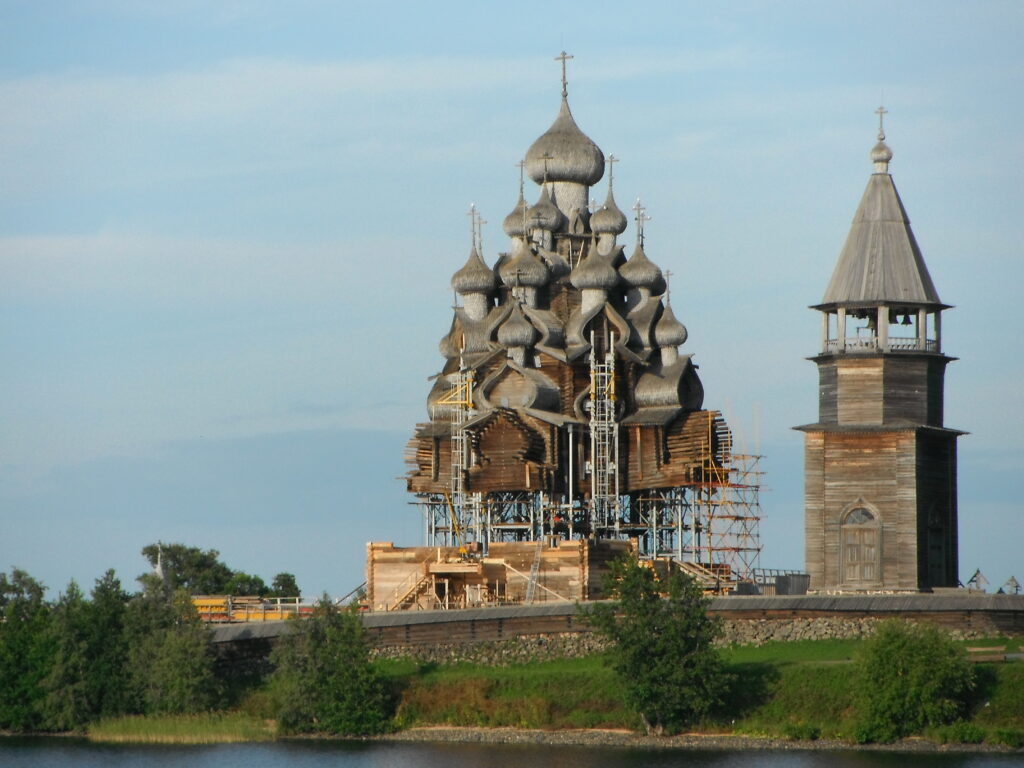
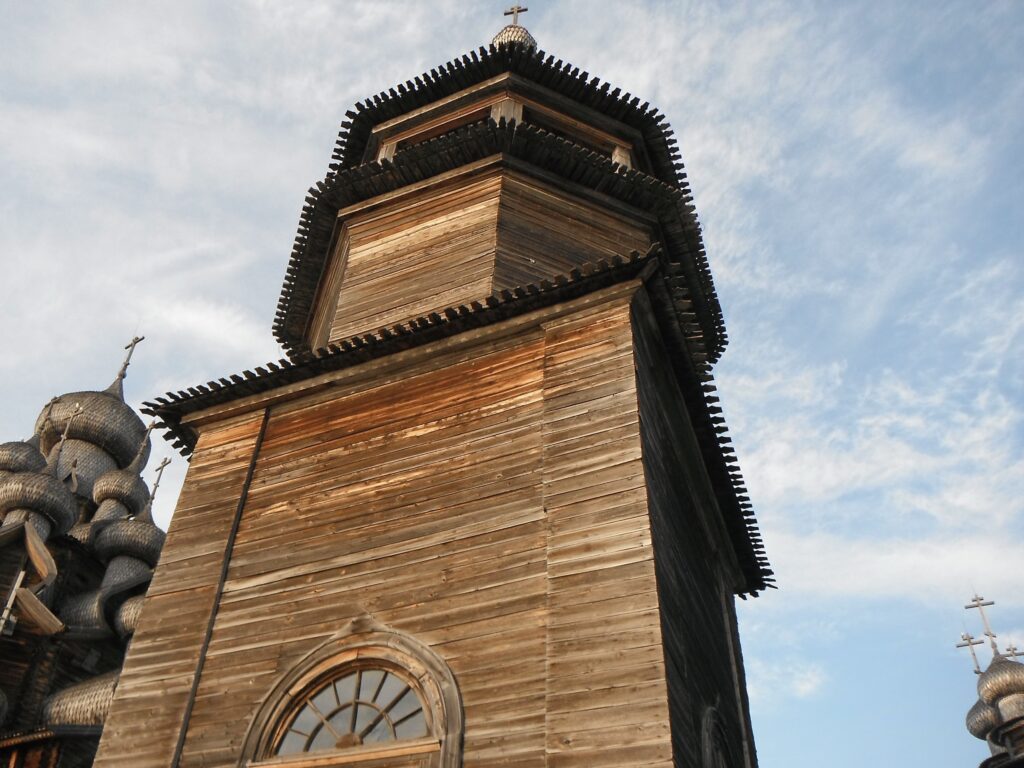
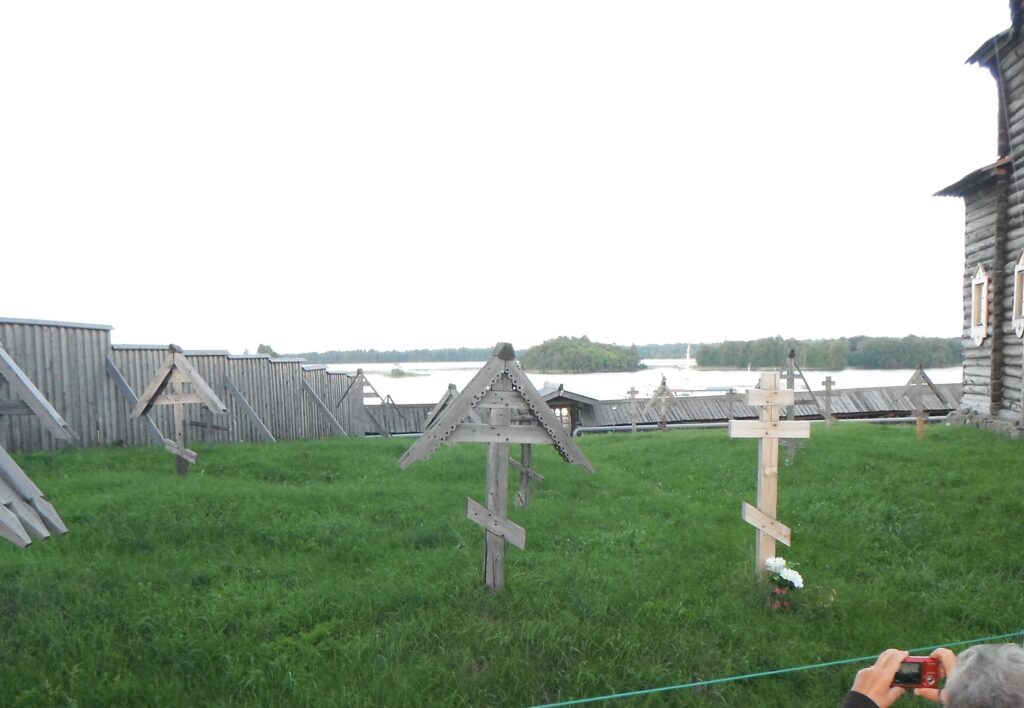
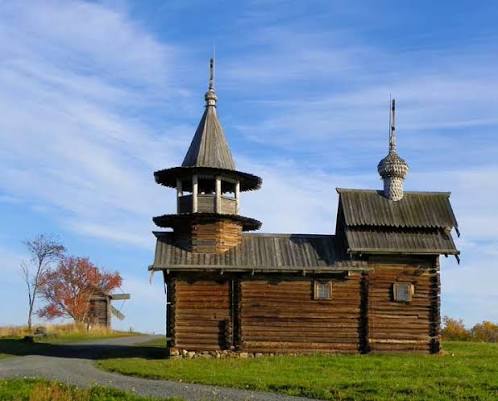
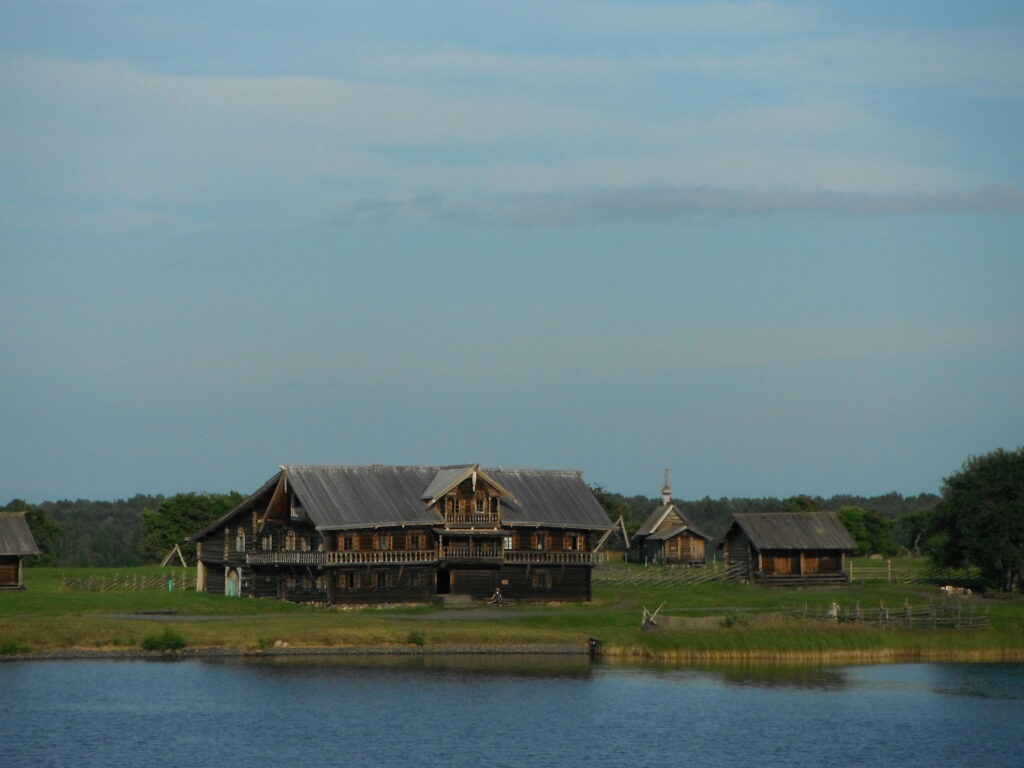
Most structures were wooden on this island. The Church of the Resurrection of Lazarus is the oldest surviving wooden church in Russia. Originally built in the late 14th century at the Murom Monastery by the monk St. Lazar, this humble structure was relocated to the famous Kizhi open-air museum in 1960 to preserve it.
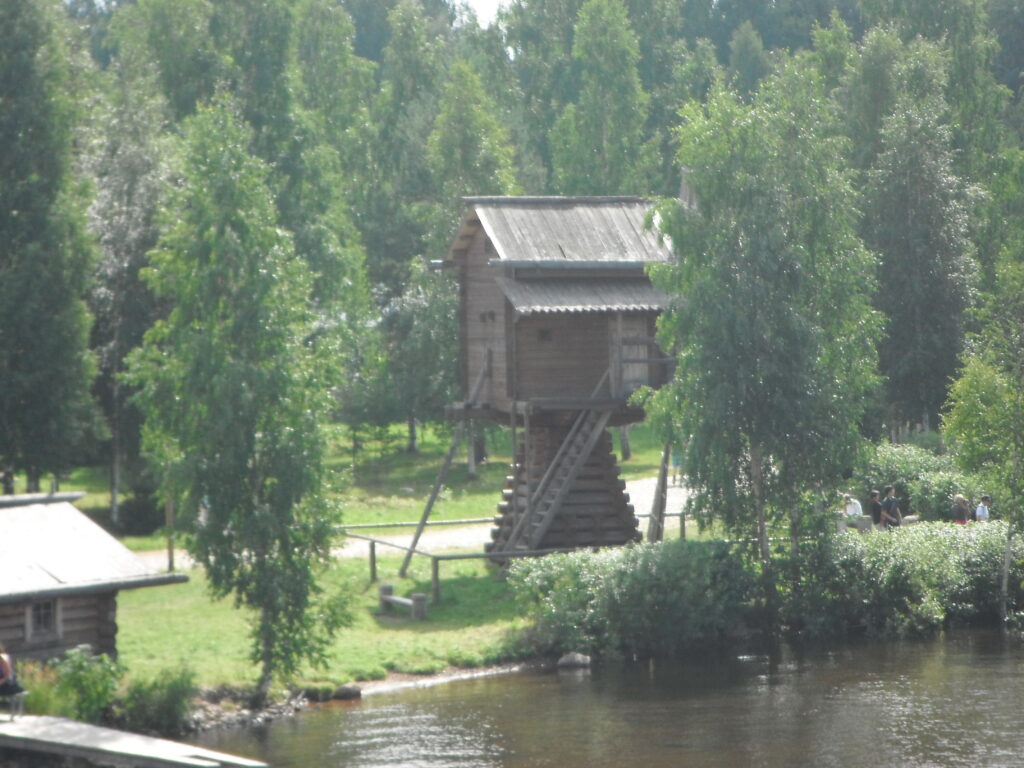
Kizhi Island on Lake Onega in Russia is a UNESCO World Heritage site renowned for its open-air museum of traditional wooden architecture. Its historical structures—dating from the 14th to 19th centuries include magnificent log buildings, windmills, and farm houses relocated from surrounding Karelian villages.
The wider open-air museum features around 90 historic wooden structures, including peasant farmhouses (like the Oshevnev House), traditional windmills, bathhouses, and various 17th-century chapels.
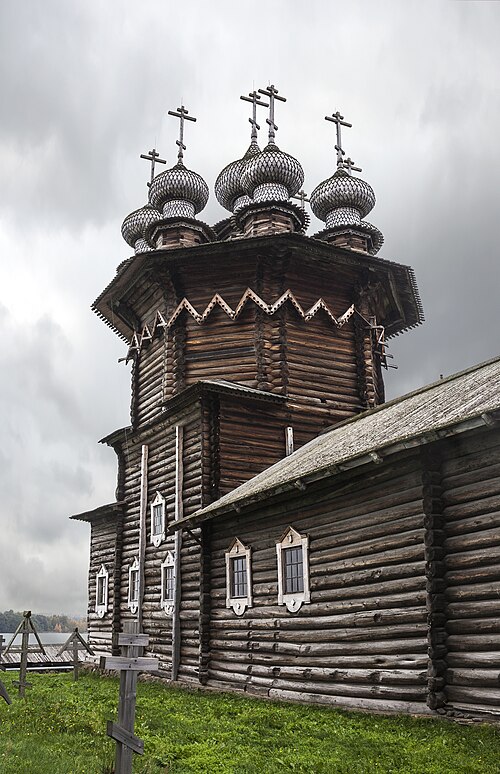
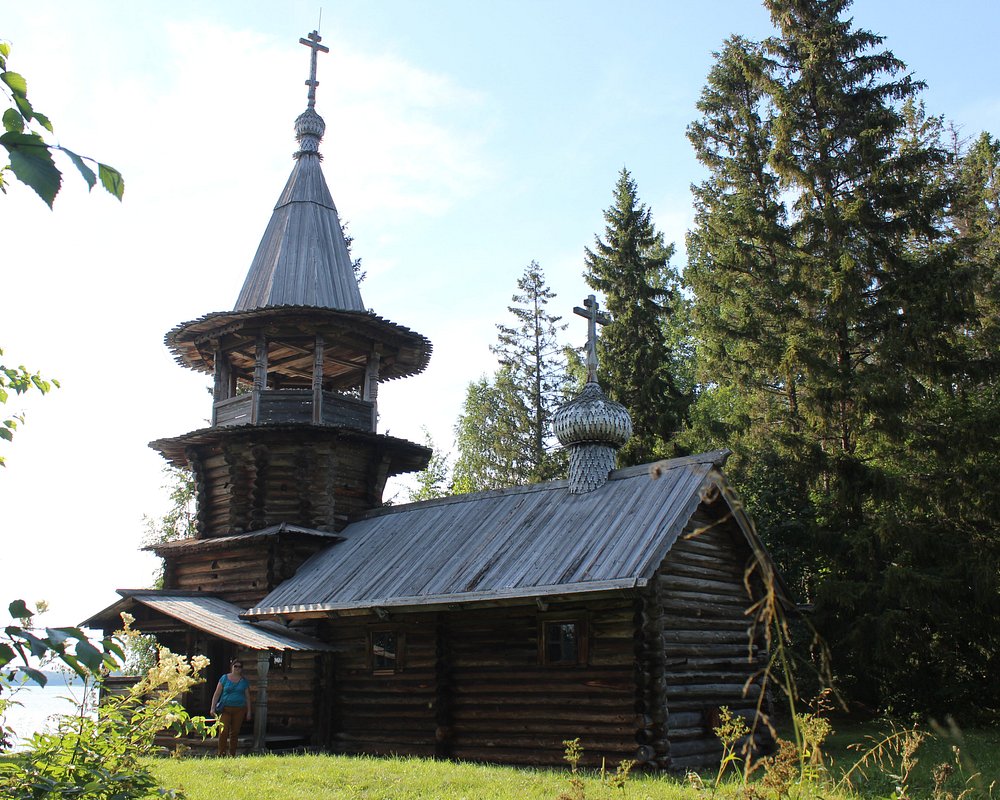
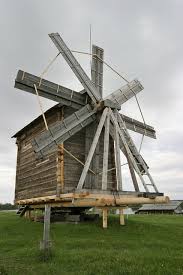
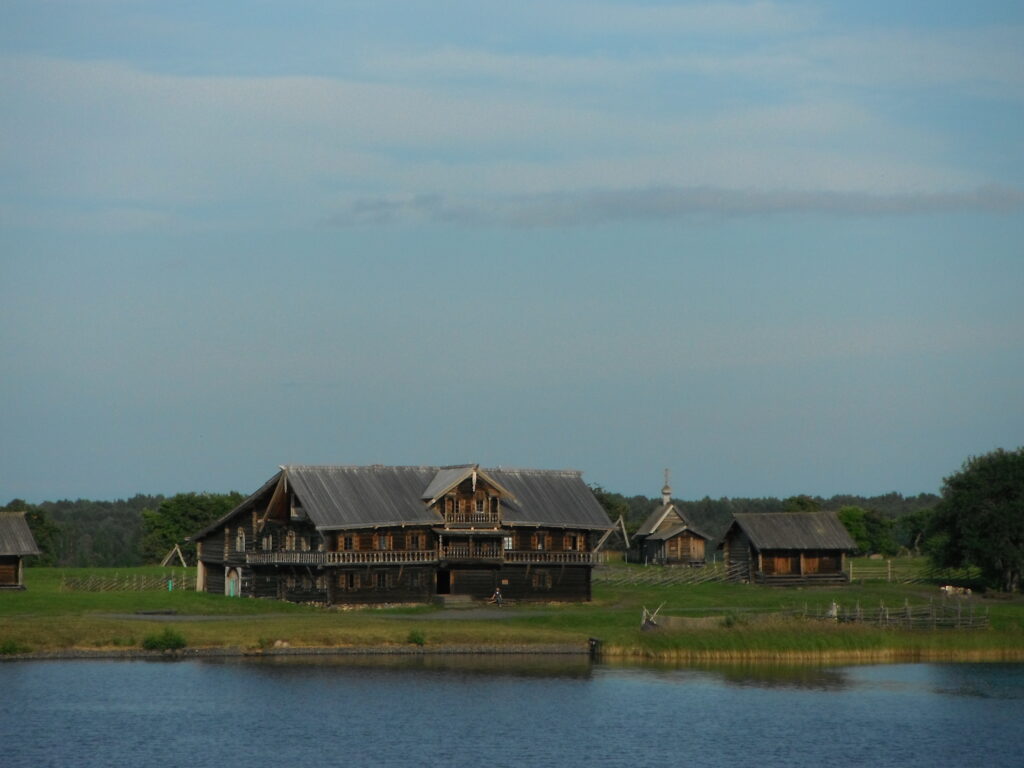
It was amazing to see all the buildings built without a single nail.
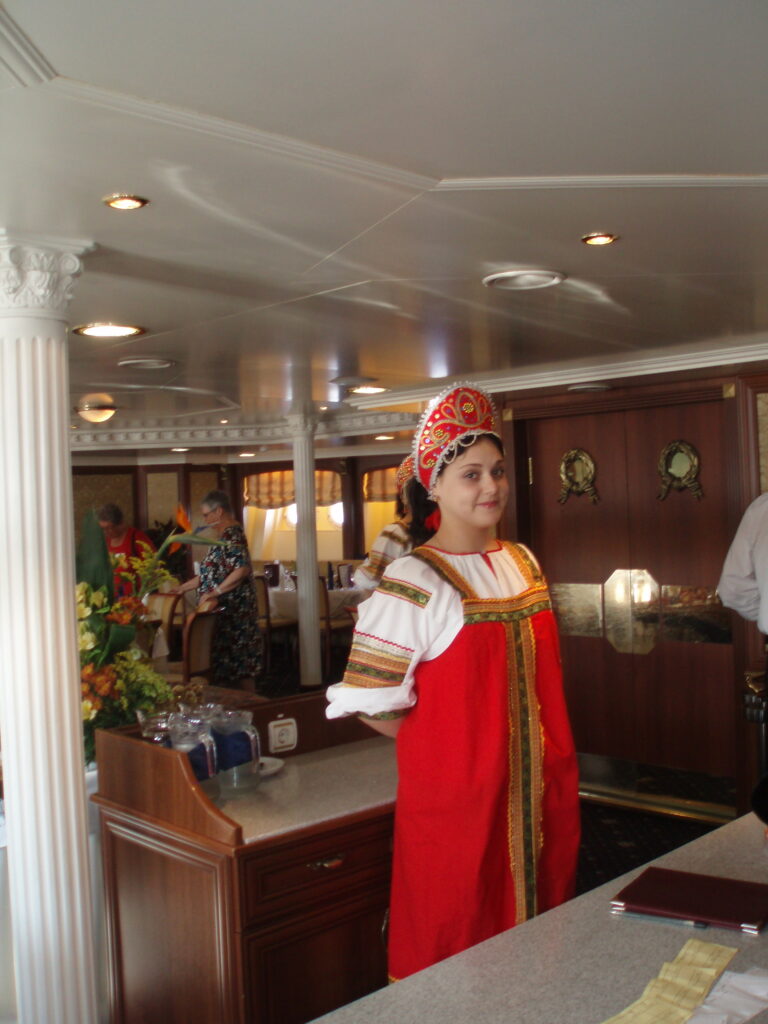
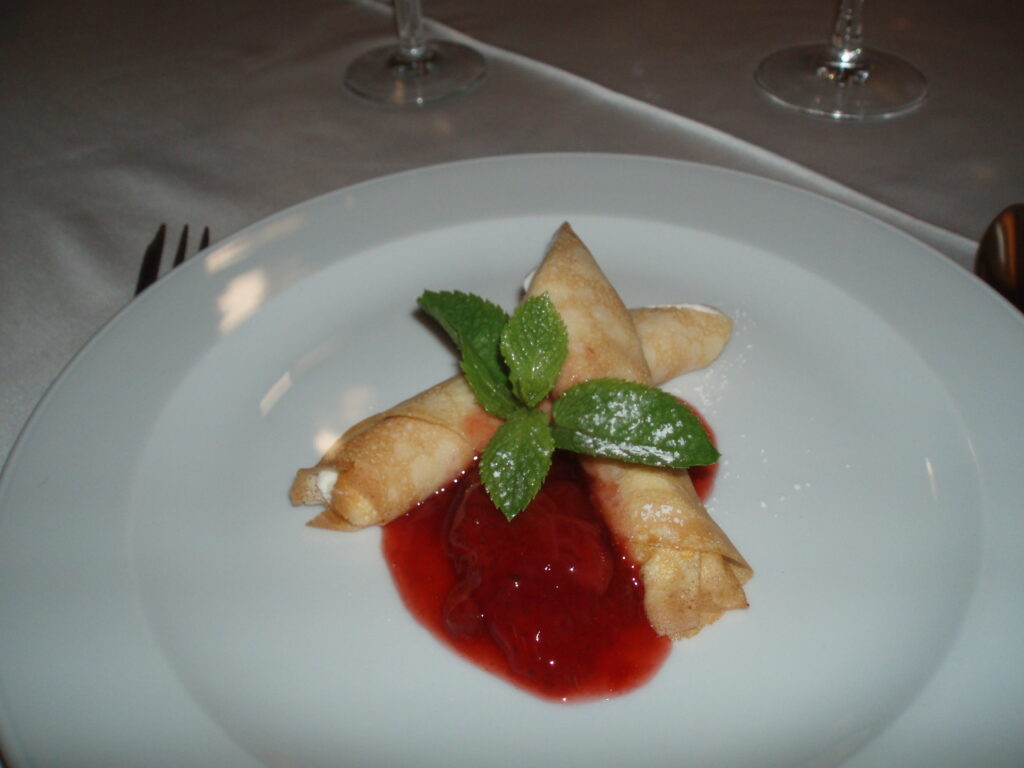
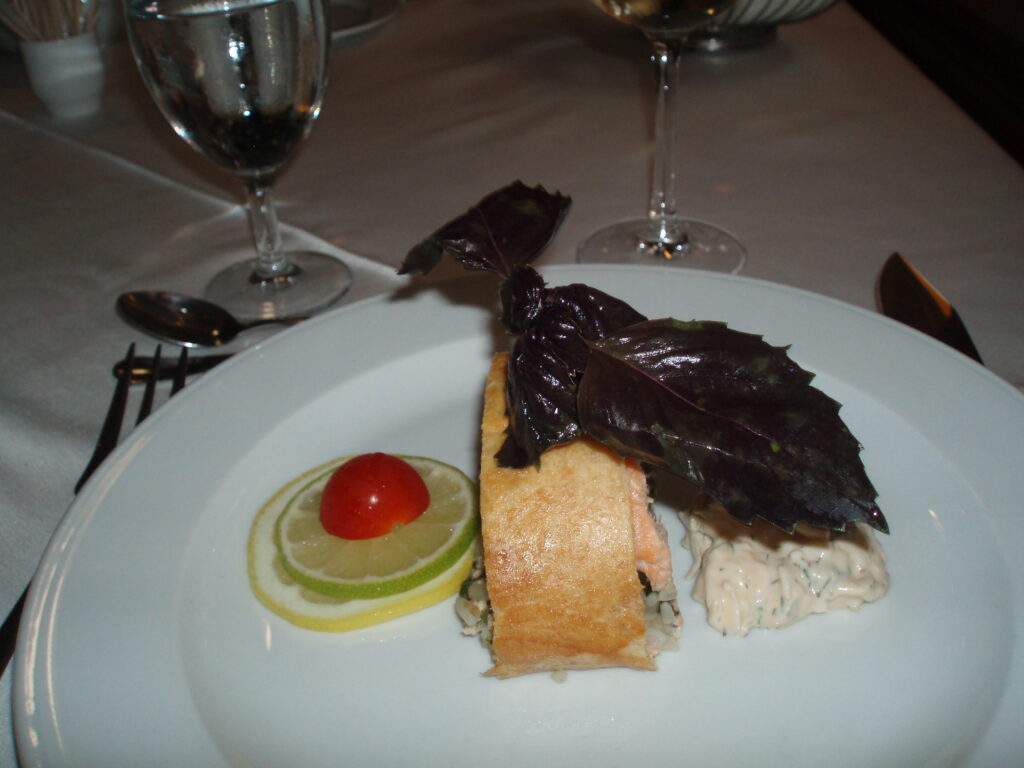
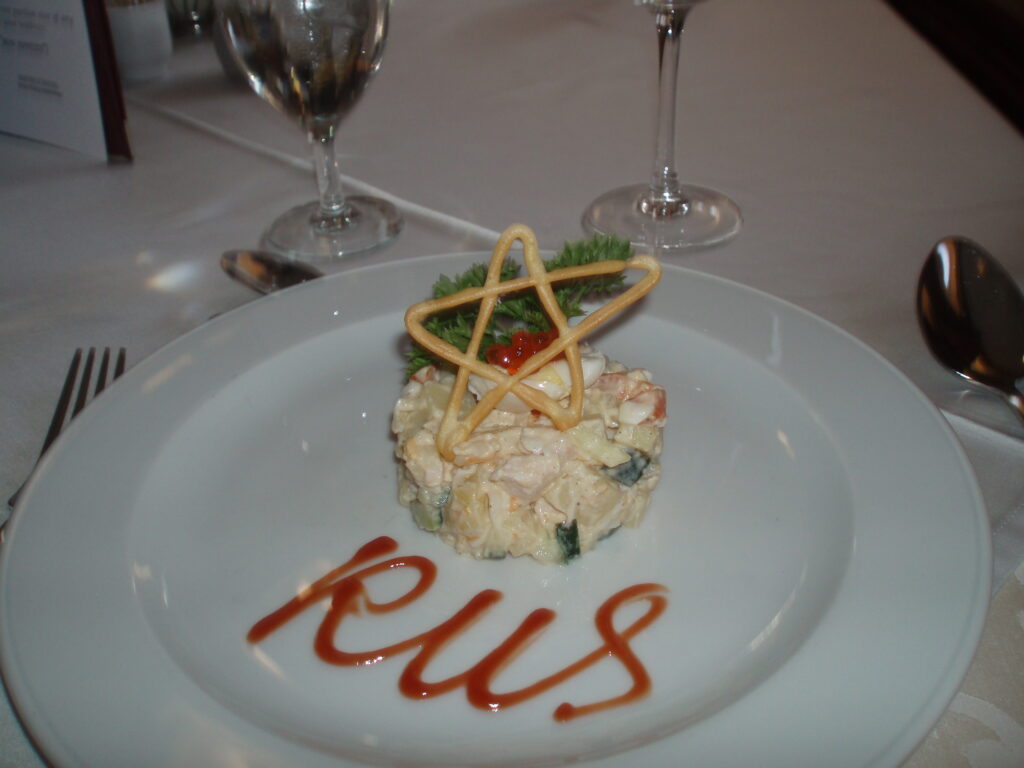
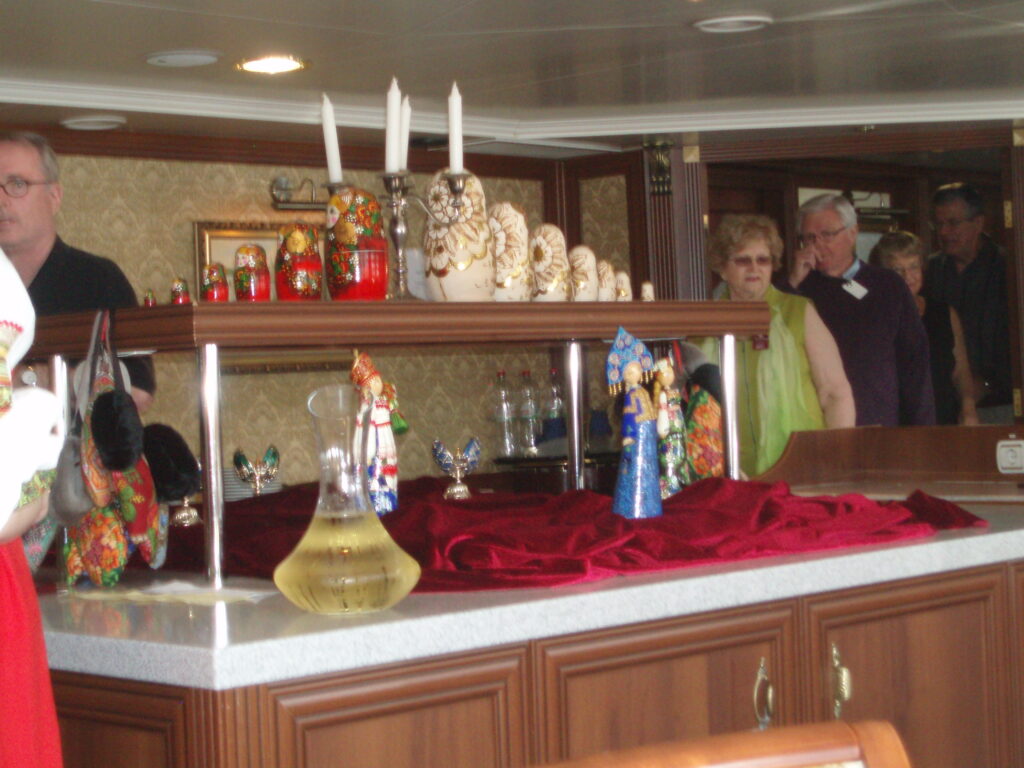
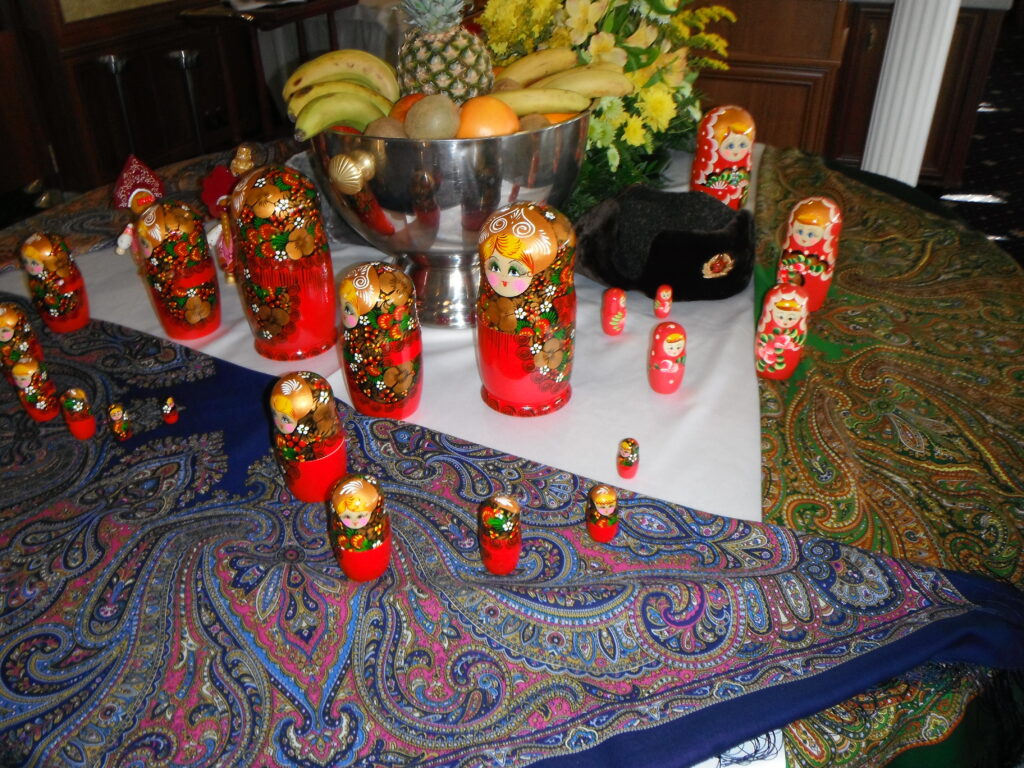
When we returned to the ship, we had a fistival of Russian Cuisine followed by champagne on the deck and a concert in the evening.
Mandrogi
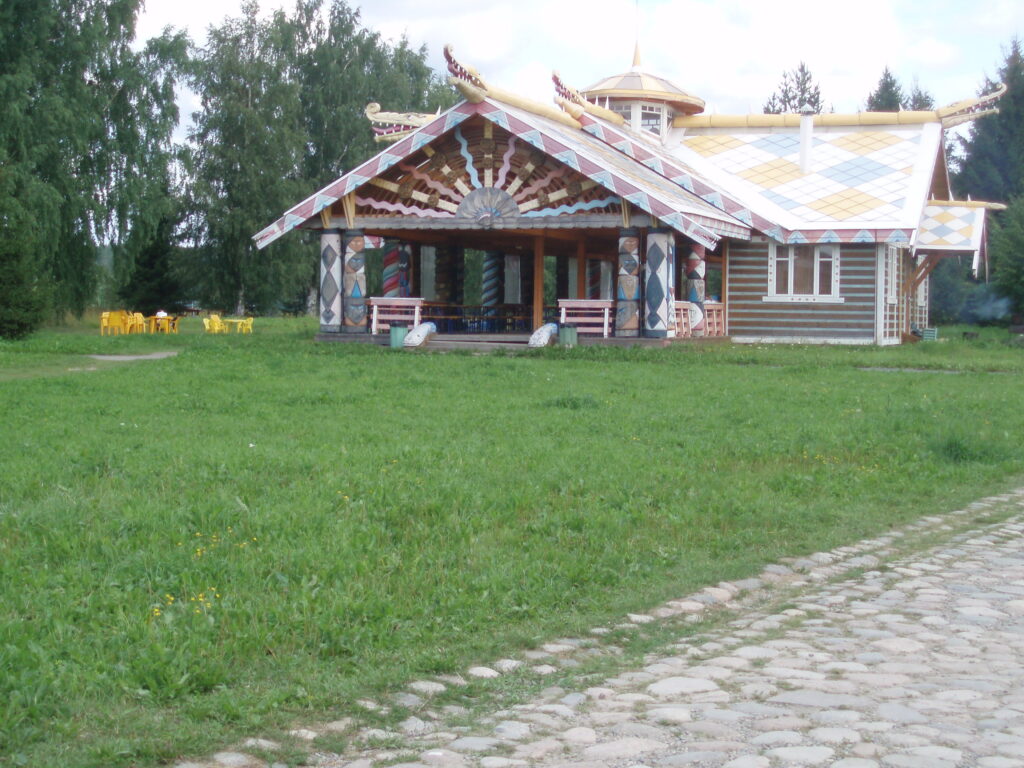
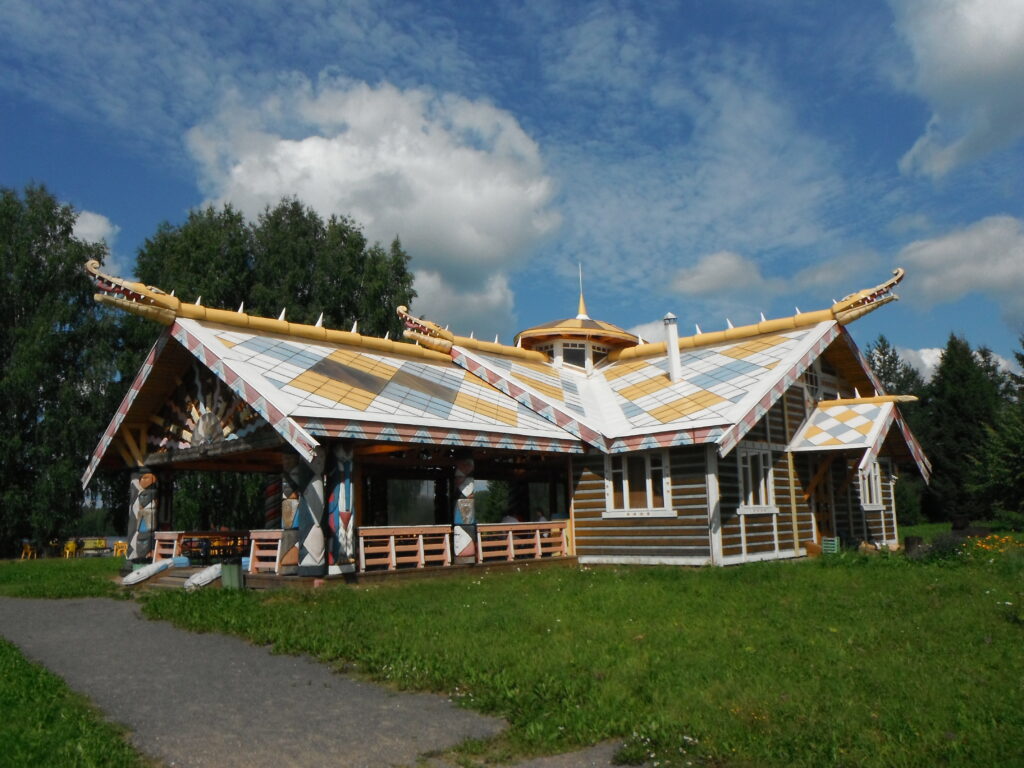
From Lake Onega, we followed the Svir River to Mandrogi, going through the upper Svir Lock.. This island reminded me of a Russian Leavenworth.
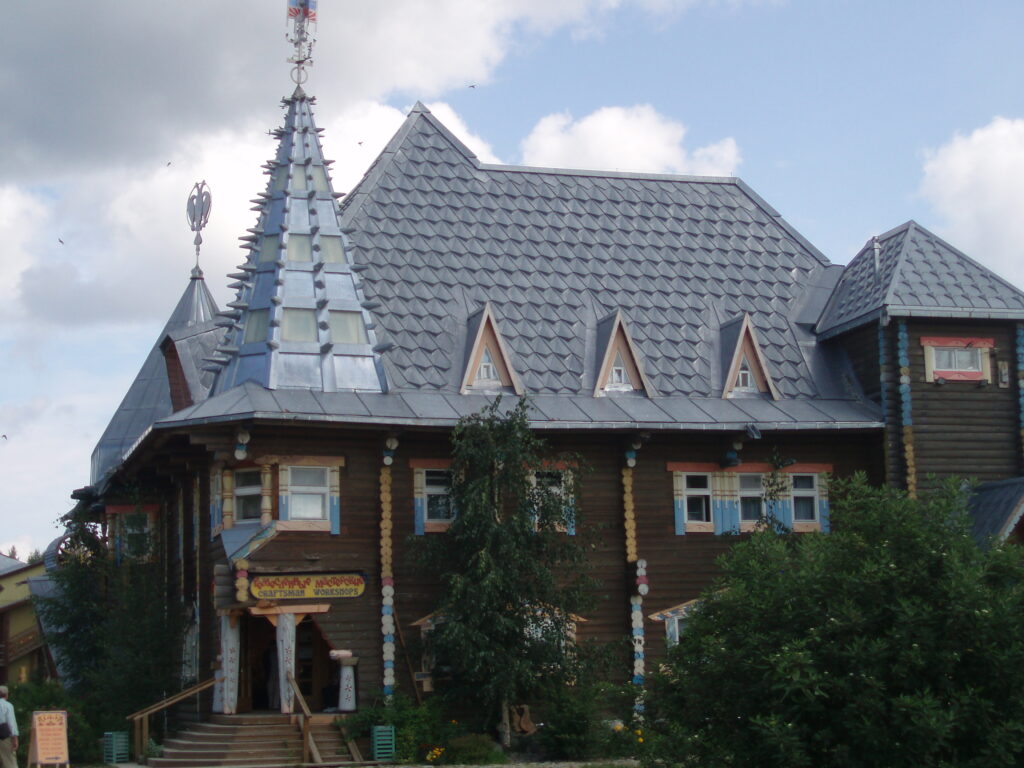
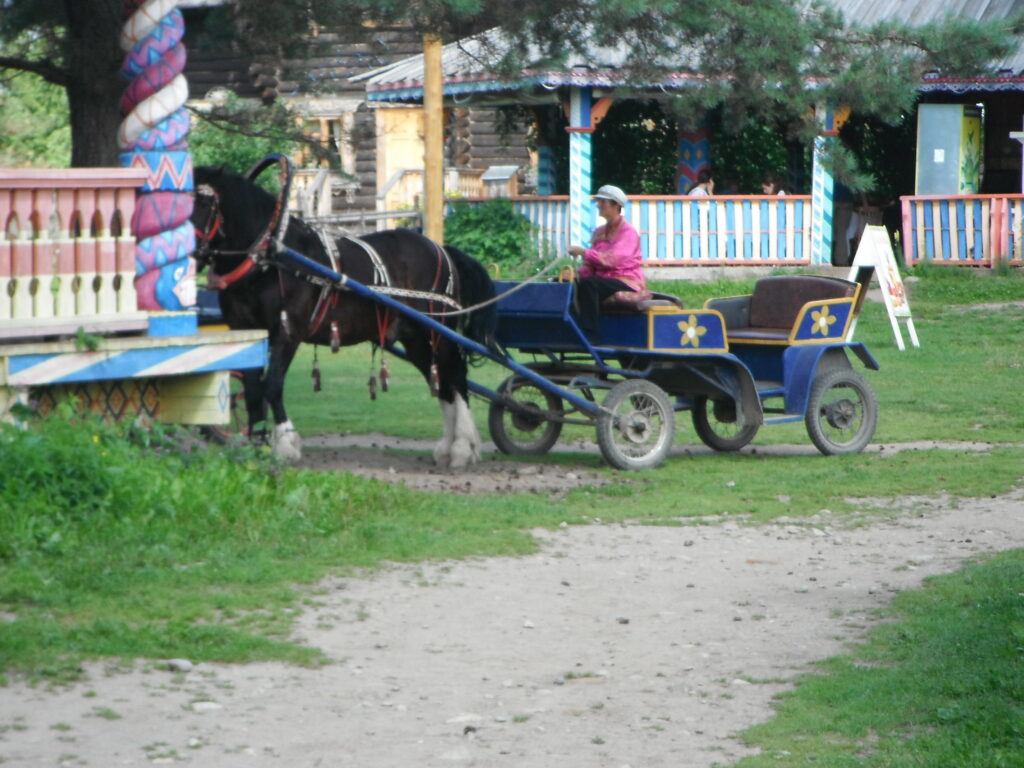
Prior to World War II, Mandrogi was a quintessential Karellian mill town and a fishing settlement hardly touched by time. The war left it in ruin, but after the Soviet Union fell, a group of Russian investors bought the land and invited the best of the region’s woodworkers to use their creativity and traditional skills to restore the town to its former glory. Between 1996 and 1999 the traditional buildings were restored, and today the settlement is called Upper Mandrogi (Verkhny Mandrogi). It contains local museums, featuring different aspects of Russian Folk Life, as well as craft workshops where painting, woodcarving, weaving, lacework, and pottery are demonstrated and sold. It also has a petting zoo with native plants and animals and a quail farm. In addition there is a Museum of Vodka that shows the history of Vodka and the process of its production. It includes a tasting bar, as well.
Tourist Center
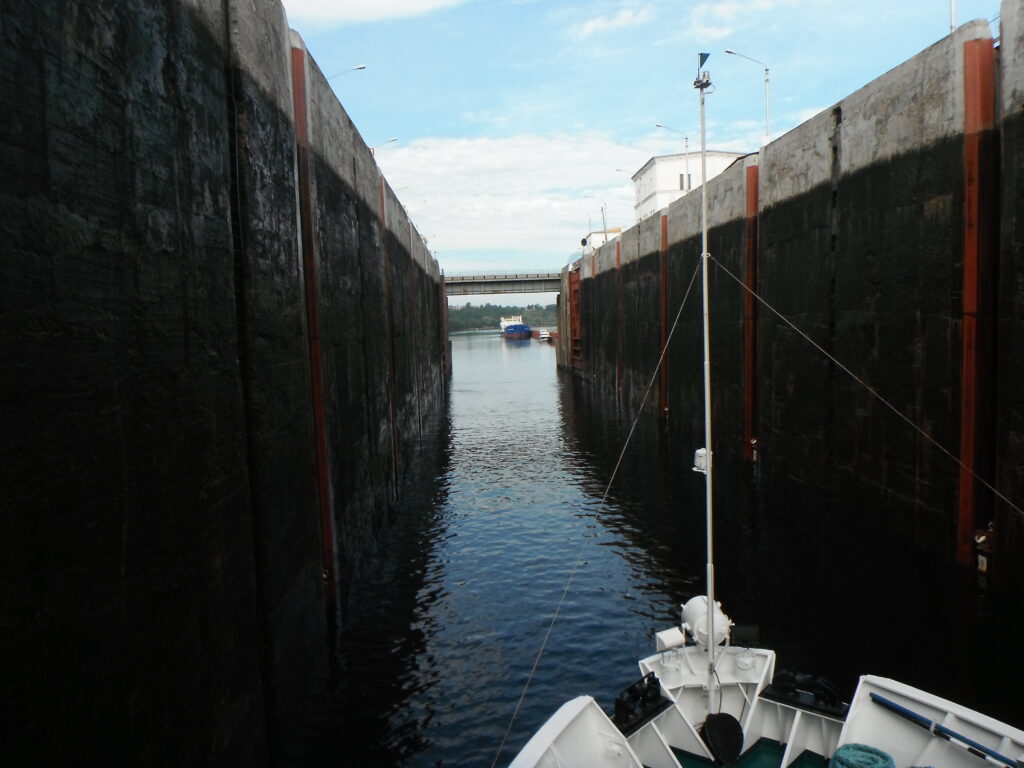
Our travel continued through Lower Svir Lock, across Lake Ladoga, into the Neva River to St Petersburg.
Leave a Reply