On our way to Edinburgh, we passed Lockerbie where the Pan Am flight was bombed 26 years ago, and Dumfries where Robert Burns, Scotland’s national poet, lived.
We arrived late and found a great pub close to the hotel. We had a wonderful view of the castle from our room. Edinburgh has been recognized as the capital of Scotland since the late 15th Century. It became united with England in 1603. It is built on 6 volcanoes and 3 glacial valleys. Princes Street divides the new town and the old town. The new town dates from 1777 and was for the rich. Robert Bruce was the first king of Scotland.
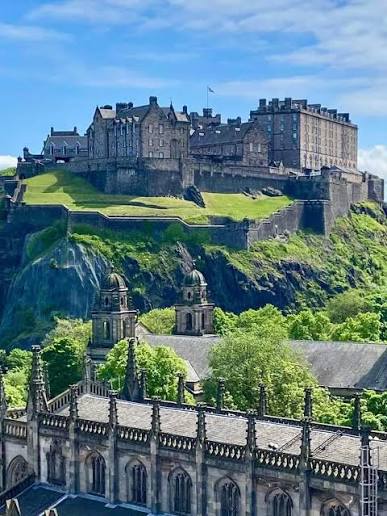
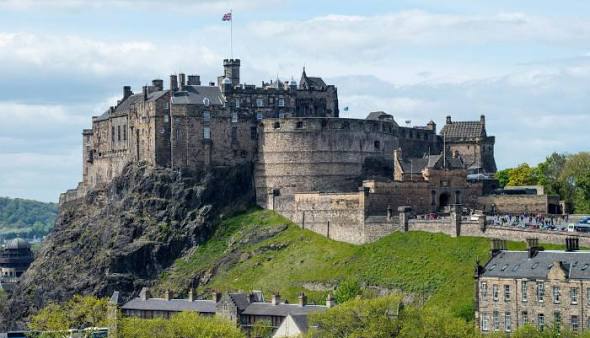
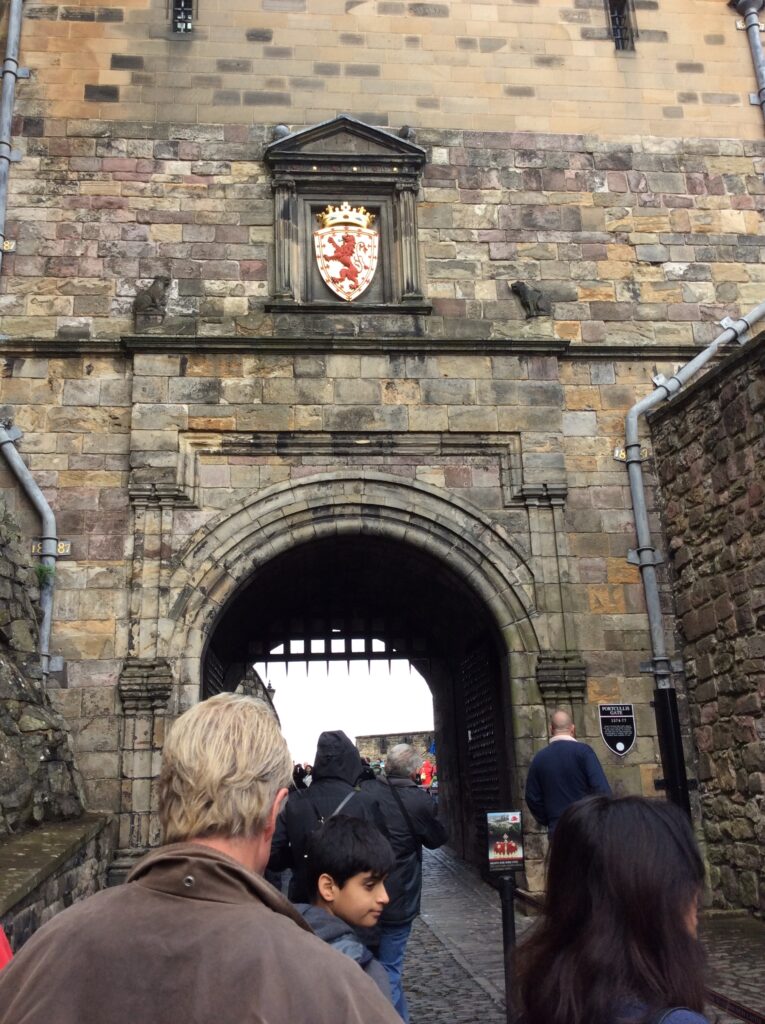
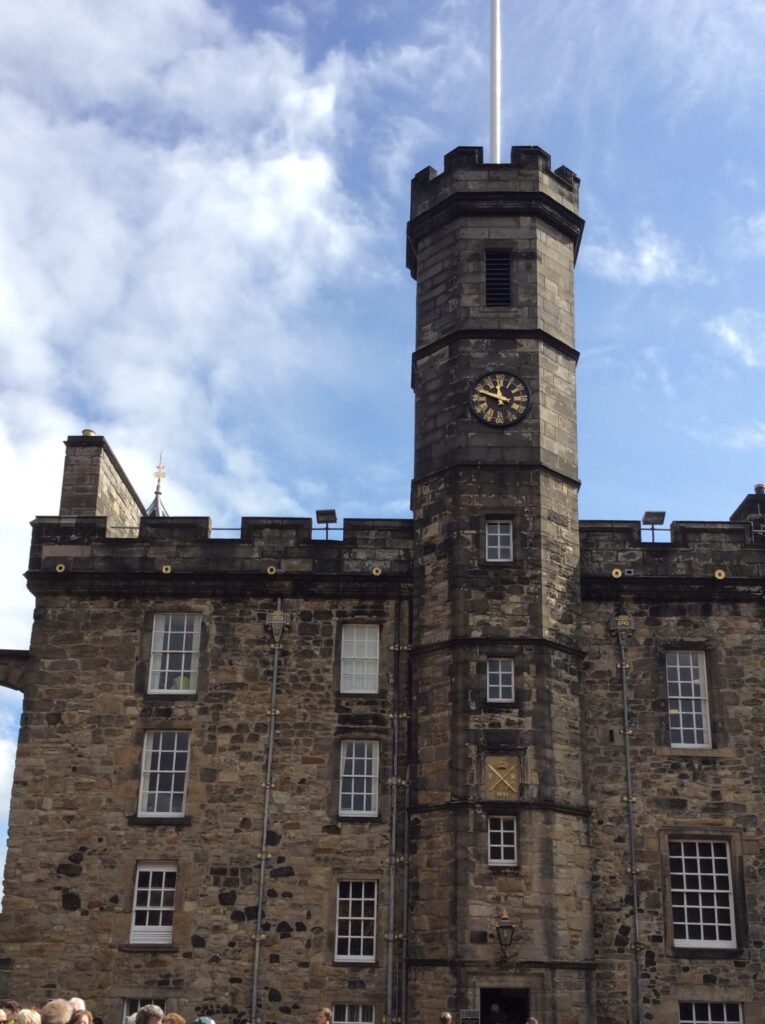
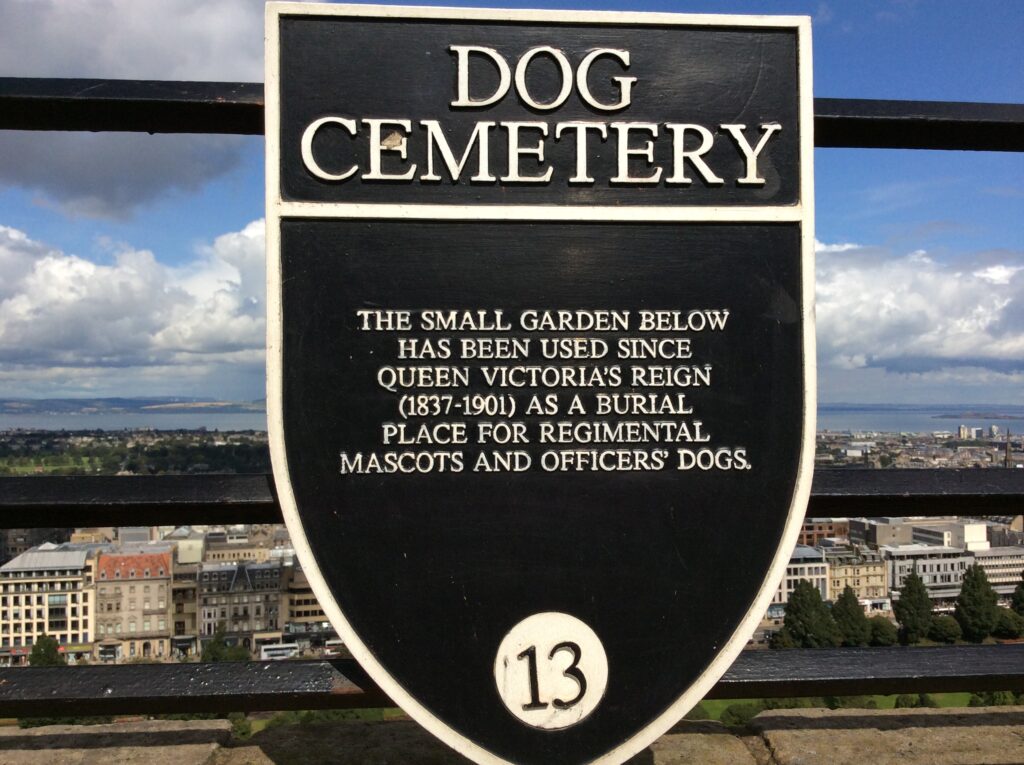
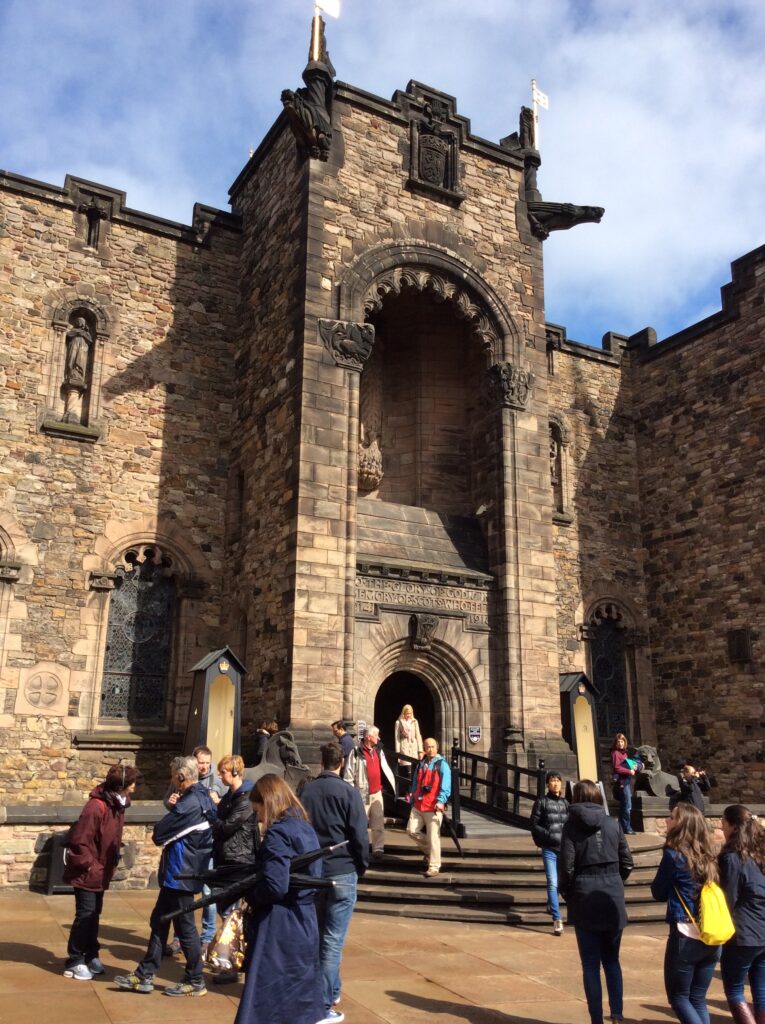
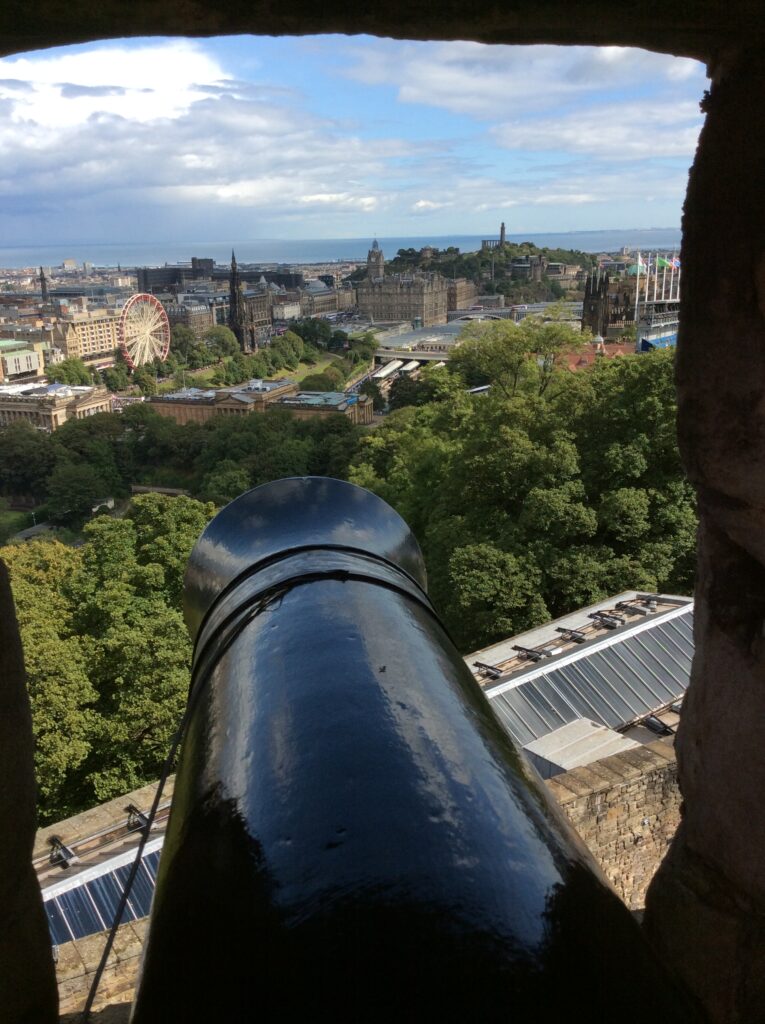
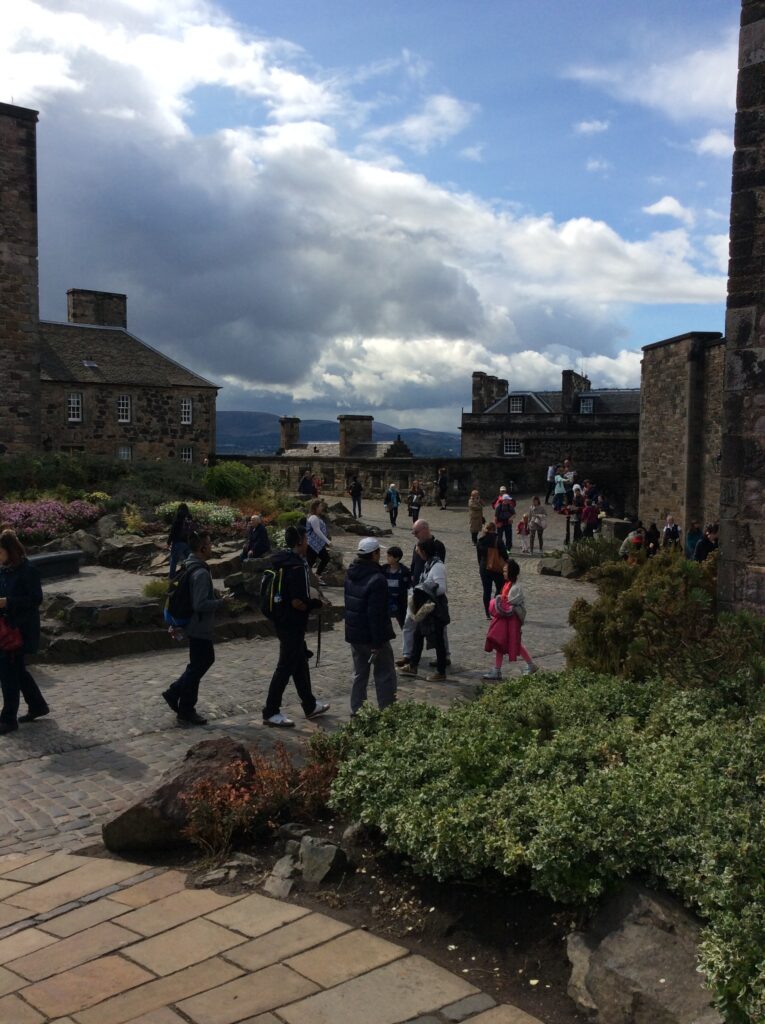
In the morning we began our marathon tour. We went to Edinburgh Castle, which overlooks the city and water, the Firth of Forth. There has been a castle on Castle Rock since at least the 12th century. Most of the buildings have been restored; however, St. Margaret’s Chapel dates from the 12th Century. The Scottish crown jewels are here. They were hidden for some time, but discovered by Sir Walter Scott and returned. We were able to view them. So also is the Stone of Destiny, which had been taken to Westminster Abbey and used in the coronation of English and British Kings and Queens. It was returned to Scotland in 1996. The National Military Museum is there too. Also there is a dog cemetery begun by Queen Victoria for regimental mascots and military pets.
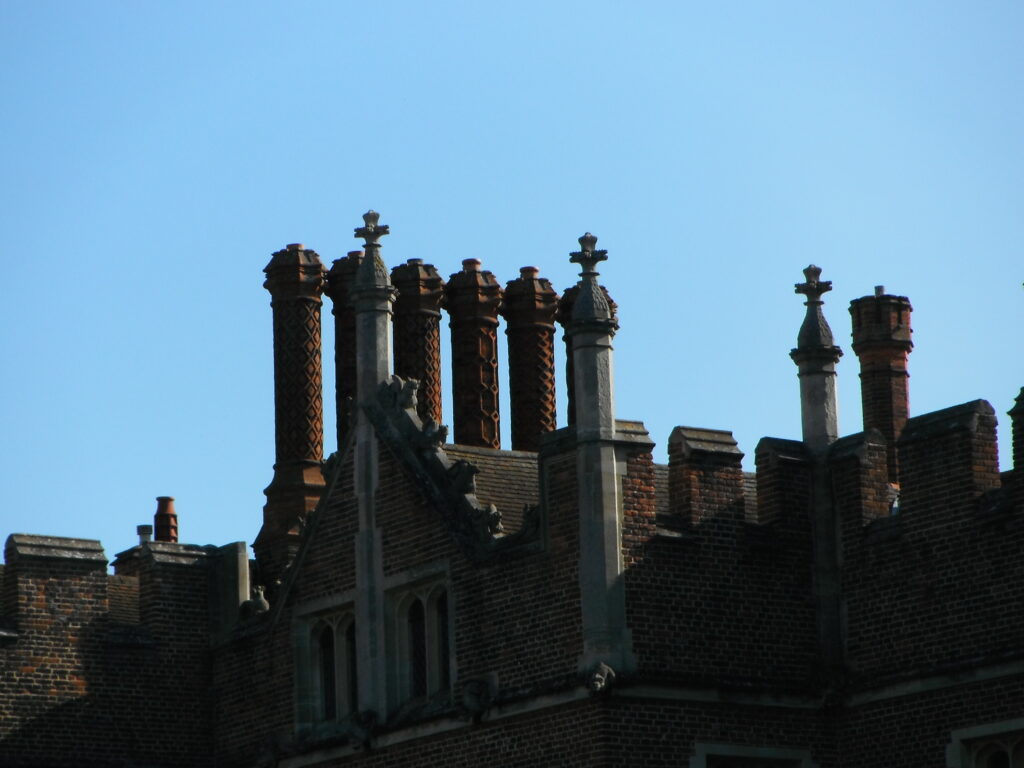
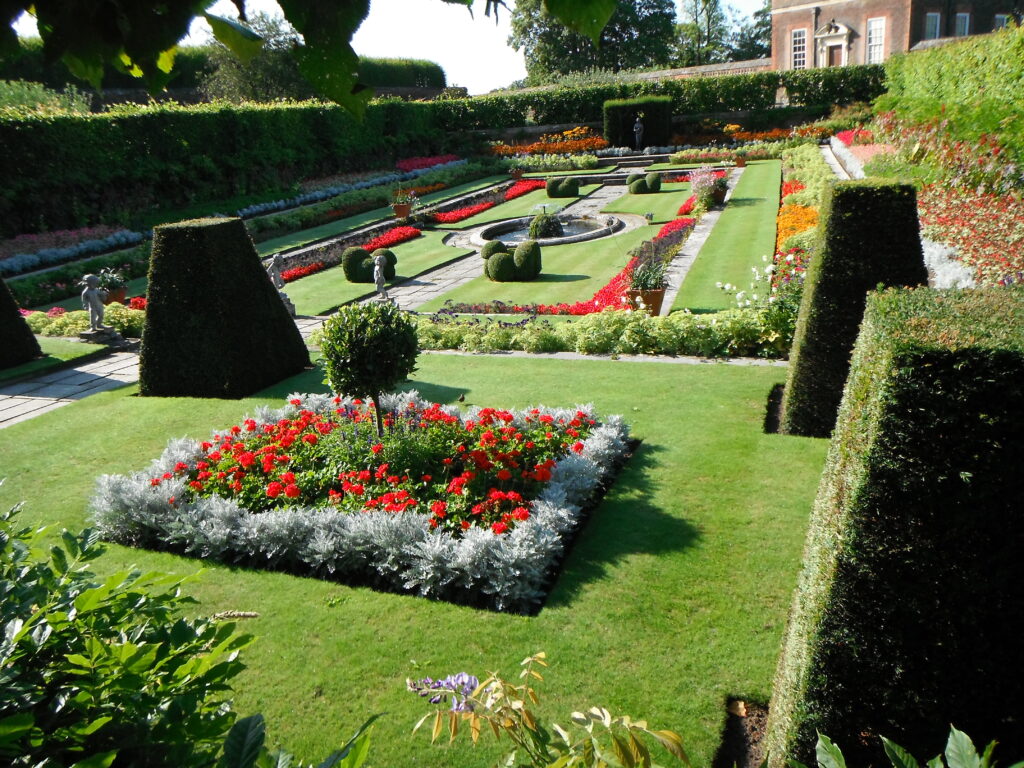
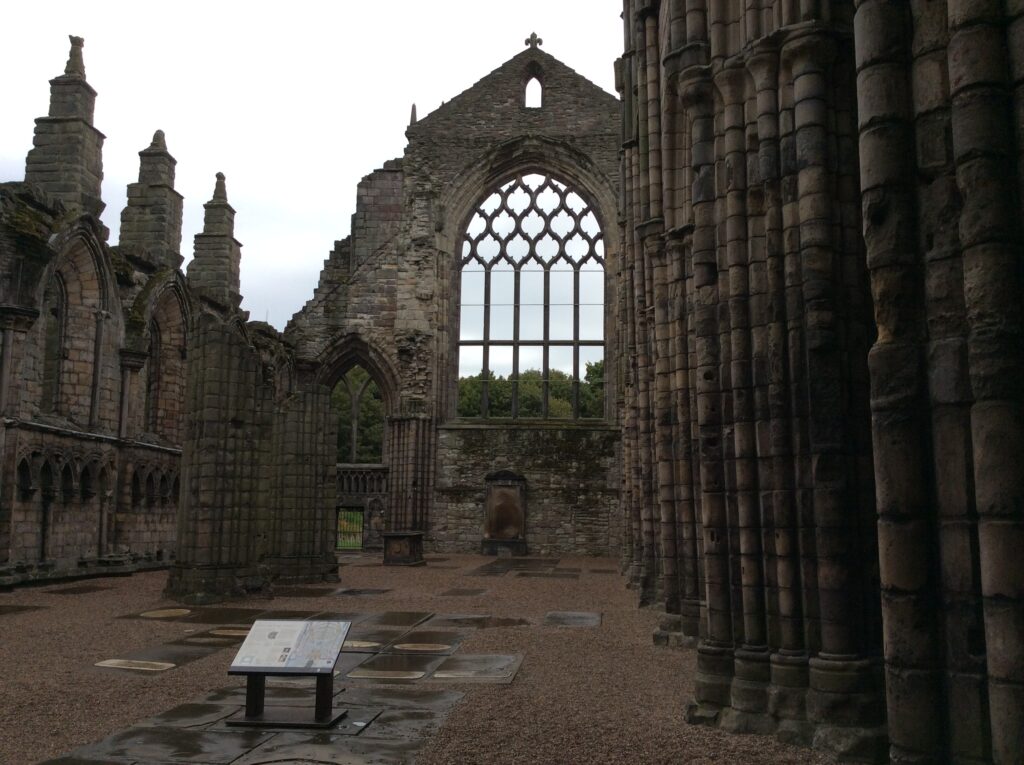
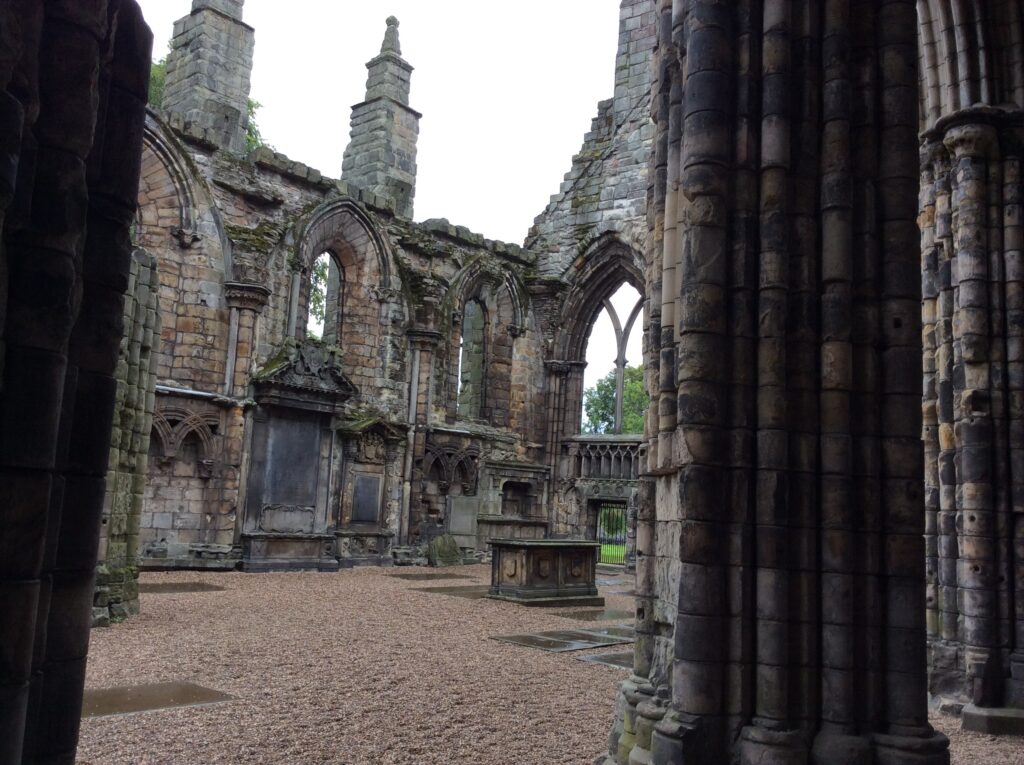
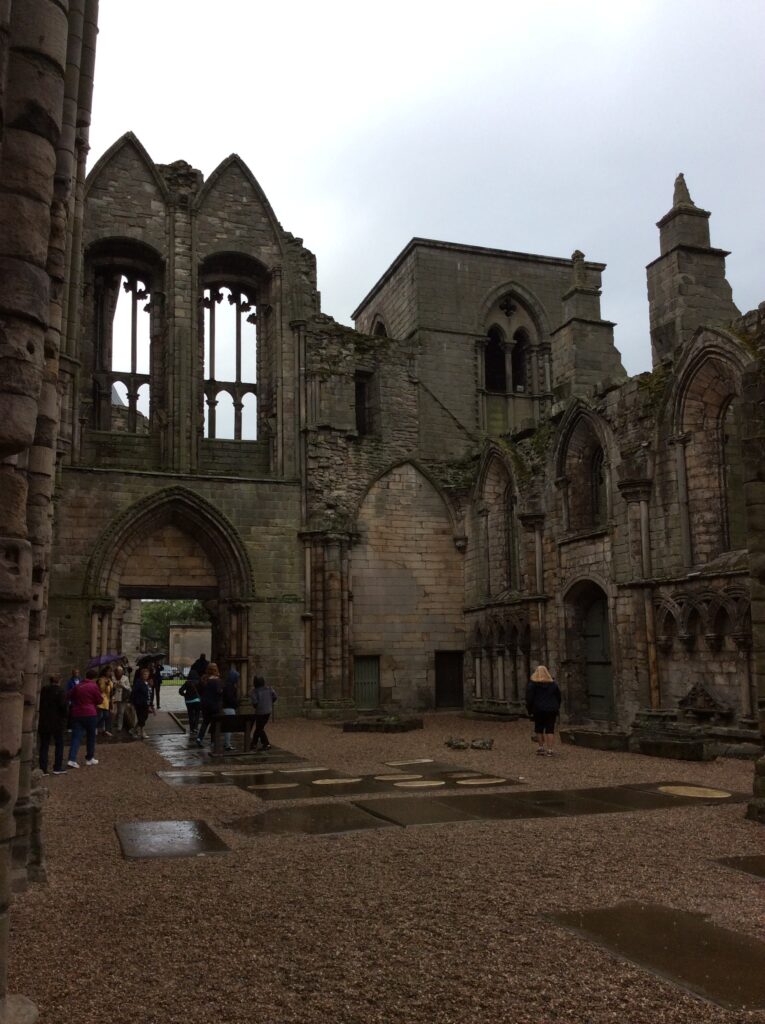
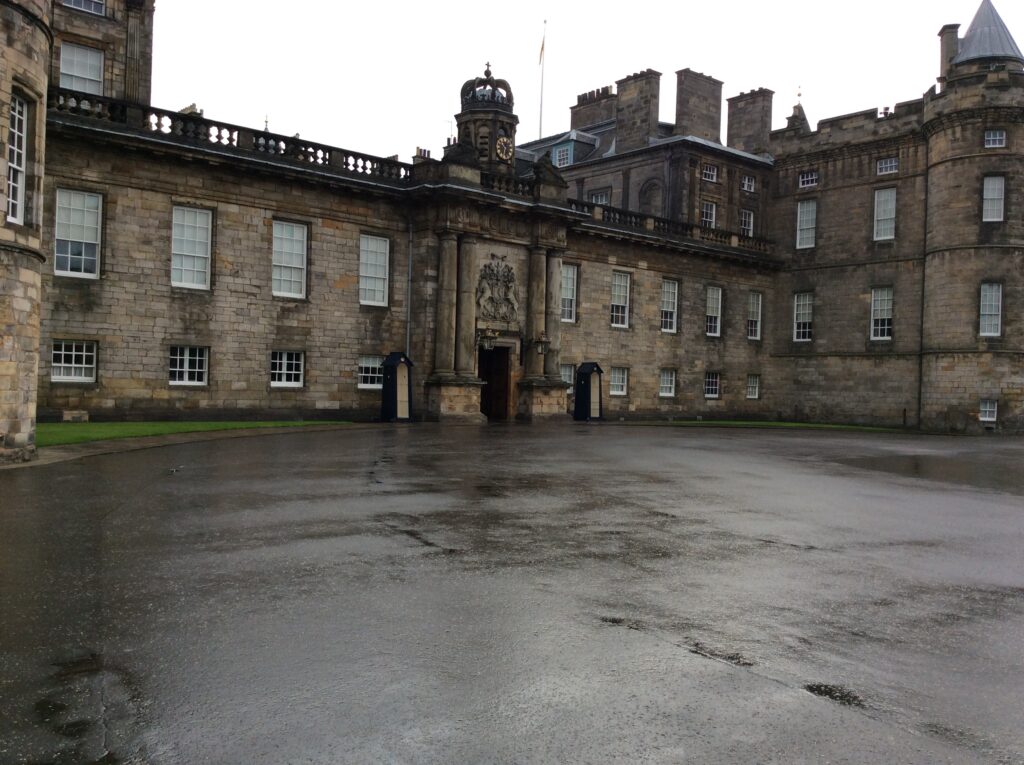
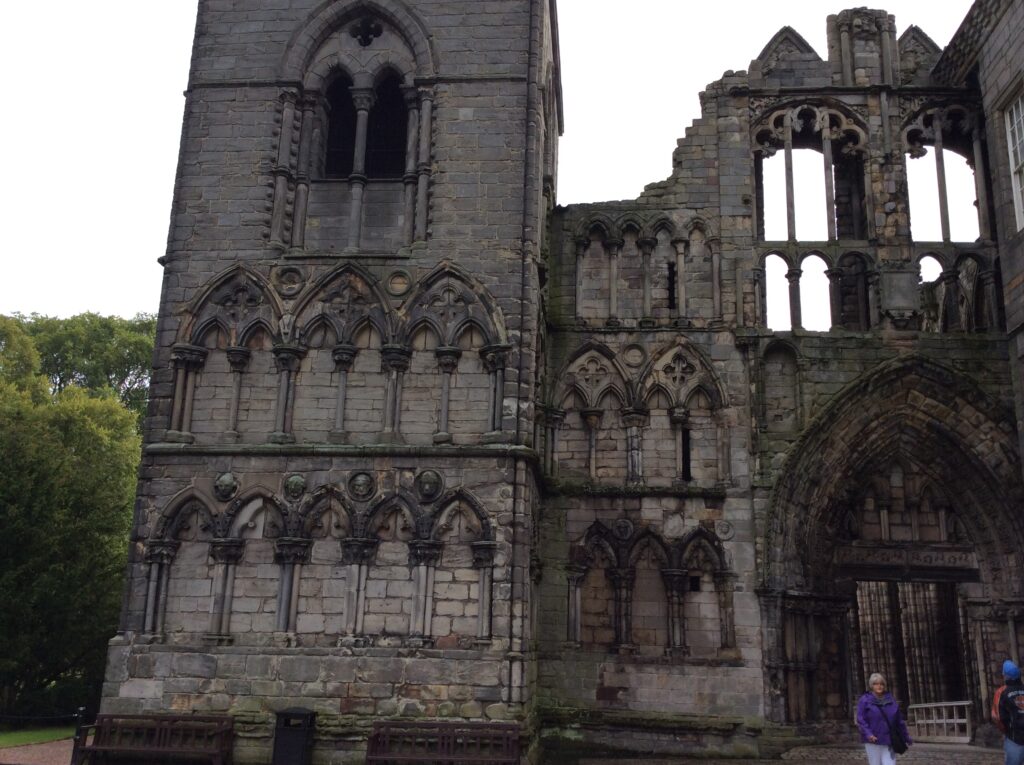
Next we toured Holyrood Palace and Abbey. The palace was said to have been Arthur’s seat. It is the official residence of the Monarch in Scotland. The abbey was founded in 1128 by King David I for the Canons Regular of St. Augustine, who came from St. Andrews. Only the ruins remain today. It was a coronation site from the 1400s to the 1600s. It was also the site of weddings during that time.
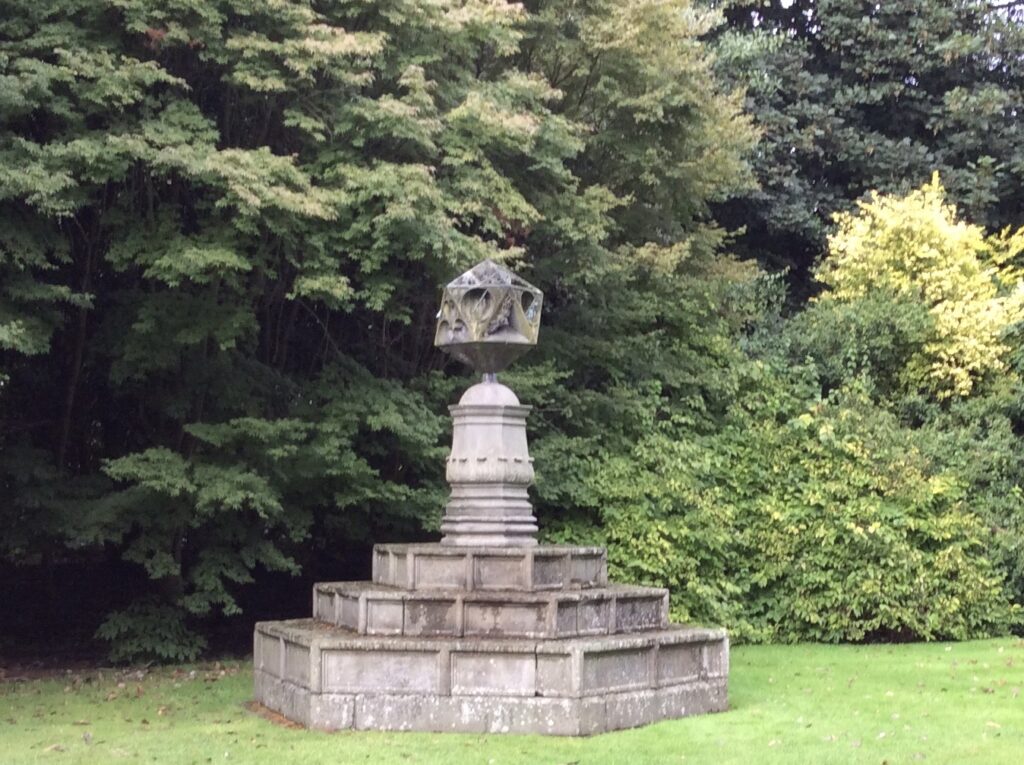
Queen Mary’s Sun Dial has a 18-inch icosahedron (20-sided) facet head filled with tiny sunken heart, circular, and triangular dials. It was built in 1633 for the Scottish coronation of King Charles I, not for Queen Mary.
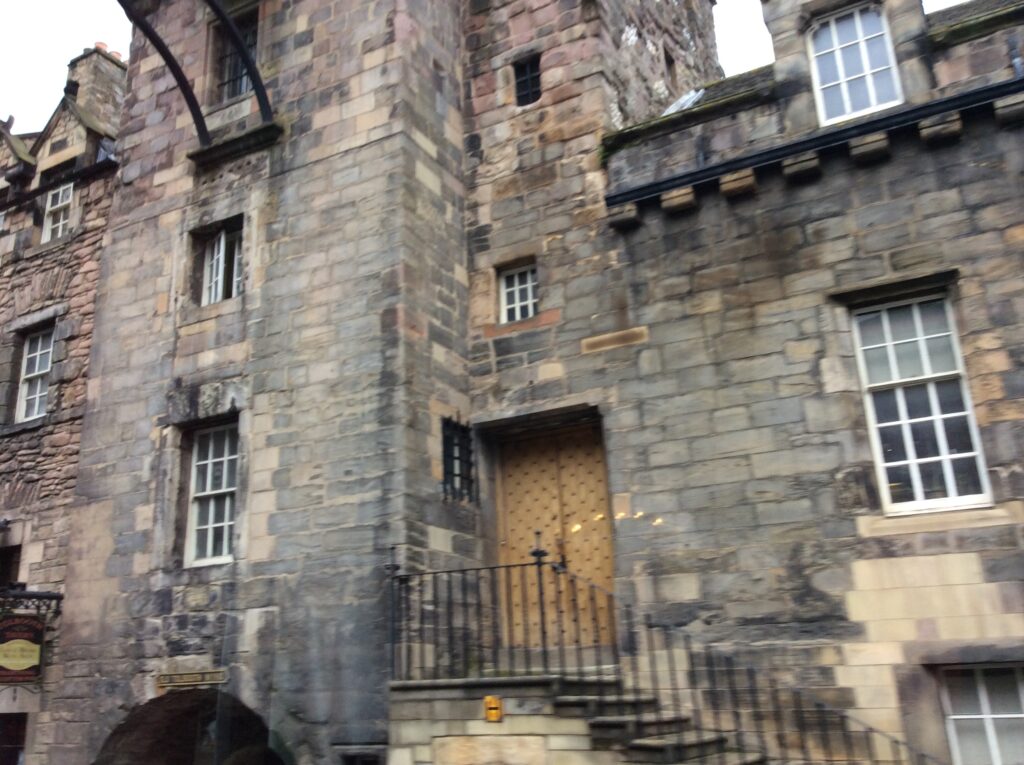
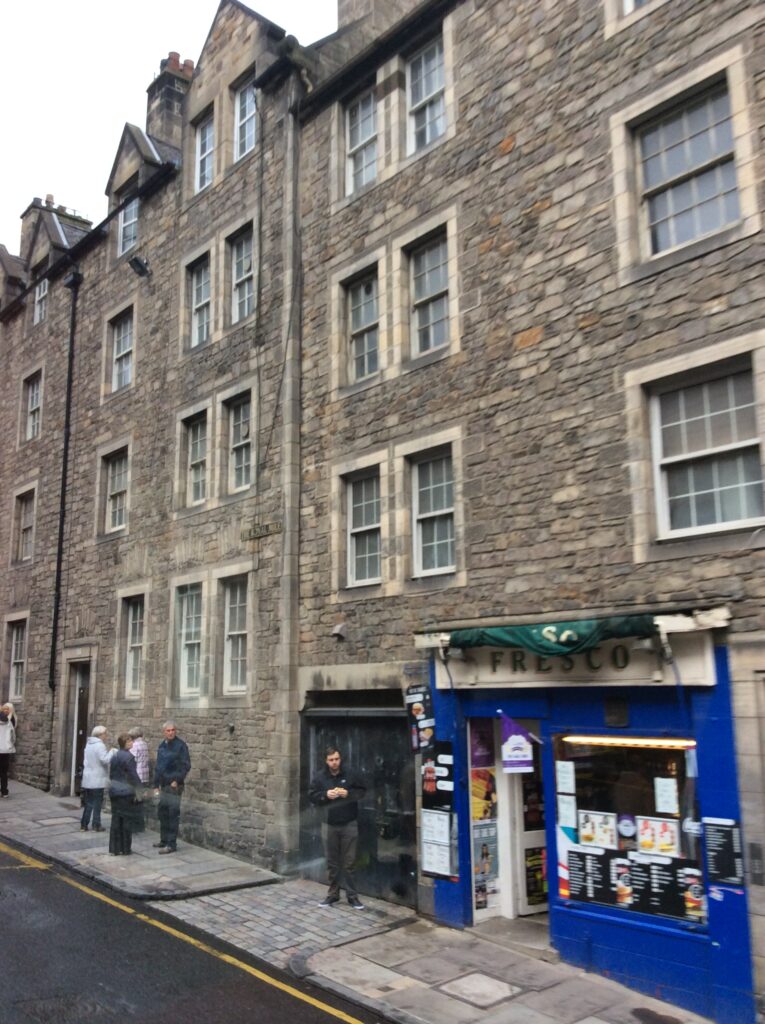
We spent the rest of the day on the Royal Mile., the historic backbone of Edinburgh’s Old Town. It stretches precisely one “Scots mile” (1.81 km) between Edinburgh Castle and the Palace of Holyroodhouse. Made up of five sections–Castlehill, Lawnmarket, High Street, Canongate, and Abbey Strand, it became a processional route for Scotland’s Kings and Queens to travel between the Castle at the top of the street and the Palace at the bottom.
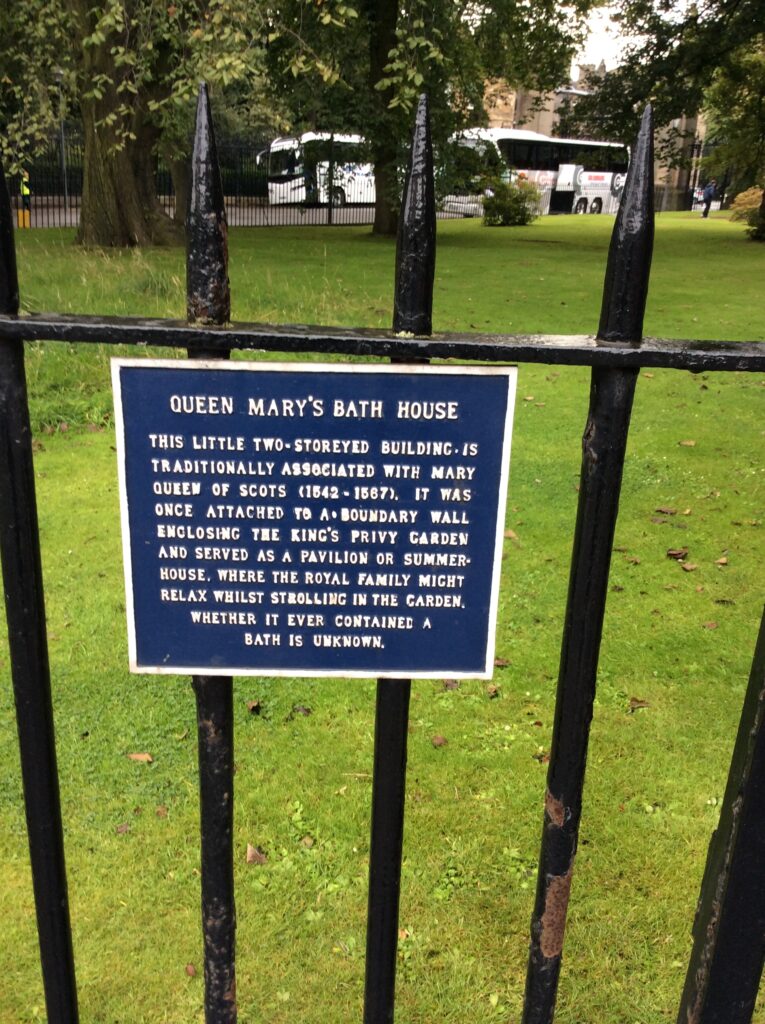
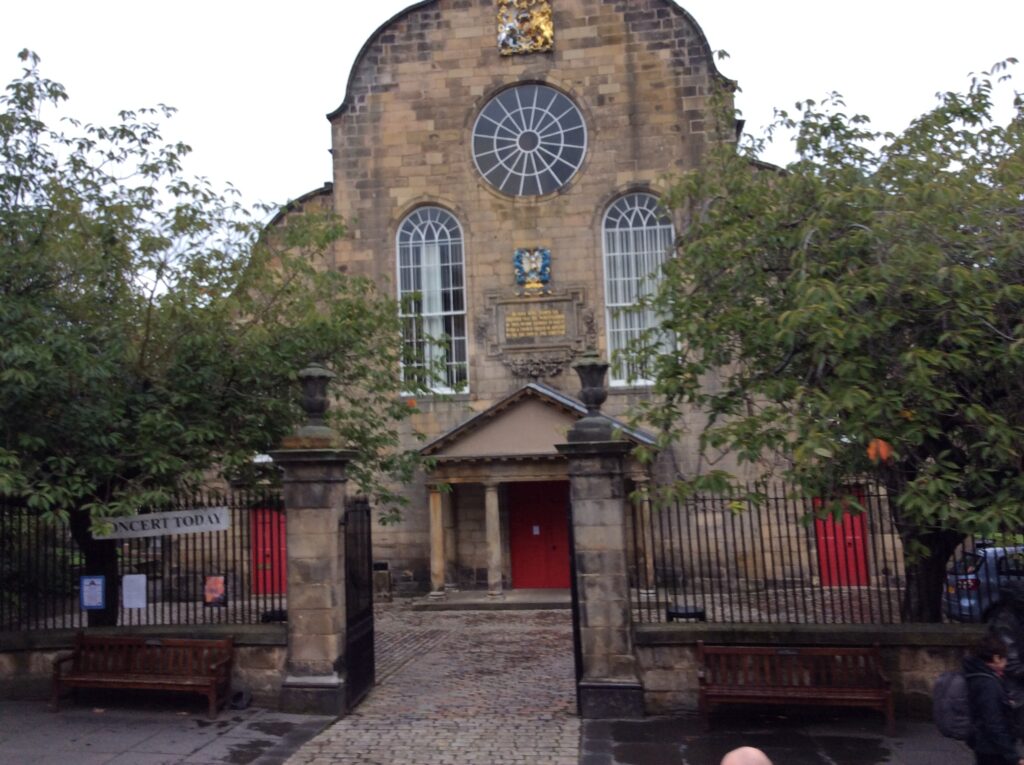
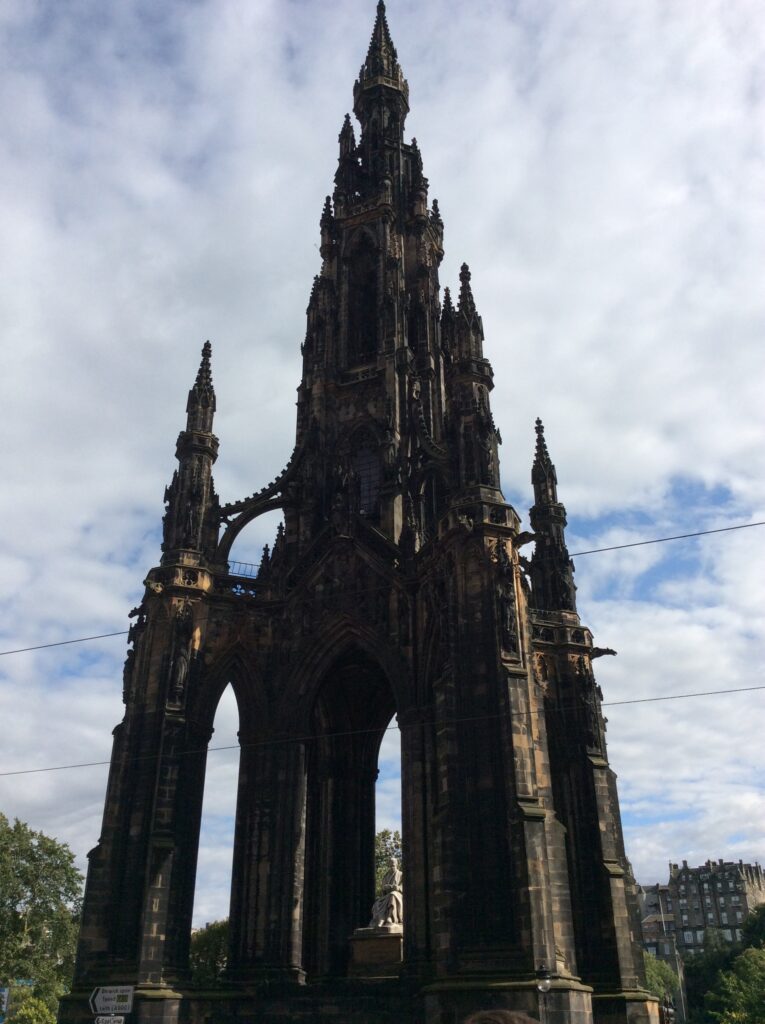
The Royal Mile was the backbone of Edinburgh’s Old Town and became a bustling commercial centre with all kinds of merchants and manufacturers. Canongate Kirk dates from the 17th century. It is the official parish church for the Palace of Holyrood, the Scottish Parliament, and Edinburgh Castle. It features a distinctive Dutch-style gable and a light, pale-blue cruciform interior. The Scott Monument is a soaring Victorian Gothic spire dedicated to t Scottish author Sir Walter Scott. It is one of the largest monuments to a writer anywhere in the world. The local legend around Queen Mary’s Bath House claims that Mary, Queen of Scots, used the building to bathe in white or sweet wine to enhance her complexion
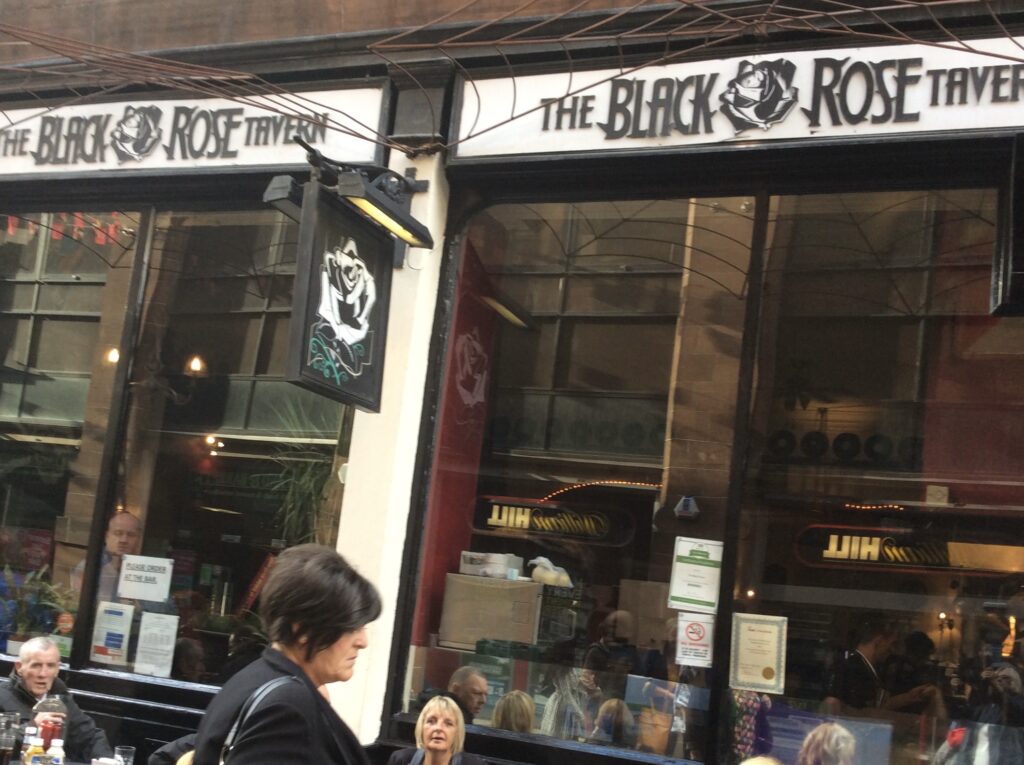
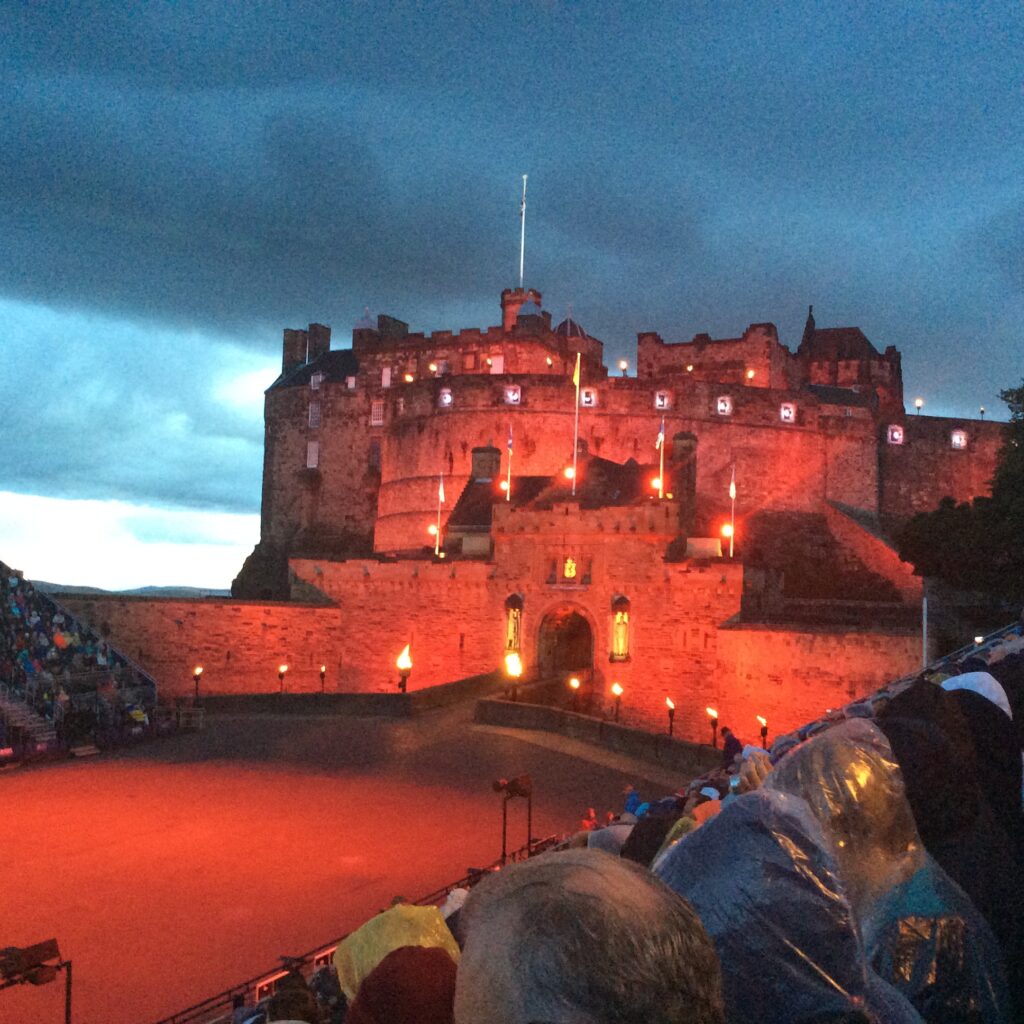
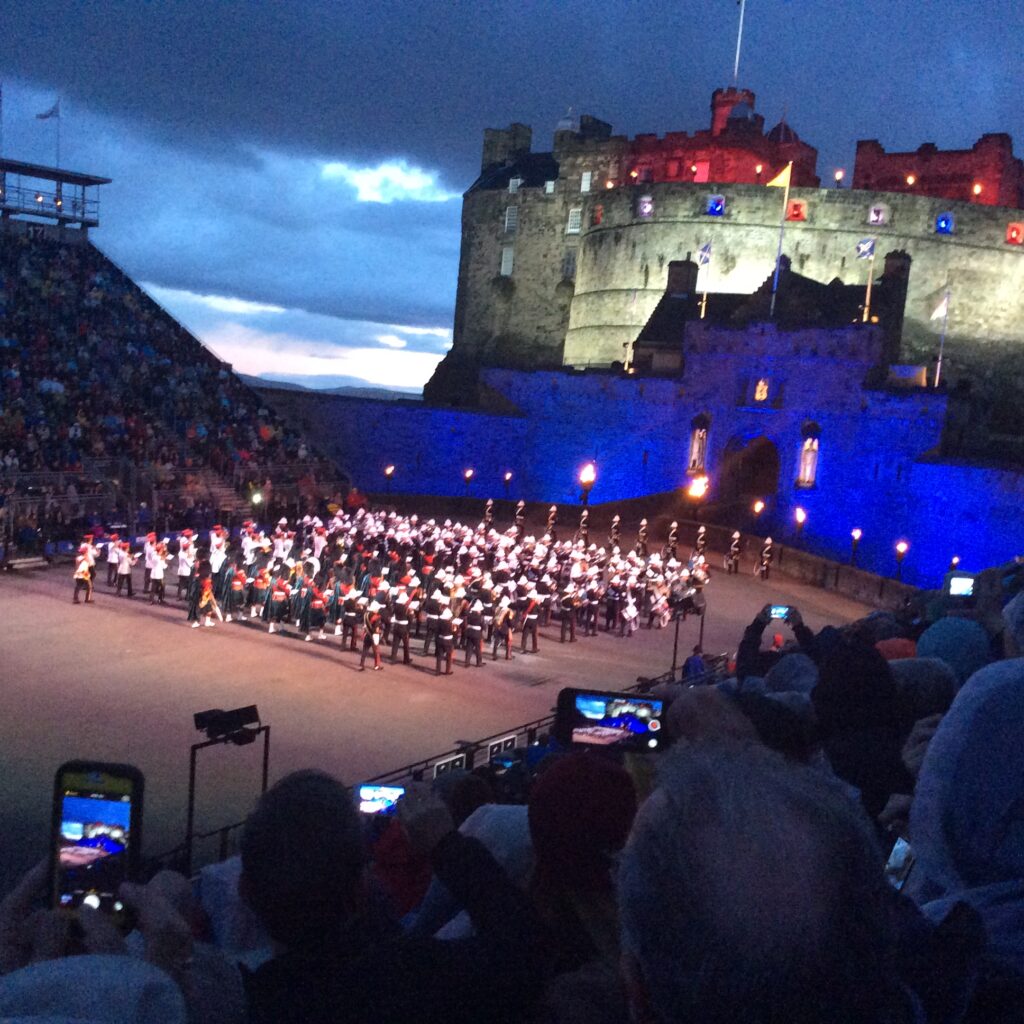
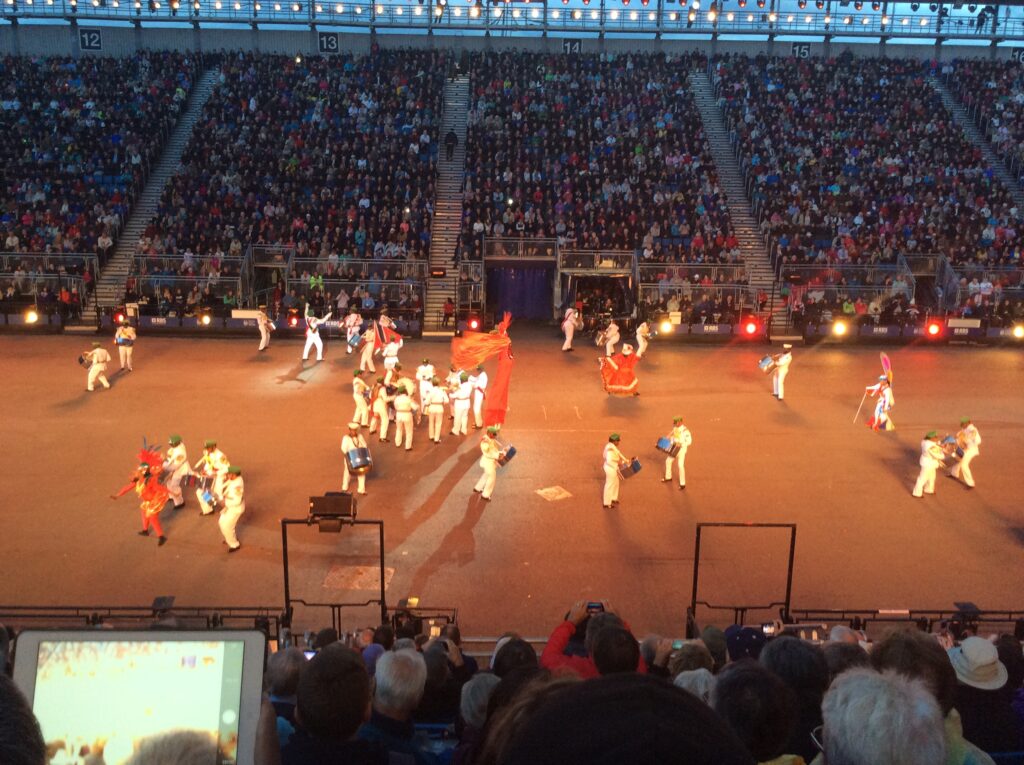
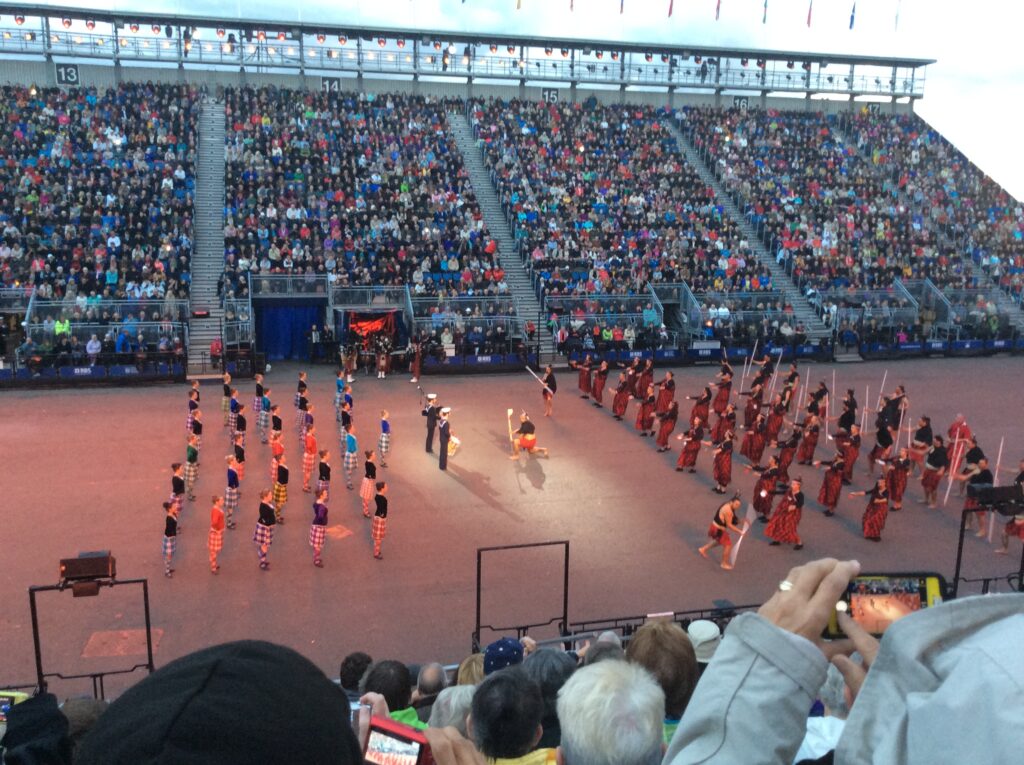
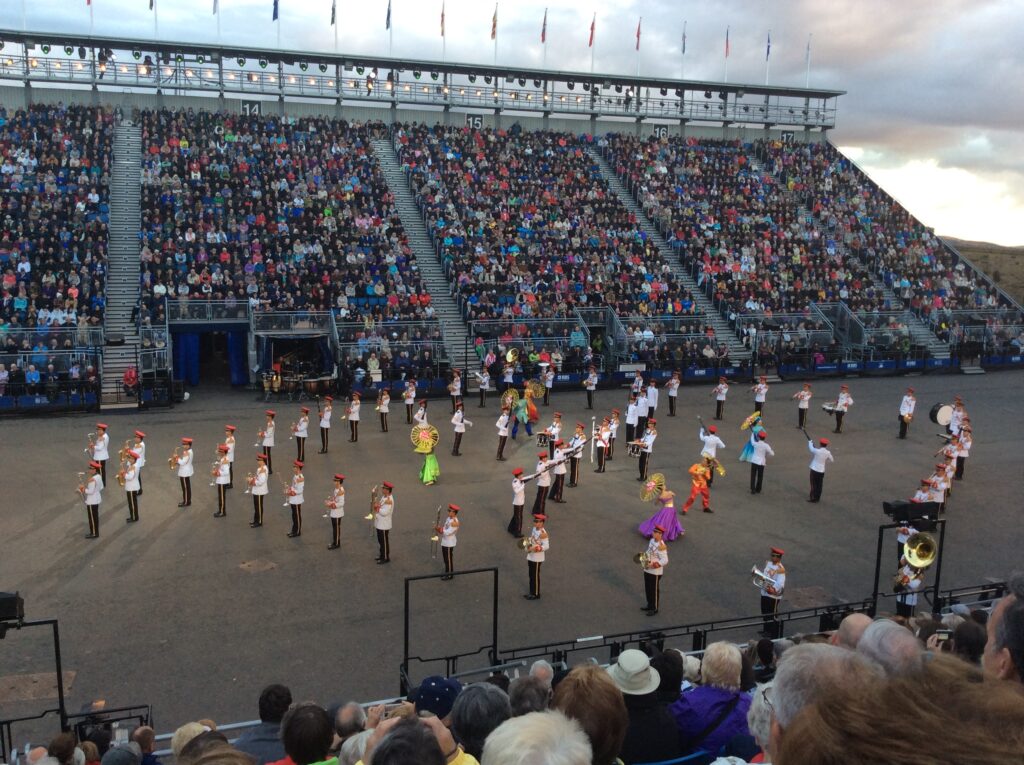
Tonight we were fortunate to get tickets to the Military Tattoo. We went to dinner at another pub, The Black Rose, and then climbed up Castle Rock to the Tattoo. The Tattoo is set in the esplanade in front of Edinburgh Castle. It encompasses music, dance, and precision display with the Massed Pipes and Drums, the Bands of Her Majesty’s Royal Marines, cultural troupes and singers from all over the commonwealth, and the poignant refrain of the Lone Piper against the stunning backdrop of Edinburgh Castle. Colored lights cover the castle to match various performances. There was even a group from KwaZulu Natal. The performance ended with a magnificent fireworks display. It was truly impressive.
Leave a Reply