We traveled first by train and then by bus to reach Cuzco, our next destination. After spending the night in our hotel, we set out on a walking tour of the city. Cuzco was once the capital of the Inca Empire. Roads stretching out to Chile, Argentina, and Columbia all lead back to Cuzco. Following the Spanish conquest, Cuzco became a combination of Inca and Spanish colonial architecture. The Spanish just built on top of Inca structures, leaving the architectural blend.
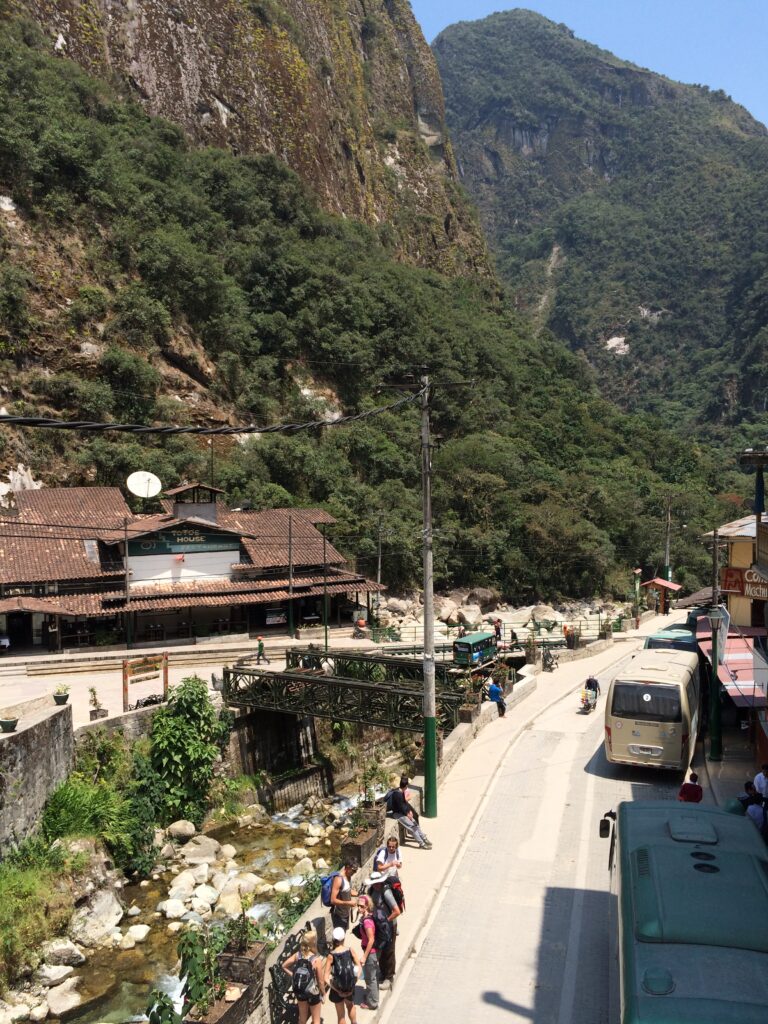
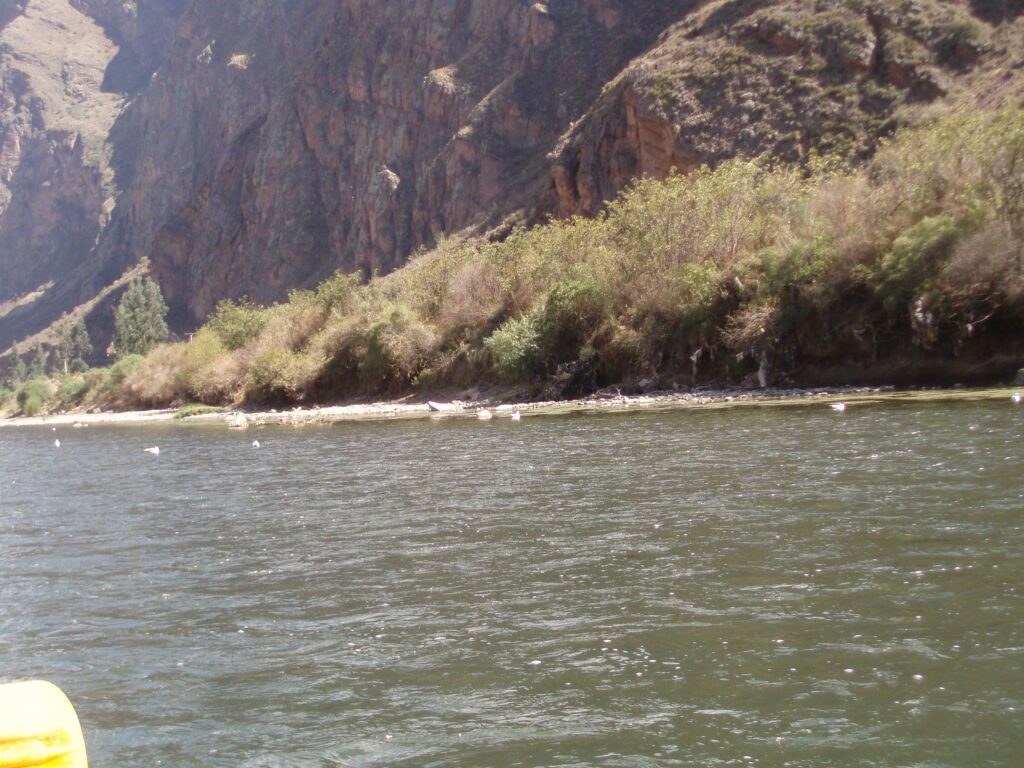
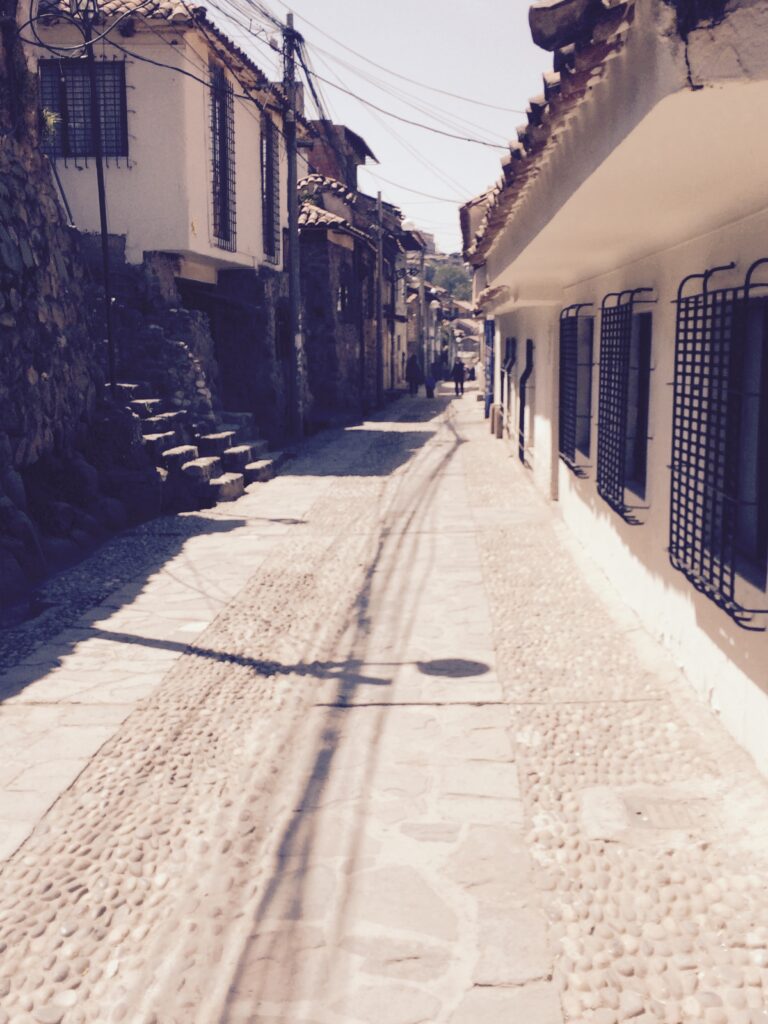
The Incas called Cuzco the “navel of the world,” because from above it appears carved out like a bowl among the surrounding mountains. It was laid out in the shape of a puma, a sacred beast in Inca lore. The name means “Rock of the owl”. According to the city‘s foundational myth, Ayar Awqa, a man from the Aymara people, acquired wings and flew to the future city. When he arrived, he turned into stone to mark possession of the land for his descendants. The name was then passed on to the Quechua people who would later live there. Before the Incas, other tribes inhabited the region for several hundred years.
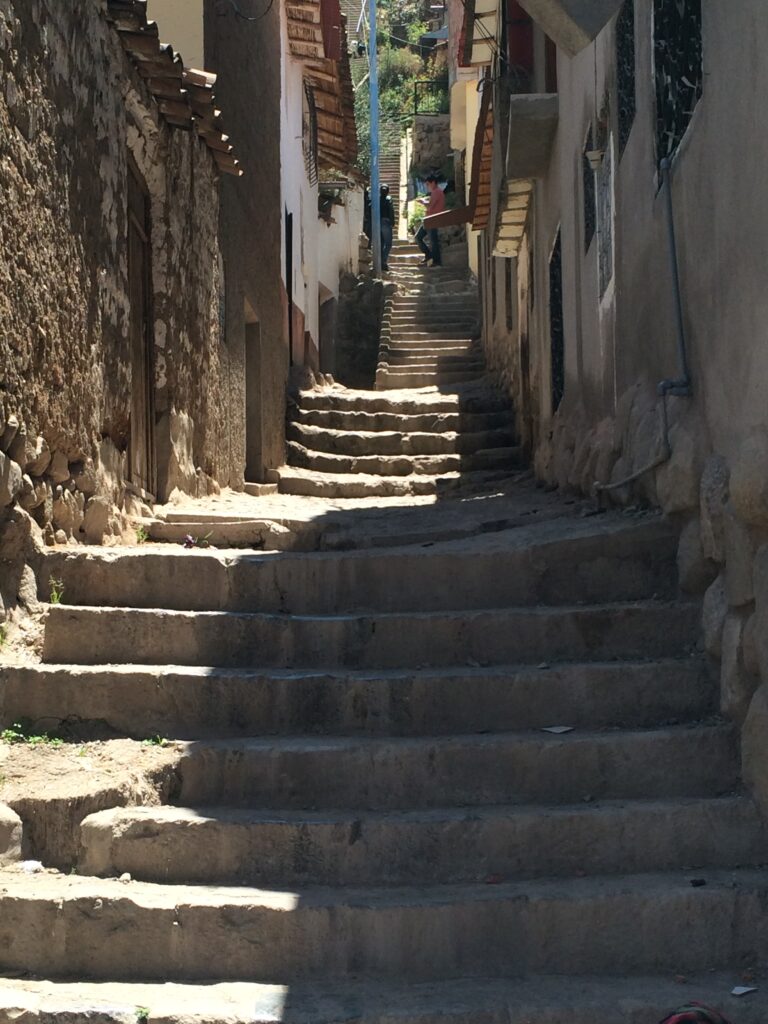
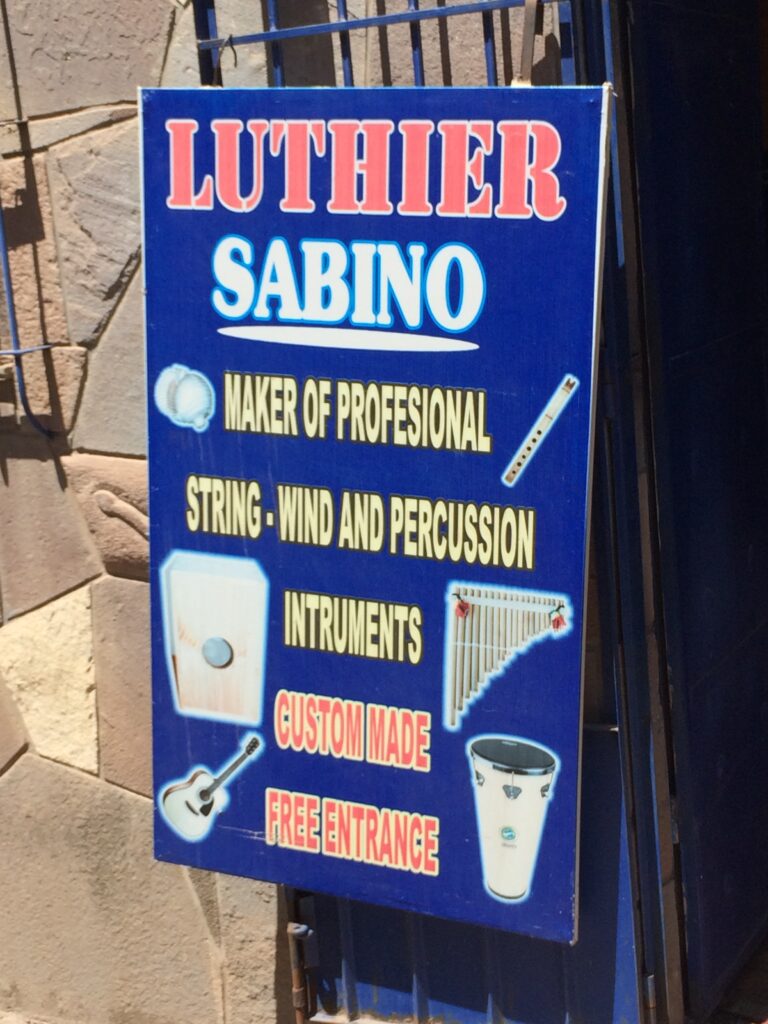
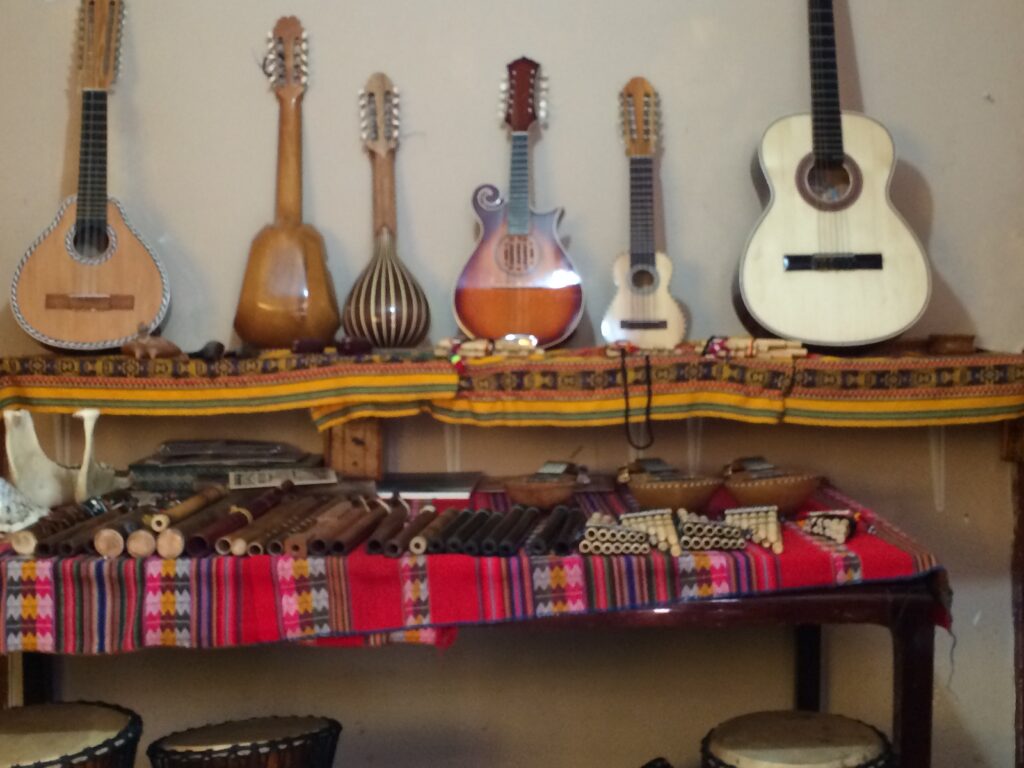
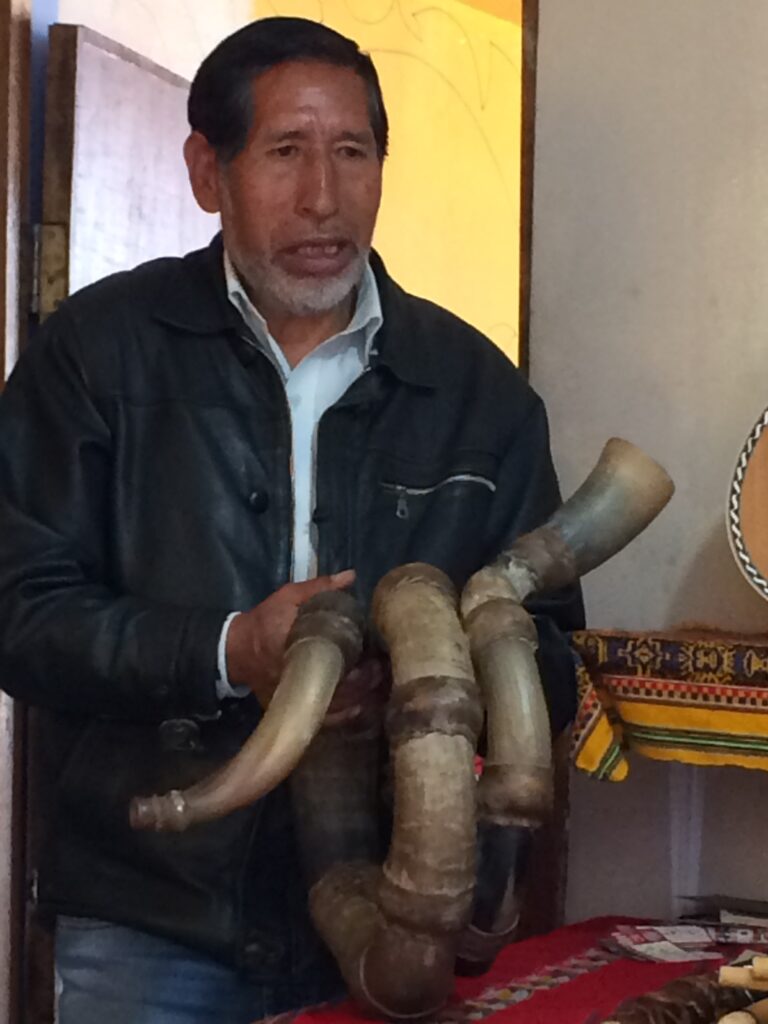
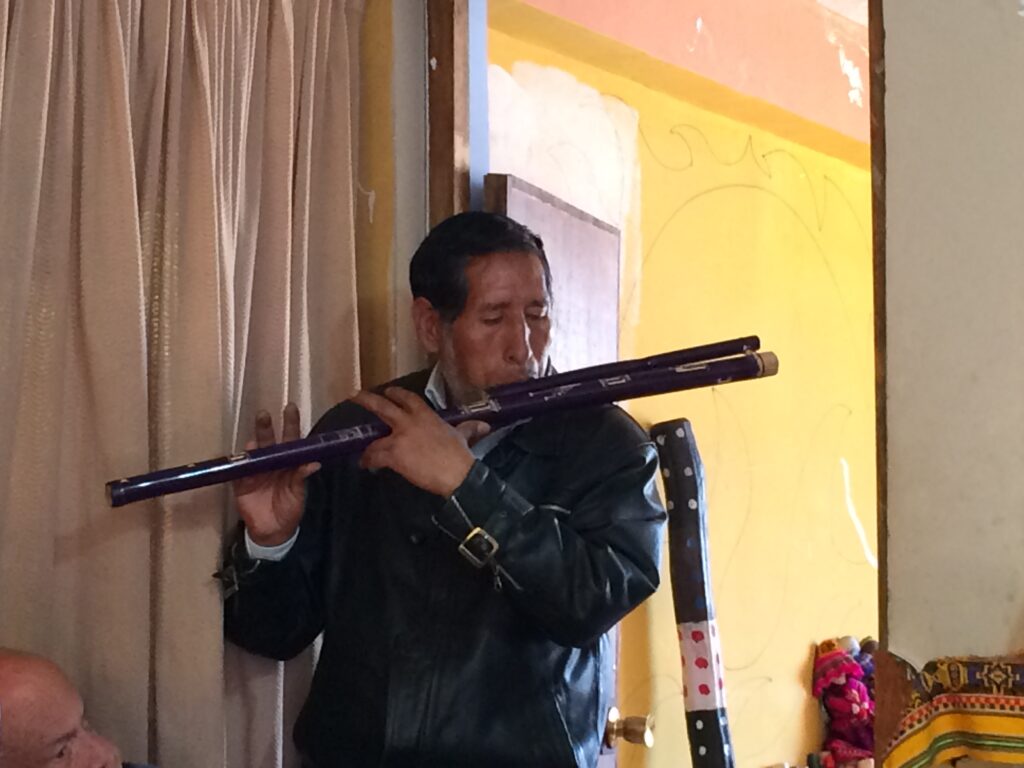
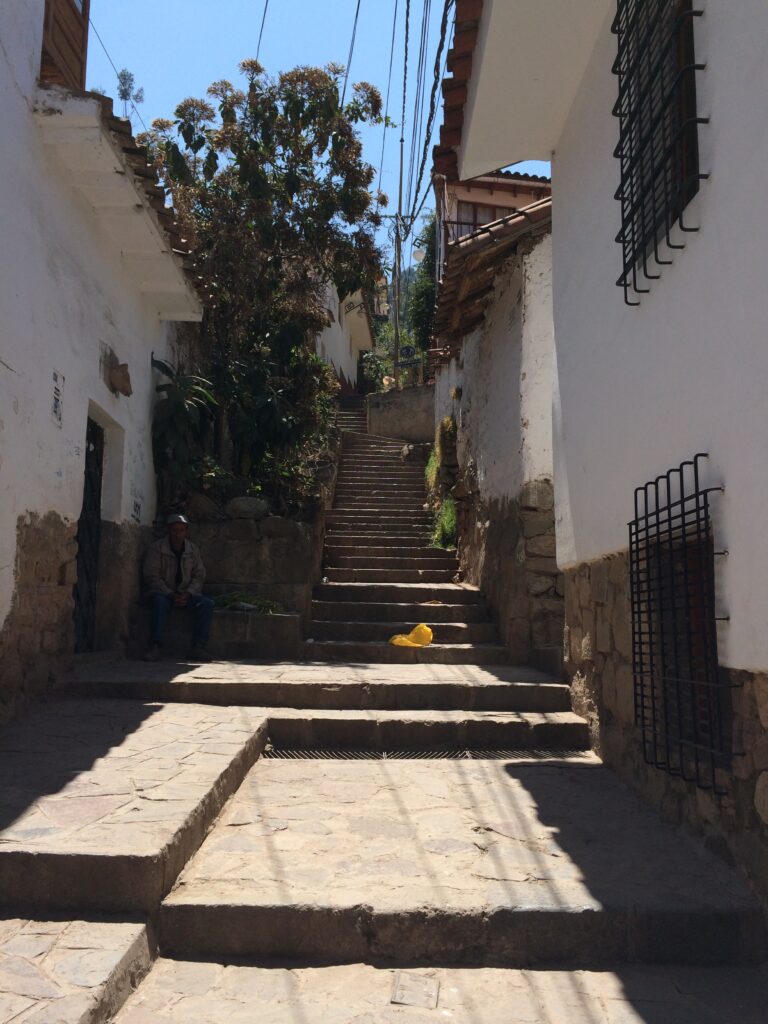
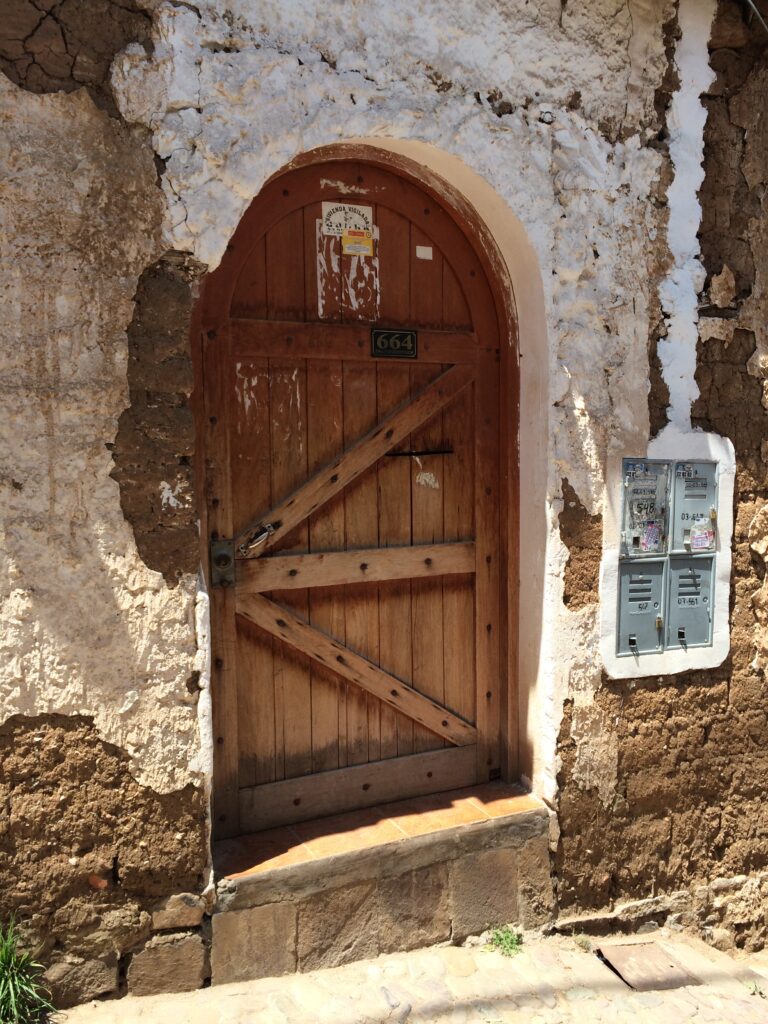
We started in the Old City with its steep steps and narrow roads. Going up the first flight, I was out of breath because of the 11,000 ft. altitude. As we wandered through the old Inca area that has now been transformed into an artist’s area, we stopped at the workshop of one artisan, Luthier Sabino, who made a variety of instruments, mostly stringed. He explained what each one was and demonstrated them to us.
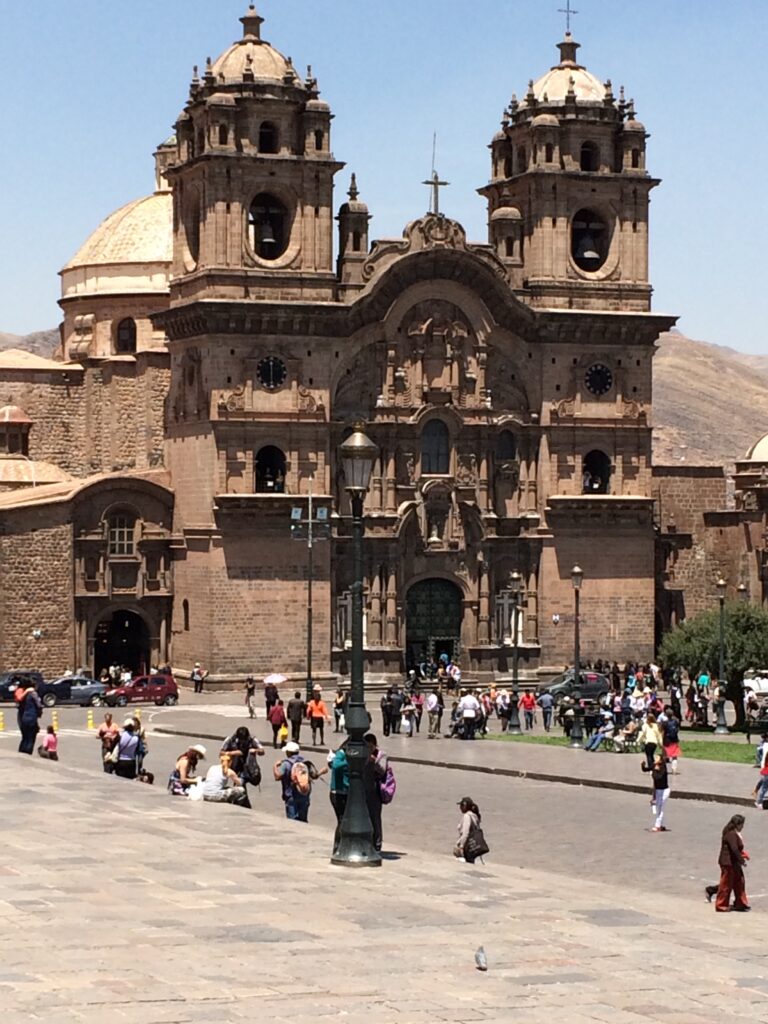
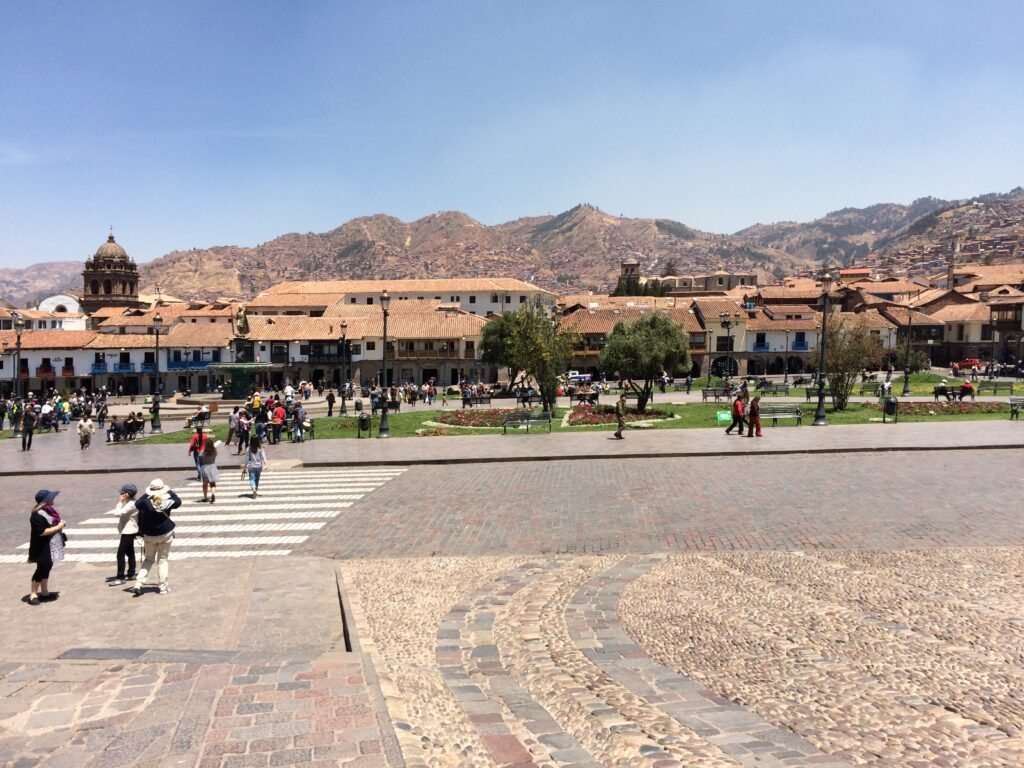
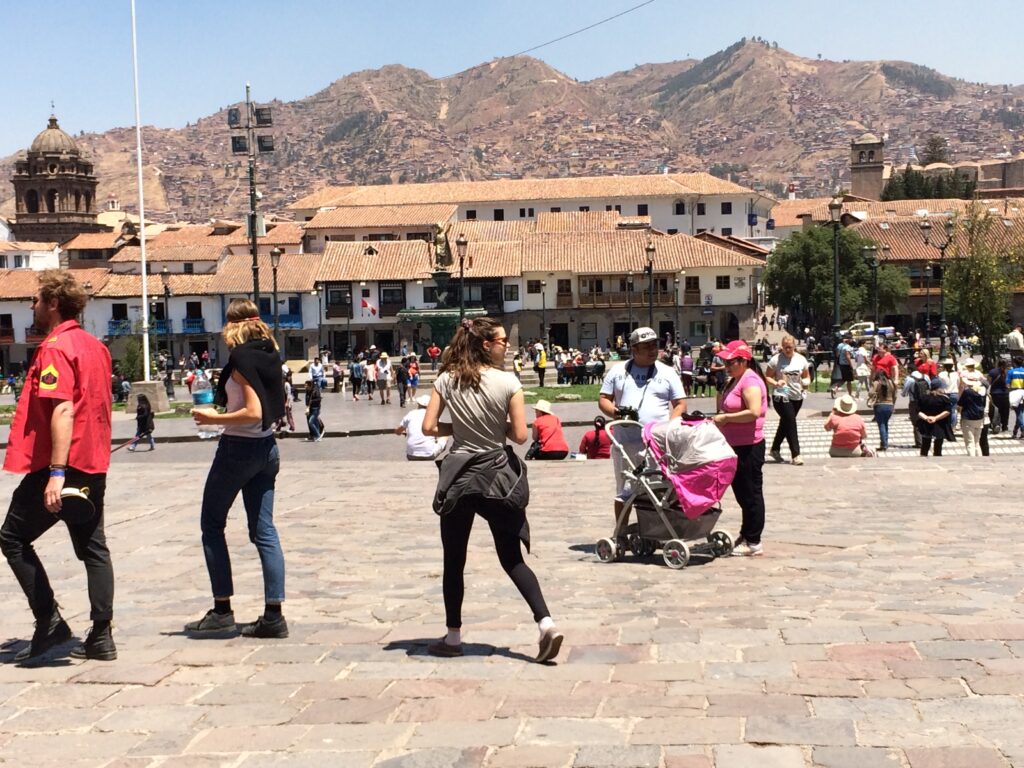
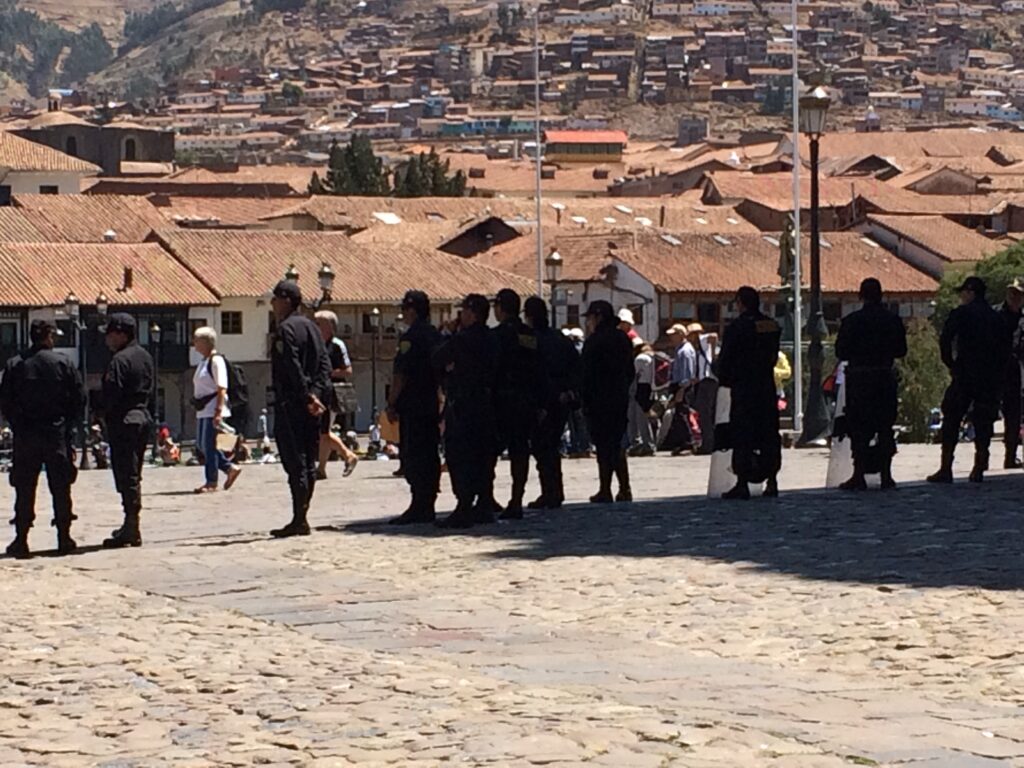
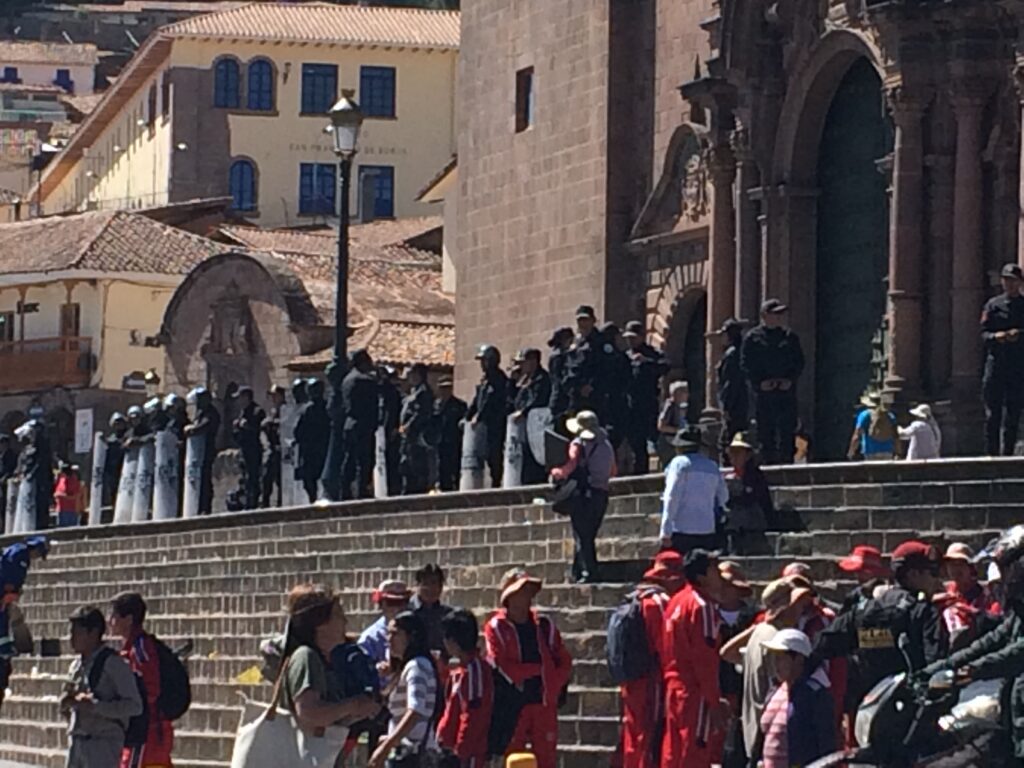
Then we wandered down through the heart of the city to the Plaza de Armas. At the Plaza de Armas, we saw the outside of the 17th-century cathedral that was built on the foundation of the Inca palace of Viracocha. This massive structure is one of the significant colonial buildings in the city. The Cathedral Basilica of the Virgin of the Assumption is full of beautiful frescos and gold and silver. The main altar is breathtaking. The guide explained the significance of each of the chapels. The tour culminated with the famous Last Supper where the paten holds a guinea pig and other foods on the table are clearly local fruits and vegetables. It is a UNESCO World Heritage site because of the blending of the cultures. As we left the Cathedral, we saw police lined up all in front along the plaza awaiting the farmer’s demonstration.
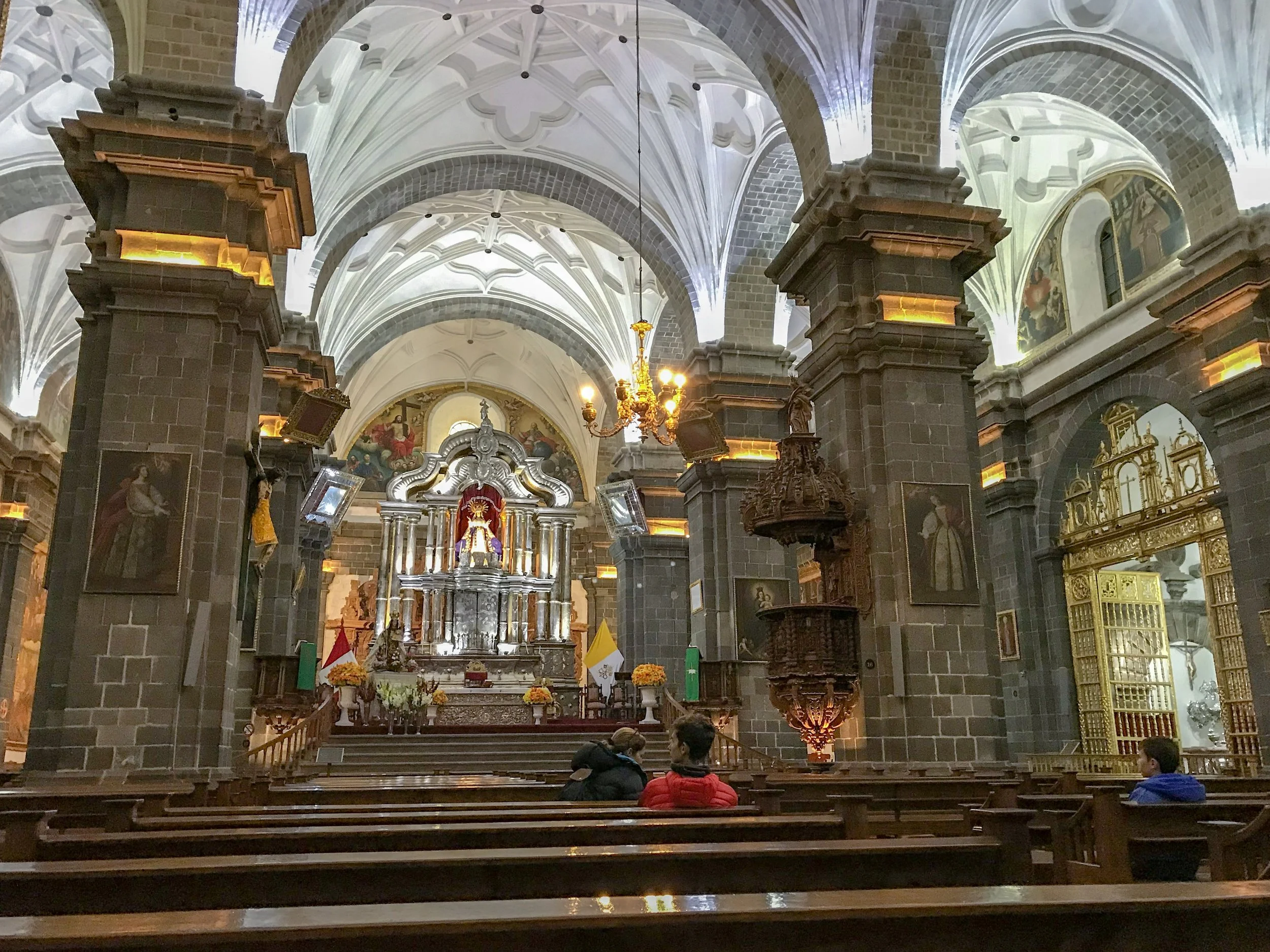
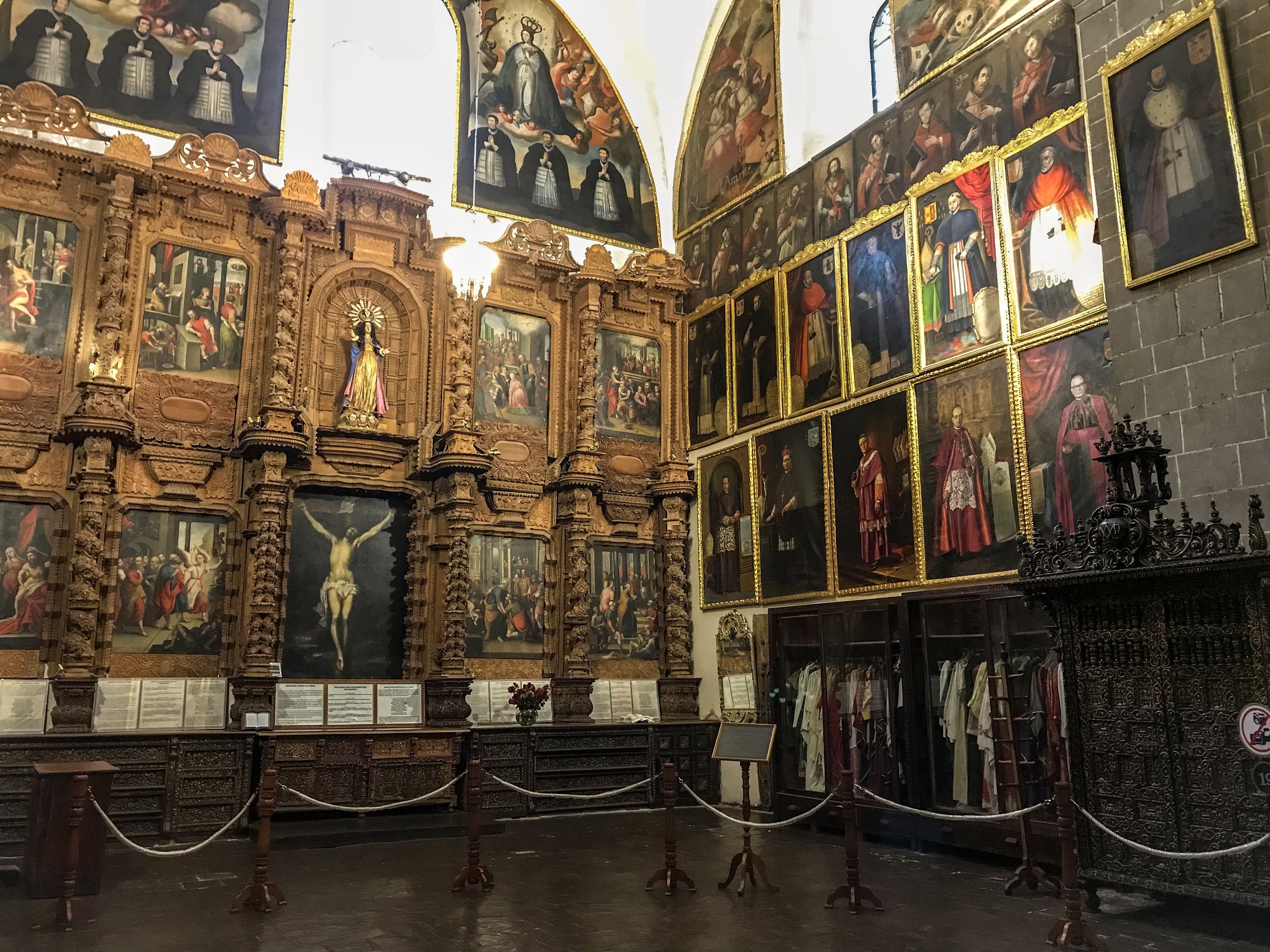
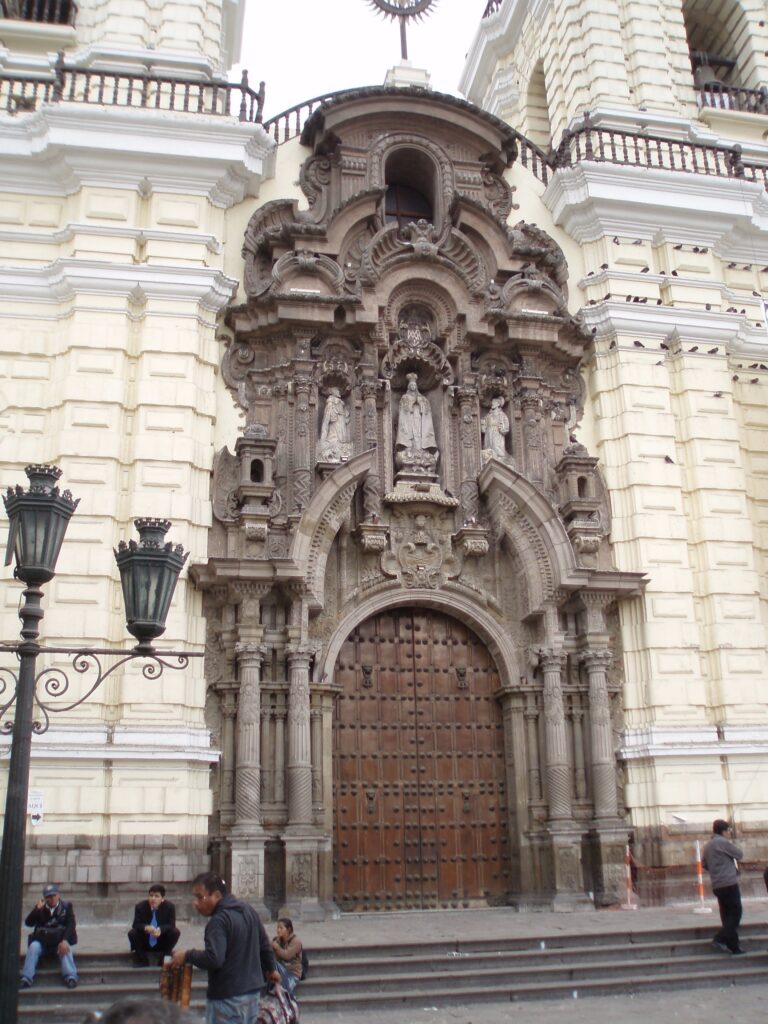
of San Francisco
As we reached the plaza again, we could see the demonstration in progress. We watched for a while and then walked along side as we were going the same direction. On our way back tot he hotel we passed the Convent and Church of San Francisco that was built in 1572. It contains several paintings exhibited in the church and its museum.
Leave a Reply