Today we traveled from Edinburgh to York. Historically this region was called Northumbria. Northumbria was an early Medieval kingdom between 654 and 1066 CE. It is comprised to three sections: The Scottish Borders, The Northeast of England, and Yorkshire. Abbotsford was our first stop.
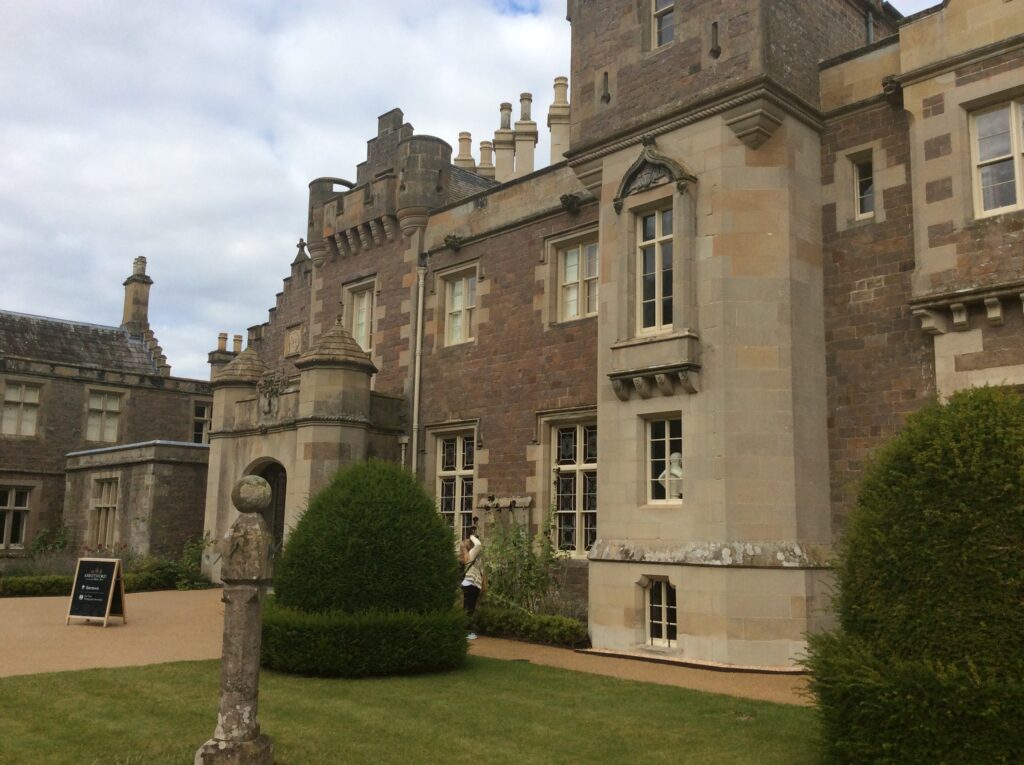
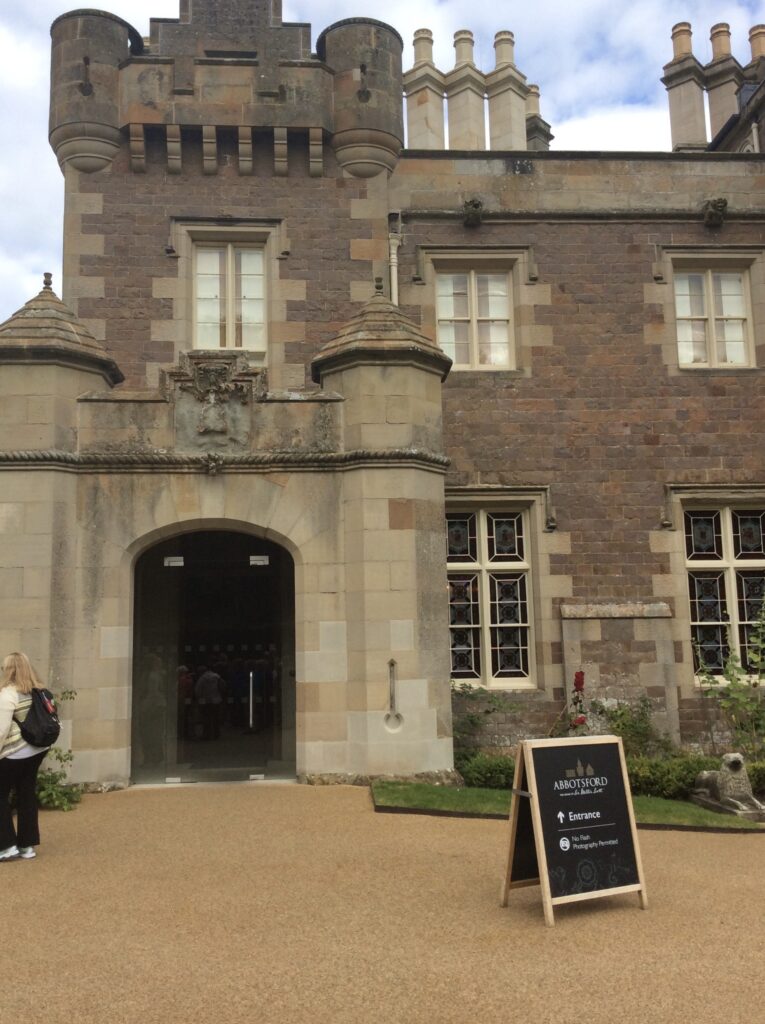
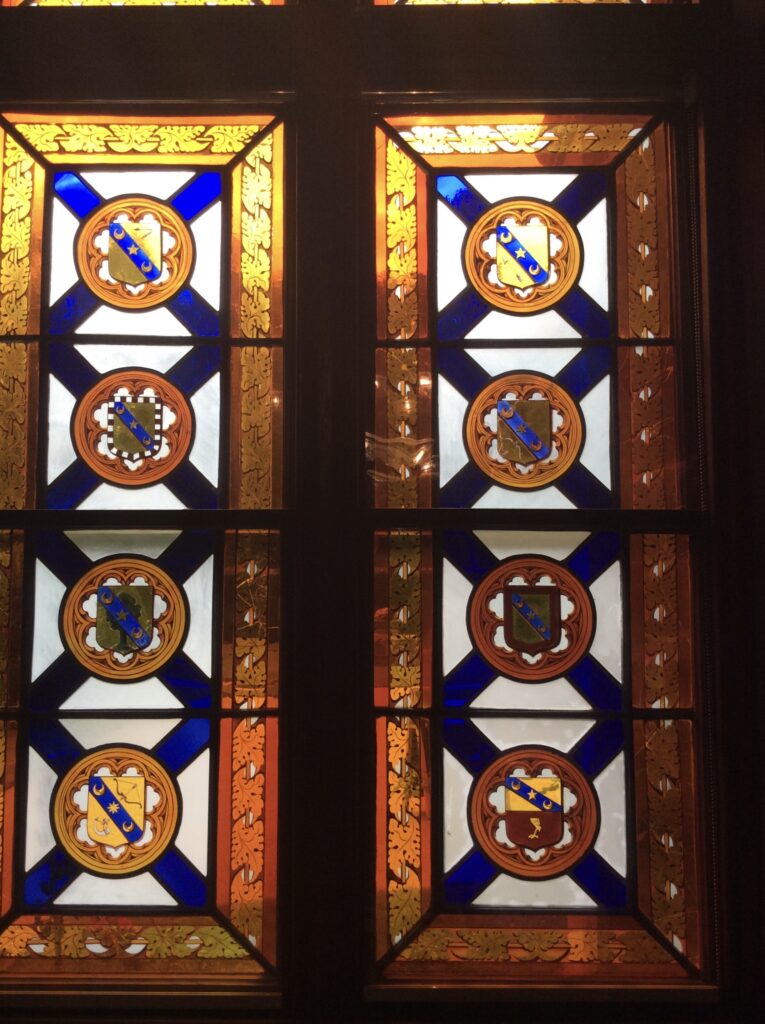
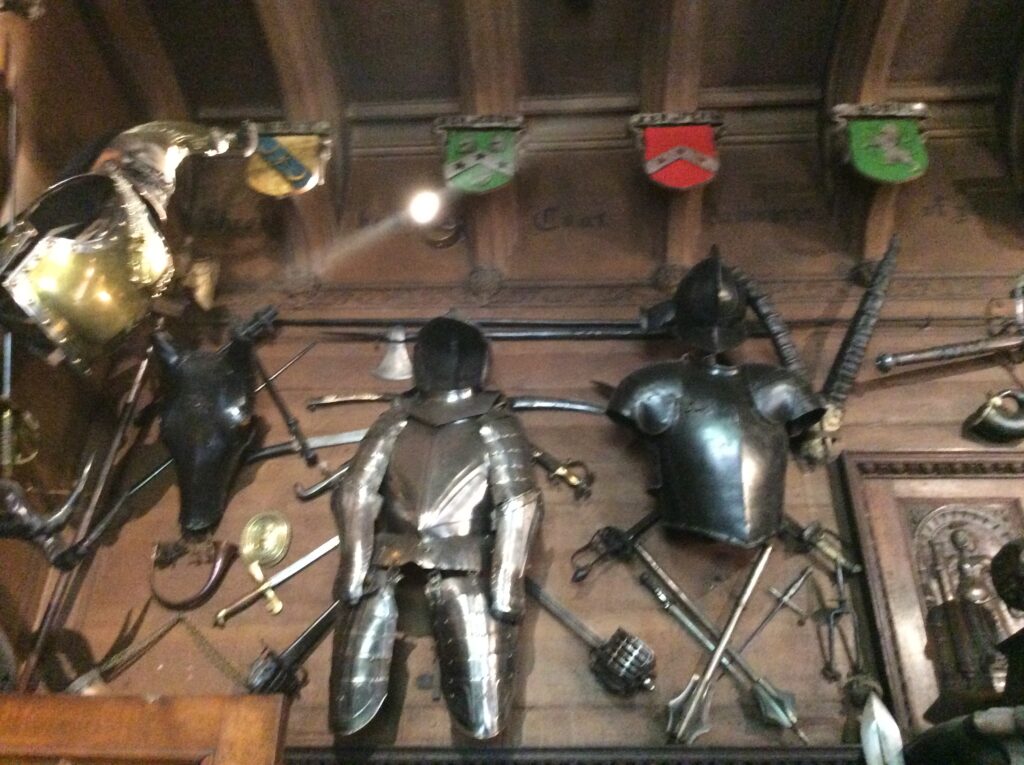
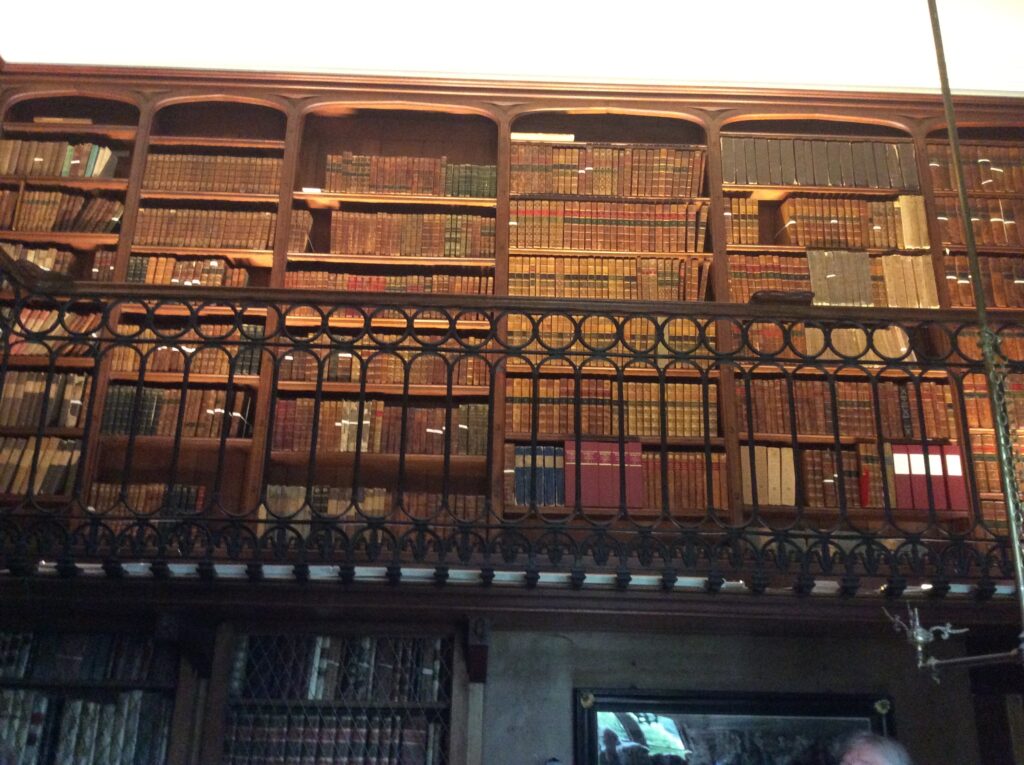
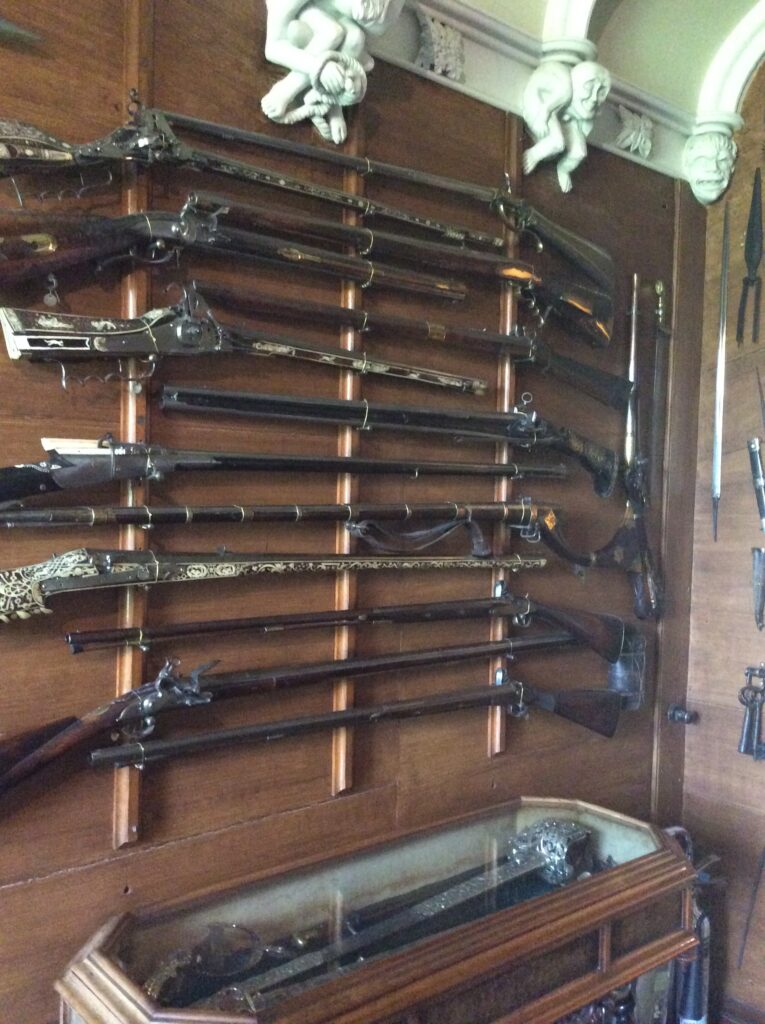
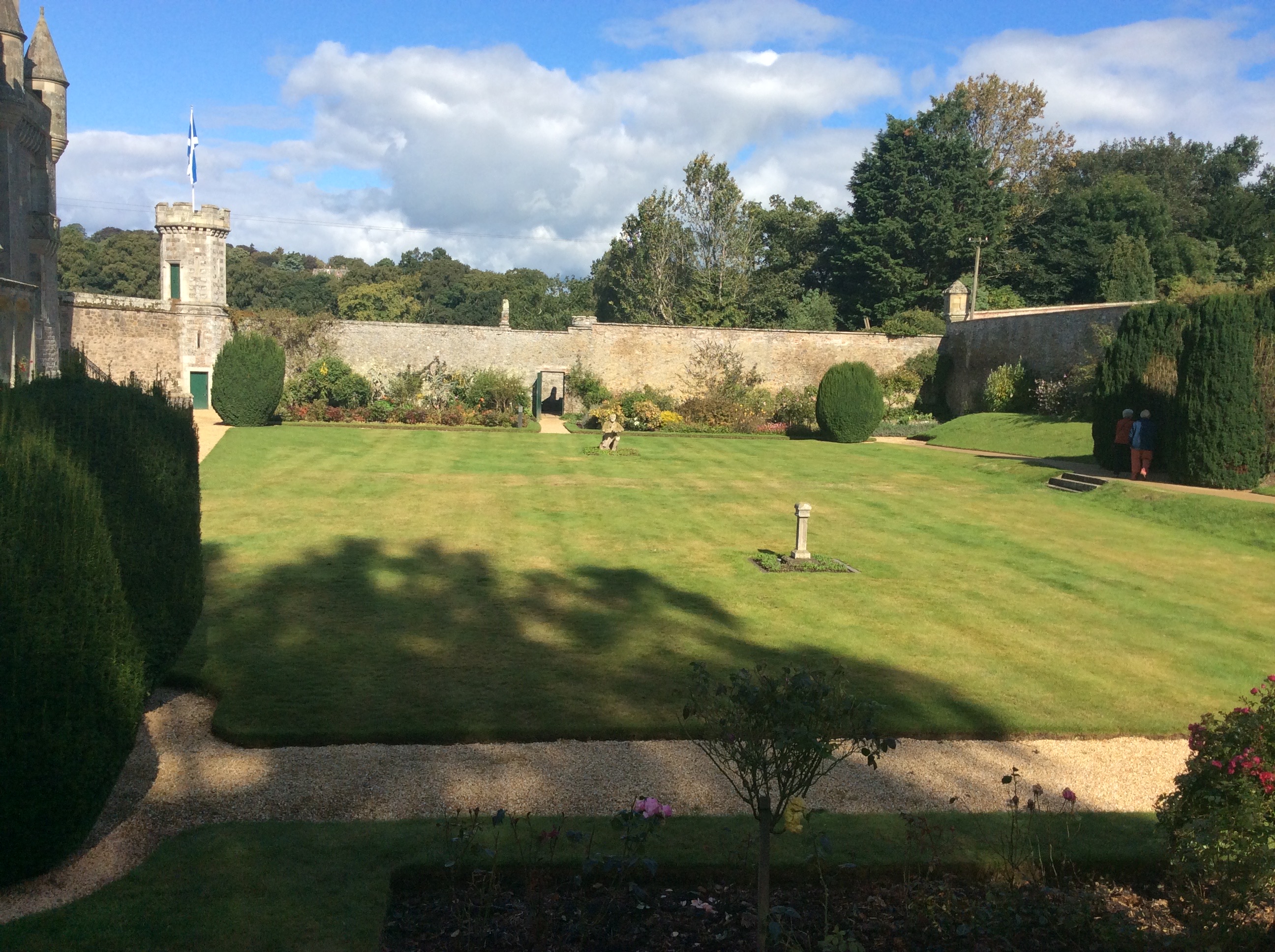
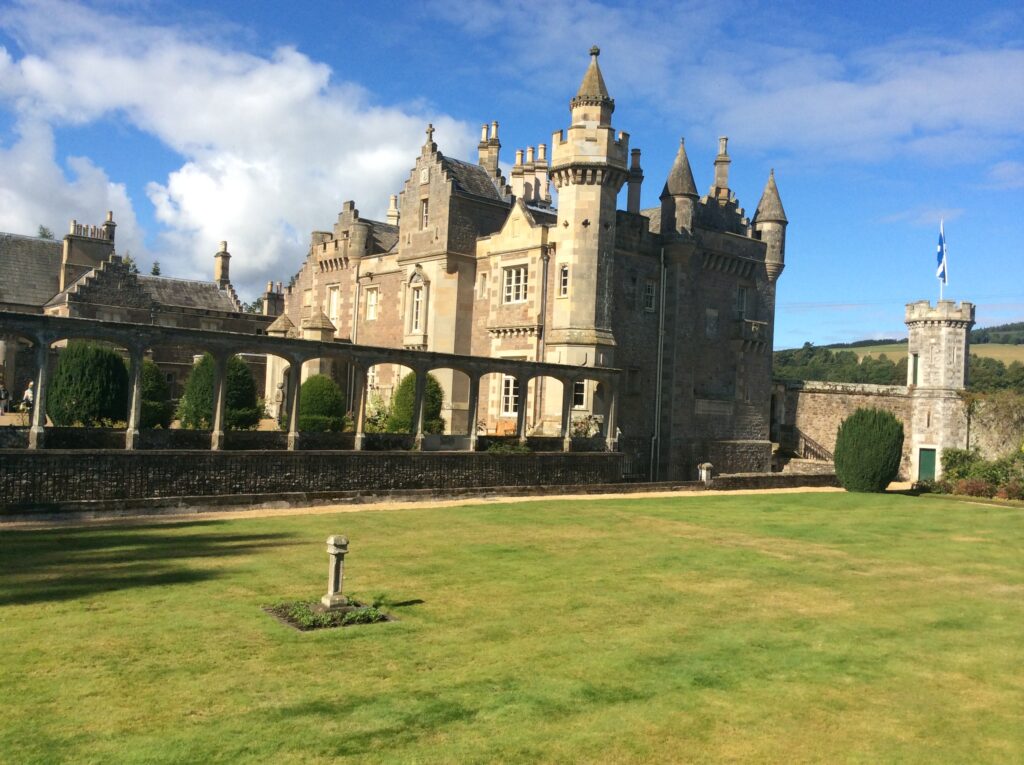
Abbotsford is the location of Abbotsford House, the home of Sir Walter Scott. After touring his home with massive collections of armor and books and beautiful gardens, we had tea and shortbread at Ochitree’s Dining Room at the visitor’s center. Then we continued south.
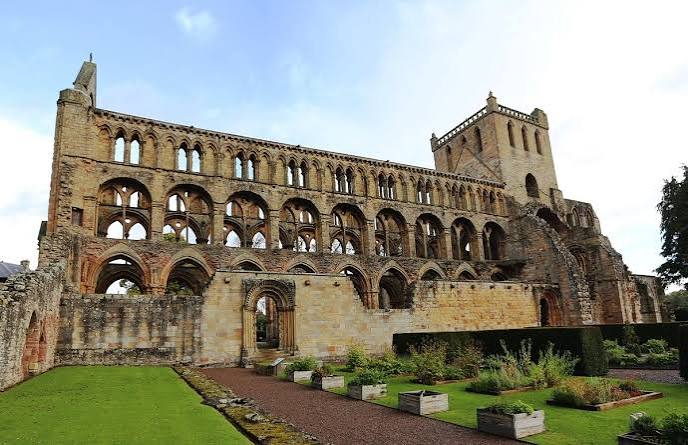
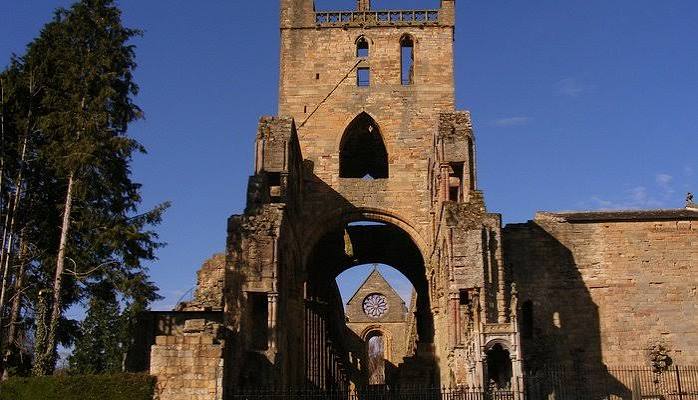
In Jedburgh, we passed Melrose Abbey ruins. It had been a Cistertian abbey, founded in 1136. The ruins are the site of the burial of Robert the Bruce’s heart. Then we came to Mary Queen of Scots House. It is a 16th-century tower house where Mary, Queen of Scots stayed in 1566. As you leave town you see the Jedburgh Abbey. Also founded by King David I, it is an Augustinian Abbey. It was built two years after Melrose Abbey in 1138.
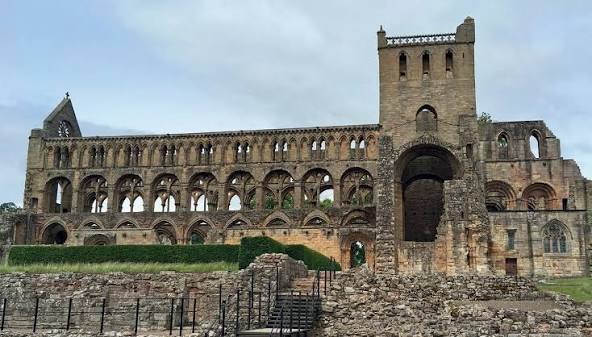
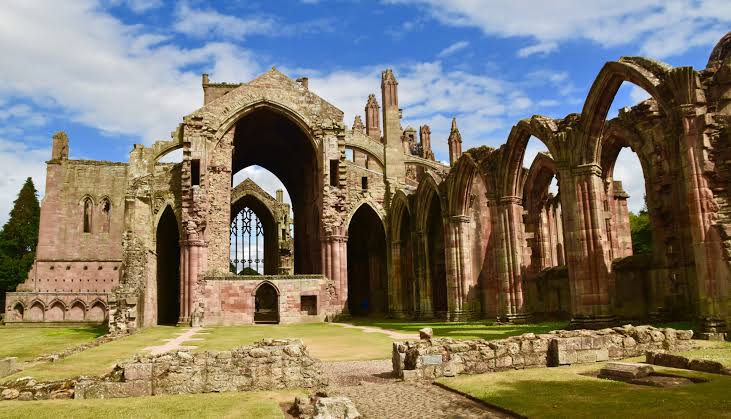
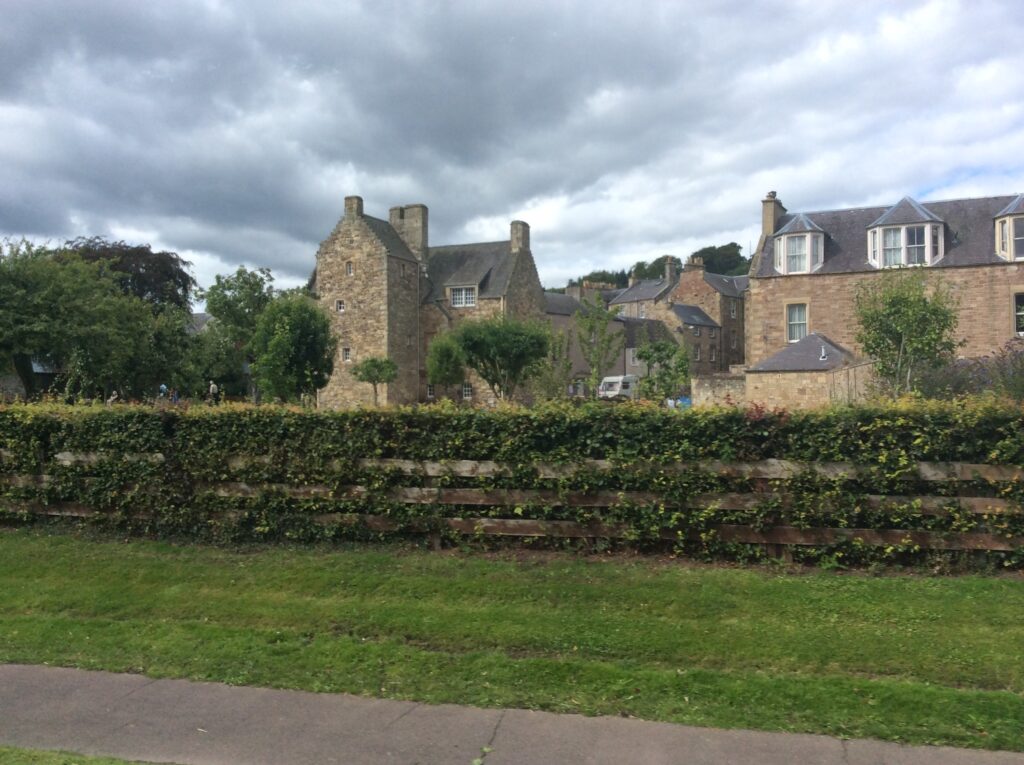
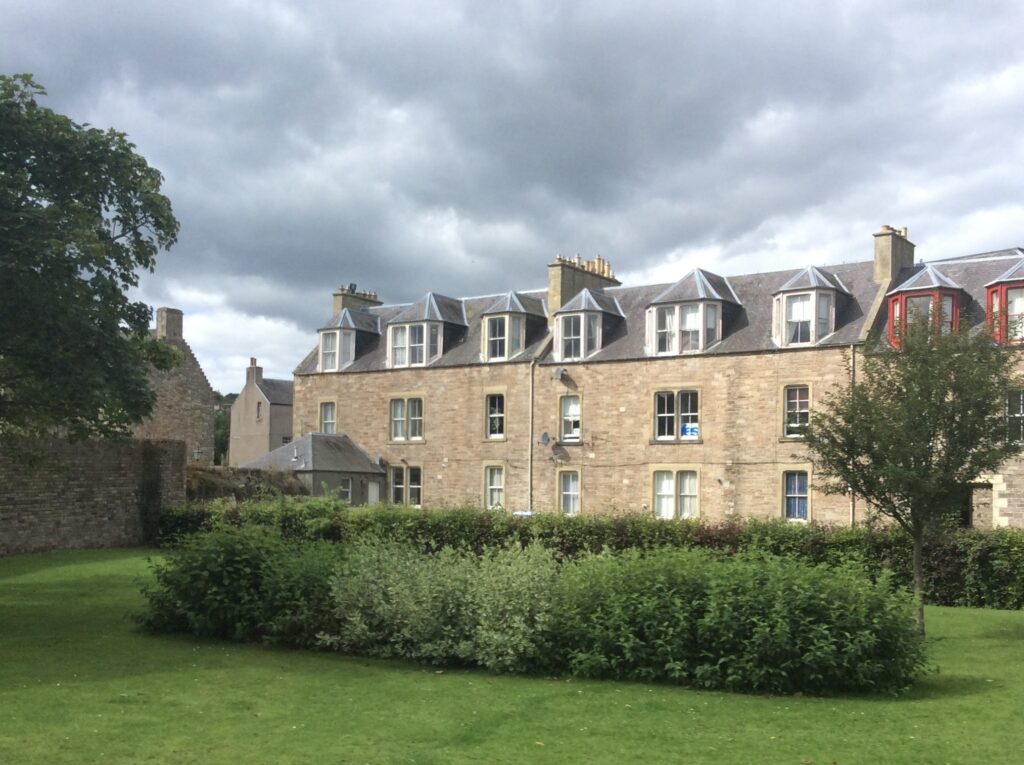
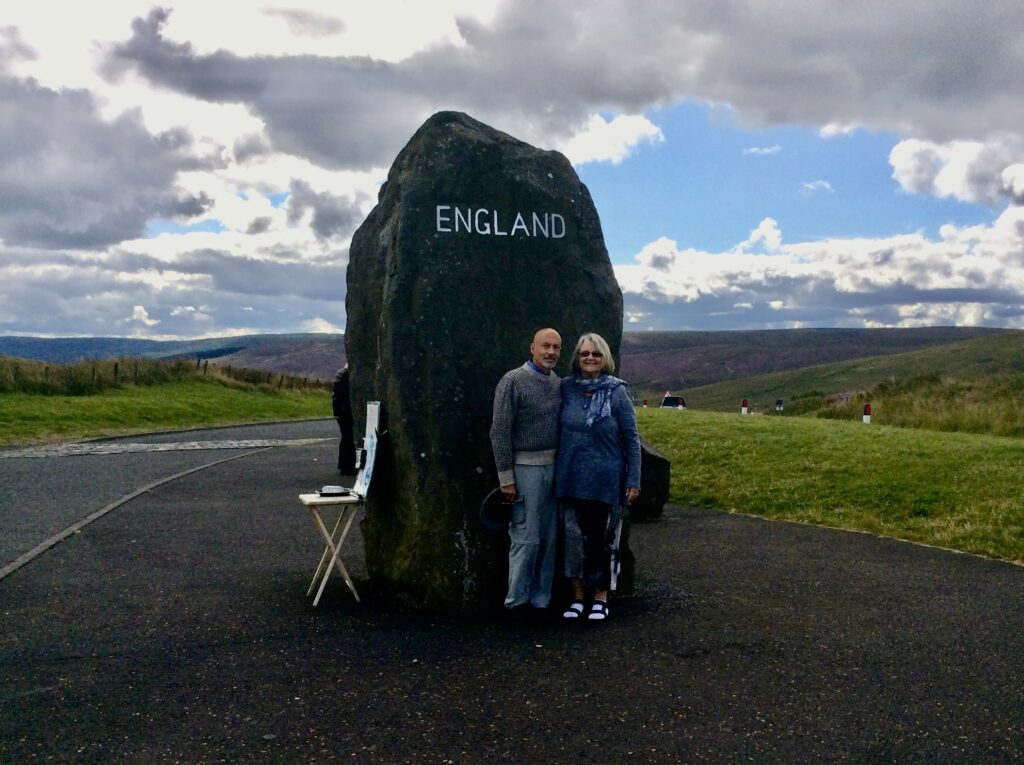
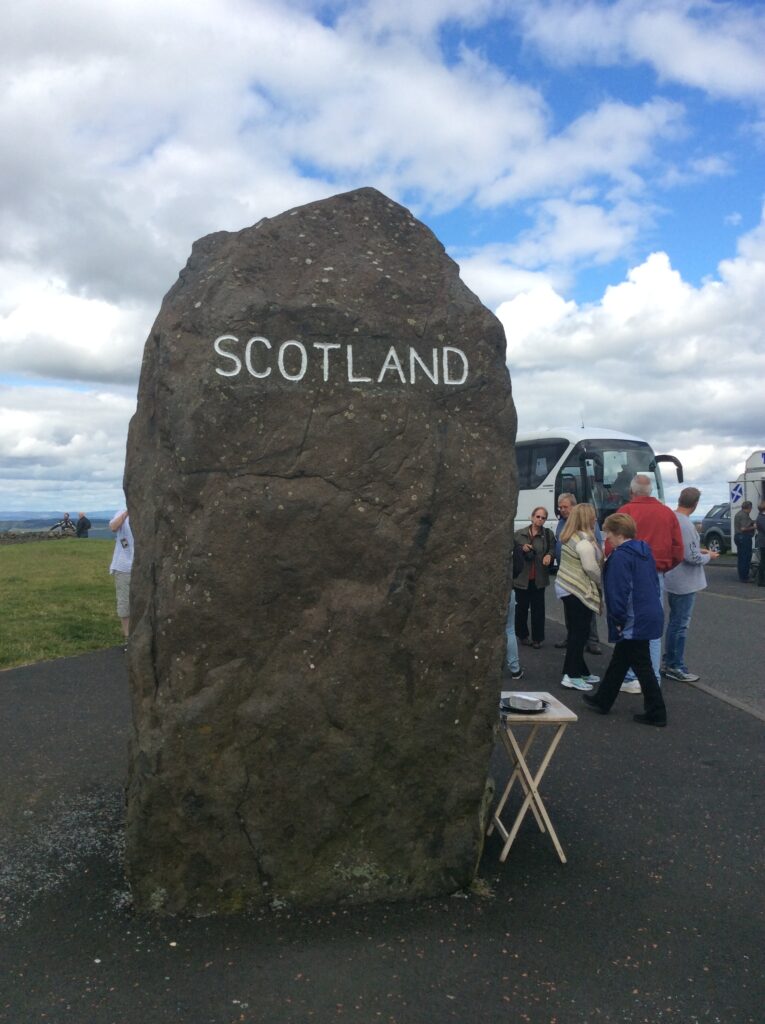
We continued on past the Scottish/English border, where we stopped for pictures, through Northumberland National Park, to the medieval town of York.
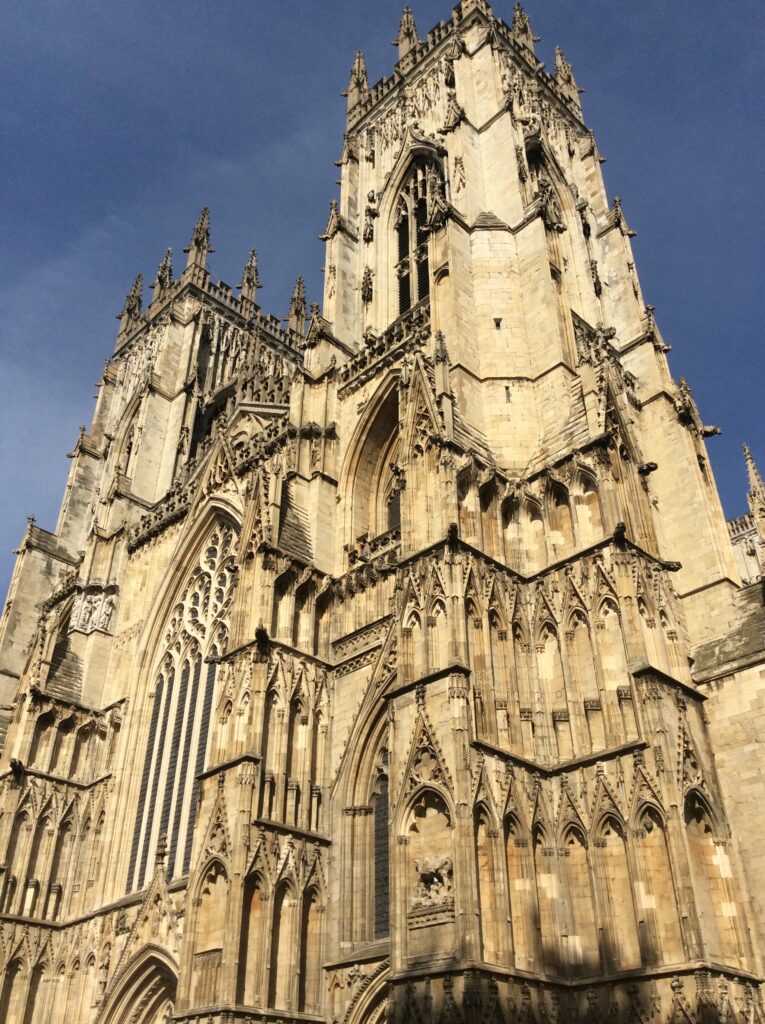
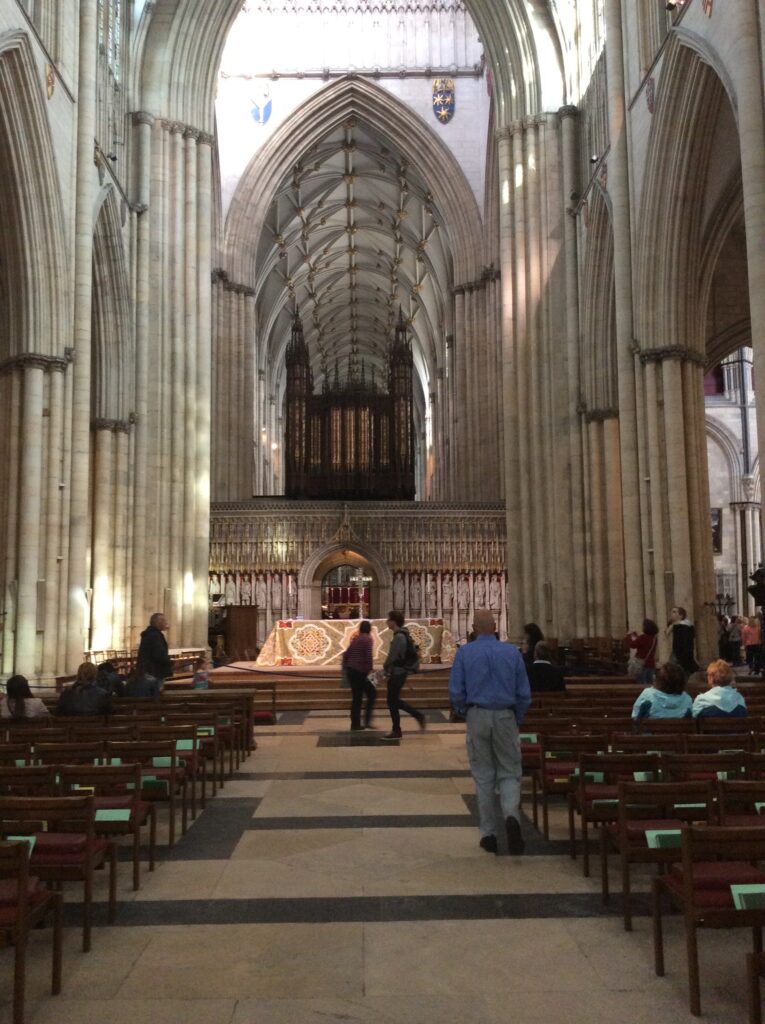
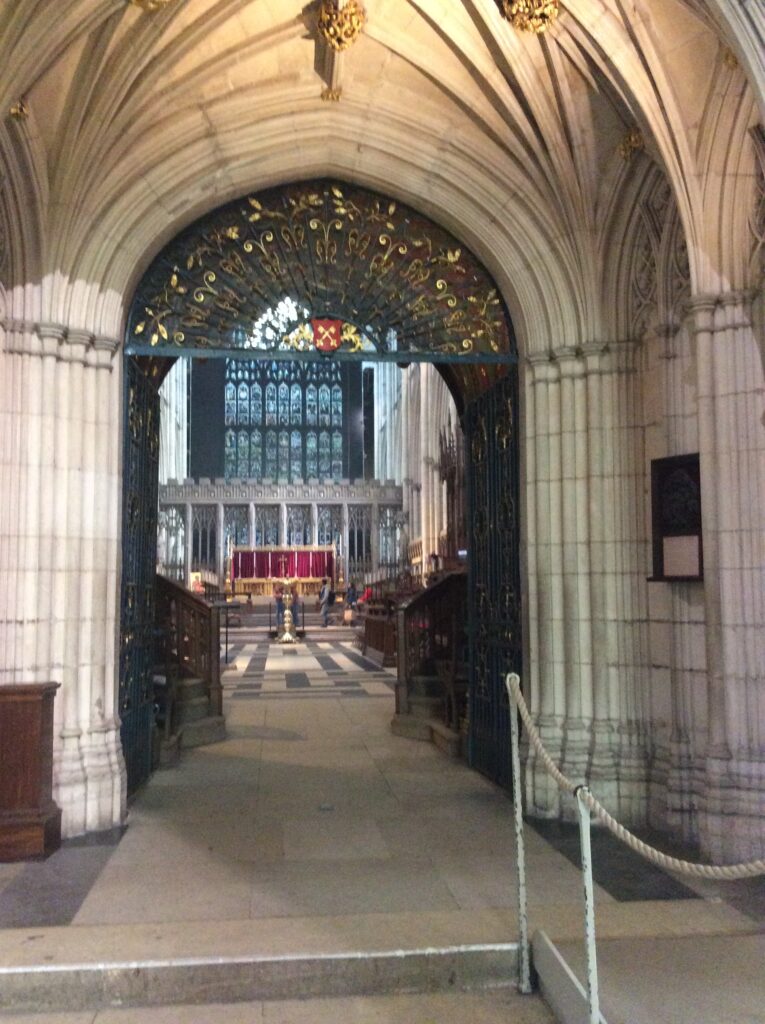
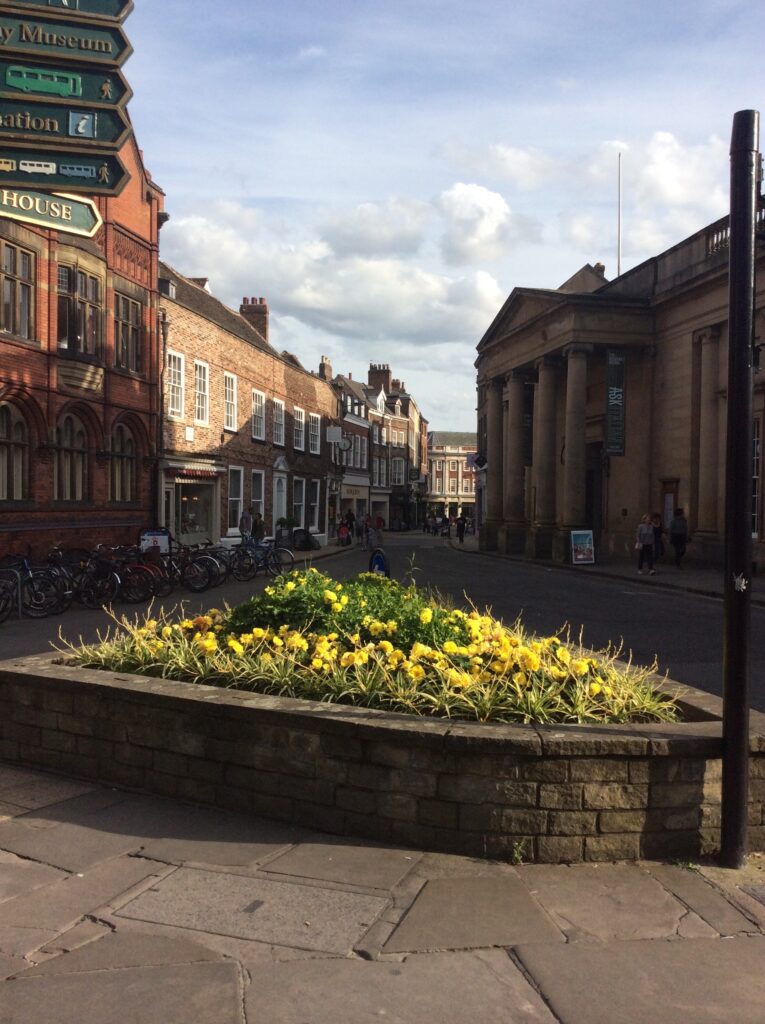
We arrived at the medieval town of York and had a walking tour of the town. The Shambles, a street in the center of York with overhanding Timber-framed buildings dating back as far as the 14th Century, was particularly interesting. We got to the magnificent York Minster Cathedral in time for Evensong. It was sung with incense, a moving experience. The Archbishop of York was holding a prayer vigil for peace in an adjacent chapel and we stopped and prayed with him.
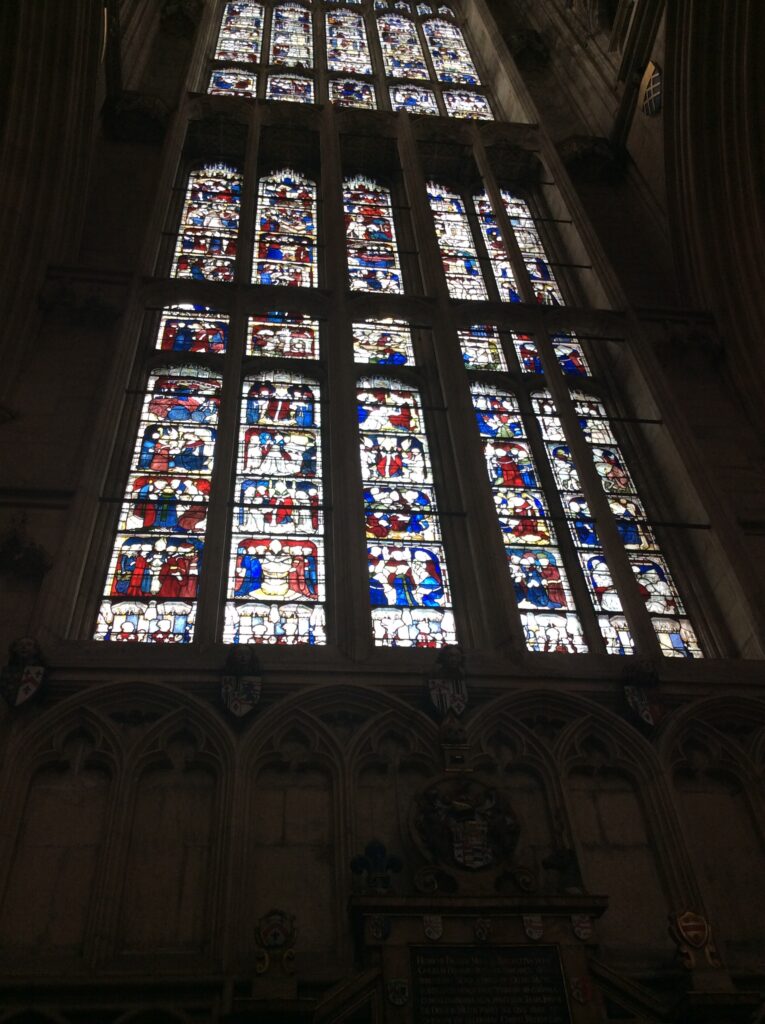
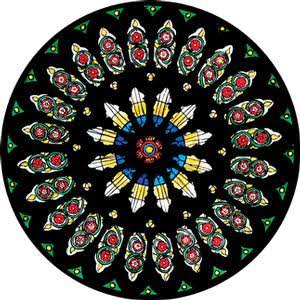
The cathedral is the largest Gothic cathedral in northern Europe. It is the seat of the Archbishop of York, the second highest office in the Church of England. It was established in the Anglo Saxon period. The west windows date from 1388, and the Great East window, the largest expanse of Medieval stained glass in the world, dates from 1408. It is an awe-inspiring structure.
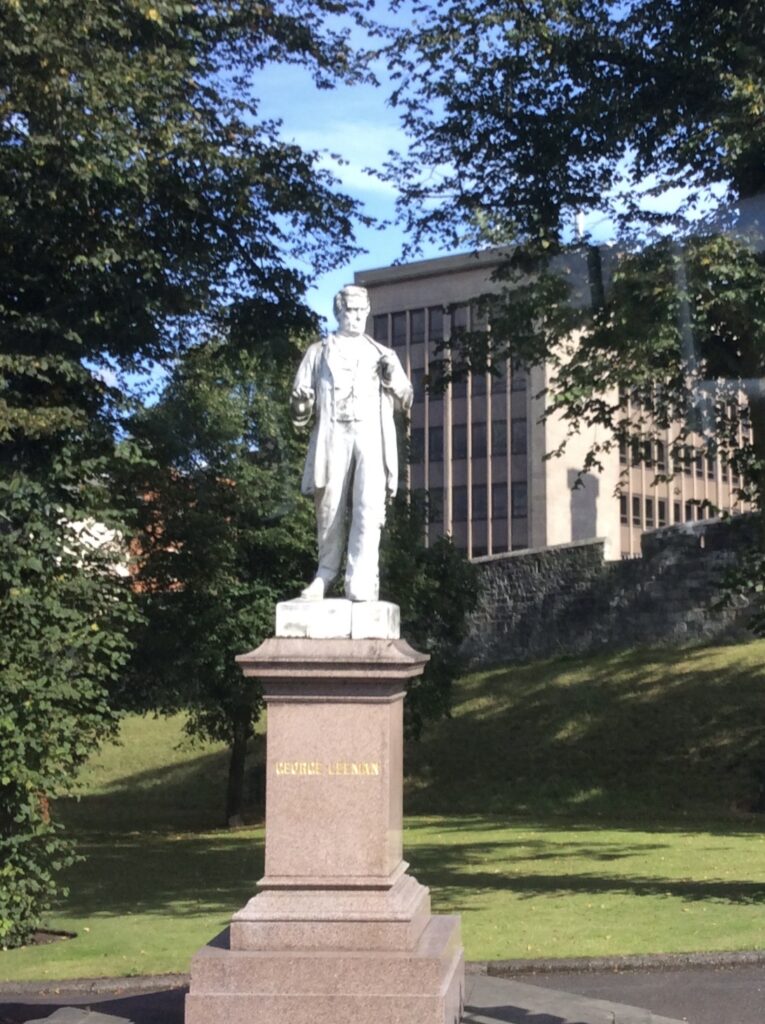
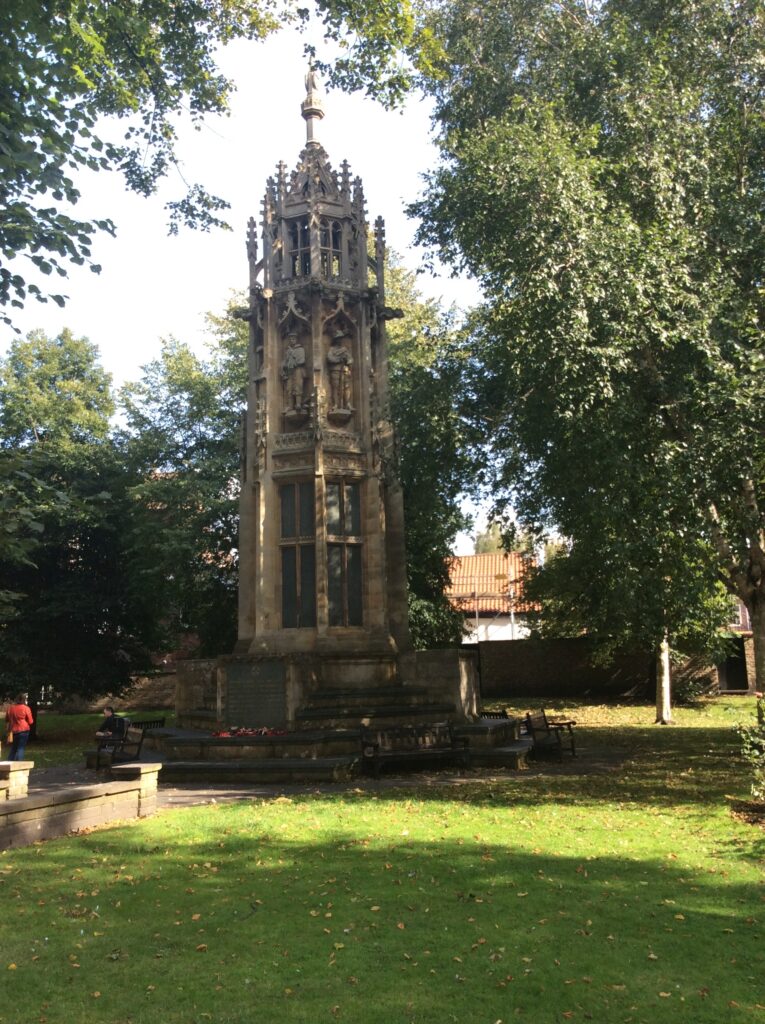
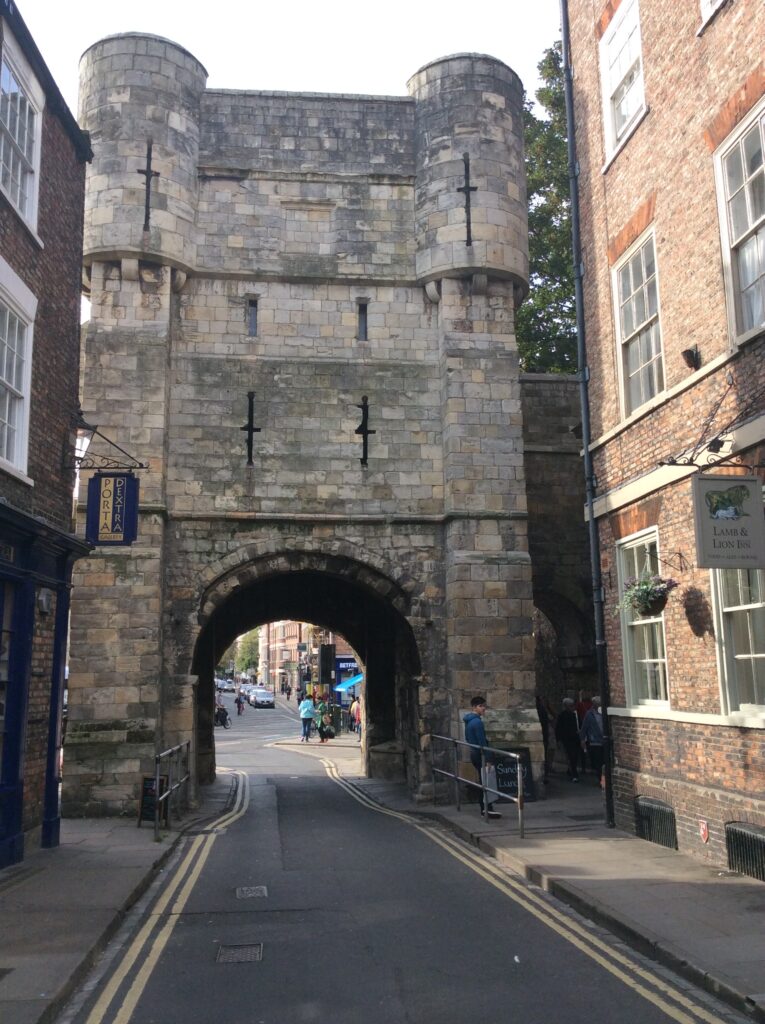
York is a walled city and also has a George Leeman statue and Boar War Memorial. George Leeman was a 19th-century lawyer, railwayman, and Member of Parliament for York. He served as Lord Mayor of York several times. The Boer War memorial lies on Duncombe Place, near York Minster. It commemorates the soldiers from Yorkshire who died in the Second Boer War, between 1899 and 1902.
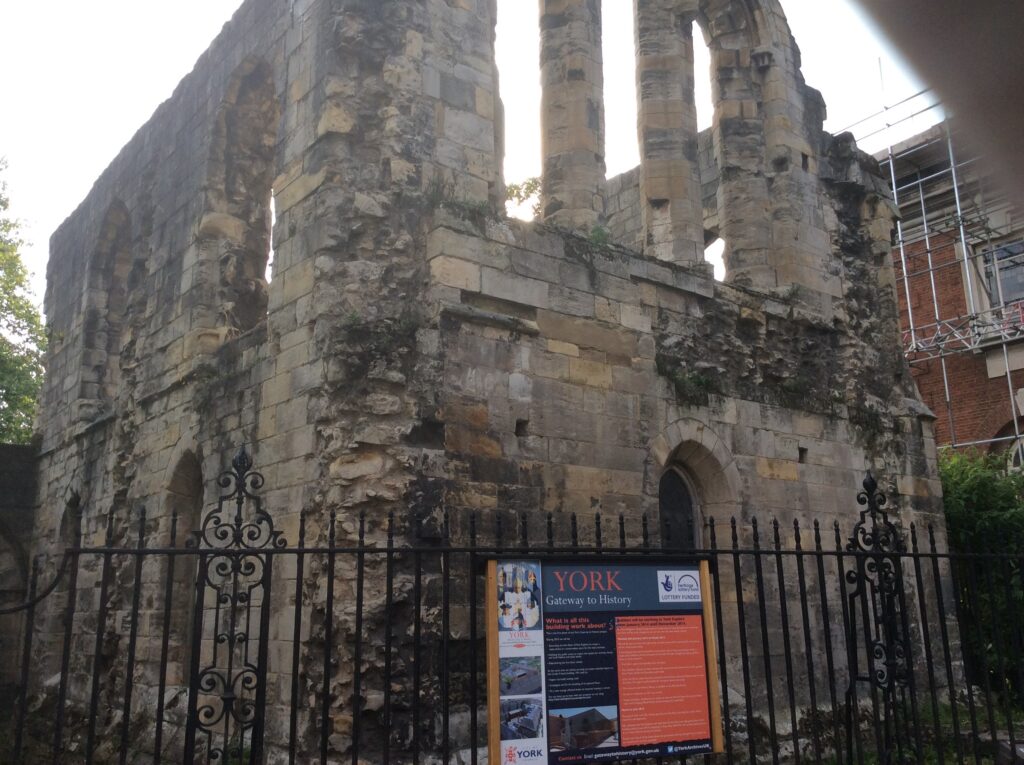
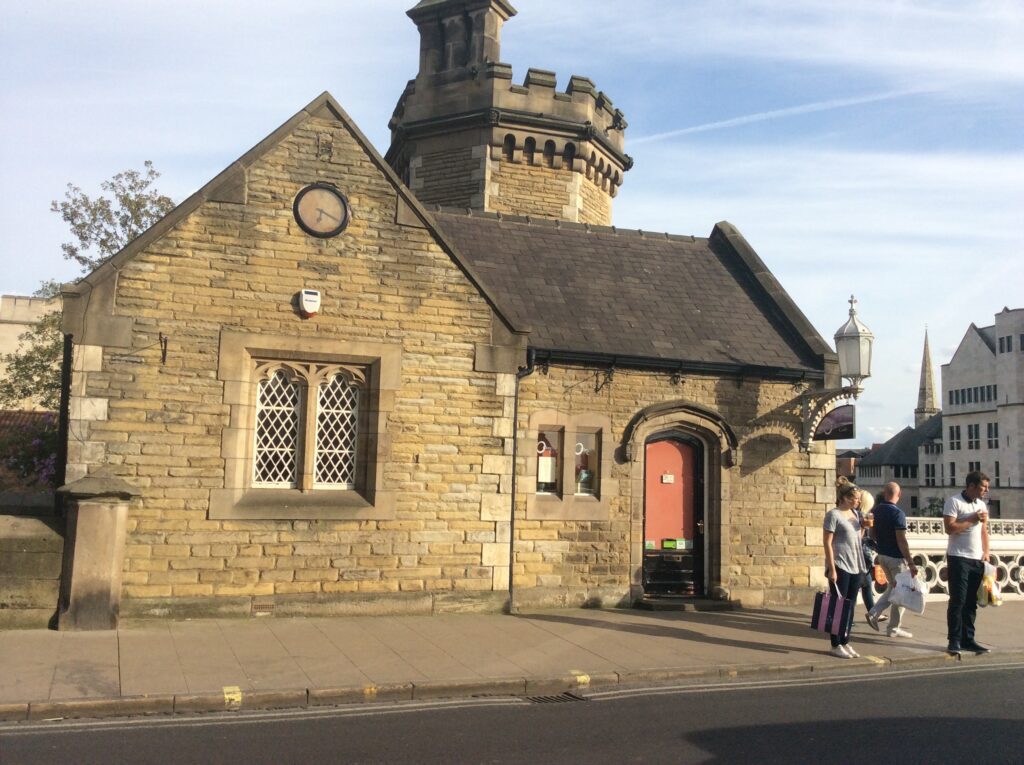
From the Catheral we went to the Ruins of St. Mary’s Abbey, saw Lendal Bridge and the toll house, and went on to our hotel. The bridge crosses the Ouse River that runs through York.
Leave a Reply