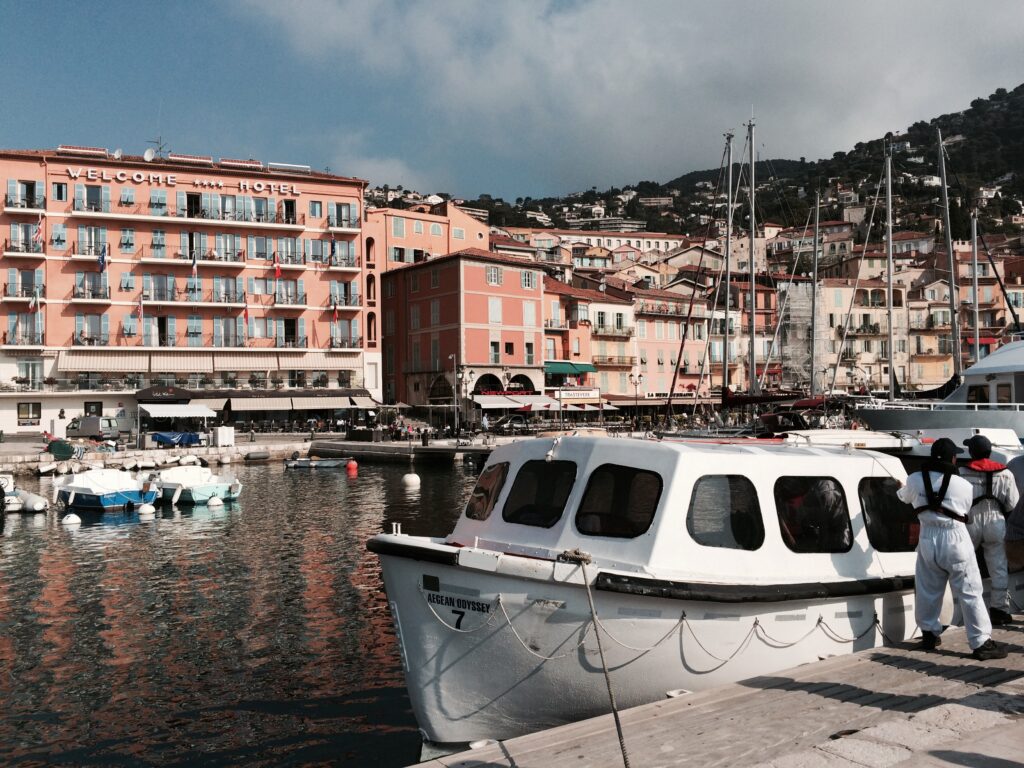
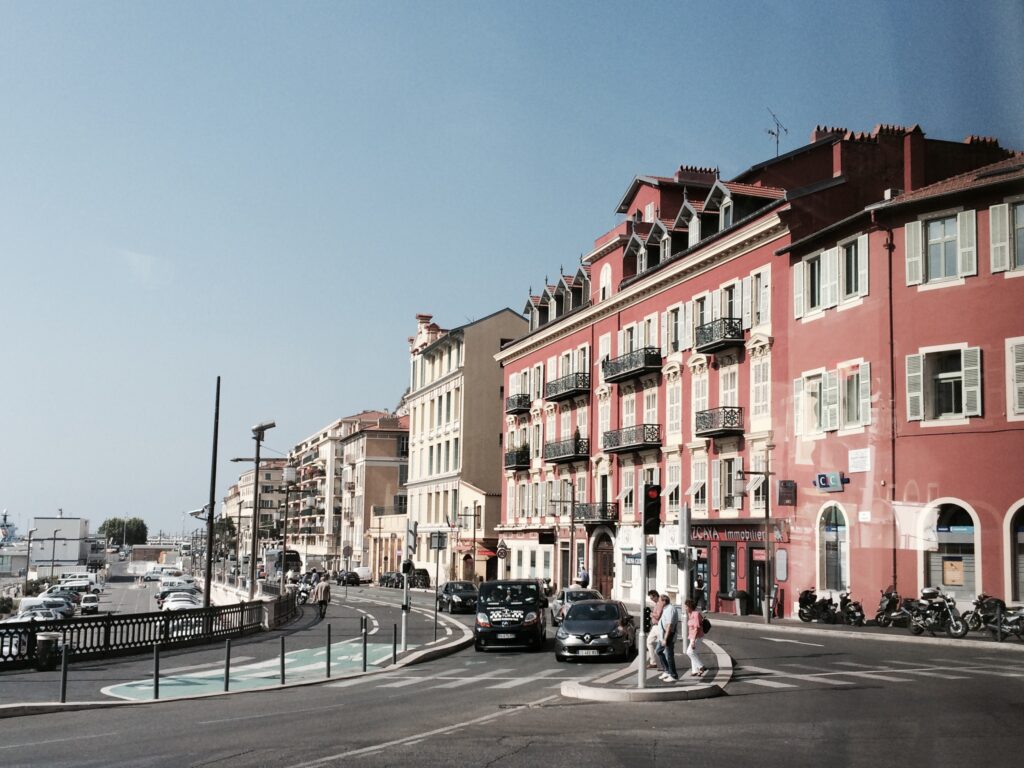
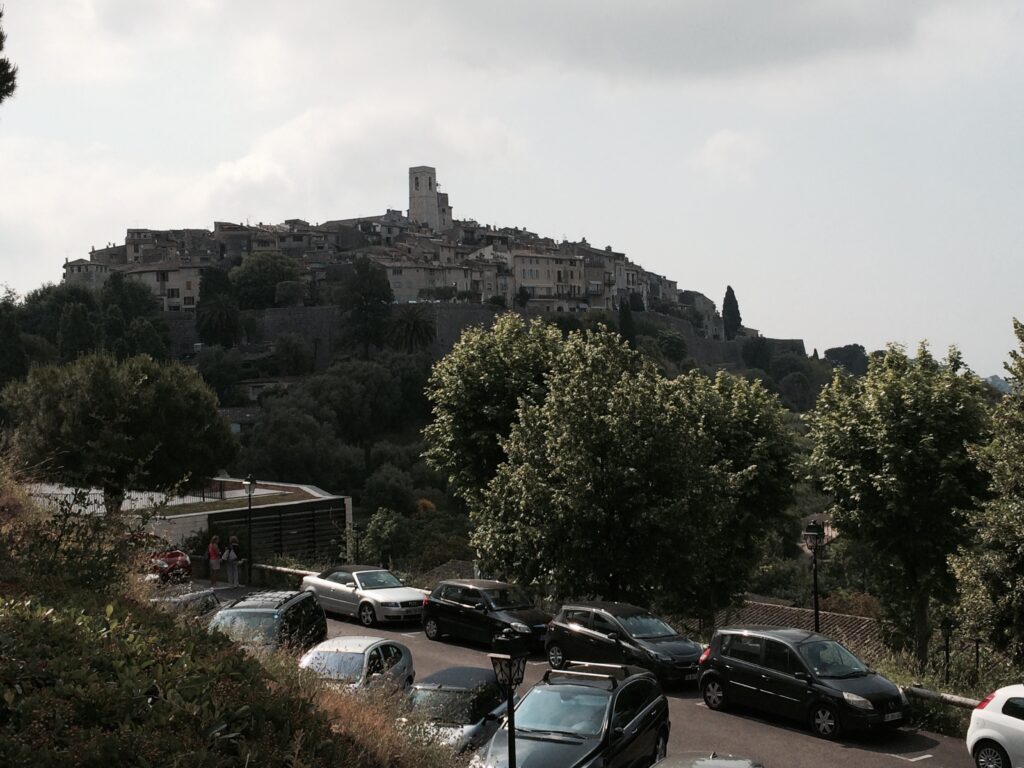
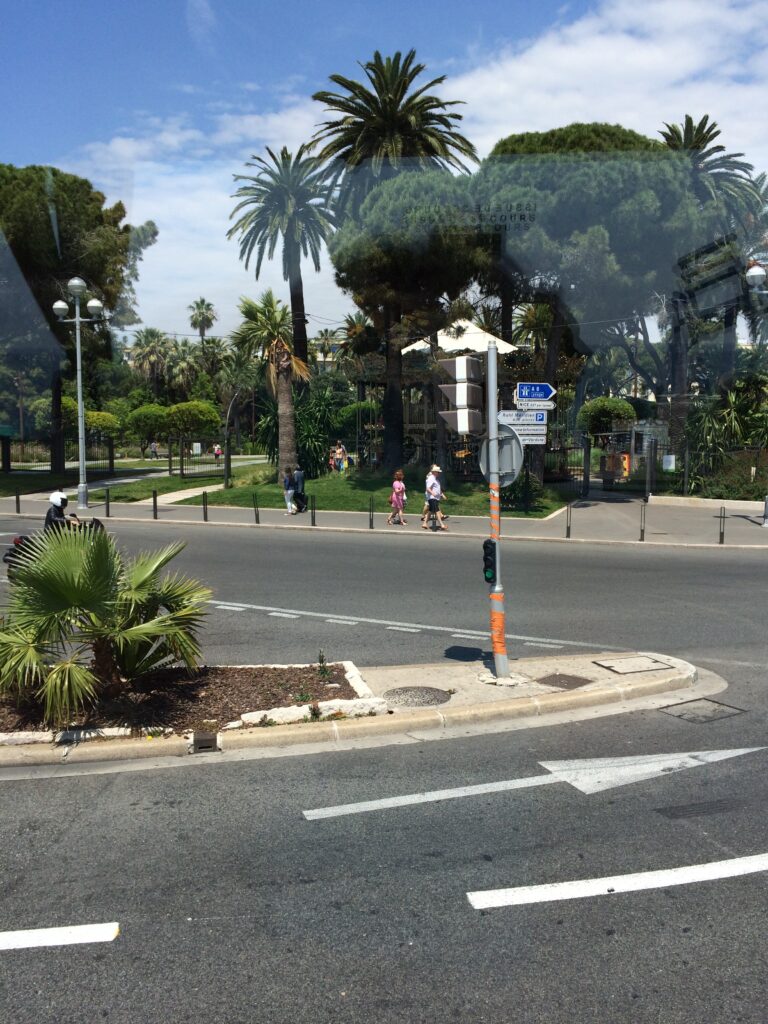
Our ship docked at Villefranche, situated on the French Riviera east of Nice. The bay of Villefranche is one of the deepest natural harbors of any port in the Mediterranean Sea. Being a medievalist of sorts, I opted for the tour of St. Paul-De-Vence, a walled medieval village in Provence, in the hills above Cannes. To get there, we travelled on the Boulevard Princess Grace of Monaco, which ran along the waterfront to Nice. There it became the Promenade de Anglais. From there we climbed into the hills to the village at the top.
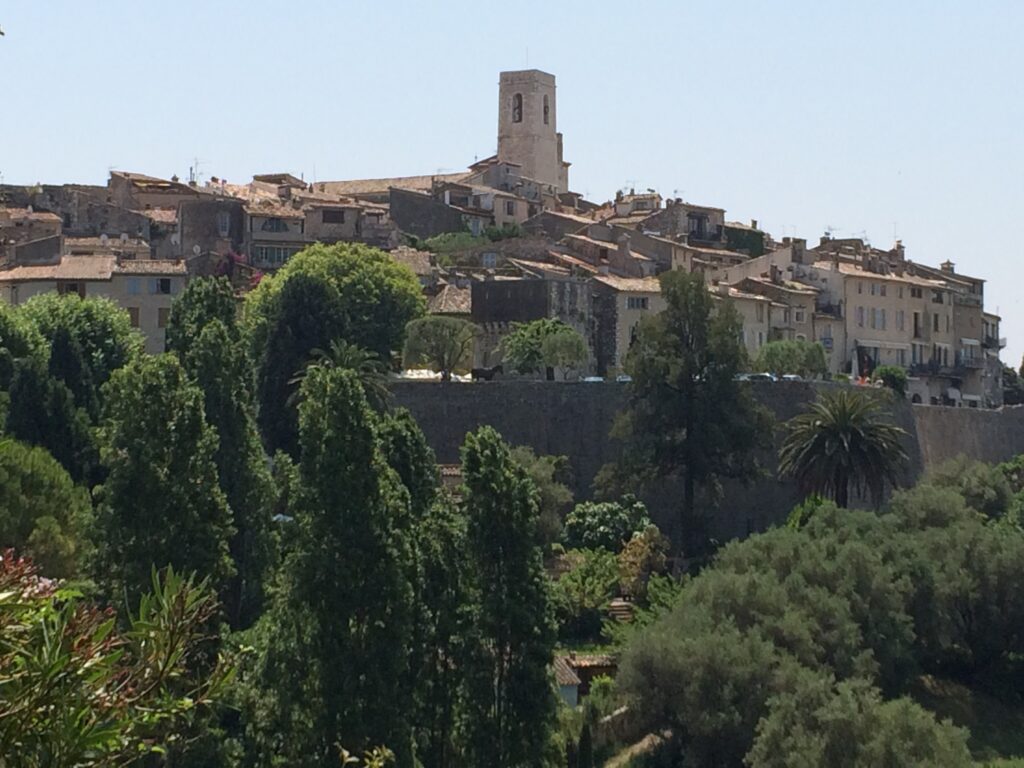
St. Paul-De-Vence is one of the oldest medieval villages on the French Riviera and was loved by artists such as Chagall, Matisse, Picasso, and Miro. It is one of the most intact, fortified medieval villages in Provence. Walking up from the bus park, we passed the 17th century Chapelle Sainte Claire. Next to it is the old Sainte-Claire olive mill that is now a restaurant
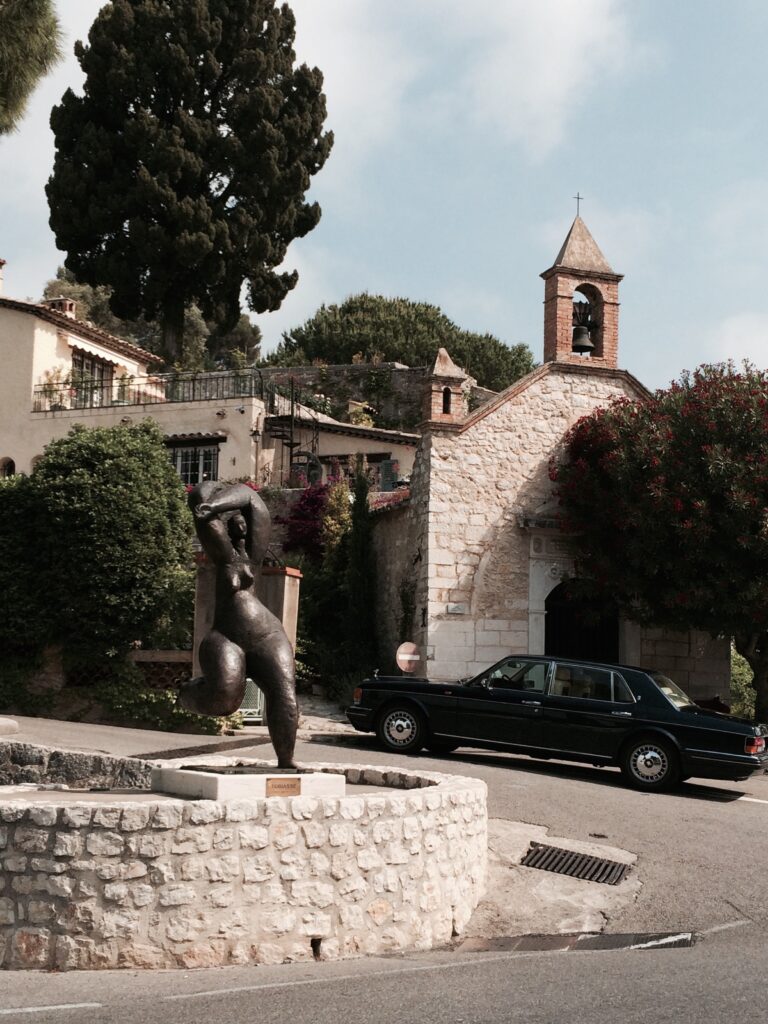
La Venus de
by artist Théo Tobiasse.
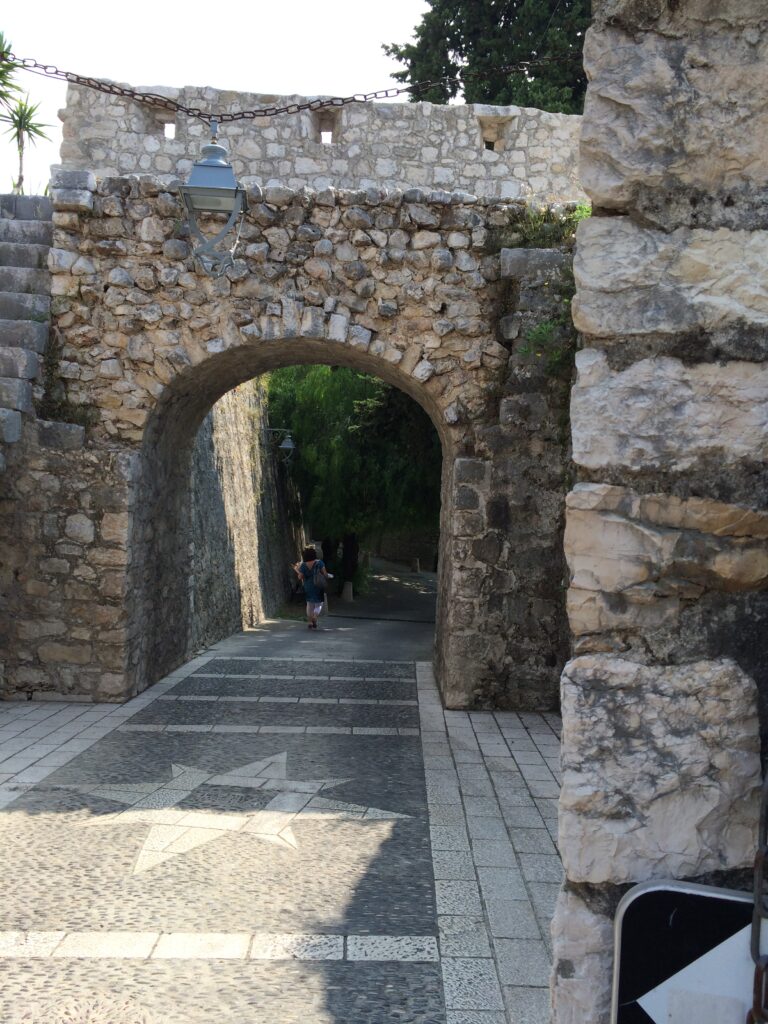
Historic Main Entrance to Village
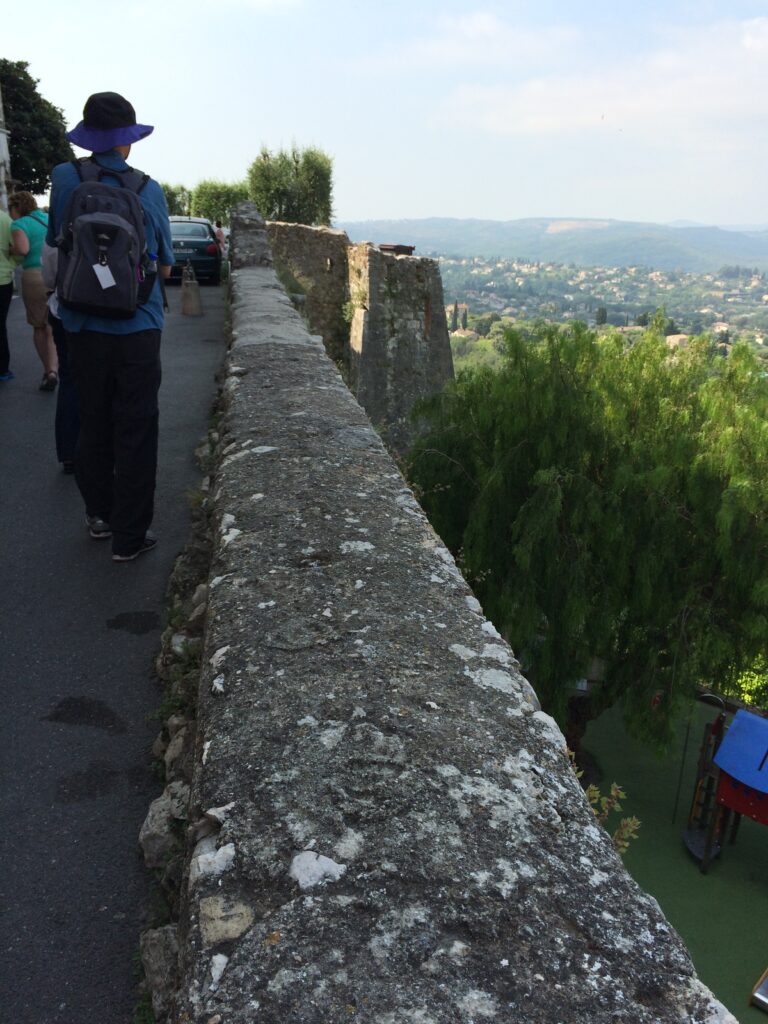
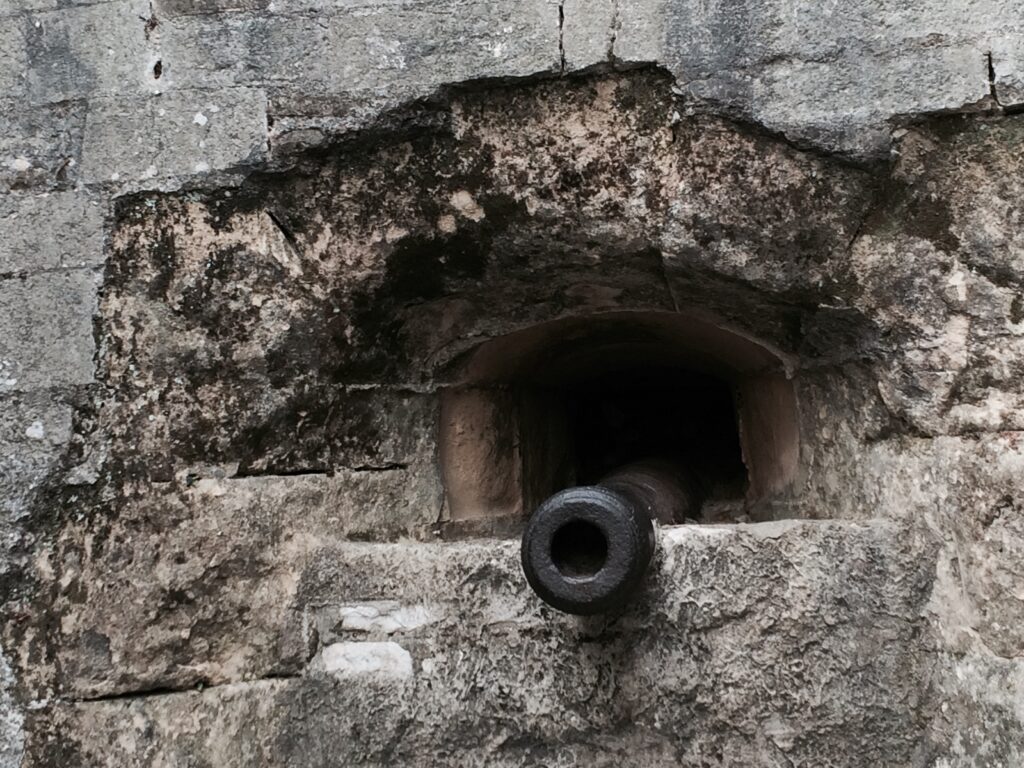
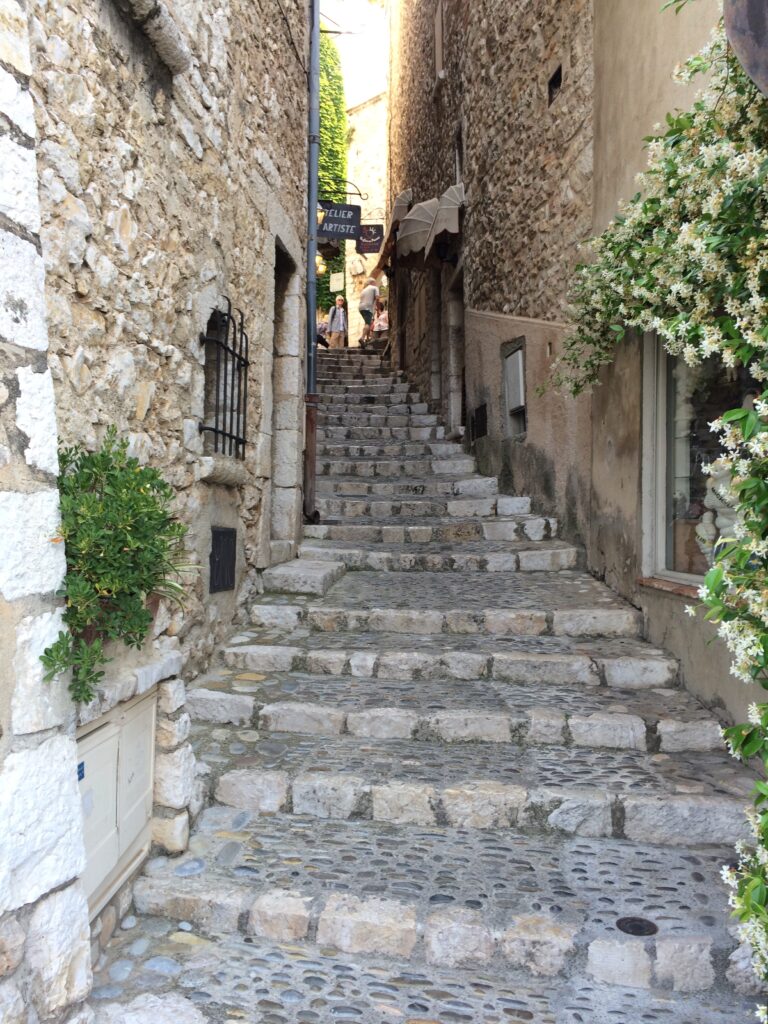
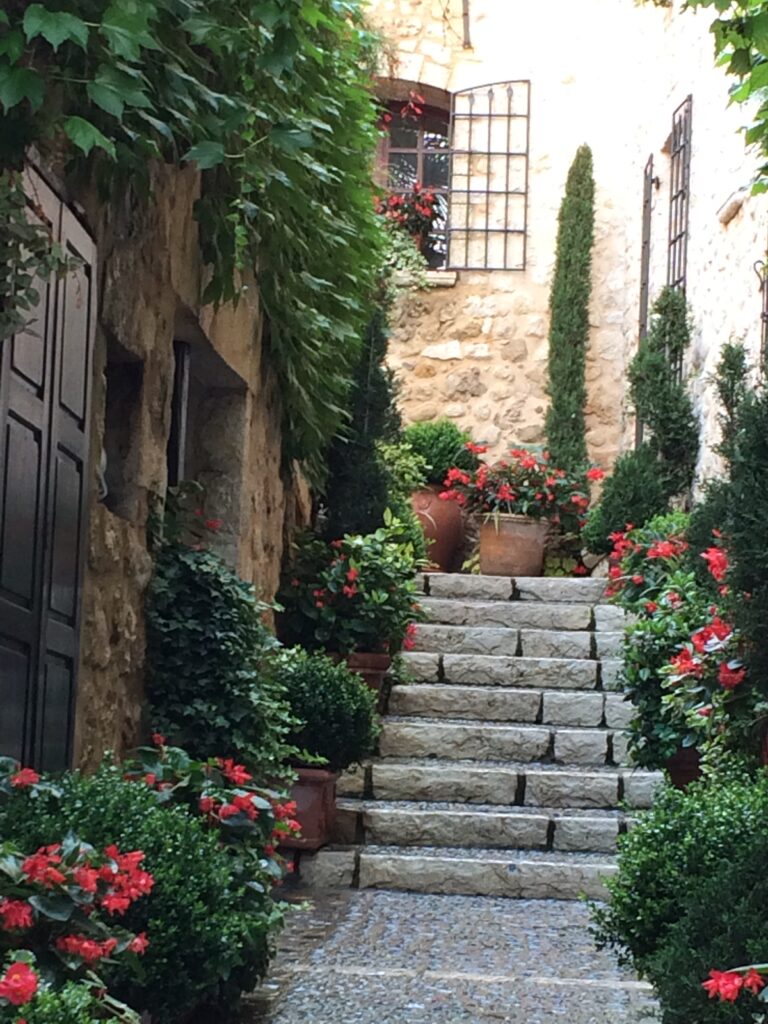
At the Main gate, where medieval ramparts built by Francis I in 1536 remain intact, is a cannon muzzle brought back from the Battle of Cerisoles in 1544. The plaza housed a Farmers Market, selling local fruits, teas, candies, etc. The narrow cobblestone lanes are lined with boutiques, museums, and galleries. We walked around these picturesque streets of the village, from the Porte Royale to the Porte Sud and discovered magnificent stone facades from the XVIth and XVIIIth centuries. The gardens, the little shady squares, ancient fountains, gateways, porches, and wonderful windows were all delightful.
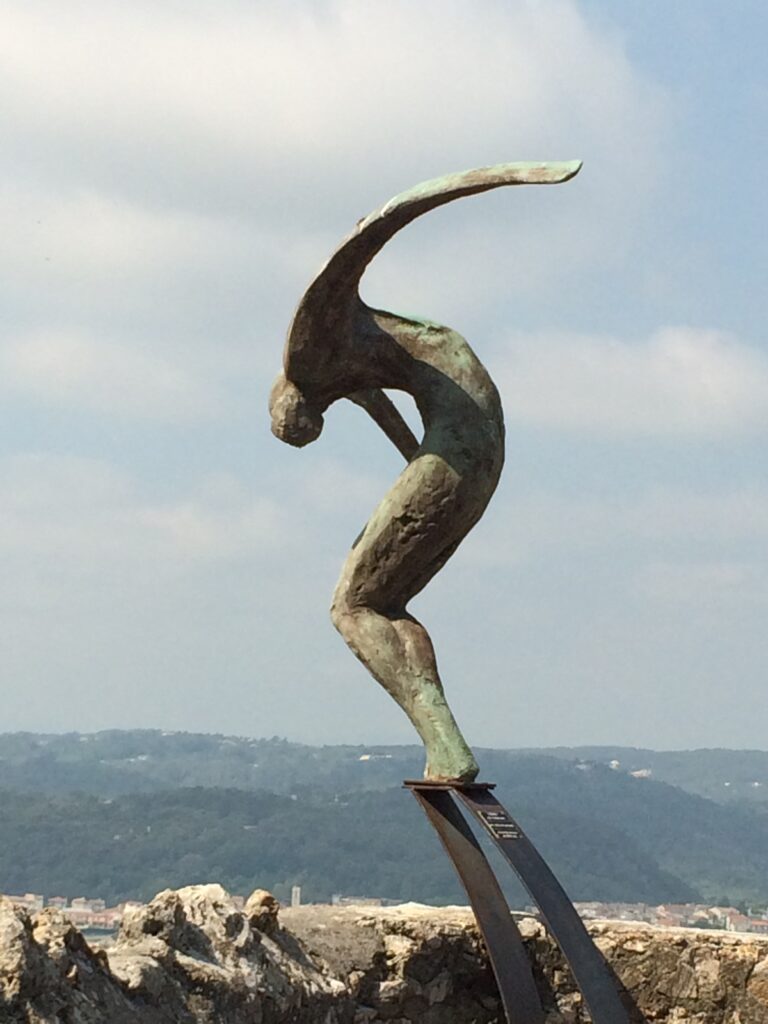
Statue on ‘Ramparts
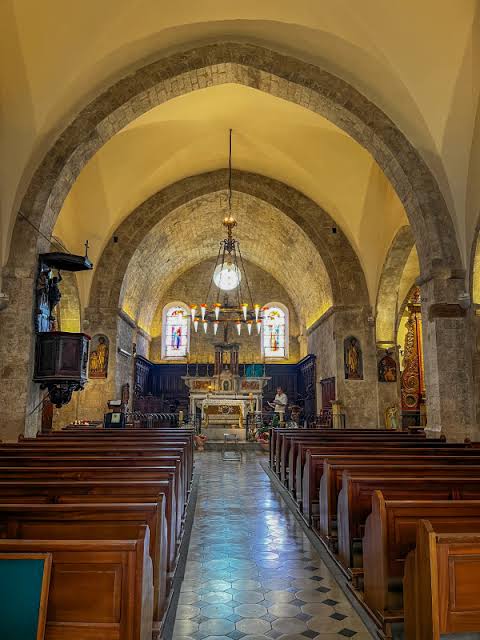
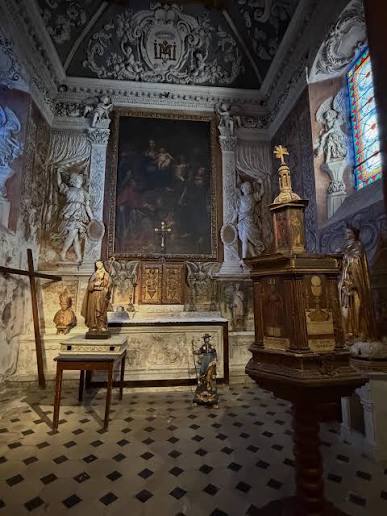
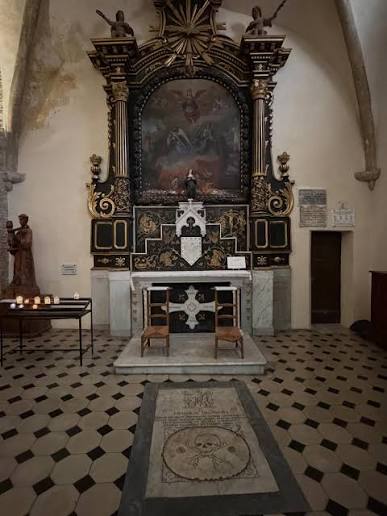
We stopped at the Collegiate Church of St. Paul with its Romanesque Choir and Baroque chapels. Its construction spanned from the 14th to the 18th century. Its main attraction is the chapel dedicated to Saint Clement containing relics from catacombs in Rome. This glowing example of baroque art was added at the beginning of the 1680s by the Bernardi family. Its abundance of stucco and frescoes constitutes a remarkable example of Counter-Reformation art.
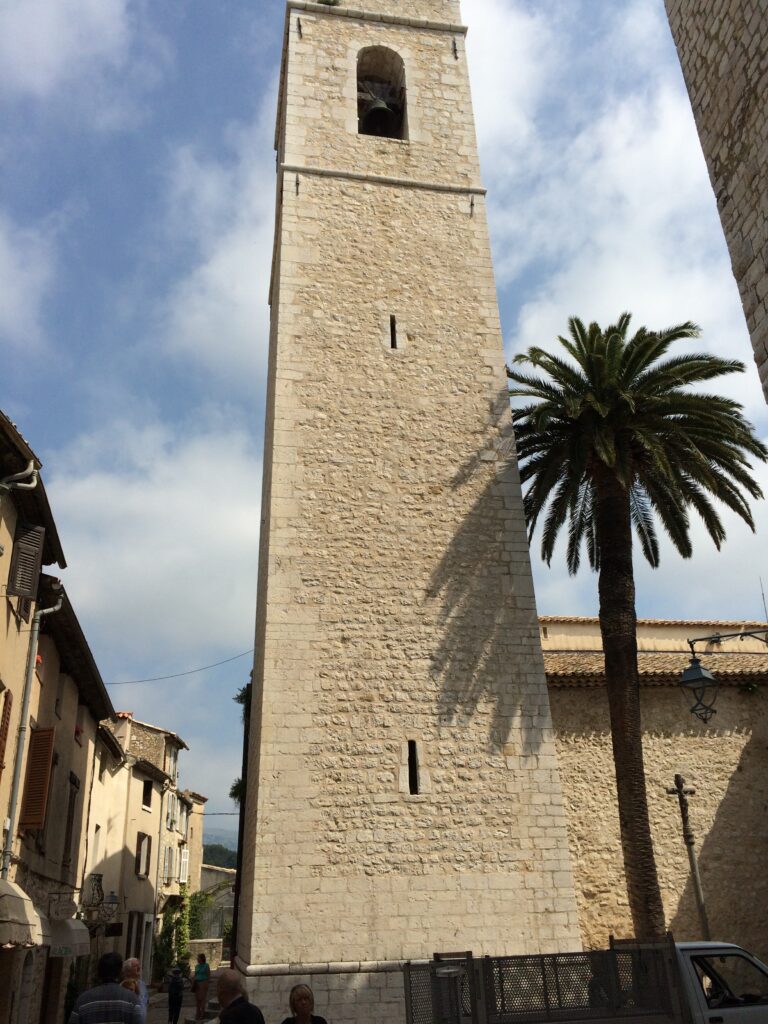
Collegiate Church of St. Paul
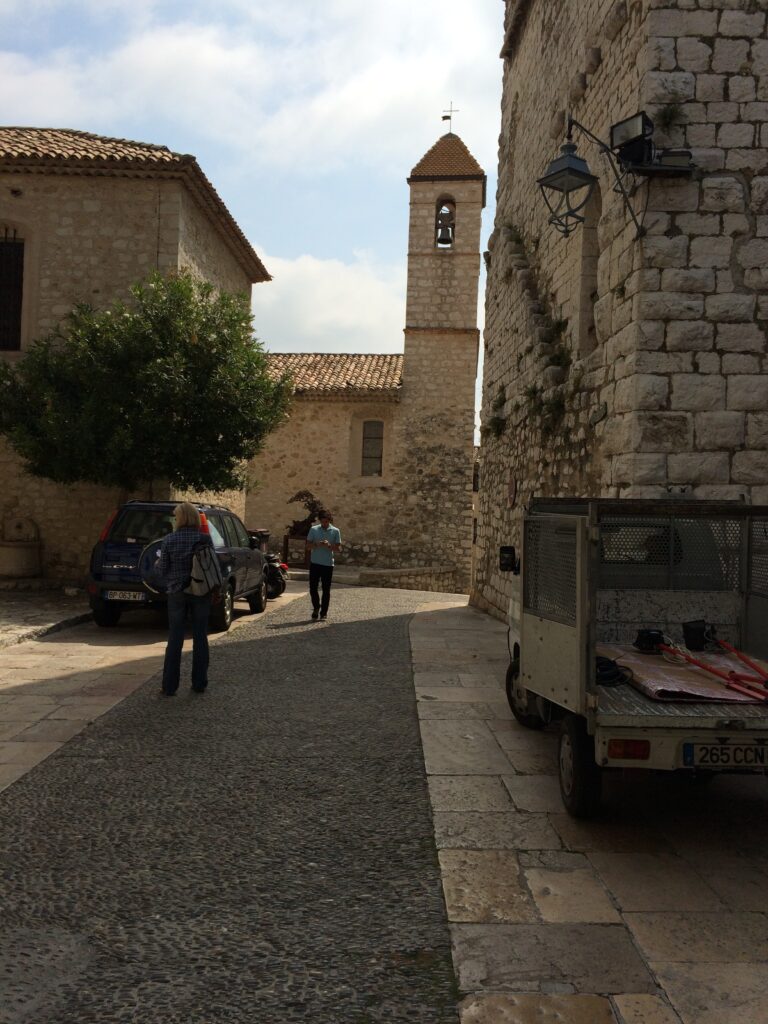
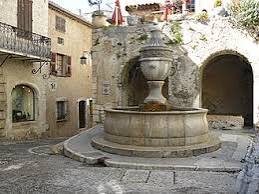
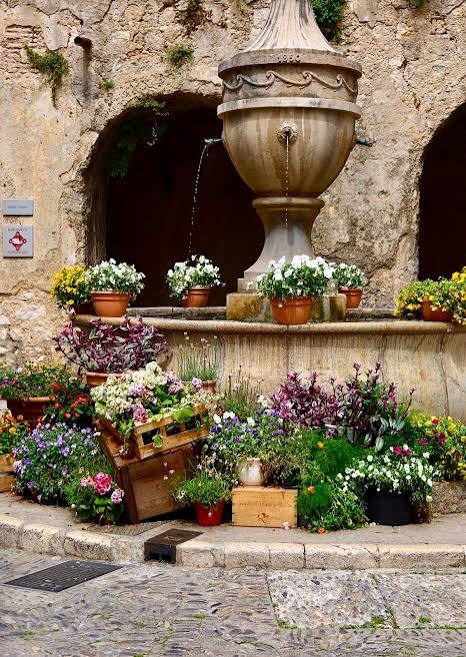
The Place de la Grande Fontaine in the center of town is the busiest spot in the village. The Grande Fontaine was built in 1850 by Melchior Martin, a local master stone-cutter. Today it is classified as a historic monument. An older fountain can be found in La Placette where water has flowed since 1611.
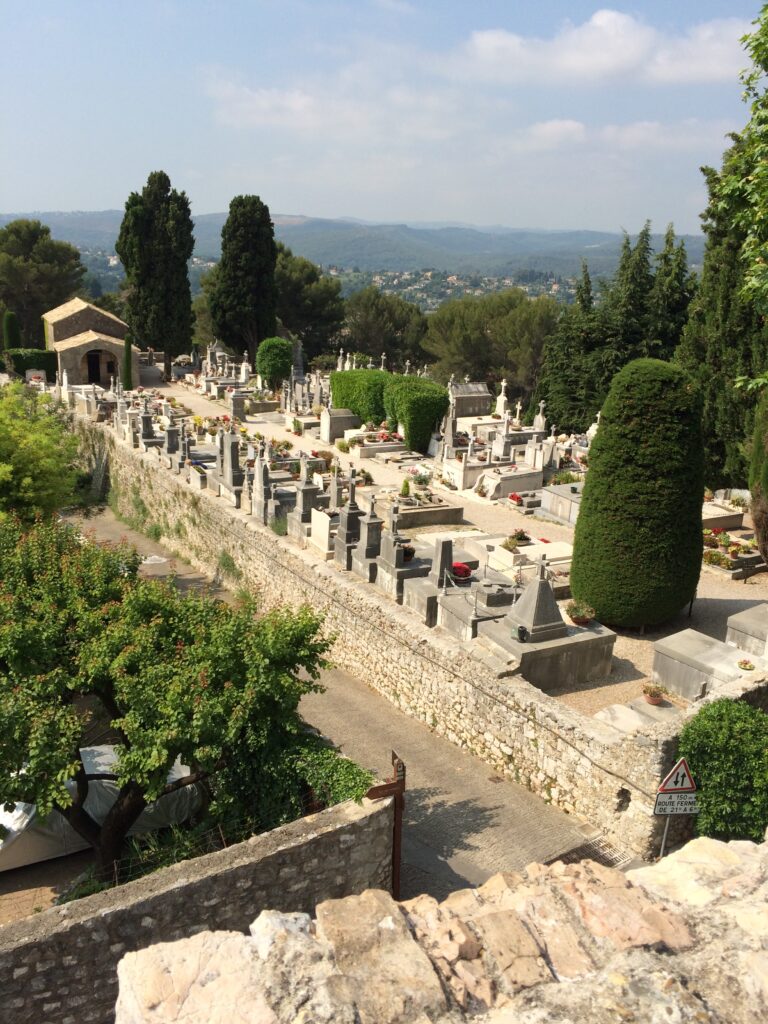
We saw the ancient cemetery with its the tombs beautifully maintained with freshly cut flowers and bowls of colorful Mediterranean plants. This is the last resting place of the Russian born painter Mark Chagall.
I walked along the walls surrounding the village which gave me wonderful views of the Cote ‘d Azur and the Mediterranean Sea. When I had toured the town, I had a cappuccino at a café in the town square. The town retains its medieval feel and aura. It was a wonderful end to the whole excursion. We returned to Villefranche and the ship. After dinner we prepared for our early departure for home.
Leave a Reply