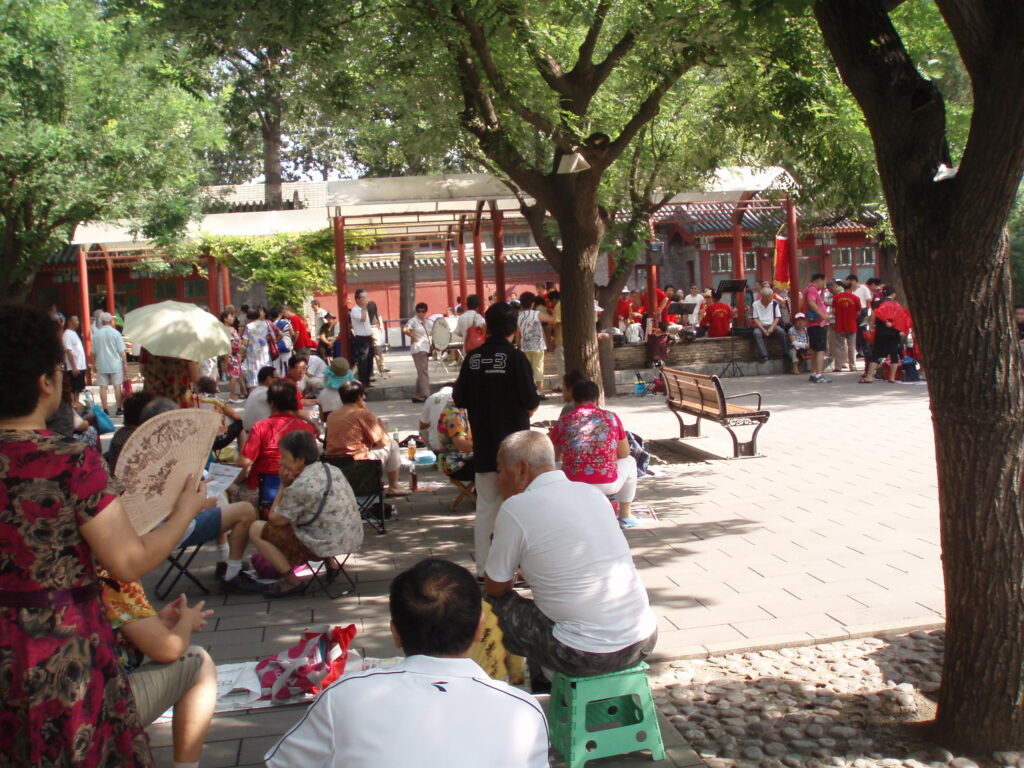
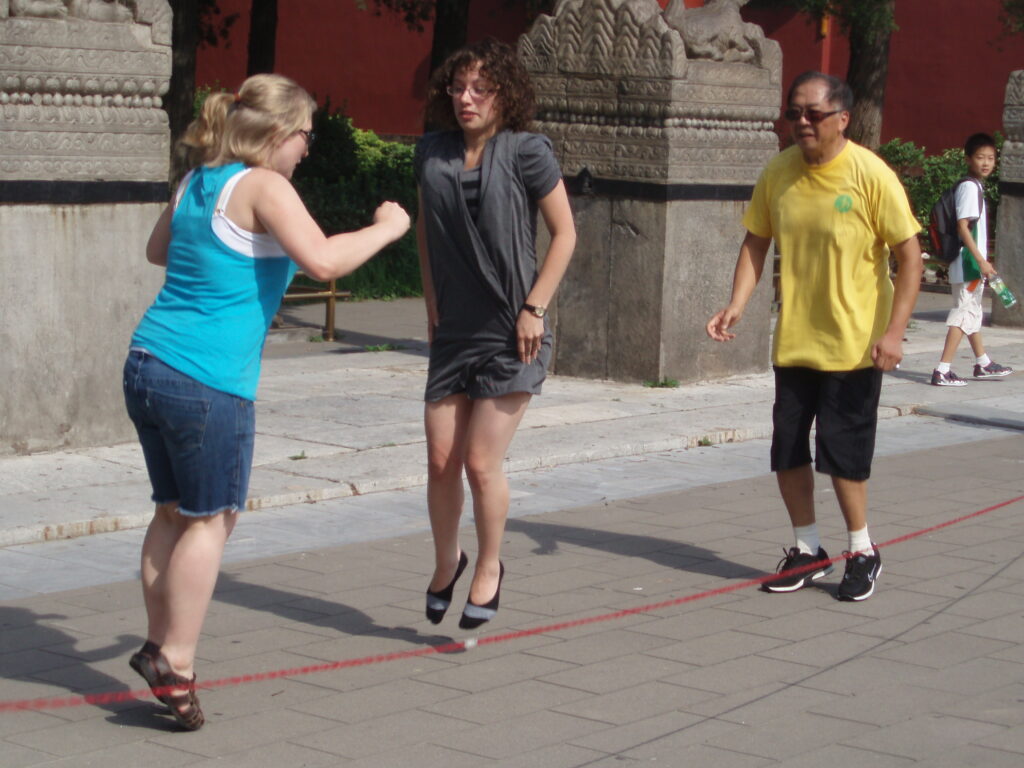
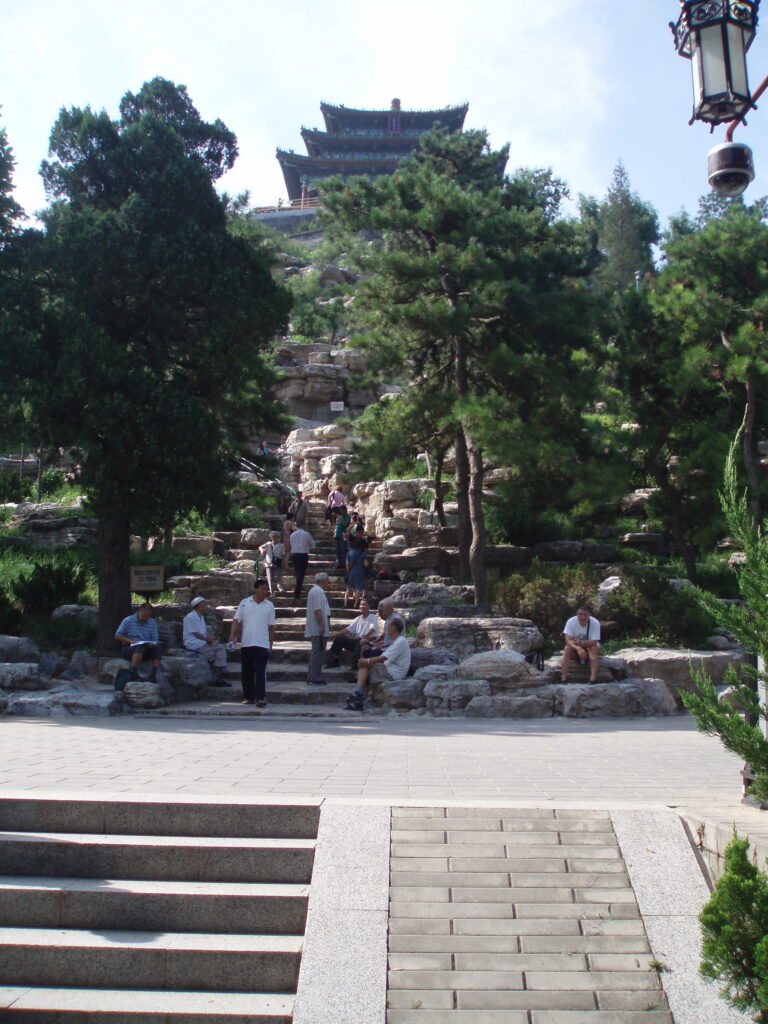
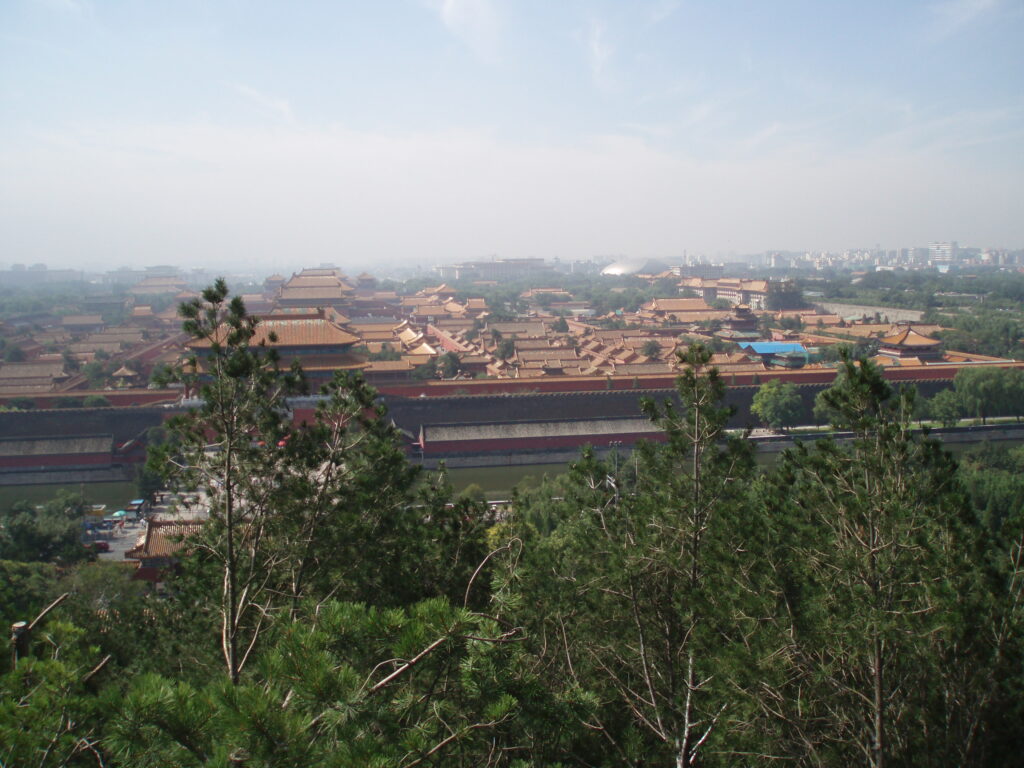
Everyone goes to the park on Sunday morning. We were no exception. After breakfast we headed to Jingshan Park. The park is a historic, 57-acre imperial park located directly north of the Forbidden City. It was originally an imperial garden for the Yuan, Ming, and Qing dynasties and served as the backyard to the Forbidden City. It has an artificial hill that serves as the geographic center and highest point of imperial Beijing.it offers the most iconic, 360-degree panoramic view of the palace’s golden roofs. People were in groups singing, jumping rope, kicking hacky sacks, and playing badminton. There was also a Butterfly exhibit. People are dancing and playing instruments as well. We climbed the hill to see the views of the city and the Large Golden Buddha. We could not take pictures of the Buddha.
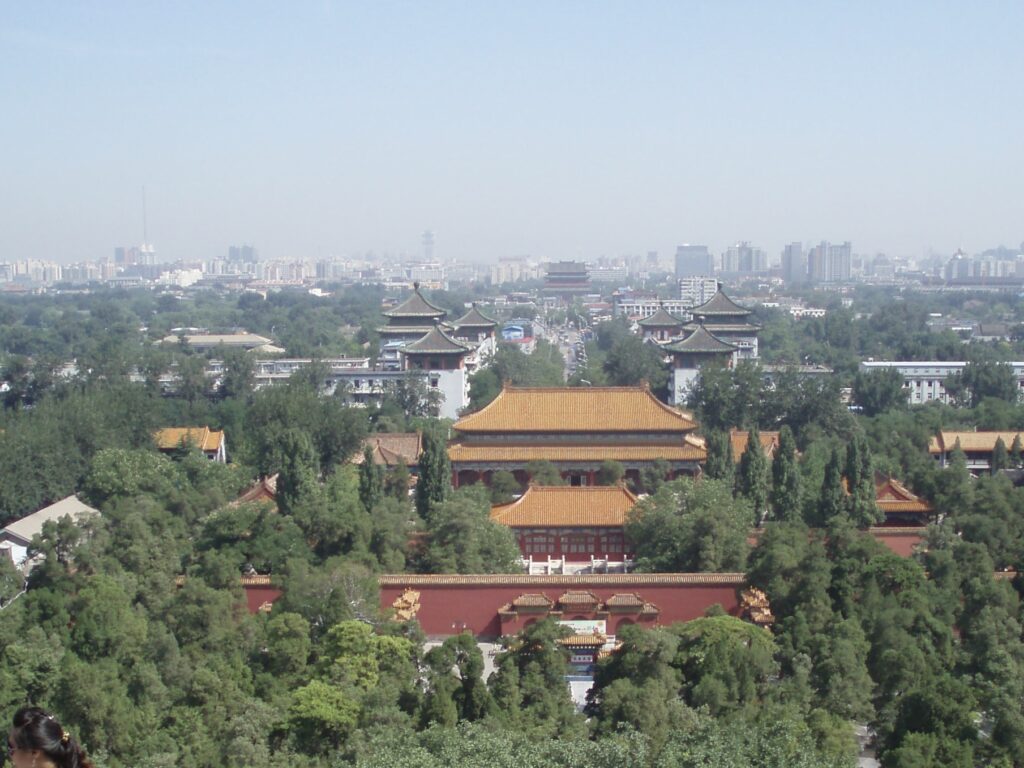
Forbidden City
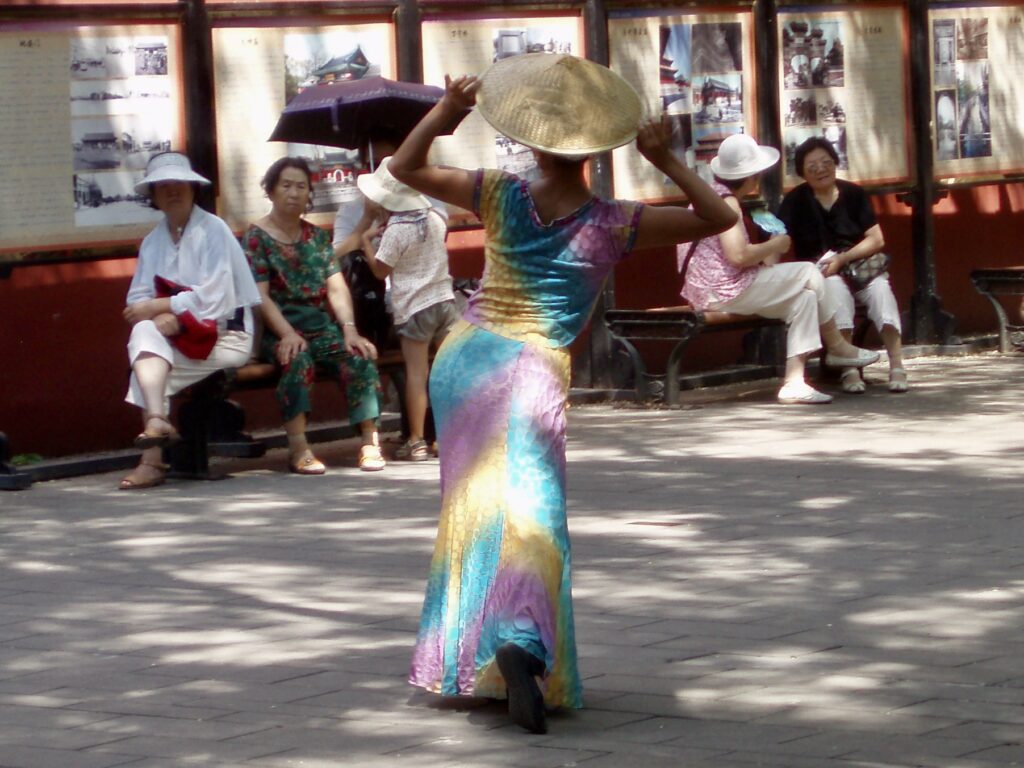
Dance in Park
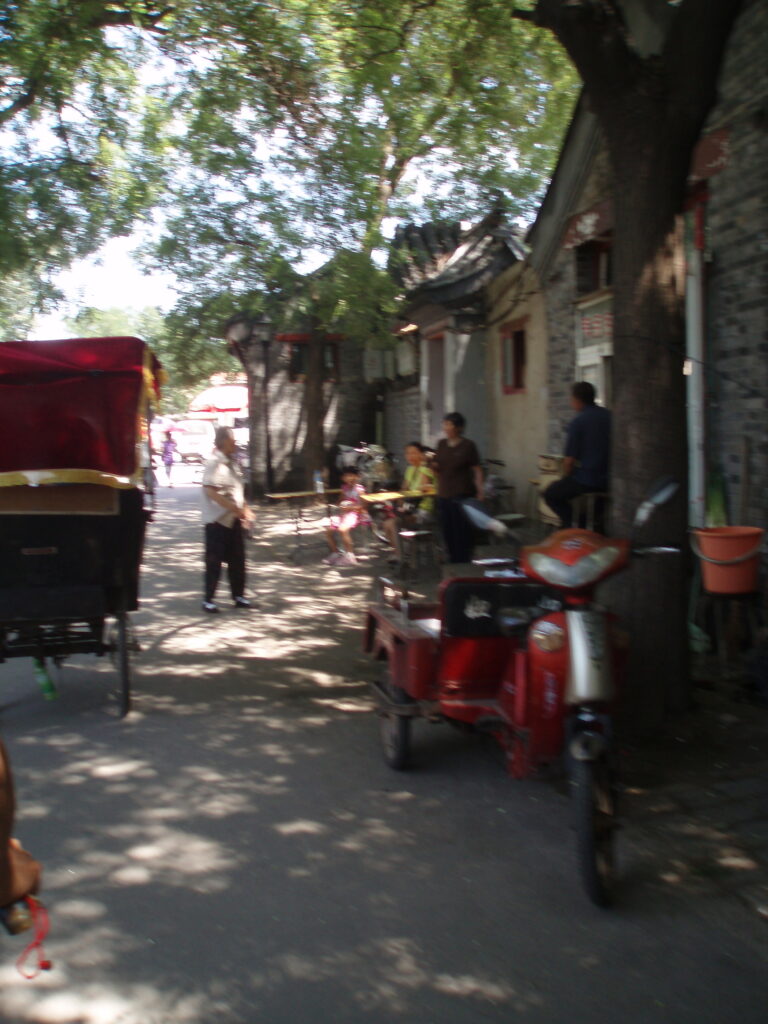
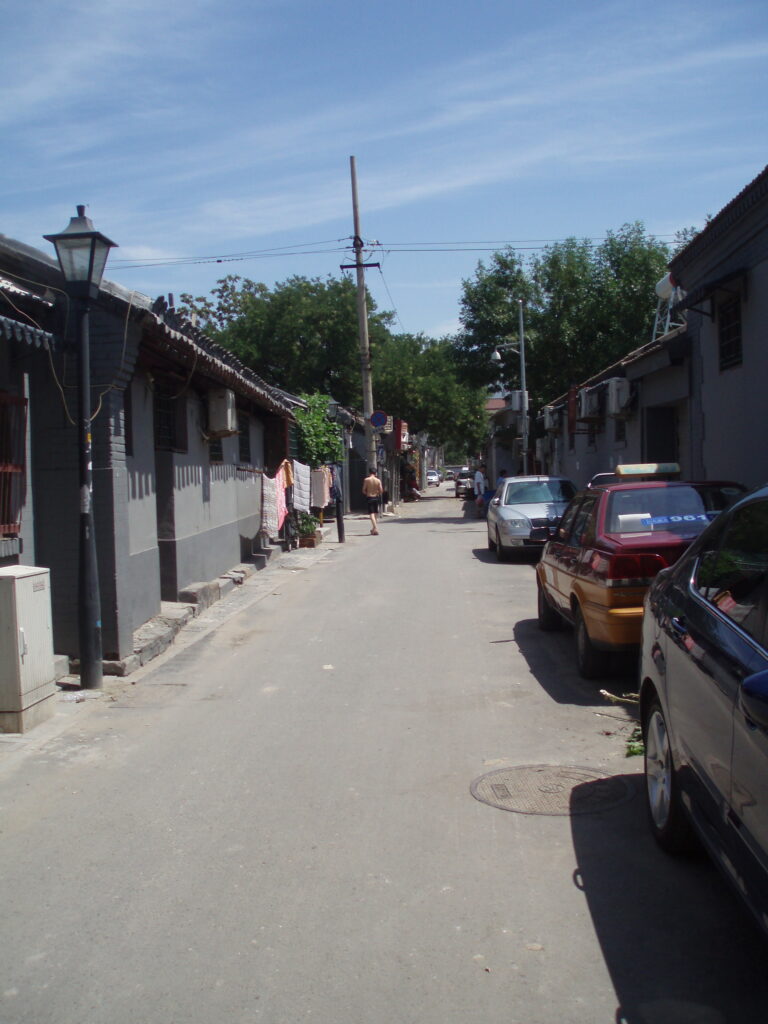
Hutongs
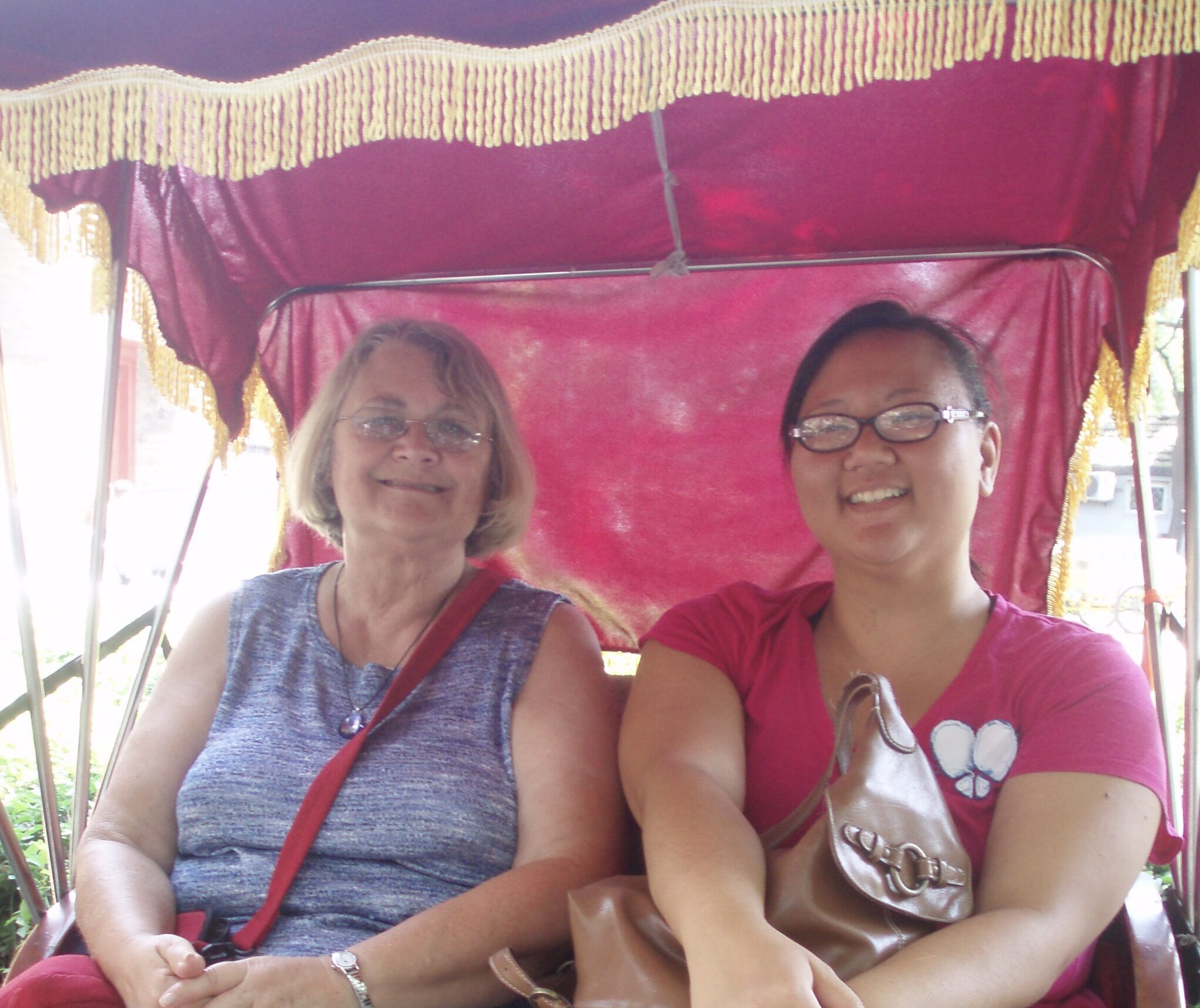
Next, we had a Rickshaw ride to a hutong home for a home-cooked lunch with a dumpling demonstration. Hutongs are narrows lanes with courtyard residences on either side. The residences around the one courtyard are called siheyuan. The roots of these neighborhoods go back 700 years to the Yuan Dynasty, and their expansion occurred during the Ming and Qing dynasties. The Hutong culture is said to represent the soul of the city. They represent the way of life of the common people. They maintain daily traditions of Beijing. The neighbors around the courtyards foster close relationships. They are named after ancient markets, landmarks, and famous craftsmen. The residents buy from street hawkers. Many never leave the hutong.
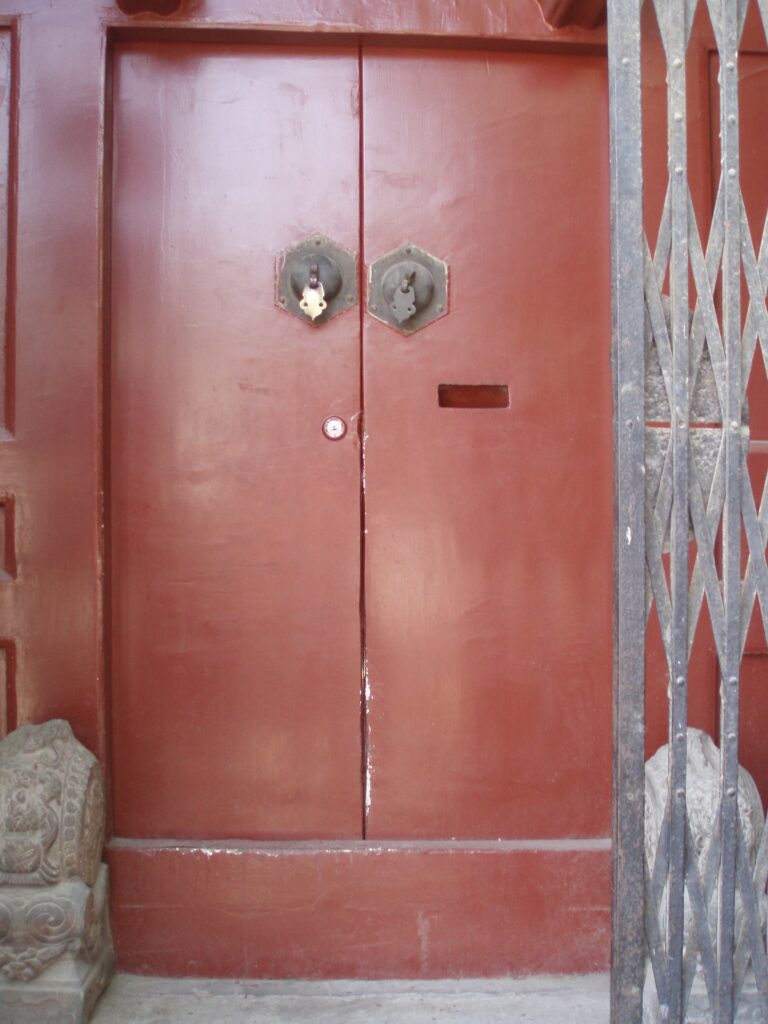
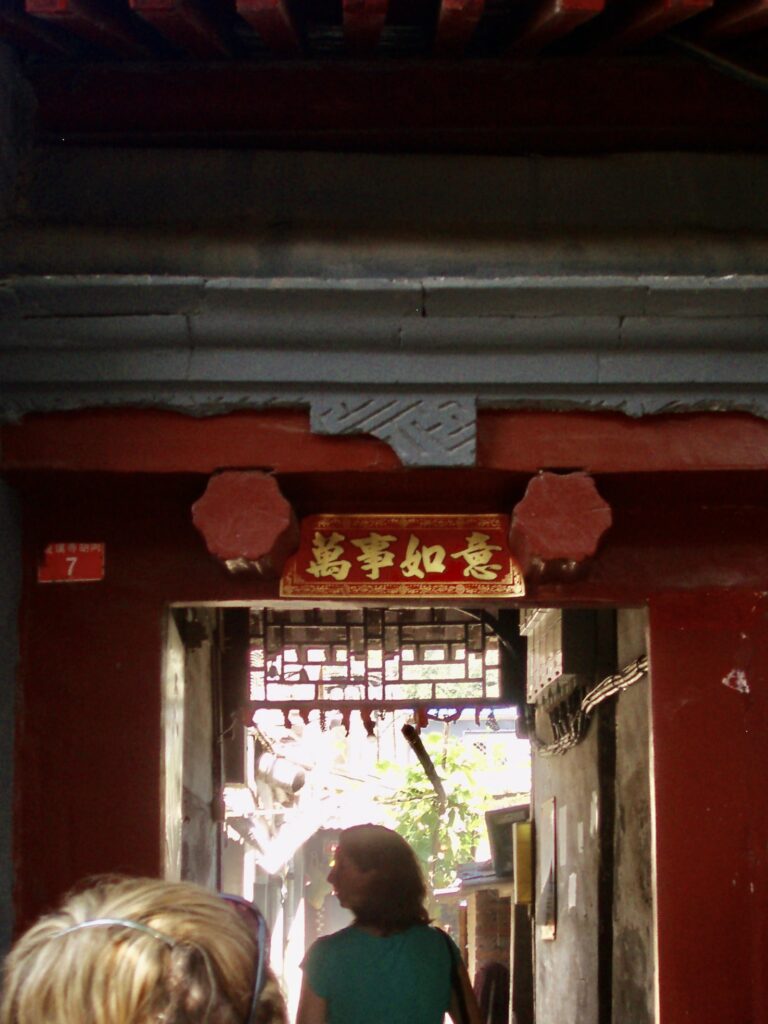
The hutong dwelling we visited was one of five, one-story buildings around a courtyard. It had four small rooms. We ate our lunch in one bedroom and learned to make dumplings there as well. Then a guide explained the Hutong gates to us. The number of beams over the door told the social level of the occupants. There are an even number of beams and odd number of stairs. Feng Shui. Then on each side of the door were carvings that told the occupation of the resident. In the poorer neighborhoods there is one communal bathroom for 15 to 70 families.
Back into the rickshaw, we were taken to a nicer home with eight larger rooms and indoor plumbing. Most of the hutong houses do not have plumbing and share a public bathroom with about 15 families. A retired couple owned the nicer house in the hutong. They get extra money for letting tourists come through. All the Chinese sleep on beds, not the floor. Even in the poorer hutong, there were day beds.
Lama or Yonghe Temple
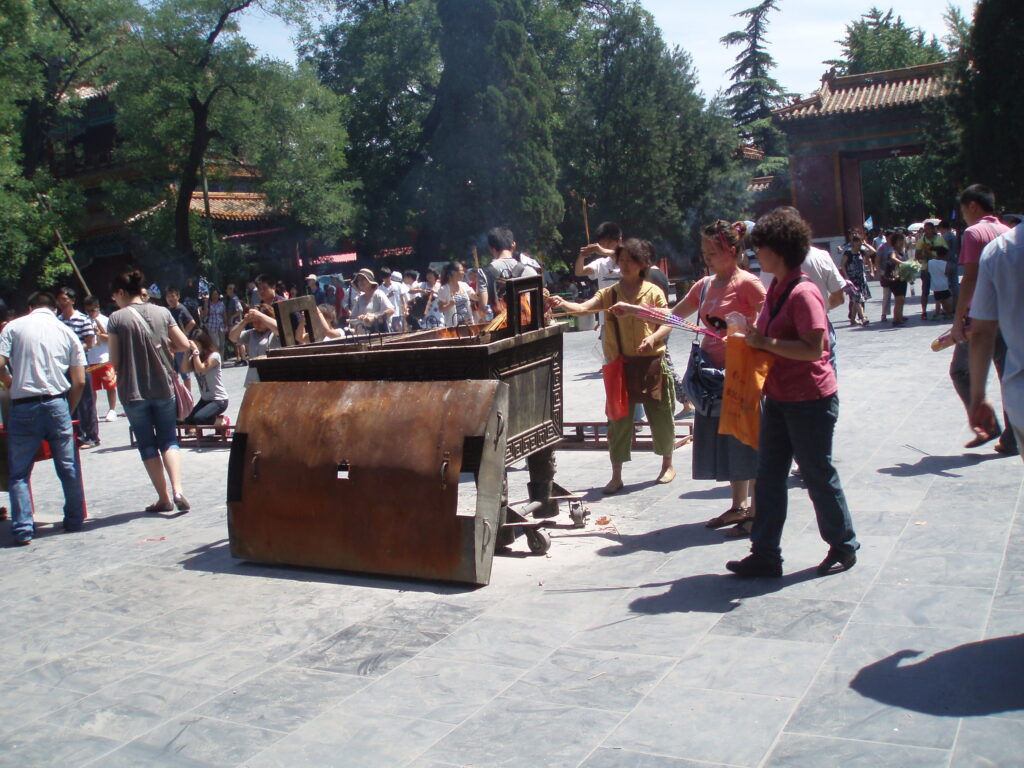
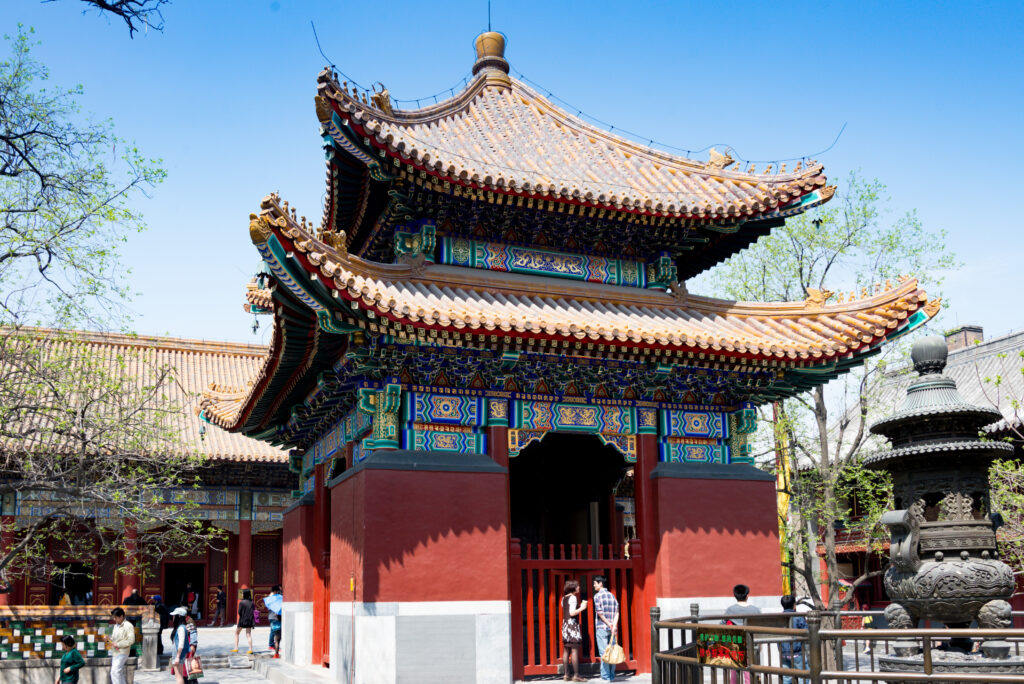
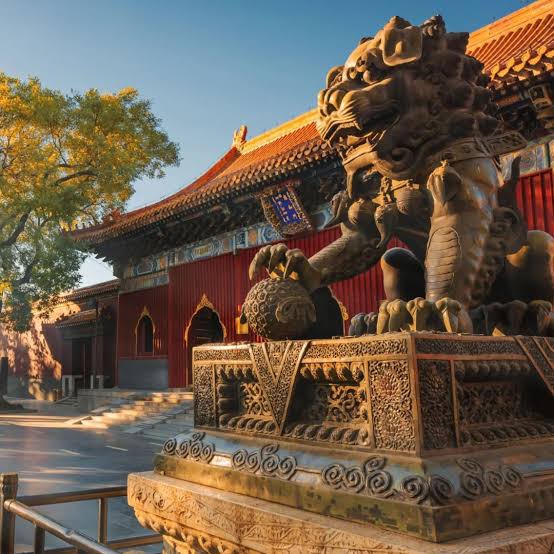
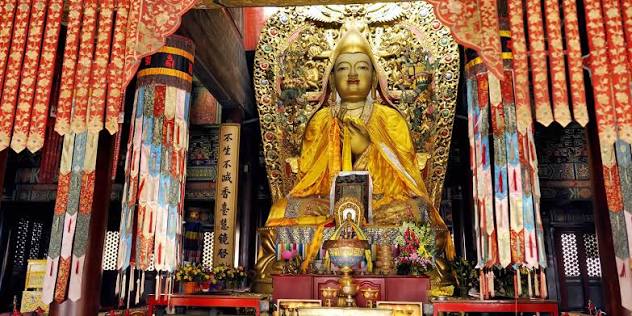
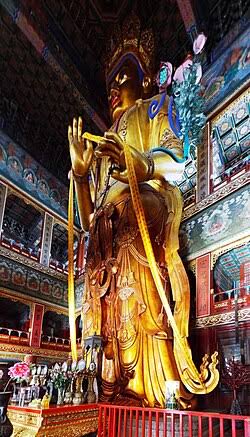
Our next stop was the Lama or Yonghe Temple, Beijing’s largest and most famous Tibetan Buddhist monastery. Built in 1694, t was originally home of “accidental emperor” and his son. On July 1 by the lunar calendar, many people come there to light incense and pray. It became a temple in the 17th century for Tibetan Buddhism. Everything is written in Mongolian, Han, Tibetan, and Manchurian languages. It is said to have joined the Han people with Tibetans. There are several temples with three Buddhas in each. The final temple is home to the 55-foot Budda carved from one Sandalwood tree.
Finally, we went to a Kung Fu show at the Red Theater. It portrayed the story of Cheng Li. The Kung Fu seemed like modern dance with martial arts mixed in.
Leave a Reply