Uglich
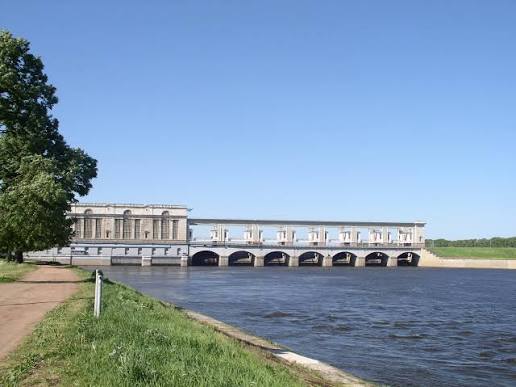
Over the night we passed through 5 locks on the Moscow Canal to get to the Volga River.
After breakfast, we passed through Lock #1 on the Volga (the 6th so far). There are a total of 18 locks between Moscow and St. Petersberg.
When we docked at Uglich, we began a two-hour walking tour of the town, which was founded in 937. Uglich is a Golden Ring town. The Golden Ring is a ring of cities northeast of Moscow. They formerly comprised the region known as Zalesye. These ancient towns preserve the memory of the most important and significant events in Russian history. The towns have been called “open-air museums” and feature unique monuments of Russian architecture of the 12th–18th centuries, including kremlins, monasteries, cathedrals, and churches. These towns are among the most picturesque in Russia and prominently feature Russia’s onion domes. They also have several old wooden buildings that are still in use.
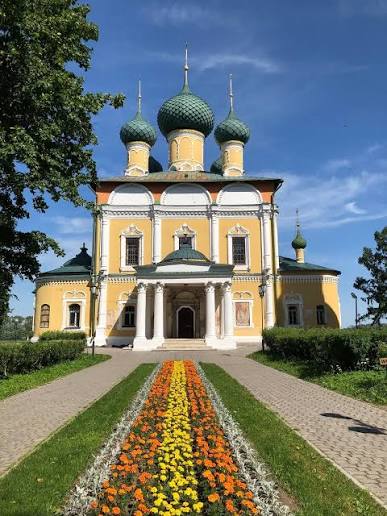
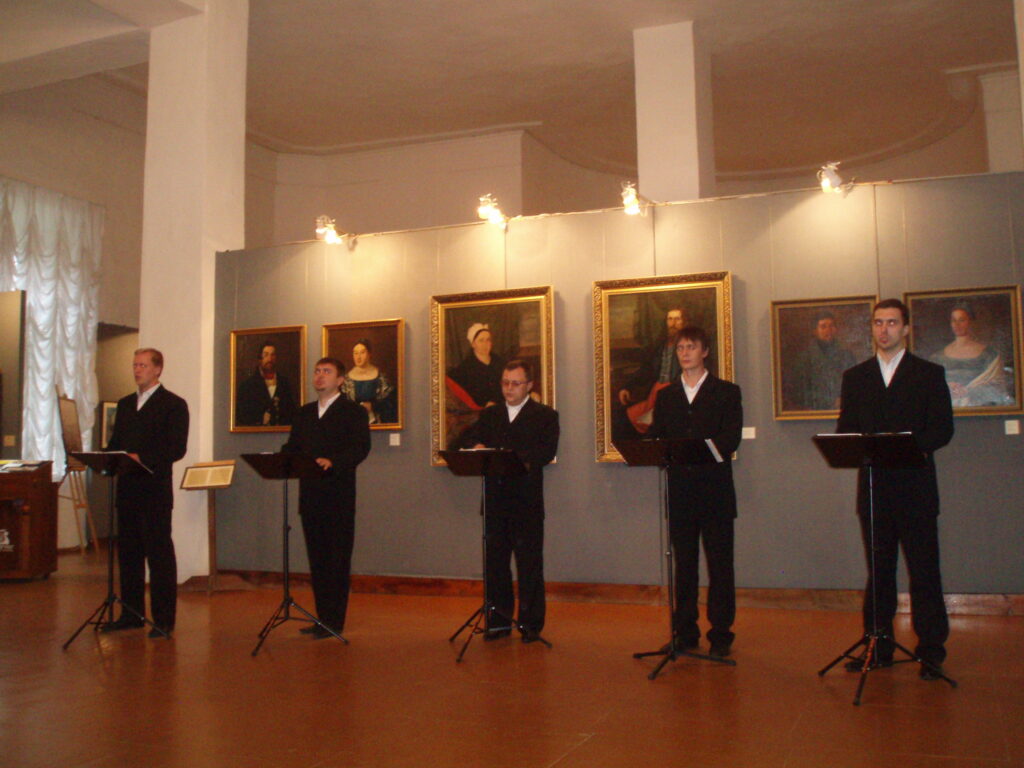
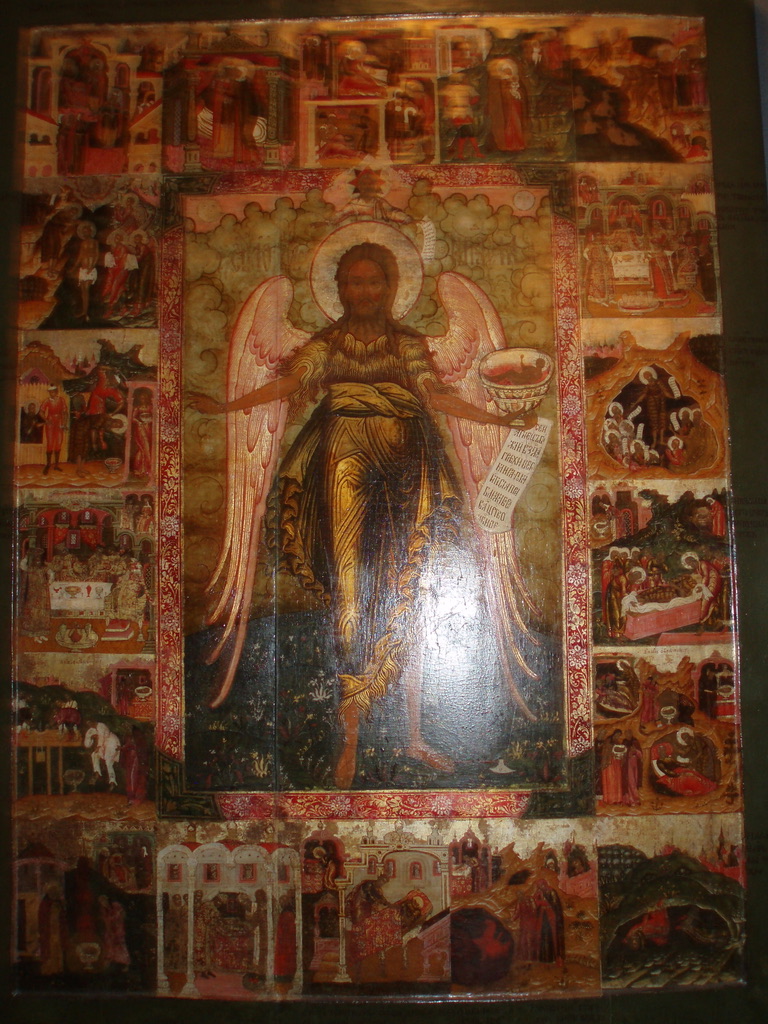
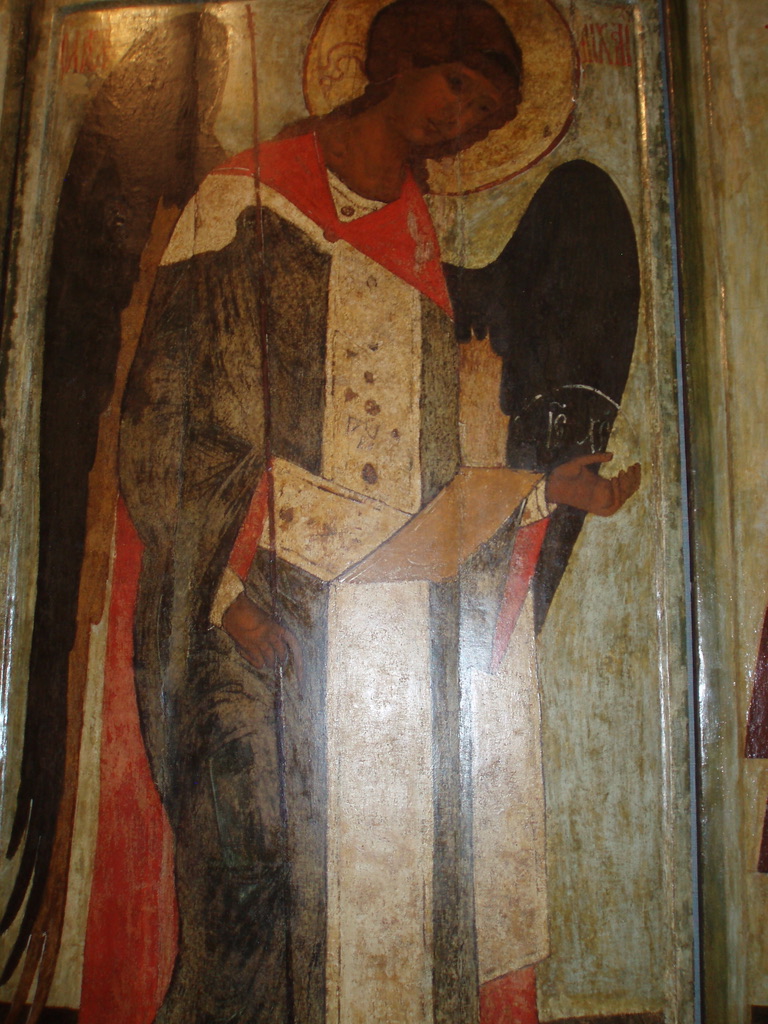
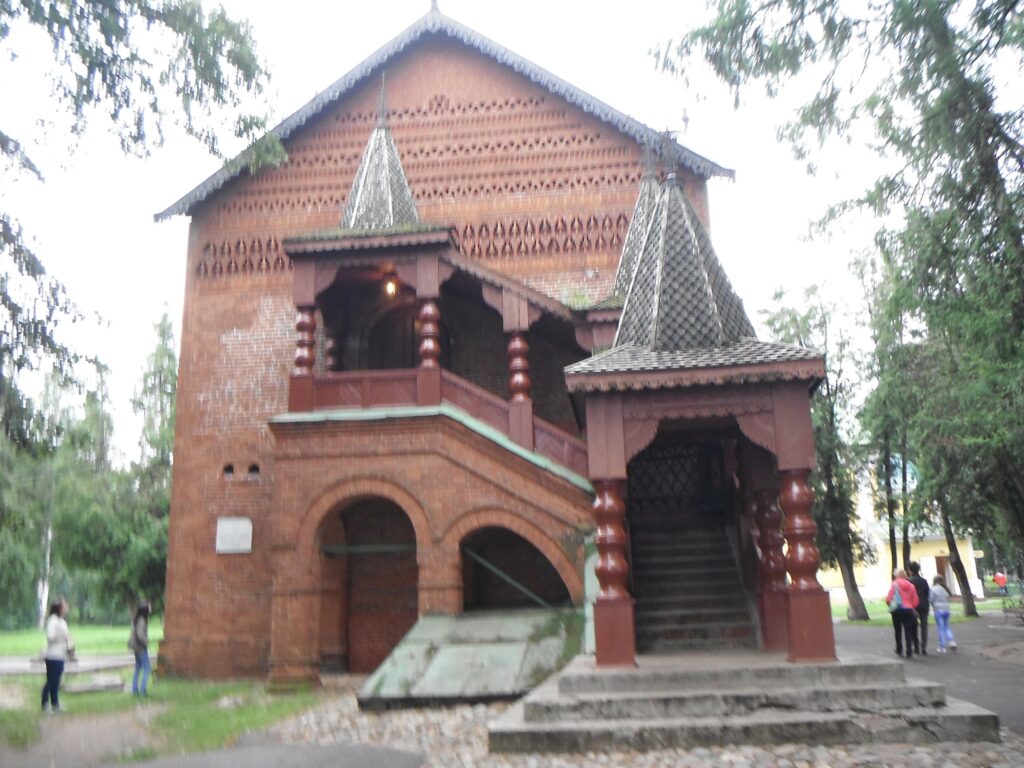
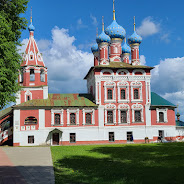
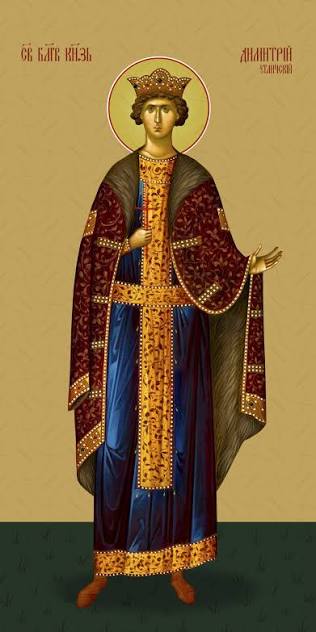
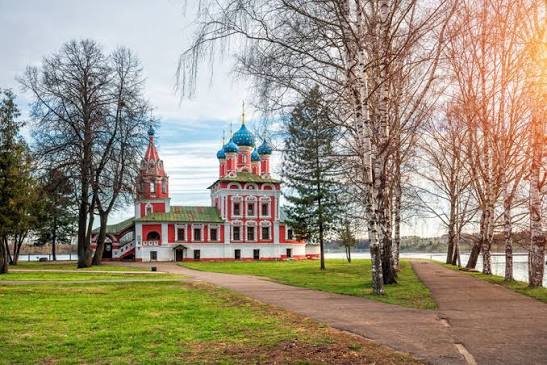
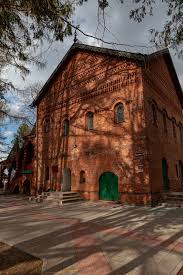
The name “Uglich” is a derivative of “ugol” (corner), because the Volga makes a sharp bend here, making a corner. The ancient settlement of Uglich was a favorite target of marauders, being burned in turn by Lithuanians, Tatars, and just about any faction that sought to attack the Muscovite principality. By 1462, the city was rebuilt in stone by Andrey Bolshoy, brother of Ivan III the Great. Among the many amazing structures constructed then are the city’s cathedral and red-brick princely palace. By the 16th century, the city reached its Golden Age under Ivan IV, the Terrible. In the 16thcentury, the seventh wife of Ivan the Terrible was banished to a palace here with her son. Later in 1591, Dmitri, his young son and heir, was found dead in the palace garden. Either men sent by Boris Godunov slit his neck, or he had an epileptic fit and fell on his knife. The 17th century church of St. Demetrius of the Blood was built on the spot where he was found dead. The cathedral is now a museum in which we heard songs from a male quintet. We visited another church, which was having services, but spent some time inside drinking in the icons, music, and incense.
Yaroslavl
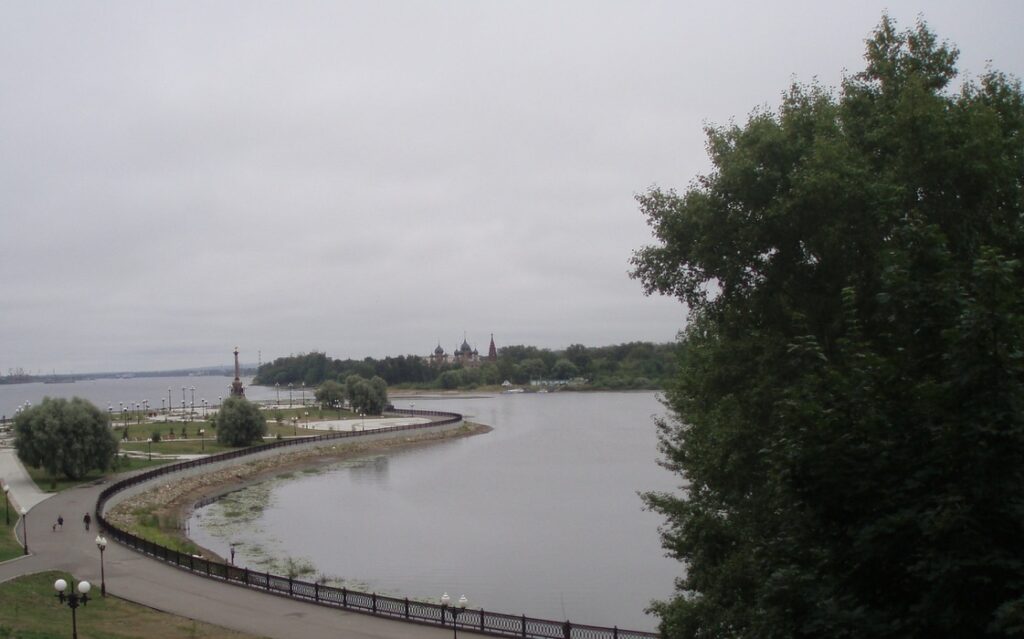
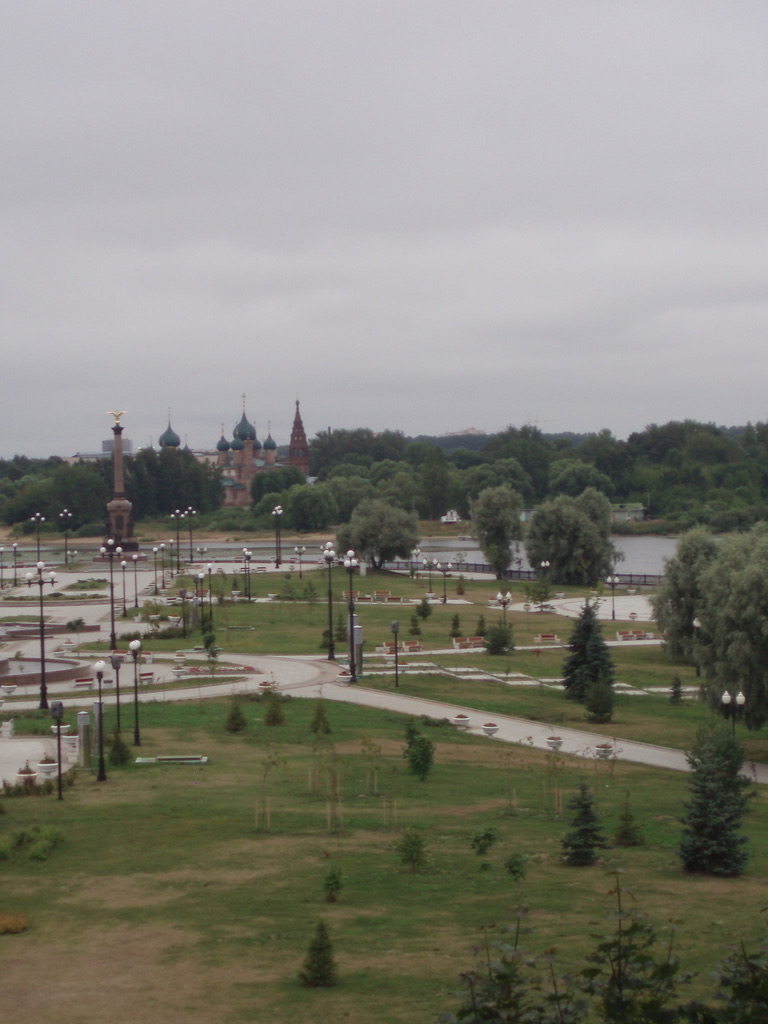
After breakfast, we arrived in Yaroslavl. This is an industrial city of about 600 thousand, founded in the 11th century by Prince Yaroslavl the Wise on the confluence of the Volga and Kotorosli Rivers. This is the oldest city on the Volga River. A monument commemorating its millennium—a seven-ton ice-age boulder—sits in the City Center, which is a World Heritage Site. It is also the largest and most urbanized city of the Golden Ring.
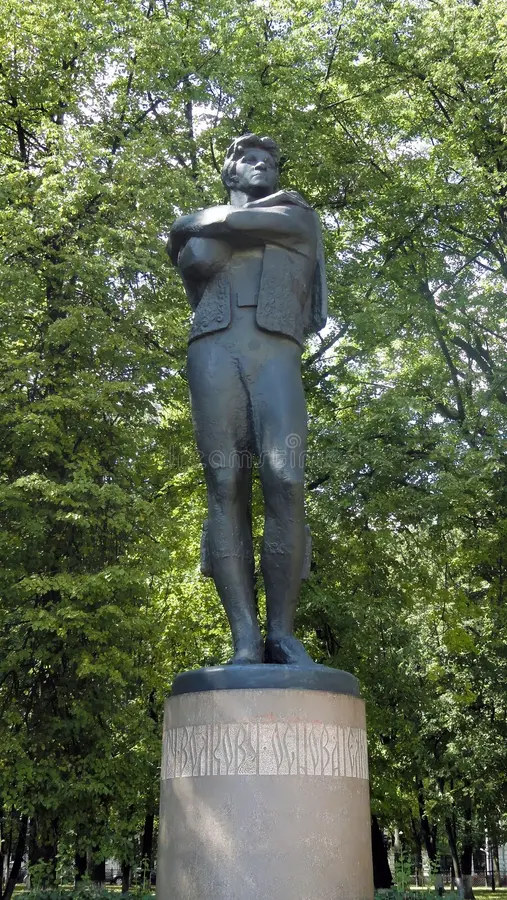
We began a bus tour of the city with another excellent guide who added extra sites to our tour. He was clearly proud of his city. Yaroslavl is the birthplace of Russian theater and has a statue of Fyodor Volkov, who was the first Russia actor and formed the first Russian theatre company in 1748. The symbol of Yaroslavl is a bear with an axe. The story is that Prince Yaroslavl came to this Pagan village, which worshipped the bear. He wrestled with a bear and defeated it, slicing it with an axe, so the people converted to Christianity. There is a statue of a bear with an axe, along the river.
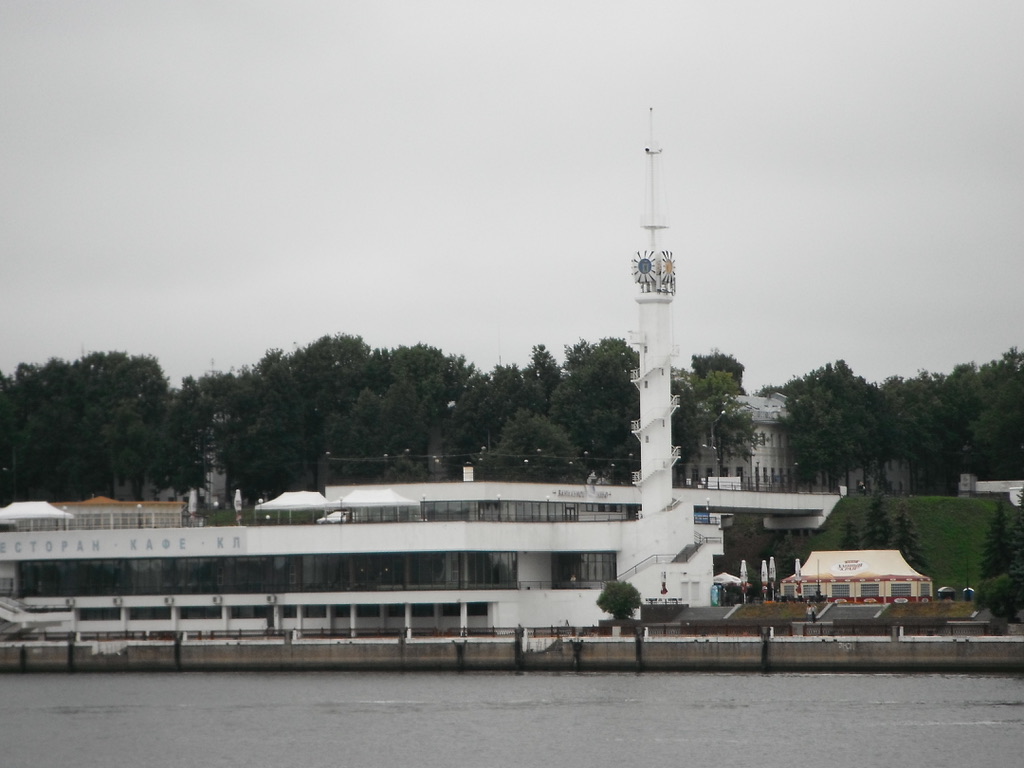
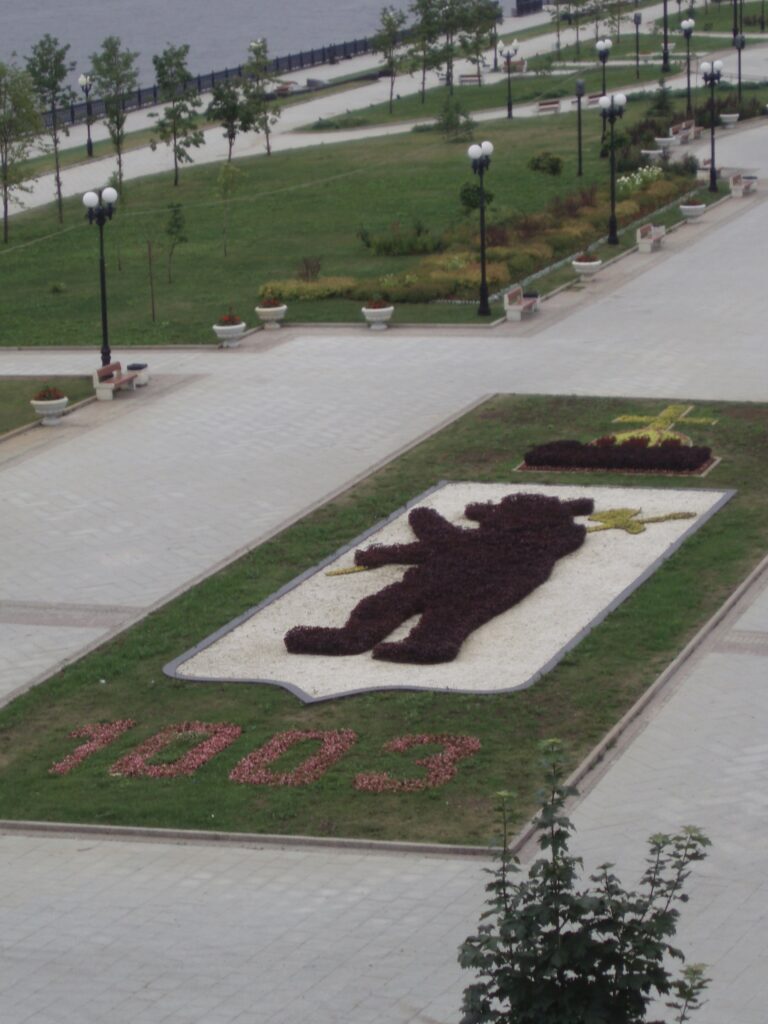
Symbol of Yaroslavl
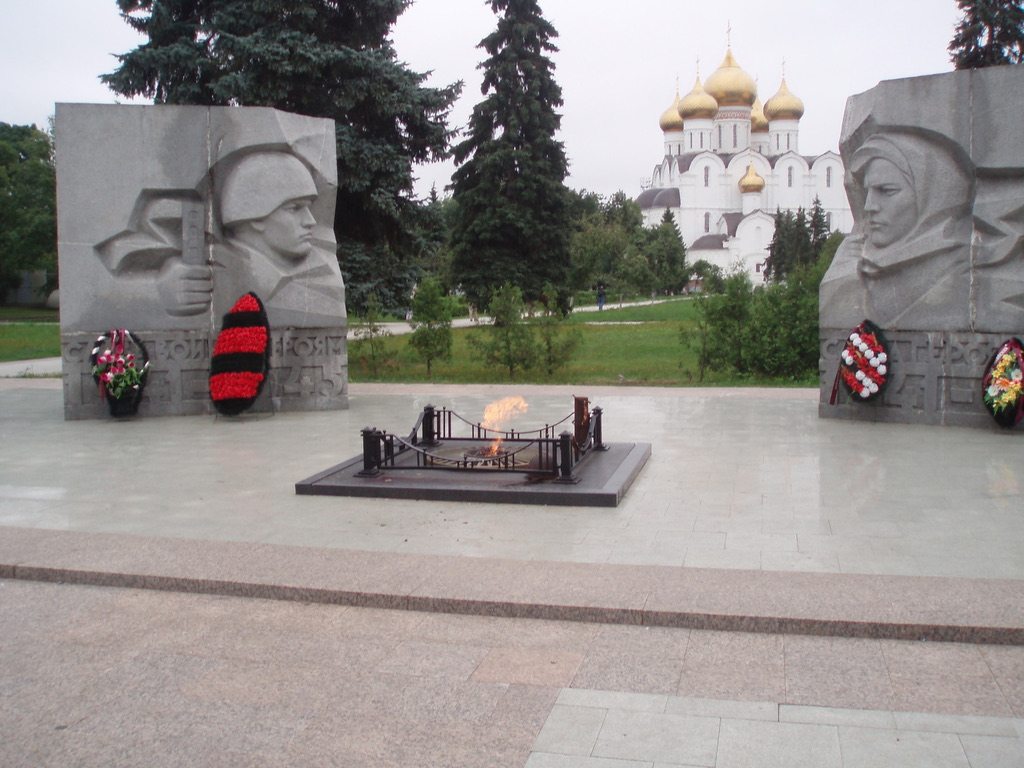
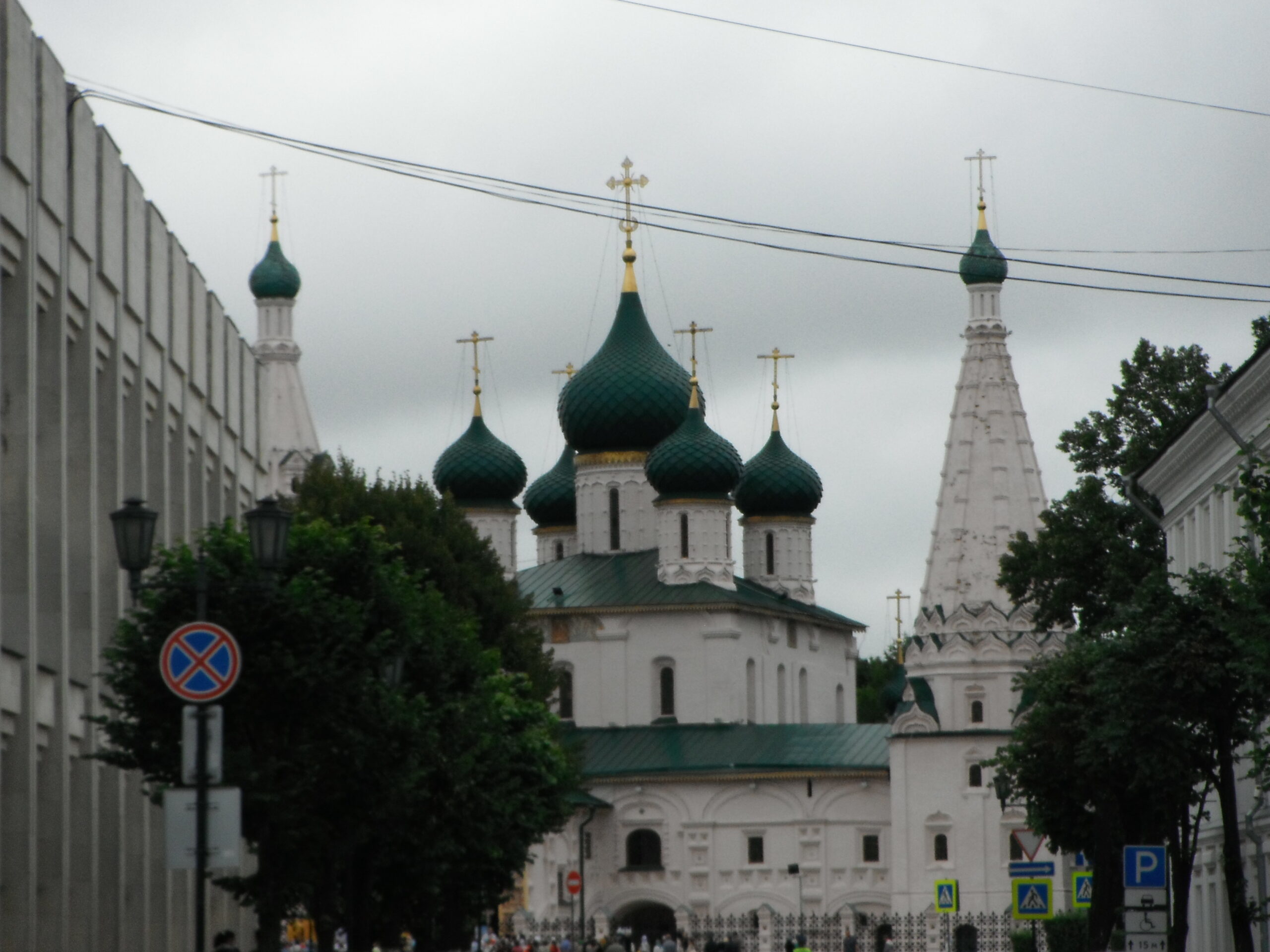
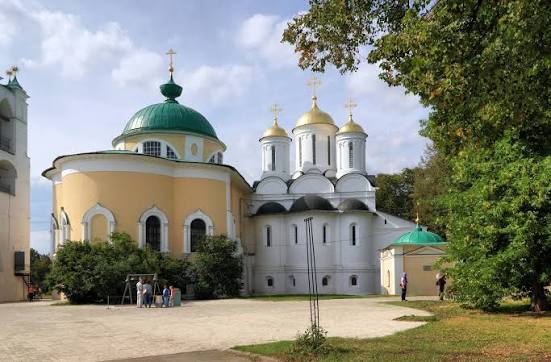
We began at the city’s main square where there is a monument to the men and women of WWII and walked down to the Church of Elijah the Prophet, said to be built on the spot where the prince wrestled with and killed the bear. Built in 1647, the wooden iconostasis is baroque and the frescos were painted in 1680. It is the original museum of Russian ancient paintings. It is noted for its five green domes. This is in the historic center that is a UNESCO site. Then we went to the Monastery of the Transfiguration of our Savior. It is the oldest surviving structure in Yaroslavl, founded at the end of the 12th century. Its Cathedral of the Transfiguration was one of the wealthiest churches in Russia. Frescos date from the 1500s. The museum has vestments, liturgical dishes, and icons on display.
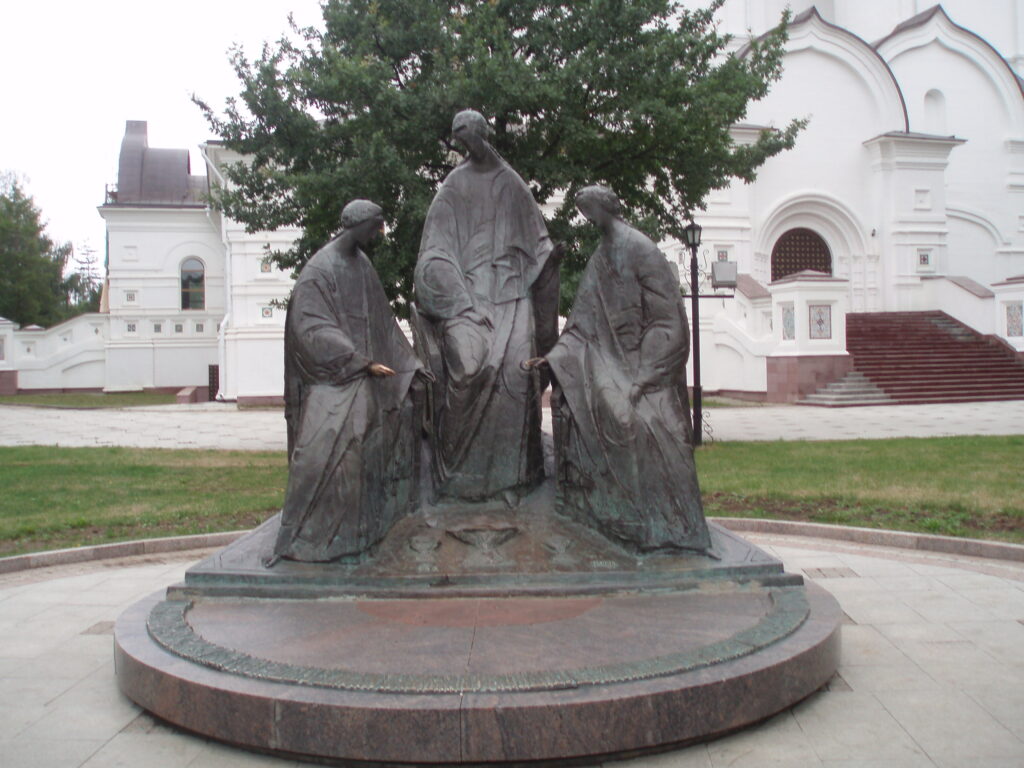
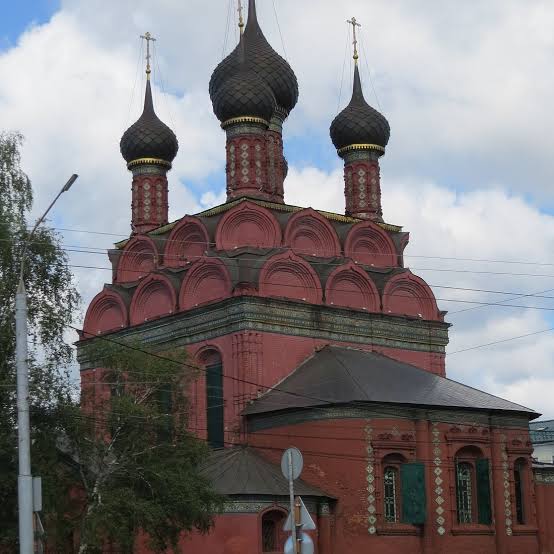
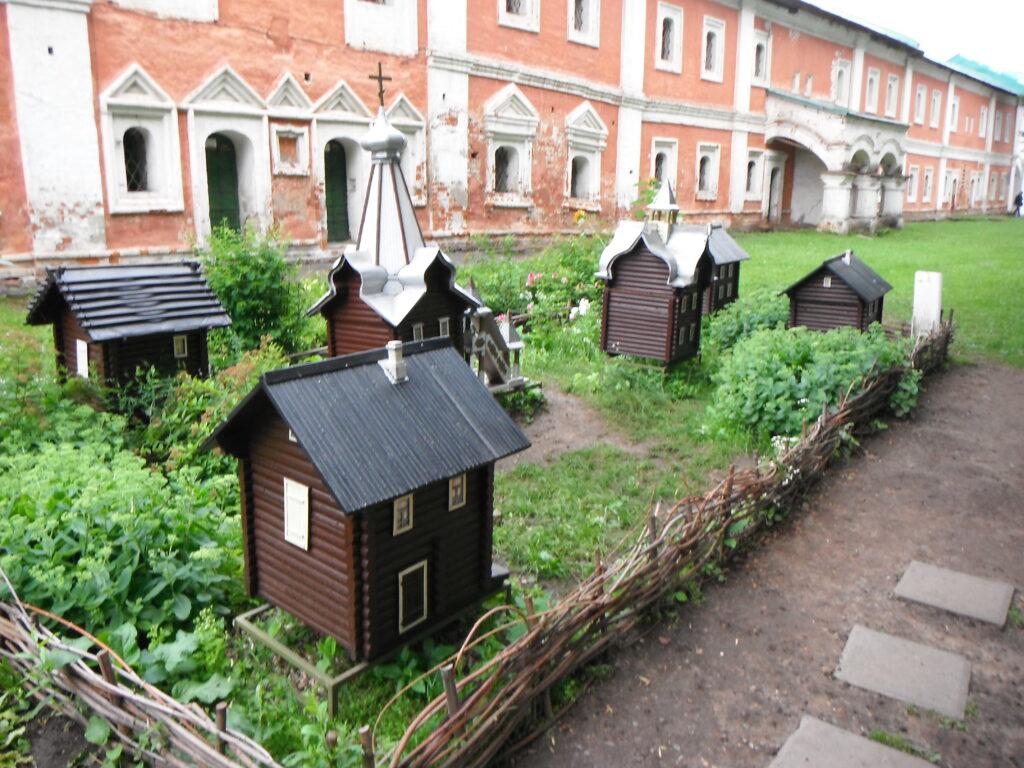
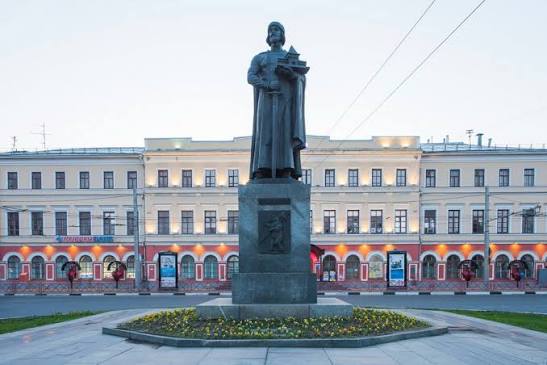
Next we saw Epiphany Square which has the Old St Savior Monestary, no longer in existance. Part of it has become the Bishop’s House. On one side is the decorative apiary. Epiphany Square (Bogoyavlenskaya Square) is heart of Yaroslavl. Located at the edge of the city center near the Kotoroslaya River, it is famous for the 17th-century Epiphany Church with its intricate tilework and the iconic monument to the city’s founder, Prince Yaroslav the Wise.
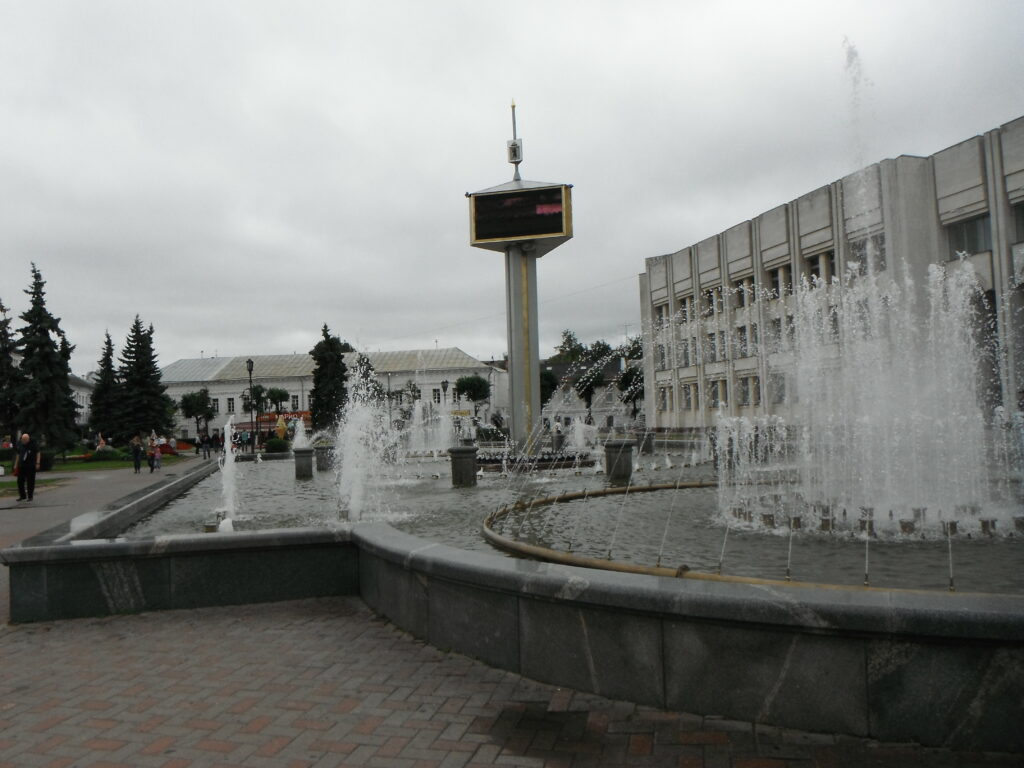
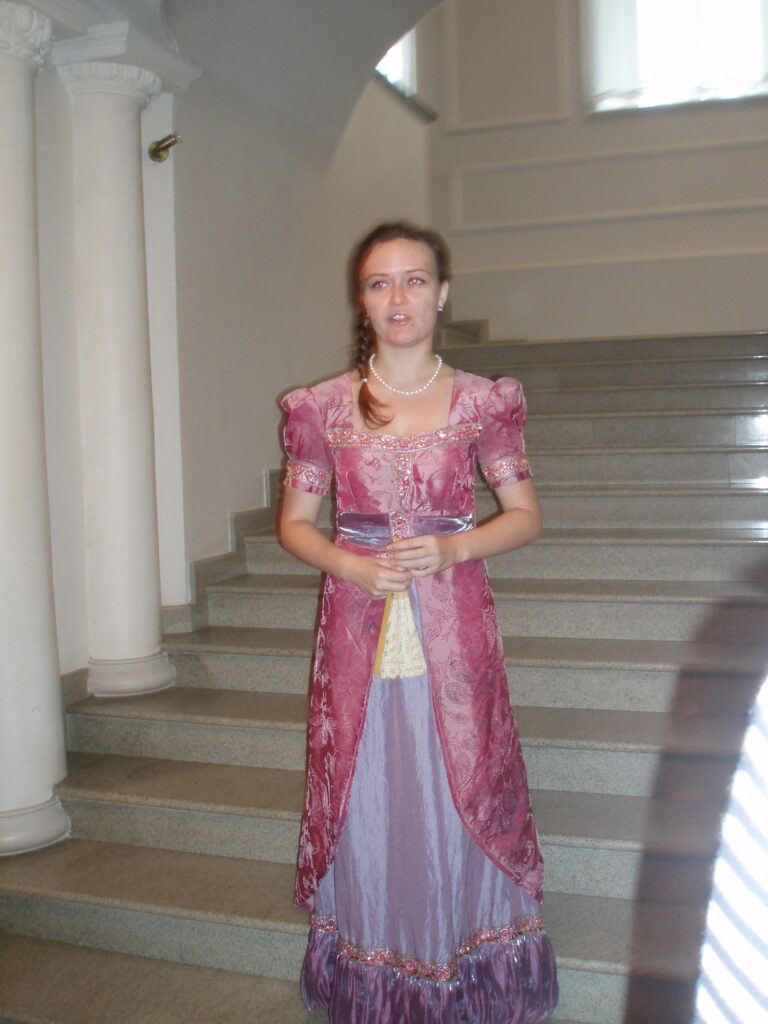
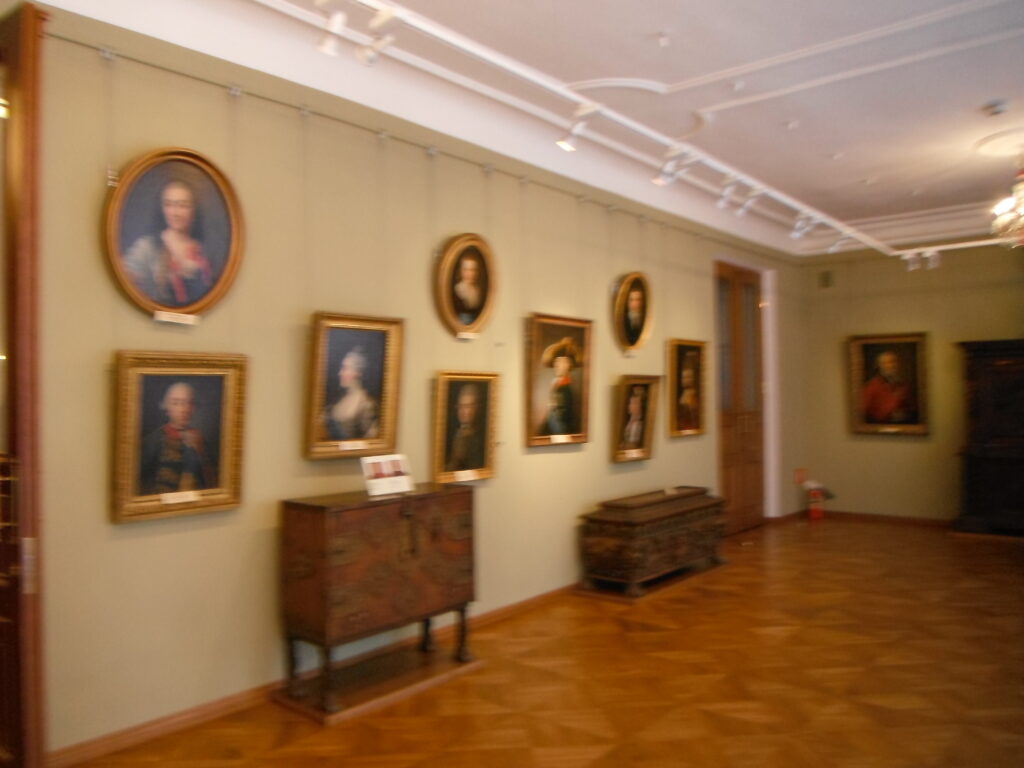
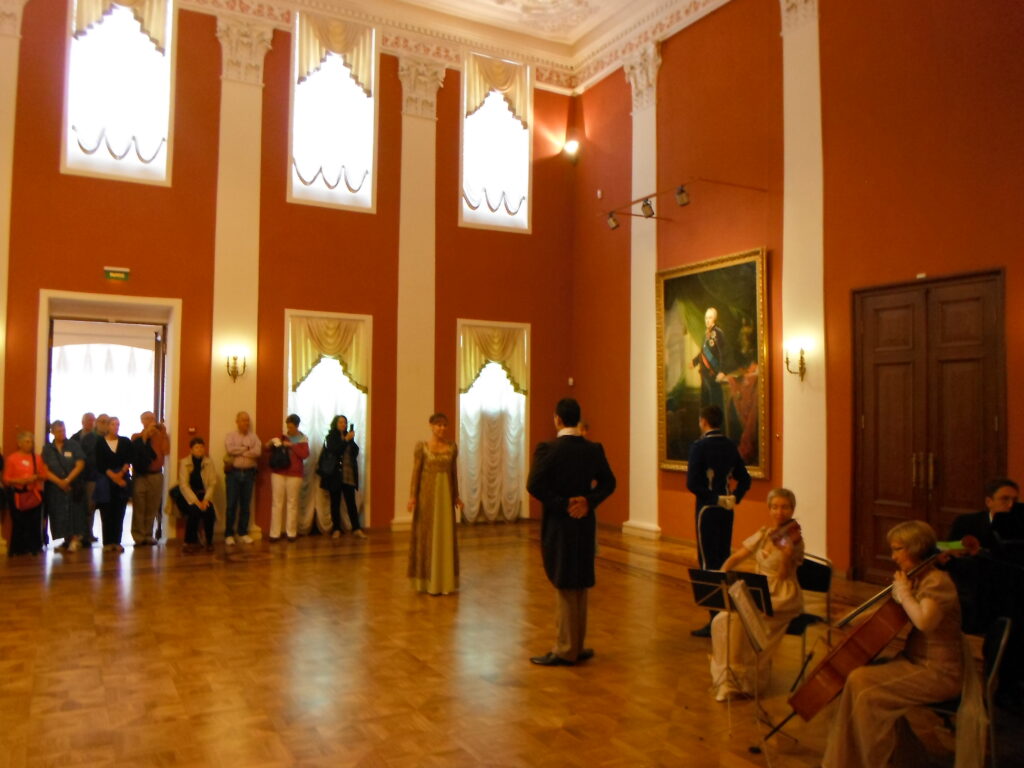
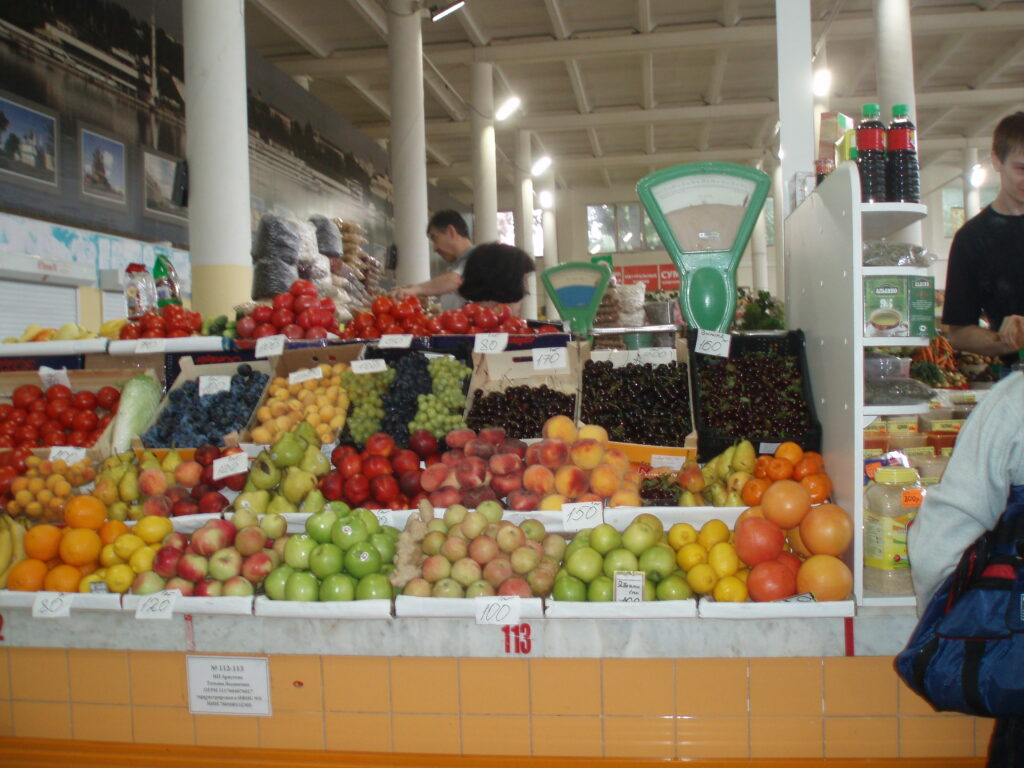
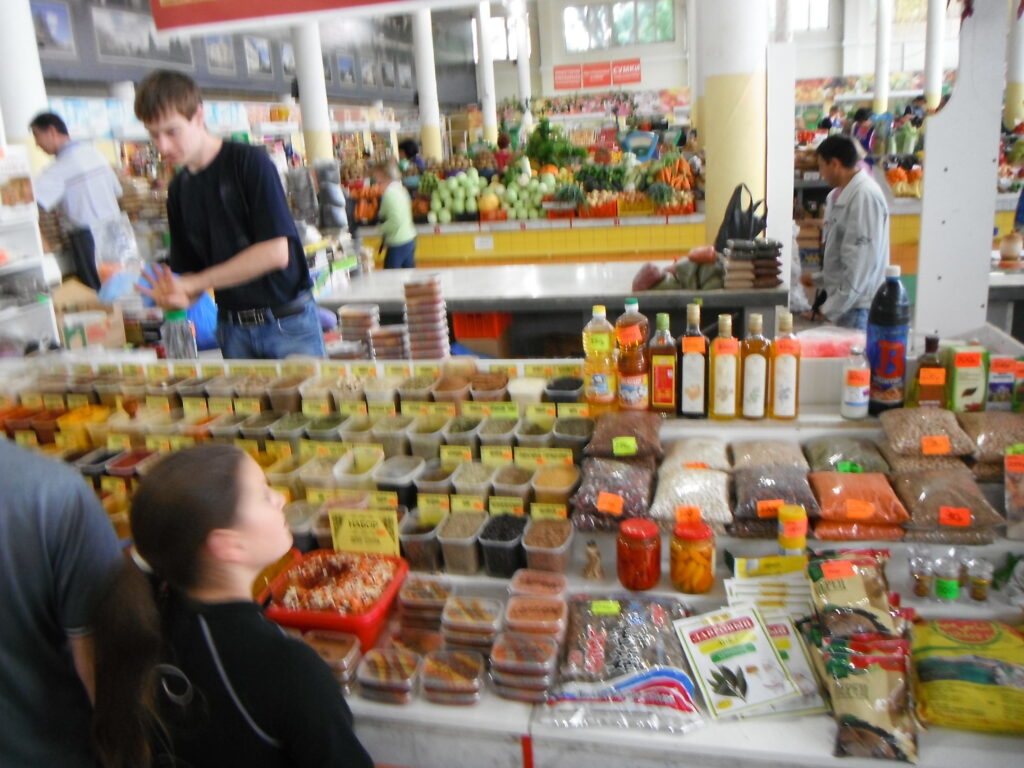
Next we went to the Governor’s House, which was a delightful change. We were met by the governor’s “daughter,” dressed in 19th century style, who showed us through the mansion, describing each room in detail. The home has art from the 18th to the 20th century. The tour ended in the grand ballroom where we had a mini concert of violin and cello, songs, and dancing the Polonaise and Waltz with audience participation. Then we saw the park-like grounds. Many weddings are performed here. We stopped at an embankment overlooking the Volga and at a supermarket. The latter, I think, was to show us the bounty of fresh fruits, vegetables, spices, meat, and fish that is available. The guide said that back in the ’80s, I think, each citizen was given a piece of land in the country. When food was scarce, most people grew their own fruits and vegetables and only bought during the winter. Many continue their gardens today.
We returned to the boat and departed for Goritsy.
Leave a Reply