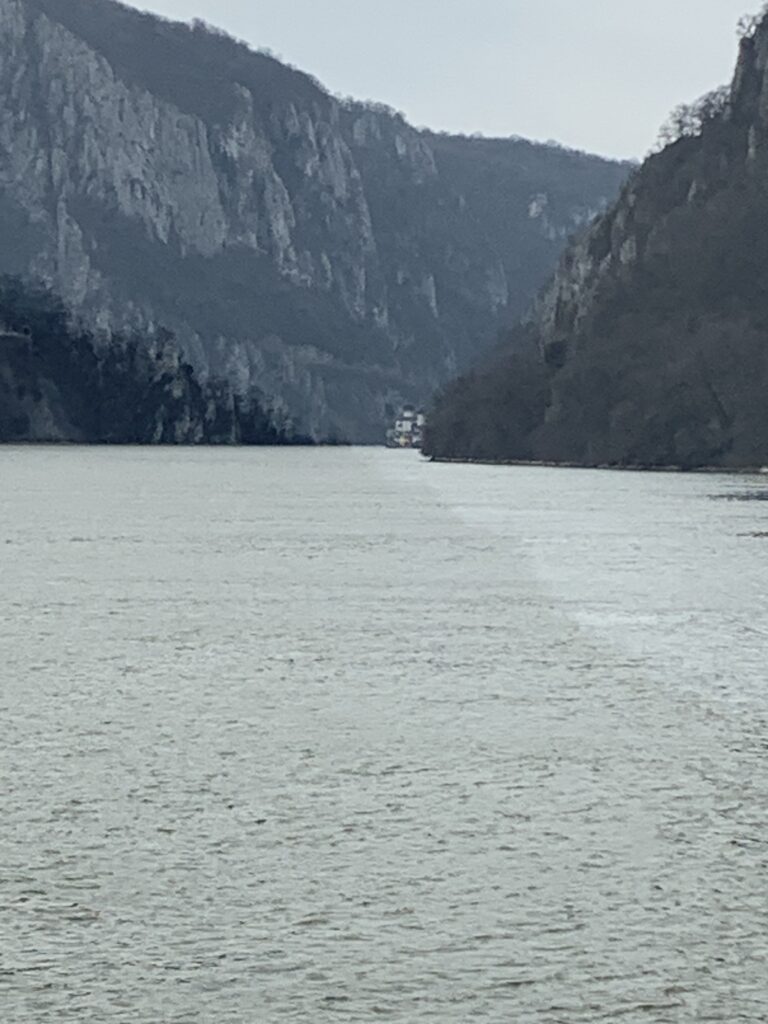
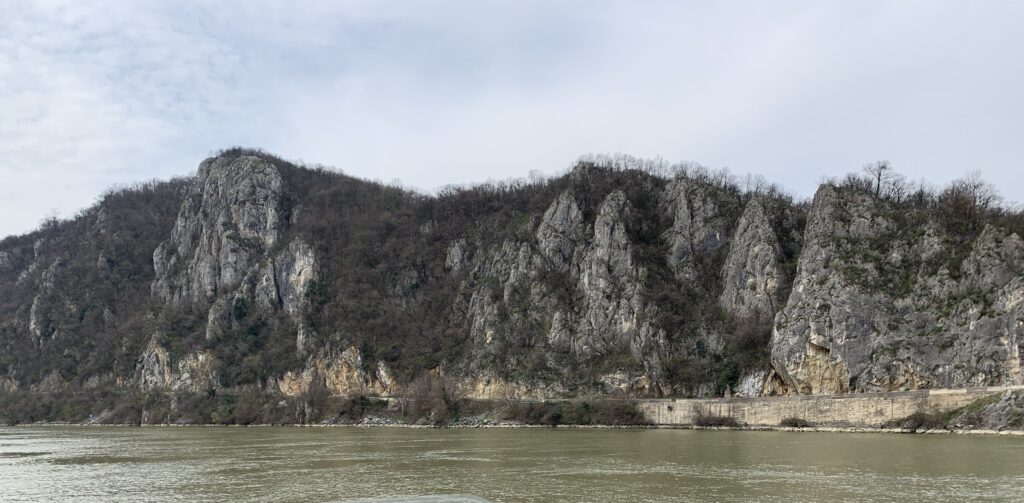
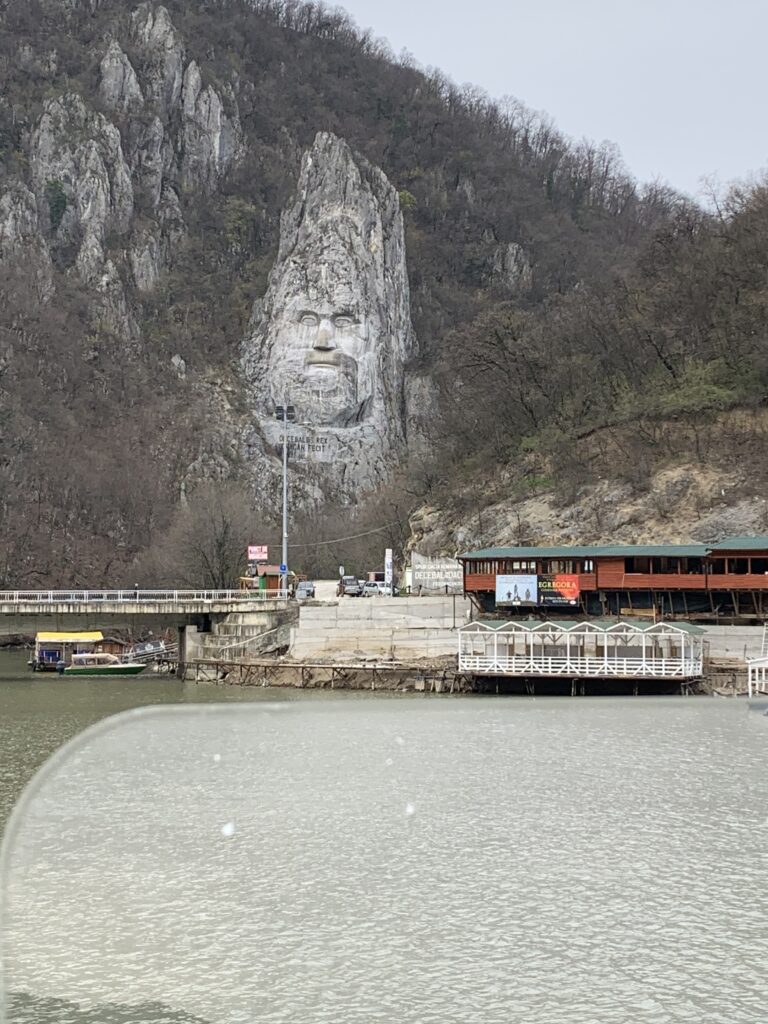
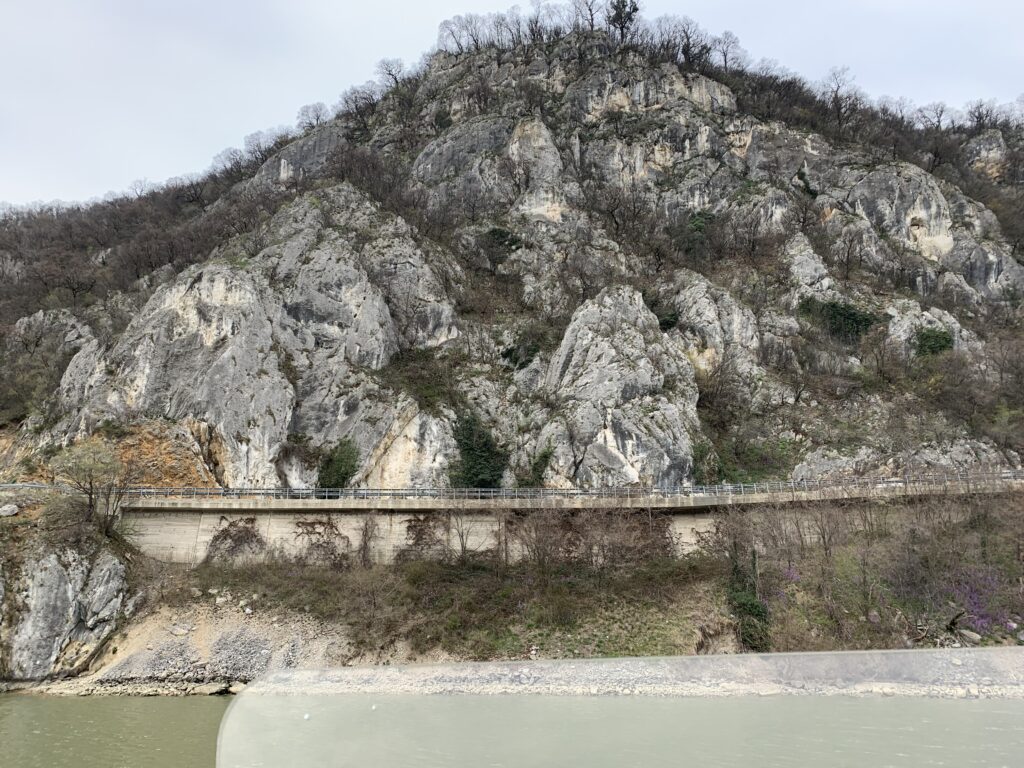
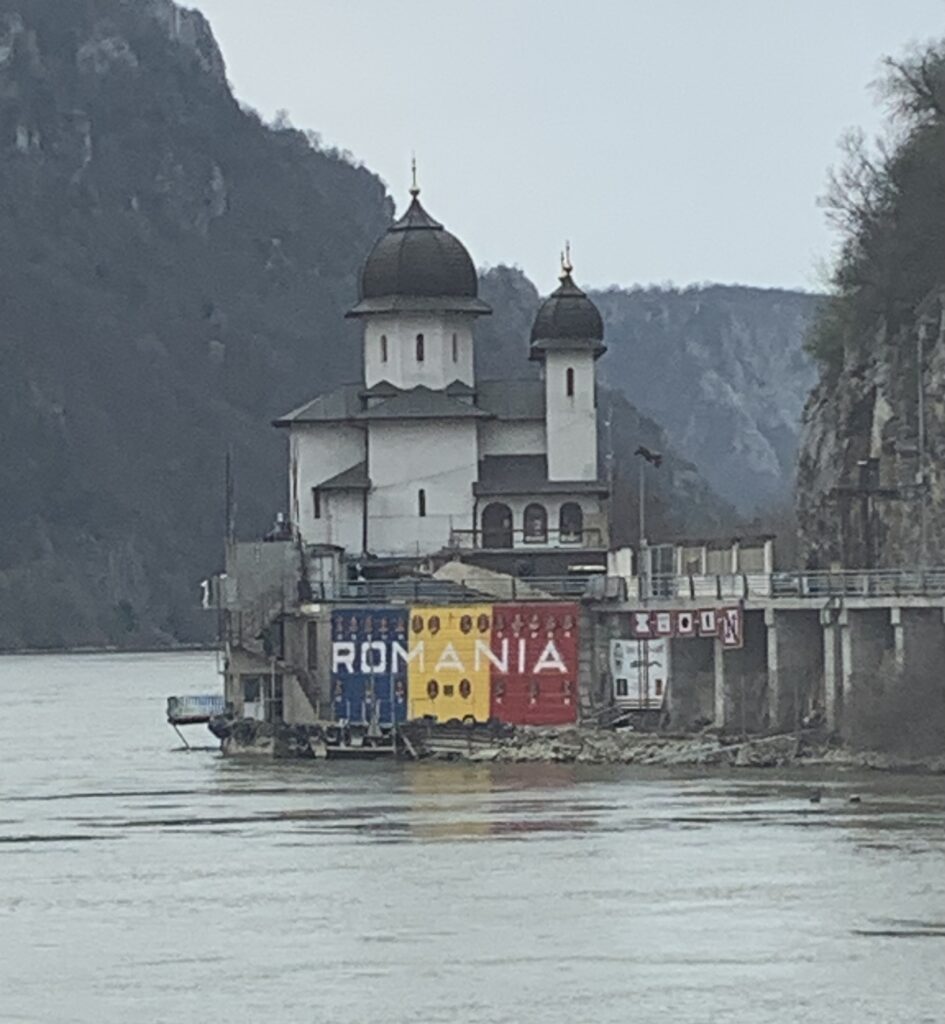
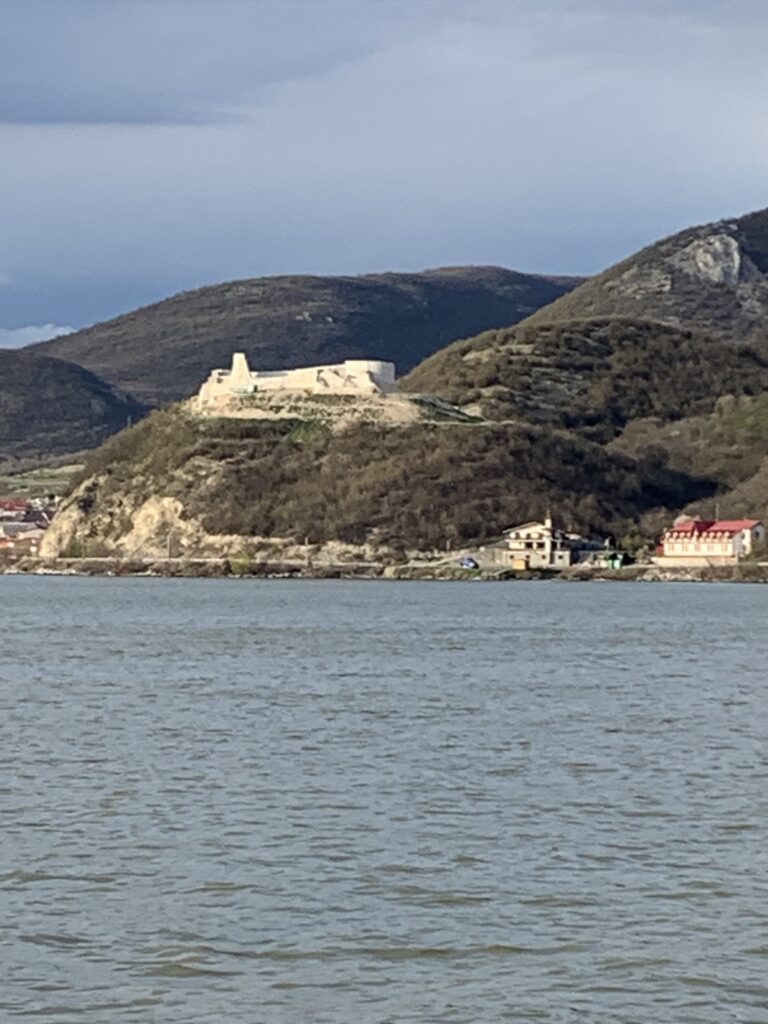
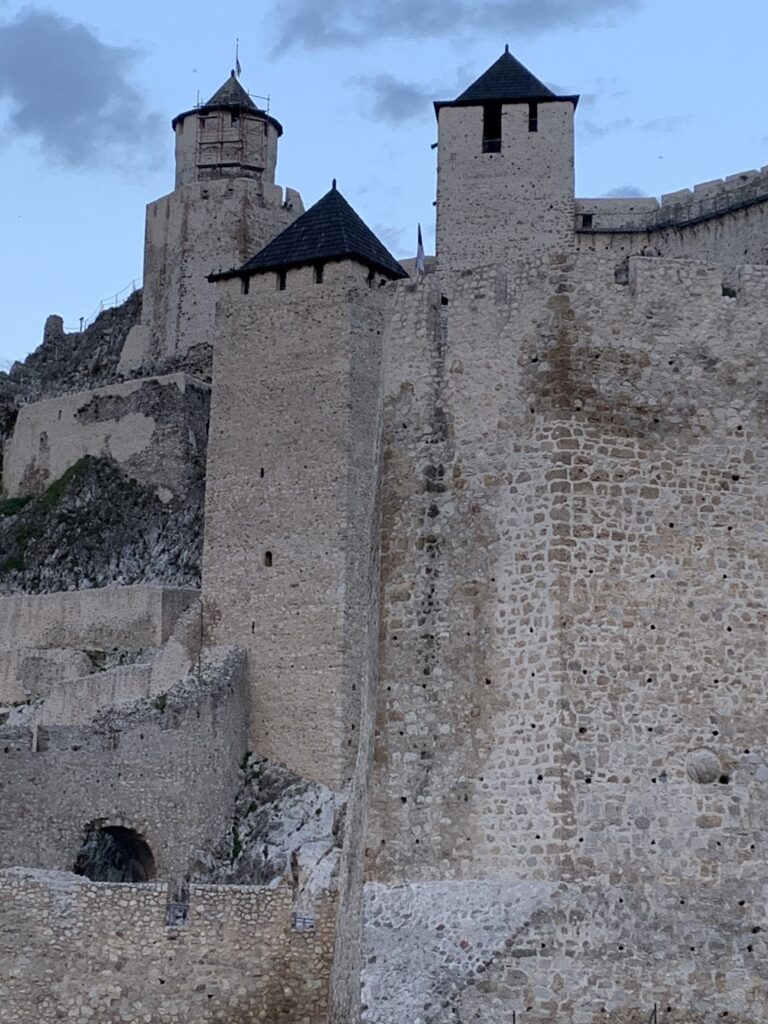
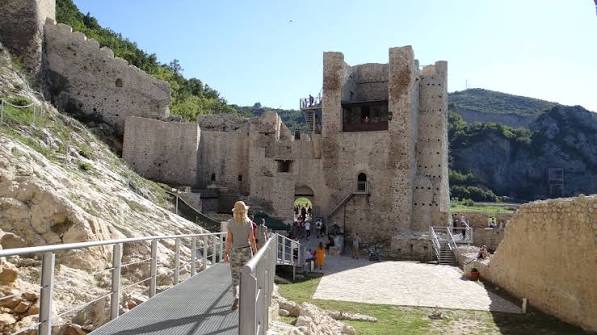
En route to Serbia, we traveled through the Iron Gate, one of Europe’s most dramatic natural wonders. The narrow gorges that slice through the Carpathian Mountains to the north and Balkan Mountains to the south are spectacular. The towering white limestone cliffs draped with forest hide ancient remains. On the Serbian side, Trajan’s Tablet was laid to mark the construction of a Roman military road; on the Romanian side, lies an enormous rock sculpture of Dacian King Decebalus. The Mraconia Monastry is a famous Romanian Orthodox site known as the “Monastery under the water” located on the banks of the Danube River past the Iron Gates. The original structure—first mentioned in historical records in the late 14th/15th century and rebuilt in 1523—was flooded and submerged by the Danube in 1968 due to the construction of the Iron Gates hydroelectric plant. Ladislaux Fortress was built originally in the 14th century over ancient Dacian fortifications, it was later completed and strengthened by King Sigismund of Luxemburg in 1427–1428. Dedicated to Saint Ladislaus, the fortress was temporarily entrusted to the Teutonic Knights to defend the Kingdom of Hungary against Ottoman incursions. Golubac Fortress, a 14th century Medieval fortress, guards the entrance to the Iron Gates. It has 10 huge stone towers. Built into massive limestone cliffs, it allowed absolute control over river traffic and land transit routes between Central Europe and the Balkans.
Golubac
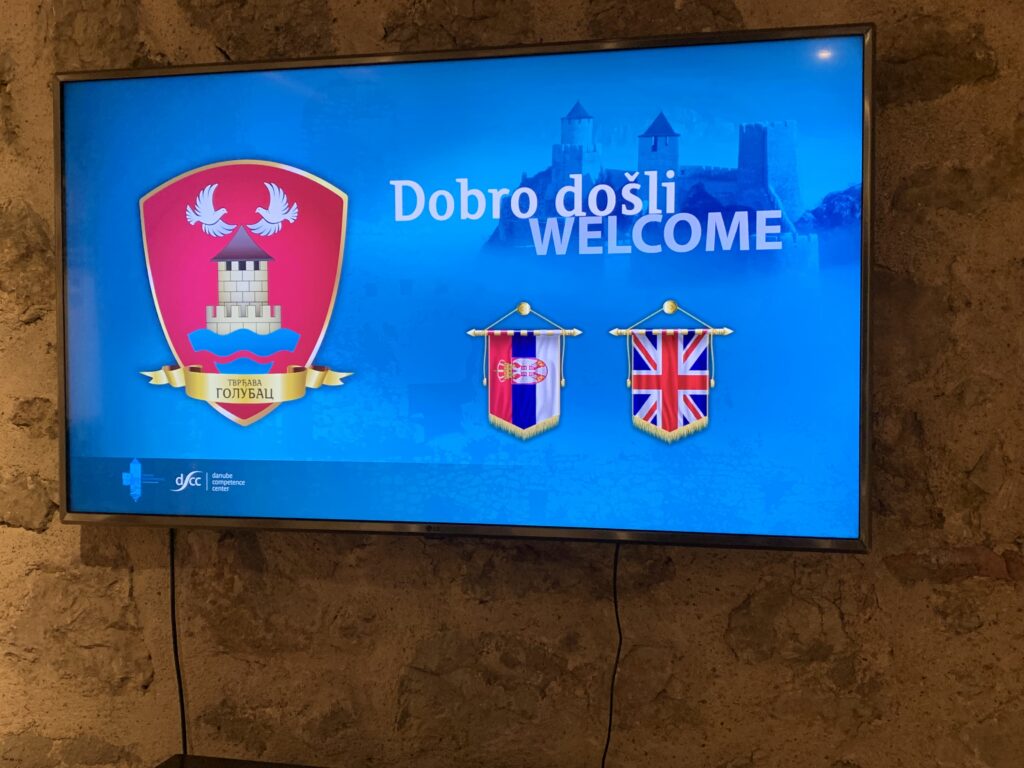
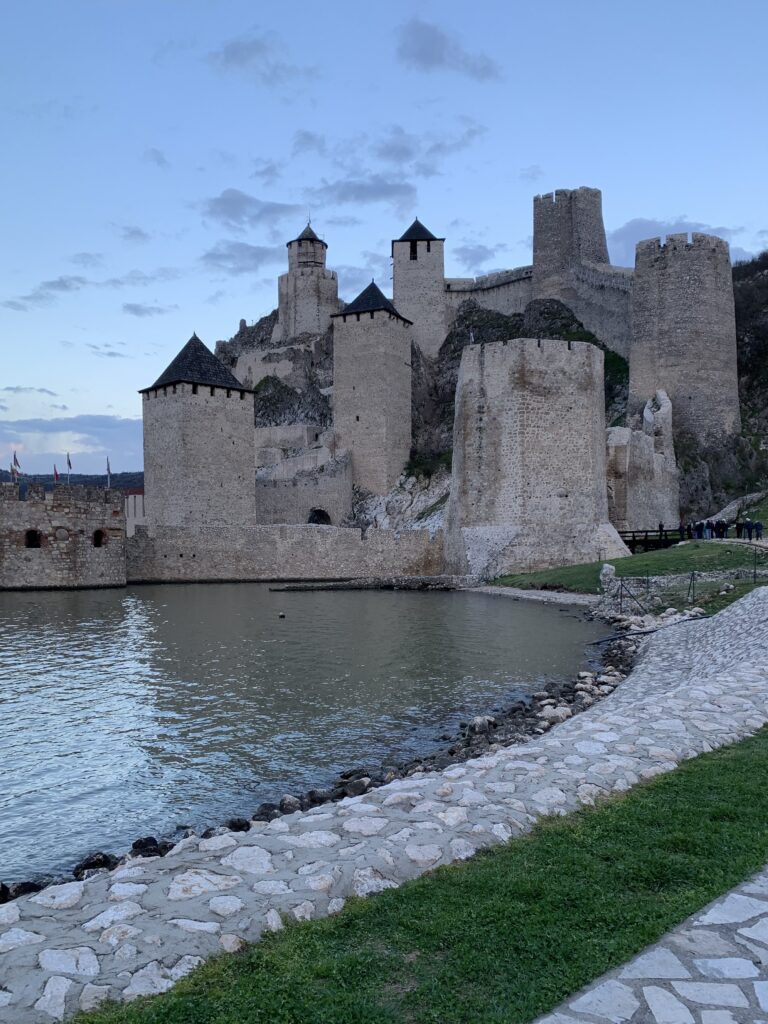
We arrived in Golubac, Serbia. From the boat we took a walking excursion to the Fortress. The fortress was built in the 14th century and has been held by Hungarians, Serbs, and Bulgarians after the Ottomans left. It has a several towers with lovely views and a beautiful Orthodox Chapel. It was a pleasant walk and exploration.
Belgrade
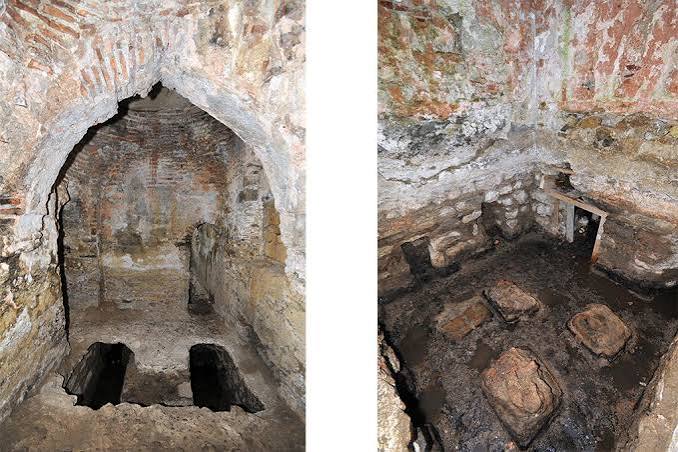
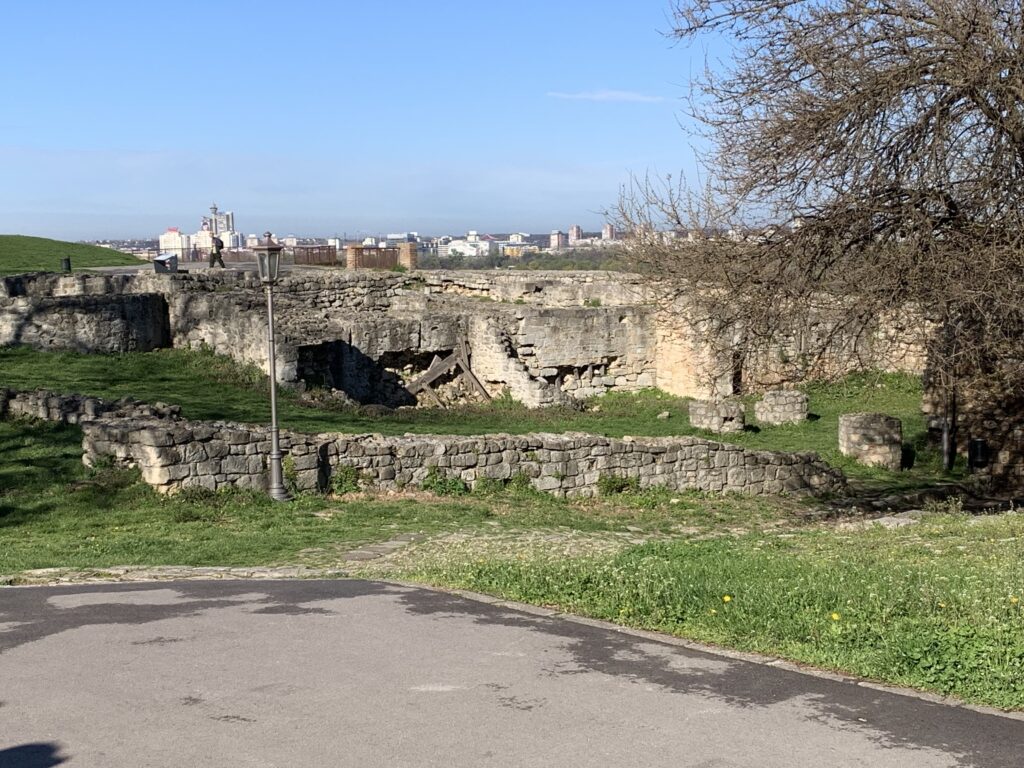
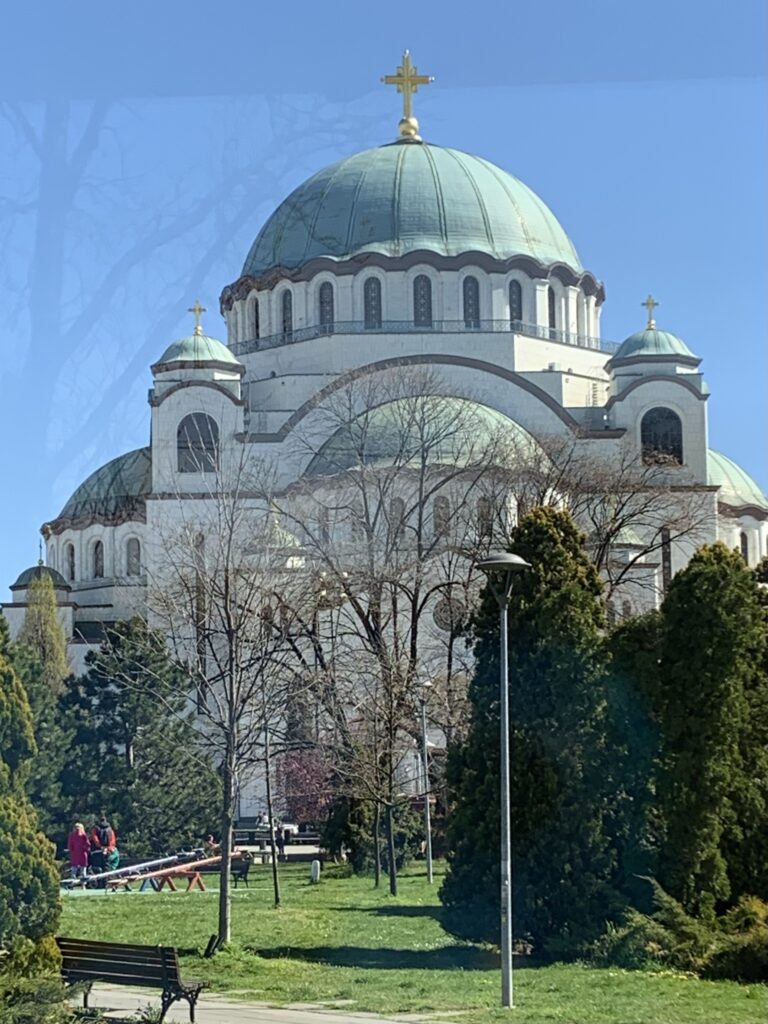
Belgrade is situated at the confluence of the Saba and Danube Rivers. It is one of the oldest cities in Europe. We disembarked the ship to begin our exploration. We started at the remains of the large citadel housing the Kalemegdan Fortress, Orthodox churches, Turkish baths, and green parkways. St. Sava Cathedral is one of the largest Orthodox buildings in the world. This citadel housed the entire original city. Being on top of the hill, the views were spectacular.
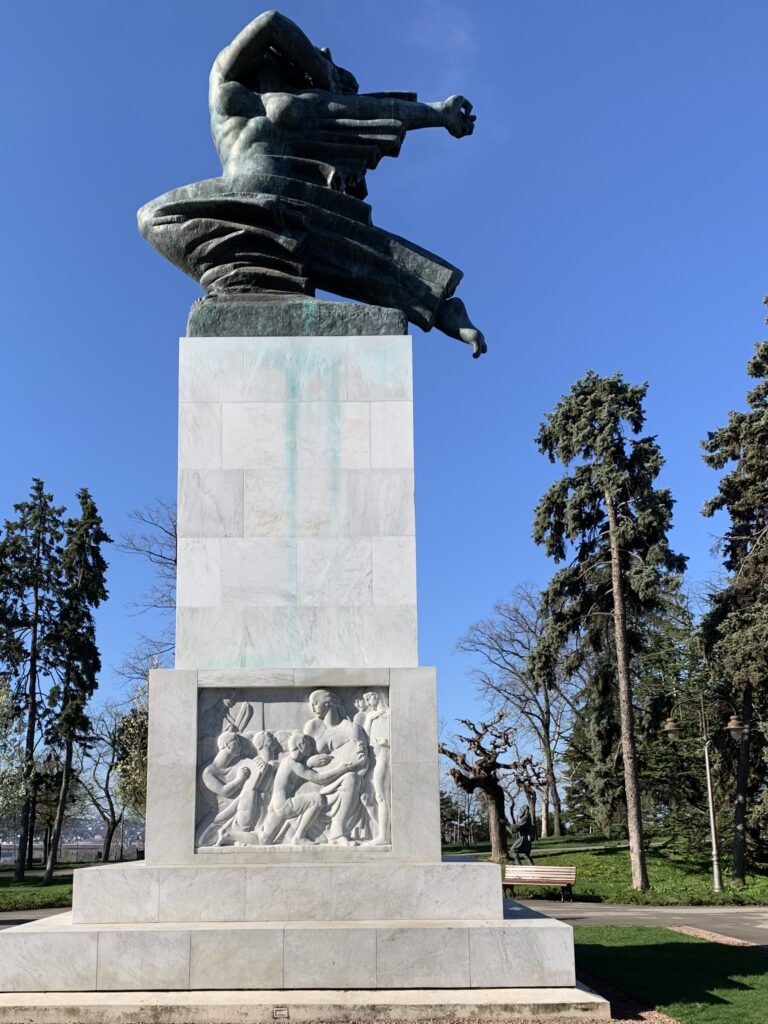
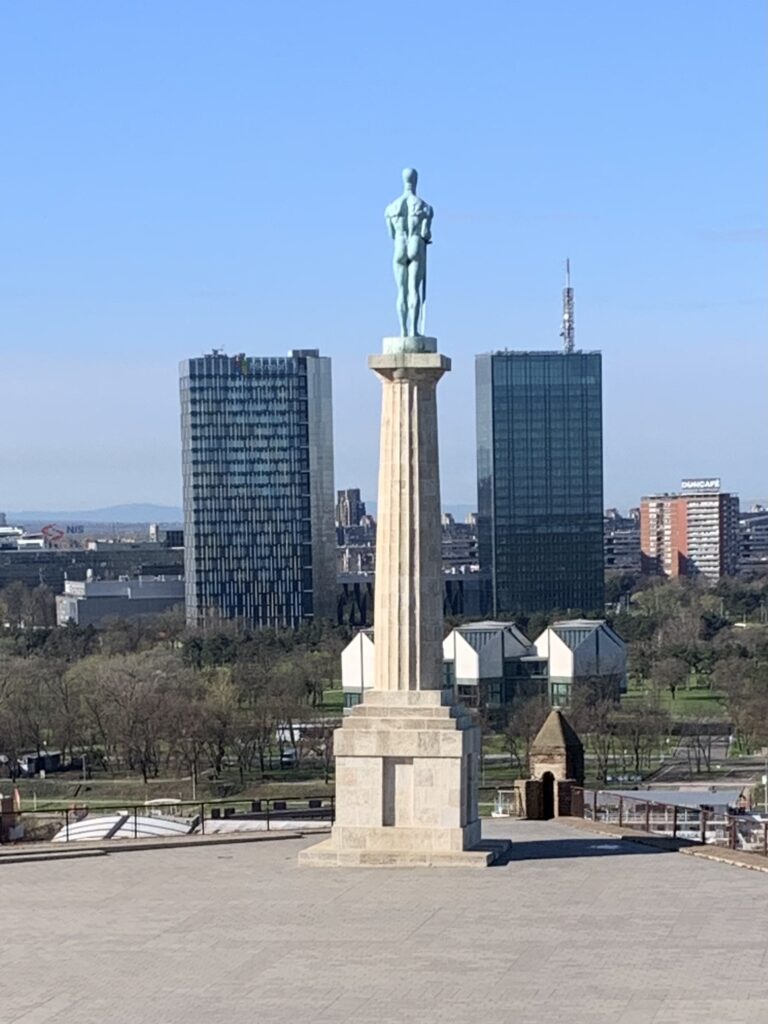
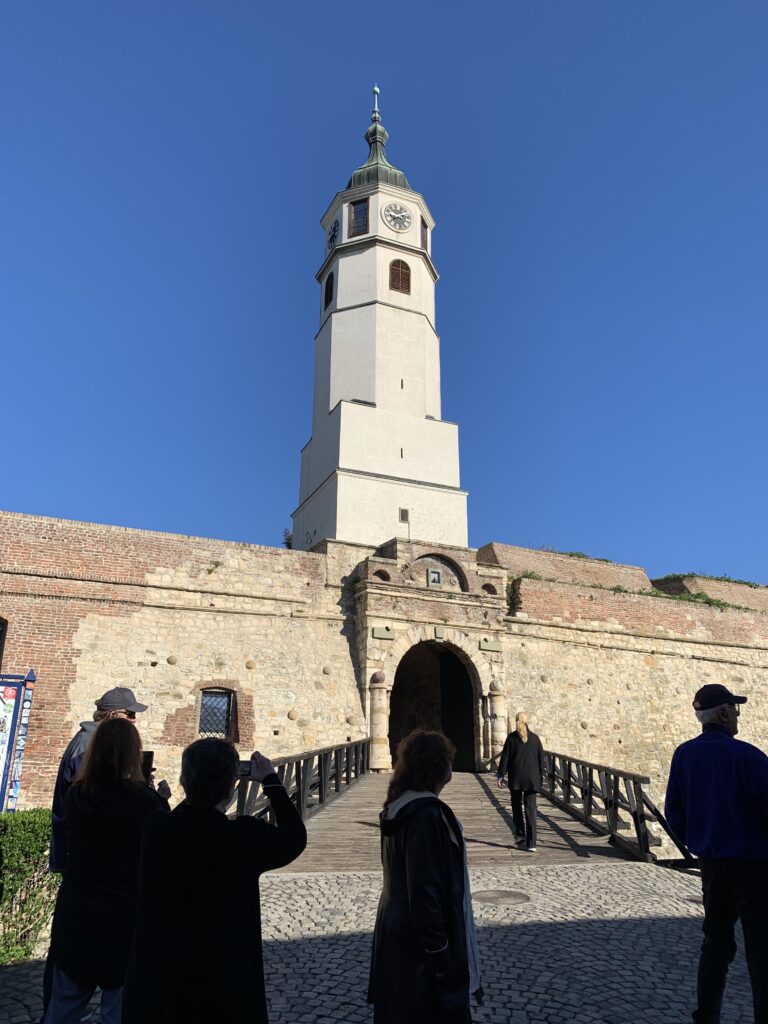
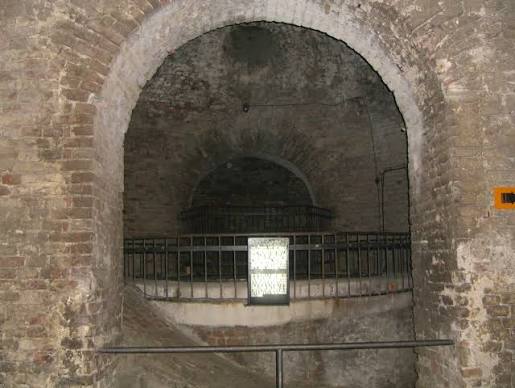
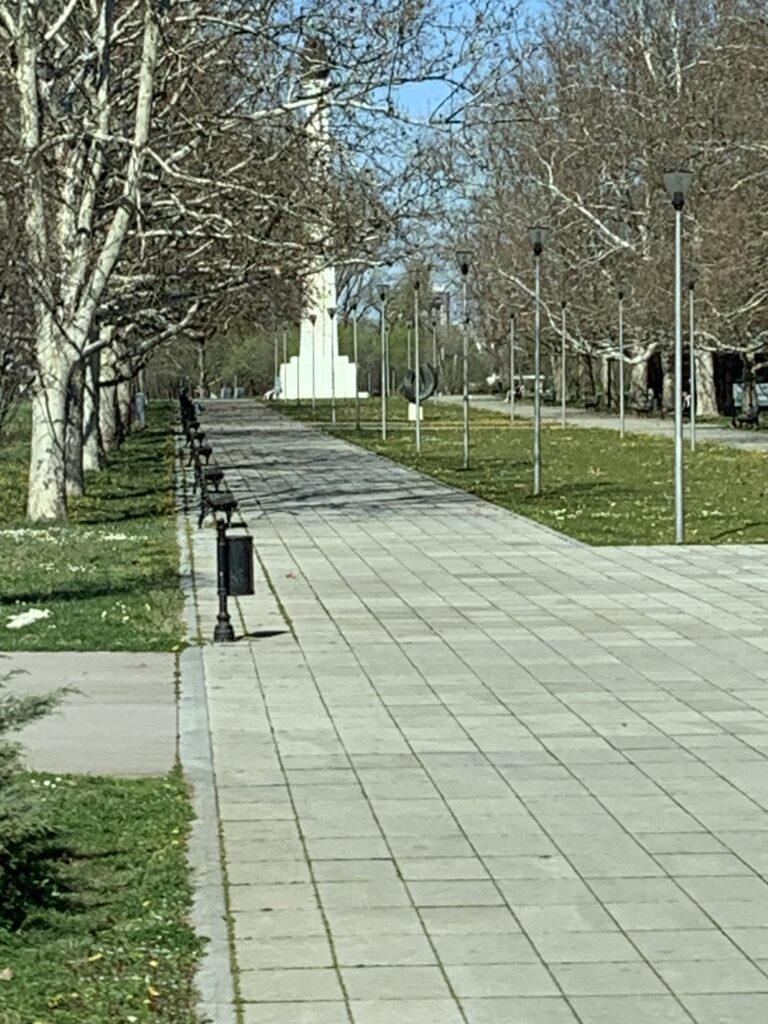
On the way to the Citadel we passed the Monument of Gratitude to France created by Ivan Meštrović. Located in Kalemegdan Park, It was erected as a sign of the gratitude of the Serbian people for the help that France provided them during the First World War. It was unveiled in 1930. Then we went on to the Belgrade Fortress, standing on a 410 ft. limestone cliff. It spans more than 2,000 years of history. The Upper Town features the Victory Monument, Sahat Tower, Roman Well, and Zindan Gate.
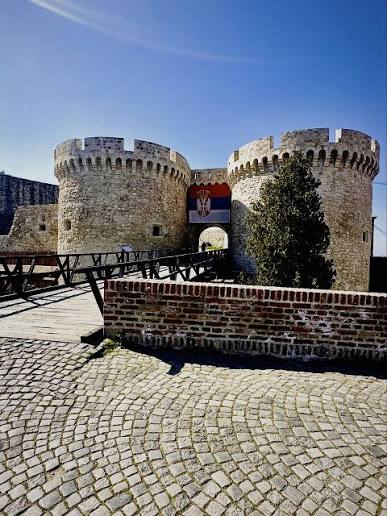
The Lower Town Slopes down toward the riverbanks and holds the Nebojša Tower, the Baroque Gate of Charles V, and the Bastion of St. James.
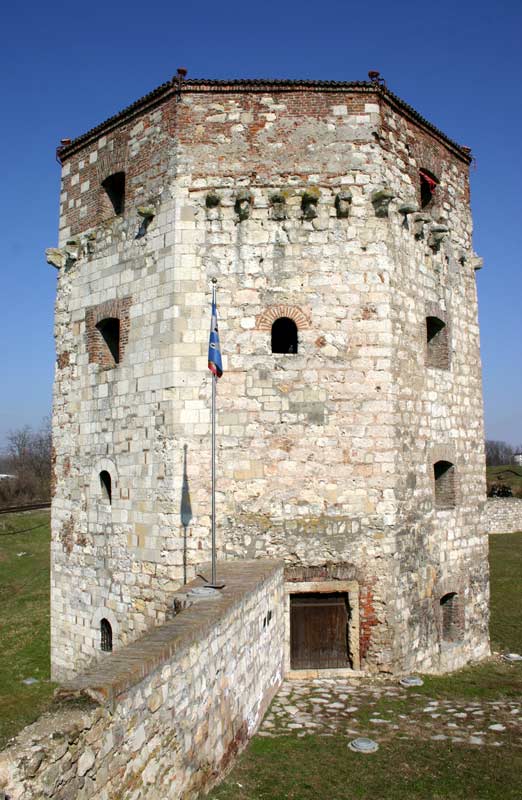
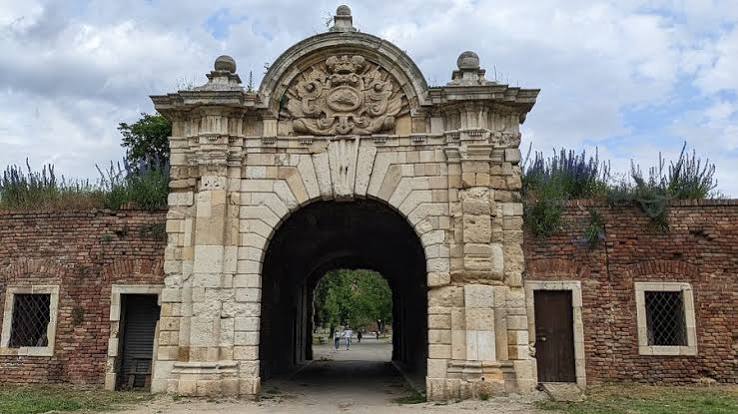
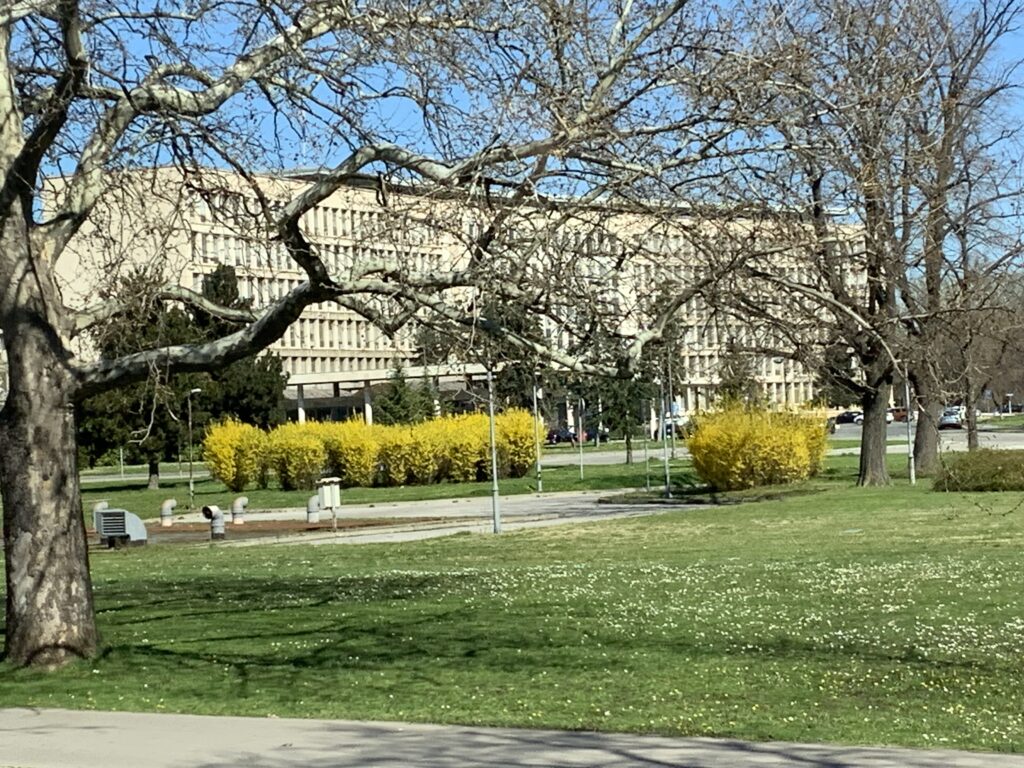
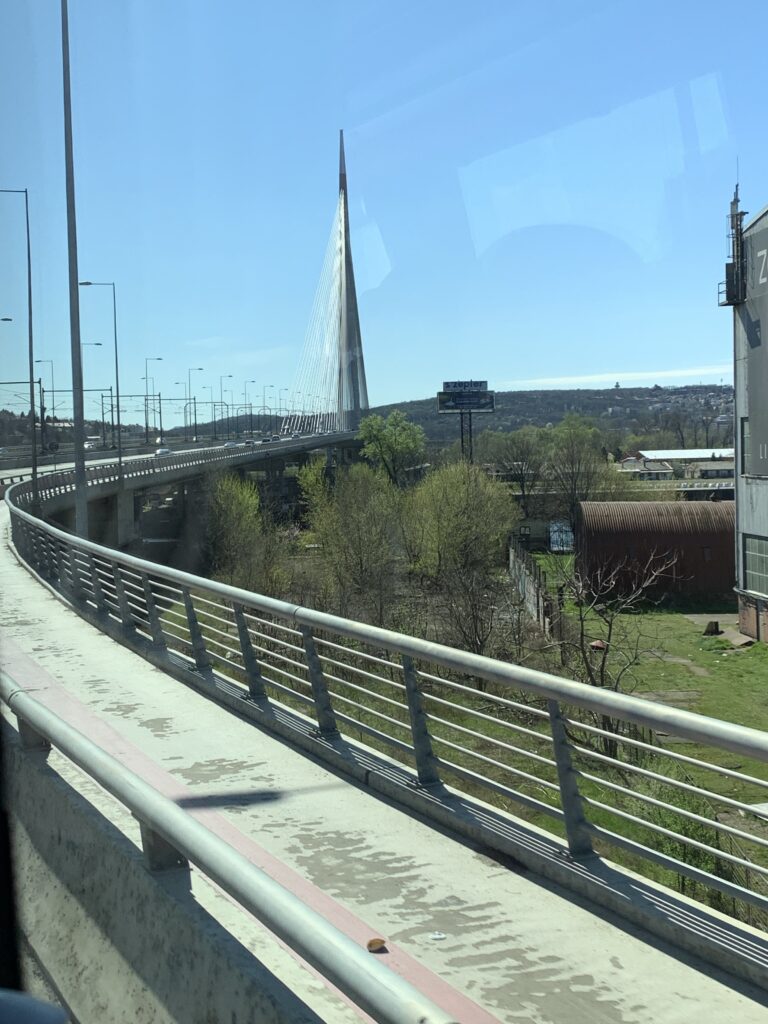
From the fortress we went to the Zeleni Venac, the Green Market, in the city. Next, we drove by The Park of Friendship with the Eternal Flame monument along the riverbanks, filled with people on the lovely walkways. Next, we the Palace of Serbia, and the Ada Bridge which crosses the Sava River.
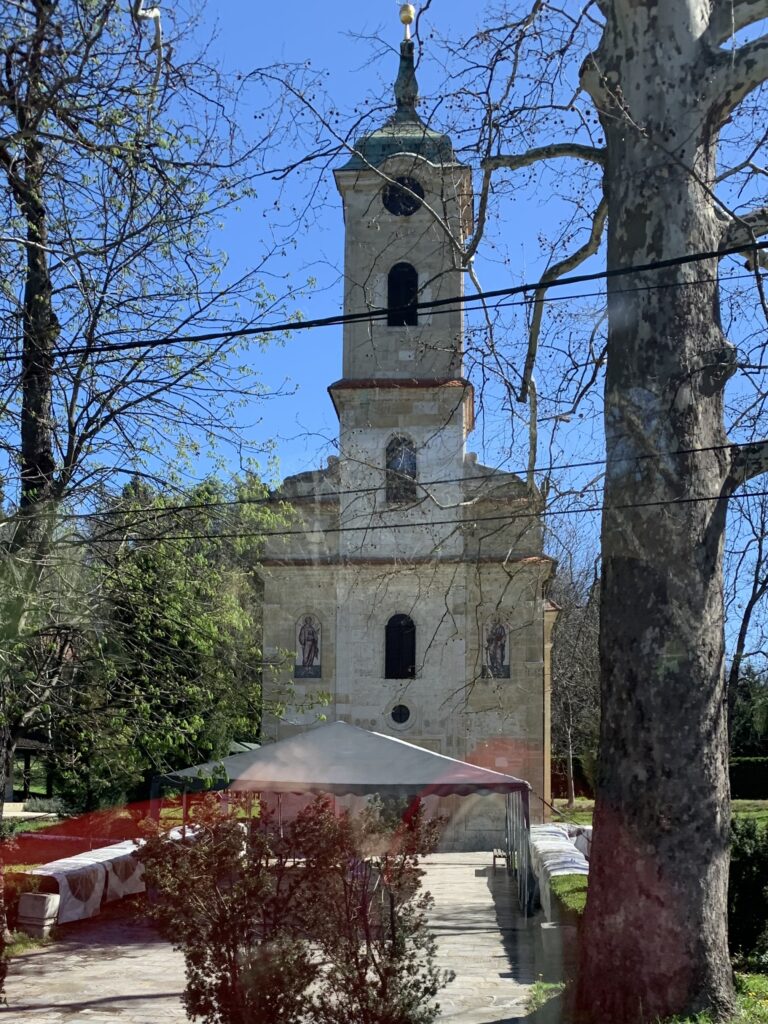
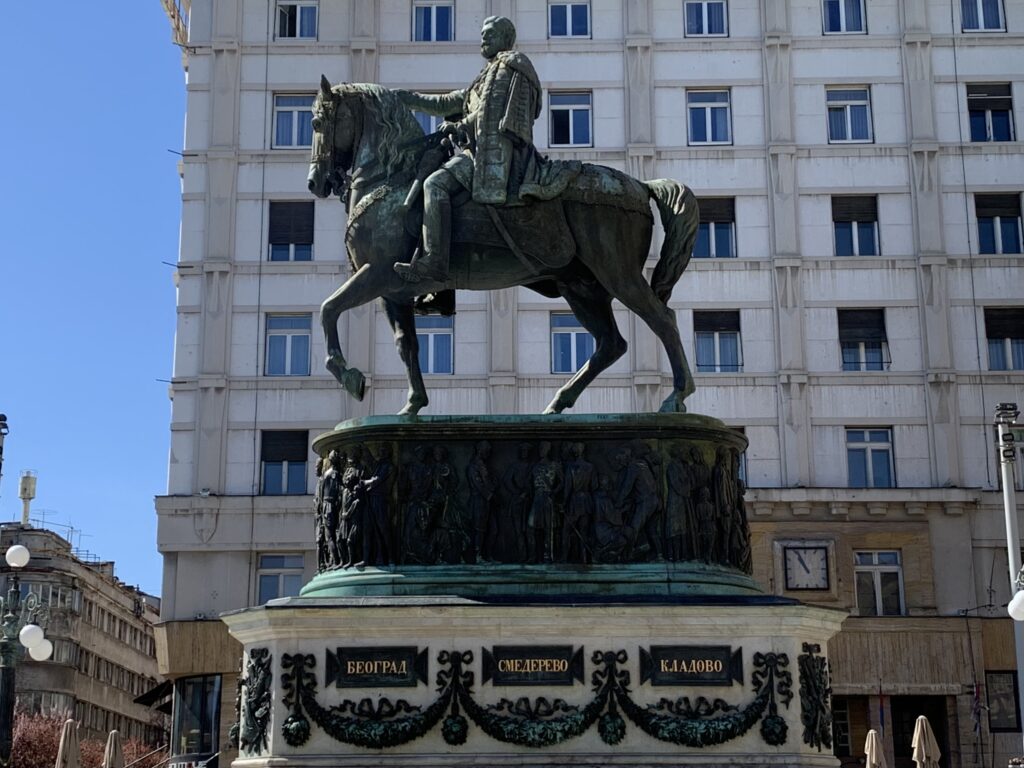
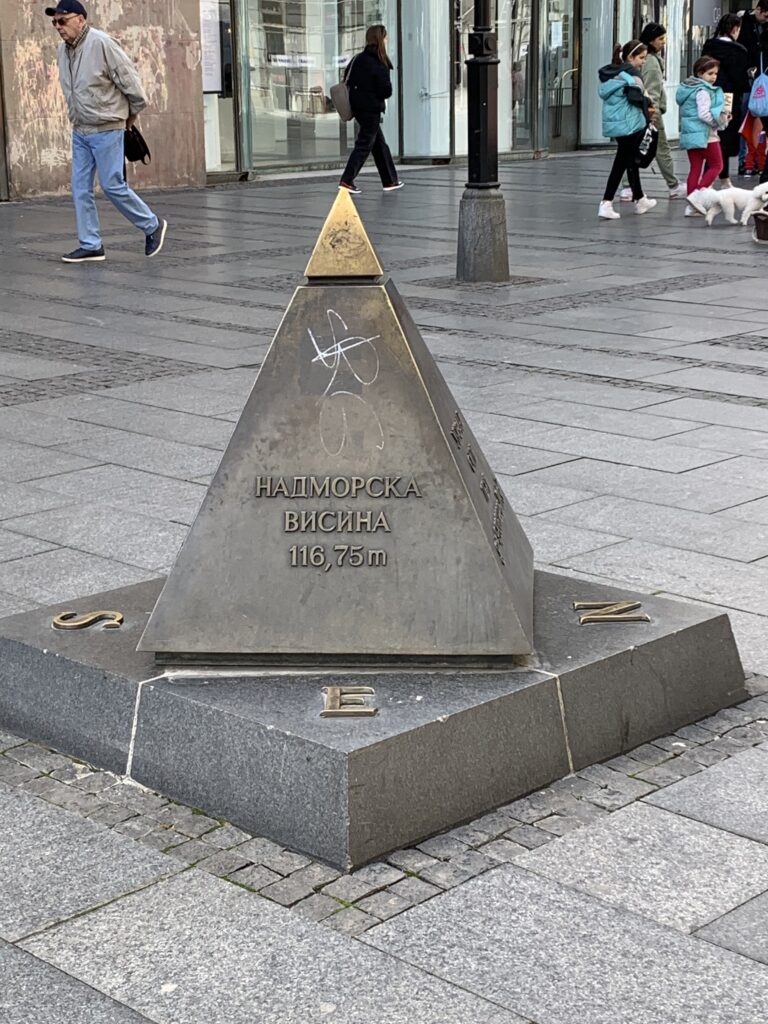
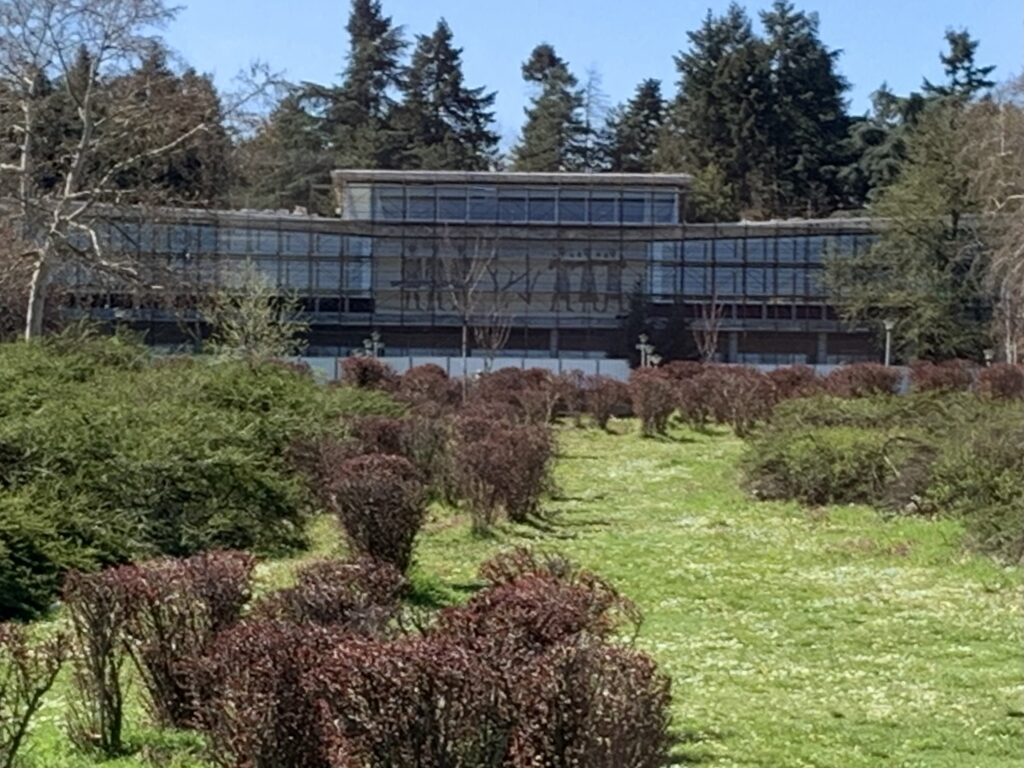
The Church of the Holy Apostles Peter and Paul is a historic Serbian Orthodox Church built 1832-34. The Church of St. Sava is a defining landmark in Belgrade. As one of the largest Orthodox churches in the world, it serves as a powerful symbol of Serbian faith and national identity. The Prince Mihailo Monument is Belgrade’s most famous public monument and serves as the city’s central landmark and meeting spot. The Prince liberated Serbia from Ottoman rule. The Belgrade Milestone marks the center of the city, Finally we passed the tomb of Tito’s tomb in the House of Flowers. Belgrade is a wonderful, friendly city.
The name Belgrade in Serbian means “white city” referring to the fortress built on a white ridge. The name was first recorded in 878 by Pope John VIII. Various cultures existed until the tribes of Thracians and Dacians ruled it, followed by the Scordisi Celts. Then the Romans came. It was the birthplace of the first Christian Emperor, Constantine the Great, but was called Singidunum at that time. In 442 Attila the Hun ransacked the city, followed by the Slavs. In 1529 the Turks burned and rebuilt the town and ruled for 150 years. Then it passed between the Austrians and Ottomans until 1867 when it became the capital of the newly liberated Serbia. Surely it is a resilient city.
Leave a Reply