Traveling to Franz Josef
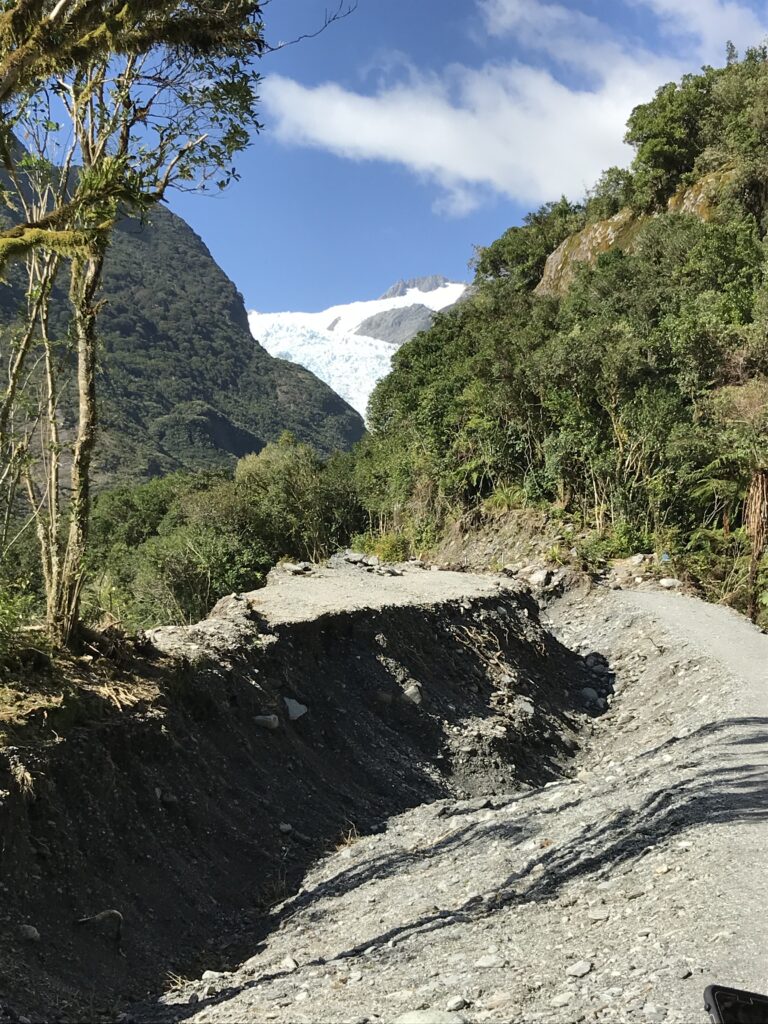
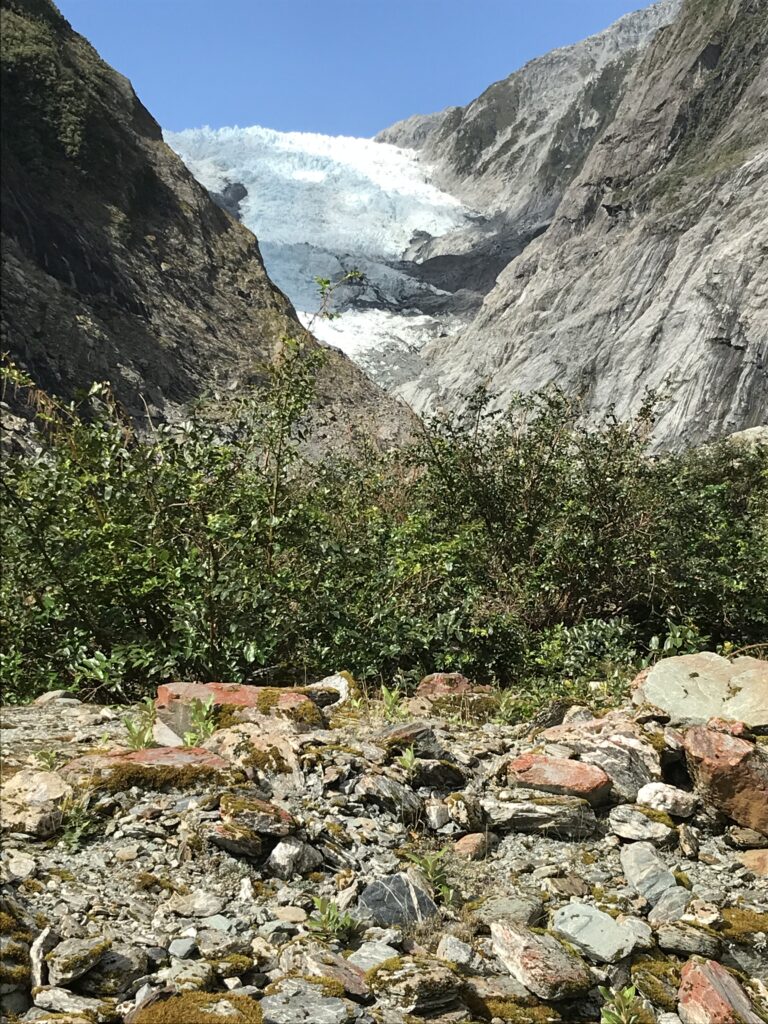
Today we motored to the town of Franz Josef on New Zealand’s rugged West Coast. It is famous for the Franz Josef Glacier (Kā Roimata o Hine Hukatere) in Westland Tai Poutini National Park, one of the only glaciers in the world to descend into a temperate rainforest.
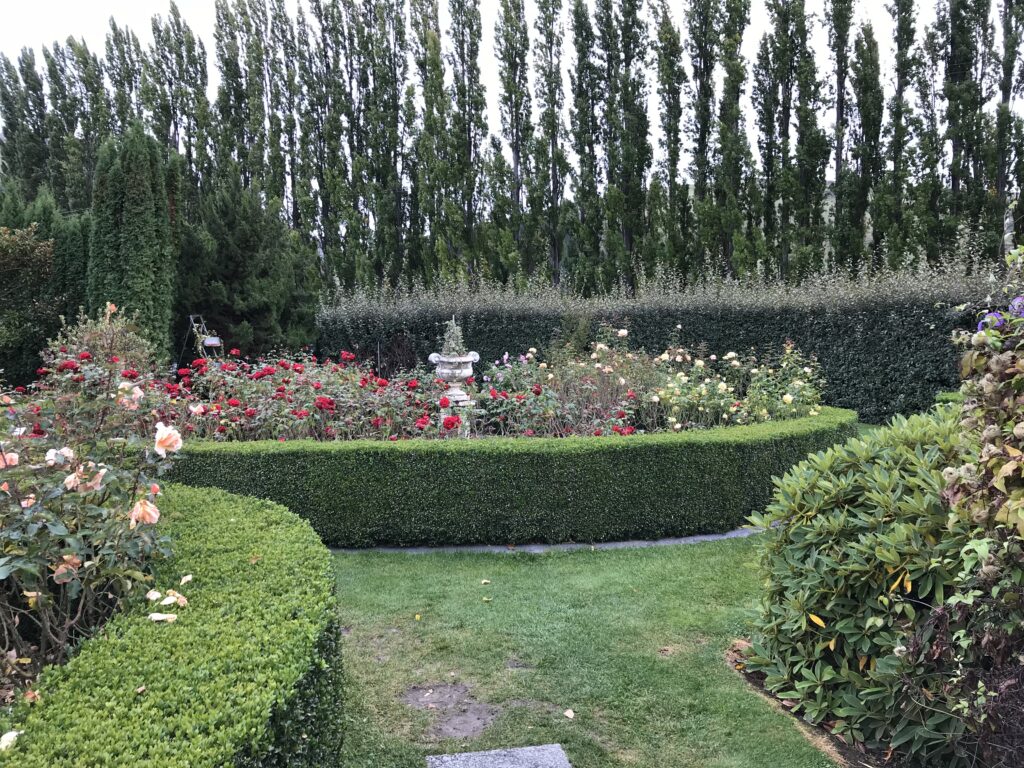
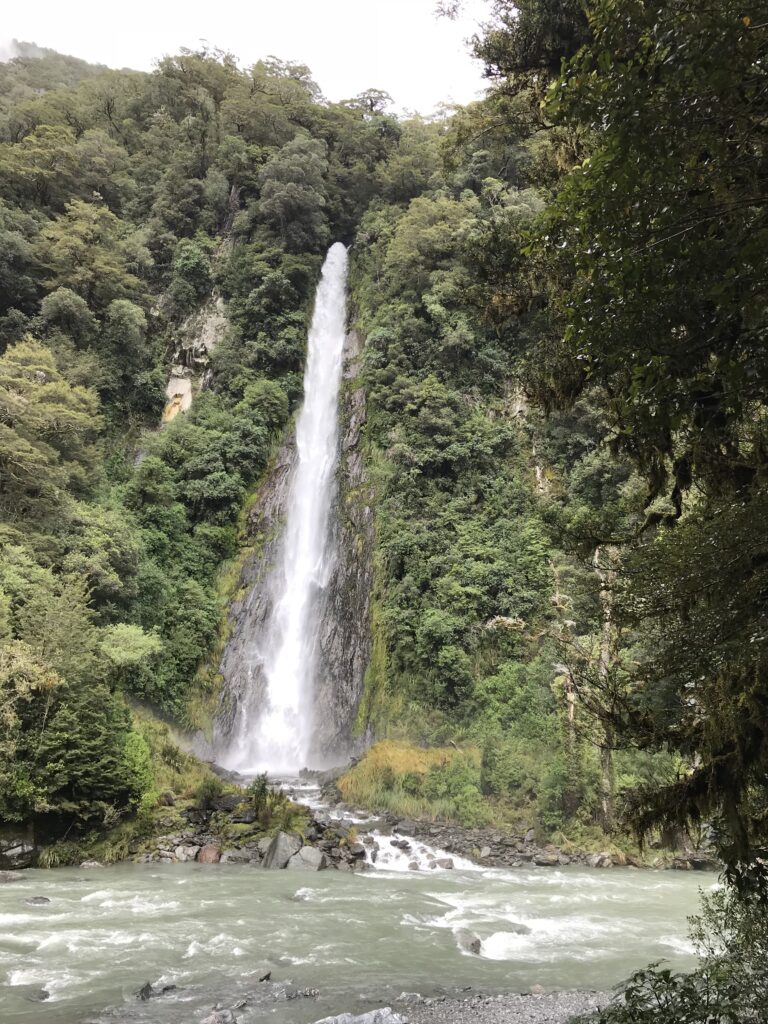
We passed beautiful scenery including mountains, valleys and lakes as well as the Thunder Creek Falls. We paralleled Lake Hawea, New Zealand’s seventh largest lake, bordering Mt. Aspiring National Park and Lake Wanaka, the fourth largest. Between the two lakes is The Neck, a narrow isthmus of land separating them. This national park has five species of beech trees. On the way we stopped at a famous fruit and vegetable stand in Cromwell, the Jones Fruit Stand. Here we could pick up fresh fruit, nuts, and the famous Manuka honey with his medicinal effects. There were beautiful rose gardens adjacent to the market.
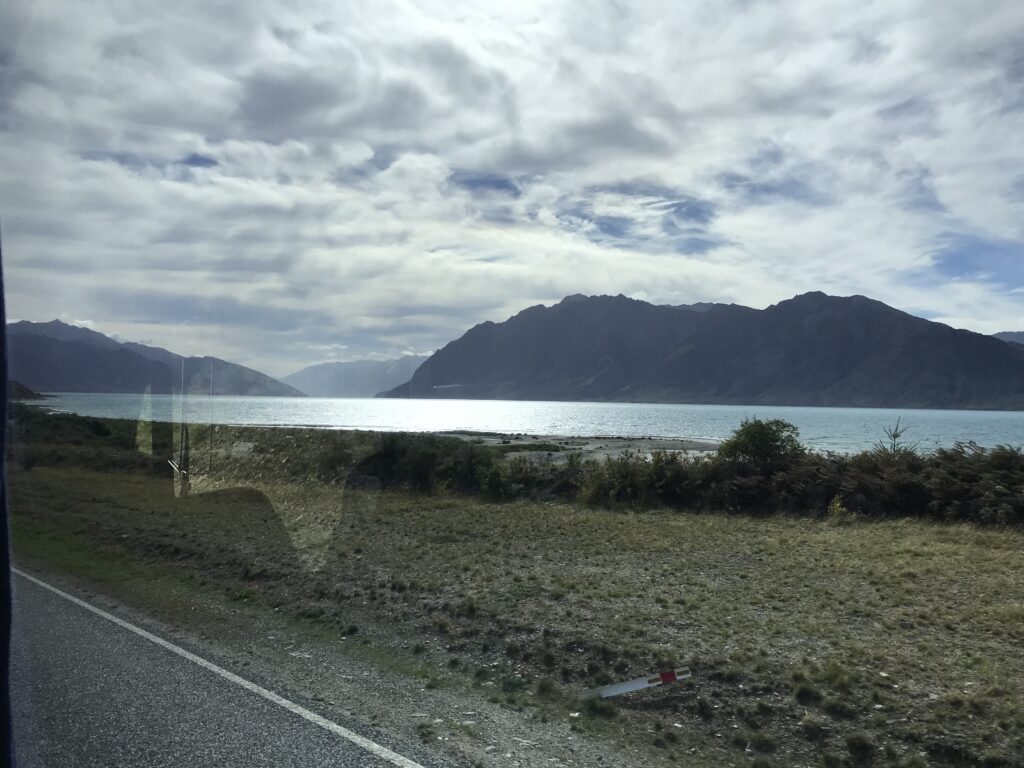

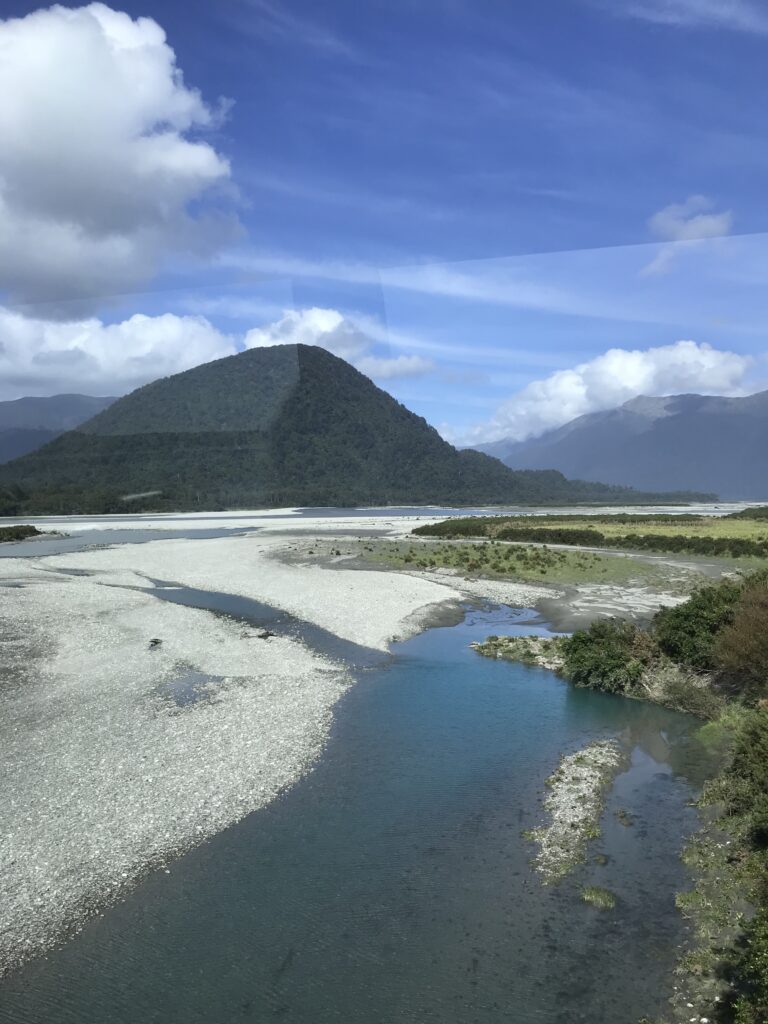
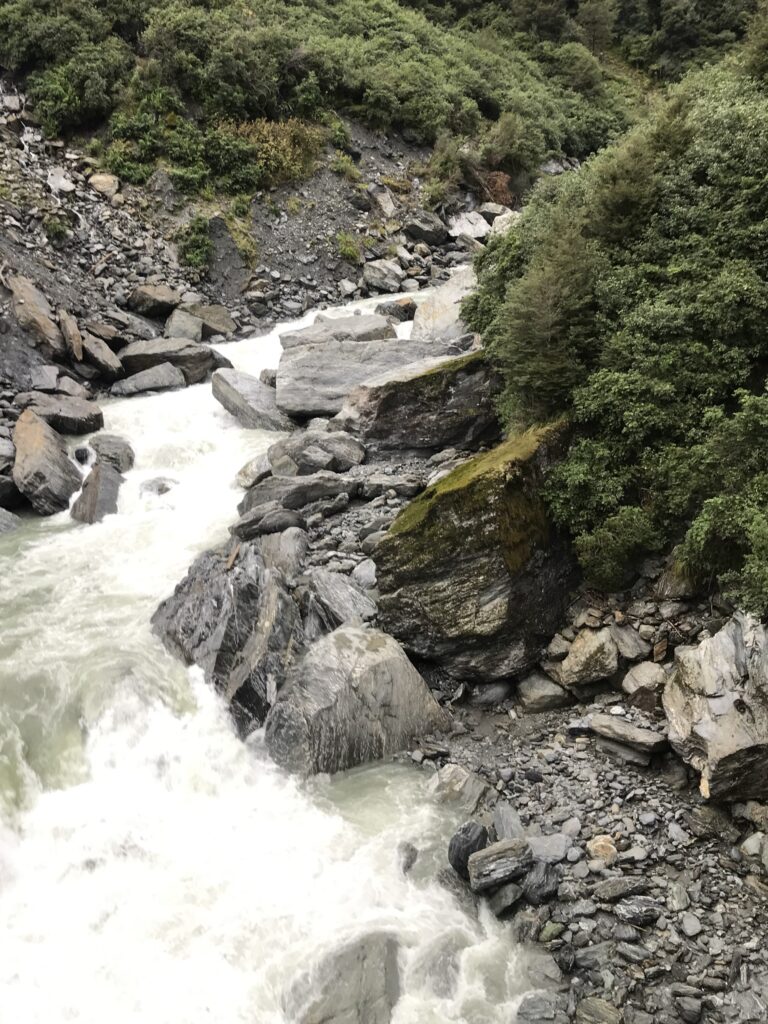
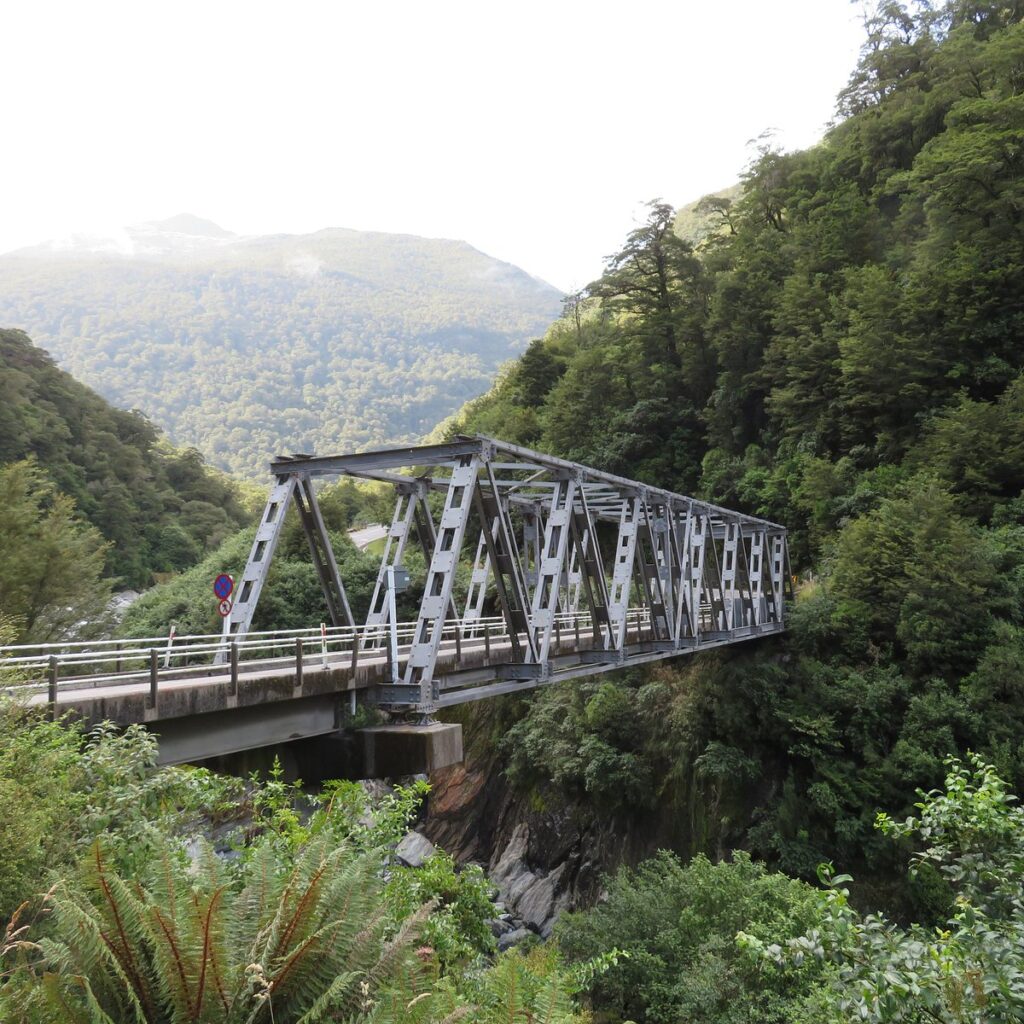
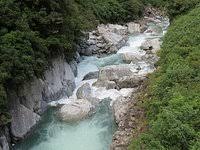
We continued on through Haast Pass, which is 1850 ft. above sea level and gets 13 to 20 ft. of rain a year. Close to the coast we crossed the country’s longest one-way bridge: The Gates of Haast Bridge. It traversed Haast Falls (really a series of rapids). The Haast River is an example of a braided river. There is a network of braided rivers in this part of New Zealand. They have wide shingled beds, many snaking channels, and variable water flows. From the bridge we could see down river to the Tasman Sea. At Barn Bay just south of Haast, Southern Australia is only 1056 miles away. We stopped in Haast for lunch.
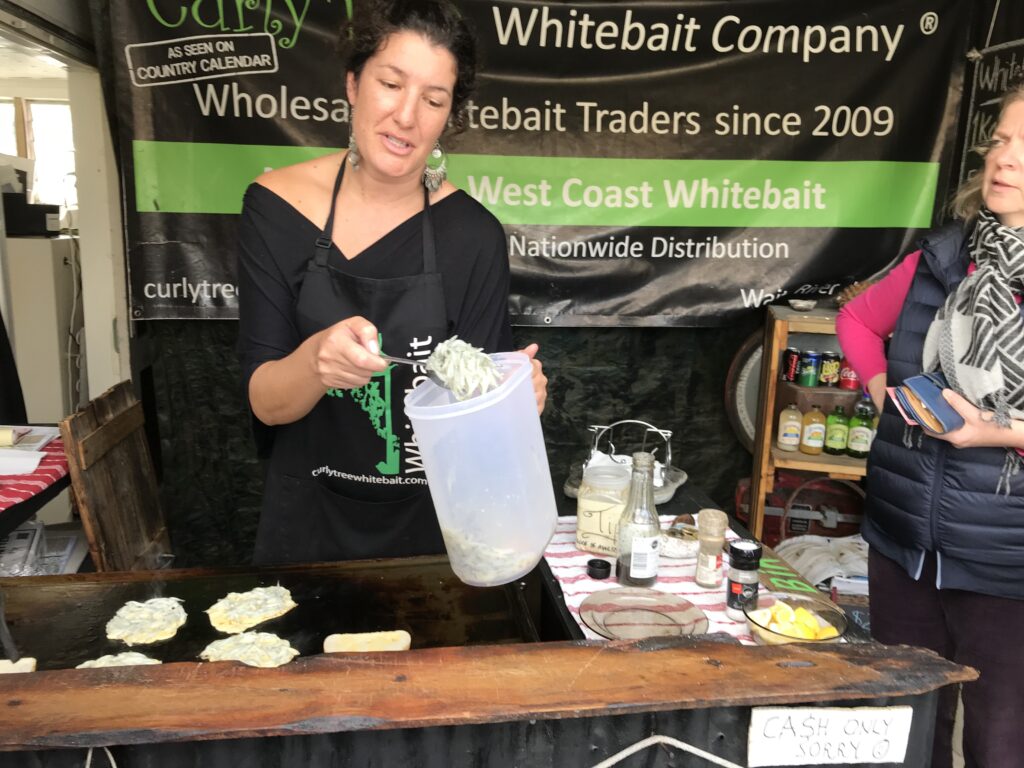
After lunch we continued up the scenic West Coast. On our way we stopped at Curly Tree Whitebait stand. Whitebait are immature fish fry that are considered a delicacy. The next stop was the beach at Bruce Bay where we dabbled our toes in and took pictures of the Tasman Sea.The whole area we have been through is a UNESCO World Heritage Area because of its beauty.
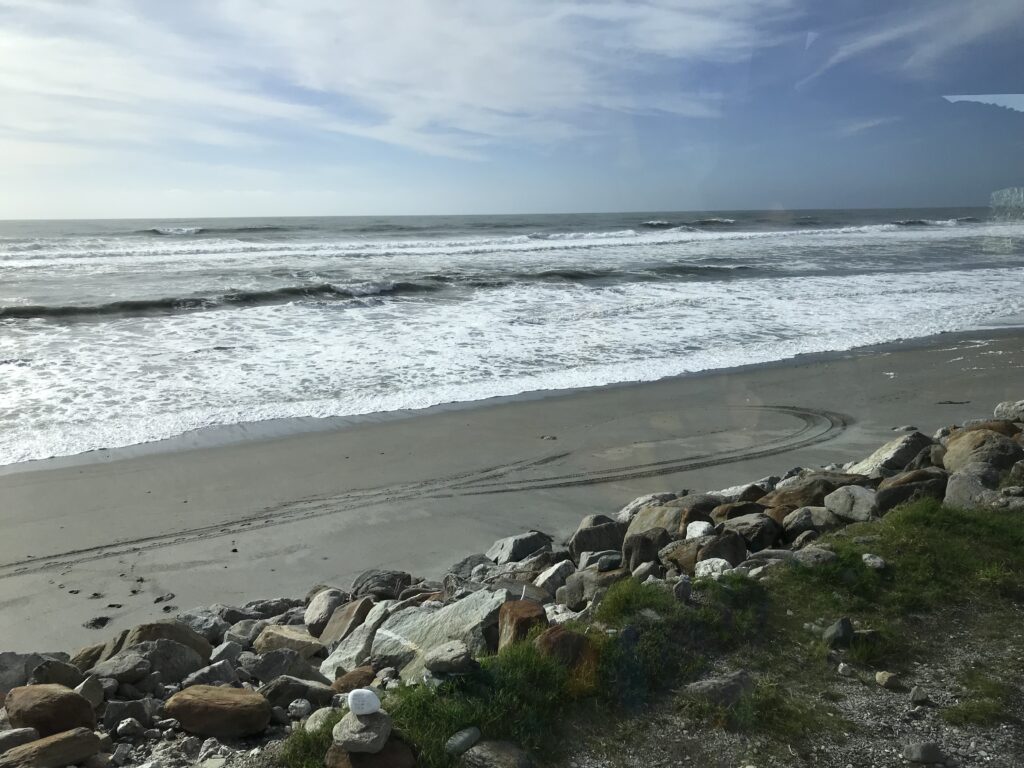
Tasman Sea
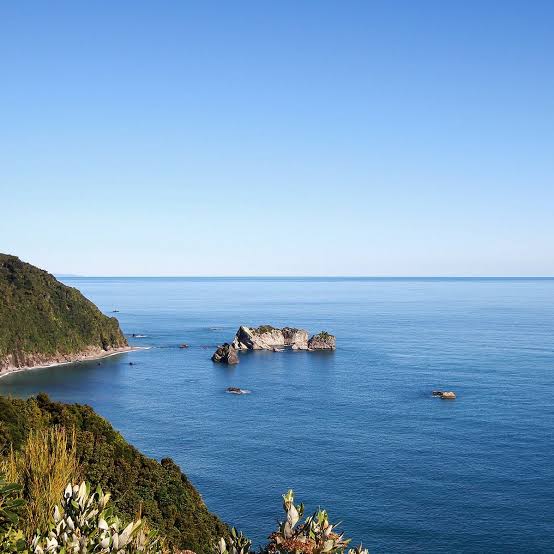
Tasman Sea
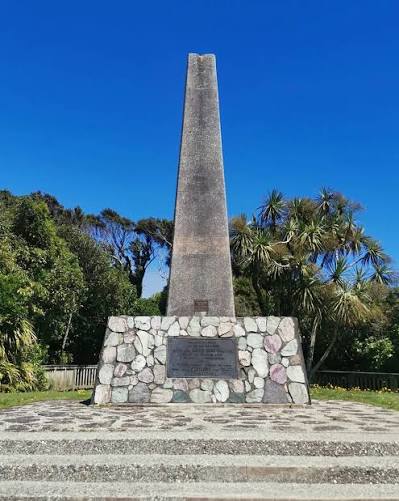
The whole area we have been through is a UNESCO World Heritage Area because of its beauty. We finally arrived at the town of Franz Josef, settled in. The countryside we traveled through today was simply astounding. The Tasman Sea, named for Abel Tasman, a Dutch seaman, who was the first European explorer to reach New Zealand, is very rough and dangerous. In the 1860s a gold rush brought many people up the west coast of New Zealand. So there are many small towns with gold rush origins. There are over 3,000 glaciers at least one hectare in size. All the lakes along the west coast are glacial lakes.
Franz Josef Glacier
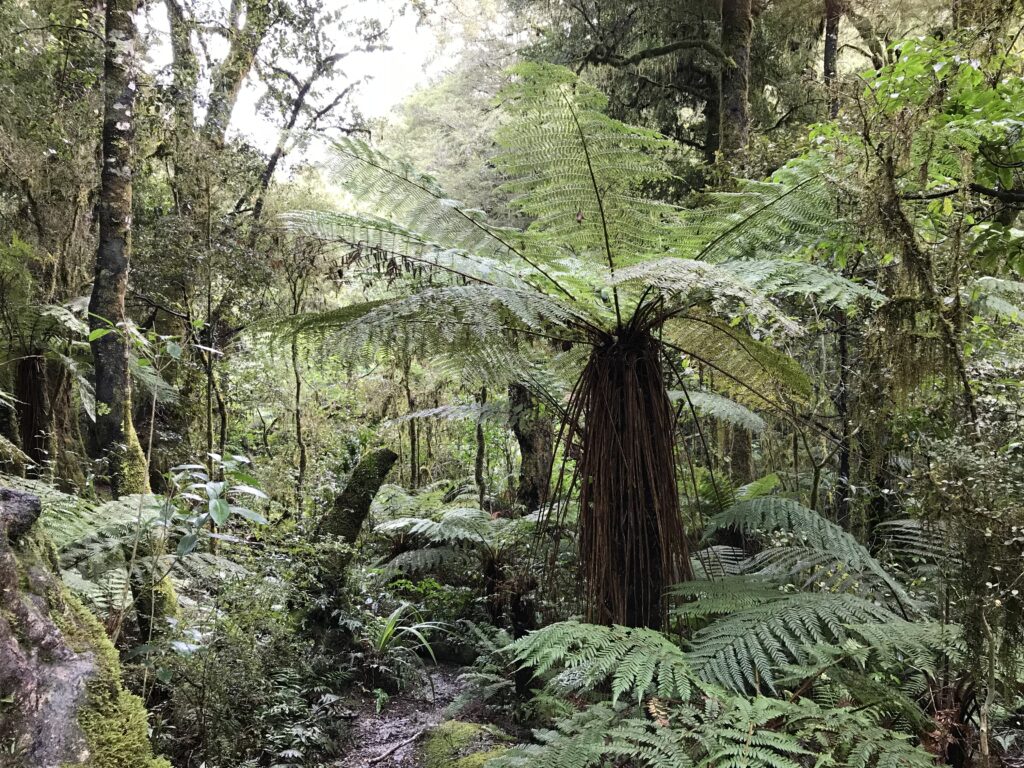
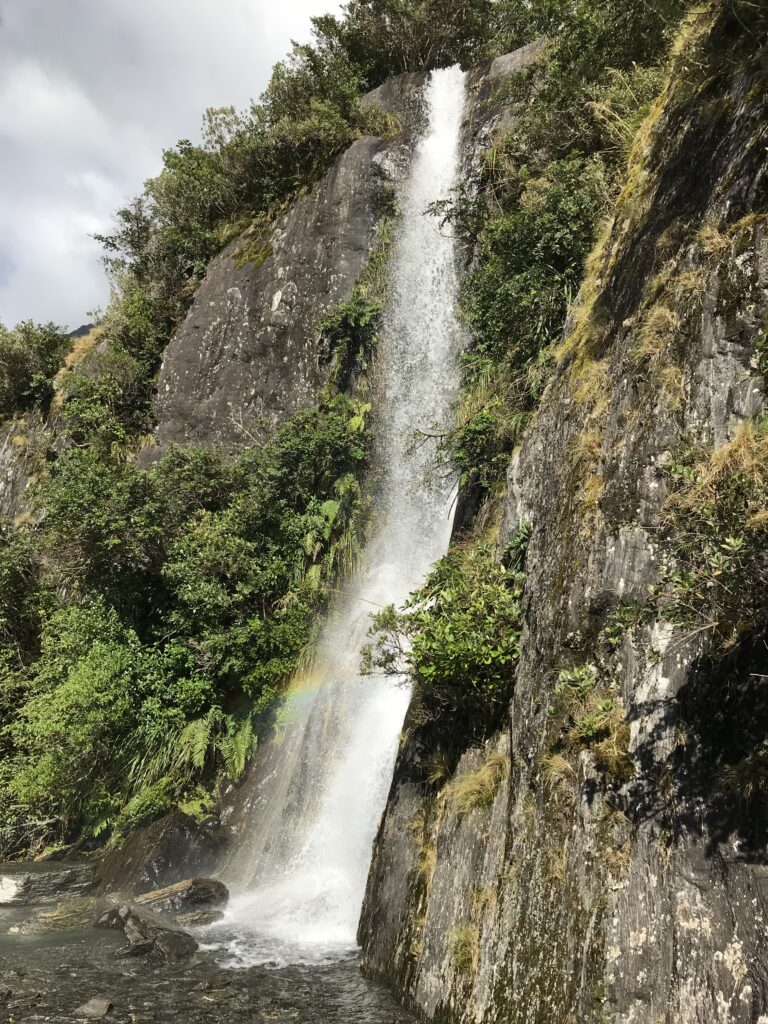
This morning we took a three-mile hike through the rain forest up to the Franz Josef Glacier (Kā Roimata o Hine Hukatere). We walked along the Waiho River bed, following the glacier’s retreat. Seven and a half miles long,, it is one of the world’s fastest moving glaciers and ends in a rain forest. It is located in the Southern Alps in the Westland/Tai Poutini National Park. It was first explored in 1865 by Julius von Haast who named it for the Austrian emperor. The experience of walking through rain forest to the glacier was amazing.
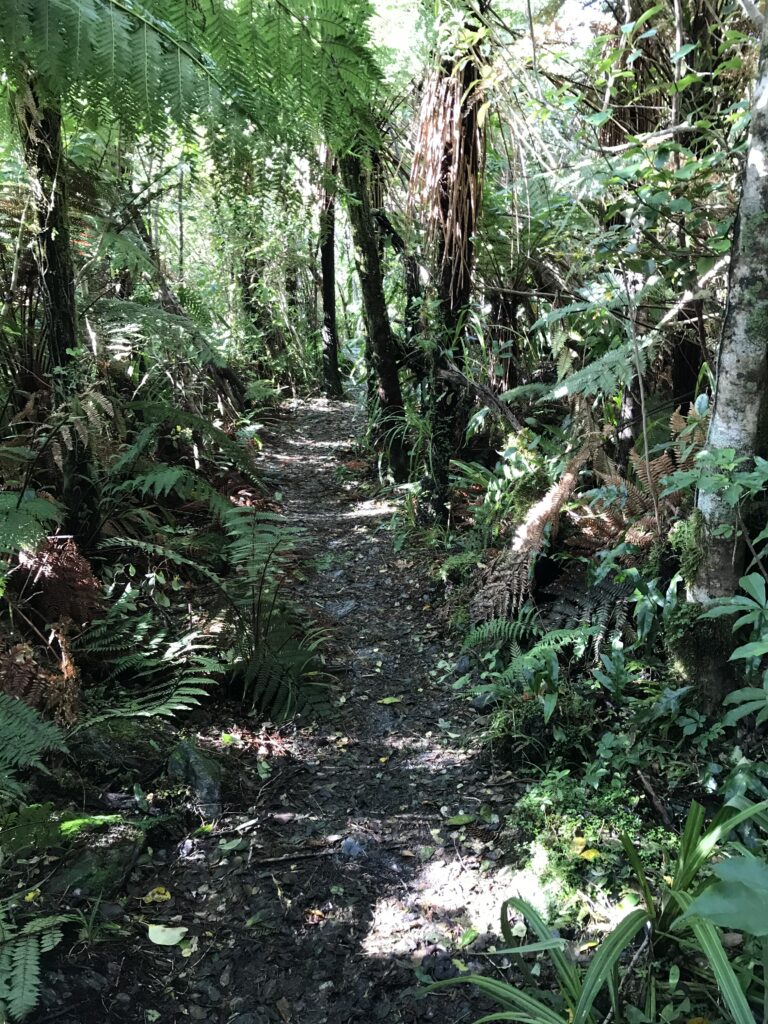
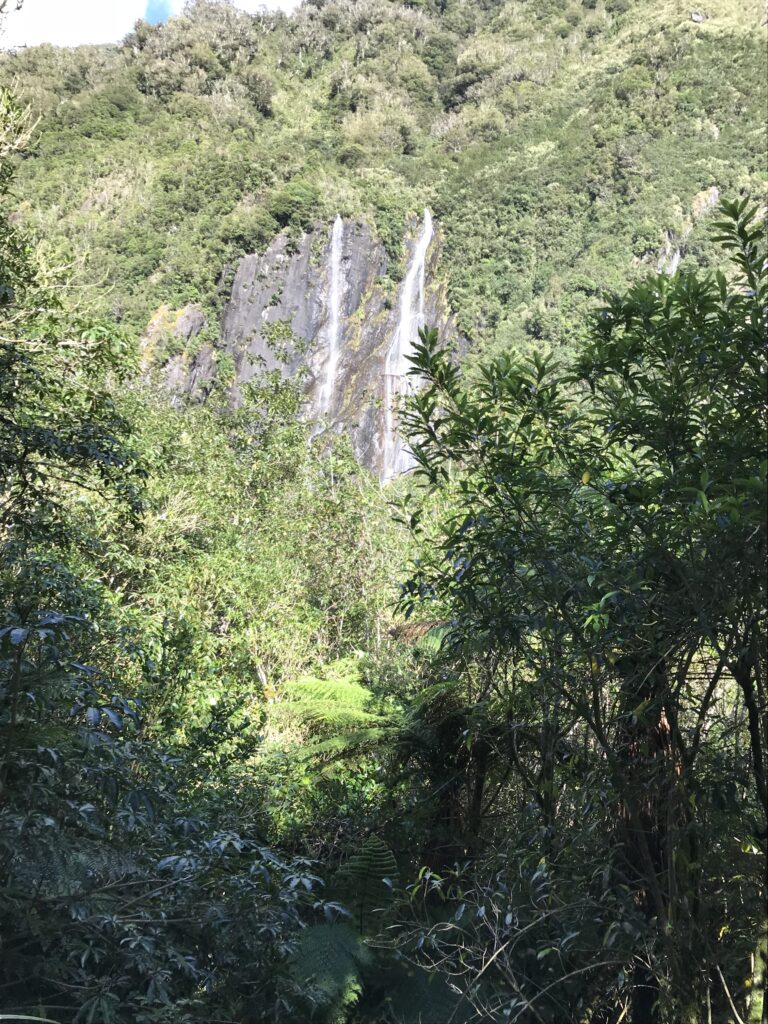
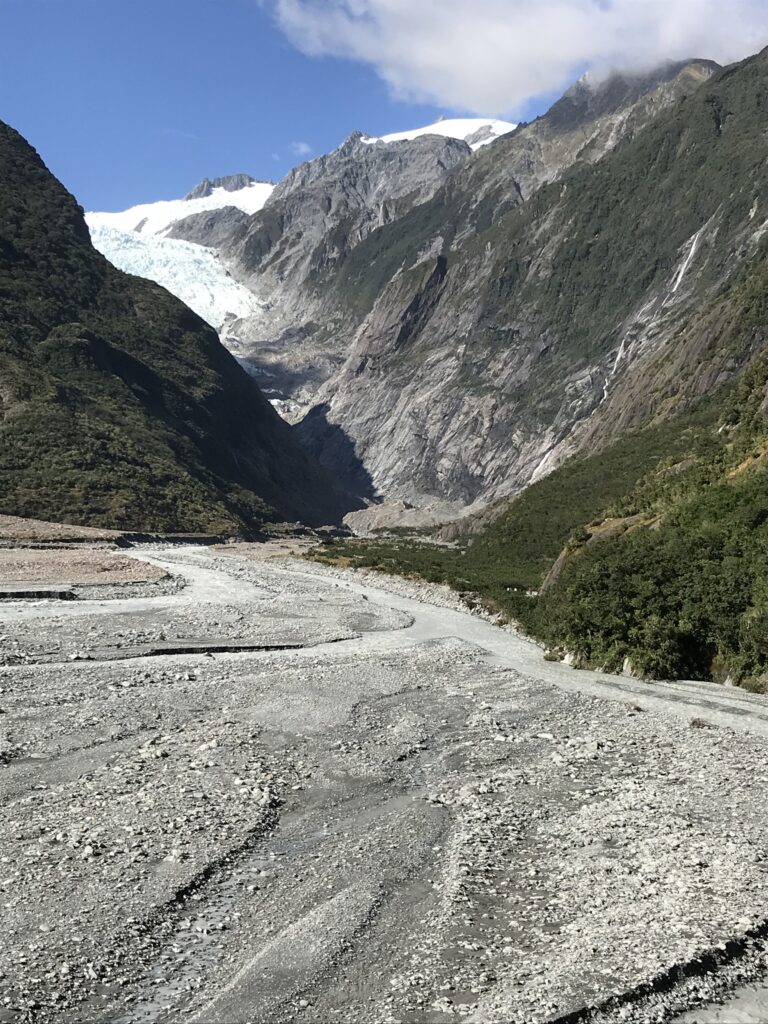
After the trip to the Glacier we had lunch at Alice May restaurant, a lovely café. After lunch, we went to the Kiwi House to observe the national birds. In their habitat were six kiwis. They are afraid of light so we could not take pictures. The guide used a red laser, which the birds cannot see to help us find them in the habitat. Kiwis are nocturnal, flightless birds only found in New Zealand. I have seen a real kiwi!!
Then we rested until dinner at the hotel.
Leave a Reply