As Peru’s most iconic archaeological site, Machu Picchu has appropriately been deemed one of the New Seven Wonders of the World and a UNESCO World Heritage Site. The name Machu Picchu originates from the Quechua word “Machu Pikchu” meaning “old mountain.”
Constructed in the 15th century under the order of Inca Emperor Pachacuti, this royal citadel was only inhabited for approximately one hundred years. Machu Picchu remained hidden during the Spanish conquest, so it escaped vandalism and destruction.
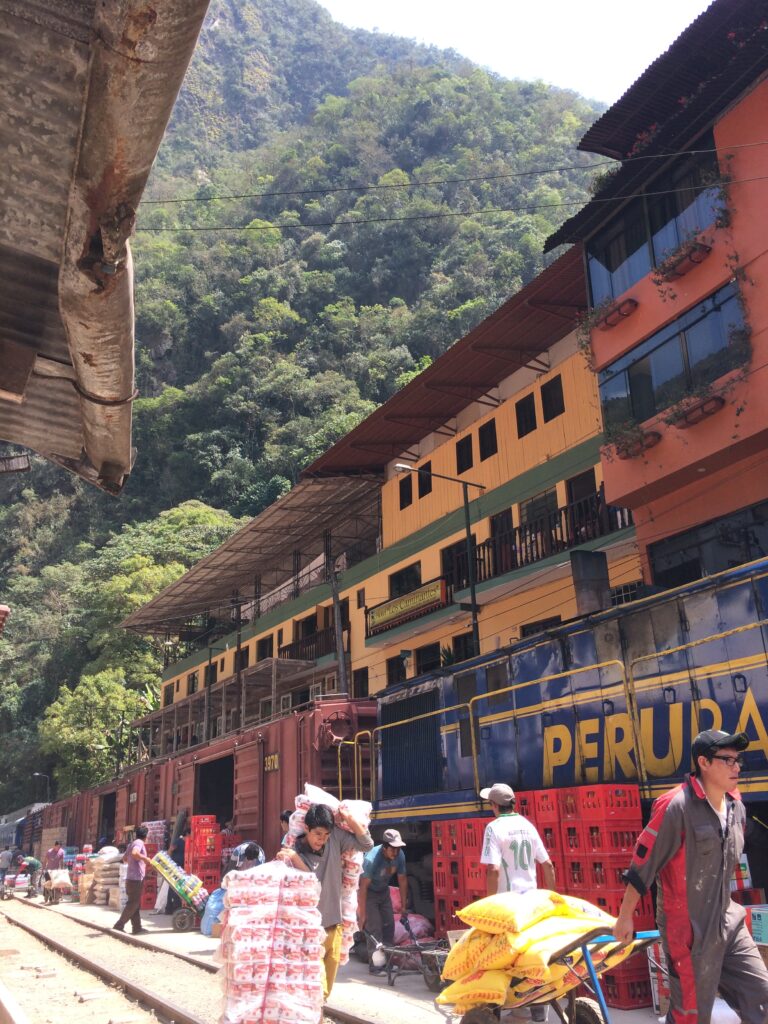
After a scenic train ride through the Sacred Valley, we arrived in the village of Aguas Calientes, where we stayed after our exploration of Machu Picchu.
Machu Picchu is the “Lost City of the Incas.” This ancient city was a place little known not only to foreigners, but also to the Inca people—only a select few were ever allowed to visit this mysterious sanctuary. Even though it was “discovered” by Hiram Bingham in 1911, Machu Picchu remained inaccessible until the 1940s, when the Inca Trail was found by an archaeological expedition.
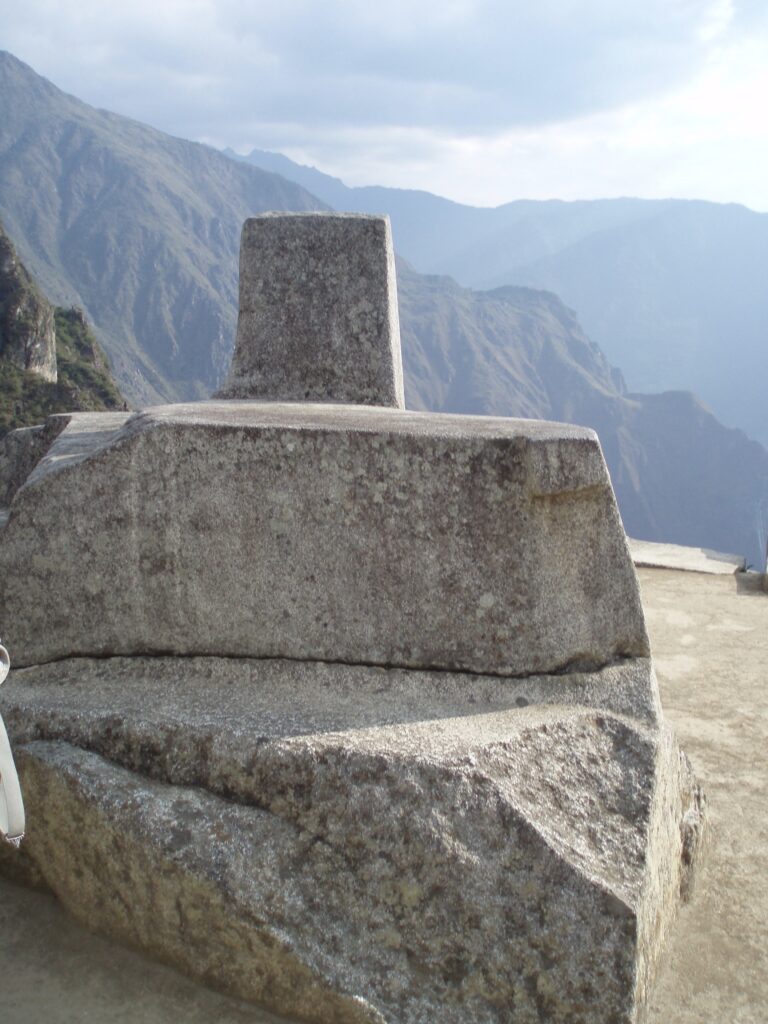
Ensuing explorations uncovered relics indicating that the “Lost City of the Incas” may have been the religious center of Inca life. The temples, astronomical observatory, and a remarkable solar clock named Intiwatana, or “hitching post to the sun” are all signs of the Incas’ devotion to their sun god. Also nearly all the unearthed human remains are female which also points to Machu Picchu being a site of religious sacrifice.
What happened to the people is unknown. Smallpox decimated the population in the early 16th century, but the remainder may have succumbed to drought or disease, been conquered by the Spanish, or simply abandoned the site.
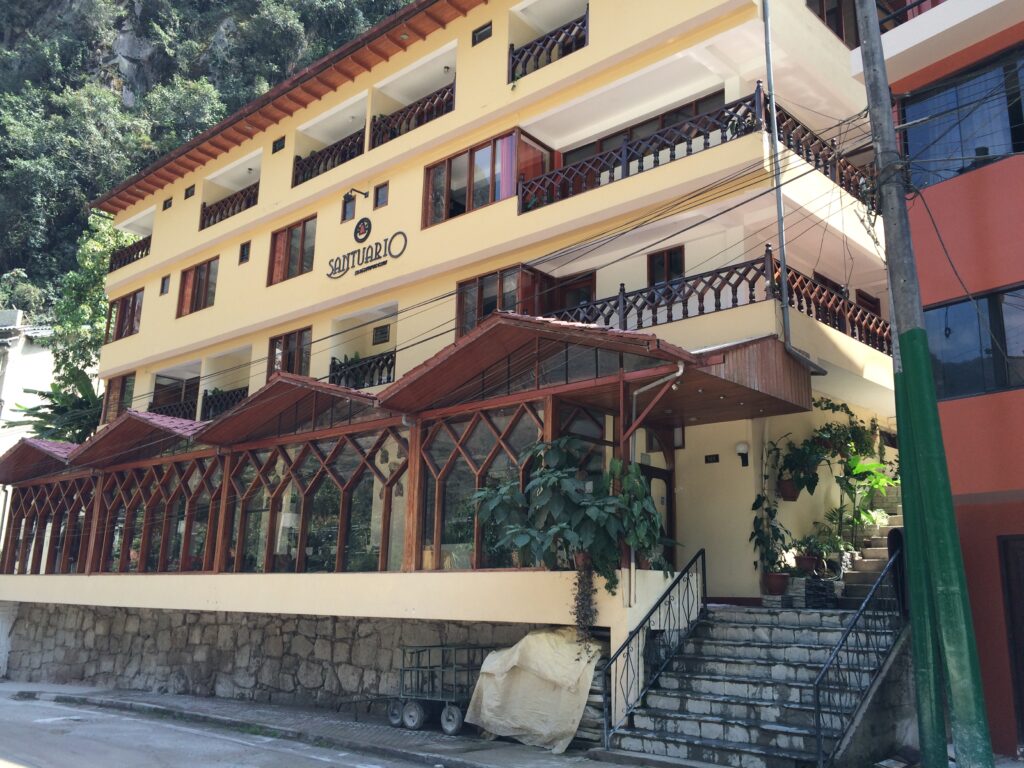
Although there was a long line waiting for admission to the site, we were able to walk right in and begin our compelling look at this fabled “Lost City,” the crowning point of our trip. Maricela explained all about the Machu Picchu’s place in the Incan world, the terraced landscape, the remnants of its Ritual Baths, the Palace of the Princess, Main Fountain, and Sun and Condor temples. She paced the trek well, and we all made it to the top, to the Sacred Rock and the Temple of the Sun, 13,000 steps. When the park closed at 5 p.m., we had had a complete tour. We returned to Aguas Calientes, checked into our hotel, El Santuario Hotel, then enjoyed dinner at a local restaurant
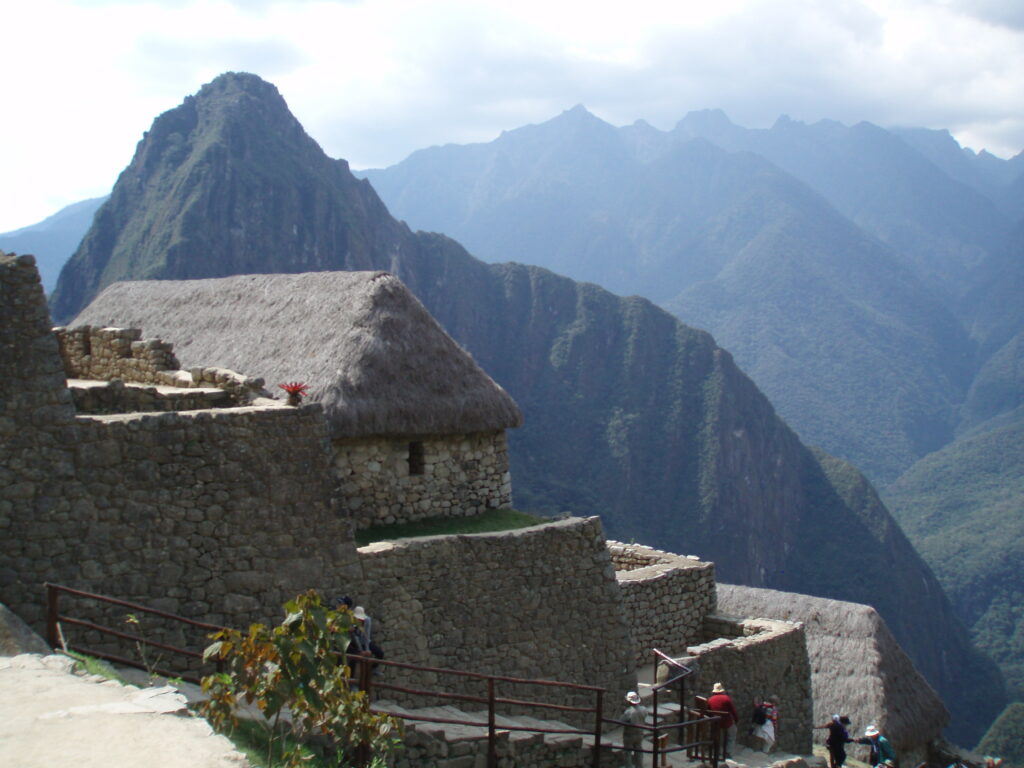
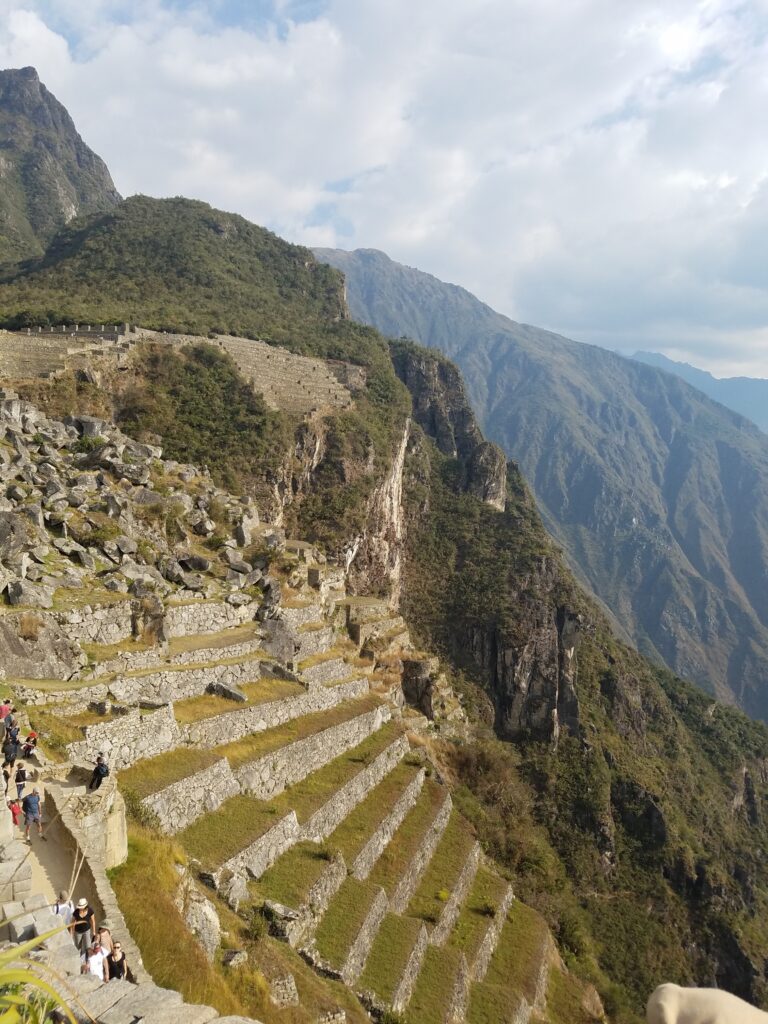
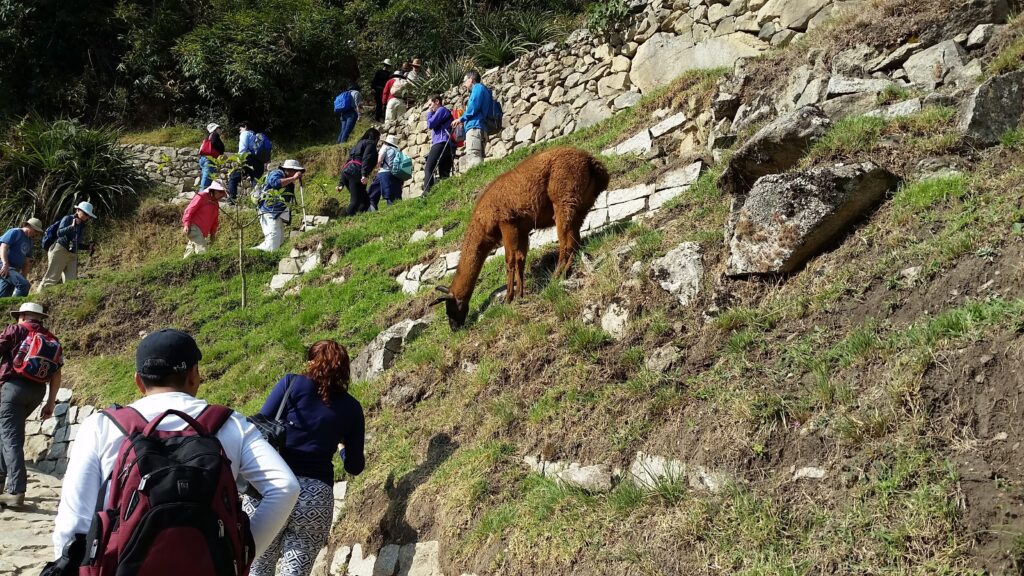
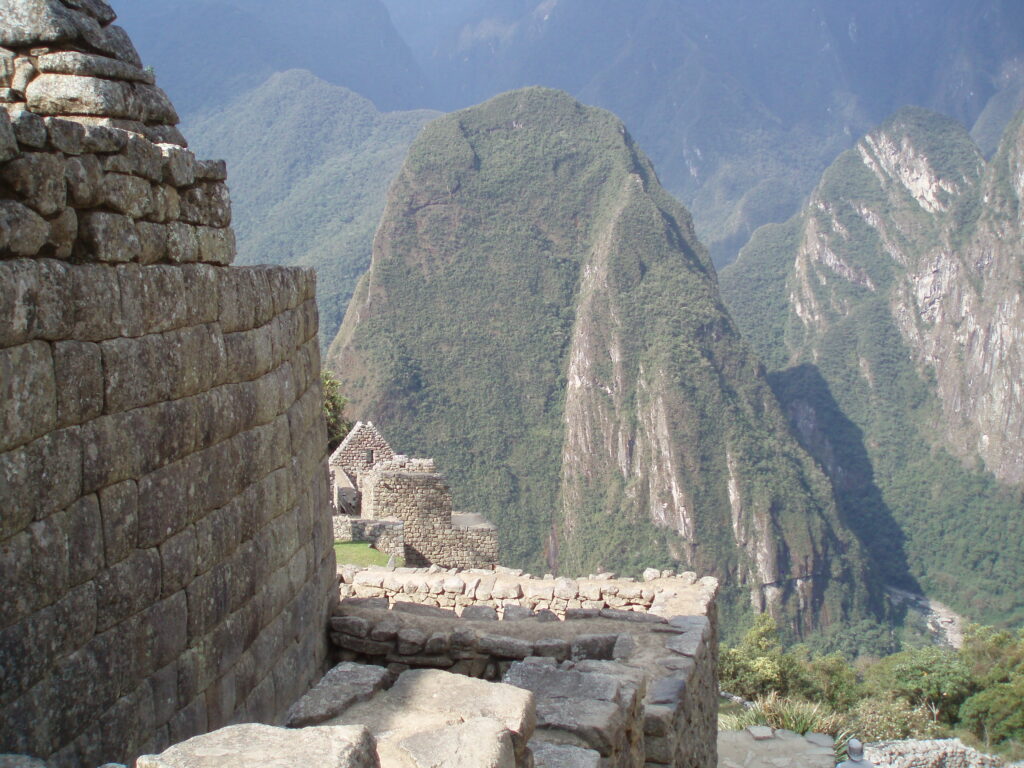
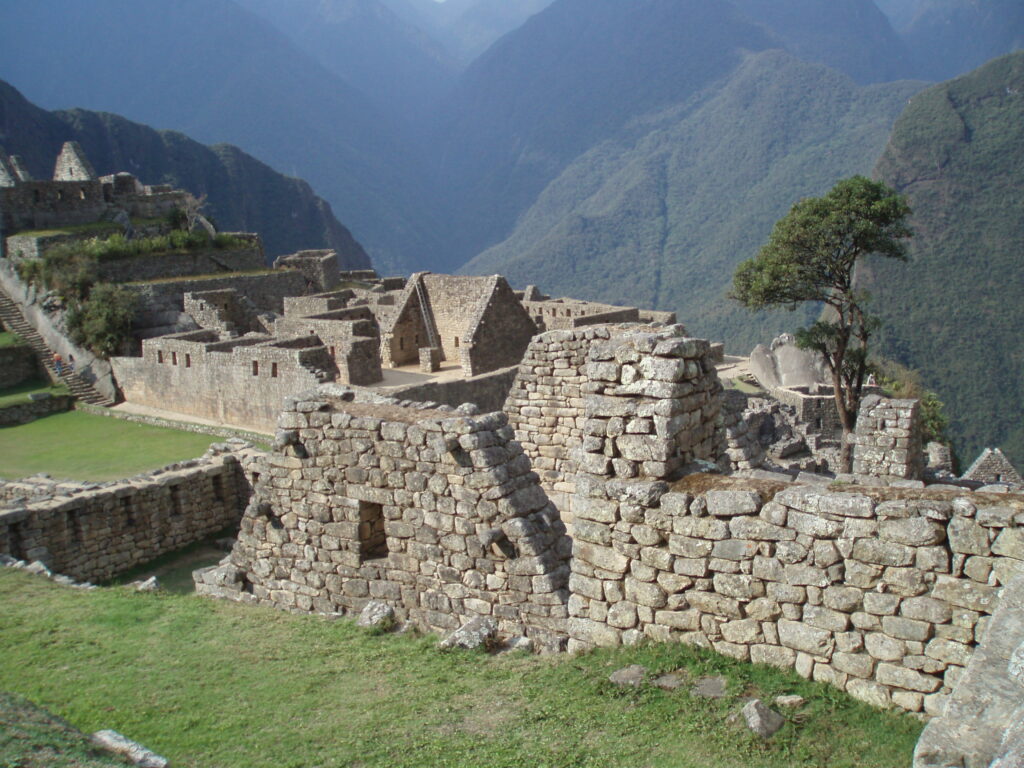
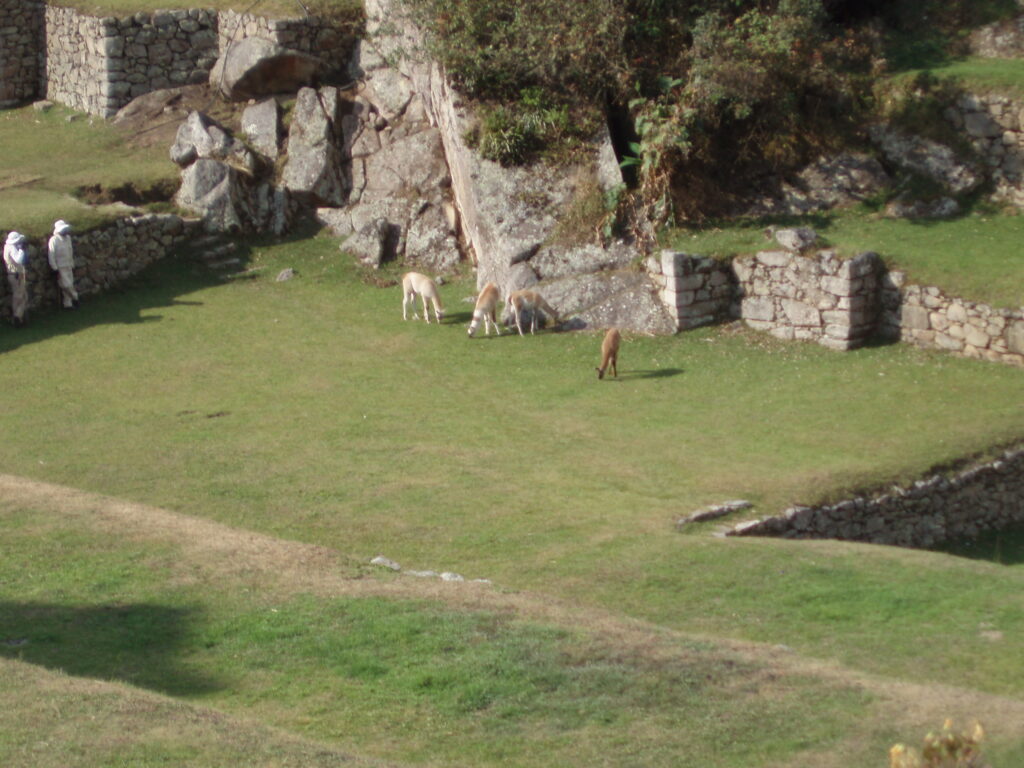
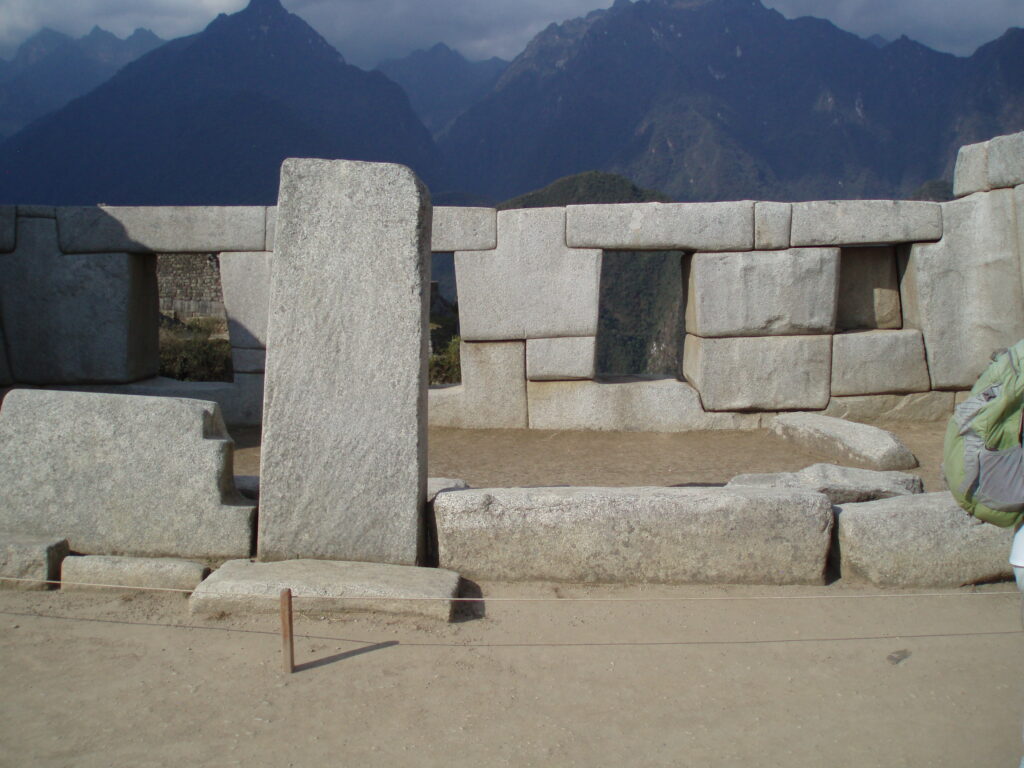
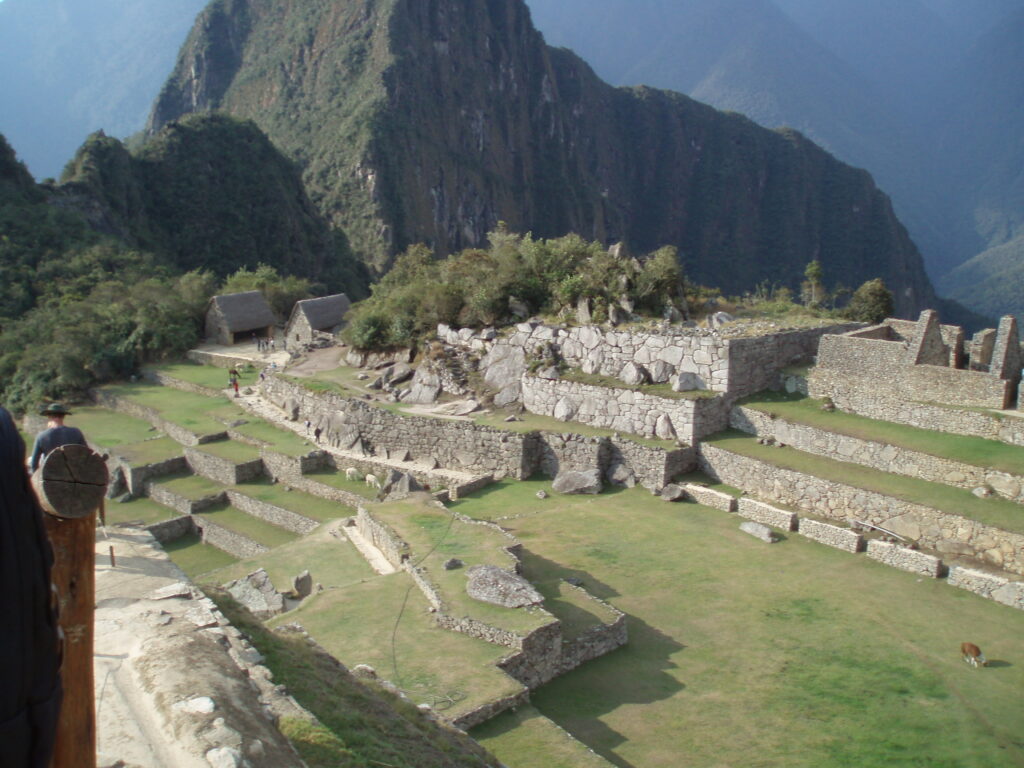
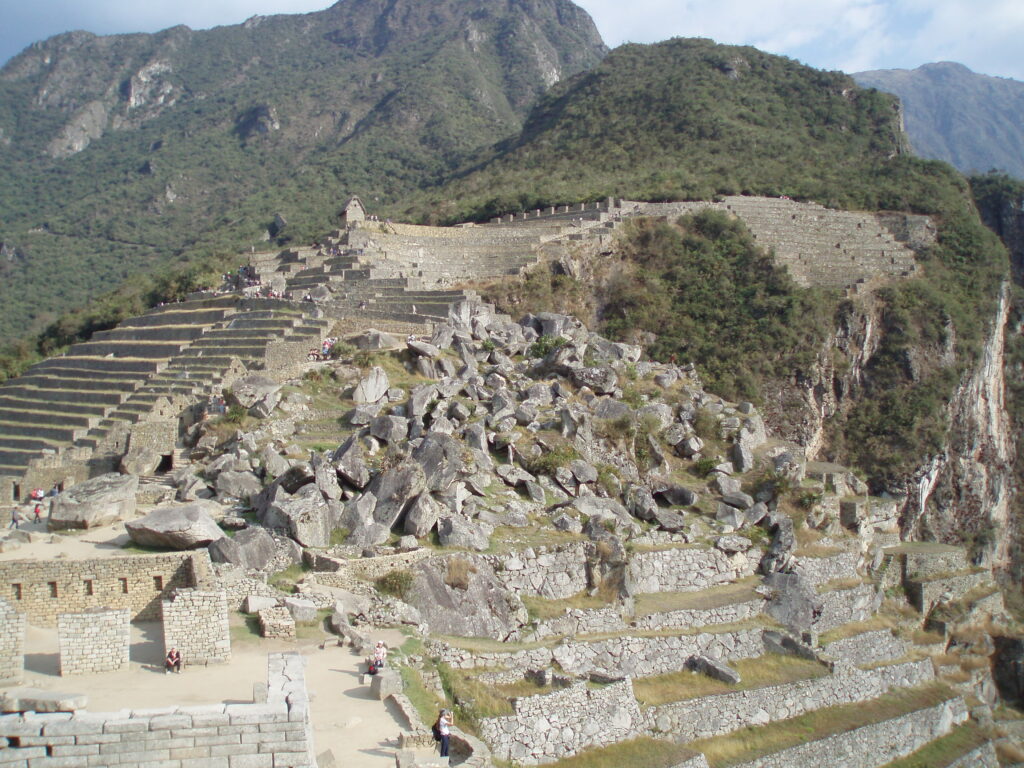
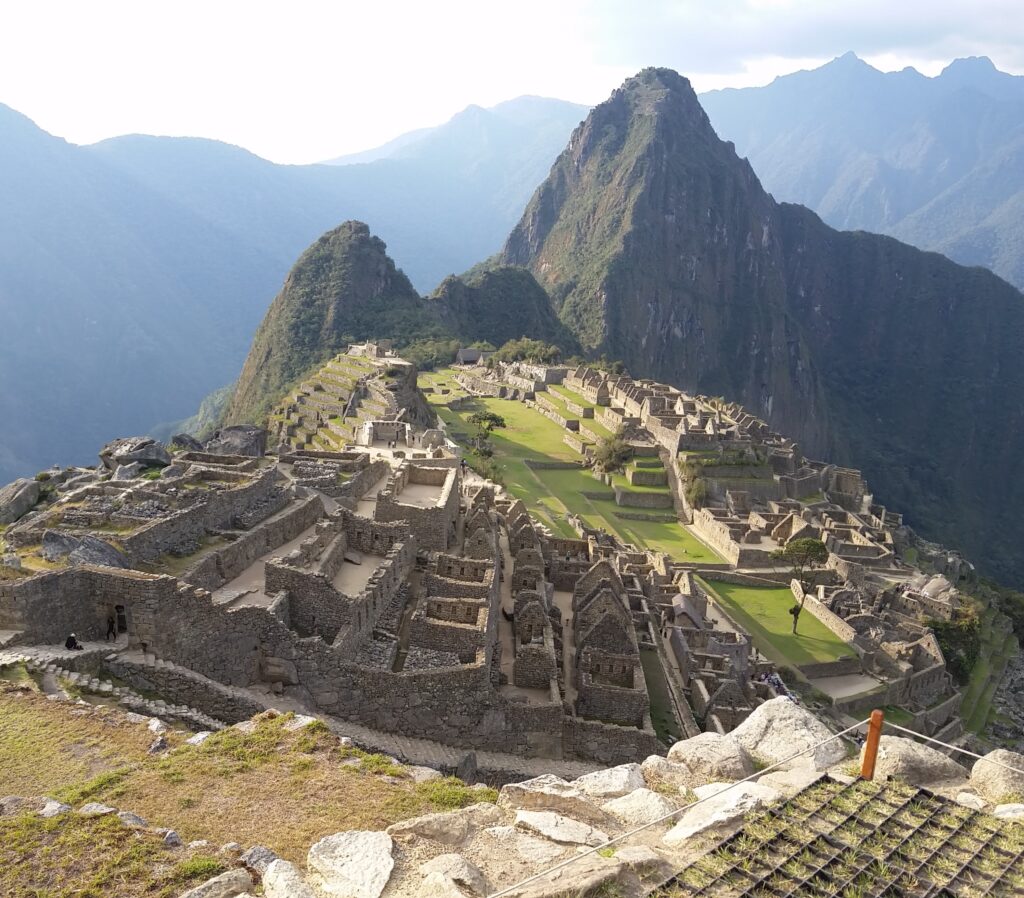
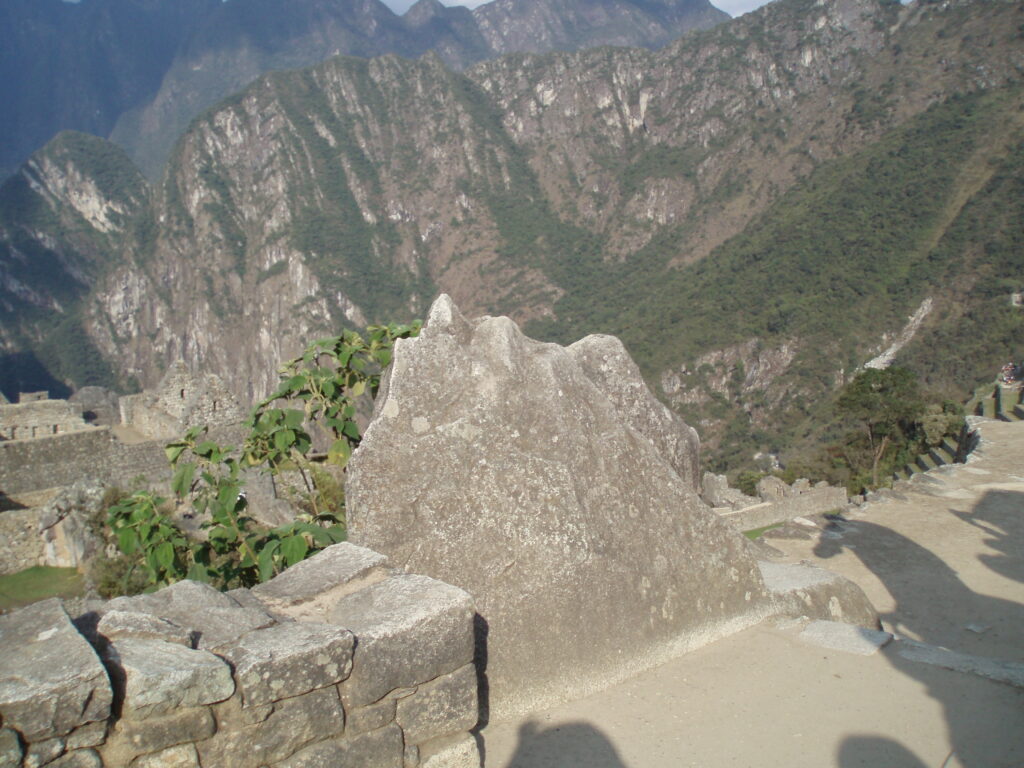
My pictures do not do it justice, but I hope they convey the majesty, the engineering, and their longevity. It was an accomplishment to make it to the top all 13,000 steps.
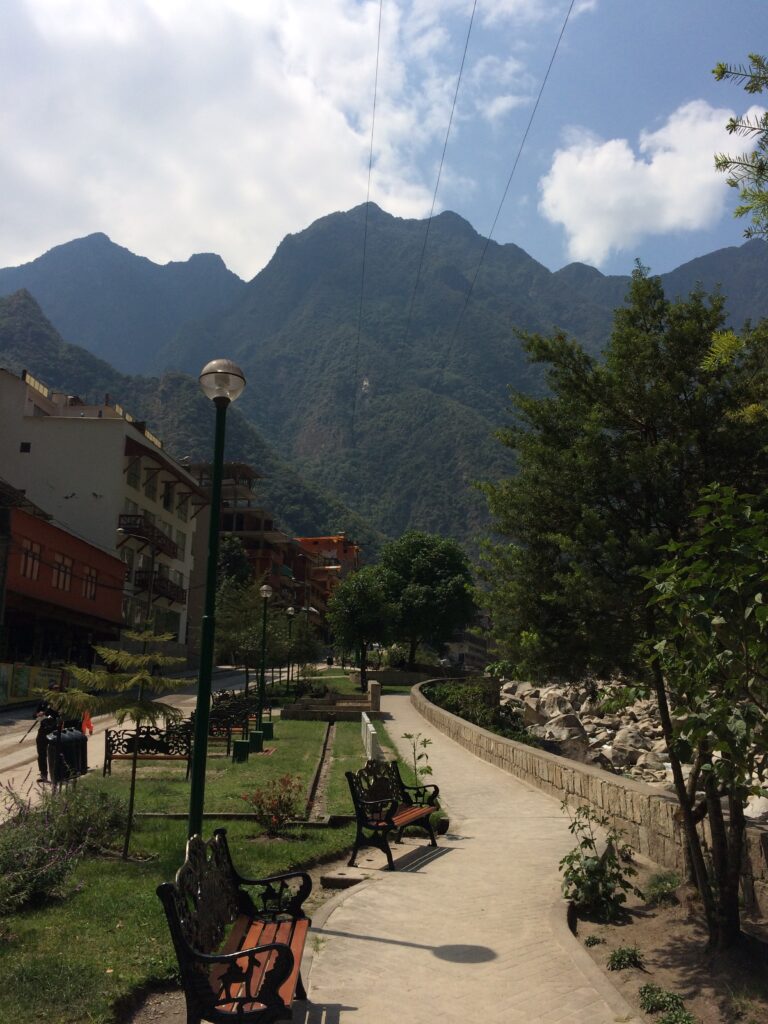
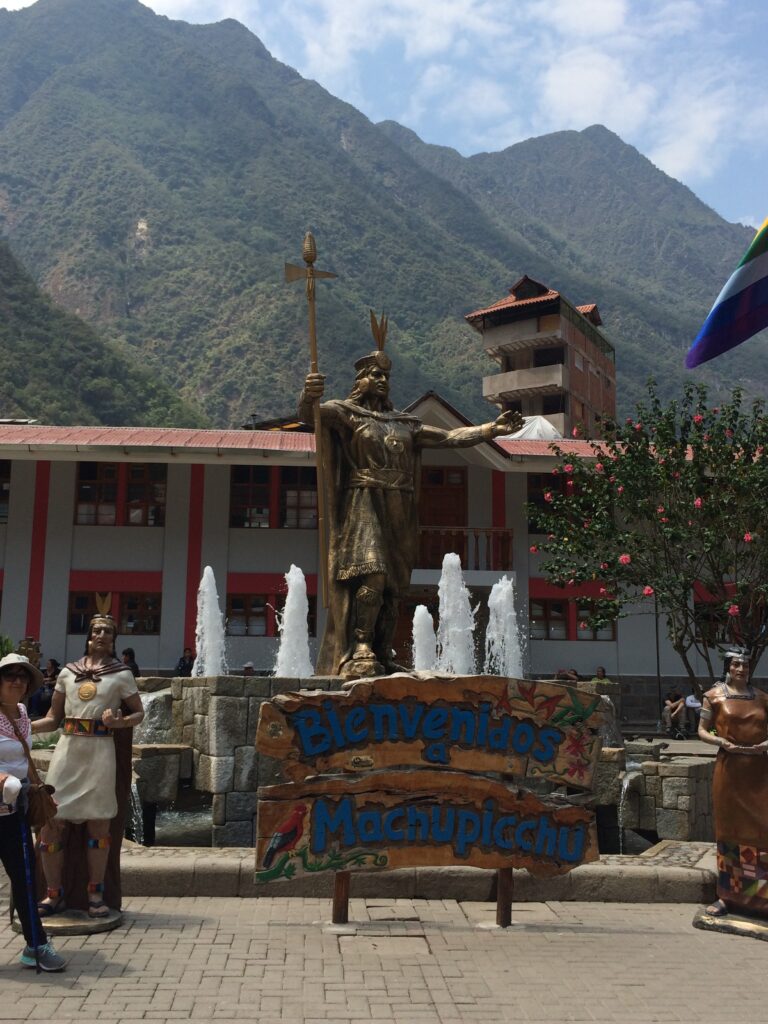
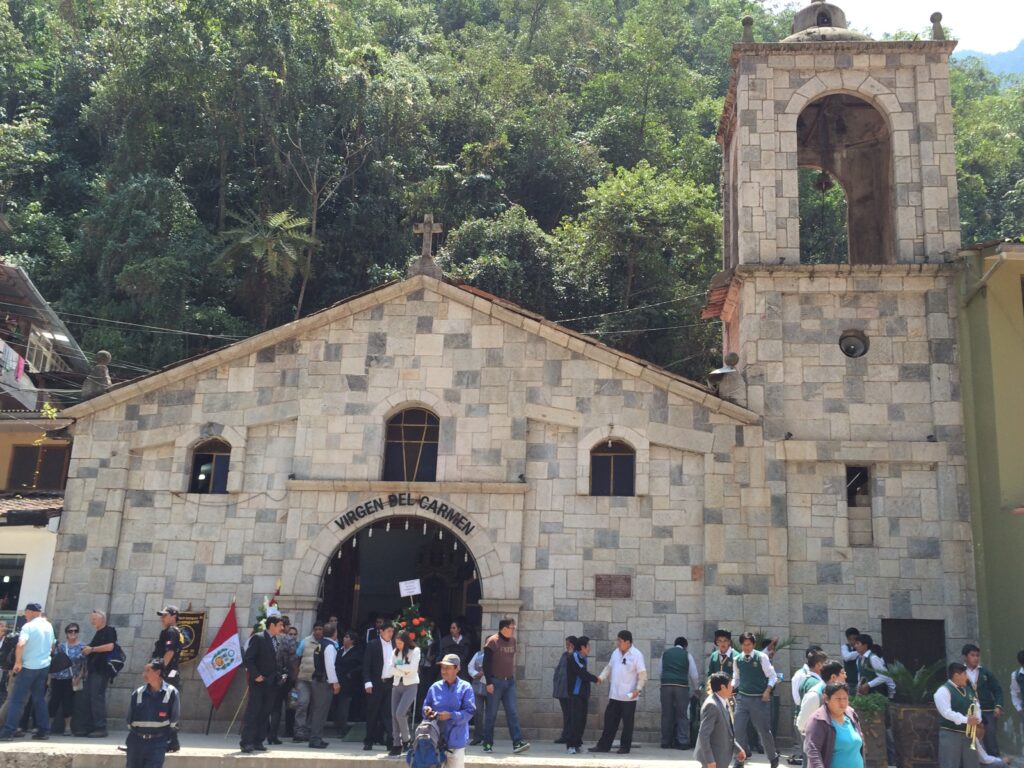
Aguas Caliente is the town at the bottom of Machu Picchu. This was the destination of the train, and our hotel was in the town. The day after we climbed the ruins, I spent some time in the village talking to the people there. It happened that there was a funeral for a former mayor going on, so we saw the procession and some of the speeches.
Leave a Reply