Budapest to Prague
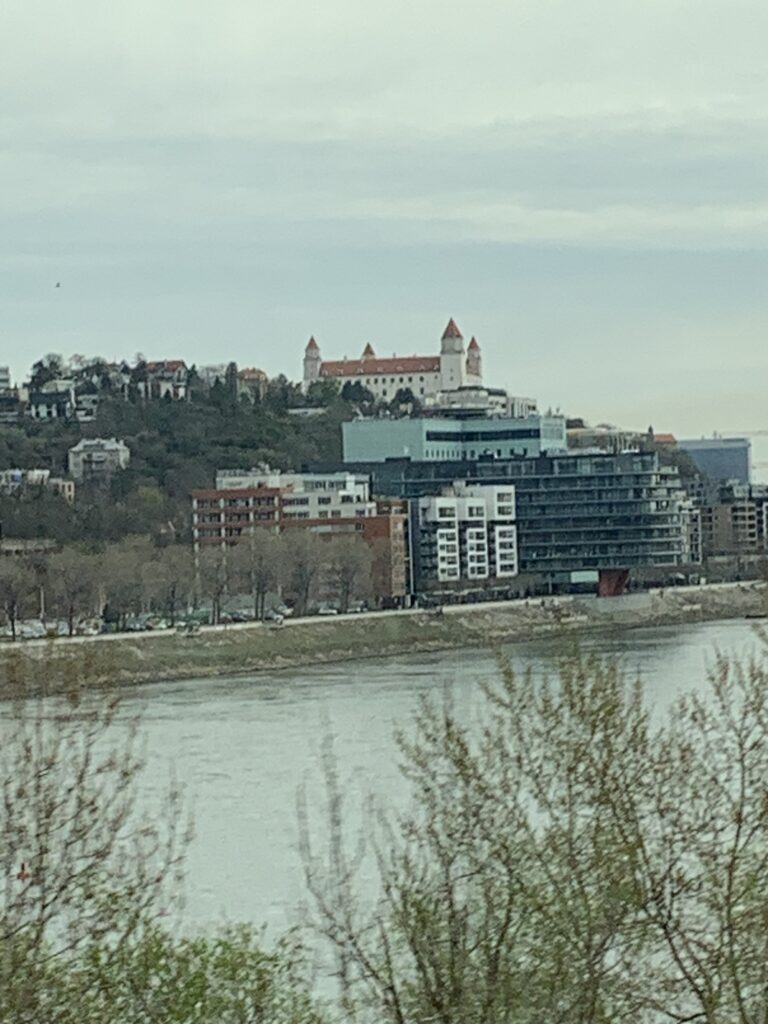
It was a six-hour trip Prague. The journey took us through the towns of Bratislava in Slovakia; Brno in the Czech Republic and Kutna Hora were we stopped to see the Bone Church. We could not take pictures, but the inside was built with the bones of people. Creepy. We arrived in Prague and settled into our hotel the Corinthian. Prague is also divided by a river—the Vitava River, the longest in the Czech Republic. One side is the Old Town and on the other the Lesser Town.
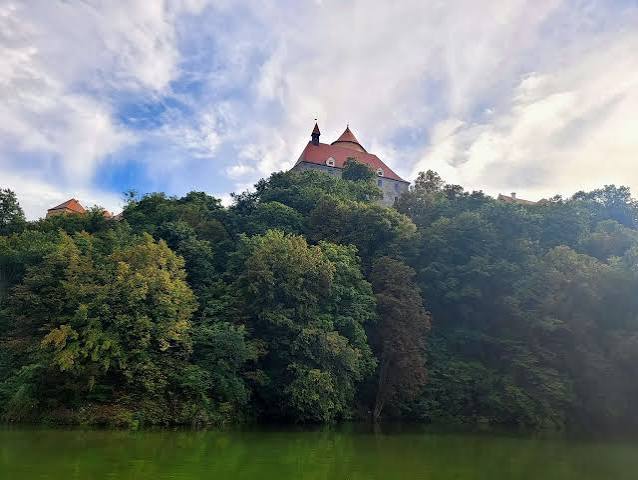
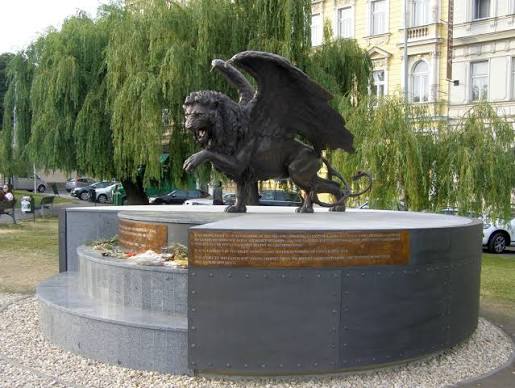
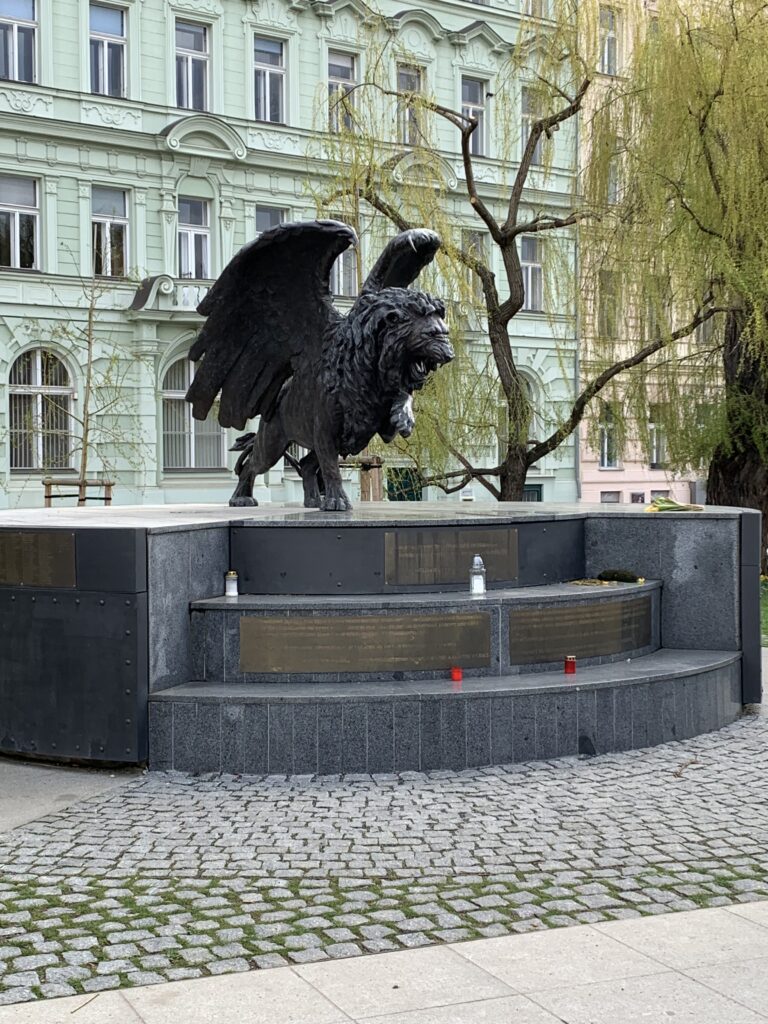
Bratislava is the capital of Slovakia, but served as the capital of the Kingdom of Hungary from 1536 to 1783. Brno is s the second-largest city in the Czech Republic, the historical capital of the Moravia region. Below is the Winged Lion Memorial honoring the 2,500 Czechoslovak airmen who bravely served in the British Royal Air Force (RAF) during World War II.
Lesser Town
Our first day we toured the Lesser Town of Prague. Crossing the Charles Bridge to the Lesser town, we are first struck with the Malá Strana Bridge Towers. The two towers do not match, as they were built 200 years apart. The smaller tower was built it the 12th century. Named Judith Tower, it was part of the Judith Bridge before it was destroyed by floods in 1342. Interestingly, the tower was used as a jail for two centuries and later housed the customs office. Clustered around the foothills of Prague Castle is Malá Strana, one of Prague’s most historic districts. It was founded in 1257 by King Ottokar II of Bohemia, as the “New Town beneath the Prague Castle”. It became known as the “Lesser Town of Prague” in 1348, after Charles IV founded the “New Town of Prague”.
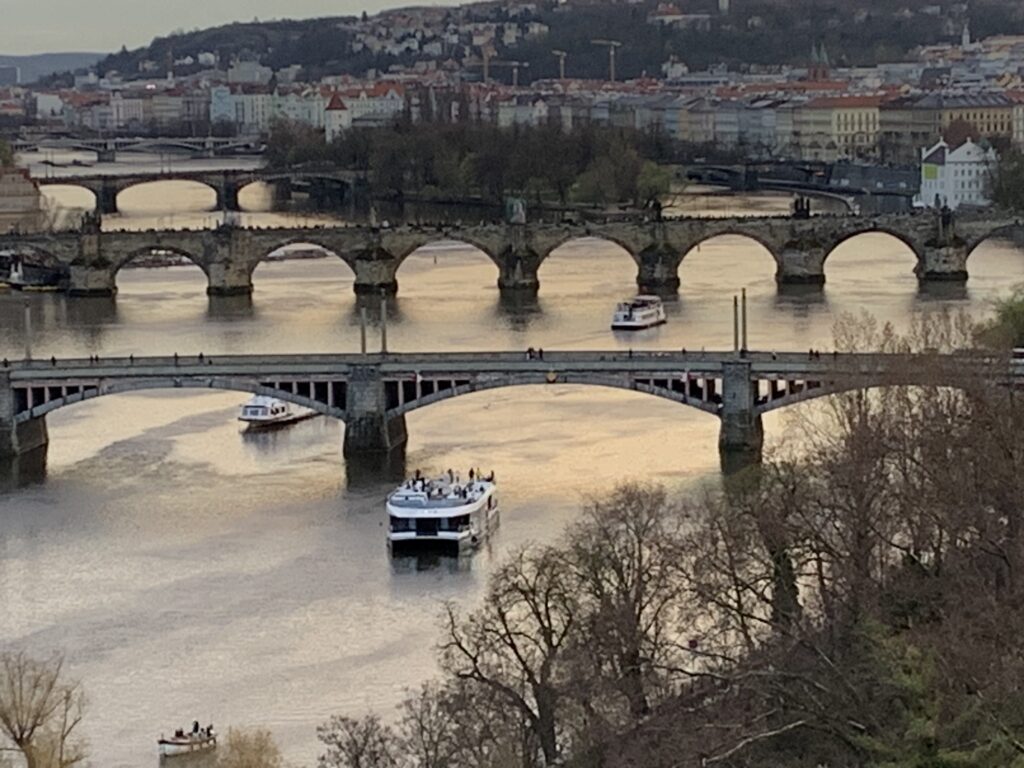
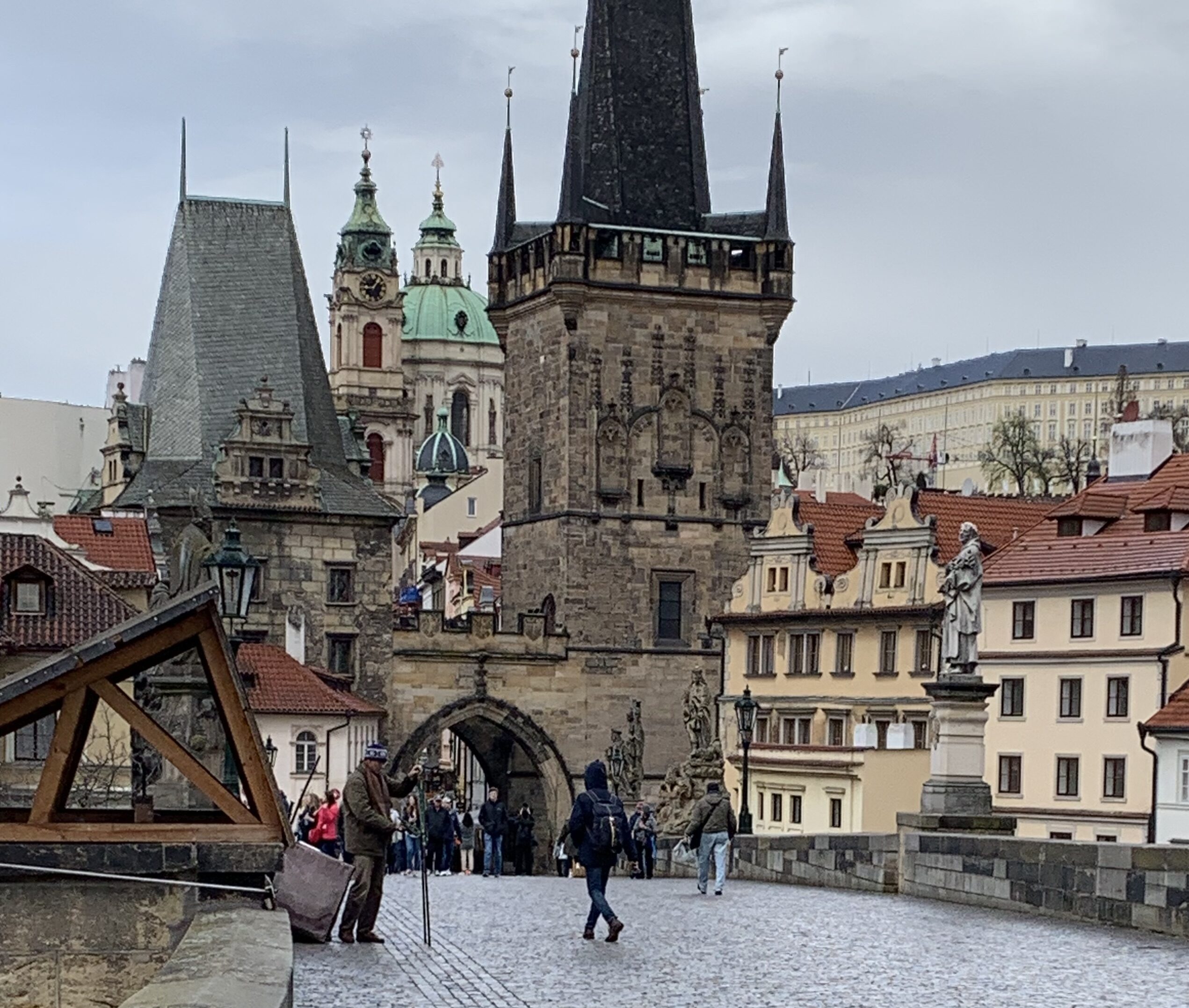
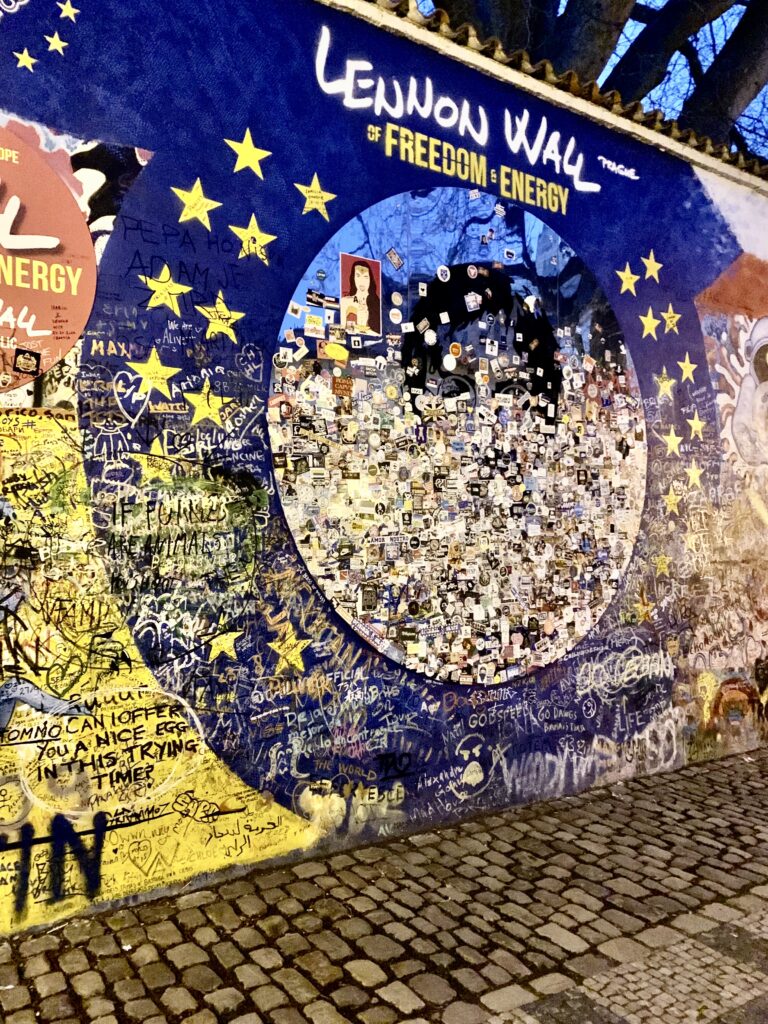
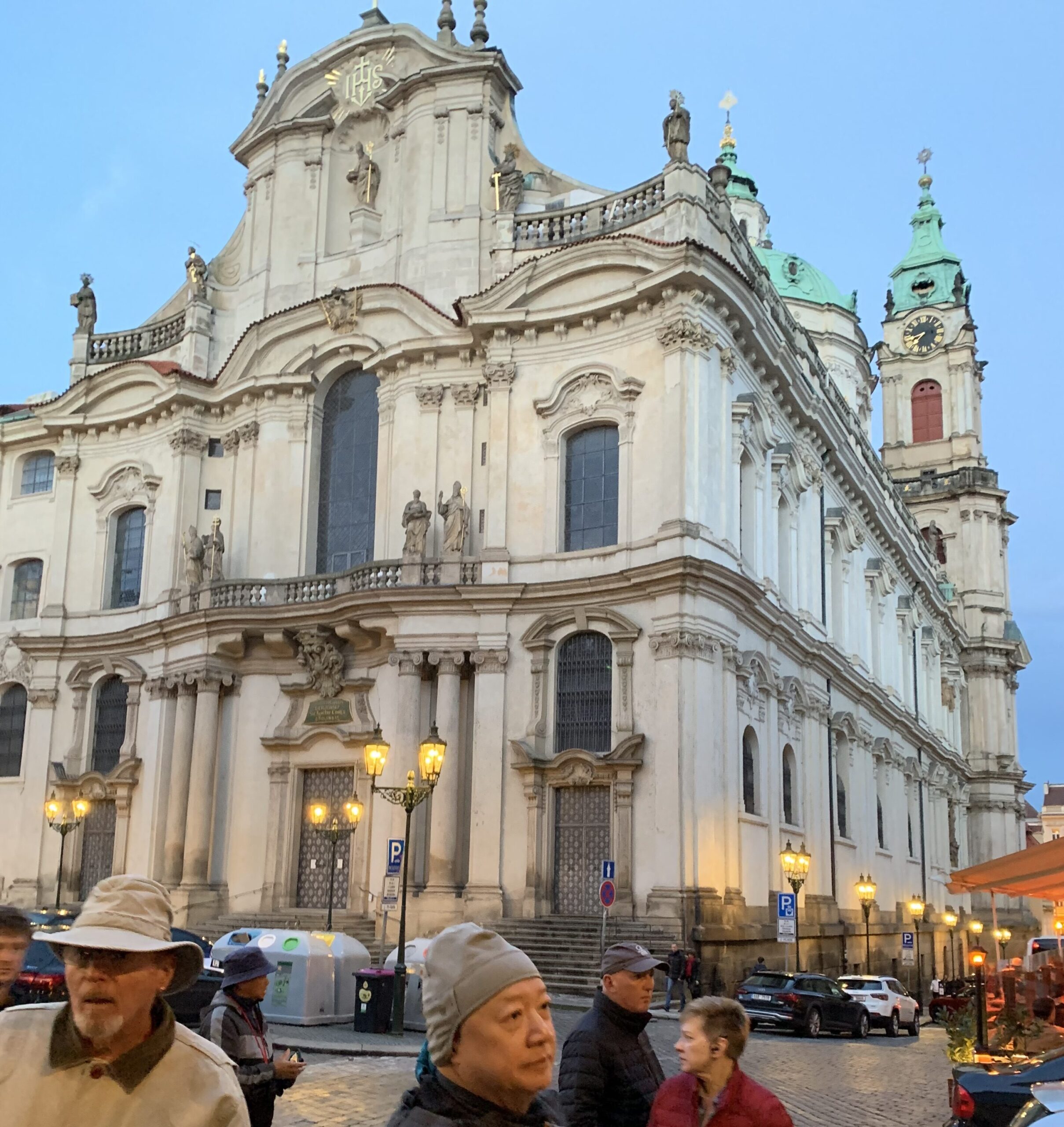
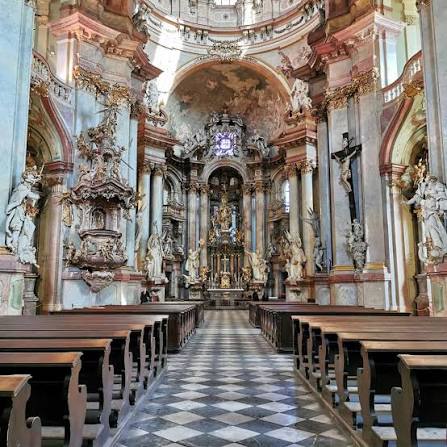
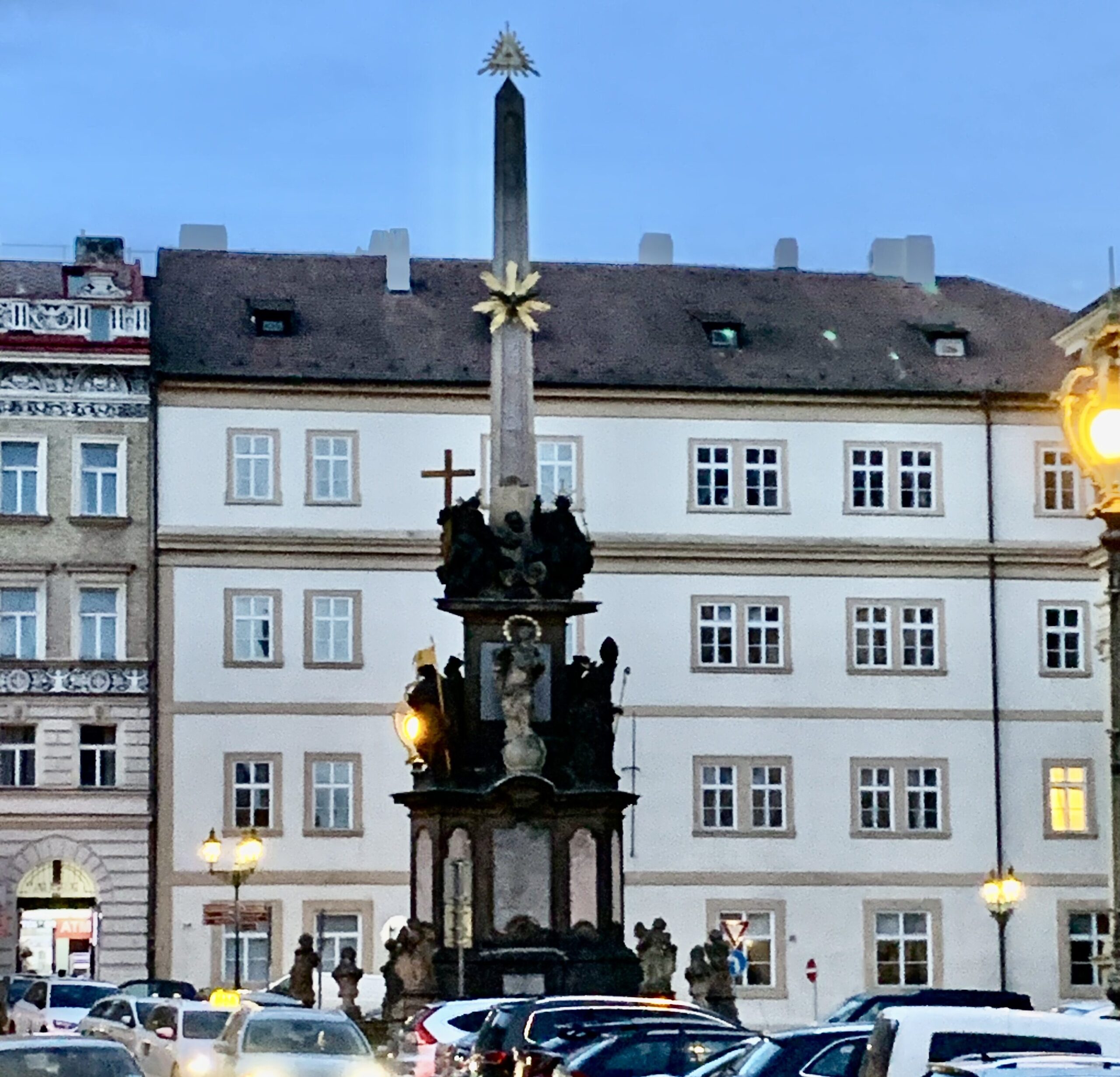
The Baroque palaces and churches that give Malá Strana its charm were built after fires destroyed the district, once in 1419 and again in 1514. One of the first things to see after going through the towers is the Lenon Wall. It is painted with Beatles lyrics and memorabilia. Then we went on to St. Nicholas Church. Completed in the 1735, it is one of the most important High Baroque buildings in Prague. The 213-foot-tall bell tower was used to warn people of fire, and in Communist times, was used by the Secret Service as an observation point. Next we saw Holy Trinity Column in the Lesser Town Square. It was completed in 1715 as an expression of gratitude and faith following the end of the devastating Great Plague epidemic that struck Prague.
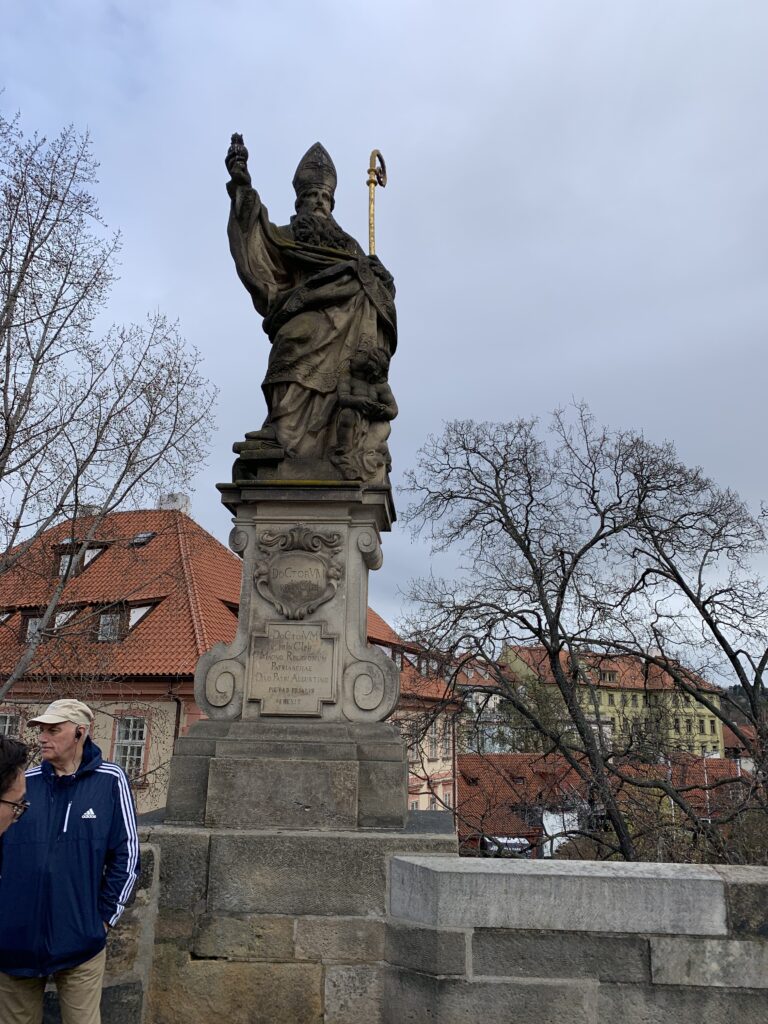
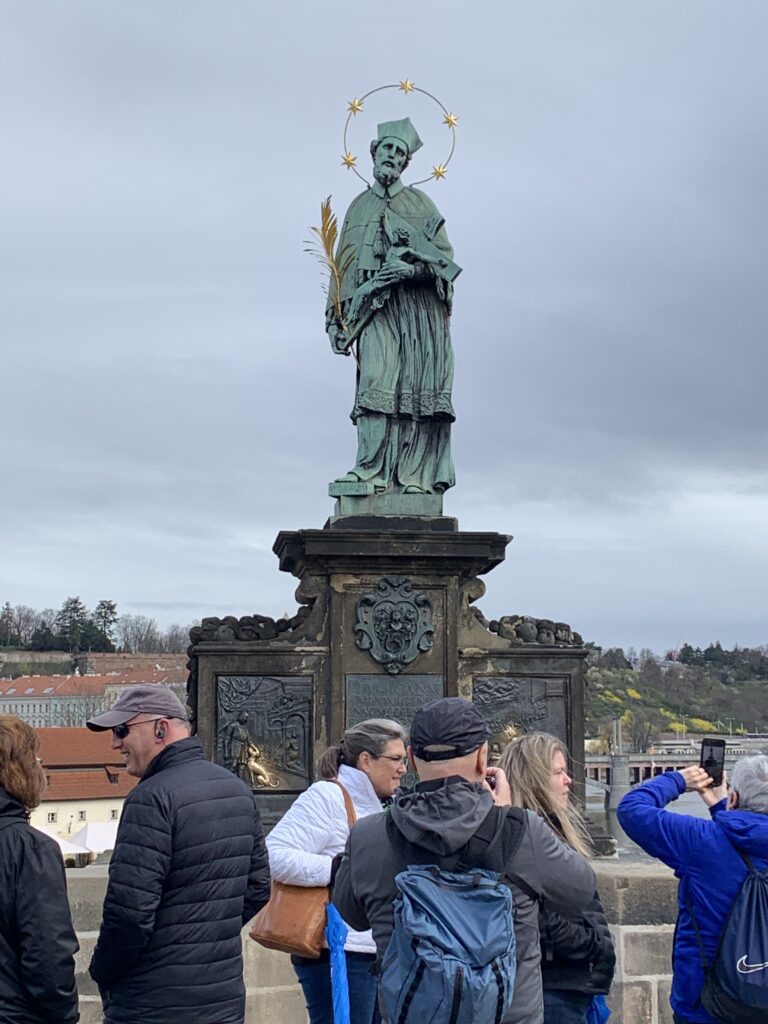
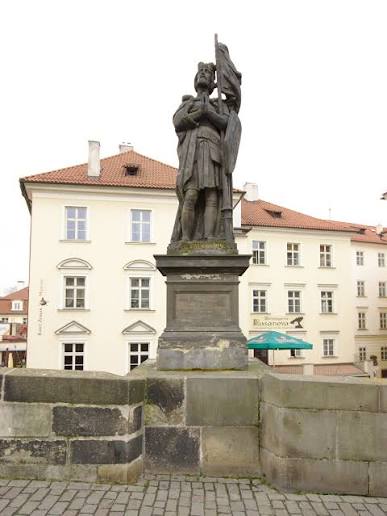
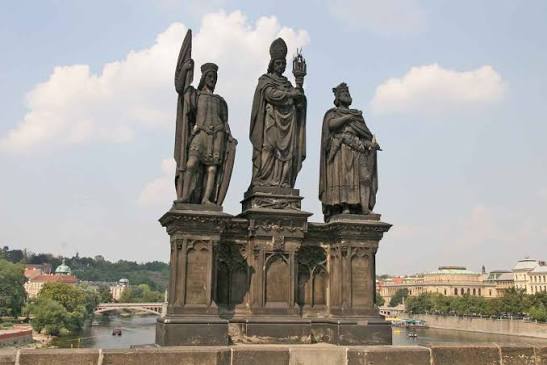
The Church of Our Lady beneath the Chains is a historic 12th centhury Roman Catholic Church. It is oldest church in the Lesser Town. The Charles Bridge is full of statues of famous people. I show two here. The Statue of St. Augustine of Hippo dates from 1708. The statue of John of Nepomuk is the oldest standing sculpture on the bridge ( 1683) and the only one cast in bronze. John of Nepomuk was a 14th-century vicar who served as the confessor to Queen Sophia of Bohemia.
King Wenceslas IV demanded to know what the Queen had confessed. When John refused to break the sacred seal of confession, the furious king had him tortured and thrown off the bridge into the Vltava River to drown in 1393. King Wenceslaus is the patron saint of Prague and two statues with him are on the bridge.
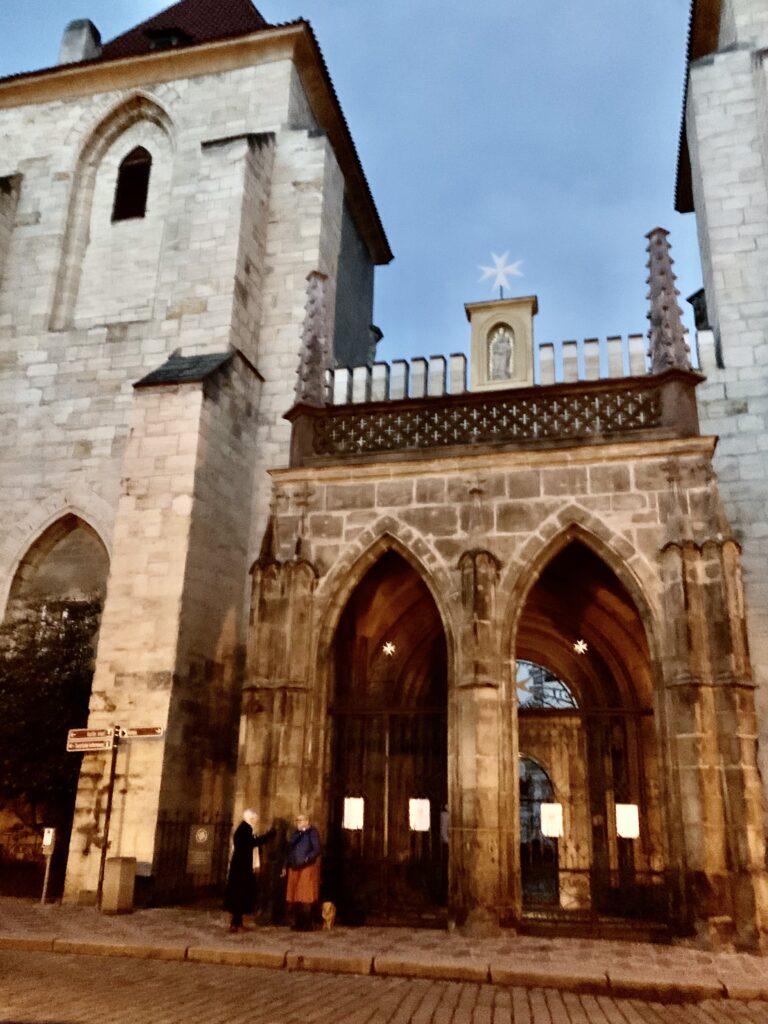
Beneath the Chains
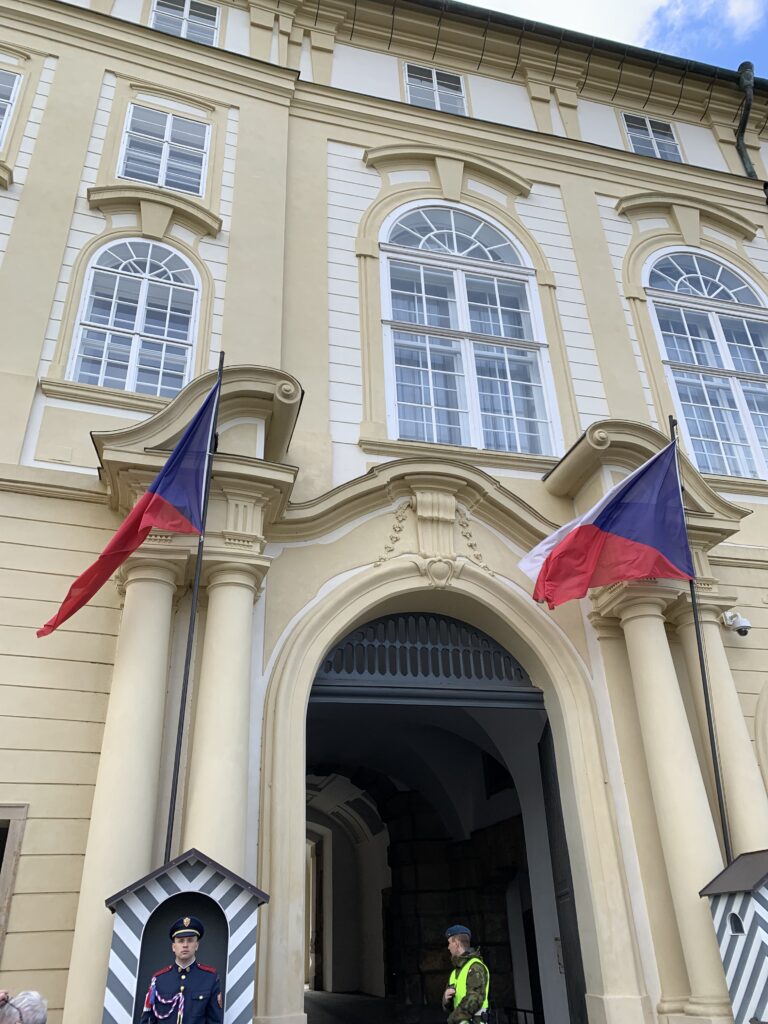
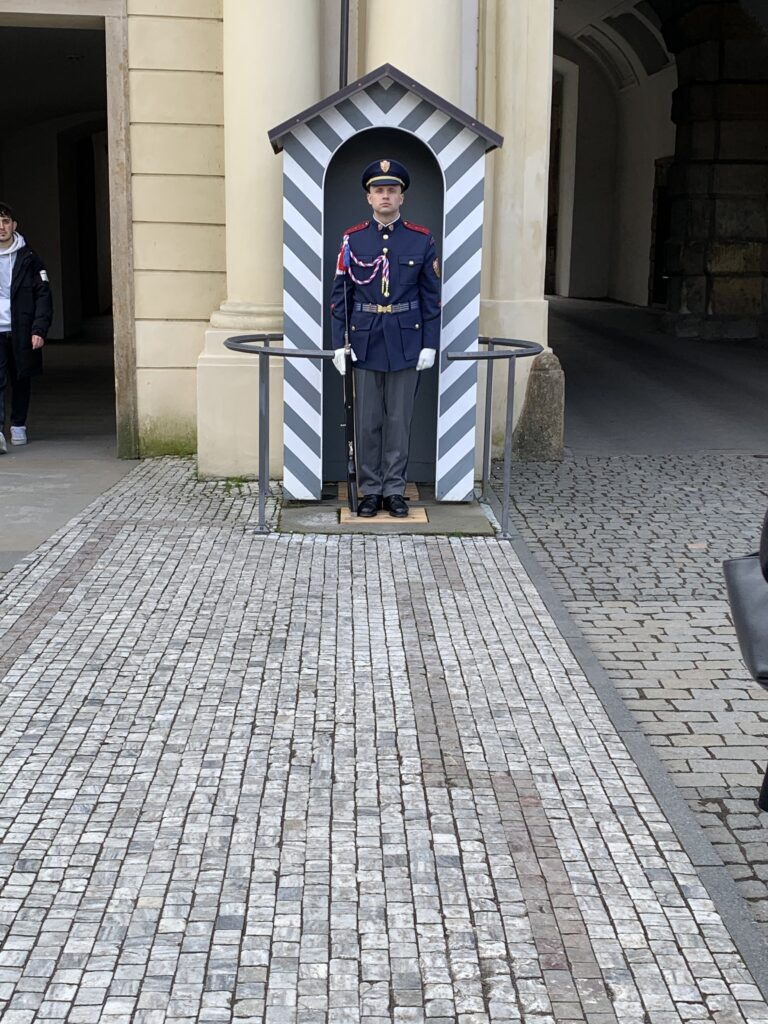
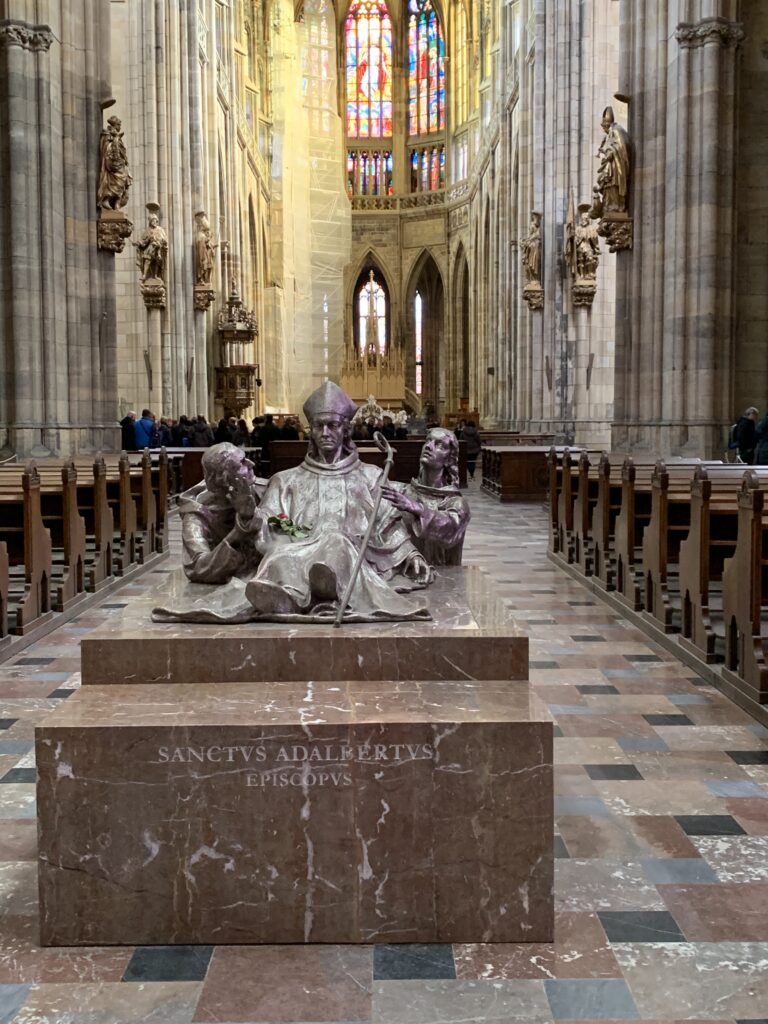
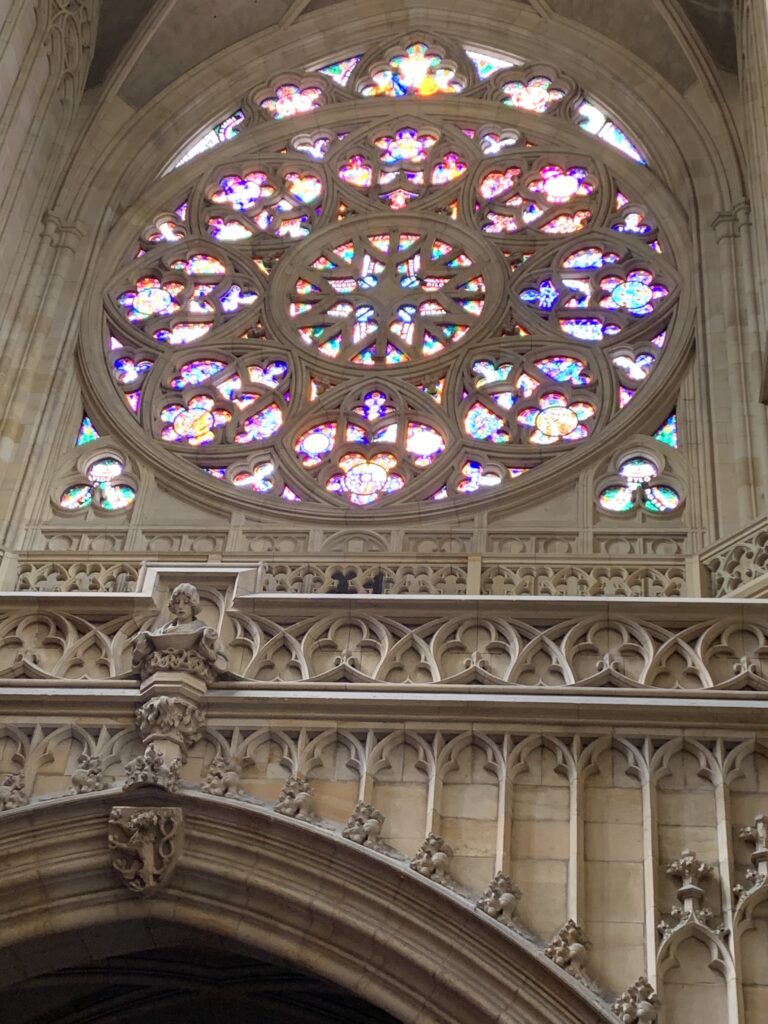
The next stop was the Castle Quarter and the Castle. It is the largest Castle Complex in the world and includes St. Vitis Cathedral and the Old Royal Palace. The Prague Castle is the largest coherent castle complex in the world, and serves as the official office of the President of the Czech Republic. Founded in the 9th century, this UNESCO World Heritage site is a sprawling “city within a city” that showcases a mix of Gothic, Renaissance, and Romanesque architecture.
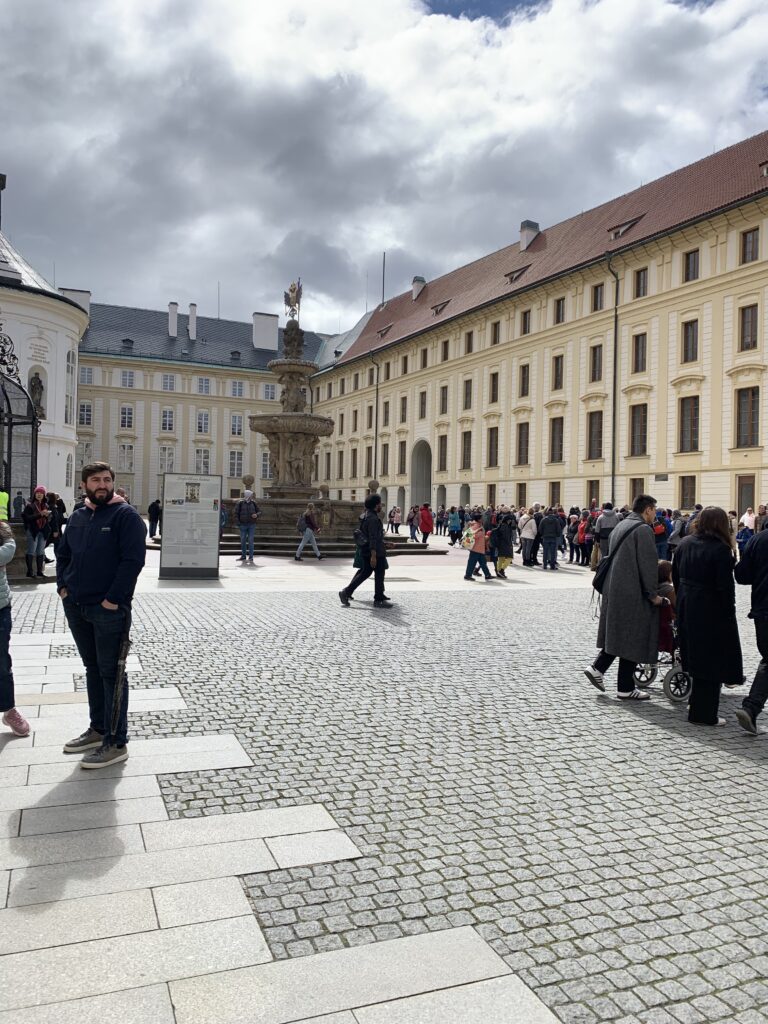
with Kohl’s Foundain
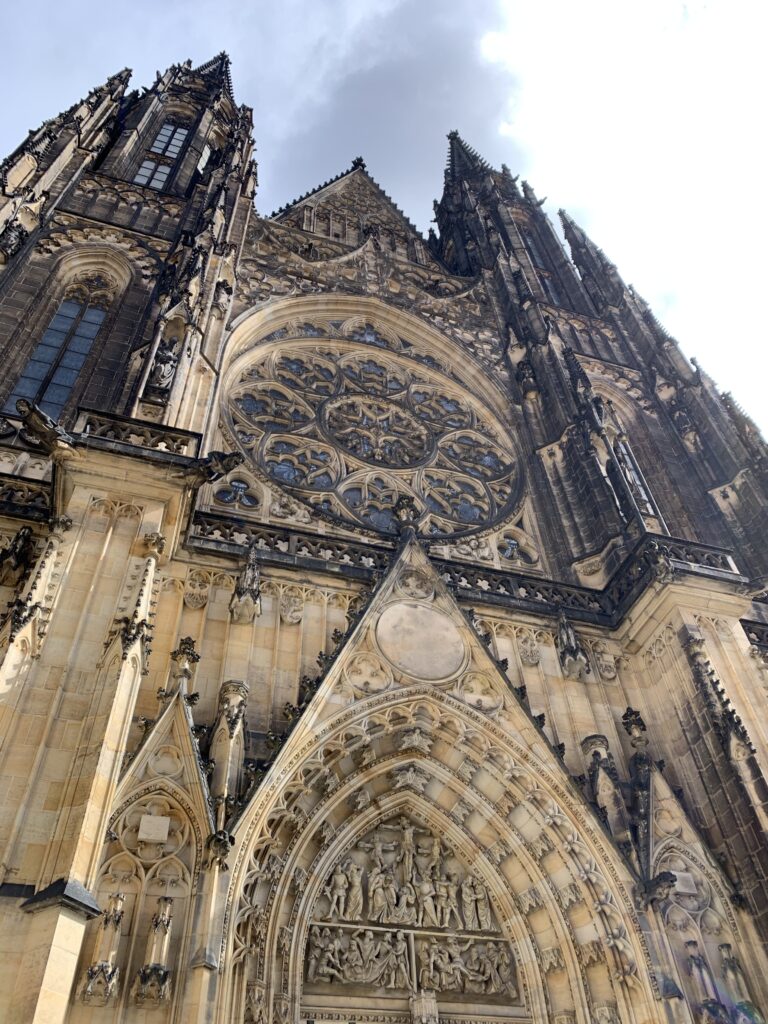
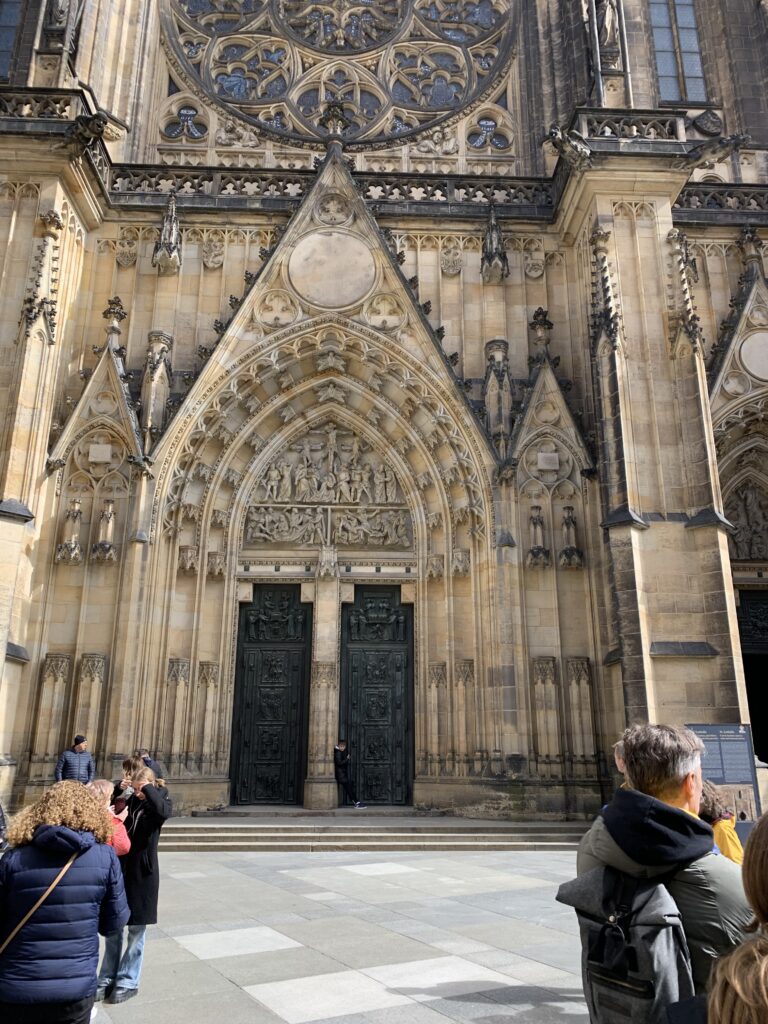
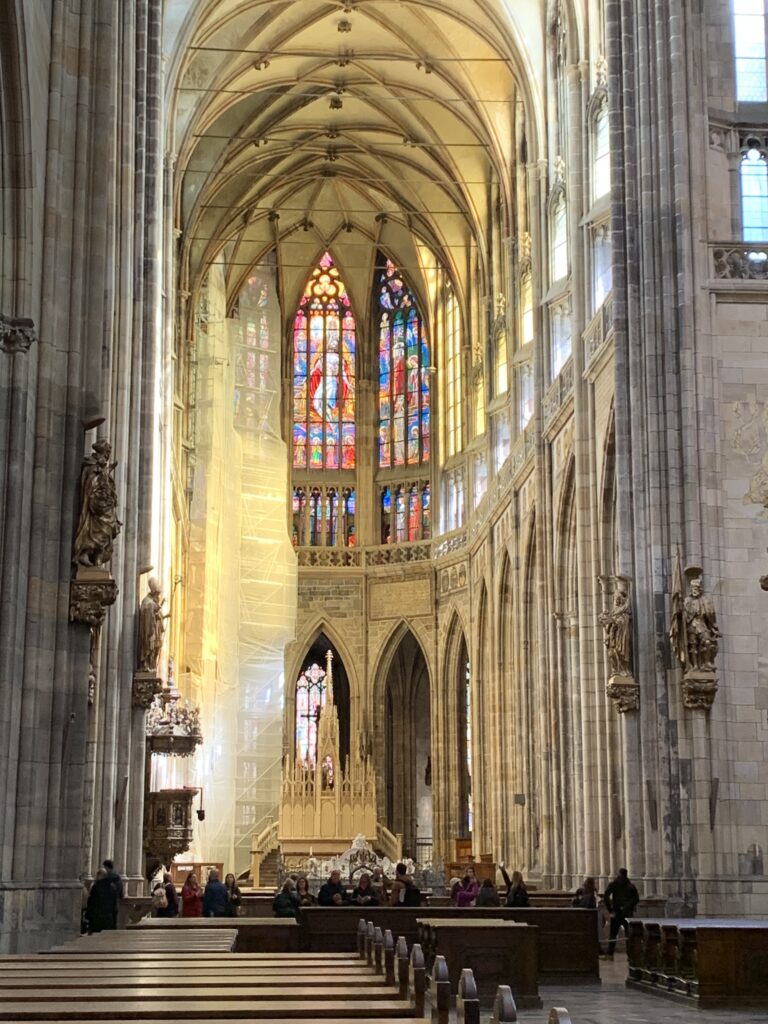
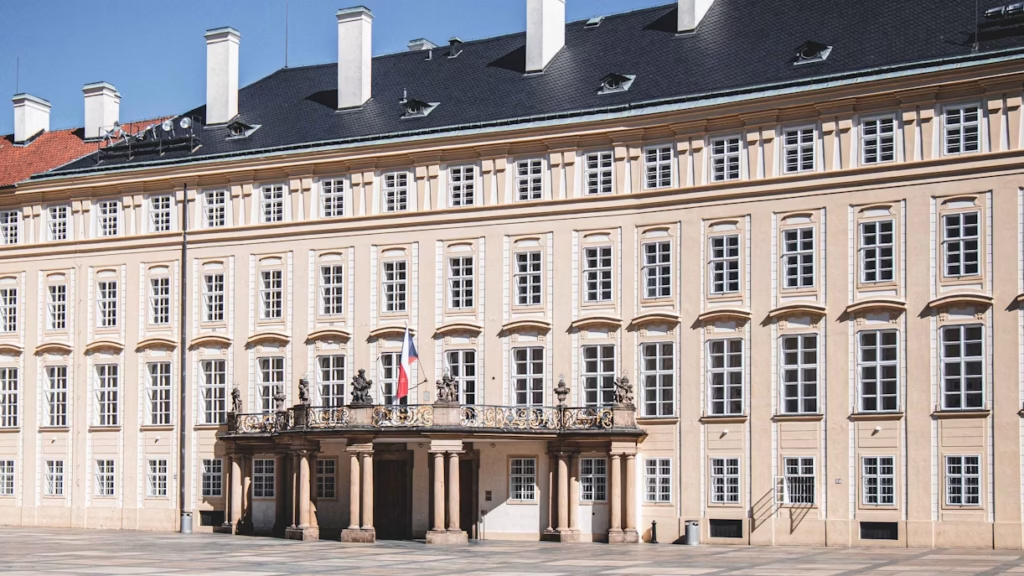
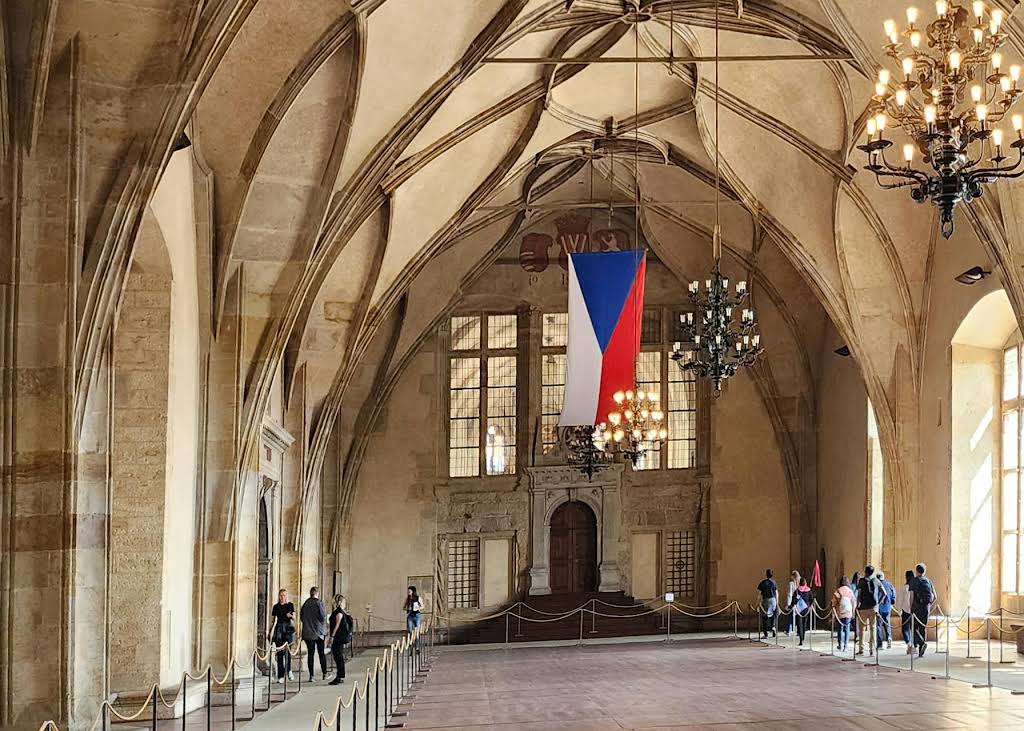
Old Royal Palace
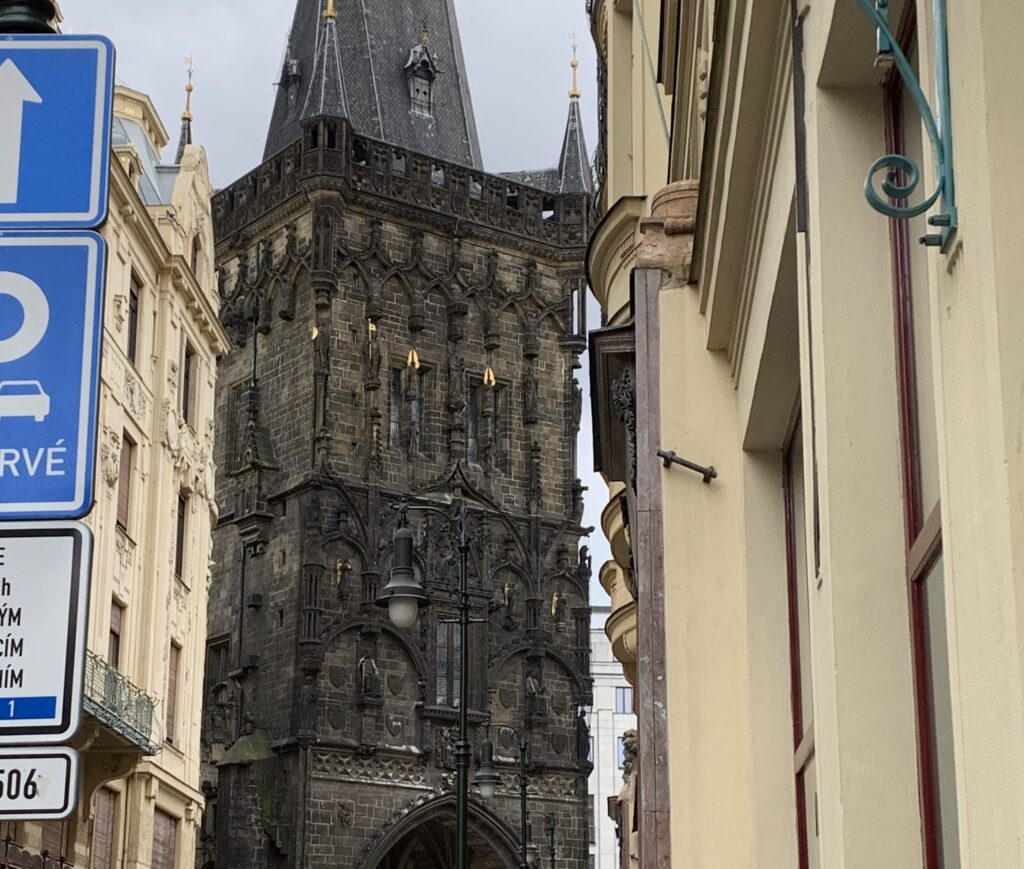
The Powder Tower dating from 1475 was one of 12 towers separating the Old Town from the New Town.
Leave a Reply