Budapest
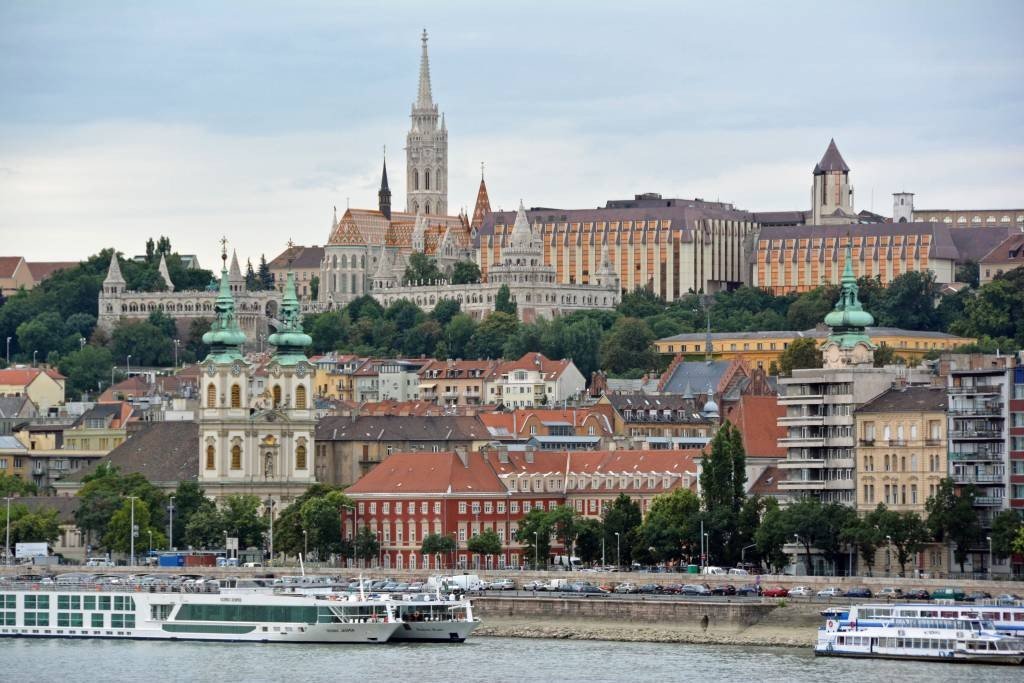
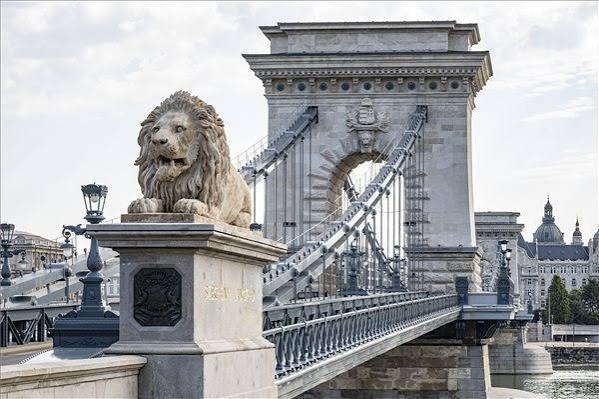
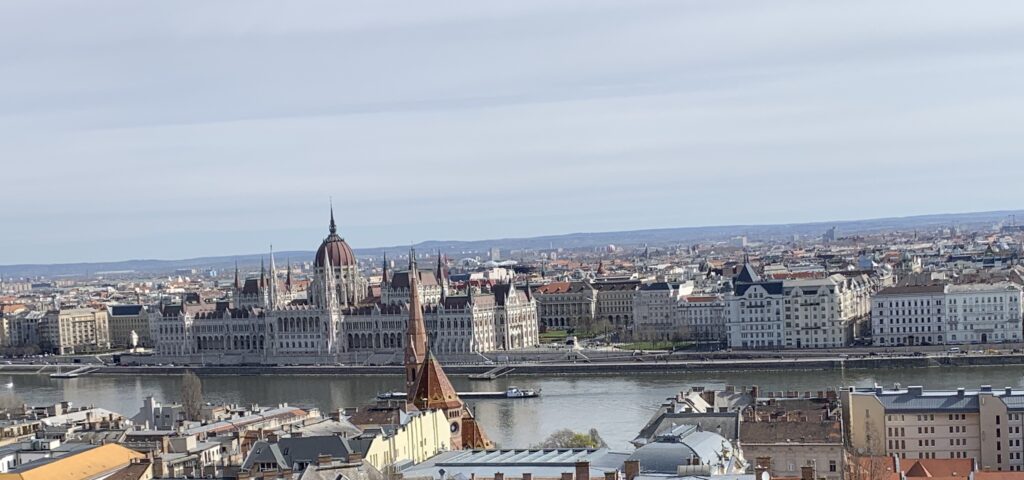
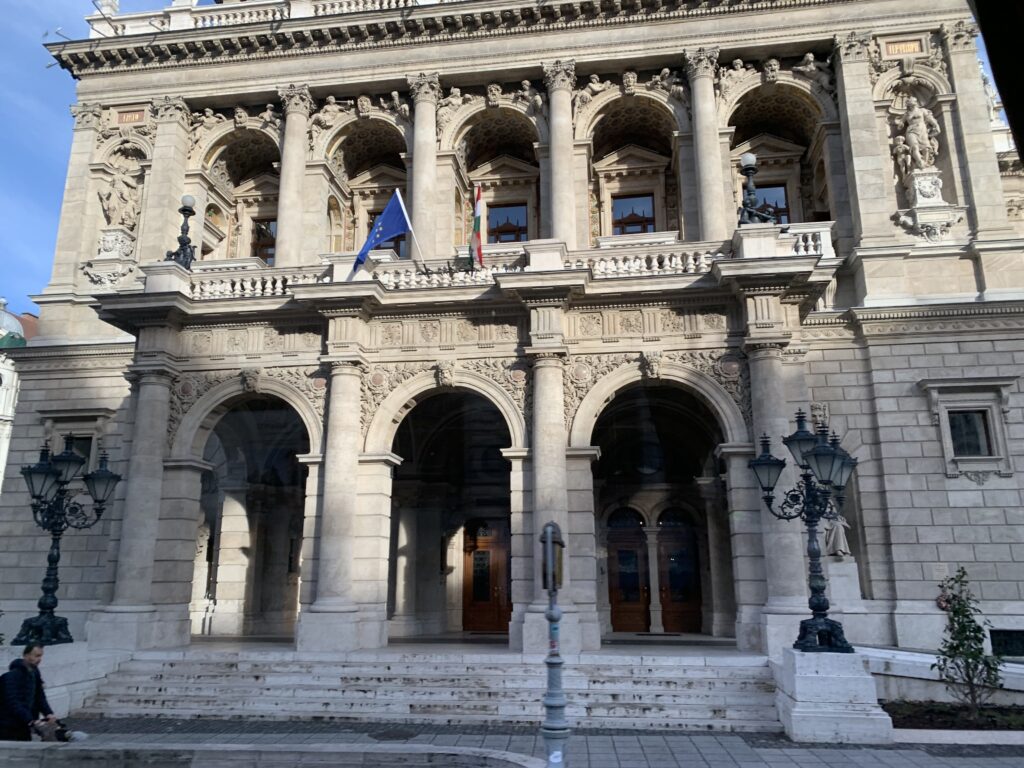
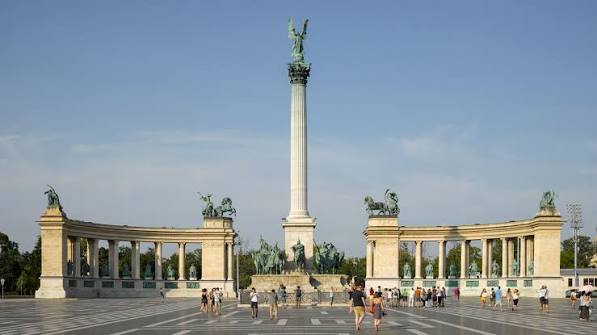
Budapest is the union of two cities and straddles the banks of the Danube River. Buda, with its traditional hillside, is on one side, and modern Pest on the other. The Chain Bridge unites them. We began in Pest, where we saw the National Opera House and historic Heroes’ Square.
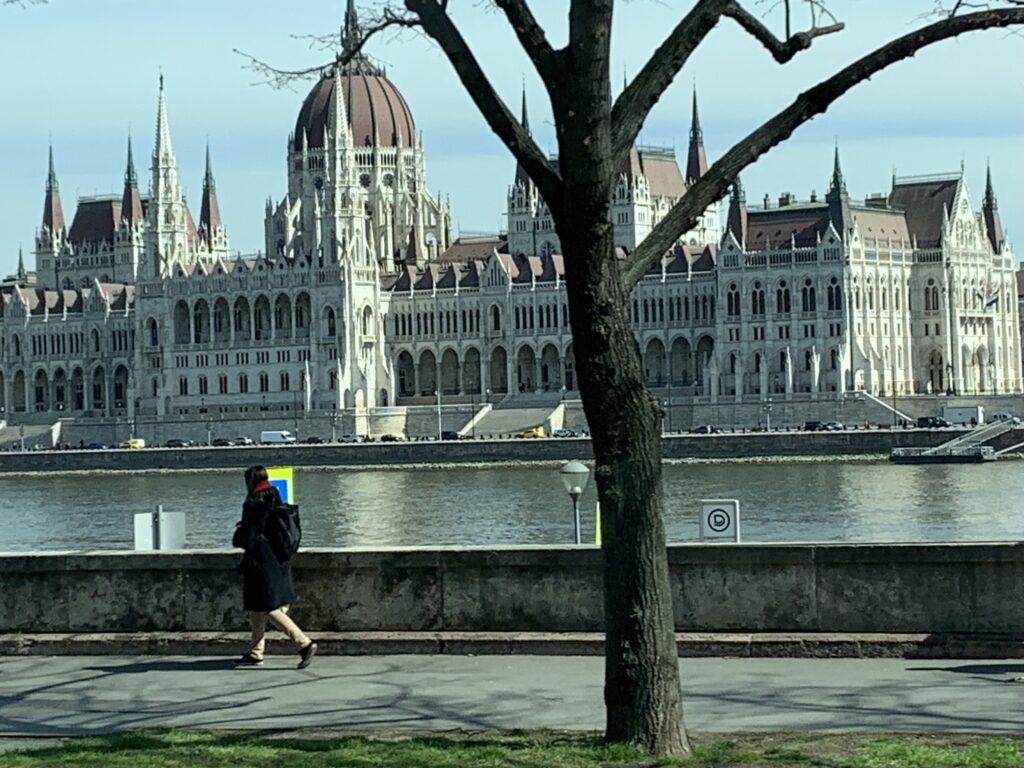
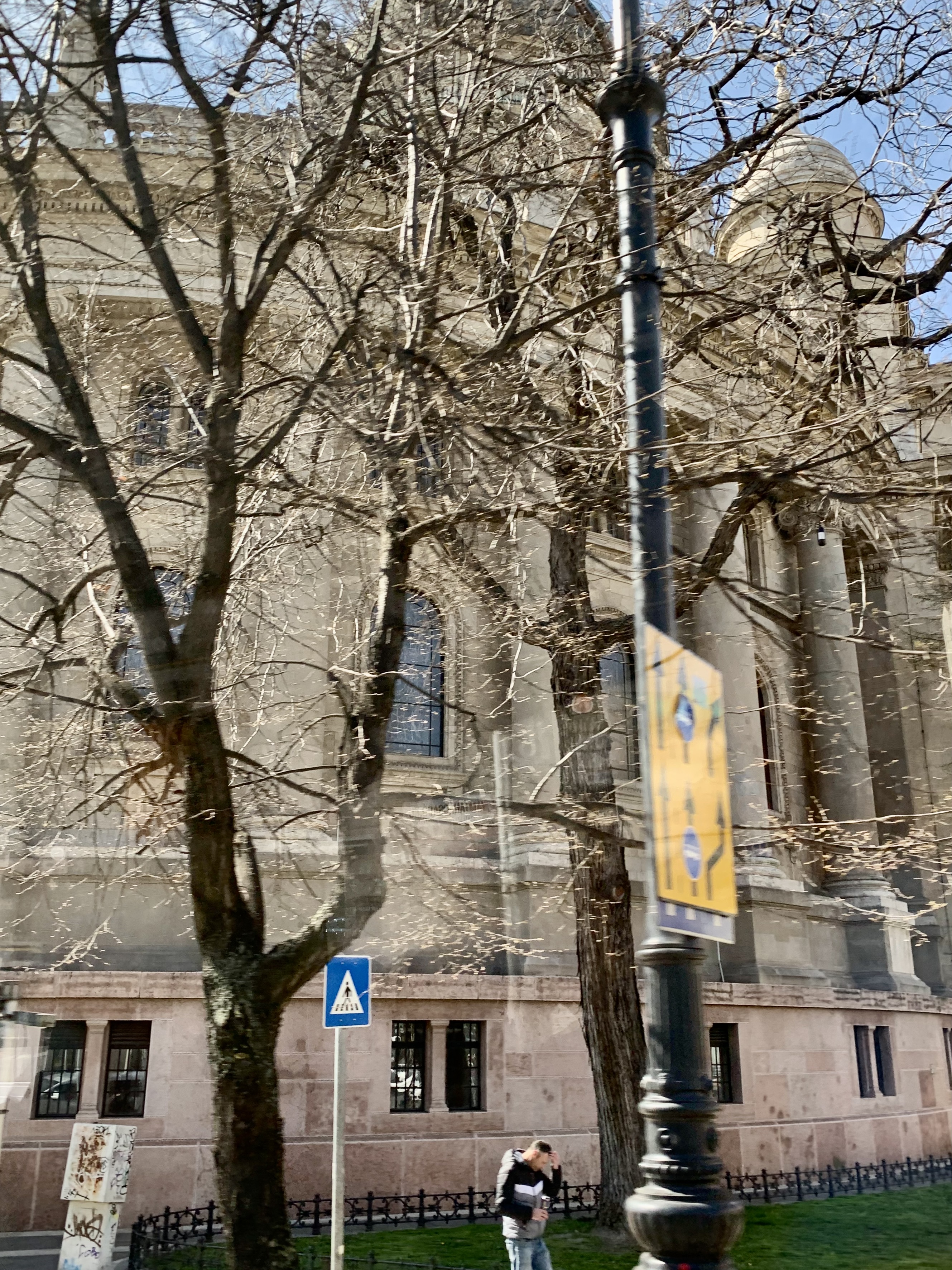
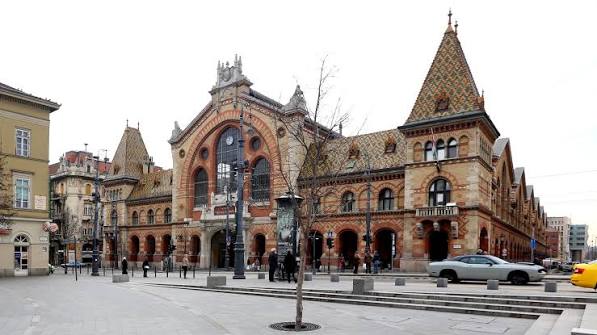
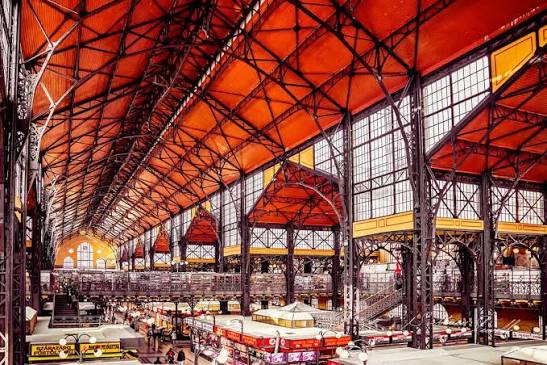
The Opera House is a historic Neo-Renaissance beauty. Opened in 1884, it is famous for its gilded interiors, grand marble staircases, and horseshoe-shaped auditorium. Heroes Square is the largest and most symbolic public plaza in Budapest and a UNESCO World Heritage Site. In the center of the square is the Millennium Monument to commemorate the 1,000th anniversary of the Magyar conquest of the Carpathian Basin. The Parliament Building stands exactly 96 meters tall, symbolizing the year 896 when the Magyar people first settled the region. St. Stephen’s Basilica stands exactly 96 meters tall—matching the Hungarian Parliament Building to symbolize the balance between church and state—and is famous for housing the mummified Holy Right Hand of Hungary’s first king. Finalyy, the Great Market Hall is Budapest’s largest, oldest, and most famous indoor marketplace. Built in 1897, the Neo-Gothic building is known for its steel structure and striking roof covered in colorful Zsolnay ceramic tiles. When we were finished with the Pest side, we crossed the Chain Bridge to the Buda side.
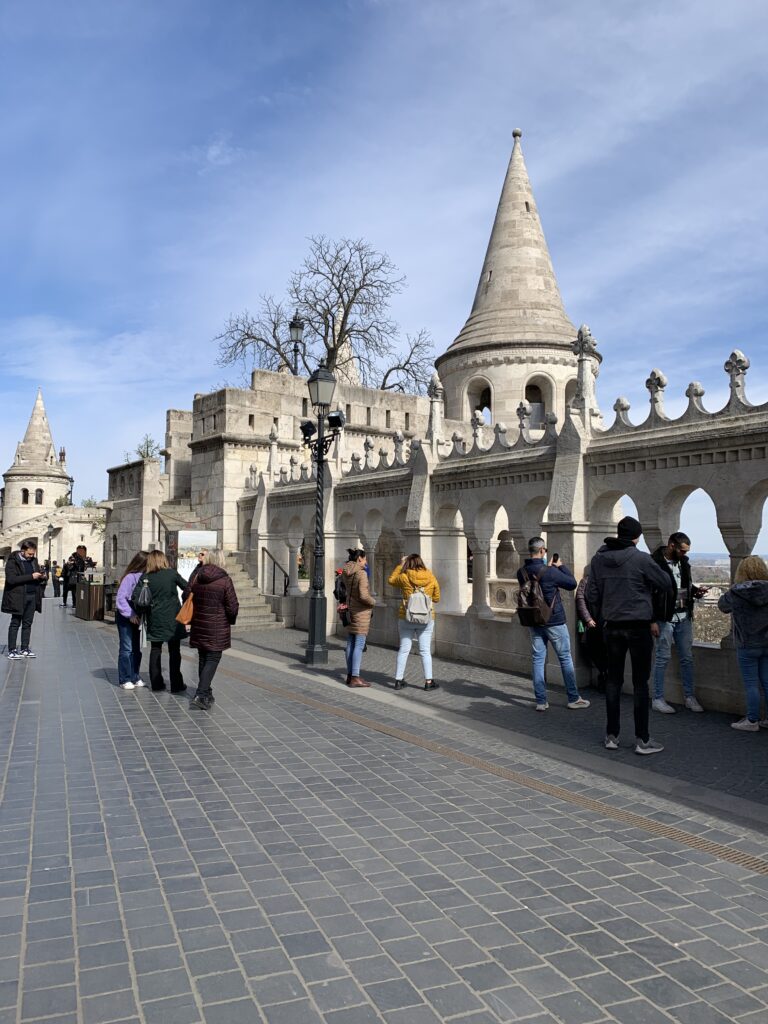
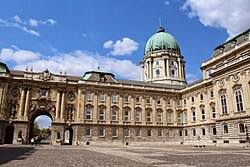
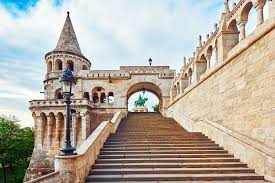
The Buda side is on a hill, so we first explored Fisherman’s Bastion. It is a cluster of white stone towers, arches, terraces, and columns built on the Buda Castle walls. It stands above a modern bronze statue of Hungary’s first king, St. Stephen. It also adjoins the grand Matthias Church, and all of this together with the castle and other historic monuments comprise a UNESCO world Heritage Site.
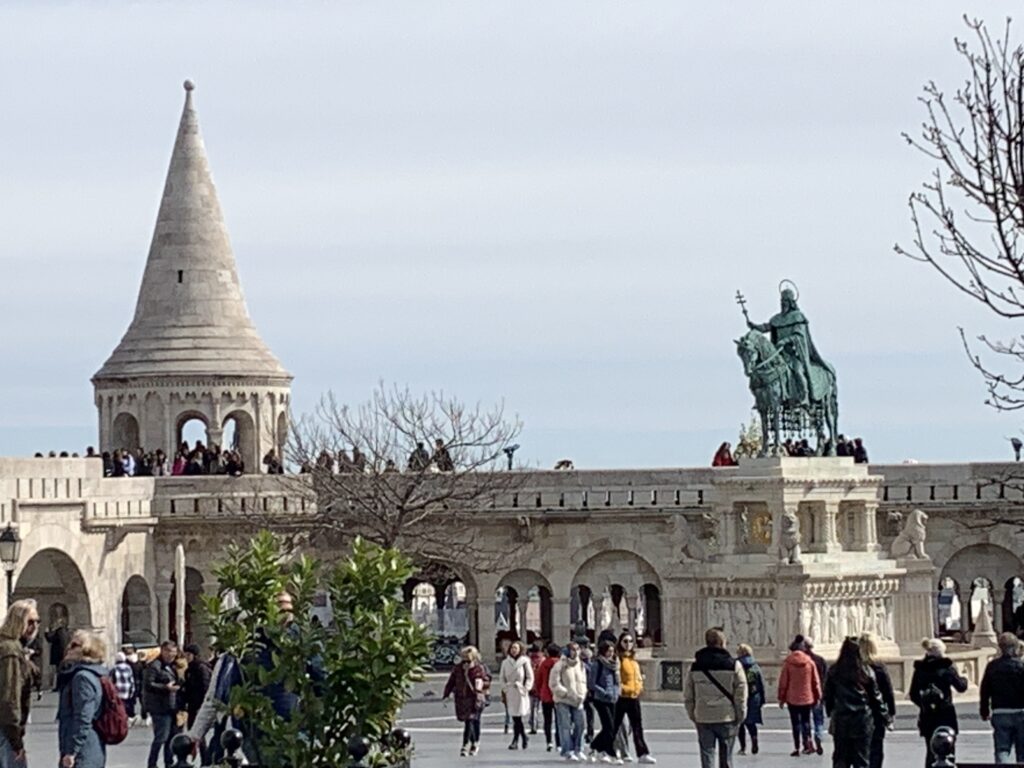
Statue of St Stephen
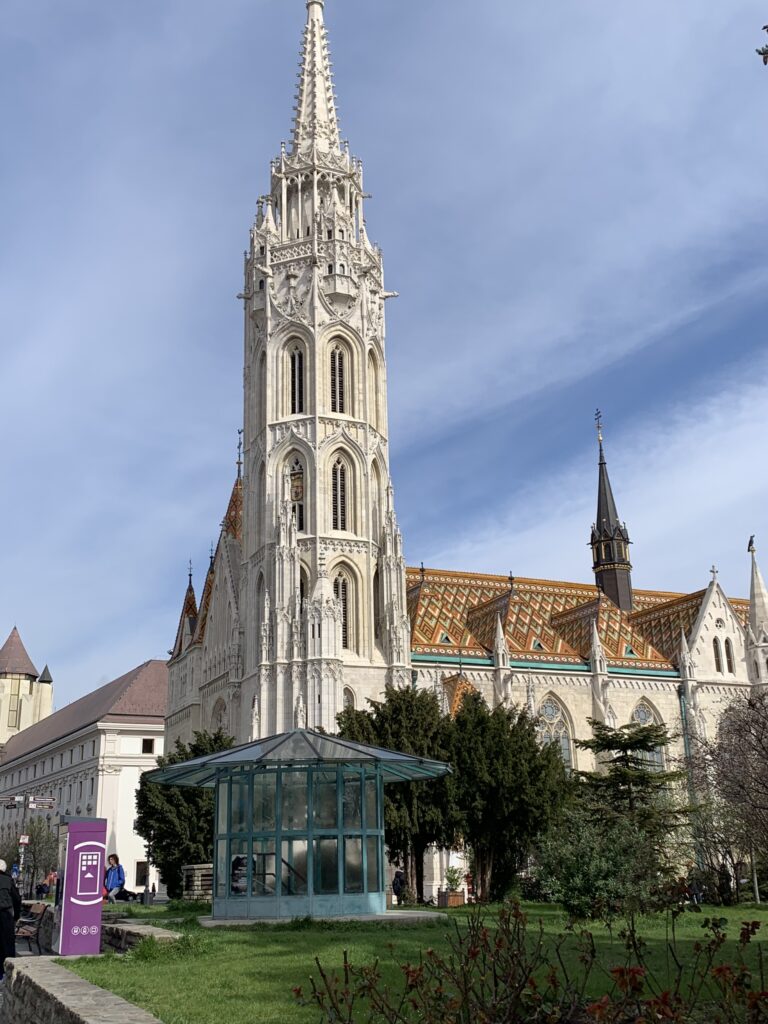
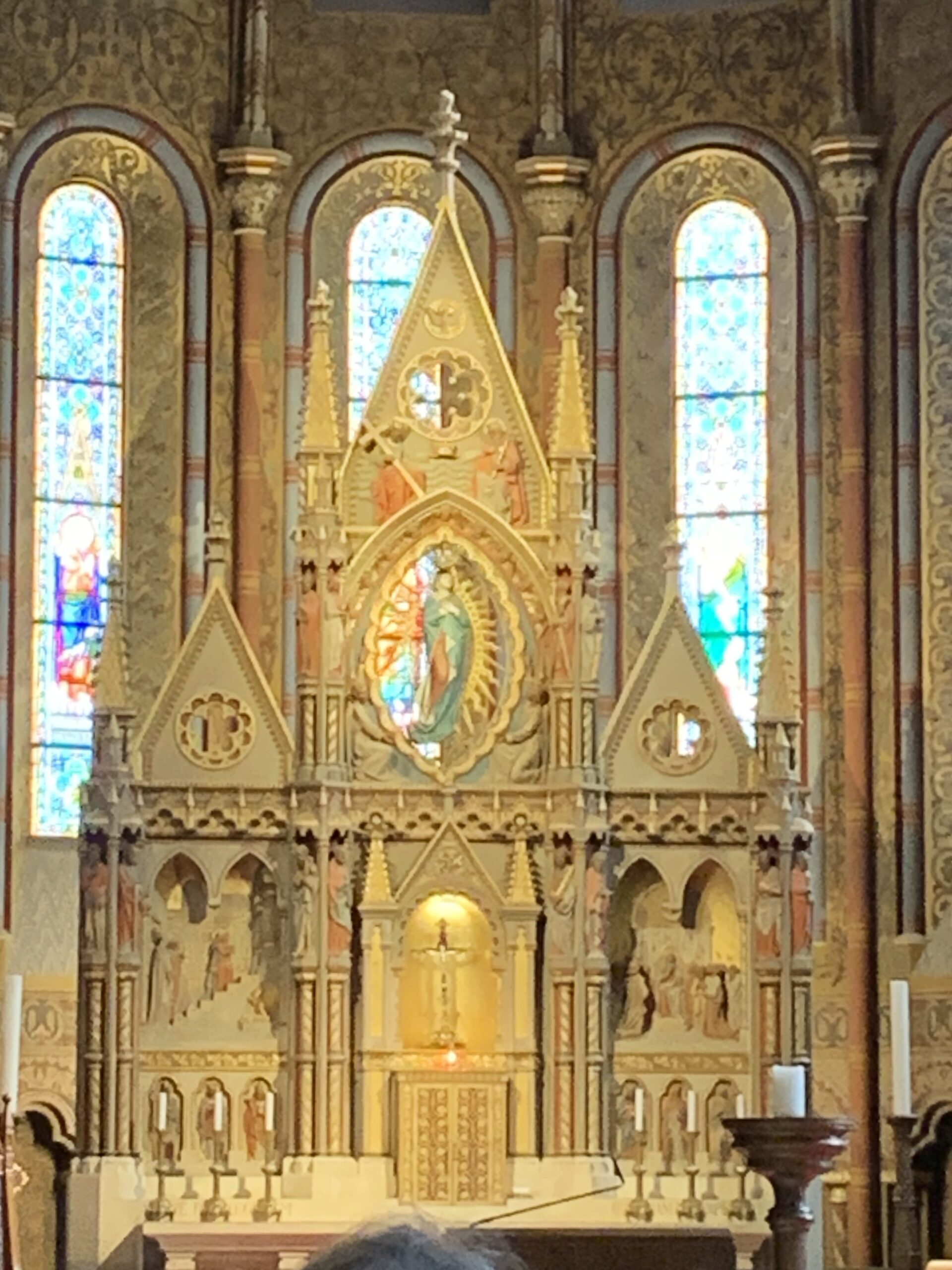
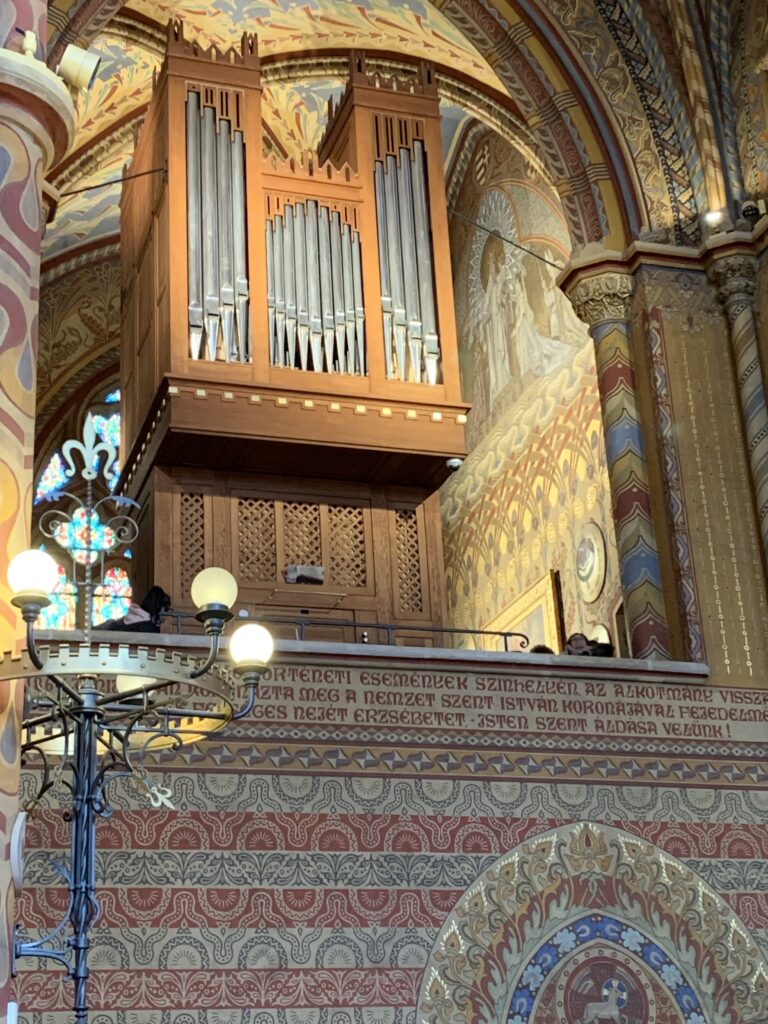
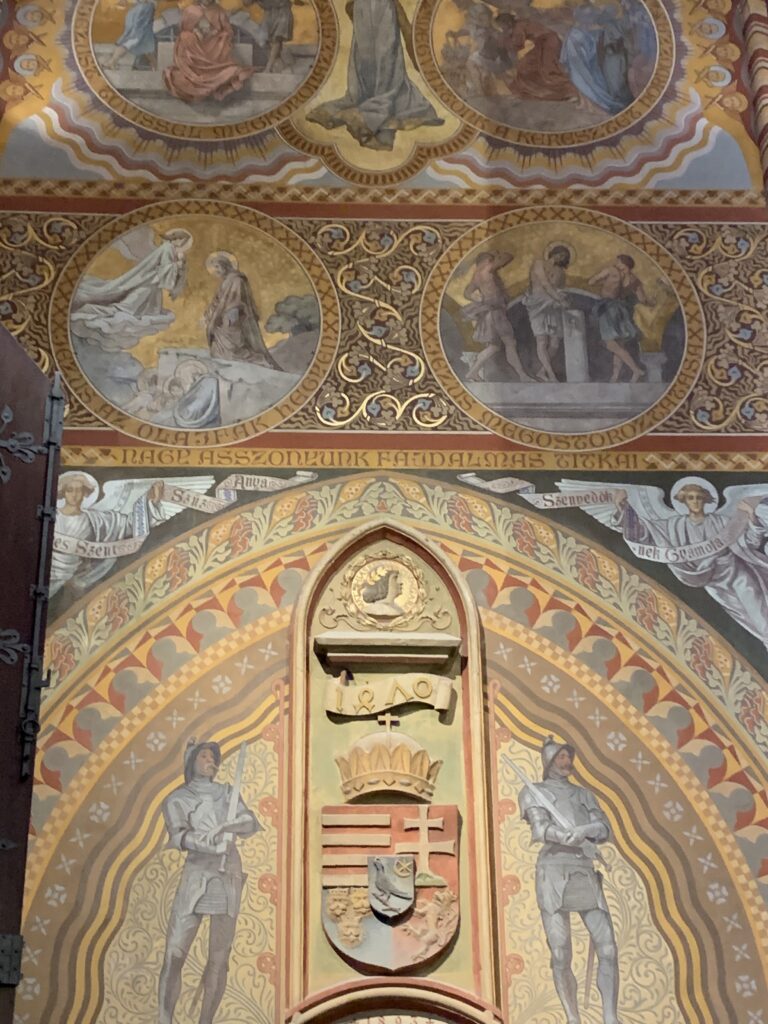
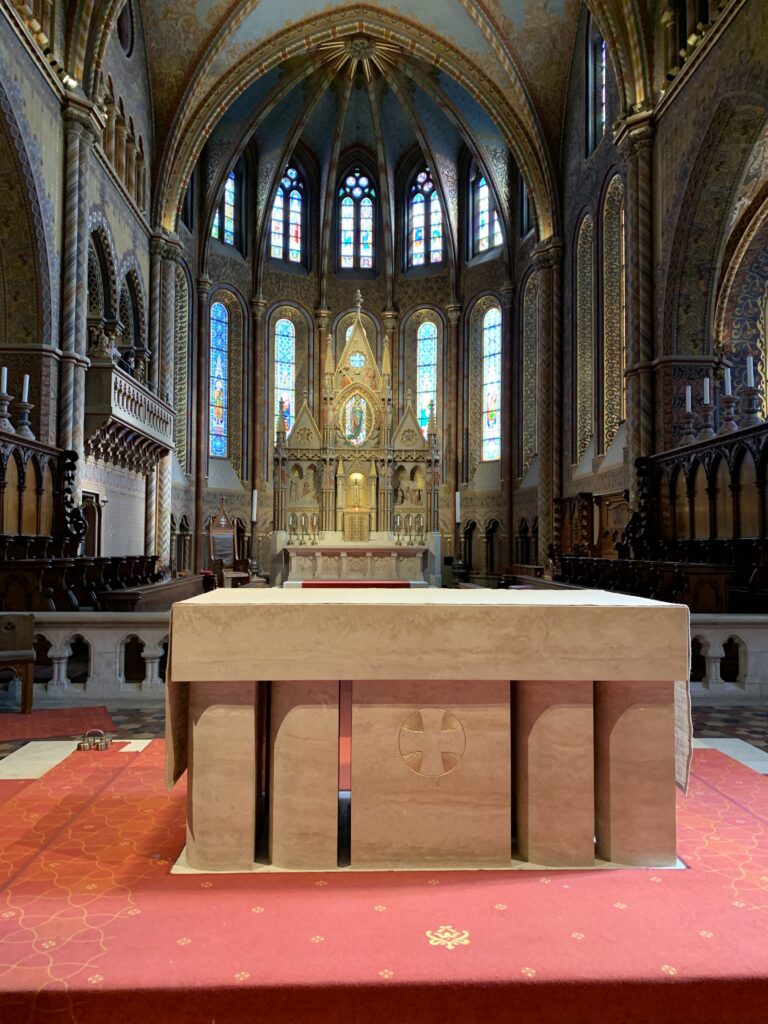
Fisherman’s Bastion was built as a lookout terrace between 1895 and 1902 directly on top of the Fortress Walls of Buda castle.. It has seven white stone turrets that represent the seven original Magyar tribes that settled in the region in 895 AD. Matthias Church is 13th-century Gothic landmark located in the heart of Budapest’s Castle District. Its multi-colored Zsolnay tile roof and its intricately painted interior walls, have made tt famous. It served as the coronation site for Hungarian kings.
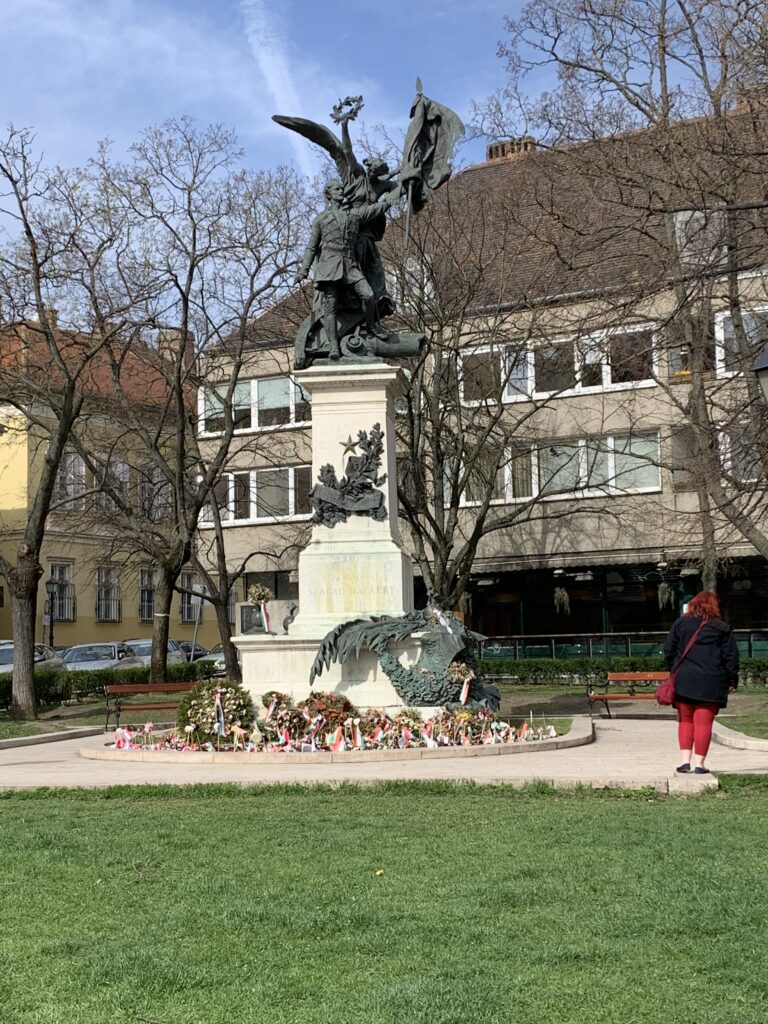
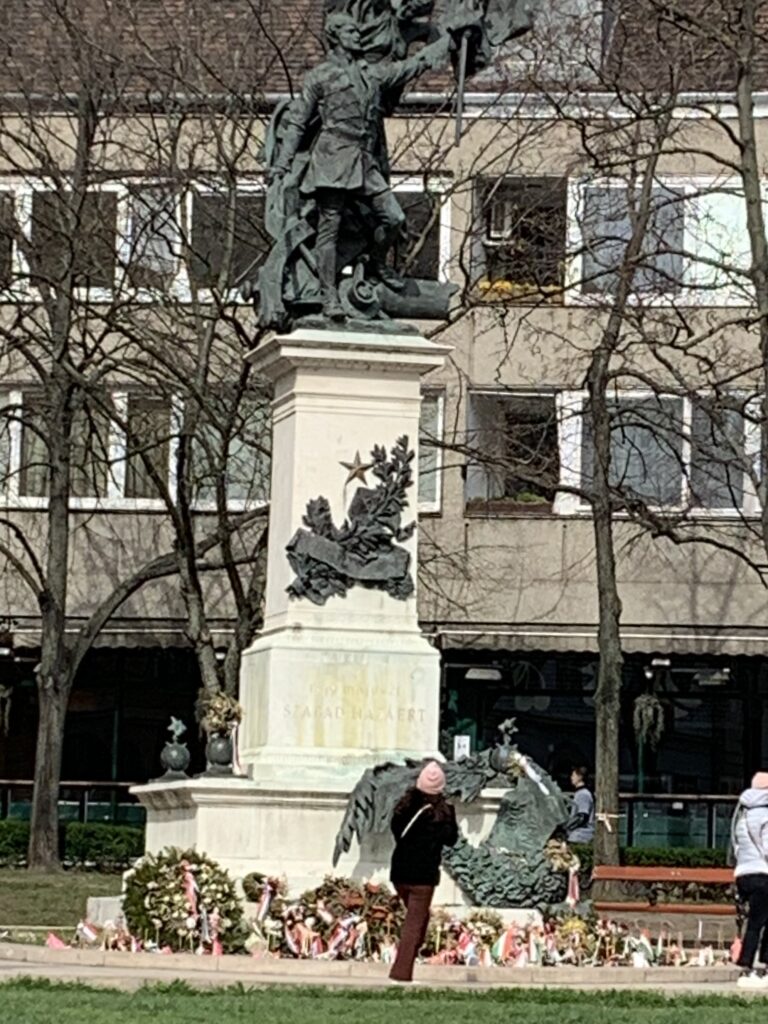
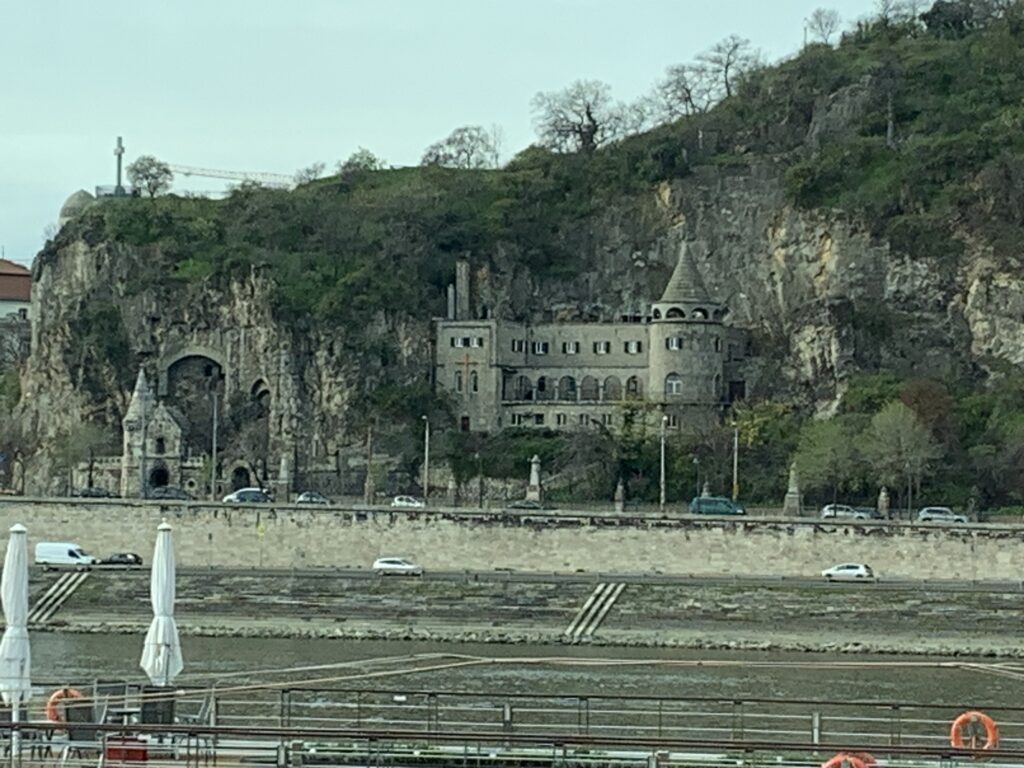
The Honved Memorial, or the Statue of the Independence War, is a historic bronze monument located in Dísz Square. Erected in 1893 by sculptor György Zala, it honors the Honvéd (the traditional Hungarian national army) and the freedom fighters who successfully recaptured Buda Castle from Habsburg forces on May 21, 1849. The Cave Church of our Lady is built into the rock face of Gellért Hill.. Historically it was a onastery for Pauline monks. It was amazing to look at.
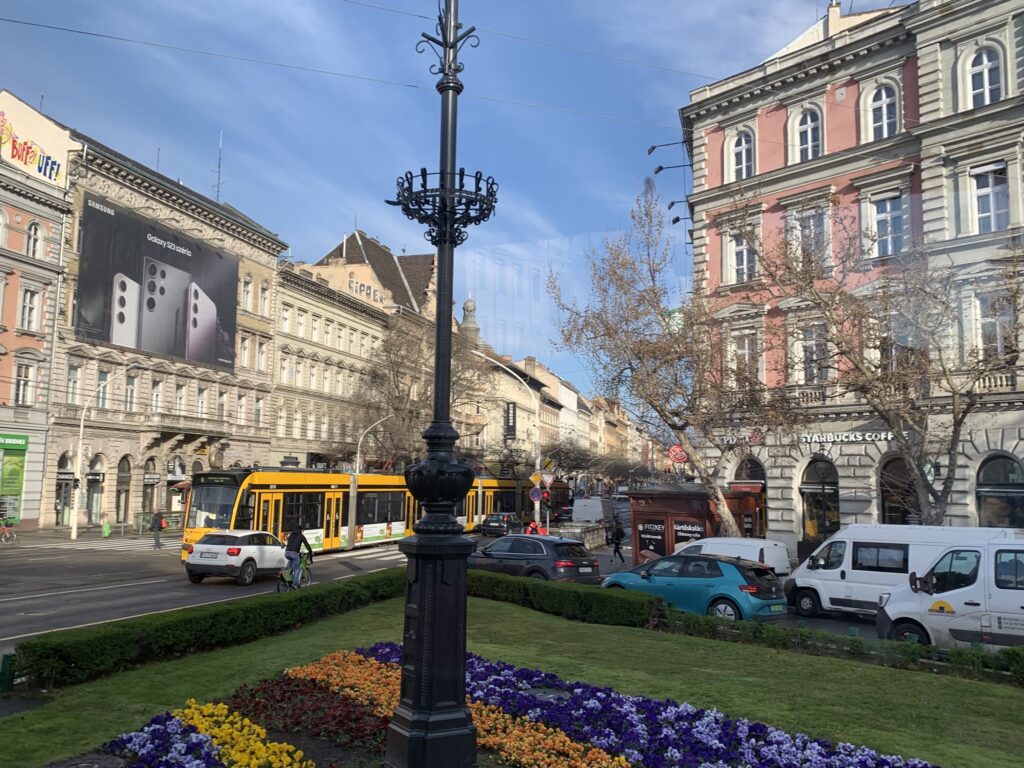
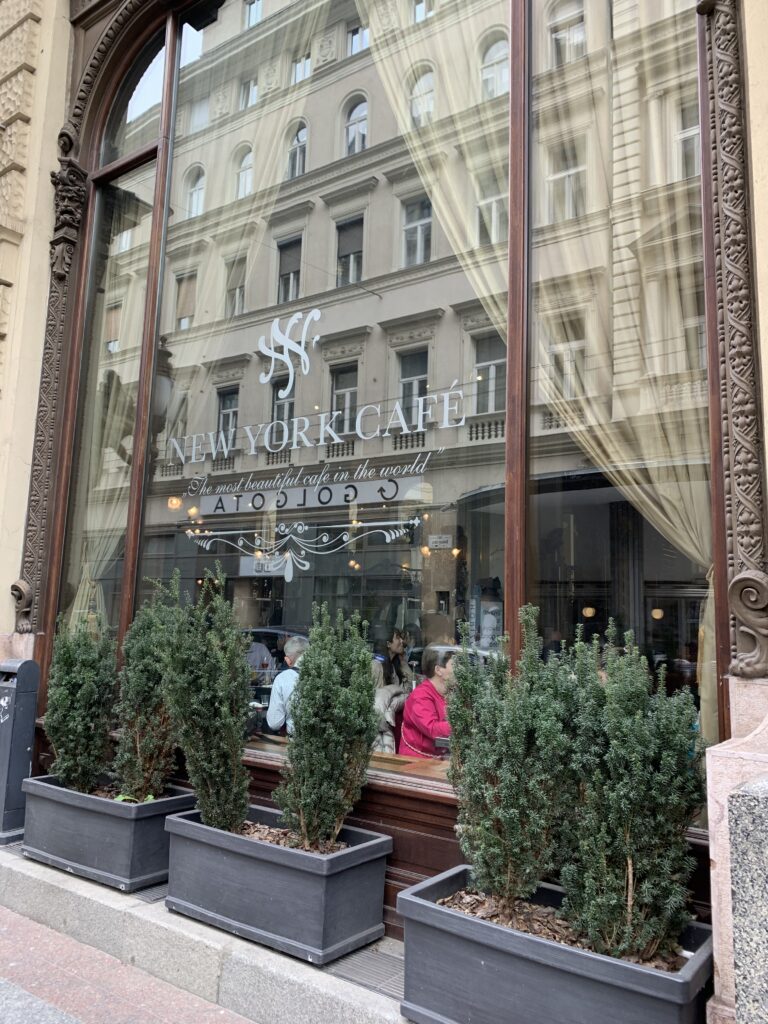
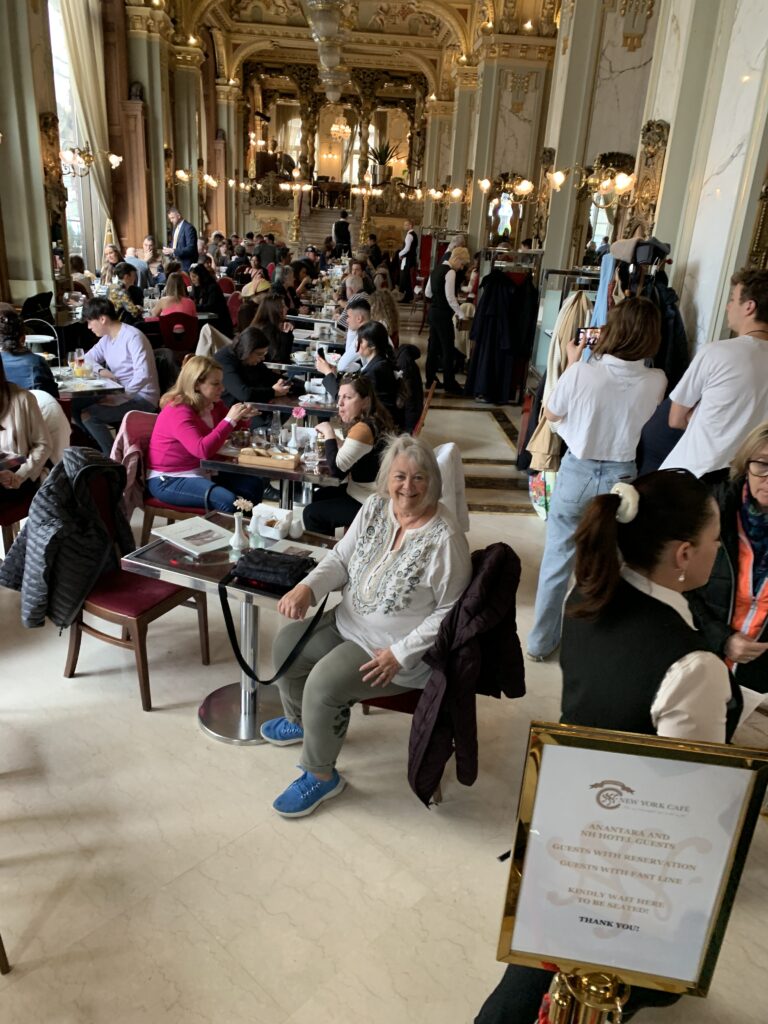
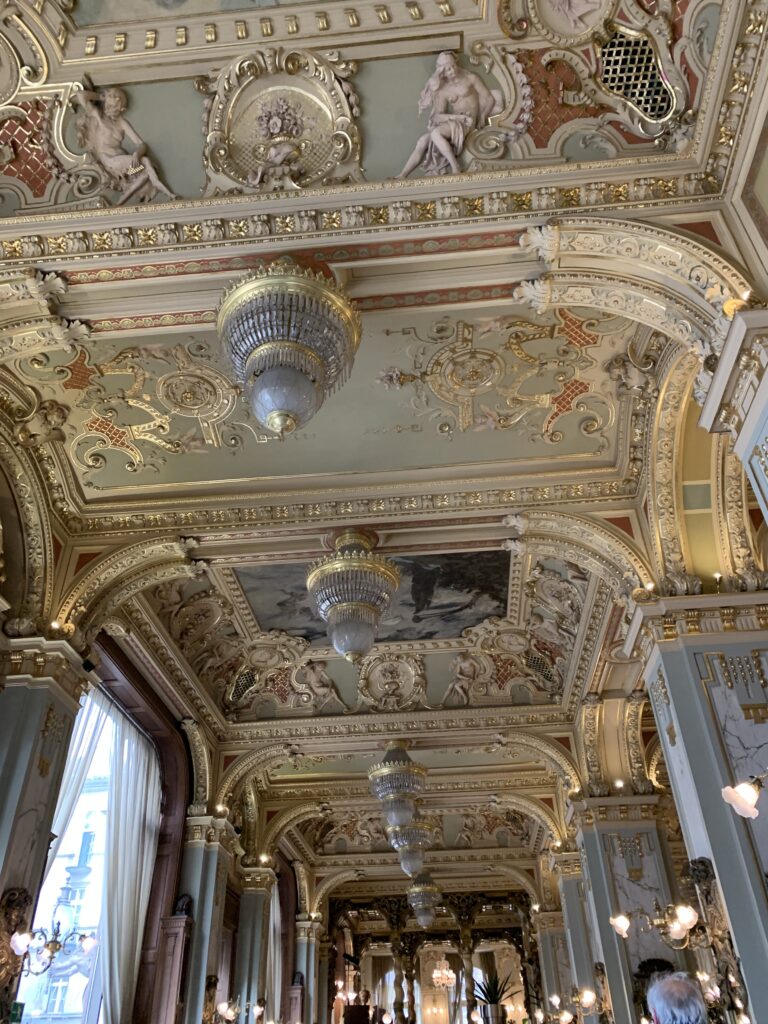
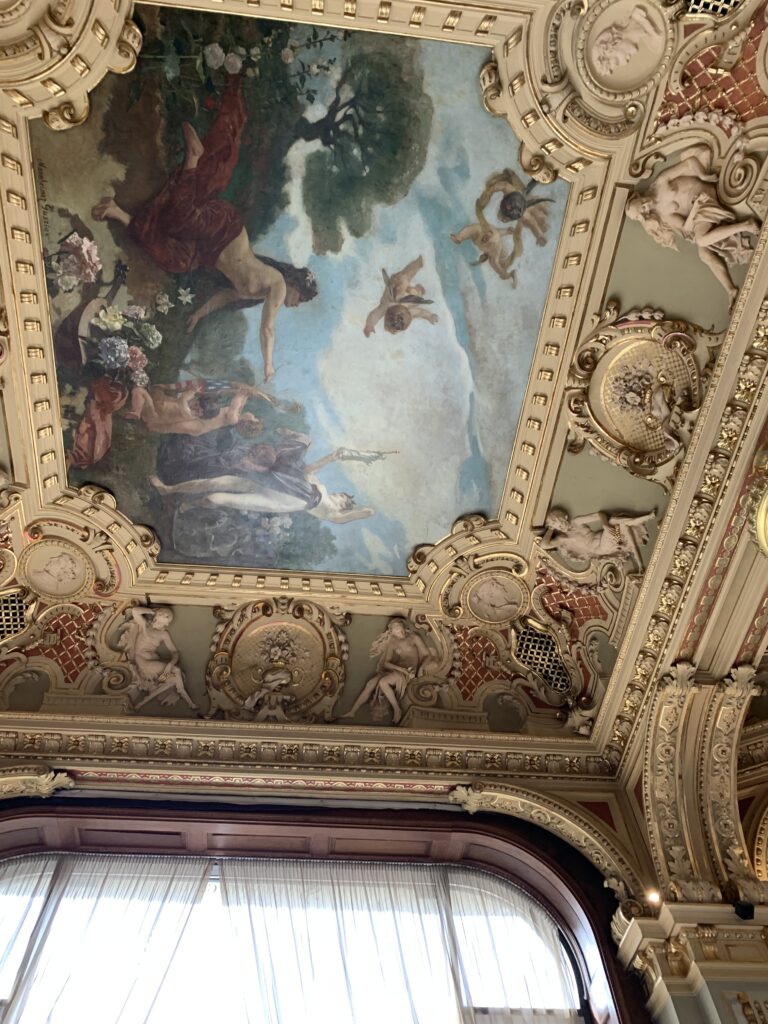
As we explored on our own we discovered more placed in Budapest. The The Oktogon in is a famous eight-sided major intersection. It forms a perfect eight-sided square at the grand crossing of Andrássy Avenue and the Grand Boulevard. Originally built in the 1870s over what used to be a deep pit, it remains one of Europe’s most iconic and busiest urban hubs. About a block away we found the New York Cafe!! It is referred to as “The Most Beautiful Carfe in the World.” It may be. We had to try it out.
Next we venture to Prague.
Leave a Reply