Brasov to Bucharest
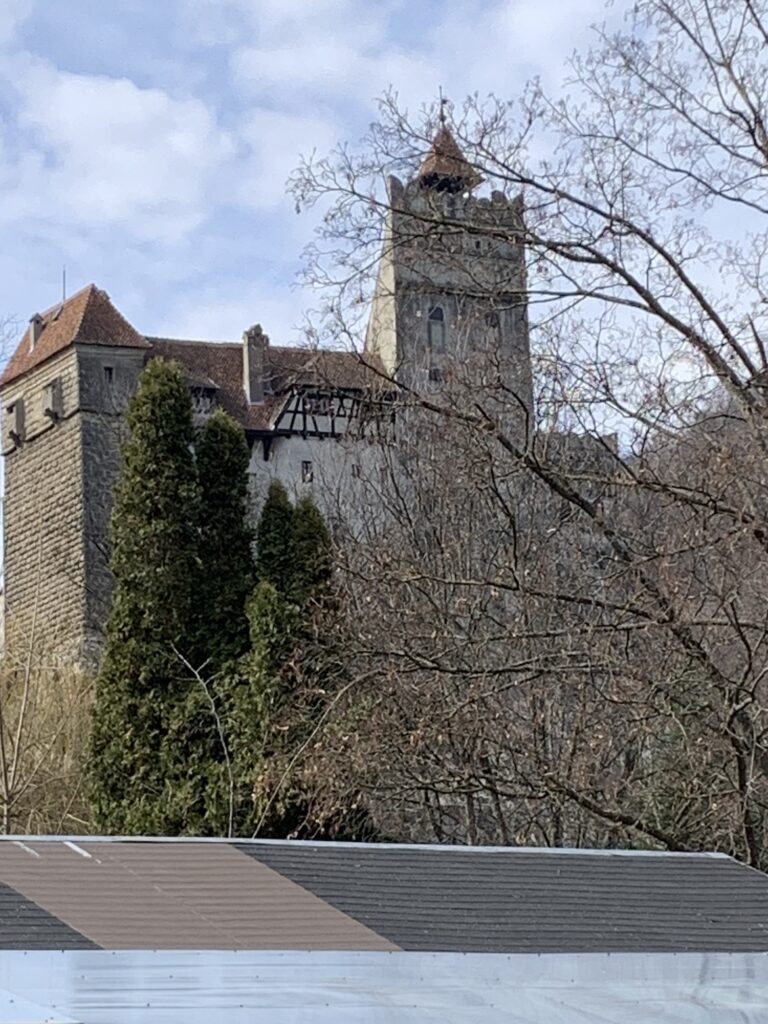
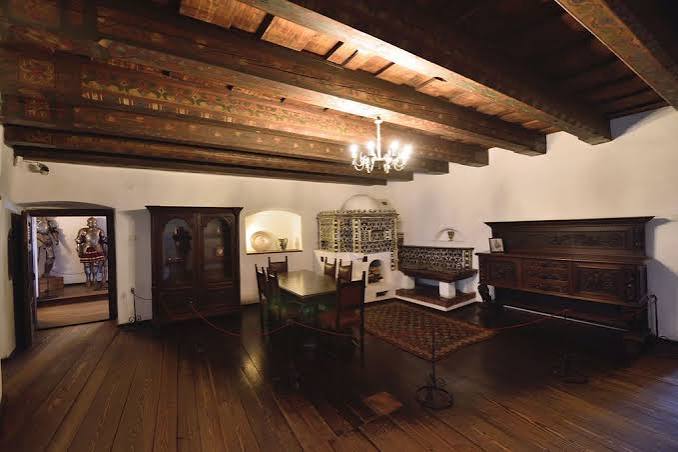
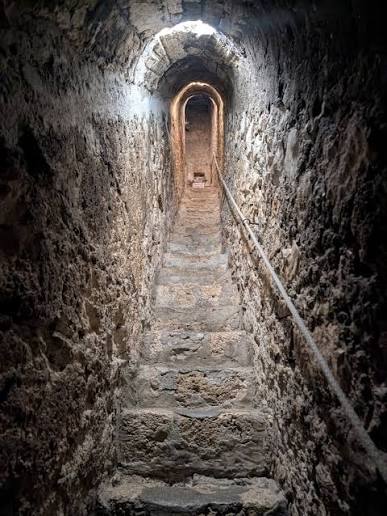
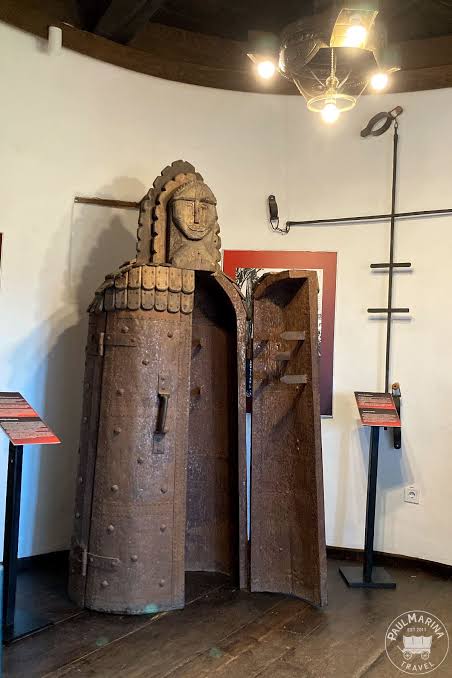
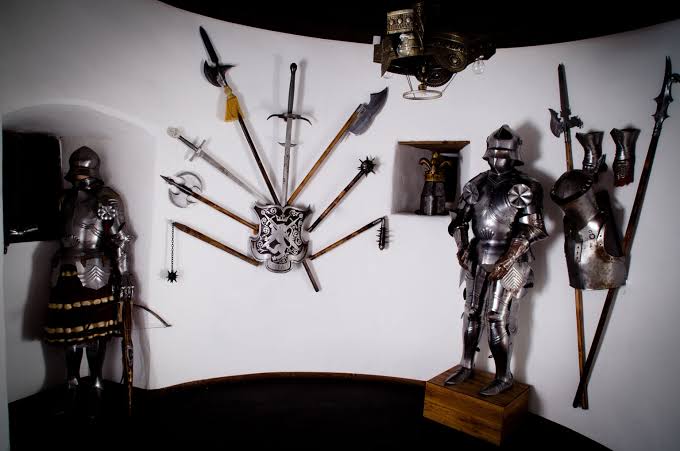
In the morning, left for Bran Castle–Dracula’s Castle– a national landmark and legendary fortress. Built between 1377 and 1388 by King Louis I of Hungary. it was to be a fortress against the northern expansion of the Ottomans into Transylvania. In 1388 the castle was completed and became a Fortress for Transylvania. Vlad the Impaler became associated with the Castle in 1448 to protect the anti-Ottoman resistance at the border. In 1488 it was bought by the Transylvanian Saxons of Brasnov. After WWI Queen Maria of Romania was given the castle which she restored. She loved the castle and in 1940 her heart was brought to its sarcophagus in Bran. In 1948 the Communists took over and the Romanians were forced to leave. Finally in 2009 the castle was returned to its rightful heirs: Archduke Dominic, Archduchess Maria Magdalena, and Archduchess Elisabeth In recent times it has become associated with Dracula from Bran Stoker’s novel. After seeing the castle we ate at a local restaurant and returned to Bucharest.
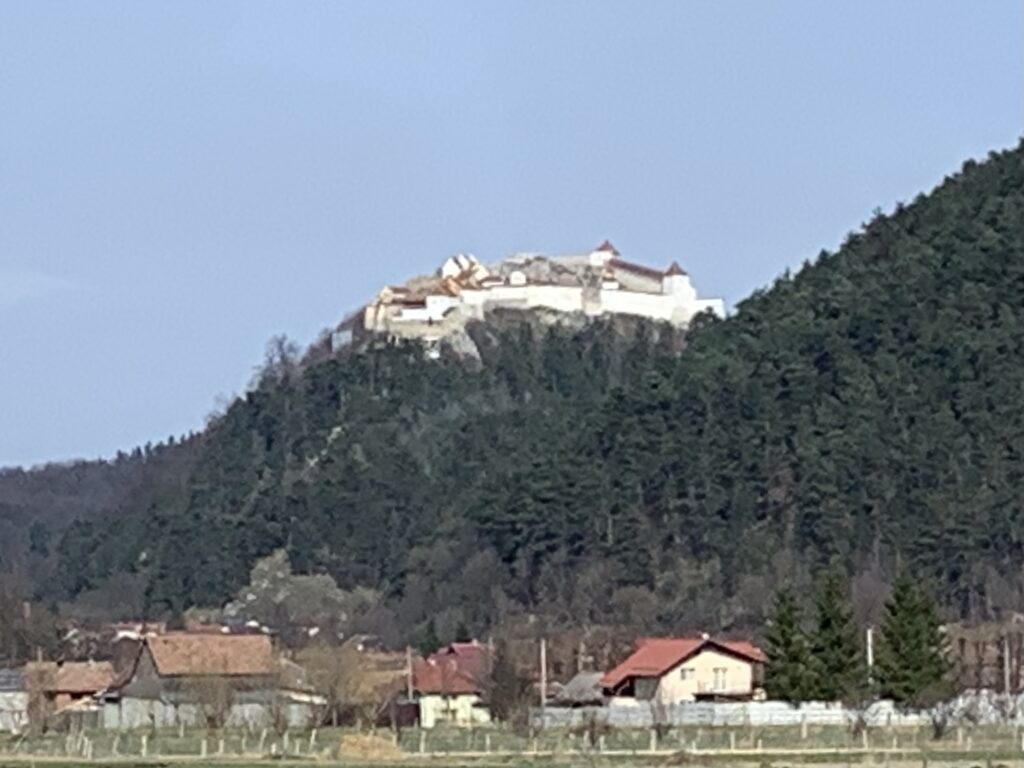
On our return to Bucharest, we passed Rasnov Fortress, a 14th-century peasant citadel built on a high hilltop by the local Saxon community to shelter villagers during invasions. The we came back to Busteni where Church of Saints Constantine and Helena serves as an architectural and cultural landmark.
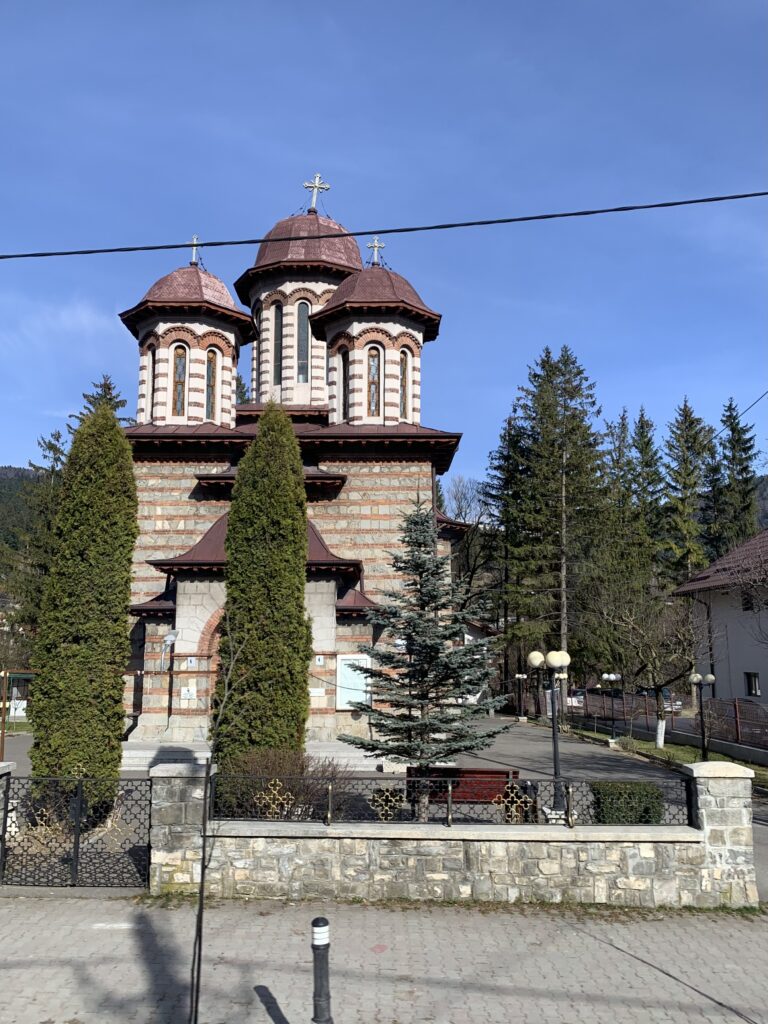
and Helena
The next day we visited the Mogoșoaia Palace. Built over the four year period between 1698 and 1702 by Constantin Brâncoveanu, the Mogoșoaia Palace is famous as an architectural monument because its facade is dominated by traditional staircase balconies, columns with capitals, and arcades that have come to be known as the Brâncovanian style or Romanian Renaissance style, which is a combination of Ottoman and Venetian elements. The Palace houses a museum and art gallery inside of its walls. But it is also known for its beautiful grounds and gardens.
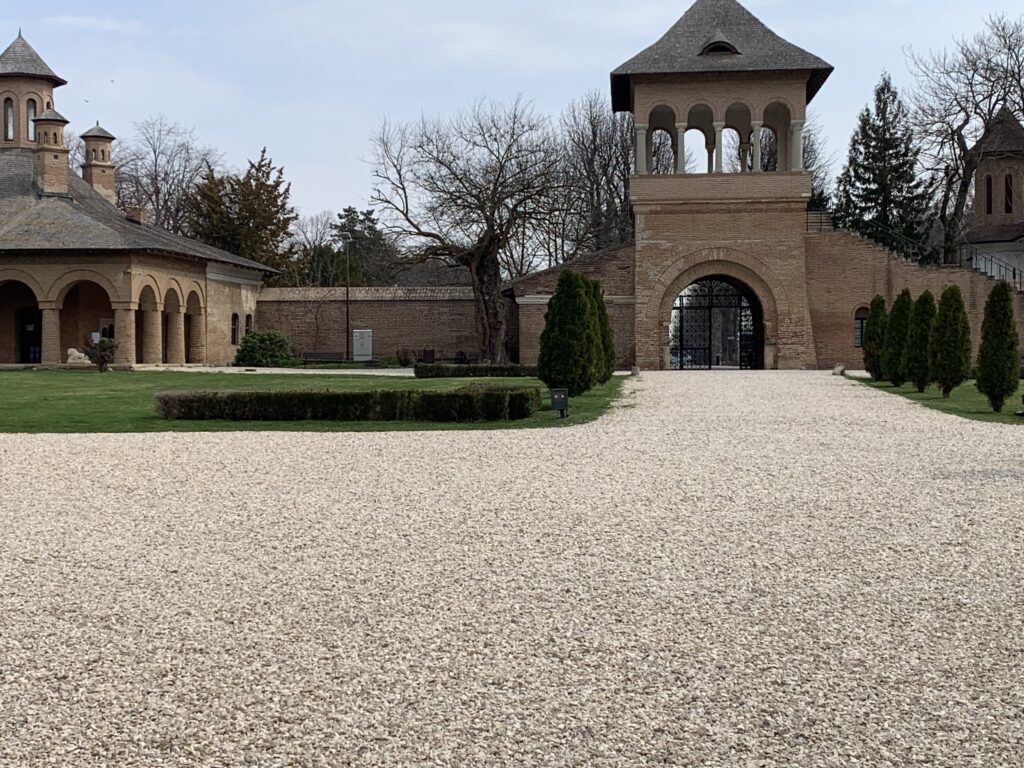
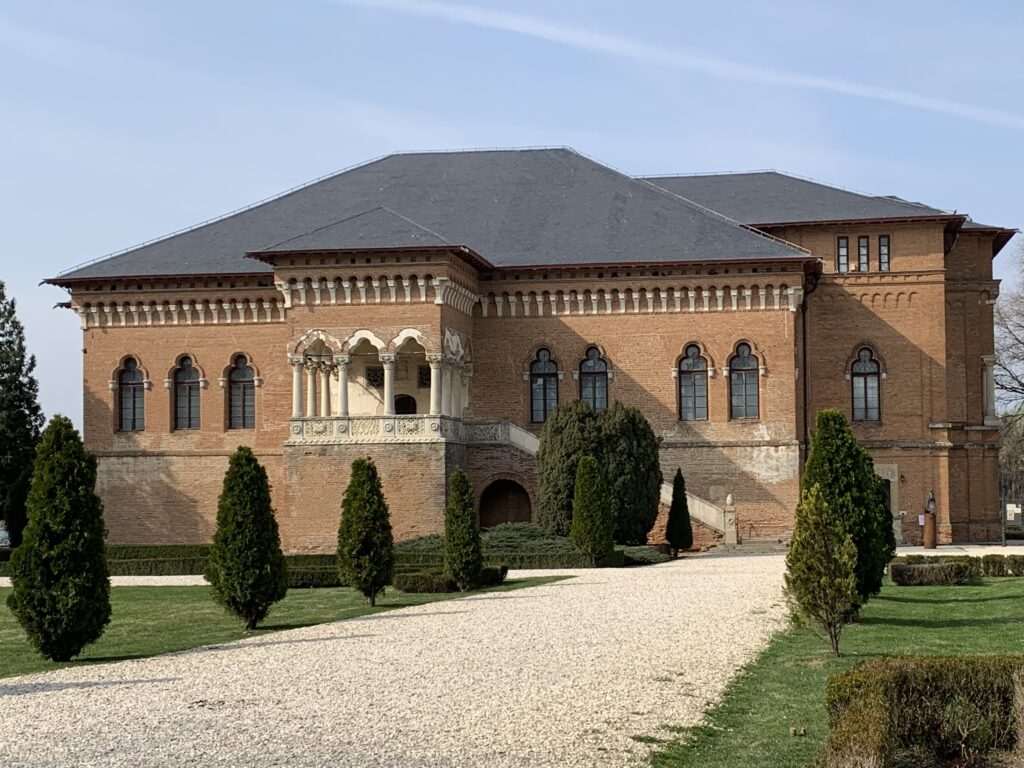
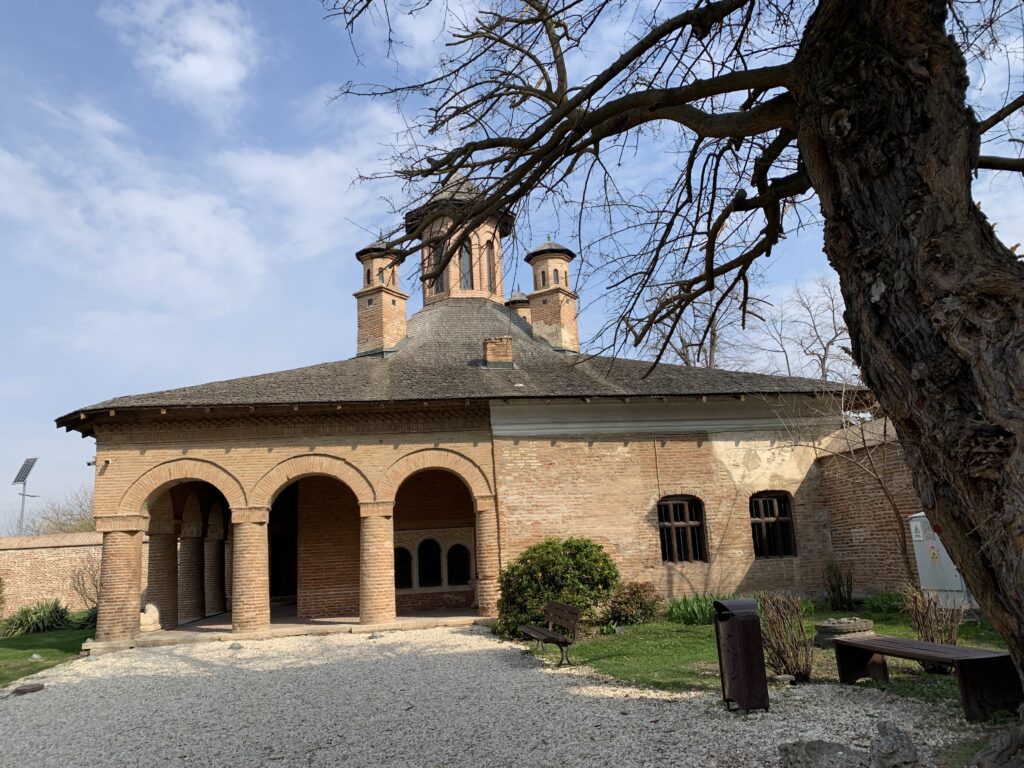
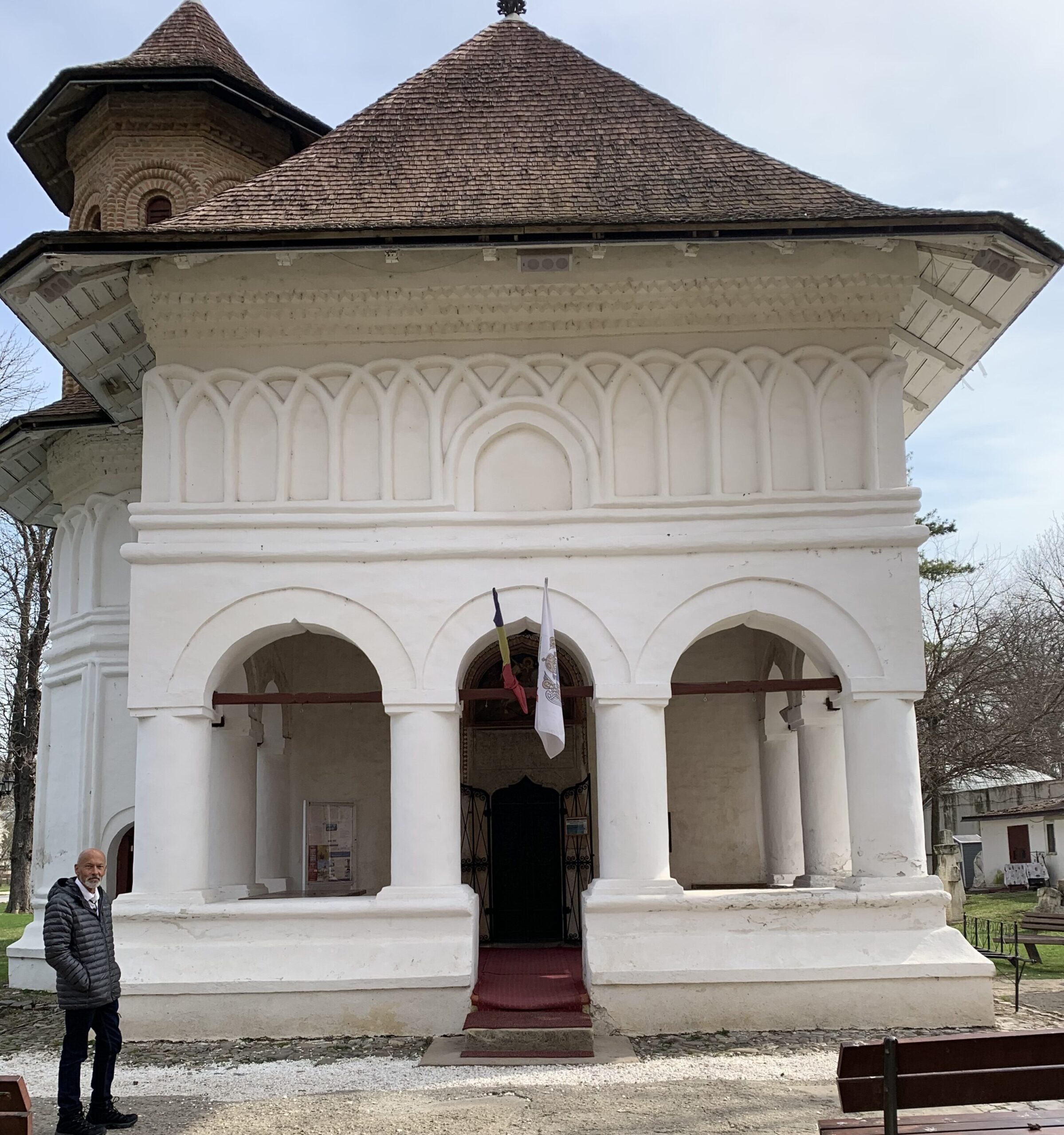
Mogoșoaia Palace
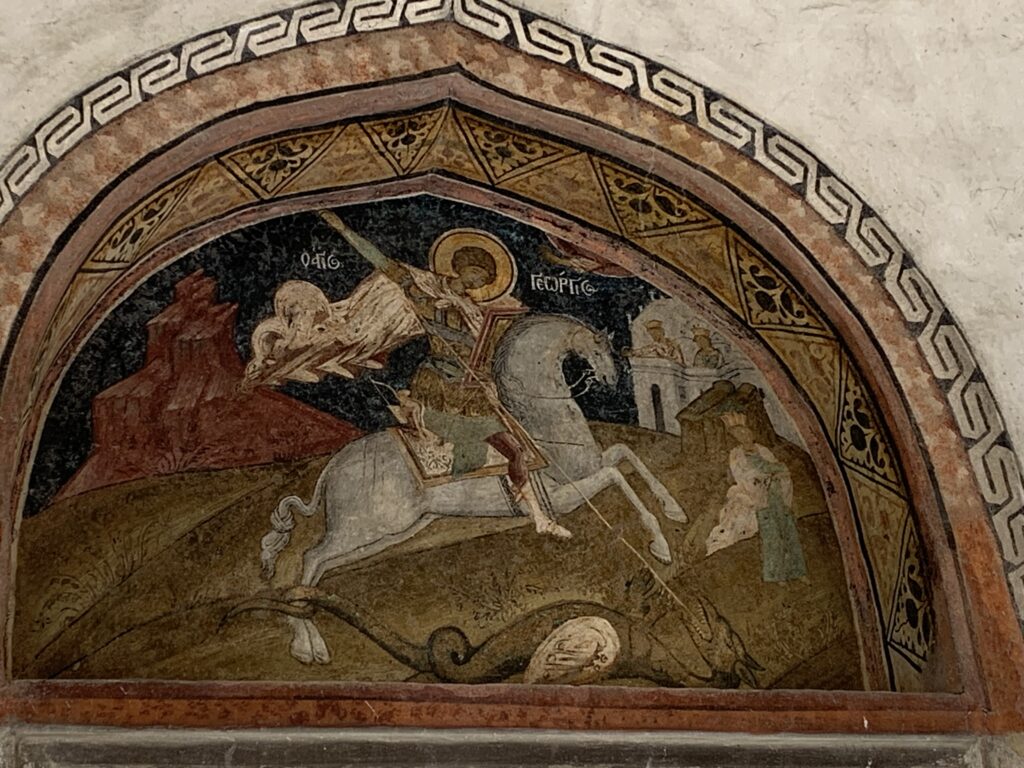
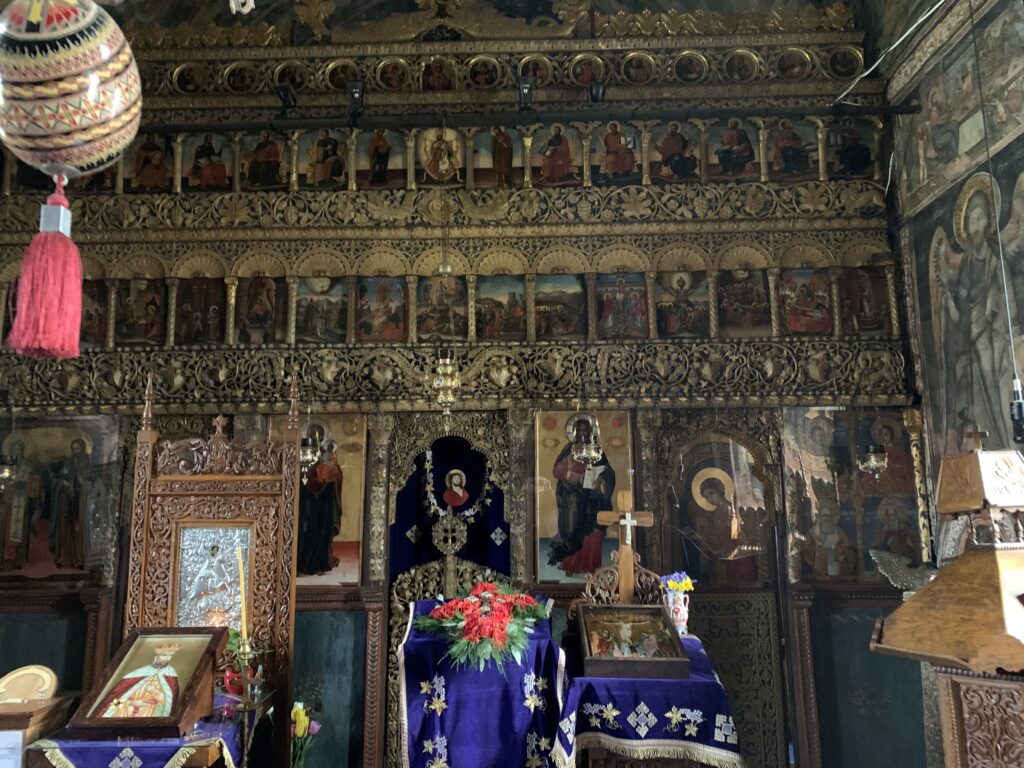
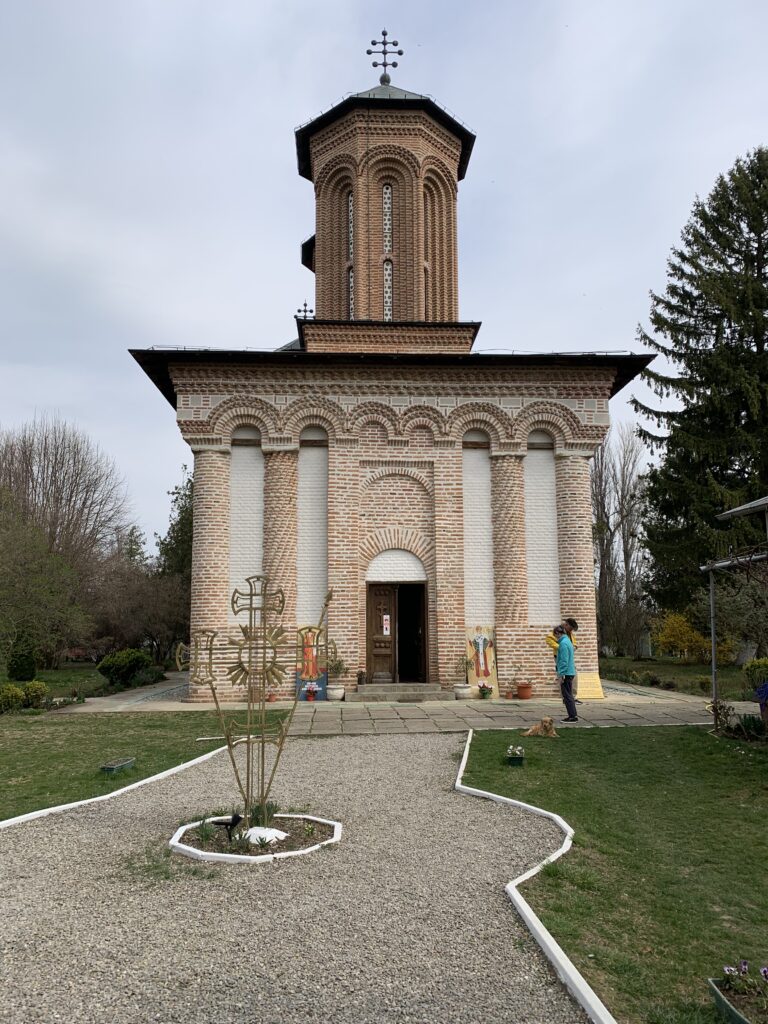
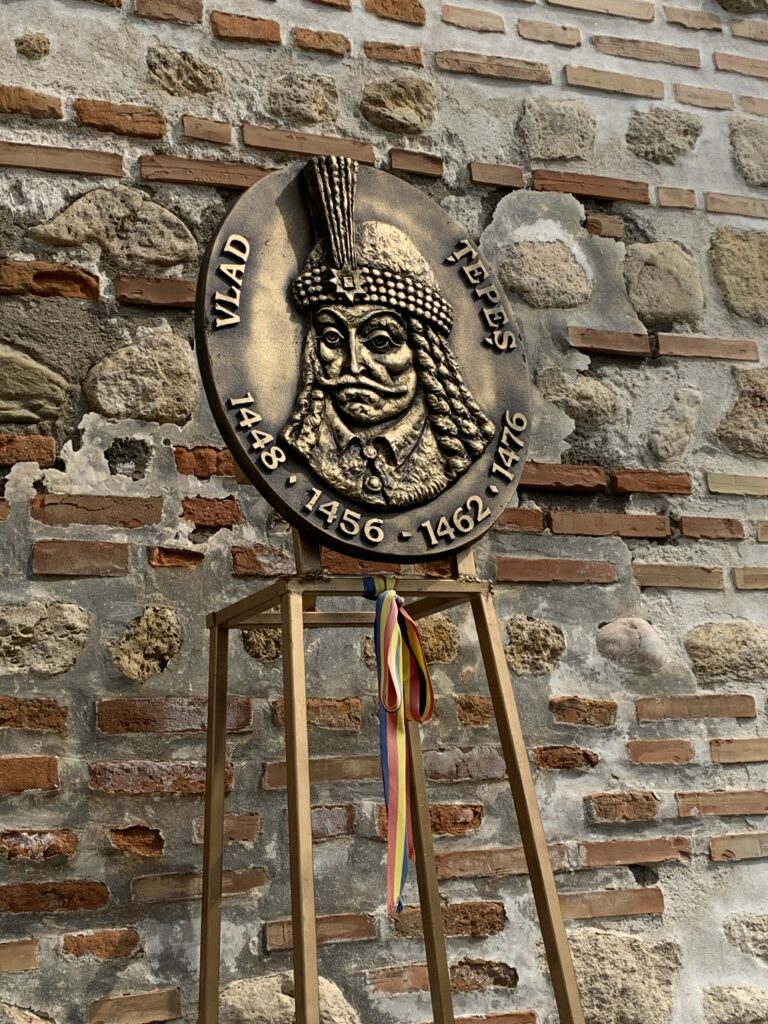
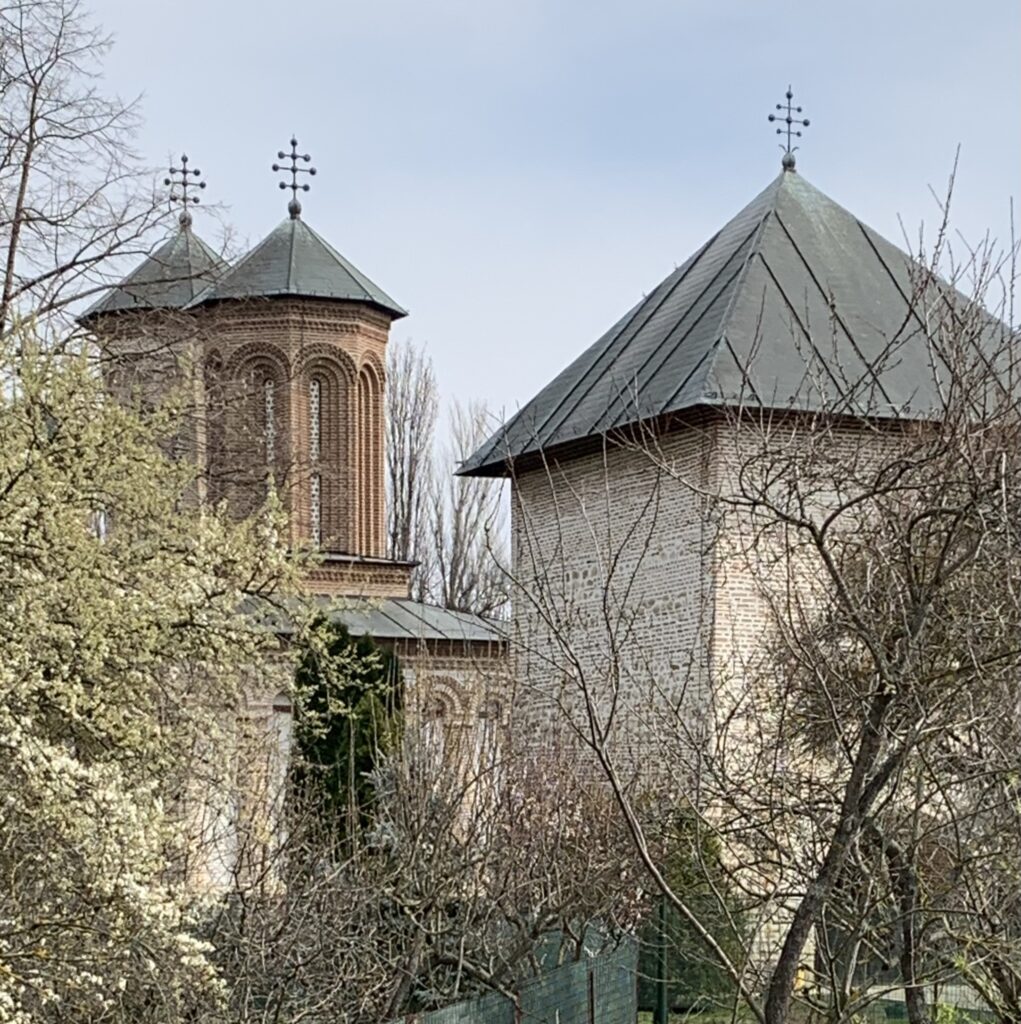
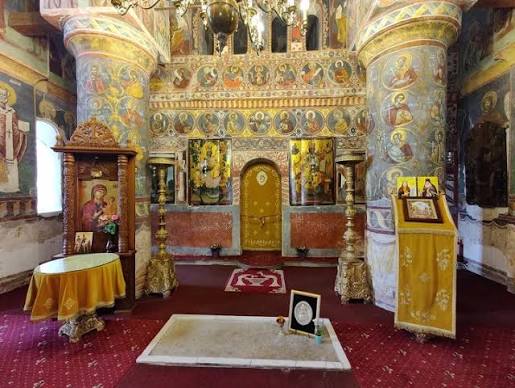
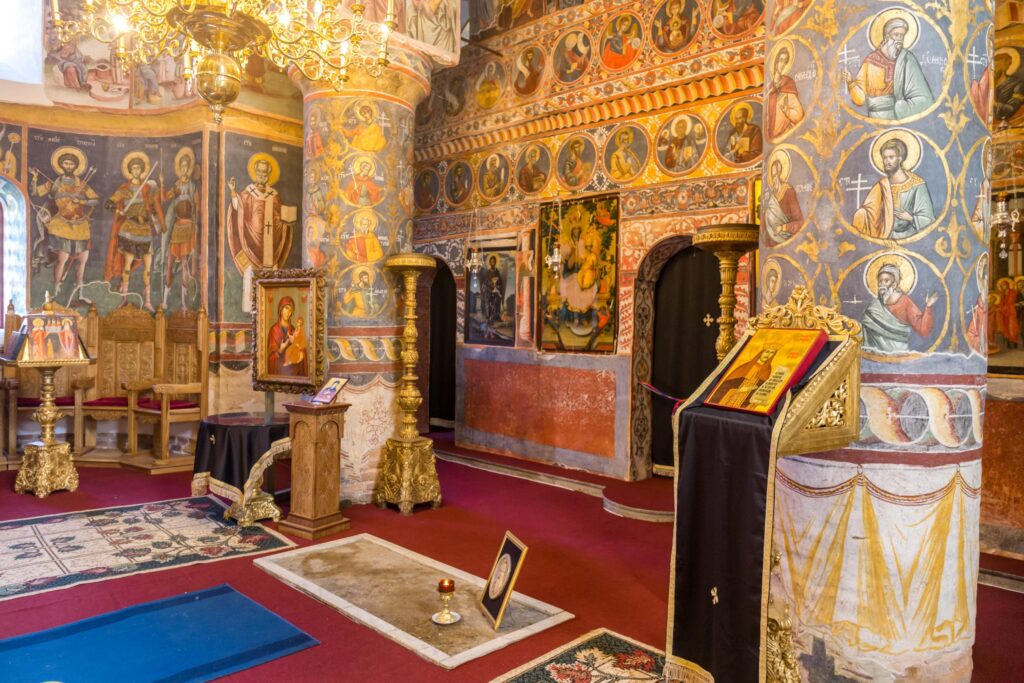
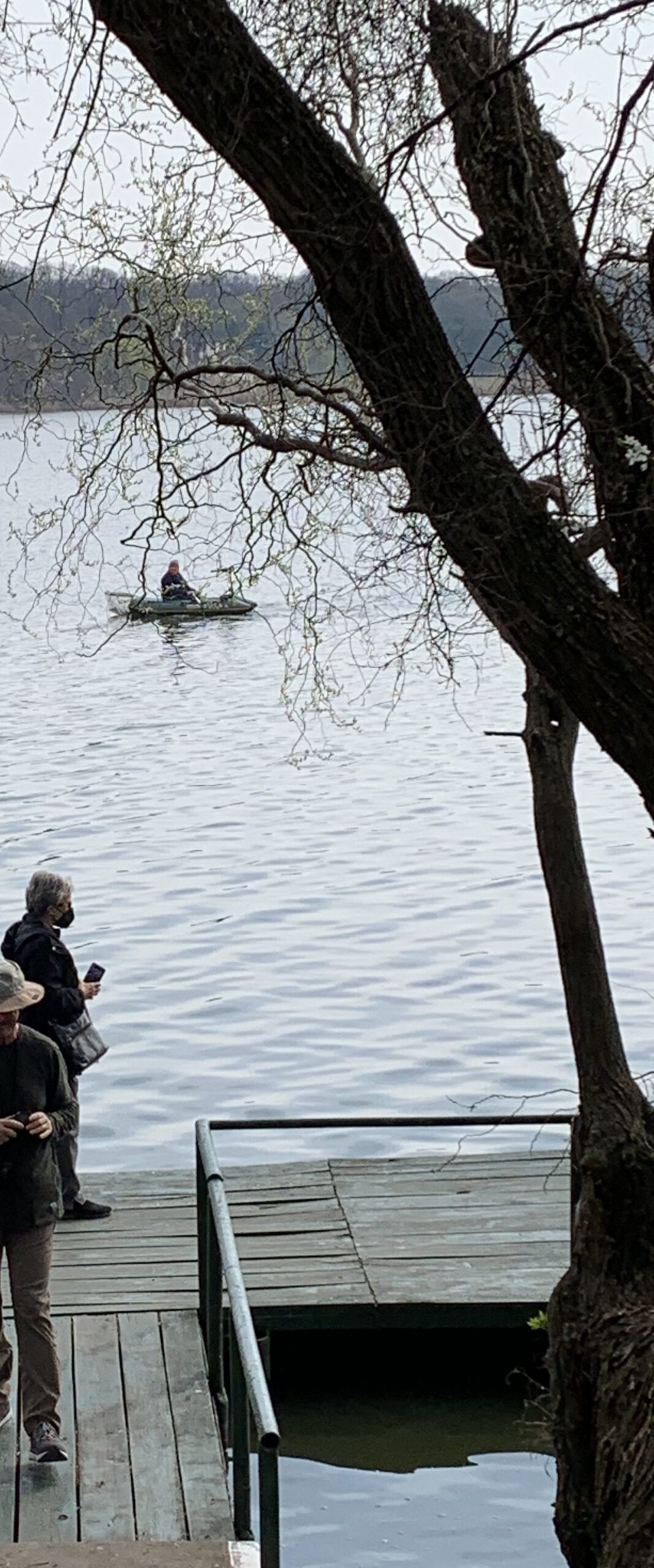
Our final stop was the Snagov Monastery. The monastery is located on an islet in Snagov Lake, accessed by a narrow foot bridge. Dating from the 14th century, it’s shrouded in folklore and historical speculation. Most notably, it is the supposed burial place of Vlad the Impaler. The small church features vibrant, floor-to-ceiling 16th century Byzantine frescoes in the narthex and 19th-century murals covering the main nave. The Plaque of Vlad commemorates his three reigns as Prince of Wallachia.
Tonight we boarded our river boat for a cruise on the Danube.
Leave a Reply