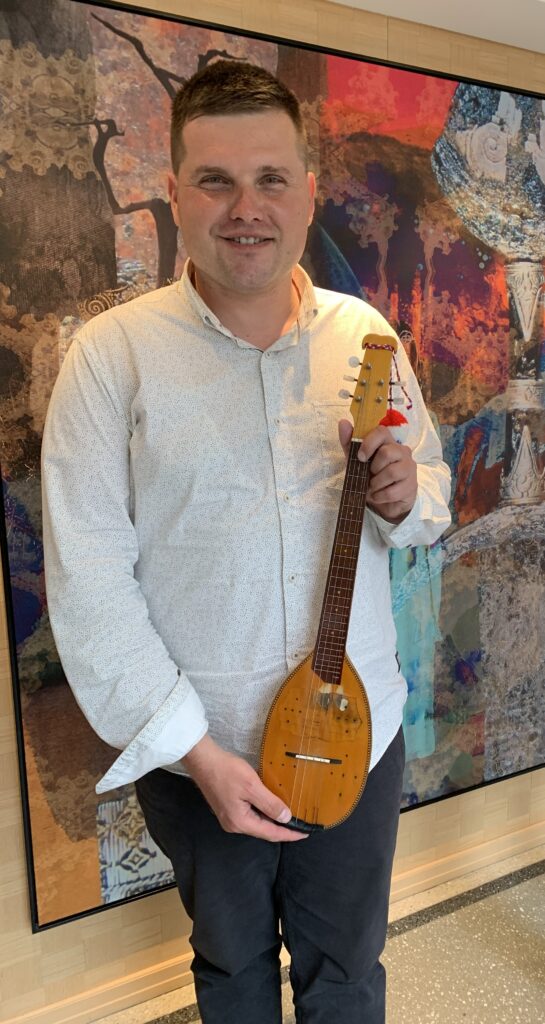
Before we docked, we were serenaded with a Tamburica Band. I got a picture of one of the musicians with a Tamburica. It is a stringed instrument believed to have originated in ancient Mesopotamia. We drove through Vukovar to get to Osijek is the fourth largest city and is located where the Drava River meets the Danube. Like the other countries in the region, Vukovar was part of the Kingdom of Hungary Ottoman Empire, Habsburg Monarchy, Kingdom of Serbs, Croats, and Slovenes, Yugoslavia, and eventually independent Croatia.
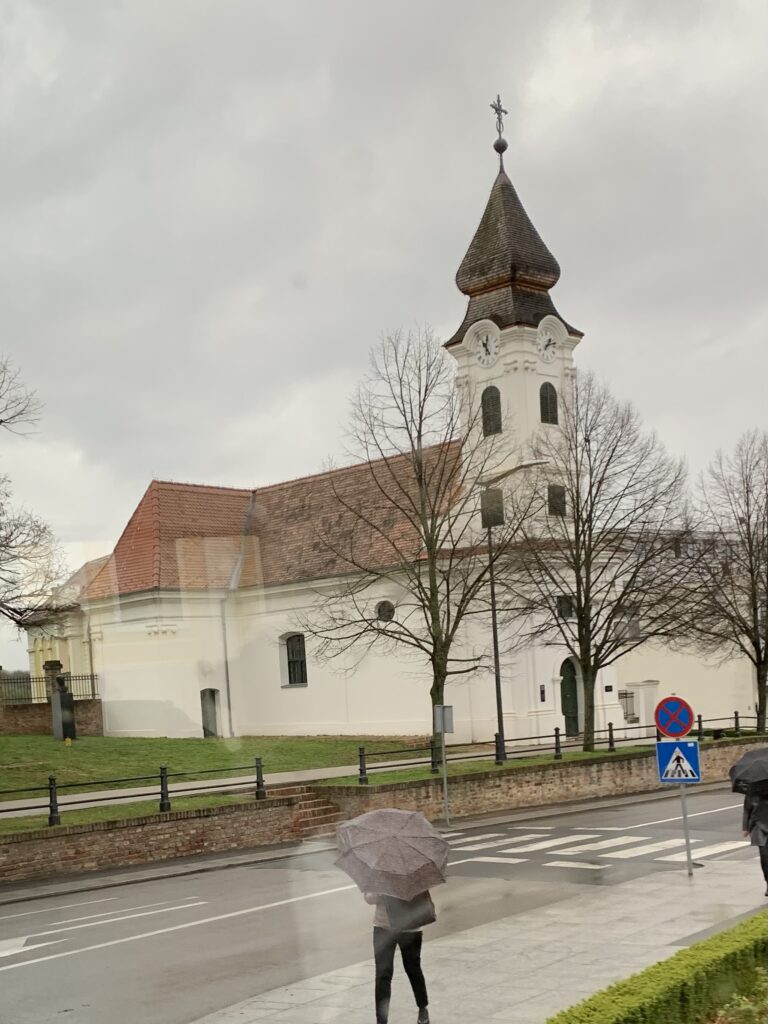
Vukovar
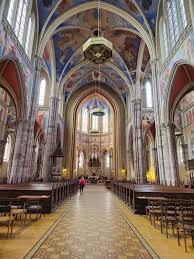
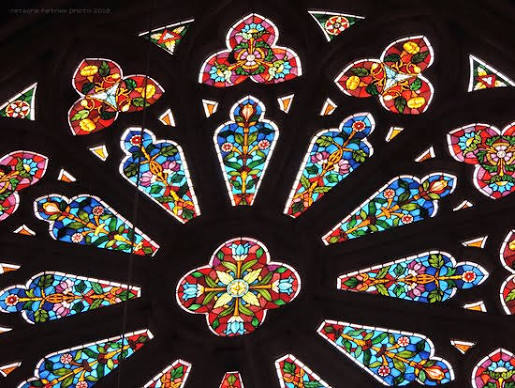
Our first stop in Osijek was the Cathedral of St. Peter and St. Paul with its splendid glass and 94 ft.-tall spire—the tallest building in Croatia outside of Zagreb. It was built in 1898 using about 3.5 million red bricks.
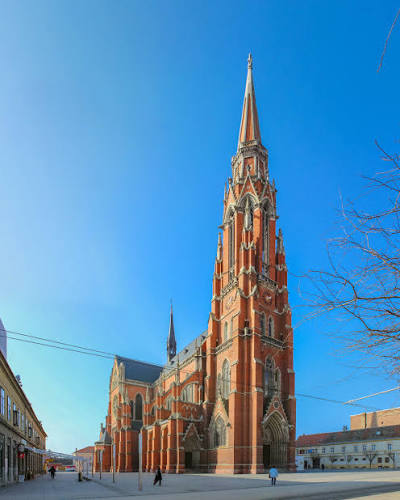
and St. Pall
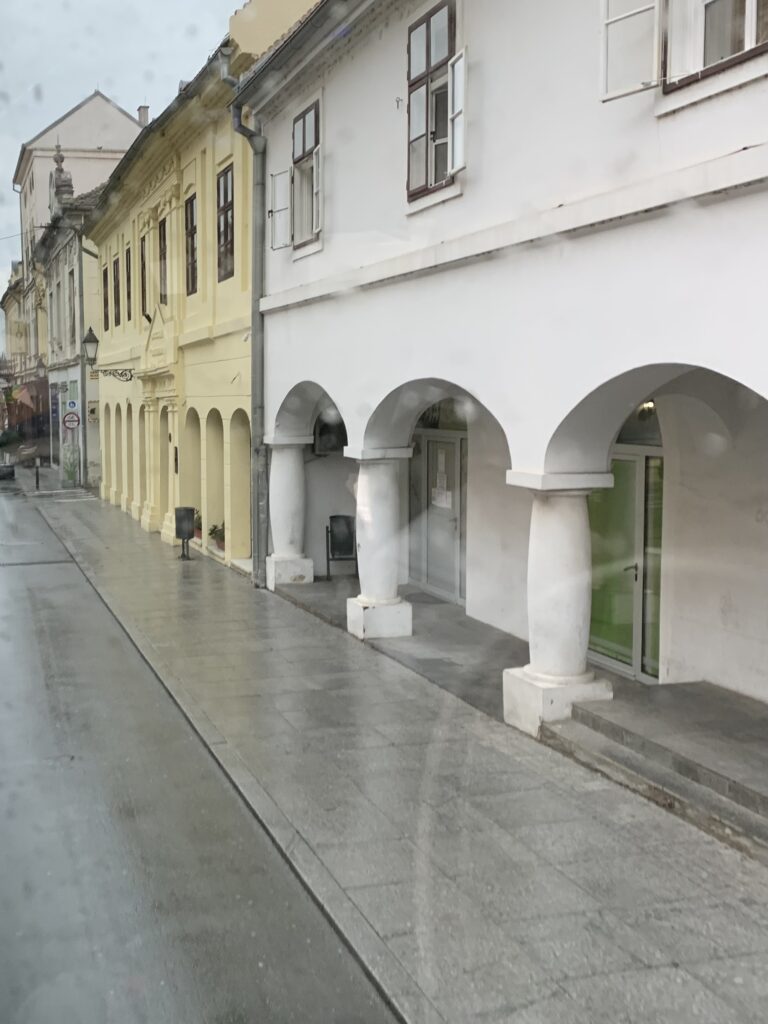
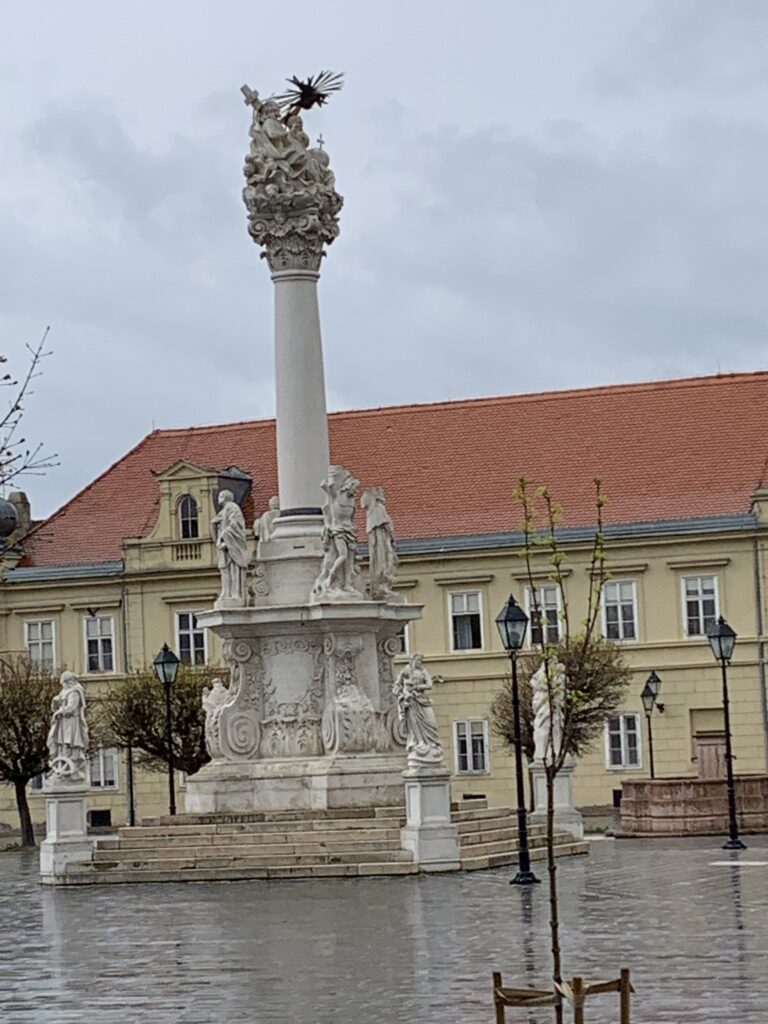
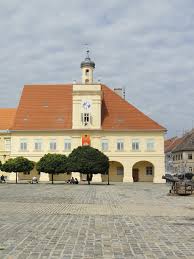
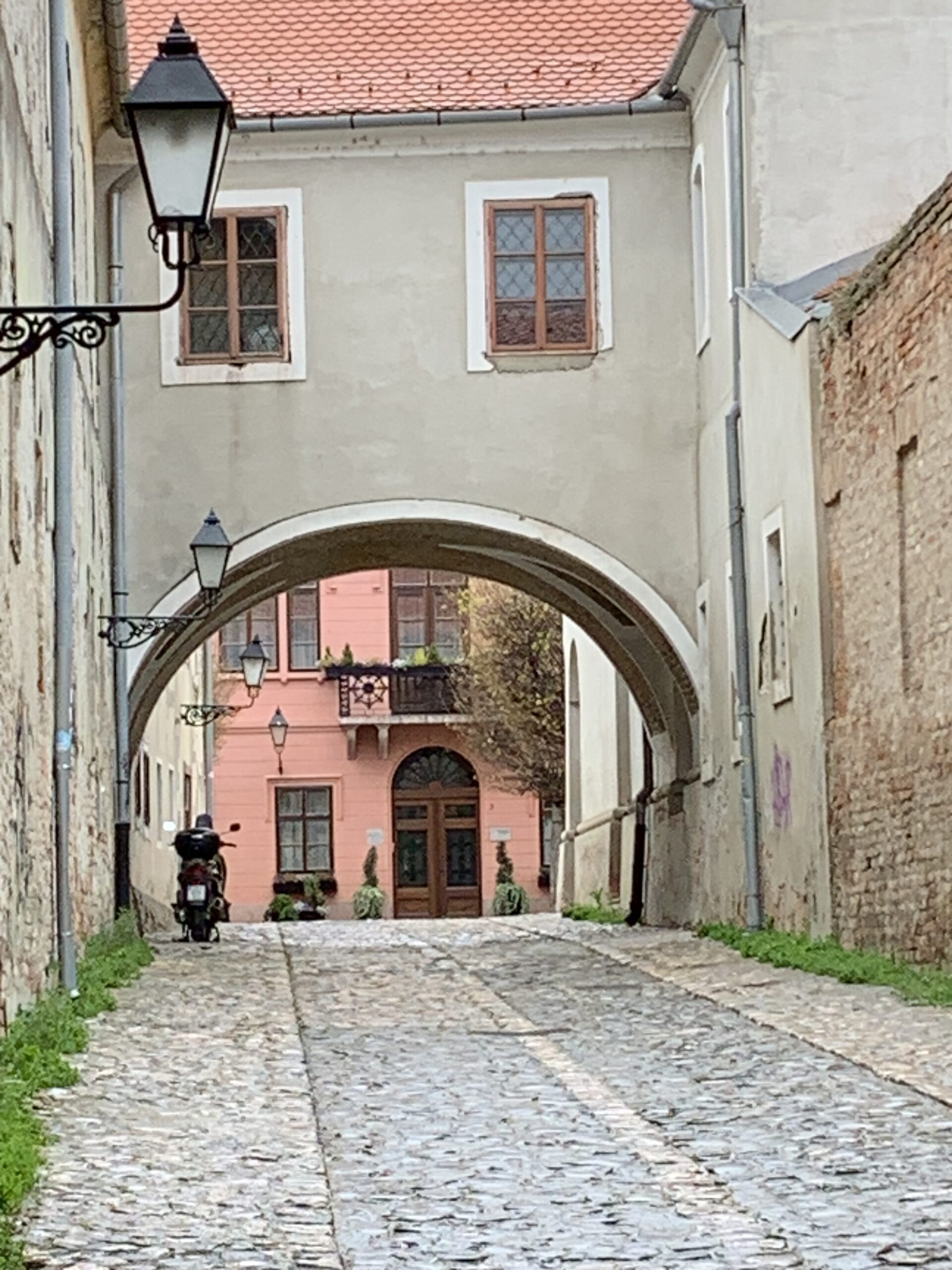
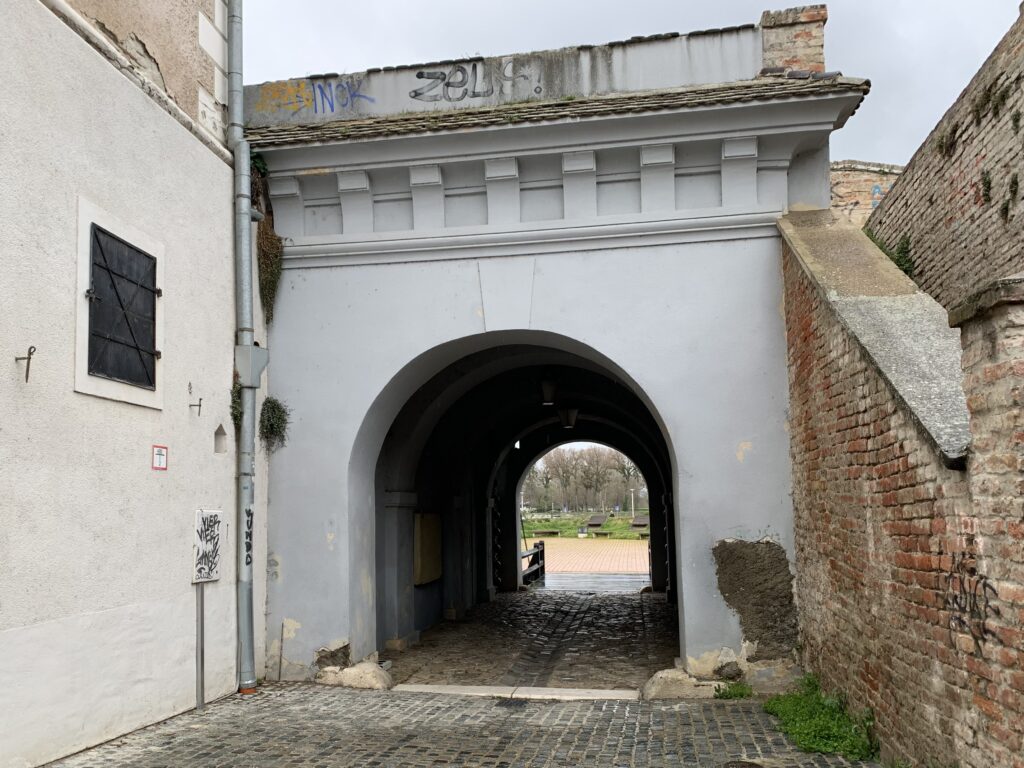
Then on to the Fortress—the Citadel of Tvrda. What is now Osijek’s Old Town was originally the fortified, star-shaped fort built in 1712 by the Hapsburgs. It is Croatia’s largest and best-preserved group of baroque buildings, cobblestone streets, and squares lined with town homes and quaint stores. The main plaza, Holy Trinity Square, has a votive pillar at its center that was erected in 1729 to honor plague victims. The square also includes the yellow Zgrada Glavne Streze, built in 1729f with its observation post jutting out of its roof and capped by a Venetian-Moorish dome. Today it houses the Archaeological Museum. The single nave St. Michael’s Church was built on the foundations of an Ottoman Mosque. Facing the Drava River, the Water Gate is the only remaining gate in the original fortress well.
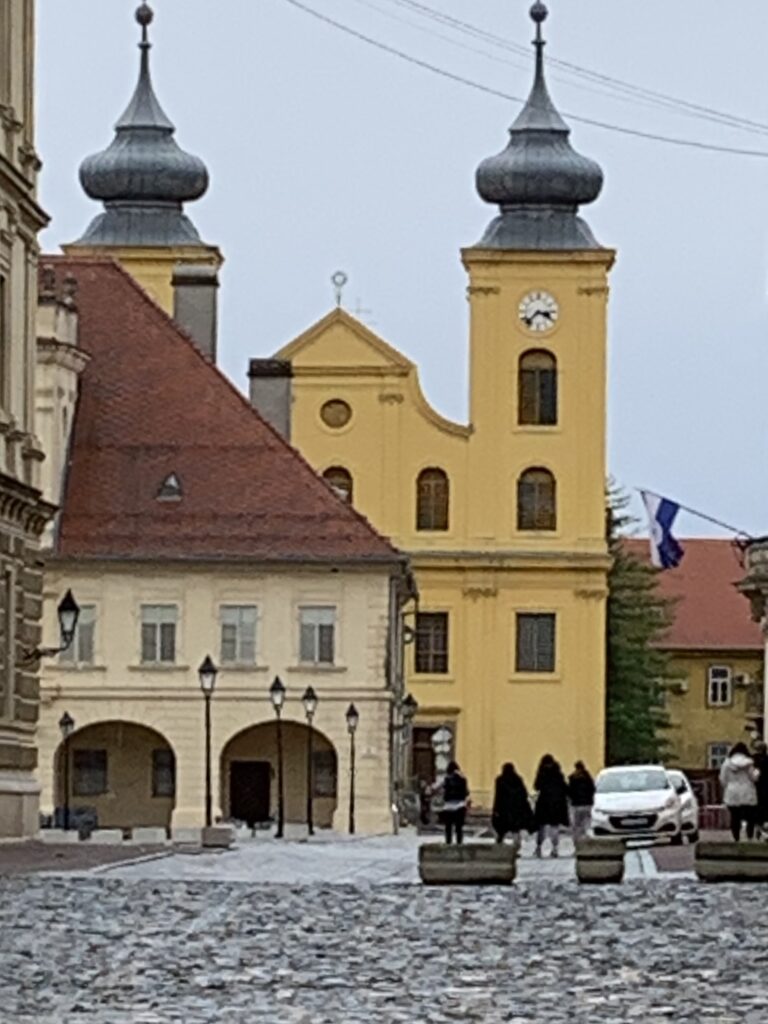
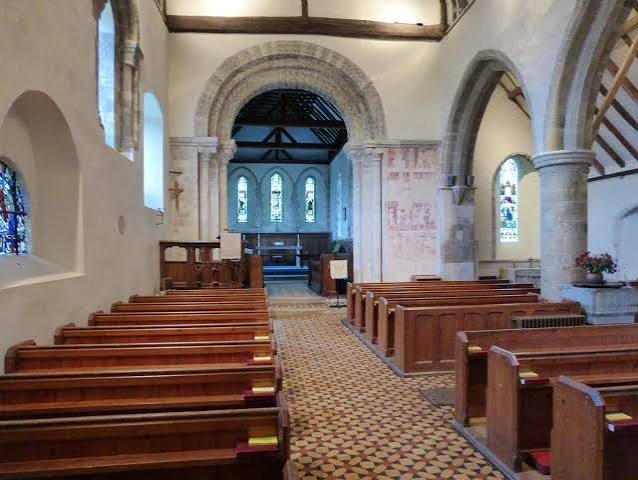
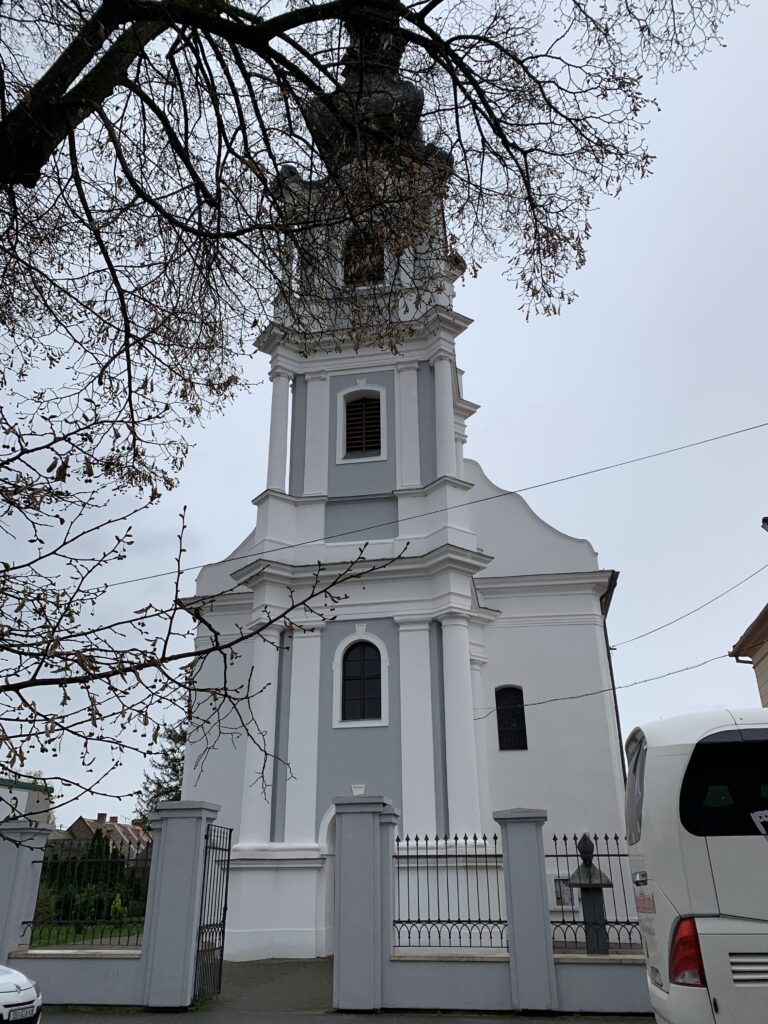
Name of Mary
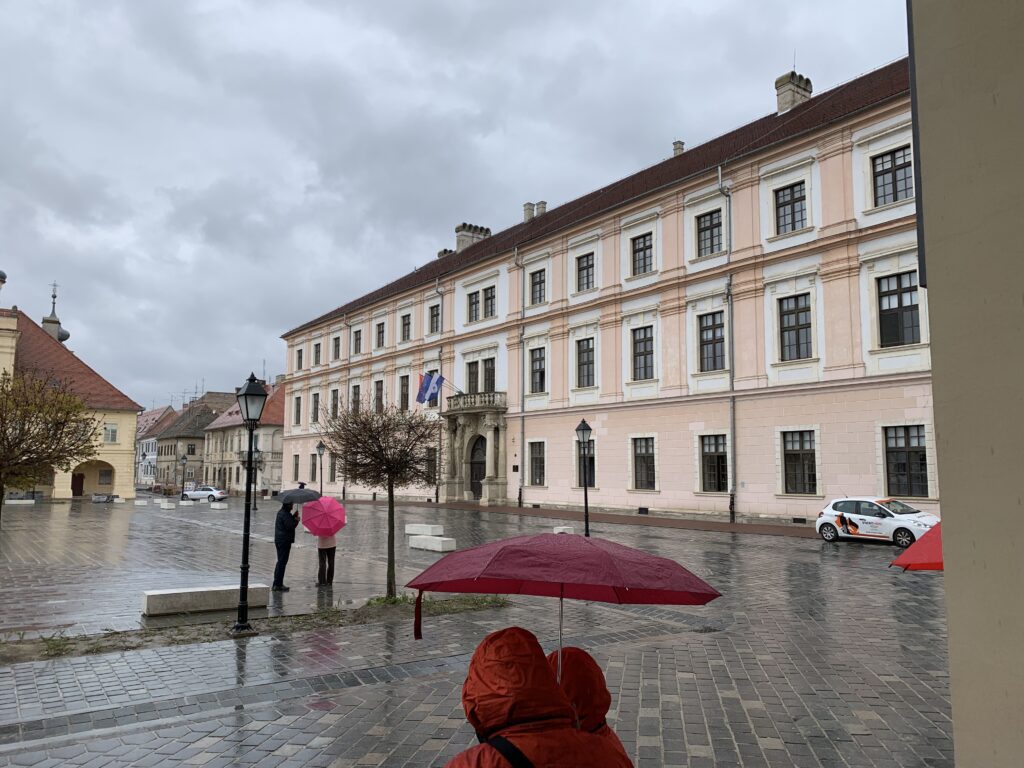
General Command
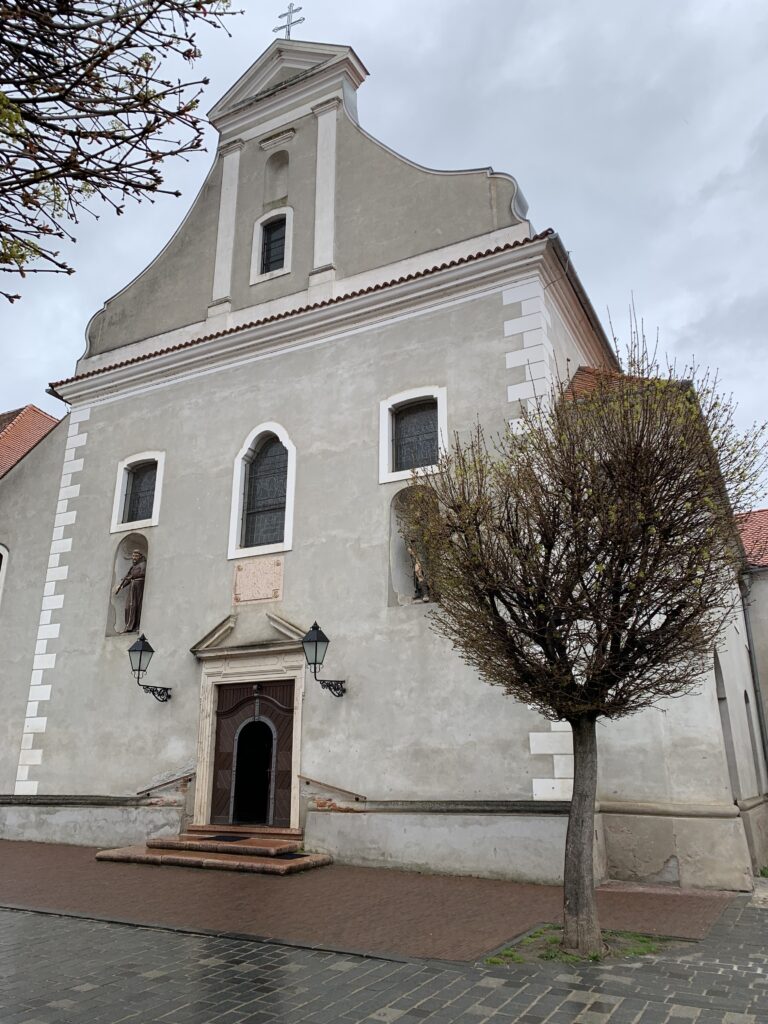
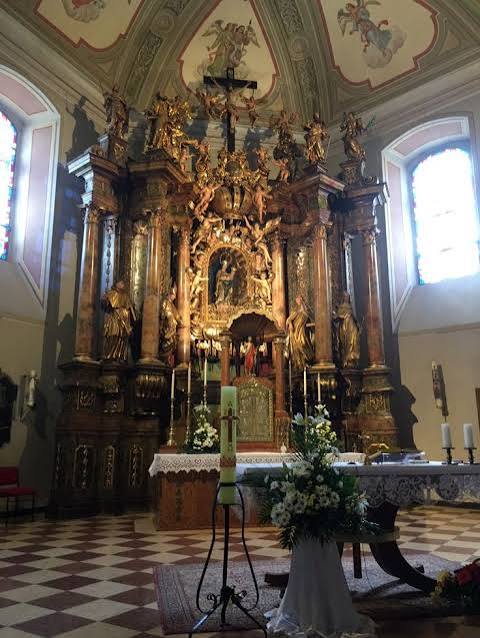
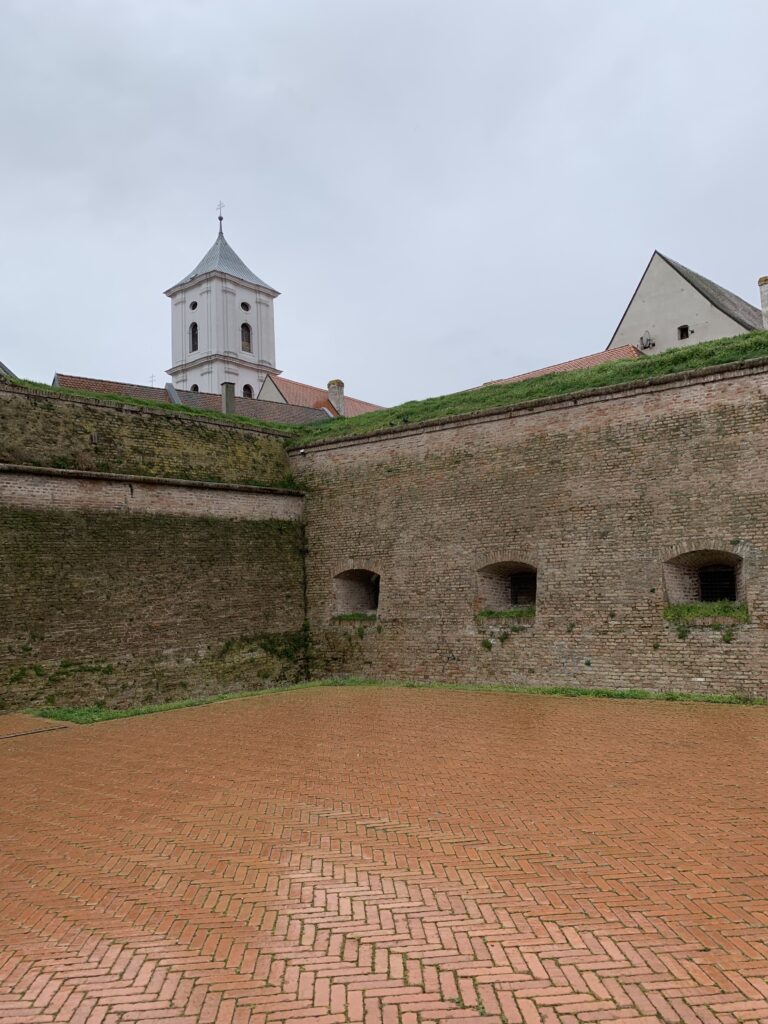
Church of the Glorious Name of Mary is a Roman Catholic church in the Lower Town. Built in the early 18th century, shortly after the area’s liberation from Ottoman rule, this Baroque church serves as an enduring symbol of 18th-century economic and cultural prosperity in Osijek. The Church of the Holy Cross is another 18th century Baroque church that is plain on the outside but opens to a highly decorated interior.
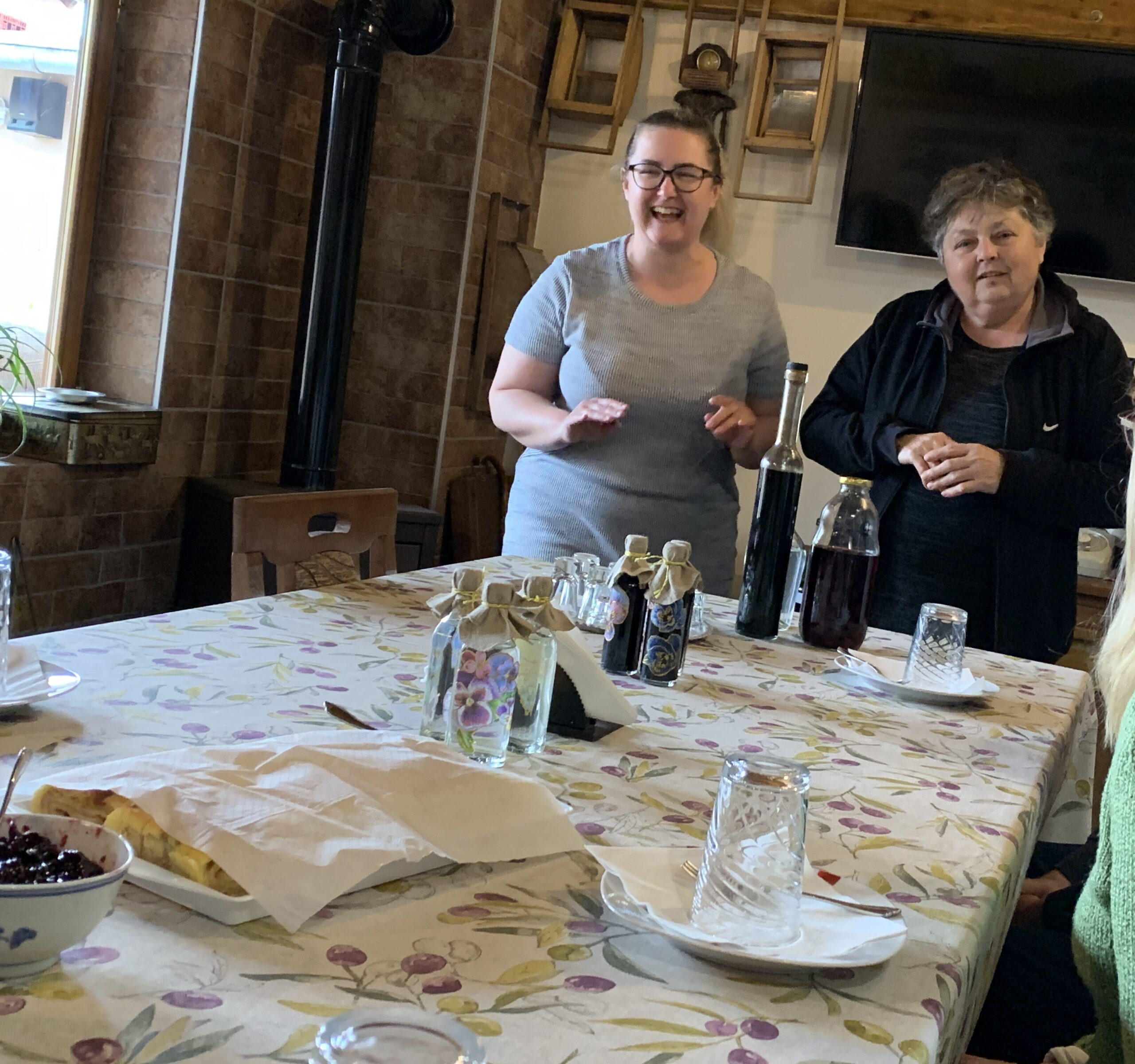
On our way back to the boat in Vukovar we stopped at a home for some Croatian wine and sweets. There a mother and daughter talked about the effects of living through the war were on them and their family. It gave a new perspective on life during that time.
Leave a Reply