Our river boat, The Lif, was very long and different from the ocean cruise ship. The name means Life. In Norse mythology, Lif and the male Lifthrasir are two mortals who are foretold that by hiding in the forest of Hodmimir, they will survive Ragnarok—the end of the world, when Heidal and his enemy Loki, god of mischief, slay each other. After the flames of the world’s end have abated, Lif and Lifthrasir emerge to discover that everything has been destroyed, and it is up to them to begin anew and repopulate a fertile new world.
Ruse
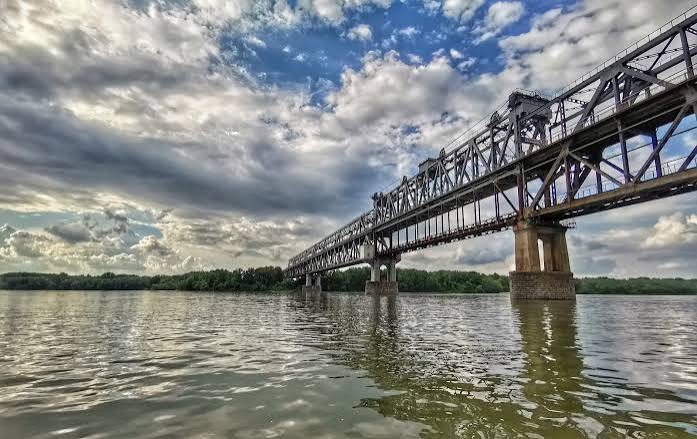
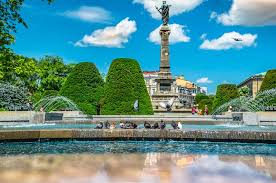
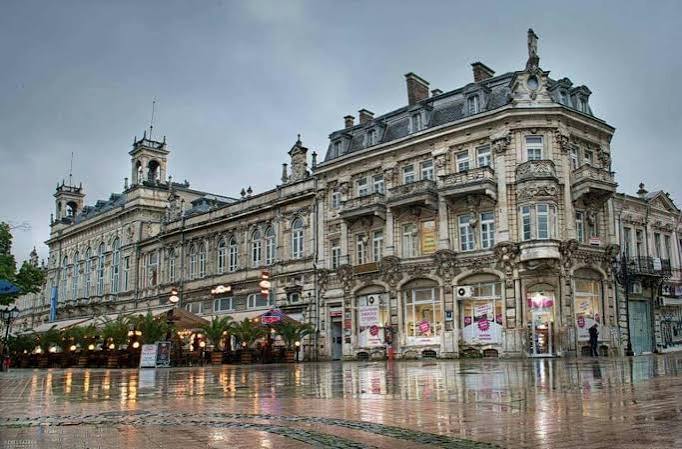
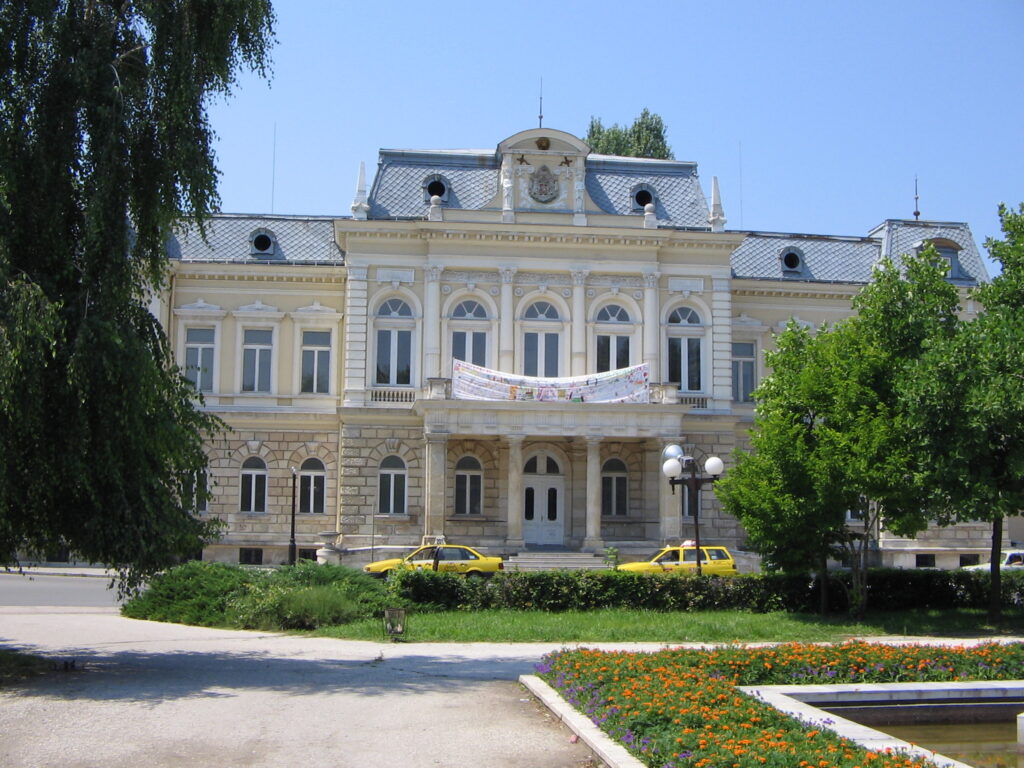
Today we are in Ruse, Bulgaria, the most integral Danube city in Bulgaria. It once was an outpost of the Roman Empire because of the sixty ships docked there. Today it is known as the gateway to Romania’s Transylvania region. It has a 7,300-foot bridge spanning the Danube, called the Bridge of Friendship. It is the longest span over the river and the only link between Bulgaria and Romania. Ruse is known as “Little Vienna” because of its architecture. About 200 buildings have been designated as architecturally significant. Freedom Square with its Monument of Liberty is a central hub for the city. We walked to the squre and then returned for an excursion to Veliko Tarnoo & Arbanasi.
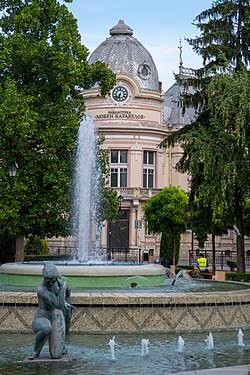
1888
Arabansi
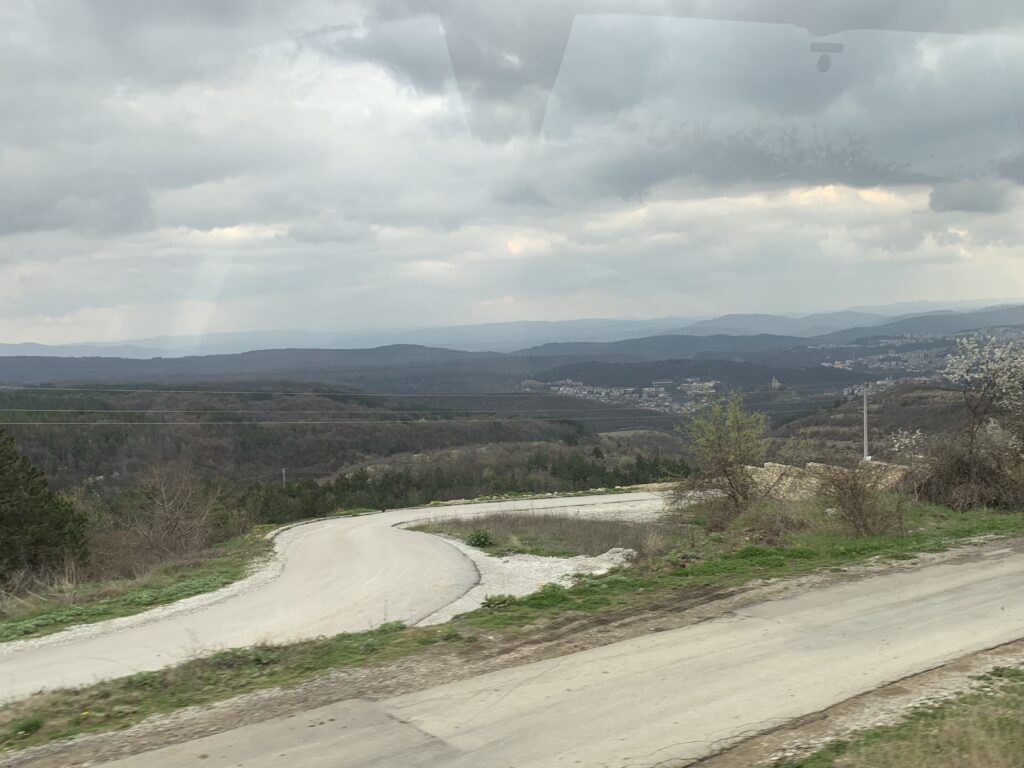
On the way to Arbanasi we passed through Byala, a seaside resort. We passed by the Kolyu Ficheto Bridge over the Yantra River, a tributary of the Danube. It was built in 1865 to allow for passage across the river. Then we arrived at Veliko Tyrnovo, known as the “city of the tsars,” one of the oldest settlements in Bulgaria. Arbansi is a district within Veliko Tyrnovo. Since ancient times the village has been a crossroads between East and West. It has about 5,000 years of history. After the Byzantine rule, it became the capital in 1185. The first constitution of country of Bulgaria, which became independent in 1878, was adopted there. The first place we visited was the Trapezitsa Fortress on the Tsaravets Hill. The fortress includes several watchtowers that provide wonderful views, the executioners rock, and the Patriarch’s Church.
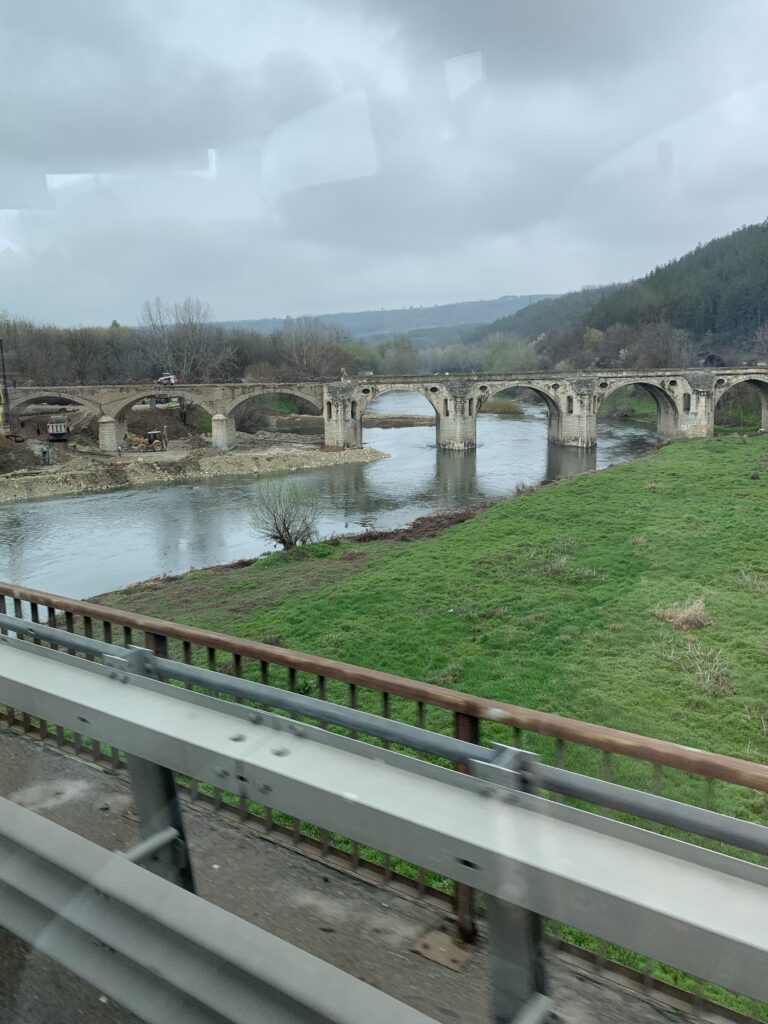
Byala
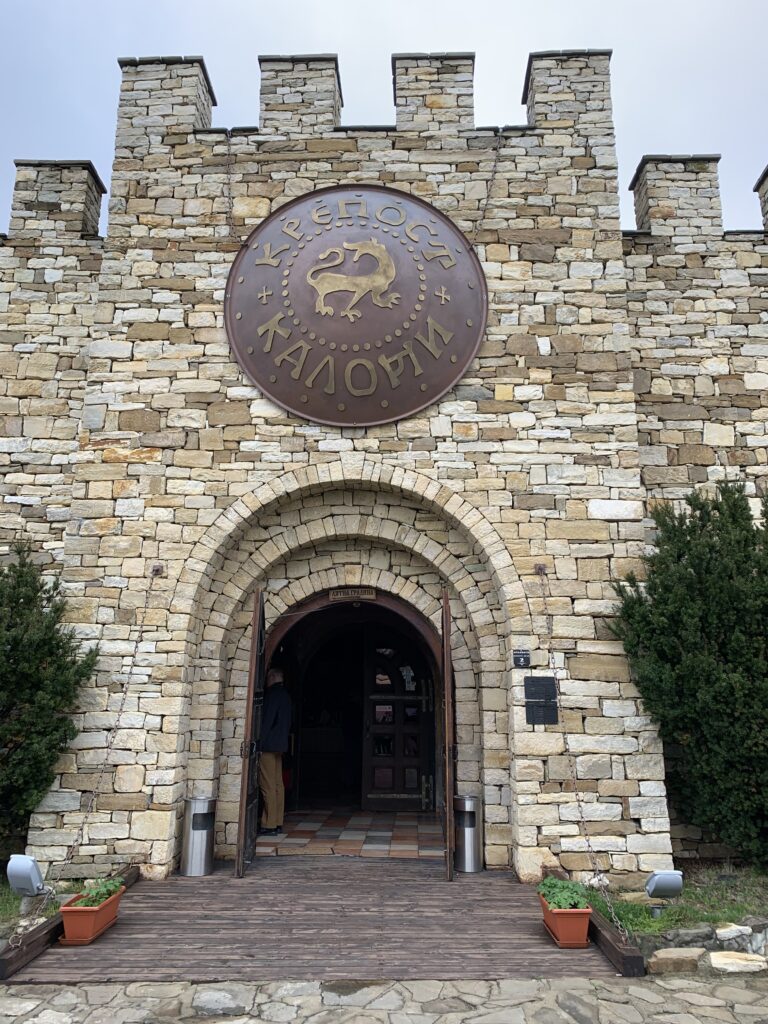
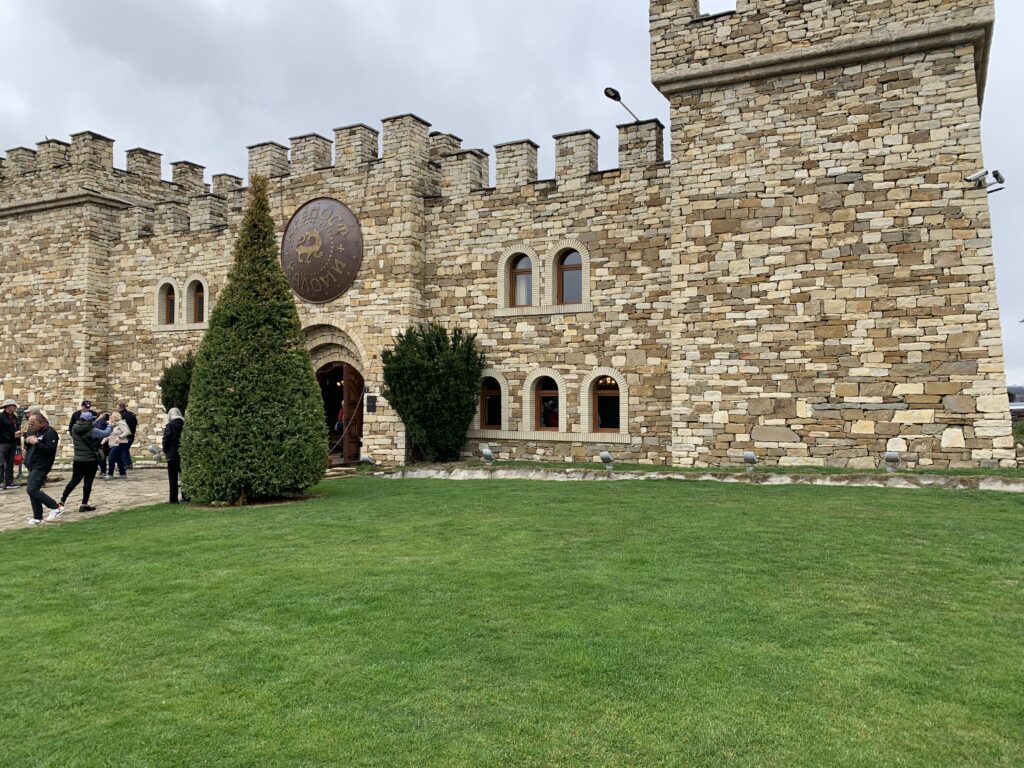
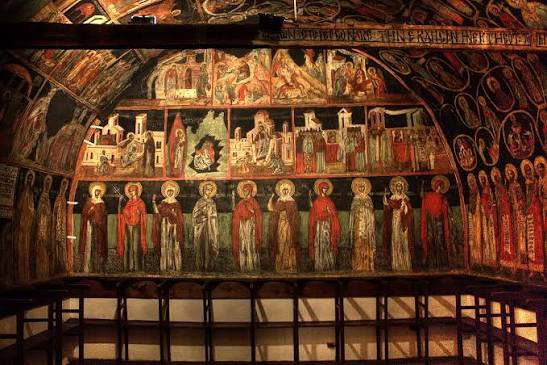
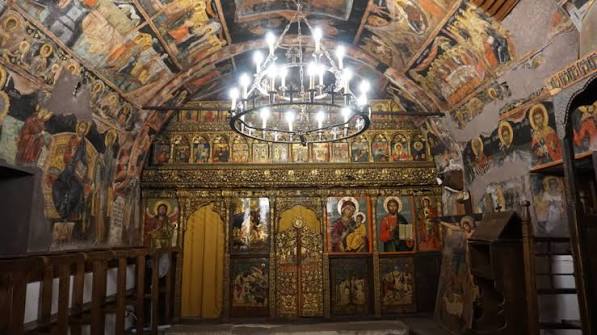
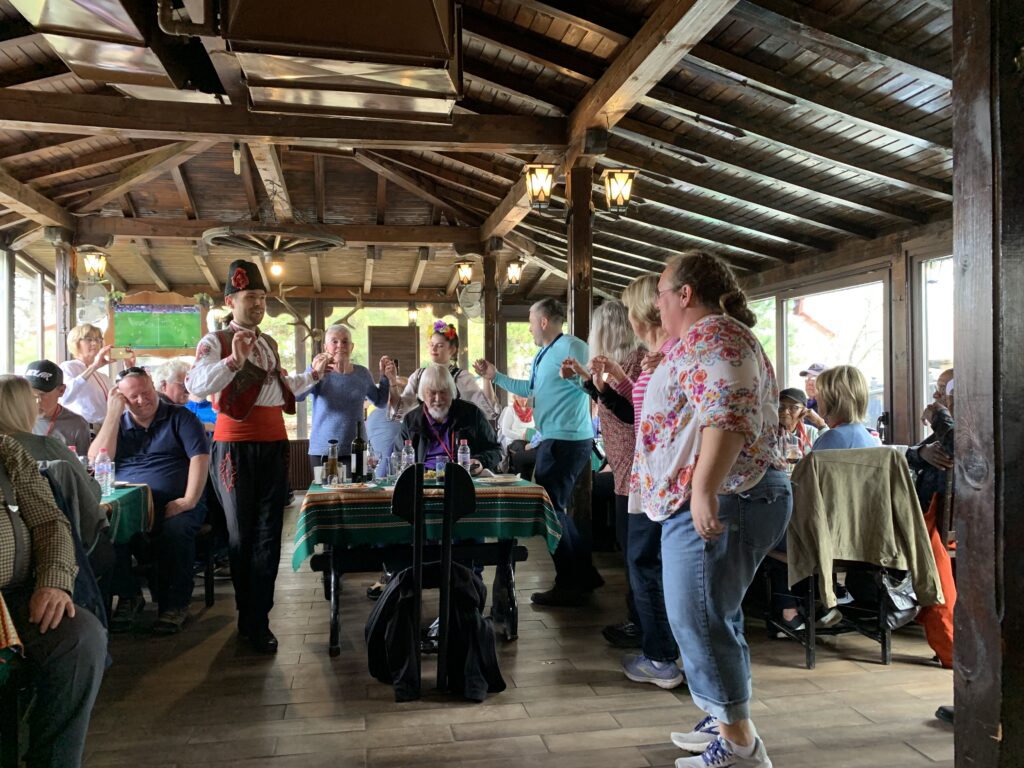
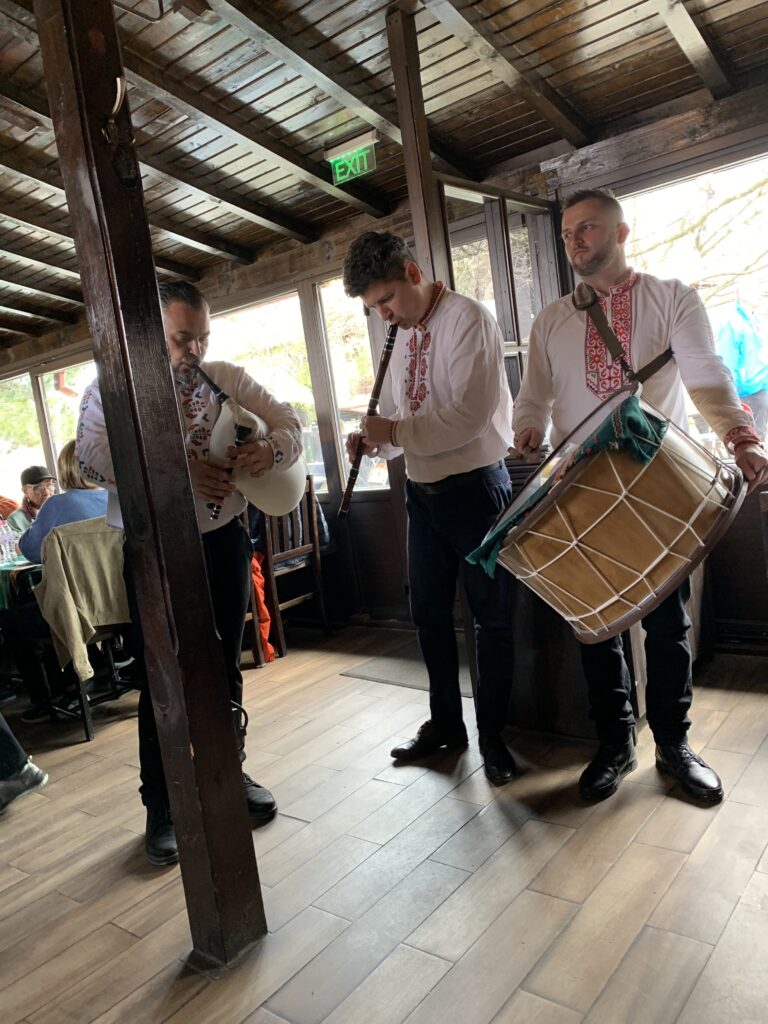
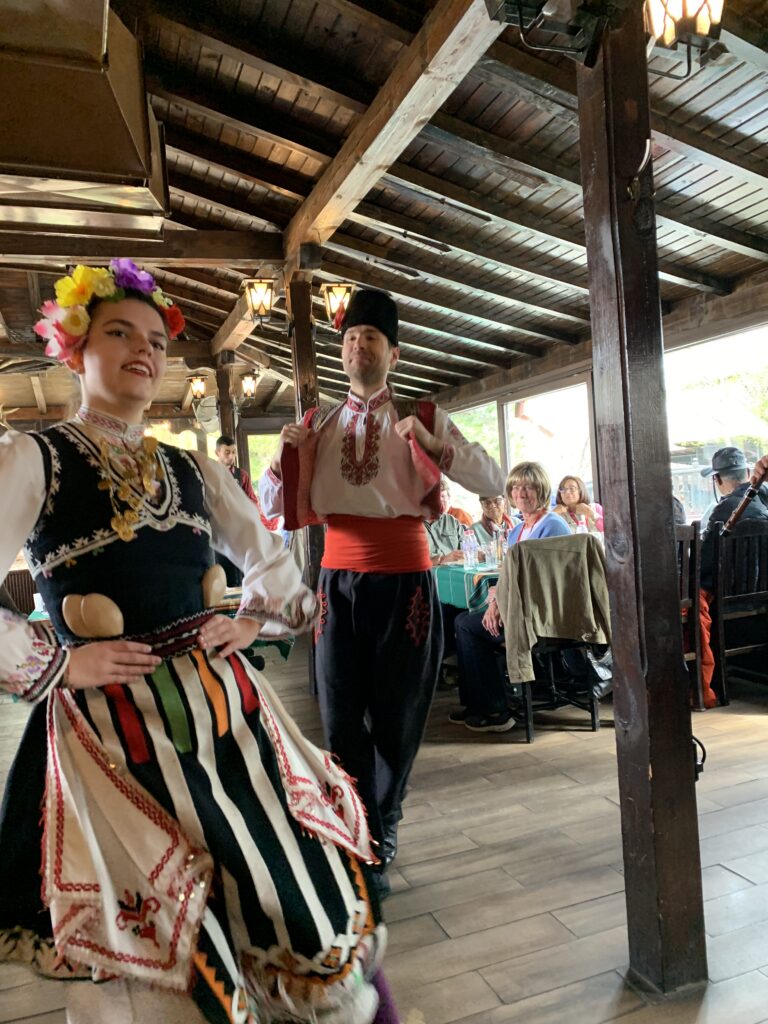
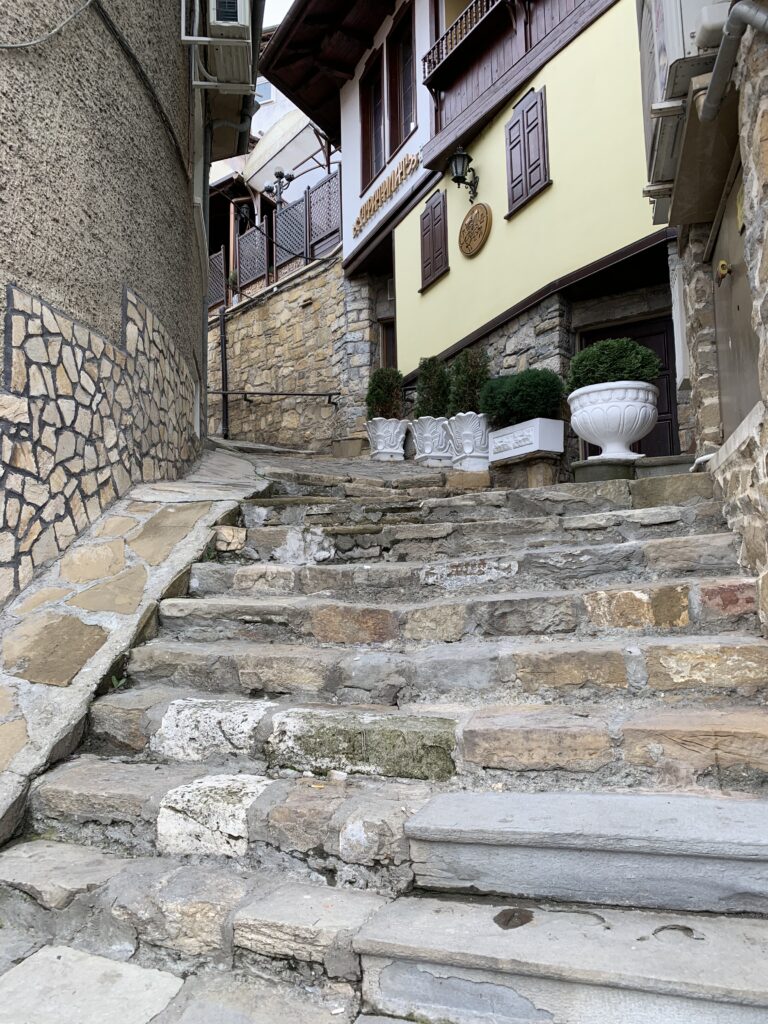
Next, we toured the Nativity Church with its intricate floor to ceiling murals and icons. We had lunch at another lovely local restaurant, and while we ate, we were entertained with local music and dancing. As we headed back to the boat, we had free time strolling through the quaint streets of the town.
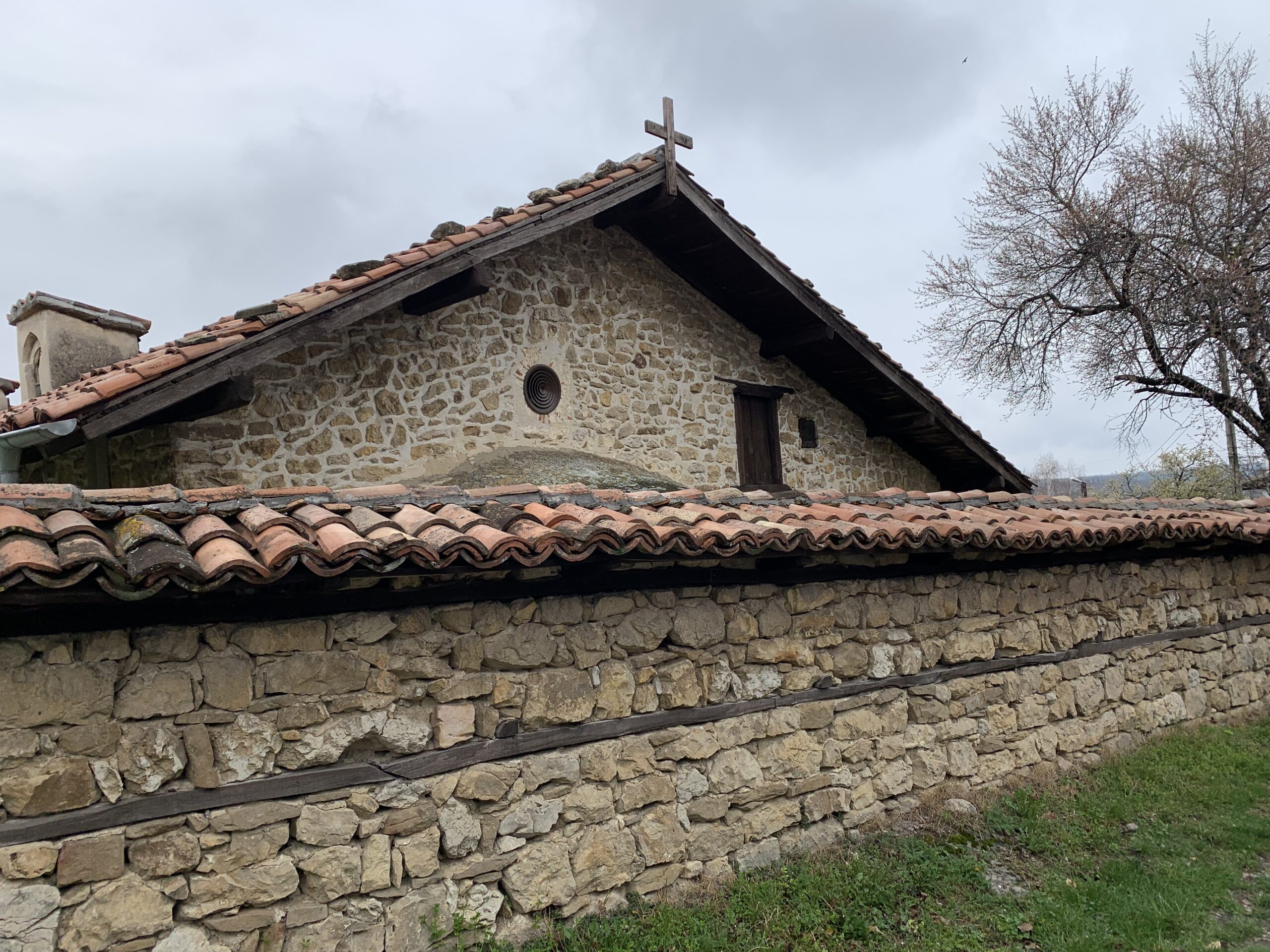
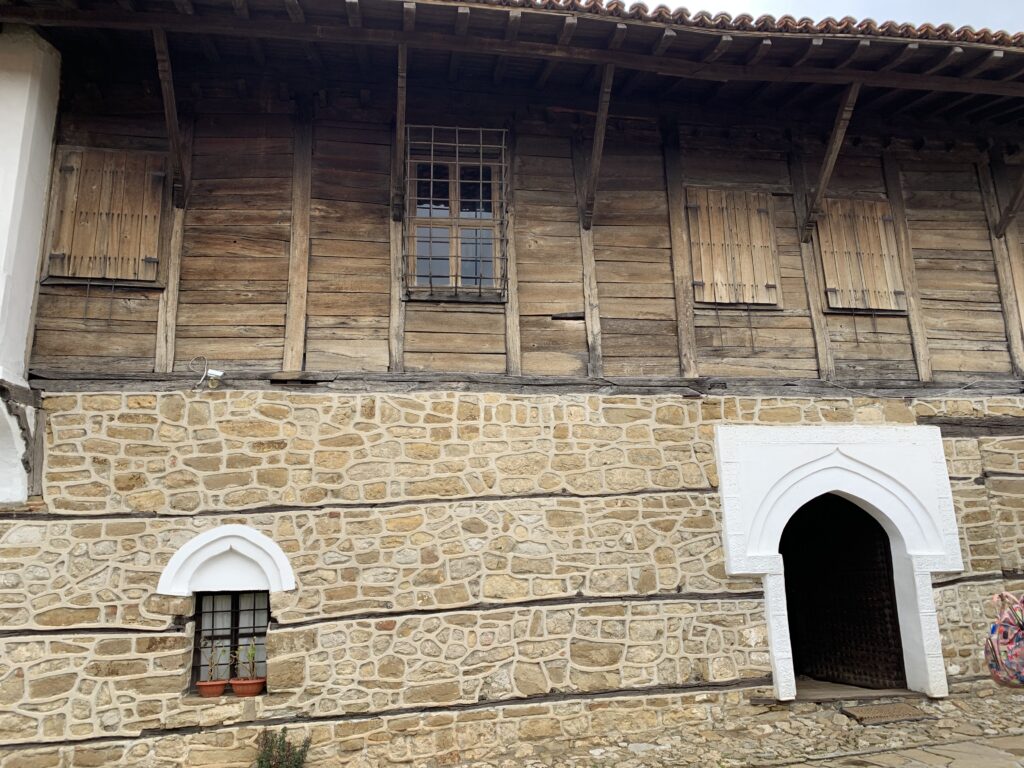
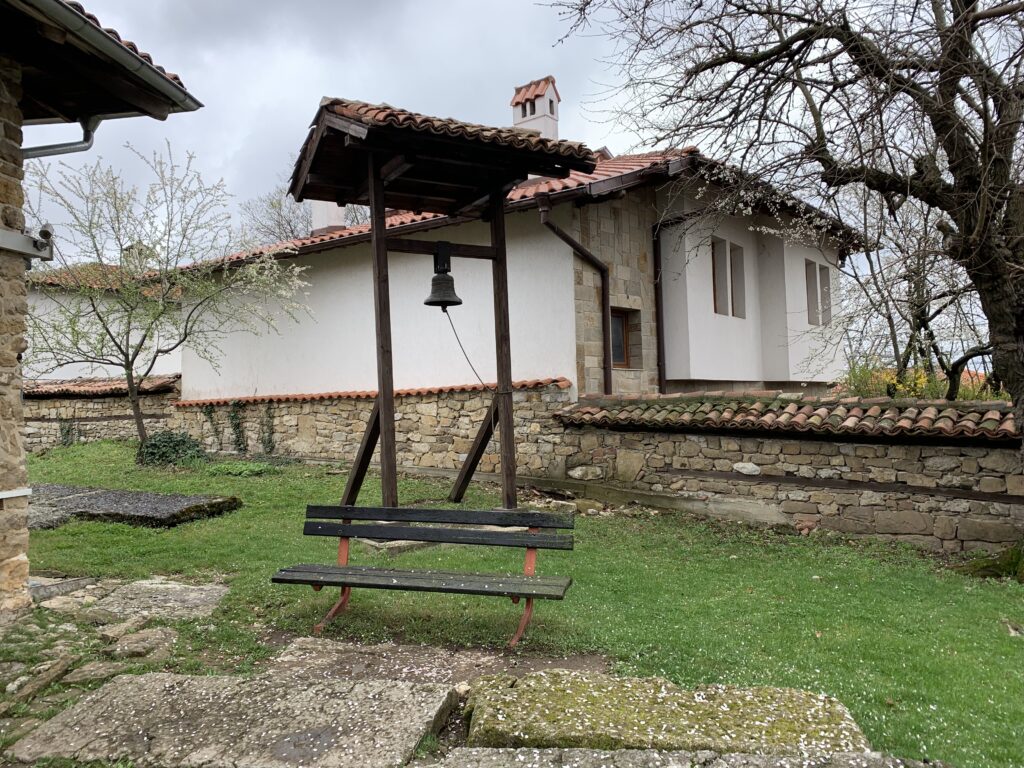
Konstantsaliev House, a notable museum renowned for its preserved 17th-century architecture.
The structure is a classic example of a “house-fortress,” historically constructed with high stone walls to protect wealthy merchants
Veliko Tarnovo
Viliko Tarnovo is one of the oldest and most historically significant cities in Bulgaria, famously known as the “City of the Tsars.” It is also known as the former capital of the Second Bulgarian Republic. Today, it is a vibrant university town. The first thing we saw as we entered the city was the Tsarevets Fortress. It was a long climb up the hill to reach it. It served as the primary seat of power during the Second Bulgarian Empire and housed the royal palace and patriarchal cathedral.
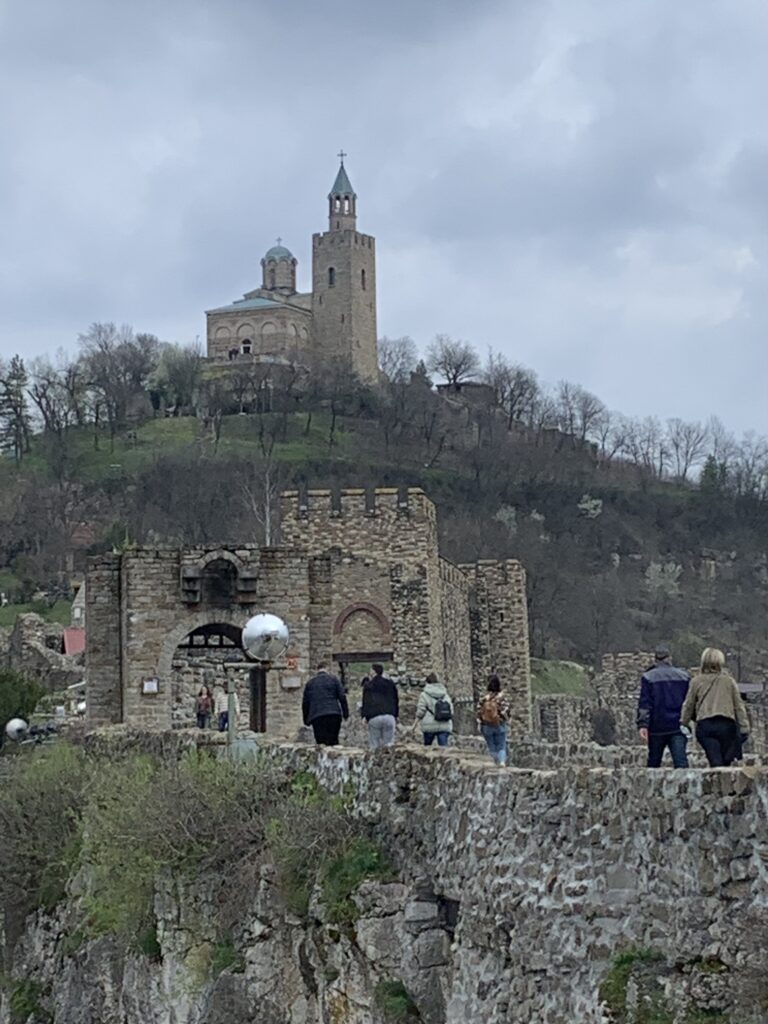
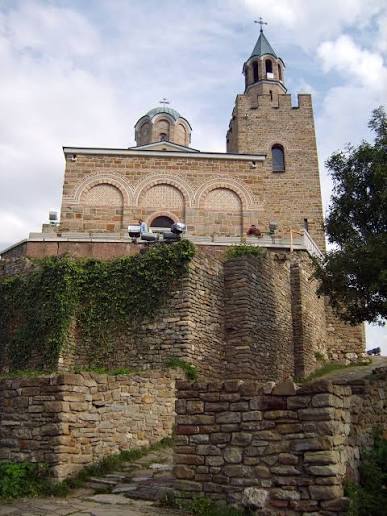
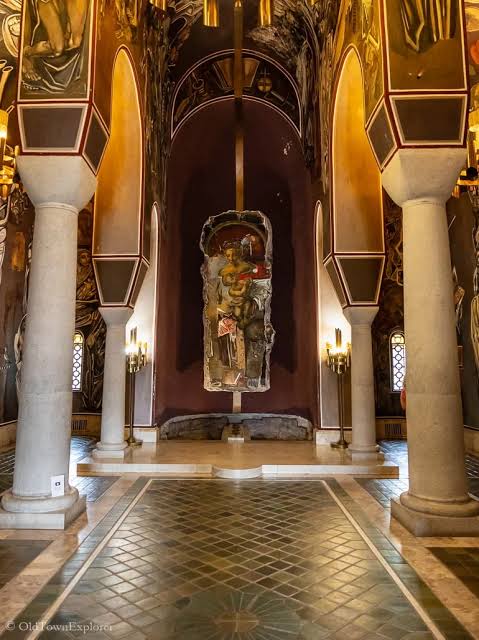
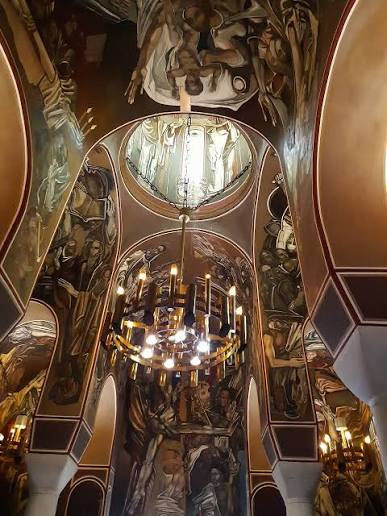
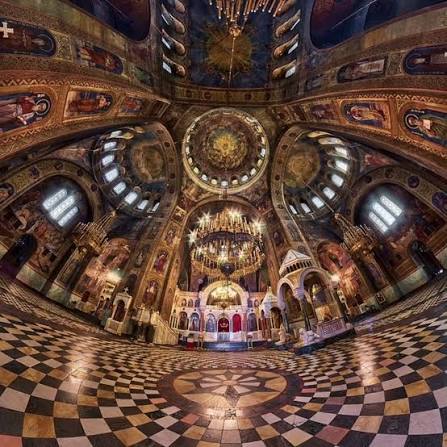
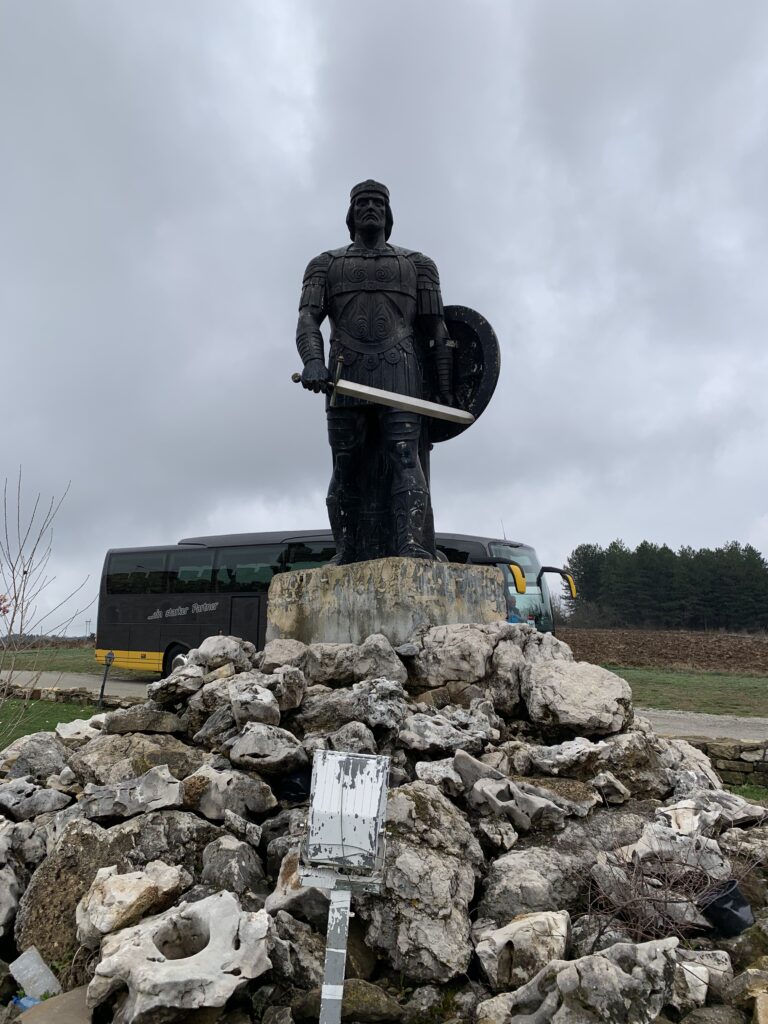
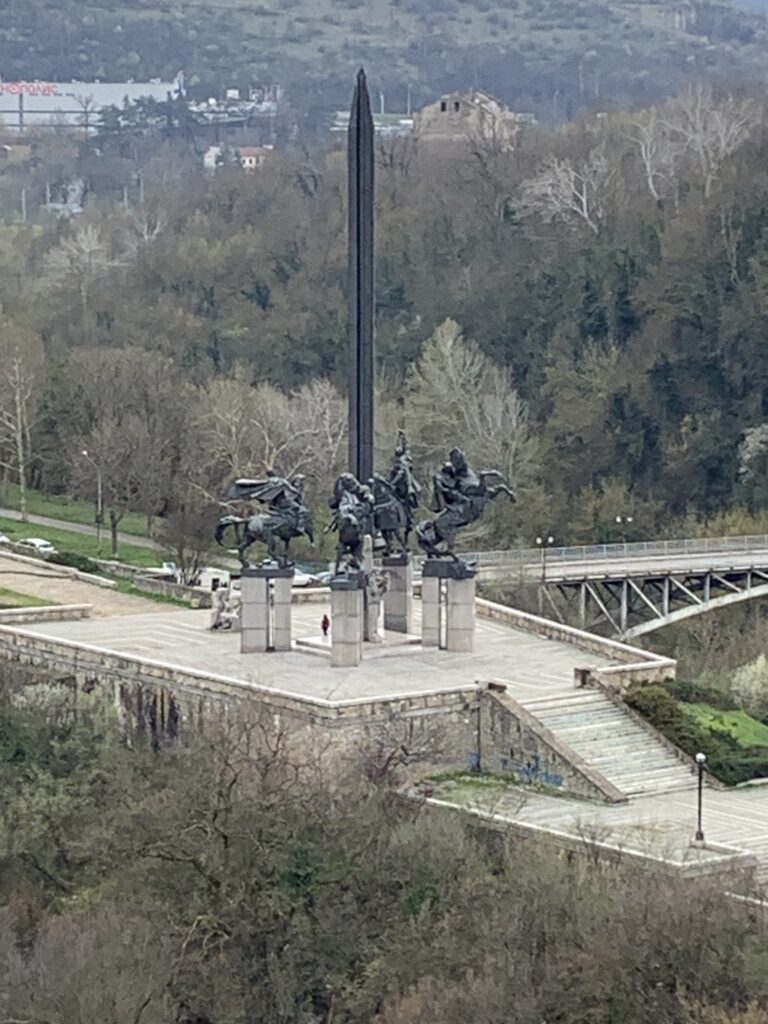
After touring the Fortress and Cathedral, we wandered the streets for a couple of hours. Looking over the over, you see the Assen Dynasty Monument. Built in 1985, it commemorates the 800th anniversary of the uprising led by brothers Asen and Peter. This rebellion successfully ended Byzantine rule and restored the independent Bulgarian state, marking the birth of the Second Bulgarian Empire with Veliko Tarnovo as its capital.
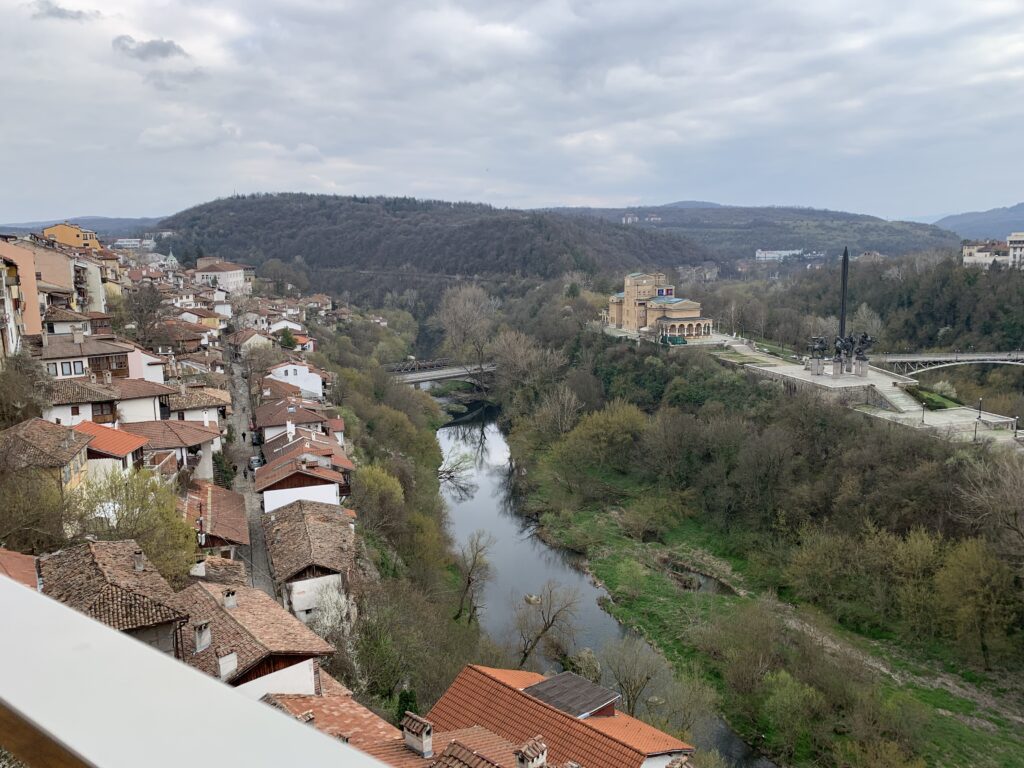
to the Yantra River
Vidin
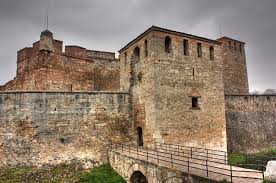
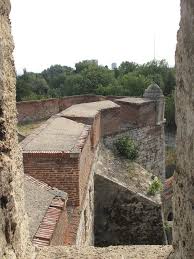
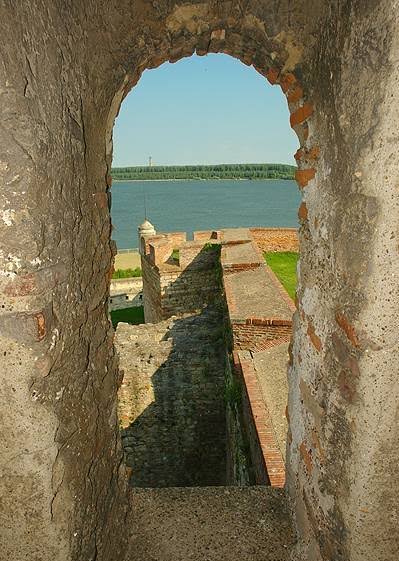
Our next port was Vidin, Bulgaria. Vidin is one of Bulgaria’s oldest riverside towns and home to the only entirely preserved medieval Bulgarian castle. The fortress with thick ring walls, stout towers, and solid gates is known as Babini Vidini Kuli—Granny Vida’s Towers. Today the town is largely an agricultural and trade center renowned for its wines.
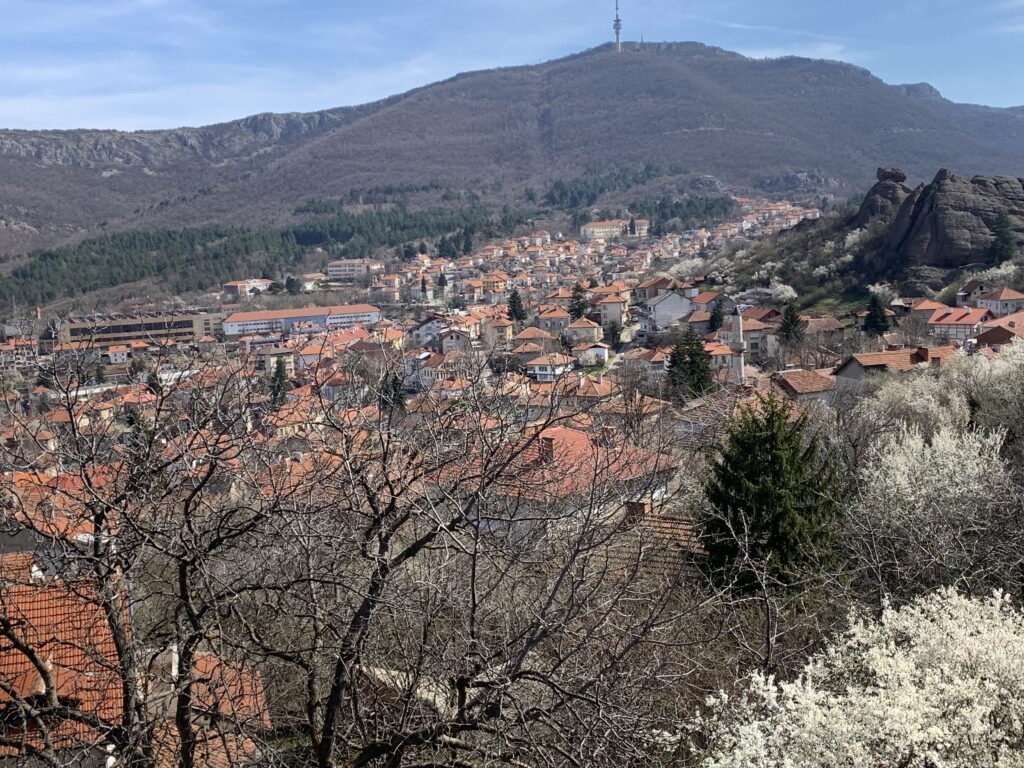
We first went to Belogradchik Rocks outside of the town. They form a strip more than 18 miles long and 650 ft. high. They began to form at the bottom of a shallow sea 230 million years ago. The rocks are home to hundreds of caves including the Magura Cave where cave paintings and the ones of prehistoric species have been found. Two of the most famous legends surrounding the rocks are those of the Madonna and The Schoolgirl. In the Madonna legend, a beautiful nun falls in love with a man on a white horse, gets pregnant, and is at once cast out by the monks. As she is leaving the convent, day turns to night and the Madonna, the monks, and the man on the white horse all turn to stone. The Schoolgirl legend is similar only the schoolgirl falls in love with the blacksmith. Upon finding out, her schoolmaster chases her right into the path of a waiting bear; before the animal can pounce, all three are turned to stone.
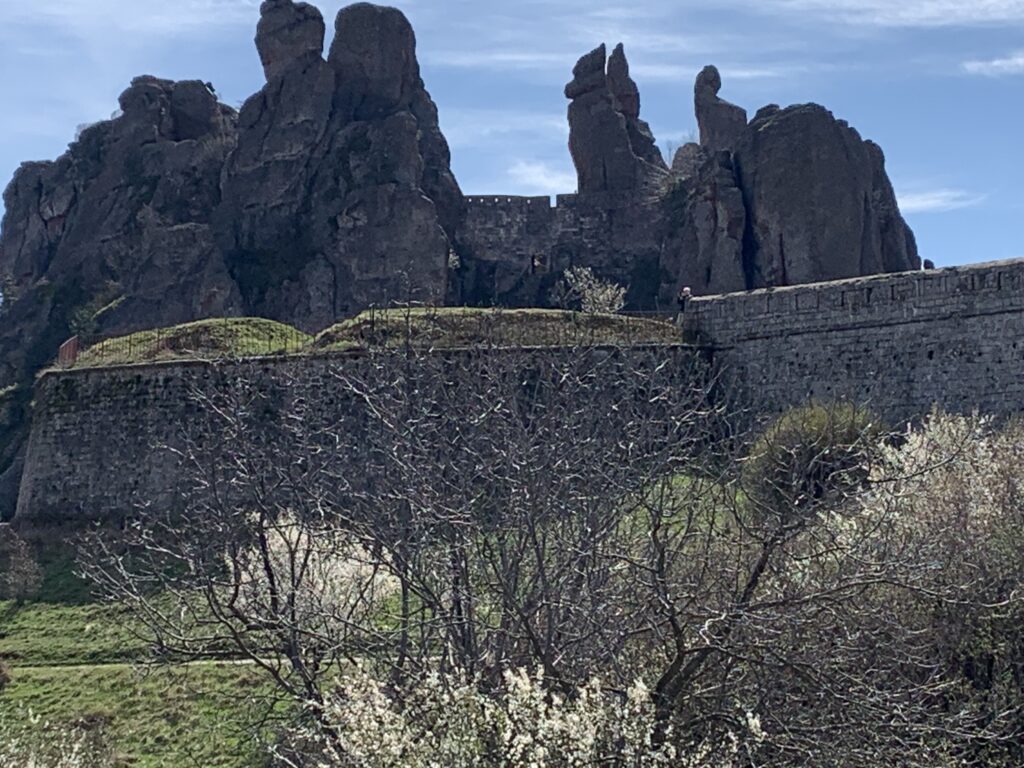
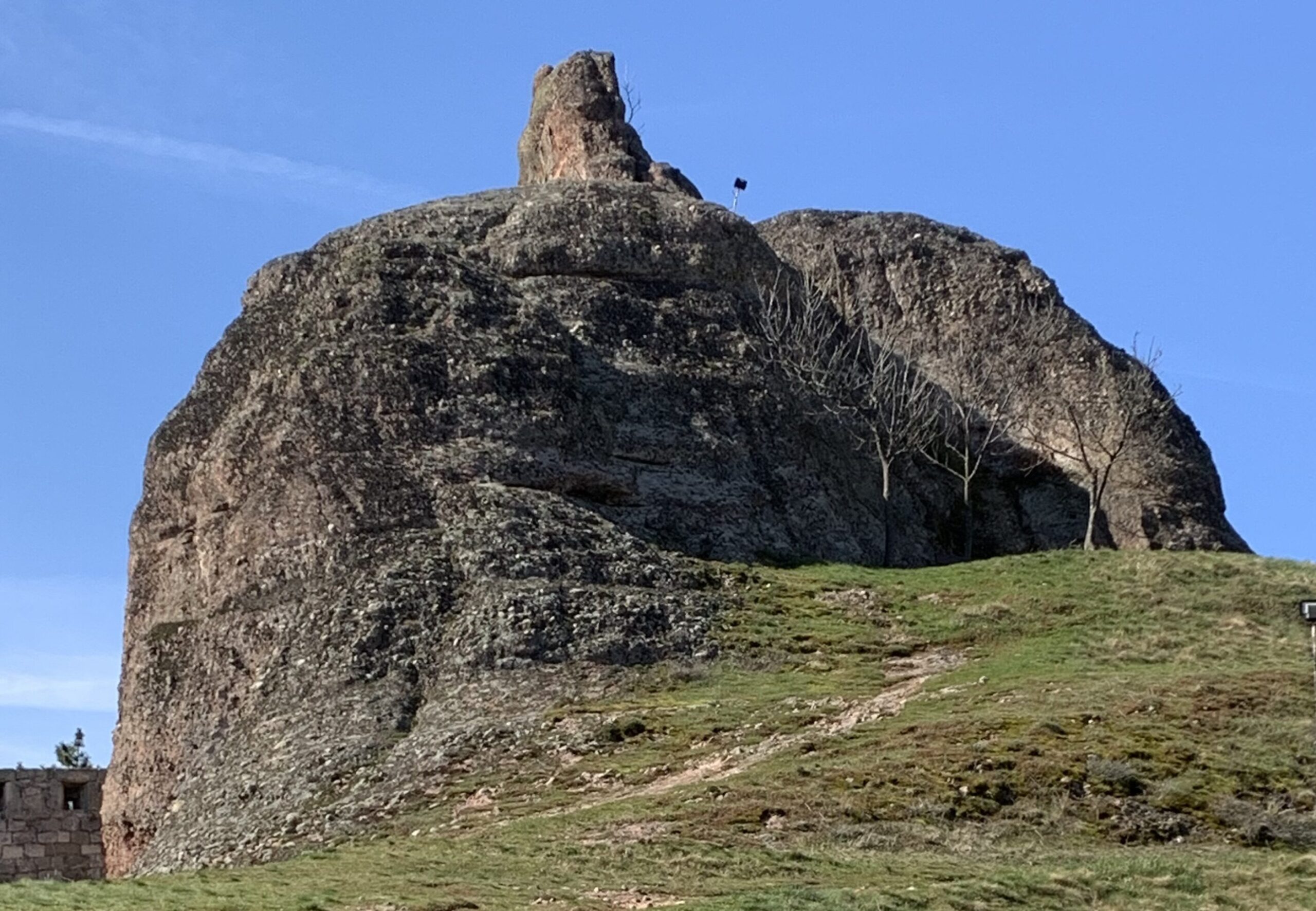
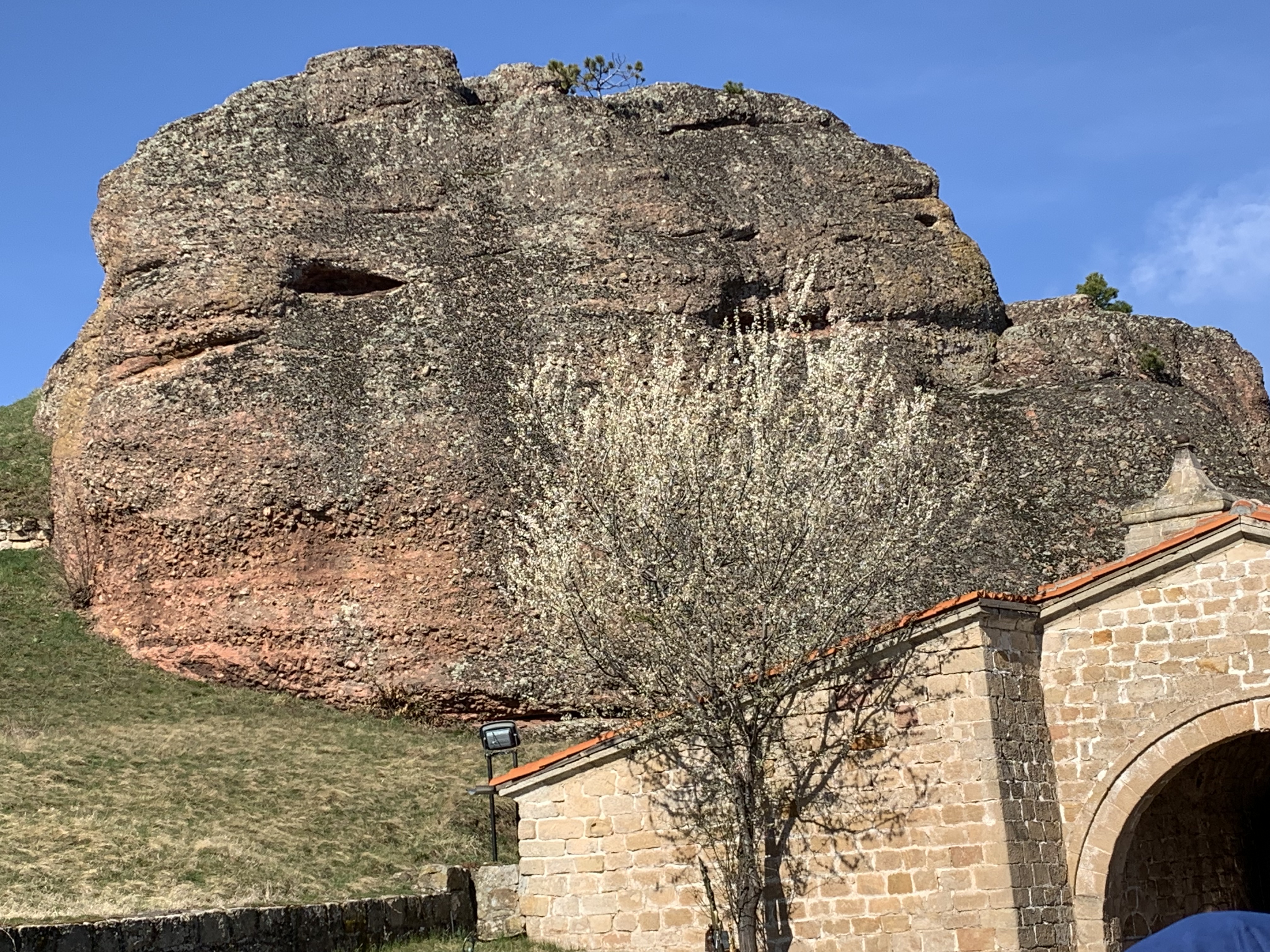
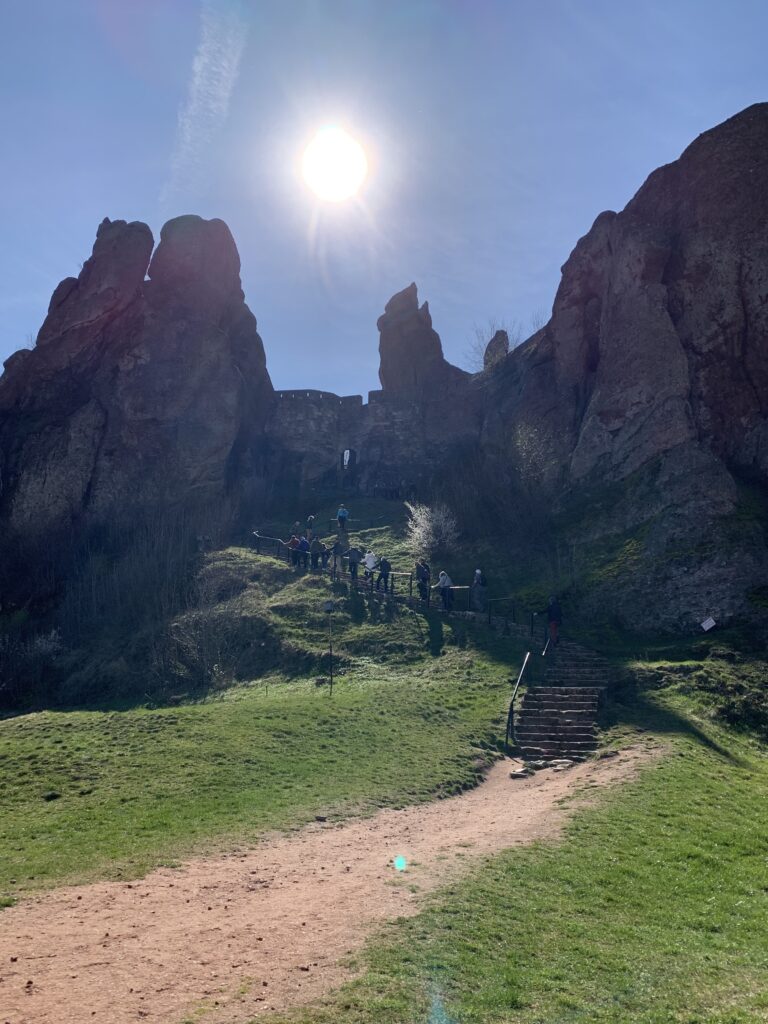
On the way back we stopped at the Babini Vidini Kuli Fortress, known as Baba Vida. It is built right into the rocks. According to legend Vida was the eldest daughter of a wealthy Bulgarian aristocrat. Because her sisters were unhappily married, Vida refused all proposals. Instead, she built this castle where we remained until she died. The fortress is surrounded by a moat and featured nine corner and intermediate towers and a chapel dating from the 13th to 14th centuries.
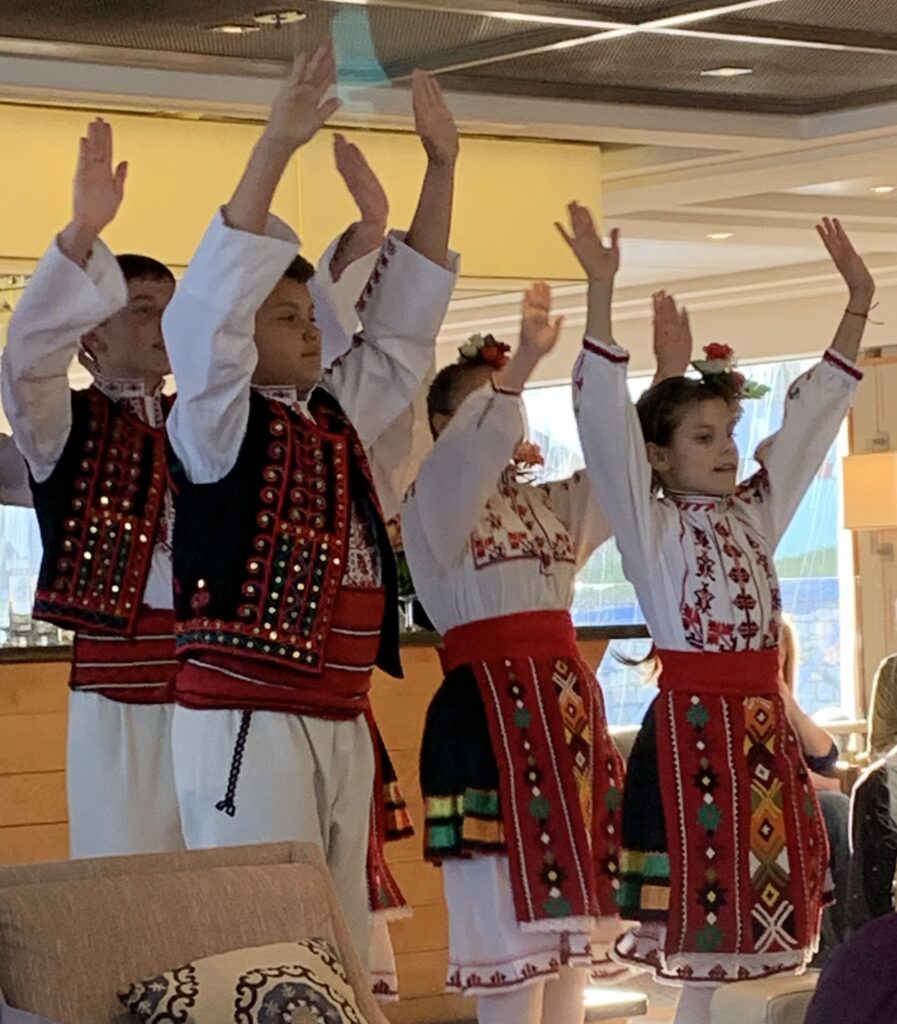
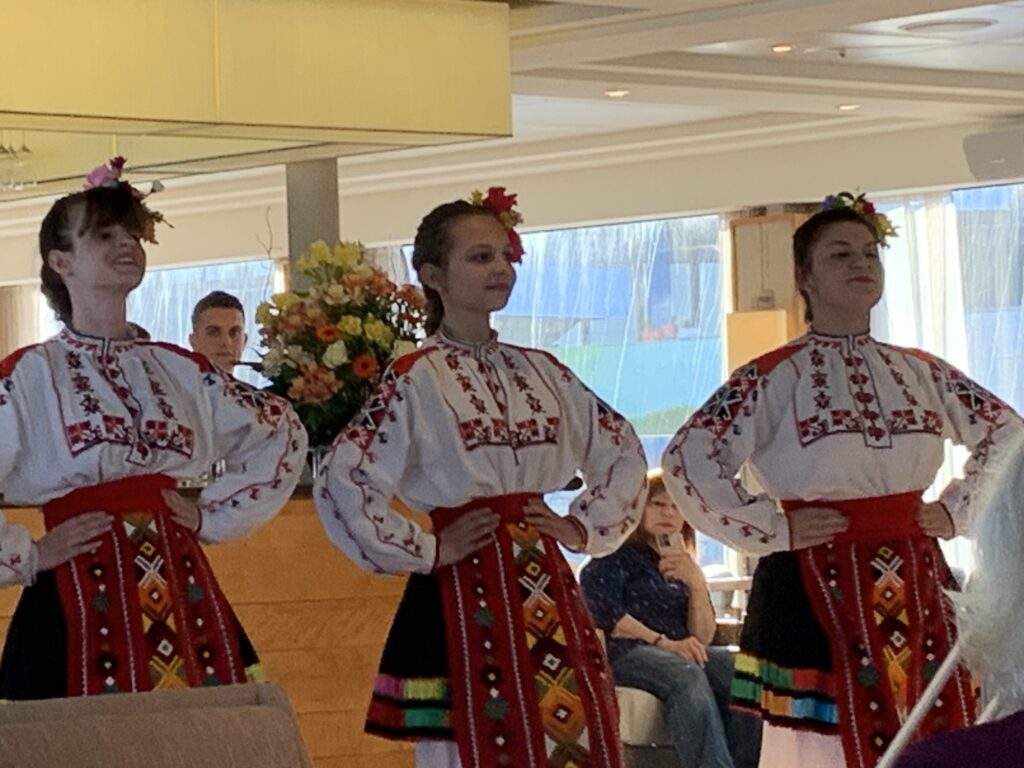
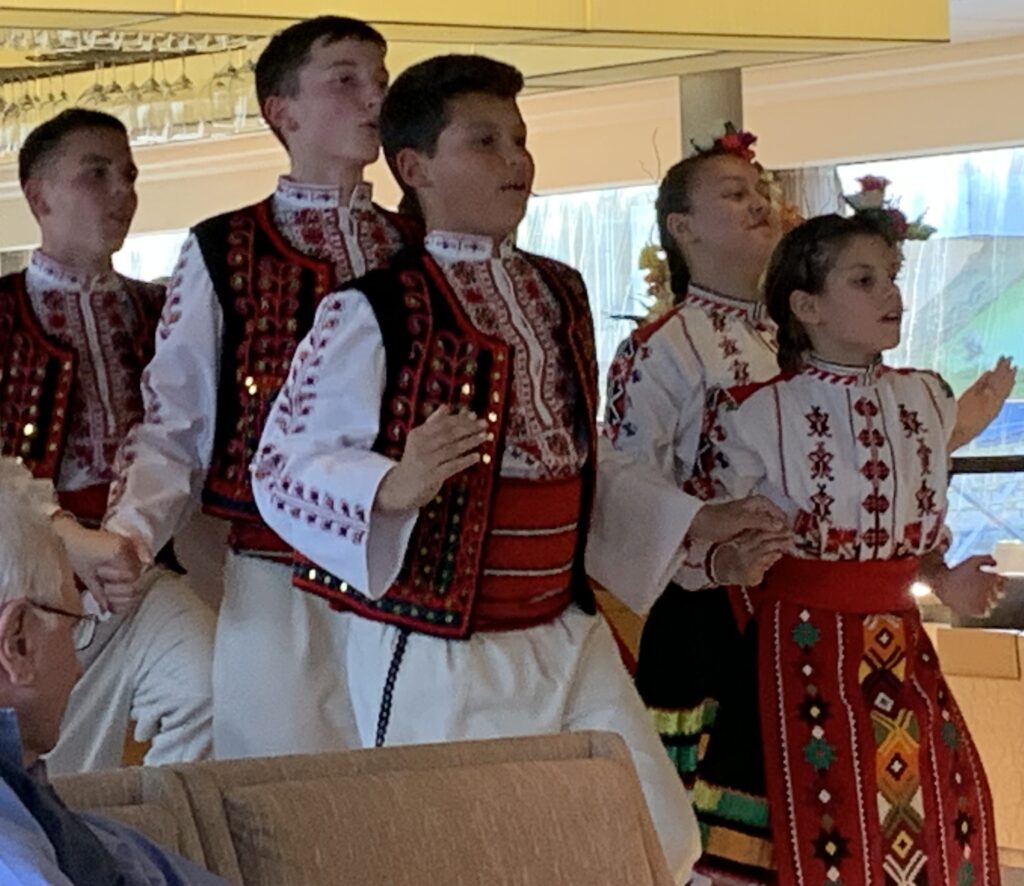
From here we returned to the ship and were entertained by young school children.
Leave a Reply