San José, the capital of Costa Rica, was founded in 1737 but didn’t grow until the coffee boom in the 19th century. It is 3,690 ft. above sea level and located in the Central Valley of Costa Rica surrounded by mountains and volcanoes. The locals call it “Chepe.” Today it is a vibrant capital city.
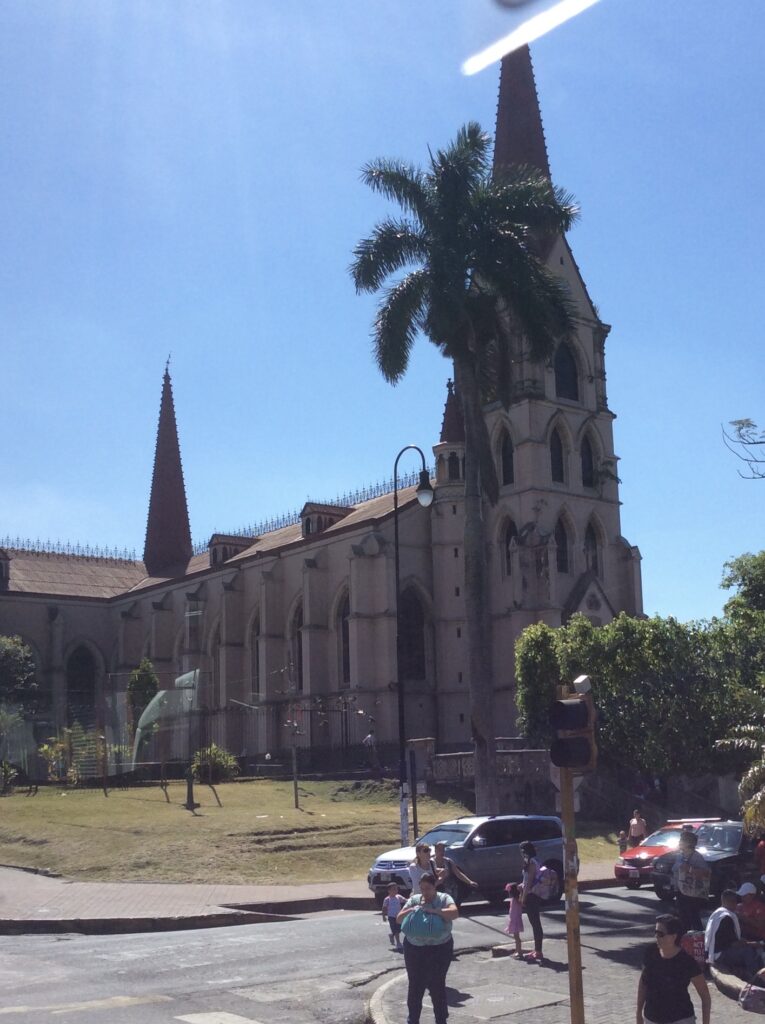
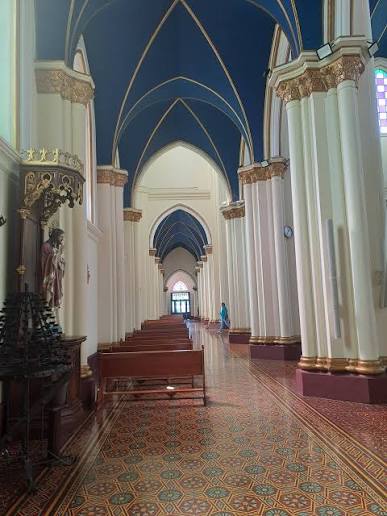
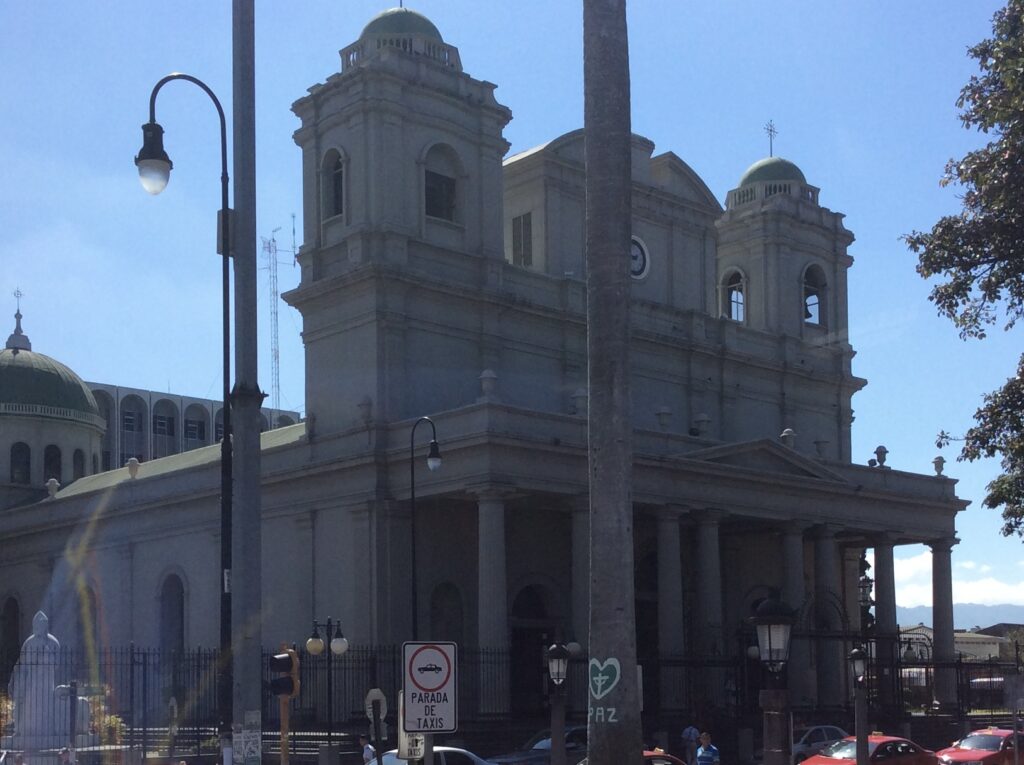
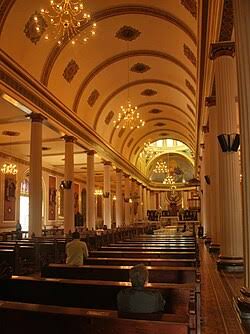
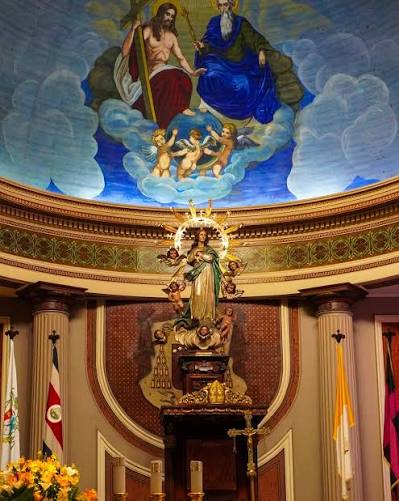
We started in the suburb of Coronado at the Gothic church of St. Isadore the Laborer. Finished in 1935 on the site of an 1880 chapel that was later destroyed by an earthquake, it was designed in neo-Gothic style by architect Teodorico Quirós. Next, we headed to La Sabana, the Central Park, with architectural gems. Next to the park is the Metropolitan Cathedral. The original cathedral, built in 1802, was destroyed by an earthquake. It was rebuilt in 1871, designed by Eusebio Rodriguez, combining Greek Orthodox, Neo-classical, and Baroque styles.
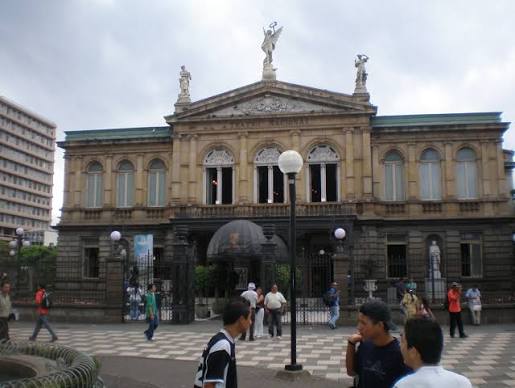
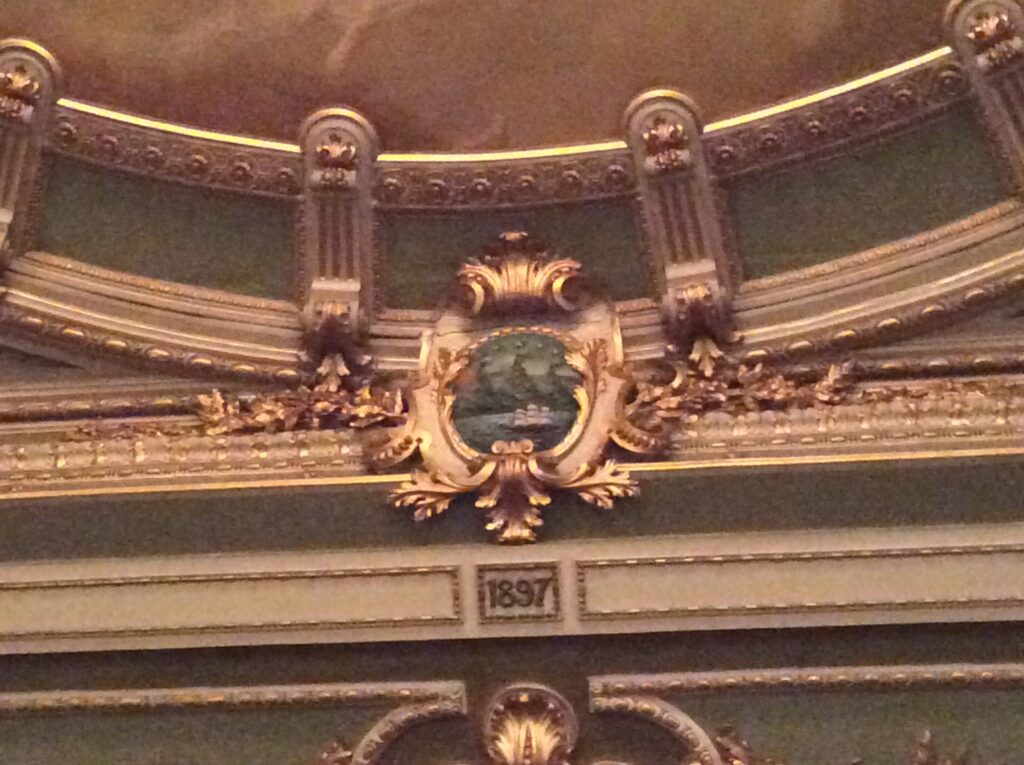
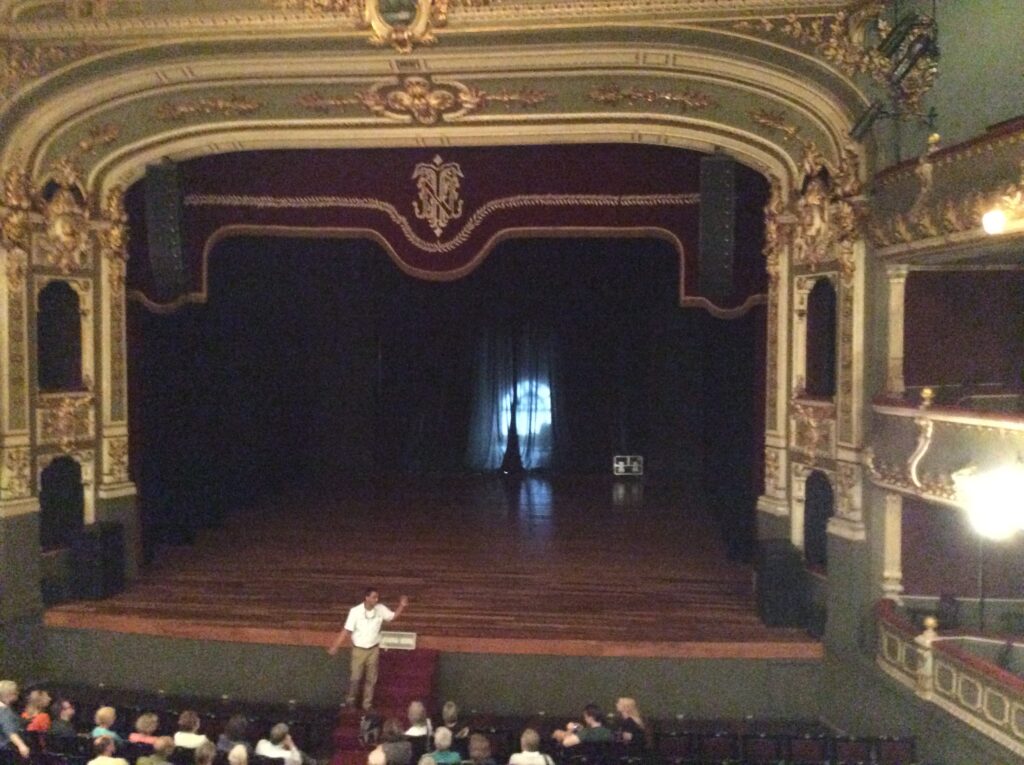
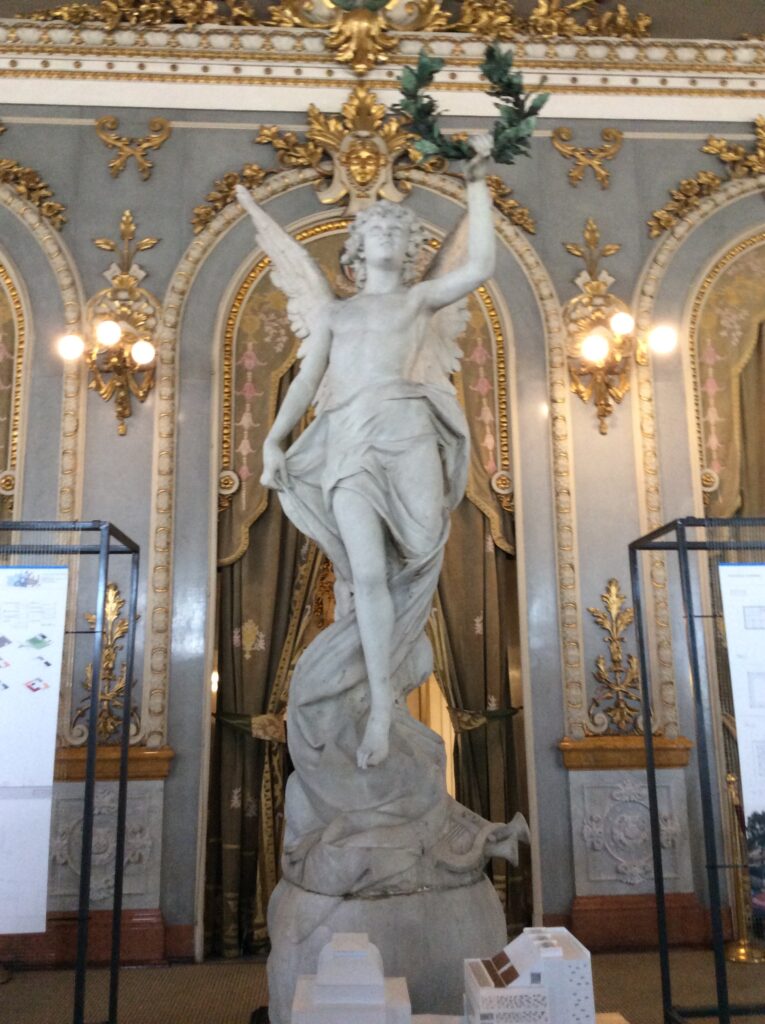
The next stop was the National Theater. It is considered one of the most beautiful buildings in Costa Rica. It opened in 1897 and is a grand display of neo-classical architecture. The construction of the theater started in 1891 and took seven years to complete. It is modeled on Milan’s La Scala. The inside of the theater is filled with lavish decorations and intricate detail. Statues and paintings depicting the Costa Rican lifestyle in the 19th century are placed carefully in the theater, creating a magnificent atmosphere. There are several floors of the theater, which you can explore. The most impressive room is the foyer where there is a huge painting on the ceiling, delicately carved statues, brilliant chandeliers, and gorgeous gold detailing.
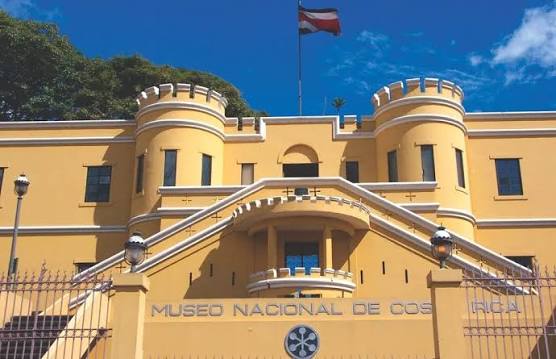
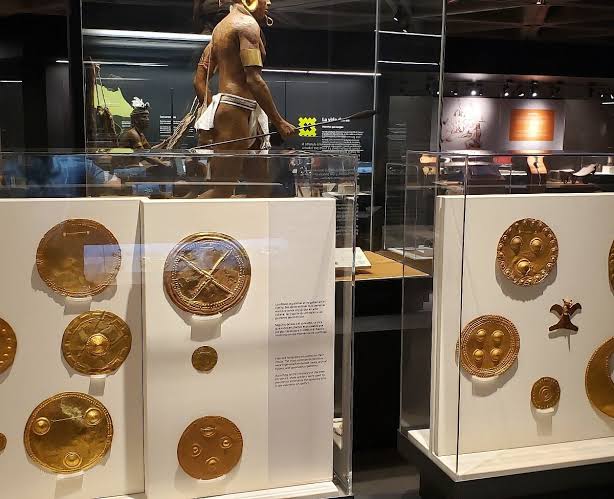
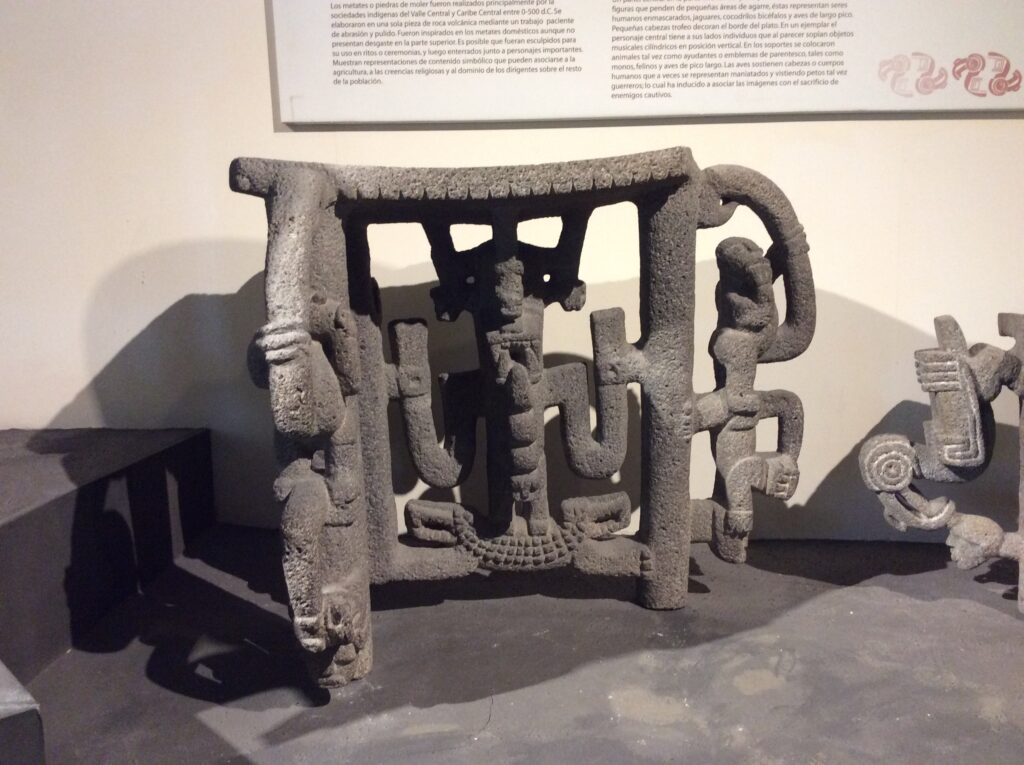
Our next stop was the National Museum. It was built in 1917 as a military barracks. You can see bullets lodged in the exterior walls. It became the National Museum in 1950. The museum is organized thematically with artifacts from Costa Rica’s geological, colonial, archaeological, religious and modern history. The museum has a notable collection of pre-Columbian stone tables, ceramics, and a gold room “Sala de Oro” in the northeast tower. The colonial room has a notable collection of furniture and is designed to emulate that of an actual quarter in the 18th century. The museum also has an exhibit of the 1987 Nobel Peace Prize awarded to Oscar Arias.
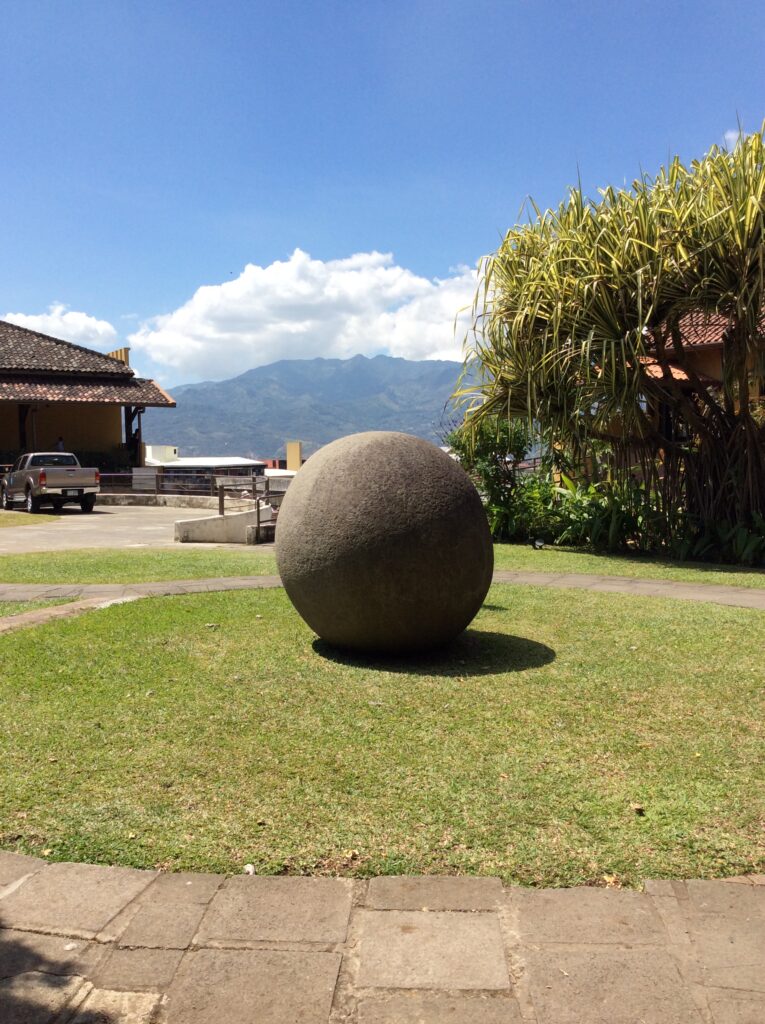
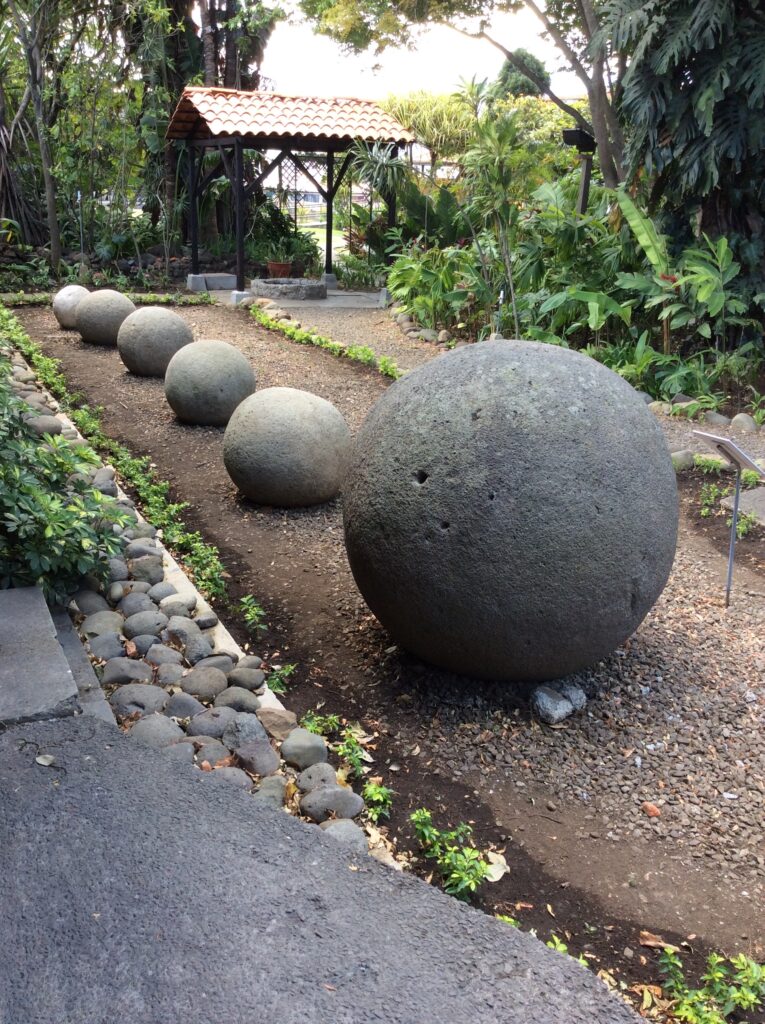
On the museum grounds, were a series of stone spheres of descending size. Throughout Costa Rica are a collection of some three hundred polished stone orbs, the first of which were discovered in the Diquis Delta of Costa Rica during the 1930s. The spheres range in size from a few centimeters to over two meters in diameter, and weigh up to 16 tons. Most are sculpted from granodiorite, an igneous rock similar to granite. Their precise date of construction is uncertain, but they are believed to have been carved between 200 BC and 1600 CE. Numerous myths surround the stones, such as they came from Atlantis, or that they were made as such by nature. Some local legends state that the native inhabitants had access to a potion able to soften the rock. Another calls for the center of the spheres to contain a single coffee bean.
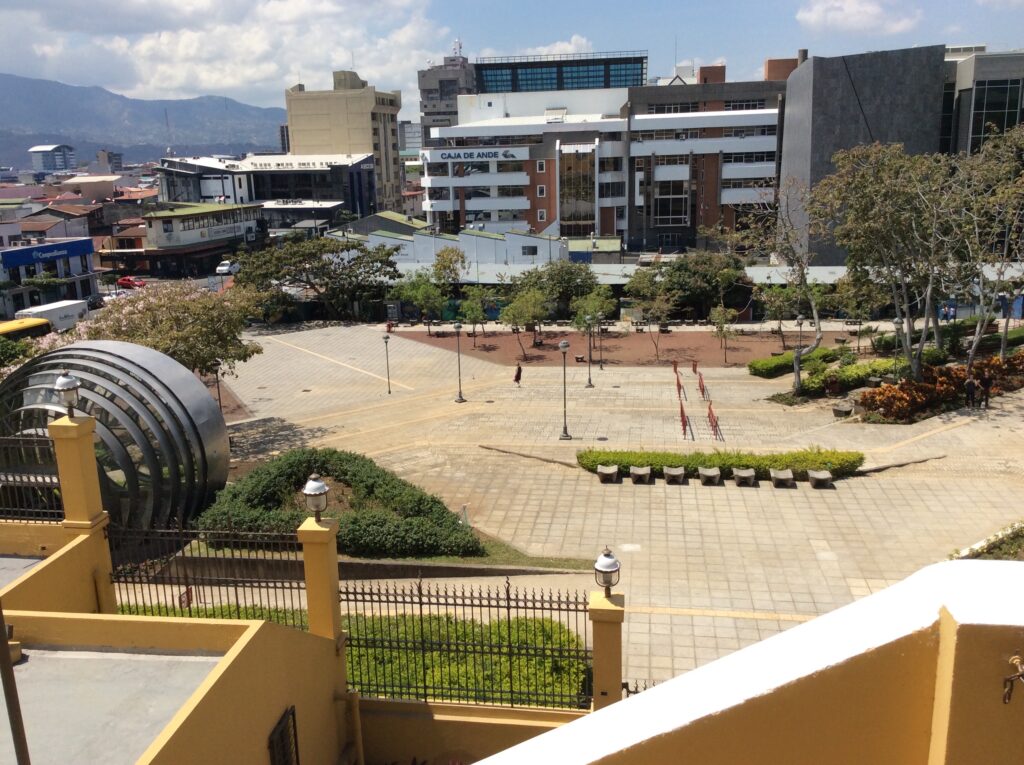
From the National Museum we walked to the terraced Plaza Democratica, constructed by President Oscar Arias in 1989 to commemorate 100 years of Costa Rican democracy. It honors Costa Rica’s democratic traditions and the 1948 abolition of its military. It seems to be a meeting place for people. From there we went to a local restaurant.
Leave a Reply