After breakfast at the hotel, we were transferred to the airport for a flight to Dunedin on the South Island. There we stayed at the Scenic Hotel Southern Cross. Bob and I wandered around the hotel and grabbed a quick lunch at a little bakery before our “official” tour that began at 4:00 p.m. Our tour guide, a personable young man, Athol, provided us with a lot of information about the architecture and history of the city.
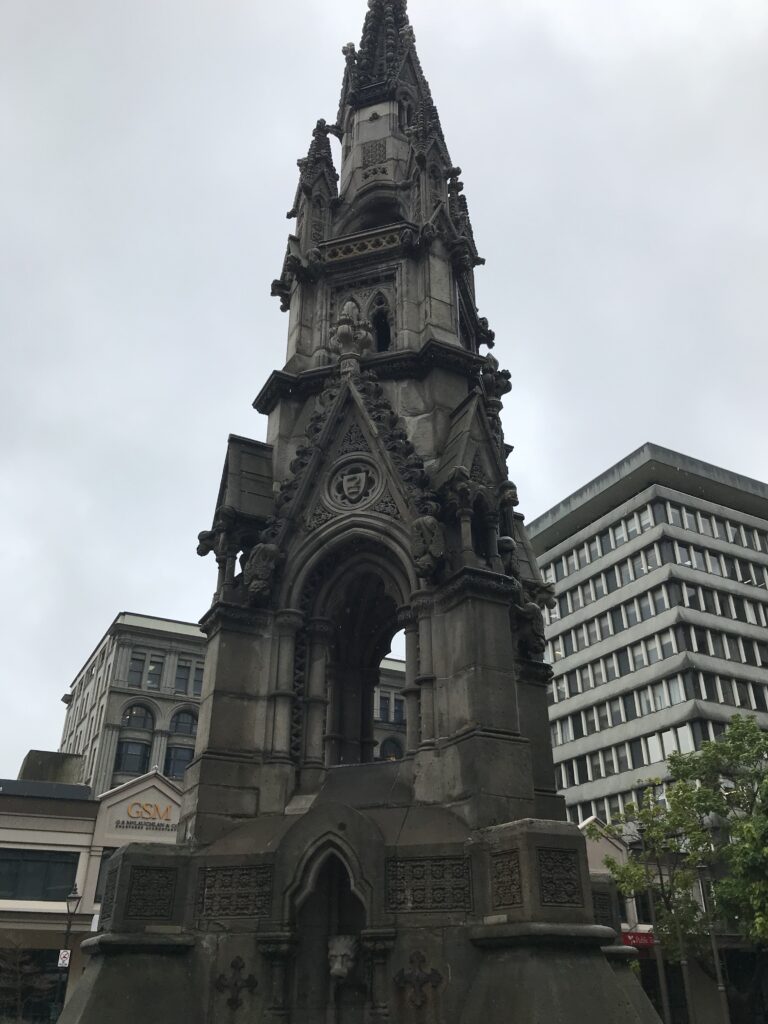
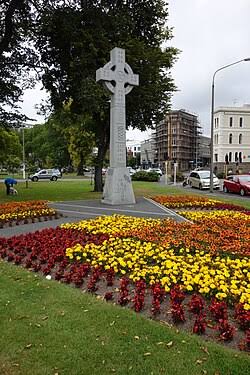
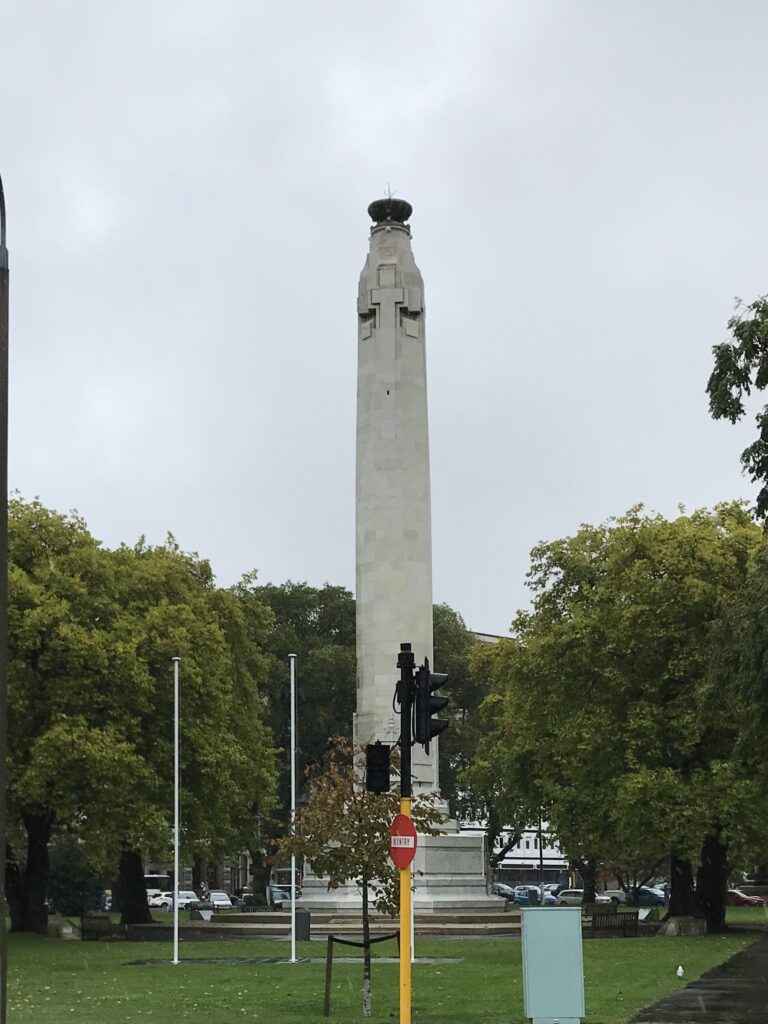
Dunedin is in the Otago section of the South Island. The Māori settled the coastal regions because of their plentiful seafood. They also discovered the valuable greenstone (jade) that is prized around the world. In 1848, a lay group from the Free Church of Scotland established Dunedin as the main Scottish settlement in New Zealand. Dunedin is the Gaelic name for Edinburgh—Dùn Éideann. The layout was modeled after Edinburgh, but the differing terrain made that difficult. The street names are after those in Edinburgh, though. When gold was discovered nearby in 1861, a great influx of Europeans spurred the growth and prosperity of Dunedin. This area of the city is full of elegant Scottish Edwardian and Victorian architecture from this period. Across the street from our hotel is the Carghill Monument in John Wickliffe Plaza. It is designed after a monument in Edinburgh, but much smaller. The plaza is named for the John Wickliffe, the first of the two ships, which brought the Otago Association’s settlers to Dunedin.
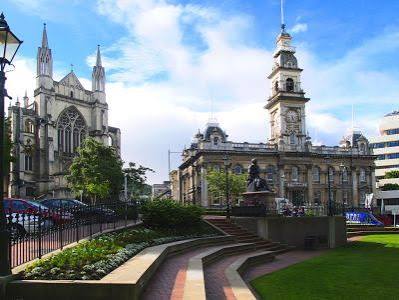
and City Hall
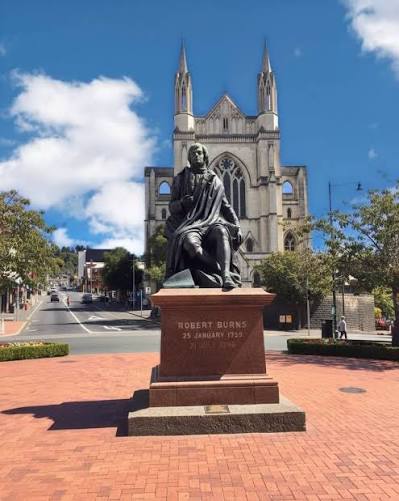
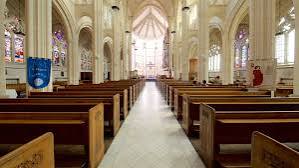
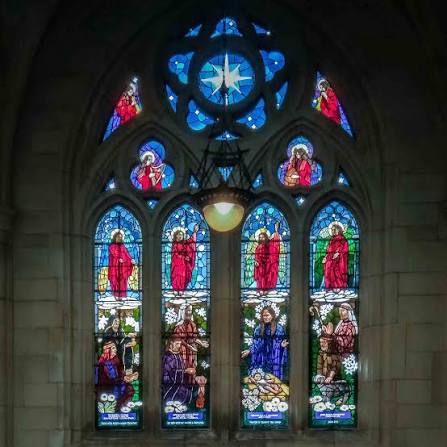
We started at The Octagon, the central hub of Dunedin. Designed as an eight-sided plaza, it forms the core of the city’s layout and is surrounded by key civic buildings, historic landmarks, cafes, and public spaces. Established in the mid-19th century, The Octagon was inspired by Edinburgh’s city plan, reflecting Dunedin’s Scottish heritage.
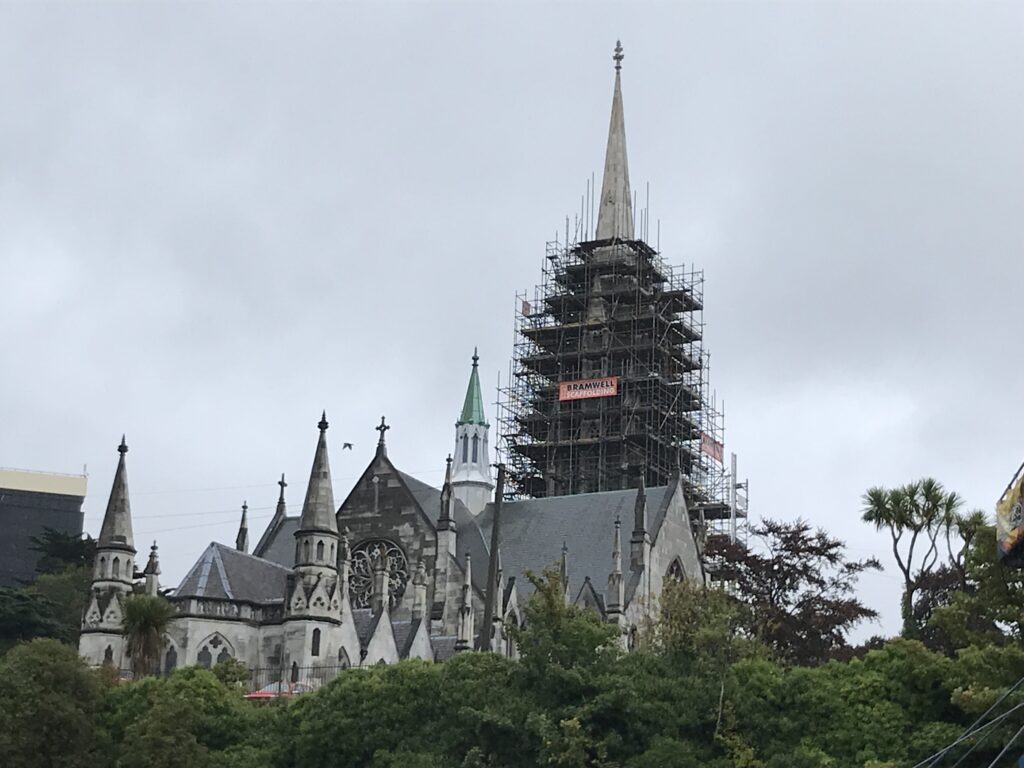
One of the most recognizable landmarks here is St. Paul’s Cathedral, whose stone façade and soaring spire dominate one side of the plaza. Adjacent to it stands the Dunedin Town Hall and the Dunedin Public Art Gallery. The plaza also features statues and monuments, including a prominent sculpture of the poet Robert Burns, symbolizing the city’s literary roots and Scottish ties and the Cargill Monument, built in memory of Capt. William Cargill who co-founded the Otao settleent. It is a heritage site.
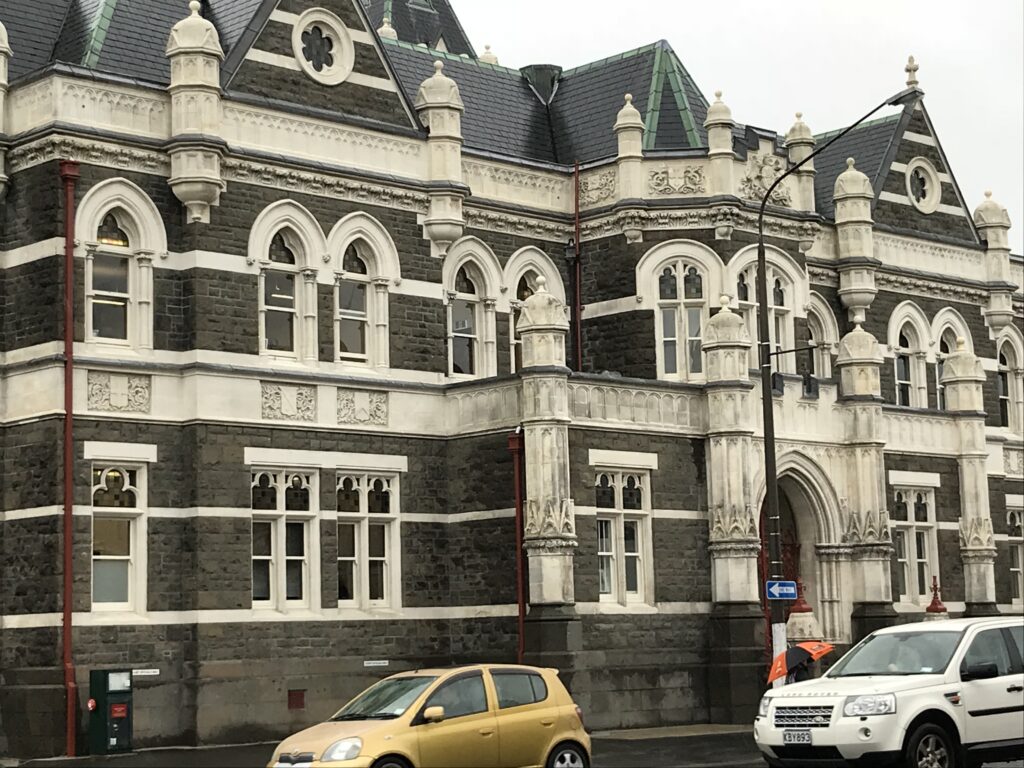
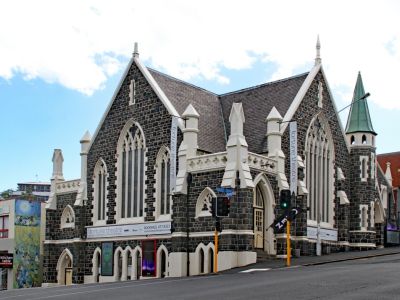
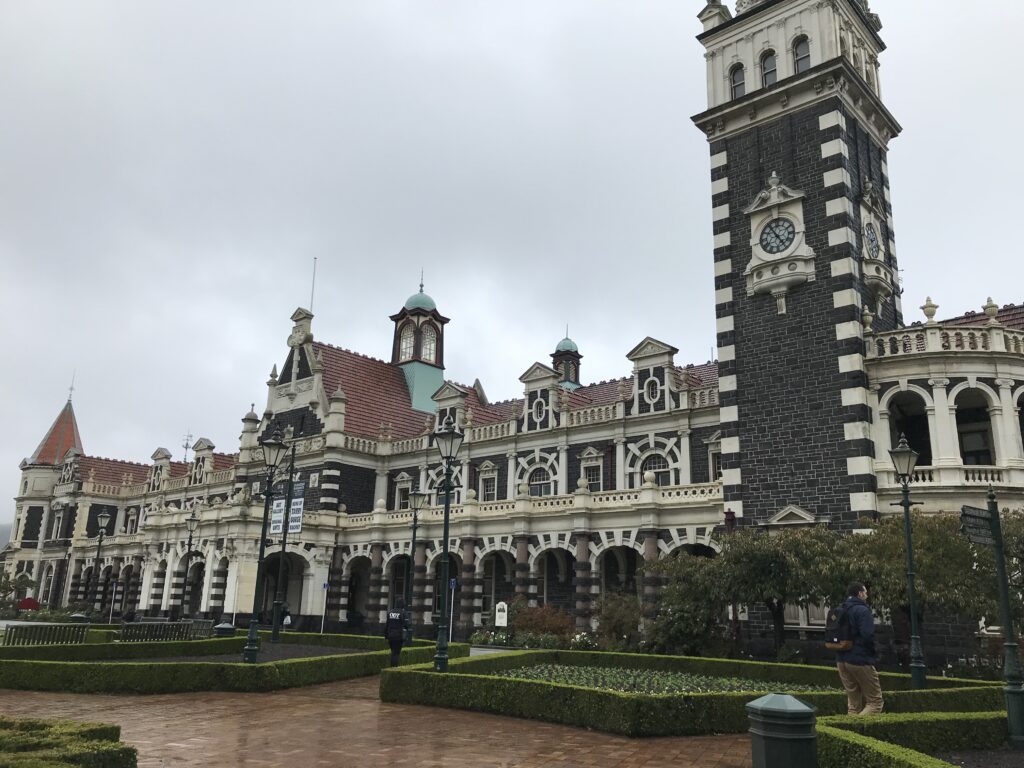
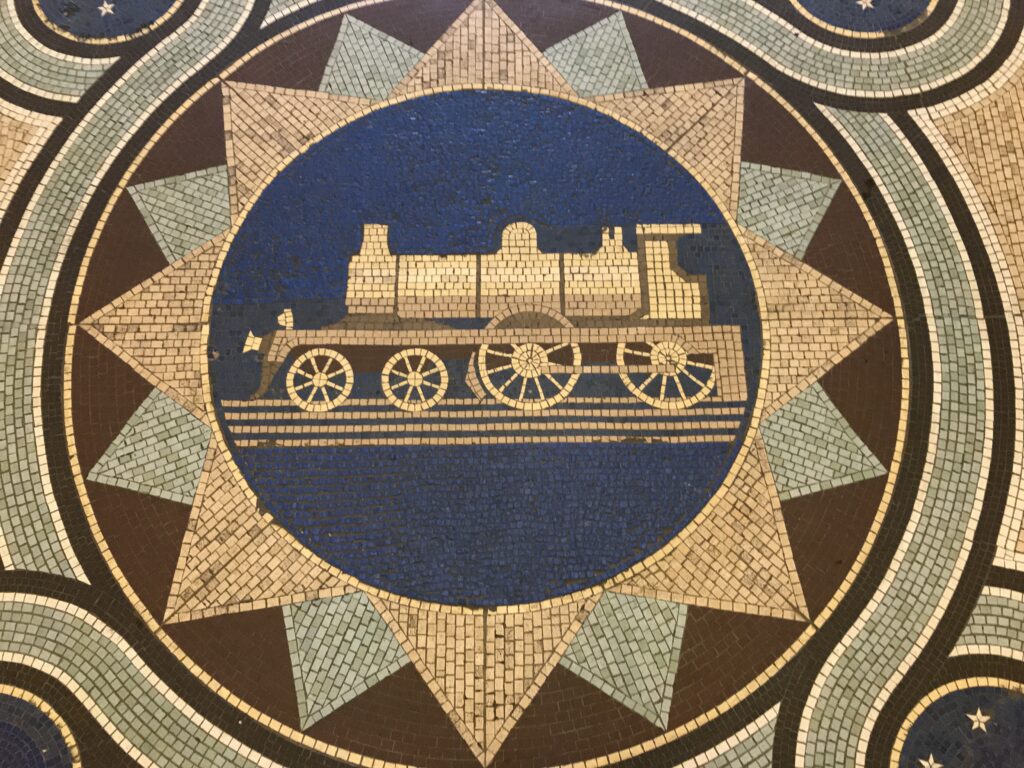
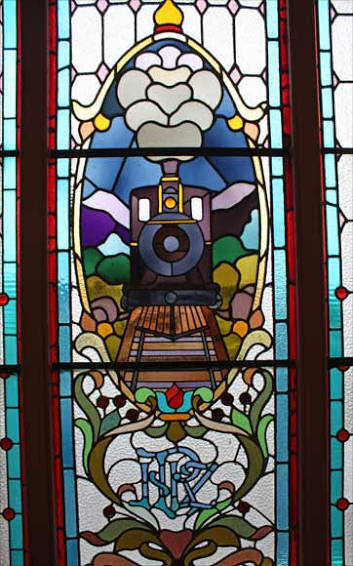
Next we went to the Railway Museum, an iconic architectural landmark in Dunedin, and one of the most photographed buildings in the southern hemisphere. The station is considered one of New Zealand’s finest buildings. Its façade consists of contrasting limestone and dark basalt. The interior has stained glass windows and mosaic floor tiles that pay tribute to the steam engine.
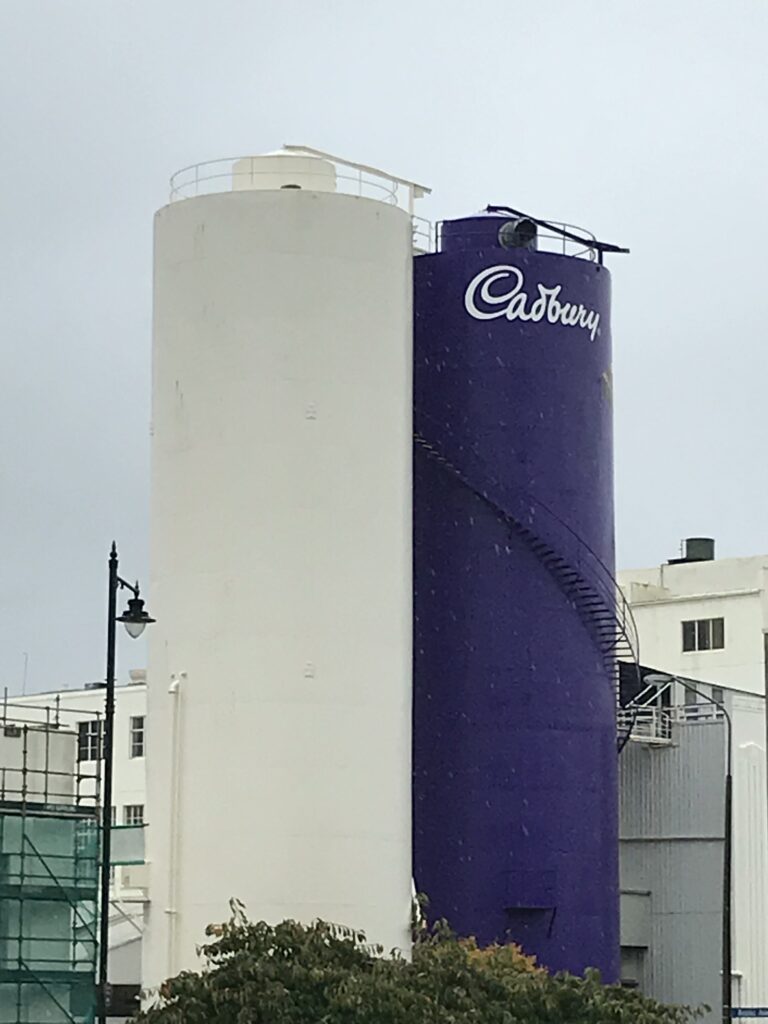
Queens Gardens is a historic, triangular public park located in the central business district. Originally a tidal swamp and Māori canoe landing site, the land was reclaimed in the late 19th century. The Dunedin Cenotaph is a towering, 28-meter-tall eight-sided stone column that dominates the park. It was built in the 1920s to honor soldiers who served in WW I. Also in this district is the iconic Cadbury chocolate plant that unfortunately is closing.
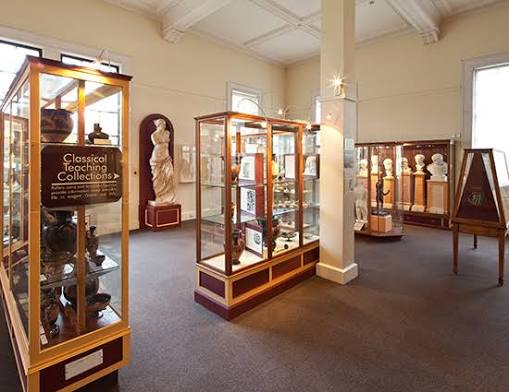
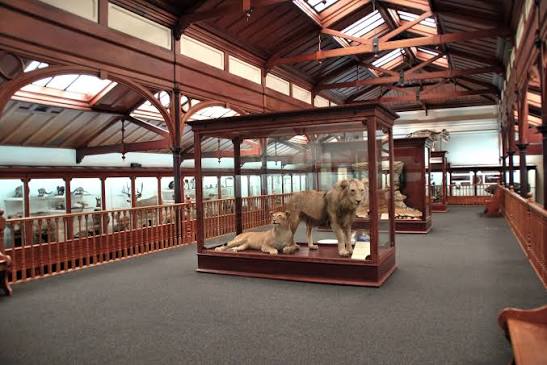
Our second day we spent the morning at the Otago Settlers Museum to learn about the Maori heritage of this part of New Zealand. Founded in the 1860s, the museum is home to an impressive collection of artifacts that explore the history of the Otago region, as well as Māori and Pacific cultures. The Southern Land, Southern People gallery highlights the region’s geological evolution, flora and fauna, and early human settlement. Meanwhile, the Tangata Whenua gallery honors the traditions and artistry of Aotearoa’s indigenous people, with carvings, tools, and ceremonial items. The morning flew by.
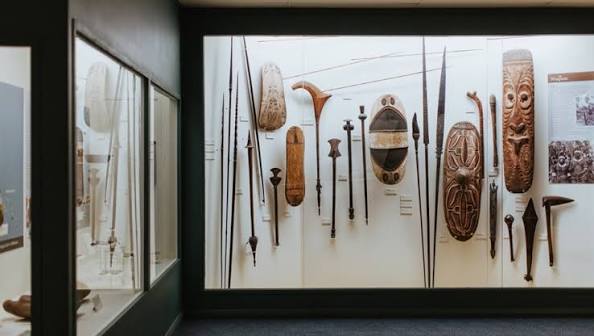
Otago is an old Maori dialect word. It is translated as “isolated village” and “place of red earth, referring to the red, clay-like soil.
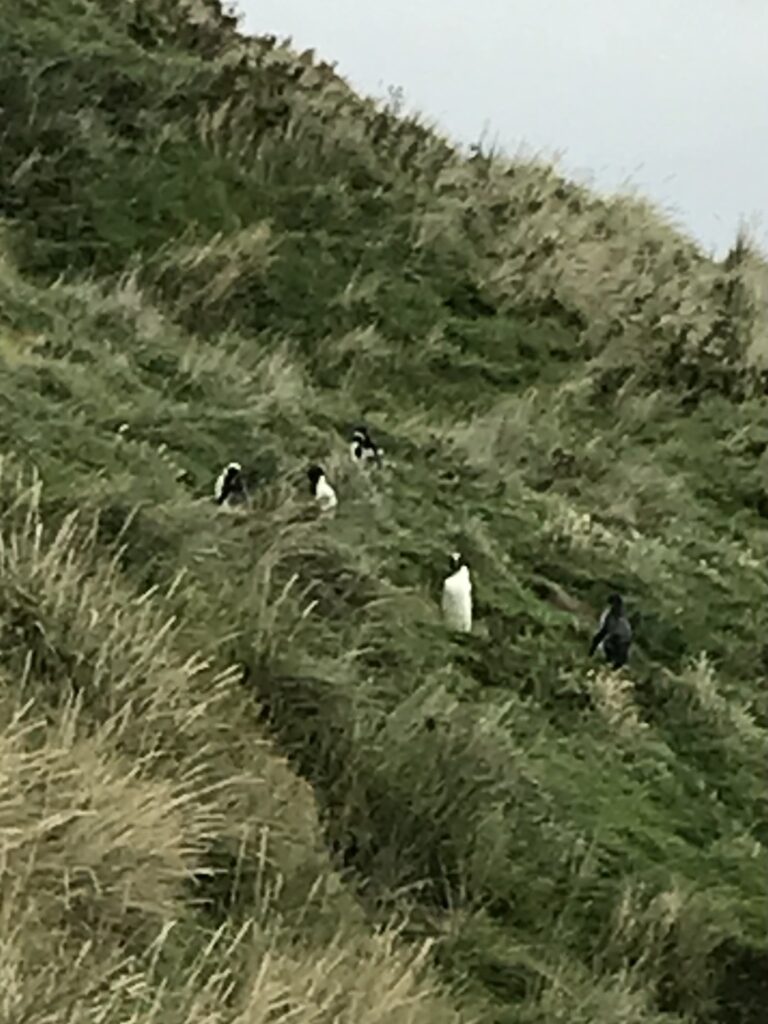
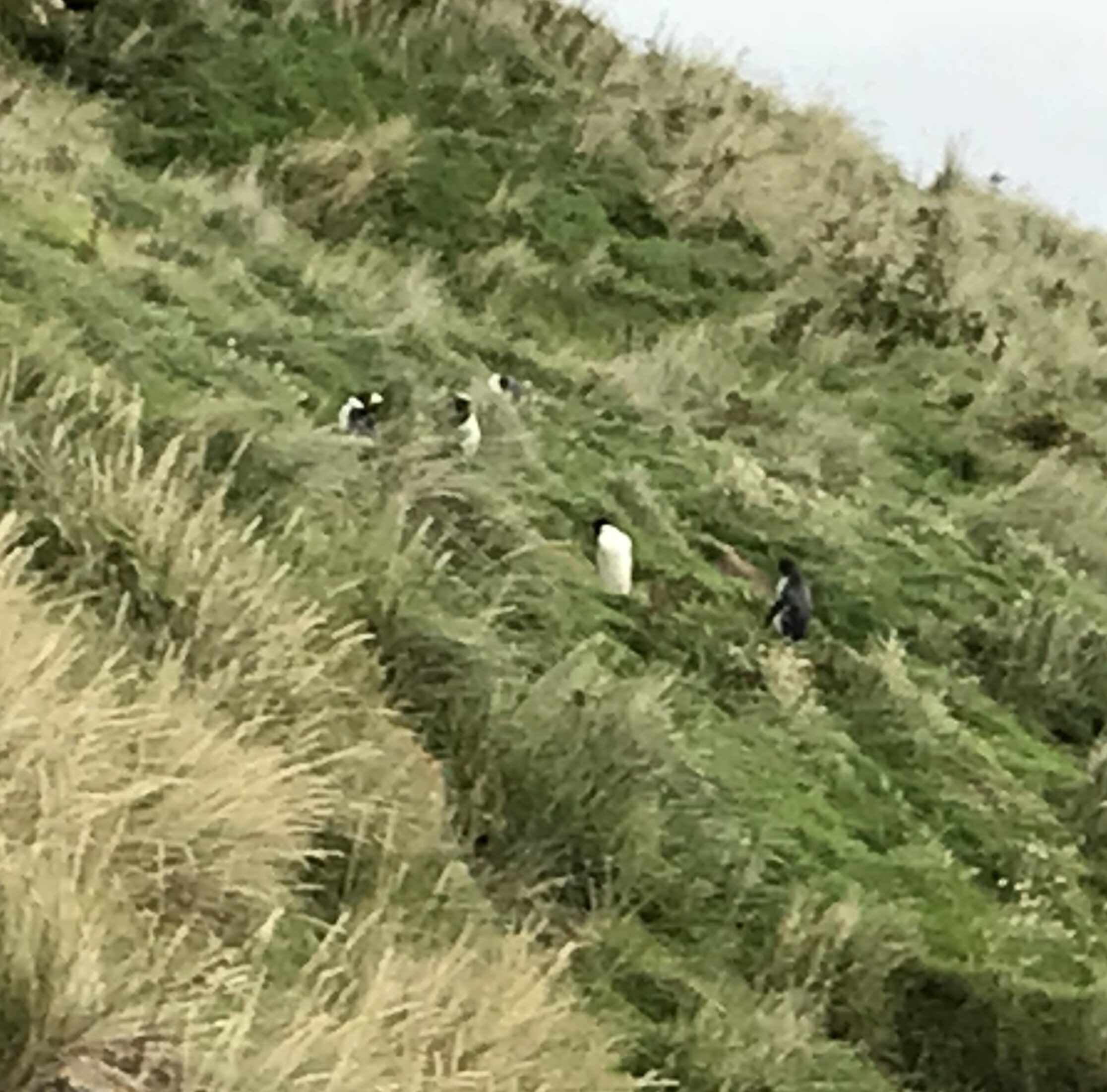
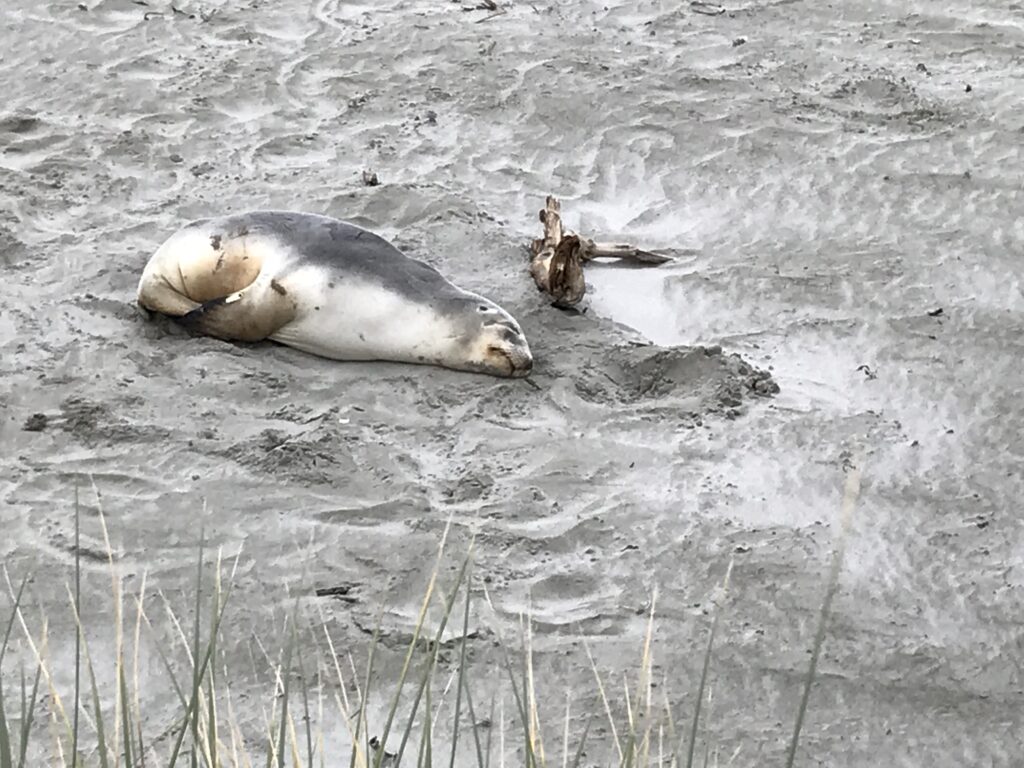
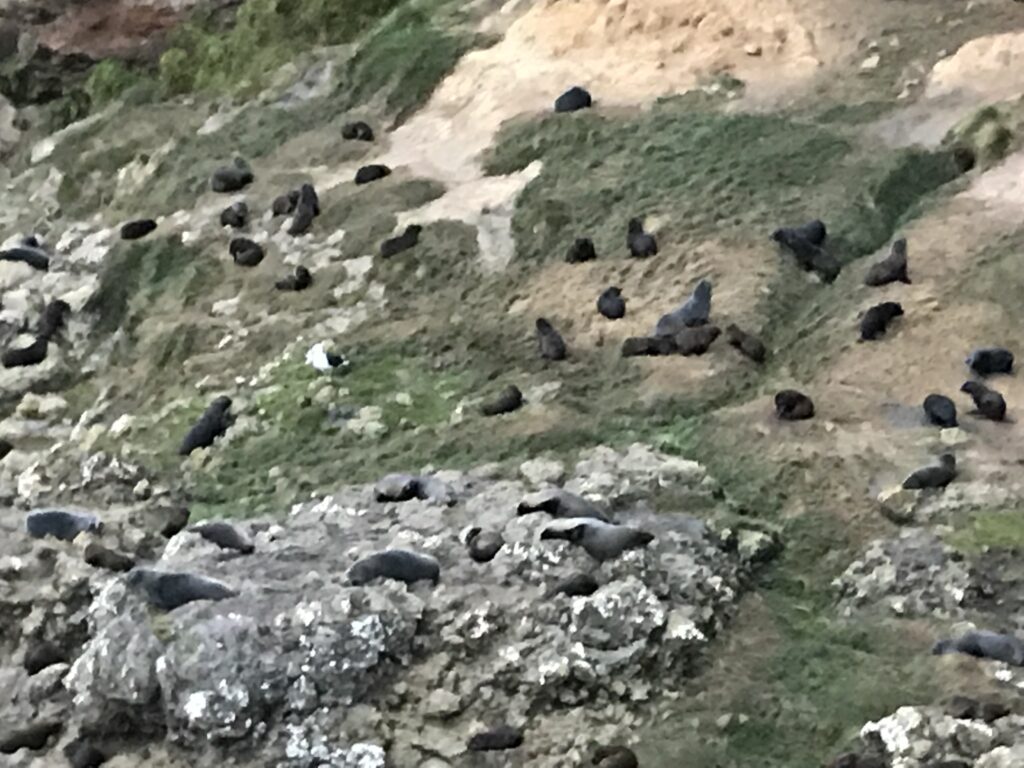
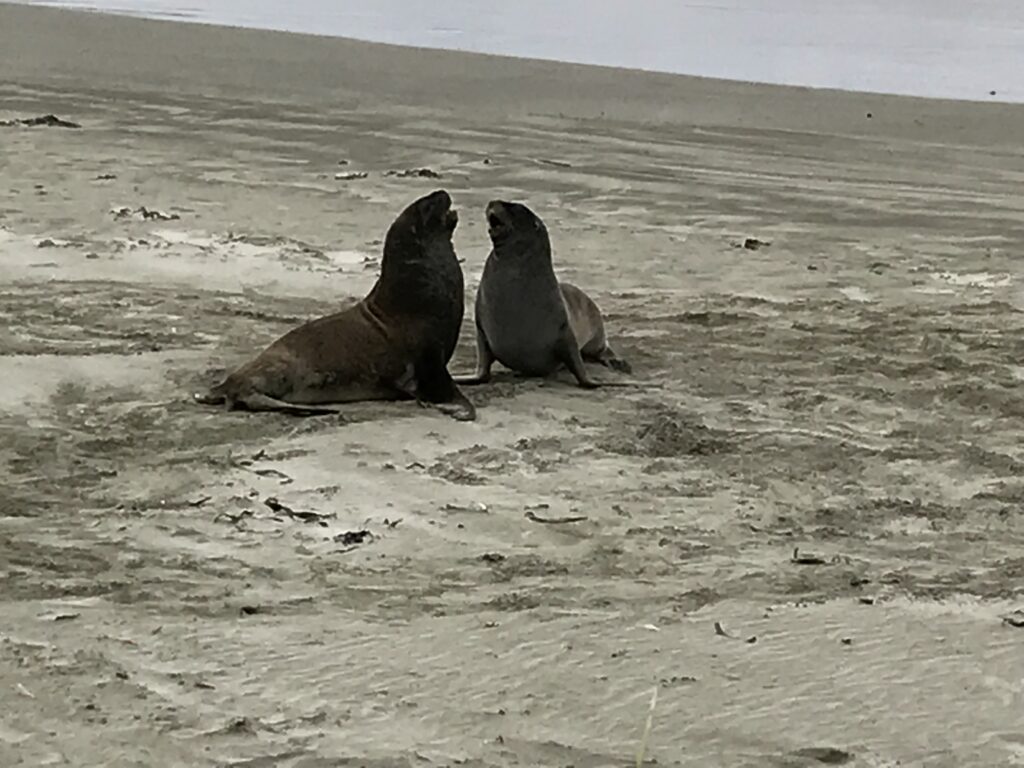
After lunch, we headed for our wildlife tour on the Otaga Peninsula, renowned as the “Wildlife Capital of New Zealand”. This peninsula is home to various marine birds, fur seals, and yellow-eyed penguins. We paused for vistas of the hills and water. Then our first stop was to see the fur seals and penguins. The hike was strenuous but worth it. The beach was full of fur seals. We had to hike through tall saw grass to get to the penguin breeding area. The grass obscured the seals and our guide had to be careful to not disturb one, to avoid danger. When we got to the observation point we were able to see the rare penguins. It is the rarest of the species of penguins and only found in New Zealand. They do not migrate. They spend the day in the sea and the nights on land.
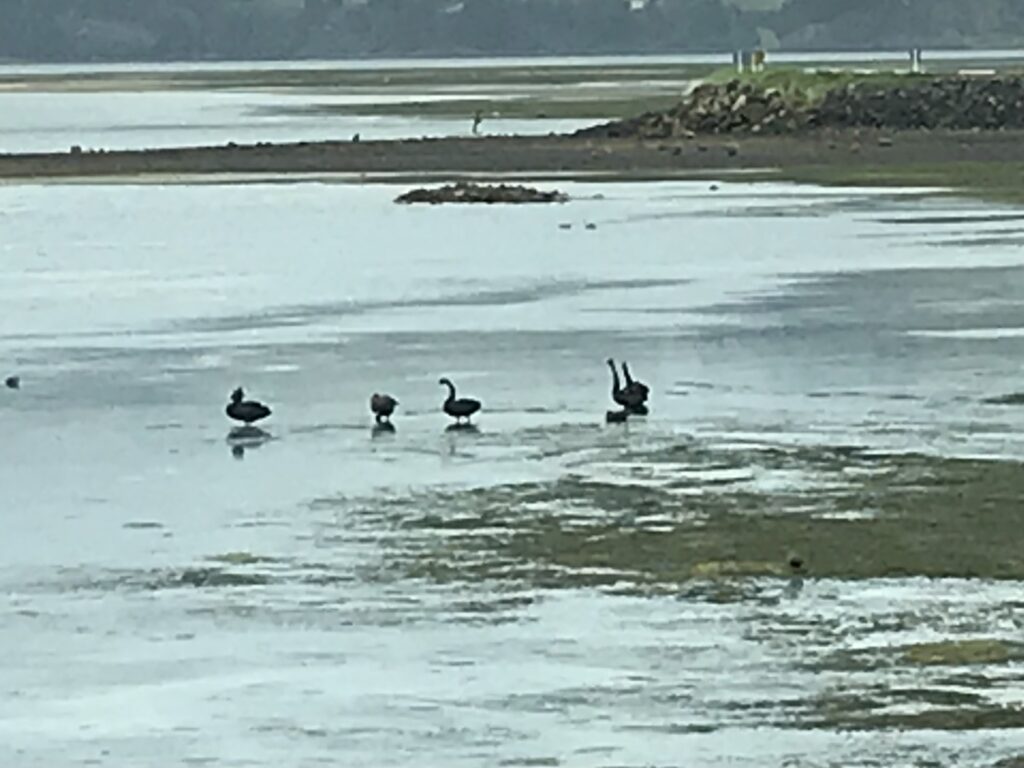
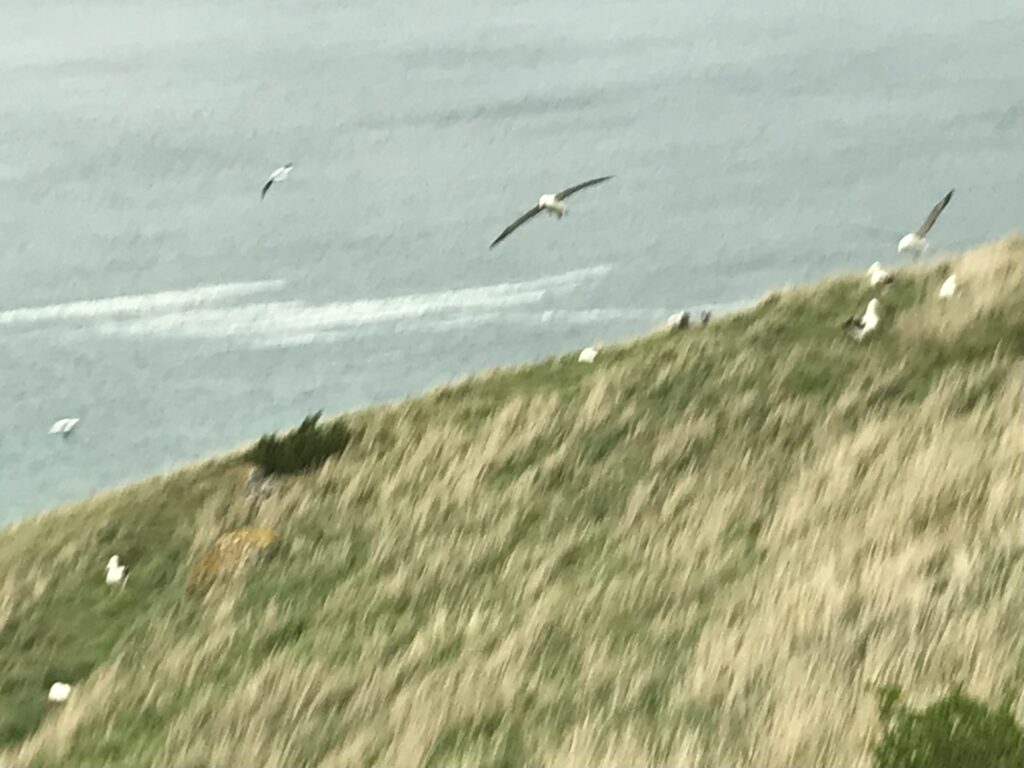
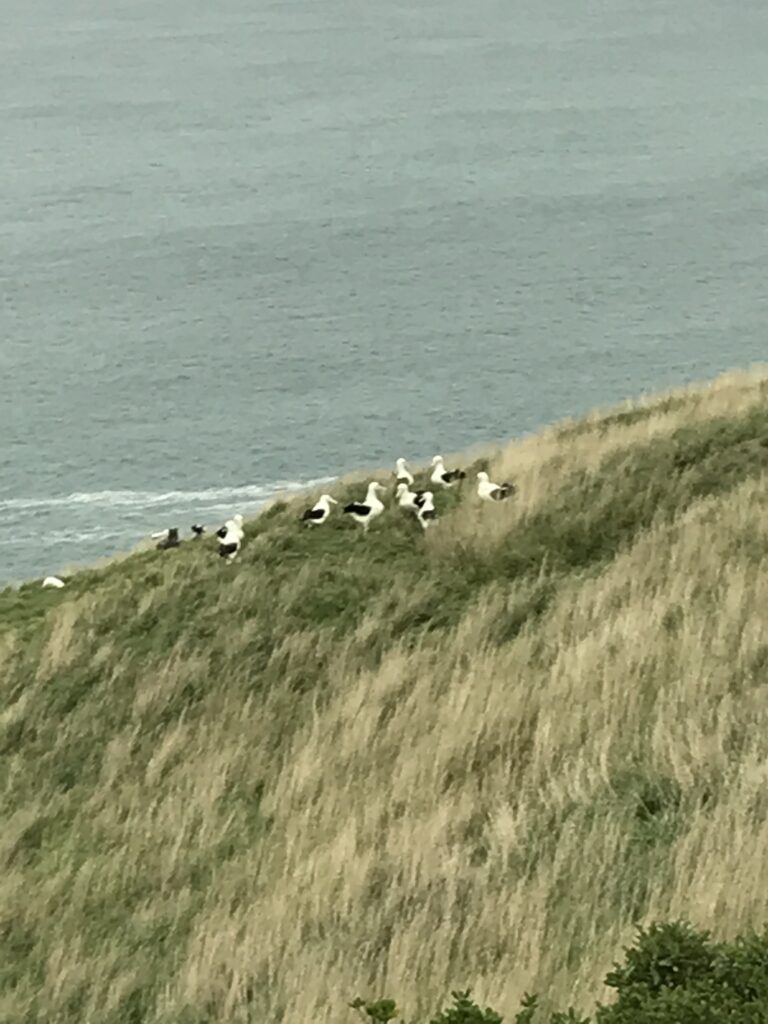
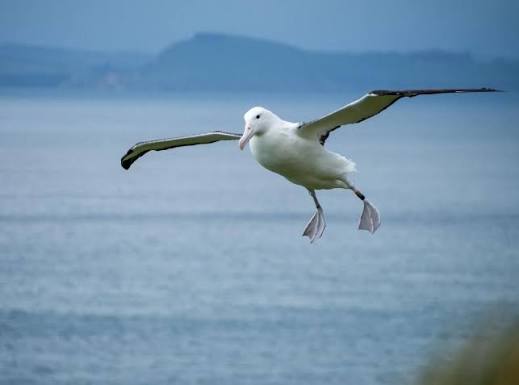
Our next stop was to the Royal Albatross Center, the only mainland-breeding colony in the world for this seabird. From the observation deck we were able watch the birds interact with each other, soar, and pad around. The marine scientist explained about the habits of these huge birds. They can measure 1.2 meters from the tip of their beak to the tip of the tail and up to 3.3 meters in wingspan. I couldn’t help but remember “The Rime of the Ancient Mariner” by Coleridge.
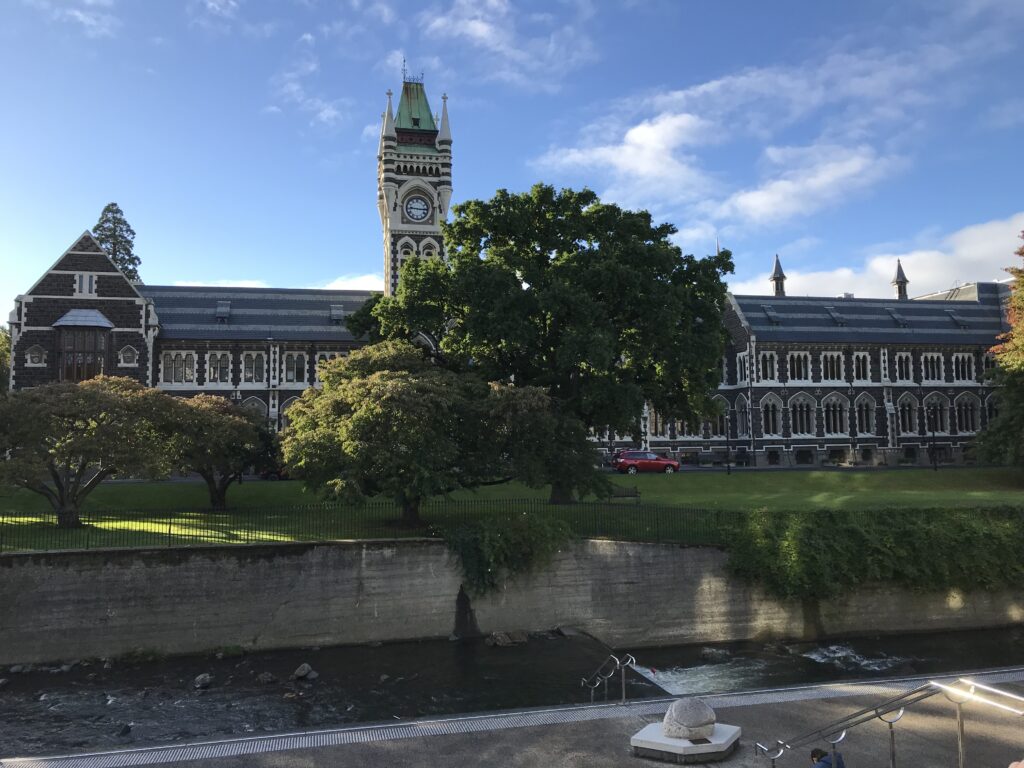
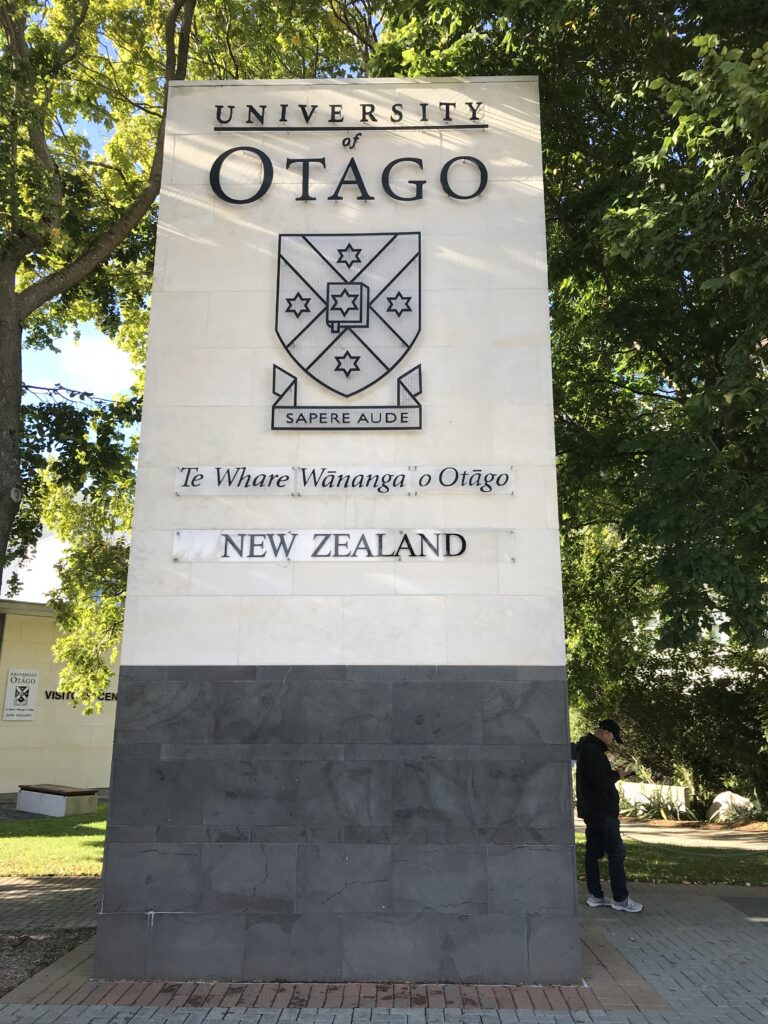
This morning we had another of Kirsten’s surprise excursions: a trip to Otago University. The University was founded in 1869. There we met a Physics Professor, Mikkel Andersen, who is working on Rubidium atoms. He provided us with a tour of his laboratory and explanation of his research.
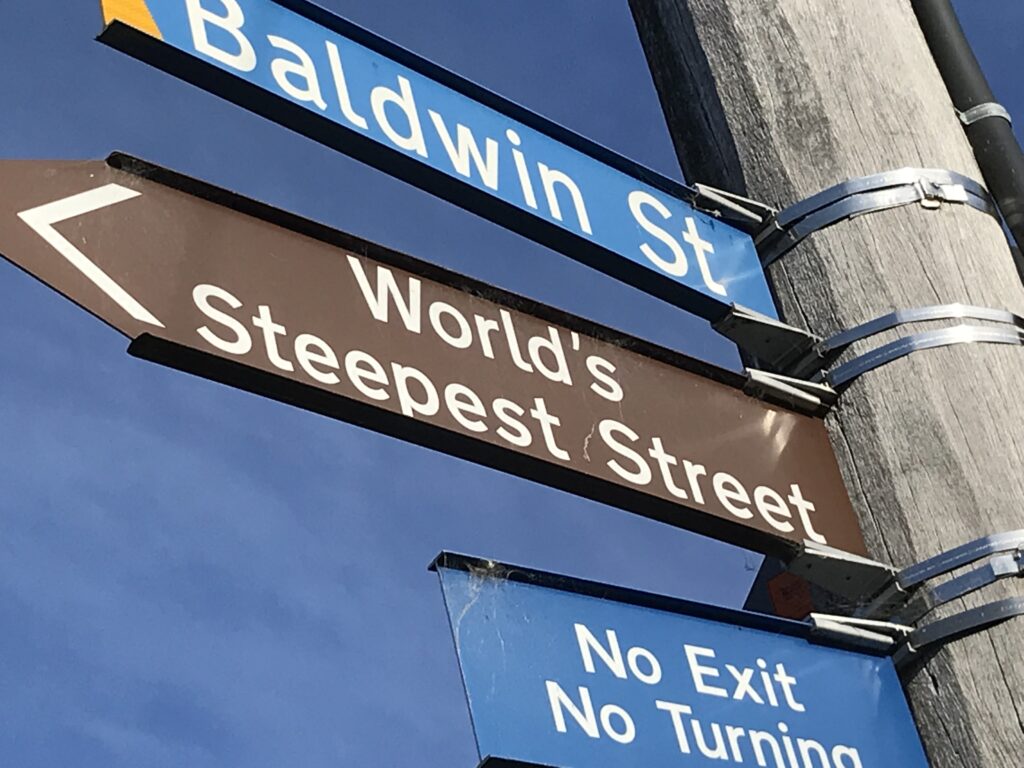
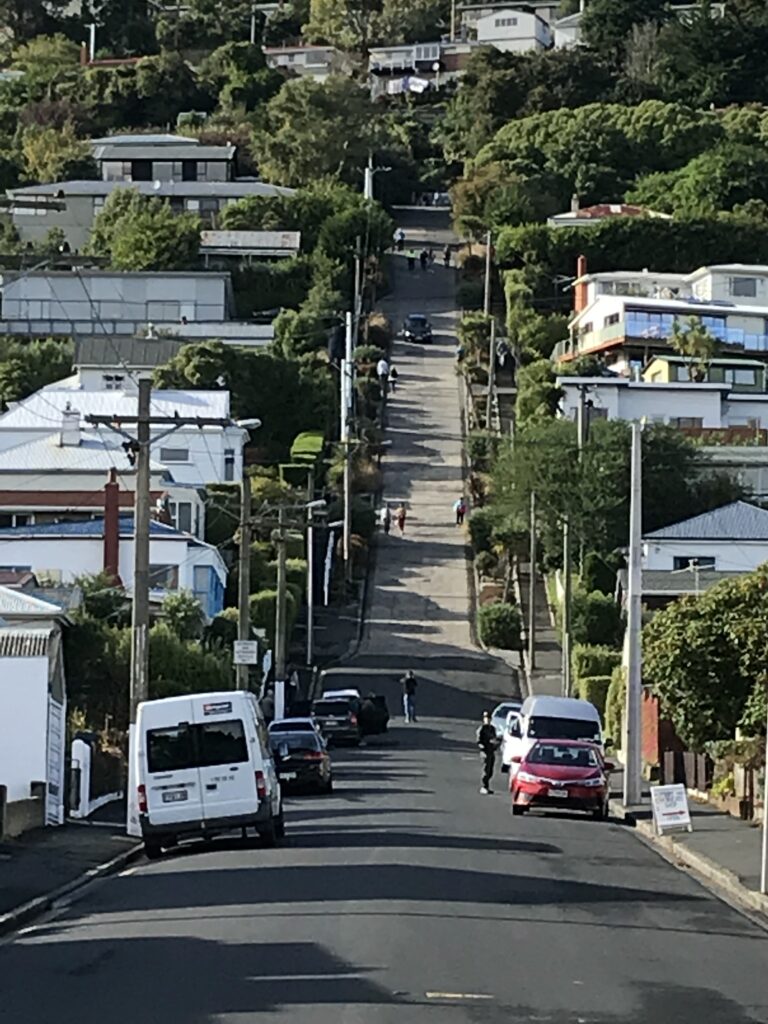
After that we left Dunedin for Fiordland National Park. On the way out of town we stopped by Baldwin Street, the “steepest street in the world” for pictures.

Leave a Reply