The day started an introduction to African American history in Paris on a city tour. Some of the places we saw were performance venues and favorite haunts of people like Josephine Baker, Langston Hughes, W.E.B. DuBois, James Baldwin, and others. African Americans have found acceptance in Paris that they did not find in the U.S. We explored the Latin Quarter and then strolled through the artsy neighborhood that was home to Henry Ossawa Tanner, Miles Davis, Bud Powell and other expat writers and artists. We ended the tour with lunch at a local restaurant—Le Bossu on Ile Saint-Louis. A wonderful meal.
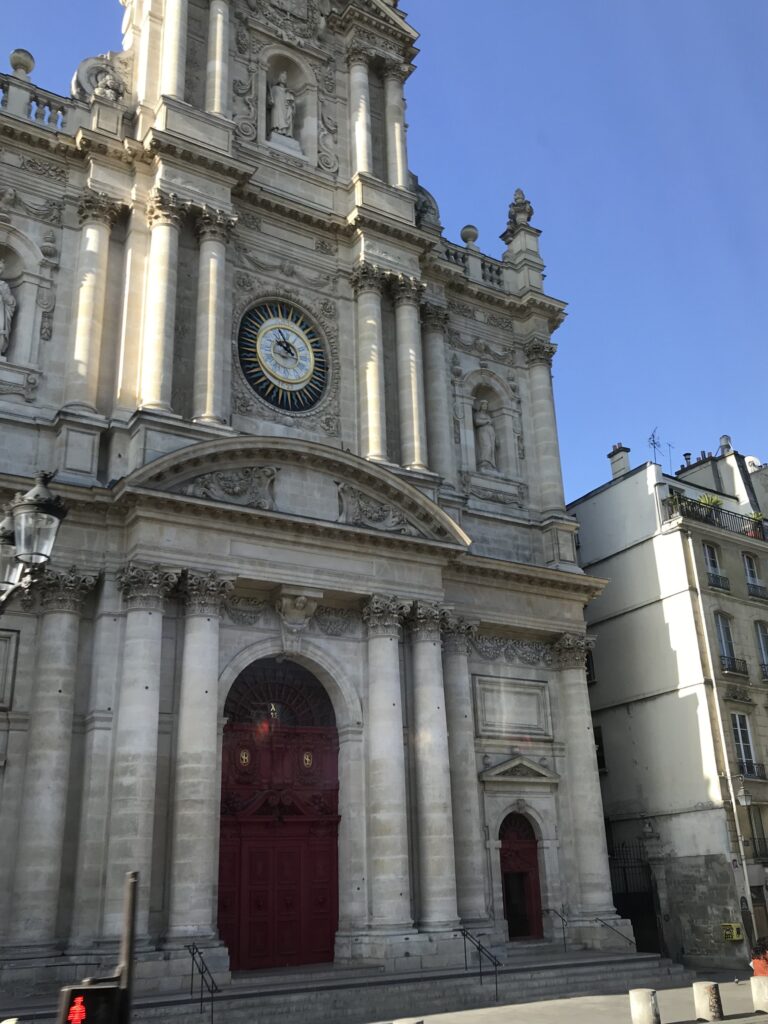
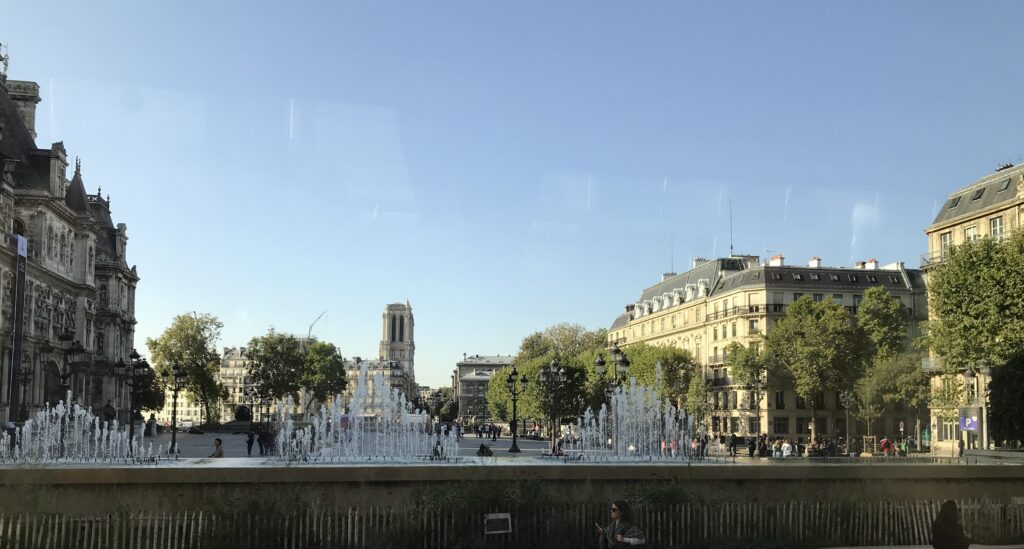
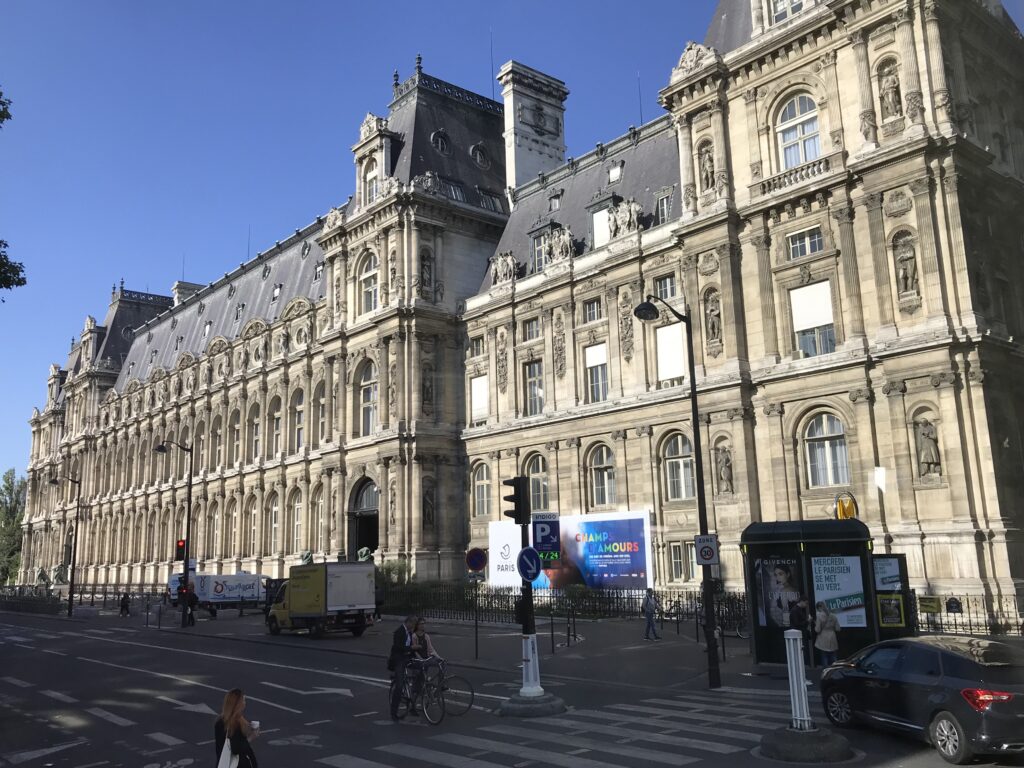
We started in the Marais District close to our hotel at the Église Saint-Paul-Saint-Louis. The present building was constructed from 1627 to 1641, but the first church on the site, Saint-Paul-des-Champs, was dedicated around 1125.. While the church itself has deep French royal roots, it is closely tied to Black American history through visitors, artists, and prominent Civil Rights figures who frequented it. Then we came to the Hotel de Ville which is the city hall of Paris and its beautiful plaza and fountains.
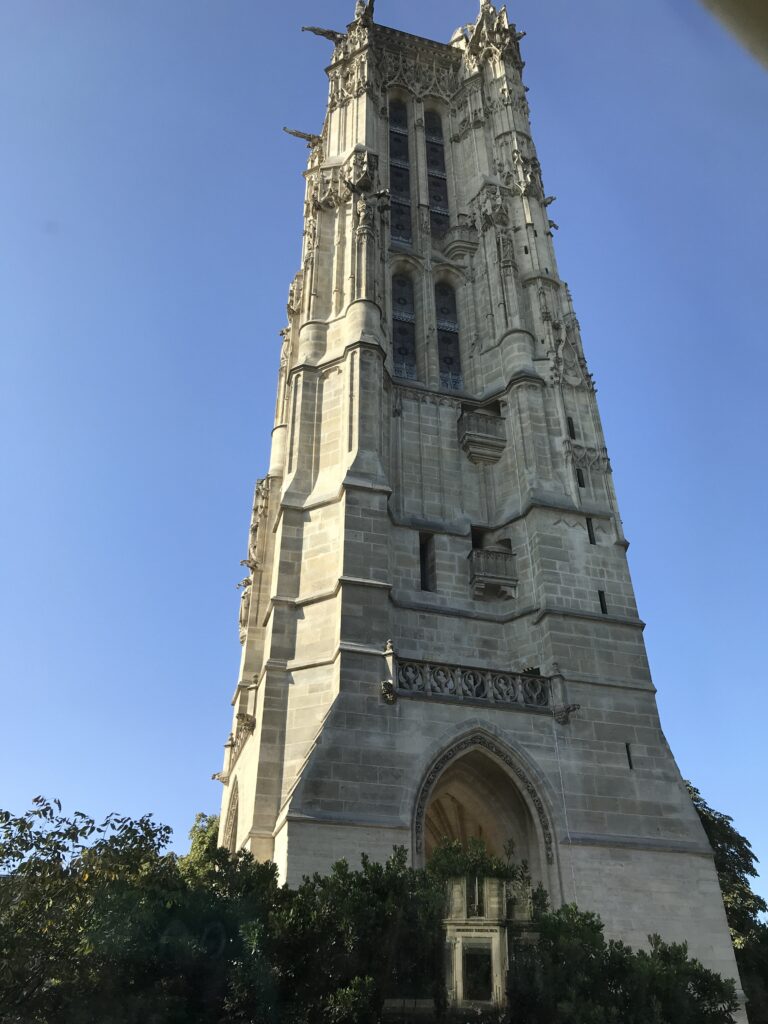
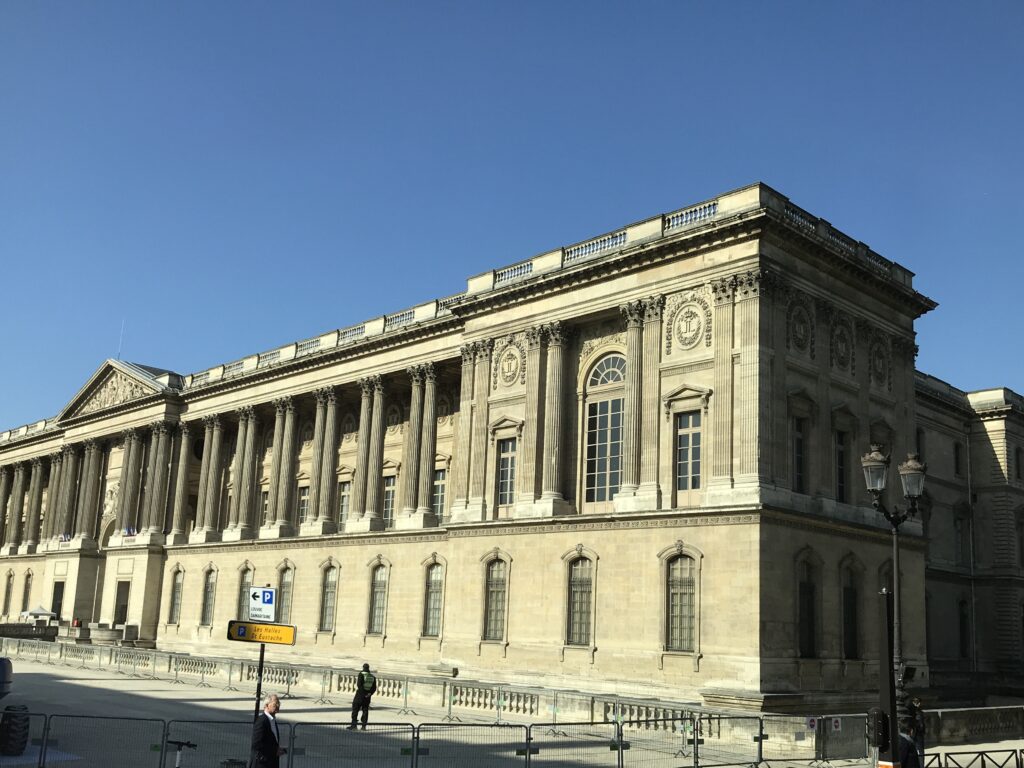
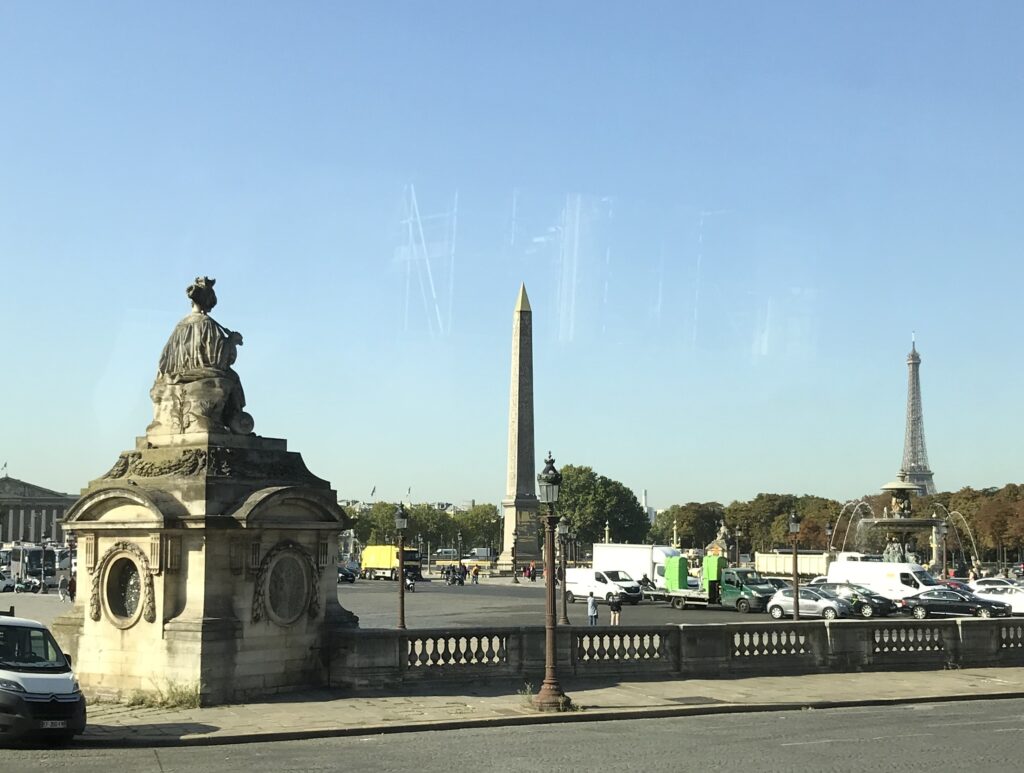
Next we saw the Square de la tour Saint-Jacques with connections to the French-Haitian author Alexander Dumas. Next we came to the Louvre with its collection of African art as well as several European pieces depicting black people. Concorde Square, a place of executions during the French Revolution. connects intimately to the African American experience through Jessye Norman’s iconic 1989 performance of the French National Anthem.
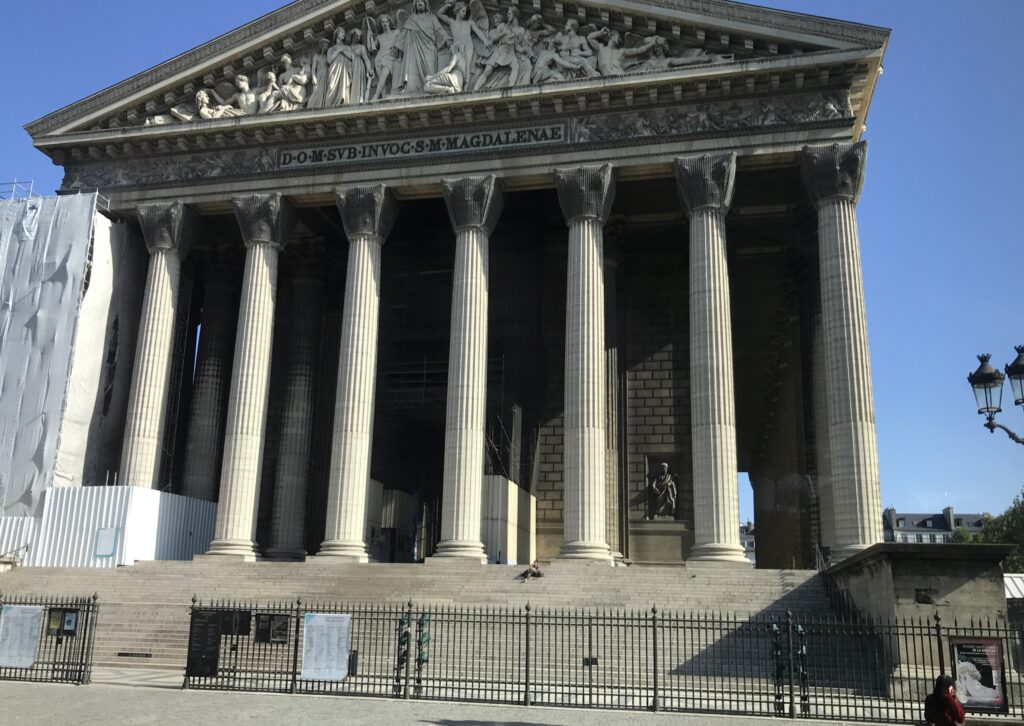
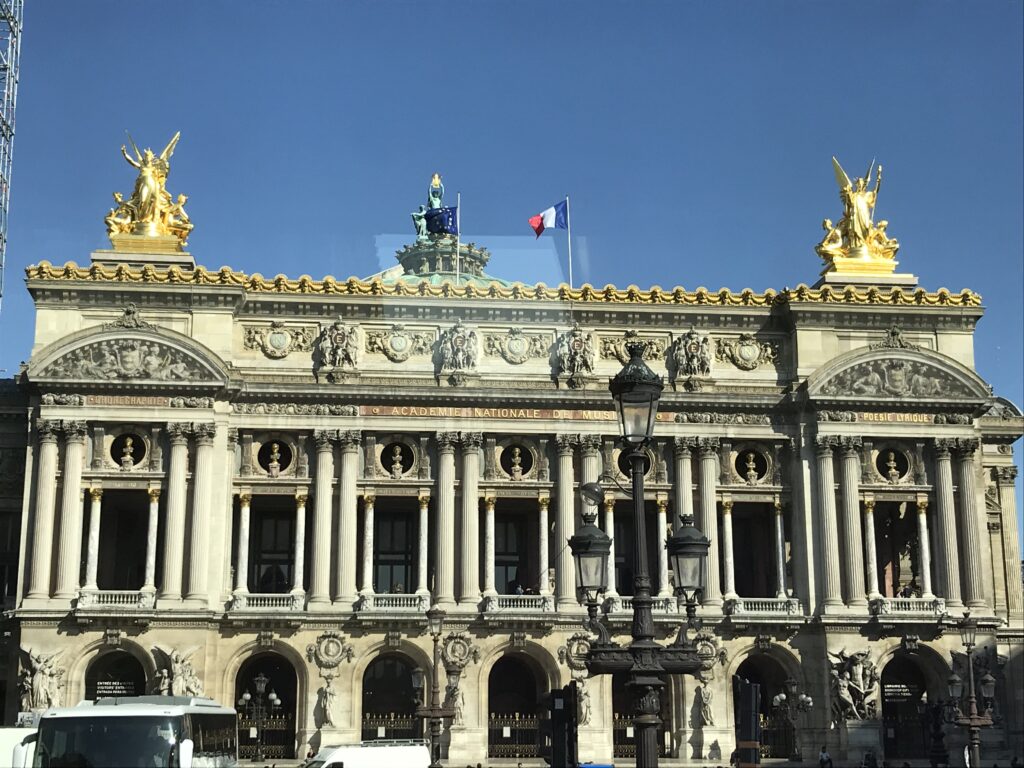
The Madeleine Church was the location of Josephine Baker’s funeral in 1975. It also hosts African American musical and cultural event. The Opera House has hosted numerous Black artists such as Josephine Baker and Grace Bumbry.
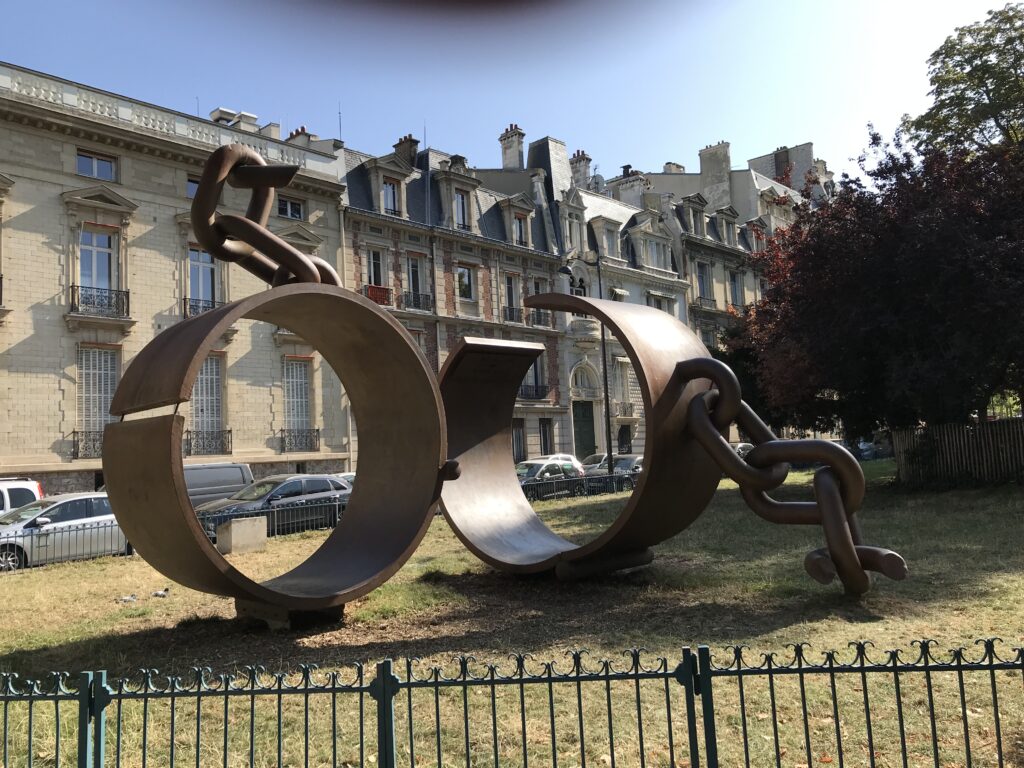
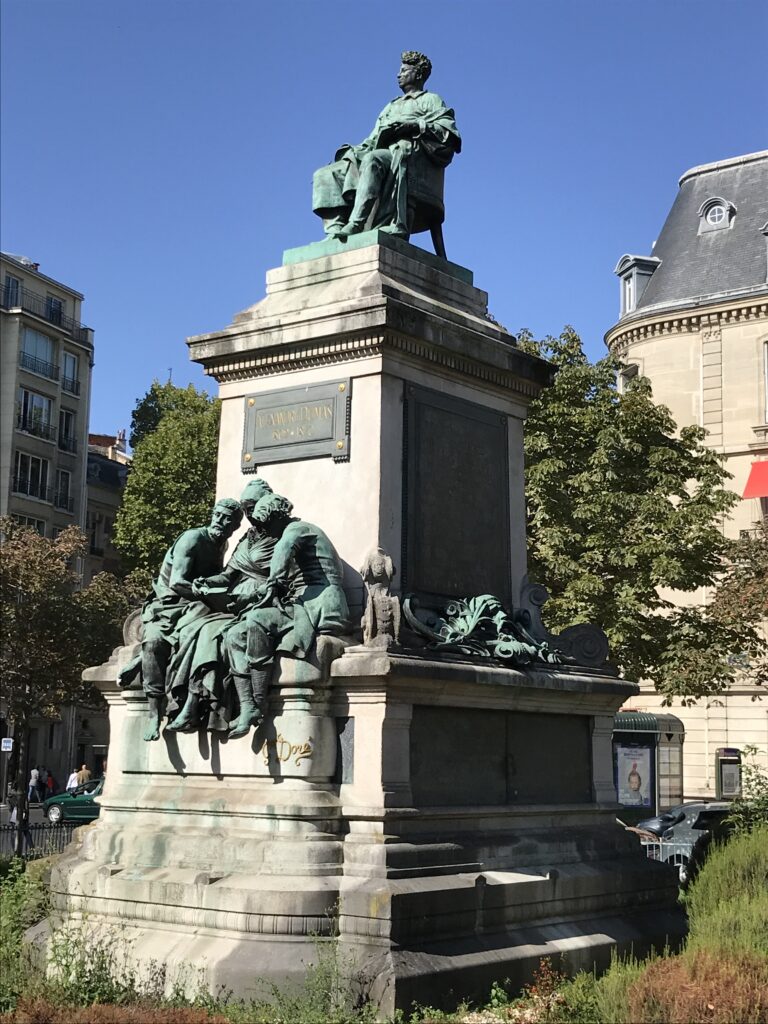
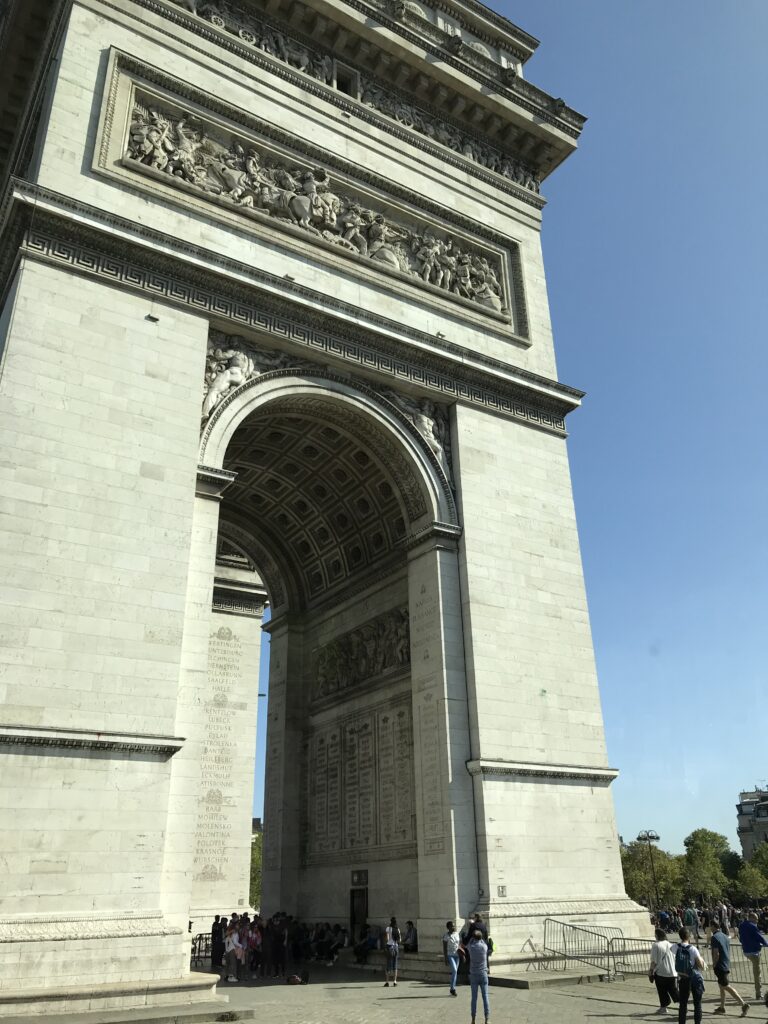
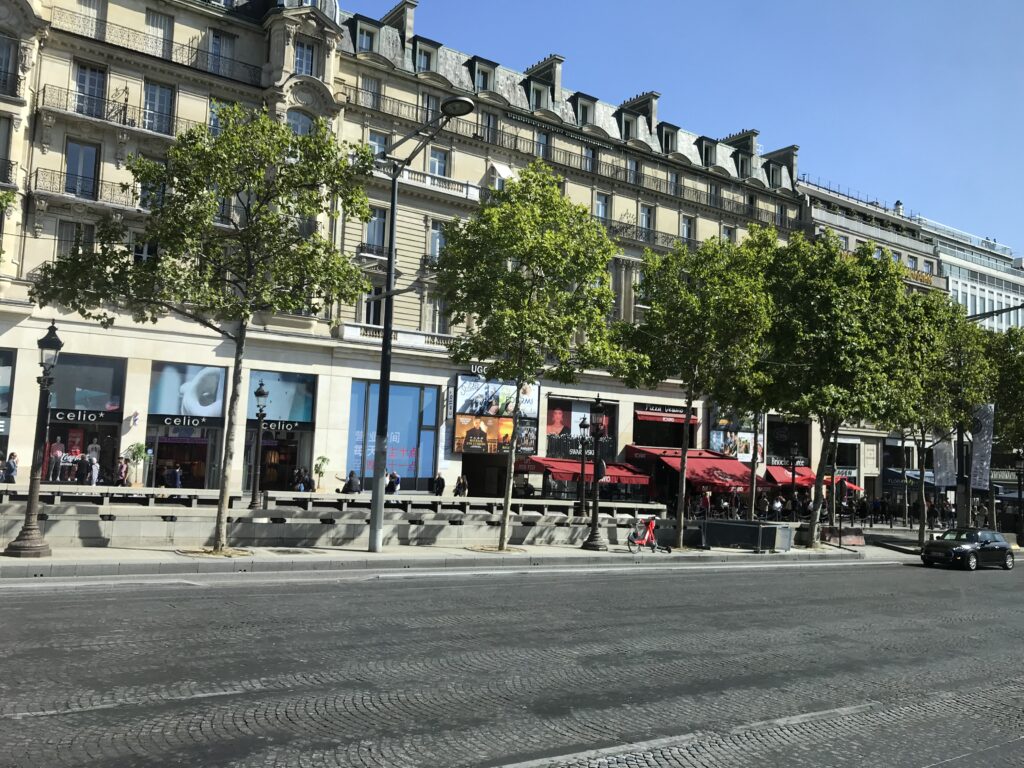
Then we came to the Place du General Catroux with its End of Slavery monument. Adjacent is the Alexander Dumas Monument. The square is nicknamed the “Place des Trois Dumas“ because it brings together unique monuments dedicated to three generations of the extraordinary Dumas family. The Arc de Triomphe at the end of the Champs-Élysées was commissioned by Napoleon in 1806. Then we strolled along the Champs.
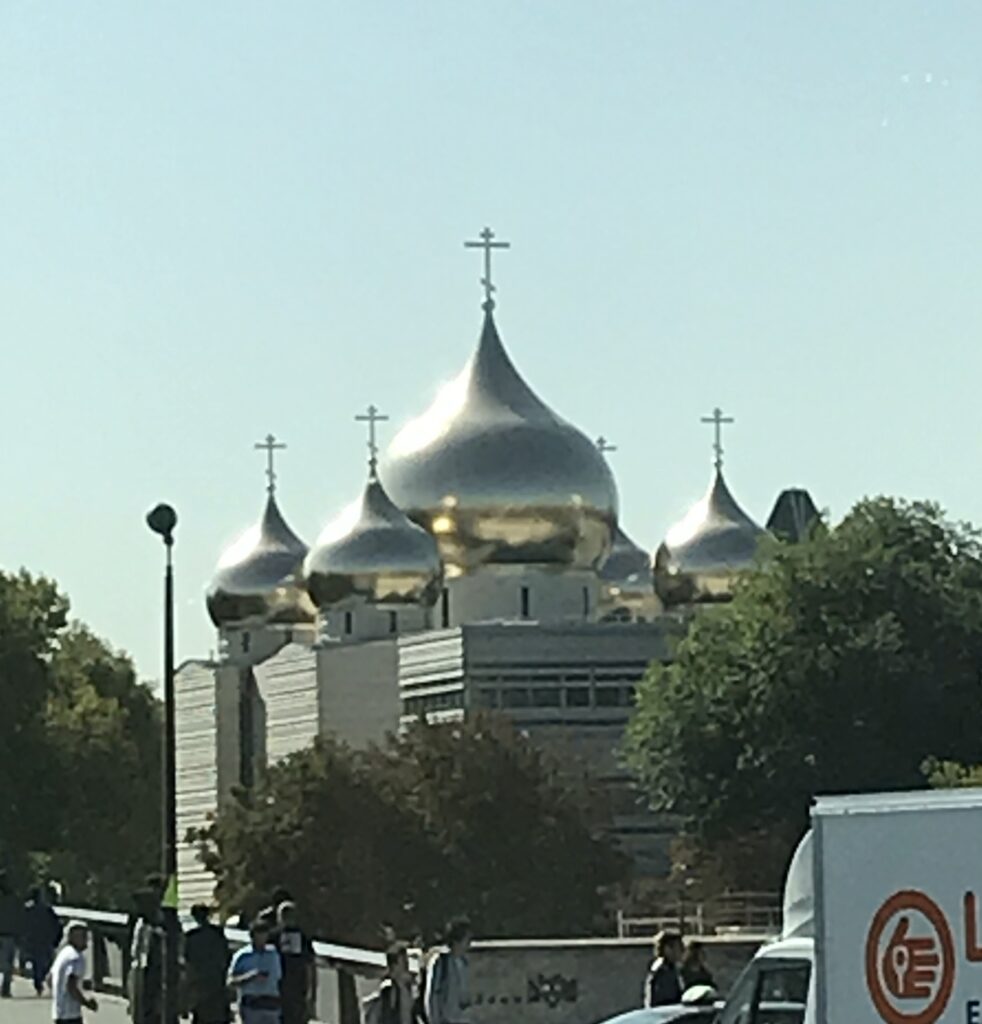
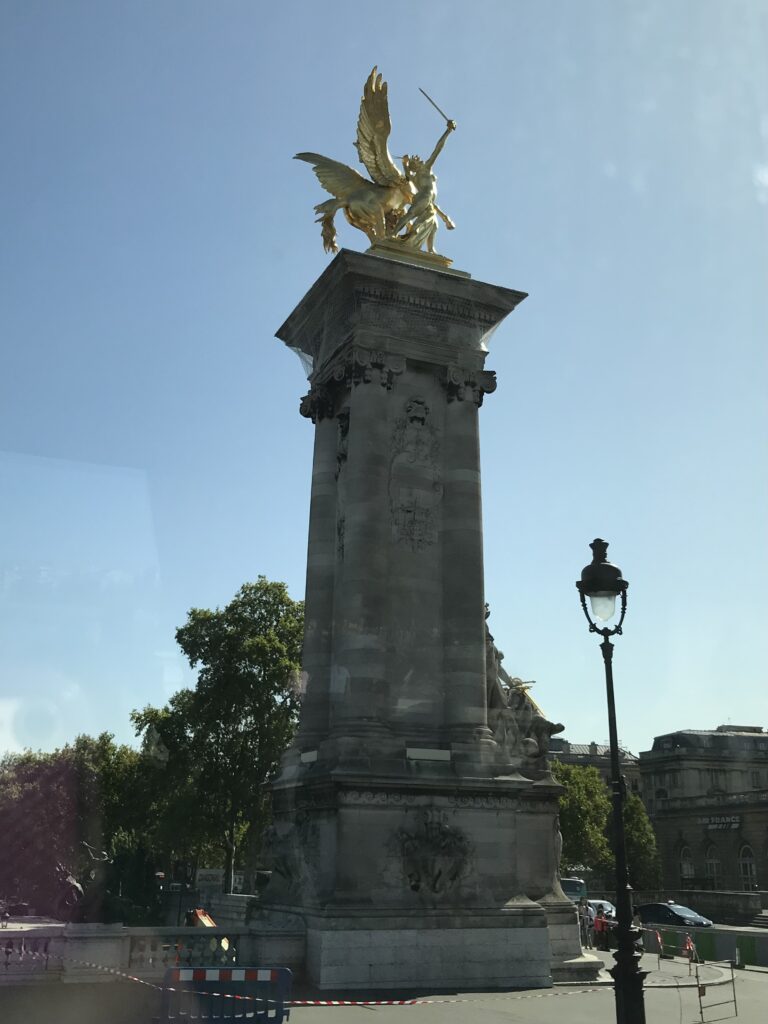
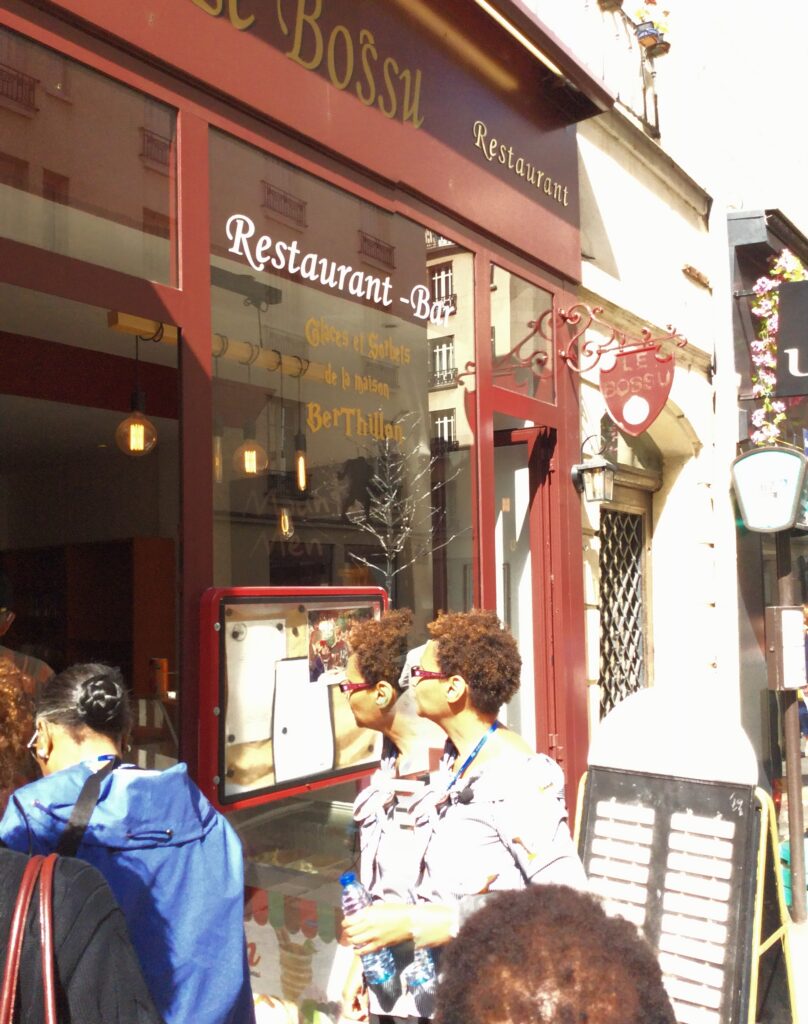
Soon we passed the Holy Trinity Russia Cathedral and came to the Alexander Bridge. the Pont Alexandre III is one of the most emblematic bridges in Paris because of its architecture and location. At its four points are huge 56 ft. tall pylons crowned with gilt bronze sculptures of winged horses representing the illustrious Arts, Sciences, Commerce and Industry. Finally we ended up at Le ossuary for a lovely lunch.
Knights Templar
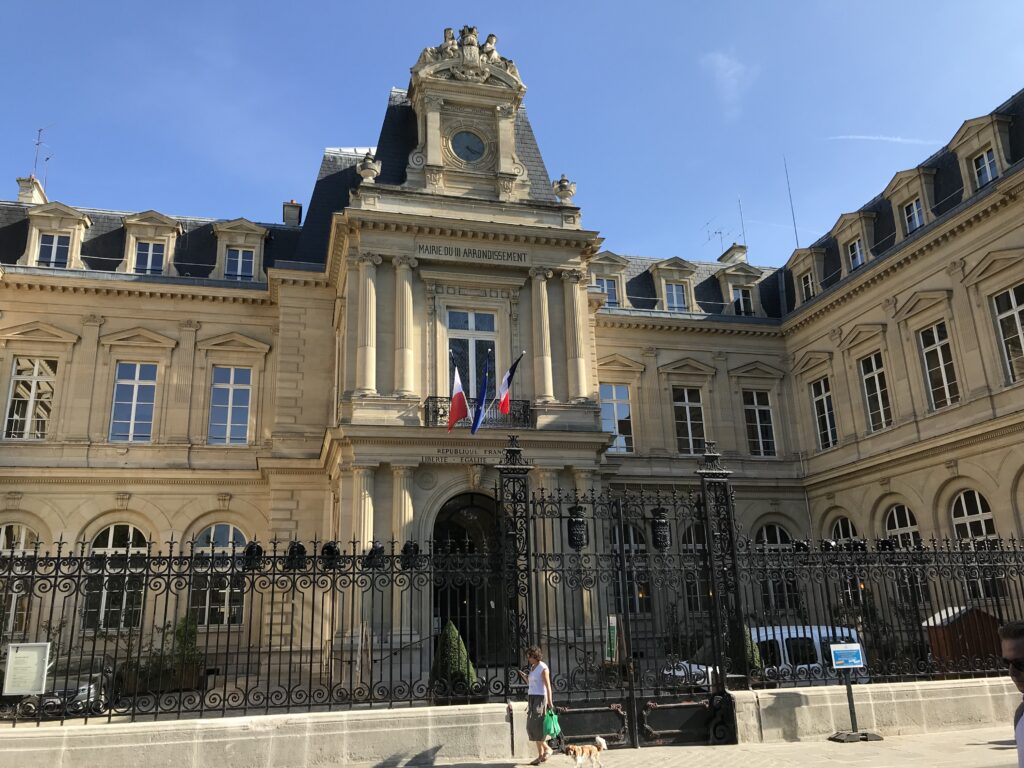
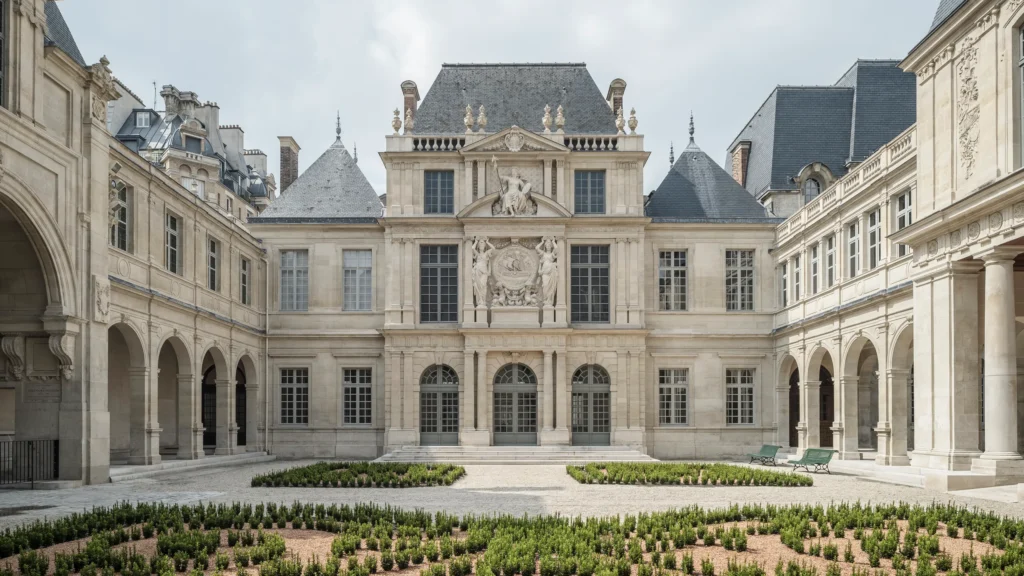
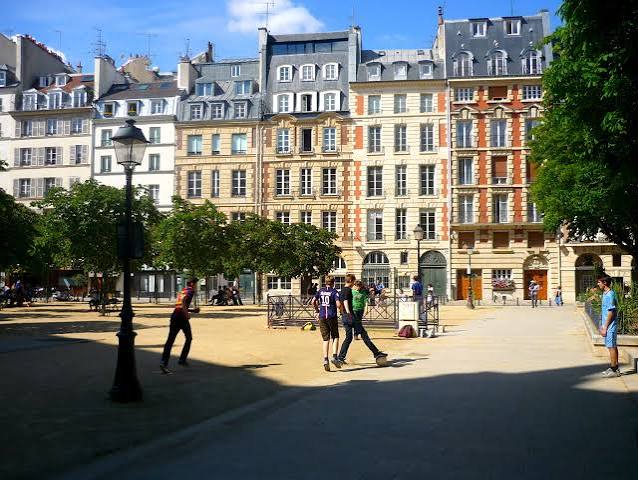
After lunch Dianne and embarked on our own excursion of sites of the Knights Templar. Their European headquarters were in the Marais District of Paris–where we were staying. Temple Square was the site of their fortress and gothic church. It is now a lovely park. Also near Temple Square is a shopping center built on the graves on several Templars. Elie Wiesel also had a flat for a while in a building near Temple Square. Musée Carnavalet has a collection of artifacts including engravings and historical scale models of the original Paris Temple compound. Place Dauphine is where the last Grand Master, Jacques de Molay, and 54 other Templars were burned at the stake in 1314.
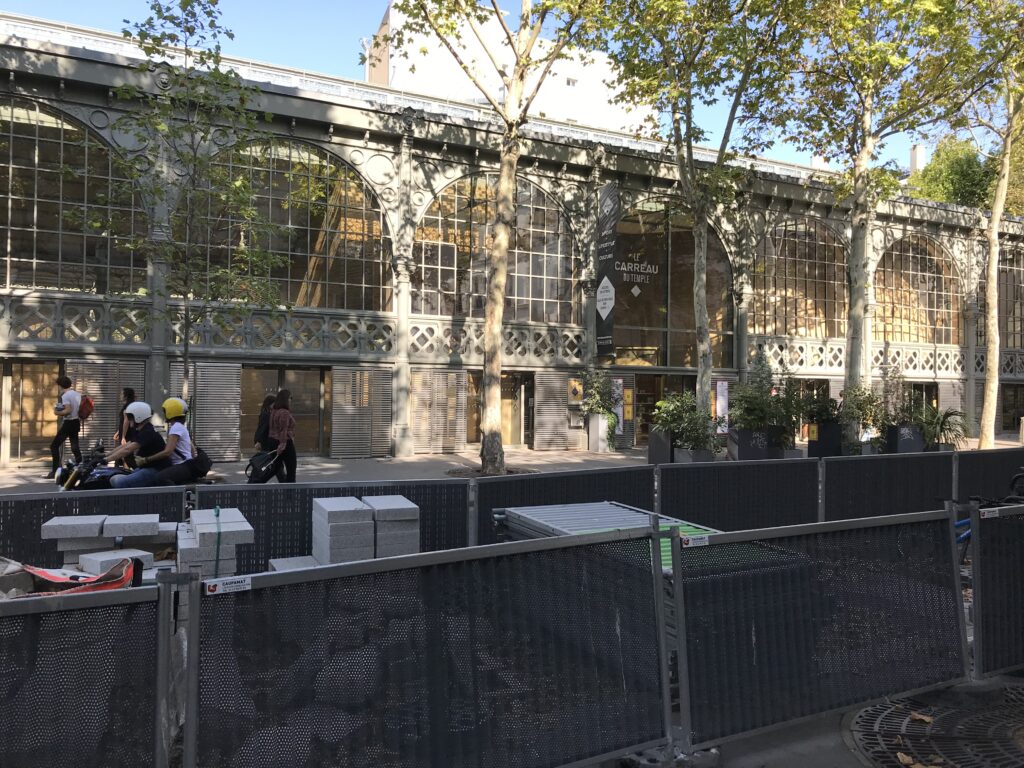
Built on Graves
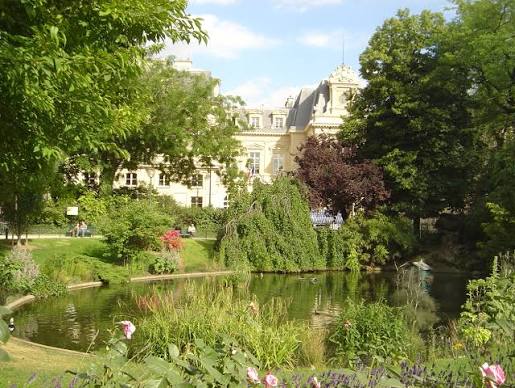
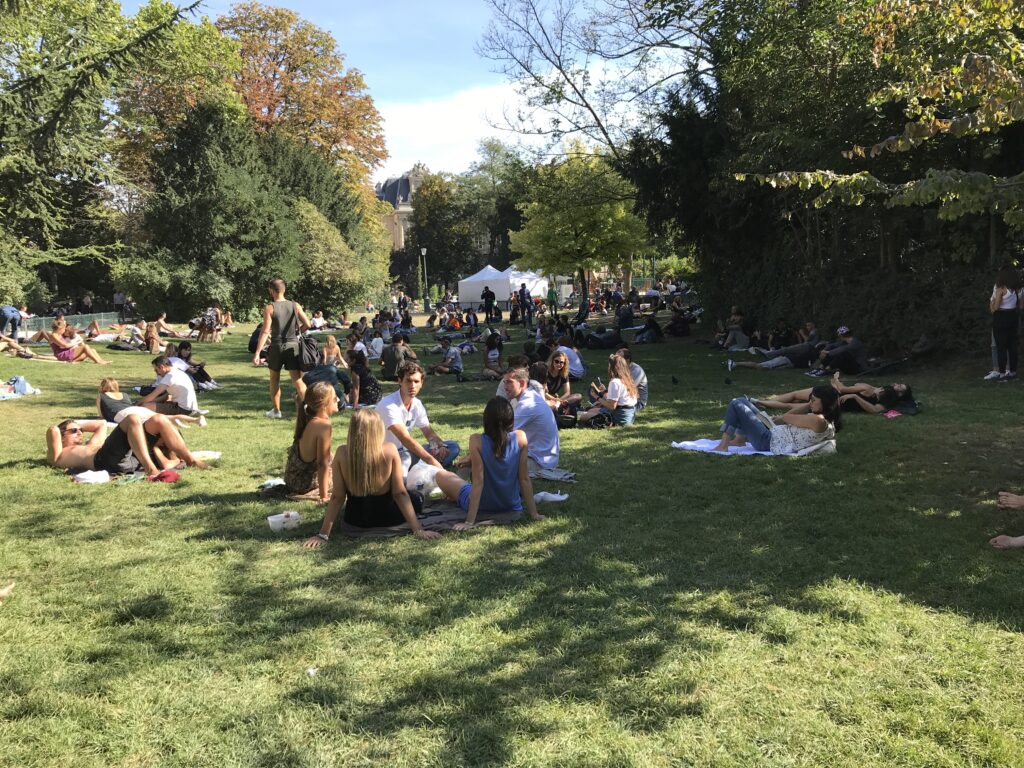
Temple Square
Leave a Reply