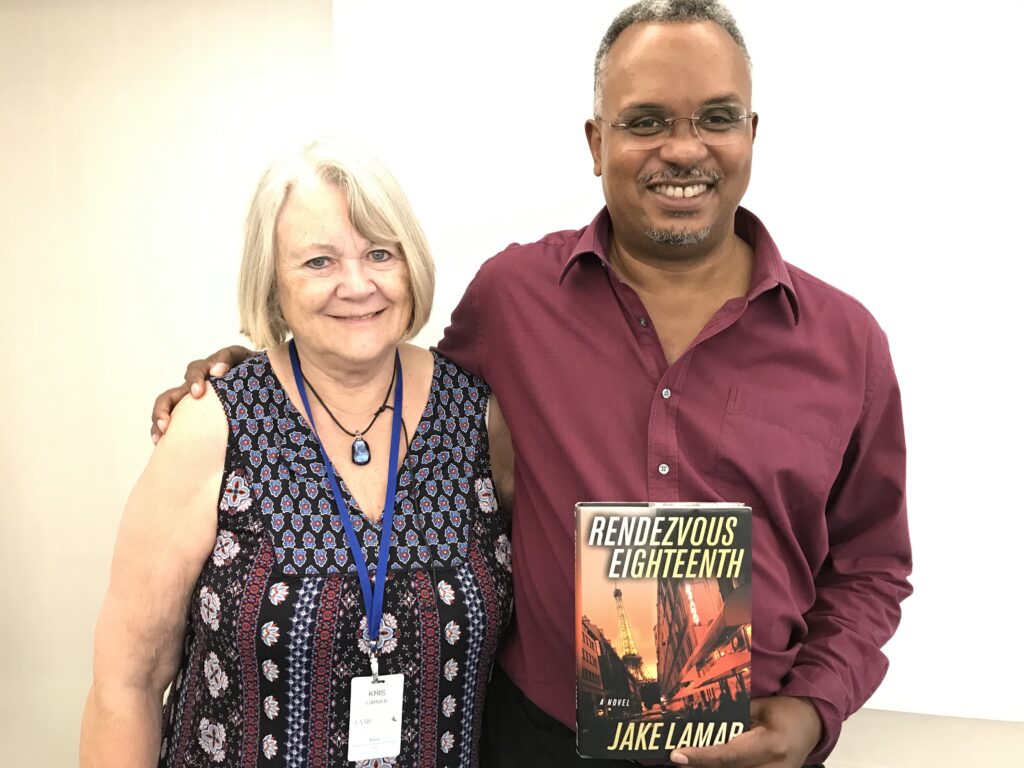
Before we headed to the Left Bank as a group, we had an interesting lecture by Jake Lamar, a Bronx transplant to Paris. He is the author of An African American Writer in Paris Today; as well as 6 novels, a play, a memoir, and many short stories, essays, and articles. His take on life in Paris was very interesting; while African Americans were welcomes, much discrimination has taken placed against blacks from the French Colonies. This was an interesting dynamic to learn.
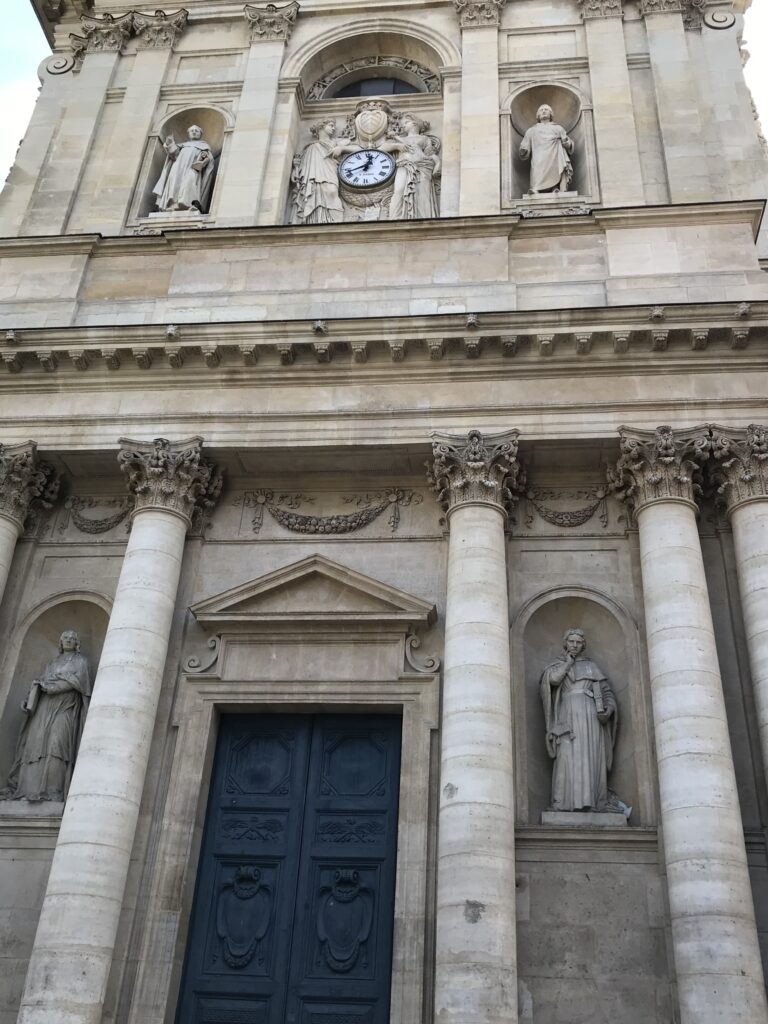
After the lecture, discussion, and lunch, we toured (formally) the Left Bank. We saw so many places on the way to the Sorbonne: Scots College, the Old city Wall, College Henri IV, La Maison de Verlaice where we ate. Hemingway’s House, St. Genevieve Prep School, St. Etienne du Mont, the Pantheon. The Sorbonne covers many blocks as you can imagine. Then we went on to the Plaza Republiqe and back to Temple Square.
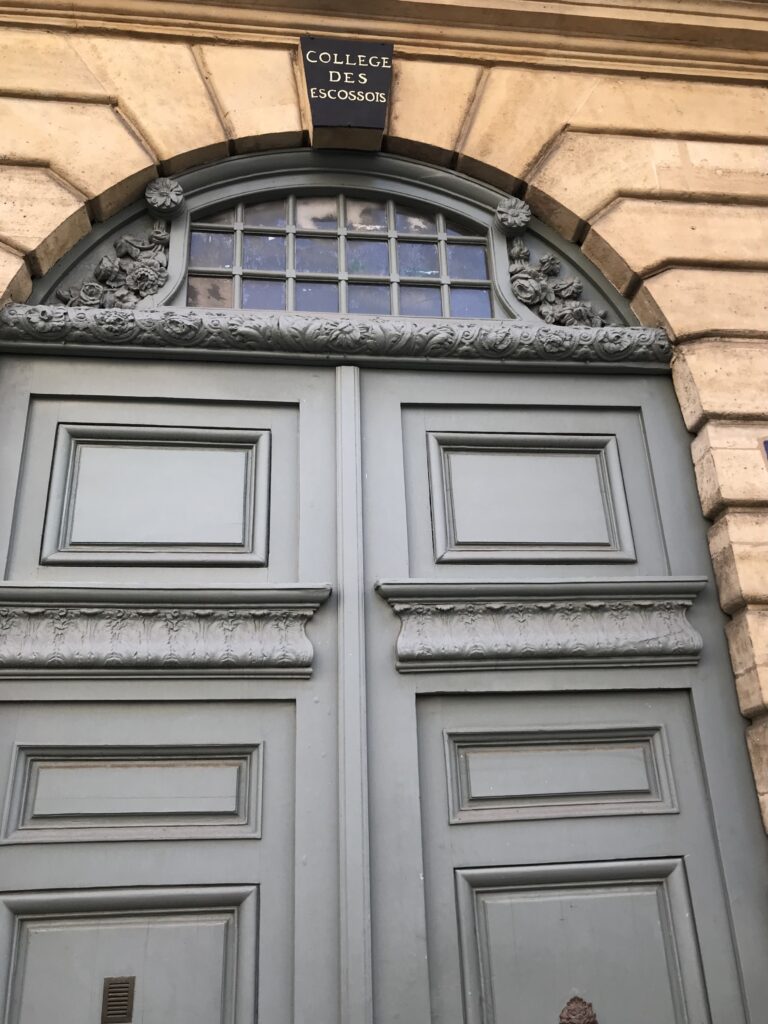
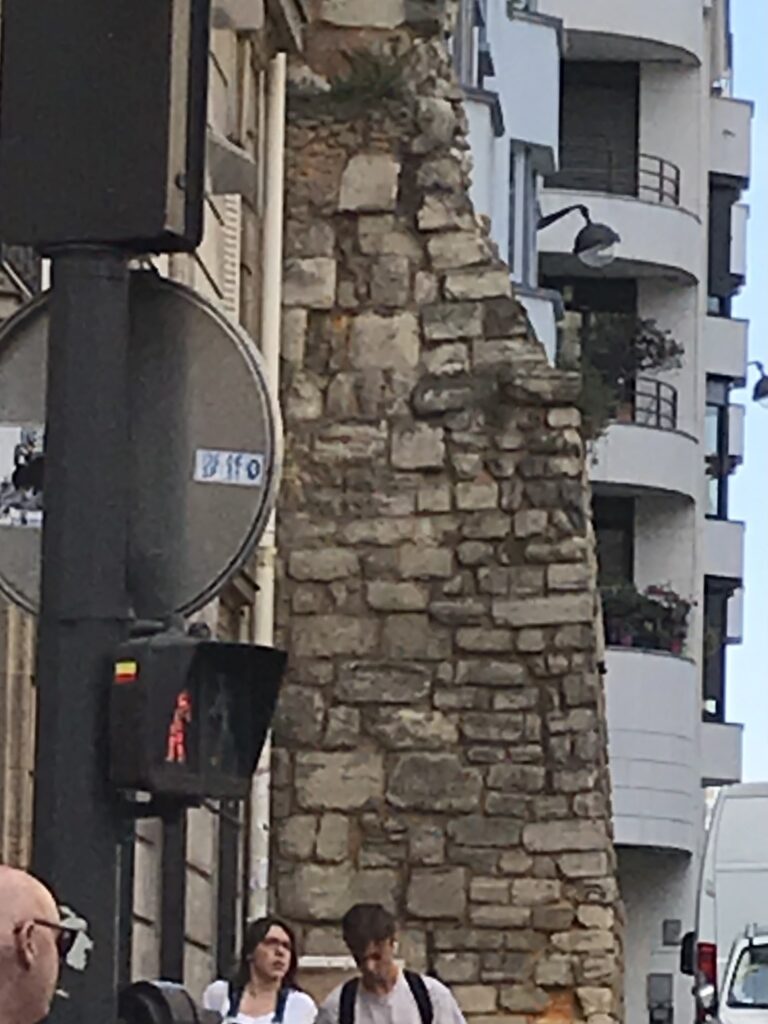
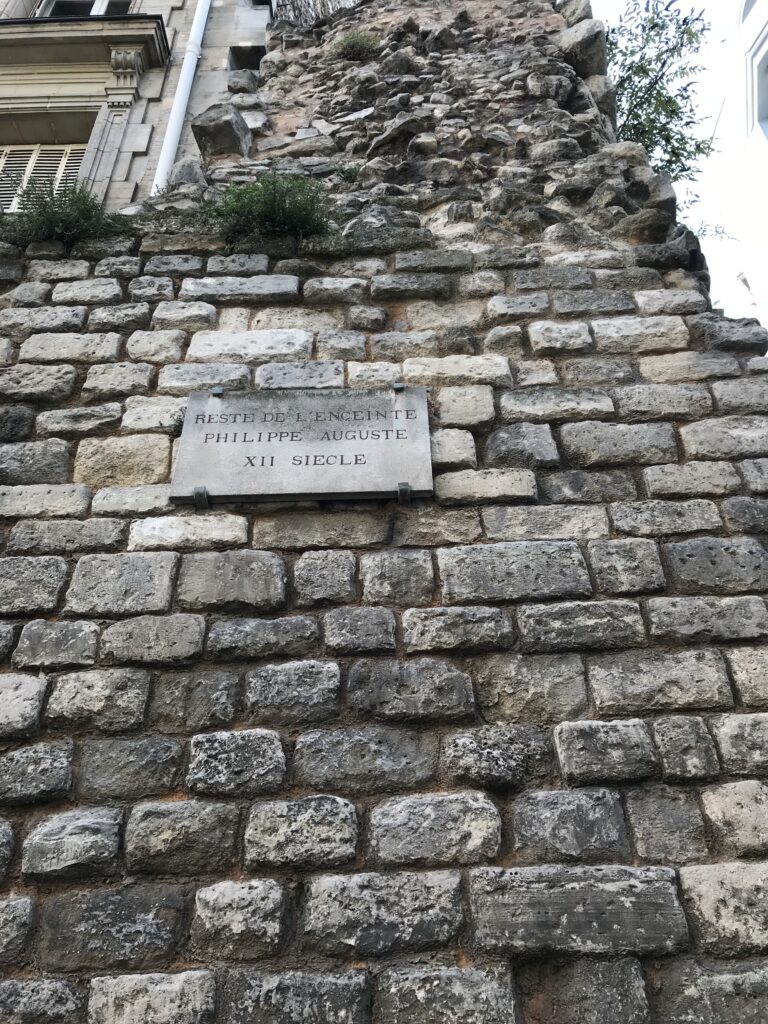
Scotts College was a historic institution of the University of Paris. Established in the early 14th century, it operated until the French Revolution. Today, the historic building is privately owned, but you can see the plaque above the door. Next we passed parts of the Wall of Philip Augustus. The Wall of Philip Augustus is the oldest city wall of Paris known today. Built between 1190 and 1215 by King Philip II to protect the city from English invasions during the Third Crusade, it initially spanned over 5 kilometers, standing 9 meters tall and 3 meters thick.
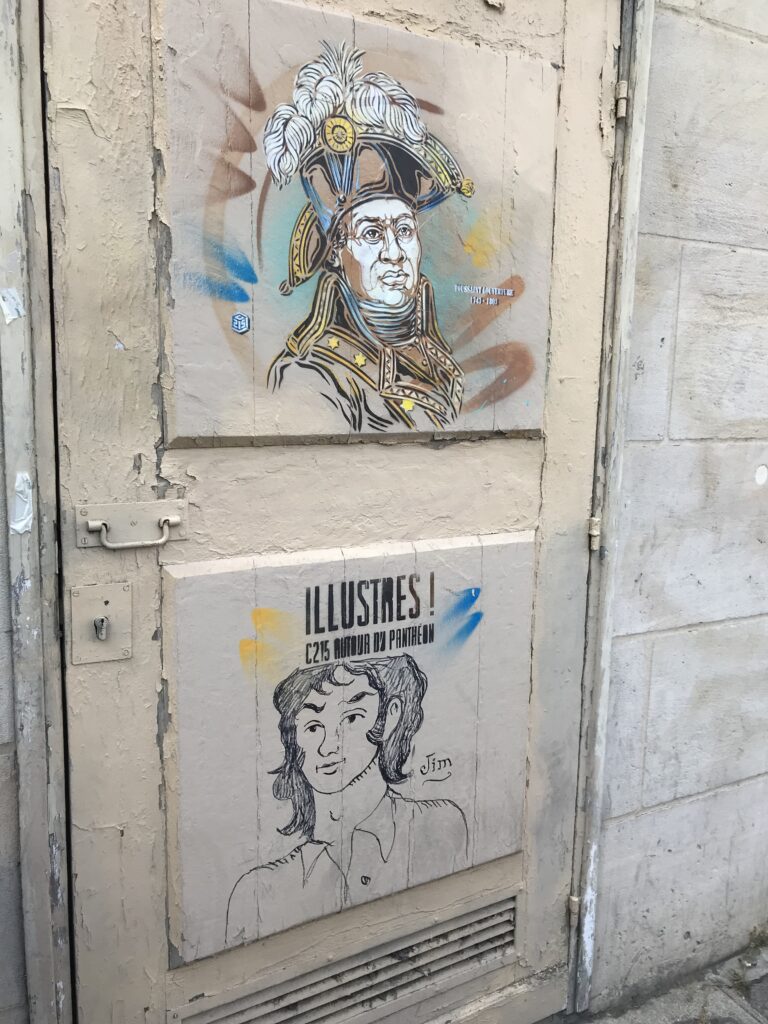
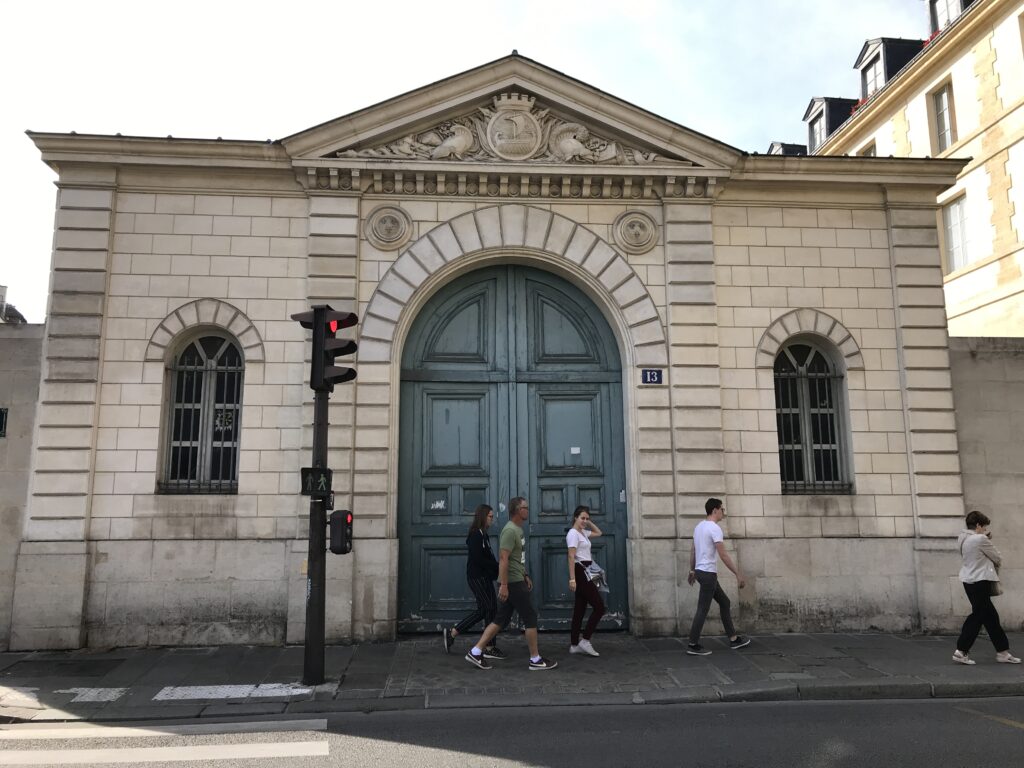
The picture on the door is a portrait of Toussaint Louverture, the famous leader of the Haitian Revolution. It is on a door of the College of Henry IV in the Latin Quarter. The building that was once part of the College of Henry IV is now a prep school.,adjacent to the Saint-Étienne-du-Mont Church
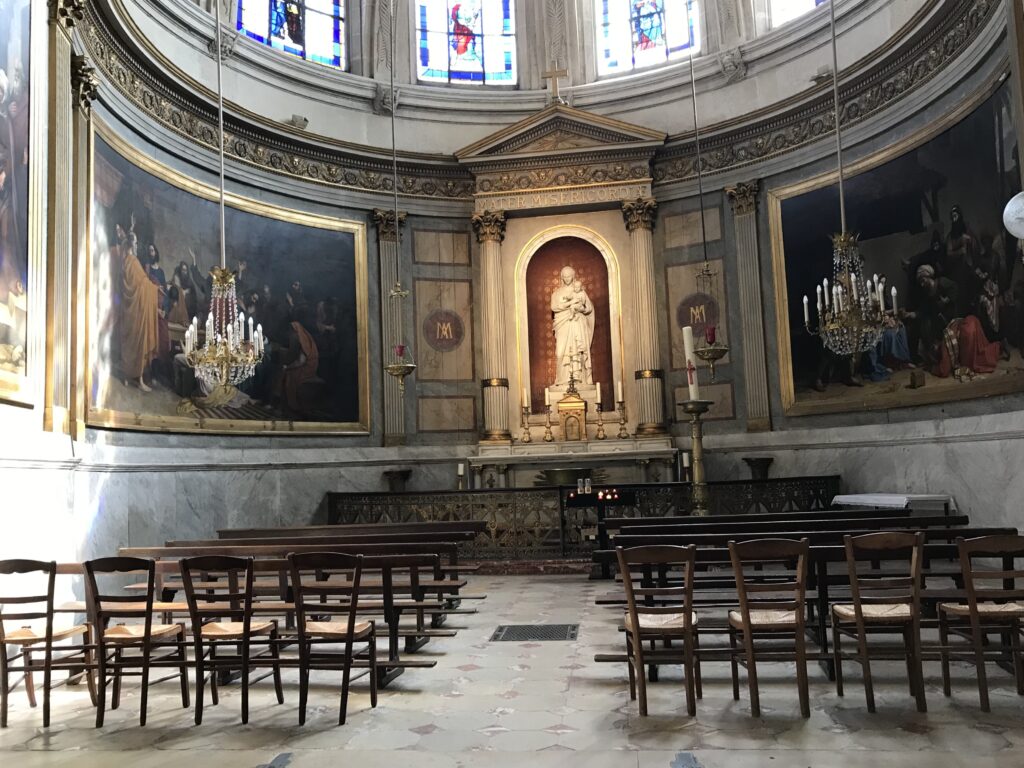
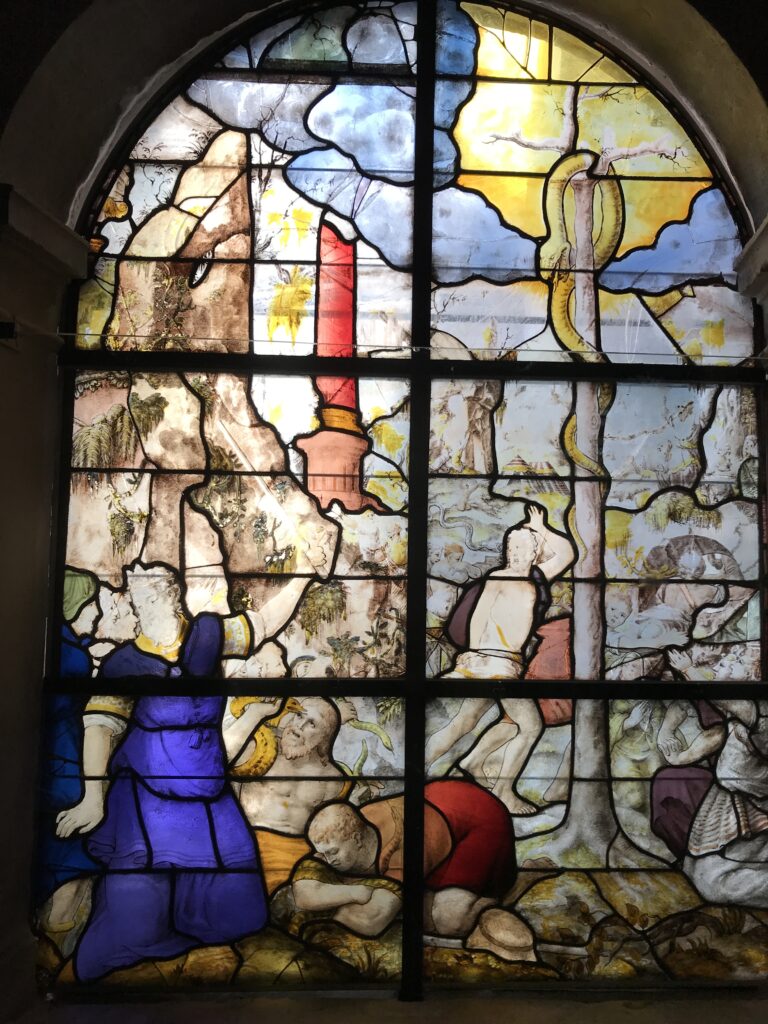
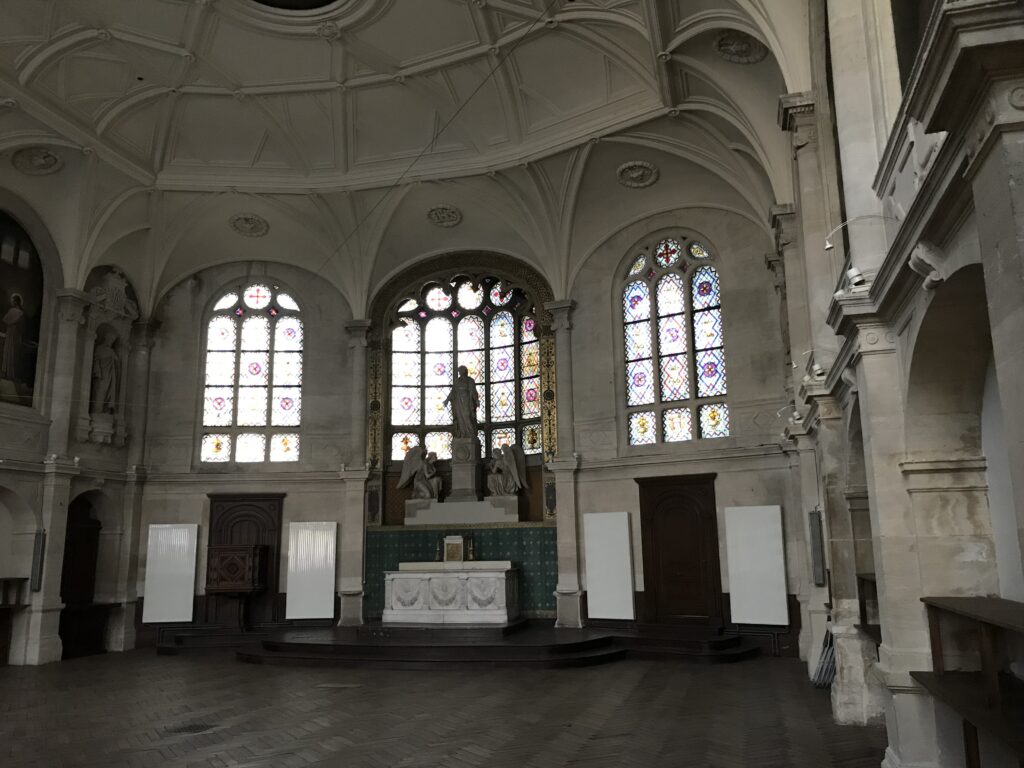
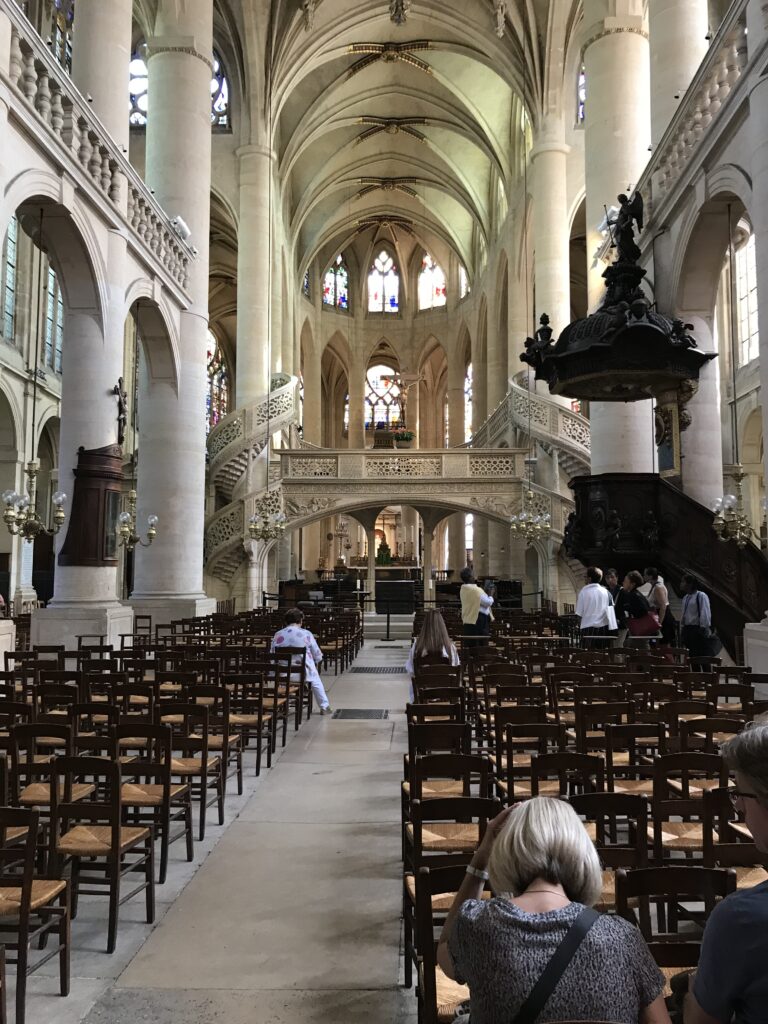
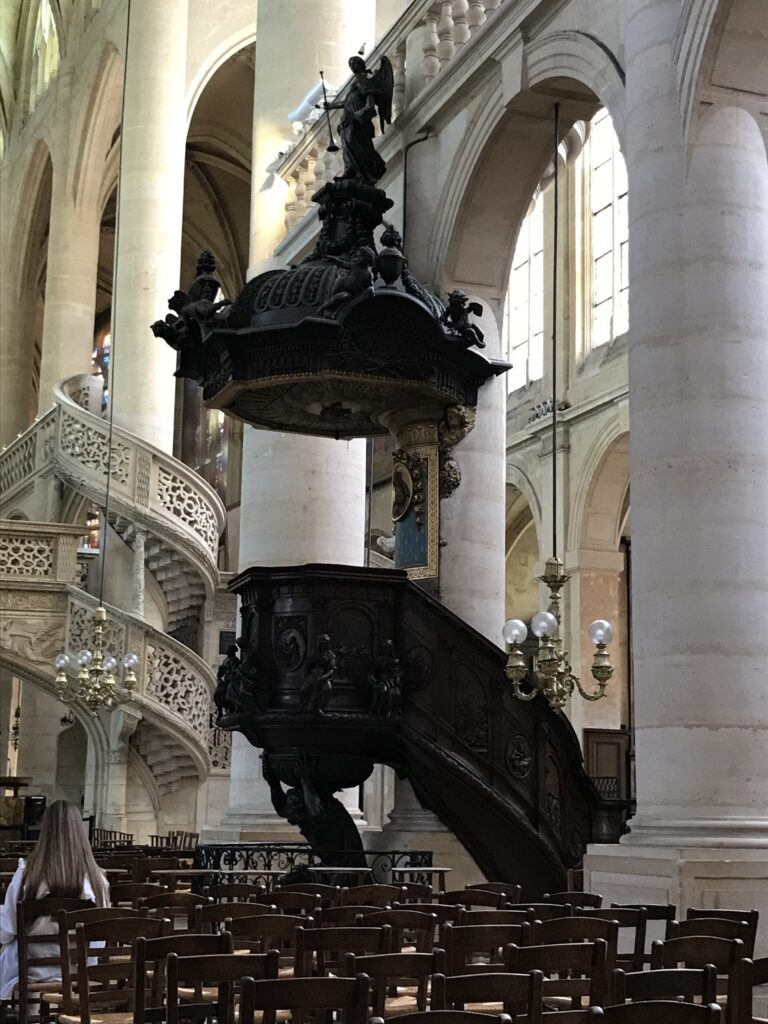
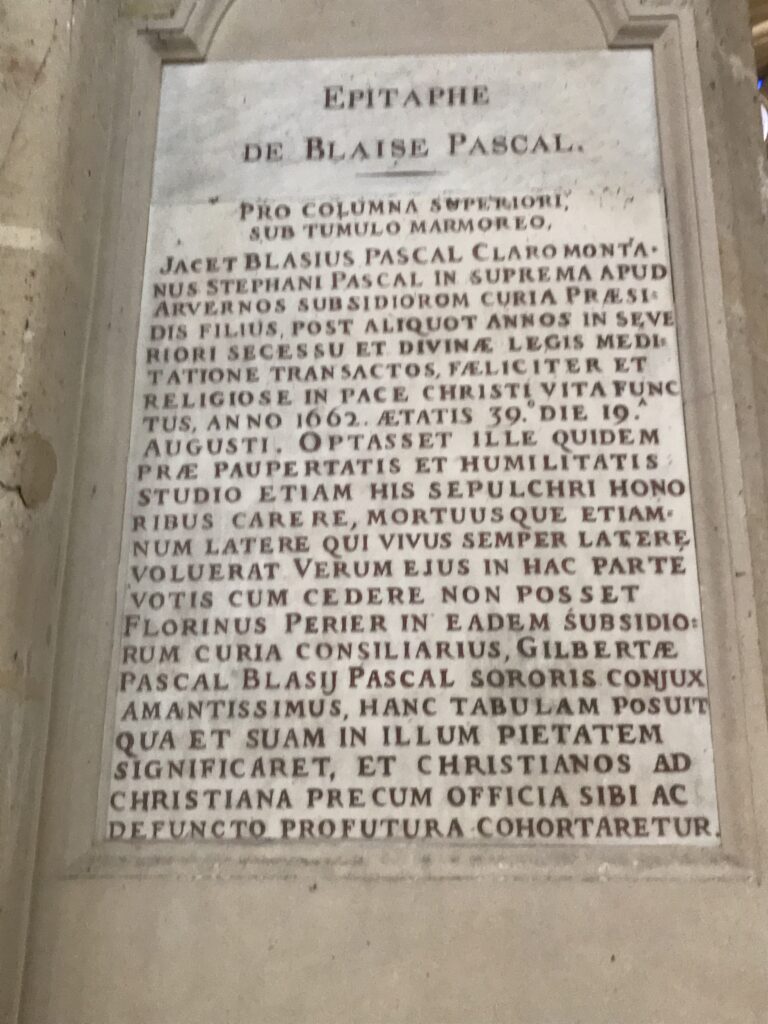
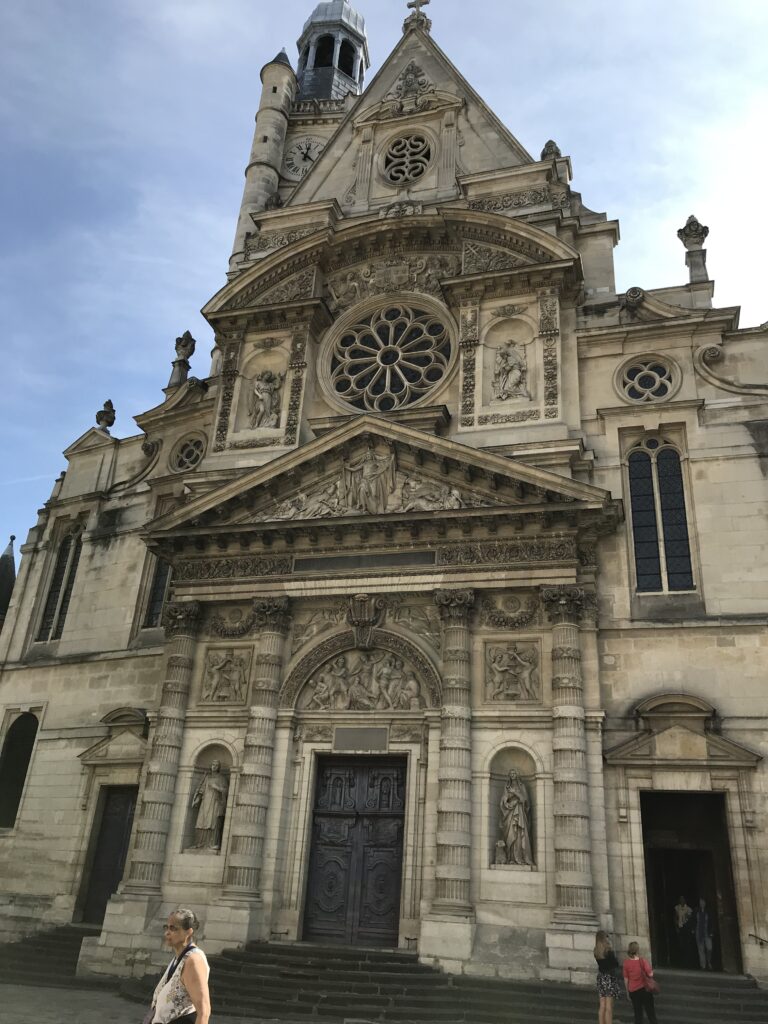
Saint Etienne du Mont was built between 1492 and 1626. It houses the only surviving stone rood screen in Paris, a carved 1540s limestone structure. The pulpit from 1651 features a sculpture of Samson holding a jawbone. It has striking windows that date from the 16th century., It is the burial place of Blaise Pascal.
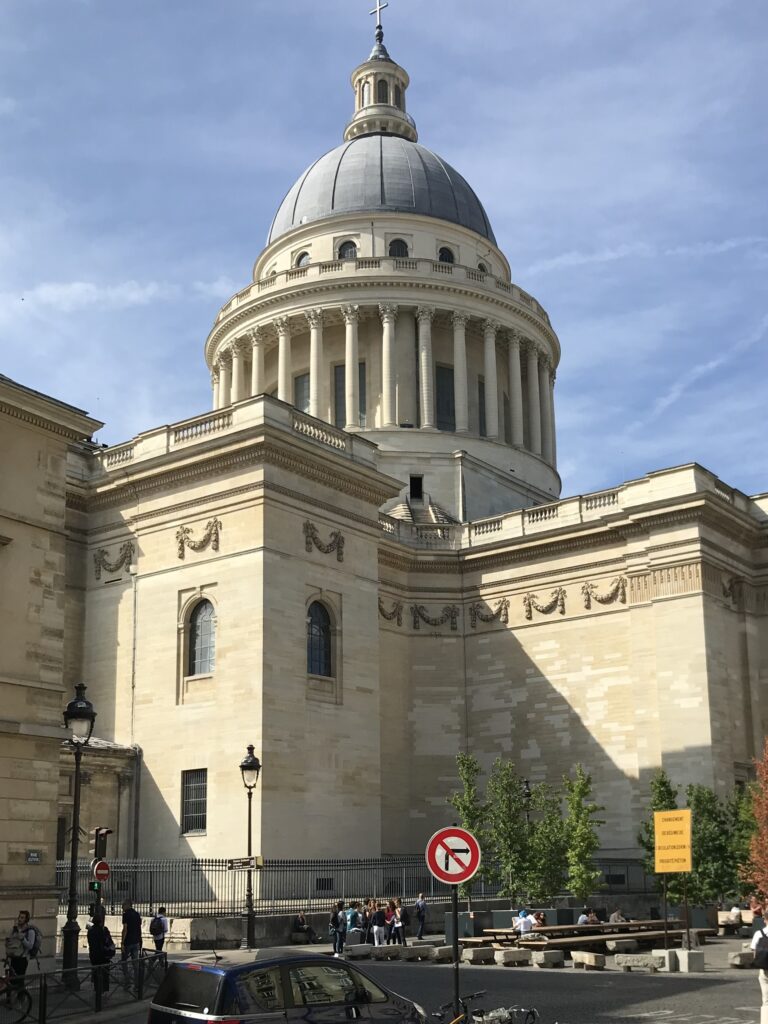
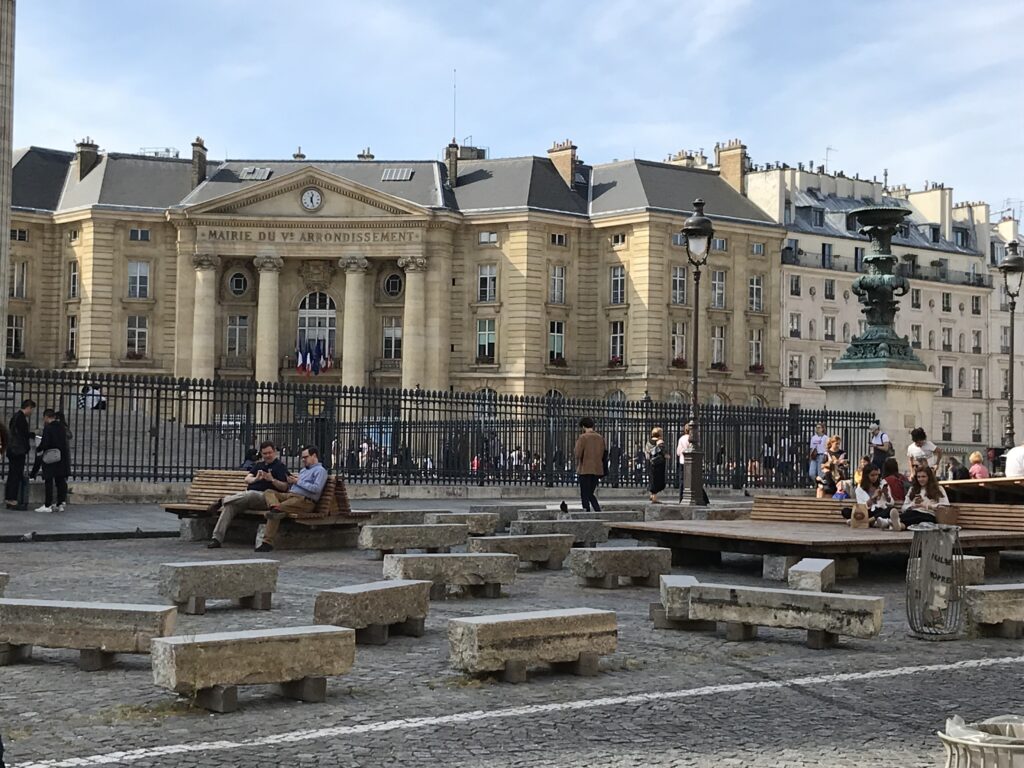
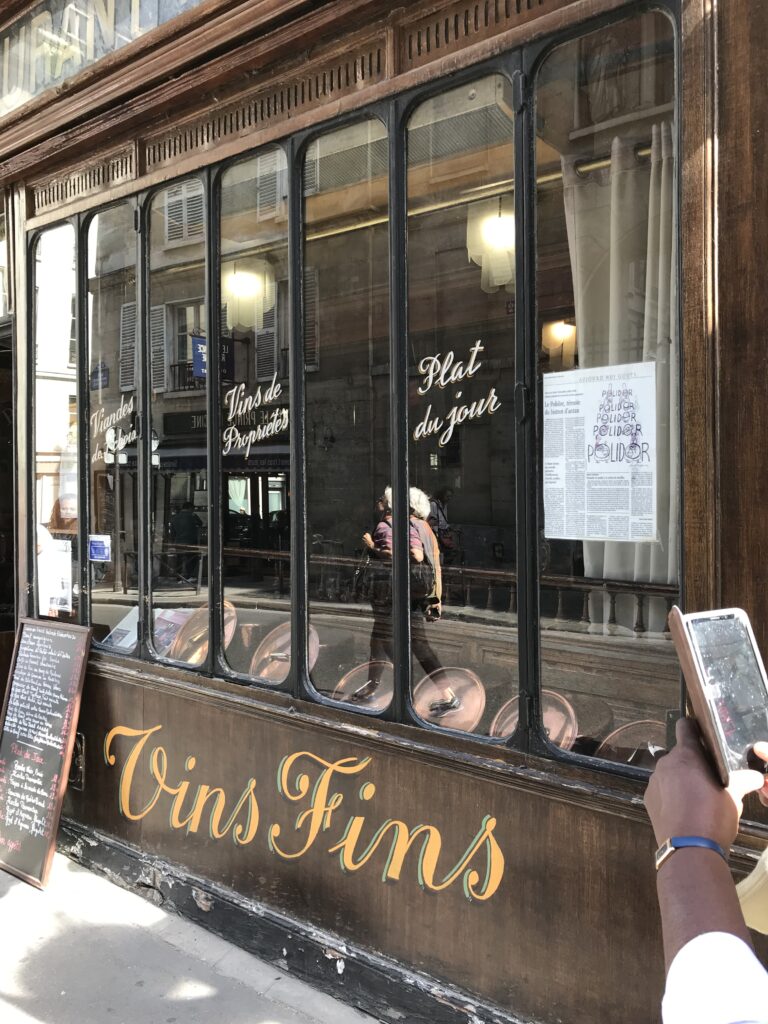
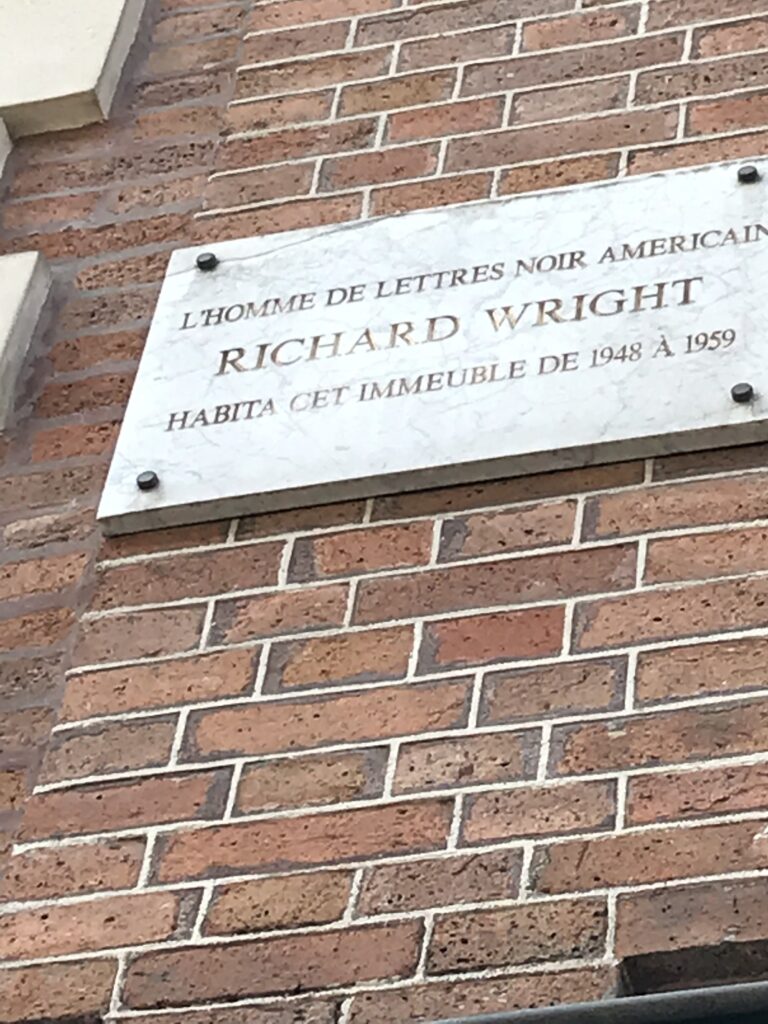
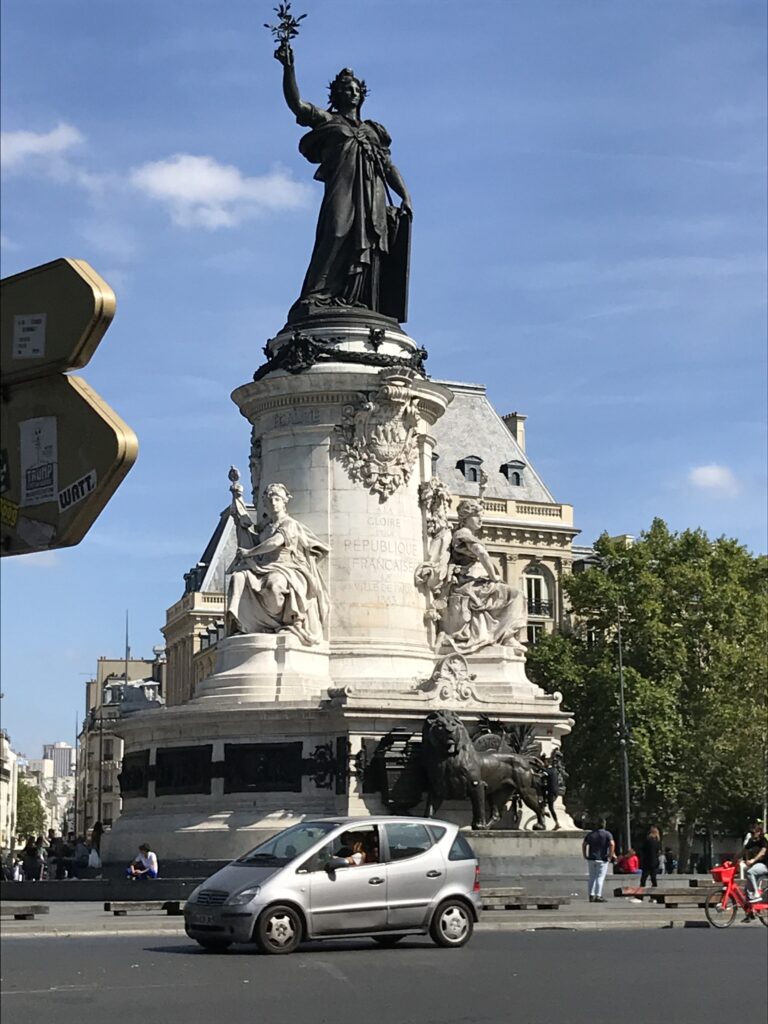
Adjecent the St Etienne du Mont is the Paris Pantheon. . Originally built between 1758 and 1790 as a grand church dedicated to Saint Genevieve, it was secularized during the French Revolution. Today, it serves as a civic temple and the national mausoleum housing the remains of France’s most illustrious citizens. The historic Crémerie-Restaurant Polidor in Paris, established in 1845 was a popular hangout of Hemingway. The plaque on a nearby building marks where Richard Wright lived as a permanent expatriate from 1948 until his death in 1960. Then on to Place Republica where the Monument à la République is located, representing Marianne, the national symbol of France.
It was a full and exciting tour.
Leave a Reply