After our breakfast, we watched a screening of the 2016 documentary Paris Noir: African Americans in the City of Light. The film explores the relationship between Paris and African American expatriates in the decades following World War I. The film makers were there to answer our questions after watching. It was very informative.
Then we explored Montmartre to learn about the influence of the Harlem Renaissance and jazz in Paris. The soldiers of the 369th Infantry Regiment are credited with bringing jazz to Paris and had a huge impact on French Culture. We saw Place Pigalle then walked to the Moulin Rouge and St. Germaine. We saw several jazz clubs and plaques on buildings where famous people had lived.
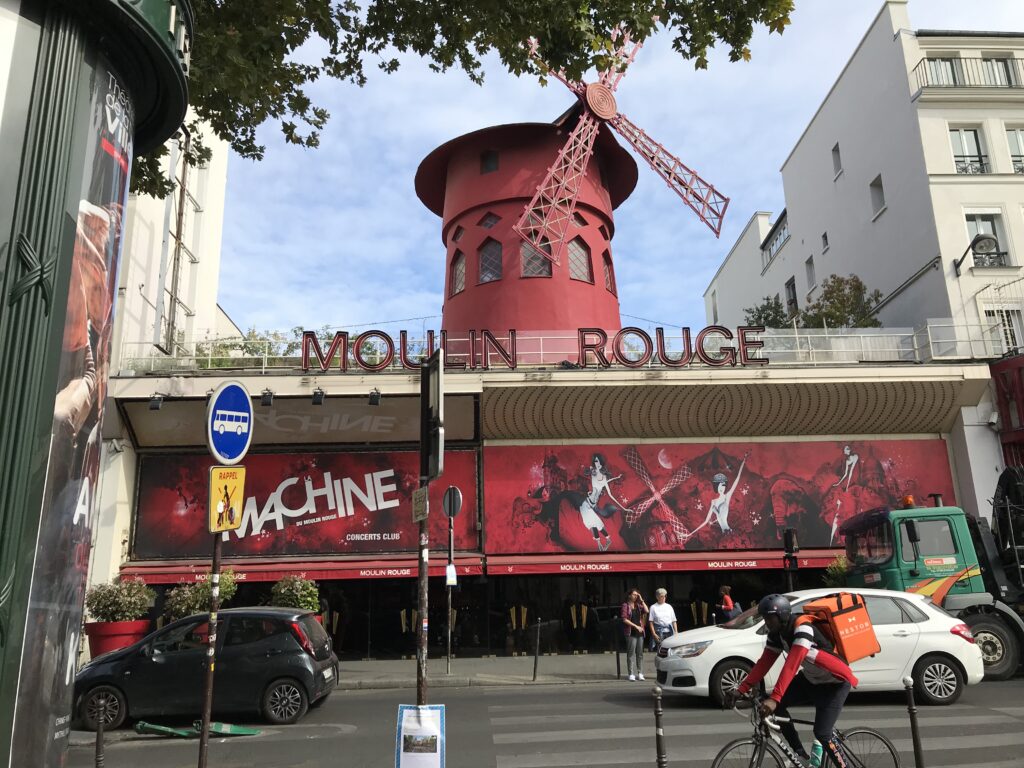
We started with Place Pigalle and the famous Moulin Rouge Club. Named after the 18th-century sculptor Jean-Baptiste Pigalle, the square and its surrounding district (Quartier Pigalle) are historically known for their lively nightlife and cabarets. It is a vital historic hub of African American culture. In the 1920s and 30s, this area of Montmartre became the epicenter of the Parisian Jazz Age. Fleeing segregation in the US, Black musicians, dancers, and writers flocked to Pigalle, making it an influential offshoot of the Harlem Renaissance.
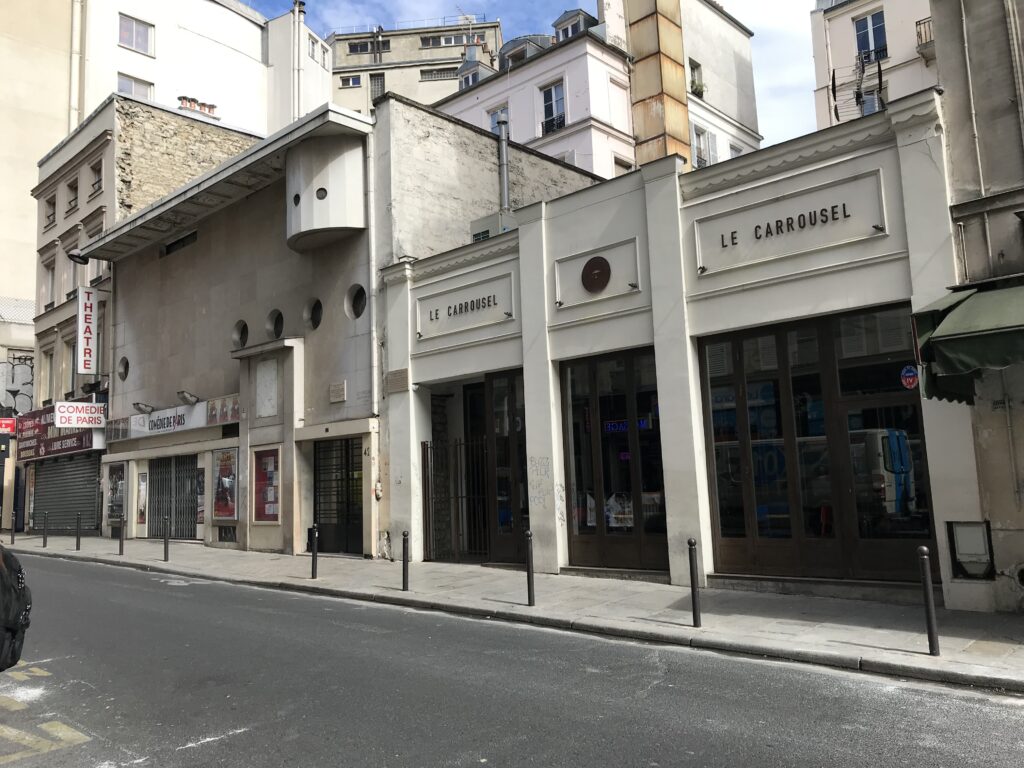
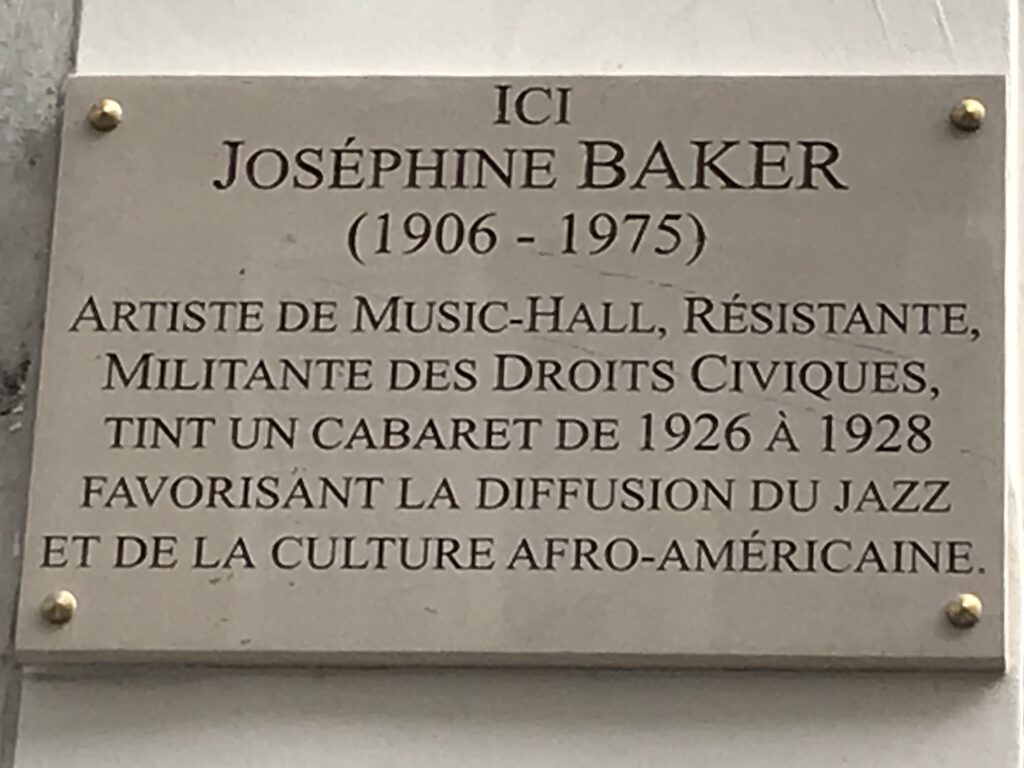
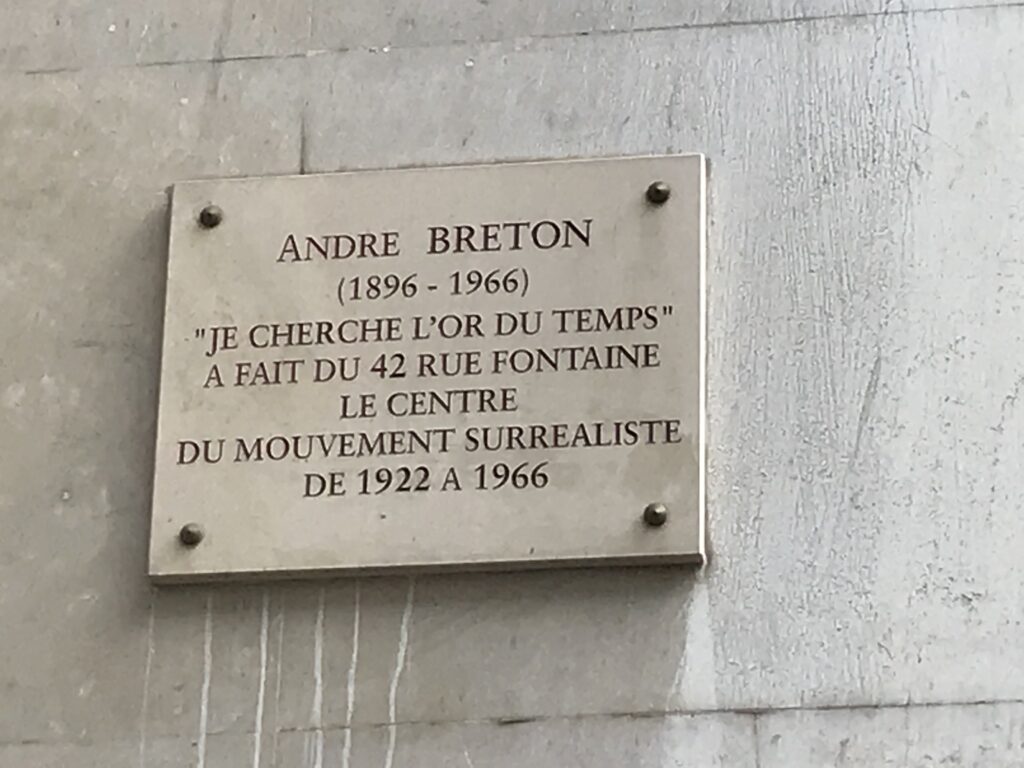
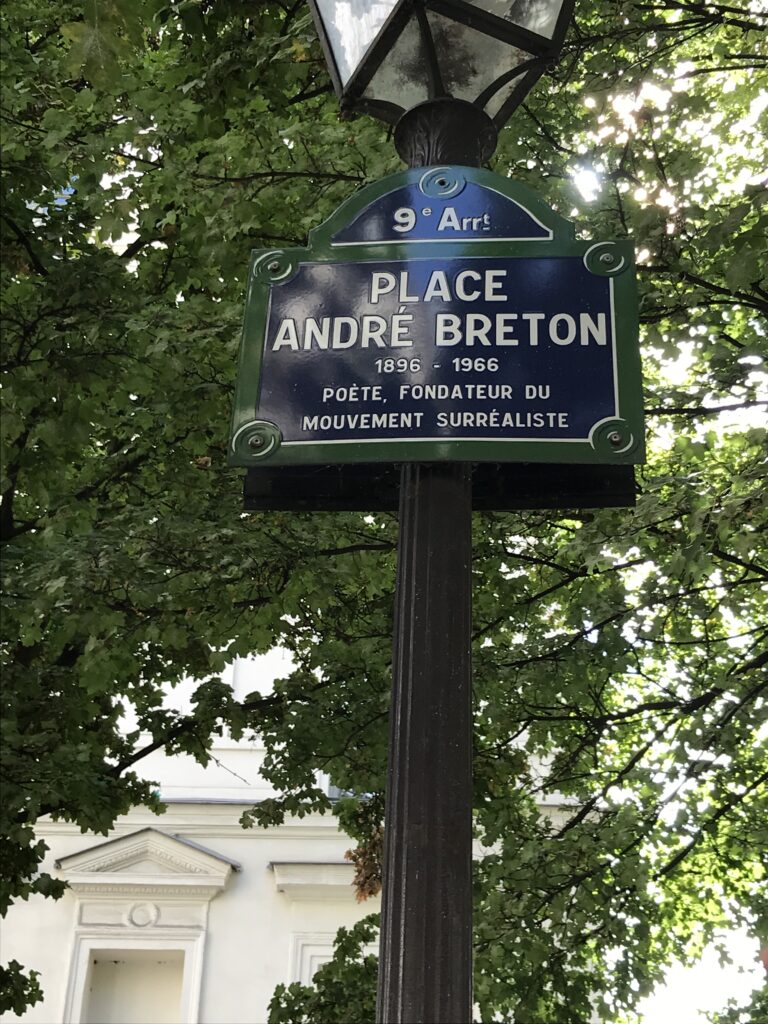
Founded by Josephine Baker in 1926, Les Carrosel promoted a fusion of jazz and Afro-American culture in Paris, creating a haven for Black musicians, writers, and artists to thrive without the intense racial discrimination they faced in the US. Andre Breton was a French poet, essayist, critic, and editor, chief promoter and one of the founders of the Suurrealist movement. Though which, he championed freedom for blacks. He famously said that “surrealism and people of color shared a common cause in dismantling rationalist hegemony.”
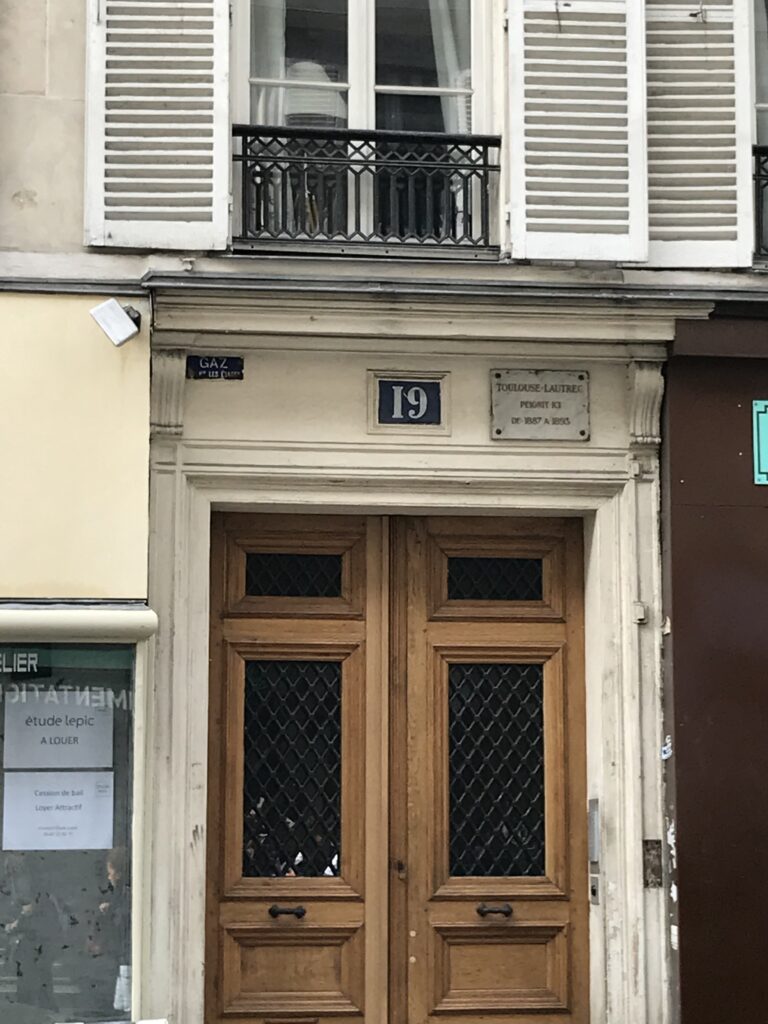
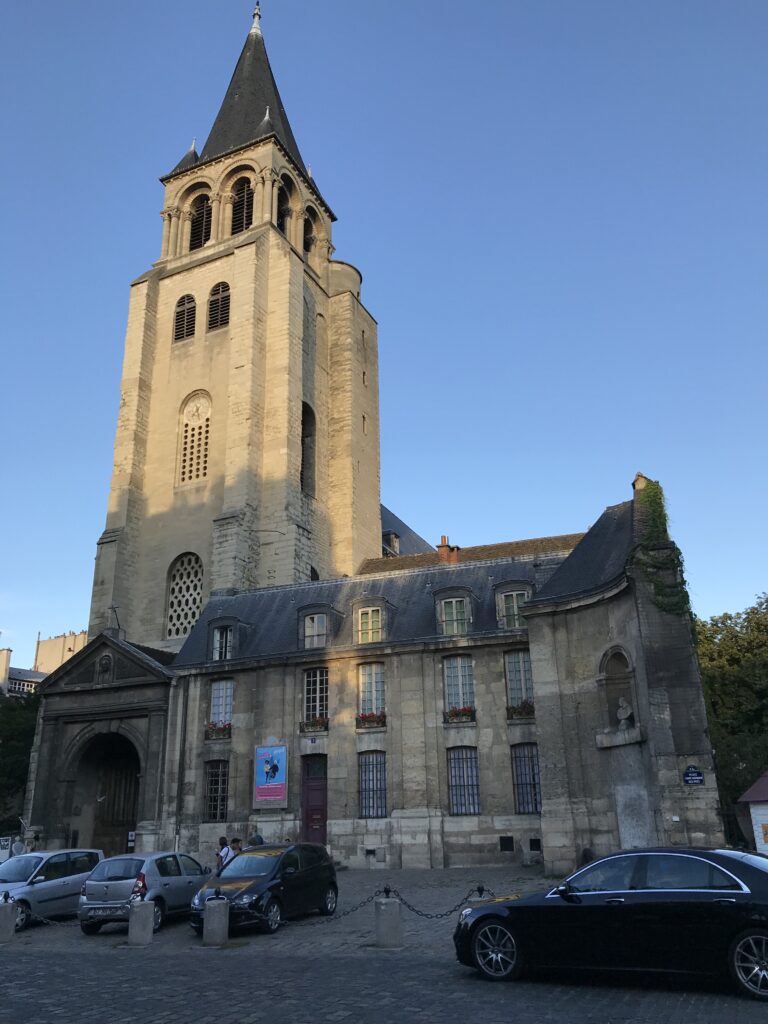
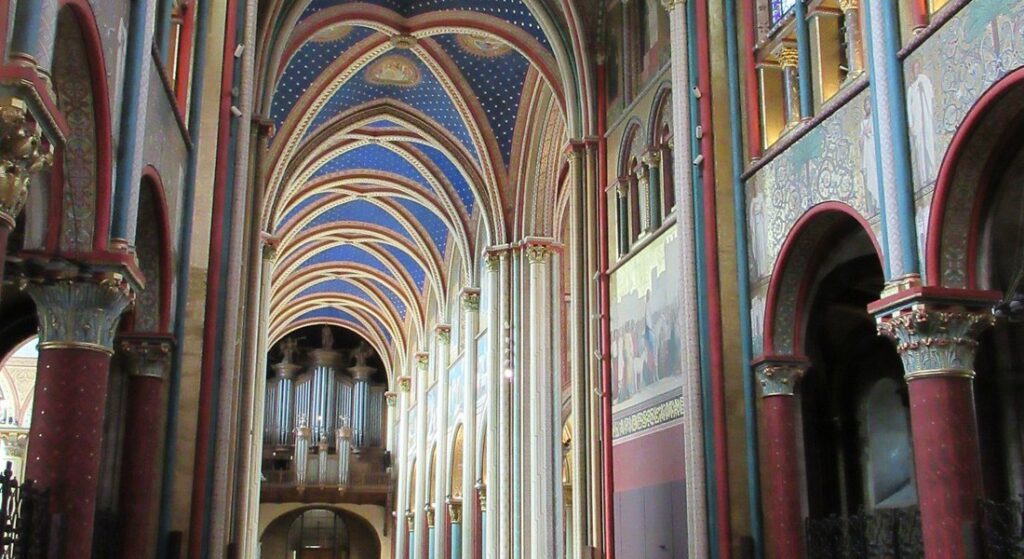
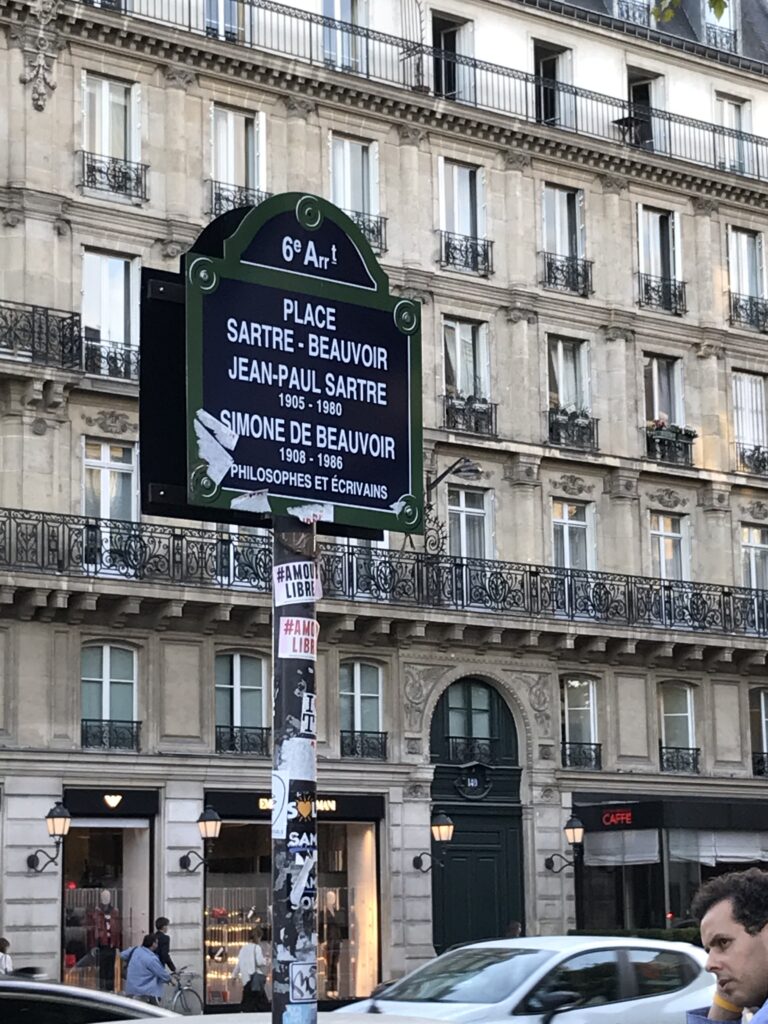
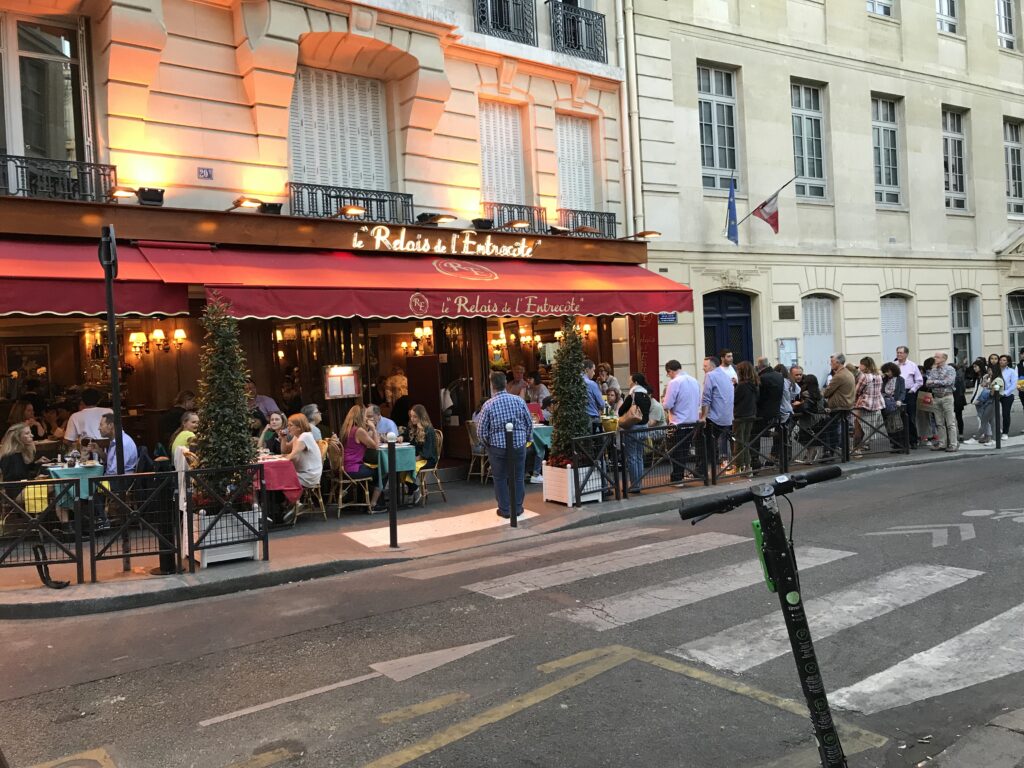
Toulouse-Lautrec was another ally of blacks. frequently depicted Black subjects in 19th-century Paris. His interest in Black Parisians grew from his devotion to the marginalized figures of Montmartre’s bohemian nightlife. Église Saint-Germain-des-Prés is located in the heart of the district of the same name. This abbey dates back to the 6th century, making it the oldest church in Paris. Le Deux Magots was a popular meeting place for black writers.
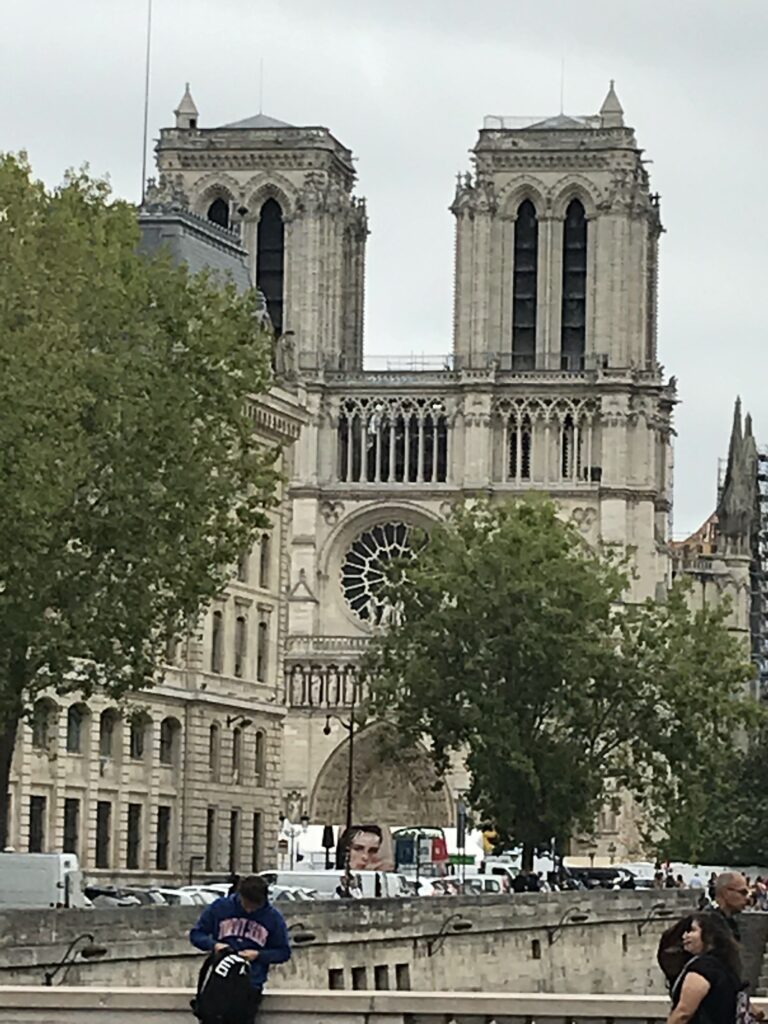
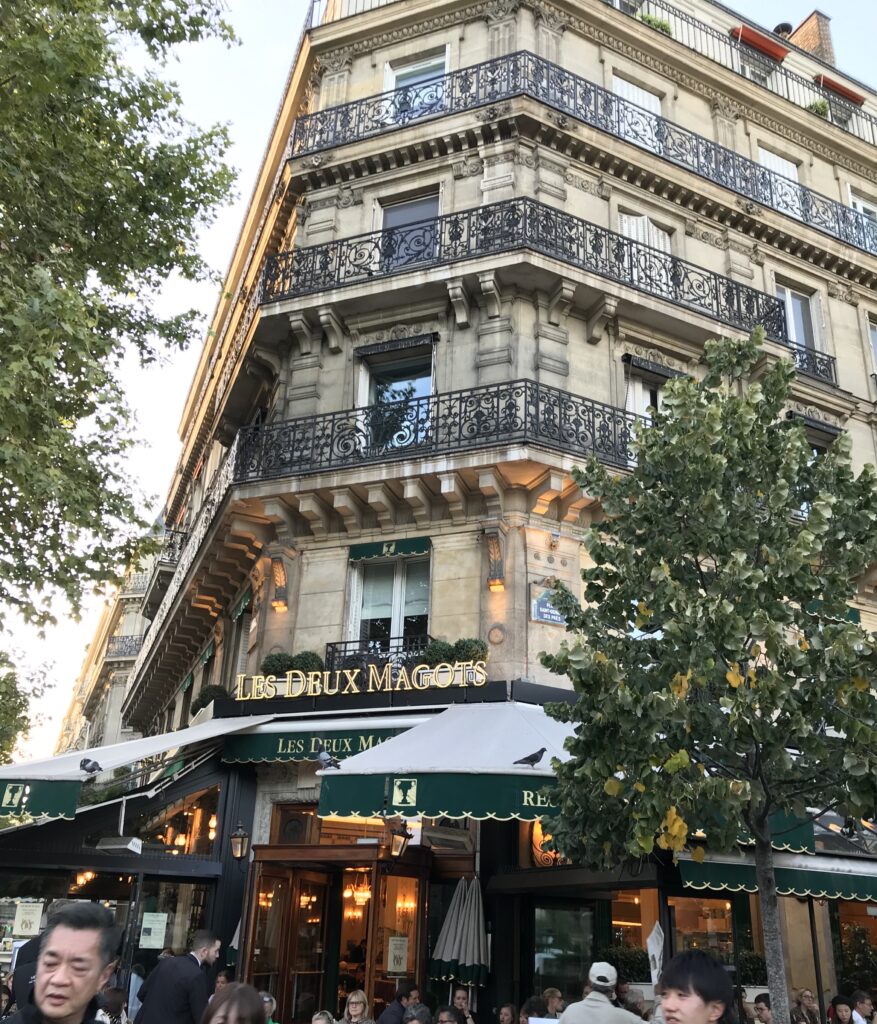
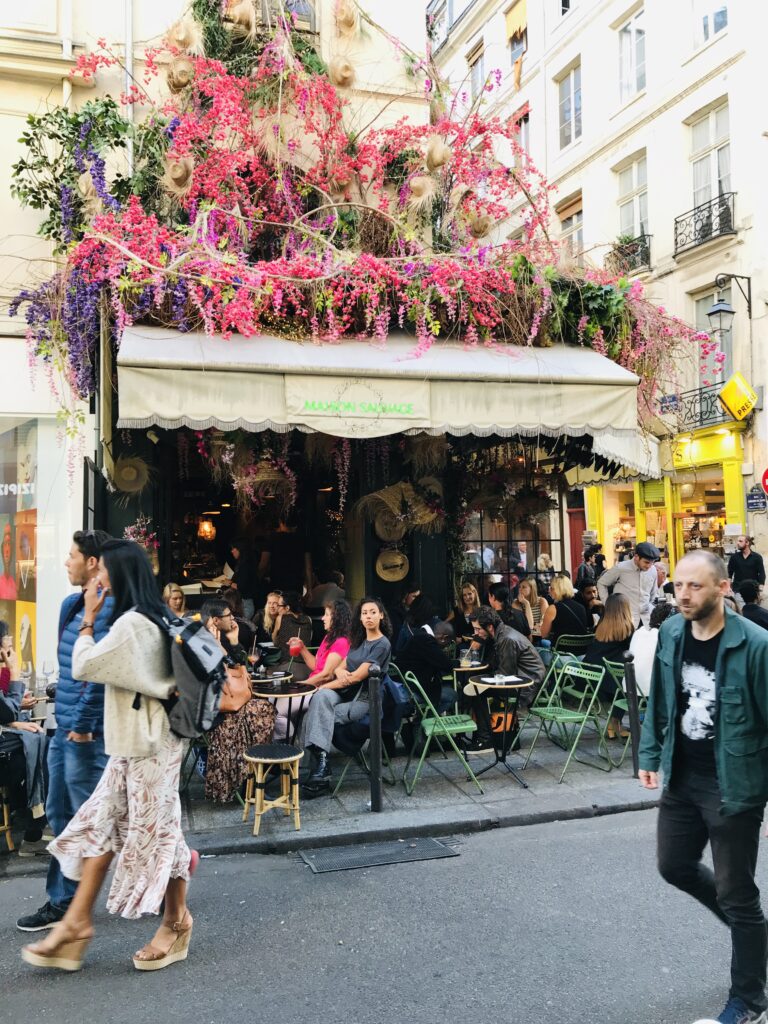
Maison Sauvage Café
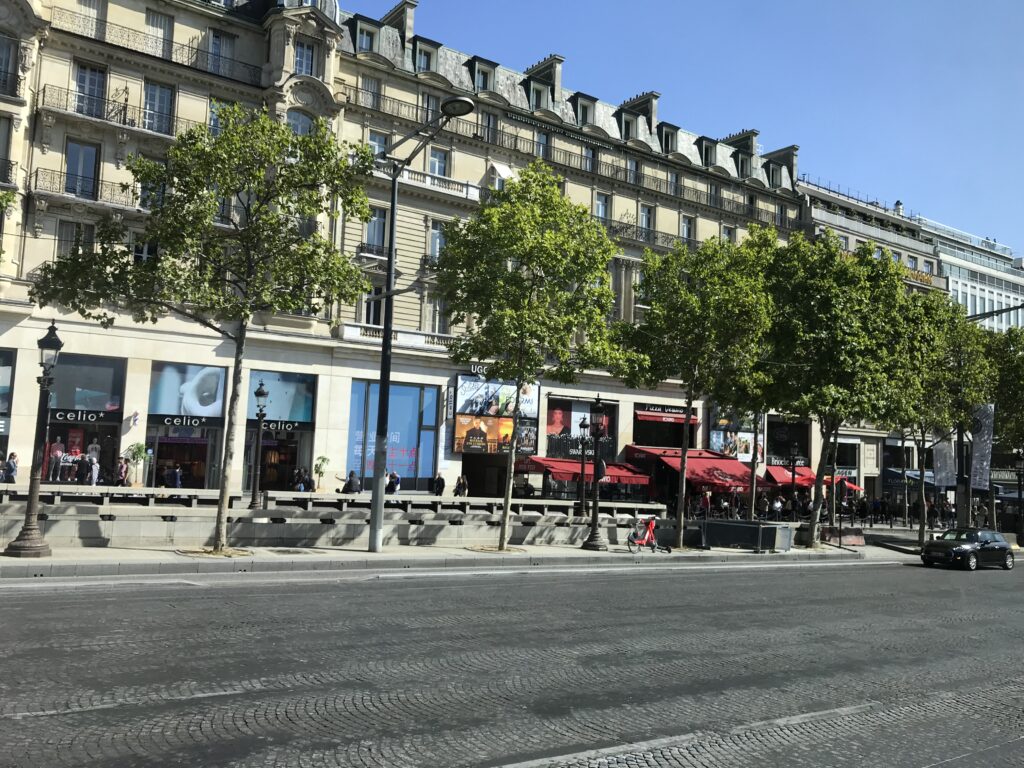
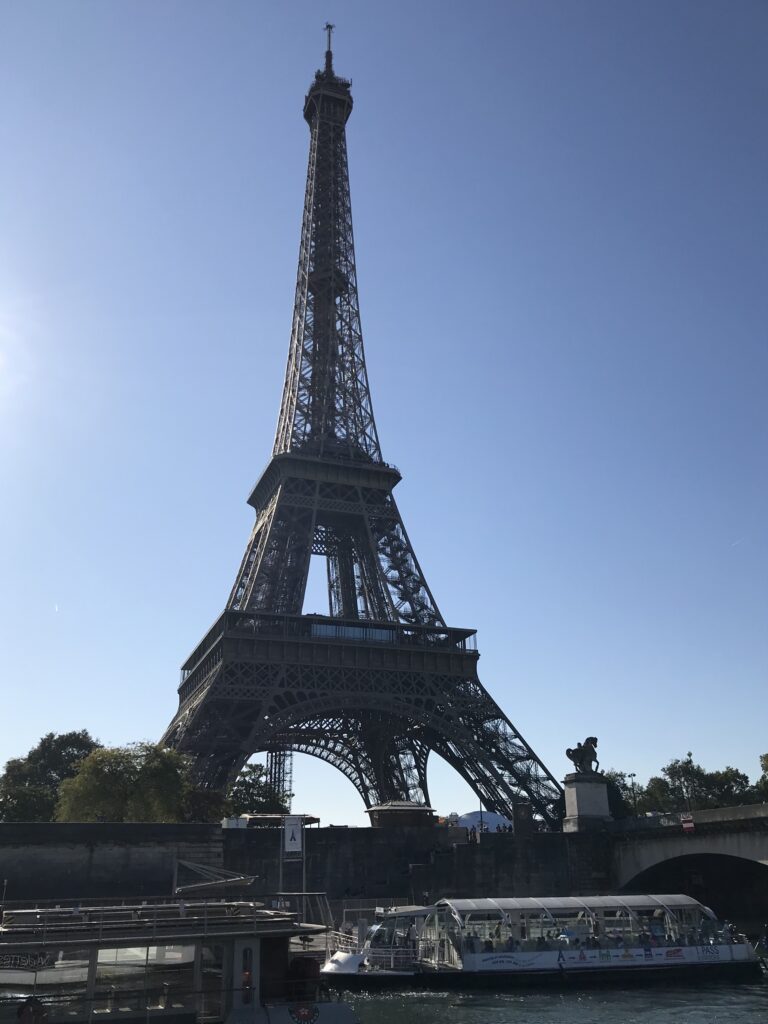
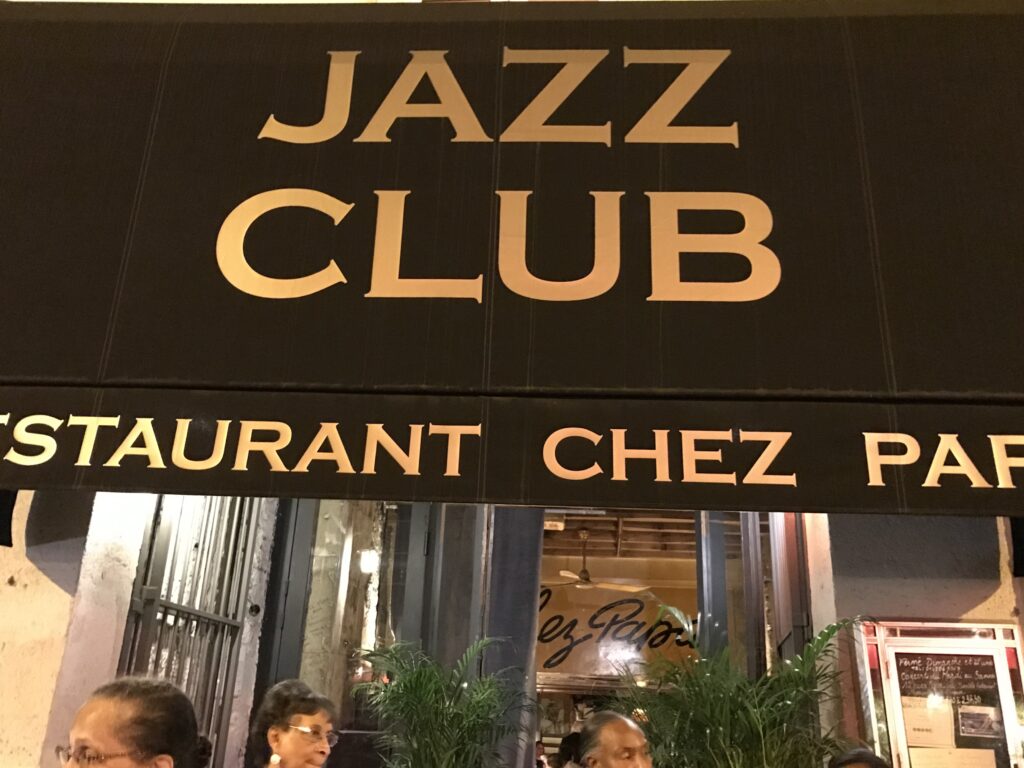
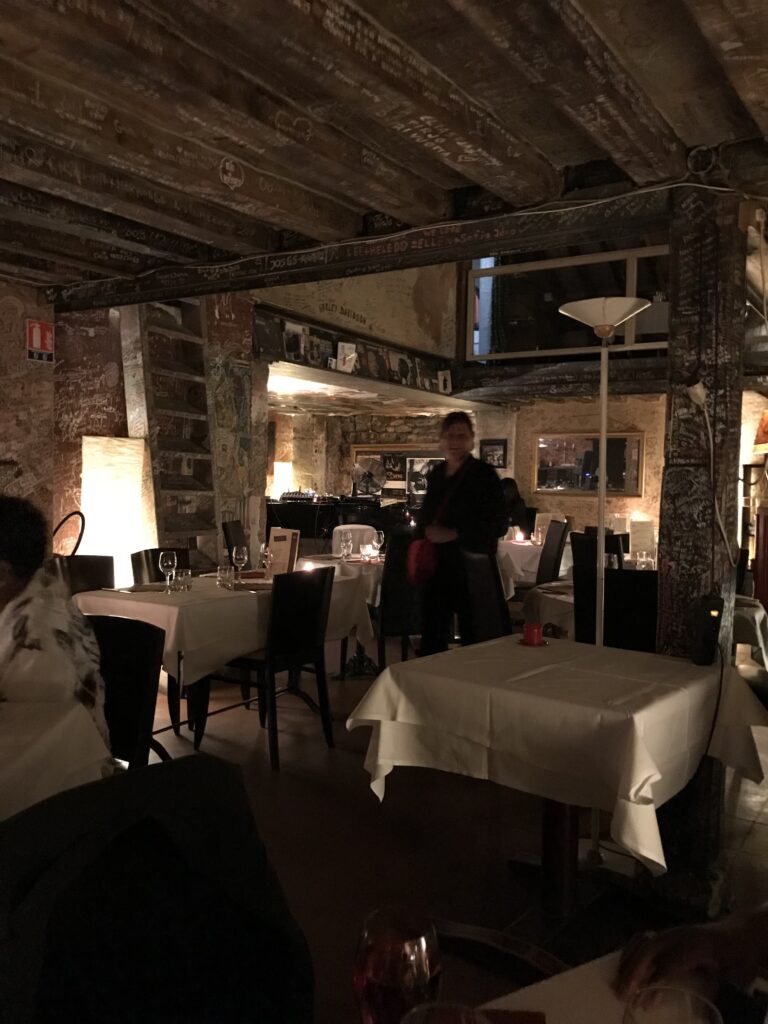
We spent the rest of the afternoon exploring typical sites: The Eiffel Tower and Arc d’ Triomphe and wandering along the Champs Elysée. We went up Montmartre to the Basilica Sacre Couer. From there we could see much of Paris. We viewed the ornate interior and exterior of the Basilica. We returned to the group, and dined at a fancy Jazz Club: LChez Papa and listened to wonderful music.
Leave a Reply