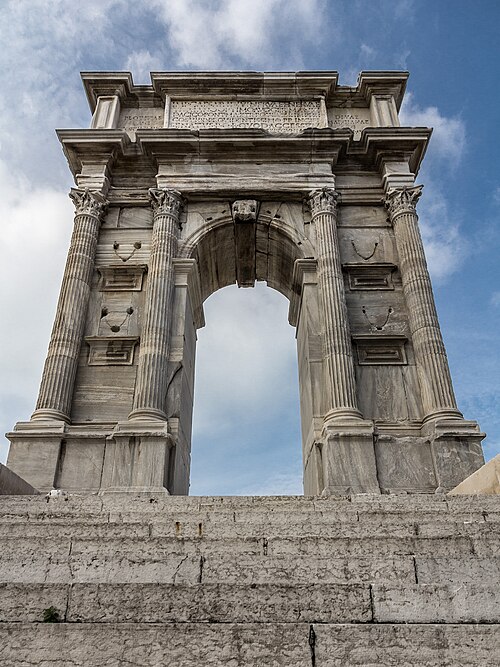
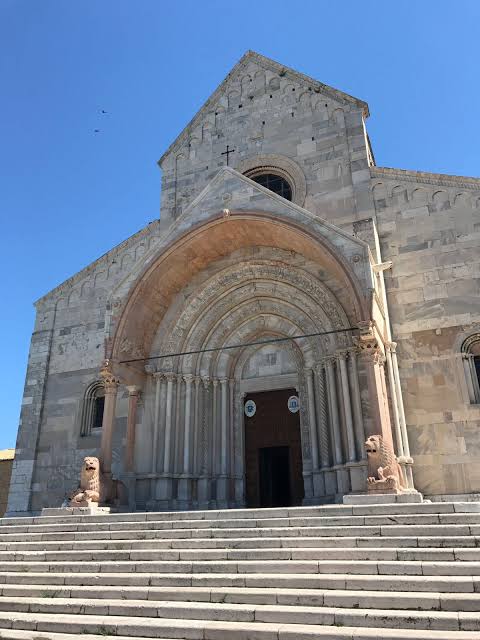
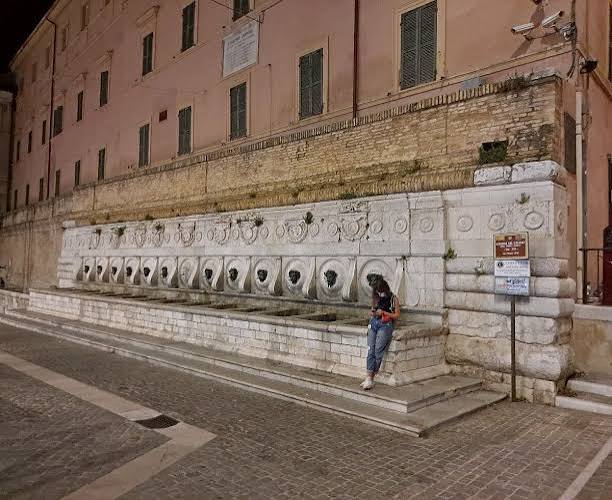
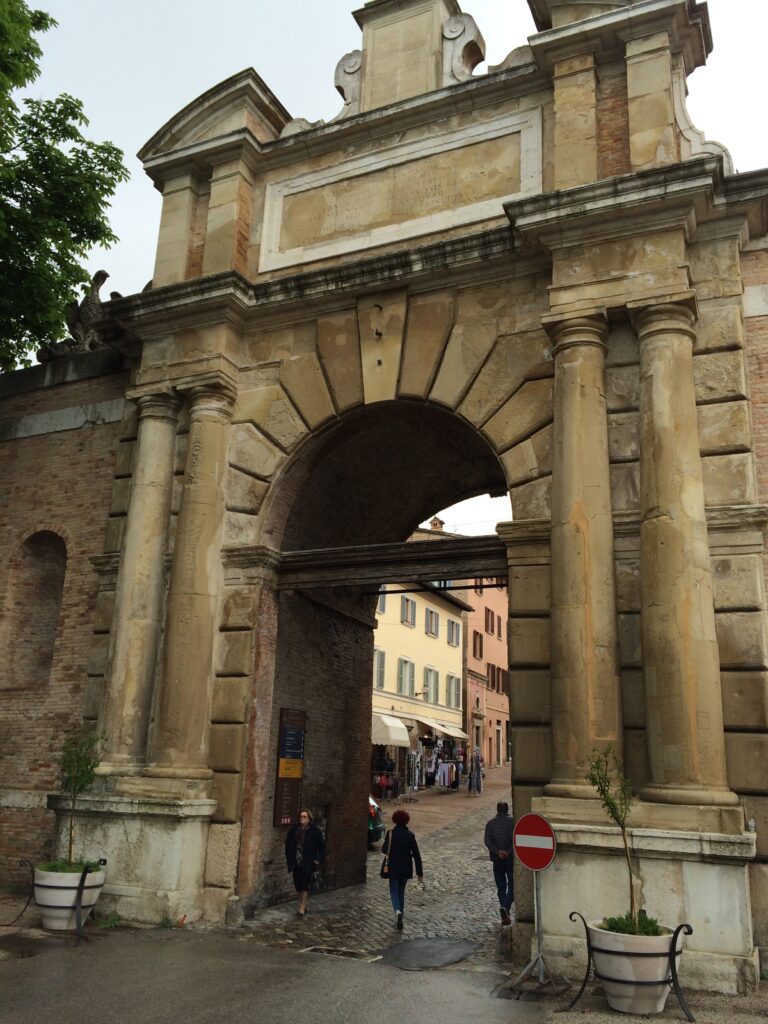
Good-bye Venice. Today we sailed to Anacona. We docked at Ancona, founded in 1200 B.C.E. Ancona is the capital of Italy’s Marche region. It is a vibrant city known for its ancient Roman Arch of Trajan, the hilltop Cathedral of San Ciriaco, the Fontana del Calamo. After driving through town we went up to Urbino, a walled city on top of the hill. Urbino existed in the Dark Ages but became famous in the Renaissance. It is a World Heritage site, primarily because of its historical legacy of independent Renaissance culture, especially under the patronage of Federico da Montefeltro, Duke of Urbino from 1444 to 1482. Italy was not united until 1871.
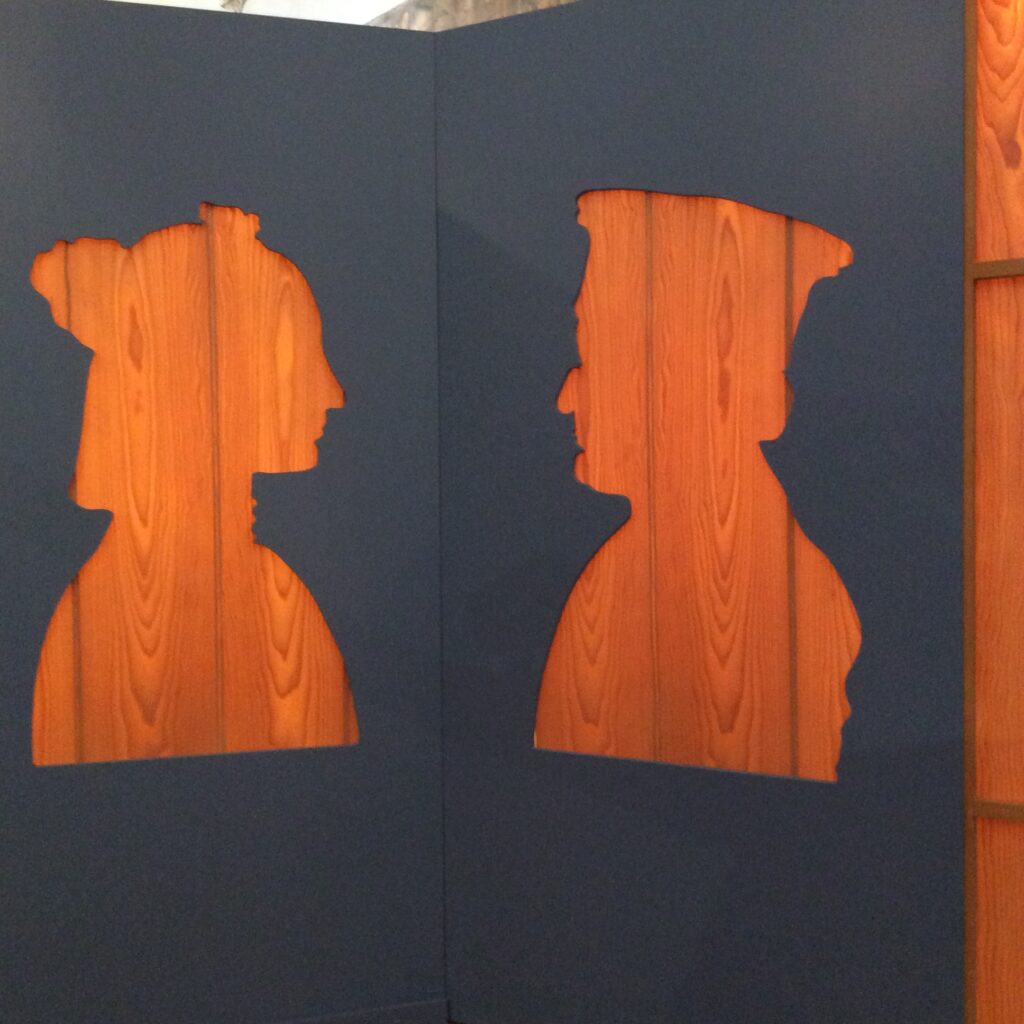
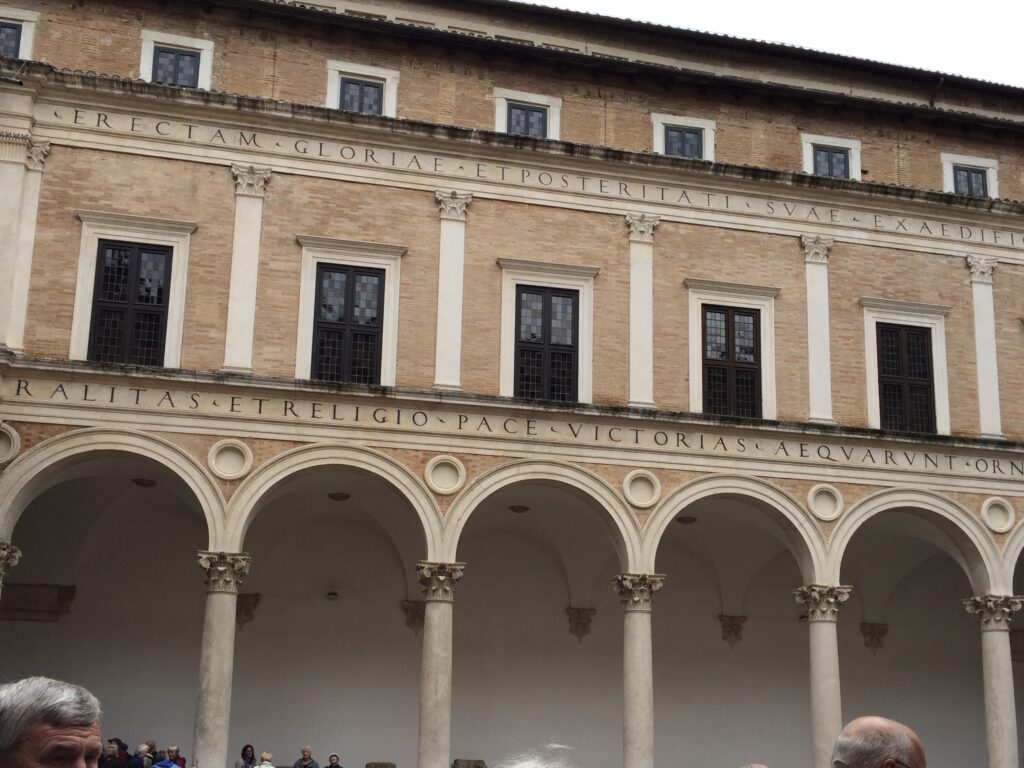
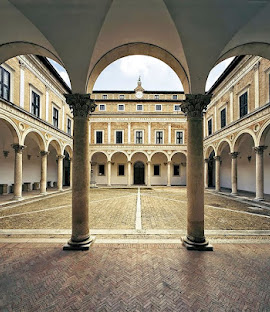
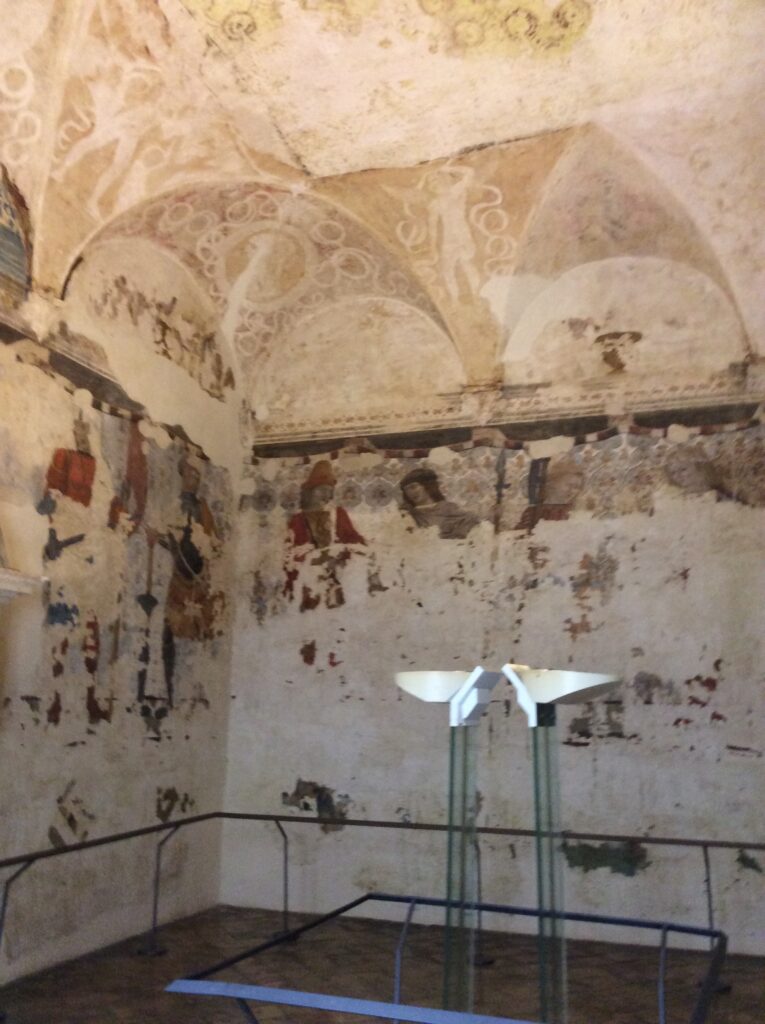
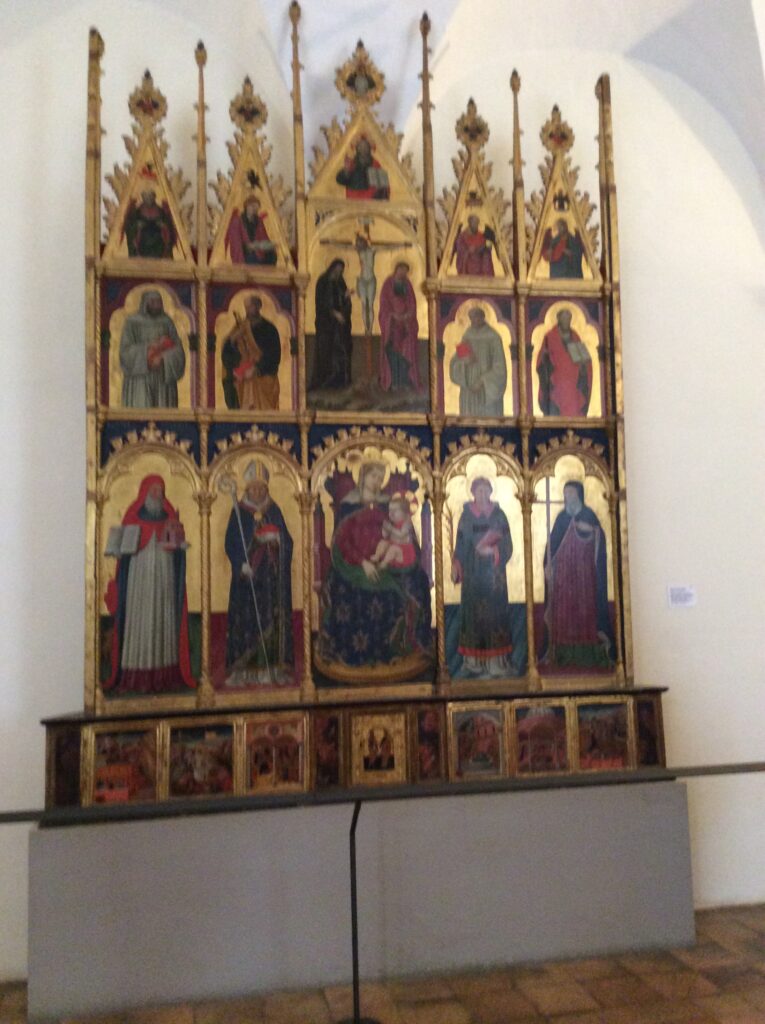
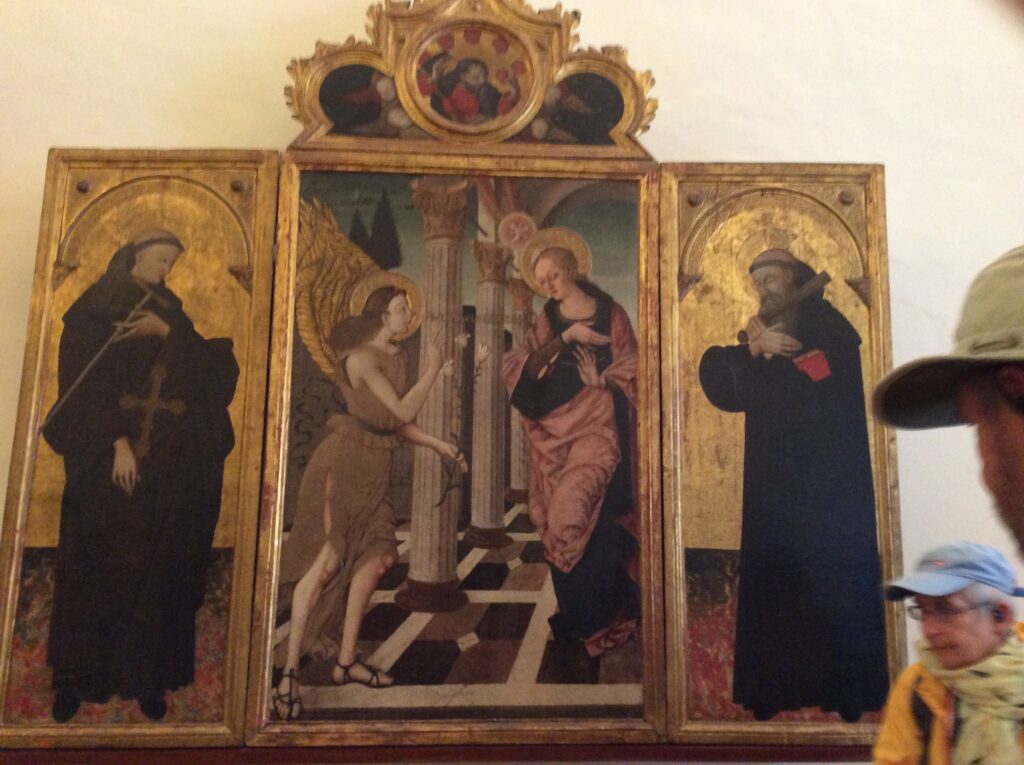
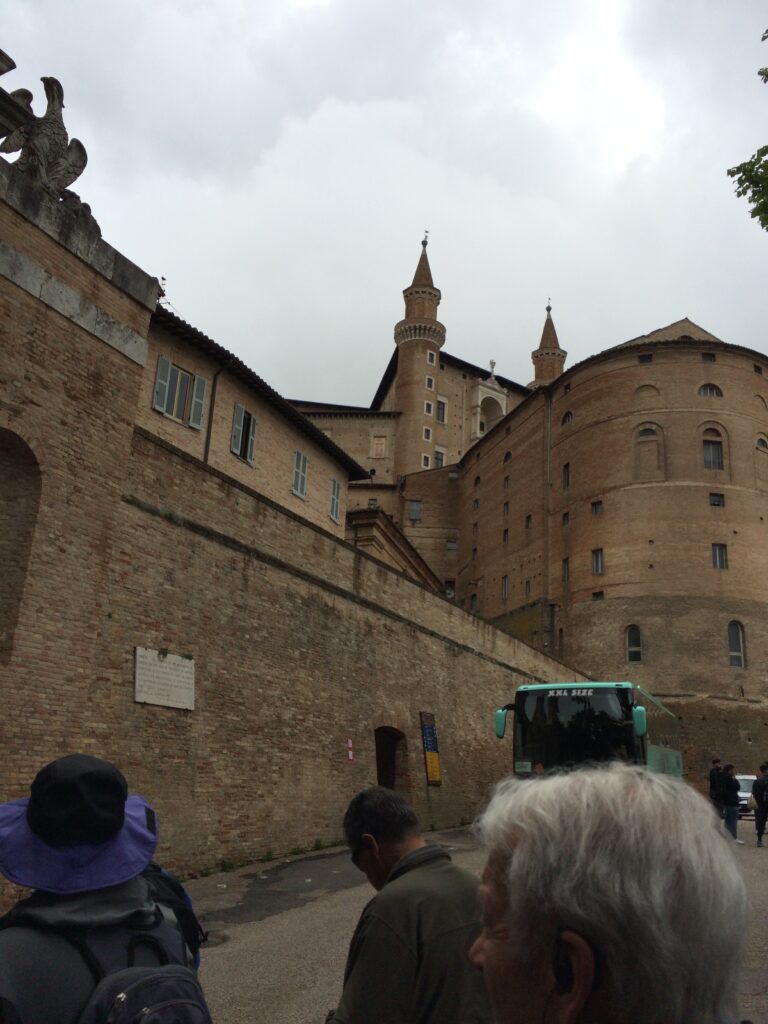
The Ducal Palace, which we toured, is one of the most interesting architectural and artistic examples of the Italian Renaissance, built between 1444 and 1482. The main highlights of the building are the facade of the Torricini, the courtyard of honor, and the Studiolo, the private study of the Duke, made by Flemish artists, with walls covered with impressive wood inlays. The Studiolo, separating the two chapels, has iconic representations of various figures from history and religion—both Old and New Testaments. One of the twin chapels is pagan and one Christian. The National Gallery of Le Marche is also in the Palace, housing a valuable collection of Renaissance works.
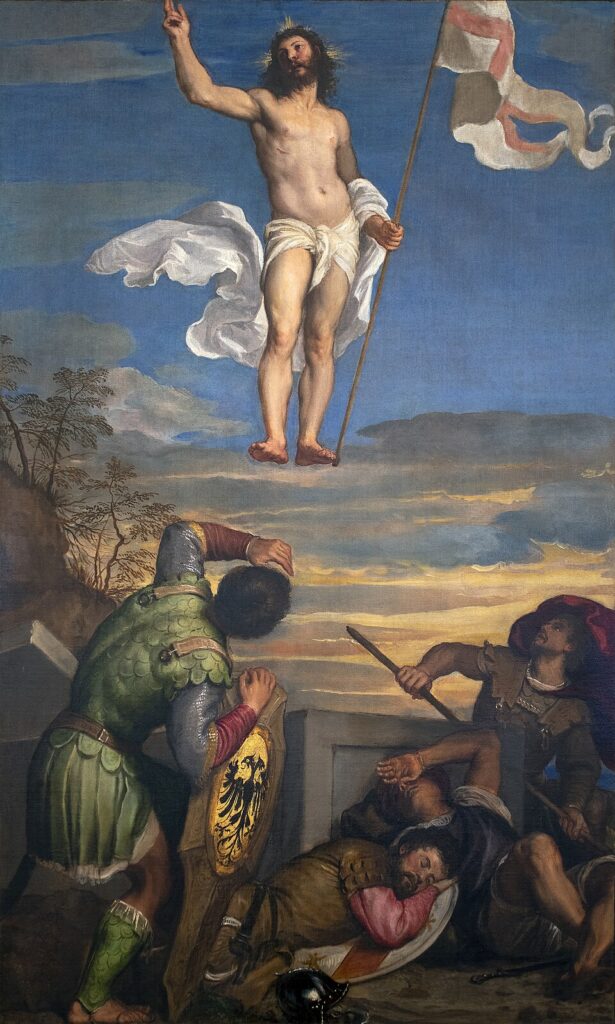
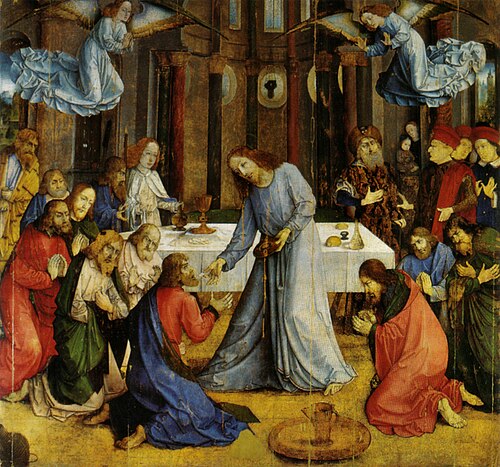
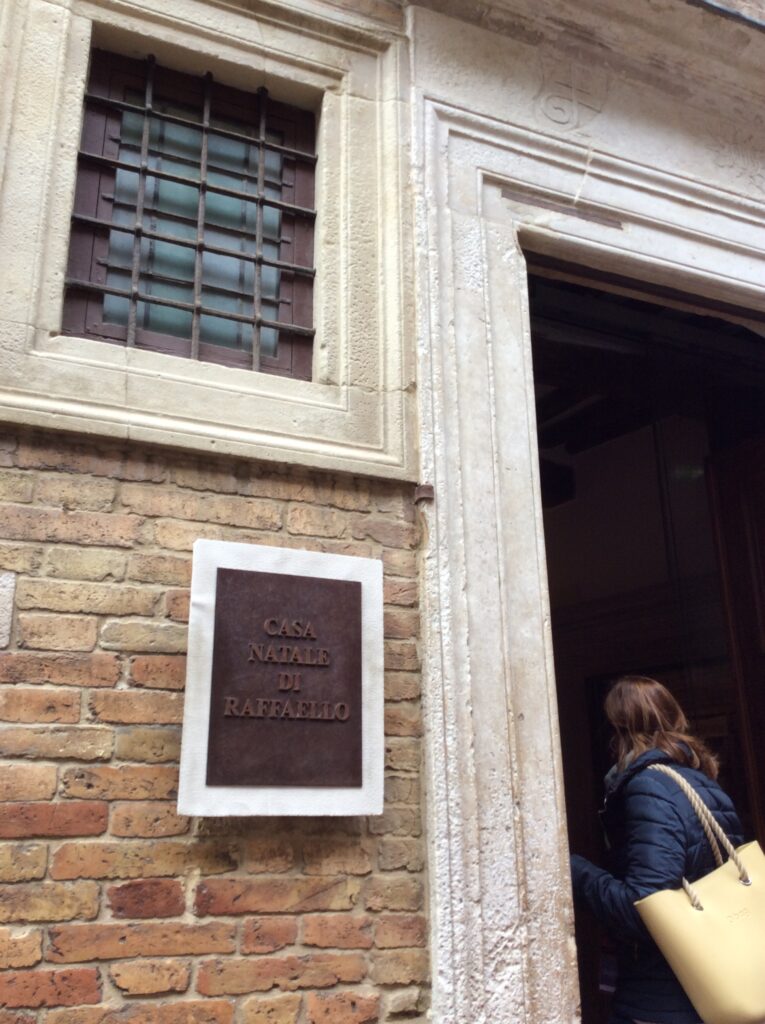
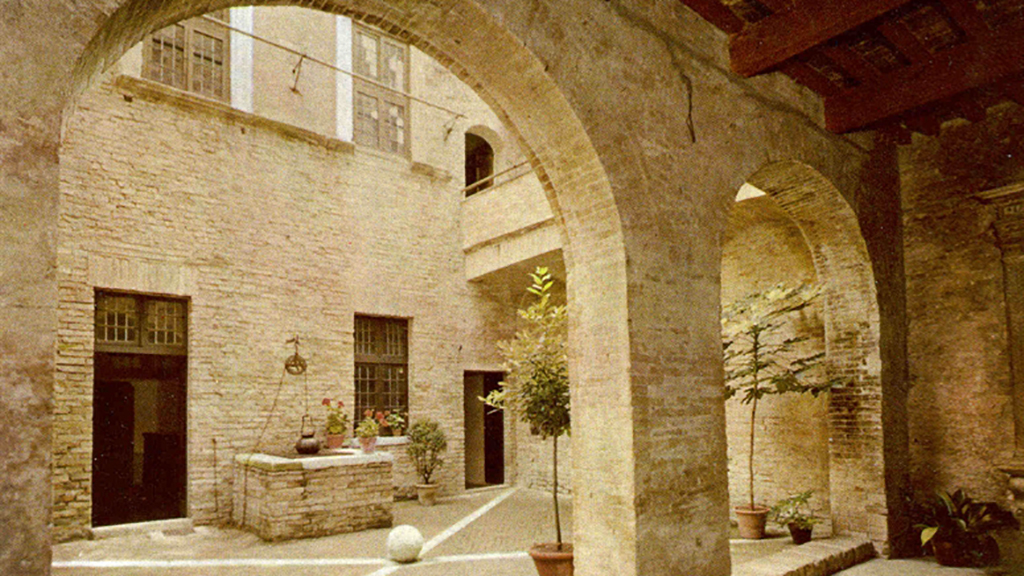
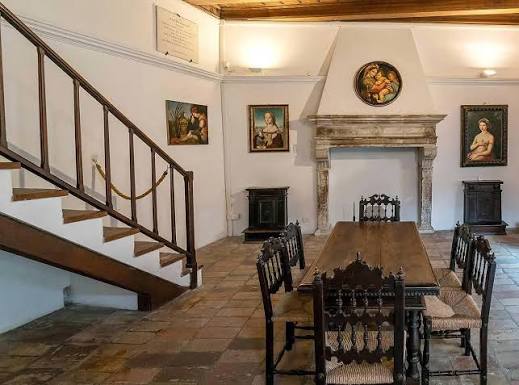
Urbino is the birthplace of Raphael, and we visited his house where he lived until he was 14. On the first floor there are copies of Raphael’s paintings and gifts from other artists; in his bedroom there is a fresco depicting the “Madonna and Child” considered as an early work. On the first floor there is also a small courtyard with the well and the basin used to grind colors for paintings. Down the street from his house at the Piazza Roma is a statue dedicated to him.
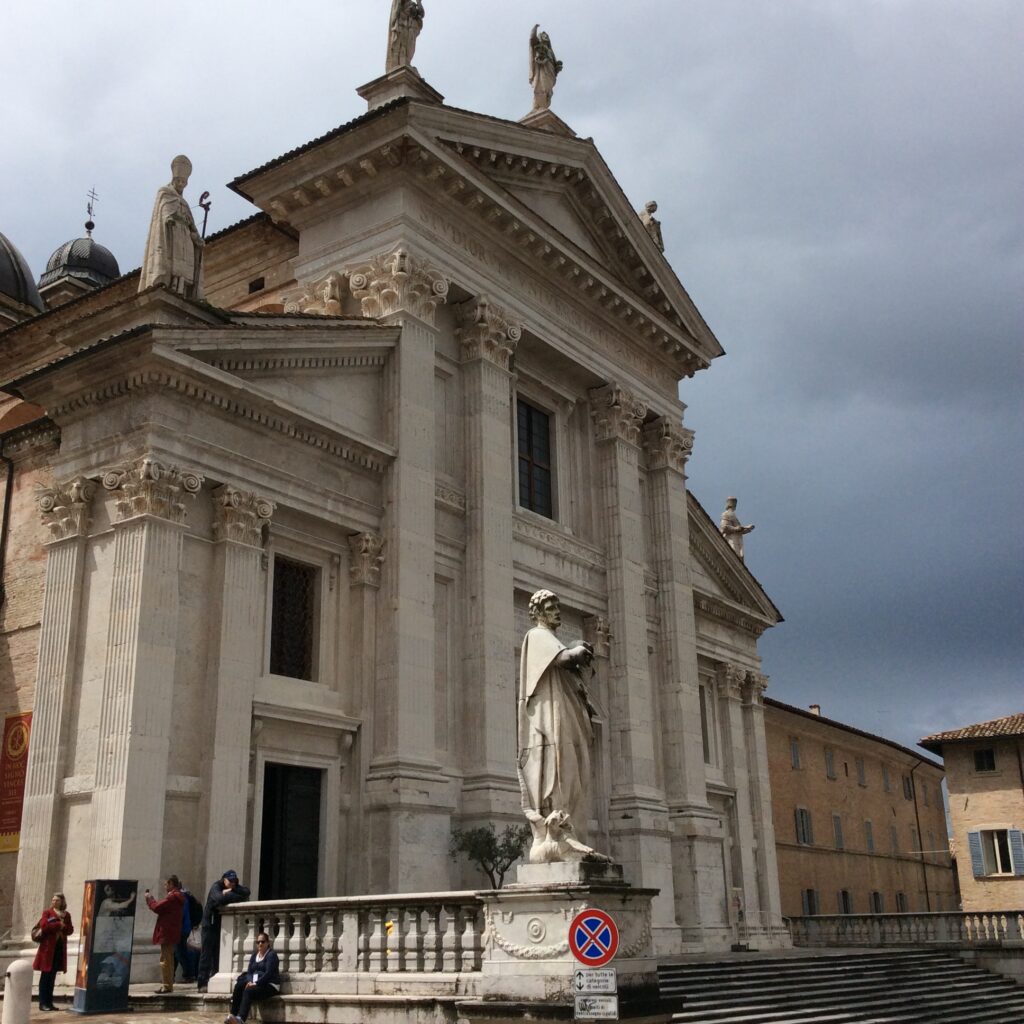
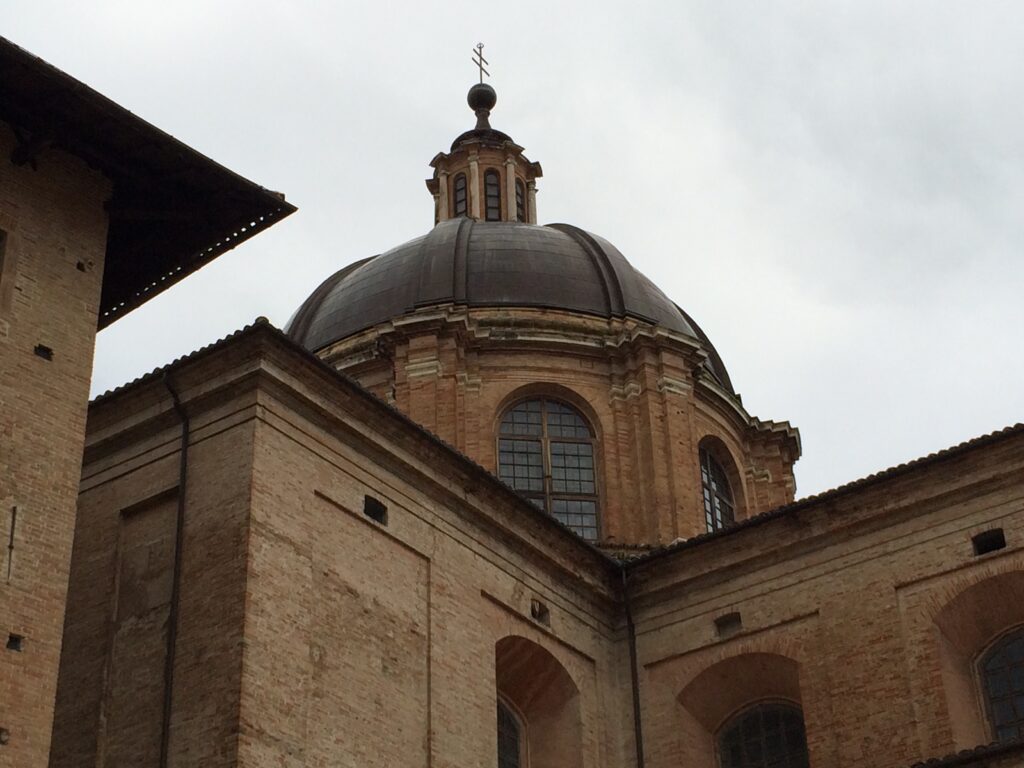
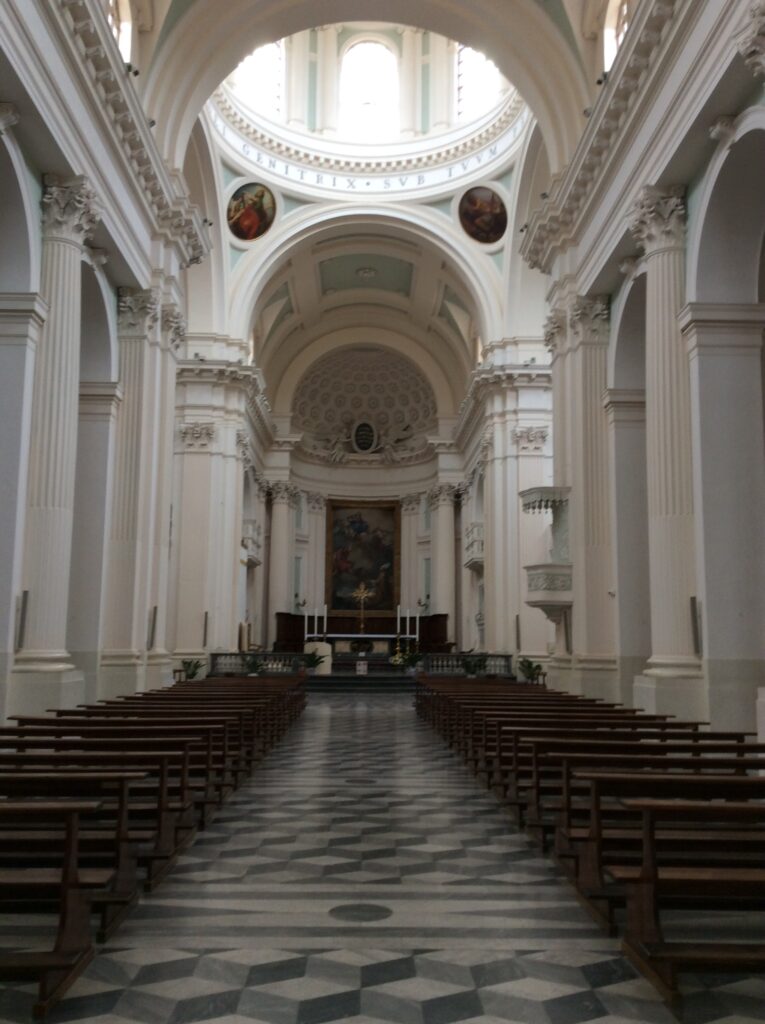
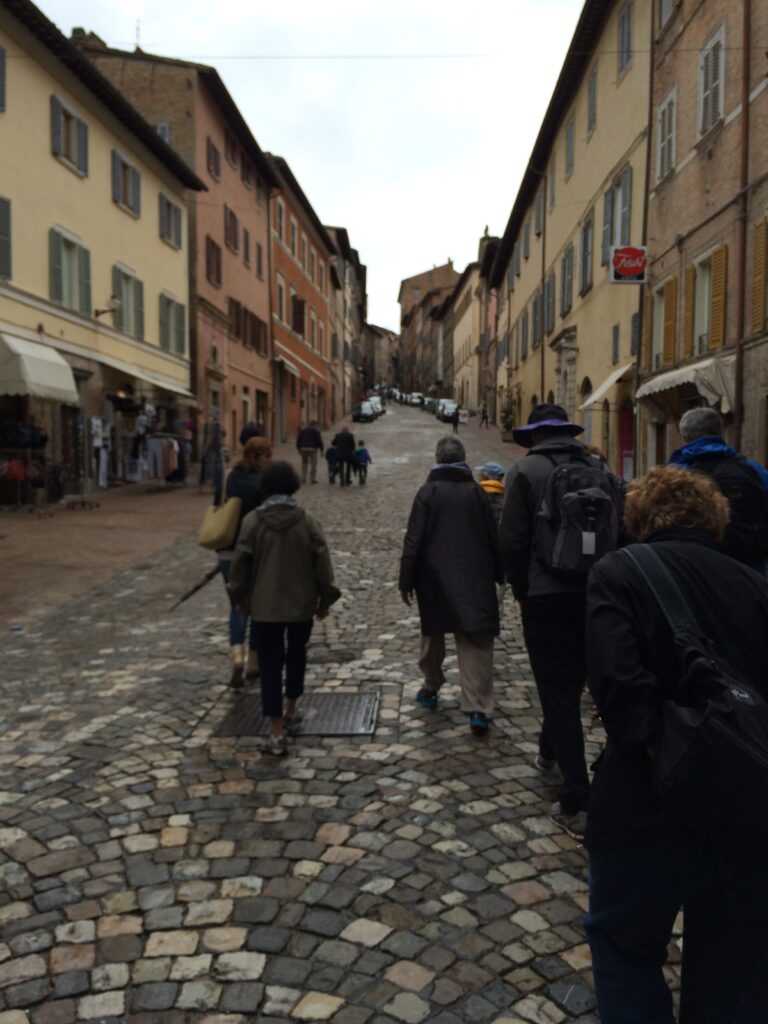
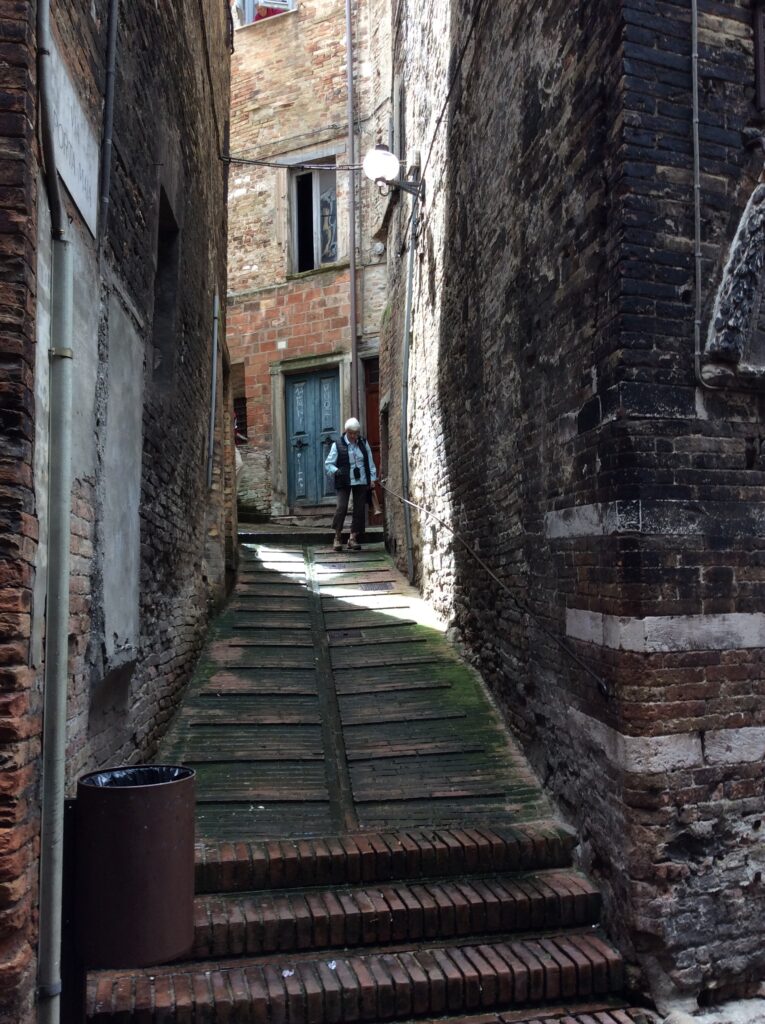
We ended our tour at the Duomo, which contains more Renaissance works. Its neoclassical facade with the seven statues of guardian saints is really very scenic. The current architecture is the result of several restorations, the last of which occurred in 1800 following an earthquake. Inside there are two beautiful paintings by Federico Barocci: the Martyrdom of Saint Sebastian and the Last Supper. The most interesting area of the cathedral are the caves that for centuries have hosted a Brotherhood. During World War II, these caves also hosted the works of the Treasure of St. Mark’s Cathedral in Venice, to protect them from bomb attacks and the Germans. After the Duomo, we had some leisure time to wander and explore the ancient town.
Tonight we cross the Adriatic Sea to Split, Croatia.
Leave a Reply