We arrived in Venice after an overnight flight on Lufthansa. We flew Orlando to Frankfort and then Frankfort to Venice. As Diane predicted, it was raining in Venice—a Seattle rain. We took a water taxi to our hotel—Hotel Monaco and Grand Canal. Water taxis hold about ten people. No cars are allowed on this main island of Venice. People get around using water buses and water taxis between islands and on foot on this island. We were starving, so went to the café in the hotel, hoping for an early dinner. In Venice, dinner starts at 7 p.m. Before that was Tea with only sweets. We asked the Concierge where we could get some food. After some thought, he said that there was a “fast food” restaurant down the street. We found it, and it turned out to be a nice, small Italian café that was open all day. (Not our idea of “fast food”). So we had a typical Italian dinner, returning to the hotel in time for the Welcome Reception. After that, we went to sleep (while others went to dinner).
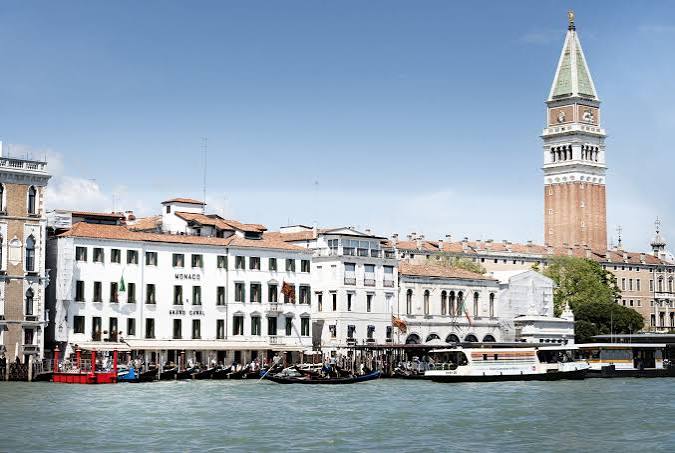
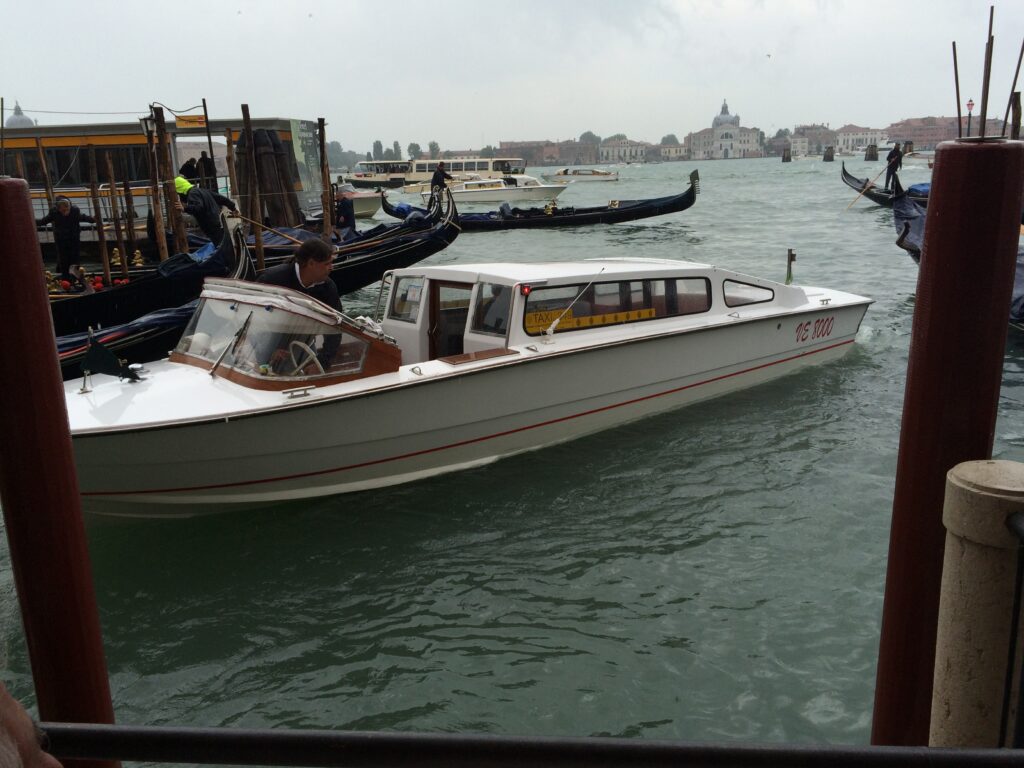
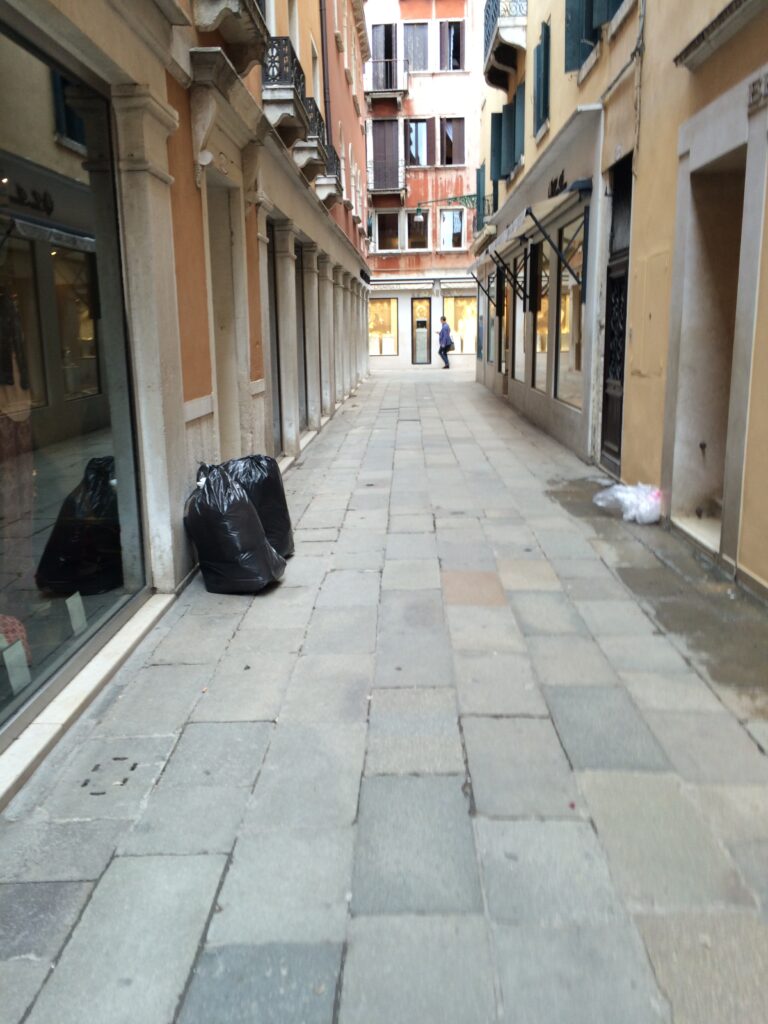
Venice, Italy, known as the “Floating City” and the “City of Canals”, is built on 118 small islands separated by 177 canals and connected by over 400 bridges. Founded in the 5th century by mainland refugees fleeing invaders, it grew into a dominant medieval maritime republic. Today, it is a world-renowned UNESCO World Heritage site.
As the Western Roman Empire collapsed in the 5th century, mainland Italians fled to the marshy Venetian Lagoon for protection from barbarian invaders. They drove wooden pilings into the mud, establishing the foundations of the city. The historic center is divided into six districts, or sestieri: Cannaregio, Castello, Dorsoduro, San Marco, San Polo, and Santa Croce. The city’s architectural heritage blends Byzantine, Gothic, and Renaissance styles. Central landmarks include the Doge’s Palace, the Rialto Bridge, and St. Mark’s Basilica in the heart of Piazza San Marco.
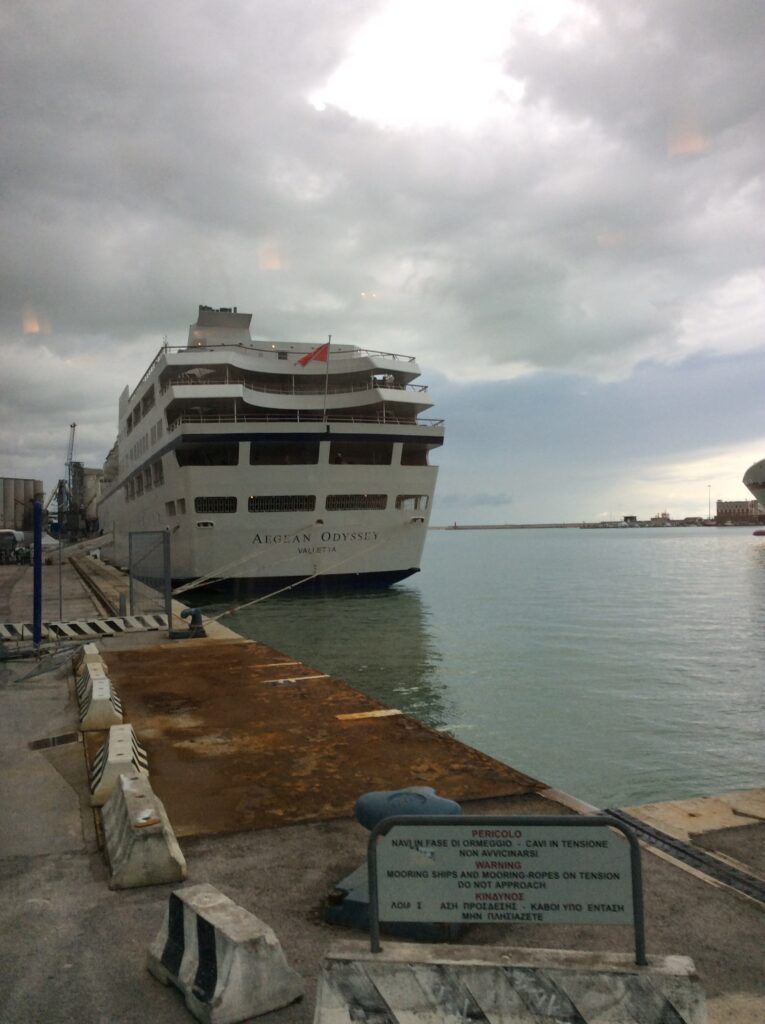
The ship we would board in two days was called The Aegean Odyssey with a capacity of 300 passengers. It had six decks (3-9) for passengers, a swimming pool and a lounge area, and an observation deck with inside and outside areas that only covered part of the ship. There was a buffet restaurant—with indoor and outdoor seating—as well as a formal dining room,, a library, gift shop, and two large lounges as well as an “office.” Internet access was available by the office and in the observation deck.
Leave a Reply