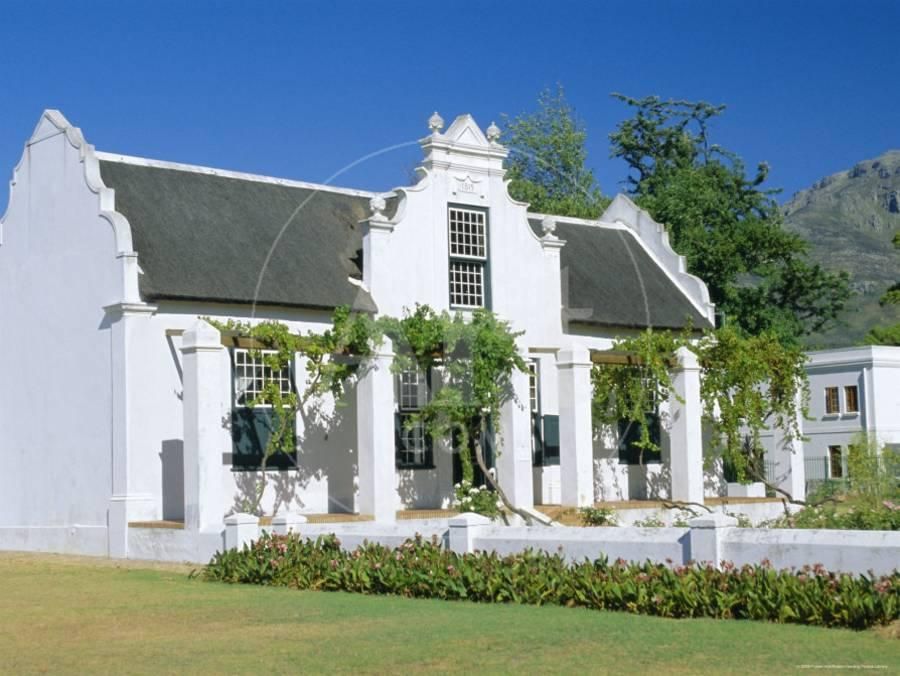
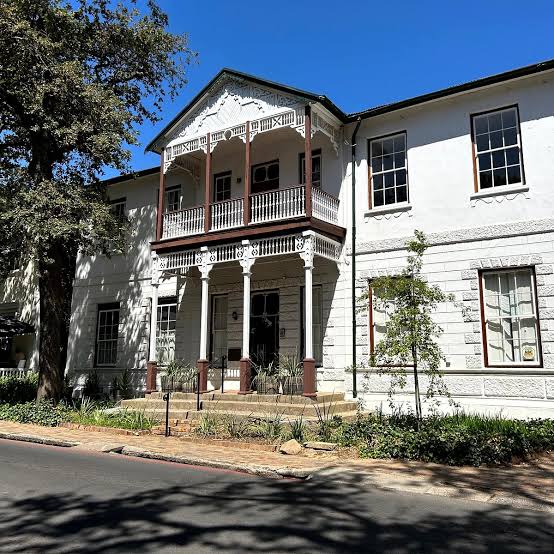
Stellenbosch is a beautiful university town in the midst of wine country northeast of Cape Town. It was established on the banks of the Eerste River in 1679, making it the second-oldest formal settlement in South Africa. It is surrounded by the Stellenbosch Mountains. It is called the “Village of Oaks” with its shady oak avenues bordered by water of the Mill Stream. The streets are lined with some of the most beautiful examples of Cape Dutch, Georgian, and Victorian architecture in the Cape. This was a change from the hustle and bustle of Cape Town. We enjoyed looking at art galleries, shops and touring the University.
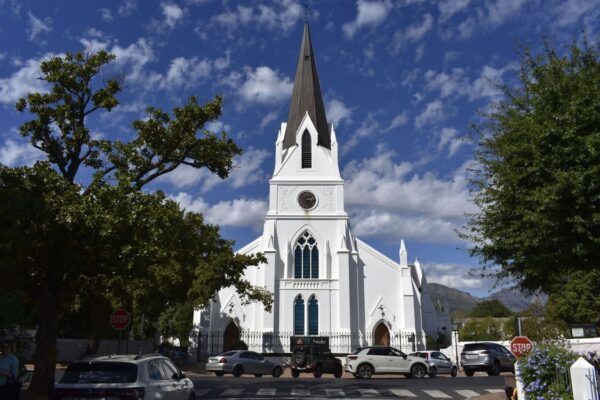
Some sights in Stellenbosch are the historic district. There we say the Dutch Reformed Mother Church in Gothic Revival Style. The first church was destroyed by fire in 1710. It was replaced in 1717 by a simple church which was extended and remodeled in 1814. In 1863 it was enlarged and given its Gothic appearance. A tower with clocks on three faces was added at this time.
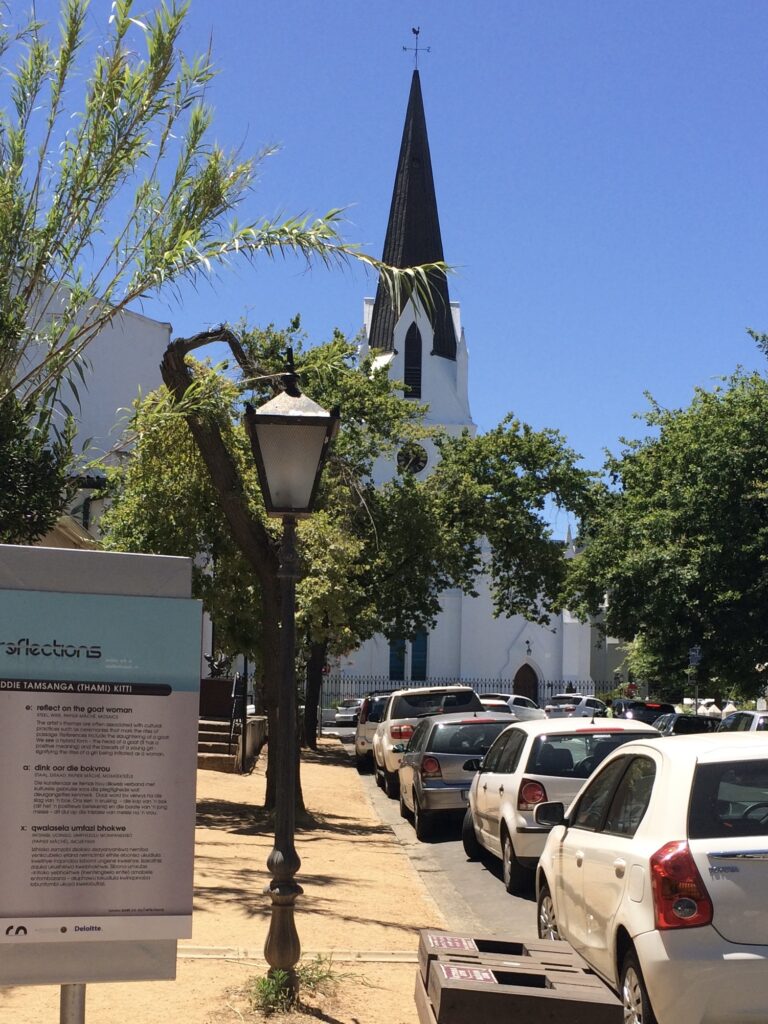
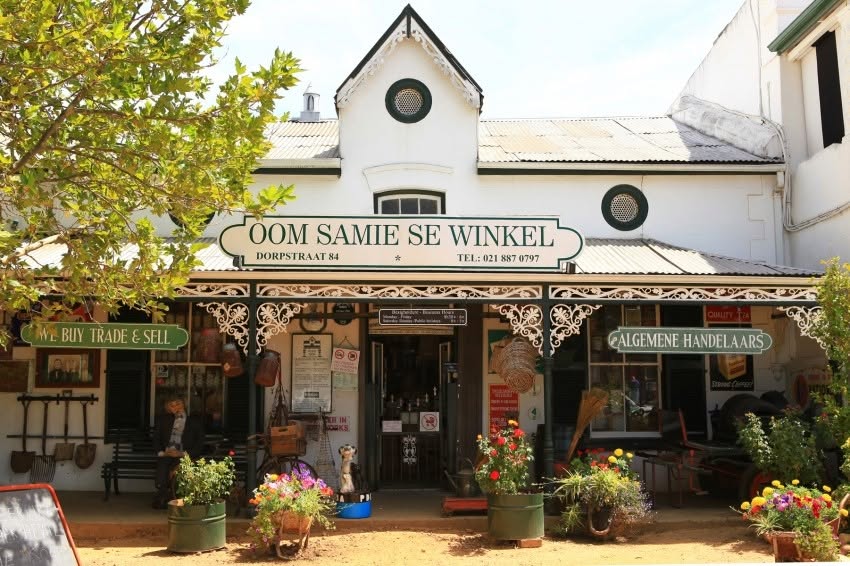
Dorp Street is one of Stellenbosch’s most historic and atmospheric streets. It is the second oldest road in South Africa and home to several historical Cape Dutch houses, the General Store Oom Samie Se Winkel, and the village museum. Dorp Street form the heart of Stellenbosch’s Old Town.
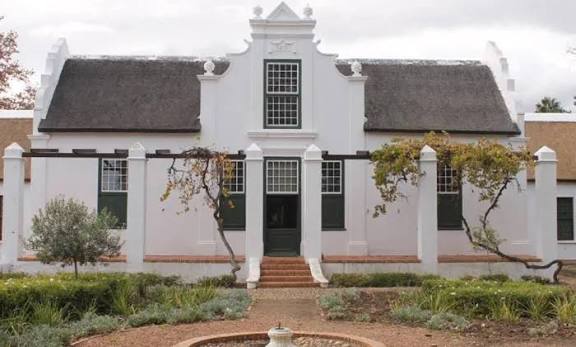
The Village Museum is a group of four restored period houses that show what life was like in the 18th century.
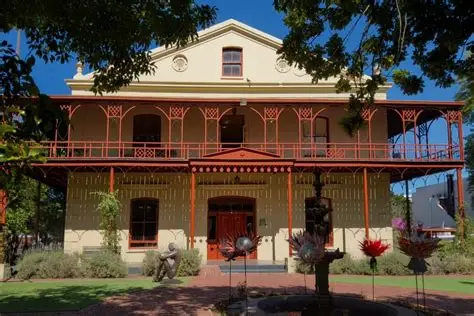
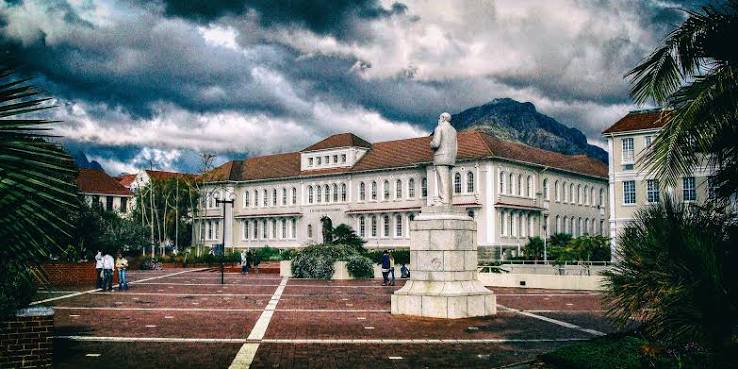
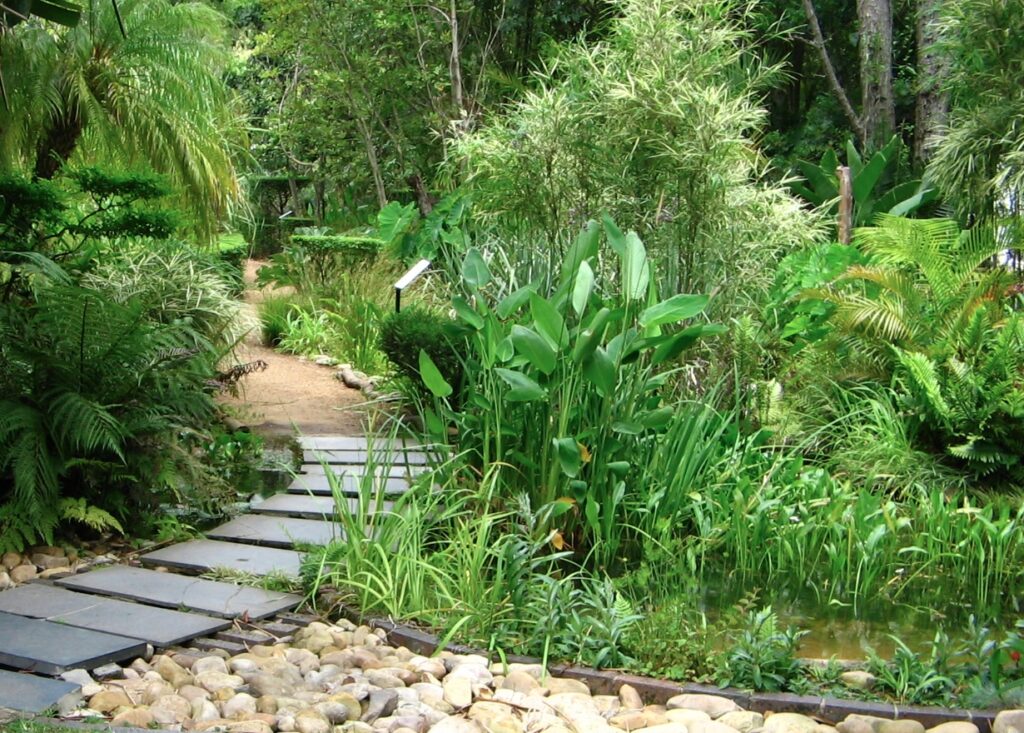
The grounds of the University are lovely, and its Botanical Garden is the oldest university botanical garden in South Africa.
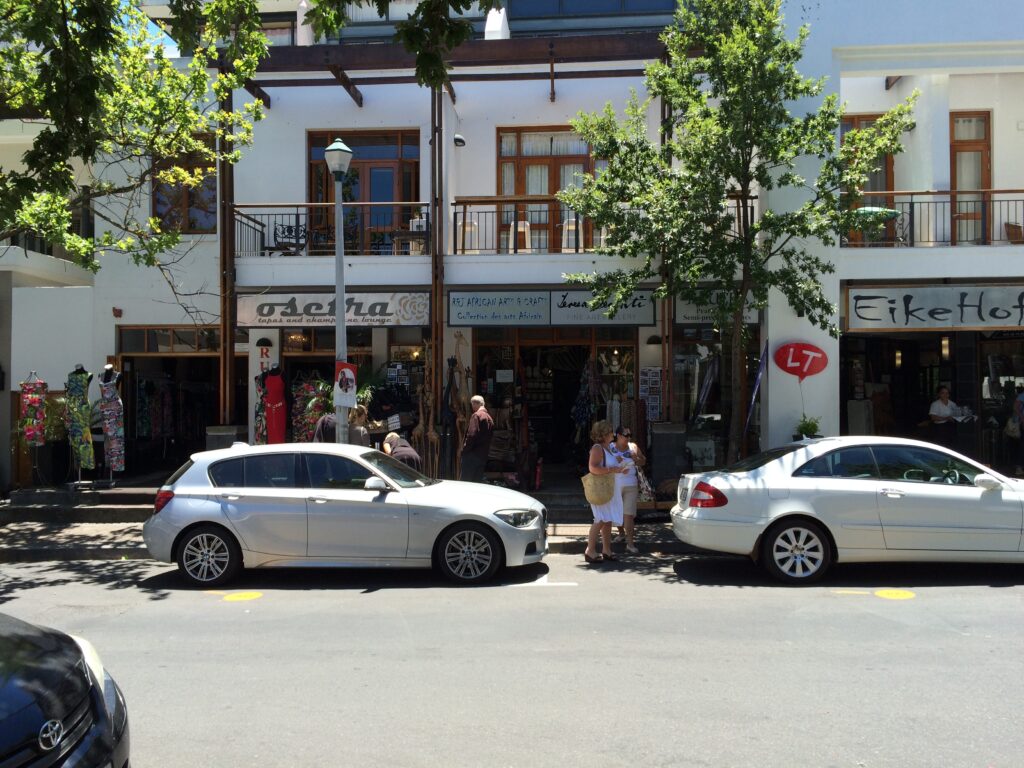
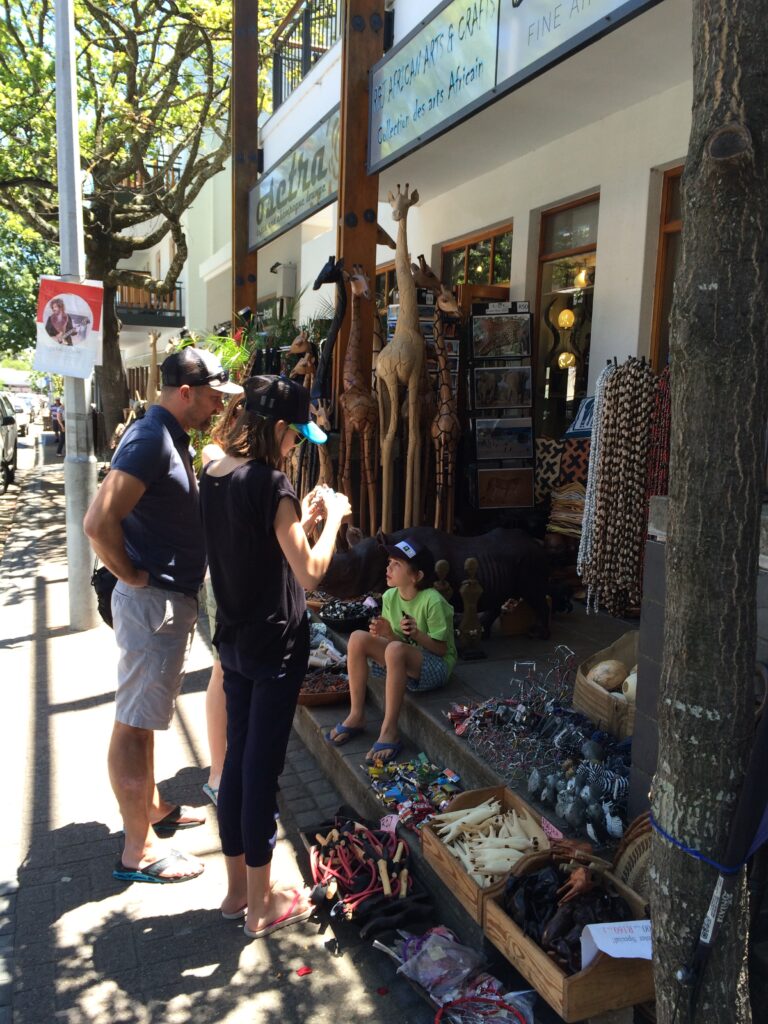
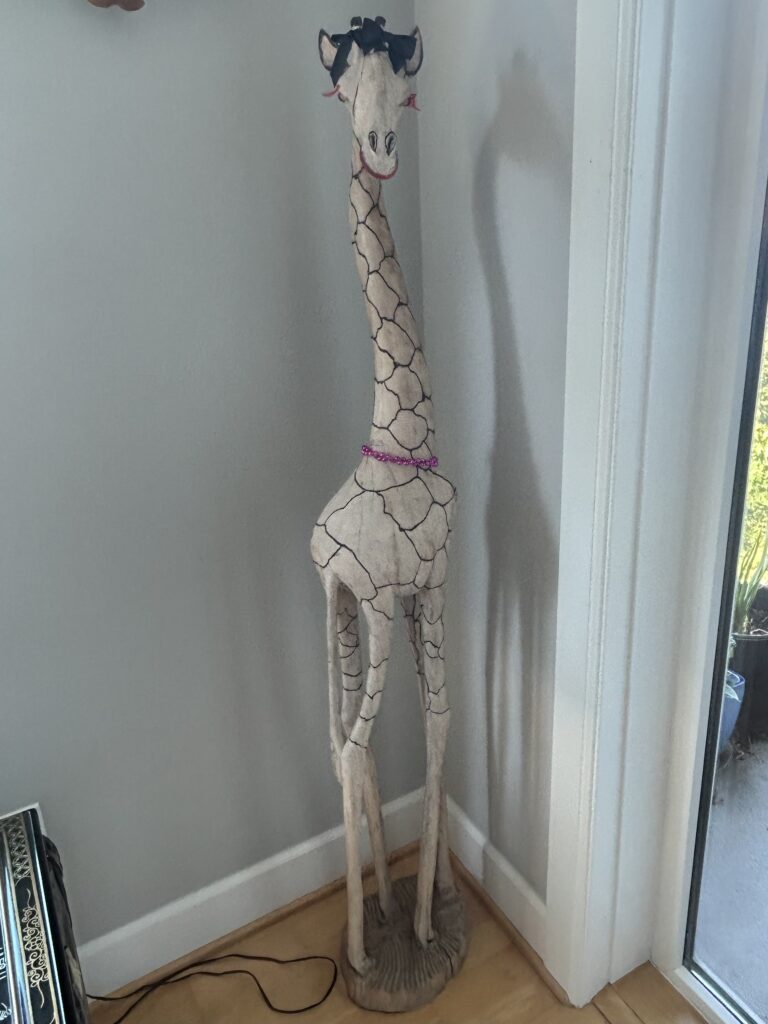
It was in Stellenbosch that we bought our five-foot carved giraffe and had it shipped home. It arrived about six months later in perfect condition.
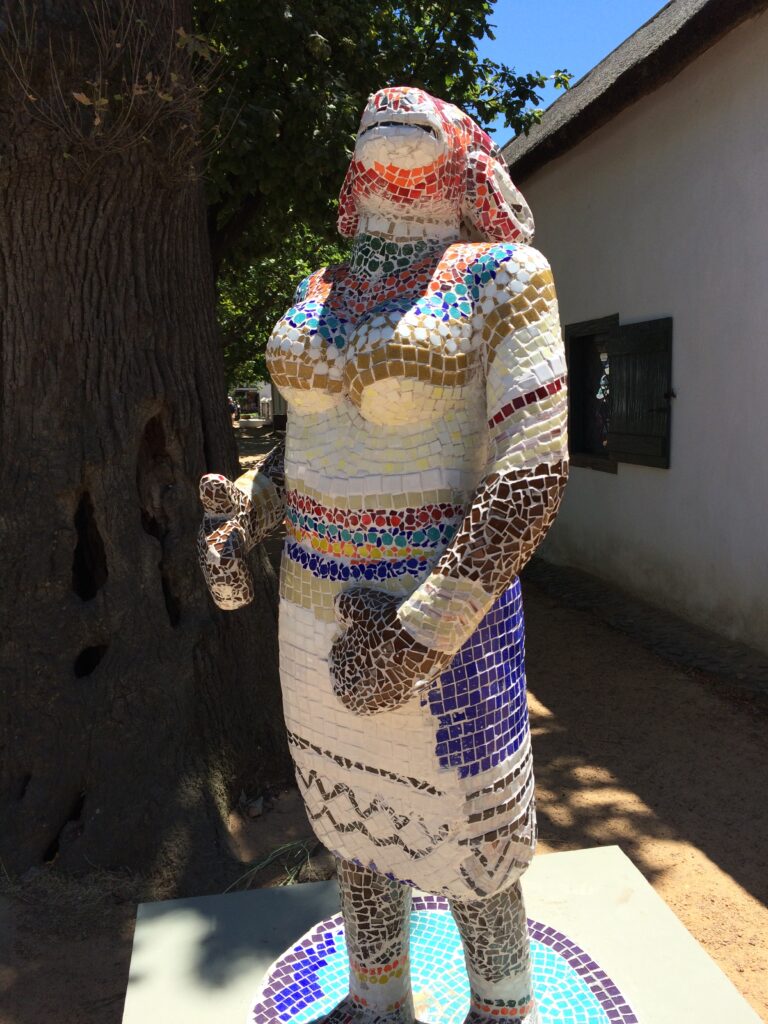
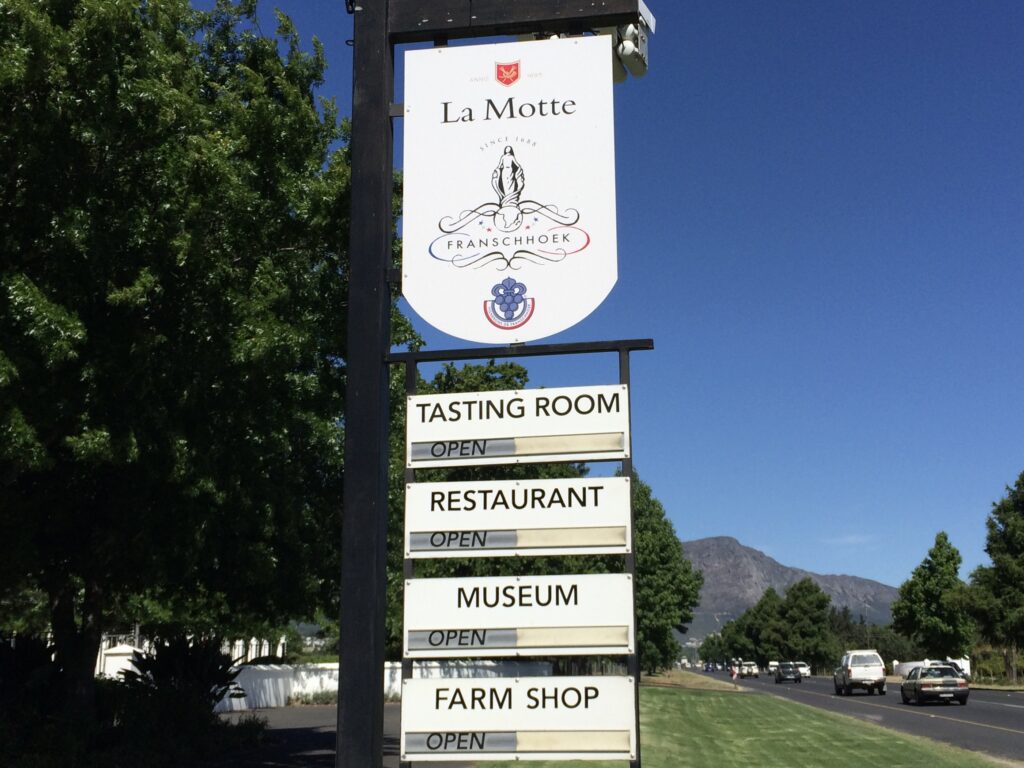
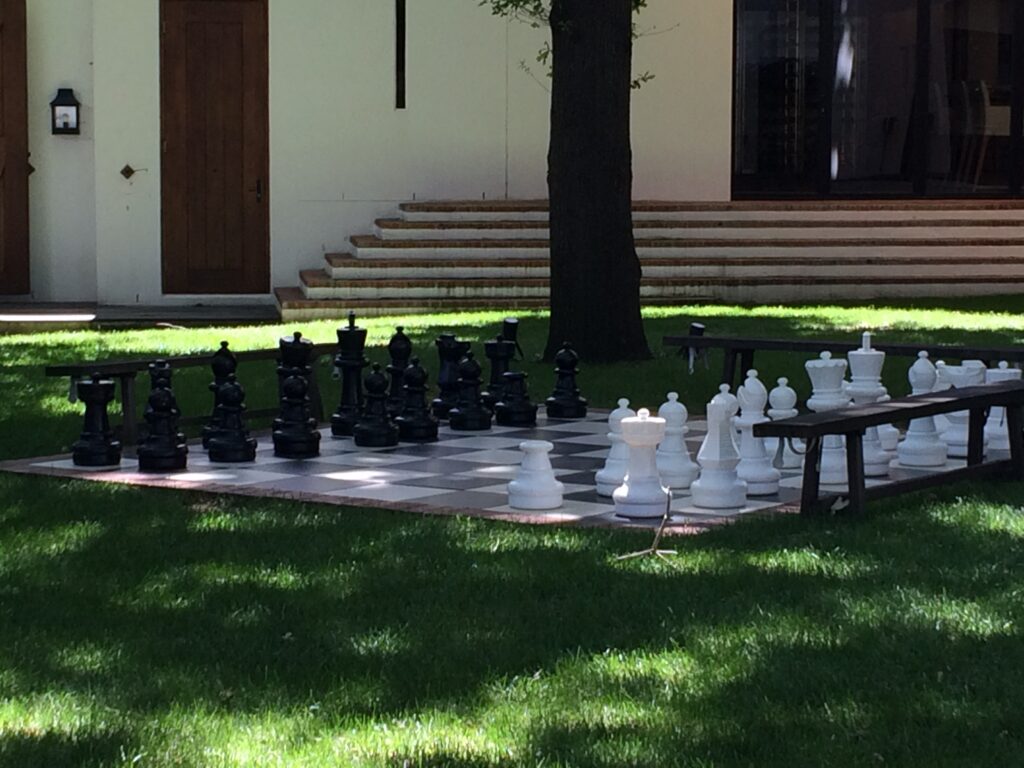
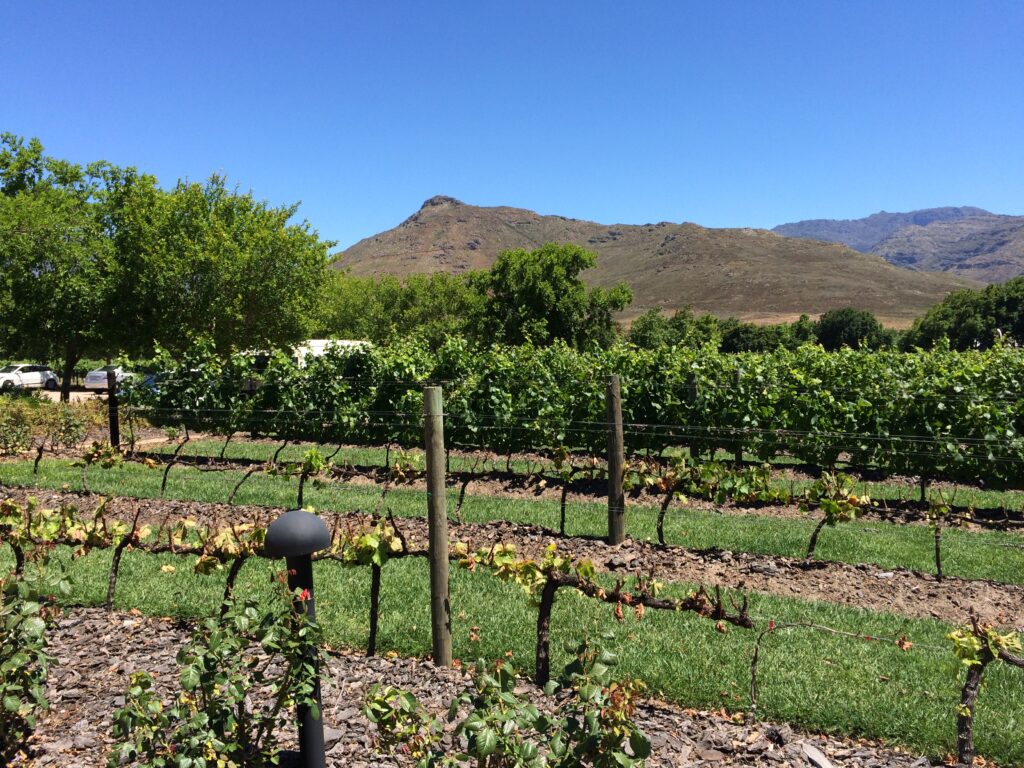
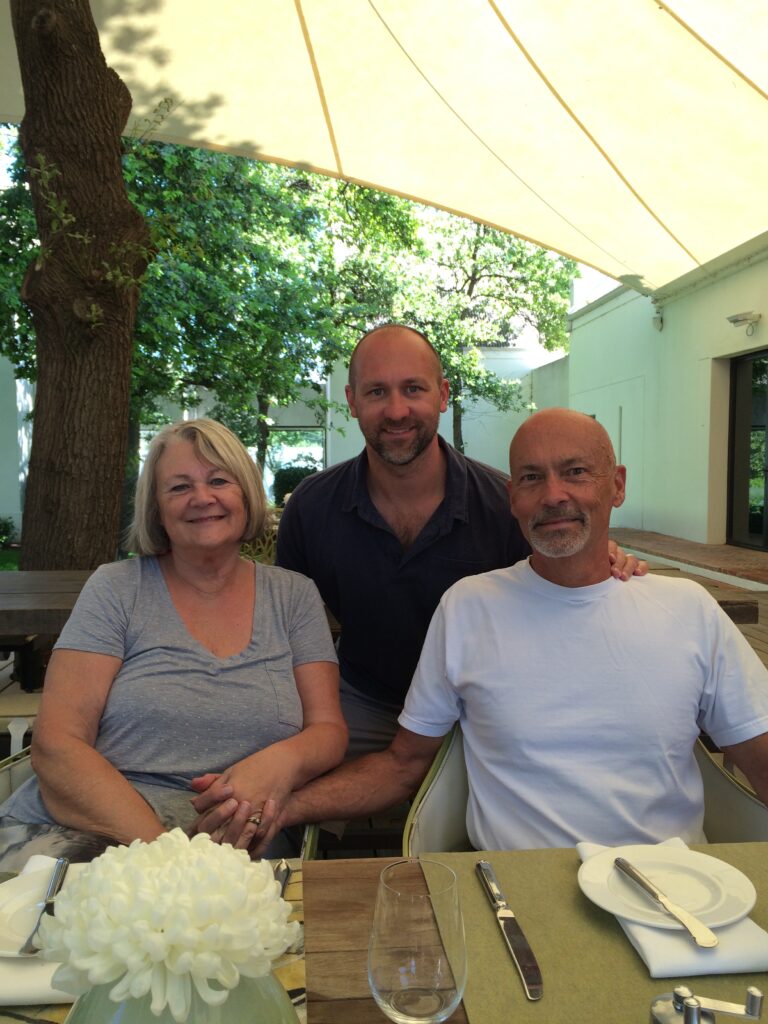
On our way back to Cape Town, we stopped at La Motte Winery, in Franschhoek, one of South Africa’s most historic and prestigious wine estates, known for award-winning wines, heritage architecture, art, and exceptional food. While we waited to eat, we looked and the art, and enjoyed the grounds with a giant chess set.
Leave a Reply