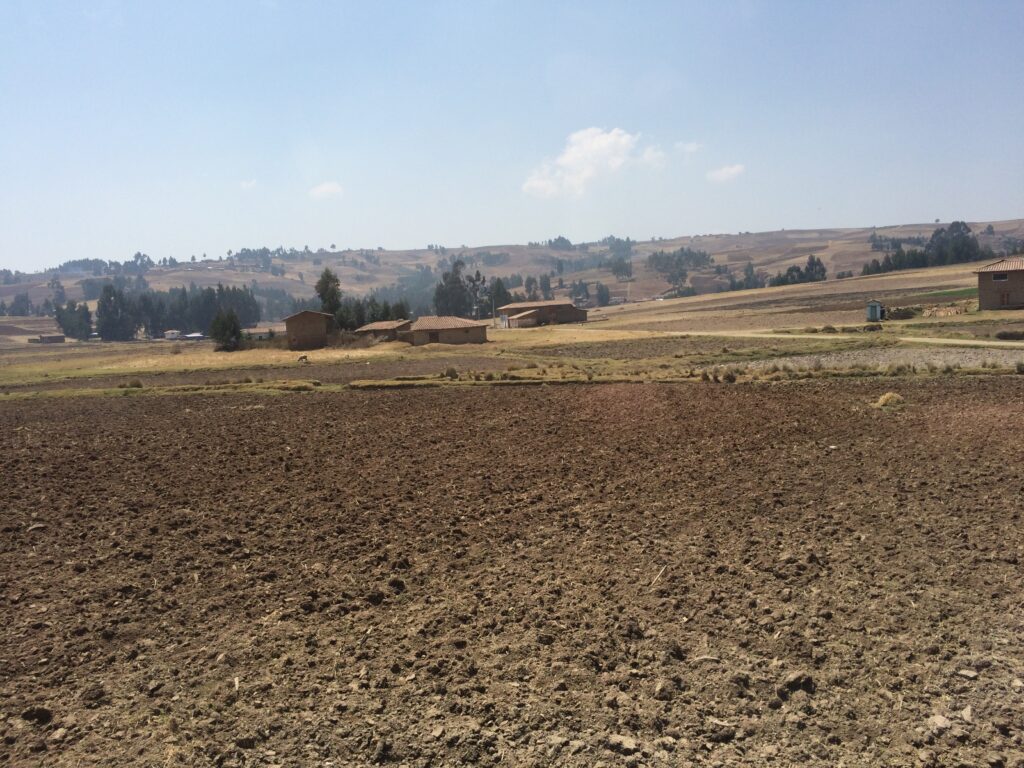
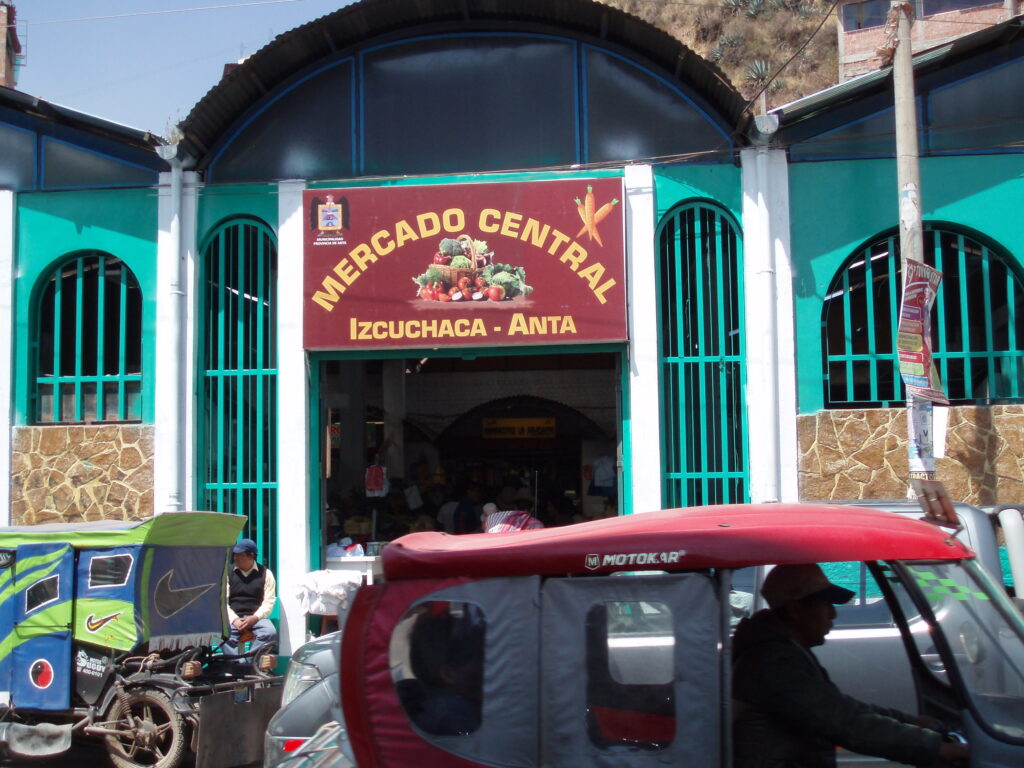
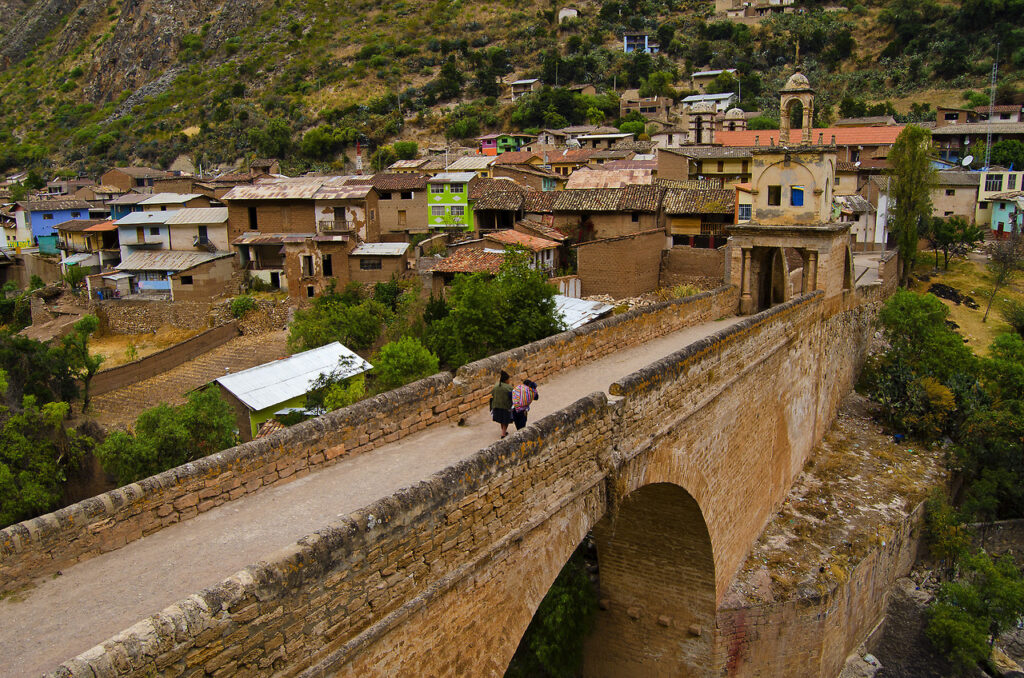
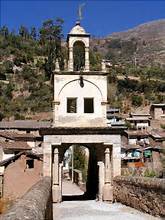
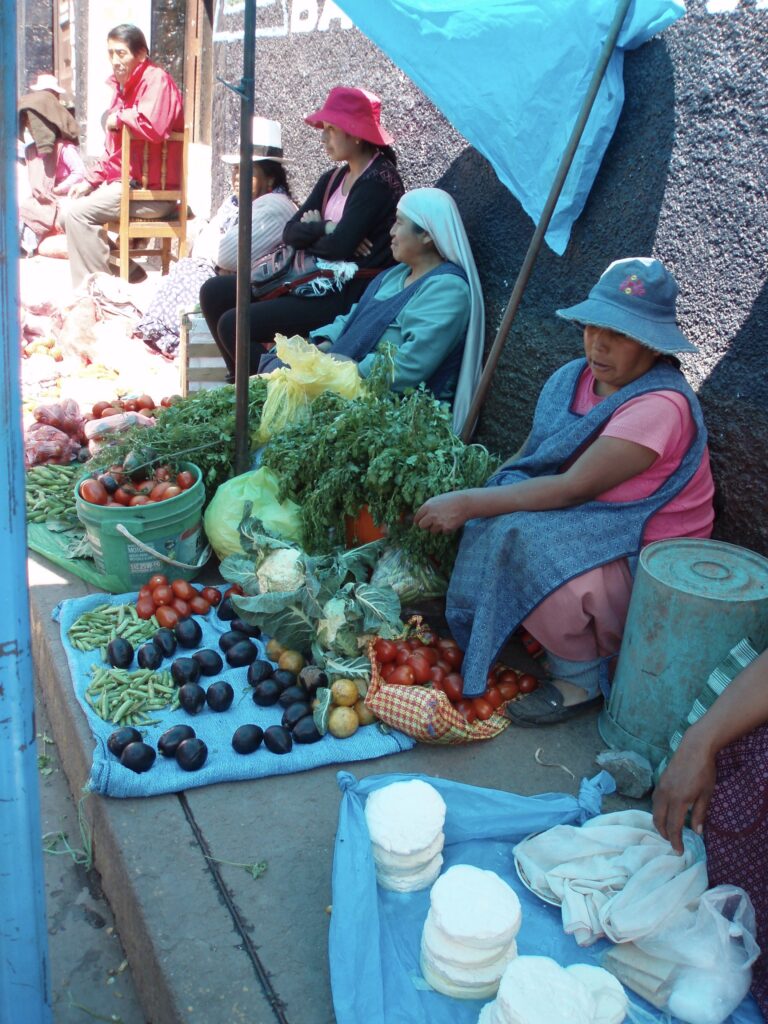
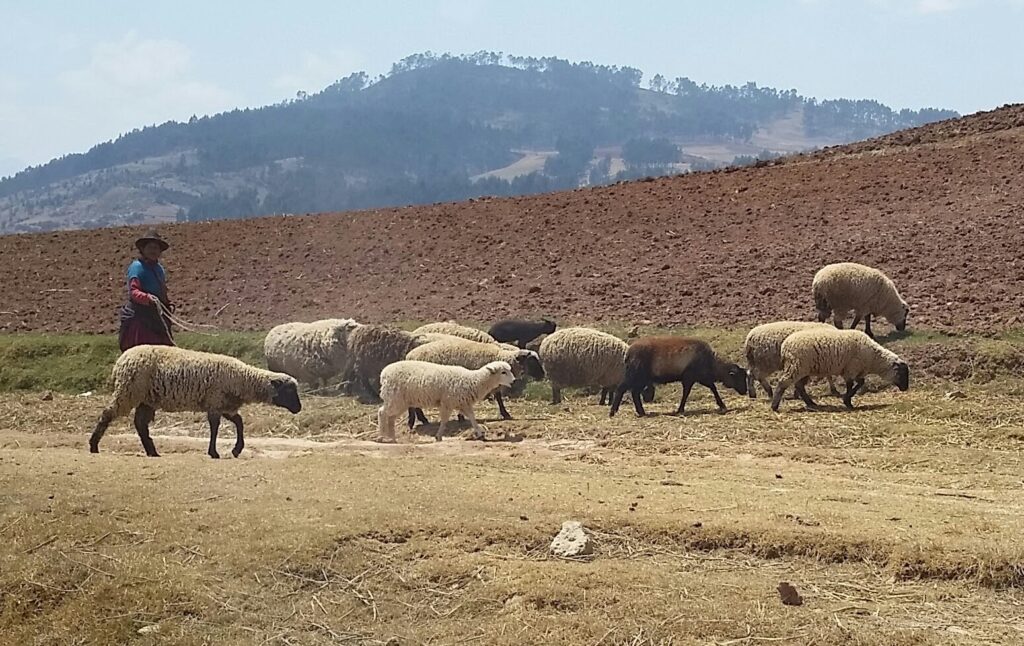
This morning, we begin a day filled with Peruvian cultural discoveries as we journeyed to Izcuchaca, a village in the Anta Province of Cuzco. Agriculture forms the basis of its economy. We learned that Peru has about 3,000 varieties of potatoes. The village has a stone bridge built in 1608, one of the oldest in the Andes, that is still in use today. Here we visited a local market.
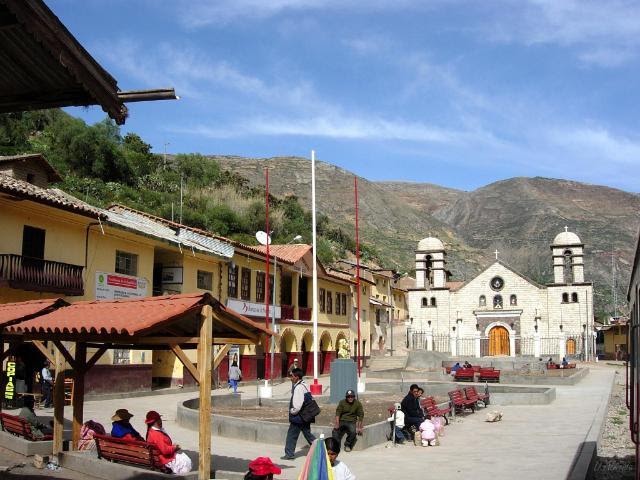
Then, we traveled to the mountain weaving village of Chinchero, which—at an elevation of 12,500 feet—is a literal high point ofour exploration of the Sacred Valley, and provides excellent views of the surrounding mountains. Chinchero was also the site of a 16th-century Inca emperor’s estate, as well as a resting place on the Inca Royal Road.
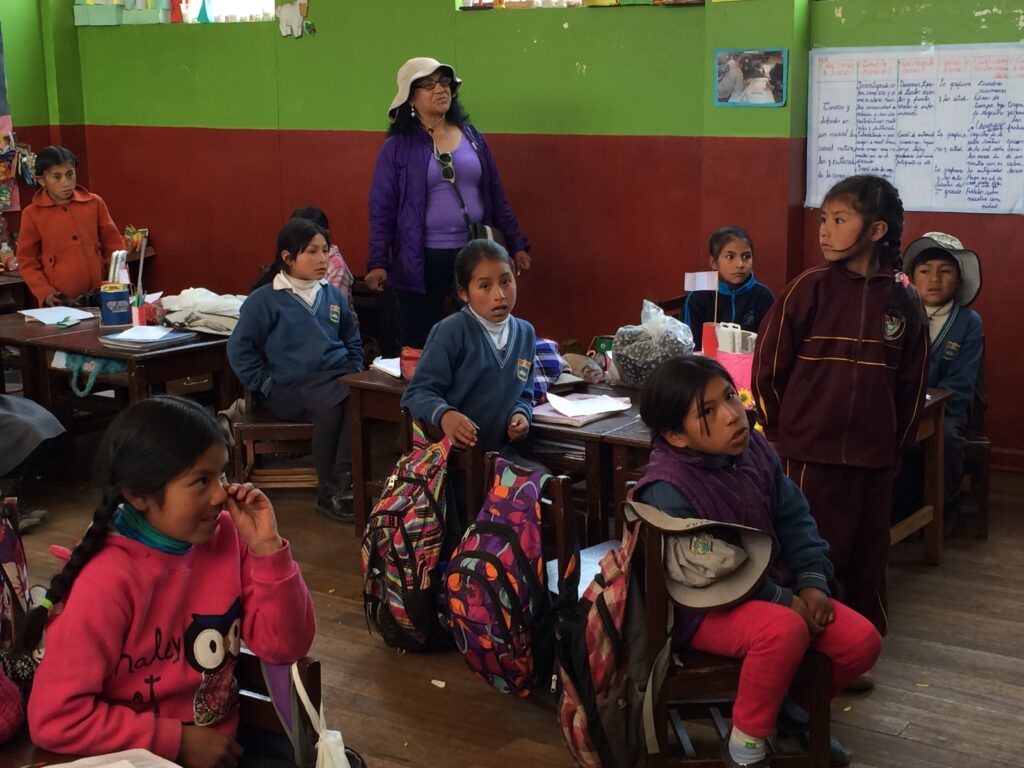
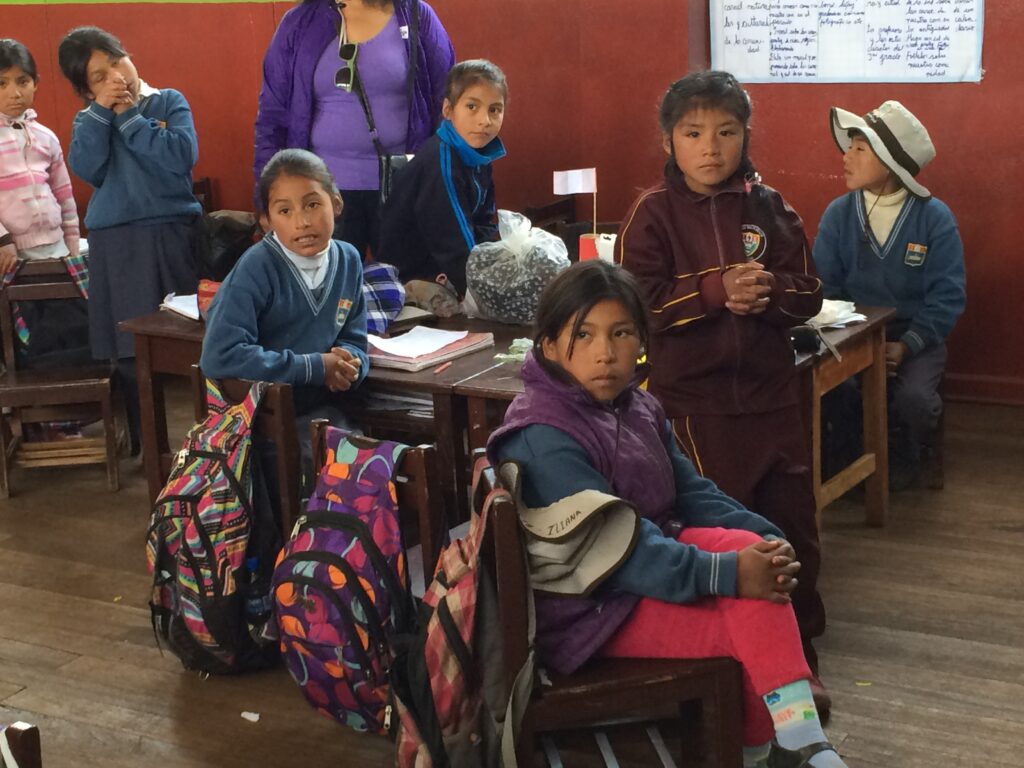
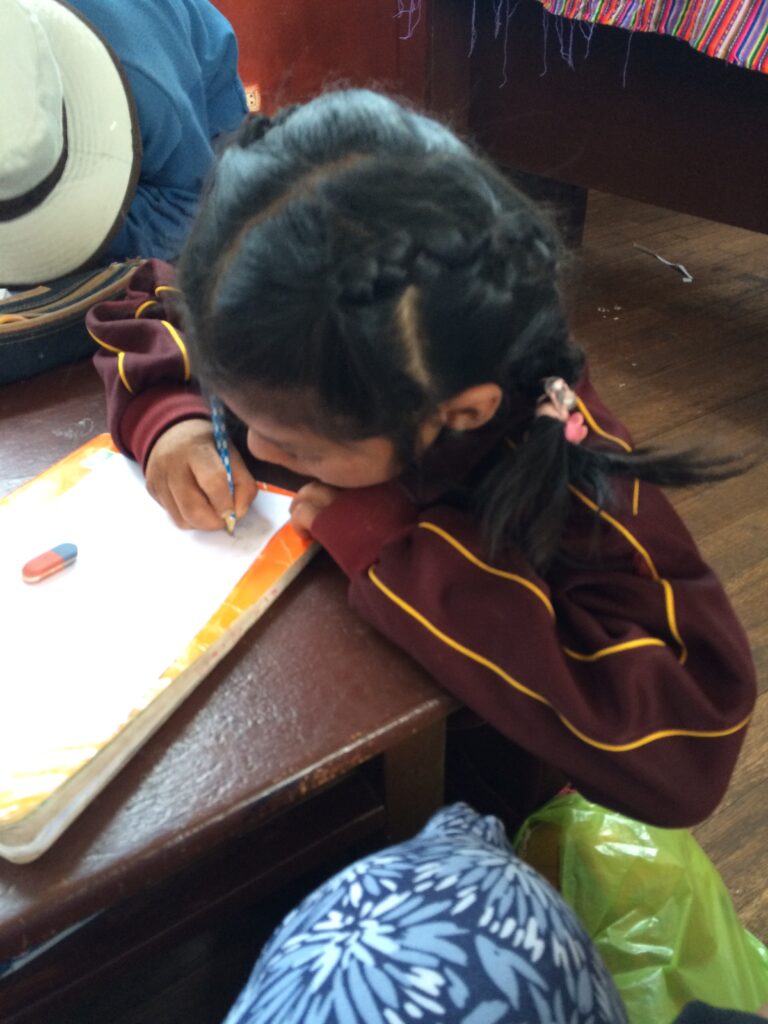
While there, we enjoyed A Day in the Life of the Chinchero community, beginning with a visit to a local elementary school. The children welcomed us warmly. We visited a third-grade class where we taught the children numbers from eleven to twenty. Then the students sang some traditional songs. We gave the teacher the supplies we had brought. Then the children showed us the indoor bathrooms that had been provided by the Grand Circle Foundation. They were so excited to use them.
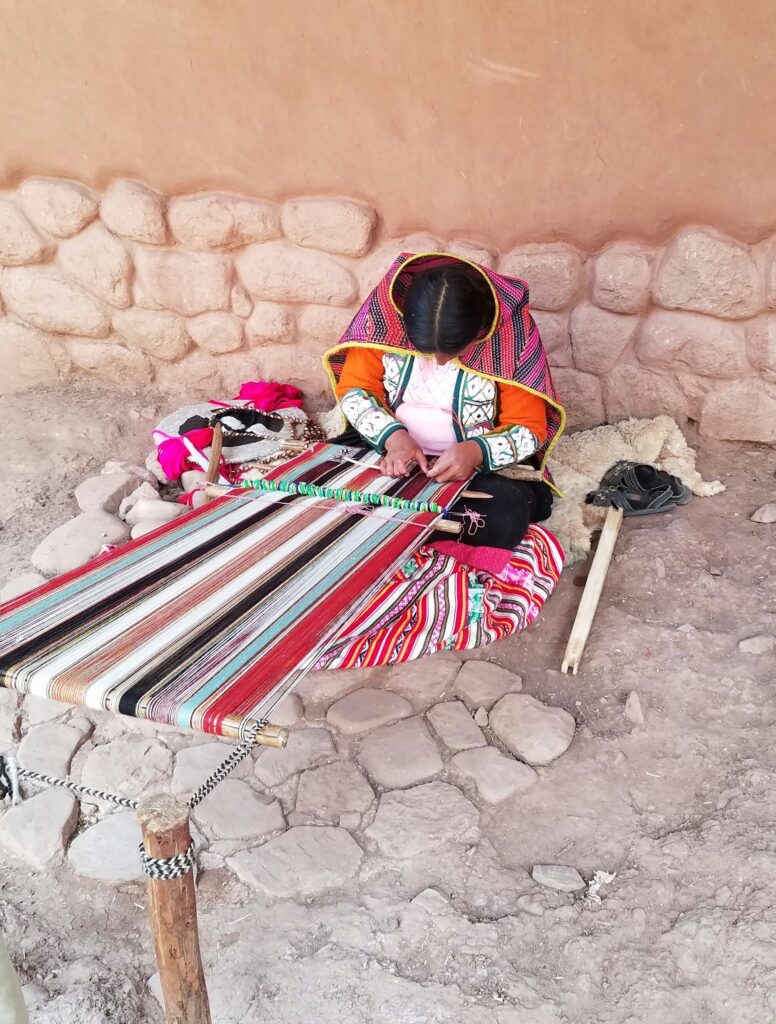
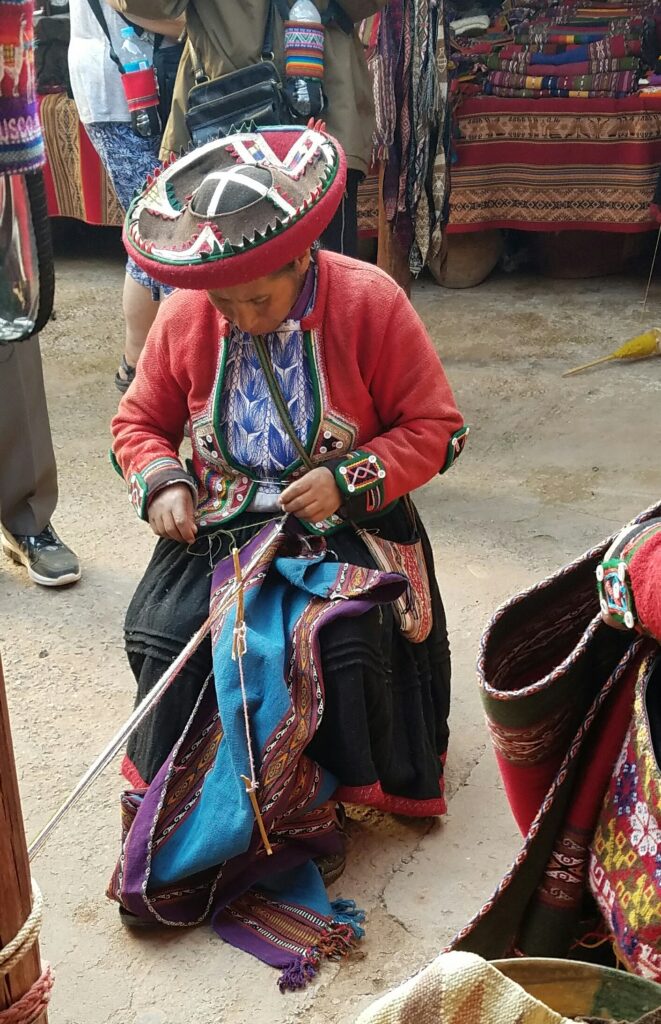
From the schoolhouse, we traveled to the center of Chinchero, where we enjoyed a walking tour of the community and visit to a weaving cooperative. We had lunch there and then a demonstration of how Peruvian weavers create their complex patterns in colorful cloth as their ancestors have for centuries. Every village has its own unique patterns and traditions, many dating back more that 2000 years. The oldest member of the community was in her 90s.
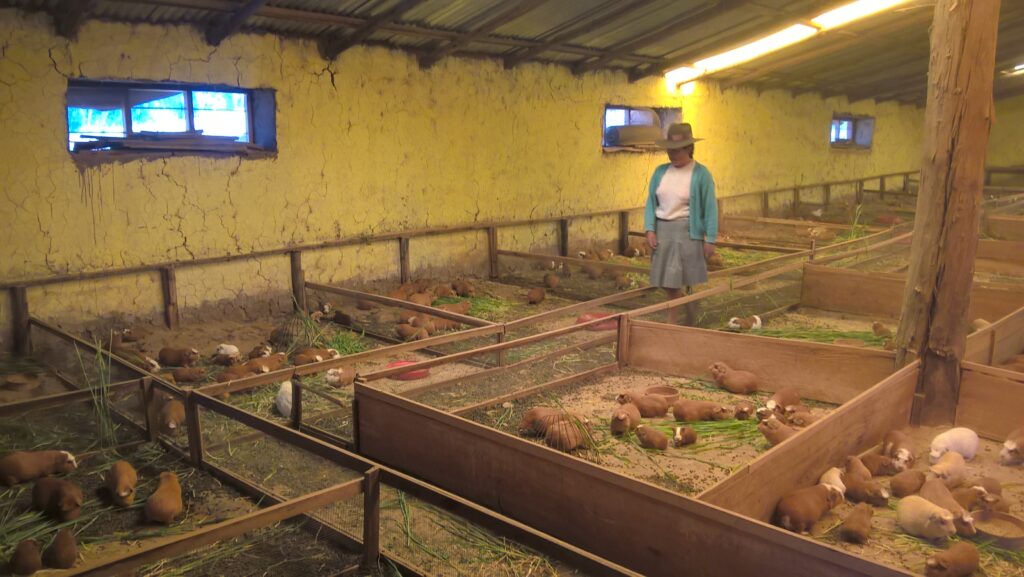
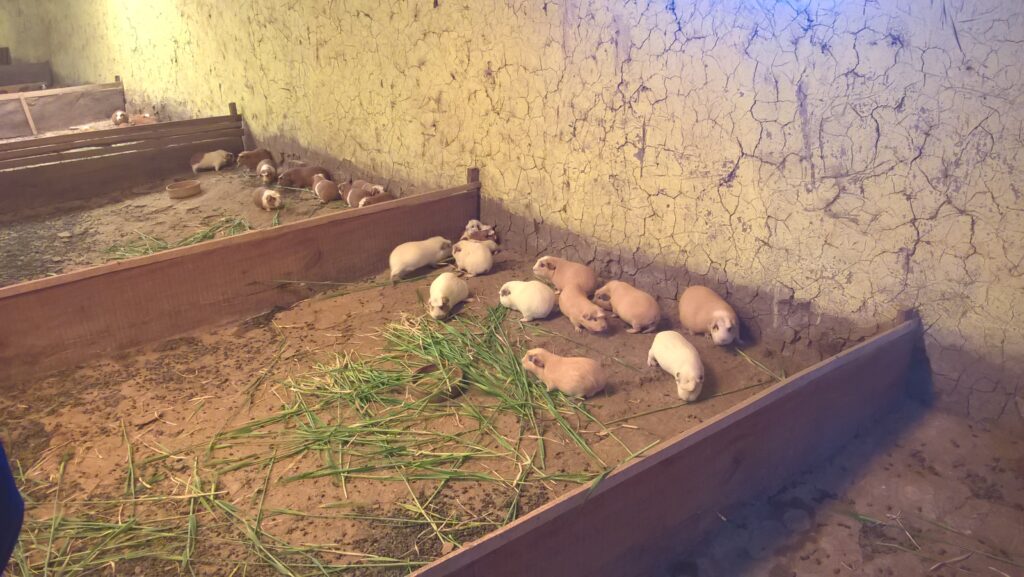
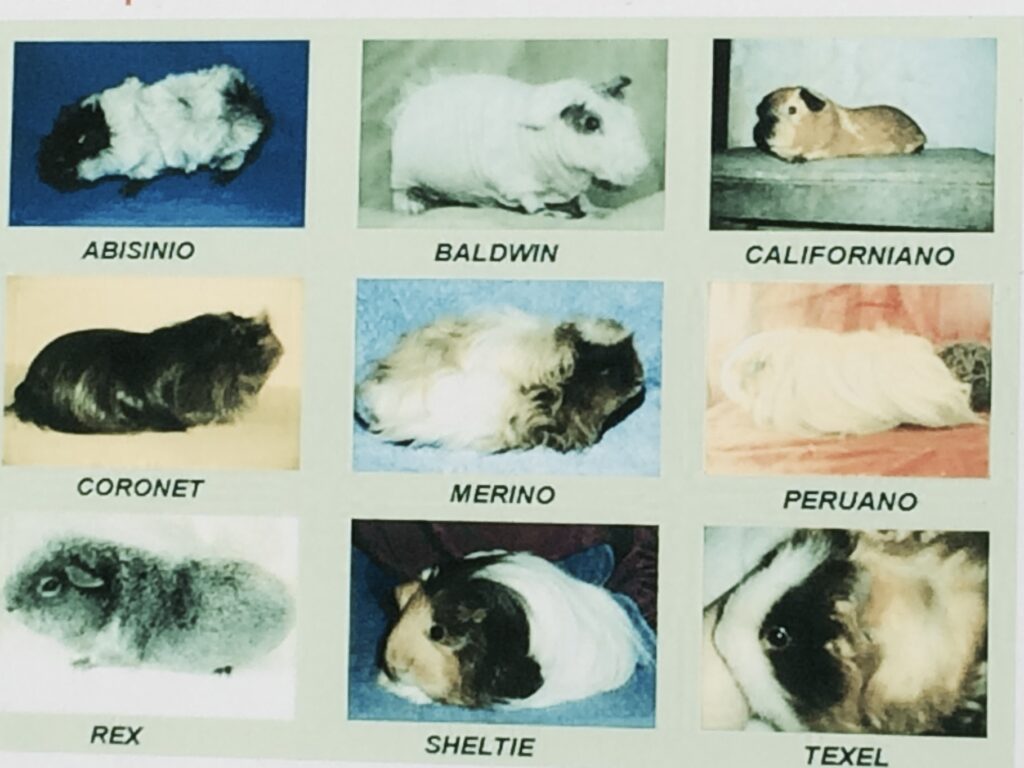
On our way to the Shaman, we stopped at a Guinea Pig farm to see all the varieties and how they are bred. The Guinea Pig is a special food reserved for celebrations; in Peru it is called Cuy. Peru has nine different species of Guinea Pig. The Incas considered them sacred animals. We had to walk through a disinfectant pool before entering the guinea pig shed. This woman raised hers for some of the best restaurants in Lima. They were all sorted by type in different boxes.
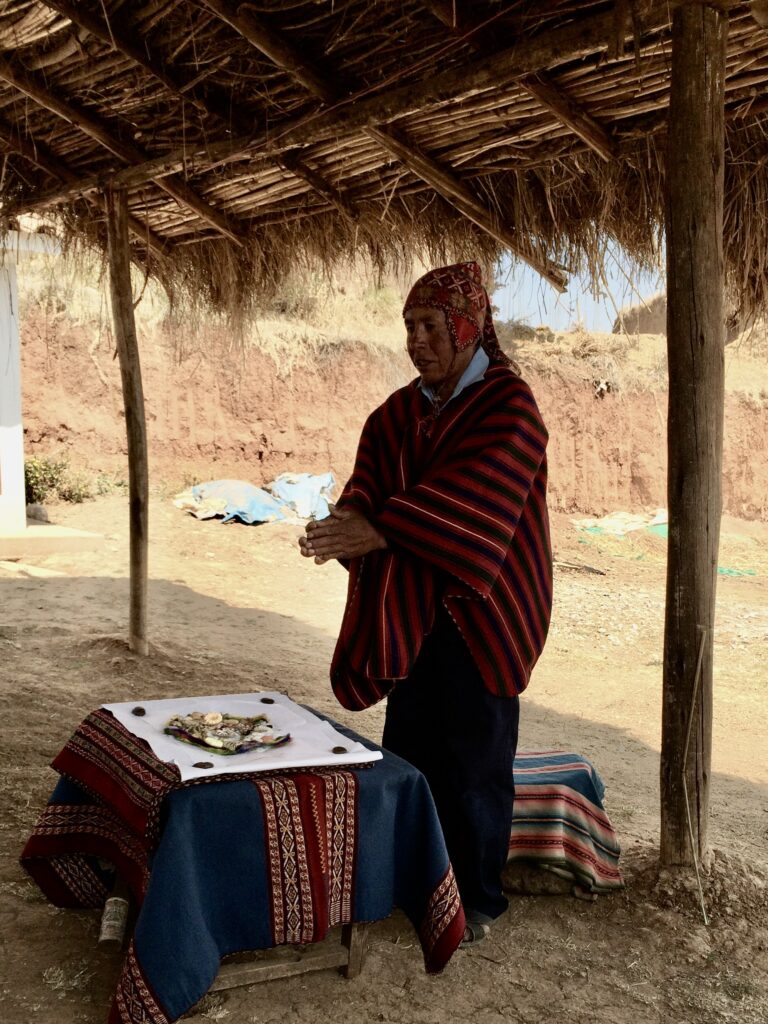
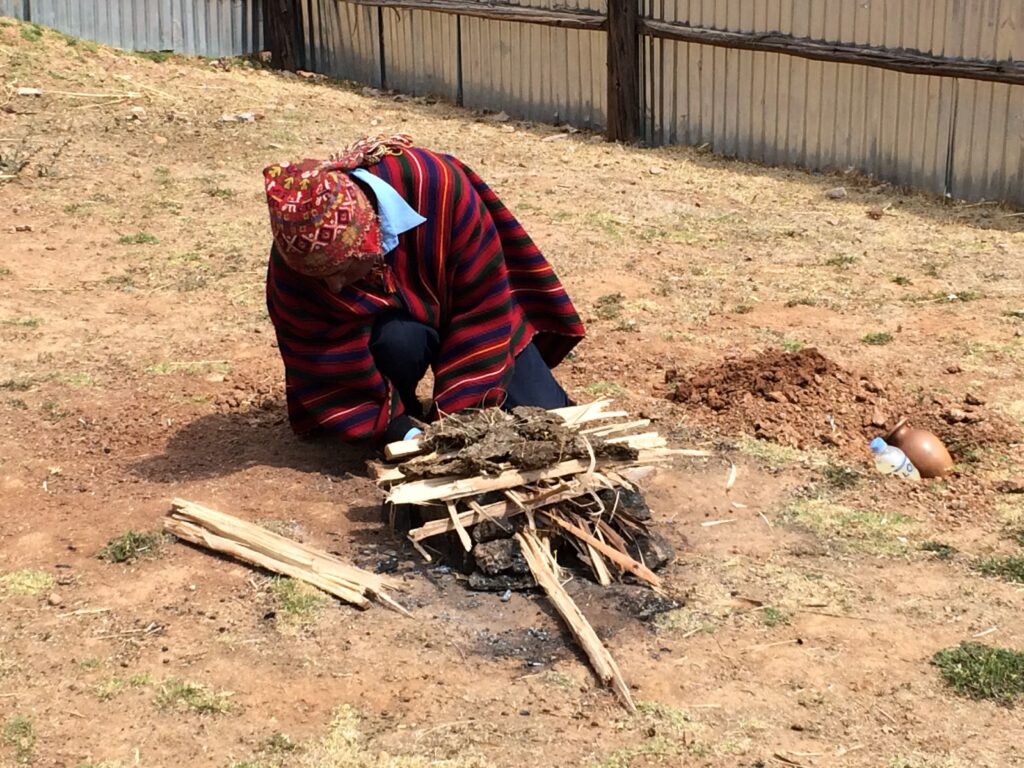
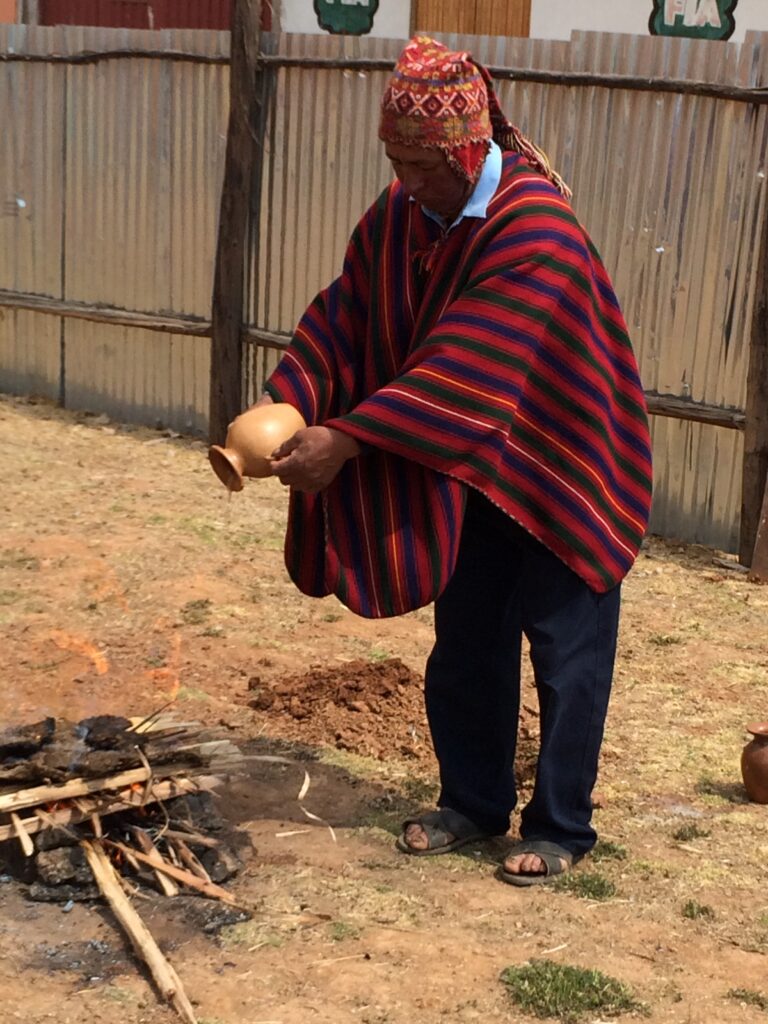
Next we visited a local Shaman for a traditional healing service with ancient roots. It is called a Curandero ceremony, performed by a Mestizo Medicine Man, that draws on an assortment of ancient and modern substances and symbols, combined with coca leaves and the energy of the sacred mountains and Mother Earth. Maricela said that people today will go to the Shaman first, then to the doctor.
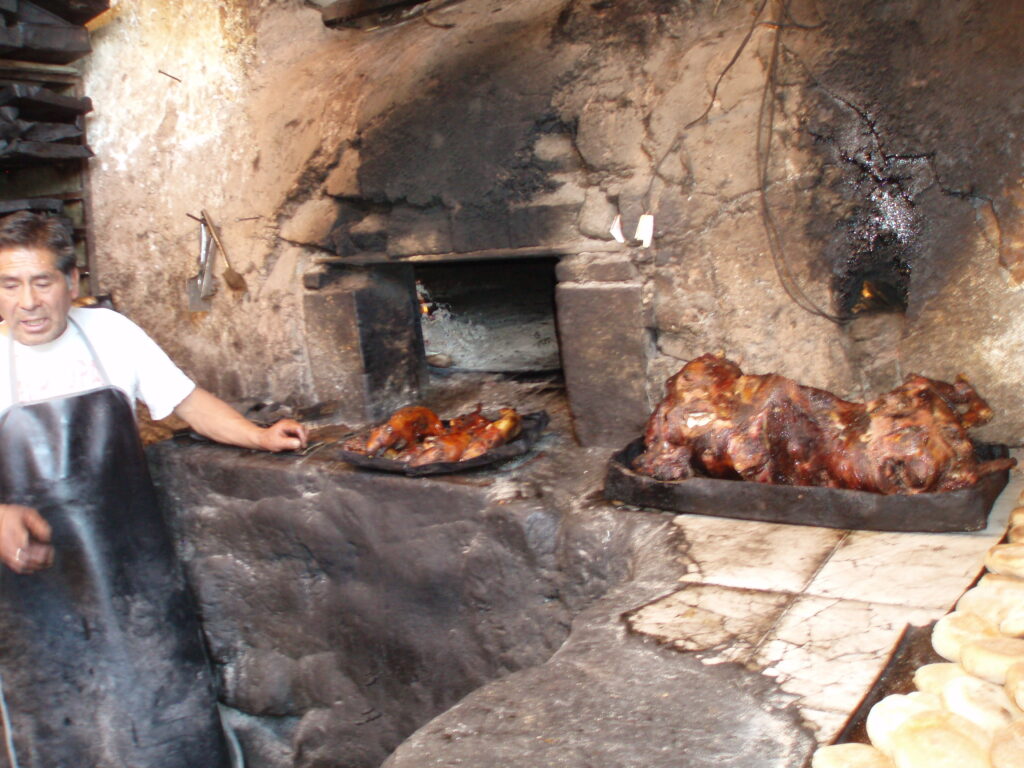
Finally we visited a local restaurant where all the food is cooked in a stone oven. We watched the chef put the food in the oven and later ate it. This is a local style of cooking.
Leave a Reply