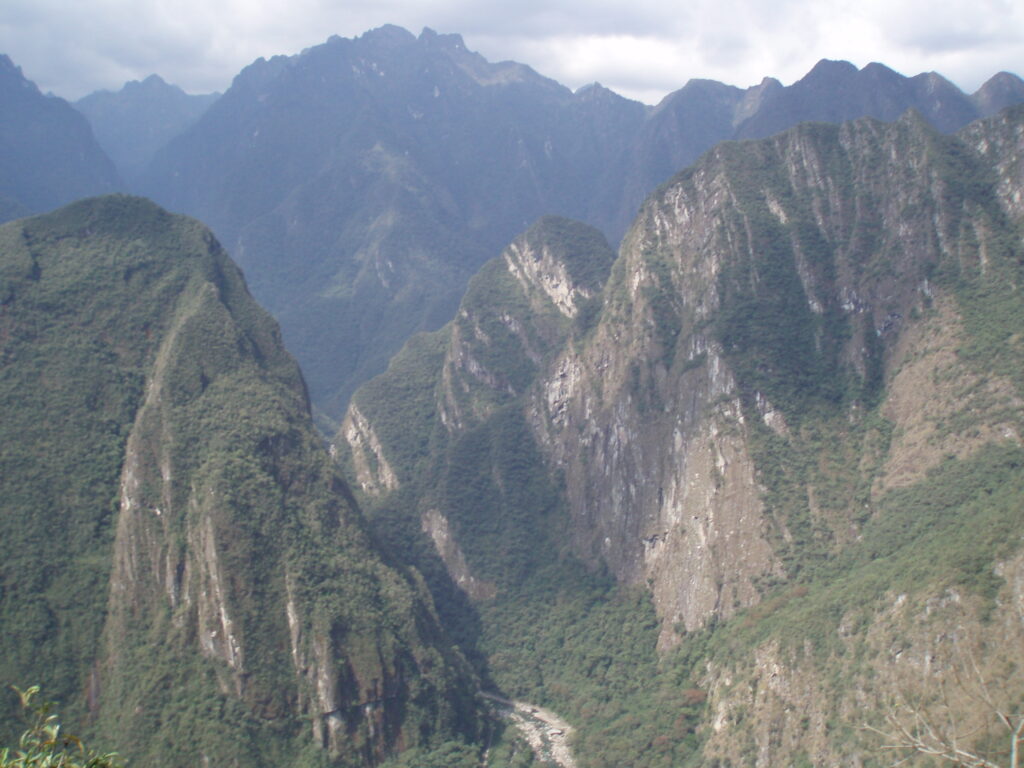
The Sacred Valley of the Incas lies north of Cuzco, stretching along the Urubamba River. Flanked by tall peaks and irrigated by the river, it served as an agricultural hub and royal estate for the Inca Empire. It ranges in elevation from 6,730 ft to almost 10,000 ft. Three places we visited were Pisac, Ollantaytambo, and Urabamba.
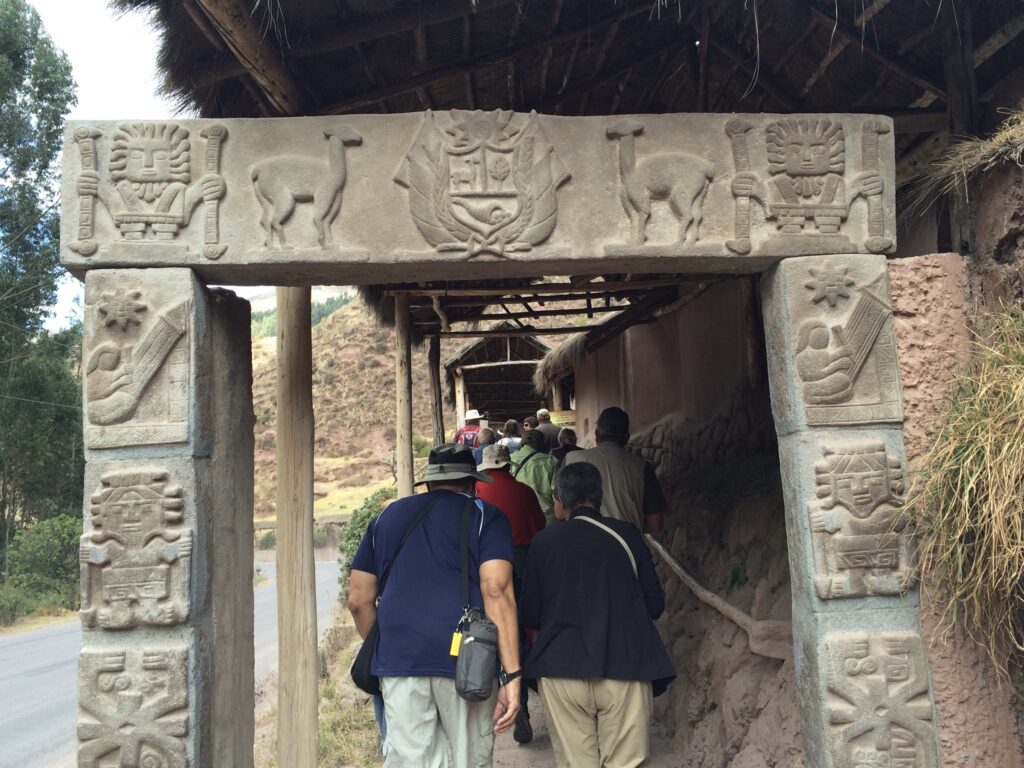
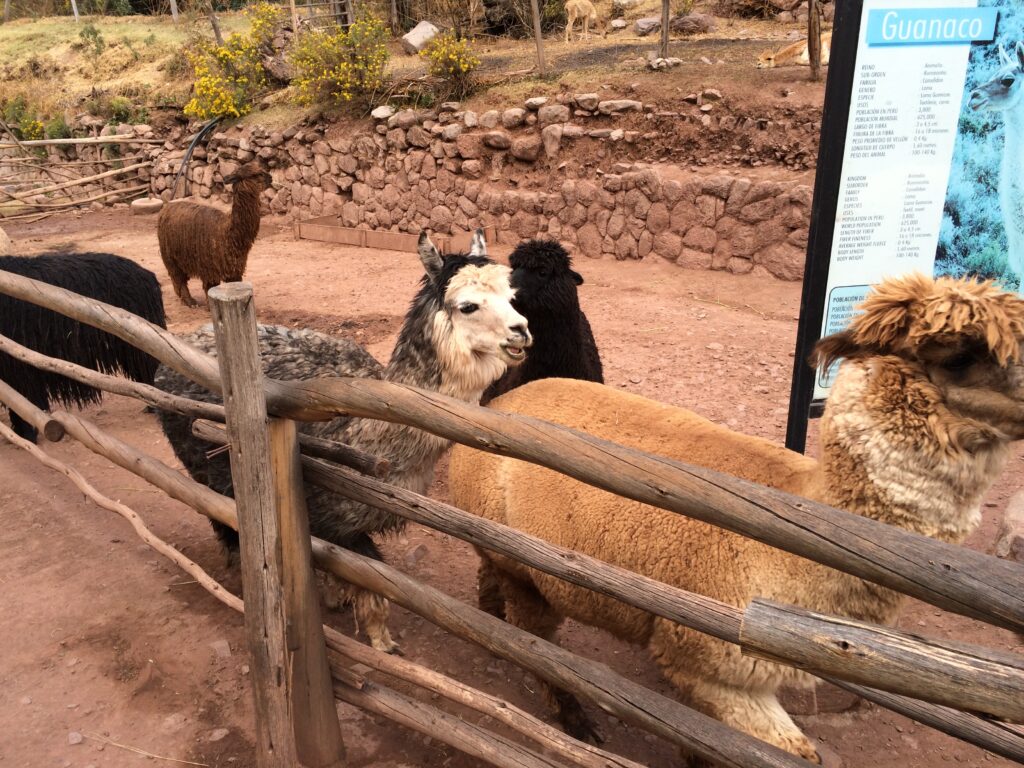
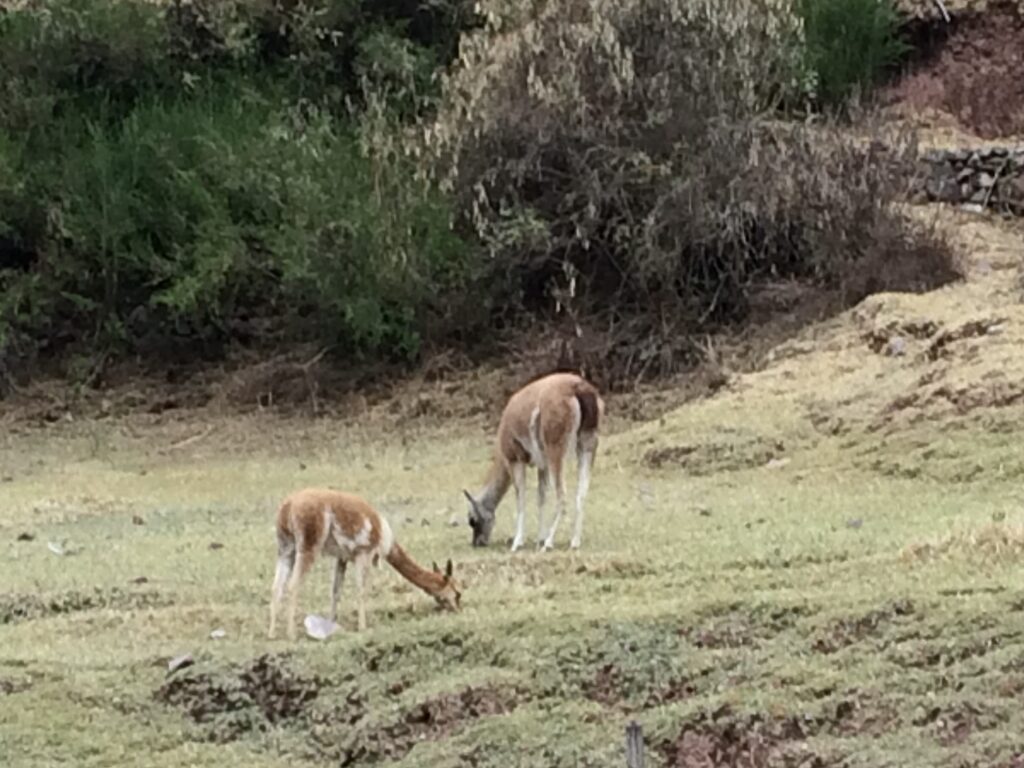
On our way to Pisac we visited a llama farm. After viewing the animals, we got to see the beautiful, soft sweaters made from their wool.
Pisac
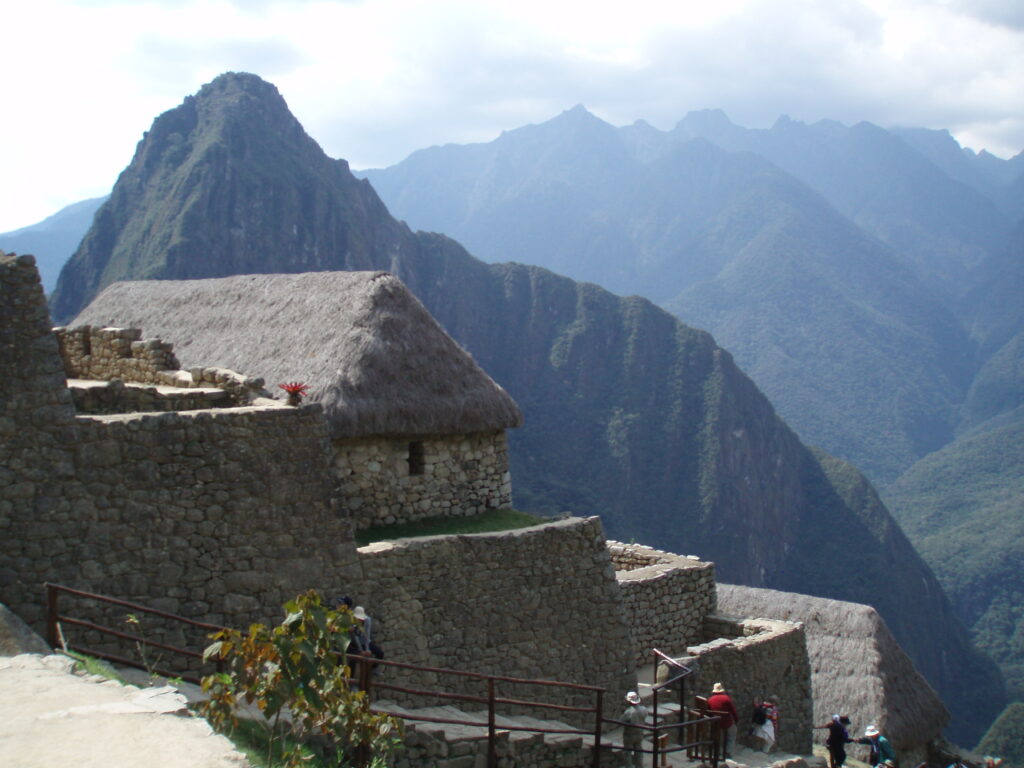
The mythic ruins at Pisac include agricultural terraces, residences, guard posts, watchtowers and a ceremonial center all situated along a mountain ridge above the modern town in the valley. The “modern” town was built during the 1570s.
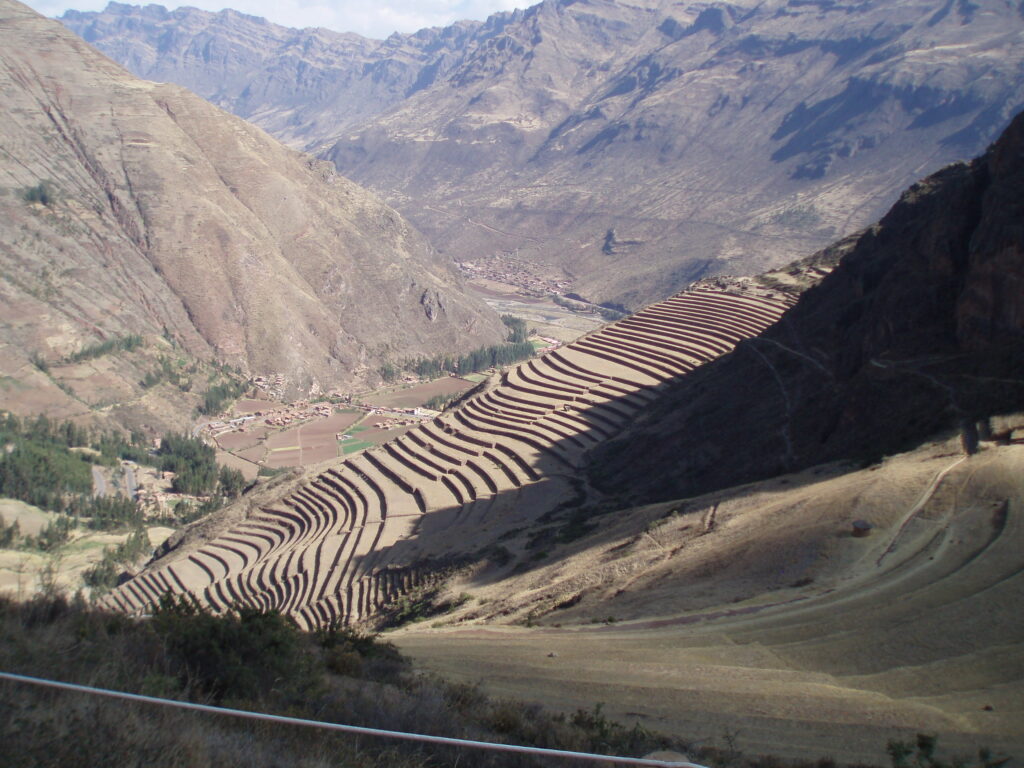
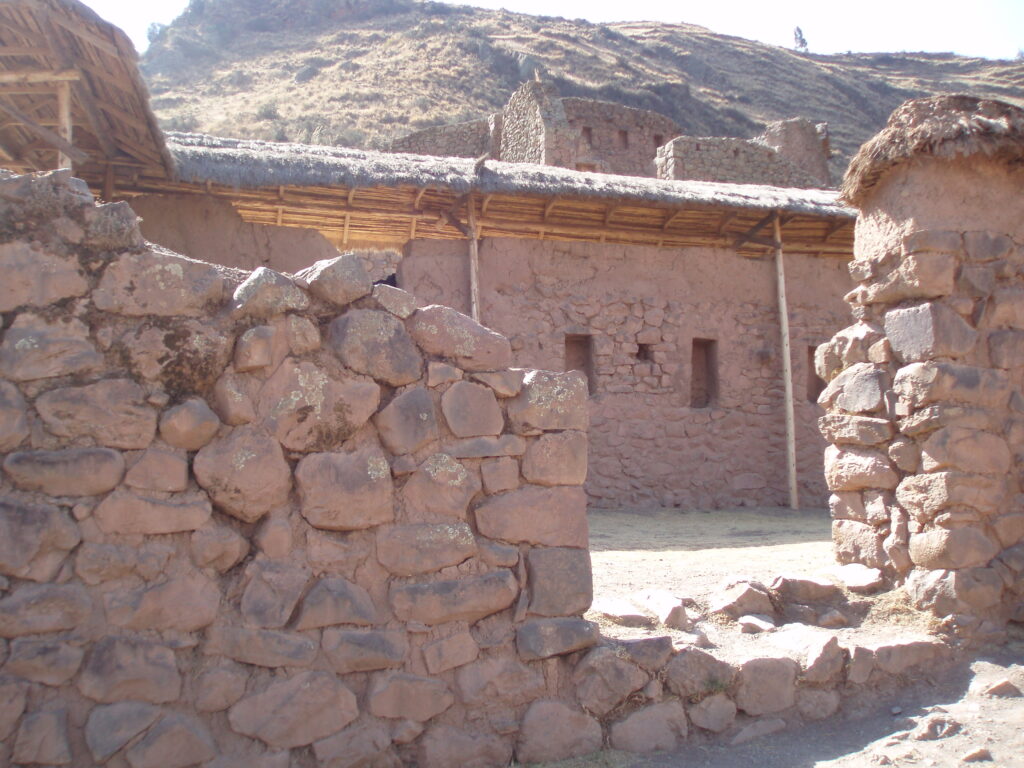
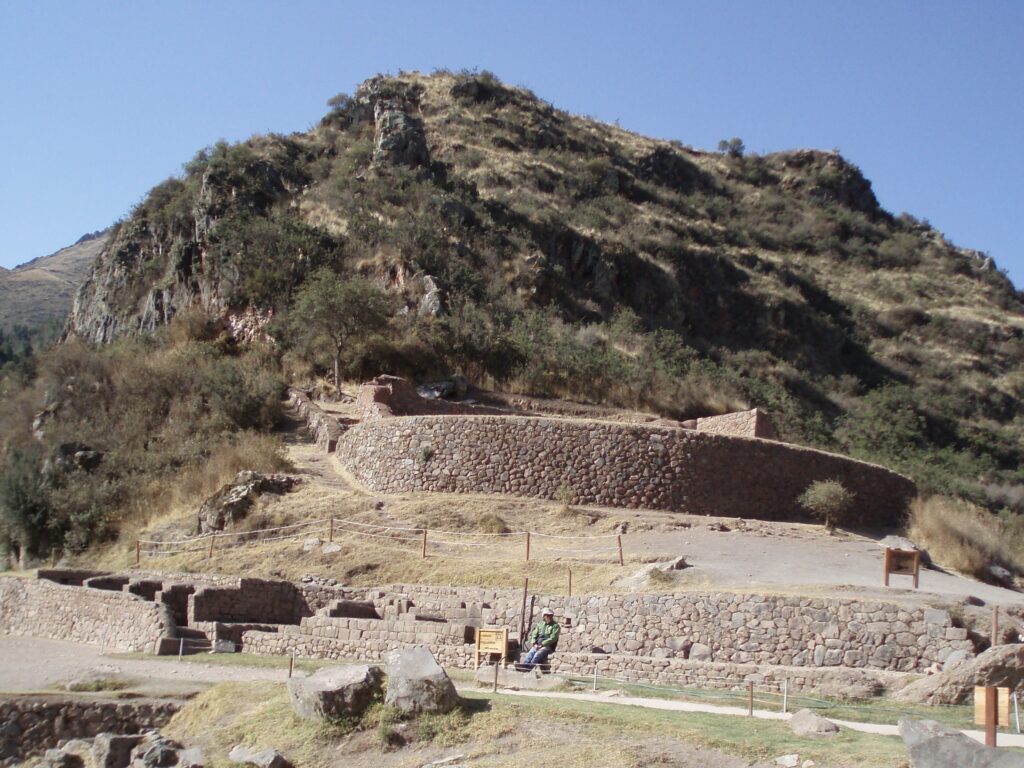
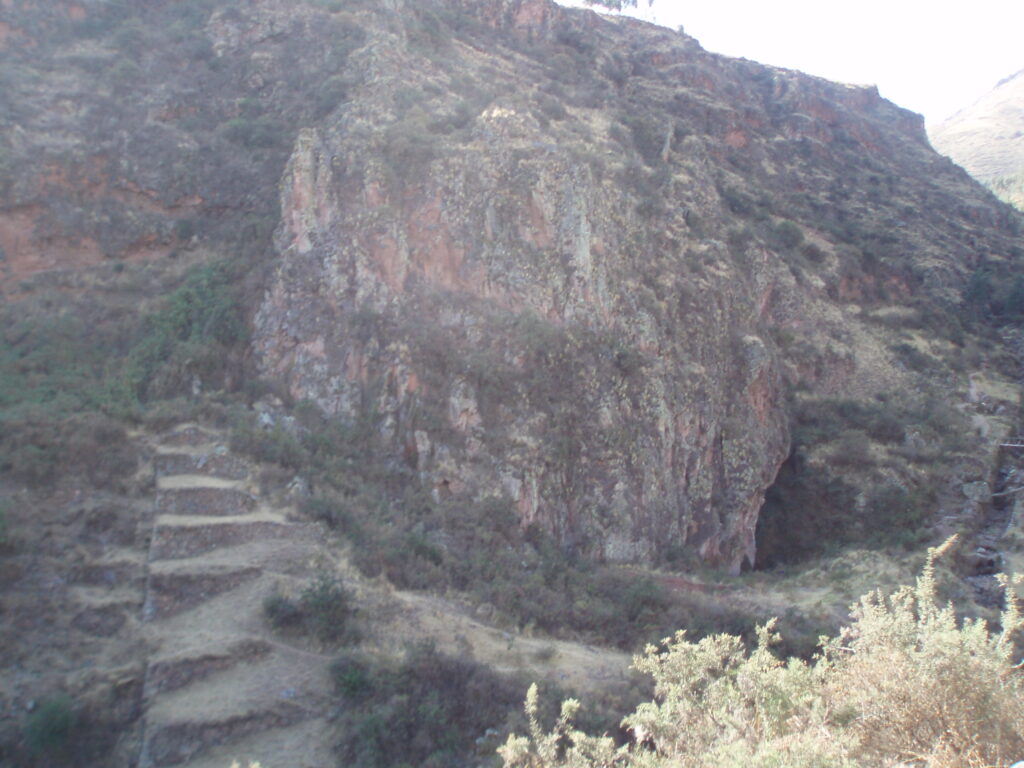
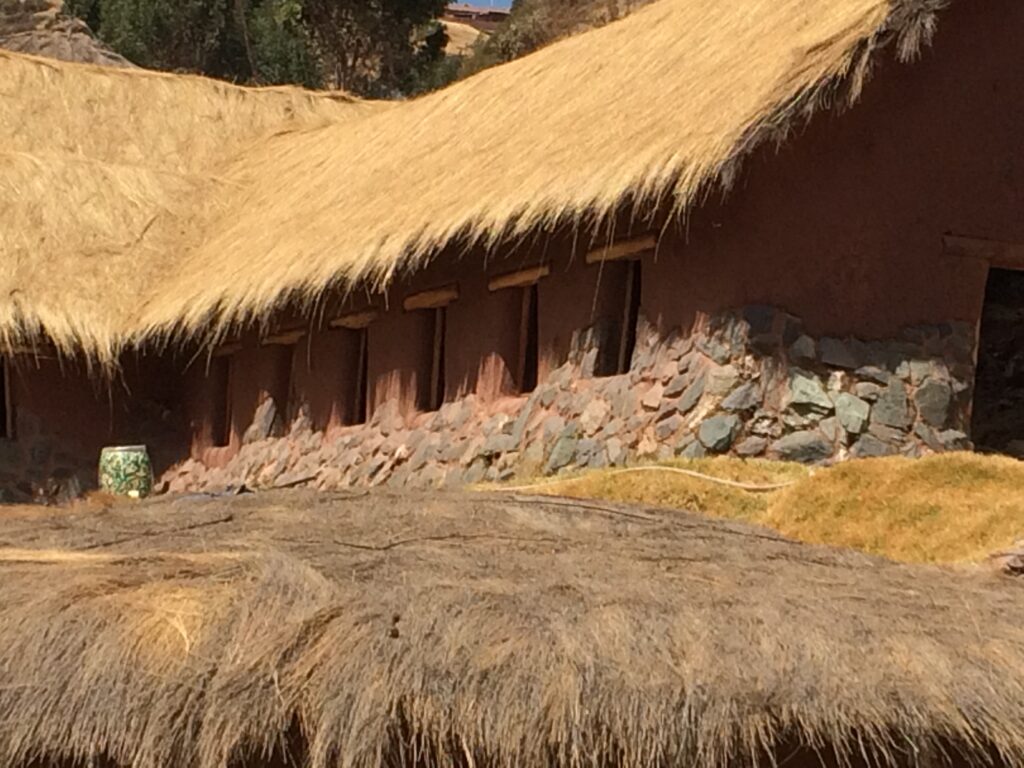
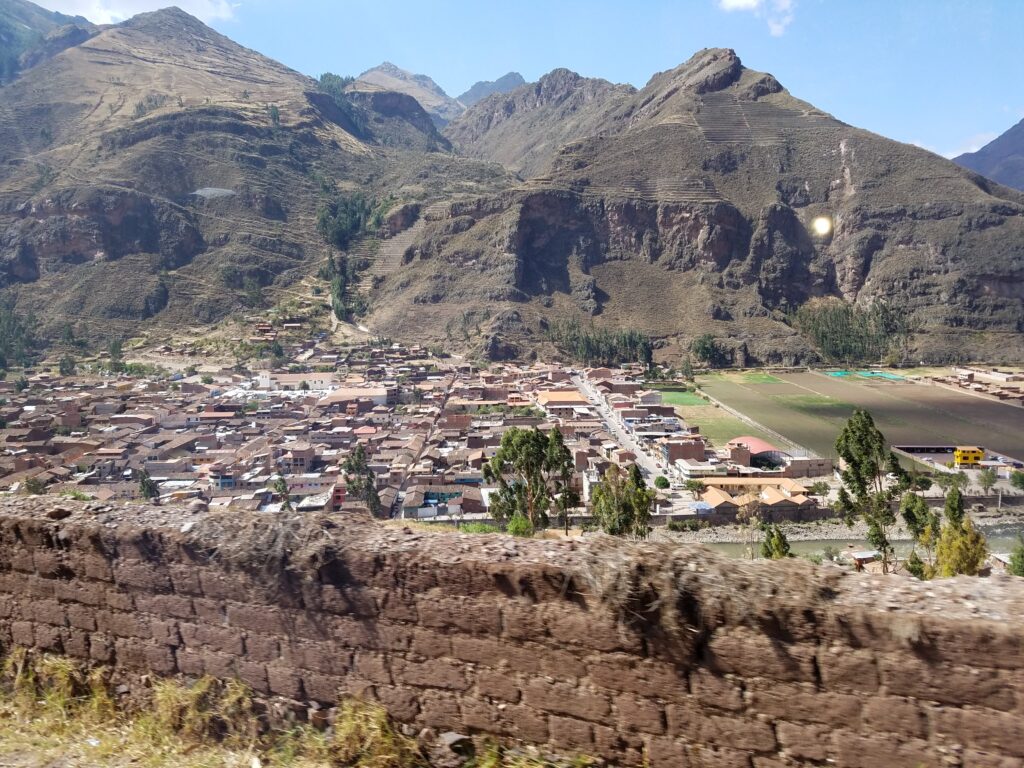
We took a short trek into the ancient city of Pisac, where we explored its well-built stone dwellings and temples and enjoyed sweeping vistas both up- and downstream in the Urubamba Valley. Pisac’s highly defensible site guarded both the valley and a high jungle pass to the northeast. The vistas were magnificent
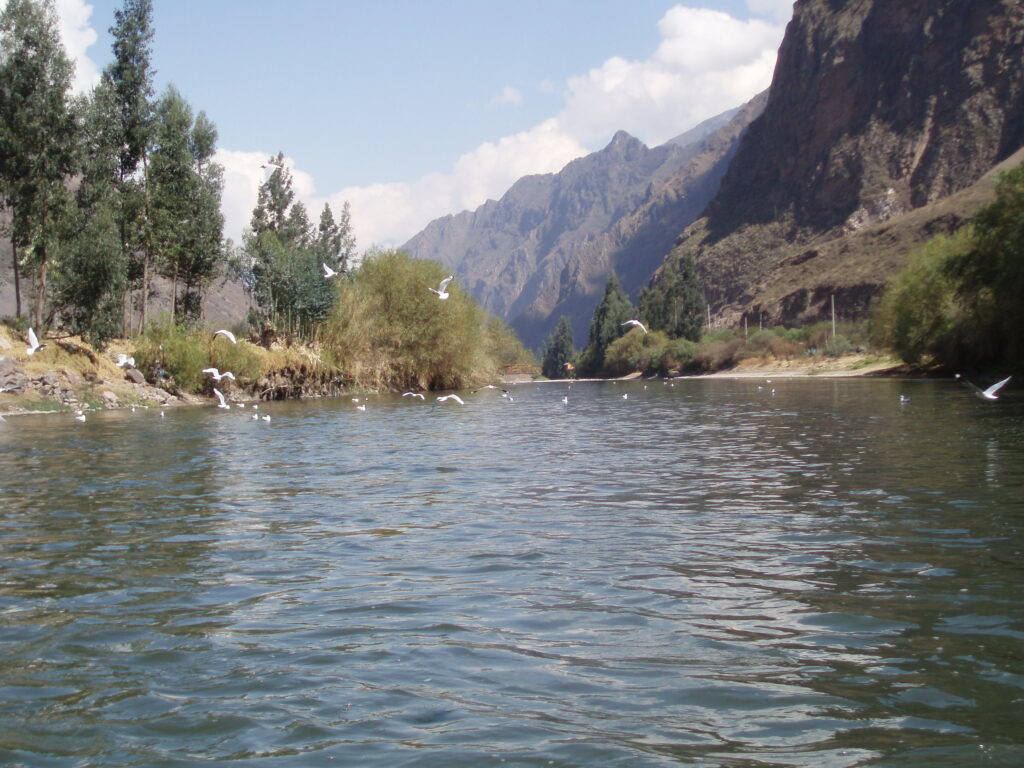
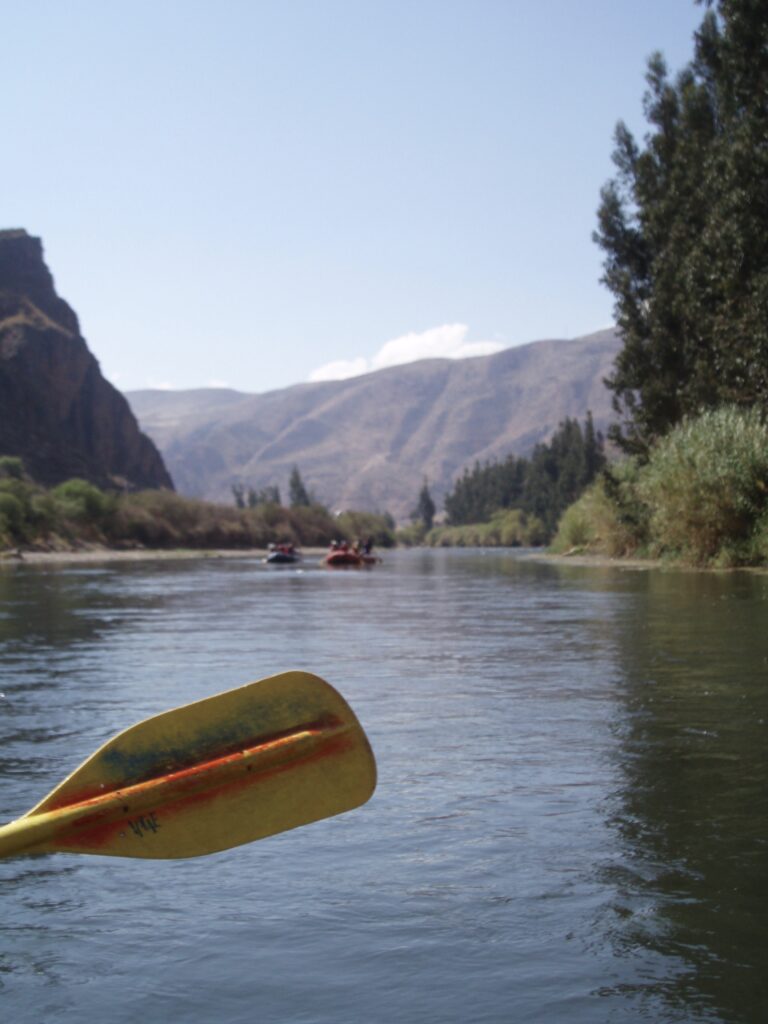
Next, we took a raft float down the Urubamba River. The A tributary of the Amazon, this is the sacred river of the Incas. Here their culture was born, and here they found a true life-source—the area’s mild climate and fertile soil, which yielded an abundance of fruits and vegetables. We all had to paddle. As we floated along the river, we saw the networks of terraces on both sides, constructed entirely by hand, which transformed steep mountainsides into acres of arable land that helped feed a civilization, and which remain in use today, centuries after their construction. It was interesting to see the aqua ducts in the terraces that provided a route for water and prevented erosion. The engineering is amazing.
Ollantaytambo
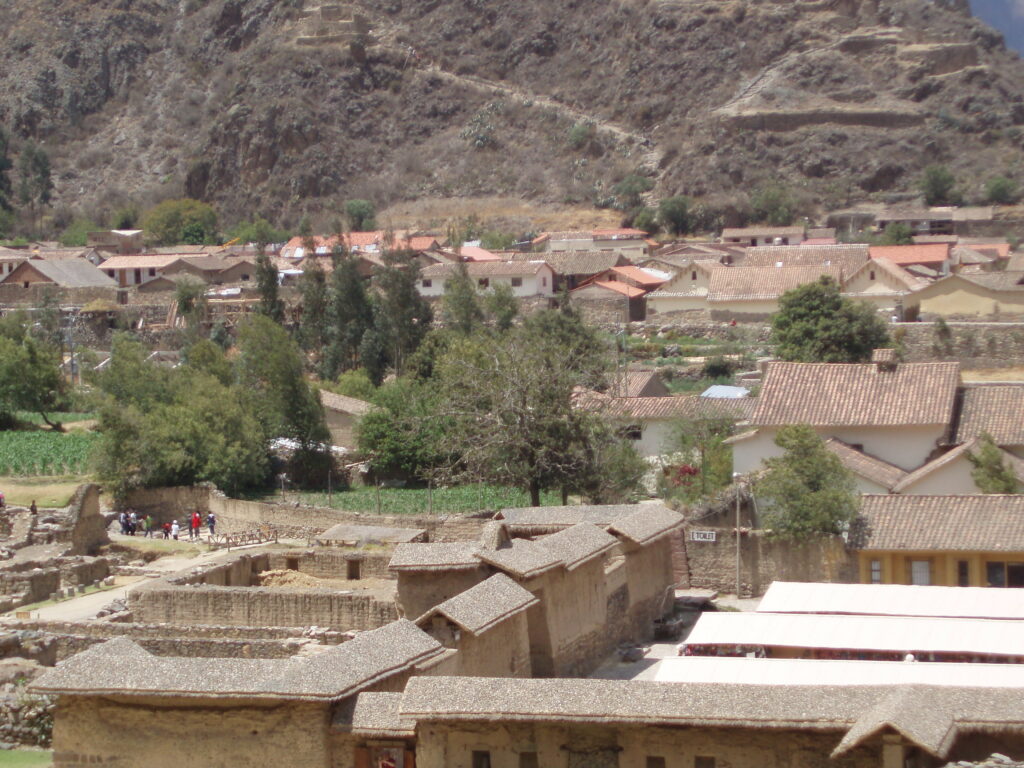
Following our rafting excursion, we continued to the Inca town of Ollantaytambo, a massive Inca fortress and the only town in Peru that has been continuously inhabited since pre-Hispanic times. During the Inca Empire, it was the royal estate of Emperor Pachacutl, who built the town and a ceremonial center.
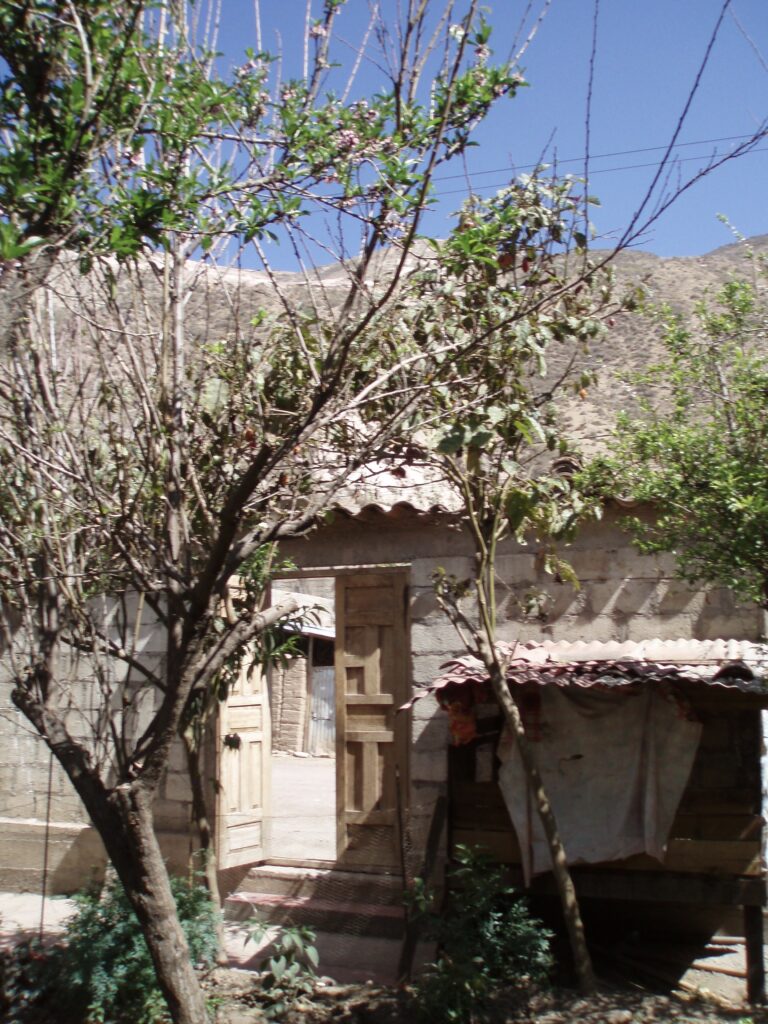
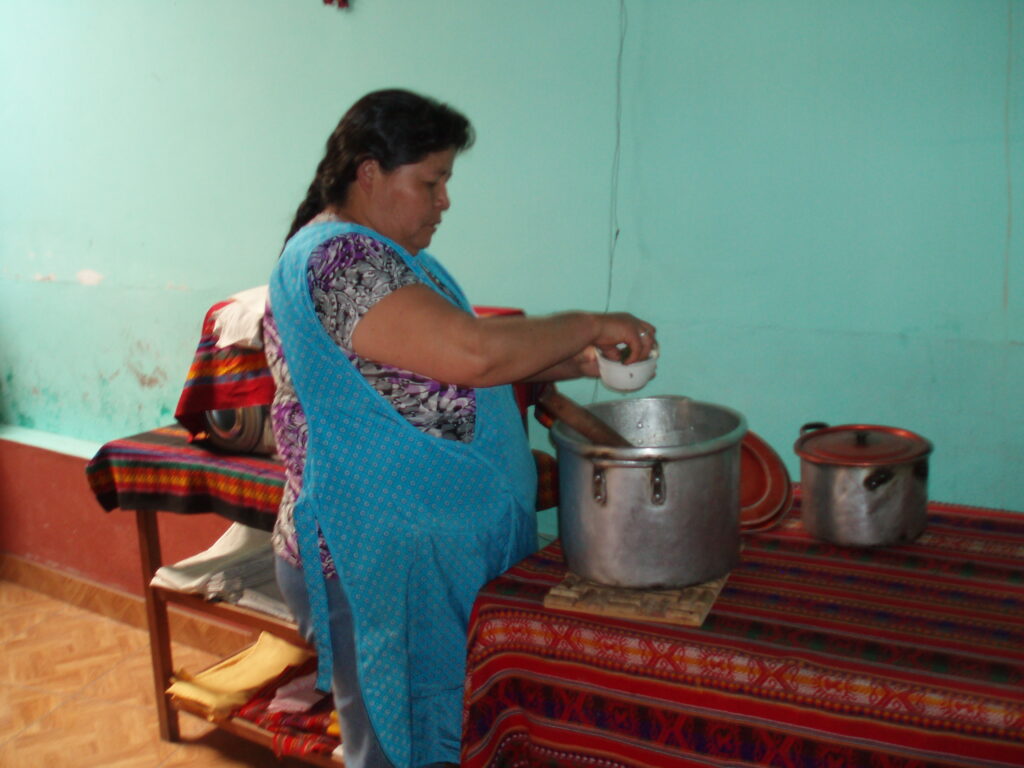
We wandered the streets and visited a typical Inca home of two rooms. The room we saw consisted of the kitchen and sitting area. Guinea Pigs lived in the mud floor house. The woman of the home showed us various important things: the skulls of her parents; a dried fetal llama, and various amulets for good luck. She also sold things, and we got some small gifts from her.
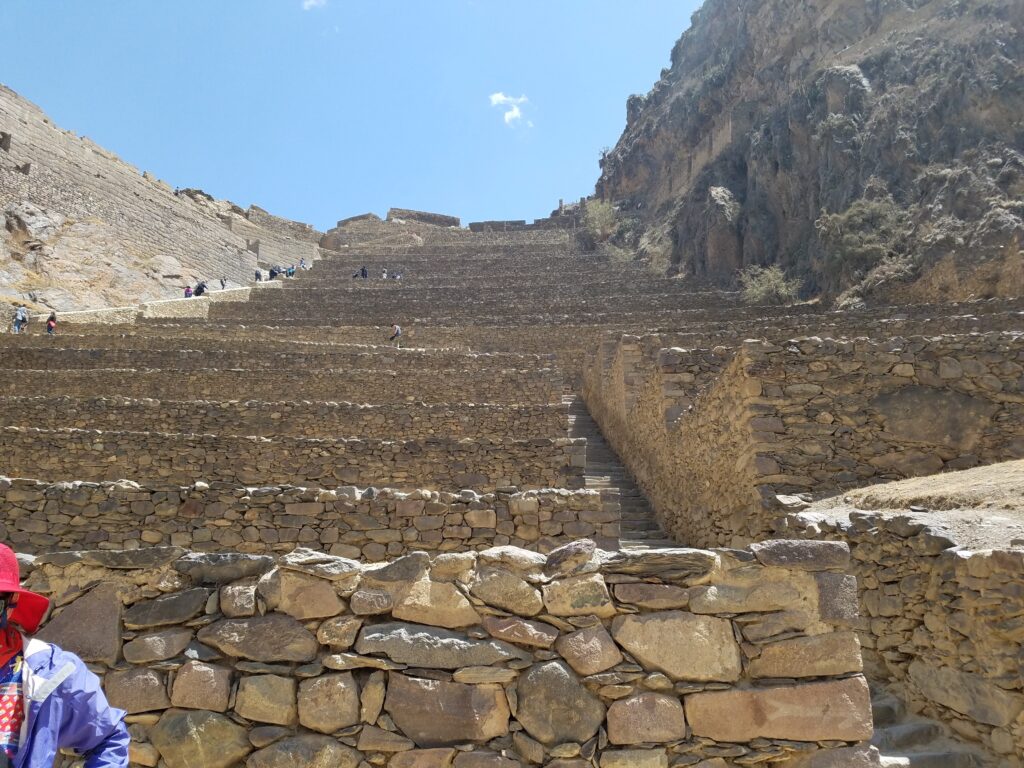
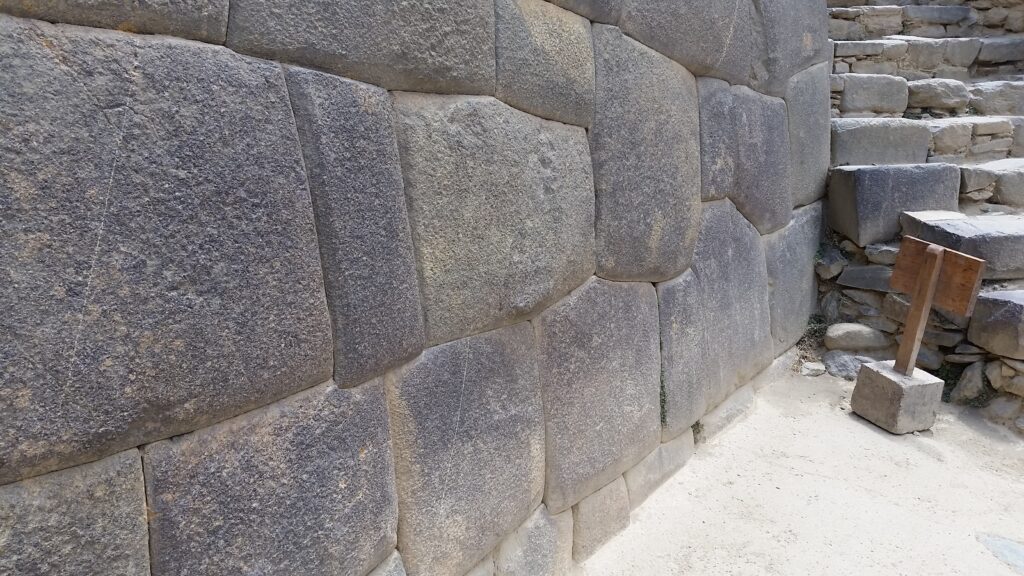
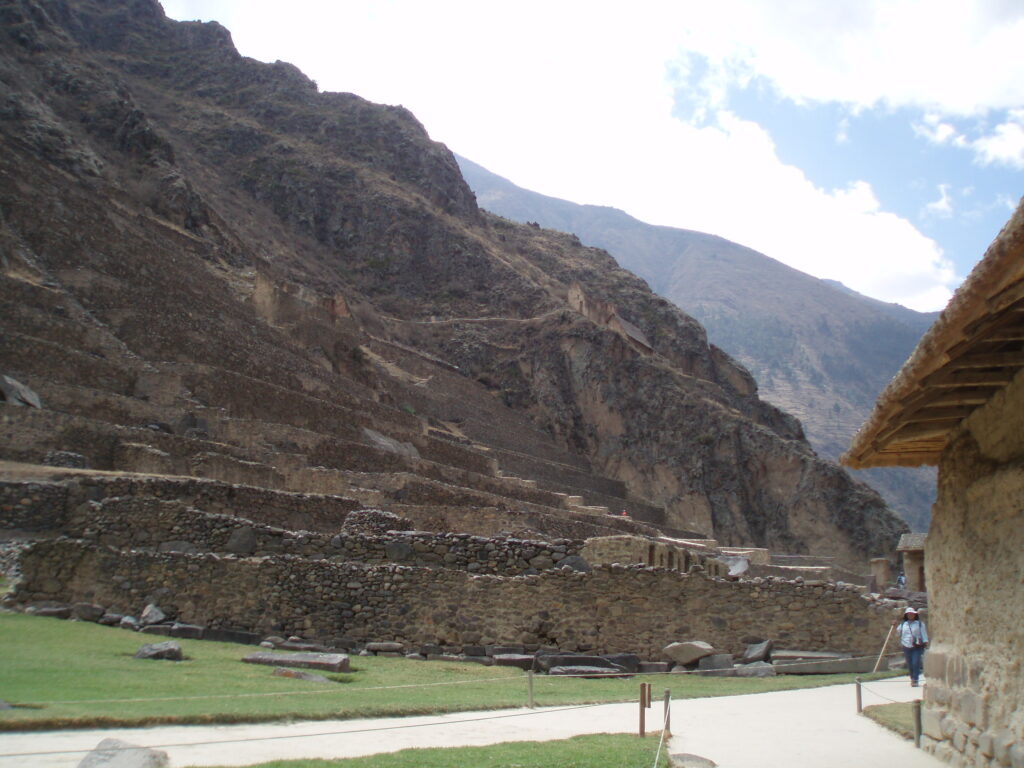
Following the town visit, we went to the splendid Inca ruins of Ollantaytambo. Ollantaytambo means pink granite. These are second in importance to Manchu Pichu and date from about 1450. The main section includes 17 terraces leading up to a fortress. At the top lies and impressive wall and Sun Gate as well as the monolithic Sun Temple with six huge pink granite boulders. The site also includes more terraces, storehouses, water fountains, and a water temple.
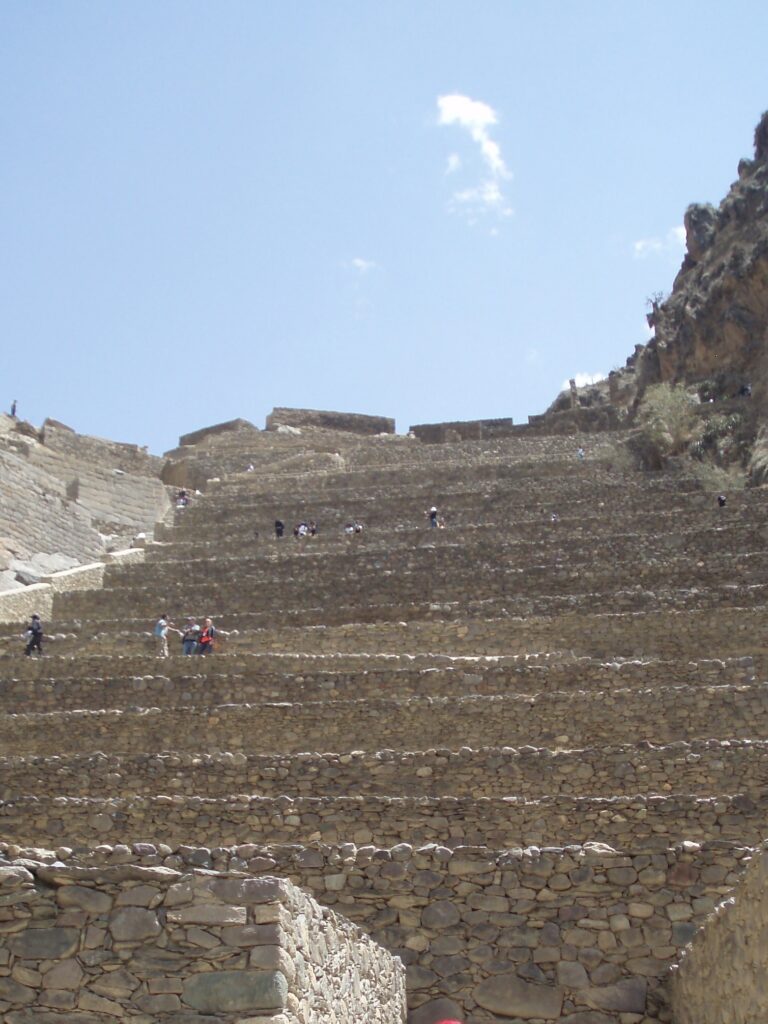
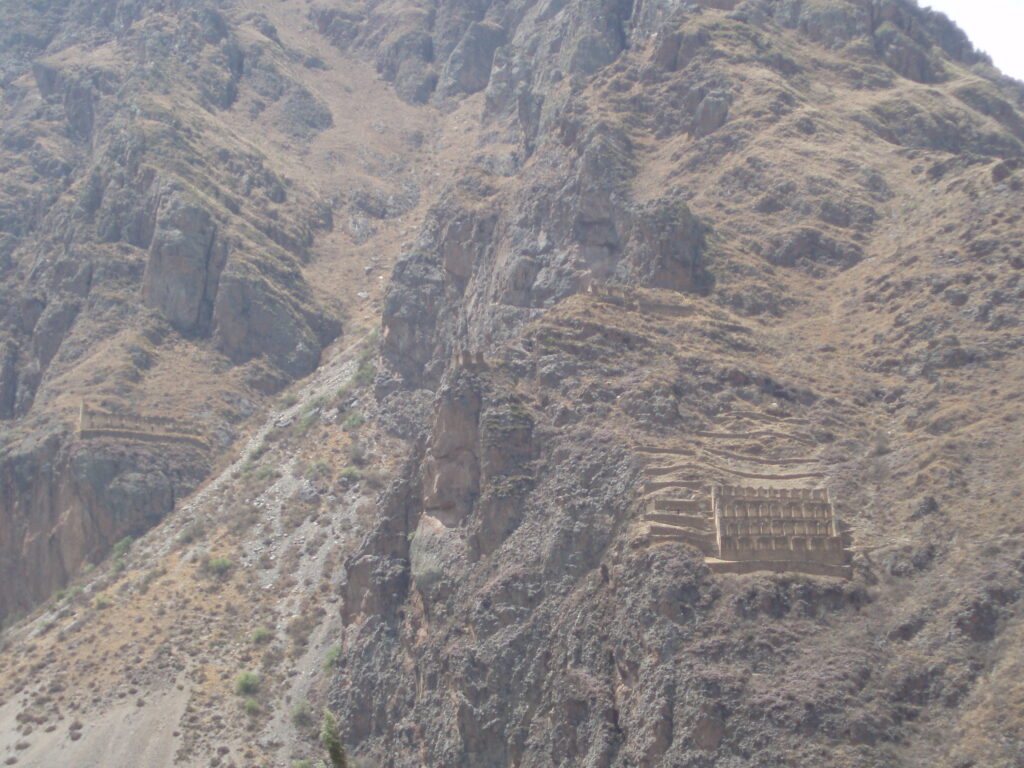
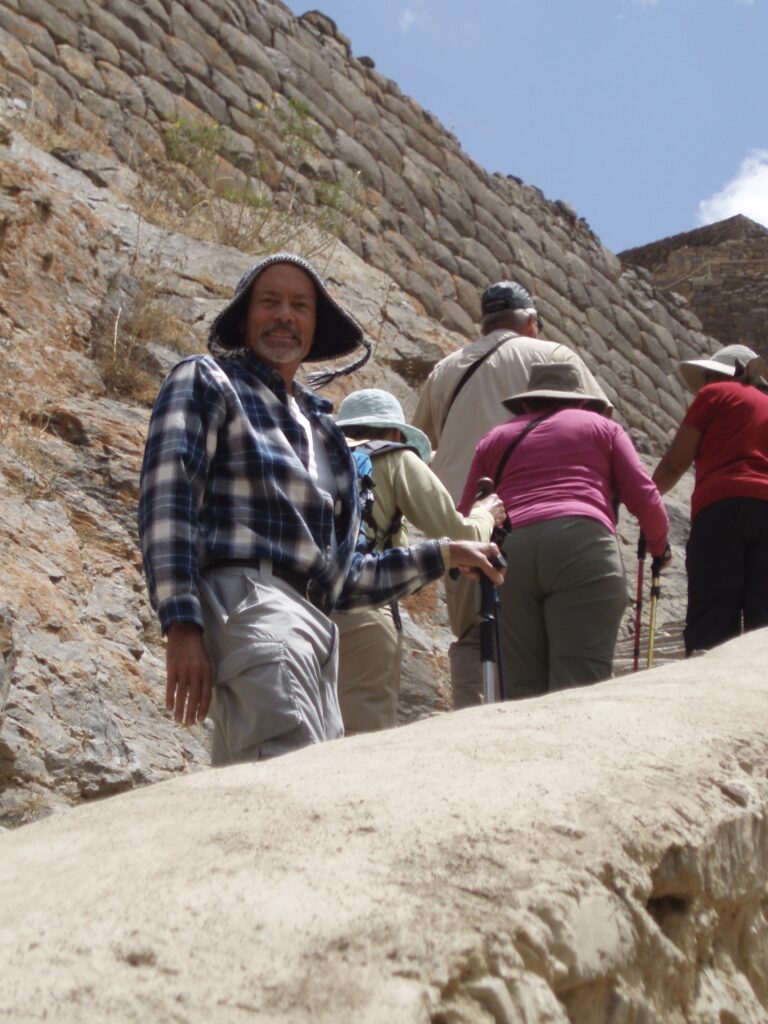
We walked among the remains of this ancient fortress of gray and rose-colored granite, discovered its ancient baths, and climbed up the huge terraces guarding its hilltop. The views were spectacular.
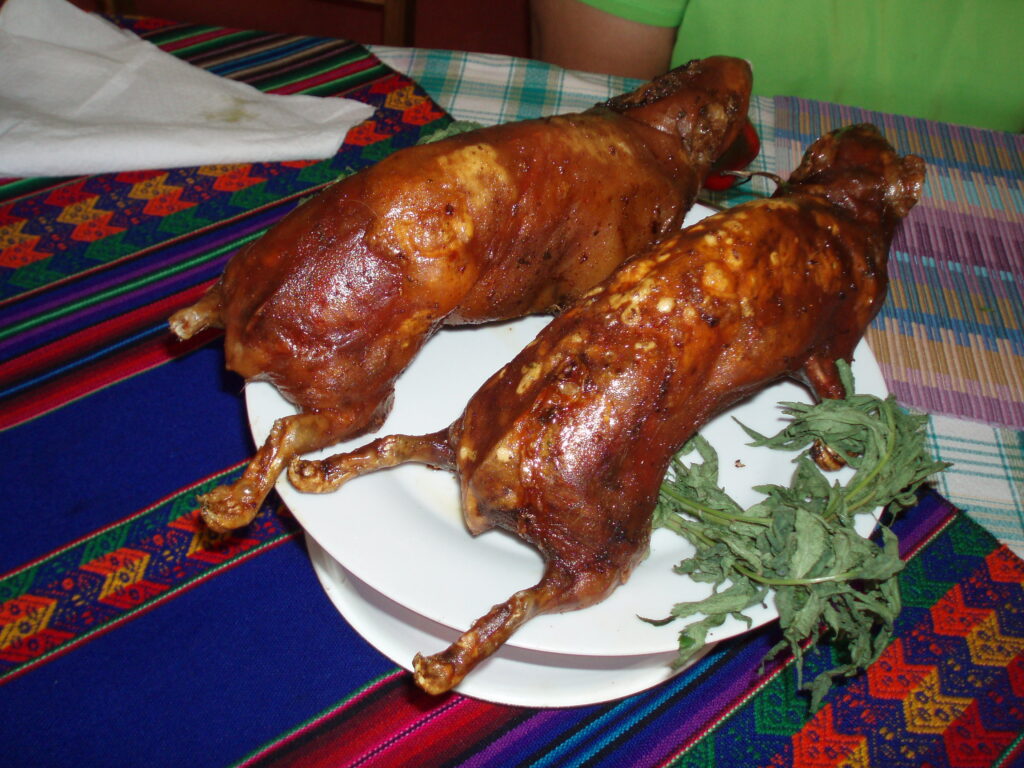
When everyone returned, we went to have lunch with a Peruvian family. On the way we had to stop at another town to purchase some items for lunch at the market. I was assigned to buy 1 Sol worth of eggs. I found the vendor with the eggs and got 3 eggs for 1 Sol. That’s about 11 cents each. Then we went on to the home for the Home-Hosted Lunch. Several members of the extended family live together and they all help each other out. The eldest daughter just had a baby—he was two months old. We got to help prepare guacamole, a traditional appetizer, and some tortillas—which we call cornbread. The first course was the guacamole, then came a wonderful soup, finally the long awaited cuy was served, Guinea Pig. It is a delicacy that is eaten at all festivals and birthdays. I did not find it tasty. Actually, by the time it was cooked, it was basically skin and bones. We presented our gifts to the family and then returned to our hotel.
Urubamba
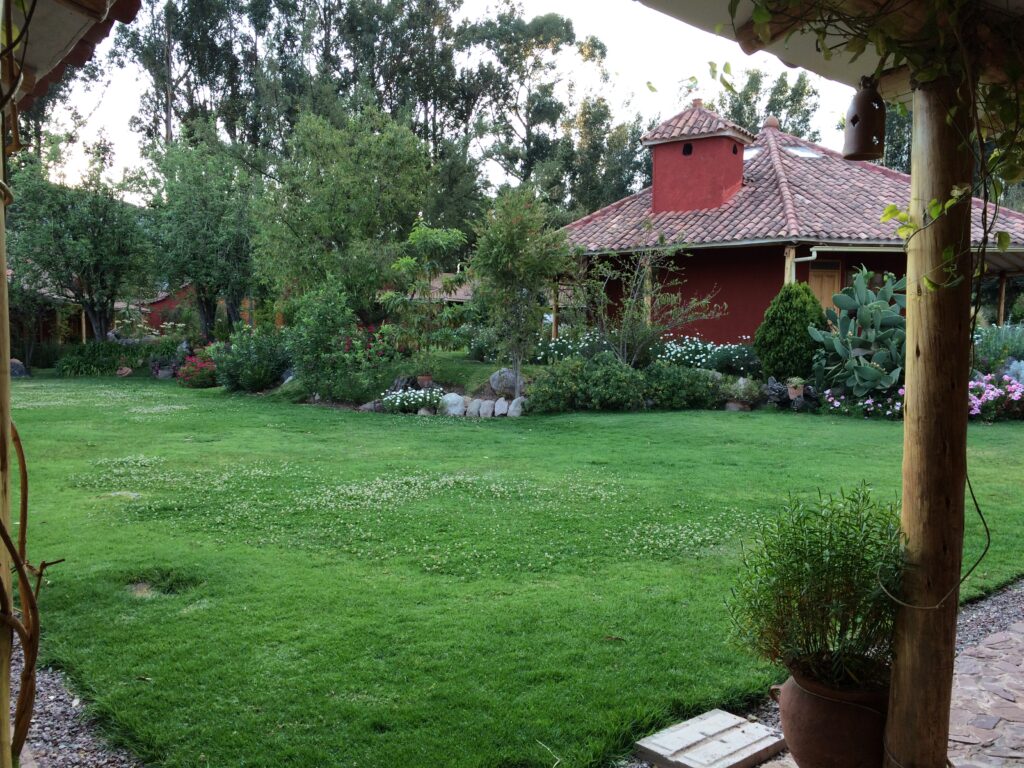
We stayed at the Villa SanAgustin Urubamba with beautiful gardens. Urubamba is located in the physical heart of the valley. It is surrounded by towering mountains and is known for producing Cusco’s famous giant white corn. It is common to stay here to get used to the altitude (9,000 ft) before going the higher ruins and to Cusco.
It is the largest town in the Sacred Valley, one hour from Cusco. In the town itself are the remains of the Inca Palace, Quispiguanca, the royal estate of the emperor Huayna Capac. The ruins contain a terrace, well-preserved wall, gatehouses and several other deteriorating structures.
Our time in the sacred valley was packed with information and experiences.
Leave a Reply