Dakka Temple
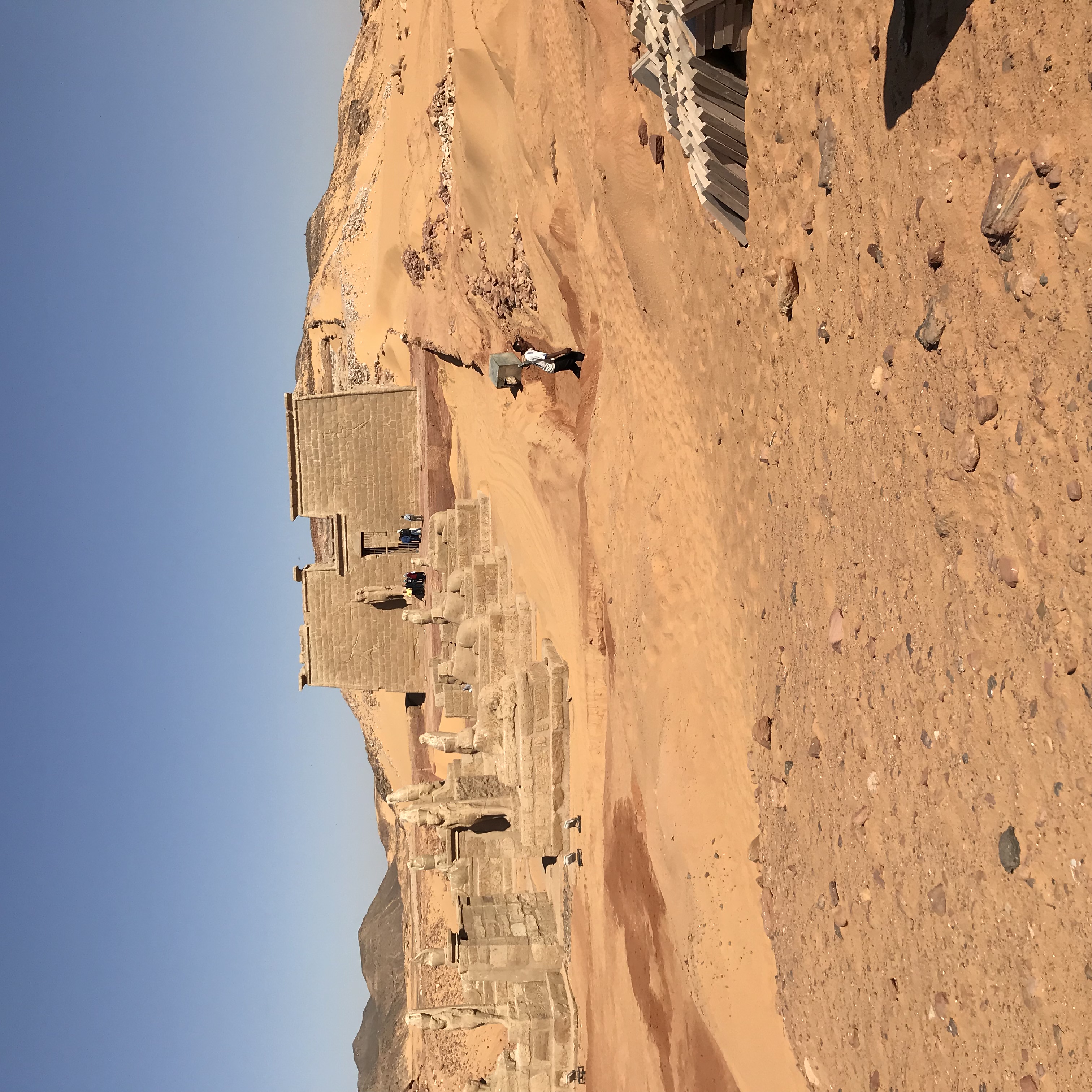
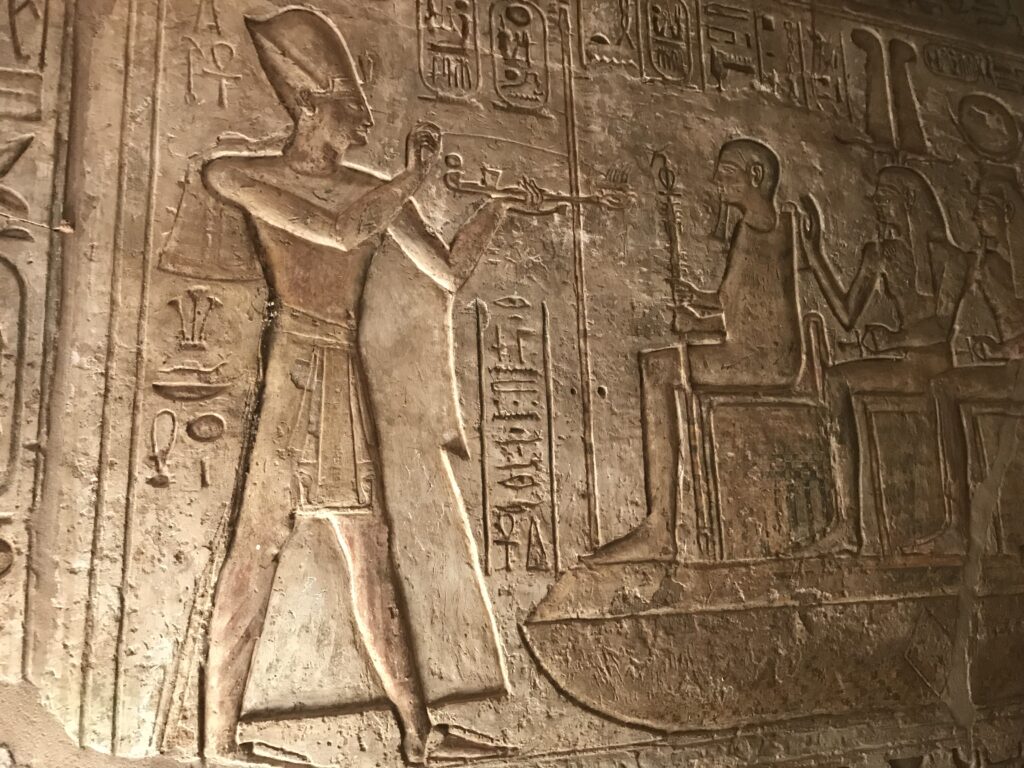
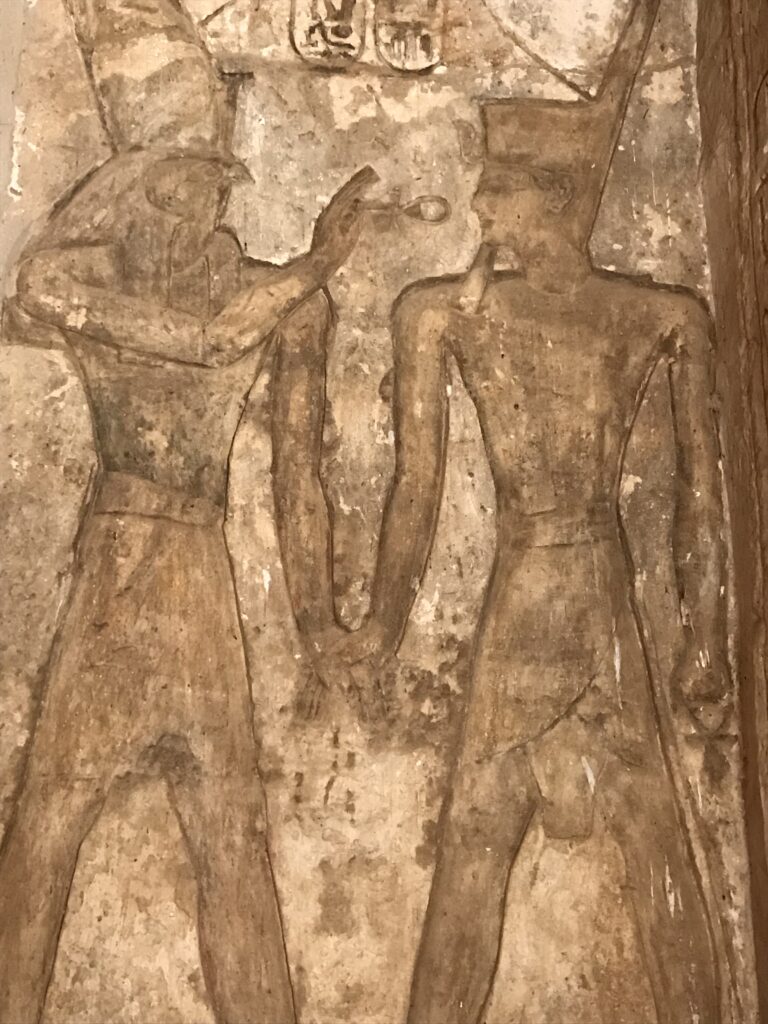
Today we spent the morning in Wadi-el-Seboua (Valley of the Lions) exploring the two temples, the Dakka temple, dedicated to Thoth, the god of wisdom and justice, and the Temple of Maharraqa. The area is known as the Valley of the Lions because of the line of Sphinxes that approach the temples. The Dakka temple was initially a small one-room shrine or chapel, first begun in the 3rd century B.C.E. by Ramses II. It was enlarged during the Roman period. The temple walls are decorated with reliefs depicting various deities and scenes from Egyptian mythology. In the fifth century it was converted to a Christian church, so many of the reliefs were defaced. It served as an important place for religious rituals; people went there to communicate with the gods and receive blessings. The temple also represents a blending of Egyptian and Nubian cultures.
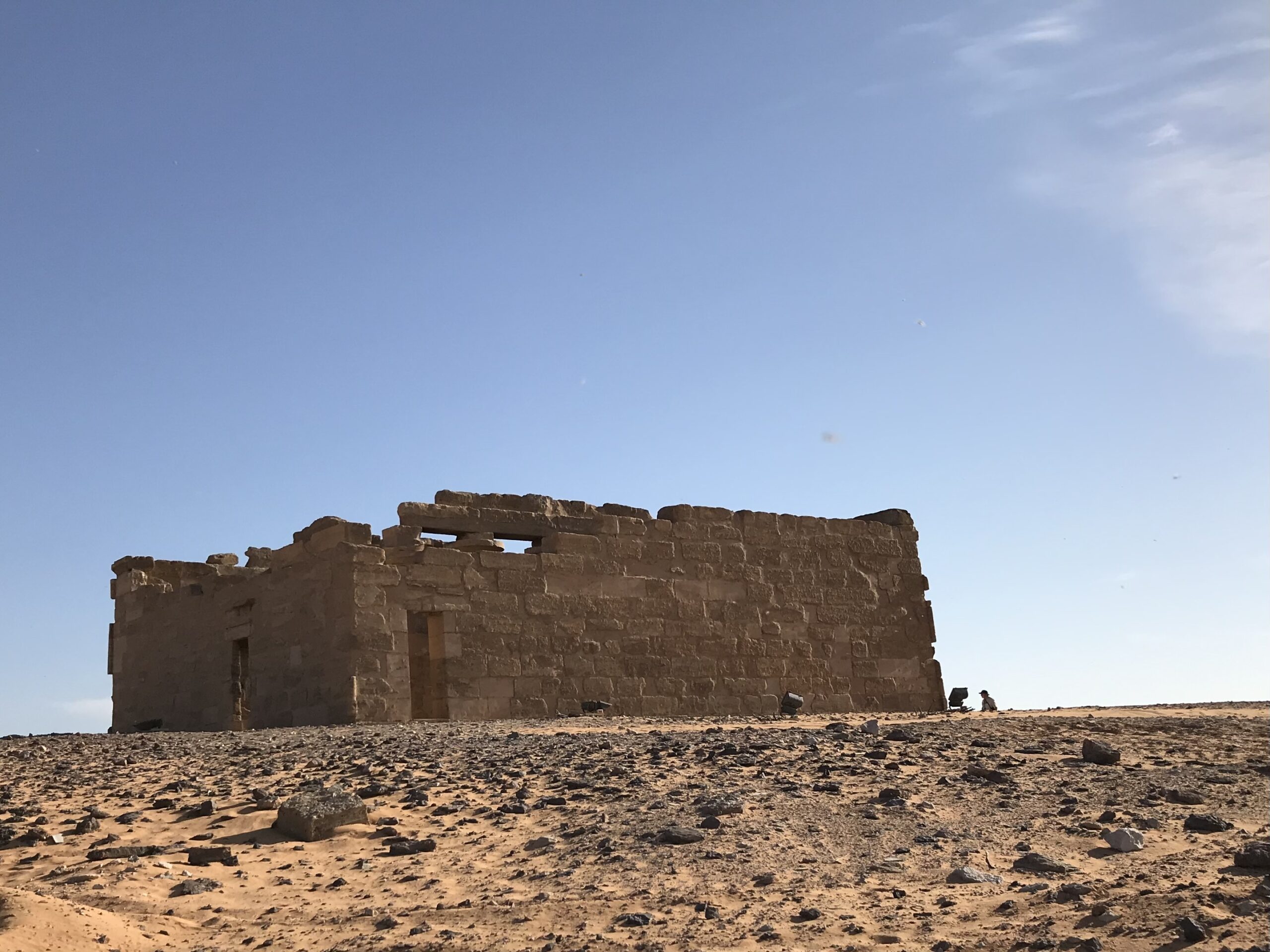
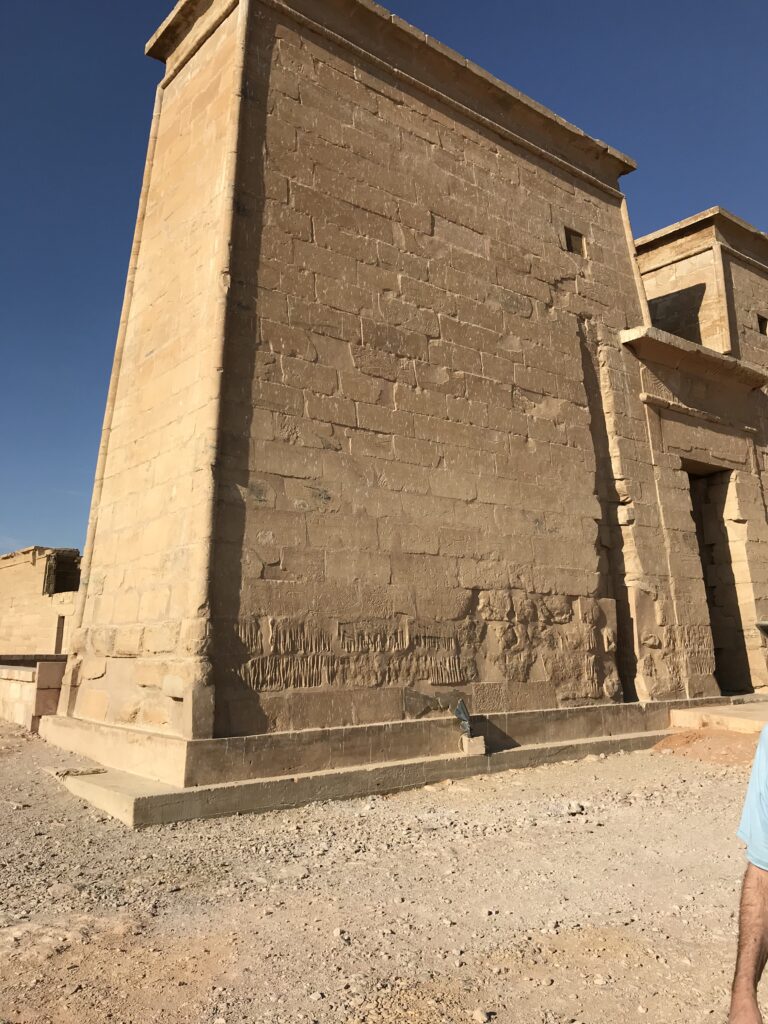
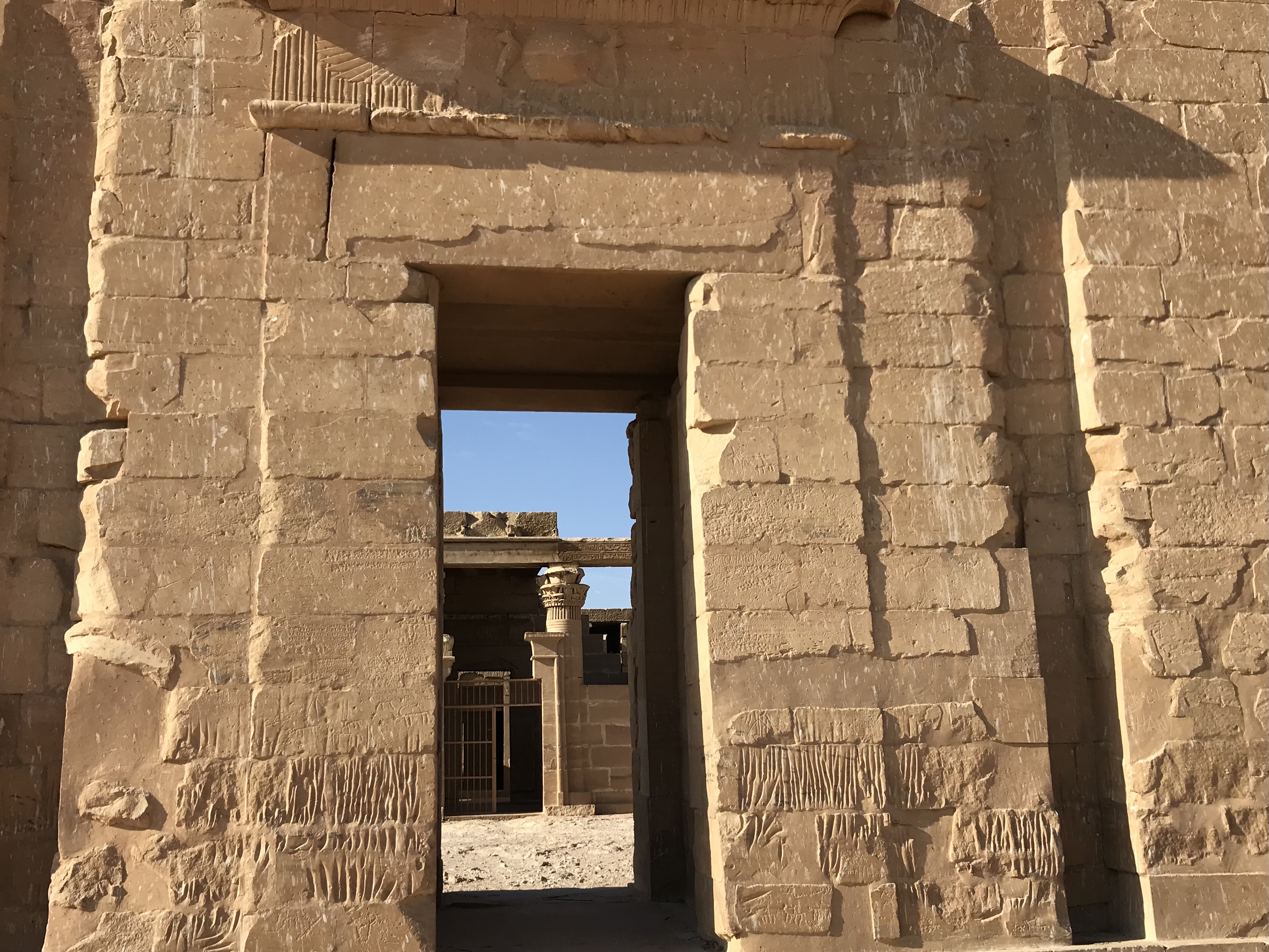
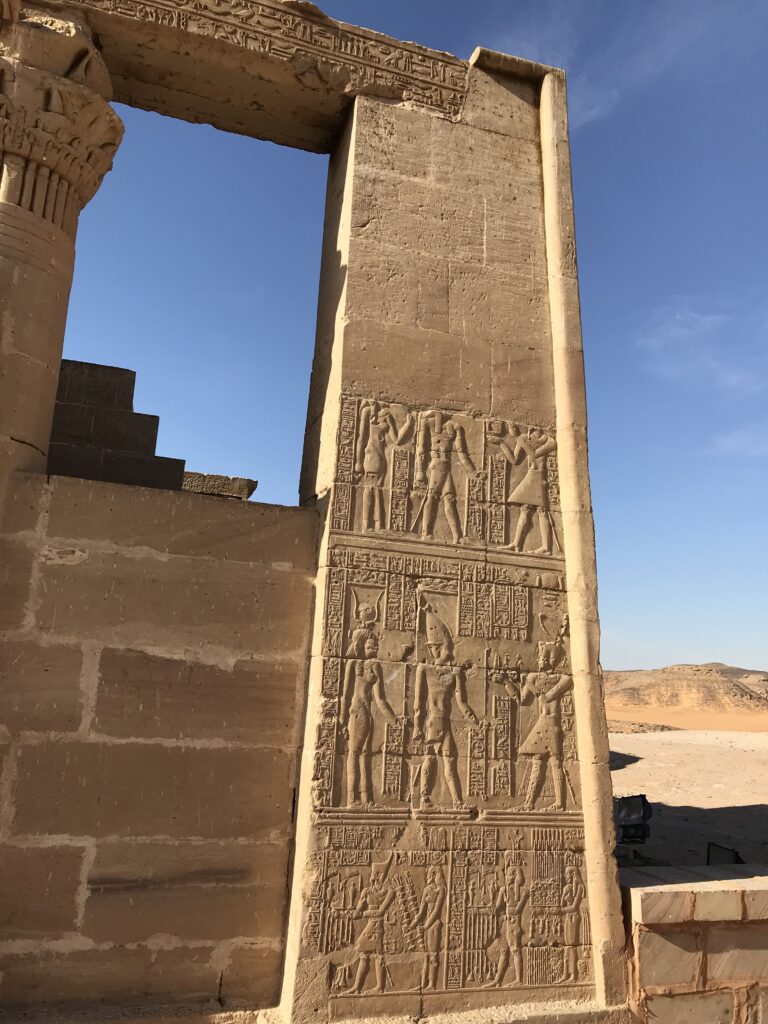
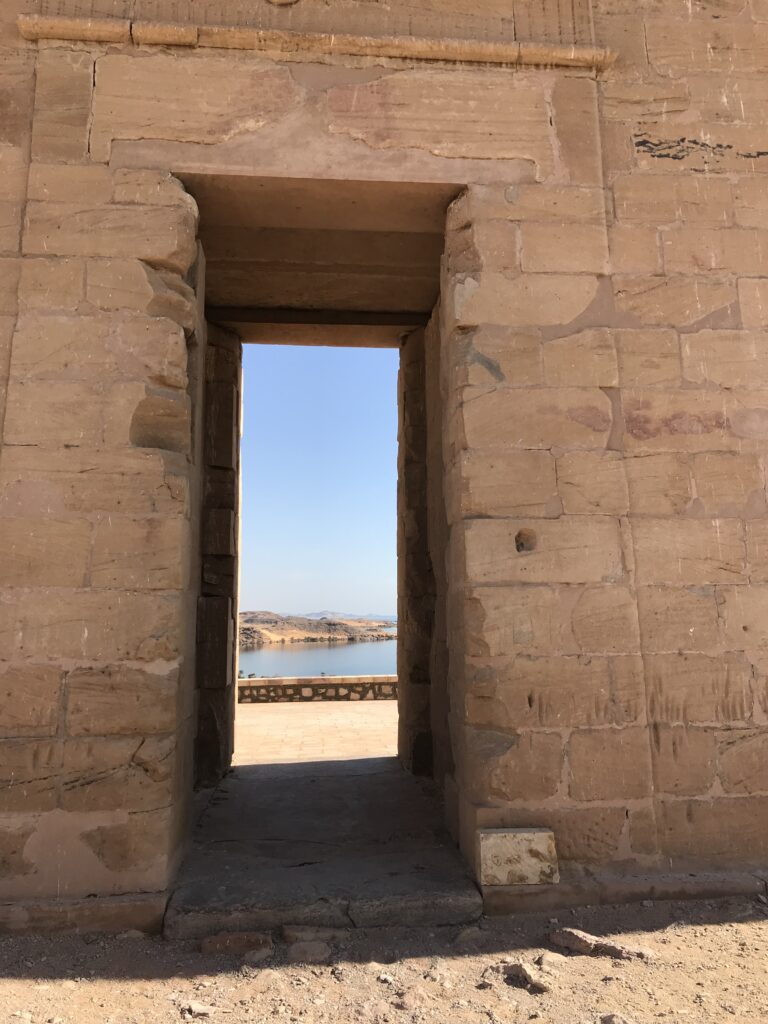
The walk through the sand between these two temples was long and arduous.
Temple of Maharraqa
The second temple on this site is the Temple of Maharraqa, dedicated to Isis and Serapis, a god created to unite the Greek and Egyptian religions during the Ptolemaic era. Built by Amenhotep III, it is the oldest Egyptian Temple in Nubia. The only part of the finished structure was a courtyard surrounded on three sides by columns. In the back are the remains of a spiral staircase, leading to the roof (now gone). It is the only Egyptian temple in Nubia with such a staircase.
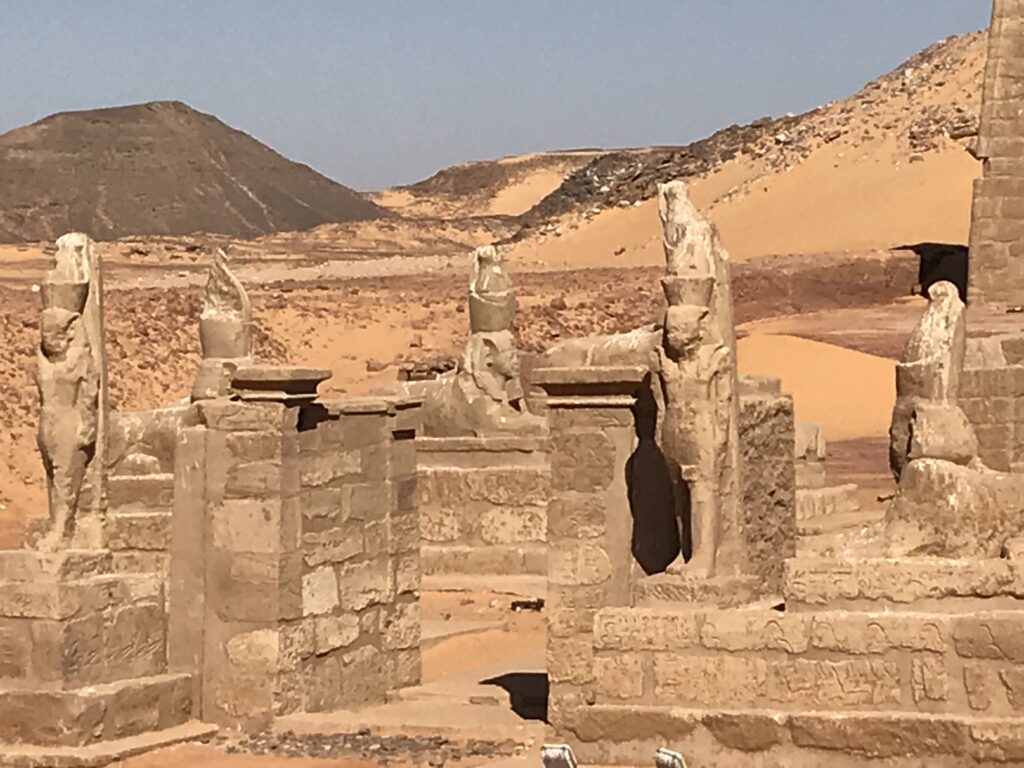
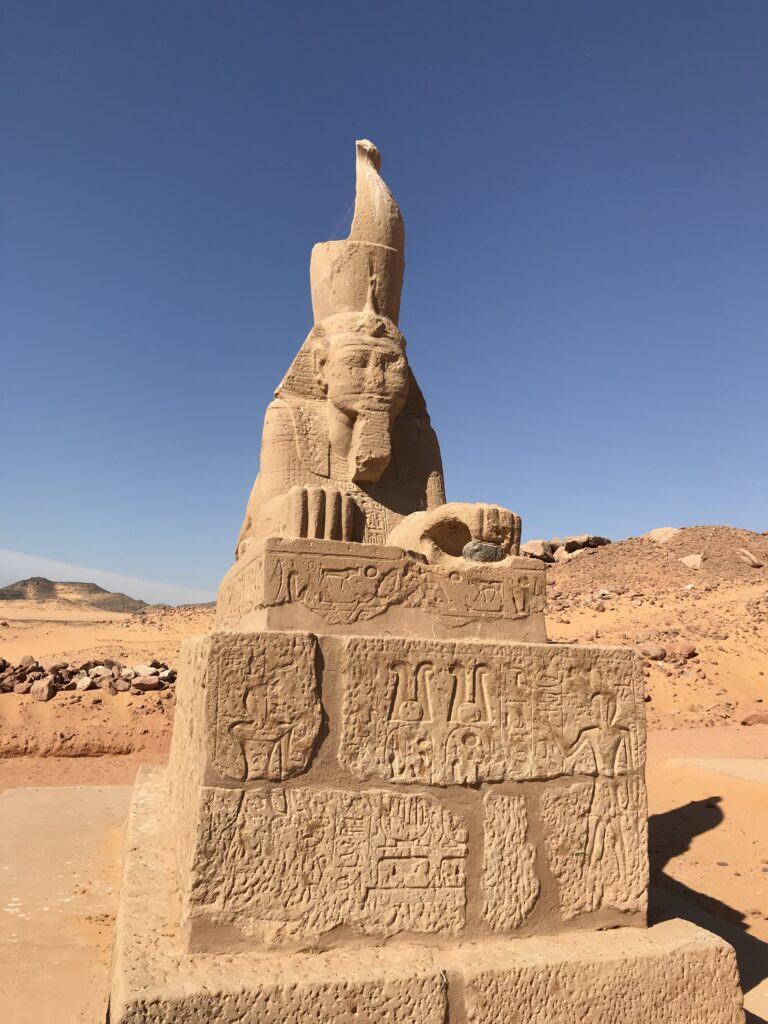
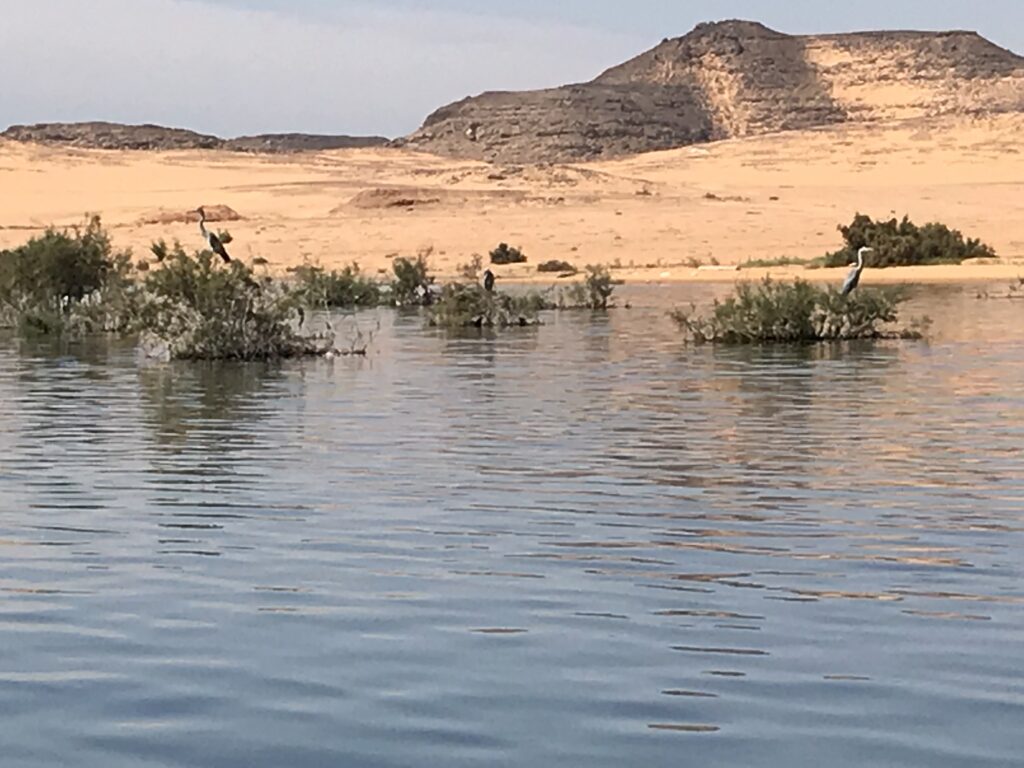
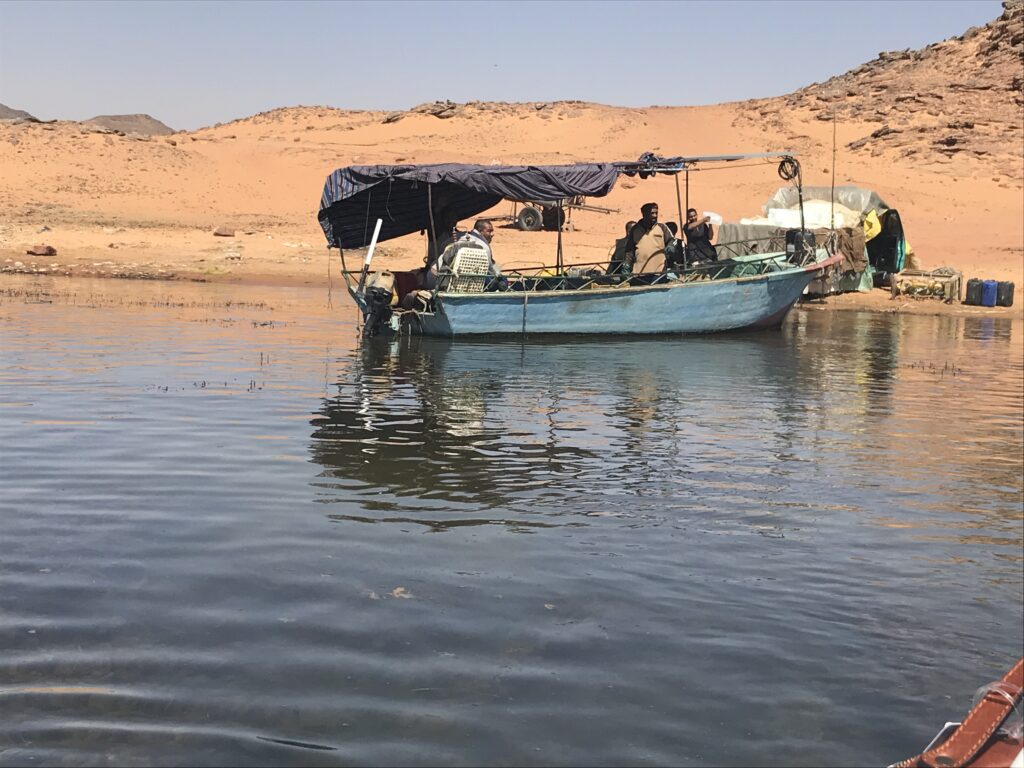
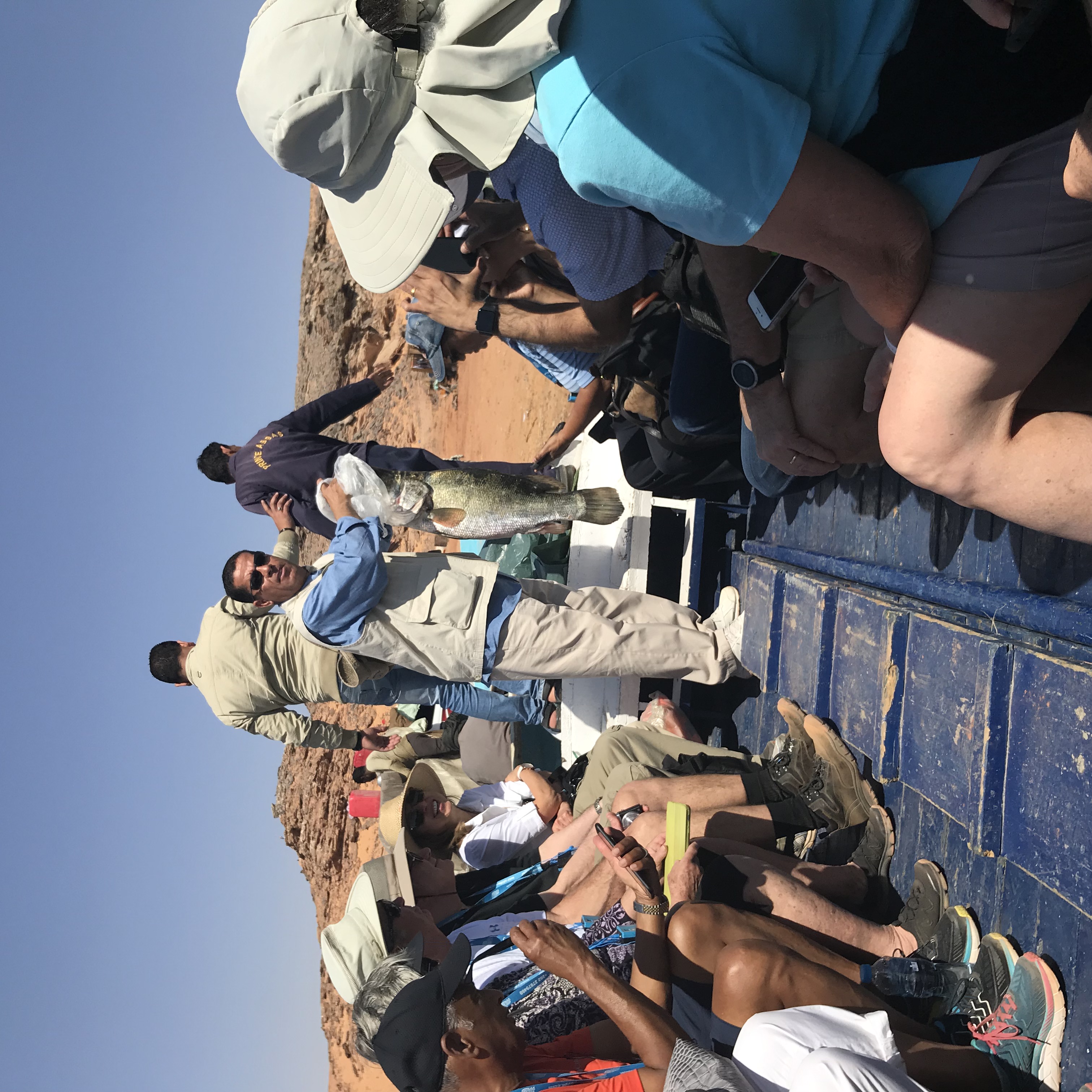
On the way back to the ship, we stopped by a fishing spot and Tarek bought some Tilapia from local fishermen. We brought it back to the boat, and the cooks fixed it for dinner. Herons lined the rocks and shrubs in the area.
Temple of Amada
During lunch, we cruised to Amada. At Amada, we visited another three intriguing ancient sites: the Temple Amada; the Temple of Derr, and the Tomb of Pennut.
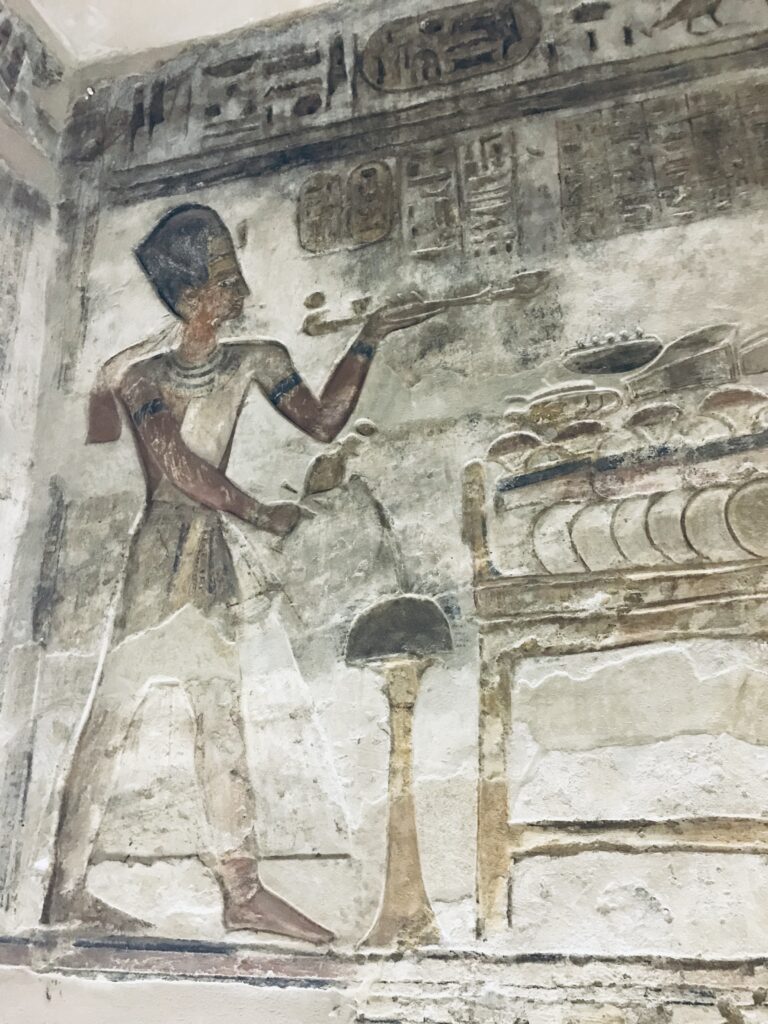
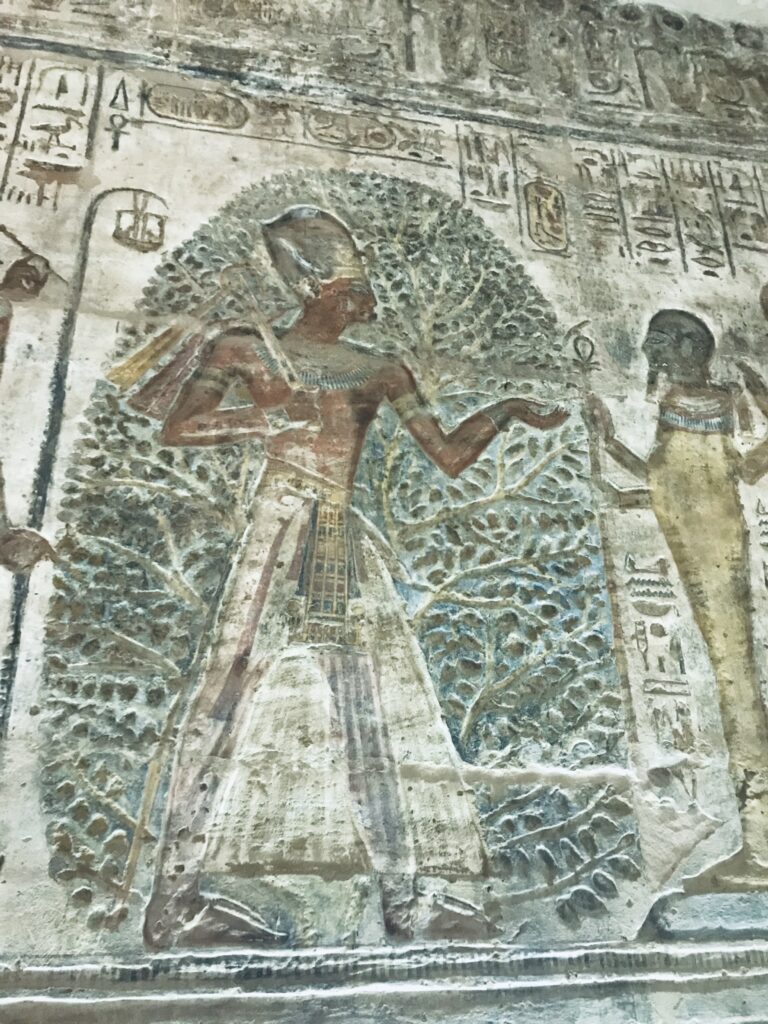
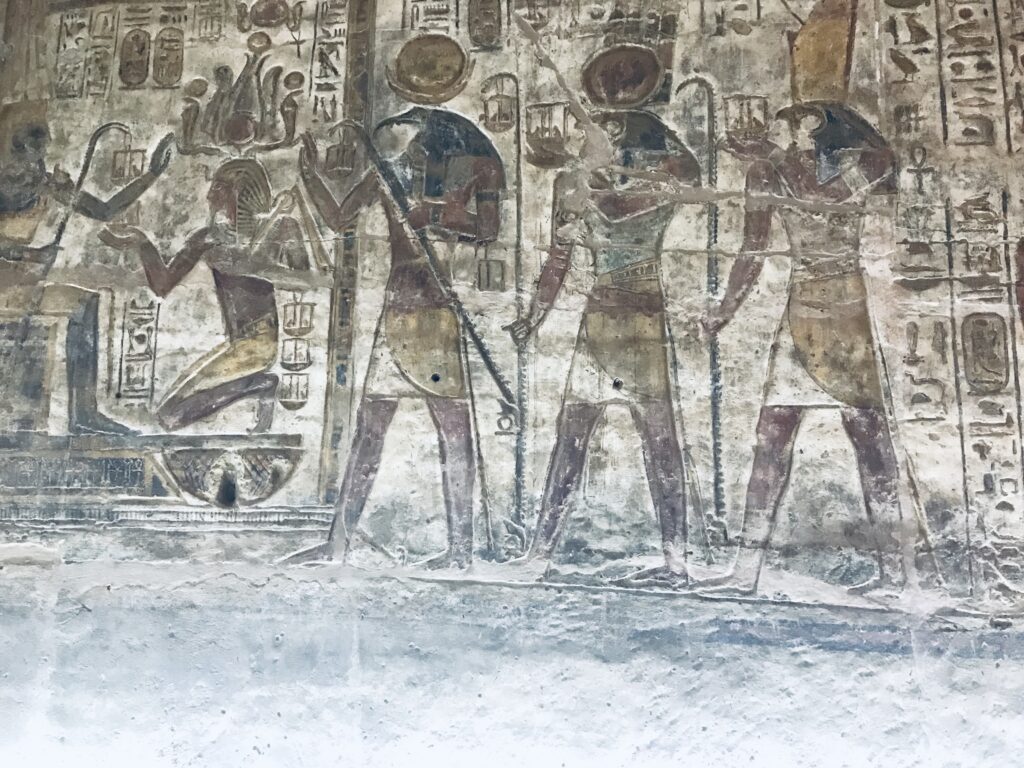
The Temple of Amada dates back to the time of Pharaoh Thutmose III in the New Kingdom (3400 years old). It is one of the oldest of the ancient Egyptian monuments situated on the banks of Lake Nasser. Dedicated to the gods Amun and Ra-Horakhty, the delicate and elaborate reliefs often picture Nubian gods and goddesses as well. There are also historical narratives carved into the columns of this temple as well. The reliefs and inscriptions are well preserved because they were covered with a layer of plaster when it was converted into a Christian church.
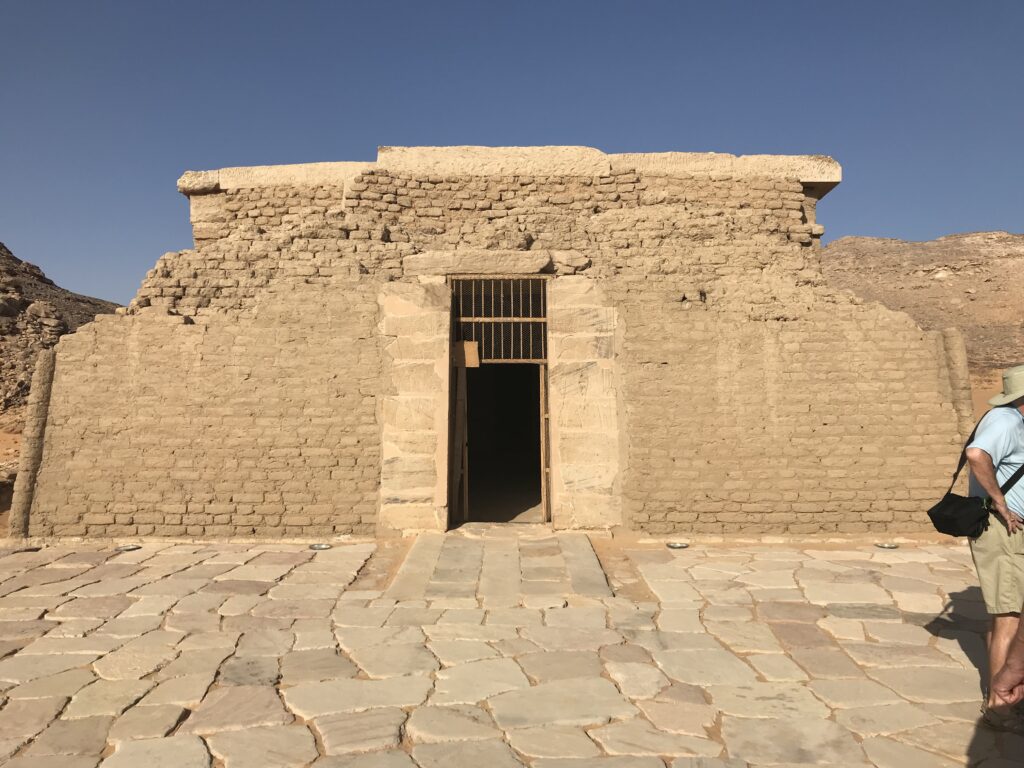
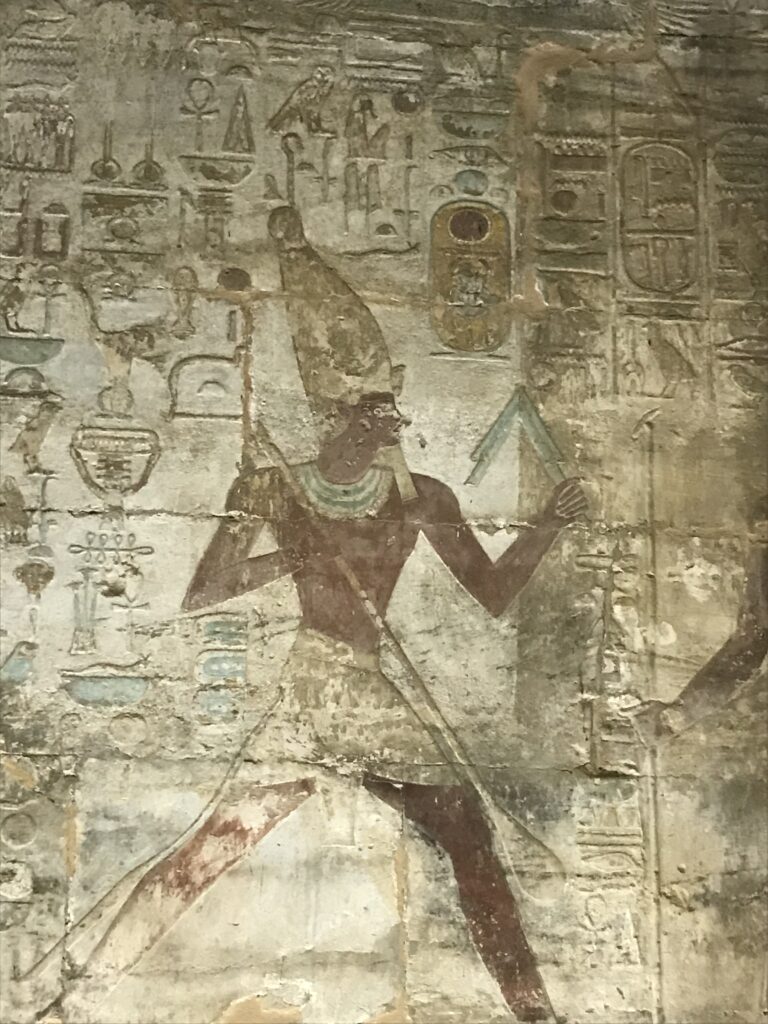
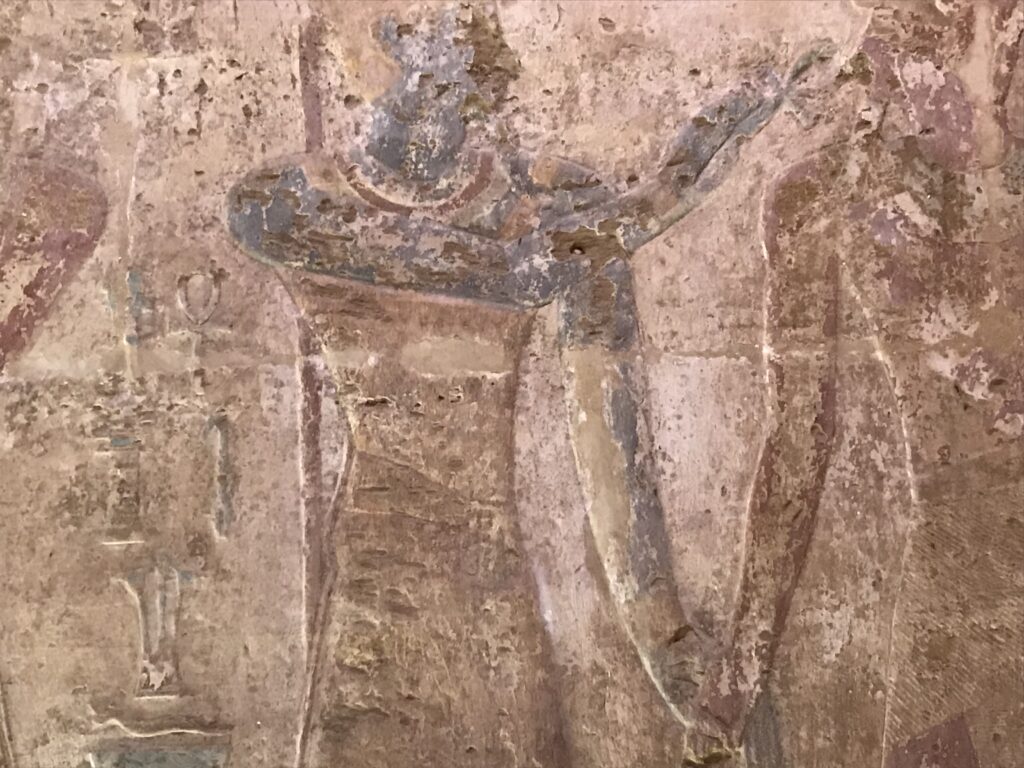
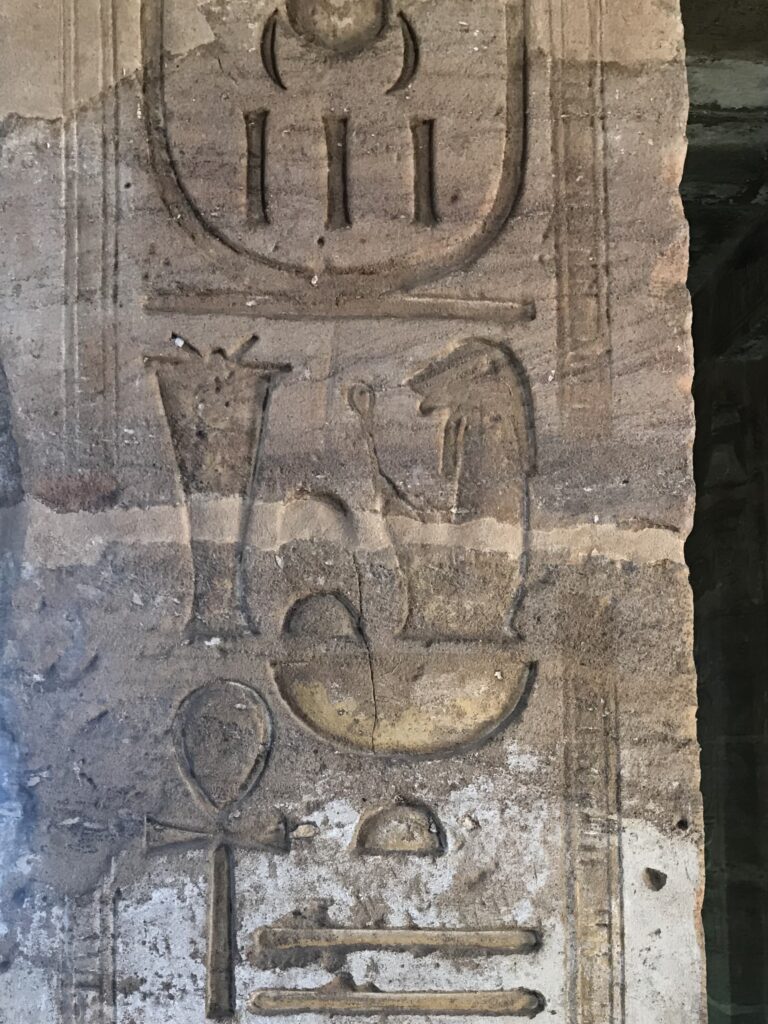
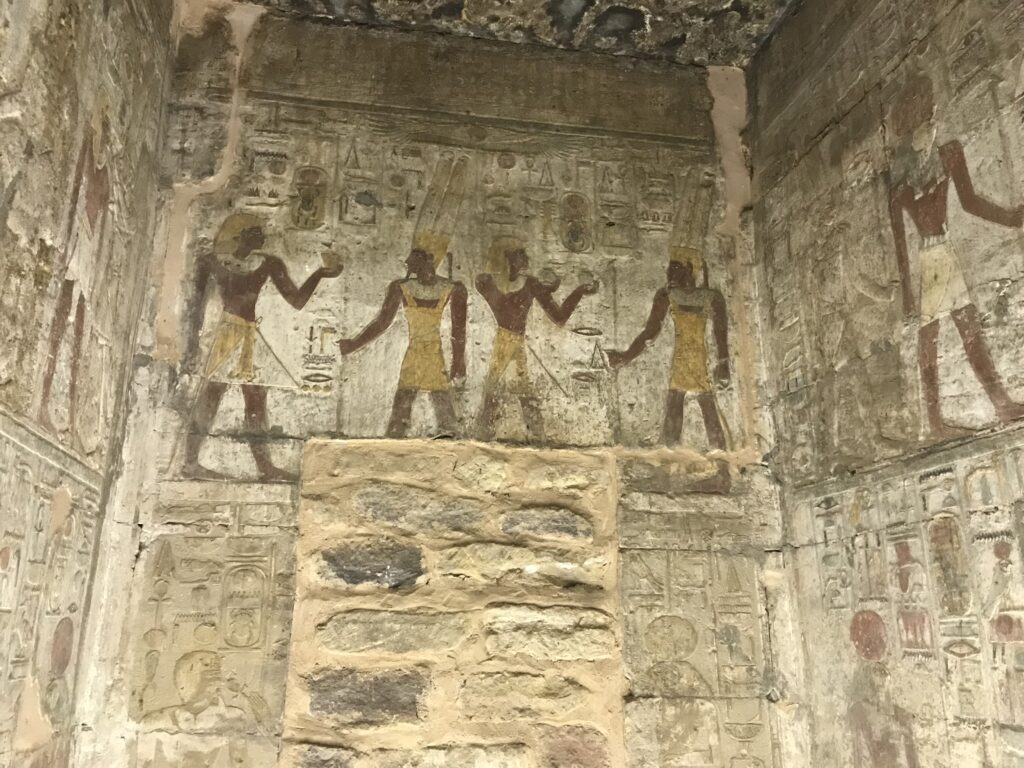
Unlike the other Nubian temples, this one was transported in one piece to its present site.
Temple of Derr
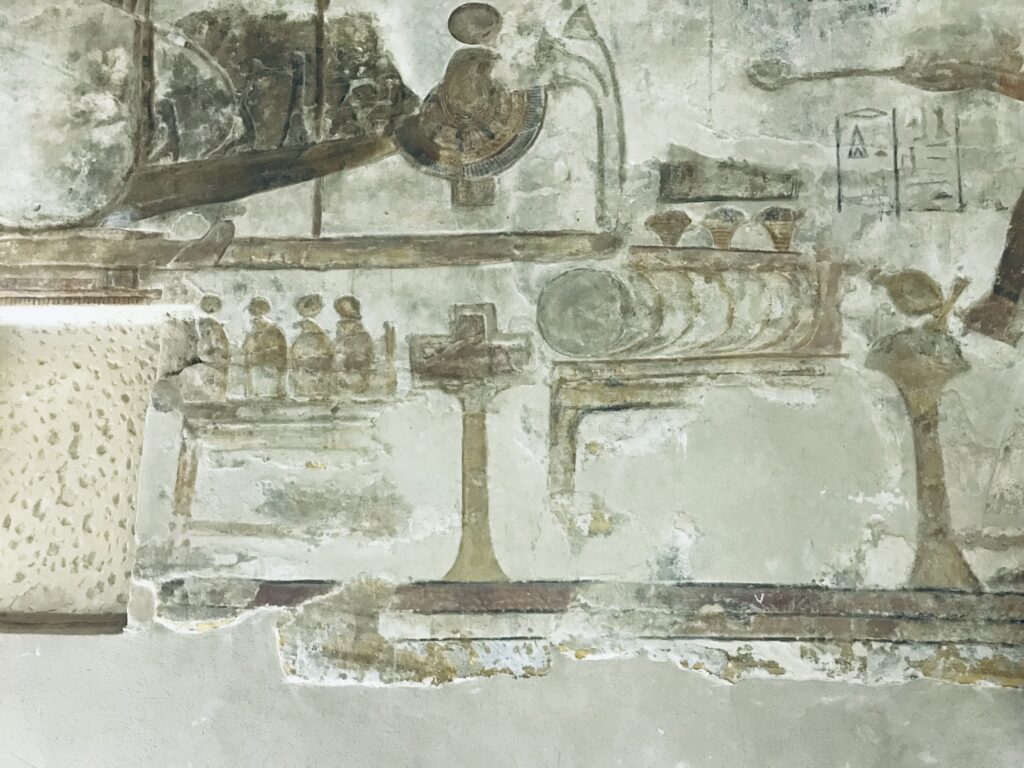
It was Ramses the 2nd who built the nearby rock-cut Temple of Derr. It is 3,150 years old and the only rock-cut temple in Nubia. The restored reliefs are unusually bright and vivid
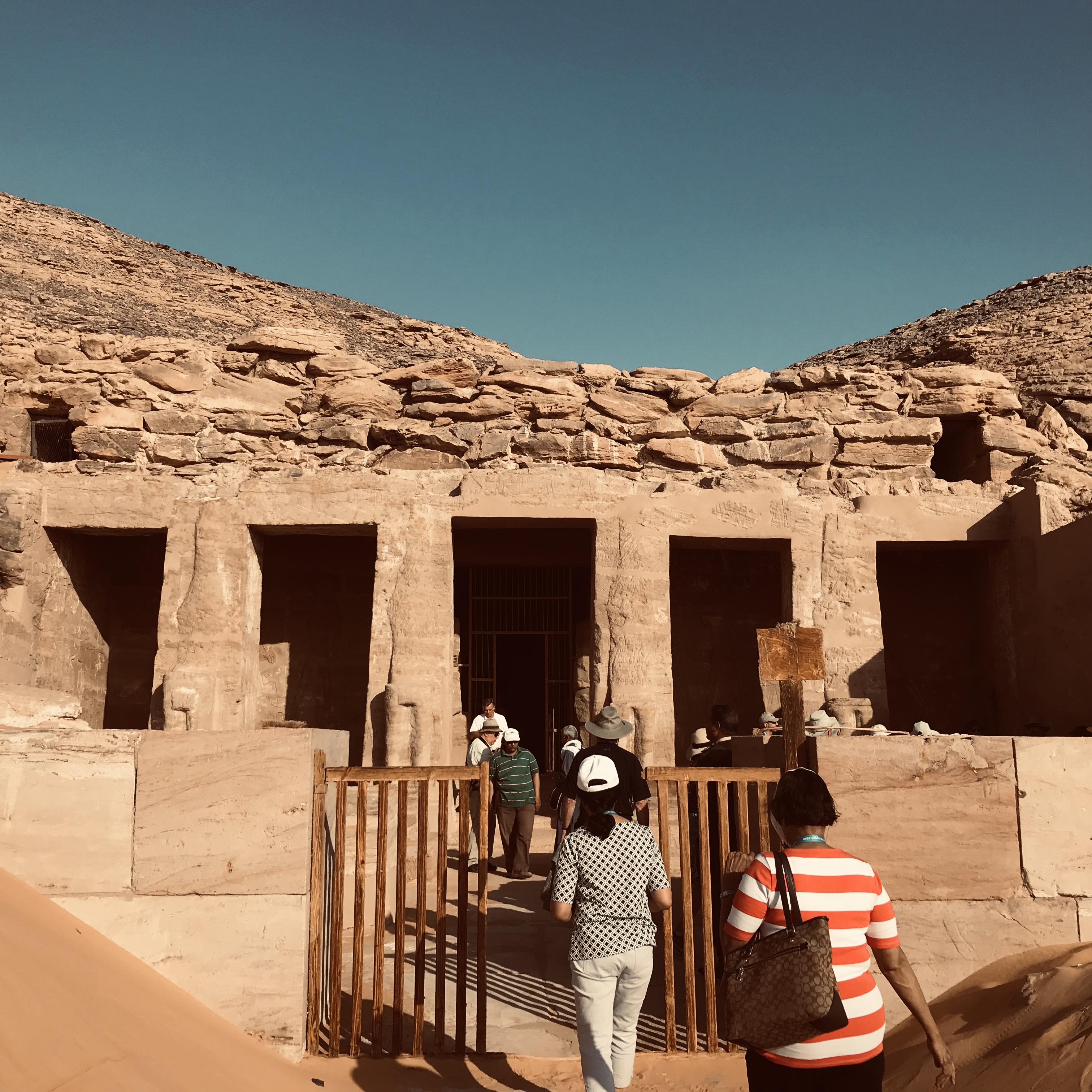
Tomb of Pennut
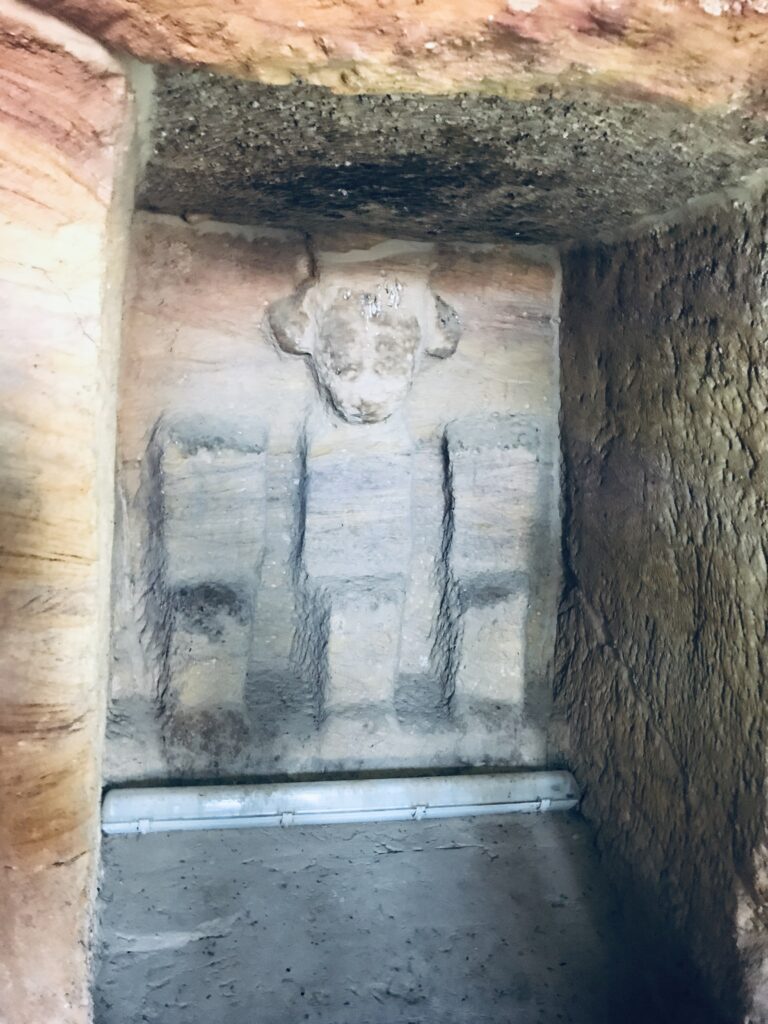
Finally, we explored the indescribable rock-cut Tomb of Pennut. It was built in the time of Ramses IV during the 18th dynasty as a burial site for Pennut who was the main priest of the Aniba Temple. There are many sculptures and inscriptions. All three of these sites are in close proximity to each other after having been moved from their original locations.
Next is Kasr Ibrim and Abu Simbel.