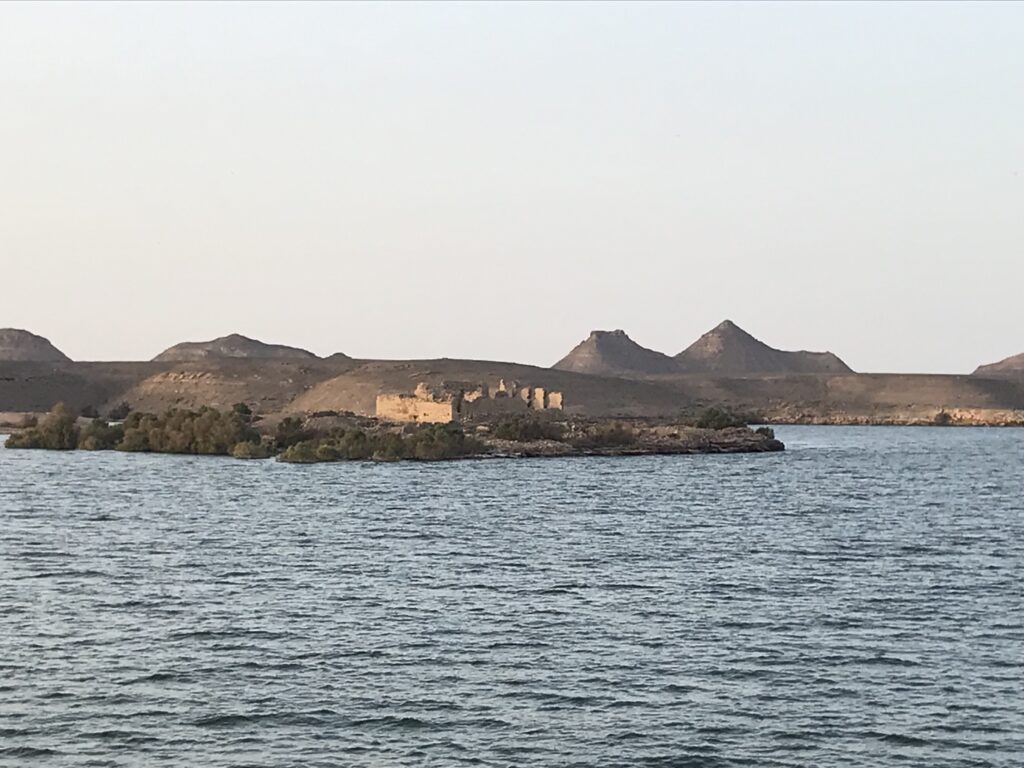
This morning we sailed to the settlement of Kasr Ibrim, the last vestige of Nubian culture in is original location. We were up at 6:15 a.m. to see the settlement, which is perched on a very small island. We had a brief talk about this settlement and took pictures from our ship. It is forbidden to go ashore. This is a sandstone fortress that includes remains of a palace, church, and residences. It was occupied from the 8th century B.C.E. until 1813 C.E. Now it is an archeological site preserving the history of the ancient civilizations along the Nile River. It was thrilling to see this site as the sun rose over the Nile.
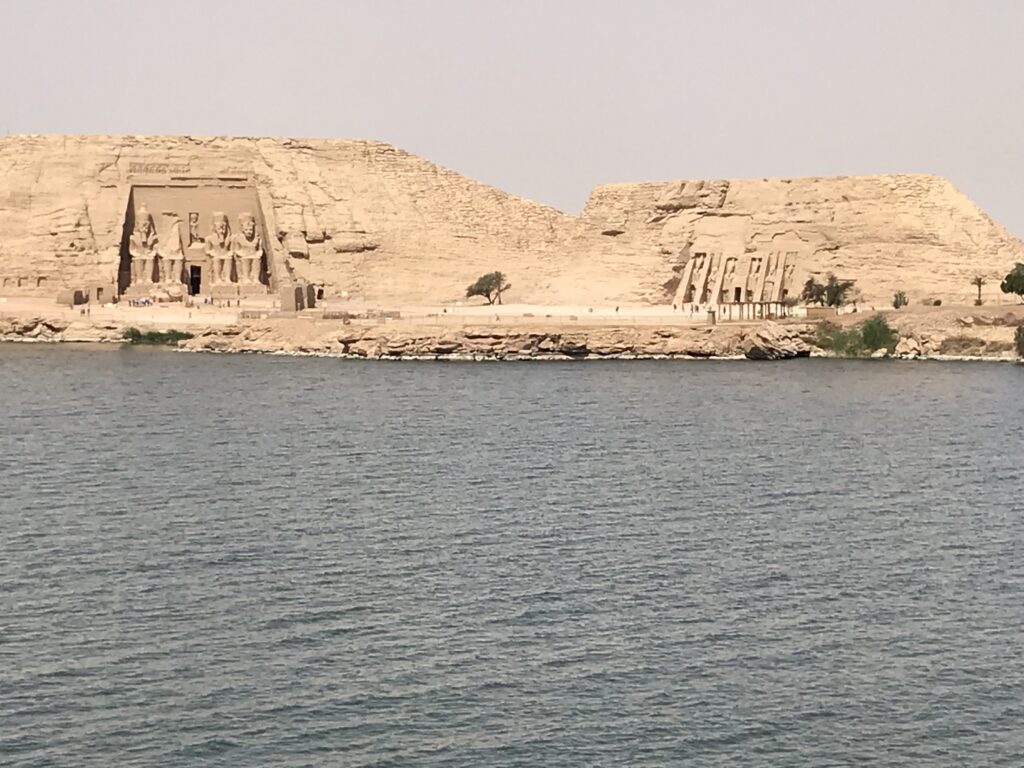
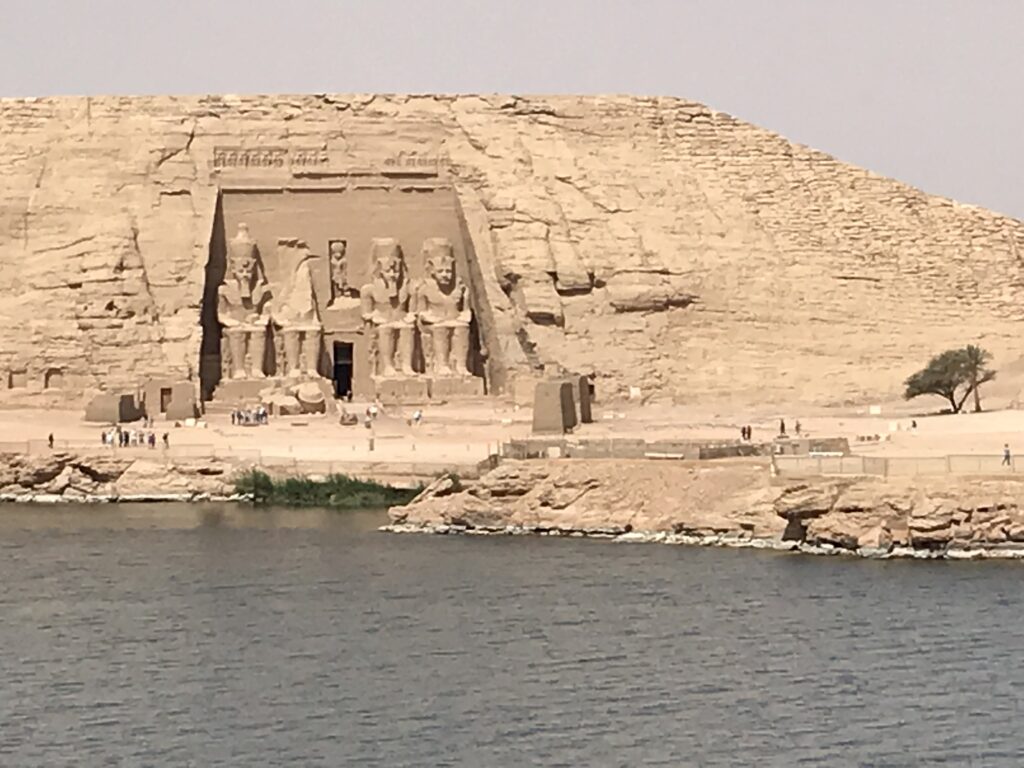
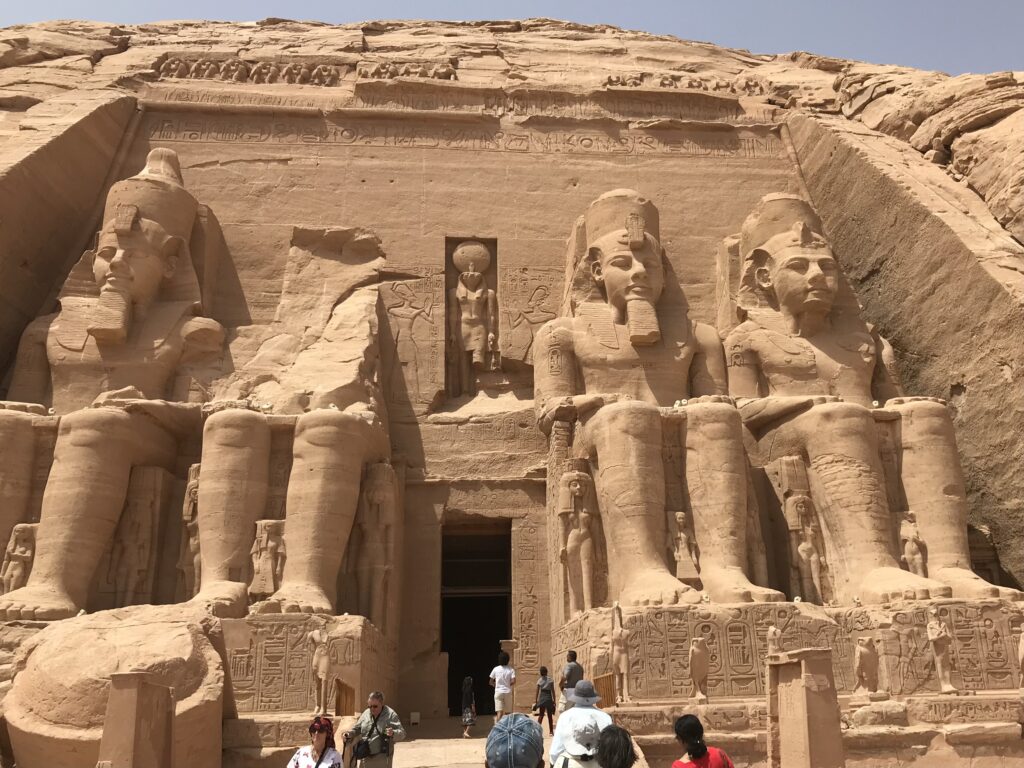
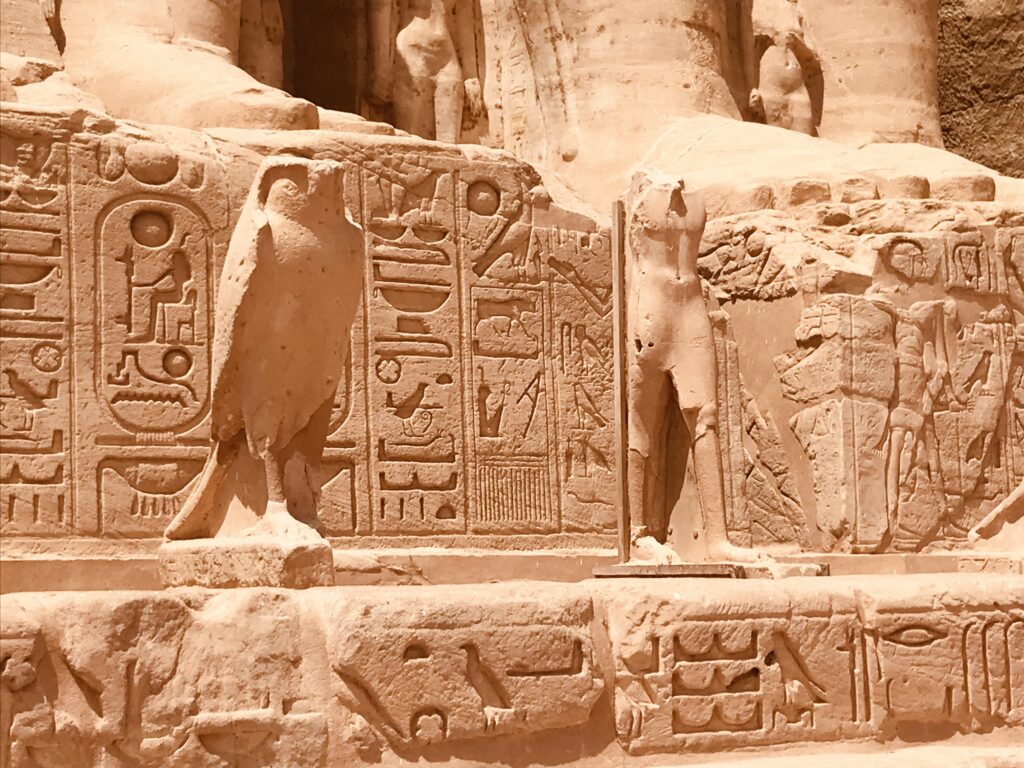
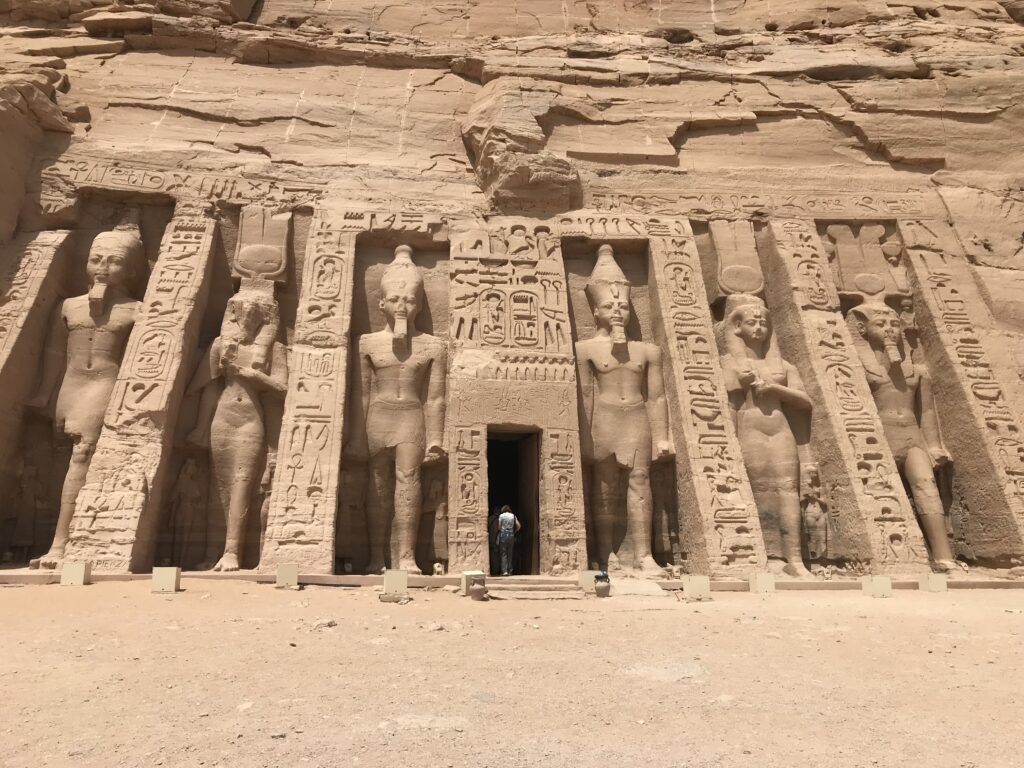
Then we cruised to Abu-Simbel near the border of Sudan to see the great temples of Ramses II and Nefertari. They are 3,150 years old. After the Giza Pyramids, this is the second most recognizable ancient attraction in Egypt. These temples were carved into the sandstone cliff and the chambers go deep into the cliff. Another rock-cut temple to the north, known as the Small Temple, is dedicated to the goddess Hathor and Ramesses II’s wife, Queen Nefertari. On the façade of the Small Temple, her colossi are the same size as those of her husband, a very rare example of such display. Interestingly, the temples were only discovered in 1813.
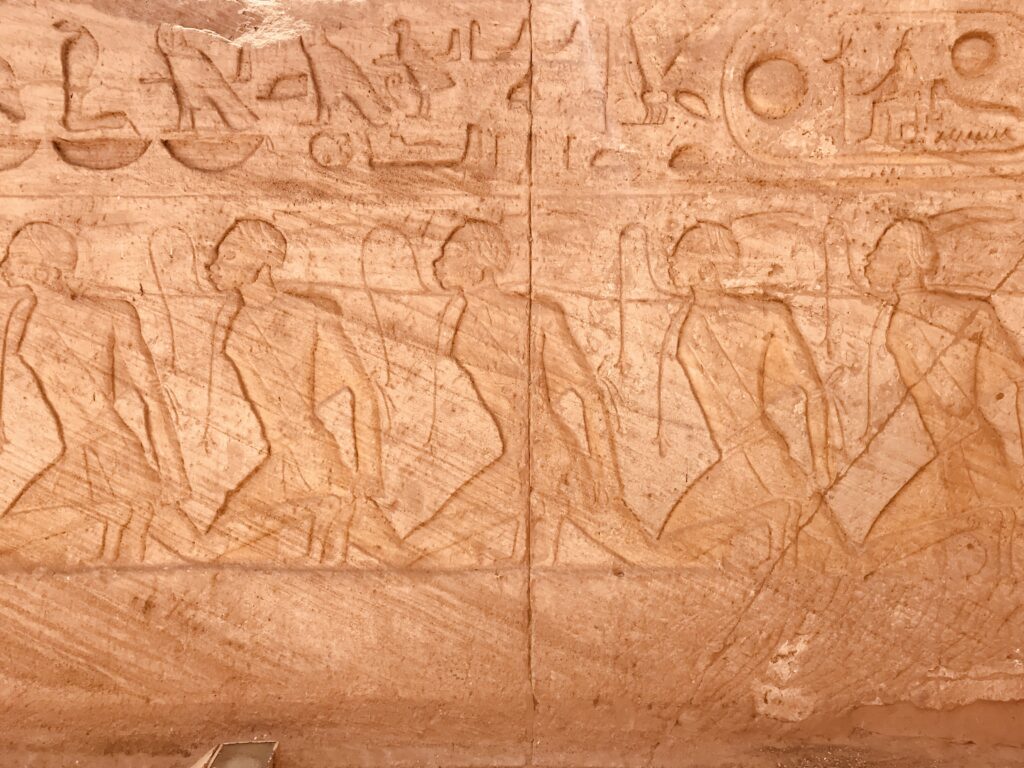
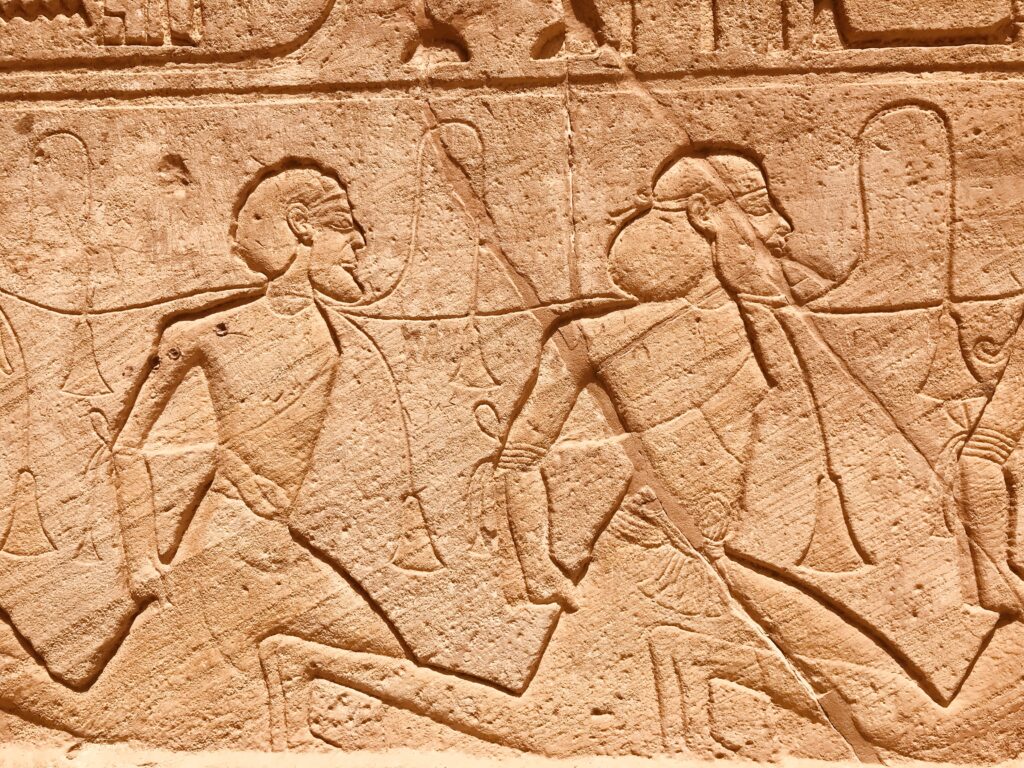
The first temple dedicated to Ramses II has four colossal statues of him in front. The adjacent temple to Neferatari has three statues of Ramses and one of her. At their feet are detailed figures representing his children, his wife, and his mother. The temple has three large halls with reliefs on the walls depicting the many battles against the Hittites. It is believed that the axis of the temple was positioned by the ancient Egyptian architects in such a way that on October 22 and February 22, the rays of the sun would penetrate the sanctuary and illuminate the sculptures on the back wall, except for the statue of Ptah, a god connected with the Egyptian Underworld who always remained in the dark. People gather at Abu Simbel on these days to witness this. After exploring both temples we returned to the ship for dinner. Then we went back for a striking light show against the temples.
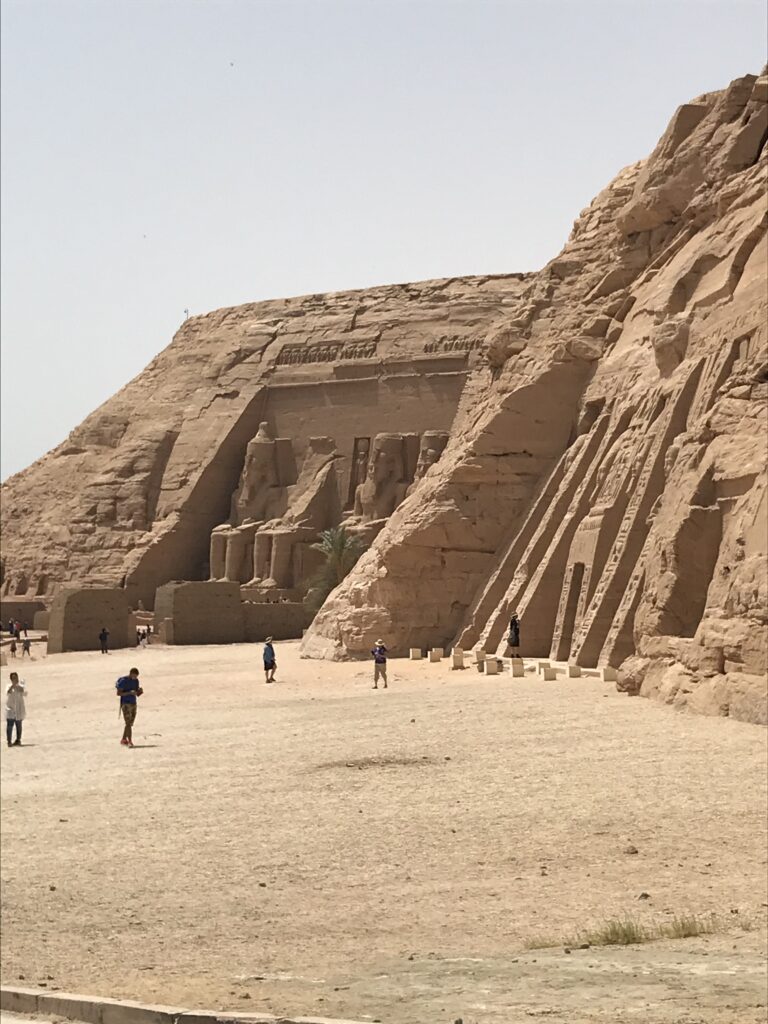
Nubian Museum in Aswan
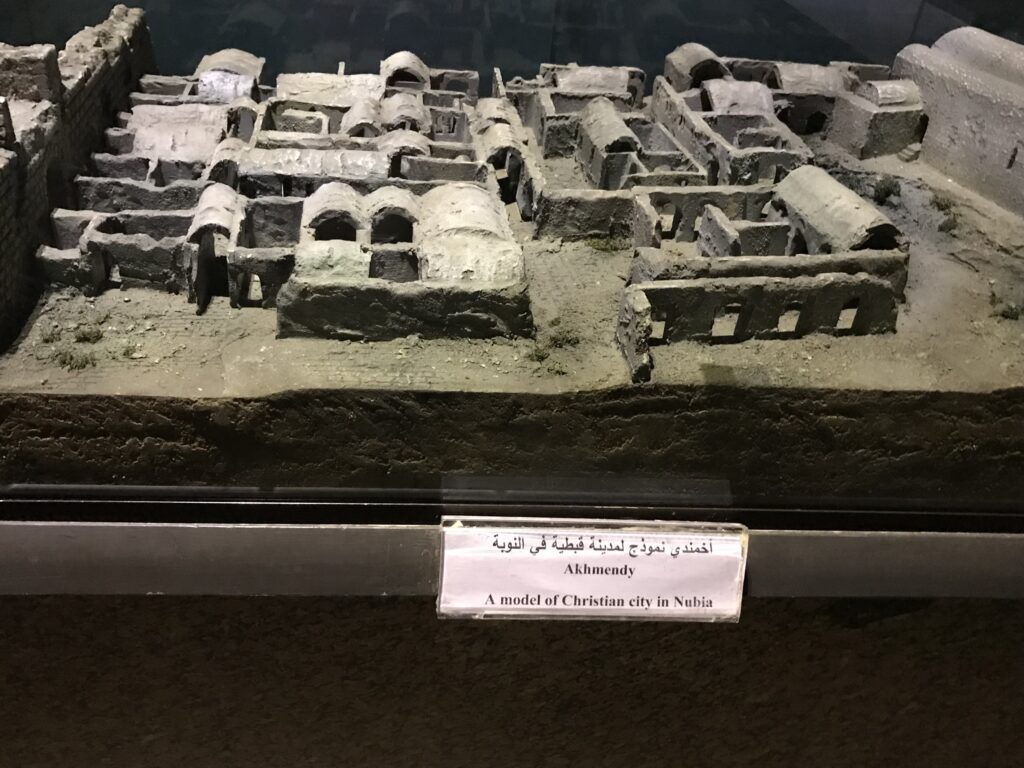
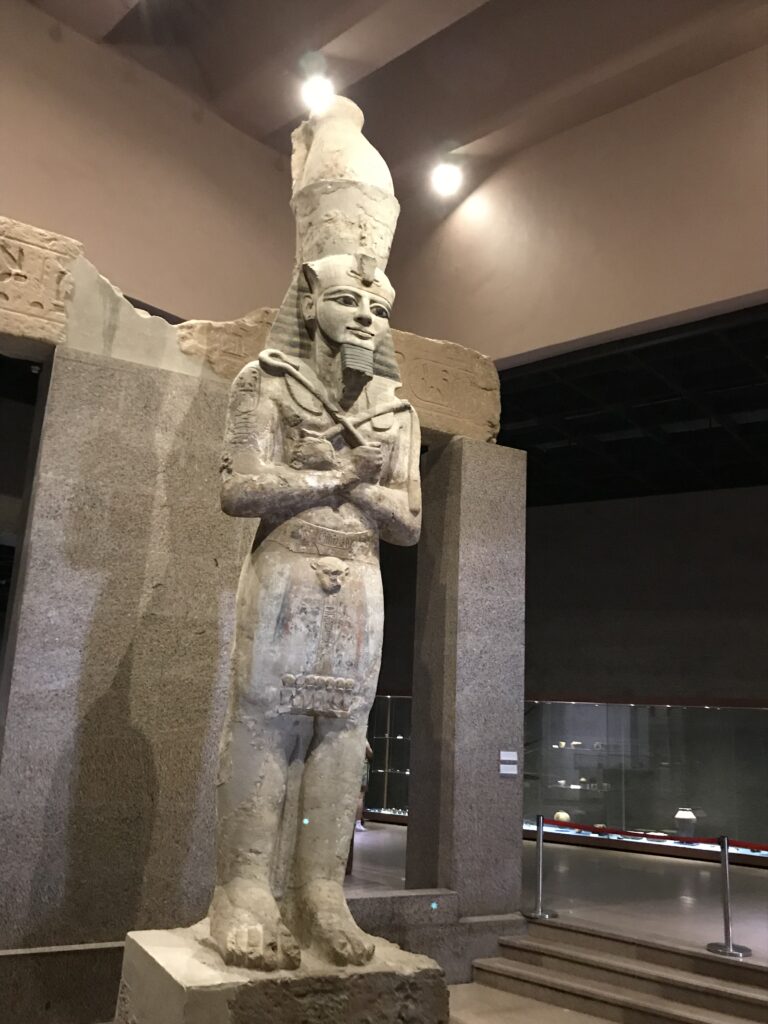
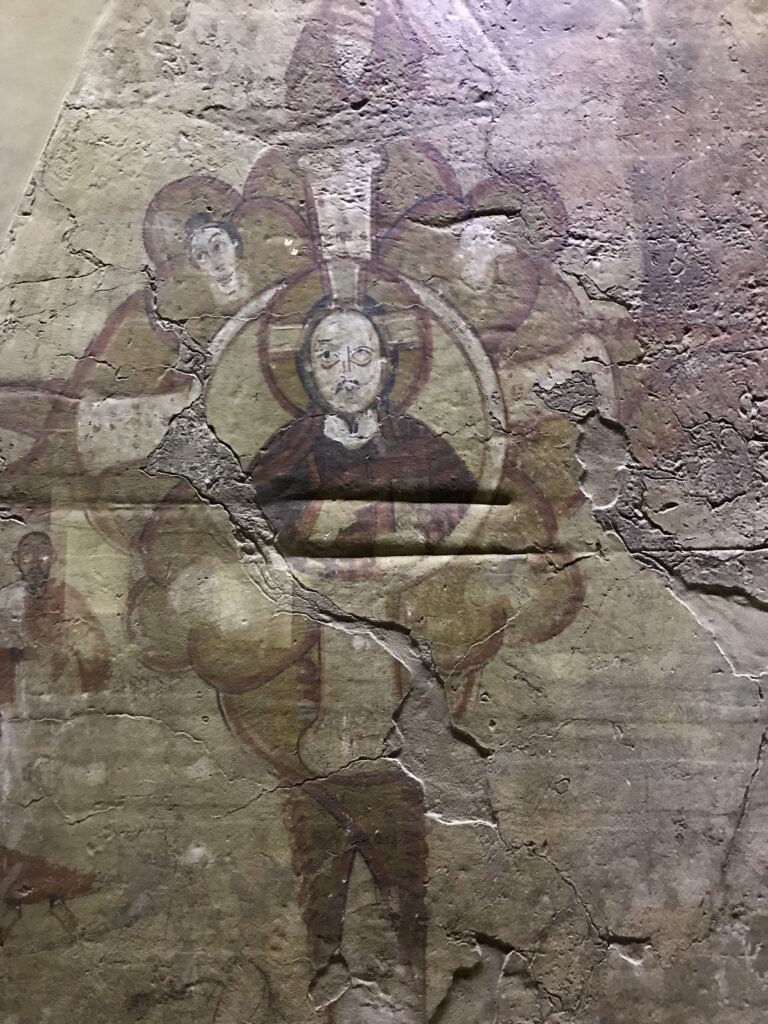
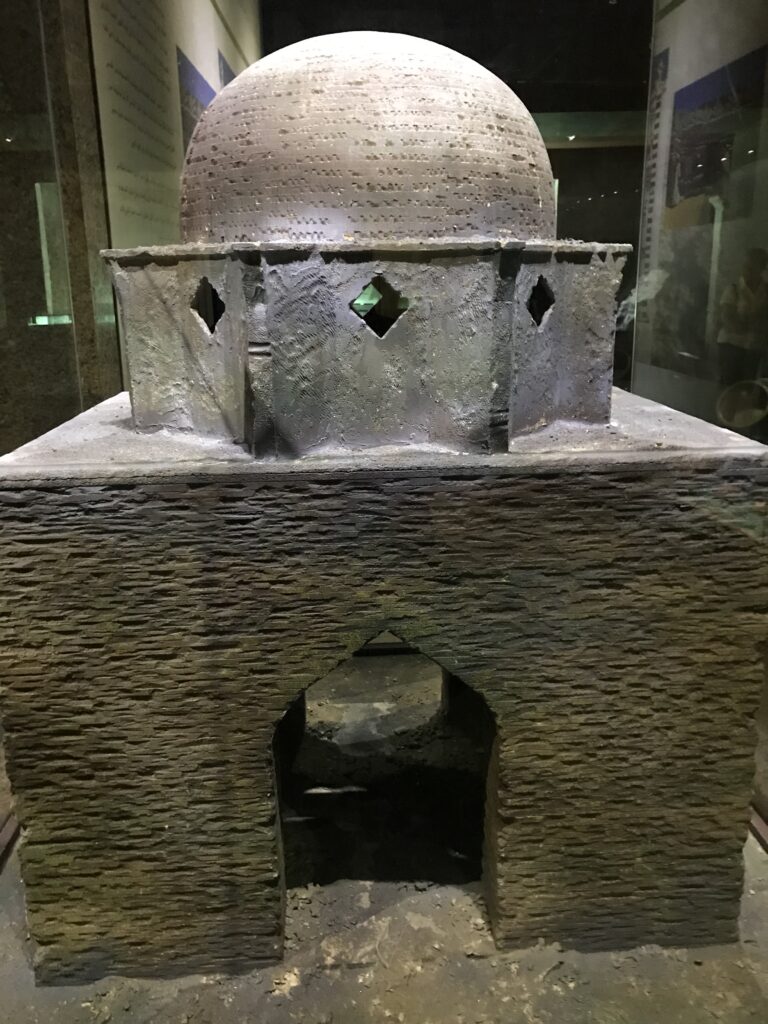
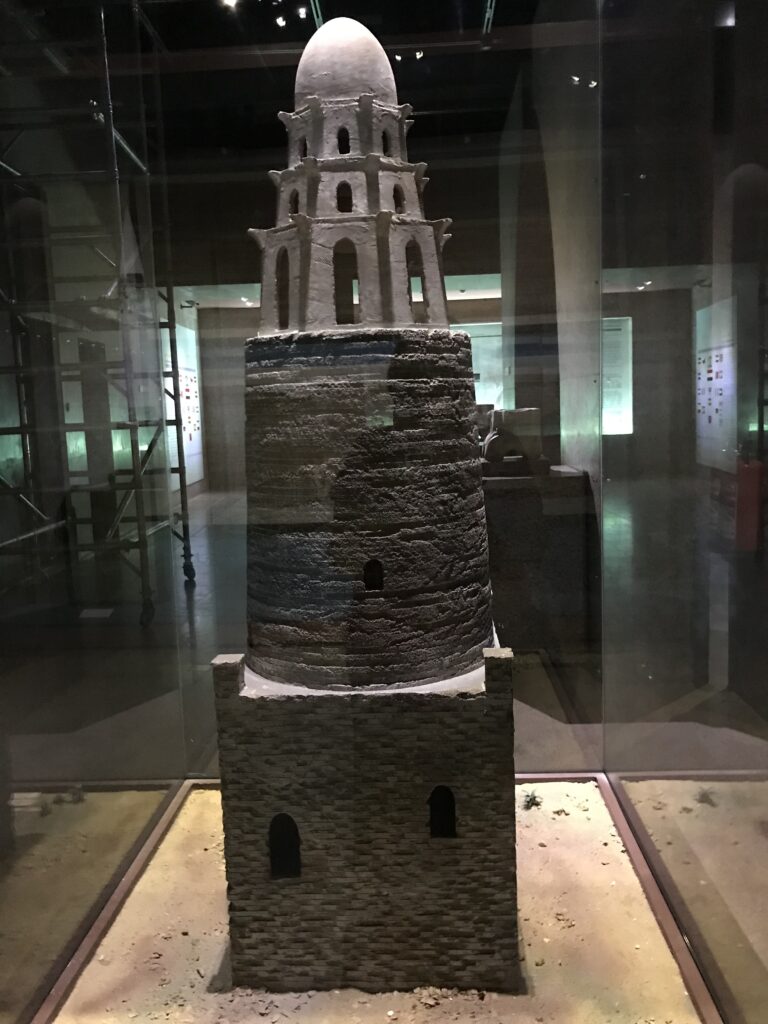
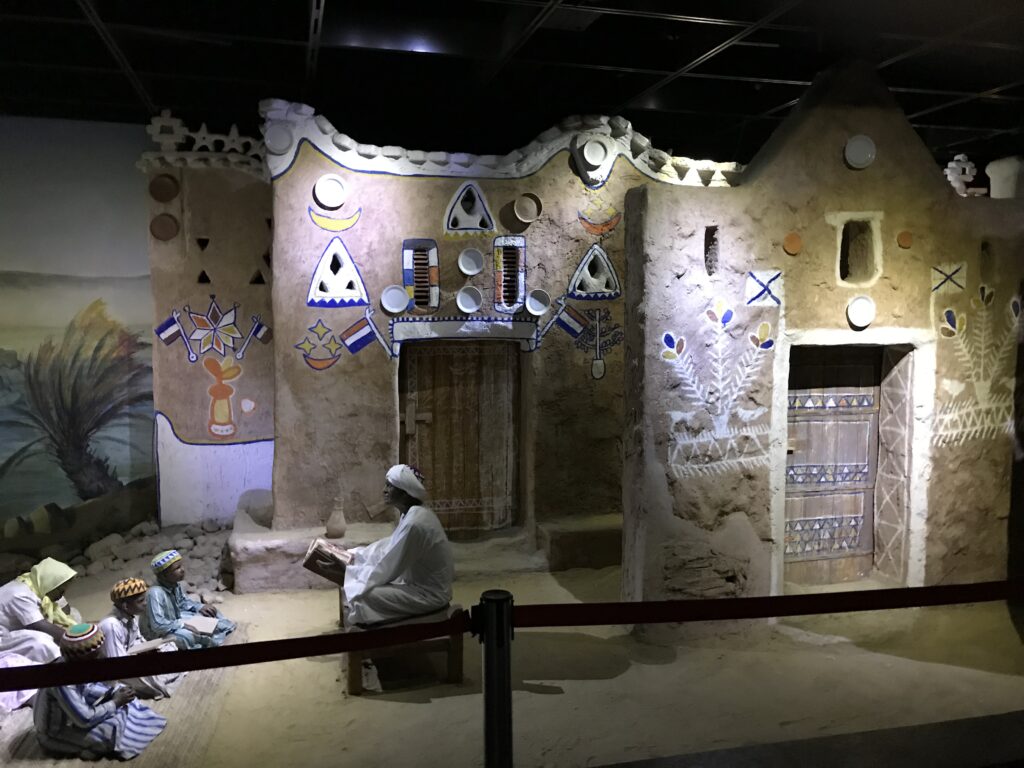
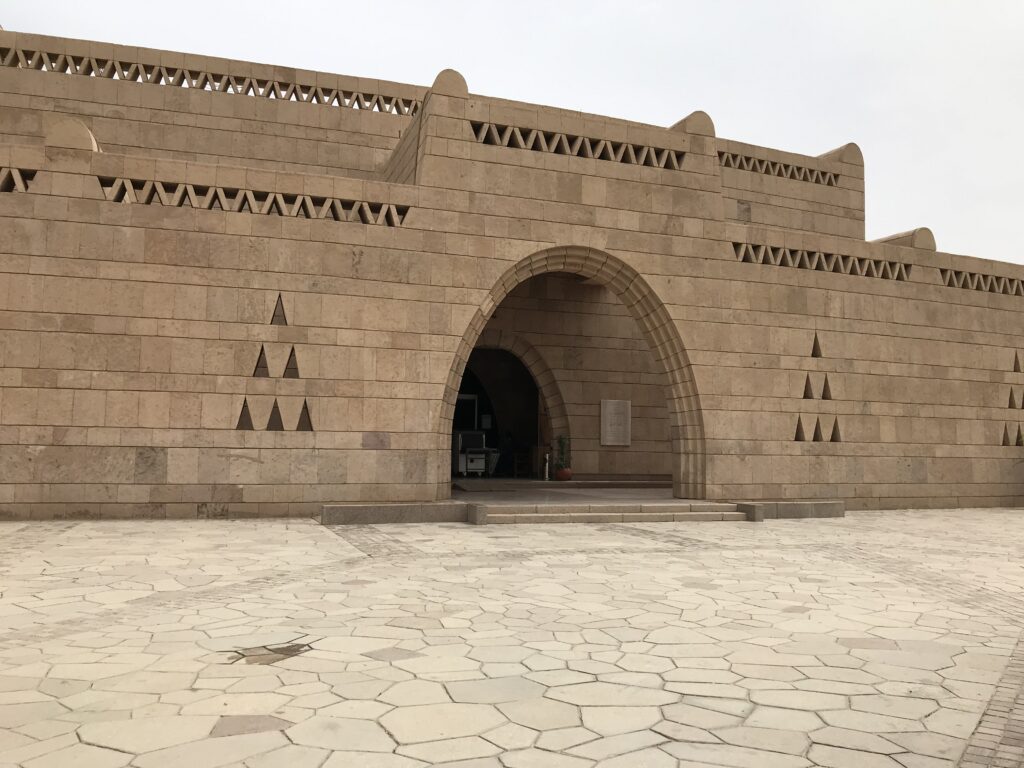
After our visit to Abu Simbel, we returned to Aswan to visit the Nubian Museum and begin our Nile River Cruise. The Nubian Museum is located on Elephantine Island close to Aswan. It showcases the art, history, and culture of the Nubian people. Exhibits range from 4,500 B.C.E. to modern times. The museum opened in 1997 and its purpose is to preserve Nubian heritage. Below are some exhibits from the museum.
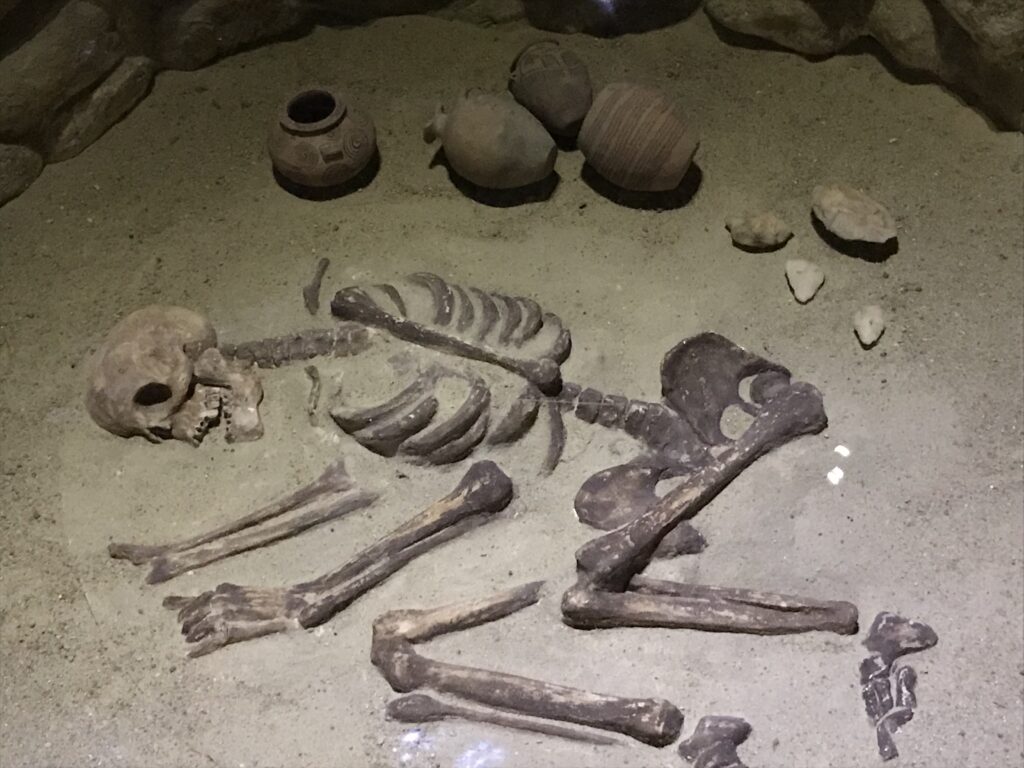
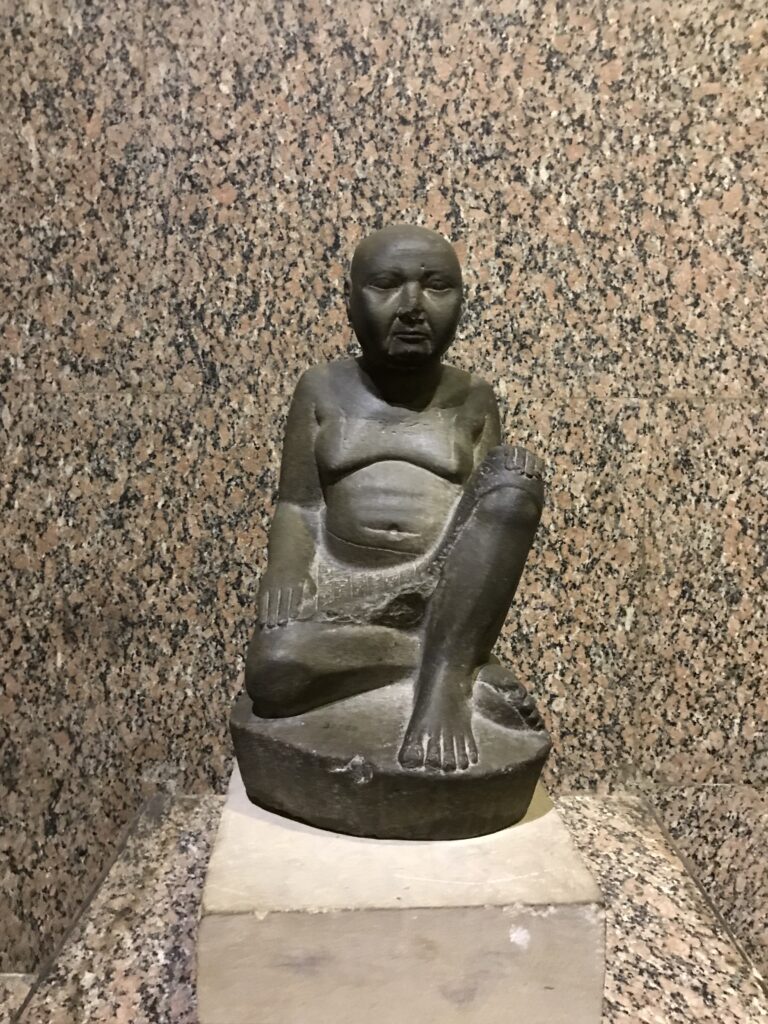
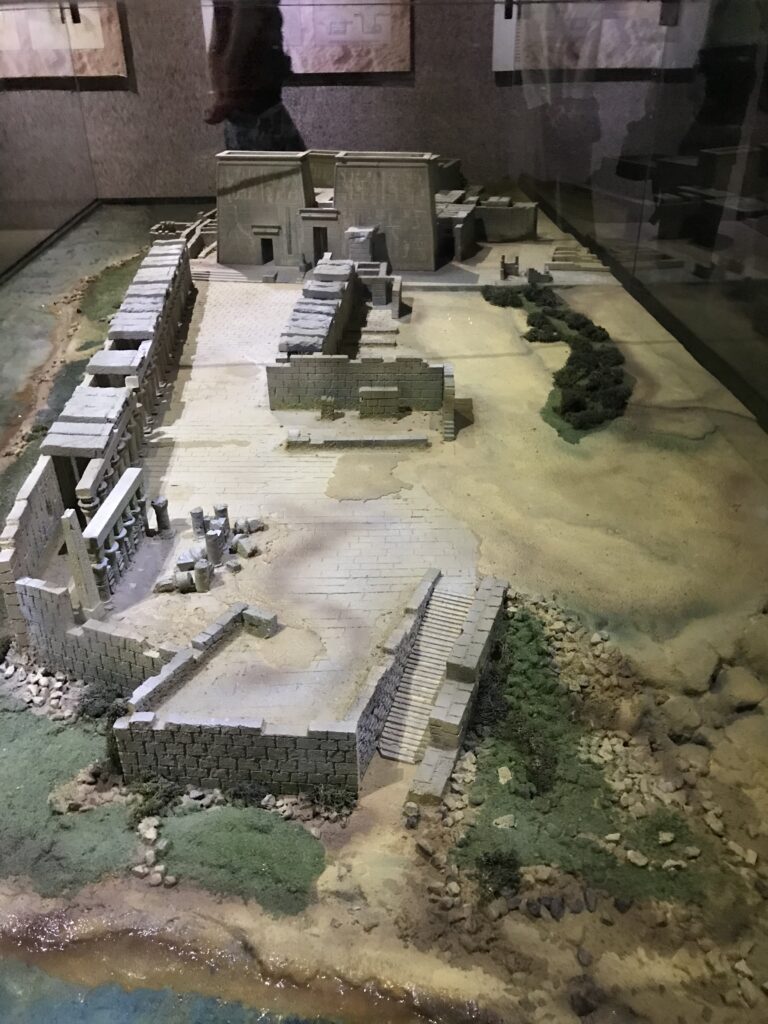
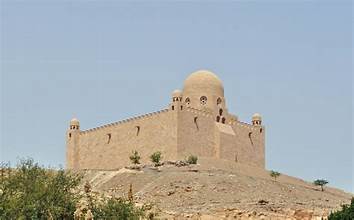
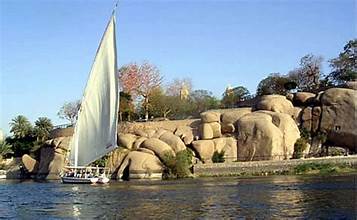
From there we embarked on our second ship for the cruise of the Nile River, the MS/Royal Lily Movenpick. After lunch we had a relaxing afternoon aboard. Many of us sailed around the lake on feluccas, replicas of ancient Nile sailboats. We went around Elephantine Island, seeing the botanical garden, the mausoleum of Agha-Khan and the Old Cataract.
Elephantine Island was an important trade and cultural center in ancient Egypt. For several thousand years, the ancient Egyptians believed that the Nile River source was on the island of Elephantine. Since the Nile was the lifeblood of Egyptian civilization, if was believed that very powerful gods had to watch over it.. The Elephantine Triad of Khnum, Anuket, and Satet were those gods.
There are several archaeological sites on the island, including ancient temples and ruins. There is still a small Nubian community living on the island. The city was famous for the worship of Khnum, the ram-headed god of the Nile in ancient Egyptian religion and mythology. Its name comes from the shape of the island which resembles an elephant tusk.
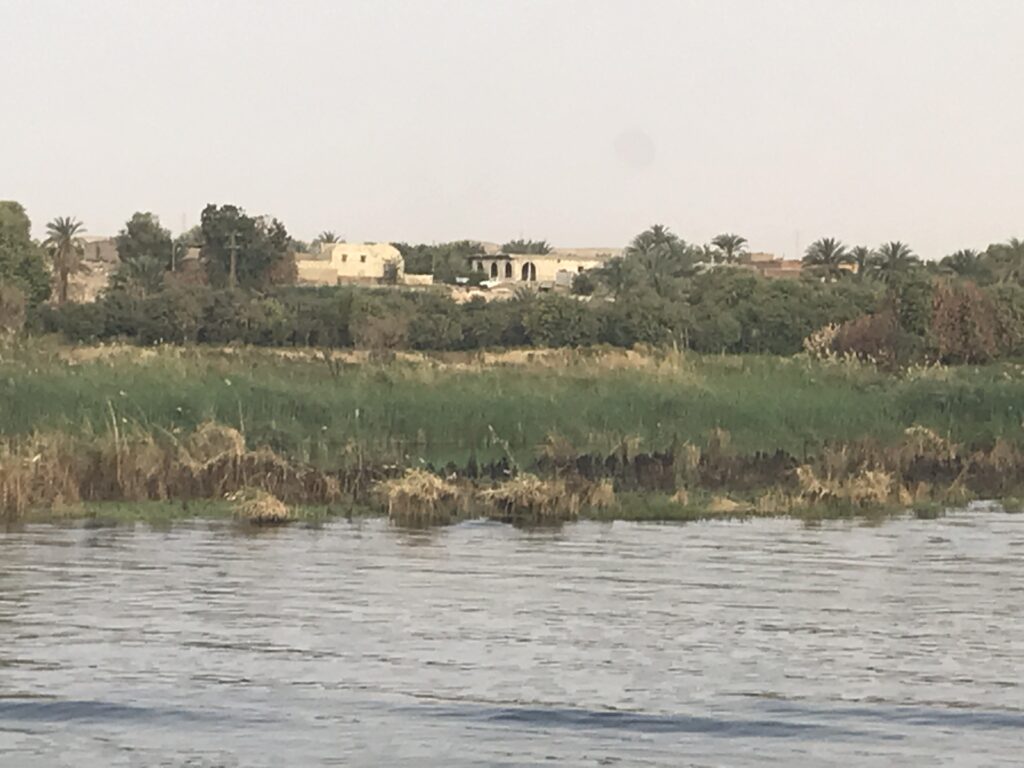
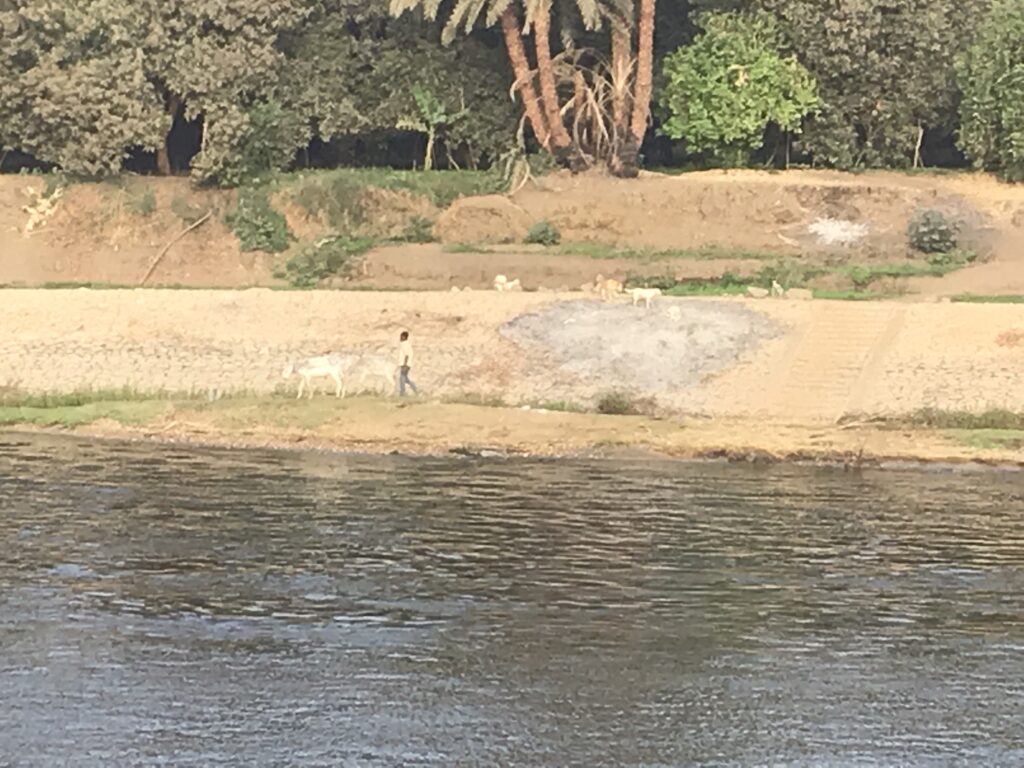
From here we began our trip to Luxor.