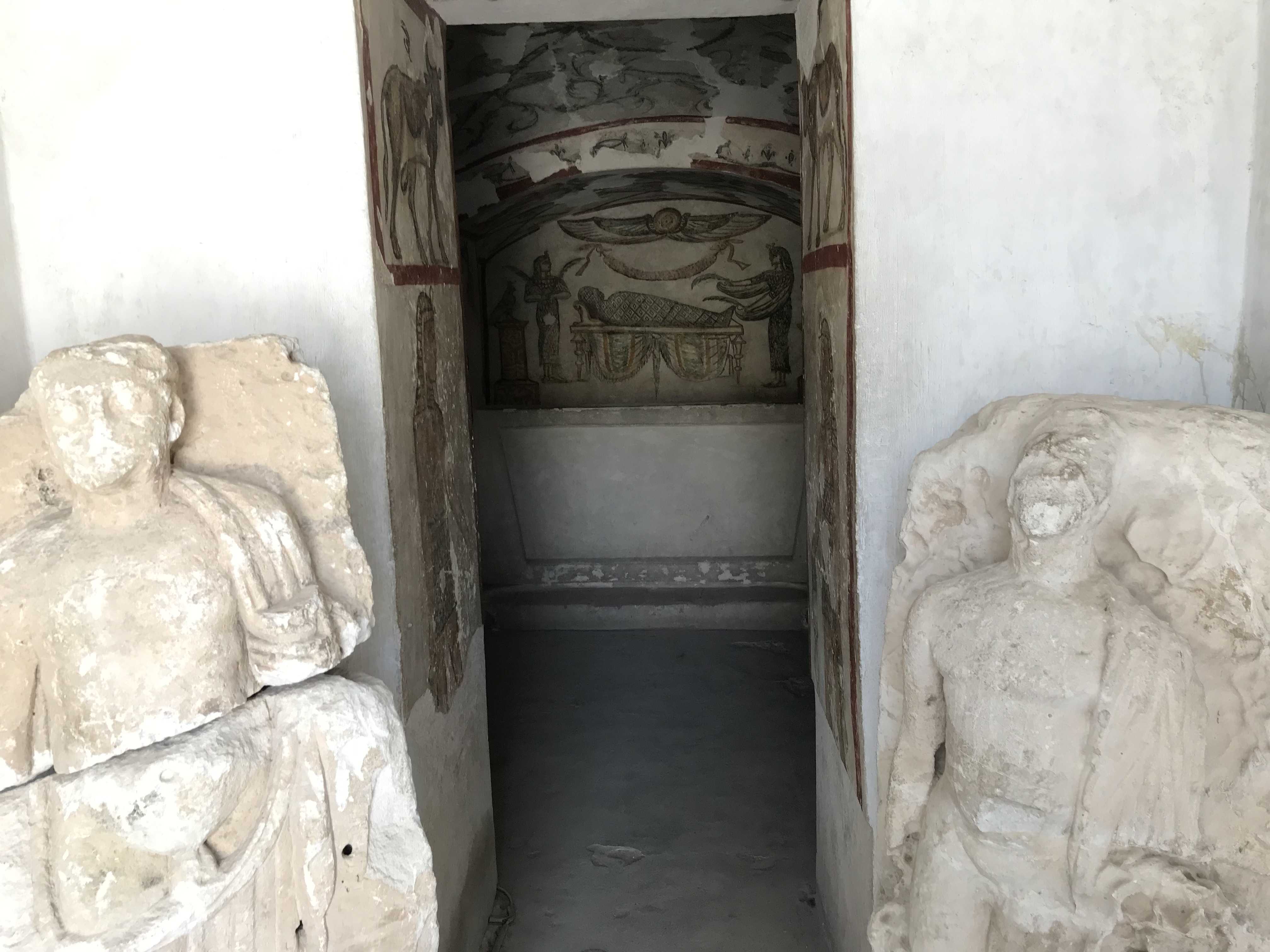
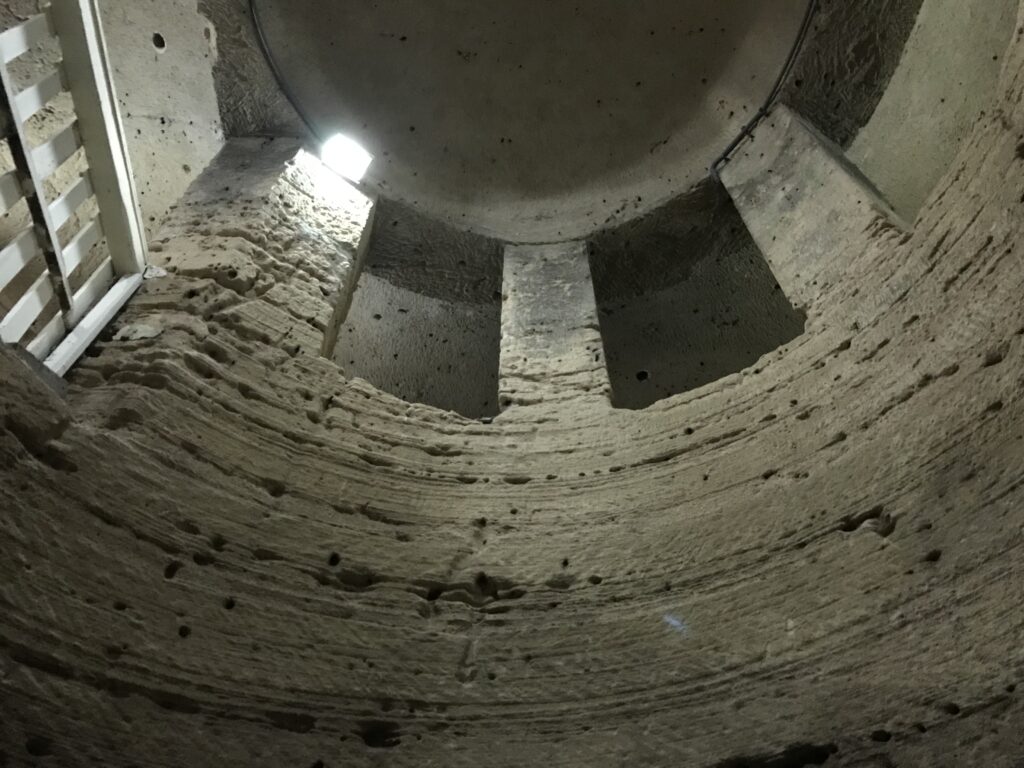
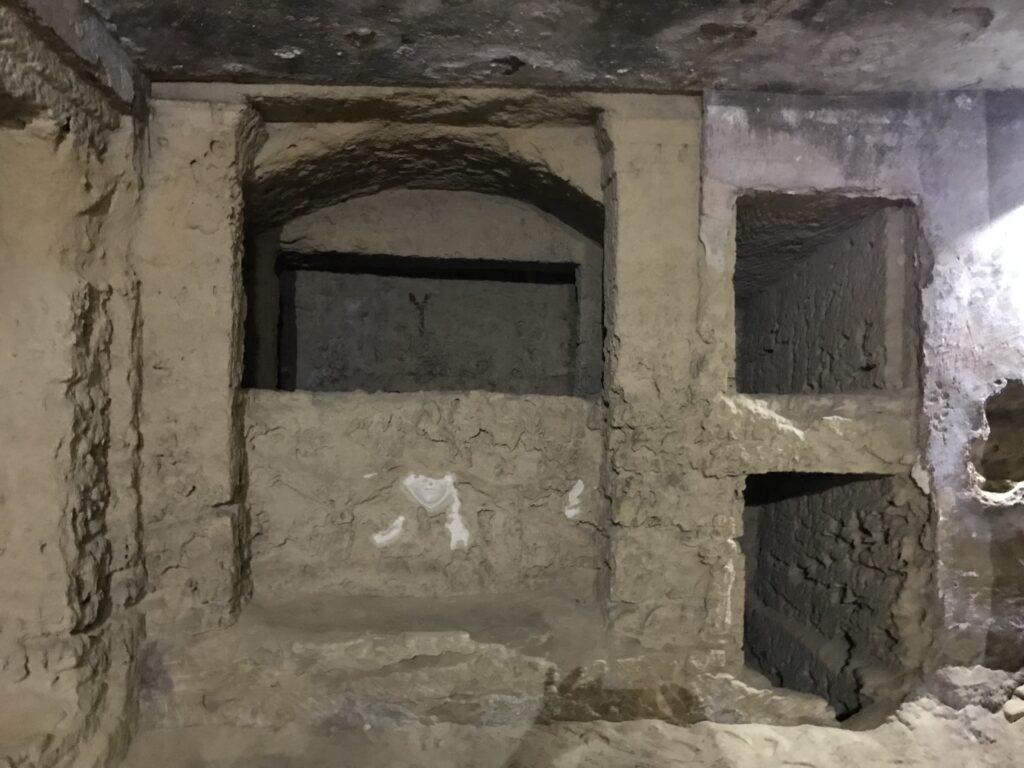
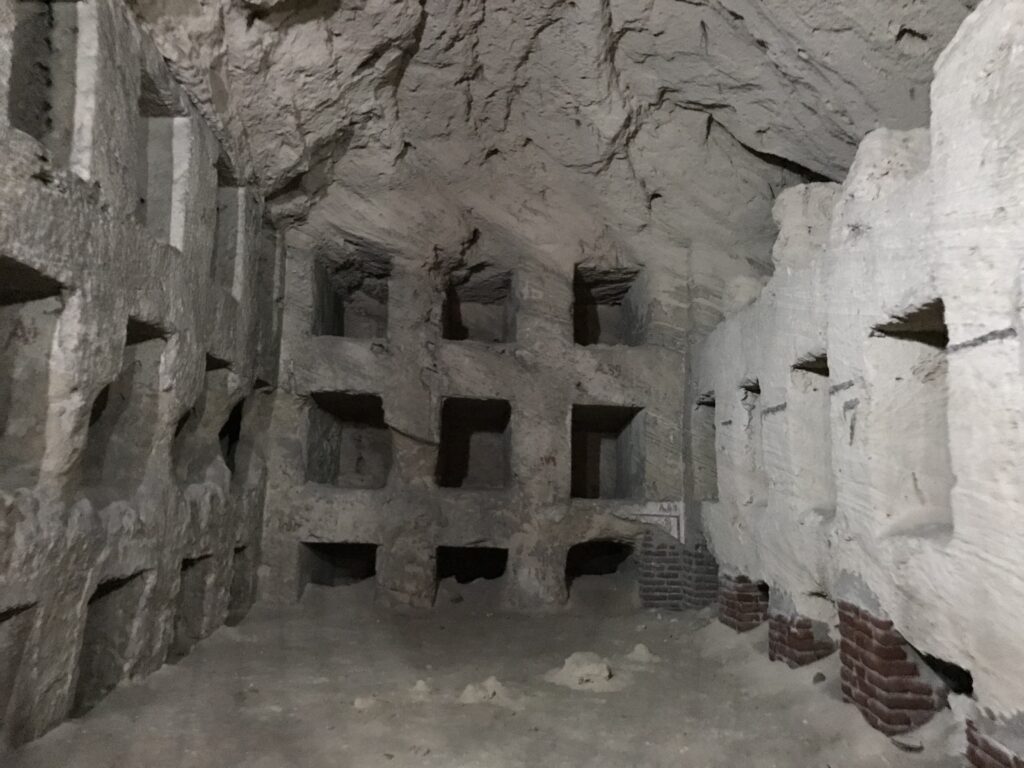
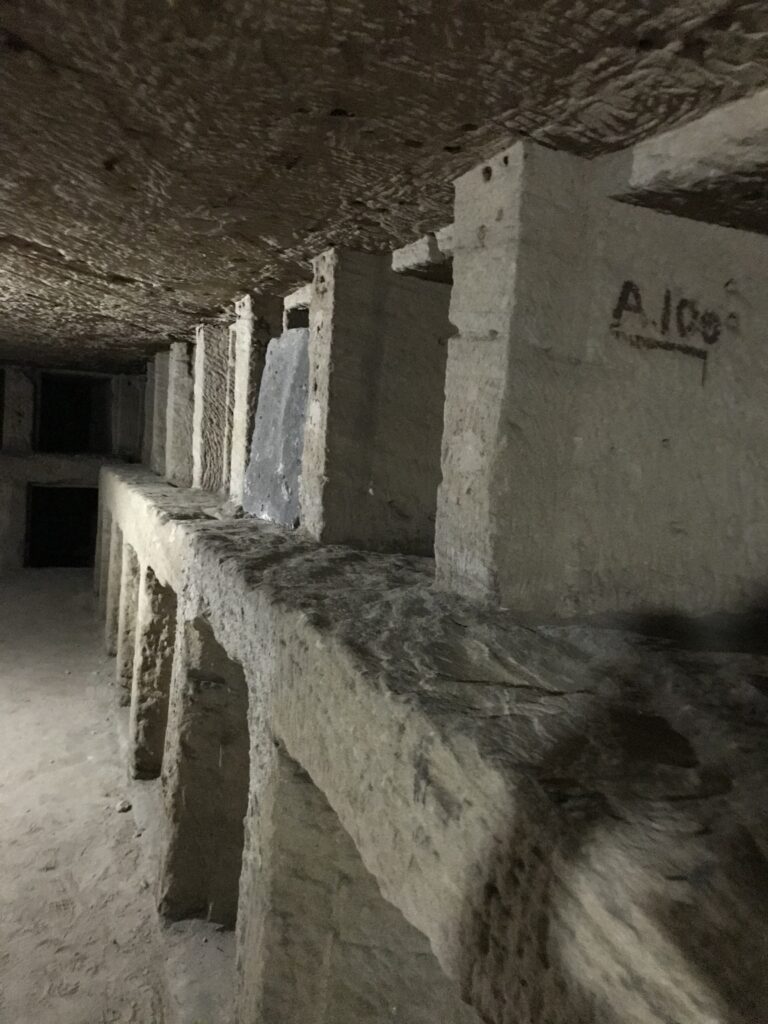
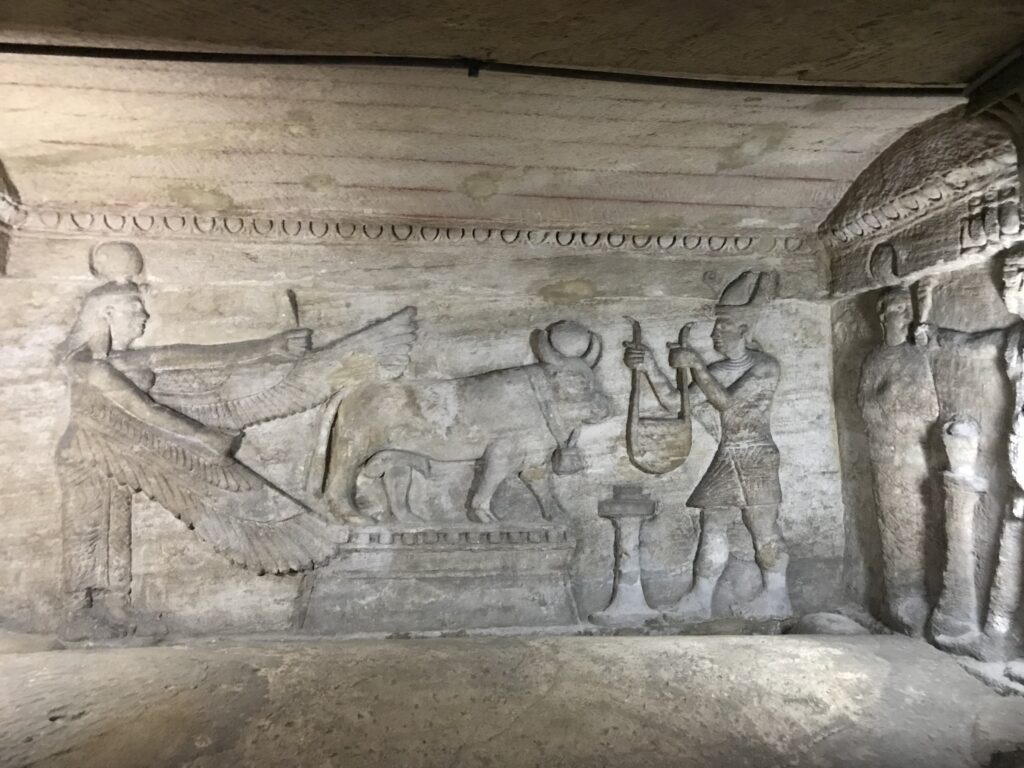
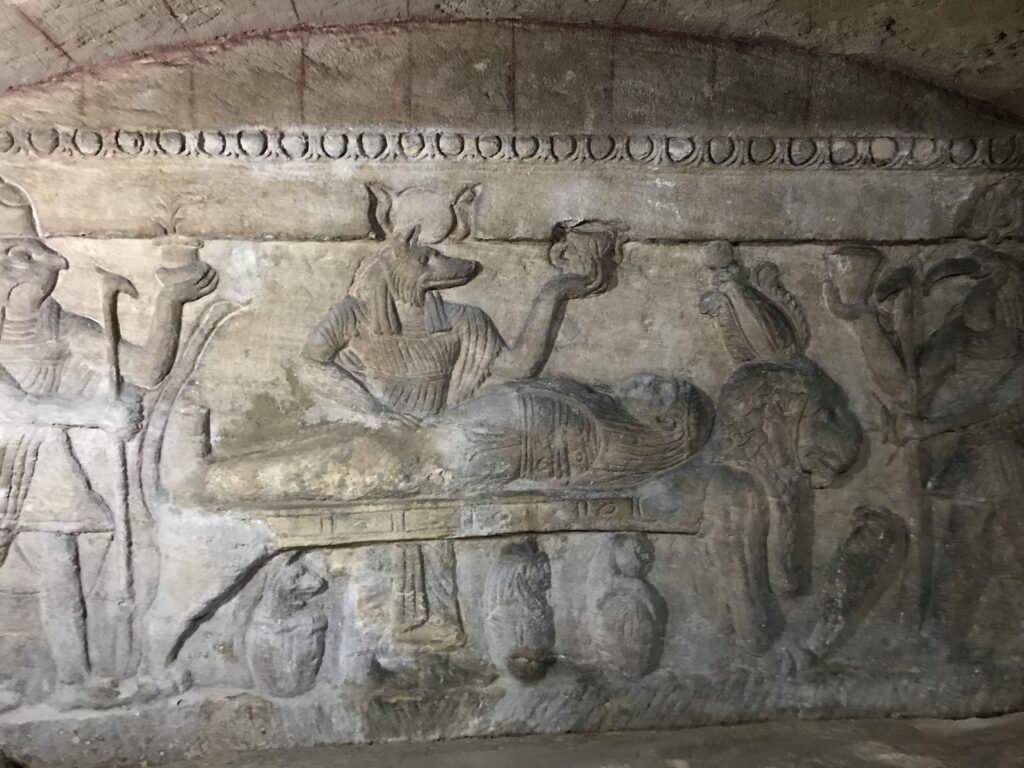
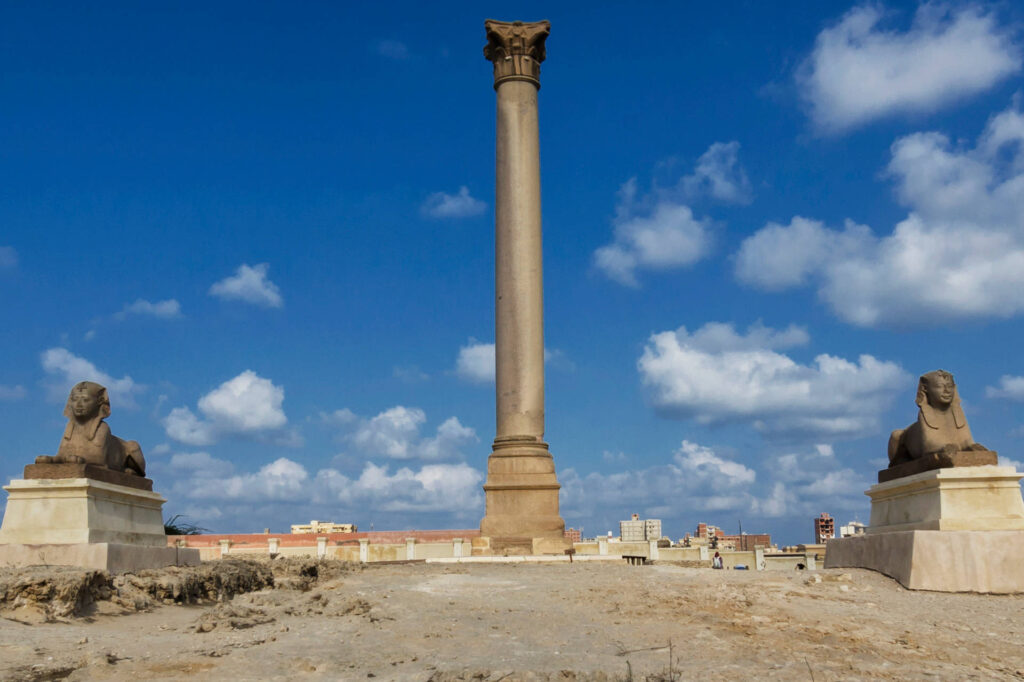
Since Alexandria was not included on our tour and it was so close, I stayed an extra day to visit it as well. My guide picked me up at 8 in the morning and we began our 140 mi. drive. Our first stop in Alexandria was the Catacombs of Kom El Shoqafa, or “mound of shards,” considered one of the seven wonders of the Medieval world. This is the largest and most important burial site in Egypt, and has a mixture of Roman, Hellenistic, Pharaonic, and ancient Egyptian decorative art. They cover the period in Alexandria between the first and fourth centuries C.E. There is a narrow, spiral staircase down to the tombs. We saw a funeral banquet hall Pand a tomb chamber, containing statues and tombs. The colors of the scenes depicted were very vibrant. From the Catacombs, we could see Pompey’s Pillar, a Corinthian column dedicated to the victory of the Roman emperor Diocletian over the Alexandrian rebels.
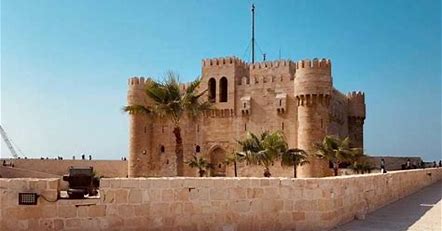
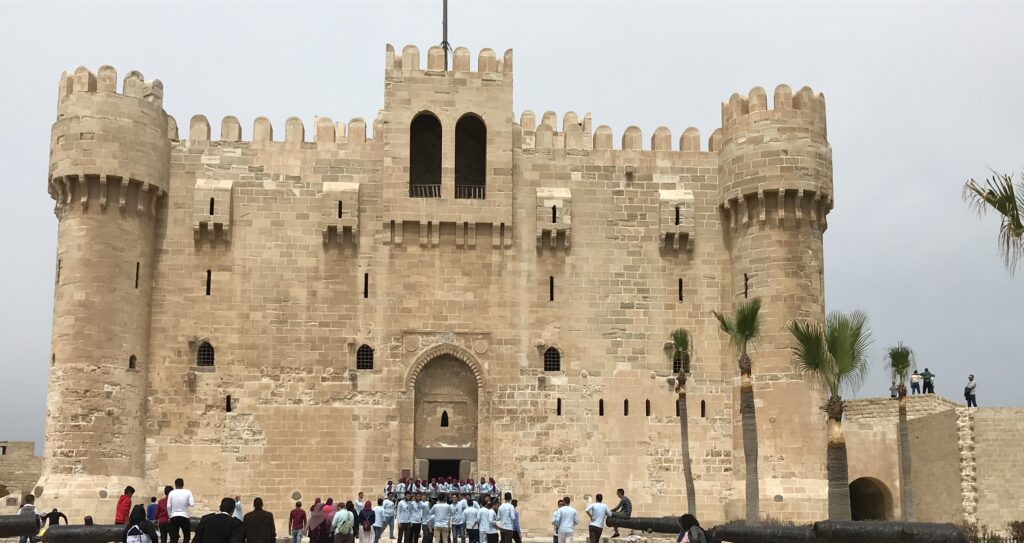
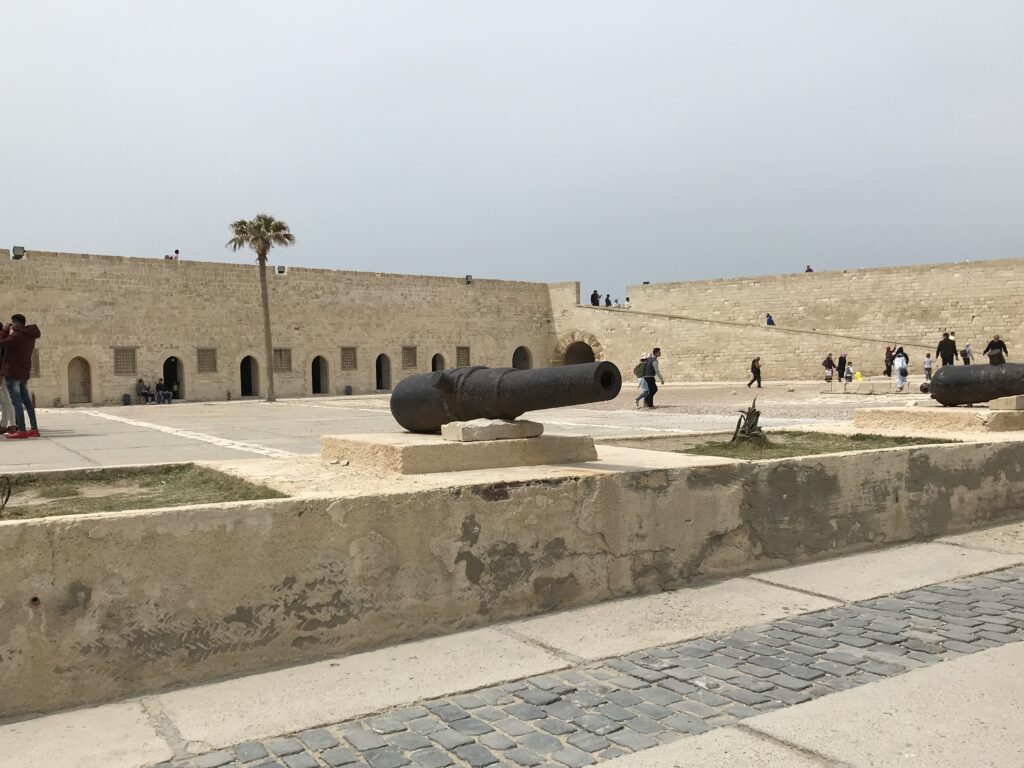
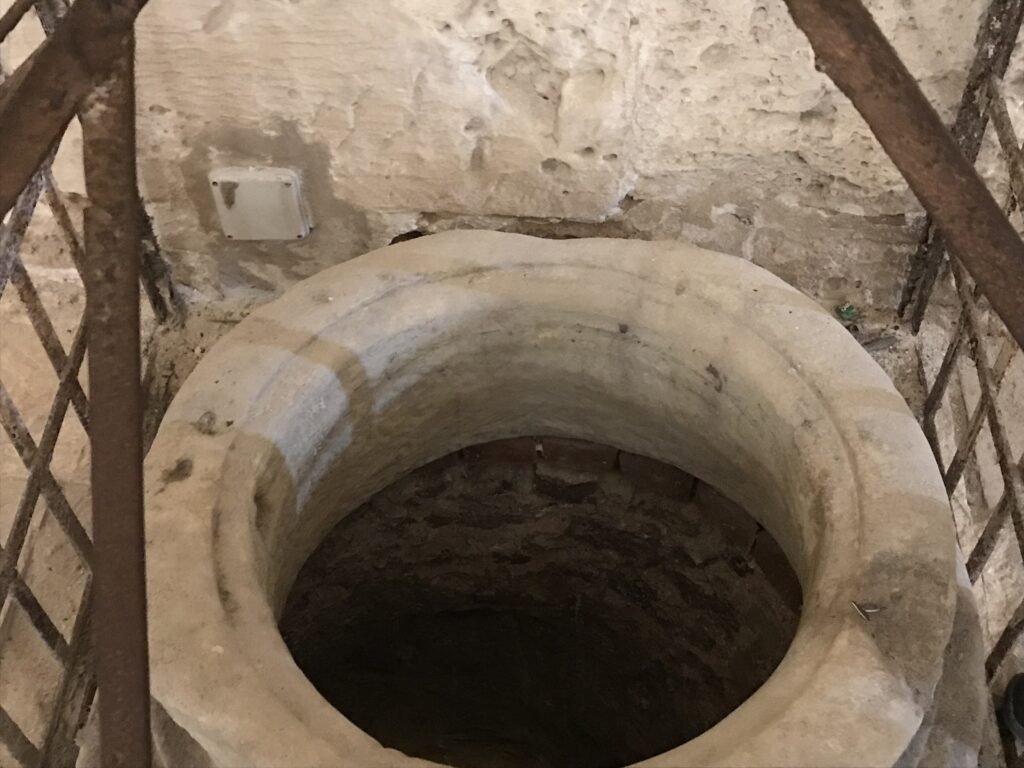
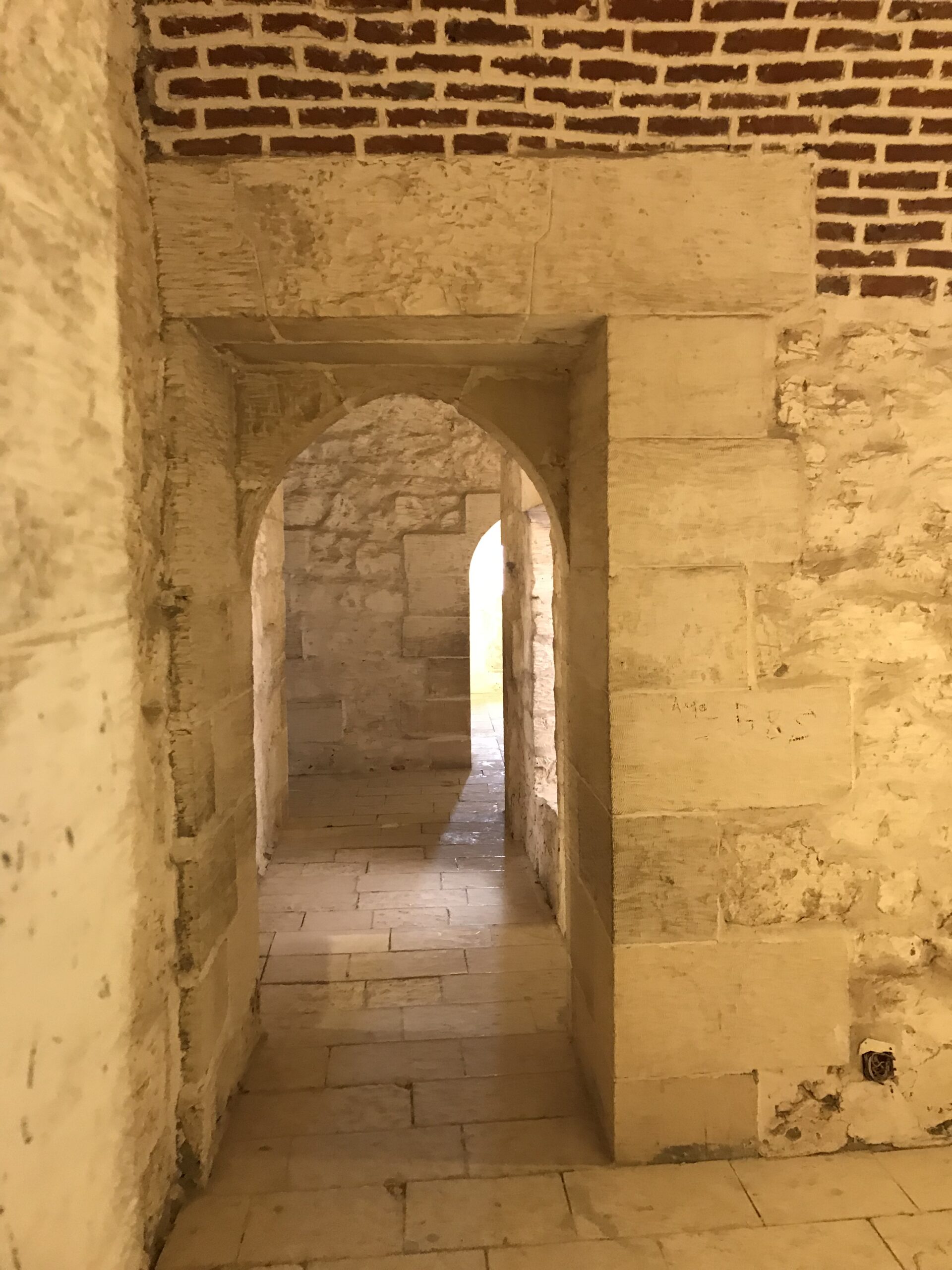
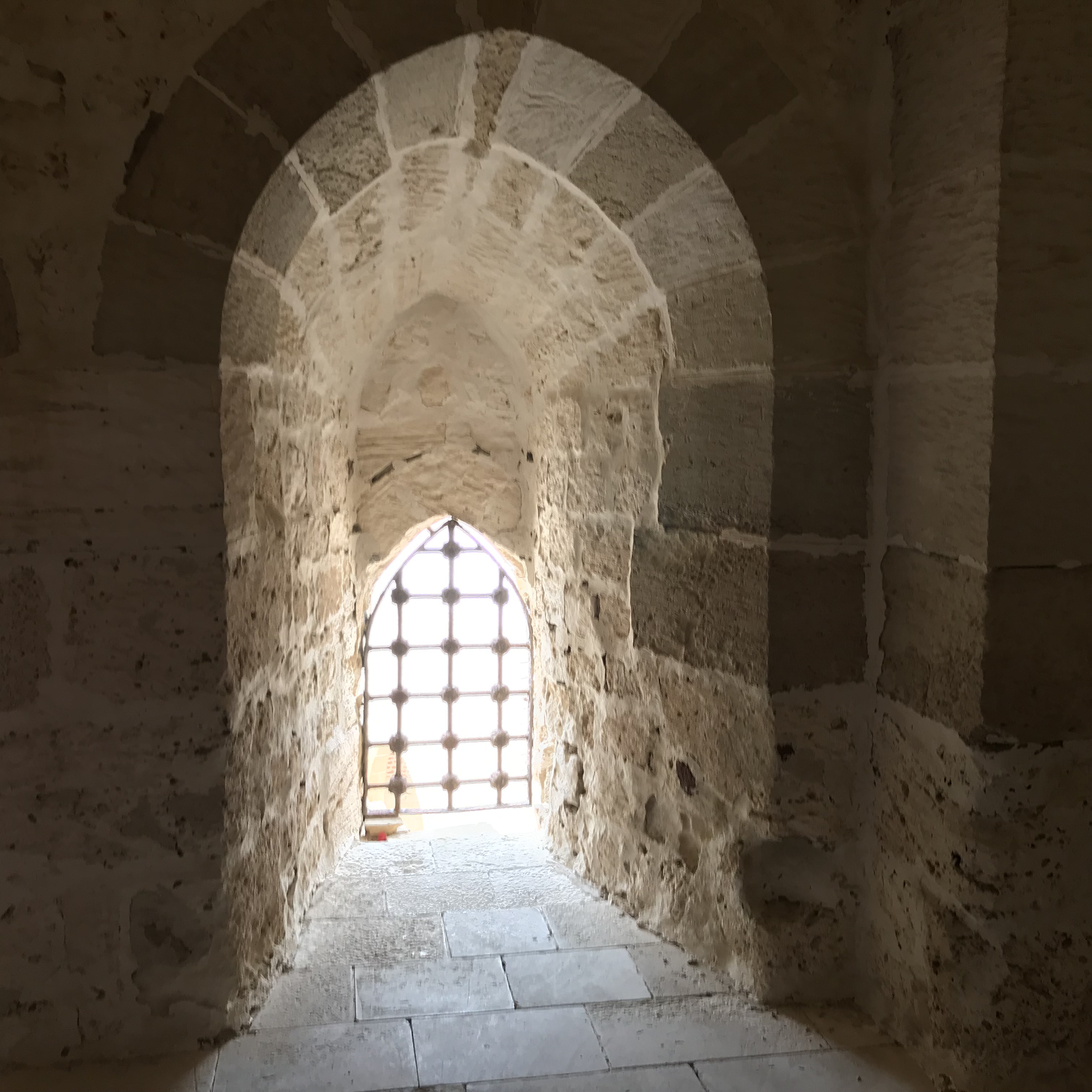
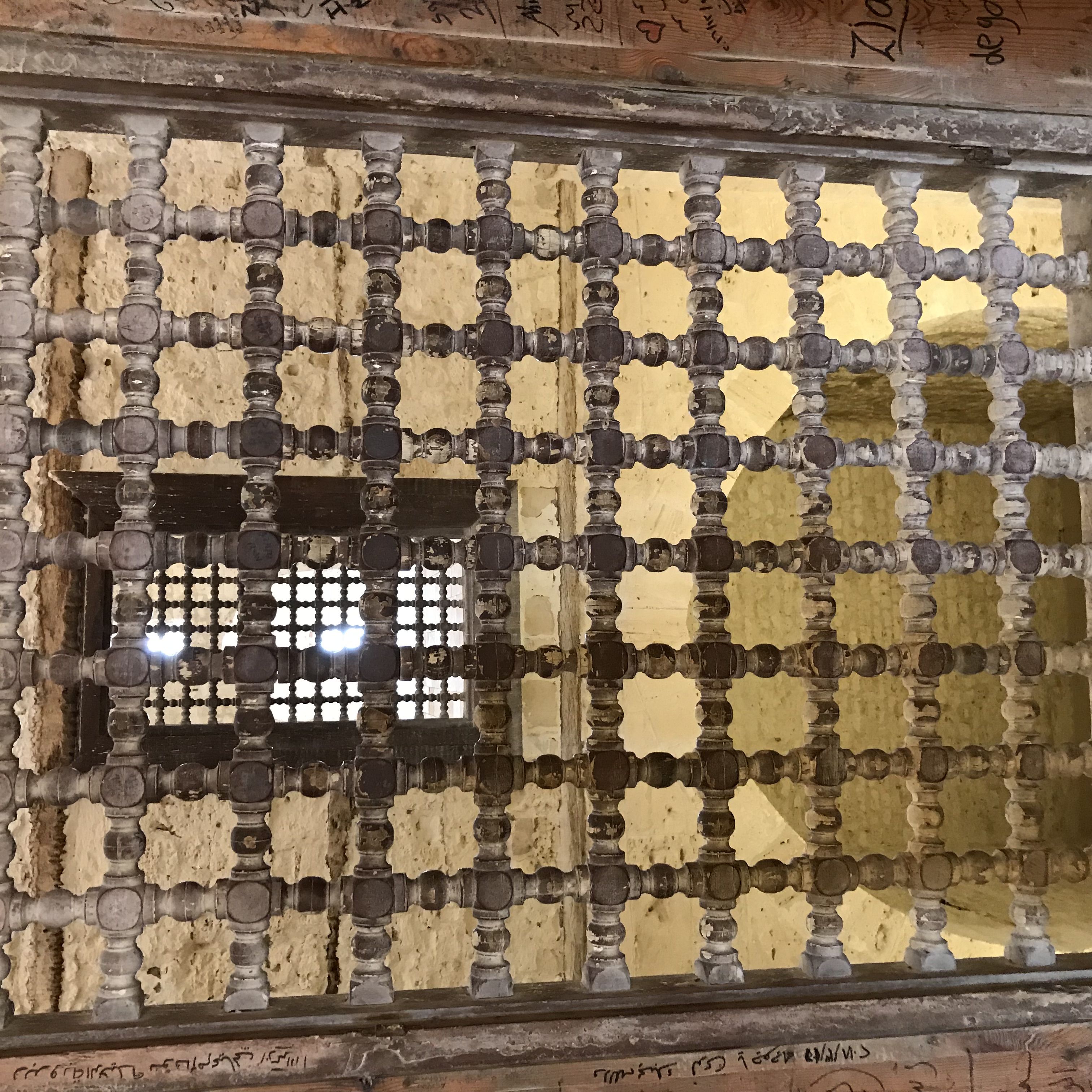
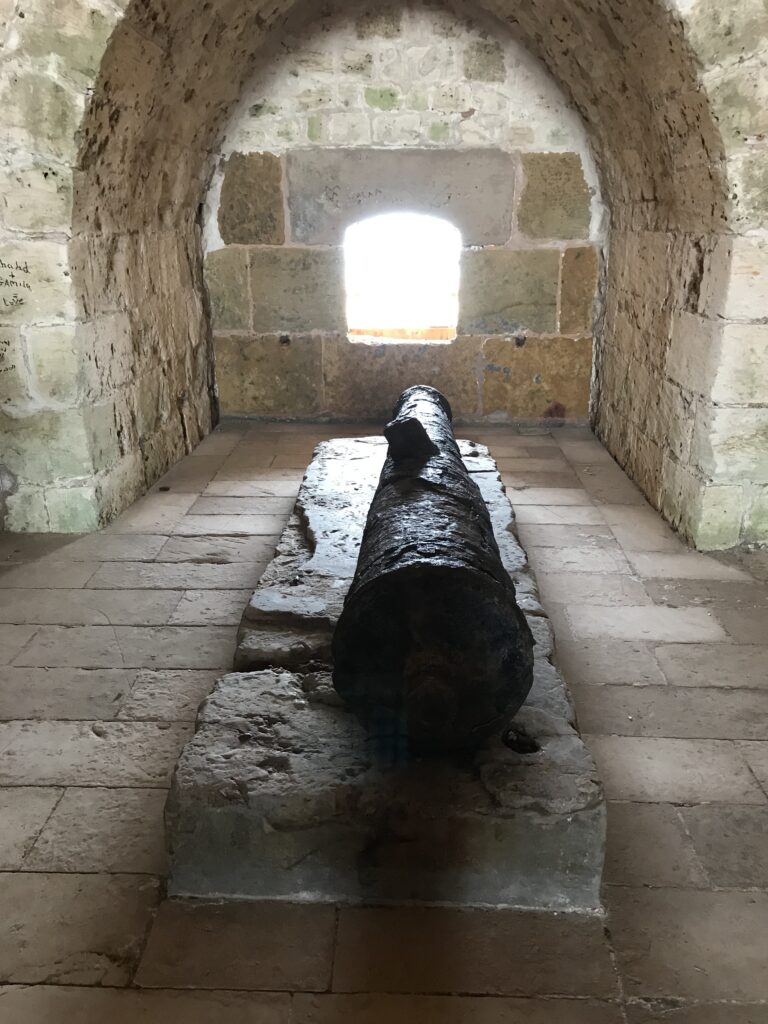
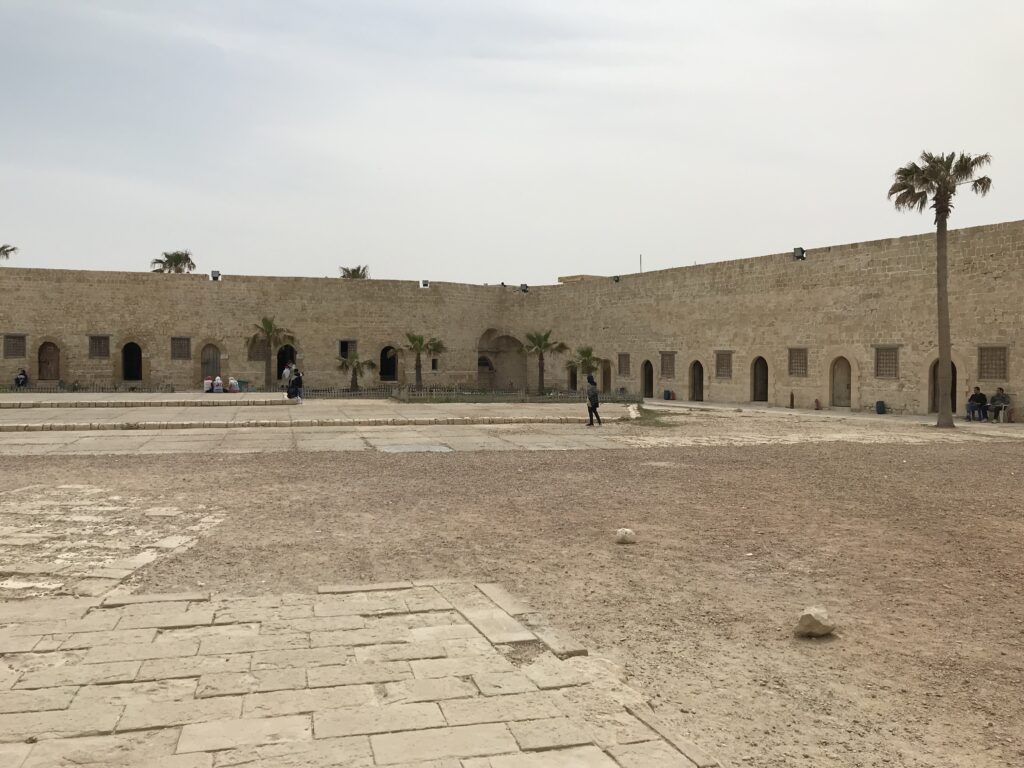
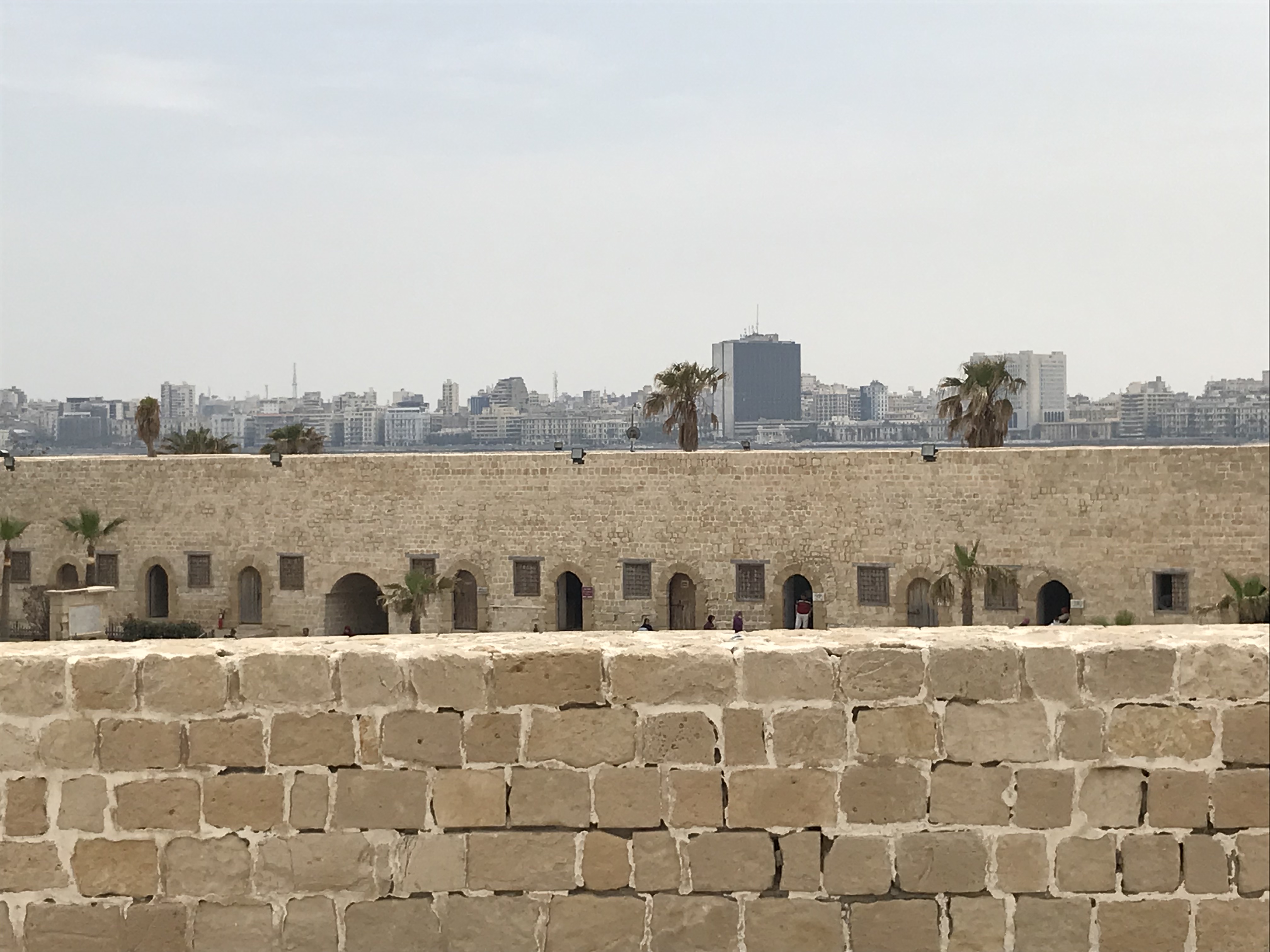
From the Catacombs, we went to the Citadel of Qaitbay, a 15th century fortress located on the Mediterranean coast. It is one of the most important fortresses on the Mediterranean. Built by the Mamluk sultan al-Ashraf Abu al-Nasr Qaitbay, it is made of limestone. An outer wall with defense towers surrounds the building while an inner wall surrounds the citadel’s courtyard and several rooms. It was built on the ruins of the original Lighthouse of Alexandria. There were many school children there at the same time and they all wanted pictures of me, a tourist.
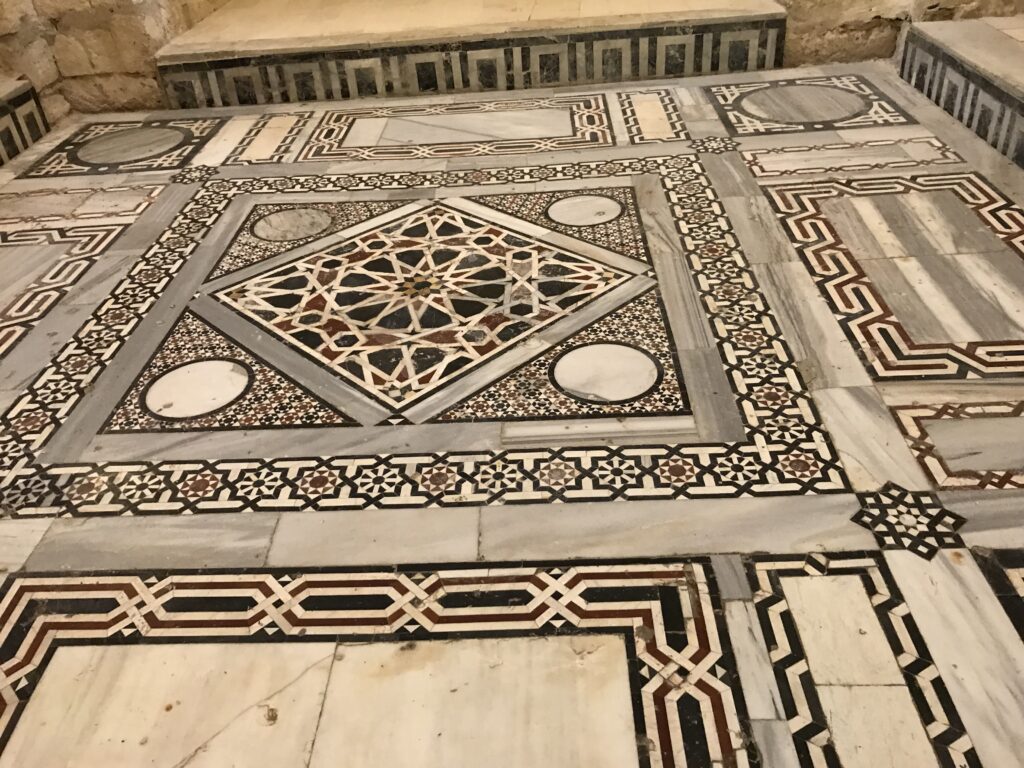
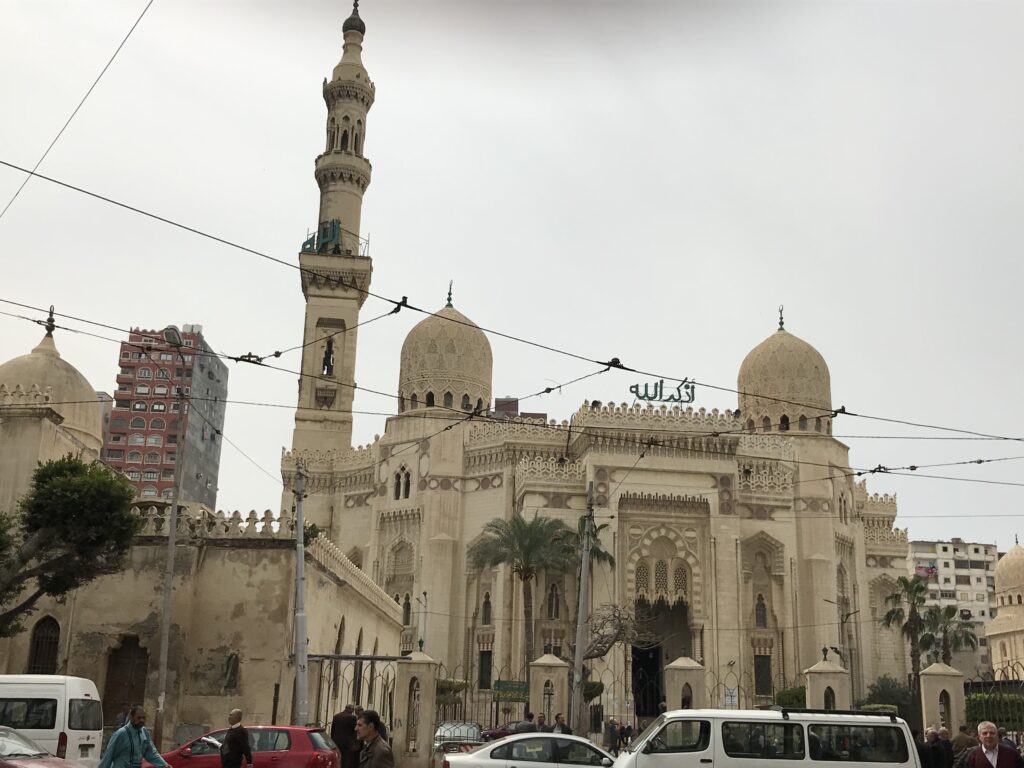
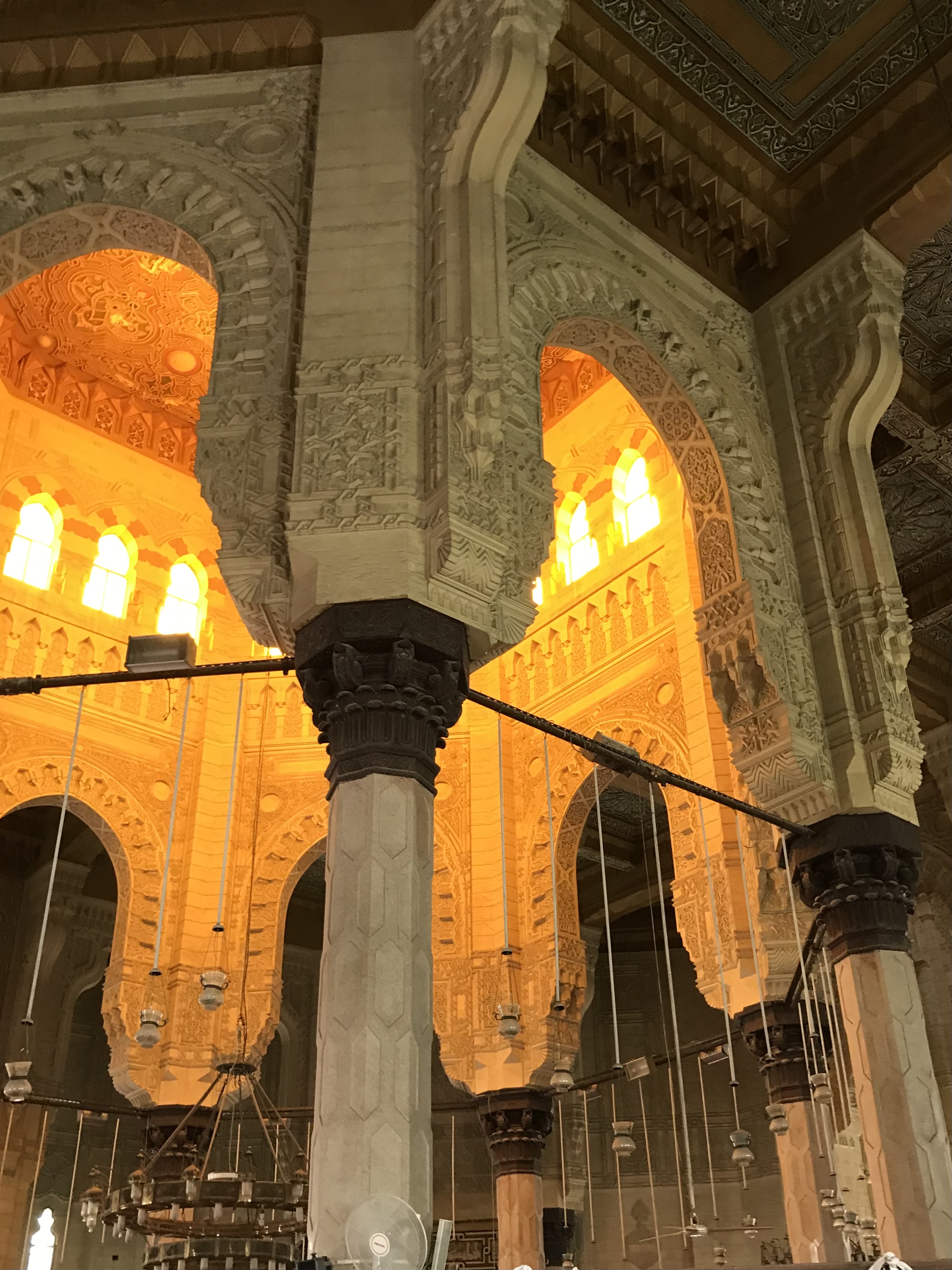
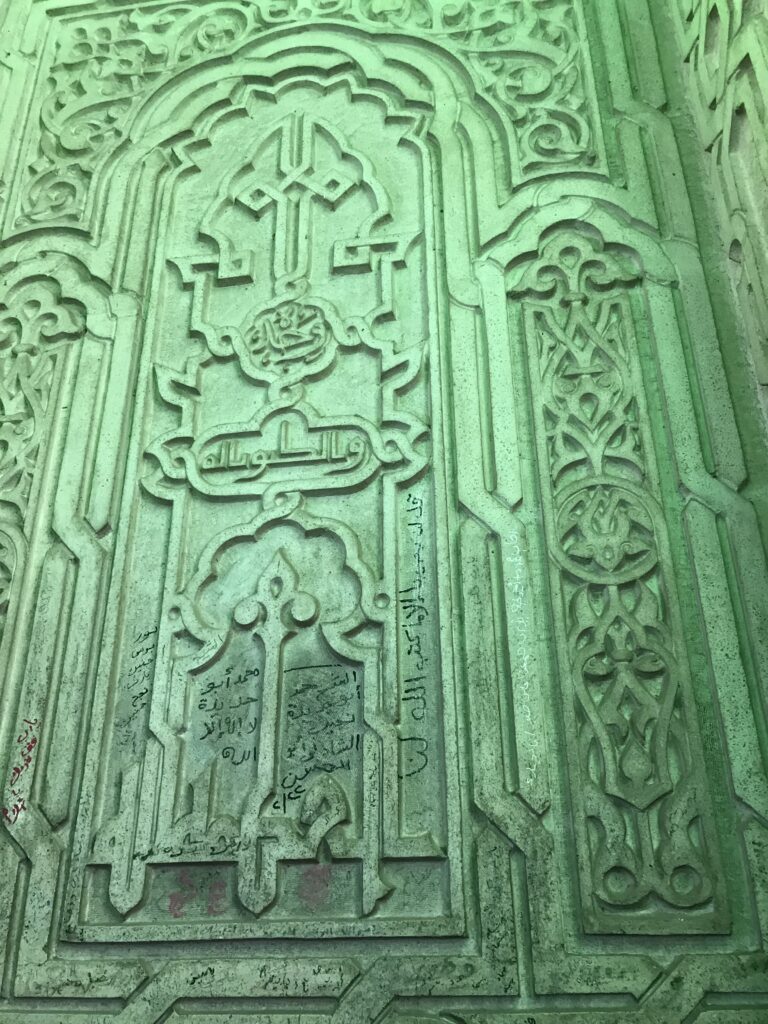
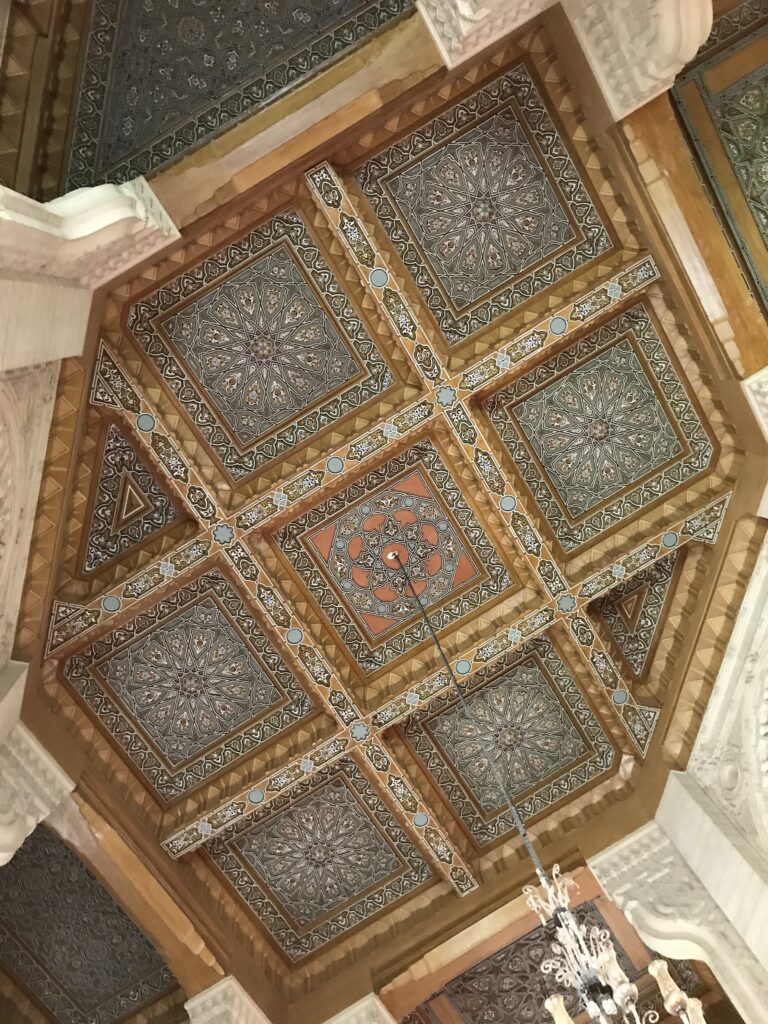
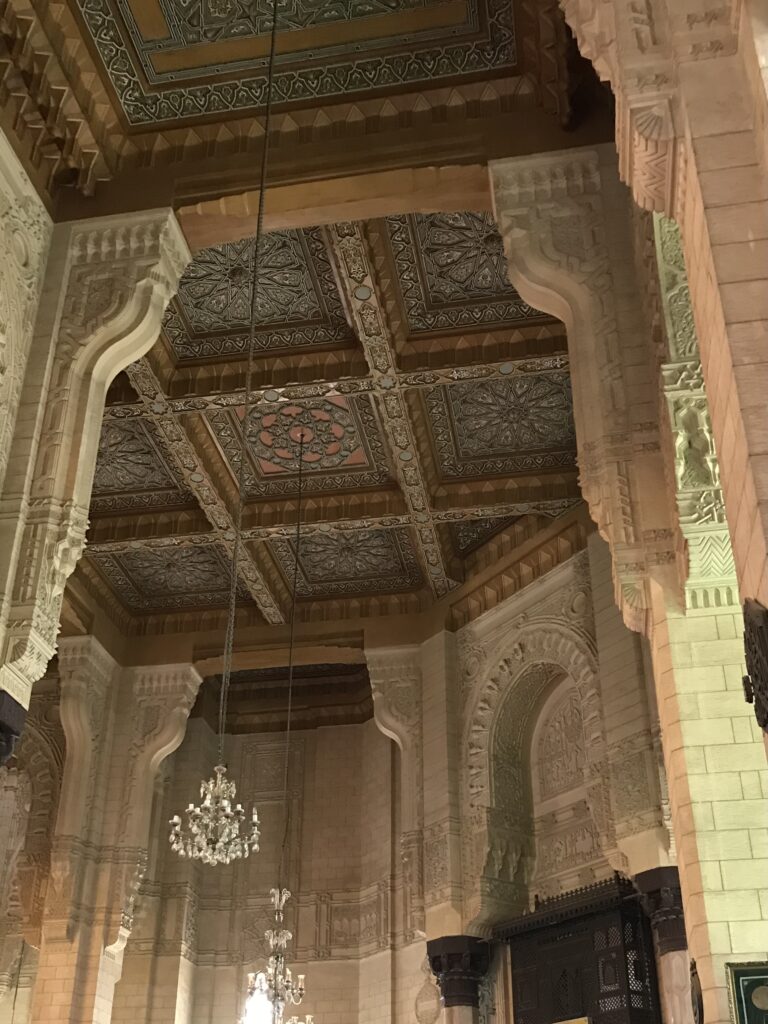
Next we went to the Mosque of Abu-al-Abbasal-Mursi. Built in 1775, this is considered the most historic and beautiful mosque in the country. It is dedicated to a 13th century Sufi saint whose tomb it contains. Besides its history, its beautiful dome, minaret, tile work, and calligraphy make it an important attraction. Since it is a worshipping Mosque, I could only go into the back where women could go. There were a few women there, reading or praying. Over the drapes which separated this section from the main area, I could see the beautiful domes and tile work.
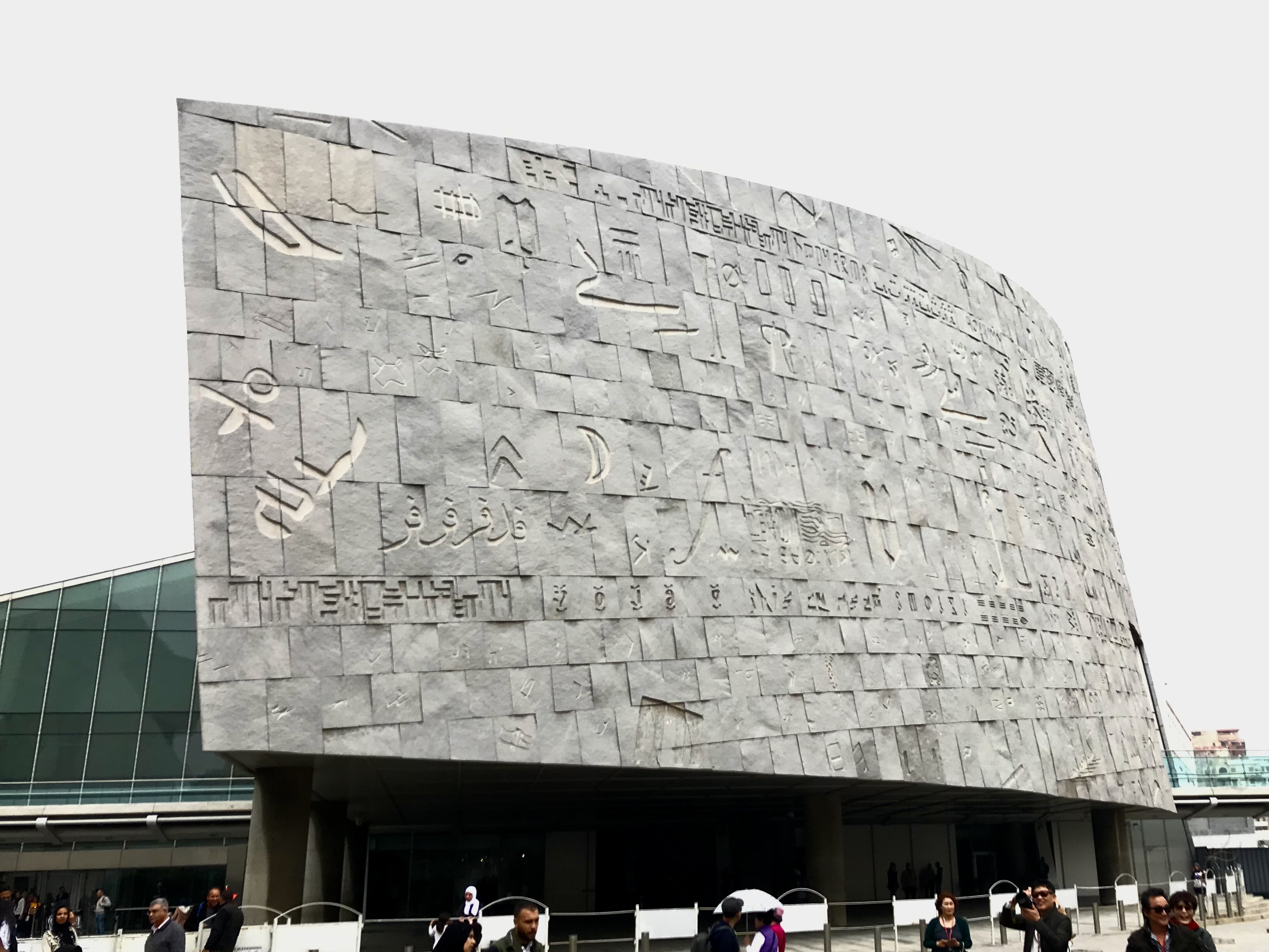
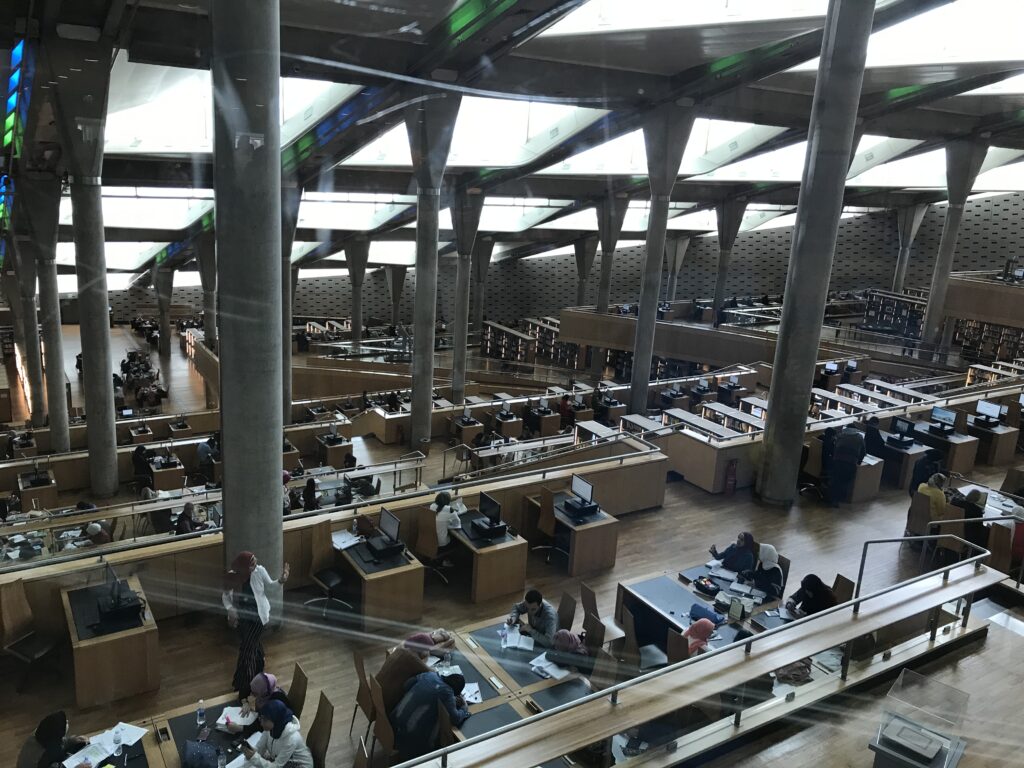
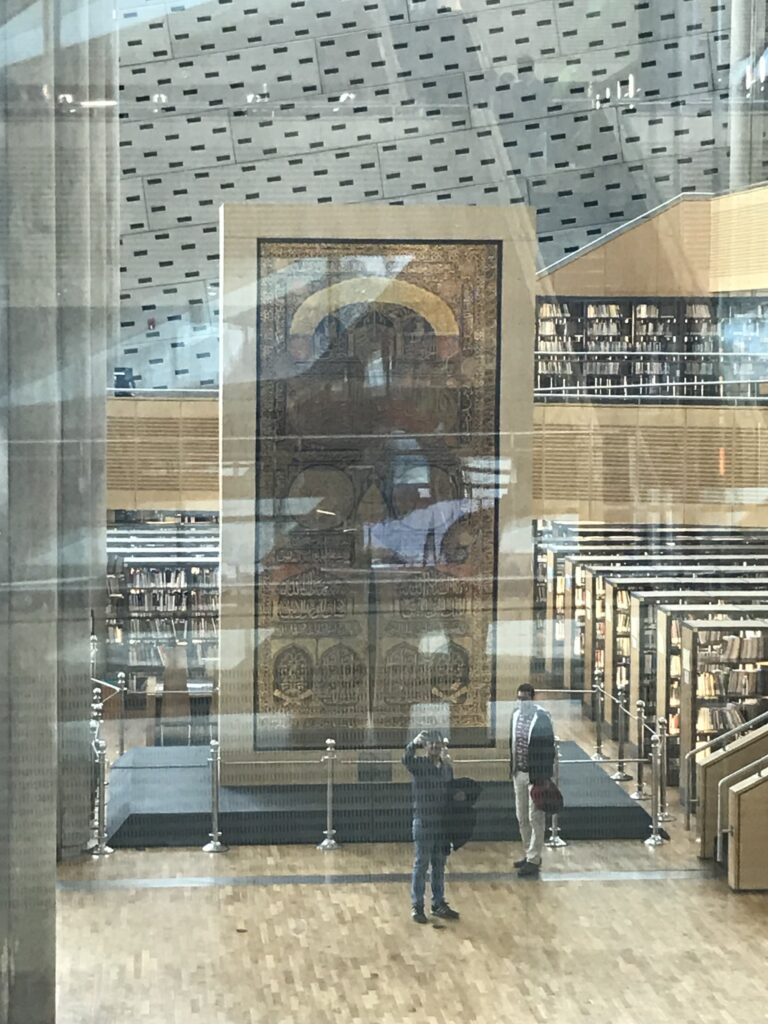
Our next stop was the great, new Alexandria library. The Biblioteca Alexandrina was completed in 2002. It is an amazing, huge complex that offers the traditional library resources with internet resources for the residents to use as well. It is also an art gallery. The glass and steel structure dominates the area. On the tour of the library, we saw several artistic exhibits as well as historic galleries. It is a library as well as community center and tries to advance the mission of the original library in Alexandria.
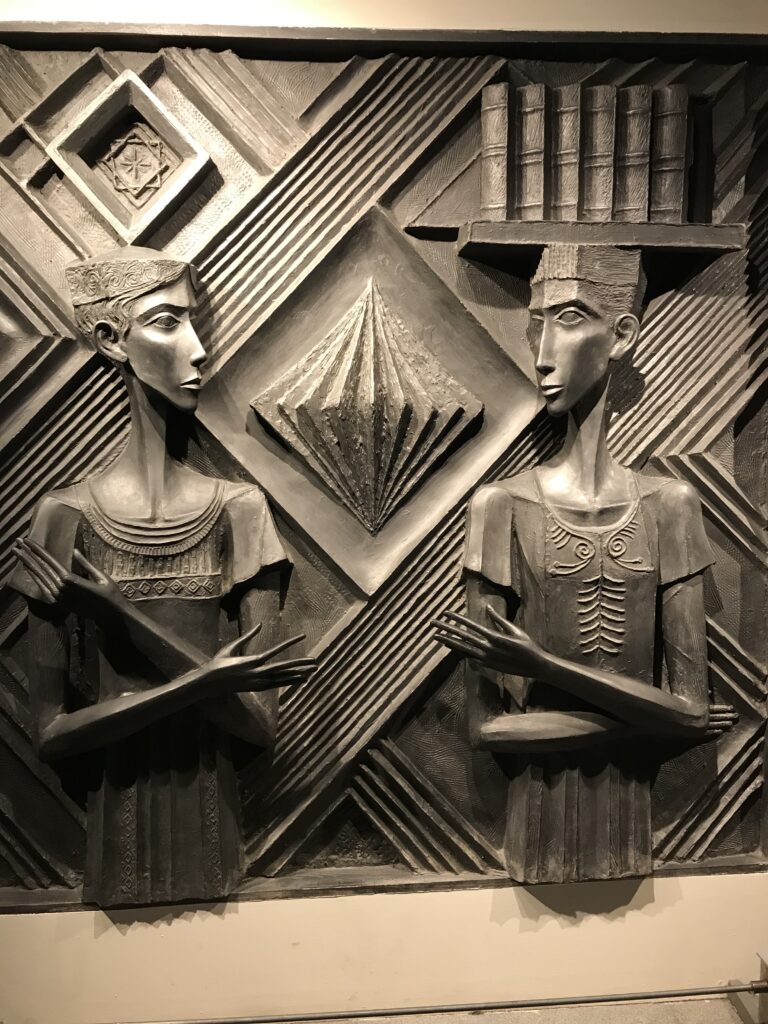
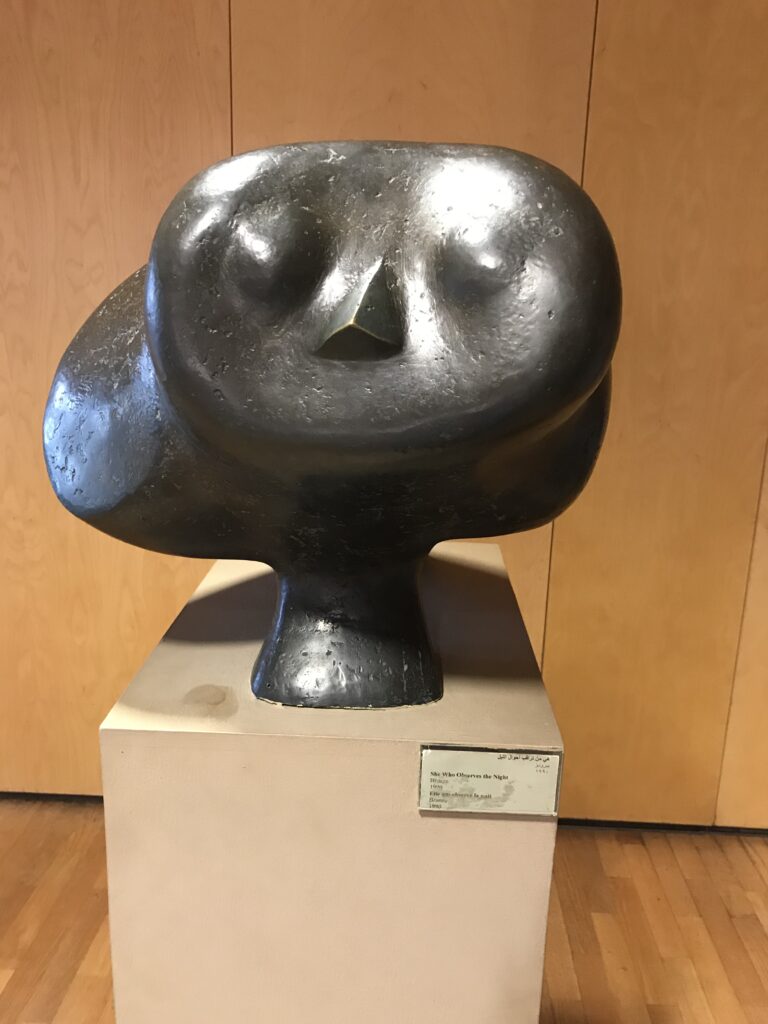
As we ended our journey, here are a few street scenes from Alexandria.
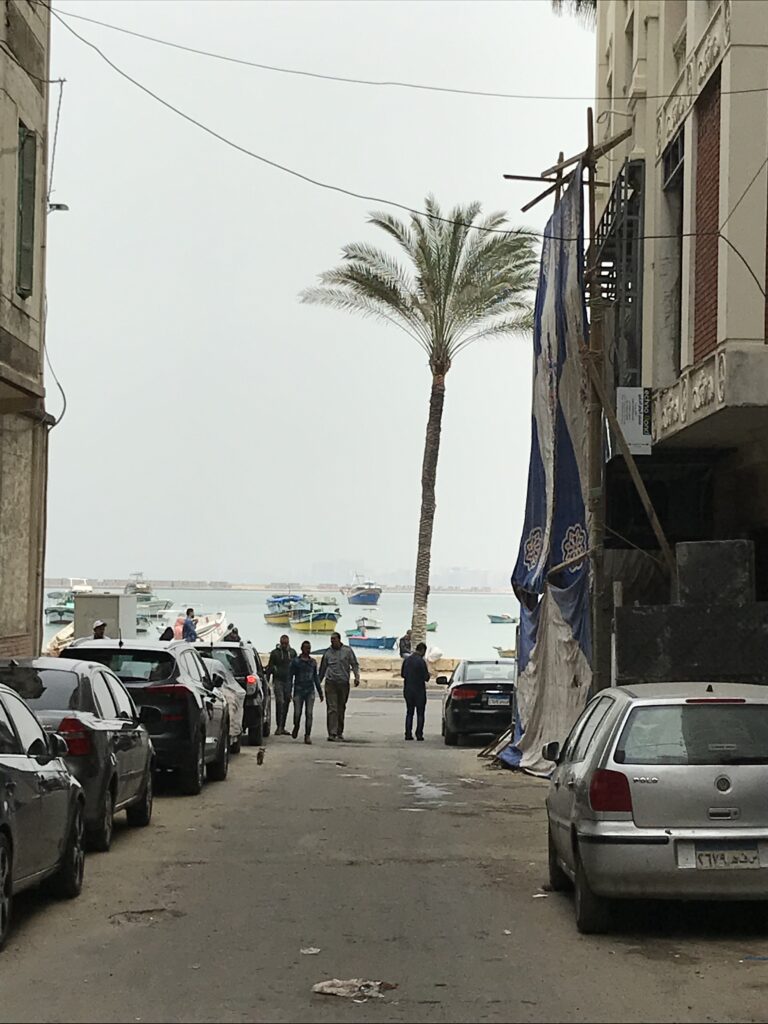
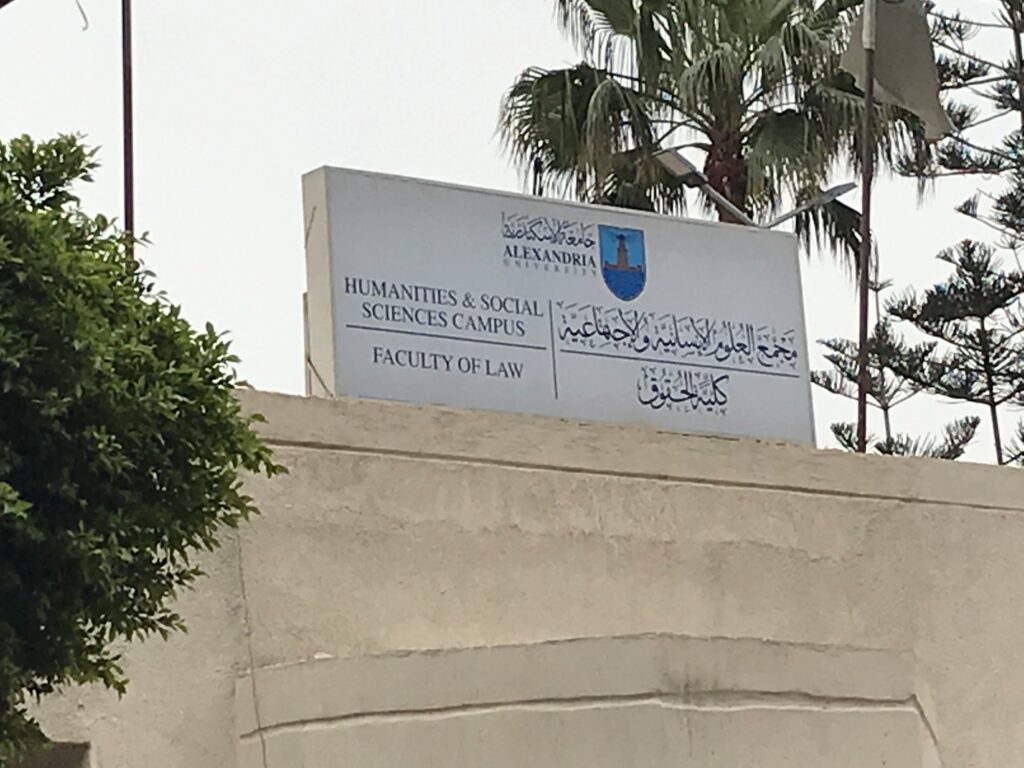
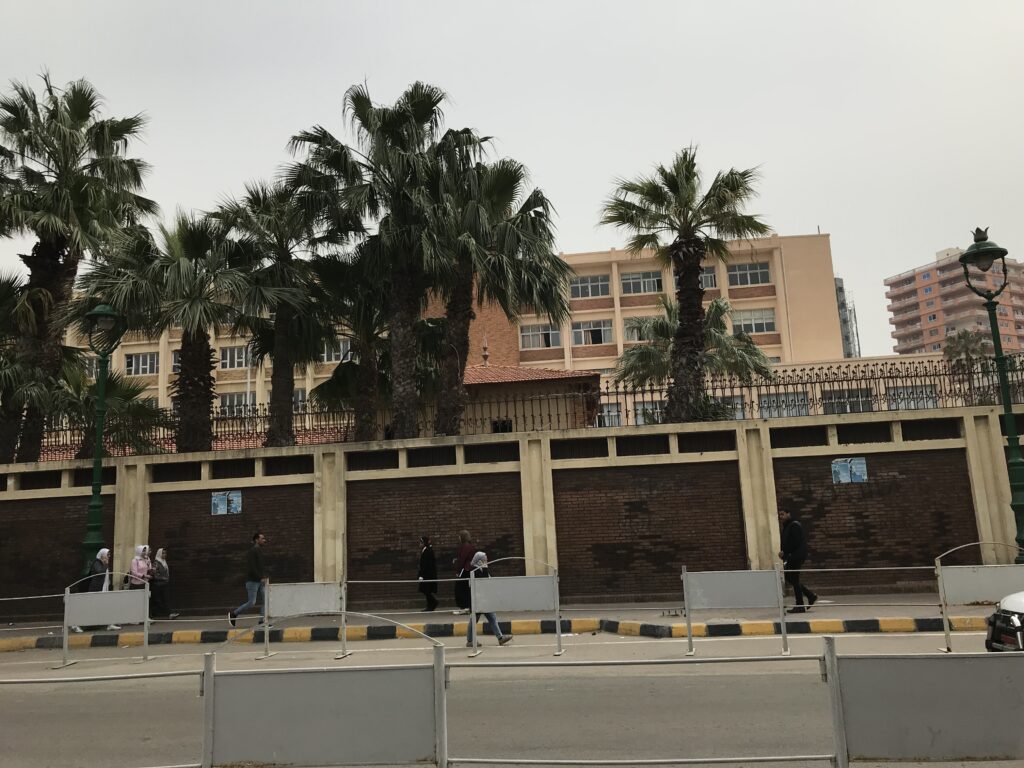
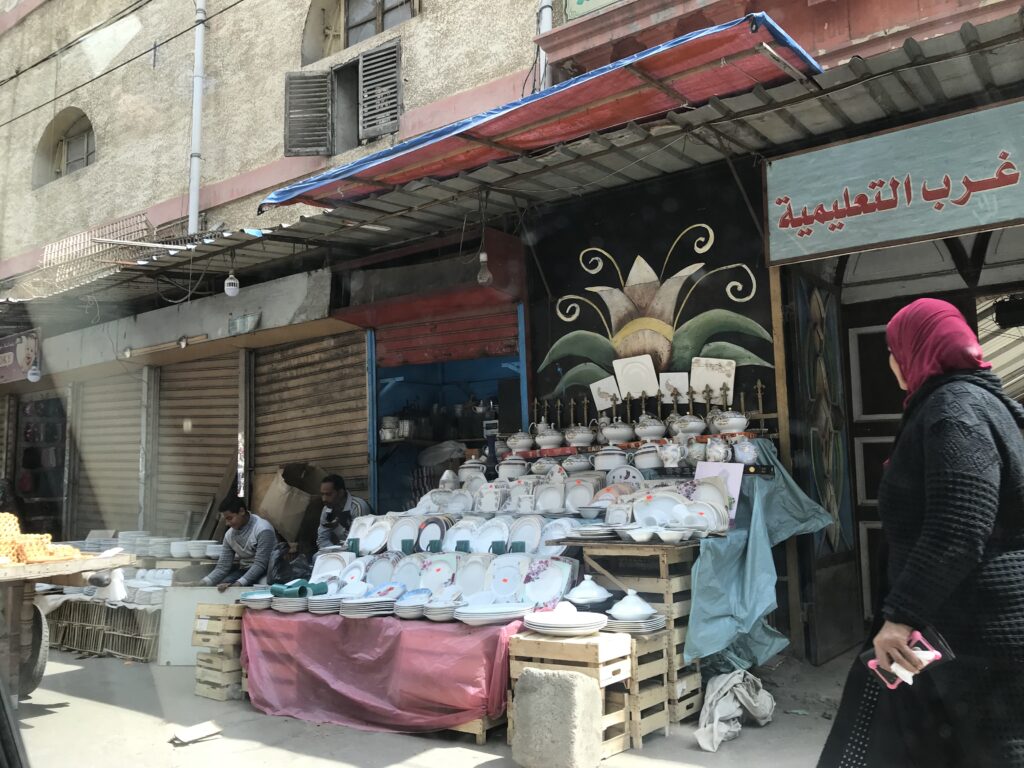
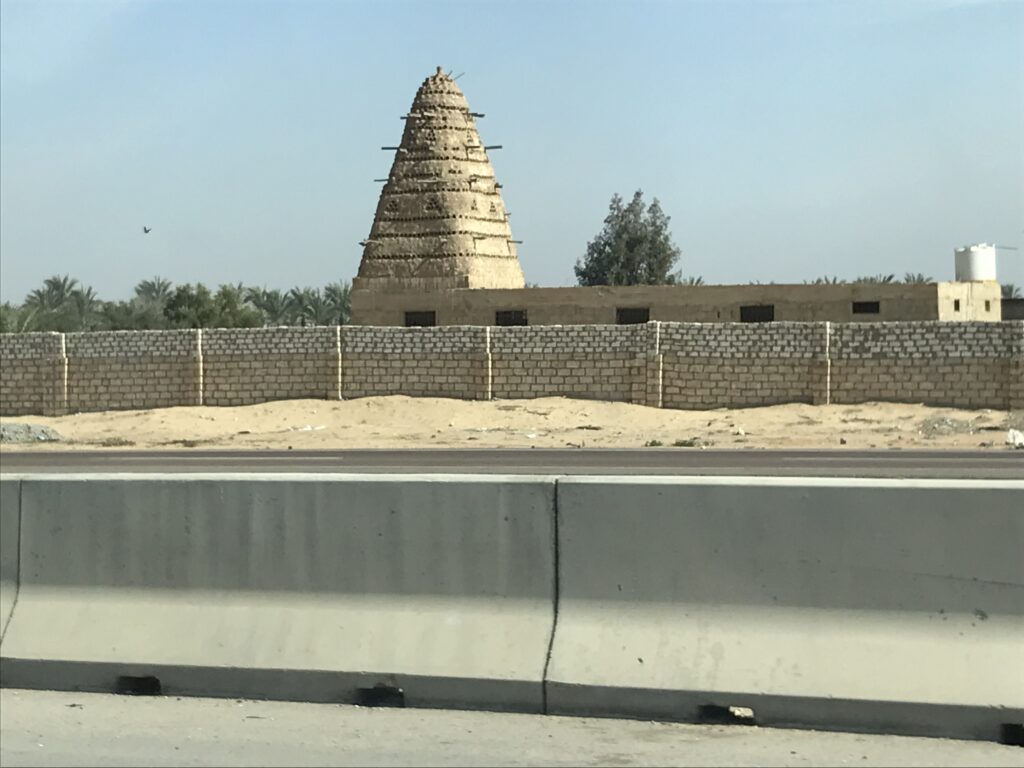
We returned to Cairo in time for a late dinner. Fortunately, I had most of tomorrow to pack and rest up for my return trip. This has been a truly memorable journey.