The next stop after two days at sea was the island of Curaçao. Lying 68 miles off the coast of Venezuela, it is a part of the Kingdom of the Netherlands. Willemstad, its capital lies in Schottegat Bay, one of the finest natural harbors in the West Indies. It is part of the ABC Islands and the largest of the three, the other two being Aruba and Bonnaire.
In 1634, the Dutch colonized the island, and it flourished as a trading center for food and products from the plantations of South America as well as slaves. The discovery of oil in 1914 made it a major refinery location.
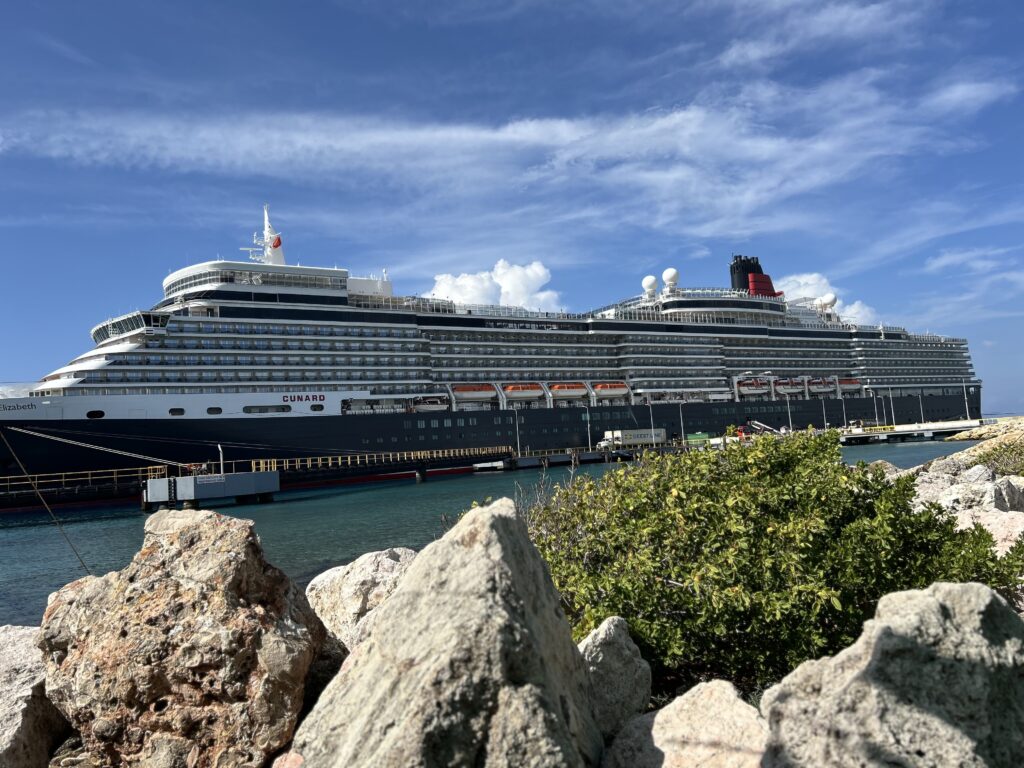
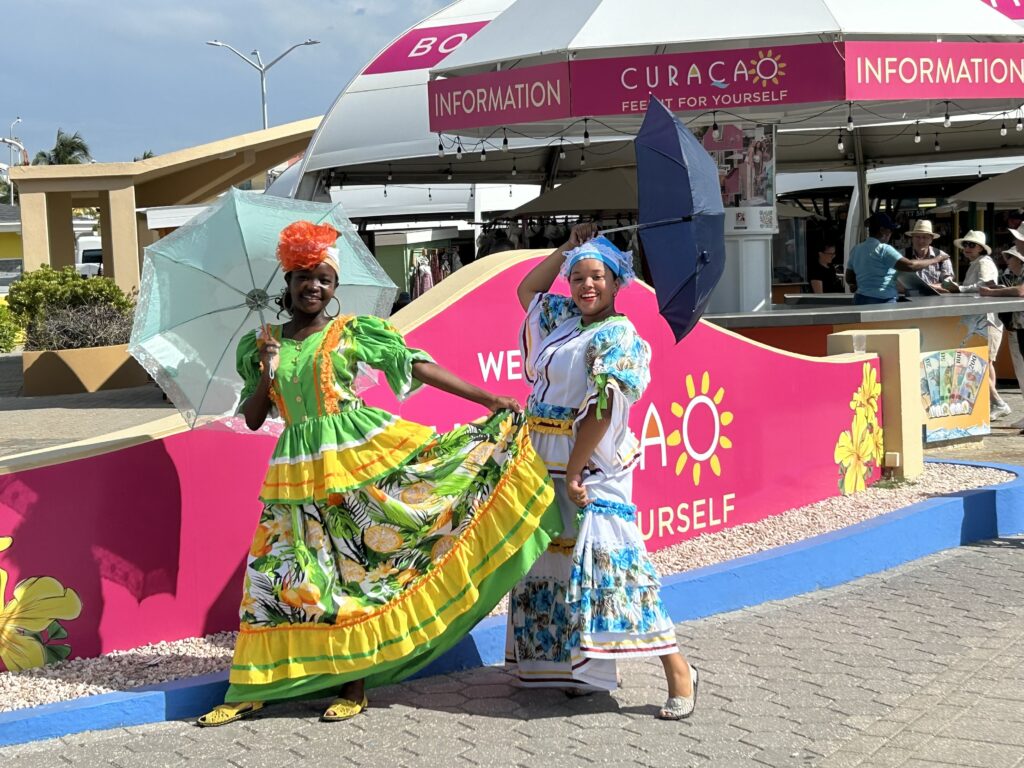
We docked in Willemstad on the Punda side of the bay, and as we exited the ship were greeted by local women in native costumes dancing to welcome us. I walked to the port entry and then followed the road around to the Quen Emma Bridge that connected the Punda and Otrobanda parts of town.
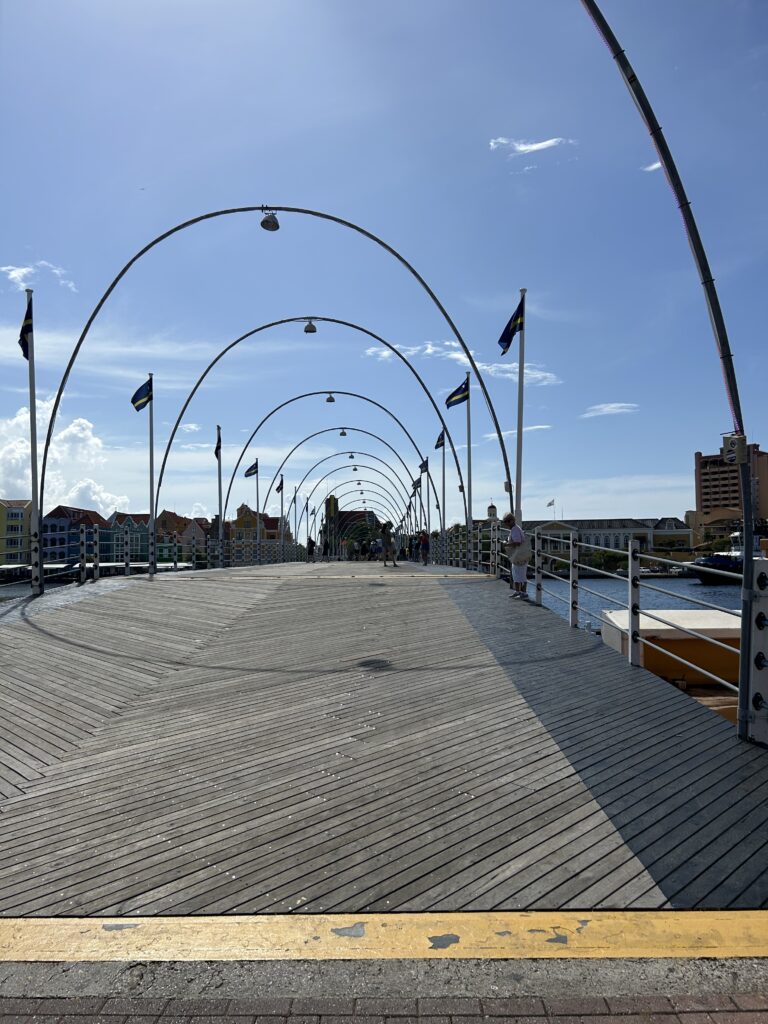
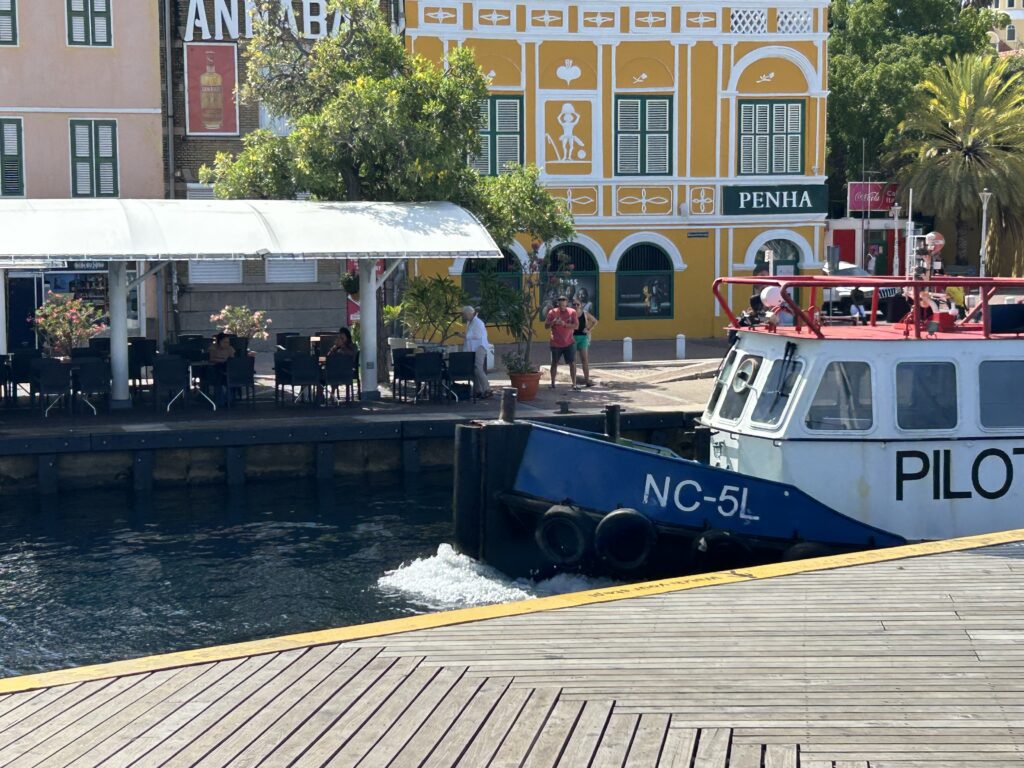
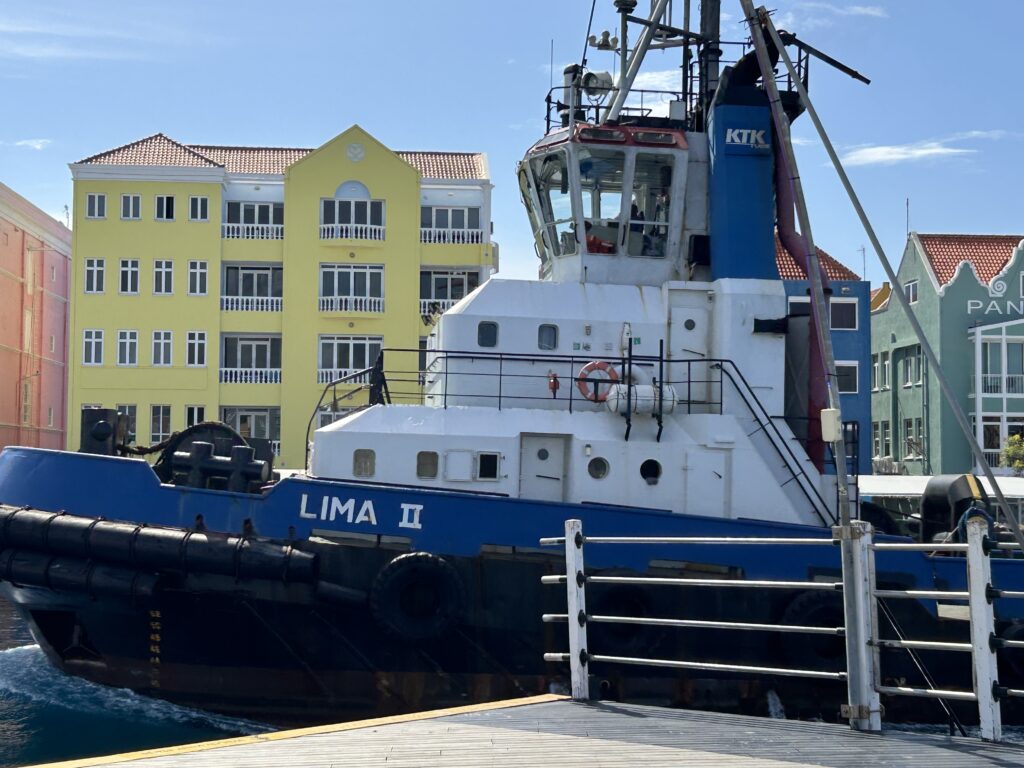
The Queen Emma Bridge was built in 1868 as a floating pontoon bridge and is 551 ft. long. It is a pedestrian only bridge that swings open to let ships pass through. As I approached the end of the bridge it did just that, opening to let boats into the port. Coming from a city with two floating bridges, this was a different mechanism. Locally it is called “Our Swinging Old Lady.”
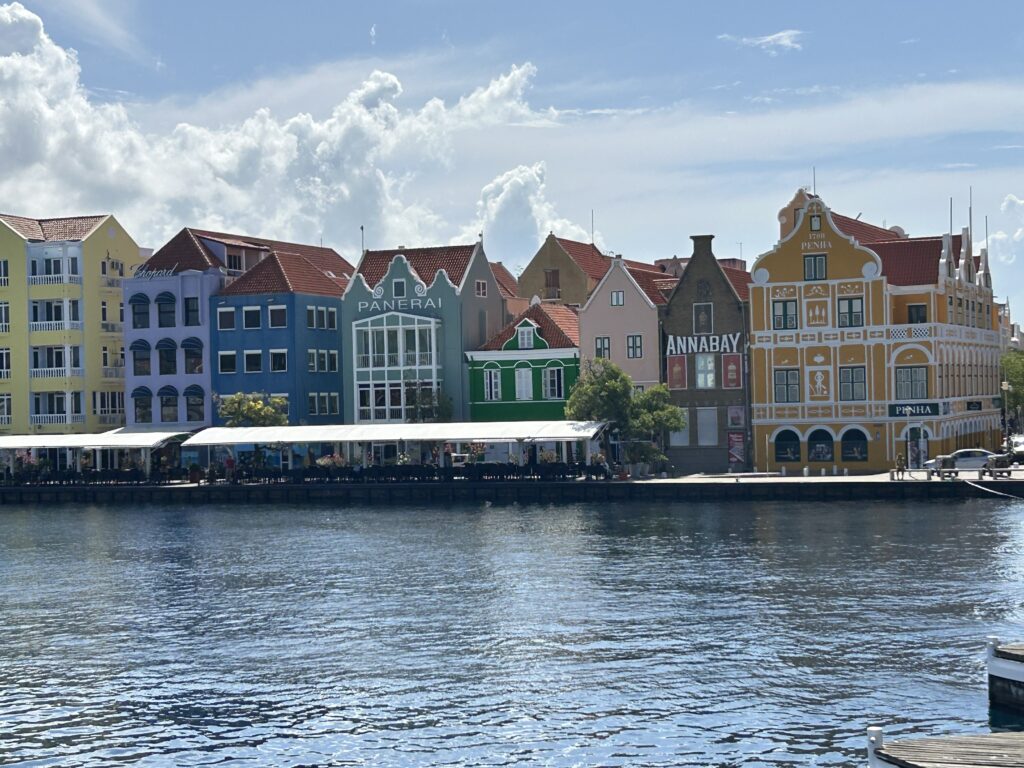
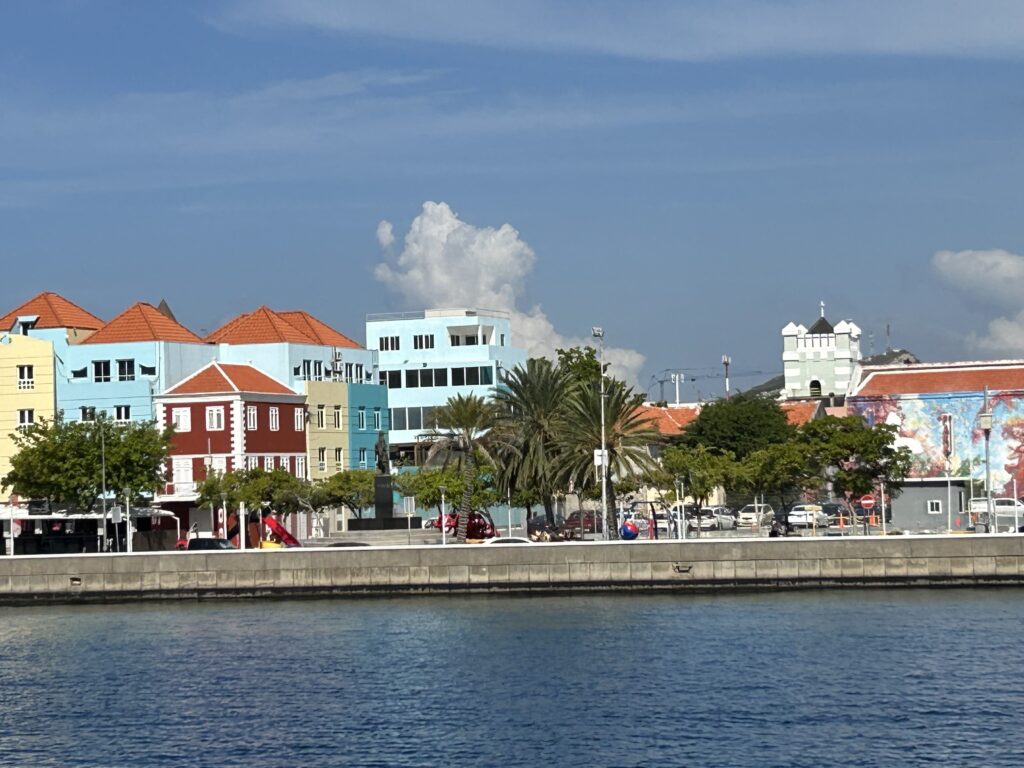
Crossing the Queen Emma Bridge brings one to the Handelskade waterfront with a picturesque row of pastel-colored Dutch colonial buildings and the start of the city’s UNESCO World Heritage historic site. The area is filled with street art, museums, and cultural landmarks.
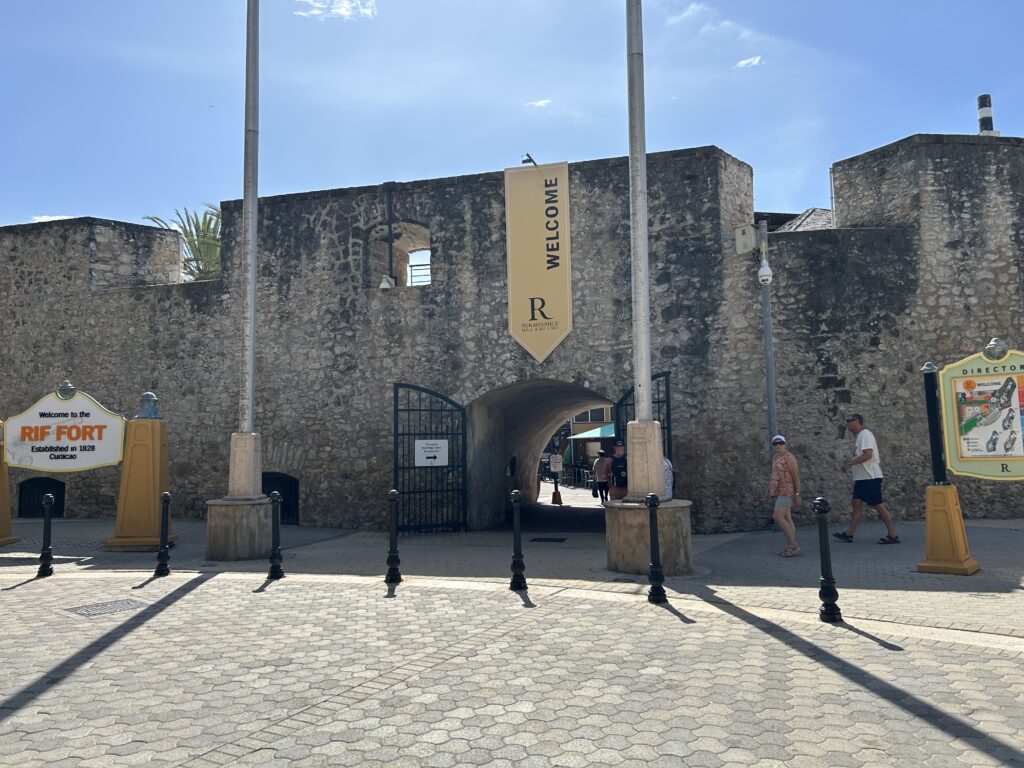
The first site was the RIF Fort. It 1928 under the direction of King William I was completed to provide protection against pirates and enemies. It was armed with 56 cannons to protect the entrance to St. Anna Bay and Willemstad. It was fine-foot-think coral stone walls and stands four stories high. In 1942 it was armed with two machine guns as part of the security for the Shell Oil Refinery during WW II. As you pass through the coral arch, the shaded courtyard is surrounded by colorful restaurants and stores.
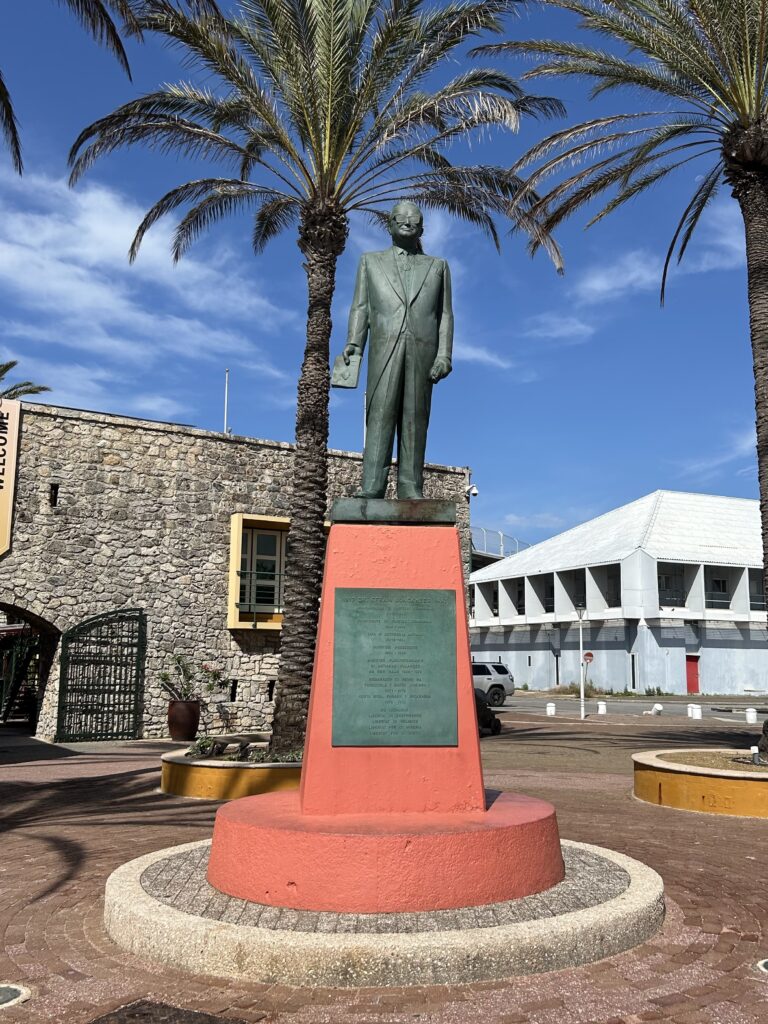
Located at the entrance to the fort, is the statue of Dr. Efrain Jonckheer, a prominent businessman and former prime minister of the Netherlands Antilles. The statue, made of bronze is set on a red stone base. It commemorates Jonckheer’s contributions to education and healthcare on the island.
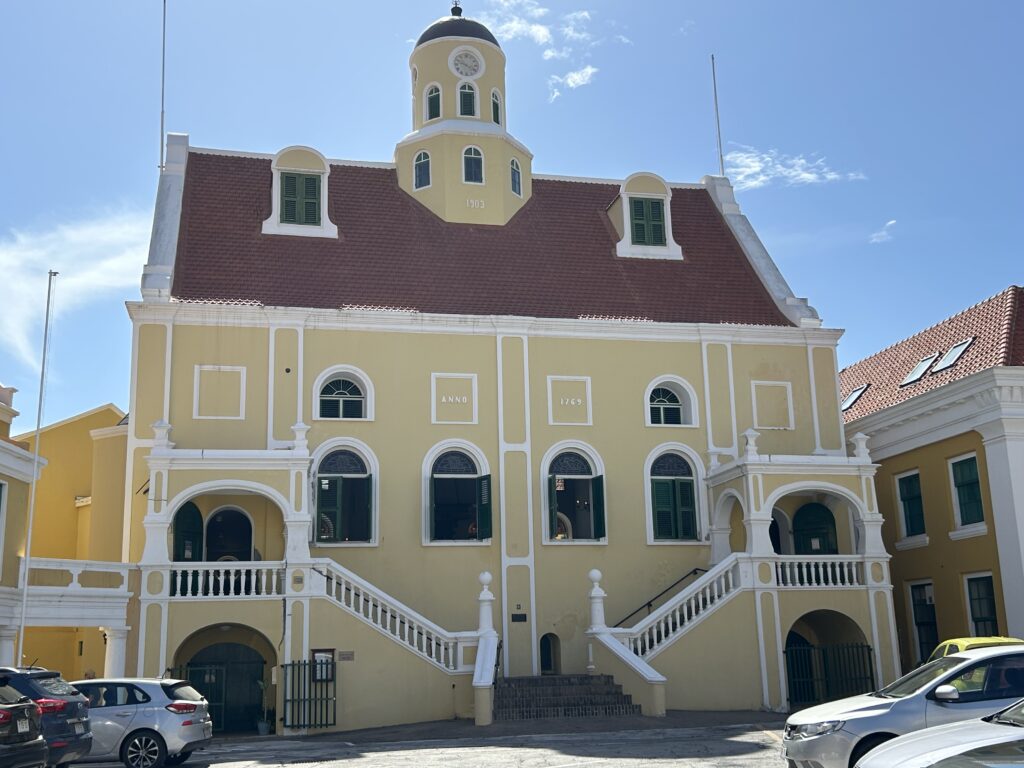
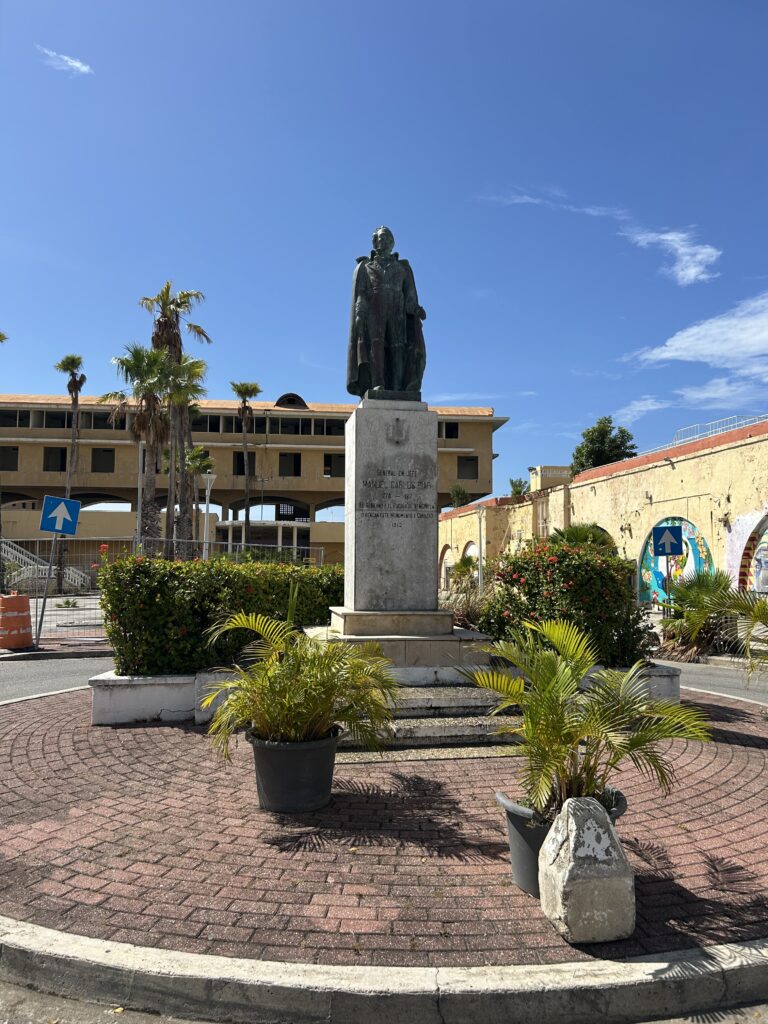
I continued wandering through this district and came to Queen Wihelmina Park opened in 1908 in honor of Queen Wilhelmina of the Netherlands who reigned for 58 years. The statue commemorates her 50th birthday.
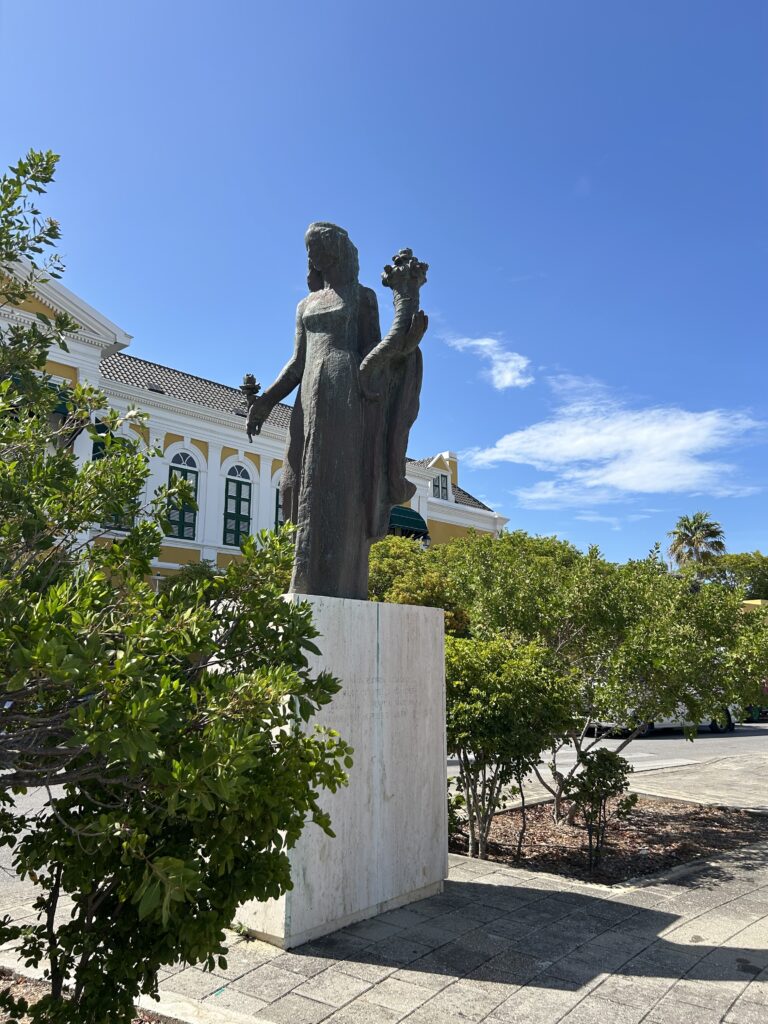
The ‘Lady of Abundance’ statue was donated by The Netherland in gratitude for the assistance the Netherlands Antilles have served in World War II.
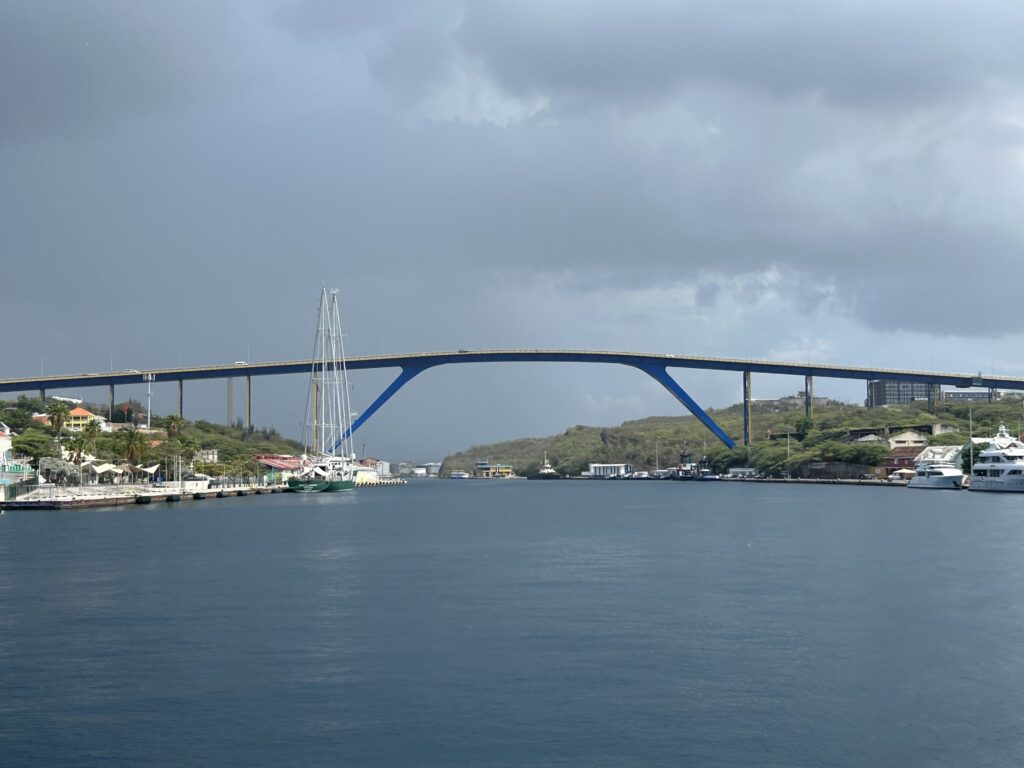
The Queen Juliana Bridge is the tallest bridge in the Caribbean. Located in Willemstad, Curaçao, it stands at 185 feet (56 meters) and spans 500 meters (1,640 feet) across St. Anna Bay. Opened in 1974, the bridge was named after Queen Juliana of the Netherlands. It was built to alleviate traffic congestion caused by the booming oil refinery industry in the area.
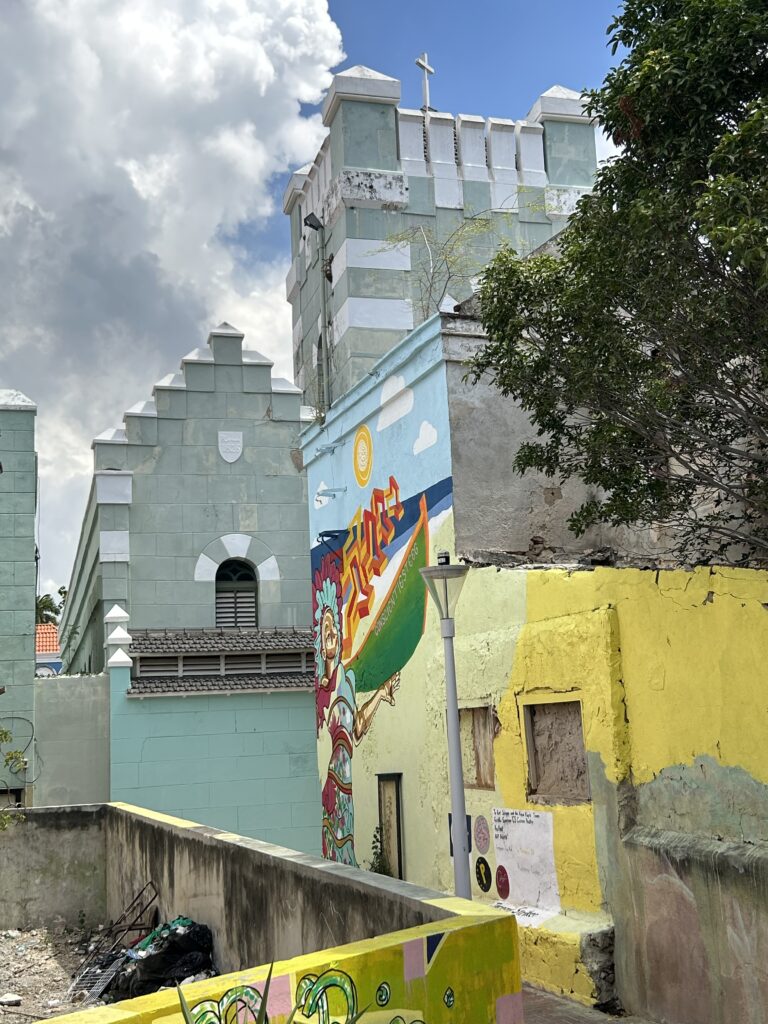
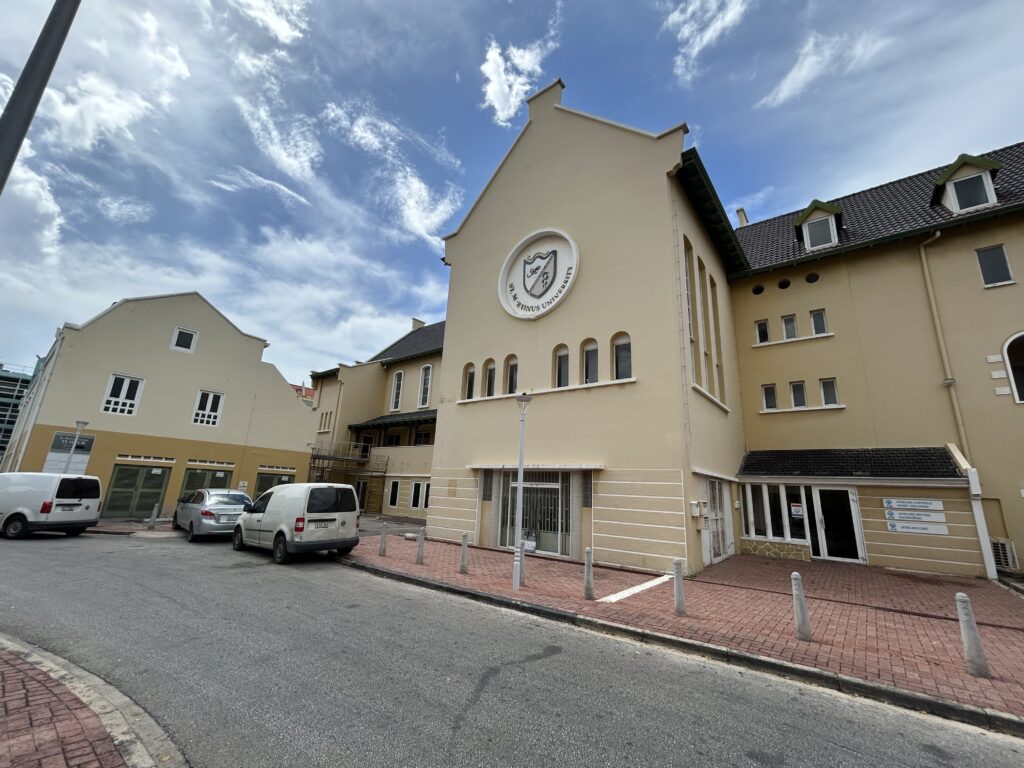
.The Basilica of St. Anne in Curaçao is a significant Roman Catholic church known for its architectural beauty and historical importance. It has a unique step-like dme and three naves, separated by thin columns, giving it a Caribbean flair. It has been designated as a UNESCO World Heritage Site sice 1997, highlighting its cultural and histoical value.
Leave a Reply