Tuesday 10/7
Puntarenas is called the Pearl of the Pacific. It sits along the Gulf of Nicoya on a peninsula in Costa Rica. It is the largest city in the central Pacific and home to fine Spanish colonial architecture.
The first European to discover Puntarenas was Gil Gonzalez Davila in 1522. The development of coffee production led to the development of the port in 1840. It later became a central port for the shipping bananas from Costa Rica.
After my “office hours” we headed into town on foot. We saw the eight “sights,” and then headed back to the ship. It was hot and muggy, but it felt good to walk around the town.
The first building after the walk down the ramp to town was the La Capitanía del Puerto. It was constructed in the early 1930s to house the administration of the Port of Puntarenas.
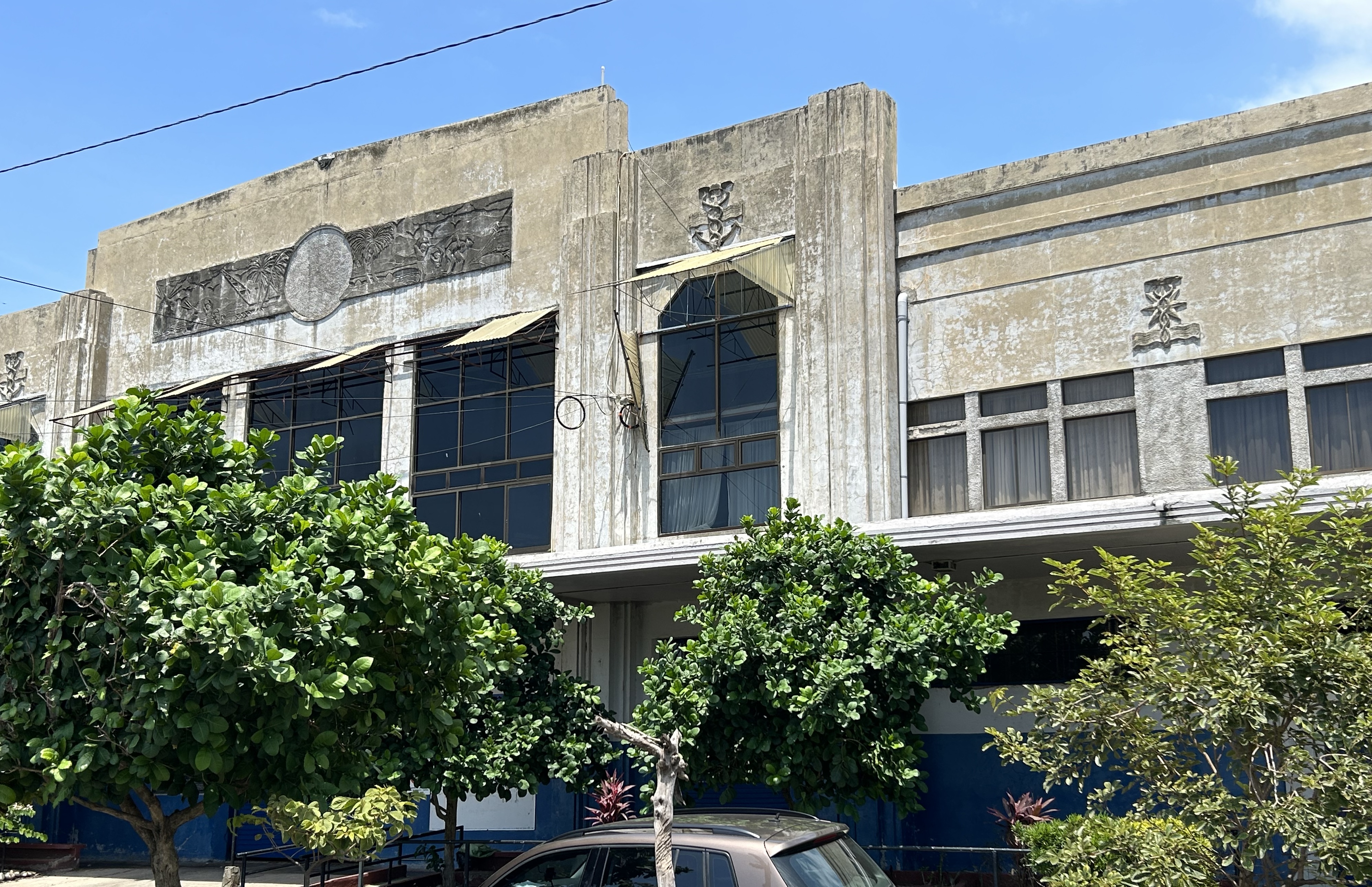
Next, we started down the Paseo de los Turistas, a 1.5 walk to the end of the peninsula and light house. The first place we saw was the Antigua Aduana, the Old Custom House. From 1940-1975 merchandise arriving in Puntarenas was inspected here. The building’s façade features maritime themed friezes.
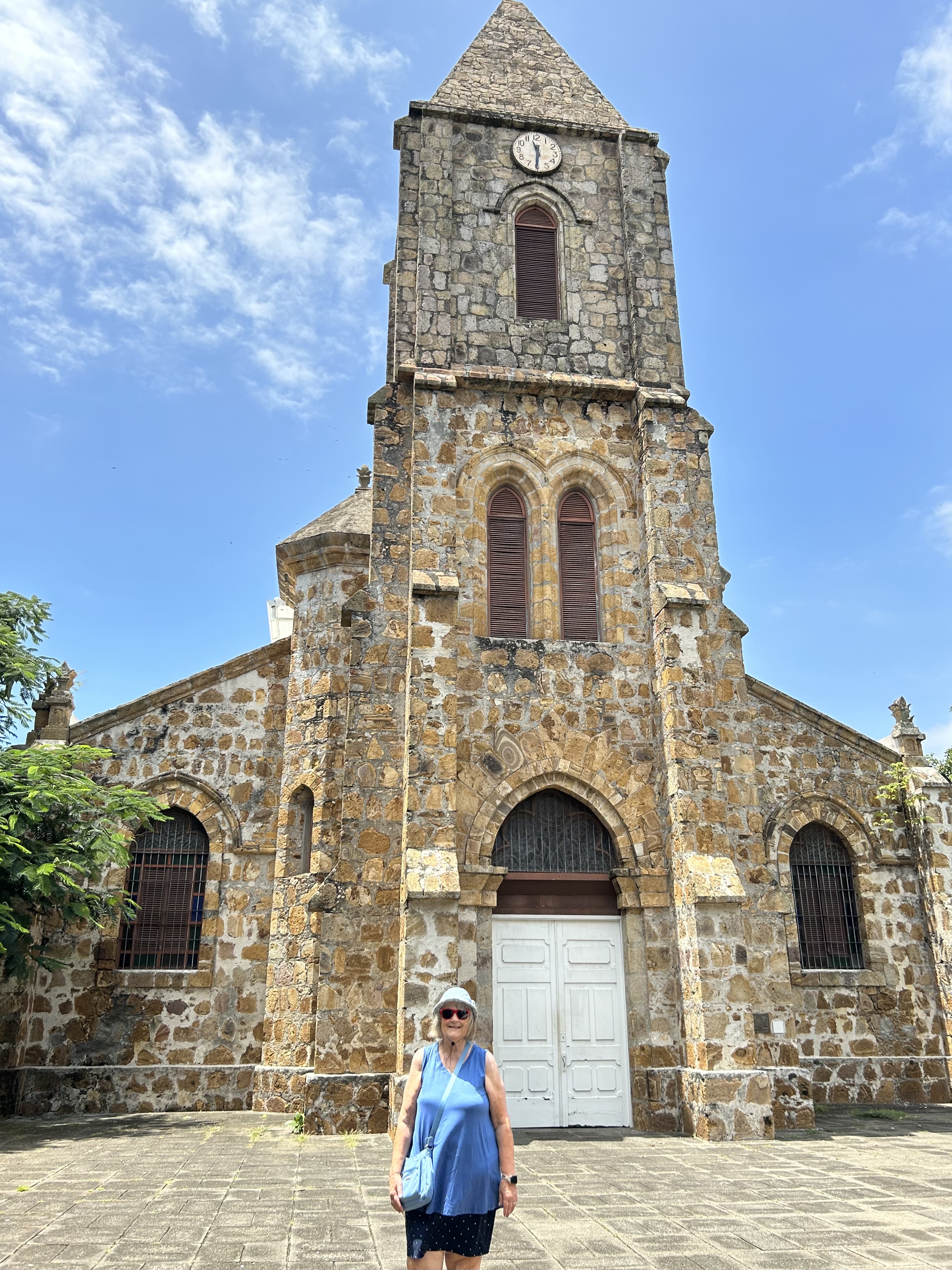
From the Customhouse, we walked to the Catedral del Sagrado Corazón. The cathedral was built in 1902 with stone and mortar and has a brick floor. It is surrounded by a lovely square which leads to the Parque de la Victoria which commemorates the victory of the Costa Rican army over William Walker during the Campaign of 1856.
Next, we went to the Casa de la Cultura which housed an exhibition of the Chinese in Costa Rica. The building has served as military, prison, and police headquarters in the past. I was fascinated by the first fire truck on exhibit there.
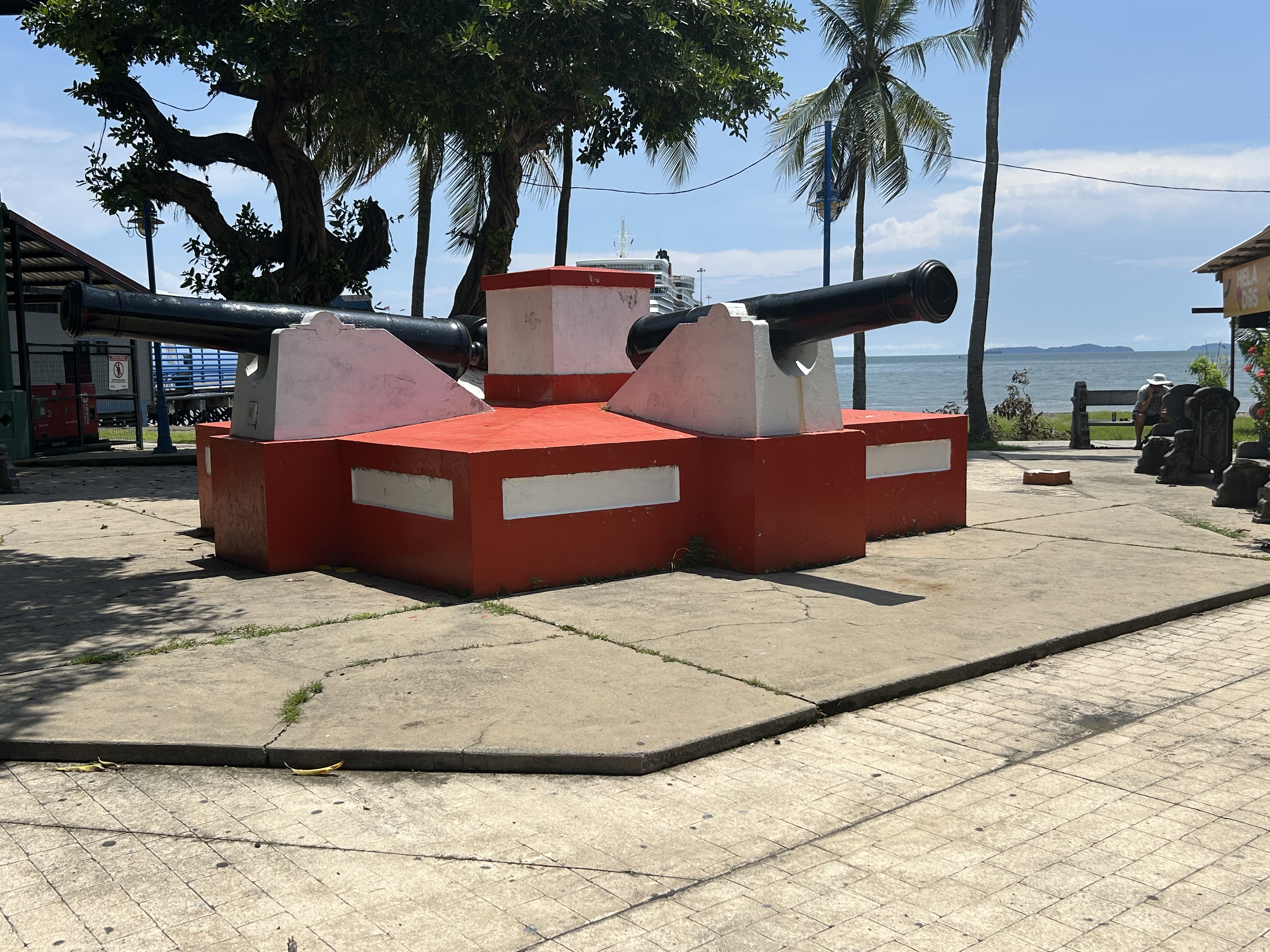
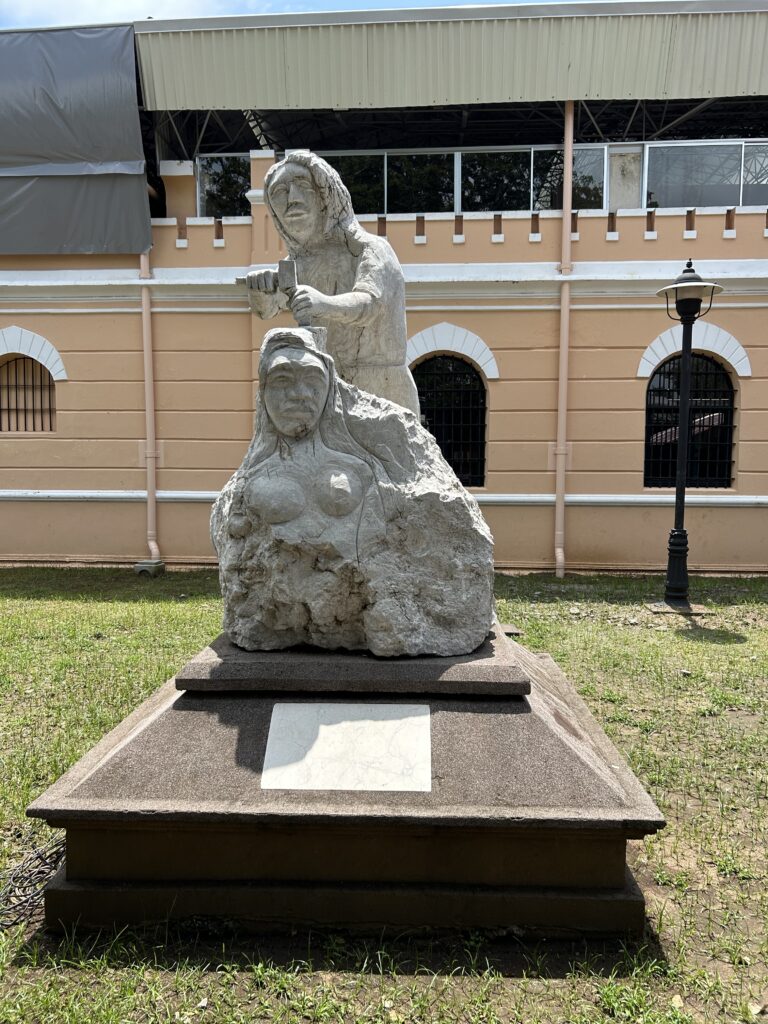
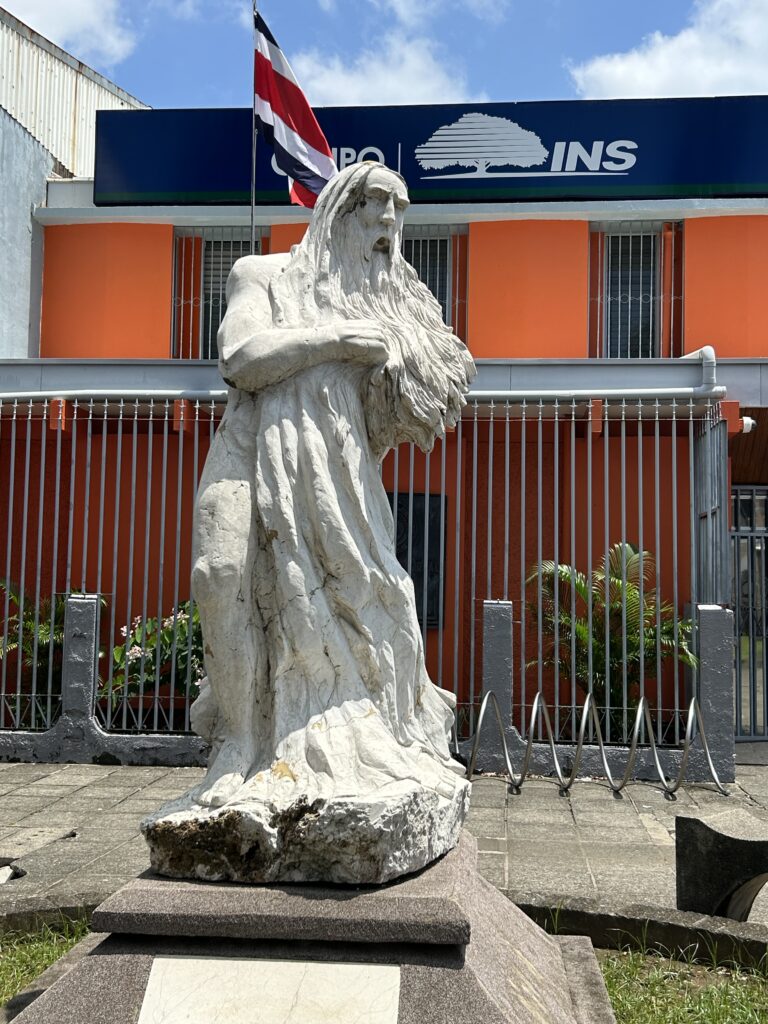
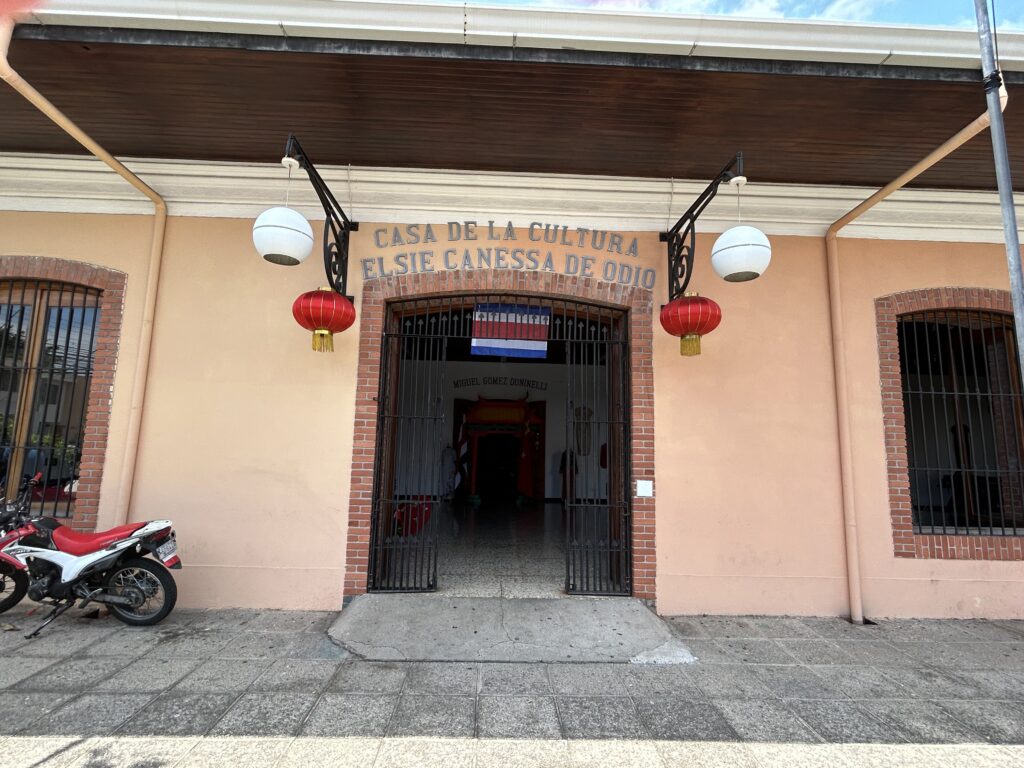
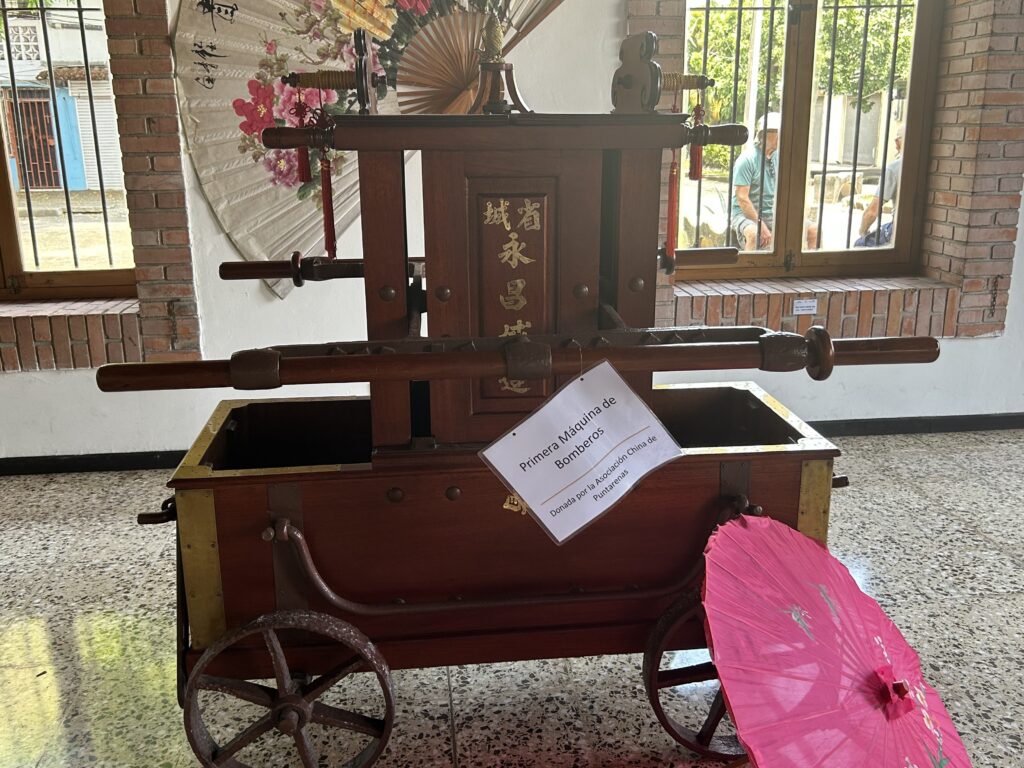
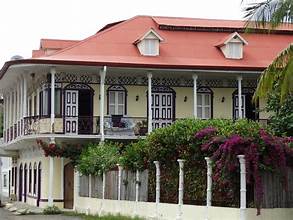
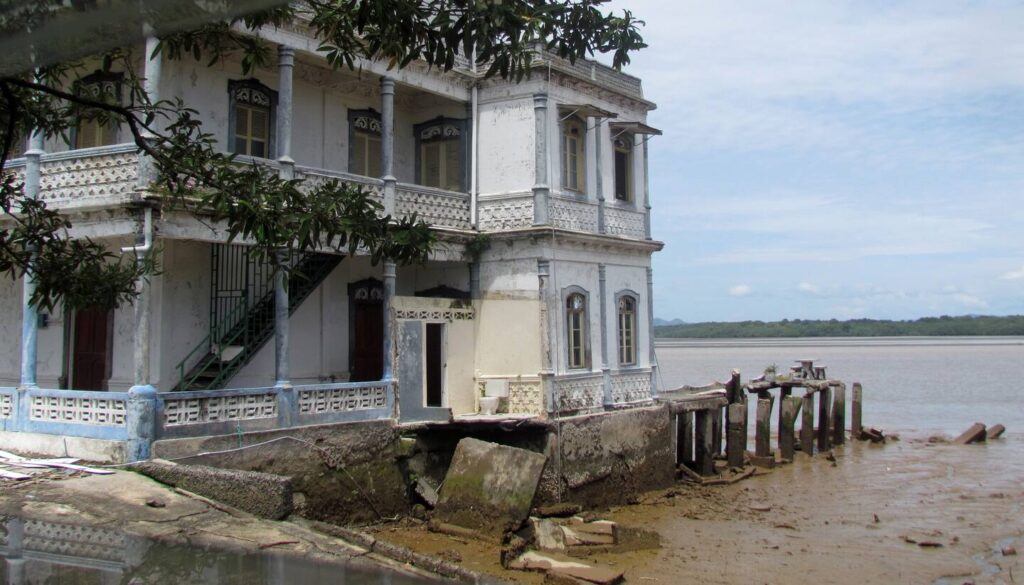
Traversing to the other side of the peninsula we found the Casa Fait which served as the consulate of the United States between 1950 and1960. To the west of Casa Fait is the Parque Mora y Cañas. In 1860 Juan Rafael Mora and José Maria Cañas were executed during the revolution. Following the rebels’ defeat, Mora and Cañas became Costa Rican heroes.
Finally, we passed by the Mercado Municipal which was built in 1907 next to the fishing dock in the estuary. It is famous for the construction which used a technique known as “French Bahareque,” a material similar to adobe.
Another interesting site was the Casa Echandi, the summer home of the former Costa Rican President Mario Echandi from 1958 until his death in 2011. Prior to his election, he had served as Costa Rica’s ambassador to the United States and as representative to both the United Nations and the Organization of American States.
Liceo José Martí is the high school for. It is named after the Cuban revolutionary hero and Latin American intellectual to commemorate Martí’s visit to Puntarenas.
Finally, Clinica San Rafael, built in the late 19th century, this hospital was the first in Puntarenas Province and the second in the country. It is now a regional medical clinic.
A way down the shore to the left of the pier, is the Parque Marino, founded in 2002. It is the only marine theme park in Costa Rica.
Clearly this small town helped us understand the history and ecology of the area.
We returned to the ship very hot, and when we went up to lunch, we were entertained by pelicans flying and fishing all around the ship.
After lunch and a shower, I sat on our balcony and listened to the live musicians playing local music. They were there until the ship left port.