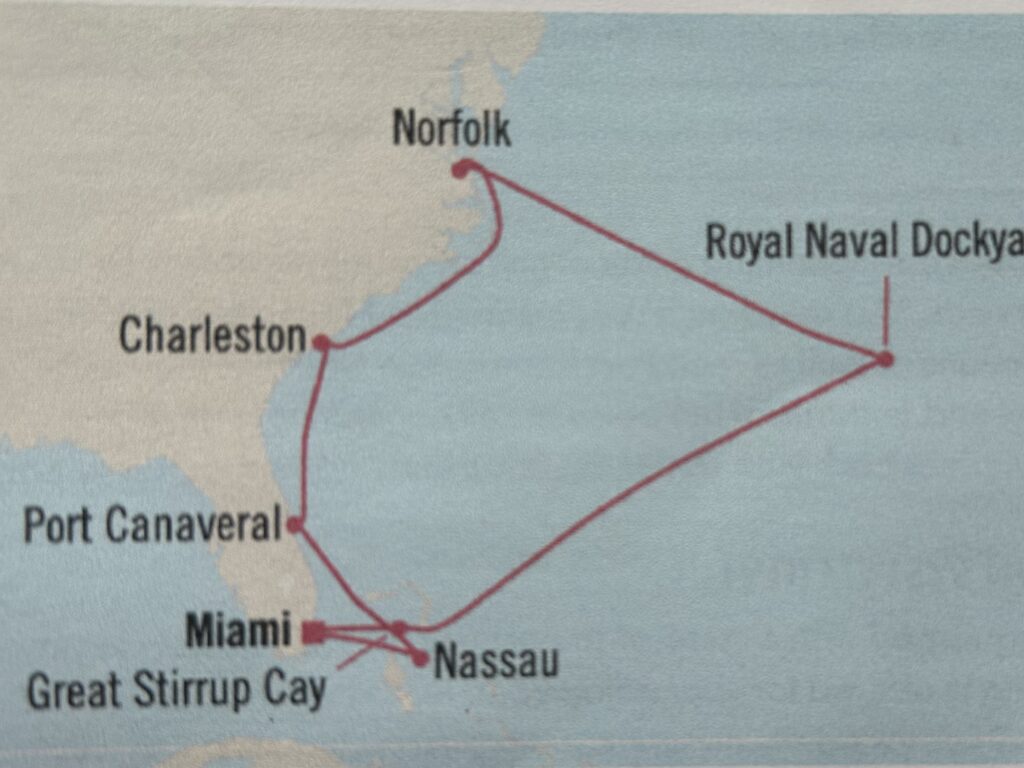
The third leg went from Miami to Bermuda; Charleston, SC; Port Canaveral, FL; Nassau, Bahamas; and back to Miami. We were supposed to stop in Norfolk, but rough seas kept us out to sea. I am going to split this into two posts: Bermuda and Colonial America.
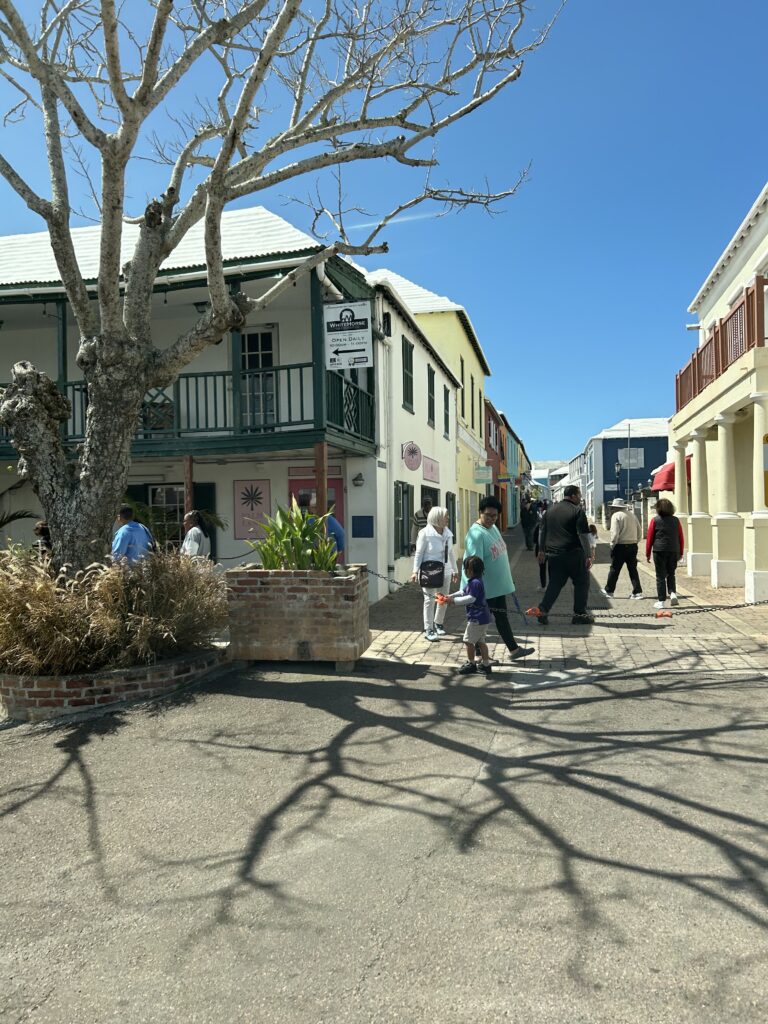
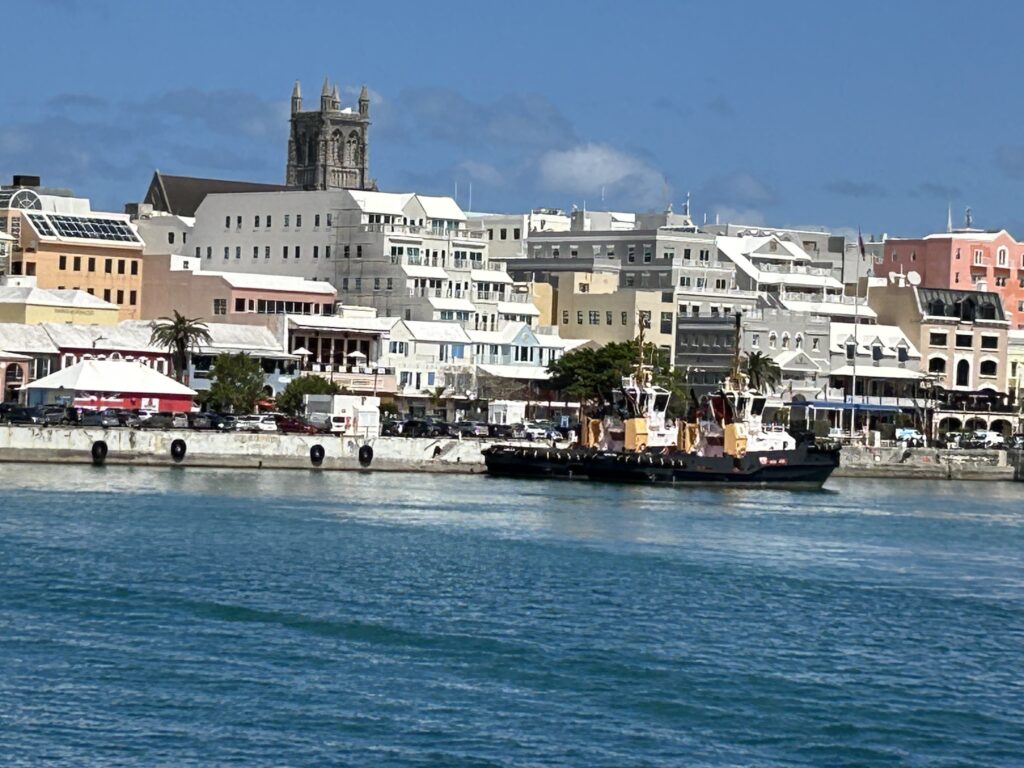
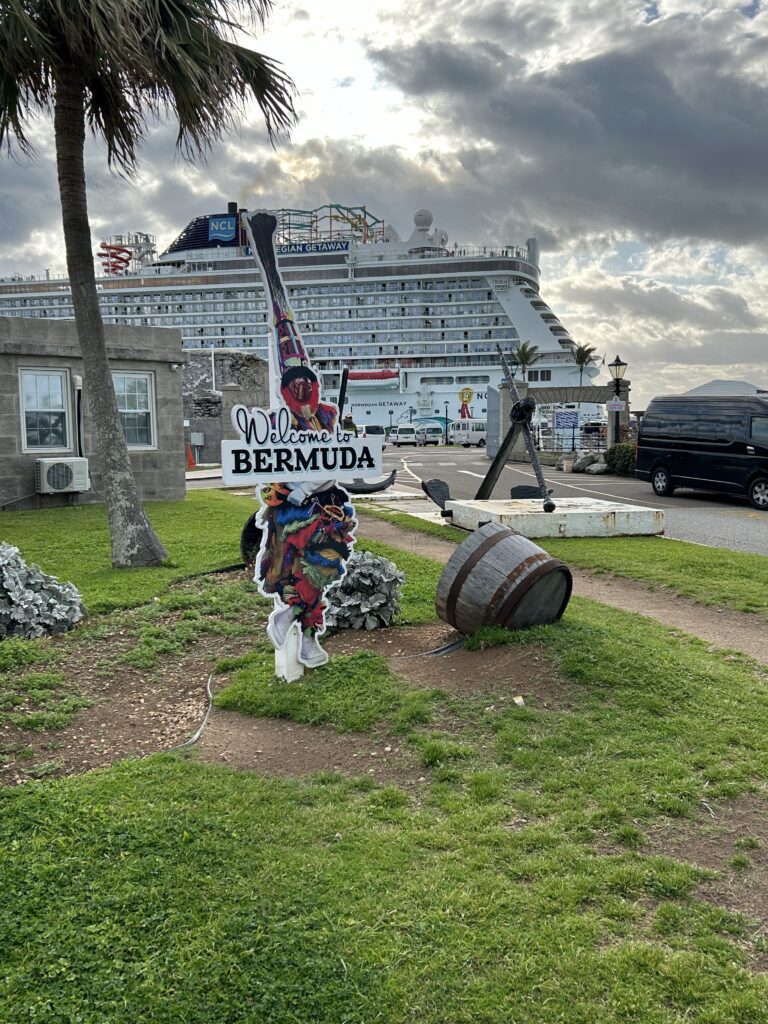
Since we had two days in Bermuda, we took a full day tour and a second half day tour, to see as much of Bermuda as possible. There are seven main islands of Bermuda, going from northwest to east: Ireland Island (north and south), Boaz Island, Somerset, Main, St. David’s, and St. George’s. These islands are the contiguous mass of Bermuda and have a total length of about 22 miles by road.
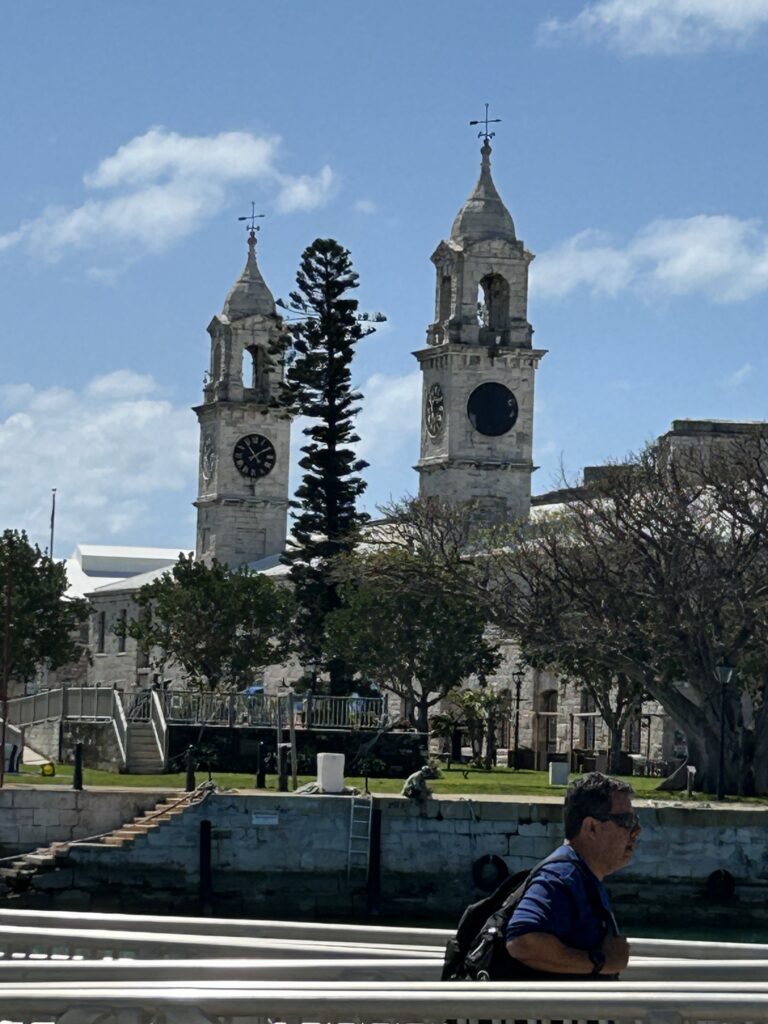
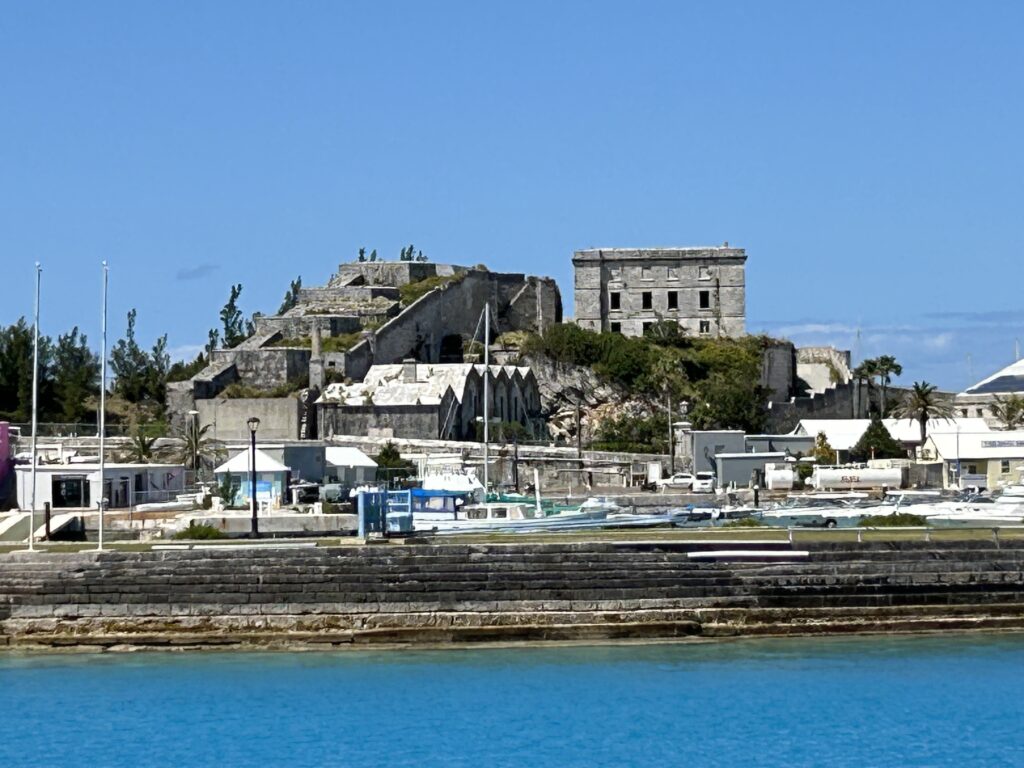
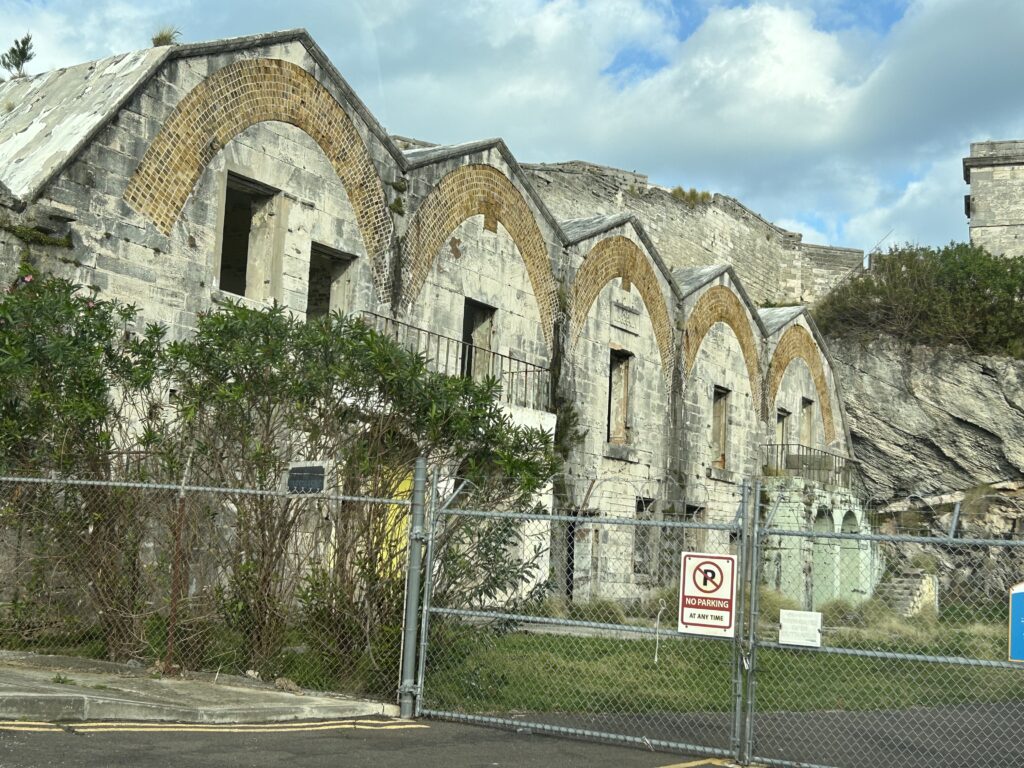
We started at the Royal Naval Dockyard, on Ireland Island, that was established in 1795 after Britain’s defeat in the Revolutionary War. Britain had no secure base between Halifax, Nova Scotia and the West Indies. Bermuda seemed a logical midpoint. The Dockyard became a place for the British to maintain a fleet and maintenance depot for the fleet.
In 1809 the Royal Navy purchased 200 acres on Ireland Island in the west end and began work on the North America and West Indies Station. It became a major source of jobs and income for Bermuda and lasted until 1990. Today the Dockyard is the most visited site in Bermuda and is includes Bermuda’s National Museum.
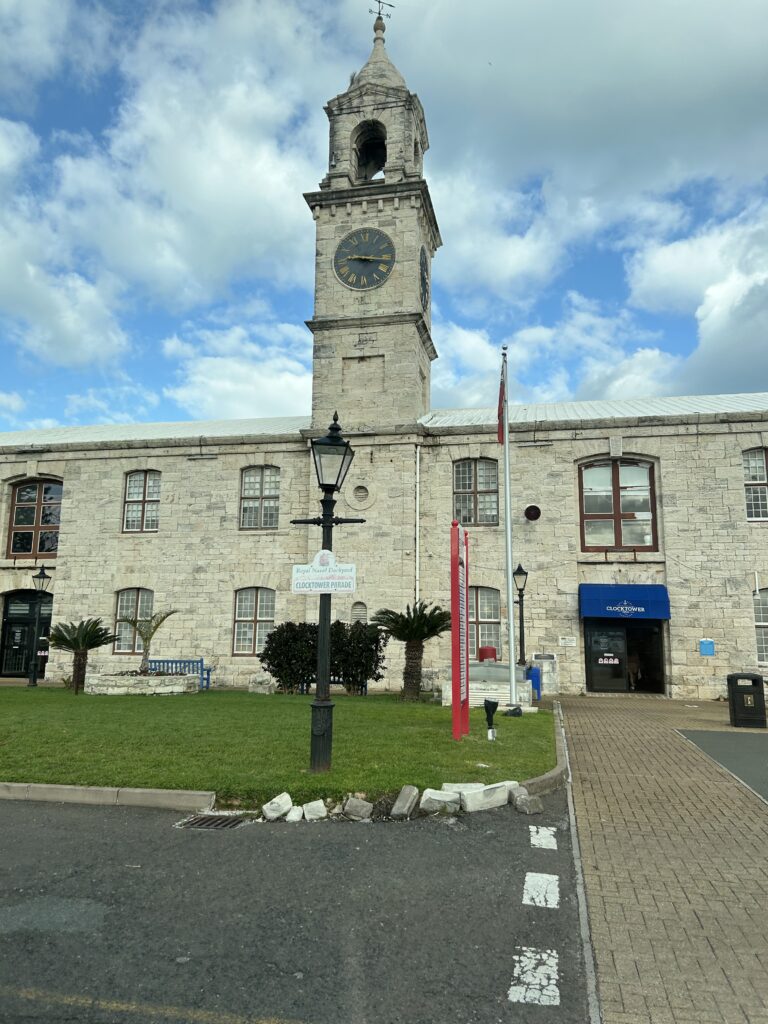
The Clocktower Mall is in the heart of the Royal Naval Dockyard and dates from 1856. It has been transformed from a naval warehouse to a shopping center with restaurants, local shops, and art galleries.
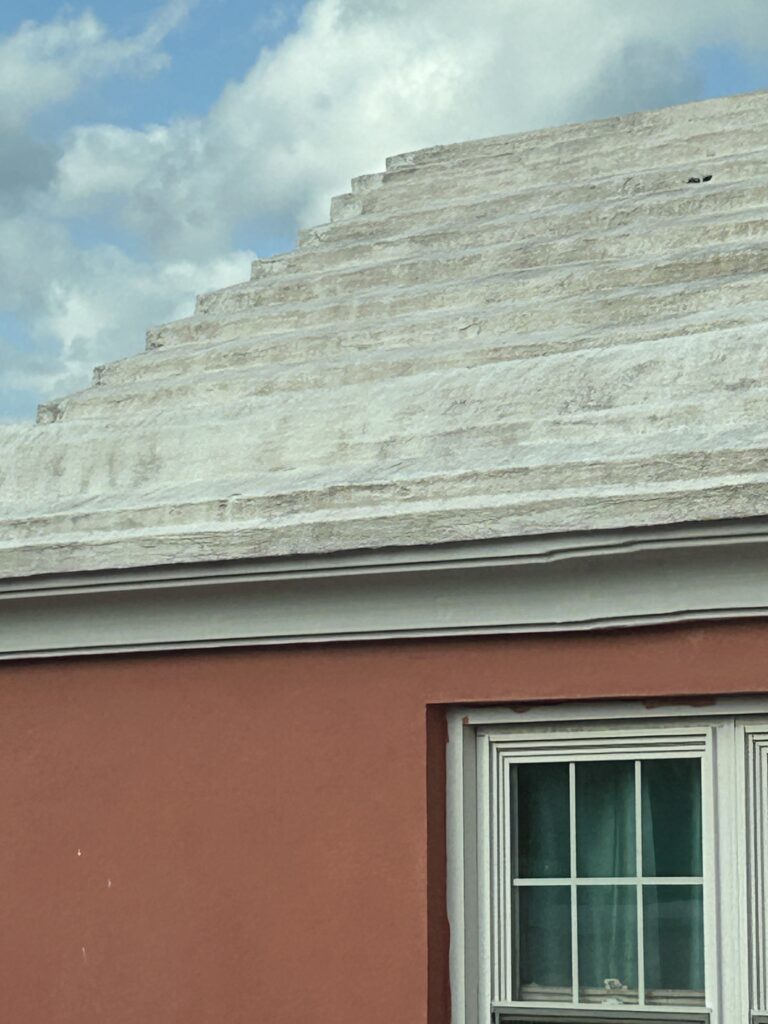
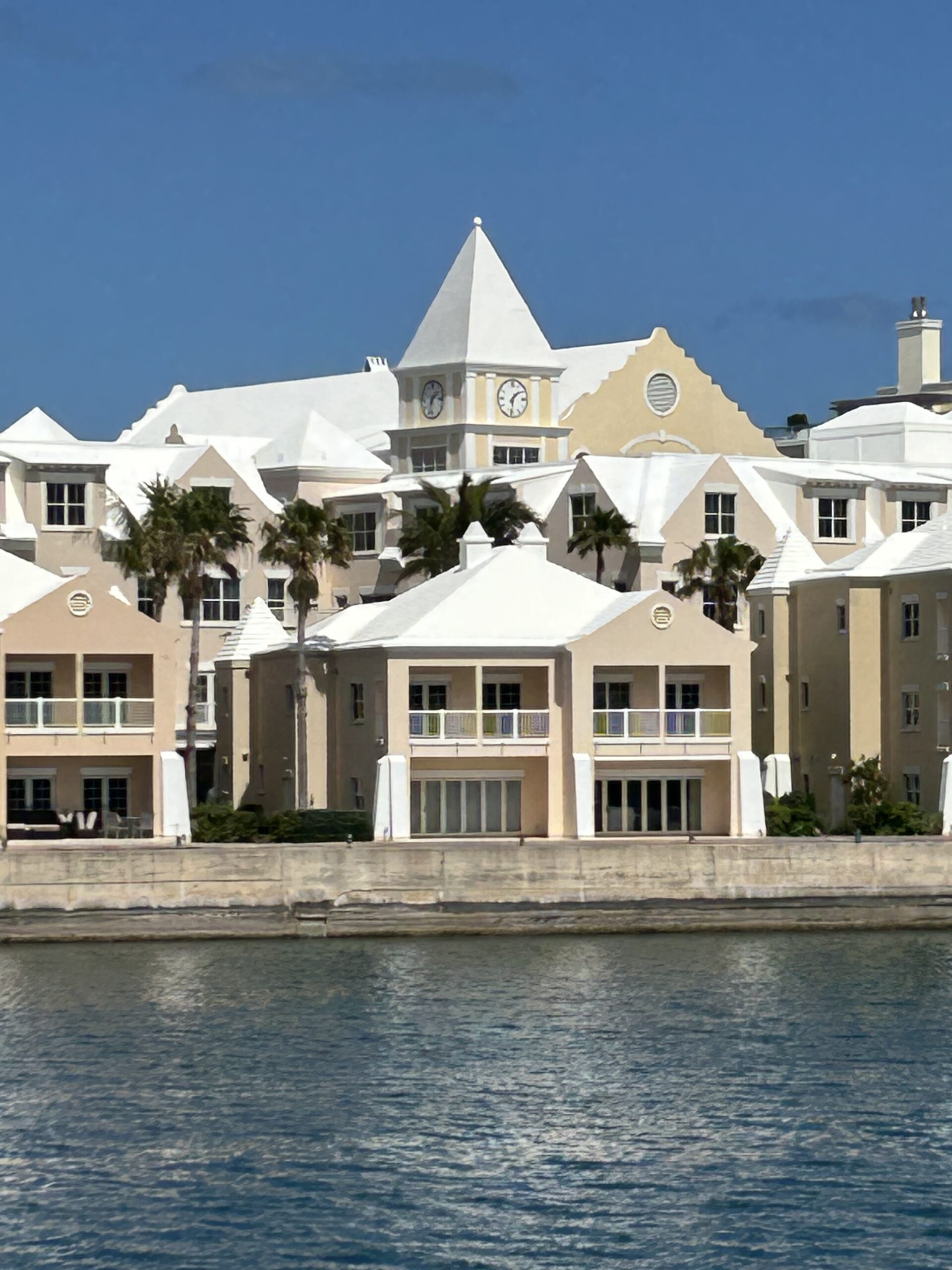
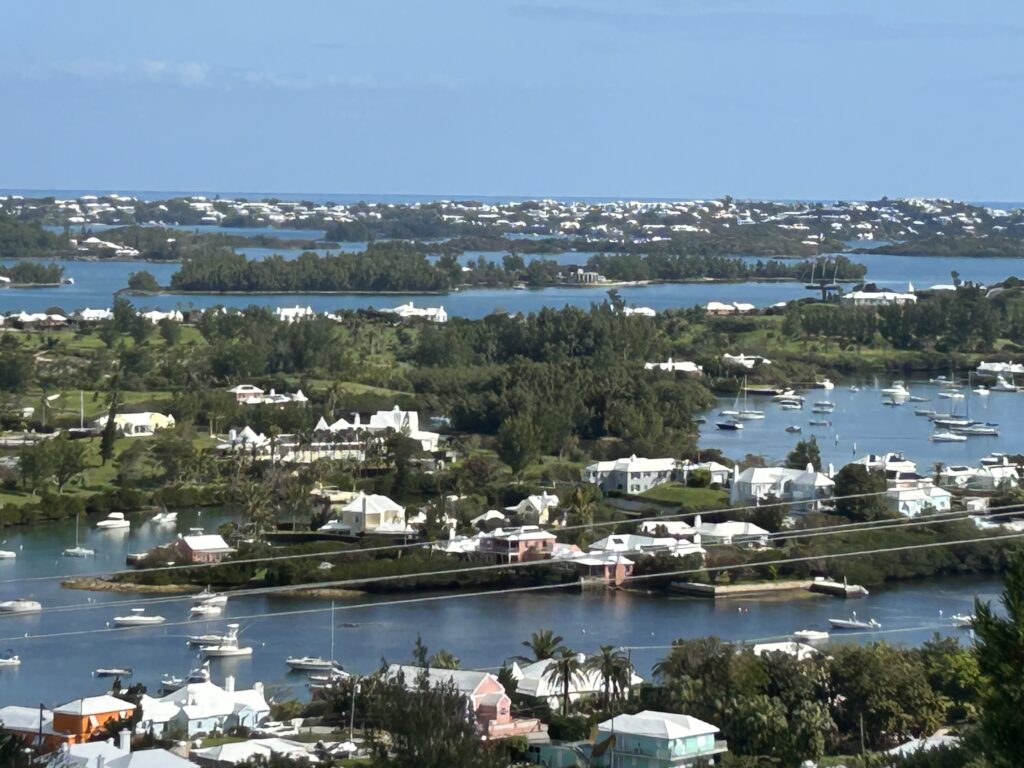
From the dockyard, we drove toward Daniel’s Head, one of the corners of the famed Bermuda Triangle. On the way, our guide pointed out the construction of roofs that are white and stepped. The steps slow down a heavy rainfall, helping the gutters to collect the water that is then stored in a tank under the house. This system was forced on the early settlers because there is no easily available fresh water on the island. Later it became enforced in house-building regulations. For each square foot of roof space, all houses must have eight gallons of tank space. There are no water mains; each home must be self-sufficient.
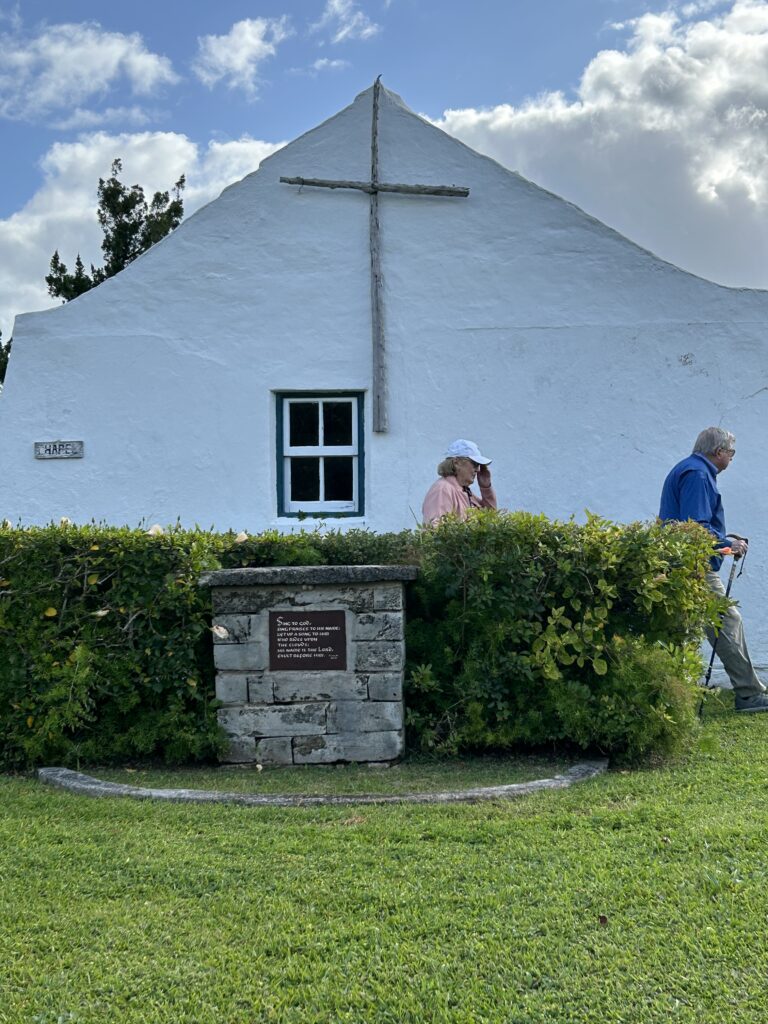
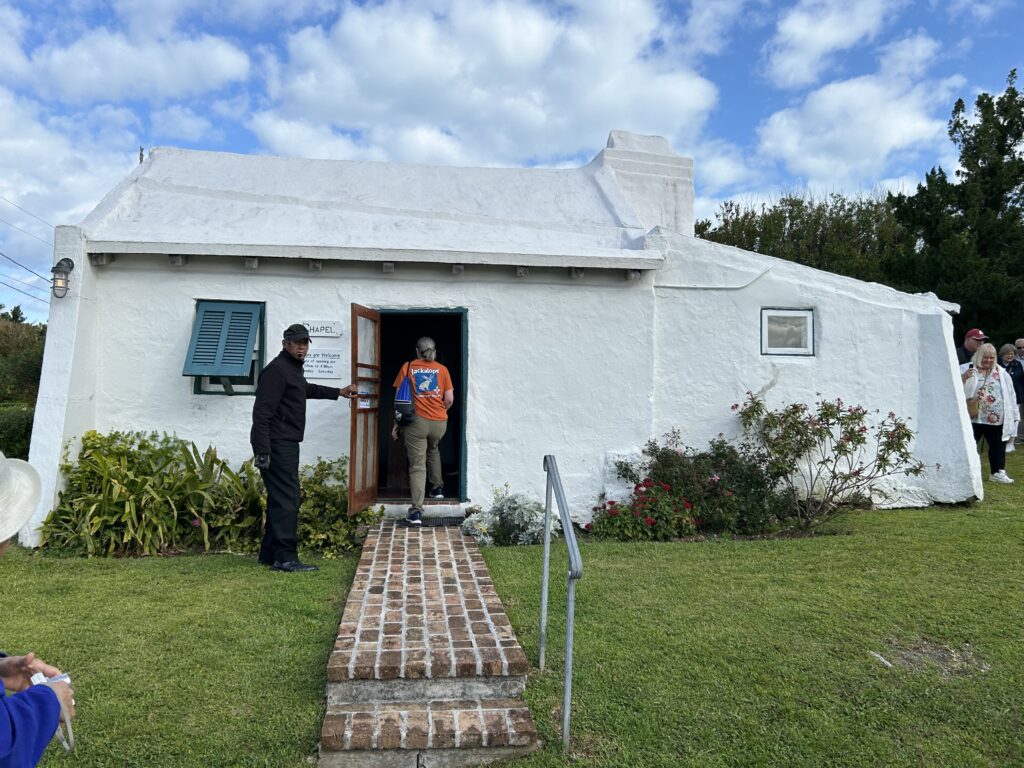
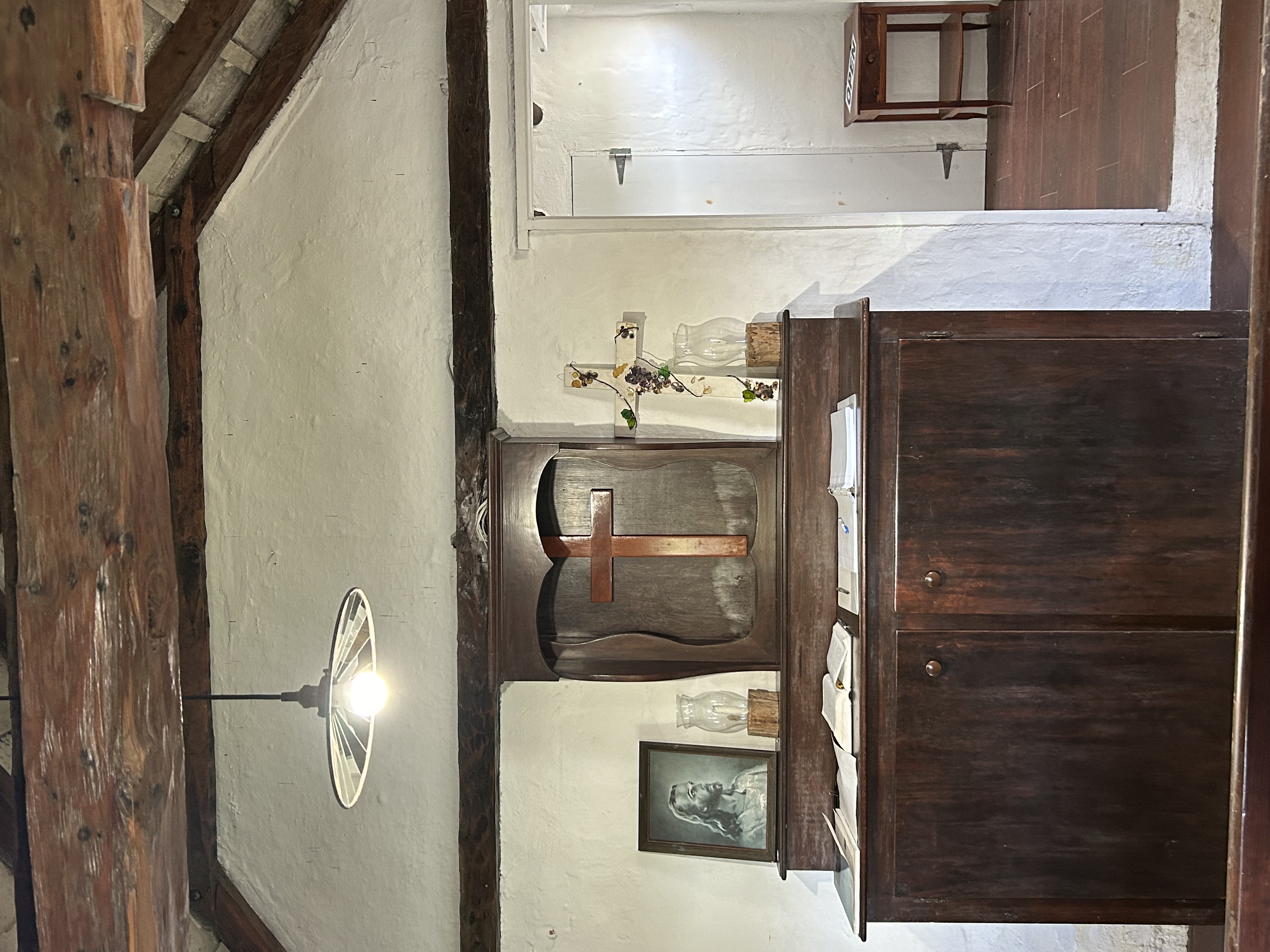
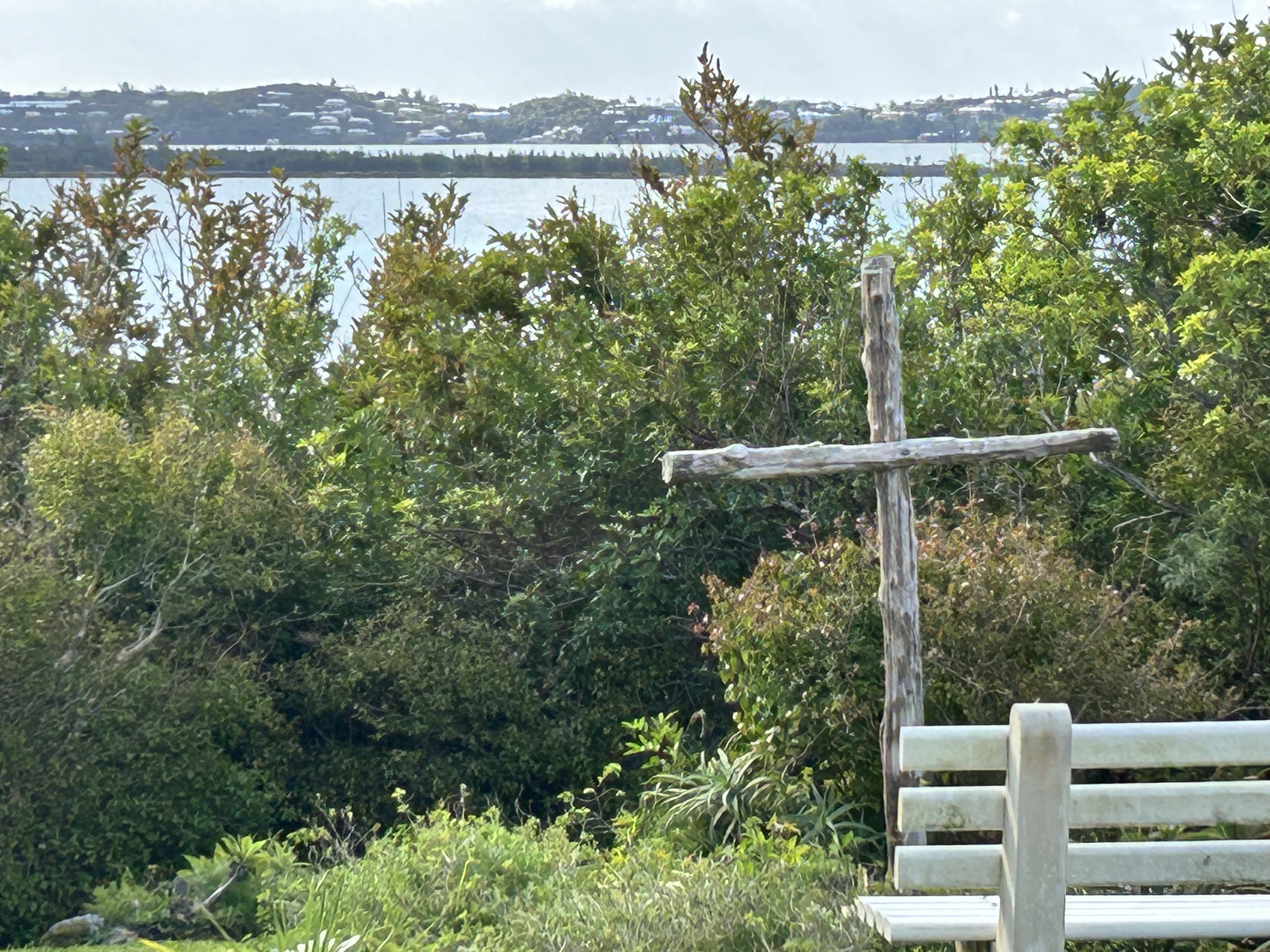
Besides being a corner of the Bermuda Triangle, Daniel’s Head boasts wonderful beaches. It also is the site of the Heydon Trust Park and Chapel. With 44 acres of gardens, this is one of the largest parks in Bermuda. The park has a bird sanctuary, fruit groves and flower gardens as well as 10 old, historic buildings. One of them, Heydon Chapel was built in 1620 and still offers daily services, plain song chants, and other events.
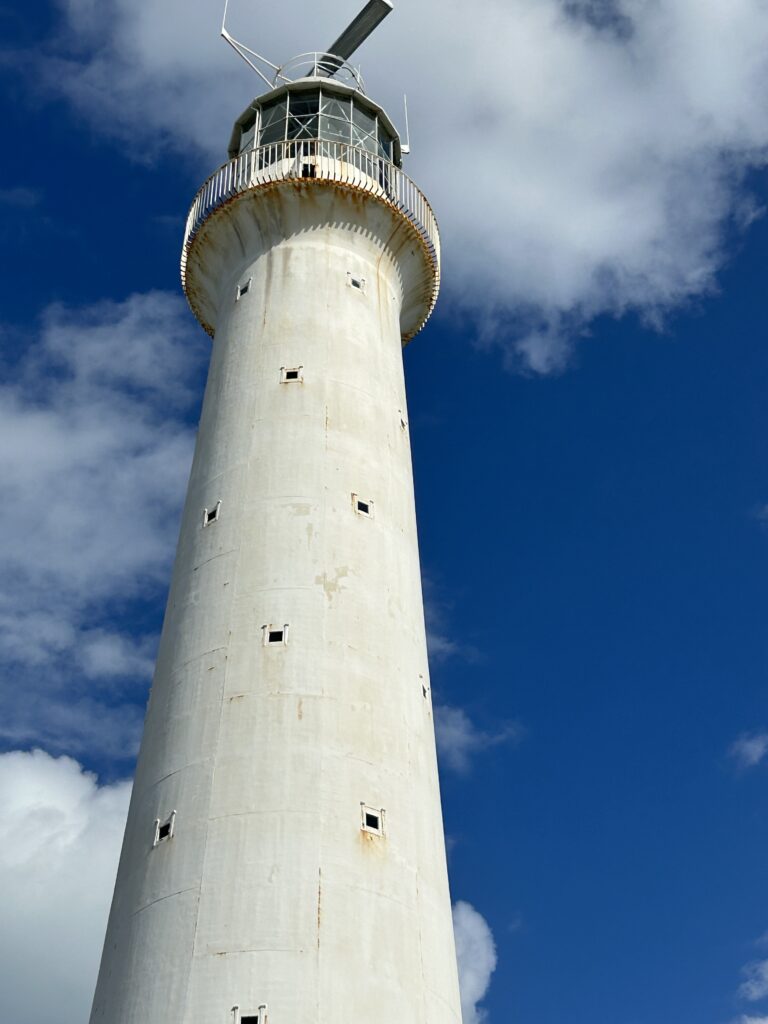
Not far from Heydon Park is Gibbs Hill Lighthouse on Horseshoe Bay. It is the world’s oldest cast-iron lighthouse. It stands 117 ft. tall, making it one of the tallest in the world as well. You can climb 185 steps to the top to get a panoramic view of Bermuda and the surrounding ocean. Constructed in 1846, it was the first cast-iron lighthouse built on the Atlantic Coast. It is still operational and serves as a navigational aid for ships. It has been declared a National Landmark.
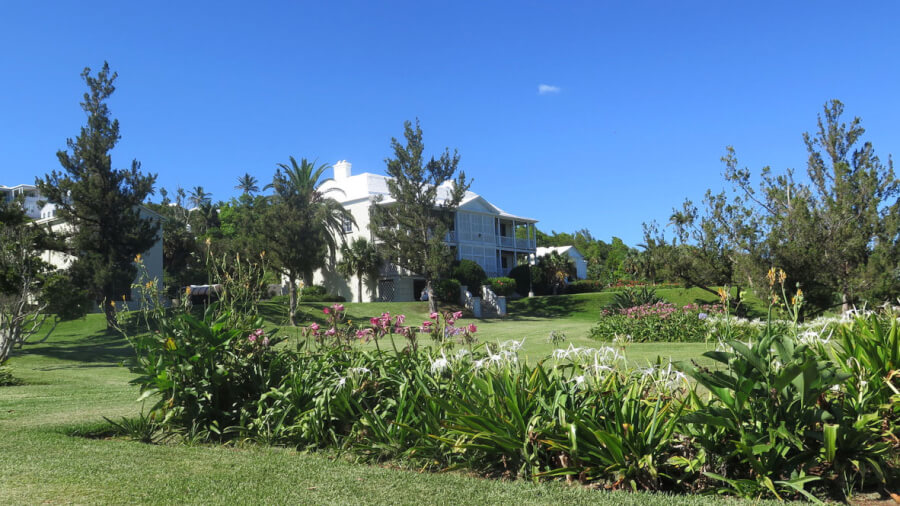
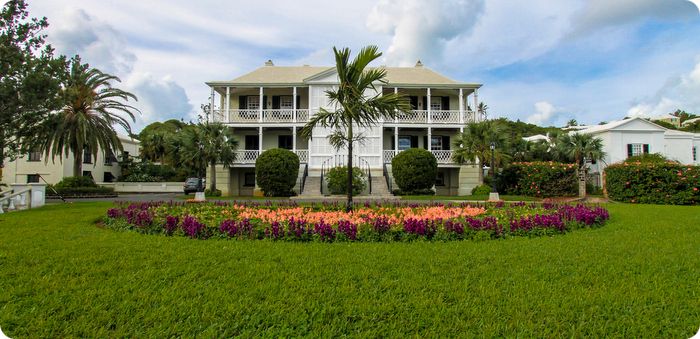
Our next stop was the Bermuda Botanical Gardens and Camden House. The Botanical Gardens cover about 36 acres with a variety of tropical and subtropical plants. Established in the 17th century, they have been open to the public since 1898. On the grounds sits Camden House, a beautiful Georgian home dating from the early 1700s. this house is owned by the Bermudan Government and used by the island’s Premier to host official functions.
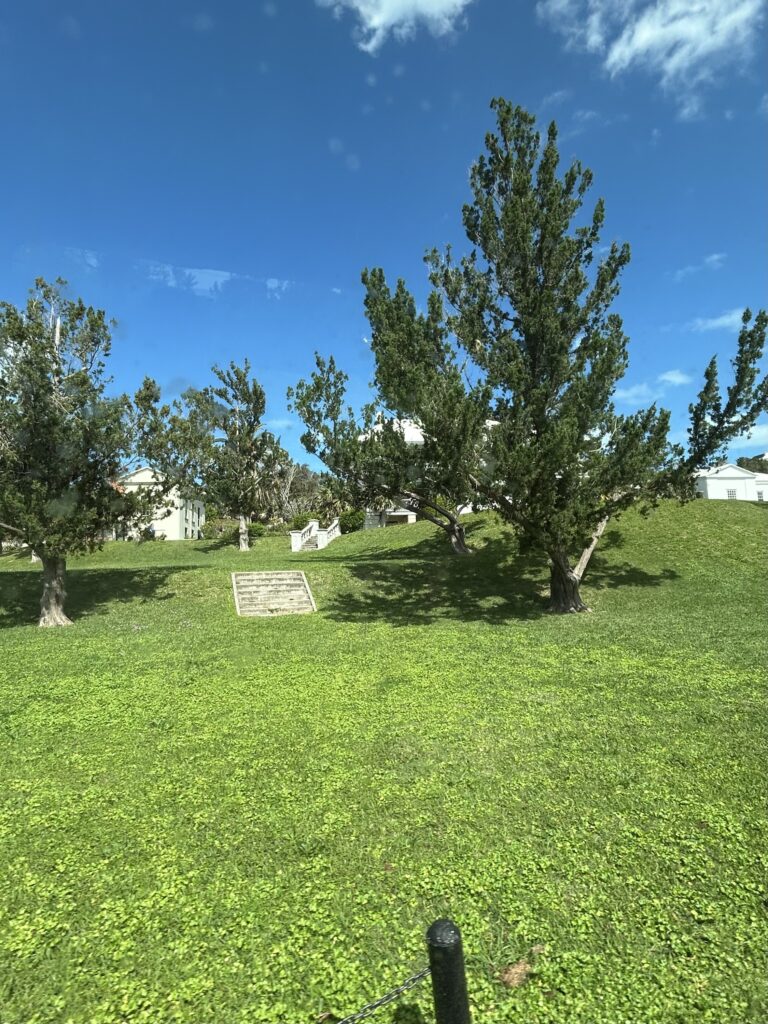
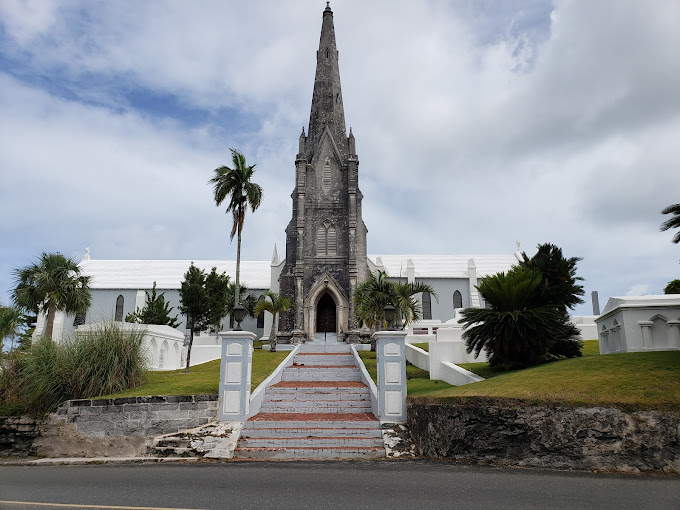
St. Paul’s Anglican Church on Camden Dr. was built in 1796 to replace an older church; it is a majestic place of worship. It has its own ghost story: People heard strange sounds and bells tinkling in the church but saw nothing. An American scientist is said to have solved the mystery by discovering that the sounds were made by a Bird. The bird disappeared and soon the sounds.
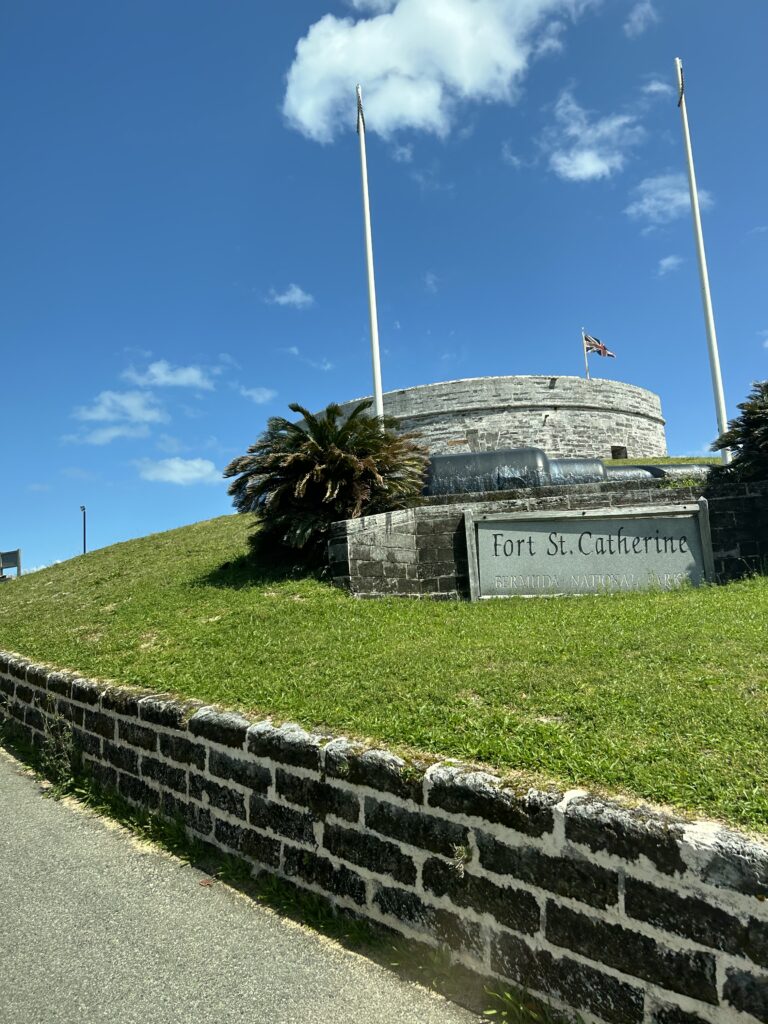
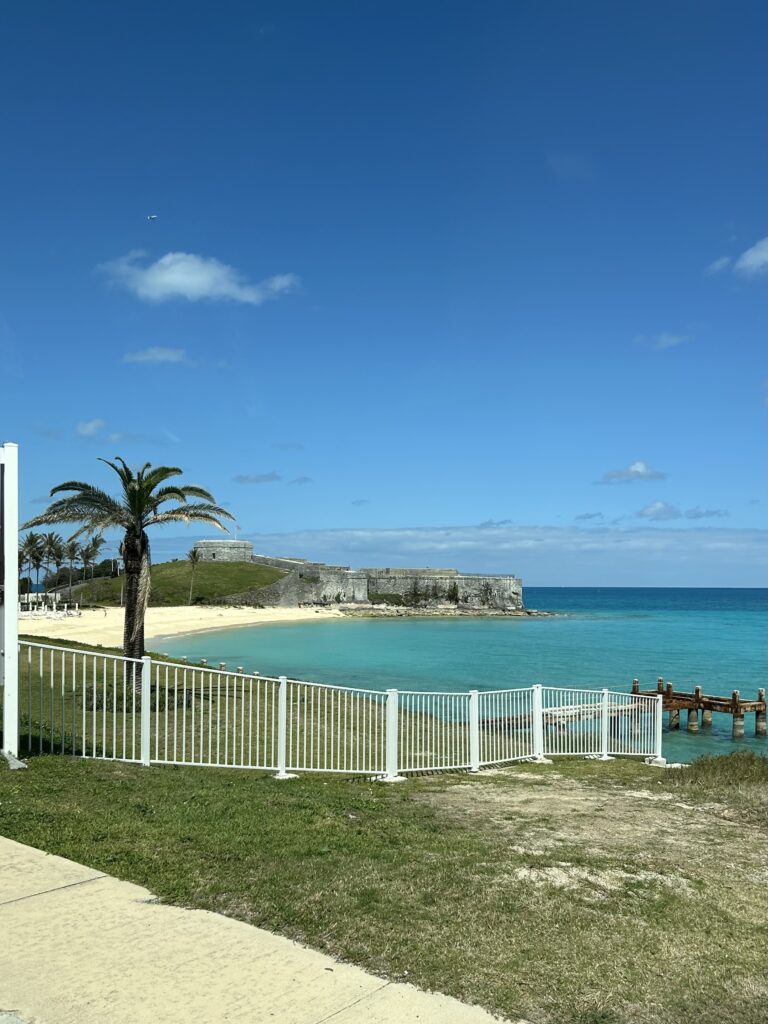
After St Paul’s we stopped at Fort St. Catherine, the island’s largest Fort. Situated on the northeastern tip of St. George’s, it defended the eastern channel of Bermuda from 1614 until the early 20th century. In 1951 it opened as a museum and National Park. It is part of Bermuda’s UNESCO World Heritage Site of fortifications of the east end. Inside are exhibits and artifacts showcasing 17th century island life including a drawbridge and many tunnels, ramparts, and towers.
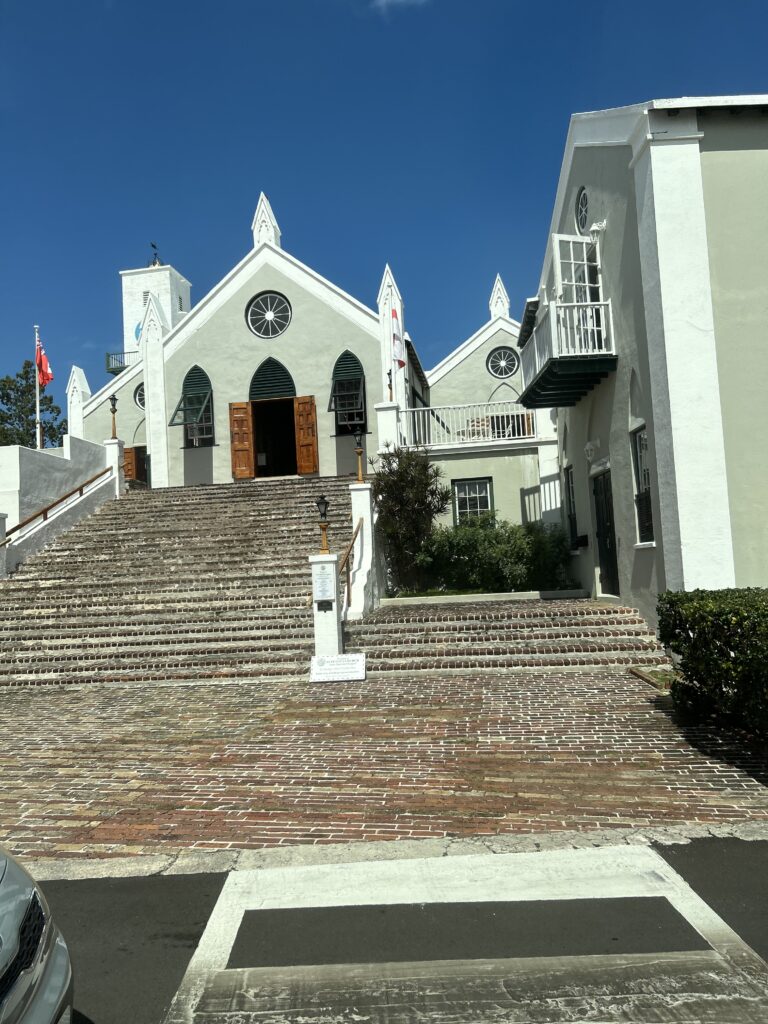
Also on St. Georges Island is St. Peter’s Church, the oldest Anglican church outside the British Isles and oldest Protestant church in continuous use in the New World. Established when Bermuda was settled by the Virginia Company in 1612, it is a cultural and historic icon in the town of St. George. It is a holy place at the heart of a UNESCO World Heritage Site. For the 400th anniversary in 2012, Queen Elizabeth II granted St. Peter’s Church the Royal designation “Their Majesties Chappell”, a designation first used tor this church in the 1690s during the reign of King William III and Queen Mary II.
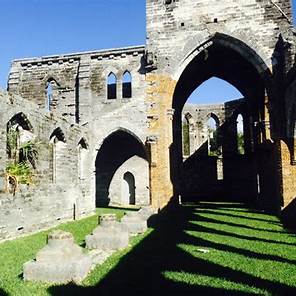
The Unfinished Church, begun in 1874, is a partially constructed, neo-Gothic stone church from the late 1800s. The church, which was never completed due to internal conflicts and storms, now stands as a unique monument, its skeletal framework offering a glimpse into Bermuda’s architectural past.
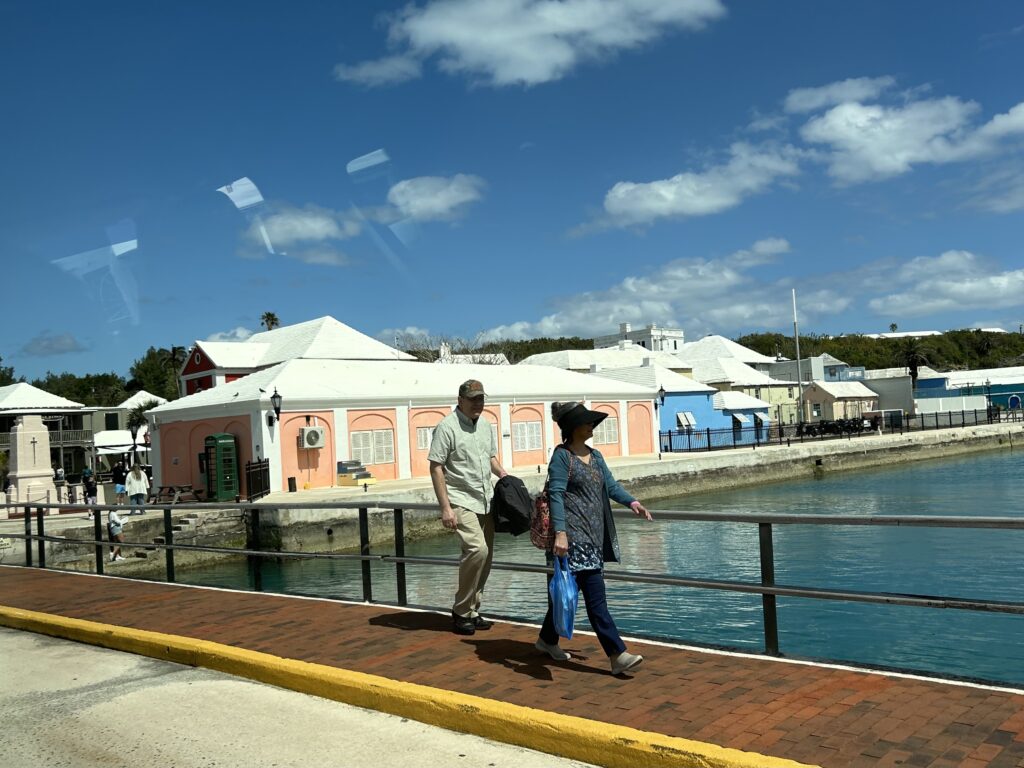
Ordnance Island, a 1.75-acre islet in St. George’s Harbor, was once the site of a British naval ordnance depot. Today, it hosts a replica of the ‘Deliverance’, one of the ships that helped colonists reach Jamestown after being shipwrecked in Bermuda.
Two Rocks Pass in Bermuda is a fascinating underwater cave system known for its breathtaking beauty and unique geological formations. It offers an incredible diving experience for those who love exploring the underwater world.
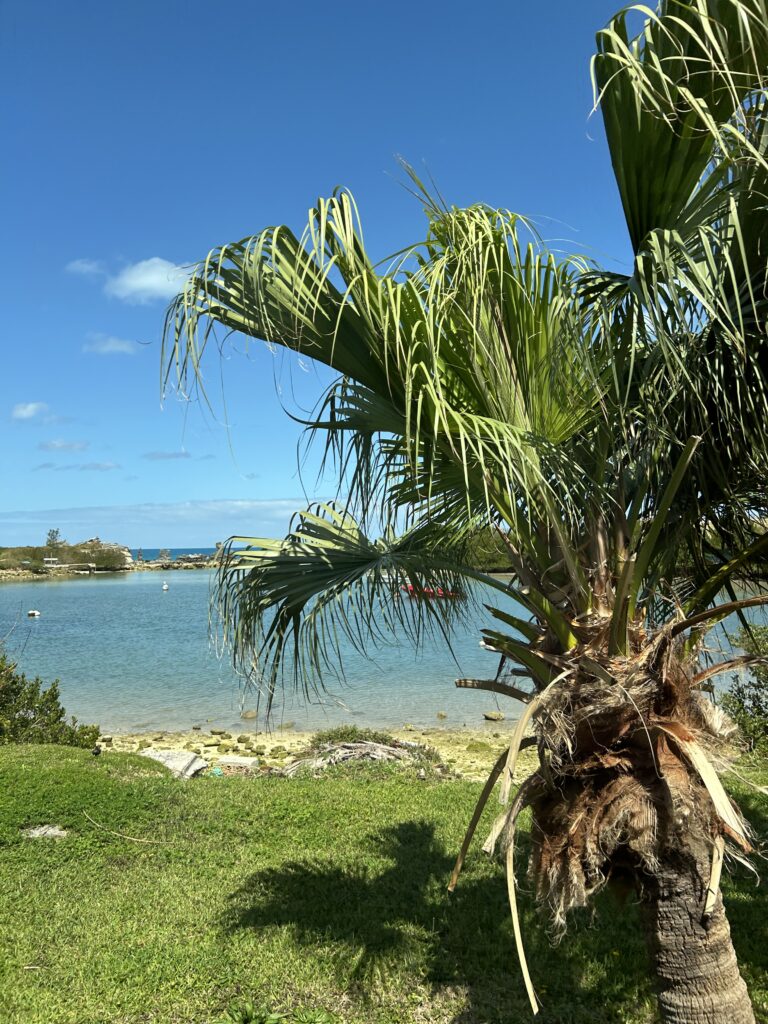
Coot Pond is a bay in Saint George, Bermuda. You might spot the American Coot, a native water bird found in freshwater and brackish water ponds in Bermuda. This species is known for its distinctive appearance, including a black head and neck, gray body, and large yellowish-green feet