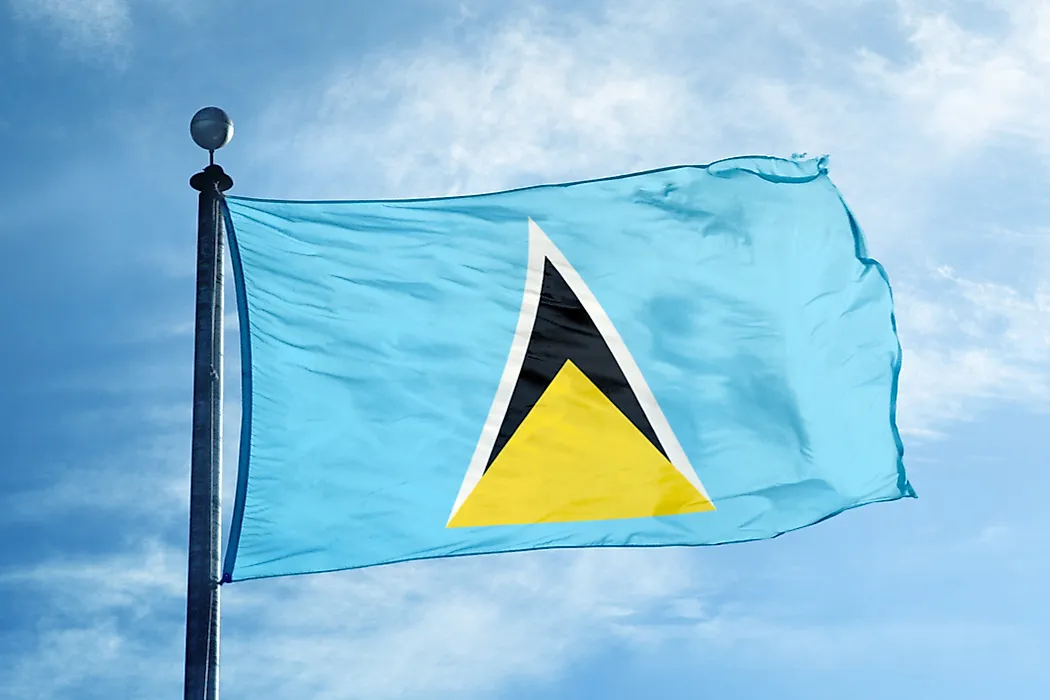
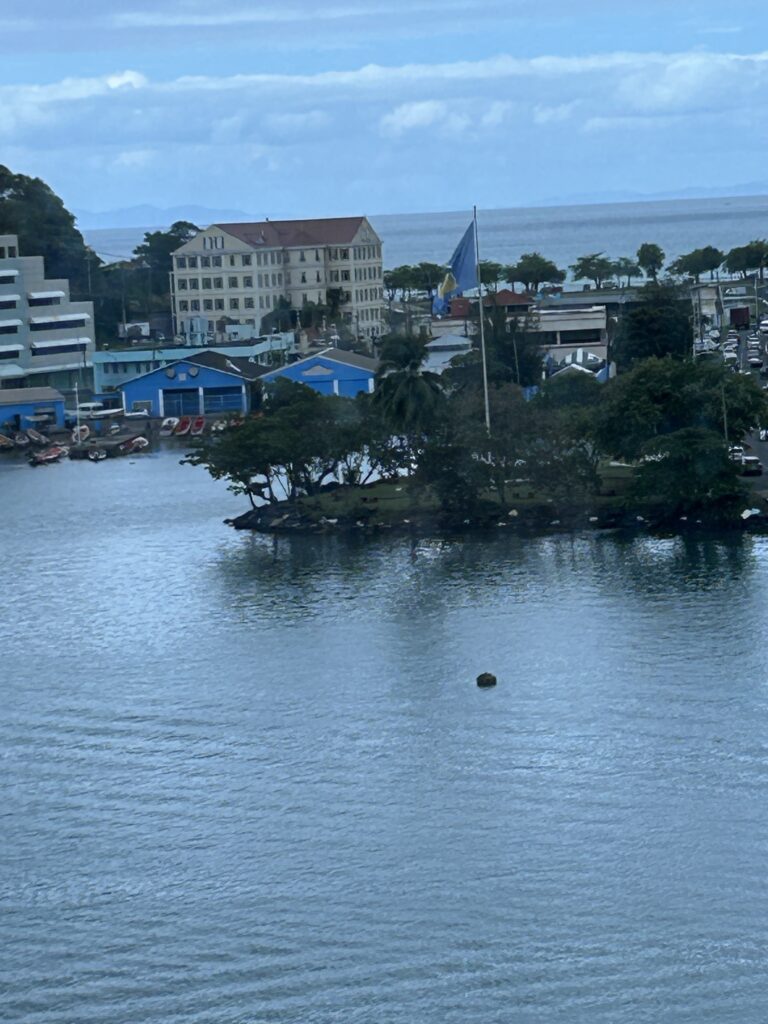
The Motto of St. Lucia is “The Land, The People, the Light” and the flag represents that.
The Blue is the sky and sea surrounding the island. The Black and White Triangle symbolizes the African heritage living peacefully with the Europeans. The triangle points upward, signifying the hope and progress of the nation.
It celebrates both the island’s natural environment and cultural history.
The next island nation we visited was Santa Lucia, part of the Windward Islands of the Lesser Antilles. The first documented settlers were the Arawaks who came from northern South America around 200 CE. More aggressive Caribs arrived around 800. Columbus sited the Island in 1502. The French pirate le Clerc was the first European to form a settlement Pigeon Island in the latter half of the century.
In 1601 an English vessel was blown off course and 67 colonists settled on Saint Lucia. The French were colonizing the Caribbean Islands as were the British, and Saint Lucia traded hands between the two countries until 1814 when the French ceded it to the British for the last time. In 1958 it became a member of the West Indies Federation, and in 1967 an associated state of the British Kingdom. In 1979, it gained its full independence. St. Lucia is a Constitutional Monarchy with King Charles III the head and is an active member of the British Commonwealth of Nations.
We landed in Castries, the capital and largest city in St. Lucia. Its harbor is one of the best deep-water harbors in the Caribbean. It was once a volcano crater. In 1948, a great fire destroyed 80% of the city. We left the ship for a tour of the city.
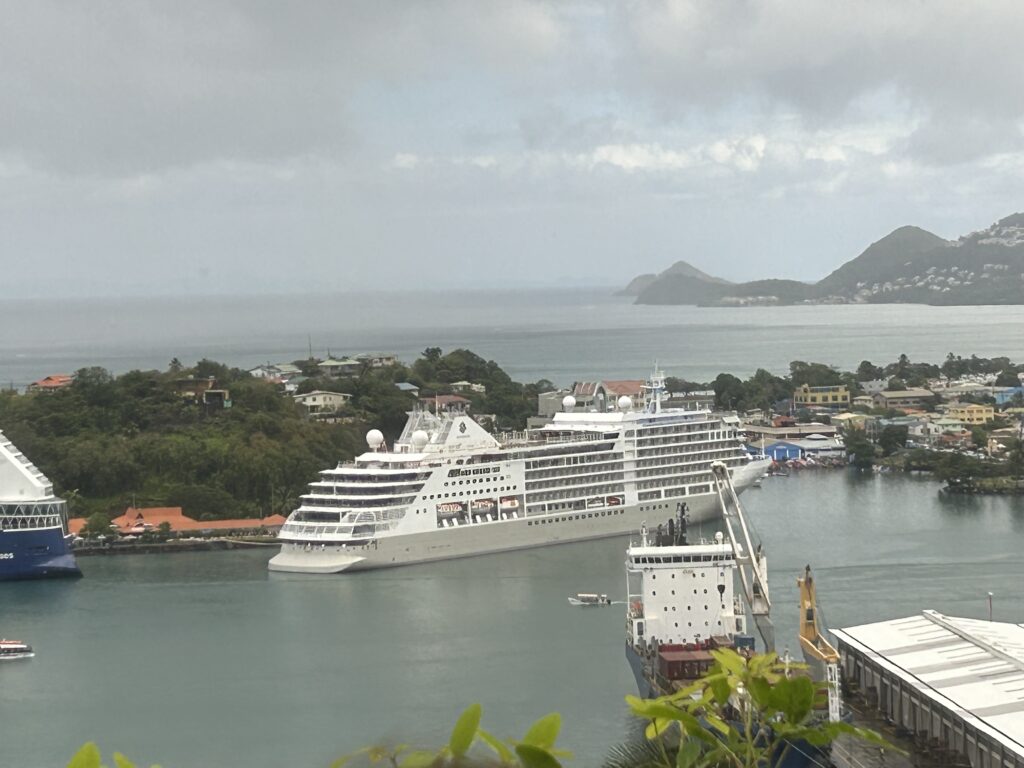
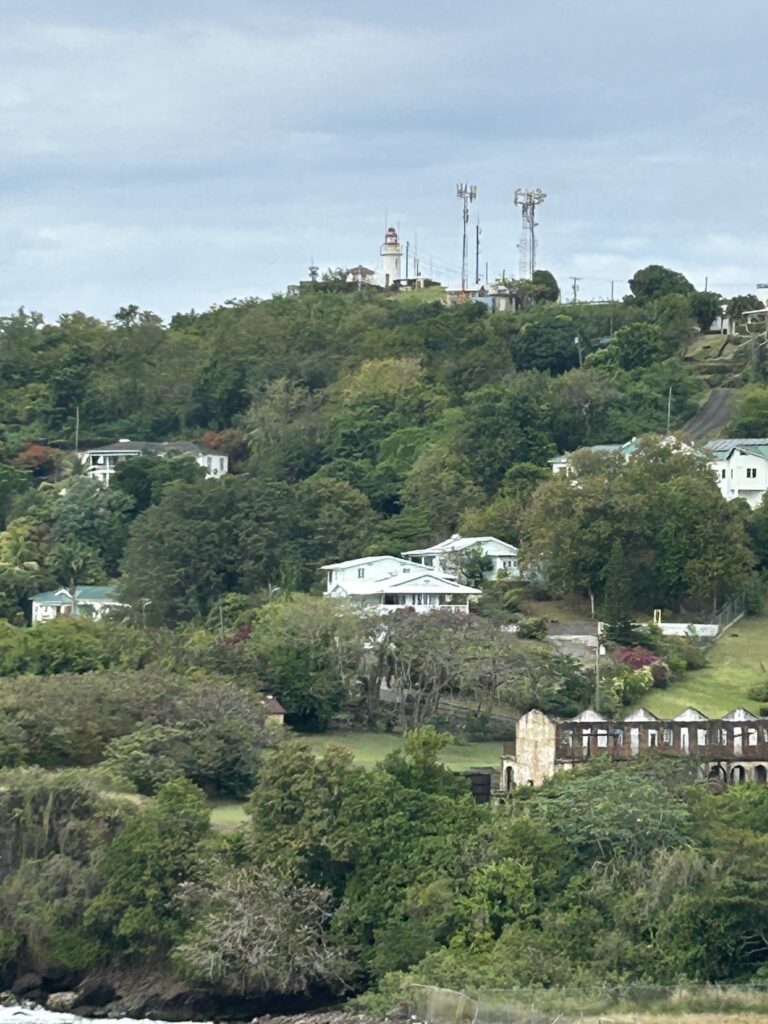
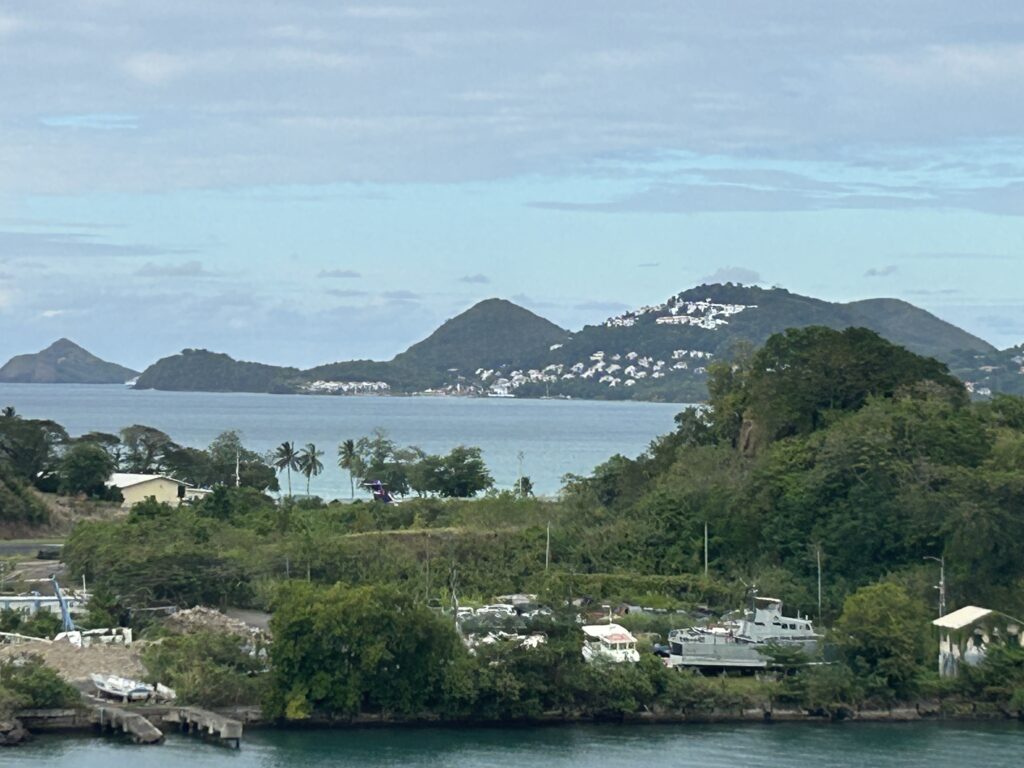
We went first to Morne Fortune, an 850 ft. hill overlooking Castries harbor. “Morne Fortune” means “Good Luck.” It was the scene of many battles between the British and the French who fought over St. Lucia.
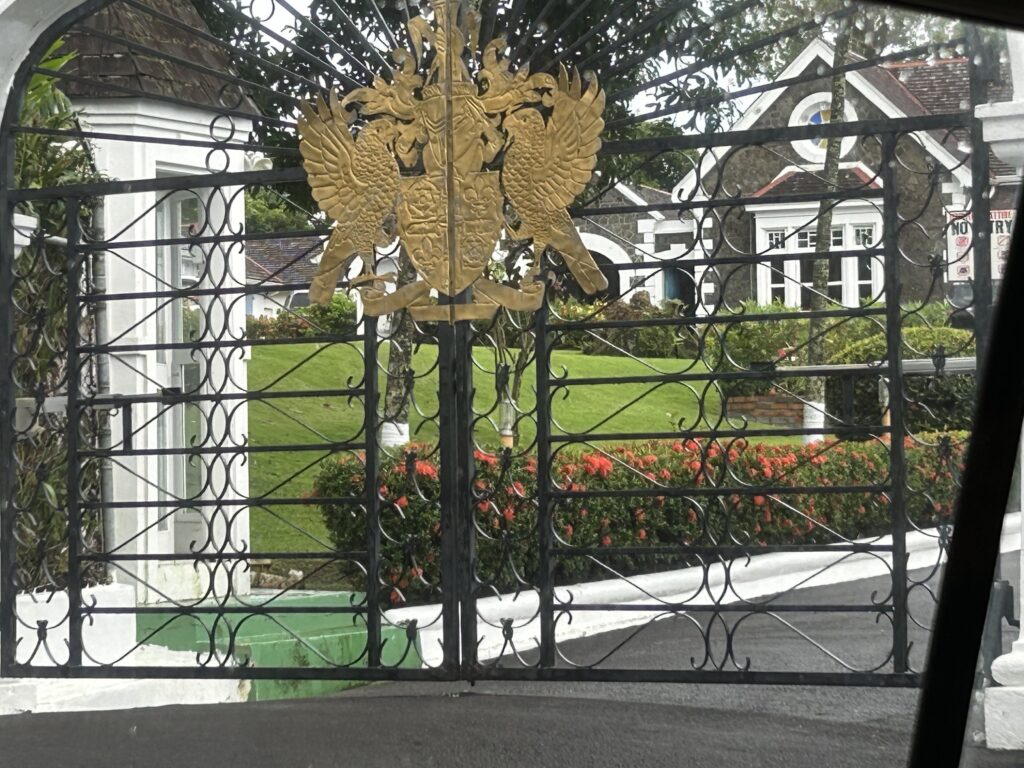
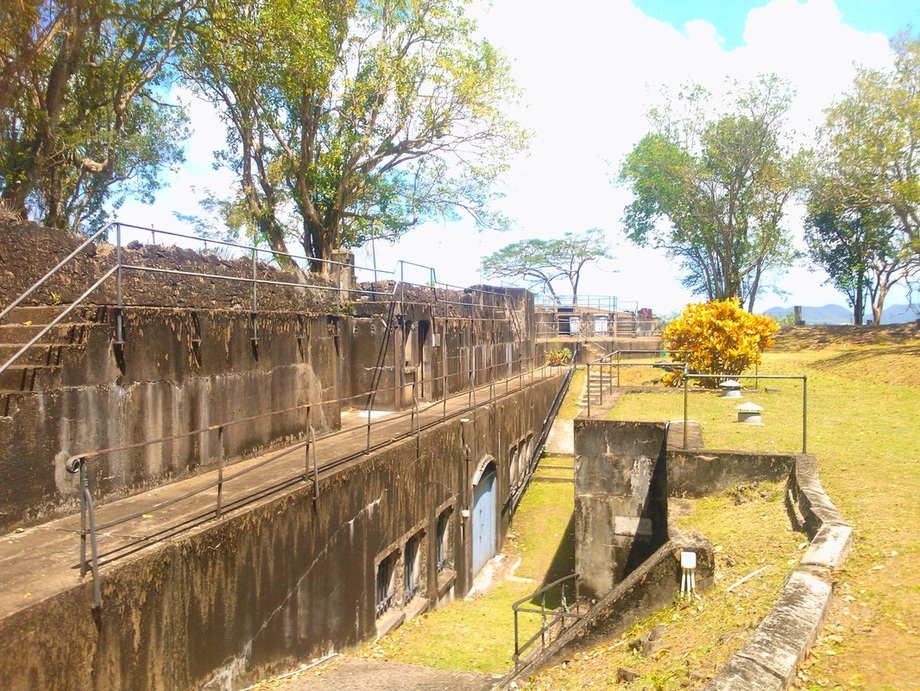
The first place we saw was the Government House, the official residence of the Governor-General. Dating from 1895, it has been a key site in St. Lucia’s political history since colonial times. Continuing on we went by Fort Charlotte, an 18th century military outpost.
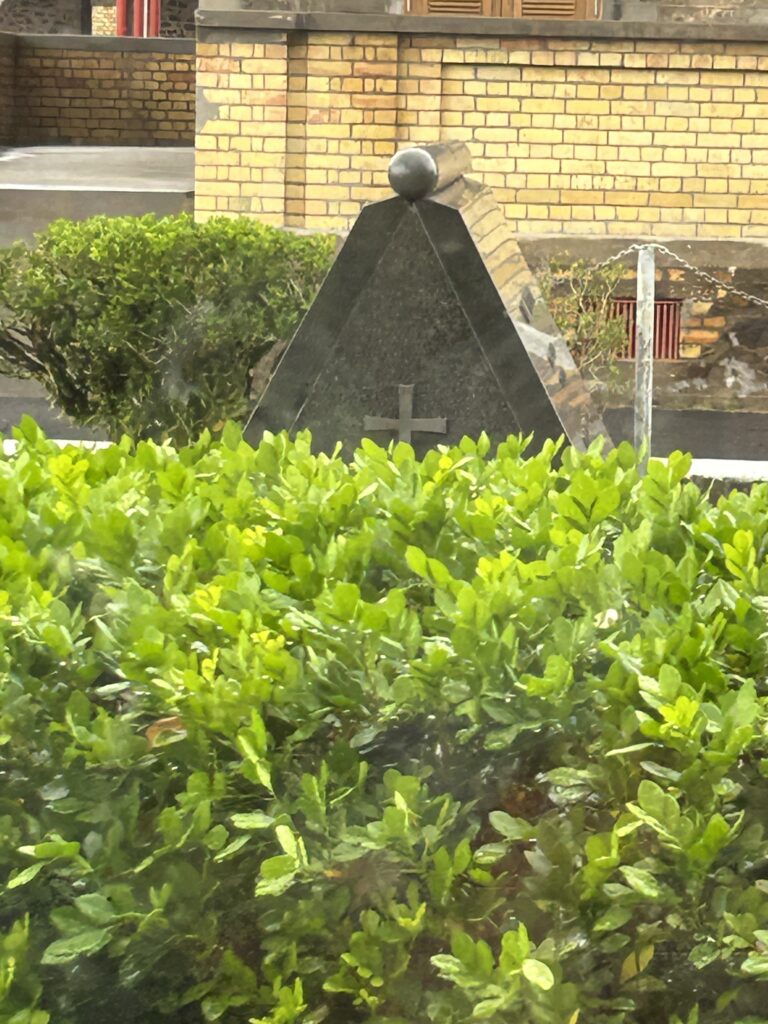
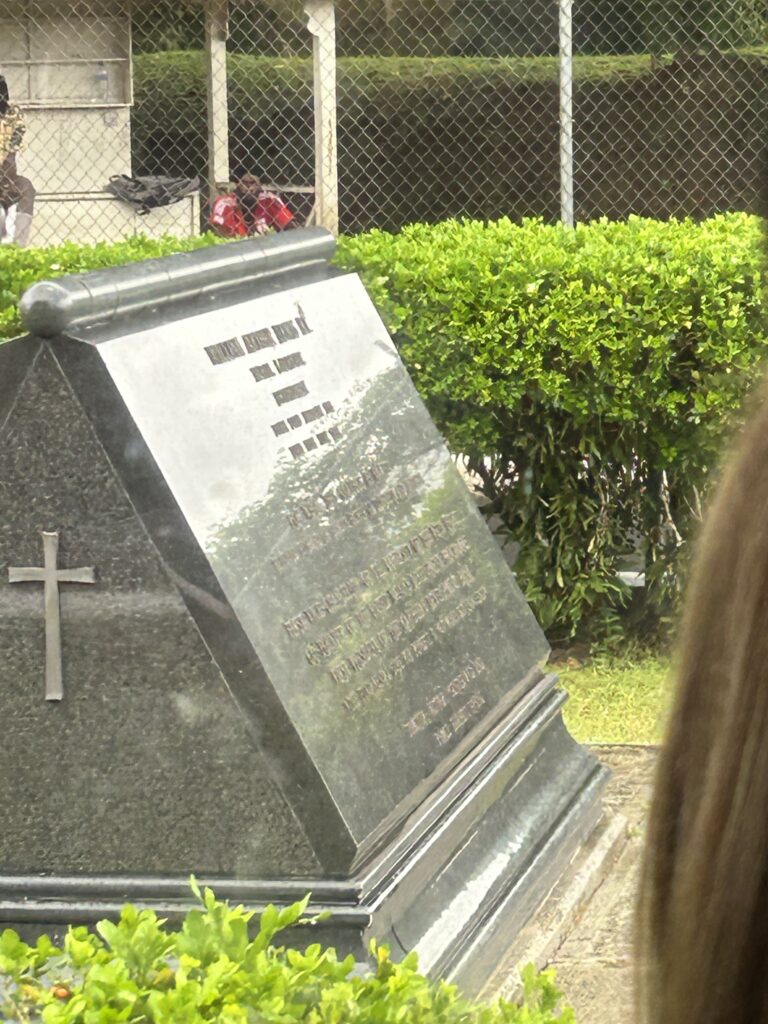
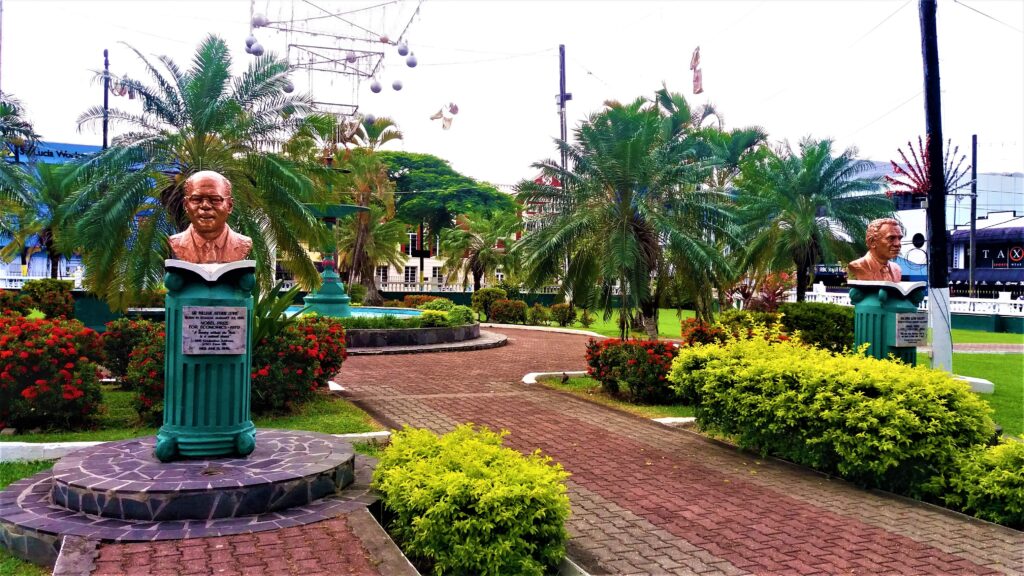
Also, on Morne Fortune is the Sir Arthur Lewis Community College. We saw Lewis’ burial site on the campus. Sir Arthur Lewis was one of two Nobel Laureates from St. Lucia. He received his prize in Economics in 1979. Later, in 1992, Derek Walcott was awarded the Nobel Prize in Literature. It is amazing to think that such a small nation produced two Nobel Laureates. There is Walcott square in downtown Castries honors them.
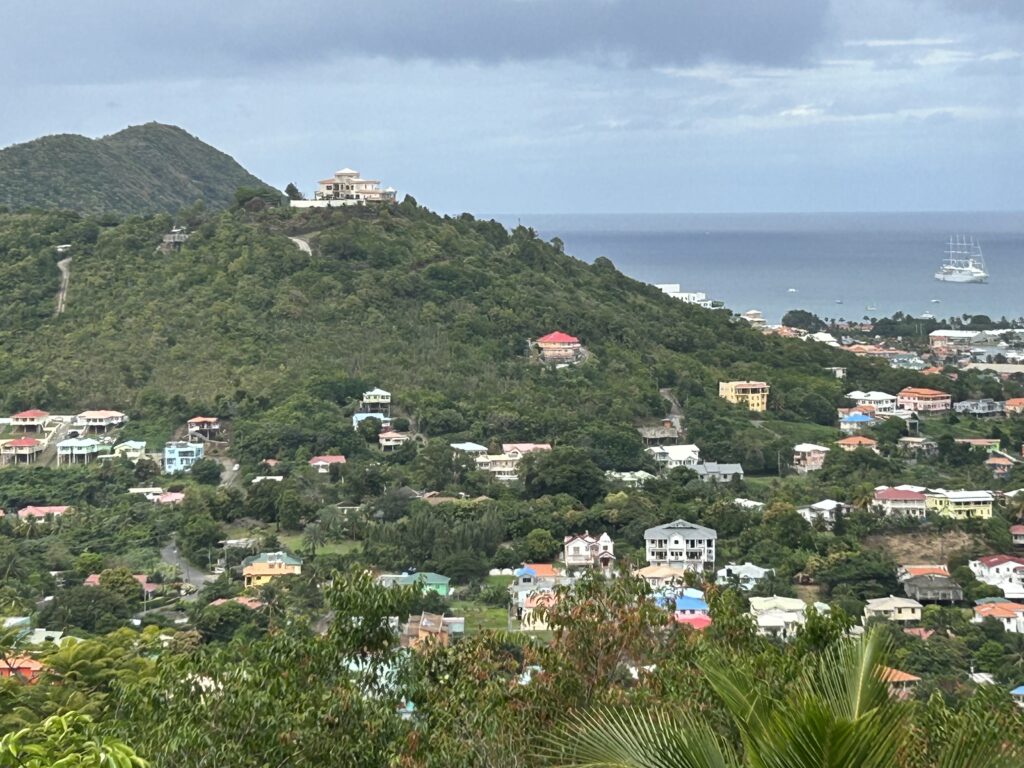
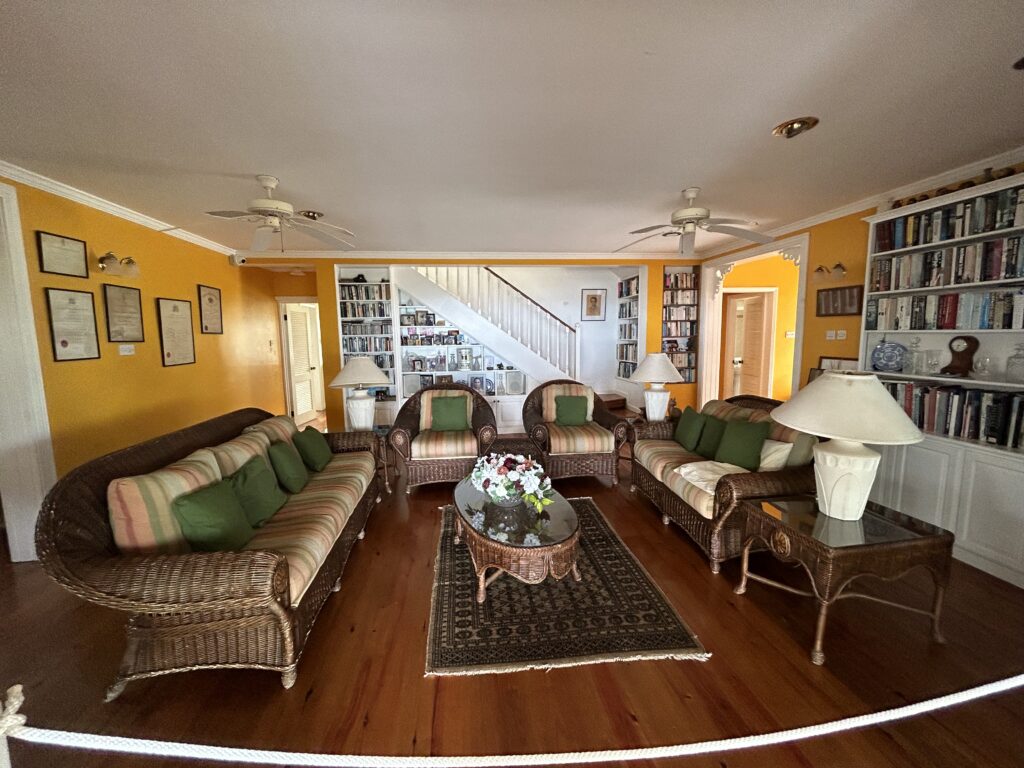
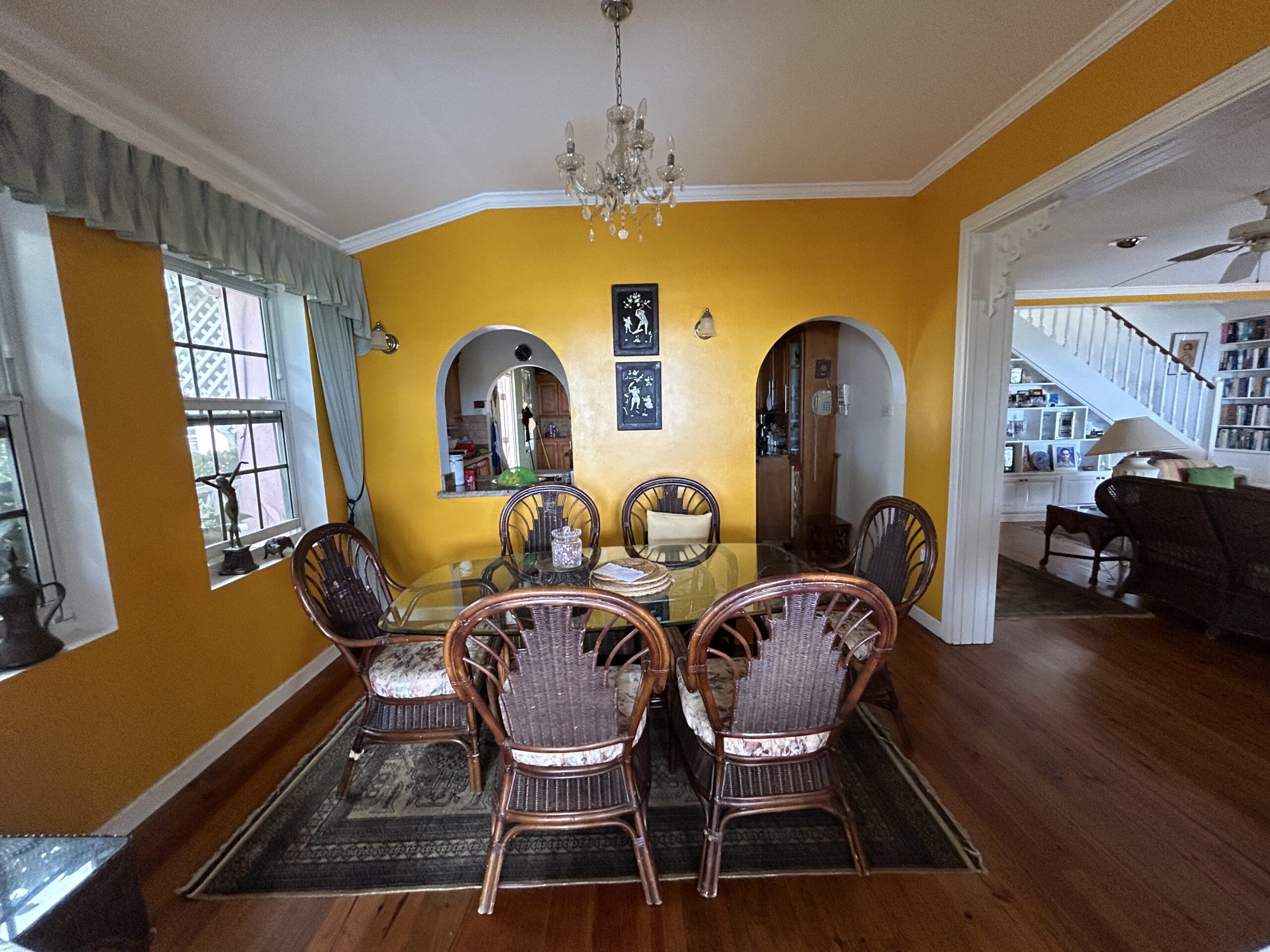
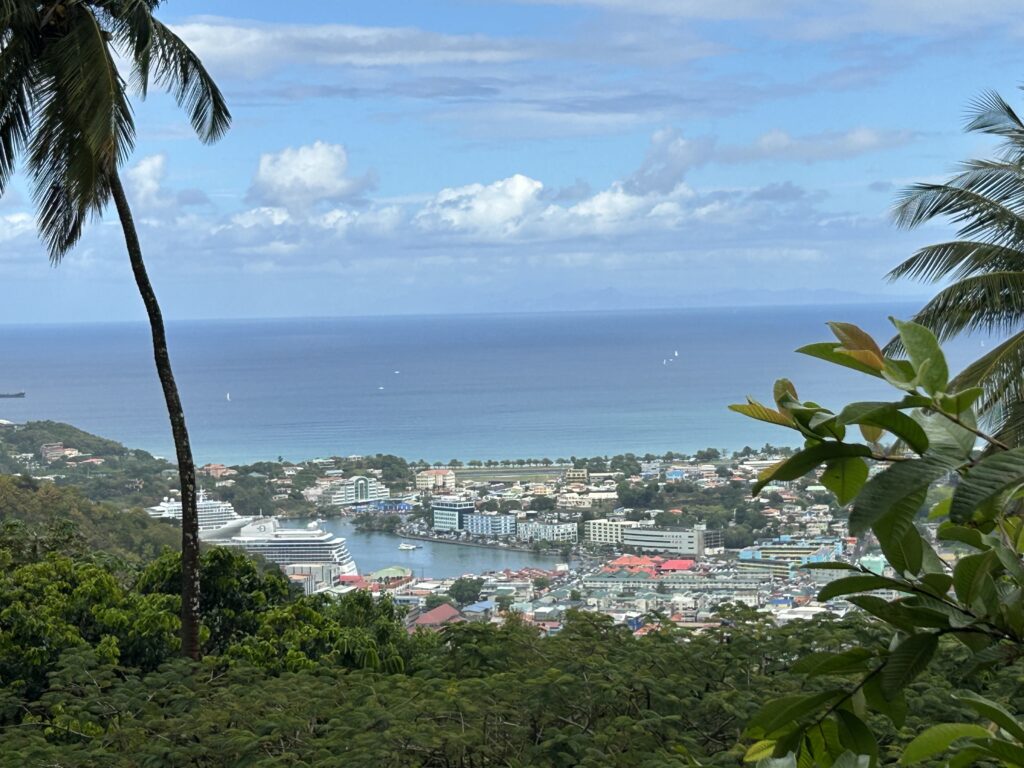
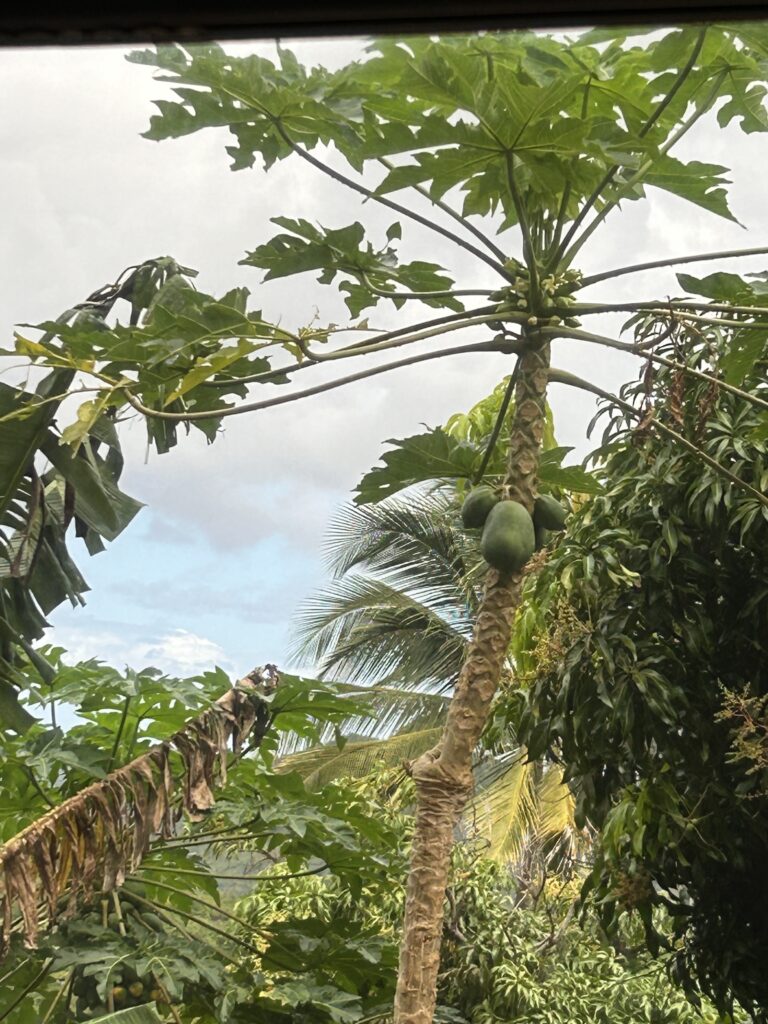
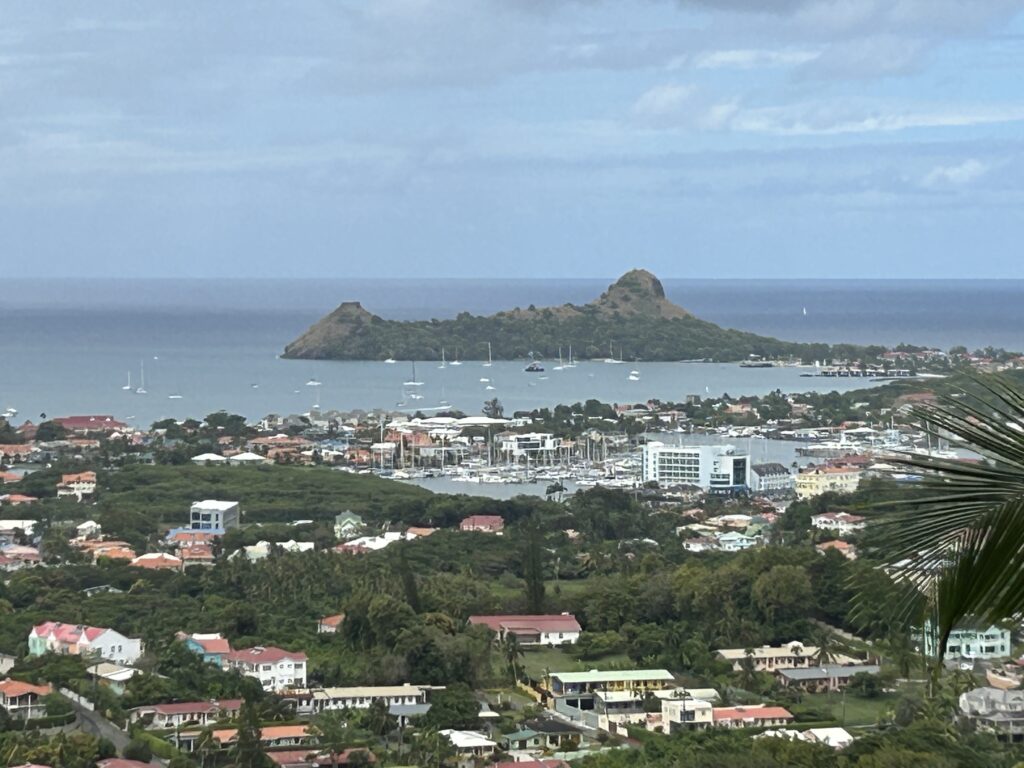
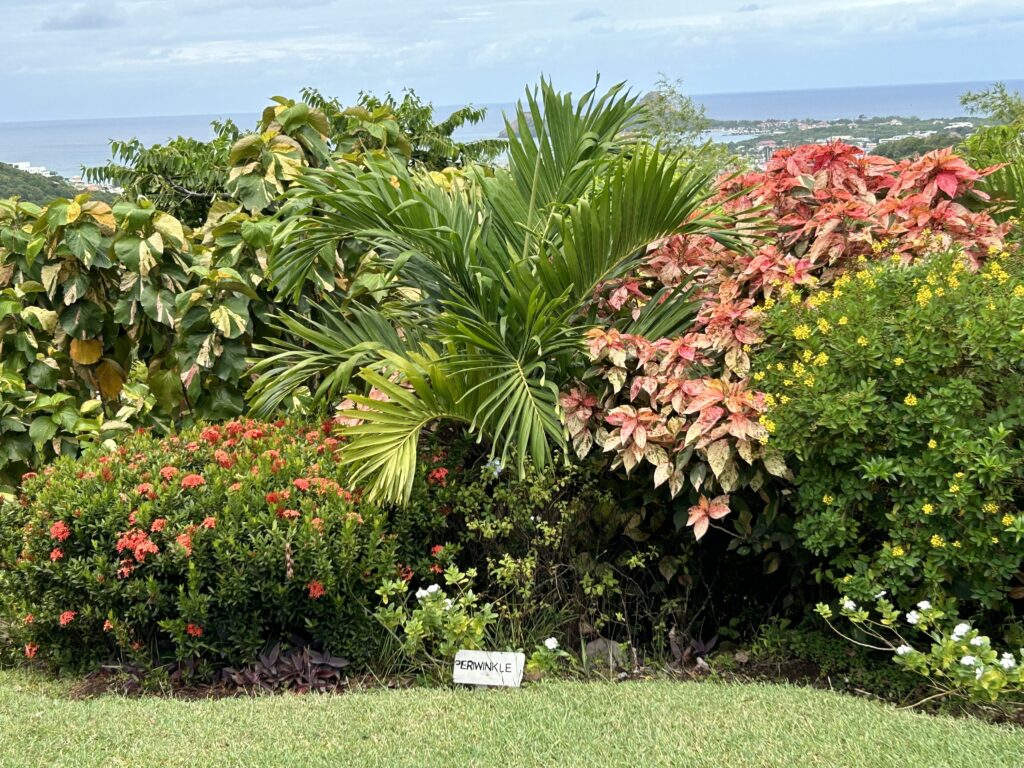
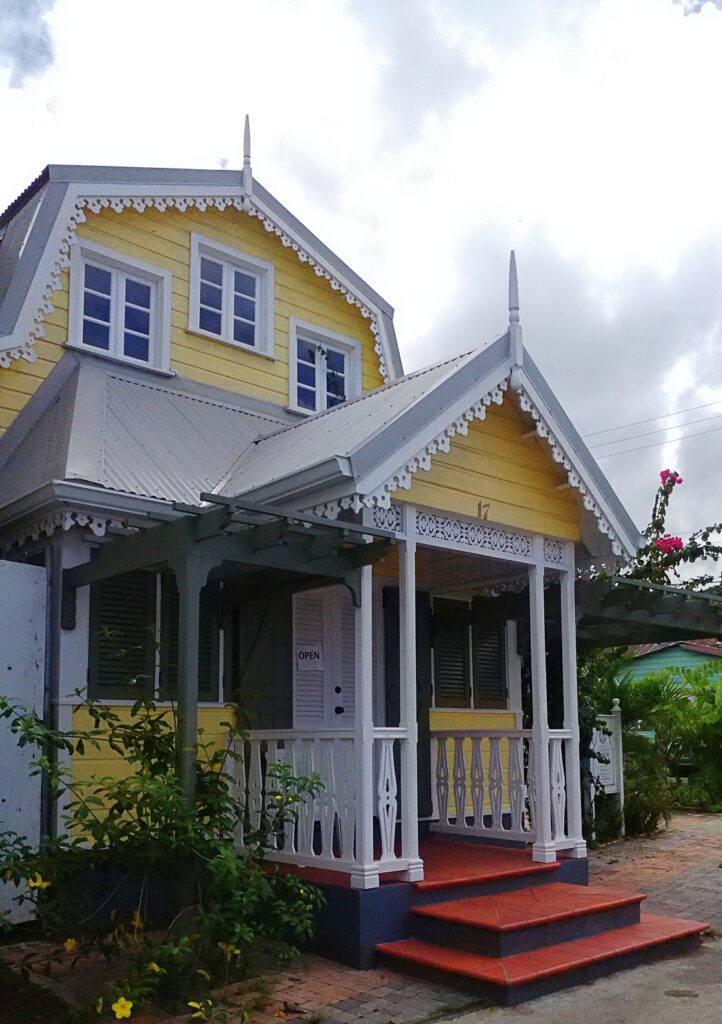
Next, we enjoyed the Howelton Estate. Established in 1896, it is one of the oldest Victorian era structures on the island. It has lovely gardens and batik demonstrations. The women showed us how they do the Batik and then, of course, we could buy some items made by them. They also make wonderful chocolate. From there we could see Pigeon Island. Pigeon Island is where the Le Clerk first landed. It is now a National Park, showcasing St. Lucia’s history.
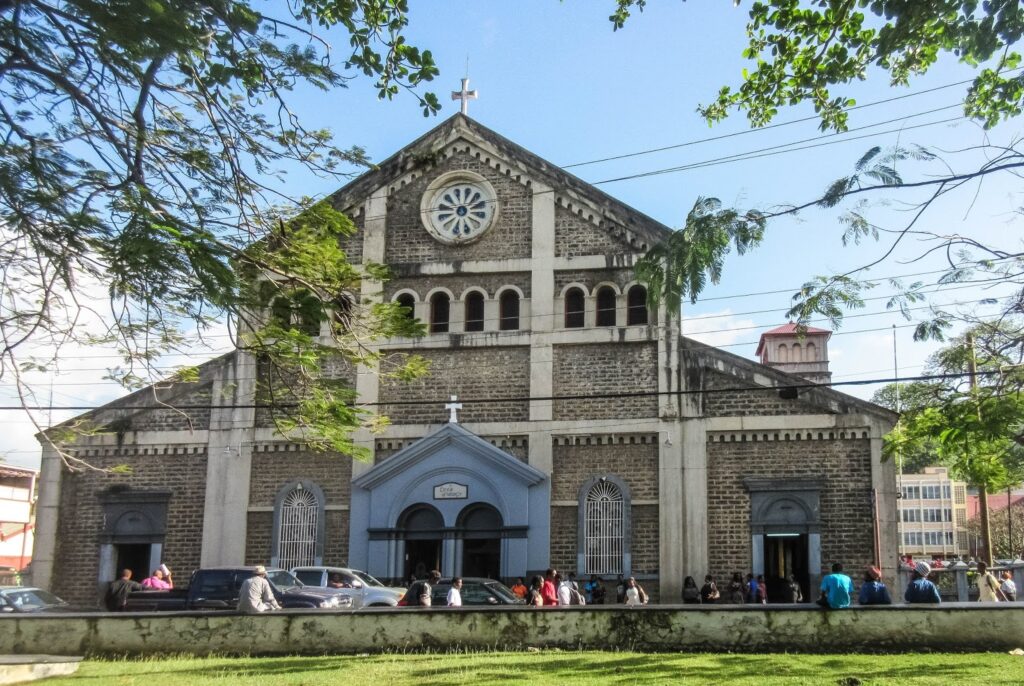
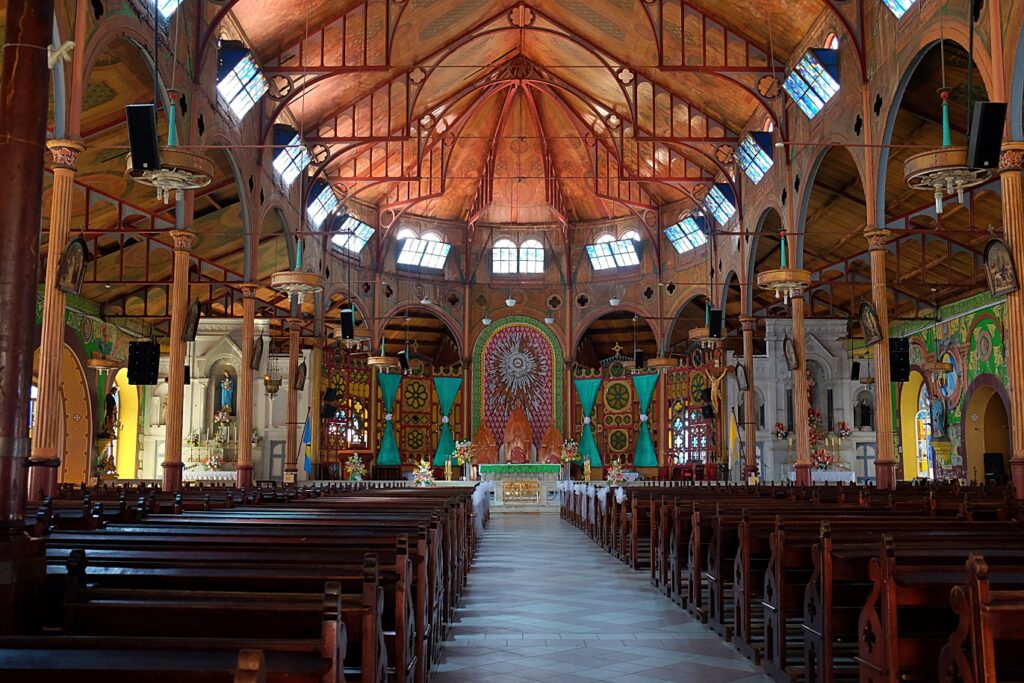
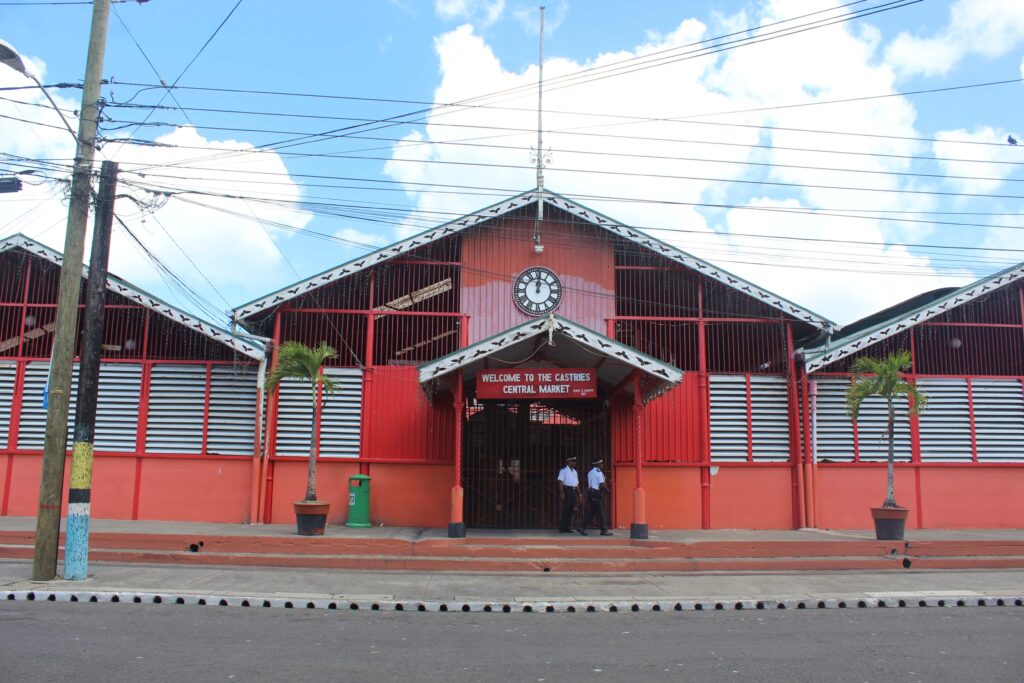
From Morne Fortune hill, we went to the main part of the city. There we saw the Plaza dedicated to the two Nobel Laureates. Across from Walcott Plaza is the Cathedral of the Immaculate Conception, built in 1897 with beautiful stained class. The interior is filled with murals by Sir Dunstan St Omer, St. Lucia’s most famous artist. All the the biblical figures are black, including the Holy Family. It is the largest cathedral in the Caribbean and a minor basilica. The island’s patron saint St. Lucia is portrayed over the altar. We went by but did not have time to go to the Public Market.
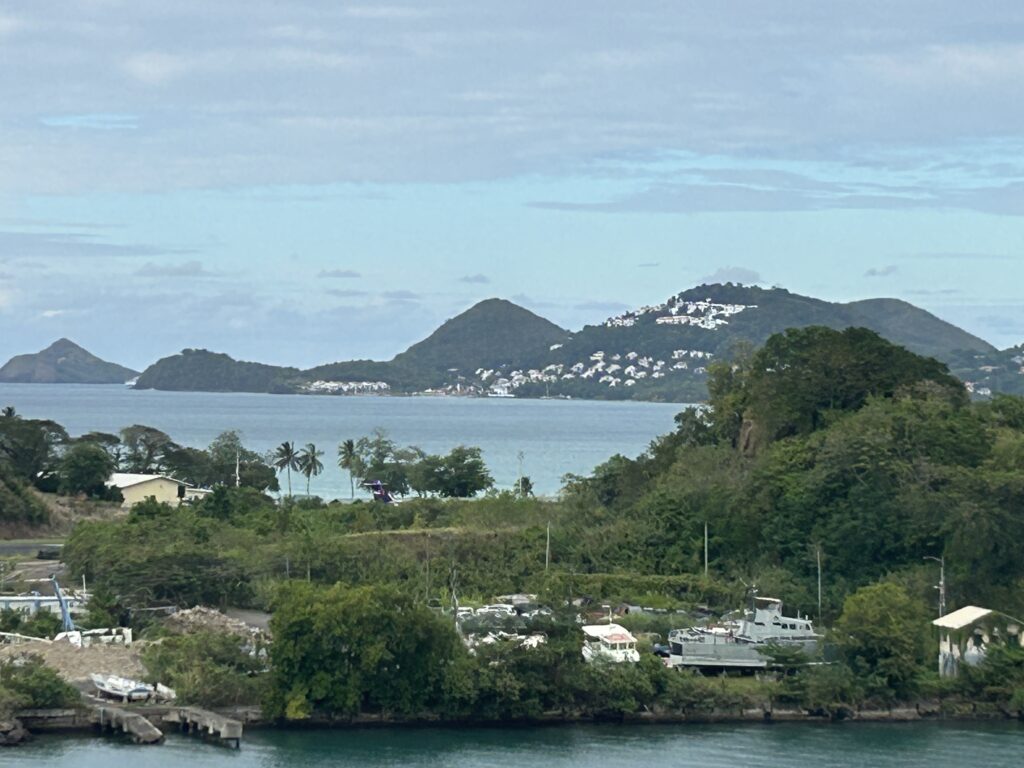
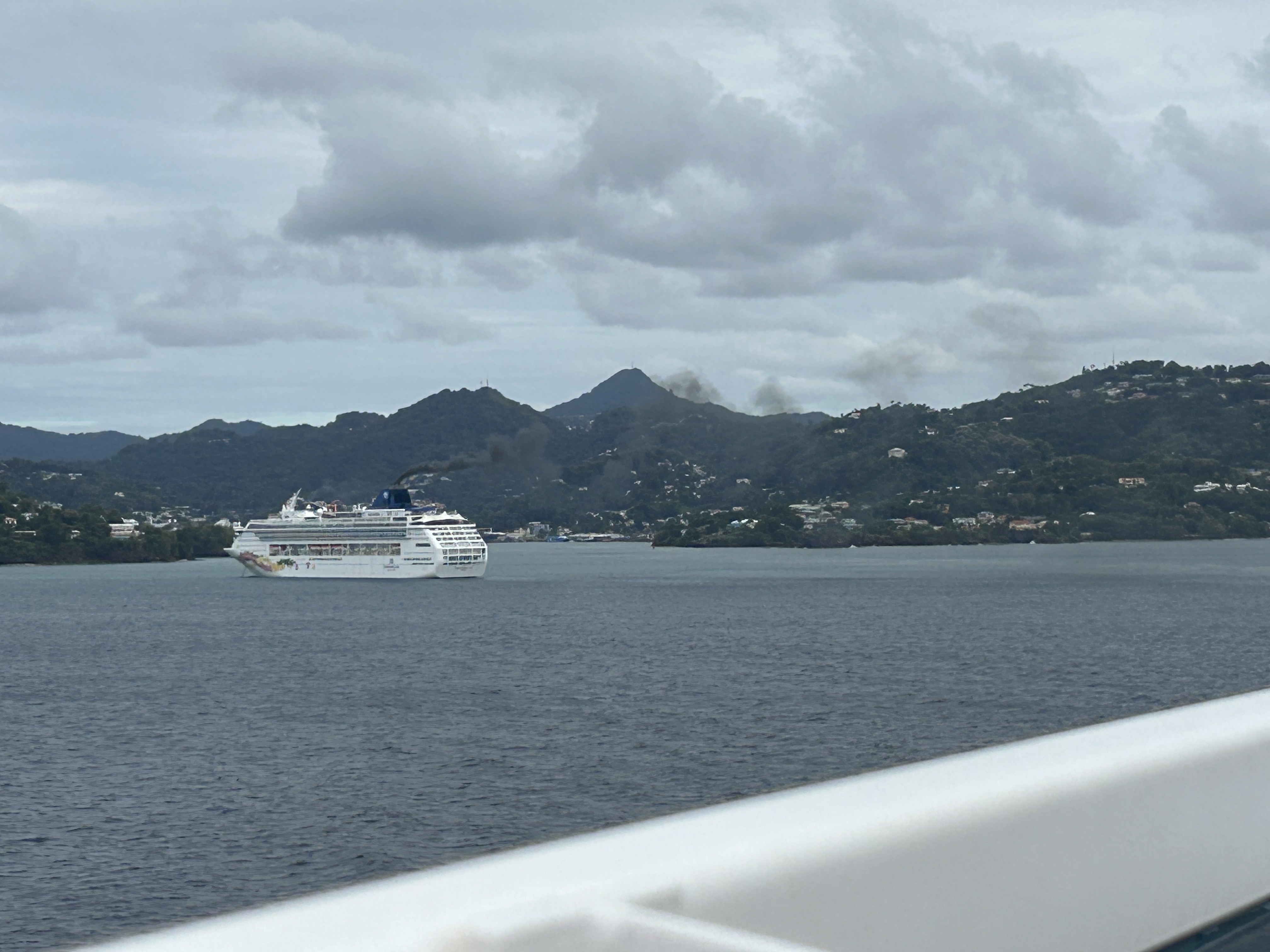
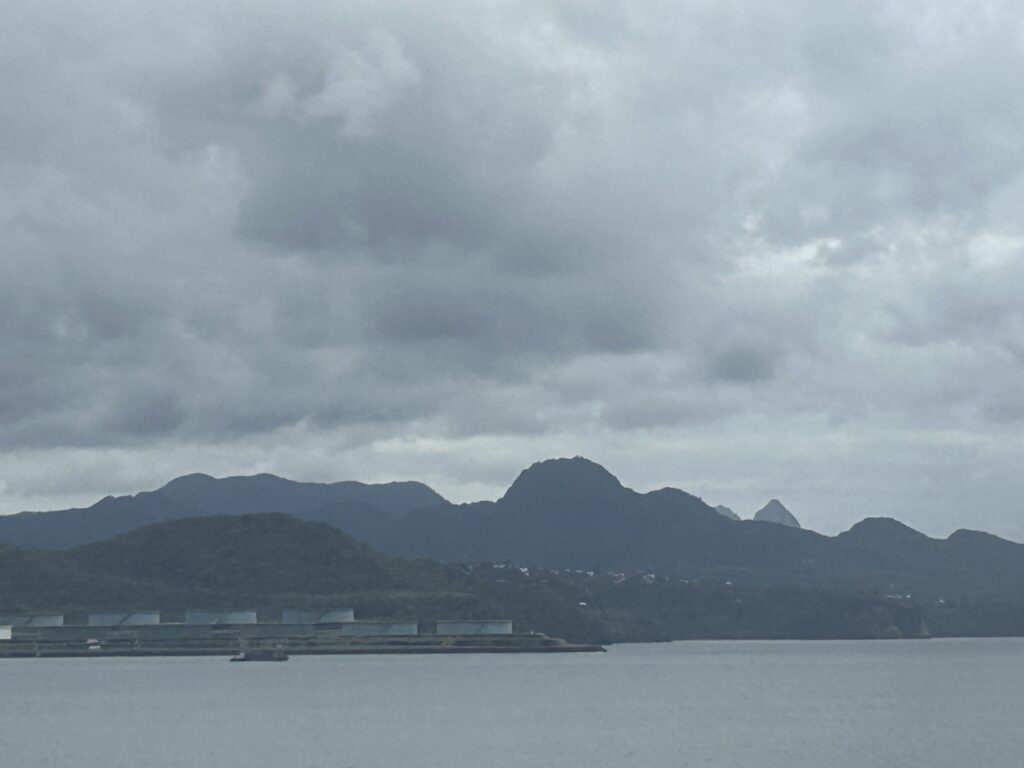
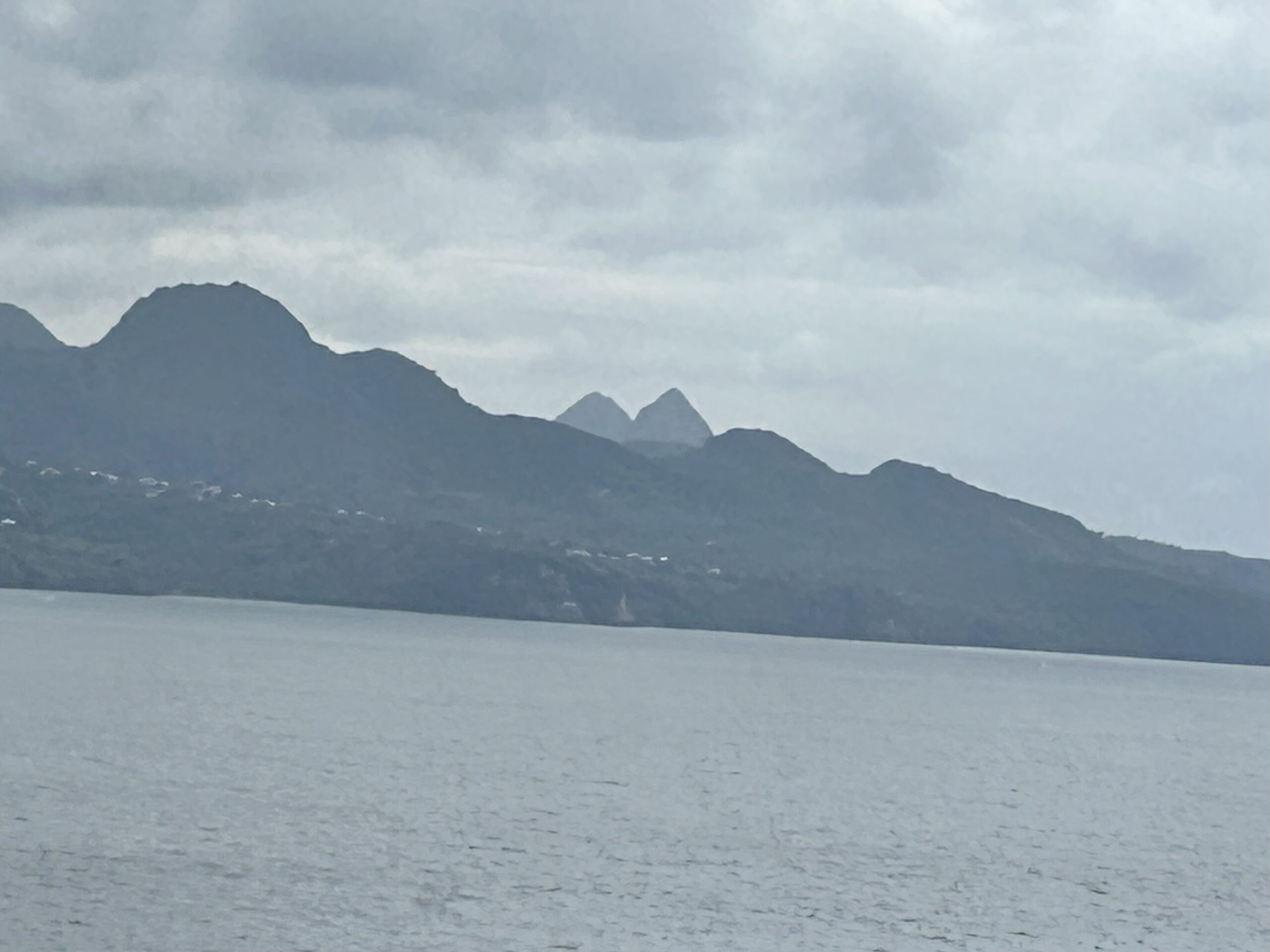
I have final views from the ship as we departed. One to note is the picture of the Pitons. The Pitons in St. Lucia are two mountainous volcanic plugs, also known as volcanic spires. They rise majestically from the Caribbean off the southwestern coast of St. Lucia. Gros Piton is 2,618.9 ft. high, while Petit Piton is 2,438 ft. high. These twin peaks are a UNESCO World Heritage Site and offer breathtaking views. The Amerindians considered the mountains to have mystical powers.
This was another beautiful Caribbean island-nation.