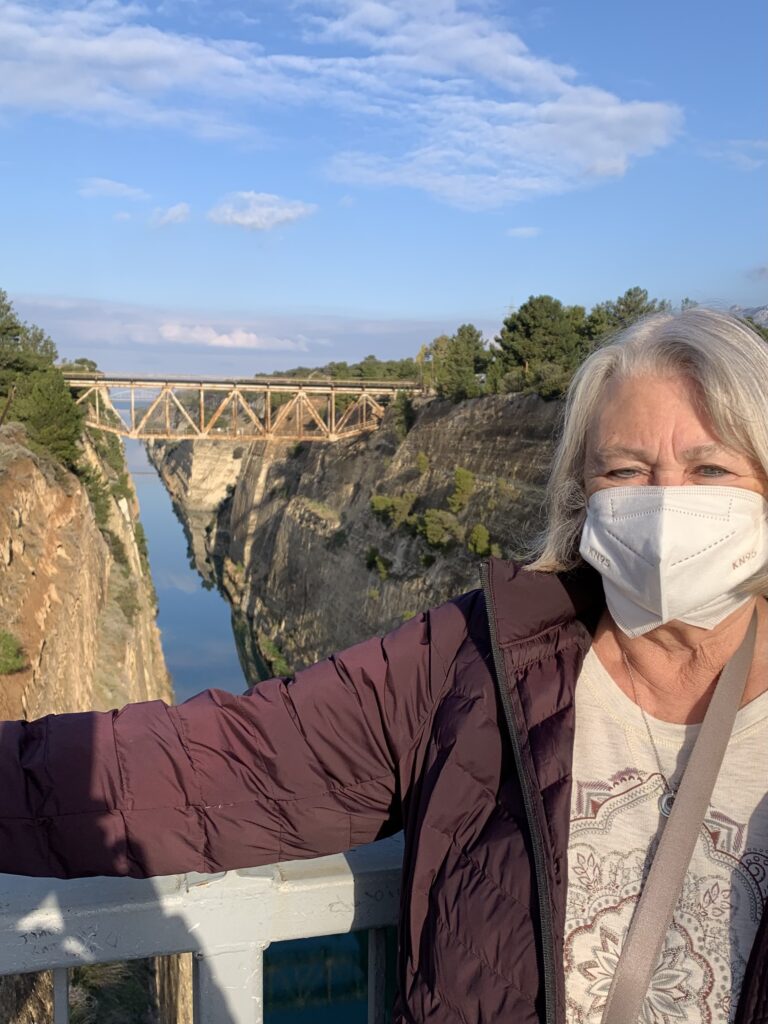
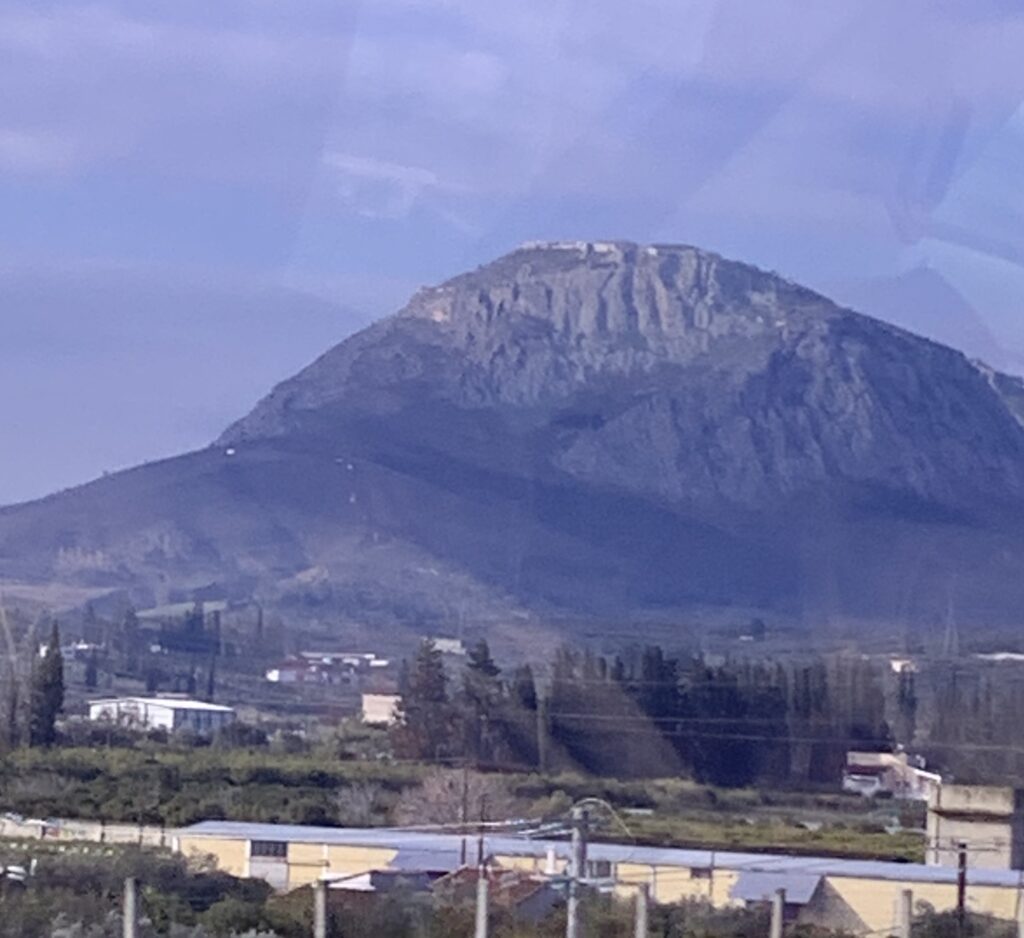
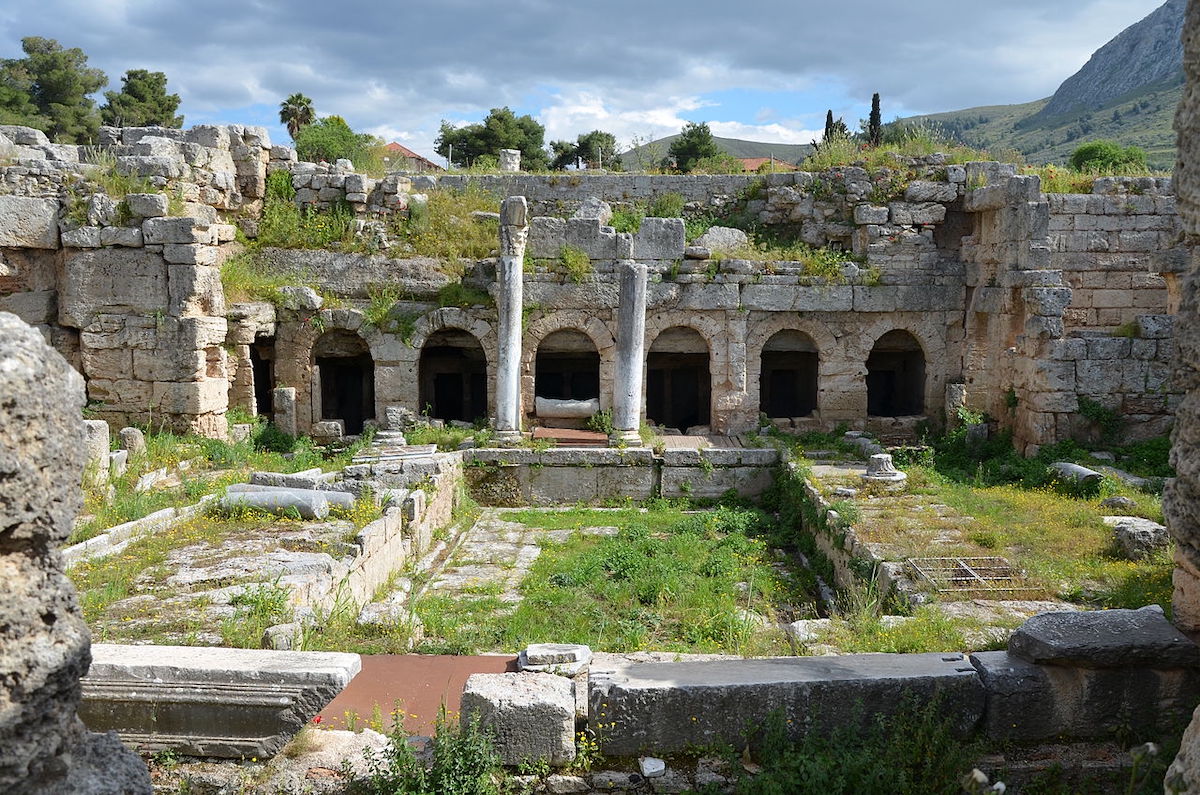
Our first few days were based in Athens, and our first trip out of the city was to the Peloponnesian Peninsula, and our first stop was Corinth which sits on a narrow isthmus that connects the Peninsula with mainland Greece. The canal, which separates the mainland from the Peninsula, was first proposed in the first century C.E. but was not completed until 1893. It links the Ionian Sea with the Aegean Sea and separates the Peloponnese peninsula from mainland Greece. It is four miles long and about 80 feet wide.
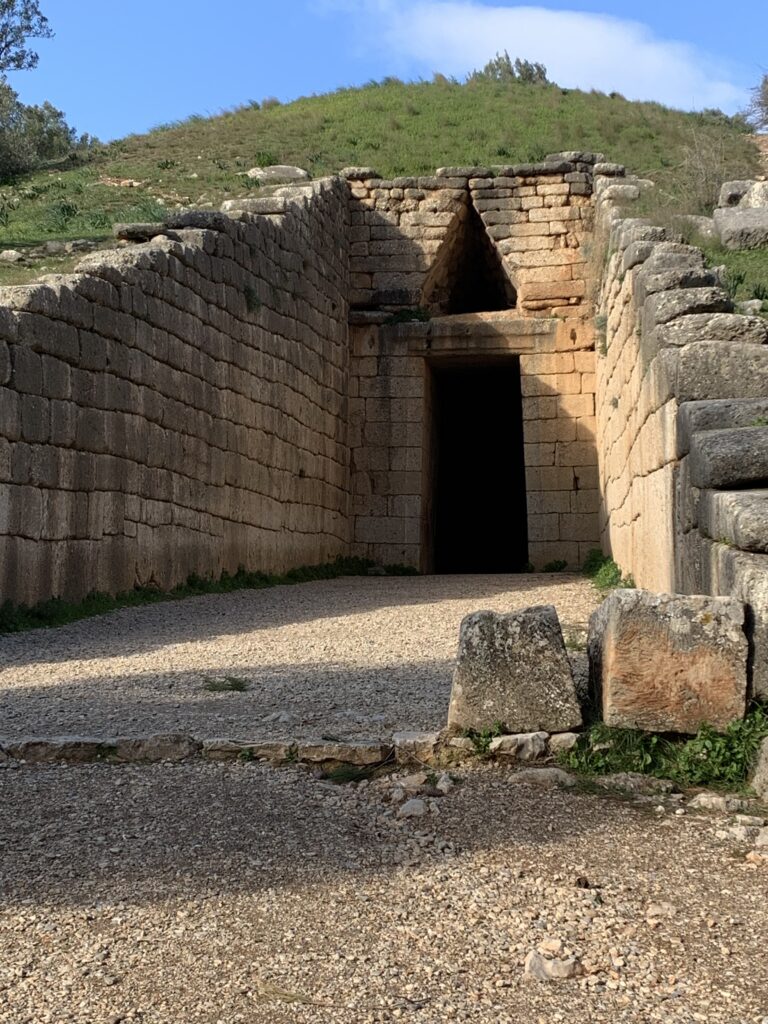
After stopping in Corinth, we proceeded to Mycenae where we started at the Tomb of Agamemnon or the Treasury of Atreus. The tomb dates from 1300 to 1250 B.C.E. The main tomb consists of a circular burial chamber topped with a bee-hive dome, which was the largest in the world until the Roman period. It consists of passages, a vaulted chamber and a side chamber. The façade of the tomb was originally decorated with marble columns and sculptures. Like many ancient tombs, it was robbed.
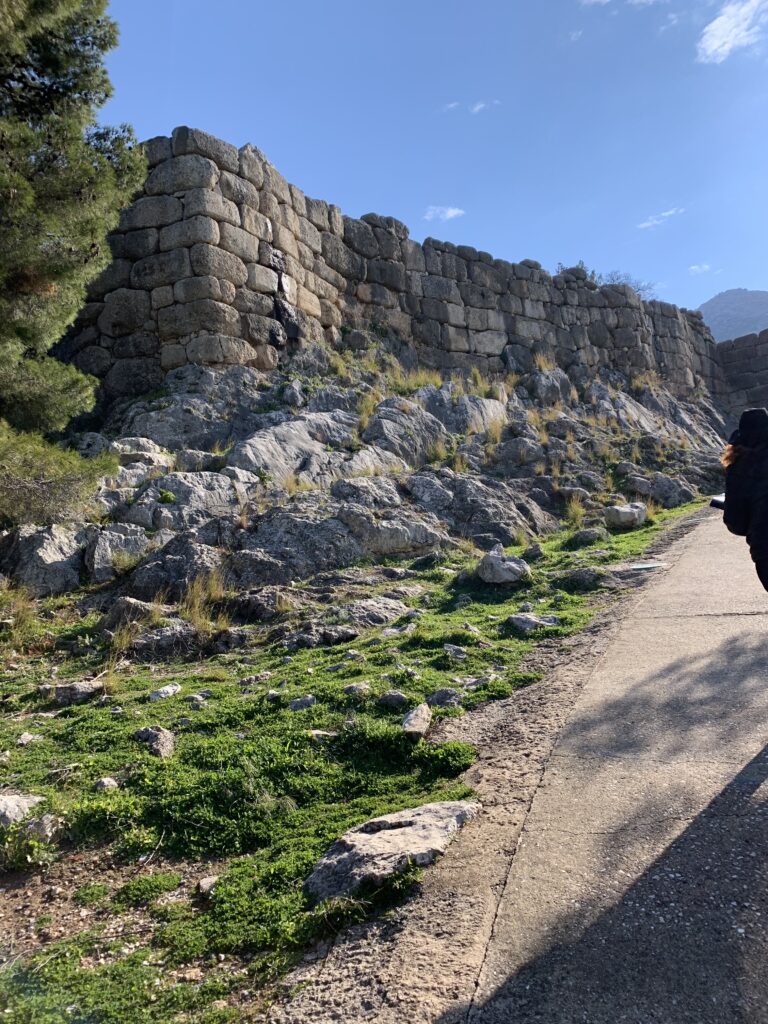
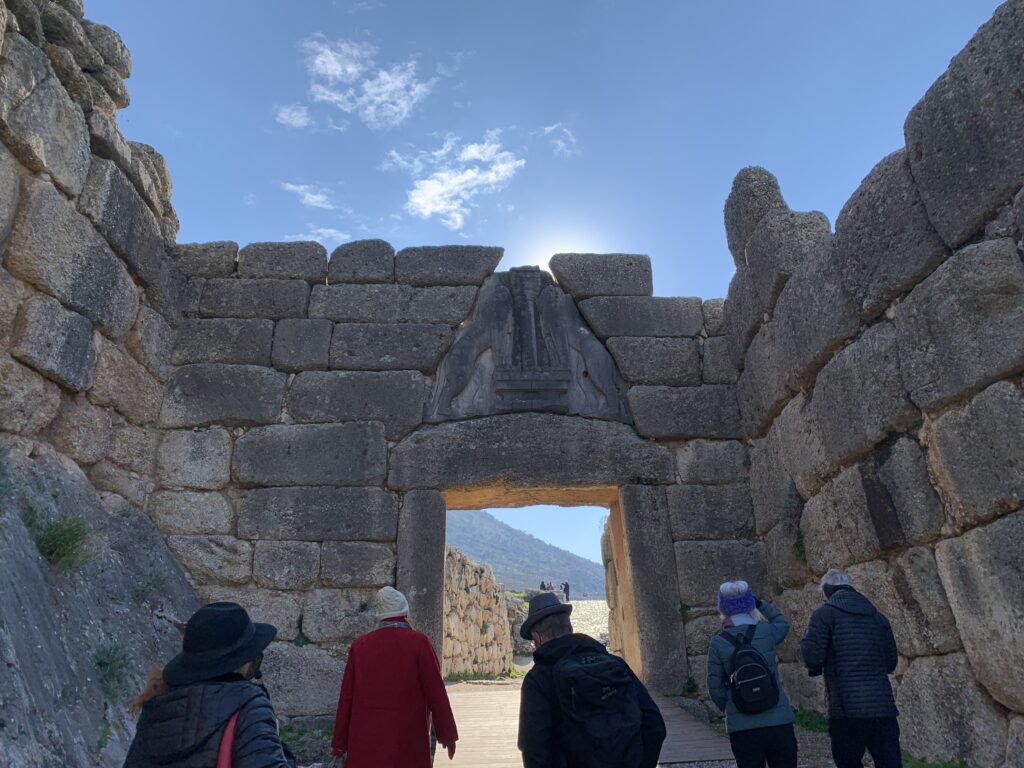
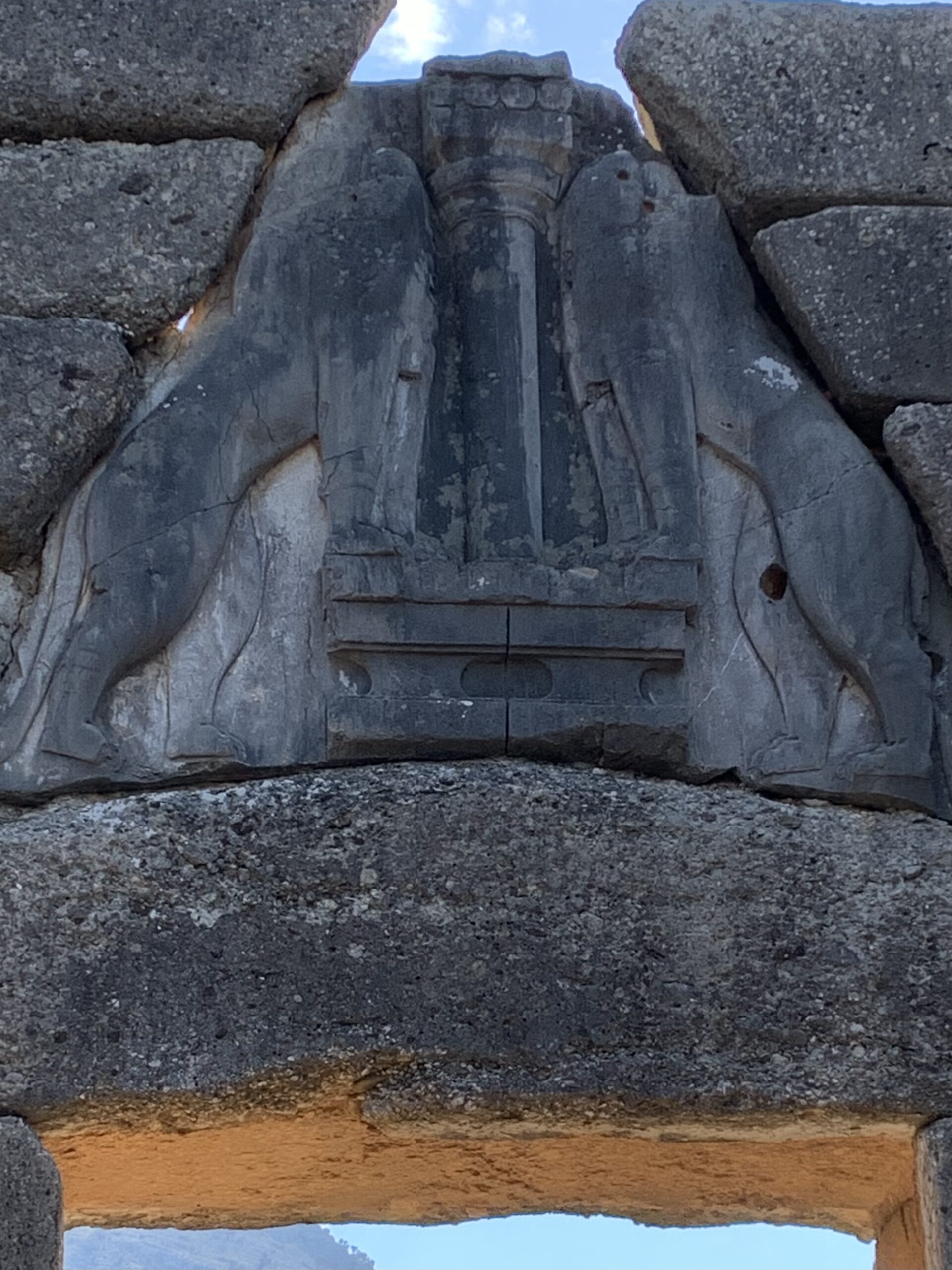
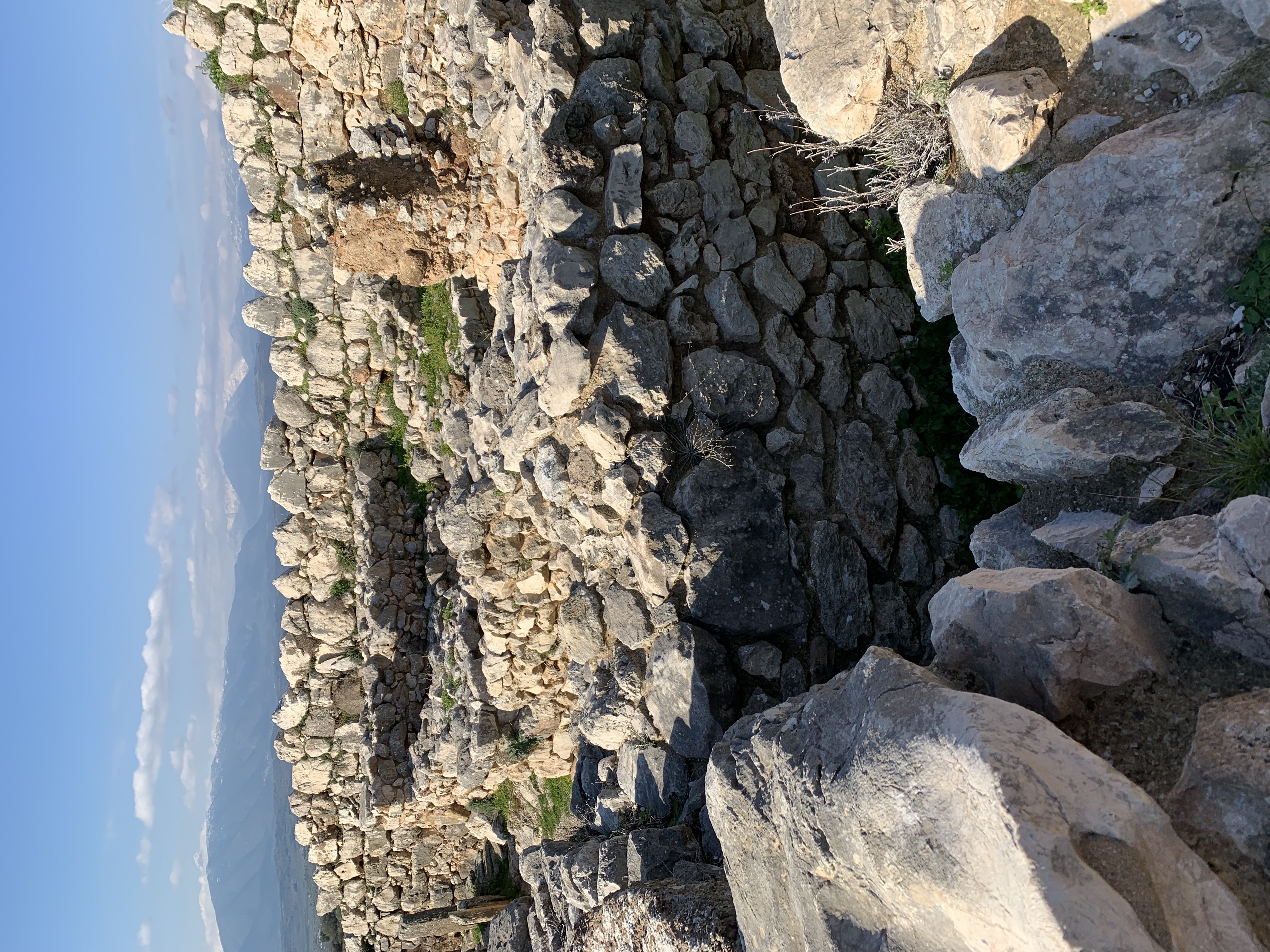
We went on to the Mycenae millennia-old military stronghold. Mycenae was the first Greek civilization, dating from about 4,000 B.C.E. The Acropolis was surrounded by “Cyclopean Walls,” so called since the stones were so large, they must have been moved by a Cyclops. The Palace was built on the summit of the hill. We entered through the main gate, the Lion’s Gate, to see the Grave Circle, the burial place of Mycenae royalty and climbed to view the remains of Agamemnon’s Palace and Tomb. On our way down, we stopped by an underground fountain that provided drinking water. Mycenae was the ancient Troy.
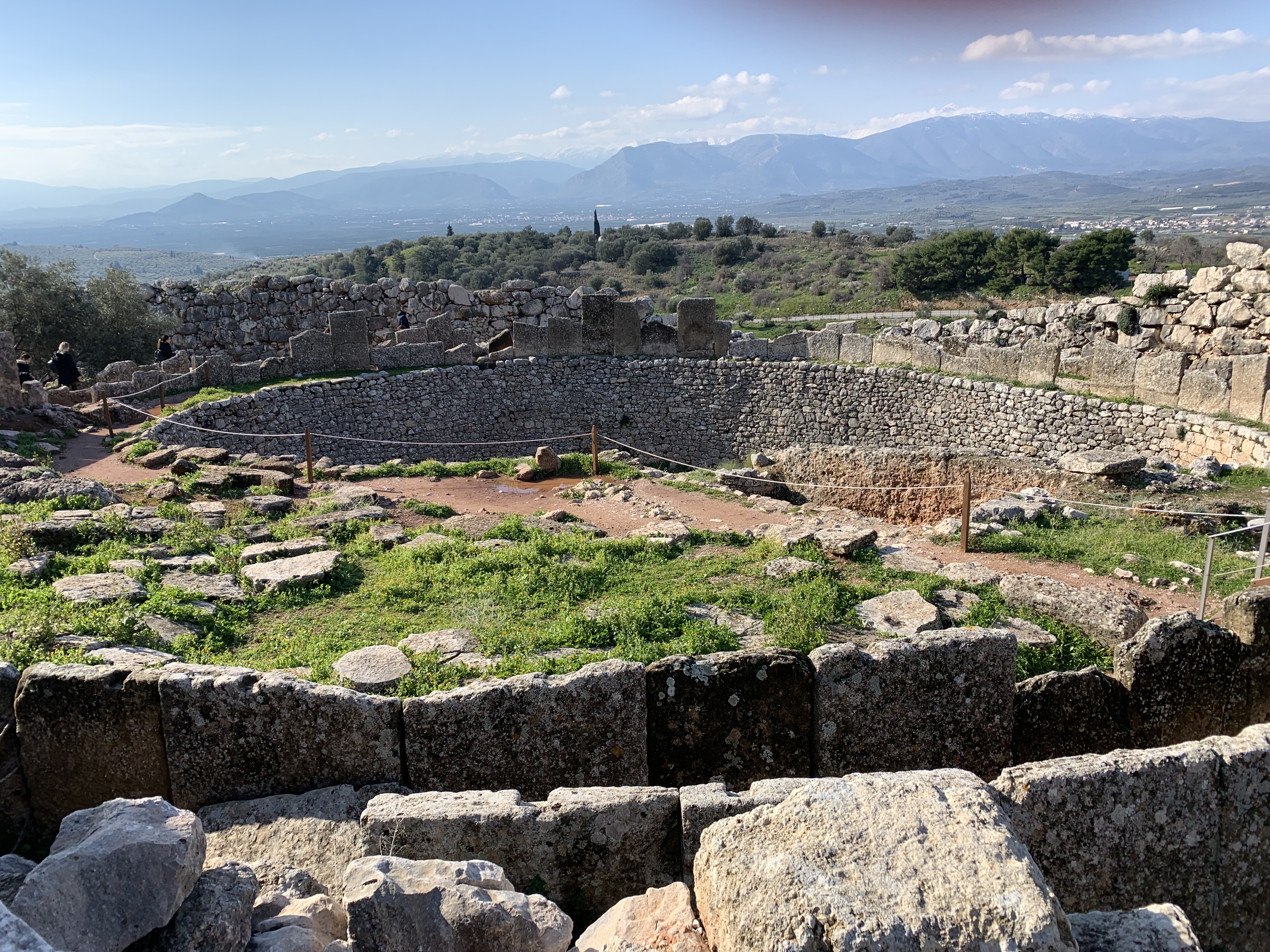
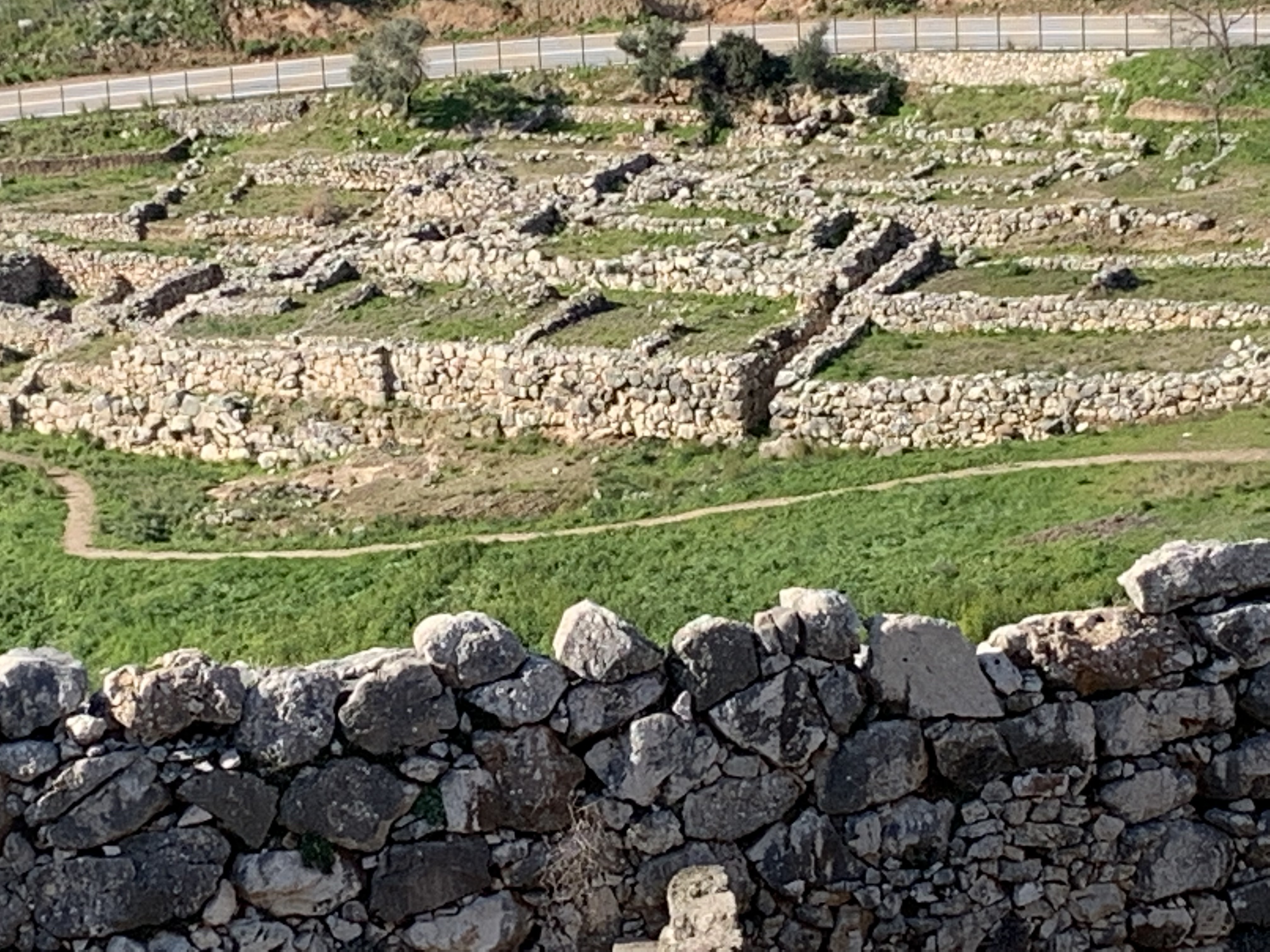
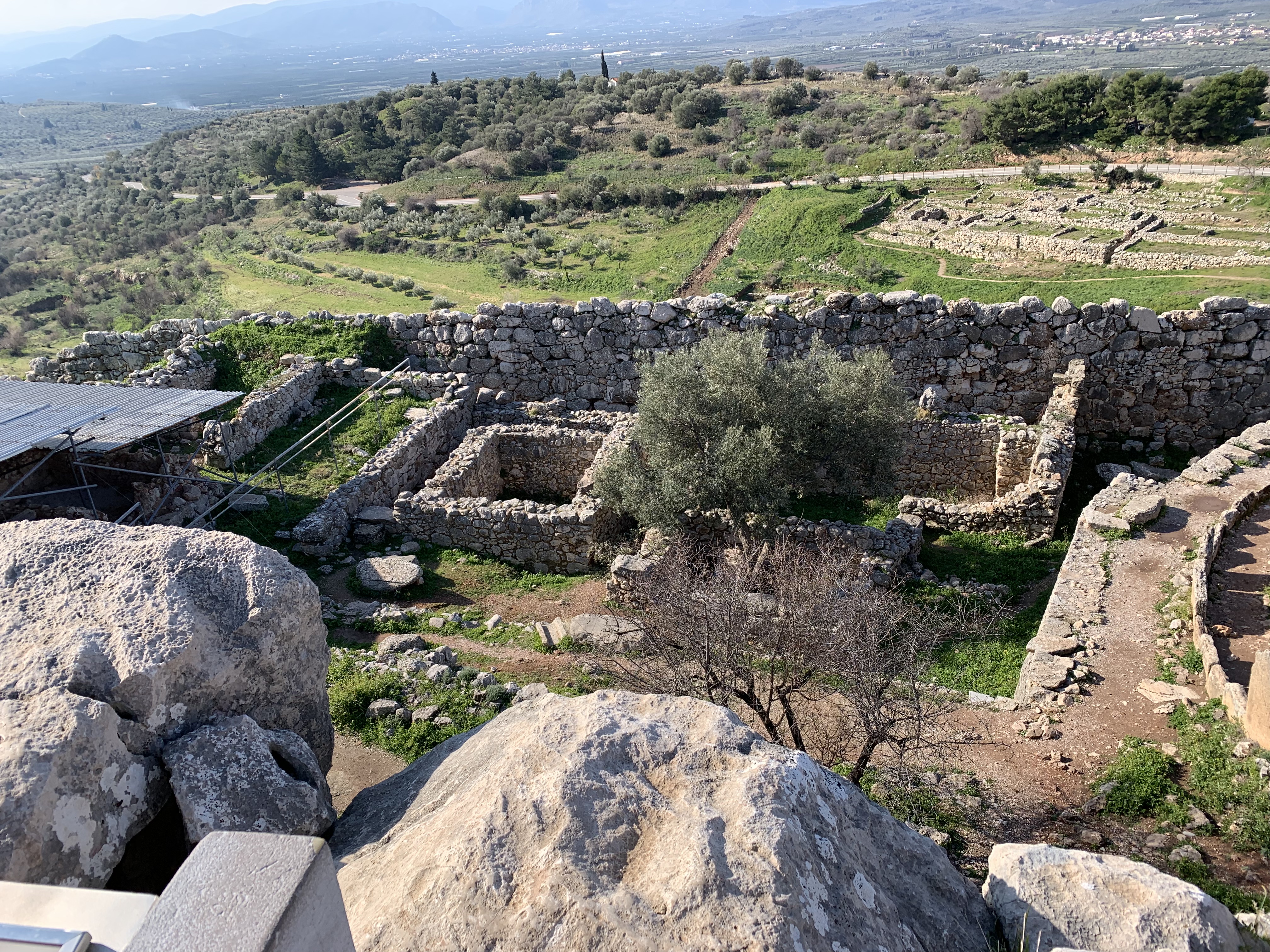
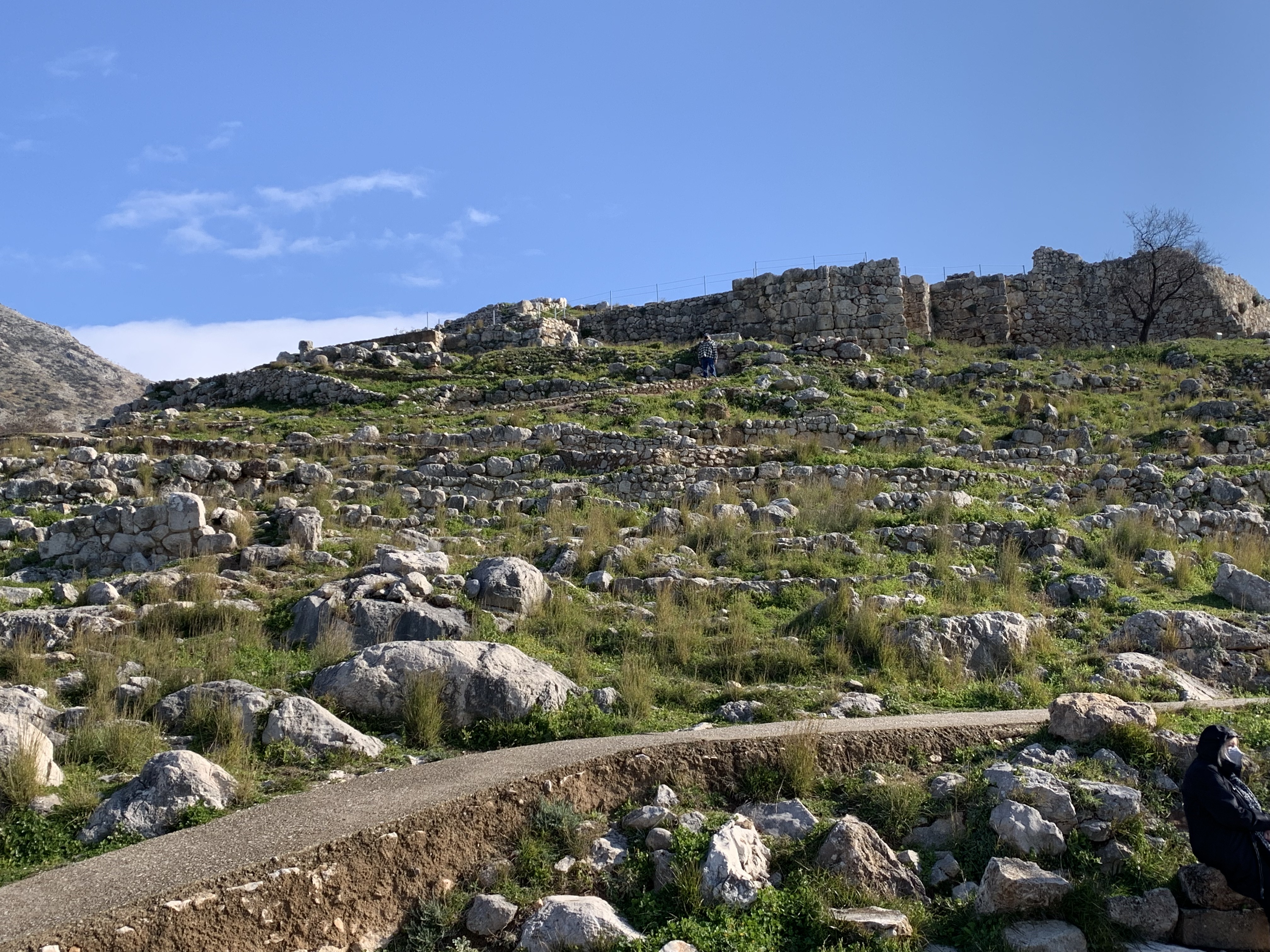
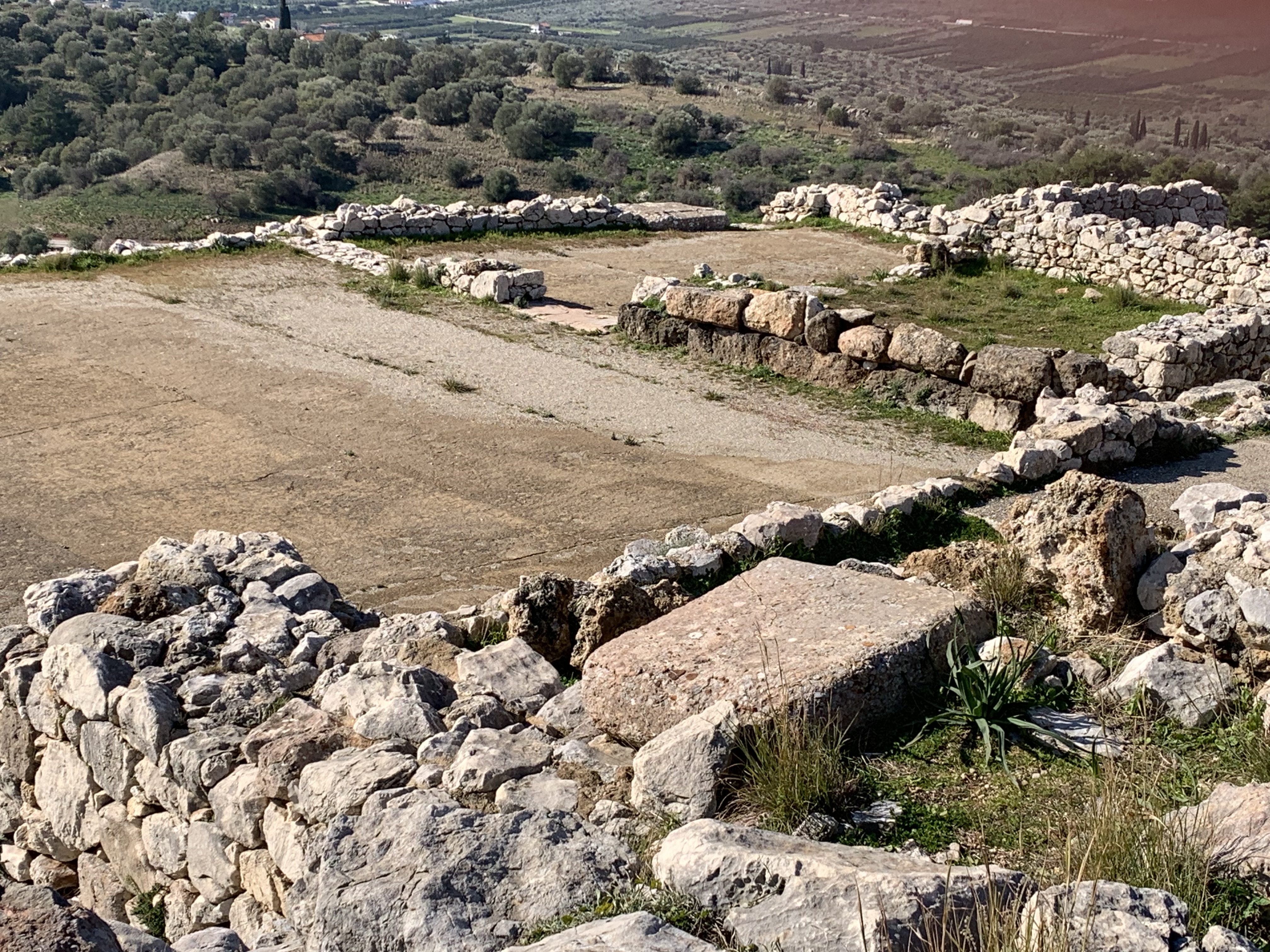
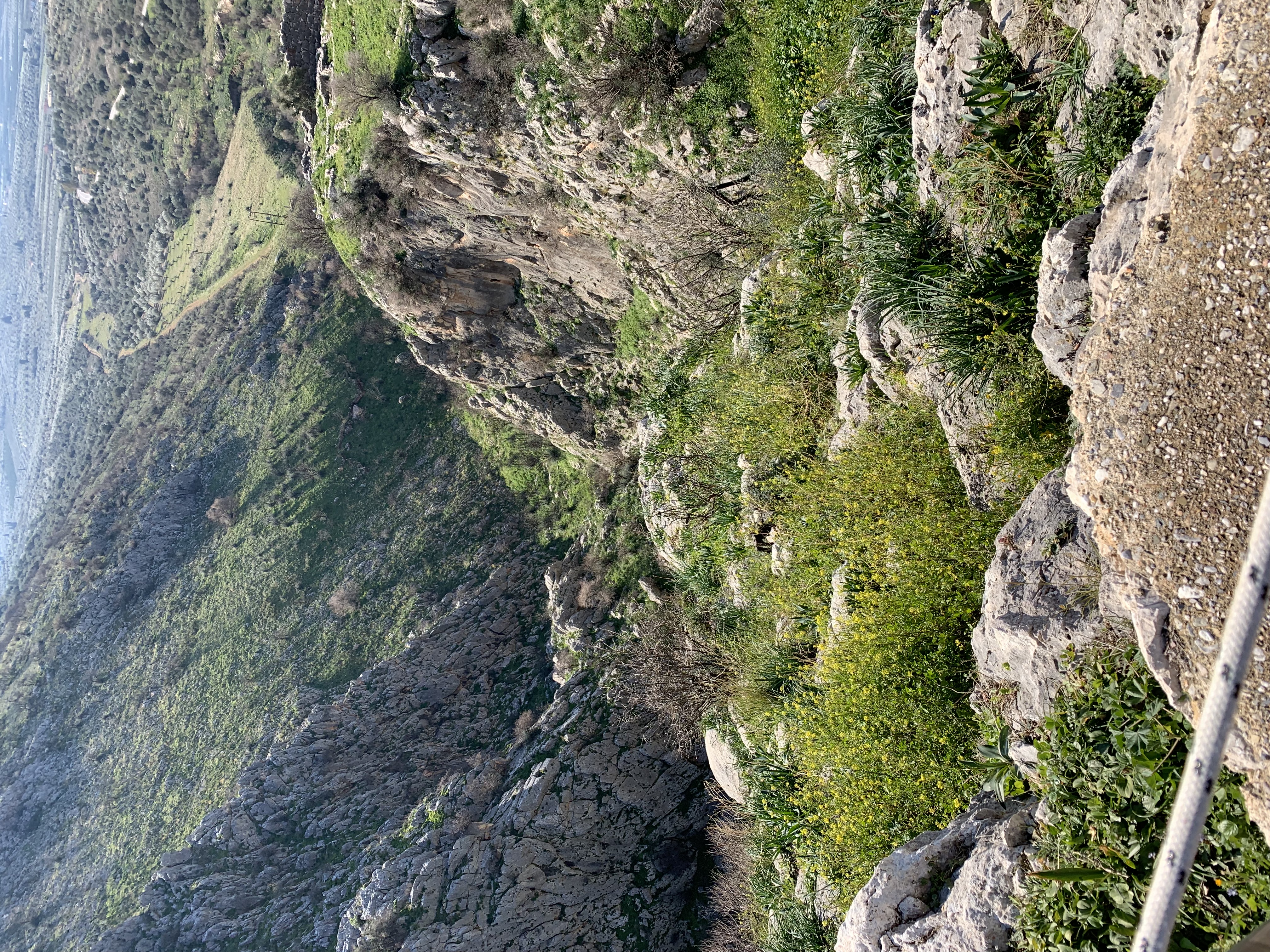
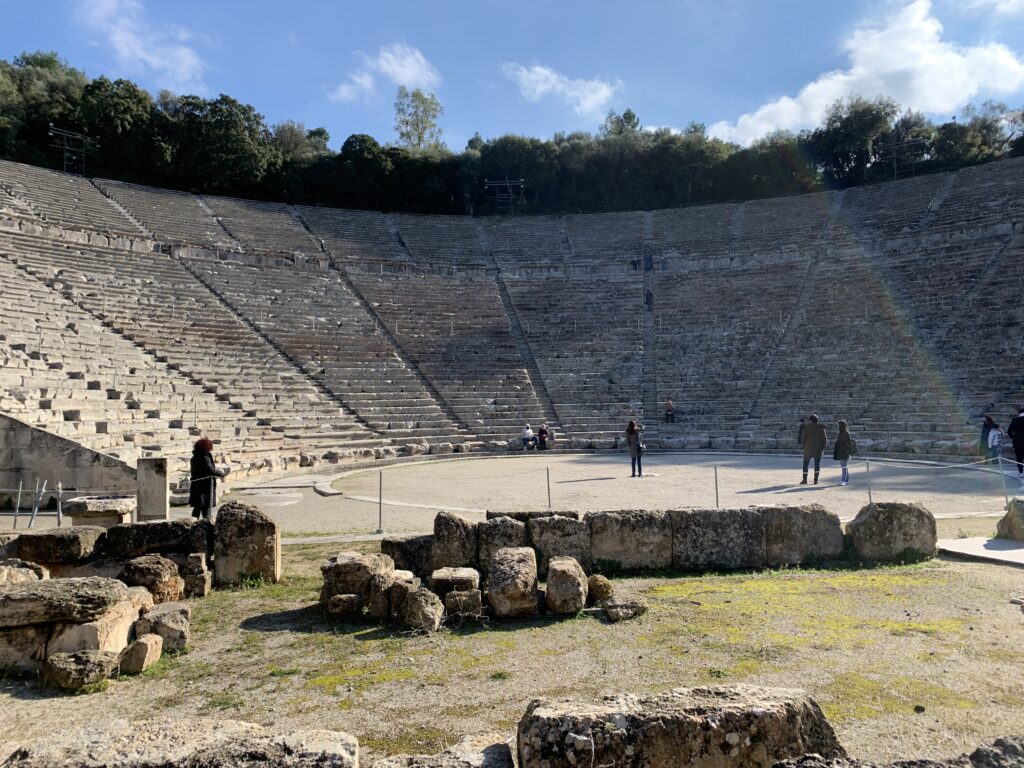
After seeing the ruins of Mycenae, we drove to Epidaurus and had lunch at Poseidón Restaurant. Then on to see the large, ancient amphitheater, dating from the late 4th century BCE. It is magnificently preserved, and stage shows are still held there. After viewing the amphitheater, we saw the Temple of Asclepius, noted as a healing center beside the amphitheater. Then we returned to Athens for the evening.
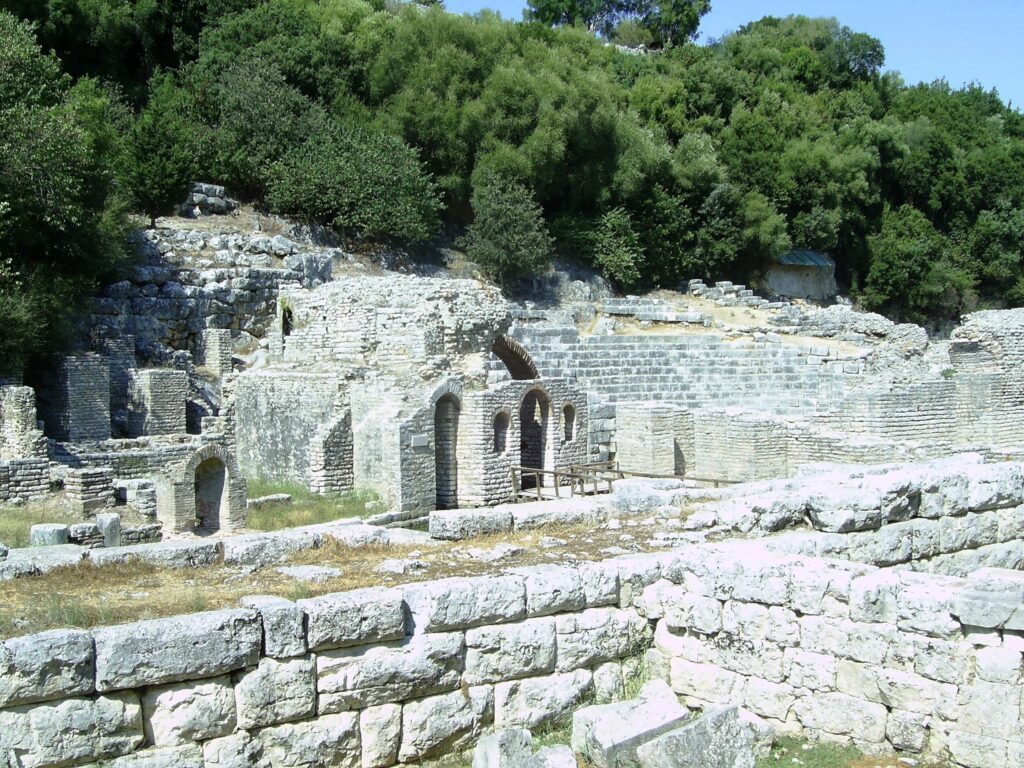
Next we went to the Ancient Agora in Athens.
Leave a Reply