Today, the last day in Athens, we saw some more sights around the city. We started with the Church of St. George, perched on top of Lycabettus Hill, the highest hill in Athens. It was built in the 18th century on the site of earlier churches and an even earlier Temple to Zeus. The church has two chapels adjacent to it dedicated to the Prophet Elias and St. Constatine, both built around 1885. Because of its location, this white-washed church is visible all around Athens.
Next, we saw Hadrien’s Arch, also called Hadrien’s Gate, a triumphal gateway that spanned an ancient road in the center of Athens to connect the ancient city with the Temple of Zeus. It is believed to have been built in 131 BCE to celebrate the arrival of the Roman Emperor Hadrien, thus, the name and appearance like a Roman triumphal arch. Geographically, it marked the line of the ancient city wall of Athens, separating it from newer city developments.
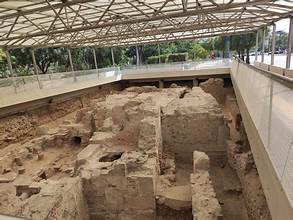
Roman Baths were discovered when excavation was started to create ventilation for the Athens Metro. The ruins of a large Roman bath complex dating from the 3rd century BCE were well-preserved because they were buried. They were unearthed in the spot where the Ilissos River once flowed. The complex which was enlarged in the 5th century includes two hypocaust rooms, two praefurnia (heating spaces), and nine chambers. They are now visible in the National Gardens.

Syntagma Square
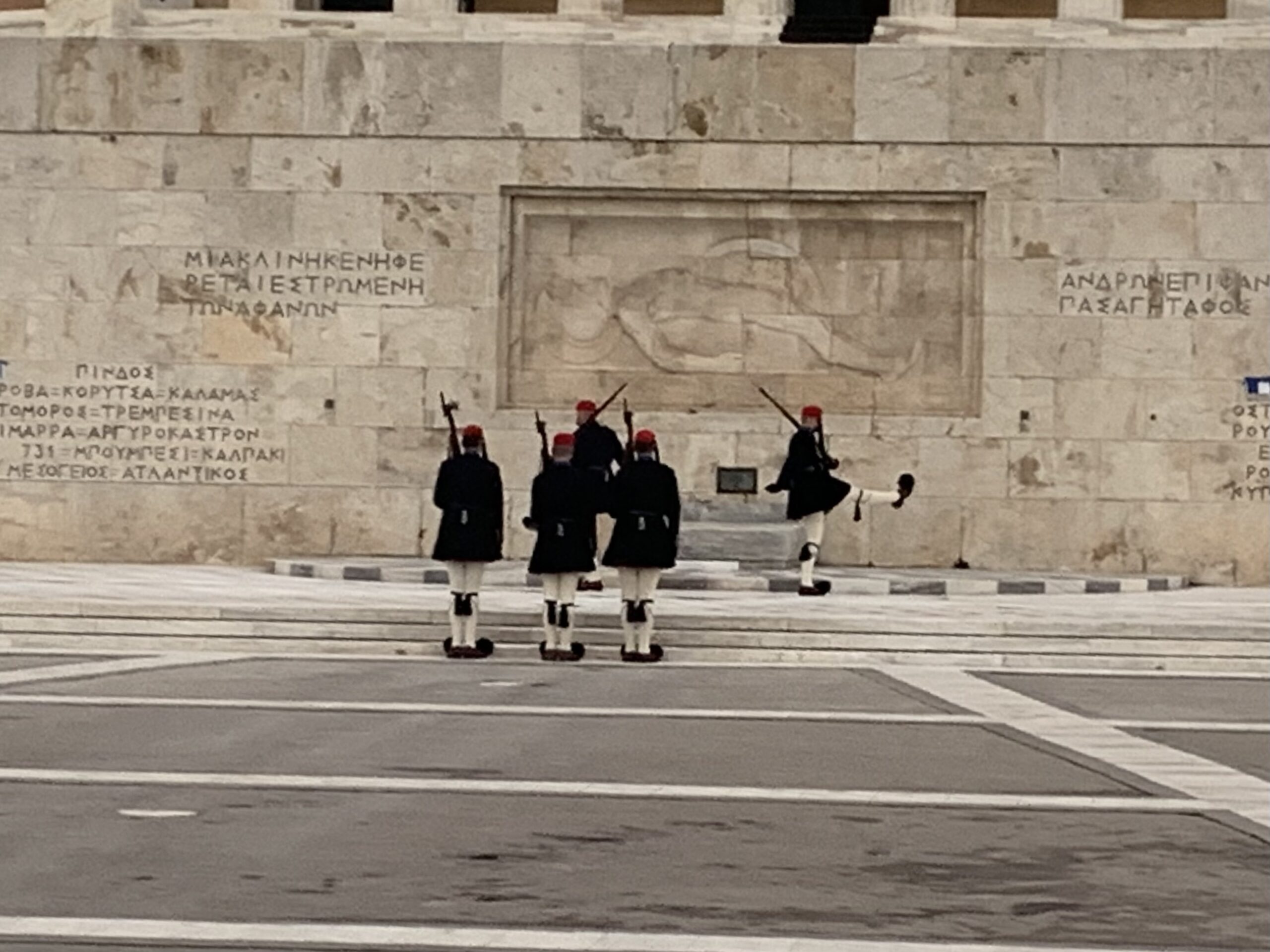
We finally arrived at Syntagma Square in the heart of Athens. Our first stop was the Parliament Building to watch the changing of the guard. In 1835 King Otto commissioned Friedrich von Gaertner from Bavaria to design the Royal Palace in Athens and he chose Syntagma Square as its site. It was completed in1843. In 1836 he married Amalia of Oldenburg. She designed a garden next to the palace which has become the National Gardens. When protestors demanded a Syntagma, or Constitution, from the king, the square gained its new name. In 1929 the Royal Palace became the Parliament Building.
Every hour, the changing of the guard takes place at the Hellenic Parliament. The guards are called Evzones and wear traditional uniforms, including a kilt and fez. They are responsible for guarding the Tomb of the Unknown Soldier. The ceremony involves a formal march, precise movements, and a change of the guards. One of the movements is the exaggerated kick.
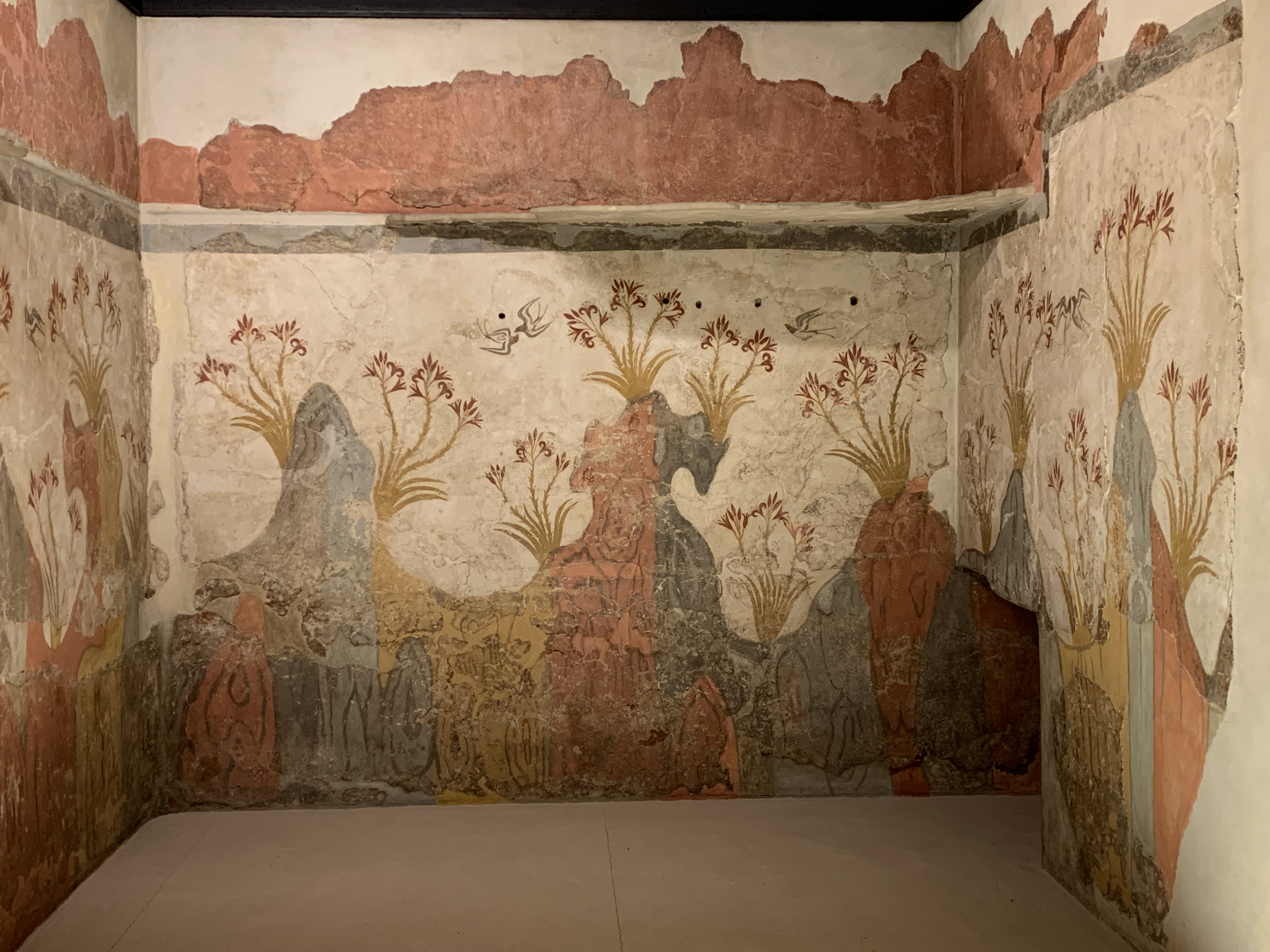
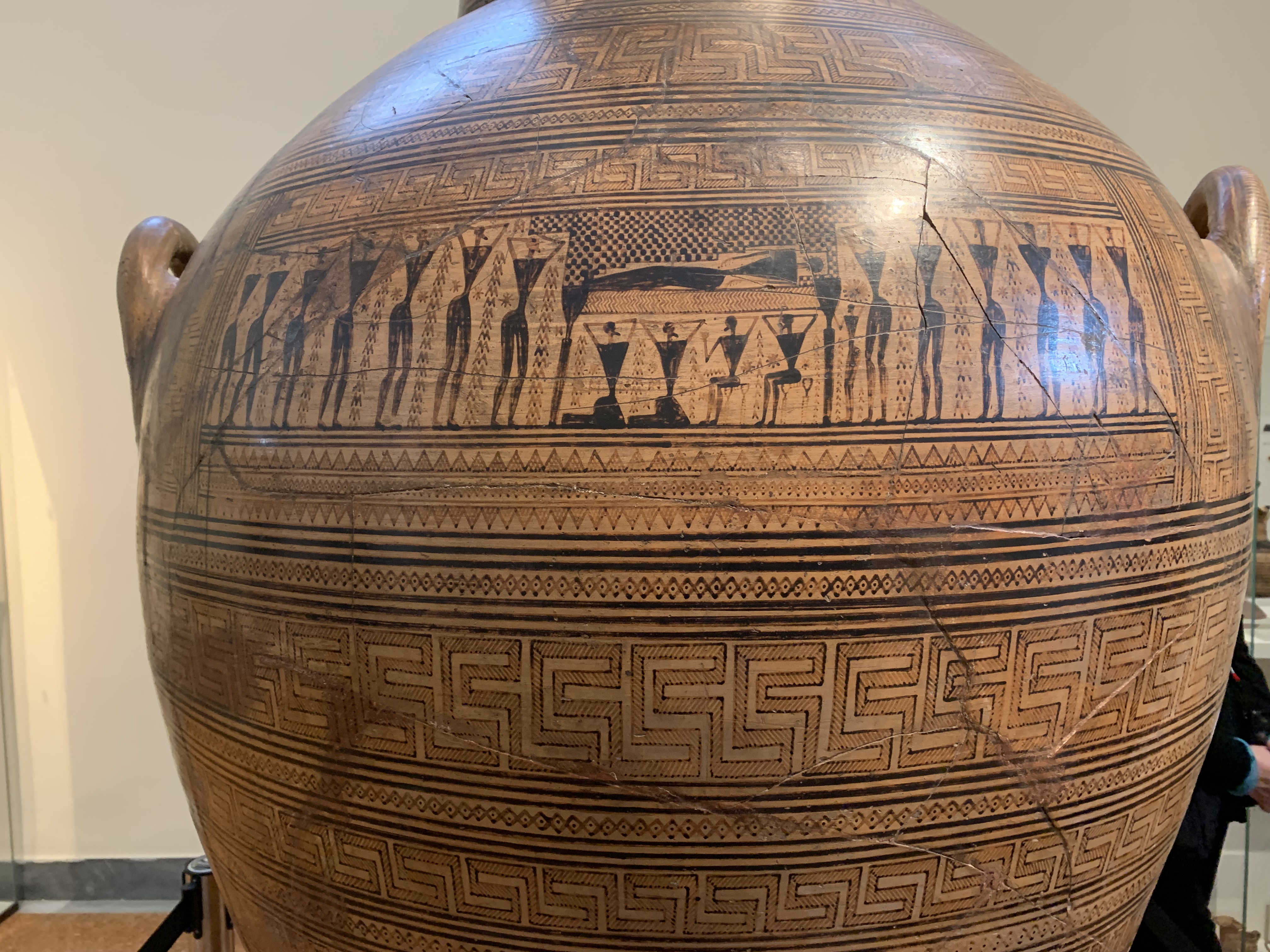
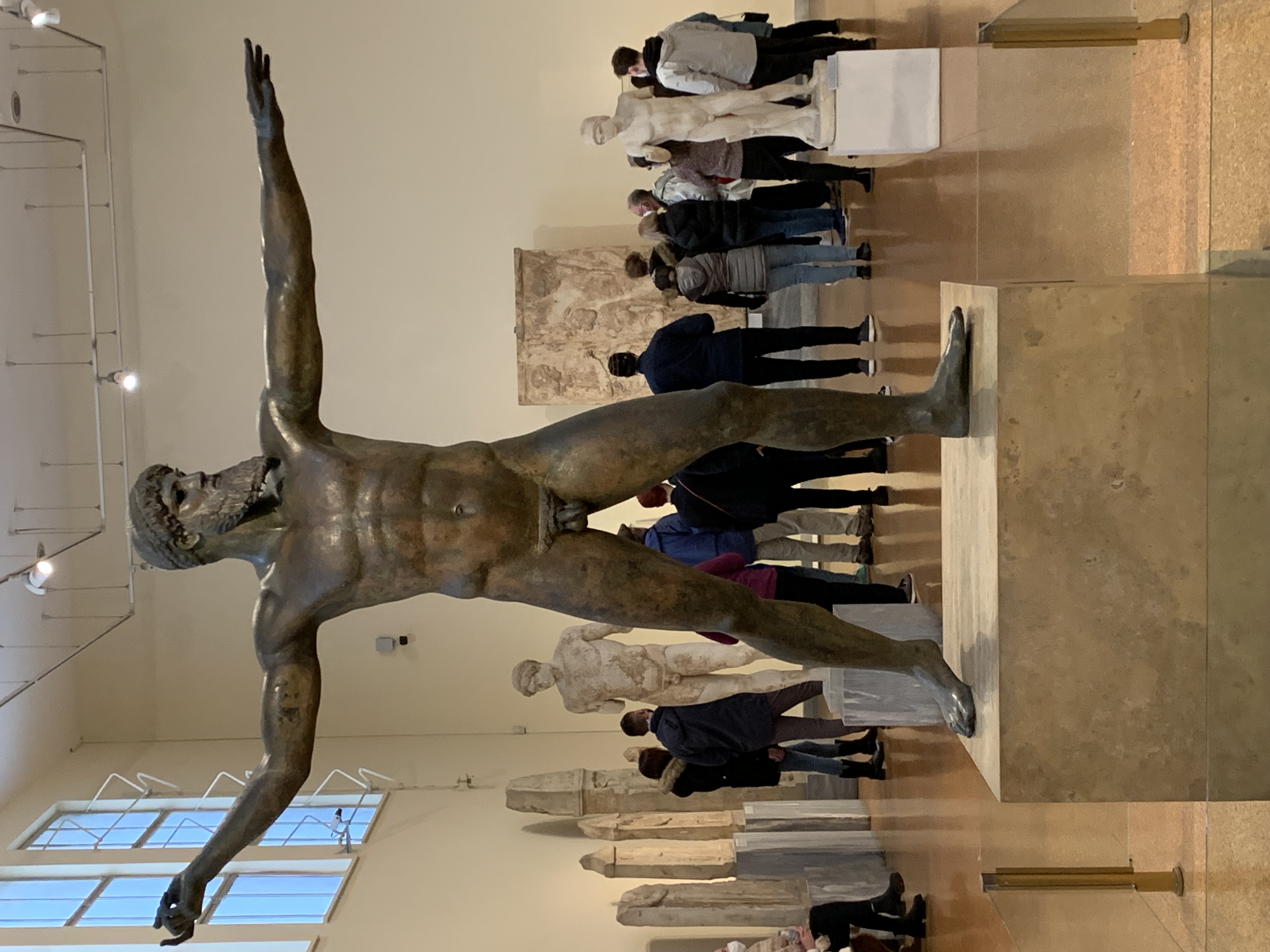
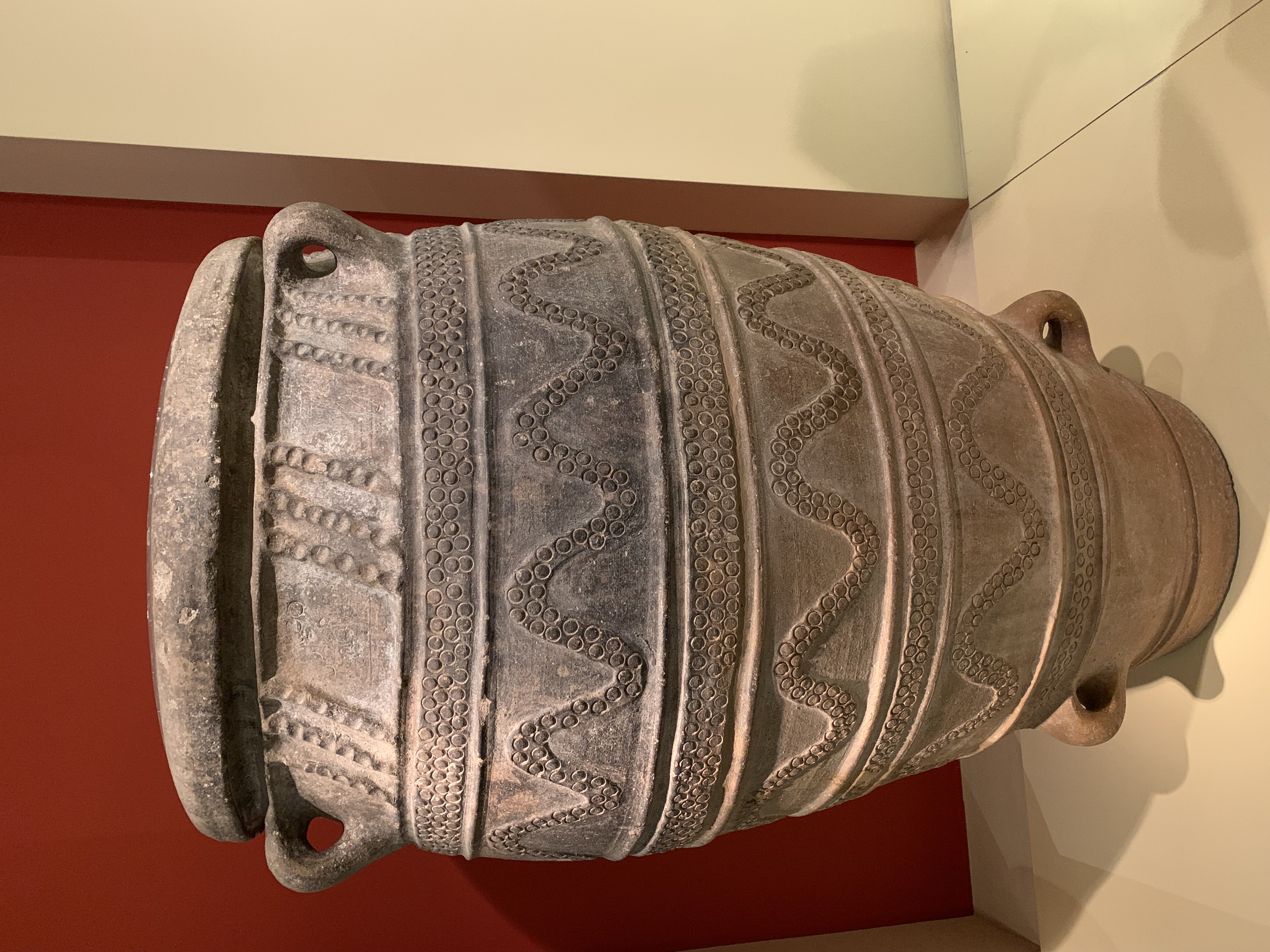
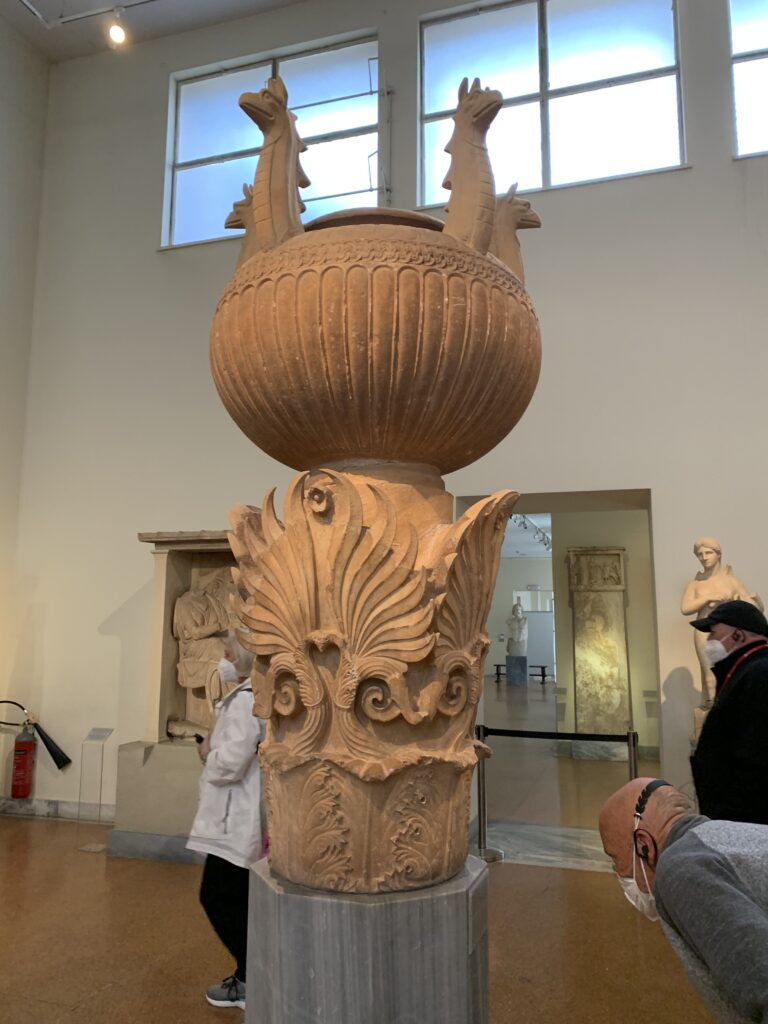
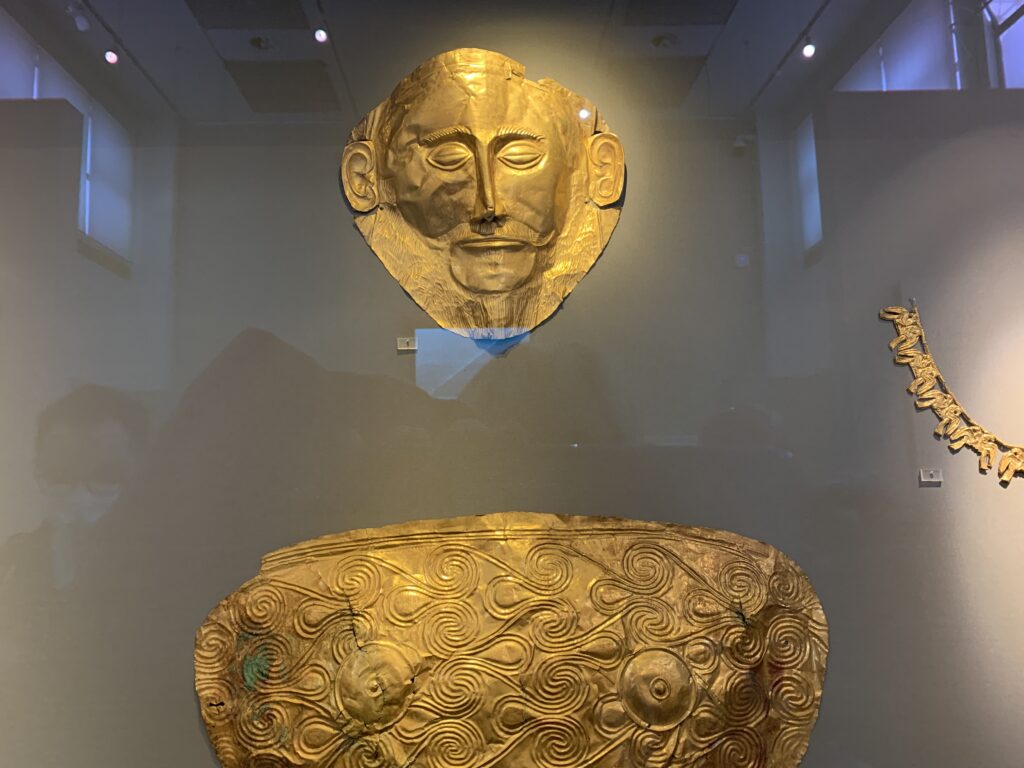
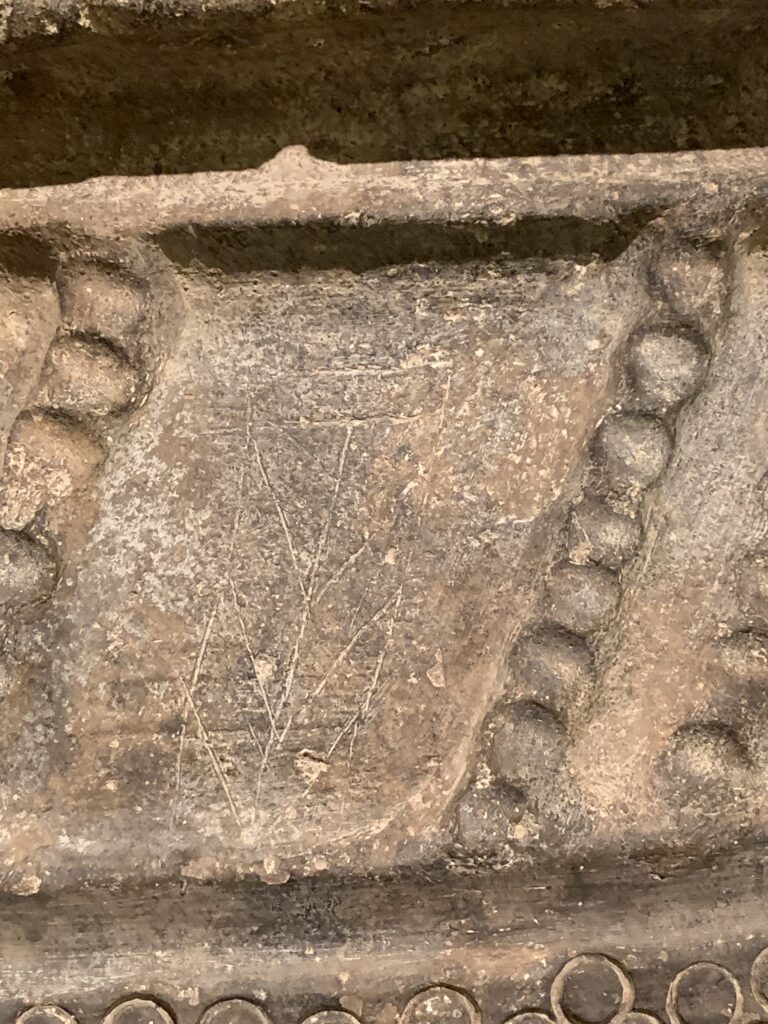
Also on the Square is the National Archaeological Museum which houses some of the most important artifacts from a variety of archaeological locations around Greece that date from prehistory to late antiquity. It is the largest museum of Greece with more than 11,000 exhibits. Obviously, we saw only a few exhibits, but they were definitely worth it.
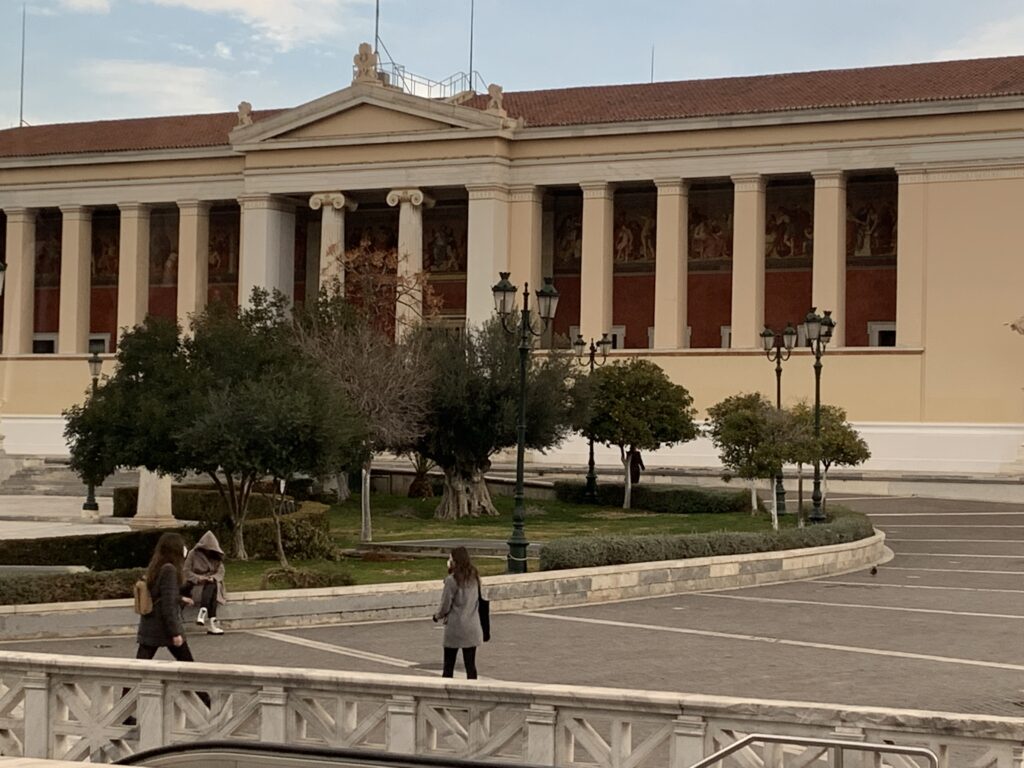
Former Palace
From the square, we went by Heinrich Schliemann’s House with its Garden of the Muses. Heinrich Schliemann’s house in Athens currently houses the Numismatic Museum of Athens. This museum has a collection of over 500,000 coins, medals, gems, weights, stamps, and related artifacts dating from 1400 BC to modern times. The building itself was constructed between 1878 and 1880 and is considered one of the most magnificent private residences in Athens. Part of the estate is the Garden of Muses, a garden surrounding the mansion where you can sit and relax with a cup of cappuccino. In the summer concerts occur there.
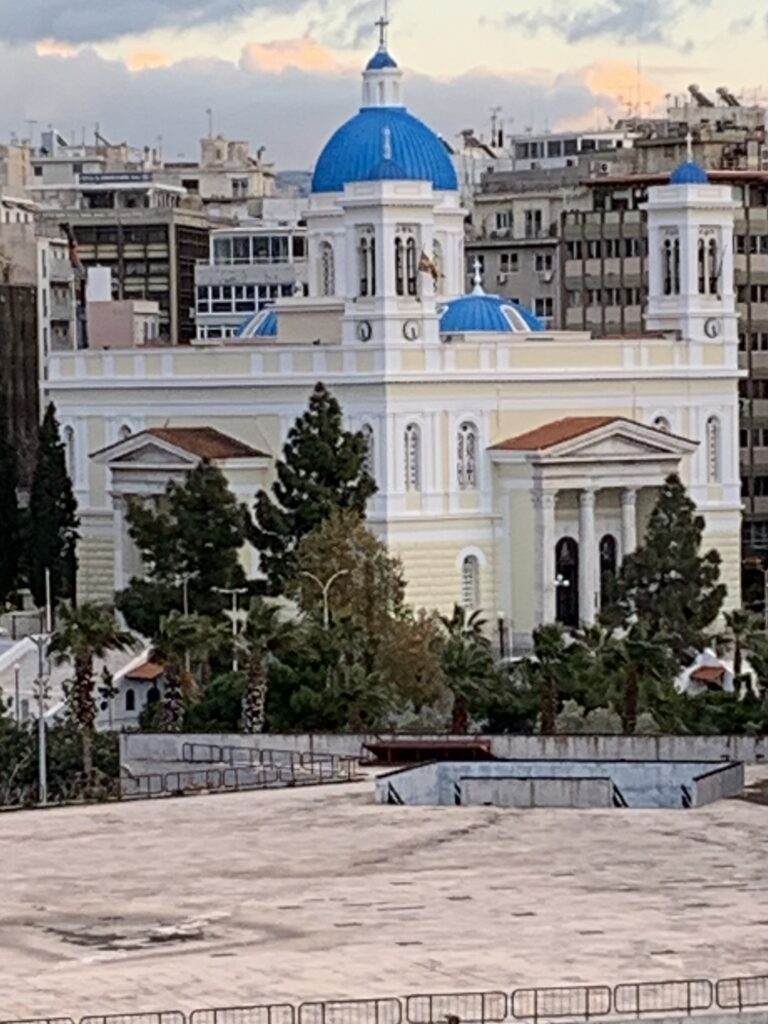
We ended at St. Nicholas Cathedral in Piraeus which was built in the 19th century. This Greek Orthodox cathedral features a mix of Byzantine and neoclassical styles. It is located close to the port and dedicated to the patron saint of sailors. It has a three-column portico made from solid marble and features twelve ornate capitals, adding to the church’s beauty. In traditional Byzantine style, the church is designed in the cross-in-square layout, with three domes.
Αντίο to Athens